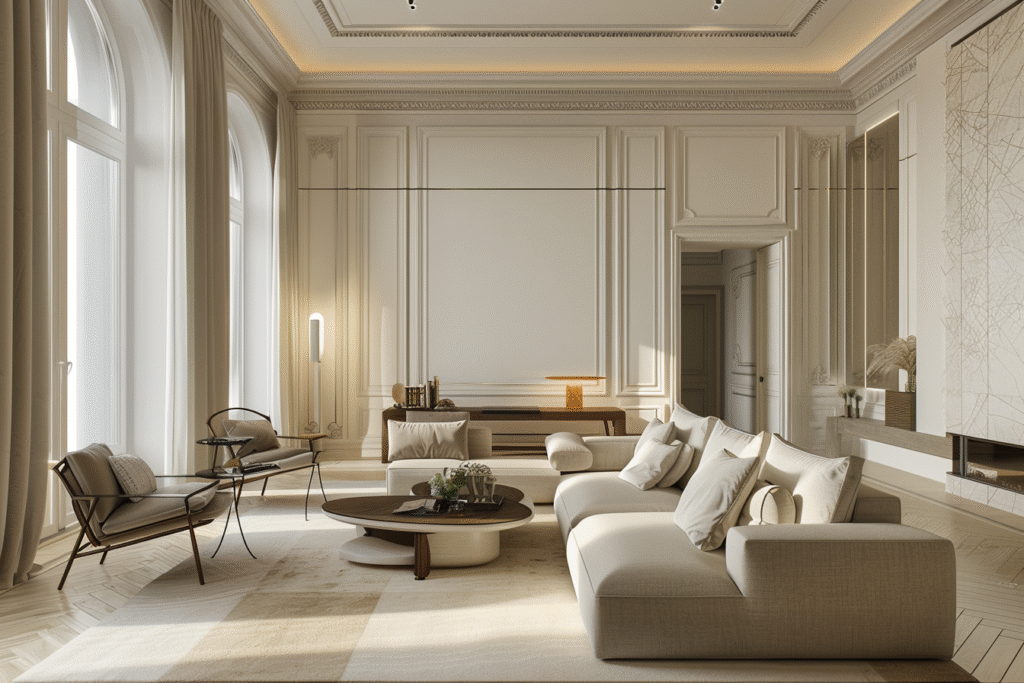
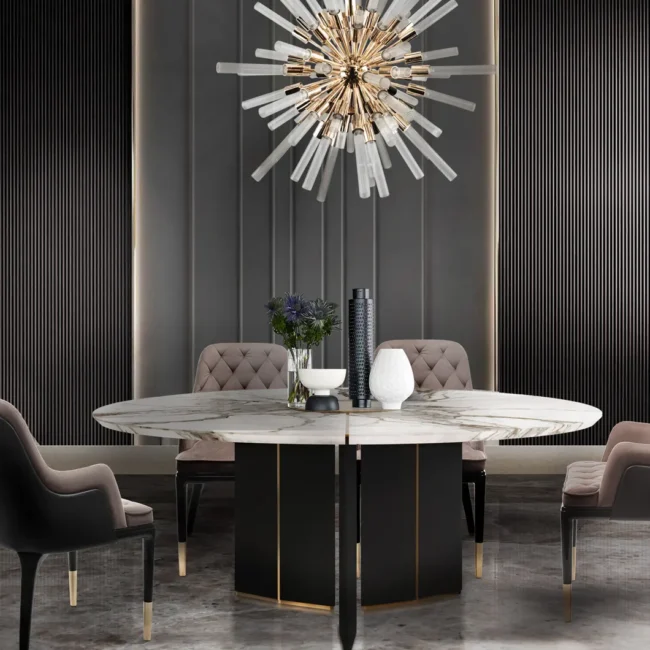
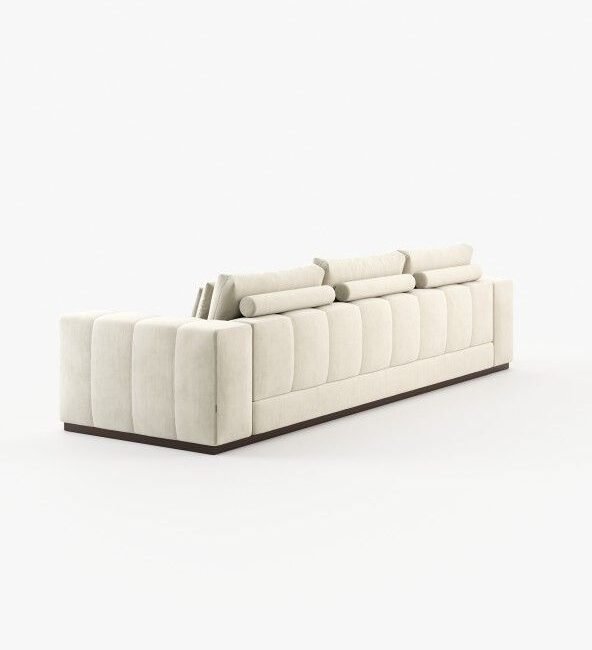
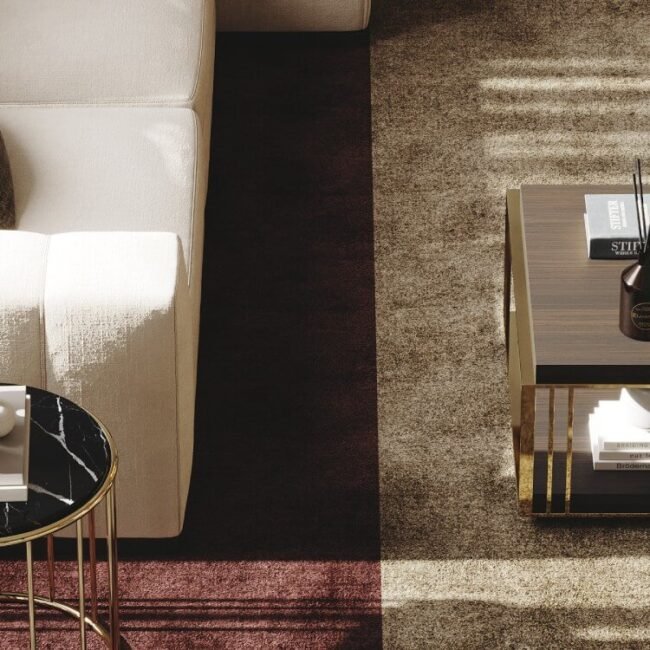
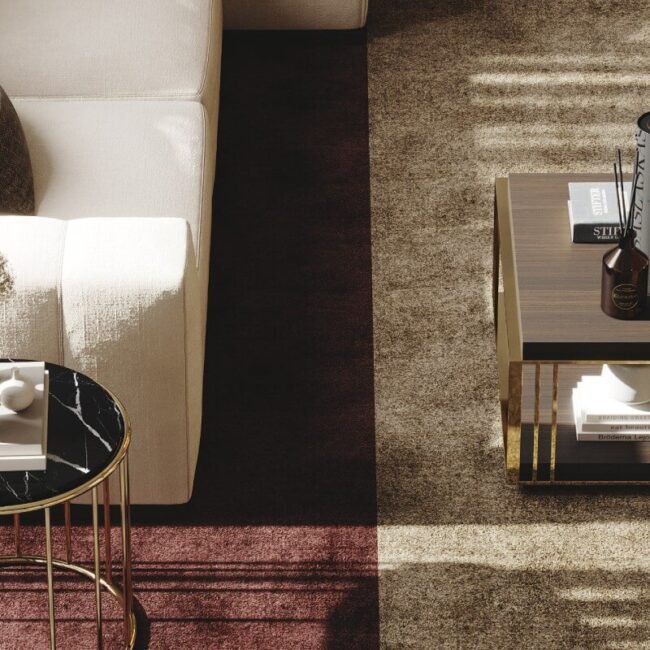
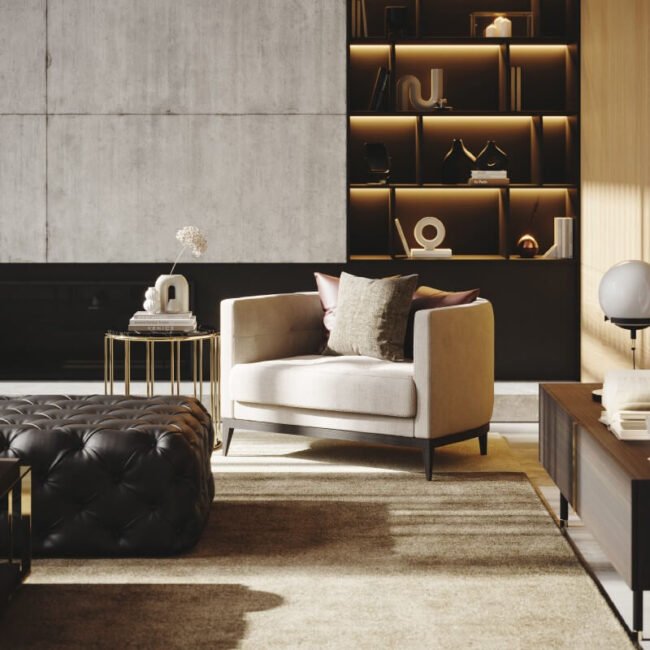
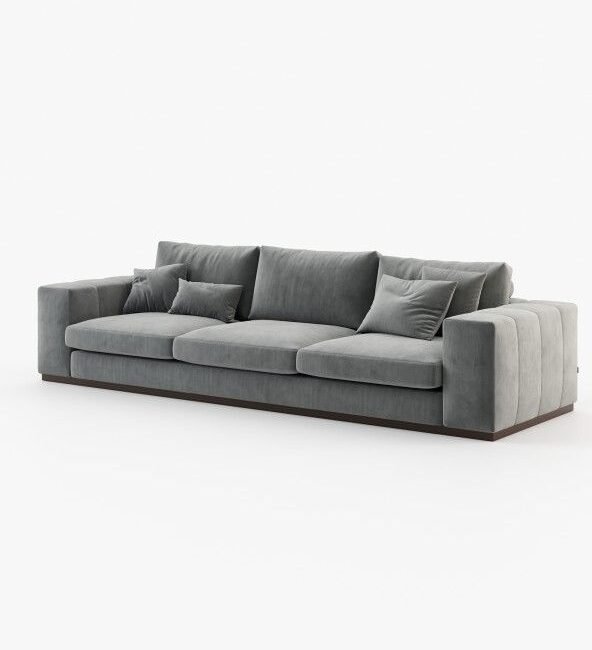
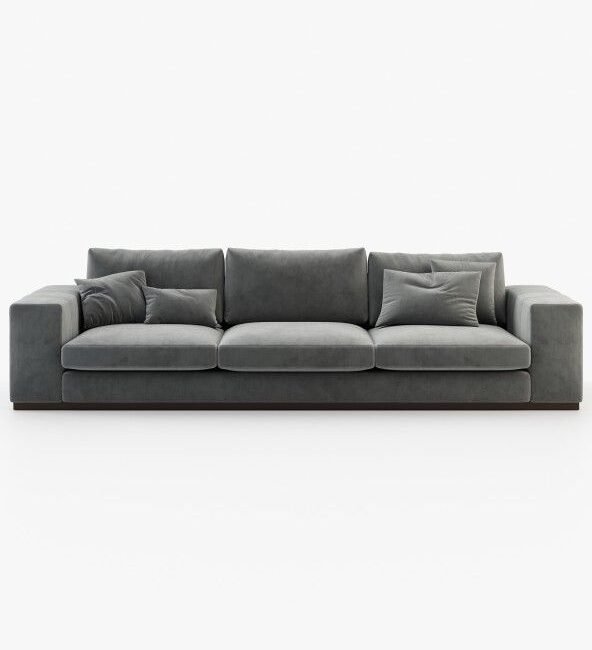
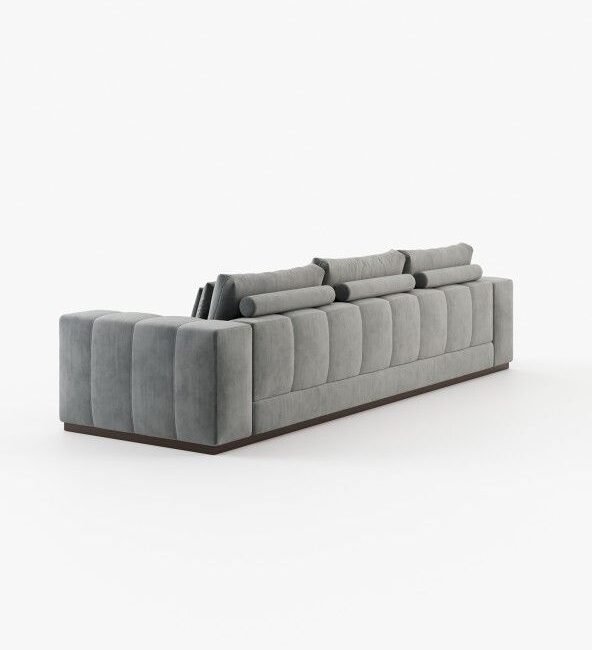
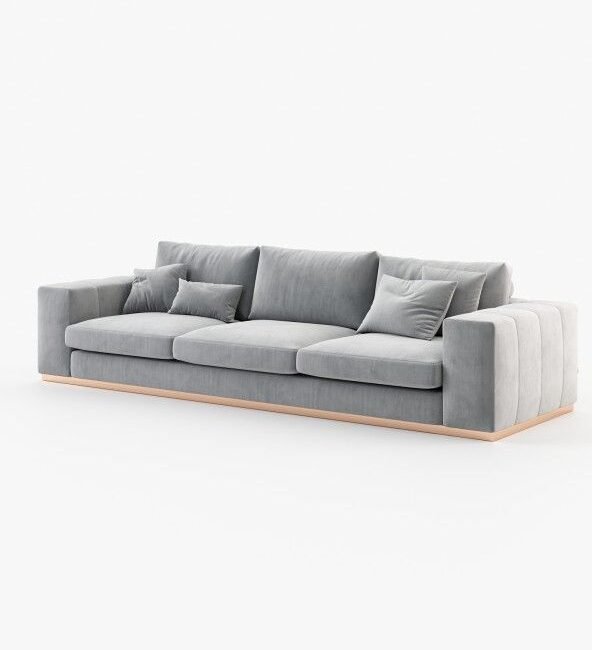
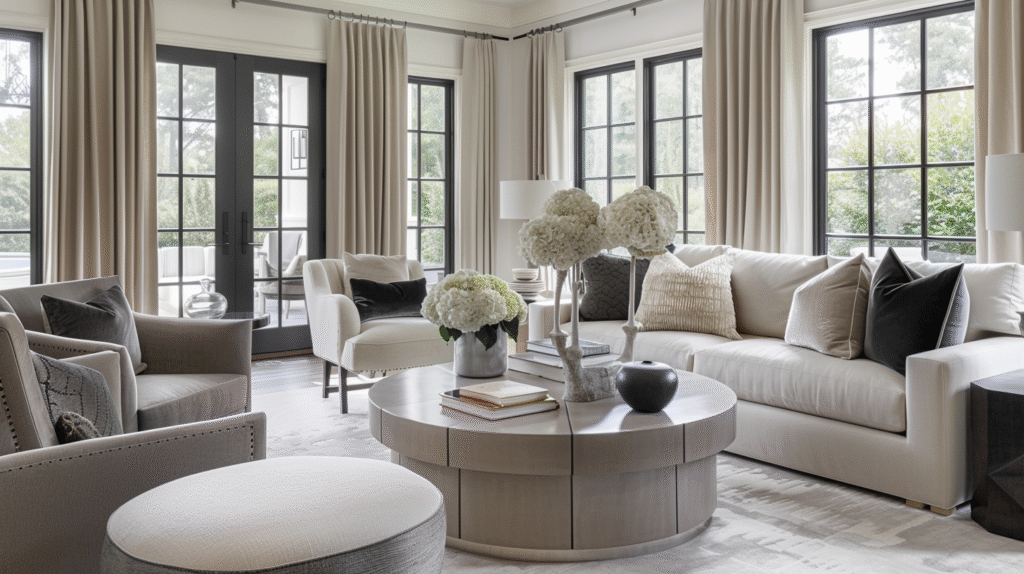
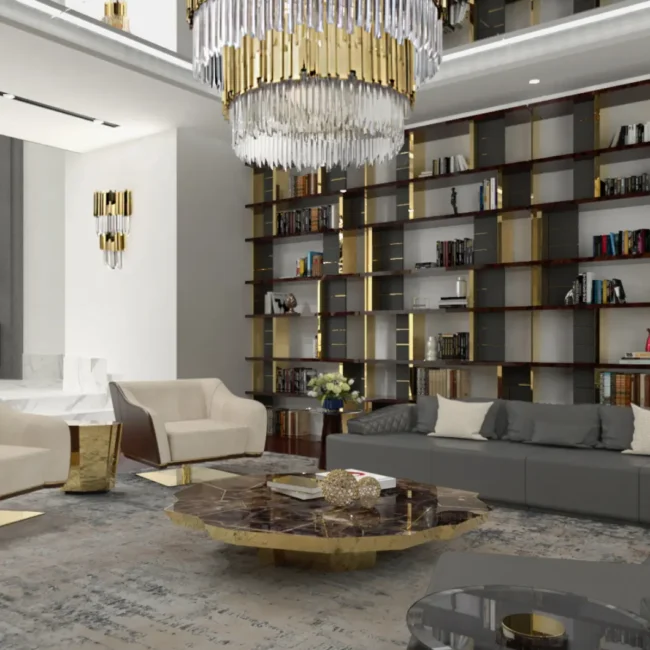
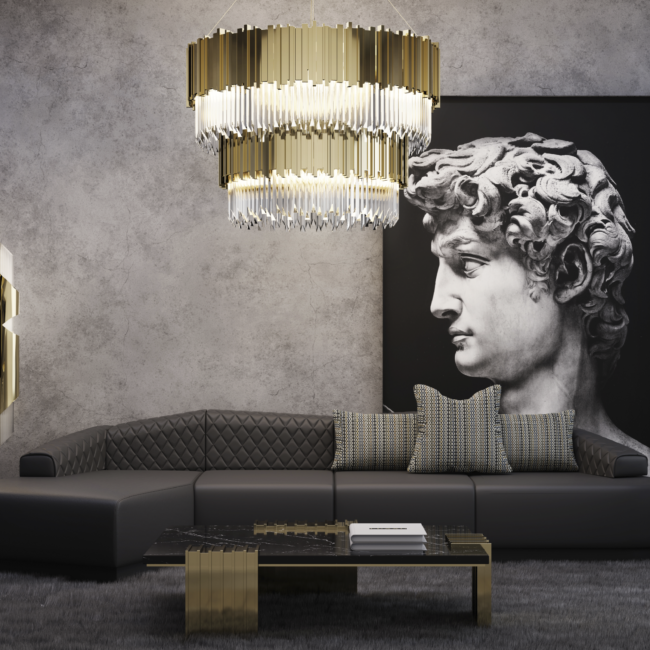
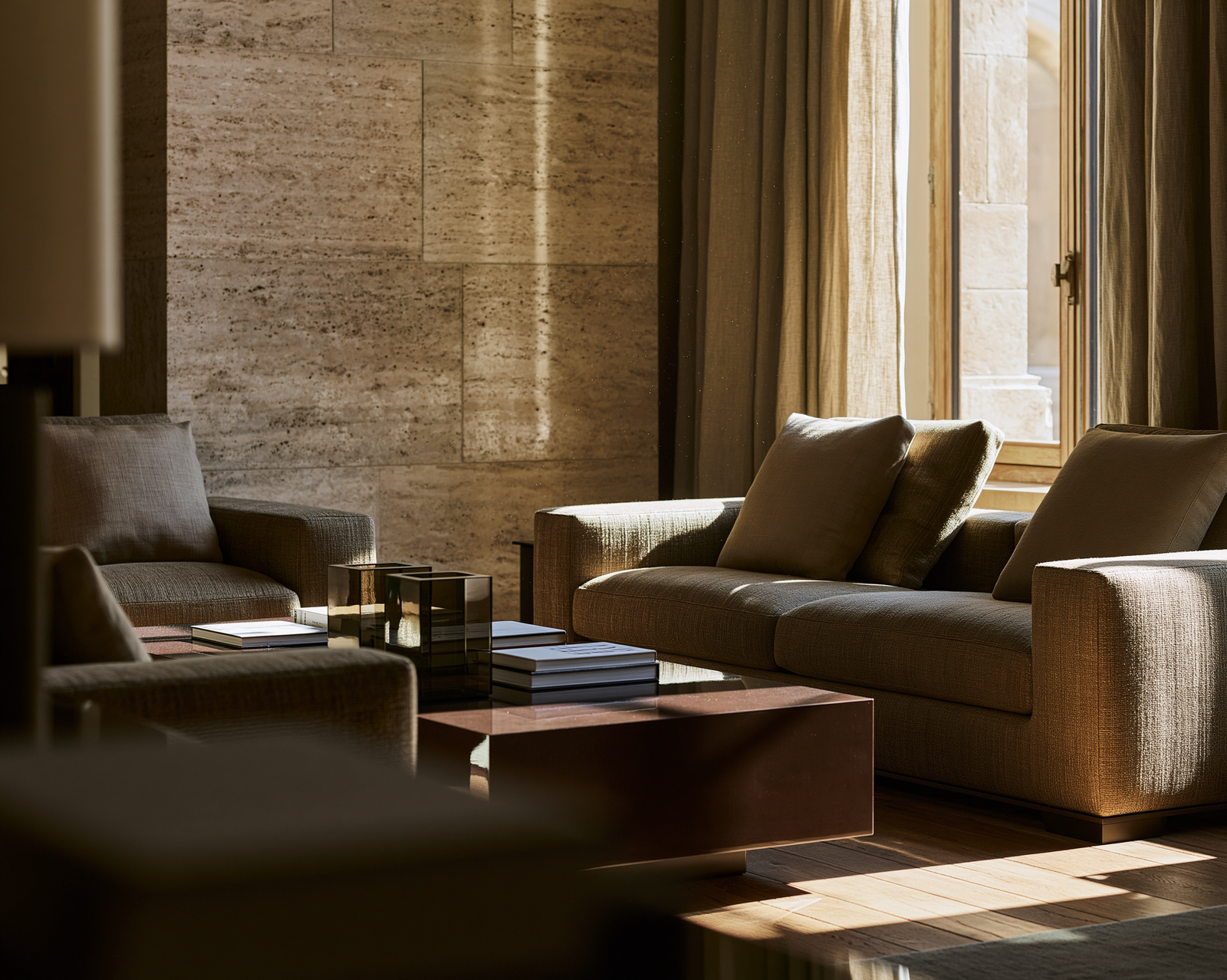
There’s a particular tension that exists in many homes today—a push and pull between honoring the past and embracing the present. You find yourself drawn to the clean lines and uncluttered simplicity of contemporary design, yet something about purely modern spaces feels cold, impersonal. Traditional interiors offer warmth and familiarity, but risk feeling frozen in time, disconnected from how we actually live now. You’re caught between two worlds, uncertain how to create a home that feels both grounded in comfort and alive with current relevance.
This is the central challenge Transitional Interior Design was born to solve.
The beauty of transitional style lies in its refusal to choose sides. It doesn’t ask whether you prefer the ornate detailing of a Chesterfield sofa or the streamlined profile of a mid-century modern credenza. Instead, it asks: what if both could coexist in the same room, not just peacefully, but powerfully? What if the tension between old and new wasn’t a problem to solve but an opportunity to create something more nuanced, more personal, more enduring than either aesthetic could achieve alone?
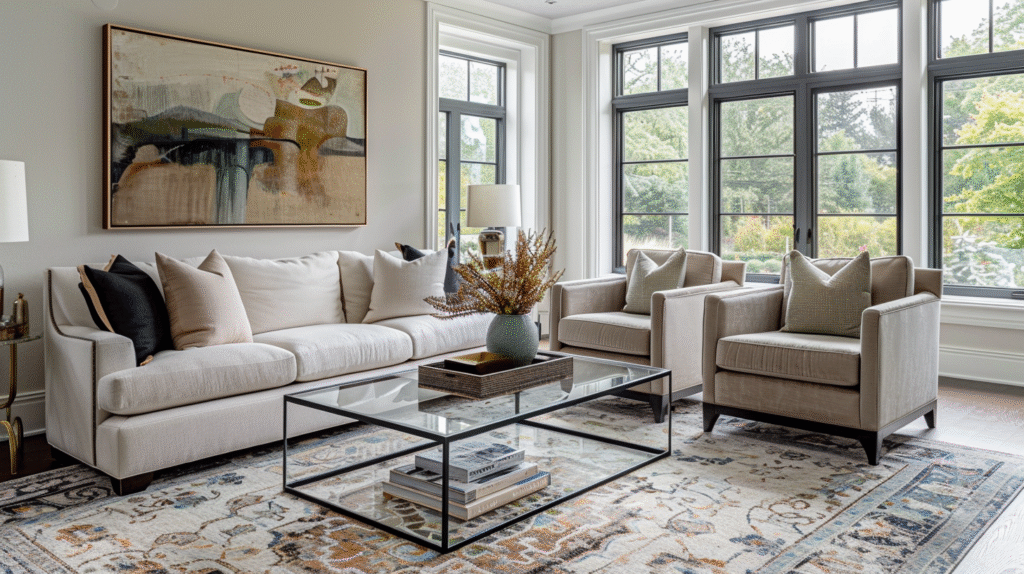
Transitional Interior Design represents one of the most sophisticated approaches to residential spaces precisely because it embraces complexity. It acknowledges that we’re living in an era where a vintage Persian rug might sit beneath a glass and steel coffee table, where subway tile backsplashes meet farmhouse sinks, where our grandmother’s dining chairs are reupholstered in contemporary fabrics. This isn’t stylistic confusion—it’s stylistic evolution. It’s design that reflects how we actually live: with one foot in tradition and one in innovation, honoring heritage while creating space for what comes next.
The transitional aesthetic has quietly become the backbone of residential design over the past two decades. When you pair reclaimed wood beams with sleek pendant lights, you’re working within transitional principles. When you choose a neutral palette but vary textures dramatically, you’re applying transitional strategy. When your sofa is contemporary but your throw pillows feature classic patterns, you’ve intuitively understood what makes this approach so enduring.
But intuition only takes you so far. The difference between a transitional interior that feels intentional and one that reads as indecisive comes down to understanding the underlying principles—the invisible architecture that allows seemingly disparate elements to feel cohesive rather than chaotic. It’s about knowing when contrast creates interest and when it creates discord.
This comprehensive guide explores the art and science of Transitional Interior Design—from the foundational principles that govern successful blending to the specific techniques that transform theory into livable, beautiful reality. We’ll examine how to create balance without blandness, how to honor traditional comfort while embracing contemporary clarity, and how to build interiors that feel both timeless and utterly current
Before diving into specific techniques, it’s essential to understand the underlying philosophy that makes Transitional Interior Design successful. This isn’t simply about placing a modern chair next to a traditional table and hoping for the best.
The Balance Principle
The core of transitional design is balance—not the mathematical equality of “50% traditional, 50% modern,” but a more nuanced equilibrium where each element enhances rather than competes with the others. A room dominated by contemporary furniture might incorporate traditional architectural molding. A space with classic bones might be furnished with streamlined modern pieces. The key is that neither aesthetic overwhelms the other.
This balance extends beyond furniture styles to encompass proportion, color, pattern, and texture. A heavily ornate traditional rug balanced by simple modern furniture. Elaborate window treatments paired with minimal wall decor. The transitional eye constantly calibrates, asking: does this addition tip the scales too far in one direction?
The Restraint Principle
Transitional design requires more restraint than purely traditional or purely modern approaches. Traditional design permits ornamentation and pattern layering. Modern design embraces bold statements and dramatic minimalism. Transitional design must exercise more discipline because it’s working with elements from both vocabularies simultaneously.
This means being selective about where you introduce pattern, how much ornamentation you permit, and when to let simplicity speak. A room might feature one boldly patterned element—perhaps a traditional area rug—while keeping everything else relatively solid and simple. The restraint isn’t about creating boring spaces; it’s about creating focused ones where each element has room to breathe.
-

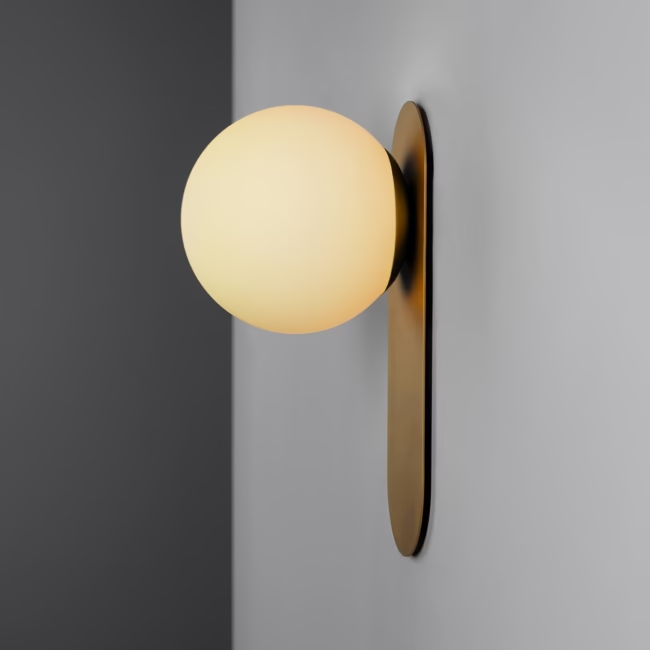
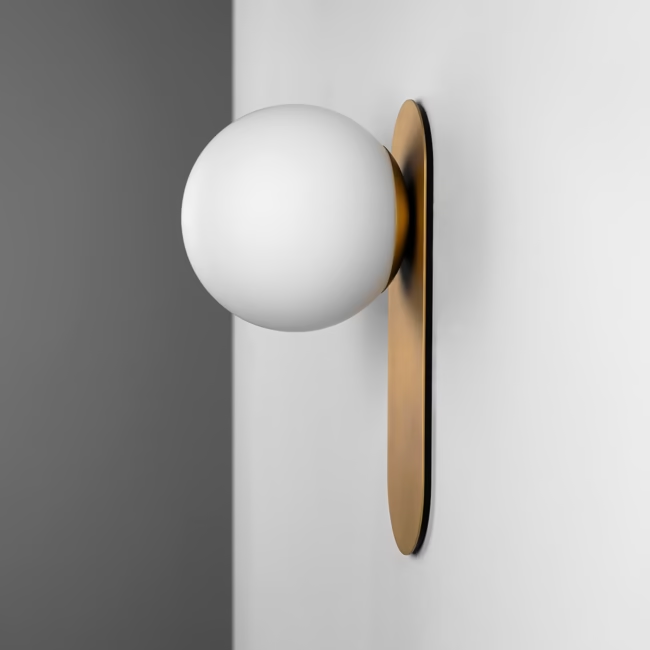
Aeon Wall Sconce
£108 Add to cart -

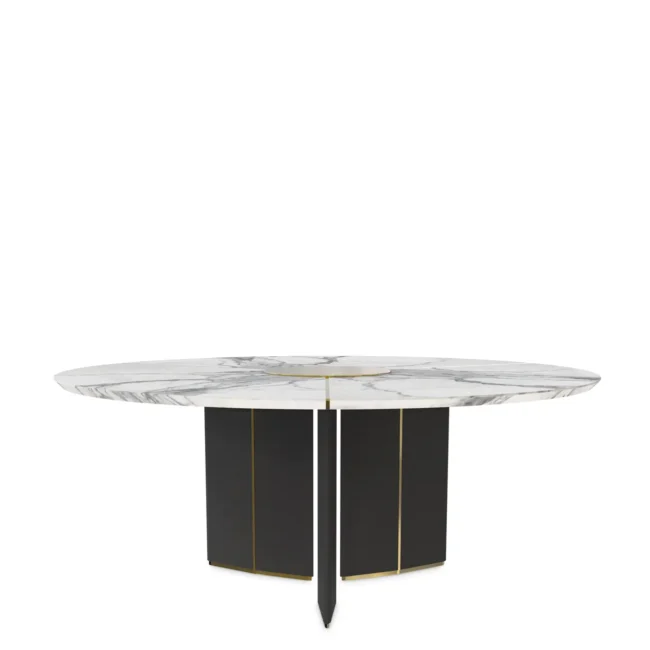
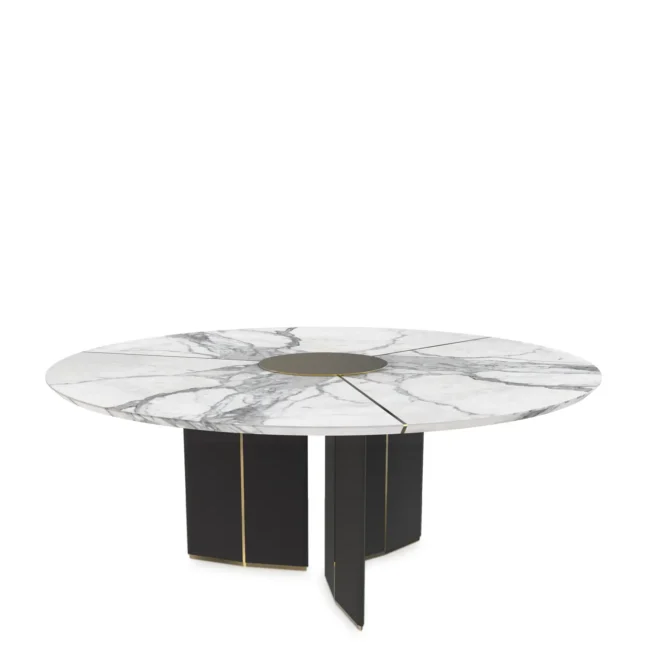
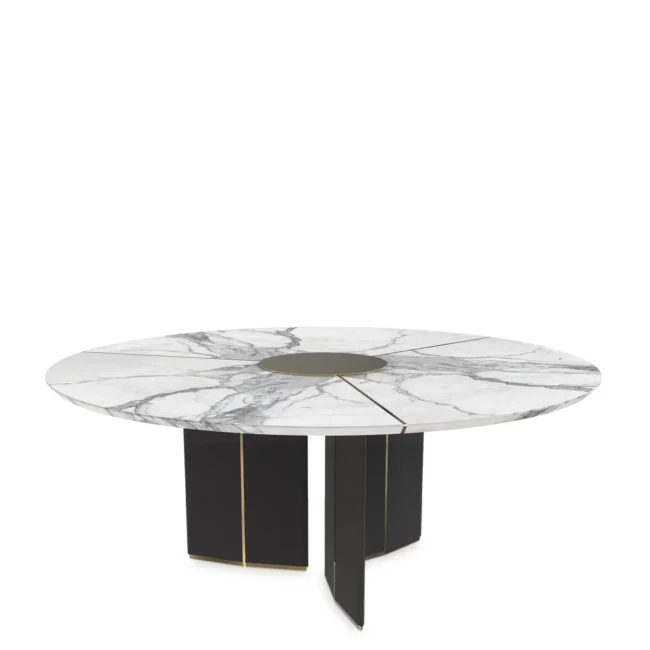
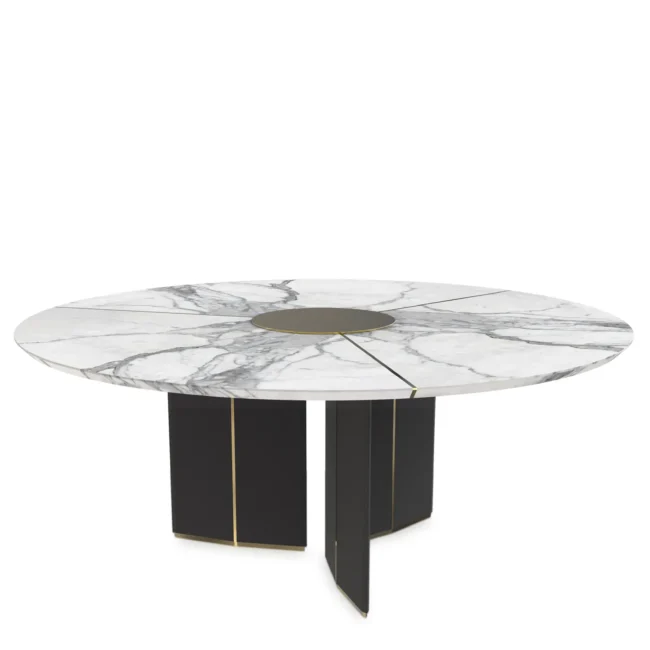
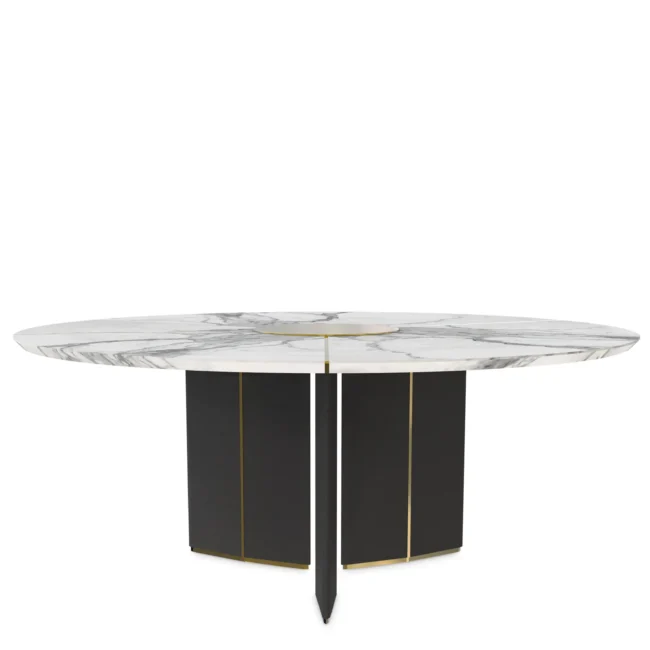
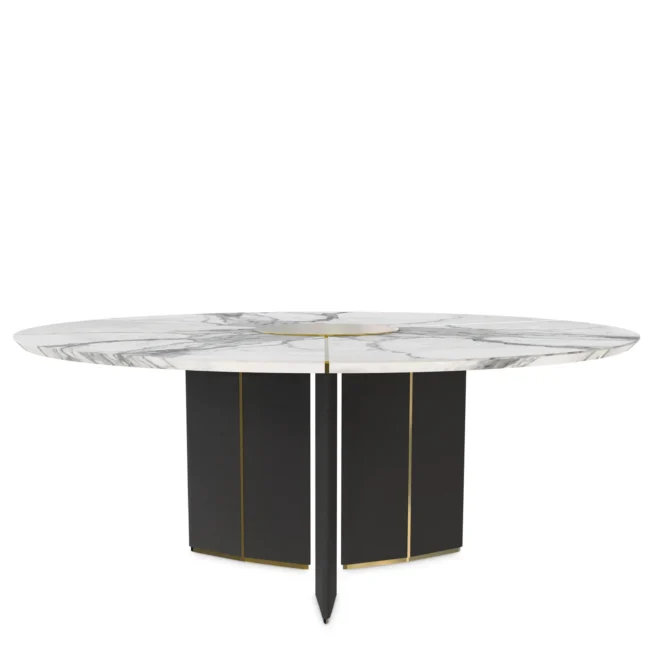
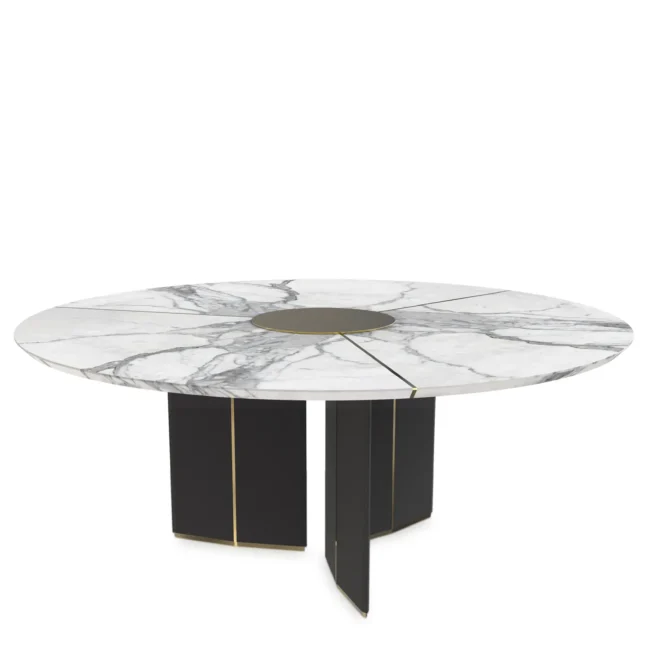
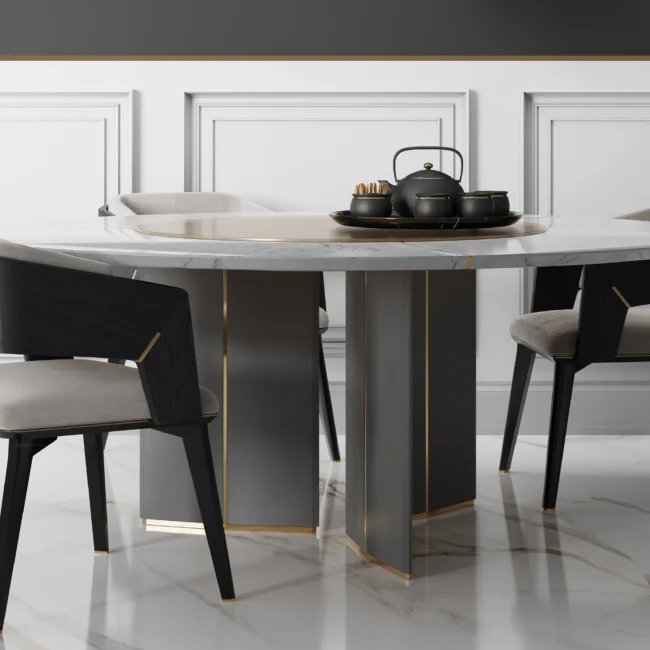
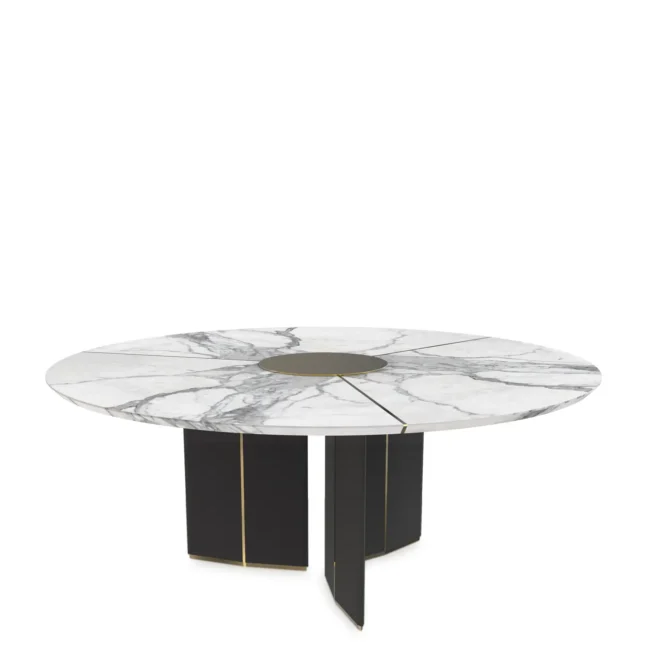
Algerone Dining Table
£11,820 – £13,788Price range: £11,820 through £13,788 Select options This product has multiple variants. The options may be chosen on the product page -

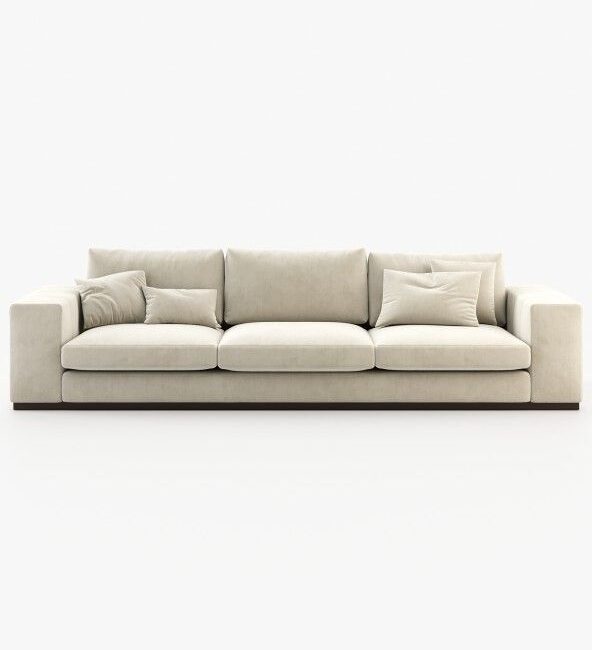
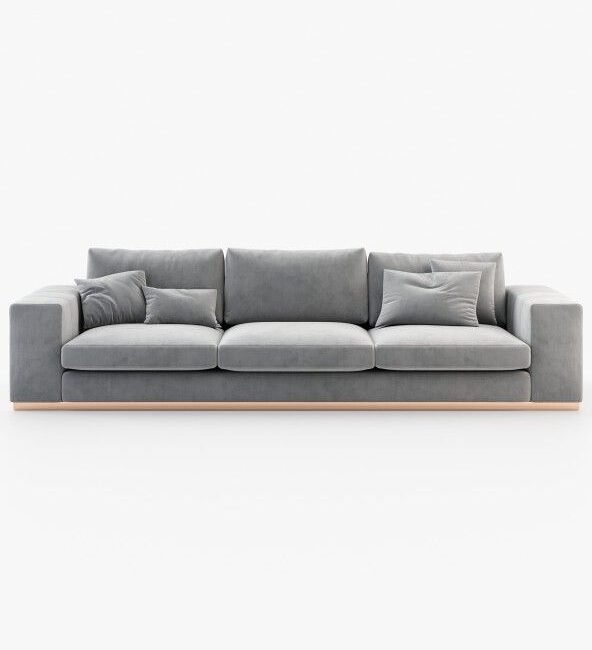
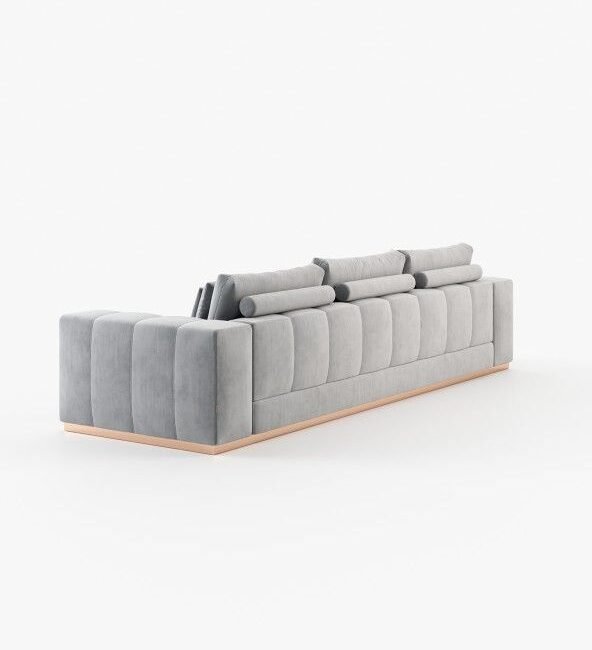
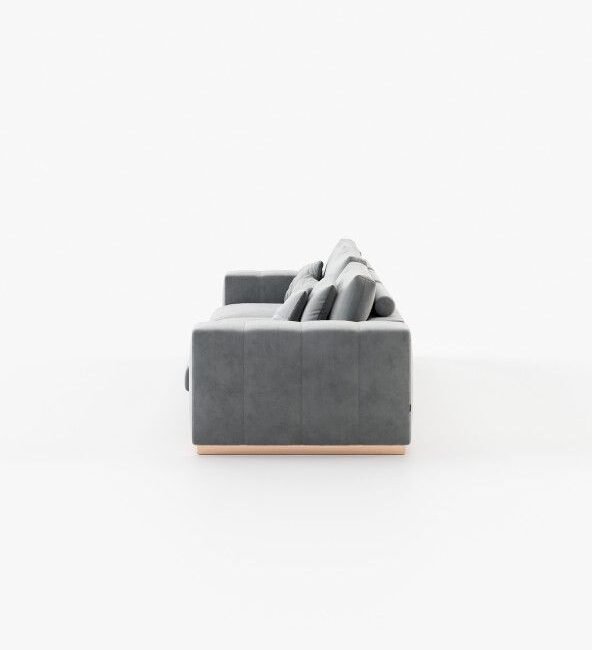
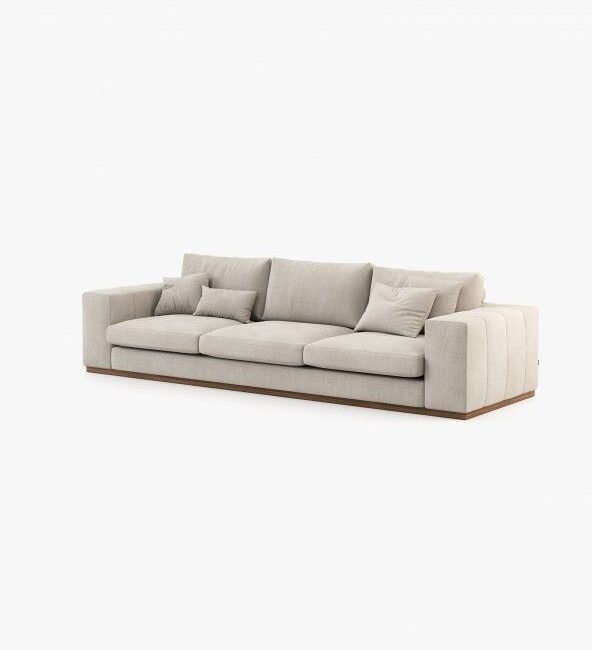
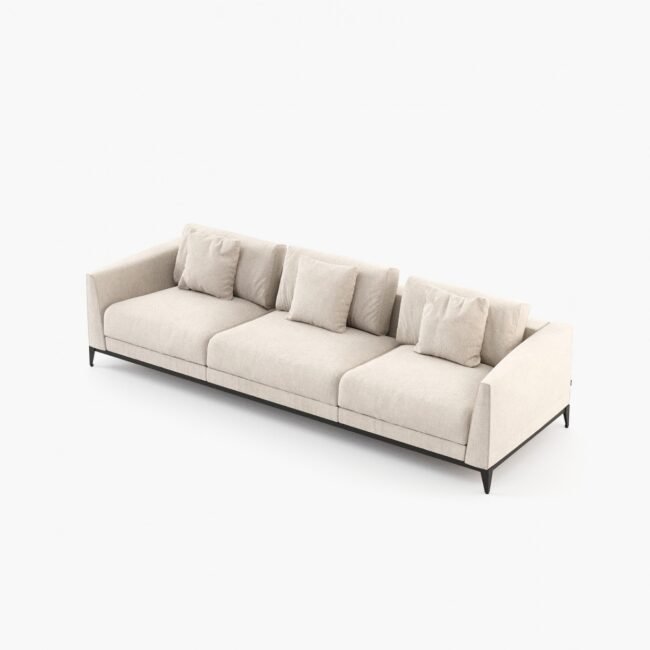
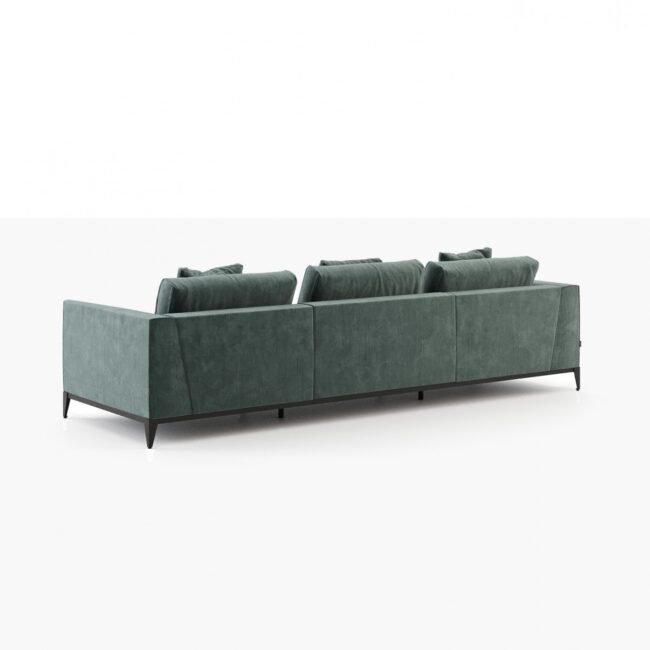
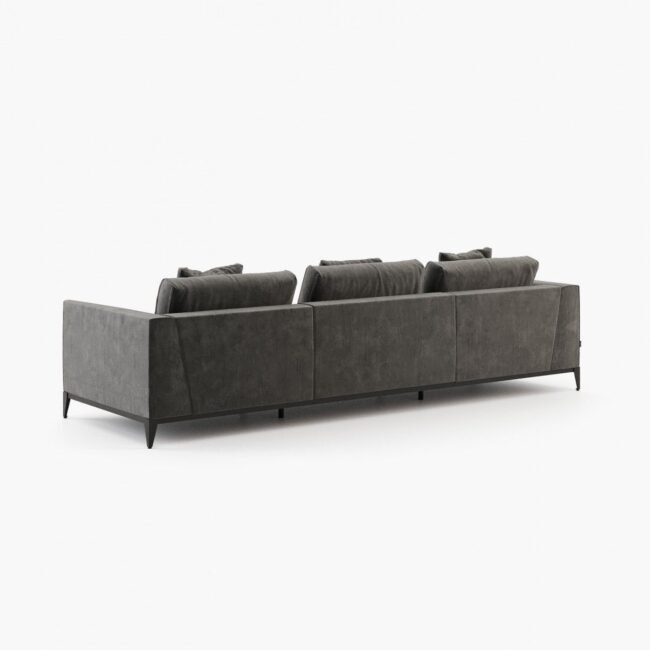
Charlie 3 Seater sofa
£6,392 – £8,630Price range: £6,392 through £8,630 Select options This product has multiple variants. The options may be chosen on the product page
Color might be the single most powerful tool in the transitional designer’s toolkit. While traditional interiors often embrace rich, saturated hues and modern spaces might feature stark contrast, transitional design typically builds from a neutral foundation that allows furniture and accessories to create interest without overwhelming the space.
The Neutral Foundation
Transitional spaces almost universally begin with neutral walls—warm whites, soft grays, gentle greiges, and subtle taupes. These colors don’t compete for attention, allowing both your sleek modern credenza and your traditional upholstered armchair to register as intentional choices rather than competing statements.
But neutral doesn’t mean monotonous. The most successful transitional spaces layer multiple neutrals, creating depth through subtle variation rather than bold contrast. Walls might be warm white while trim is a shade creamier. Upholstery might span from ivory to charcoal, creating a gradient of neutral tones that adds visual interest while maintaining the cohesive backdrop transitional design requires.
Strategic Color Introduction
When transitional spaces do introduce color, it’s typically through accessories, artwork, and textiles rather than permanent architectural elements. Consider introducing color through throw pillows that bridge traditional patterns with contemporary palettes, or through artwork that features classic subject matter in modern color schemes.
The colors you choose should feel grounded rather than trendy. Transitional palettes tend toward sophisticated rather than playful—think navy and cognac rather than coral and turquoise. Deep emerald or burgundy rather than lime or fuchsia. These richer, more complex hues feel at home in both traditional and contemporary contexts.
The 60-30-10 Rule Applied
The classic proportion of 60% dominant color, 30% secondary color, and 10% accent applies beautifully to transitional spaces. Typically, that 60% is your neutral foundation—walls, large furniture pieces, perhaps flooring. The 30% introduces subtle variation through wood tones or medium-value upholstery. The 10% is where you can take risks—a jewel-toned throw, metallic accents, or colorful artwork.
-

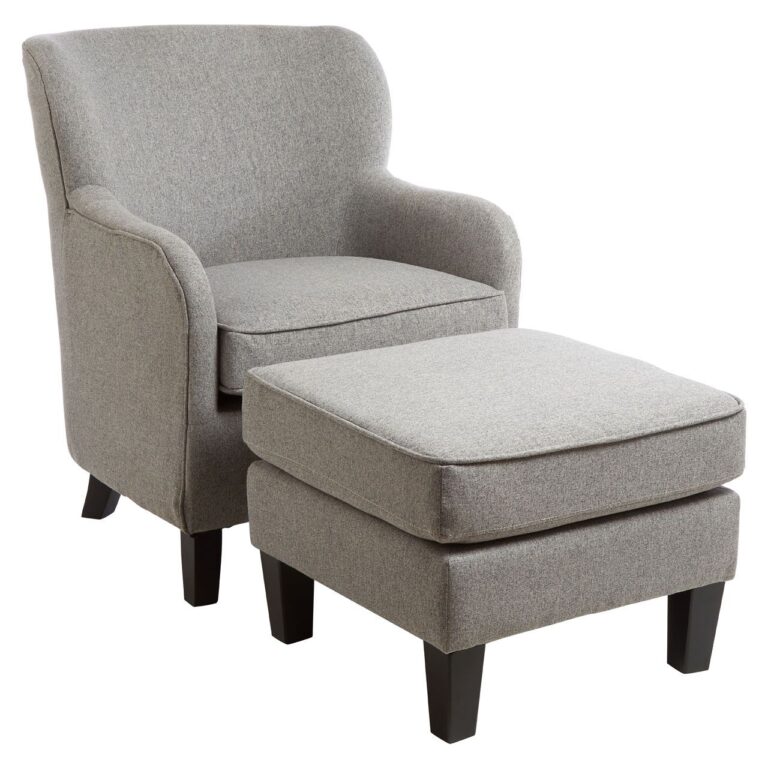
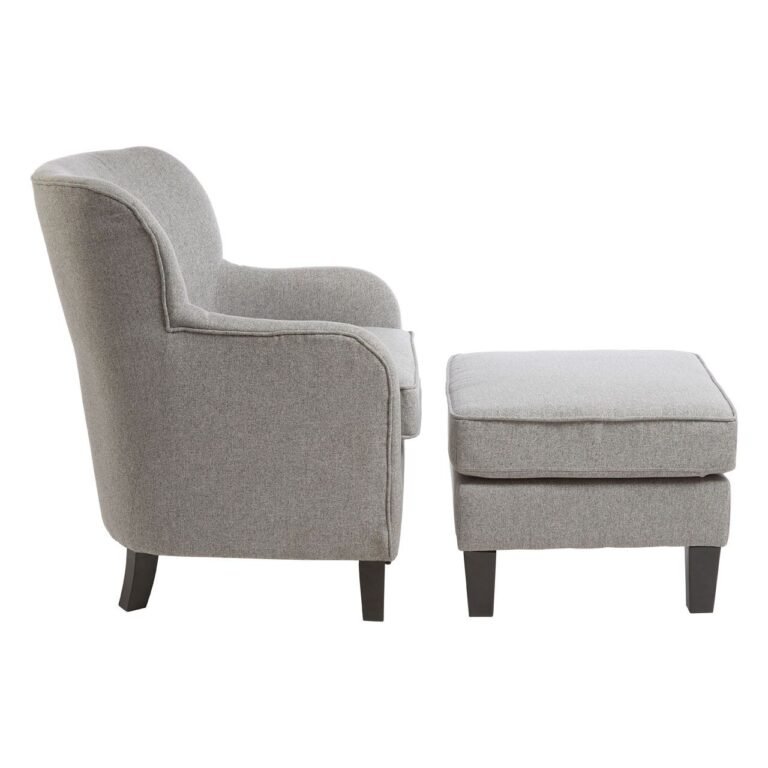
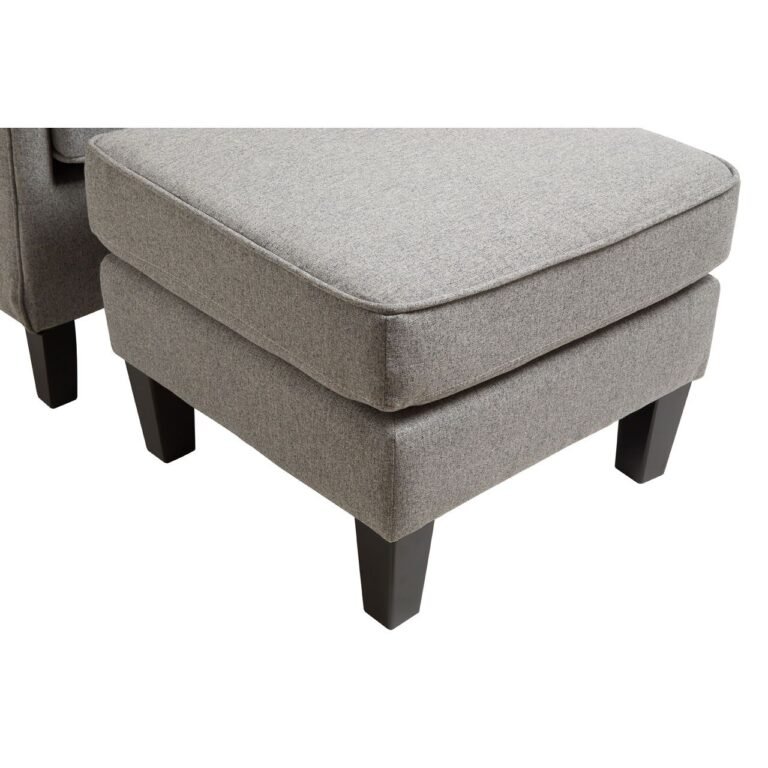
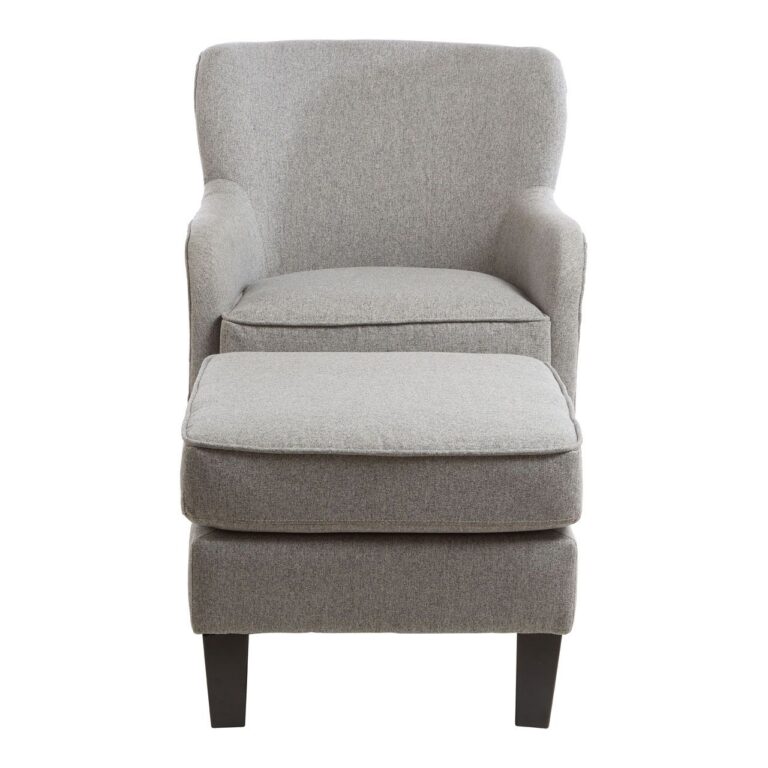
Adence Grey Fabric Chair & Footstool
£544 Read more -

Decker Sofa
£13,605 – £31,529Price range: £13,605 through £31,529 Select options This product has multiple variants. The options may be chosen on the product page -

Flusso Round Dining Table
£14,232 – £15,360Price range: £14,232 through £15,360 Select options This product has multiple variants. The options may be chosen on the product page
Furniture selection represents perhaps the most visible aspect of Transitional Interior Design. The goal isn’t to achieve a perfect split between traditional and modern pieces, but rather to select furniture that either explicitly bridges both aesthetics or is neutral enough to coexist with pieces from the opposite camp.
Silhouette Simplification
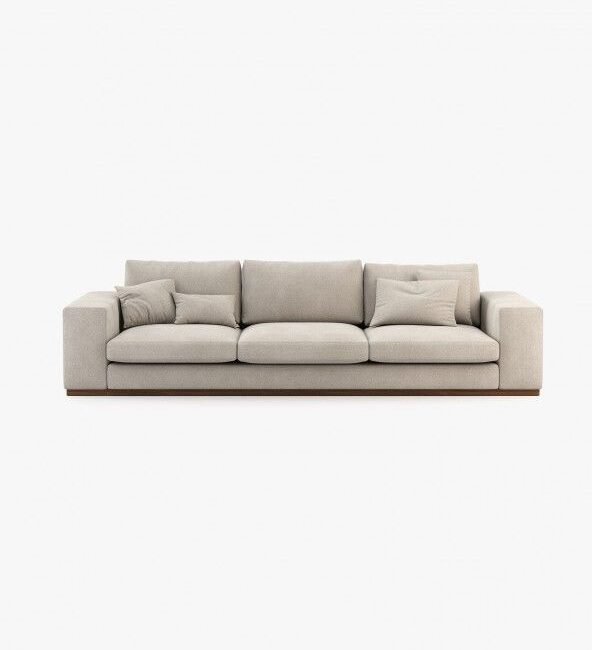
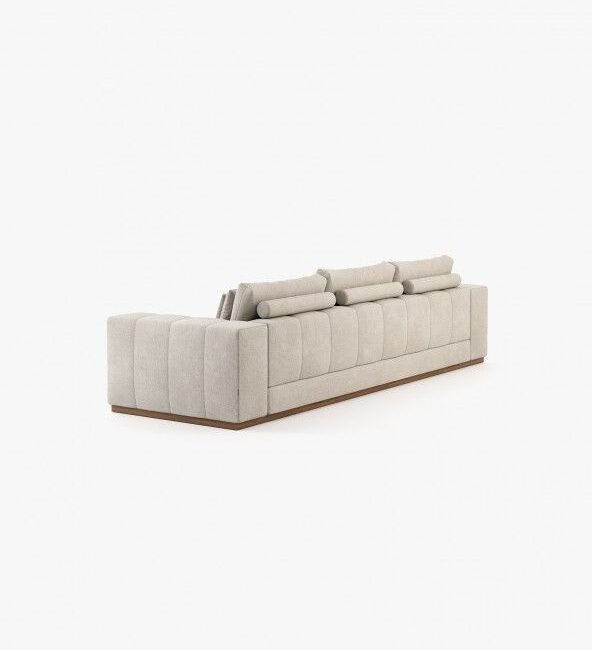
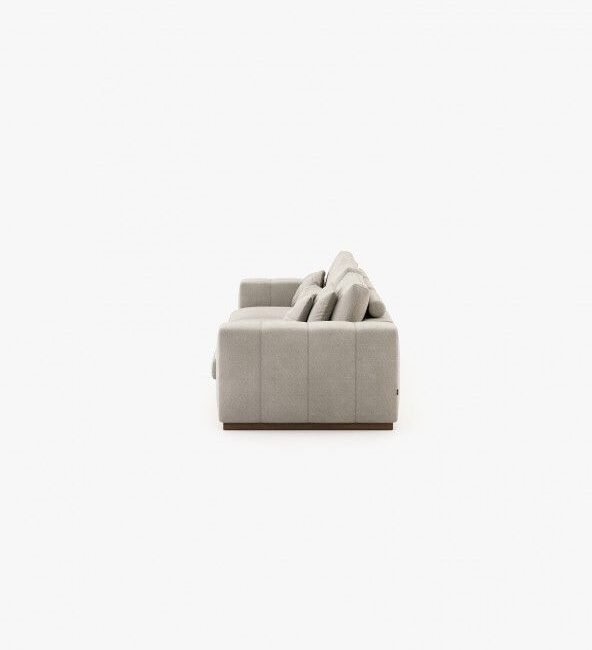
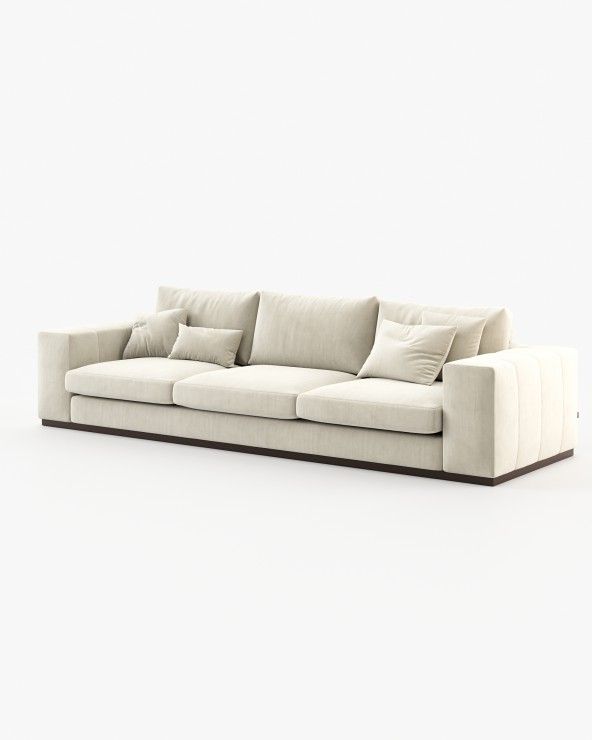
One of the hallmarks of transitional furniture is simplified traditional silhouettes—pieces that reference classic forms but strip away excessive ornamentation. Think of a Chesterfield sofa without button tufting, or a wingback chair with clean lines and minimal detailing. These pieces carry the proportions and familiar shapes of traditional furniture while embracing the restraint of contemporary design.
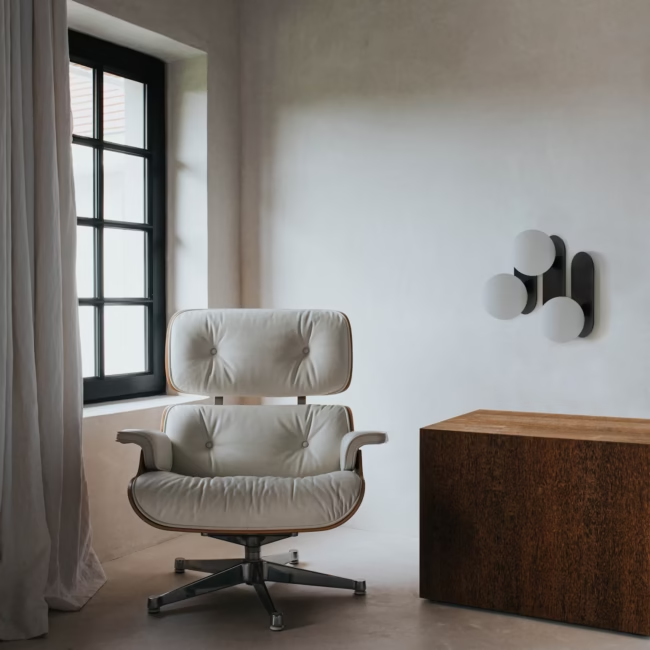
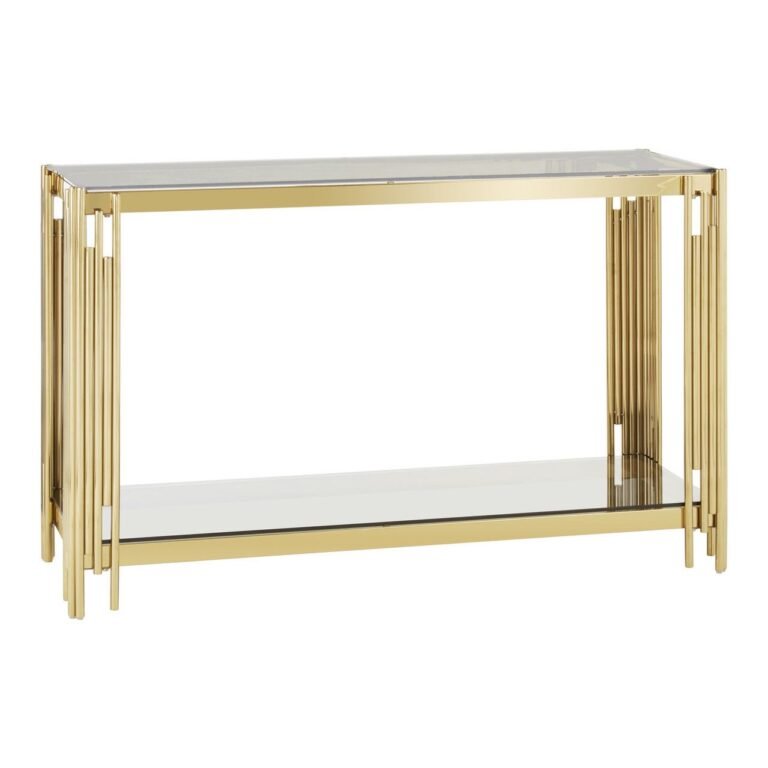
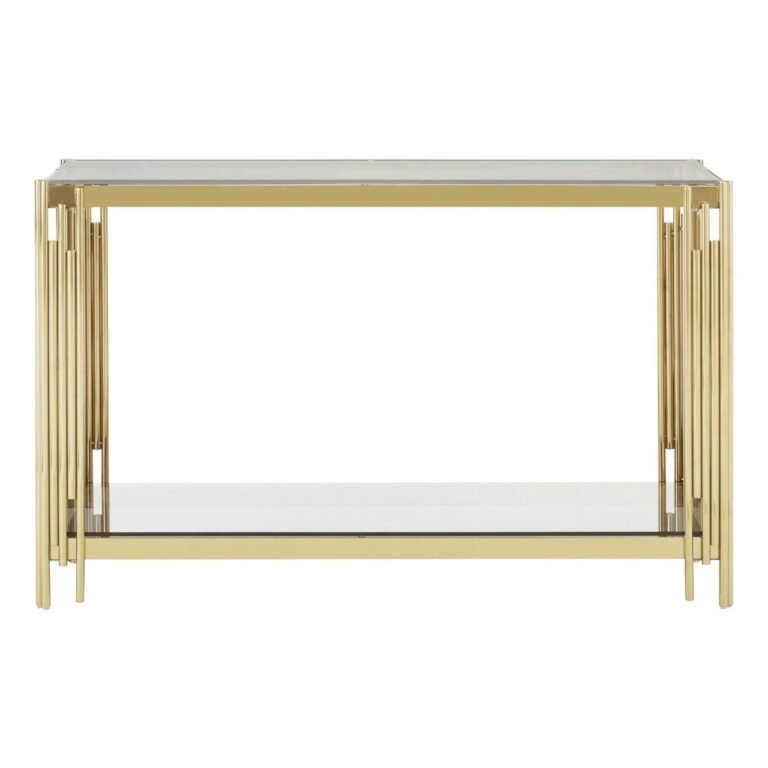
Similarly, contemporary furniture in transitional spaces tends toward warmer, softer iterations. A mid-century credenza works beautifully because its clean lines are tempered by warm wood and organic curves. An ultra-minimalist glass and chrome console table might feel too cold alongside traditional elements.
Material Mixing
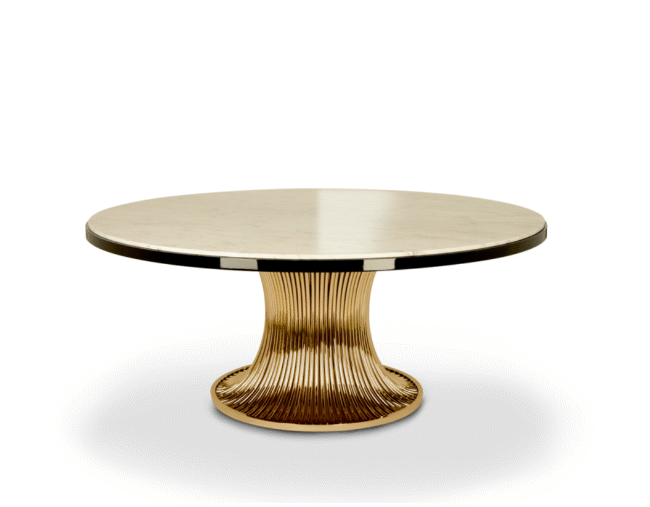
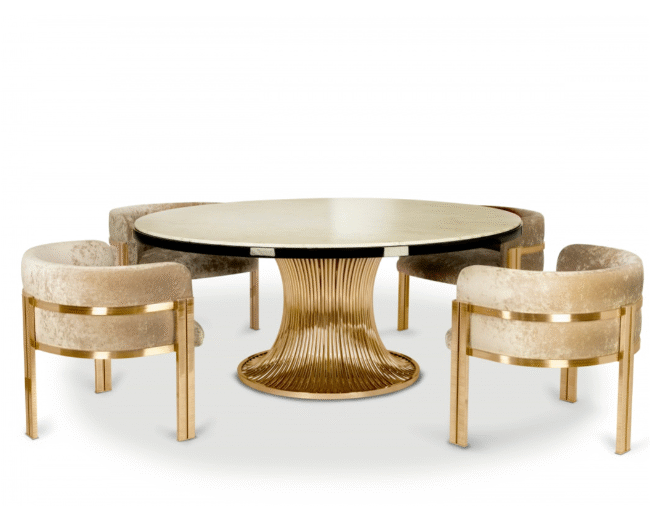
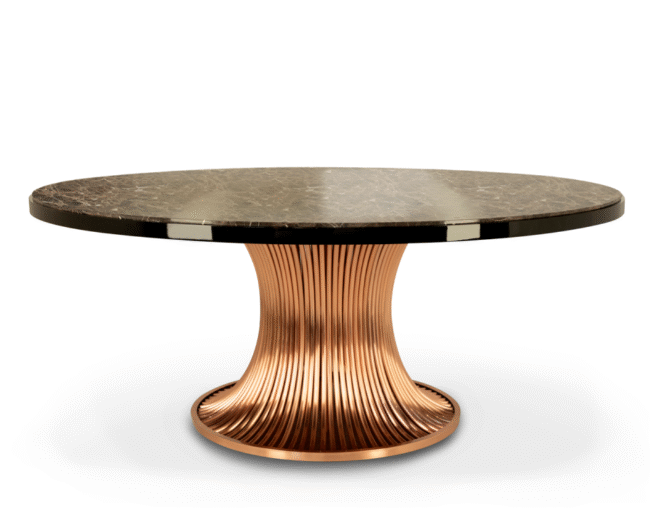
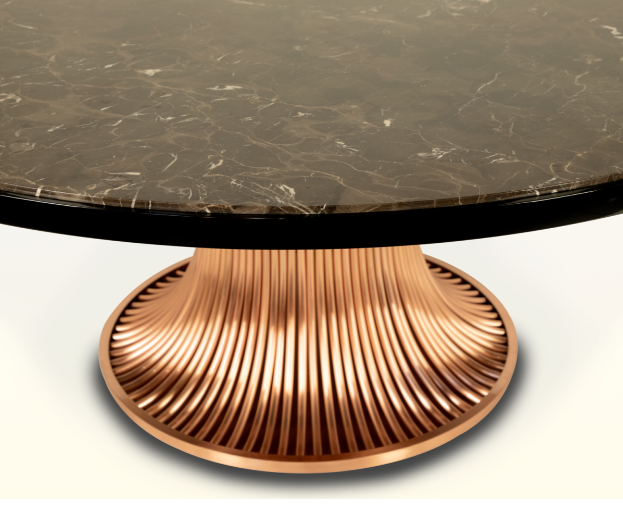
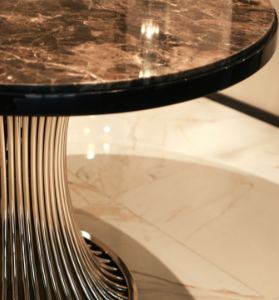
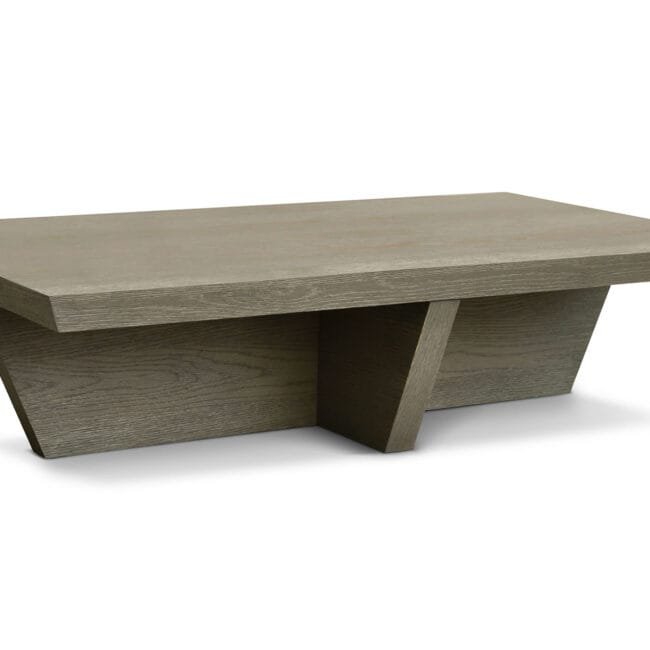
Transitional furniture often succeeds by combining materials in unexpected ways. A dining table with a traditional wood top but contemporary metal legs. Upholstered chairs with classic silhouettes but modern fabrics. A coffee table that pairs traditional wood with modern glass or stone. These mixed-material pieces function as bridge elements, carrying DNA from both design traditions in a single form.
Scale and Proportion Considerations
Transitional spaces tend toward generous scale—not oversized contemporary sectionals that dominate a room, nor dainty traditional pieces that can feel insubstantial, but well-proportioned furniture that commands appropriate presence. Pay particular attention to leg height and style—lower, chunkier legs feel contemporary, while higher, more tapered legs read traditional. Furniture with medium-height, simply turned legs often splits the difference beautifully.
-

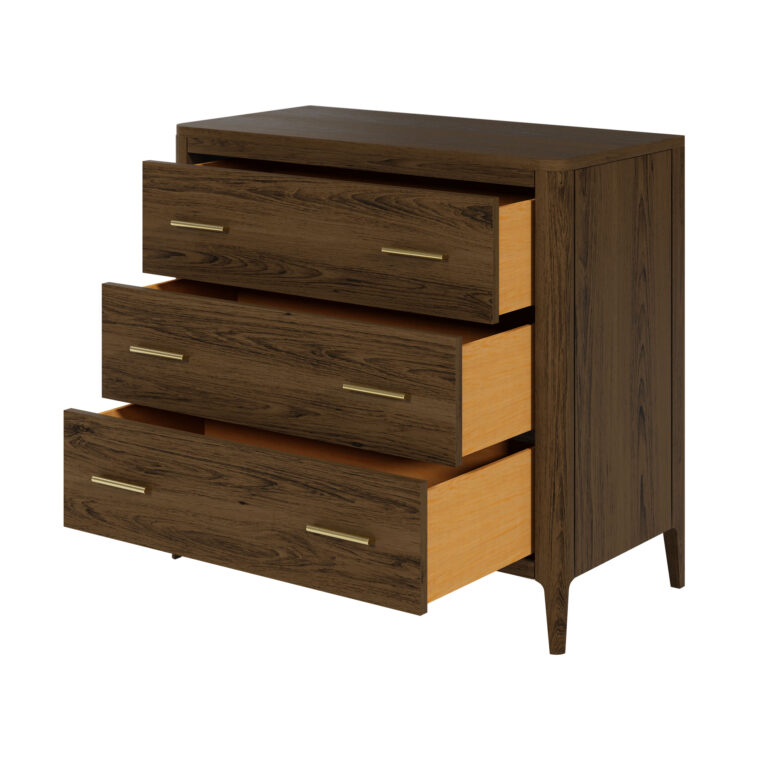
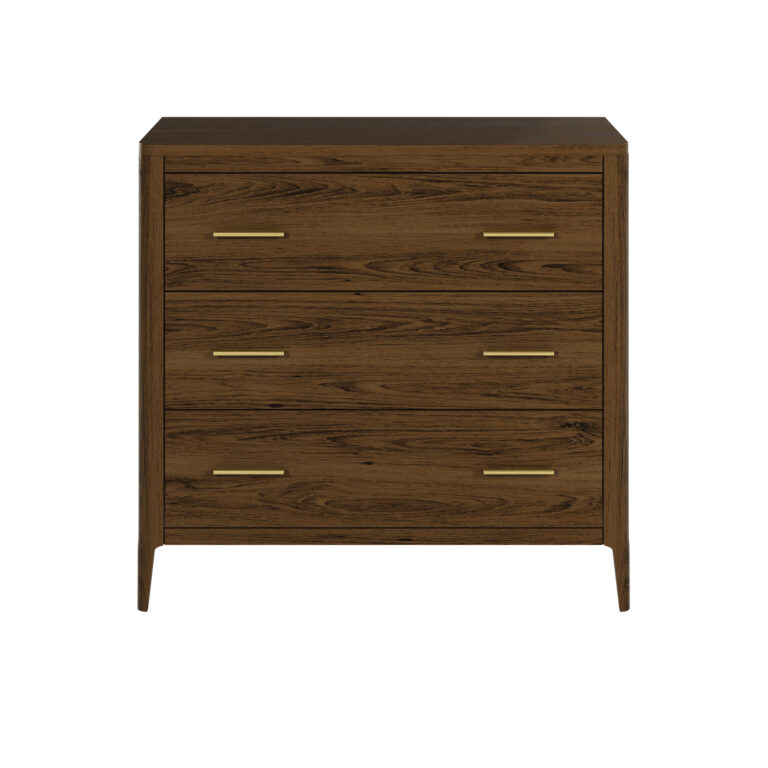
Abberley Chest of Drawers | Brown
£1,091 Add to cart -

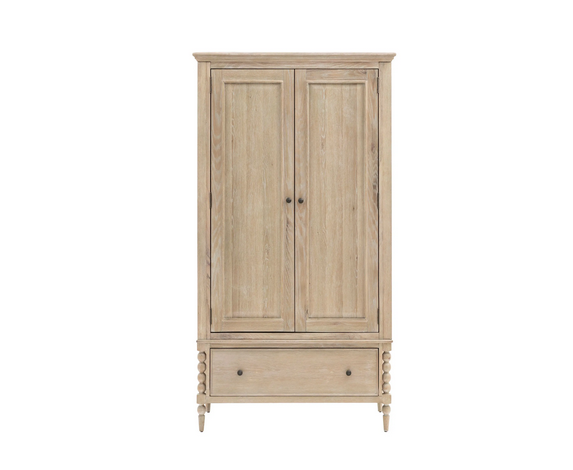
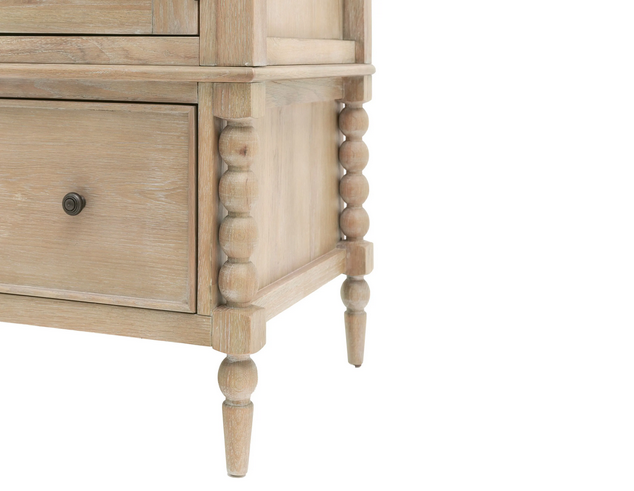
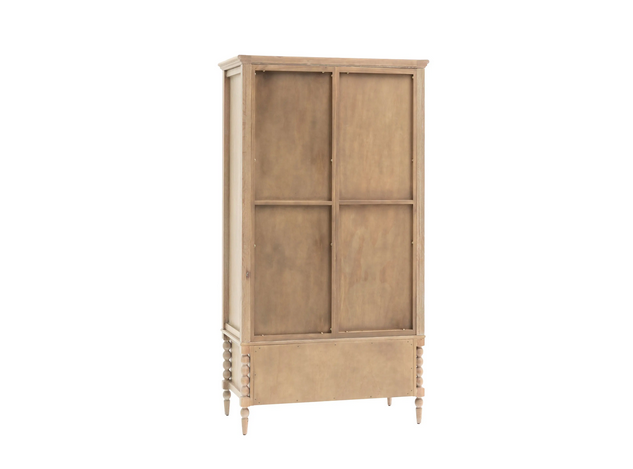
Artificer 2 Door 1 Drawer Wardrobe
£1,610 Read more -

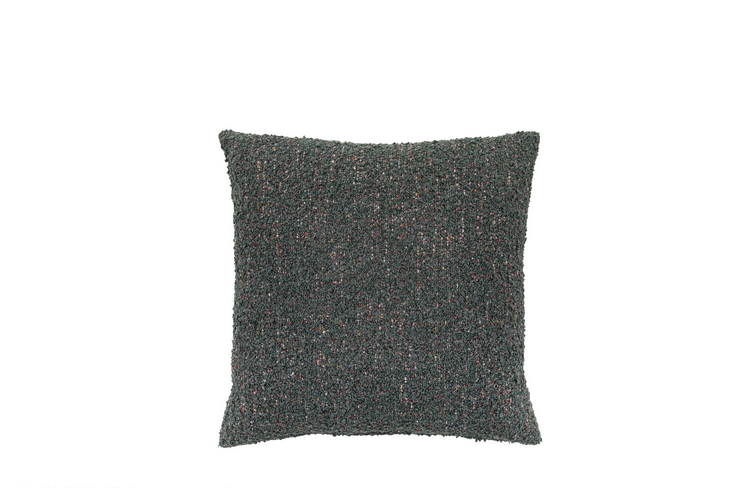
Buster Knife Edge Cushion
£48 Select options This product has multiple variants. The options may be chosen on the product page
If color provides the foundation and furniture creates the structure, textiles and textures add the soul to transitional interior design. This is where warmth enters spaces that might otherwise feel too stark, and where contemporary rooms gain the softness they sometimes lack.
Layering Strategy
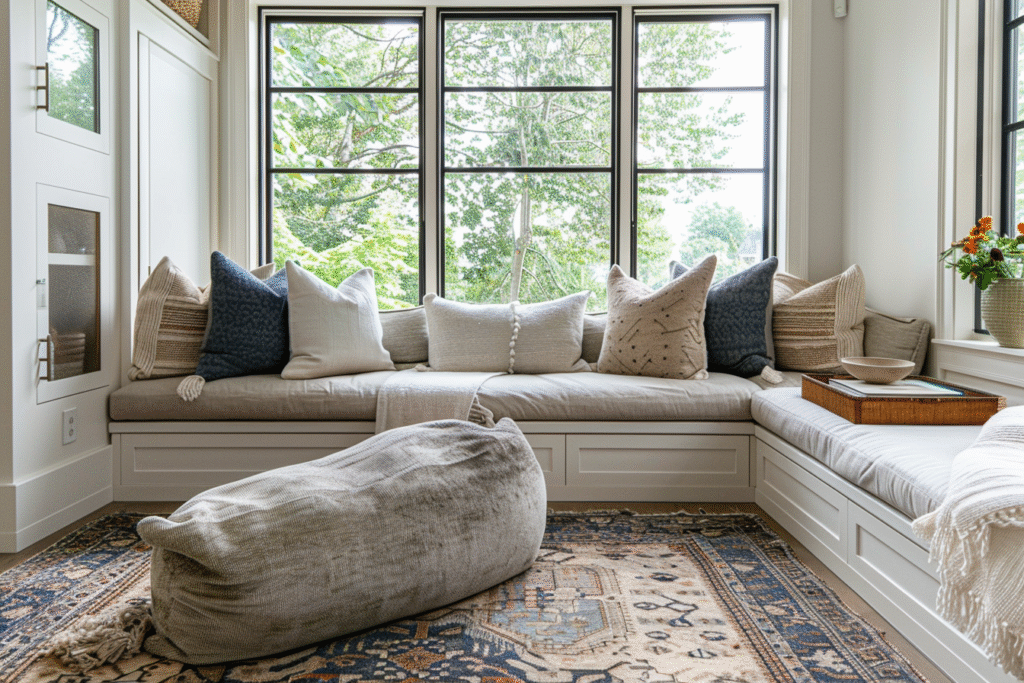
Transitional spaces excel at textile layering—area rugs atop hardwood, throw pillows in varying textures, window treatments that combine sheers and heavier drapes. But the layering follows a disciplined approach: variations in texture rather than pattern dominate. You might layer a nubby linen pillow with smooth velvet and chunky knit, all in complementary neutrals, creating tactile interest without visual chaos.
This texture-forward approach allows traditional warmth without traditional busyness. When pattern does appear—perhaps in a traditional area rug or classic window treatments—it’s often the only significant pattern in the space, preventing visual overload.
Rug Selection as Design Anchor
Area rugs play a particularly crucial role in transitional design because they can bridge eras so effectively. A traditional Persian rug grounds contemporary furniture, lending history and warmth to otherwise modern spaces. Conversely, a contemporary geometric rug can update traditional furniture.
The most successful transitional rugs often feature traditional patterns rendered in contemporary colorways—perhaps a classic medallion design executed in grays and creams rather than the expected reds and golds. These bridge rugs explicitly straddle both worlds, making them ideal foundations for mixed-style spaces.
Window Treatment Balance
Window treatments in transitional spaces typically avoid both the elaborate swags of traditional design and the stark roller shades of ultra-modern aesthetics. Instead, they embrace simplified traditional forms—perhaps floor-length panels in solid fabrics with minimal hardware, or Roman shades in subtle patterns.
The key is maintaining the soft, finished quality that window treatments provide while avoiding excessive ornamentation. Fabrics should be substantial, and hardware should be simple but not severe.
Many homeowners practicing transitional interior design work within homes that have existing architectural character—perhaps crown molding, wainscoting, or traditional door and window casings. The question becomes: how much of this detailing do you preserve?
Selective Preservation
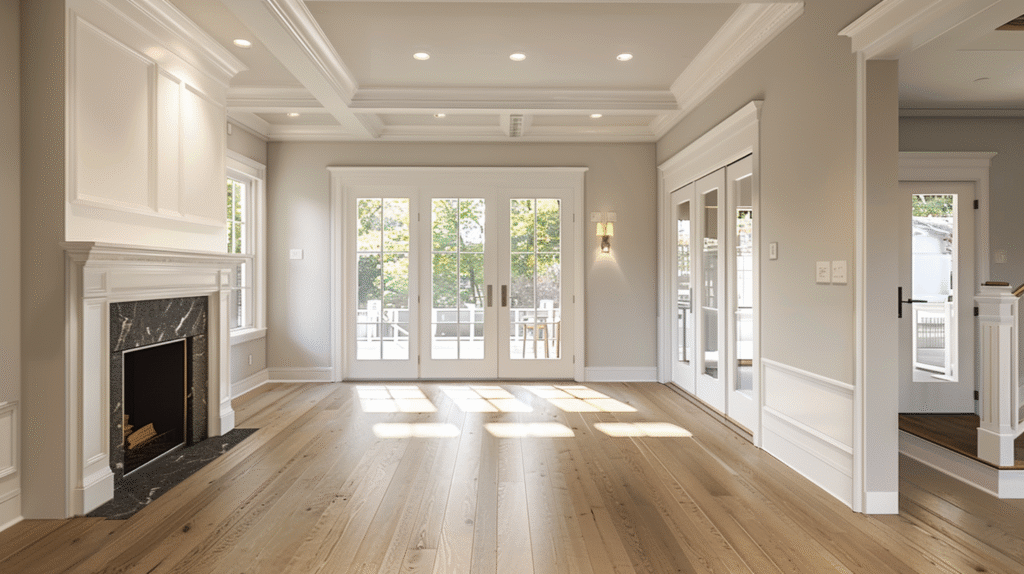
Transitional interior design typically embraces clean-lined architectural elements in moderate doses—perhaps crown molding and baseboards but not picture rail and chair rail and wainscoting all at once. If you’re adding trim to a home that lacks it, consider simplified profiles that reference traditional proportions without traditional complexity.
A substantial baseboard with a simple profile reads more transitional than either a thin modern baseboard or an elaborately detailed traditional one. Crown molding with straightforward geometry bridges better than ornate dentil detailing.
The Fireplace Question
Fireplaces present particular challenges because they’re inherently focal points with strong stylistic implications. The transitional solution often involves simplified mantels in substantial materials—perhaps a clean-lined wood beam mantel or a simple stone surround without excessive detailing.
If you have an existing traditional fireplace, consider updating it by painting ornate tile surrounds in solid colors, replacing decorative mantel details with simpler versions, or balancing it with distinctly modern furniture and accessories.
Flooring as Neutral Territory
Flooring provides an opportunity to establish neutral ground that supports both traditional and contemporary elements. Hardwood floors in medium tones work beautifully—neither the dark, formal tones of traditional design nor the pale finishes of coastal contemporary, but somewhere comfortably in between.
Consider wide plank wood in natural or lightly stained finishes, or quality luxury vinyl that mimics wood’s warmth. Even tile can work provided it’s in large format with minimal grout lines and neutral coloration—referencing traditional material in a contemporary application.
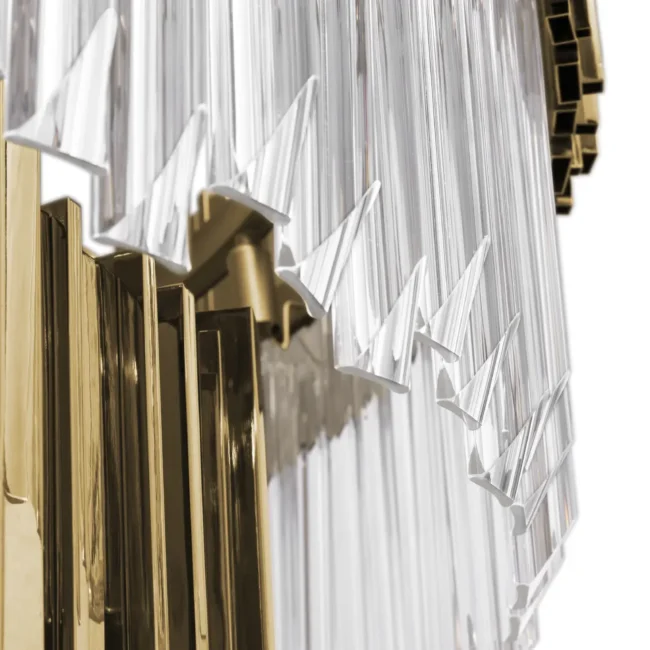
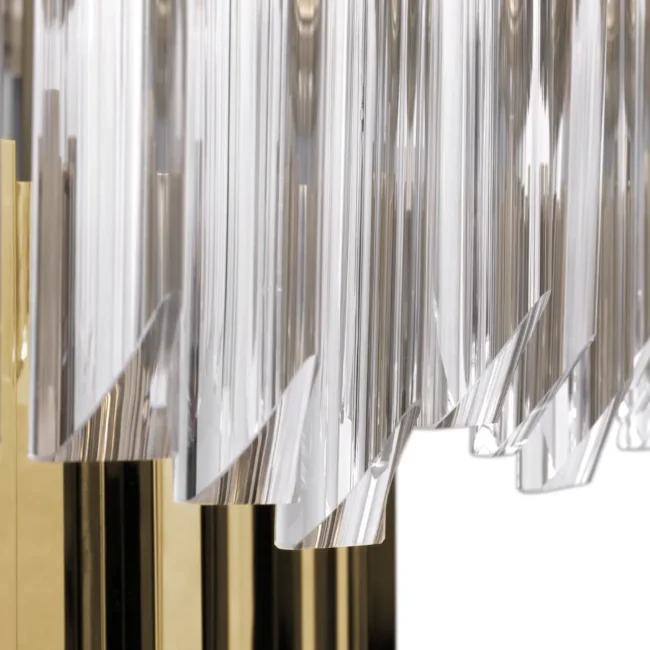
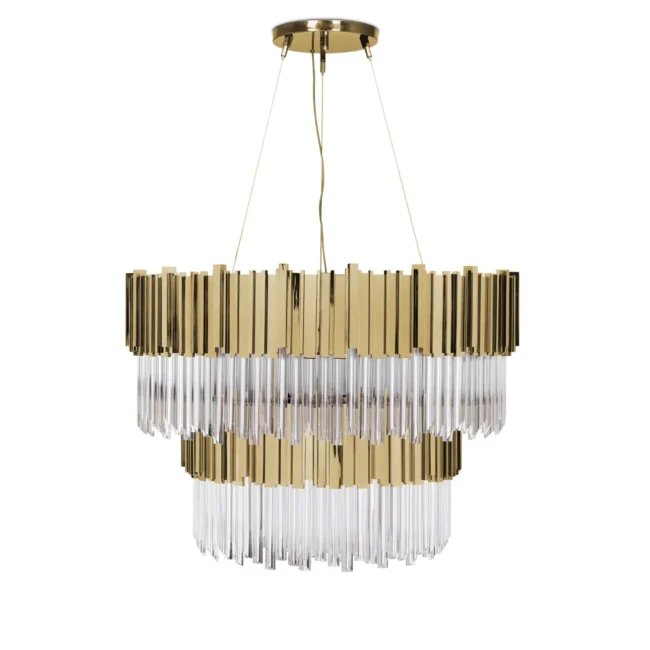
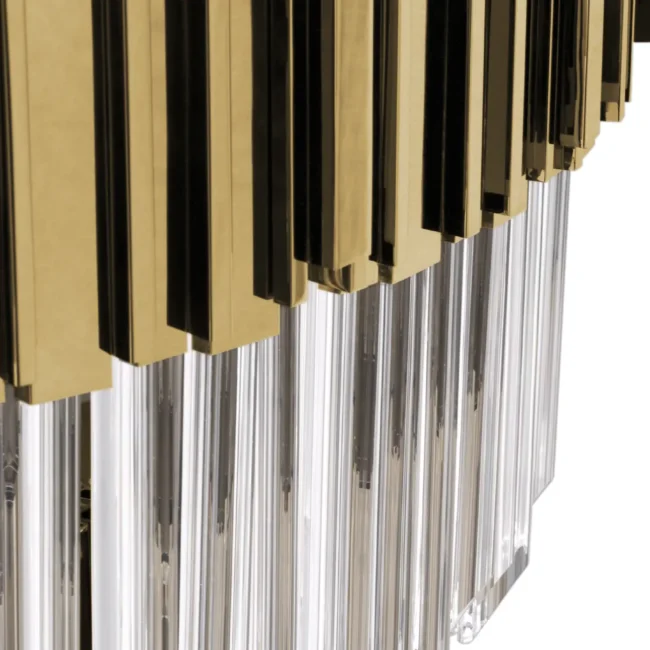
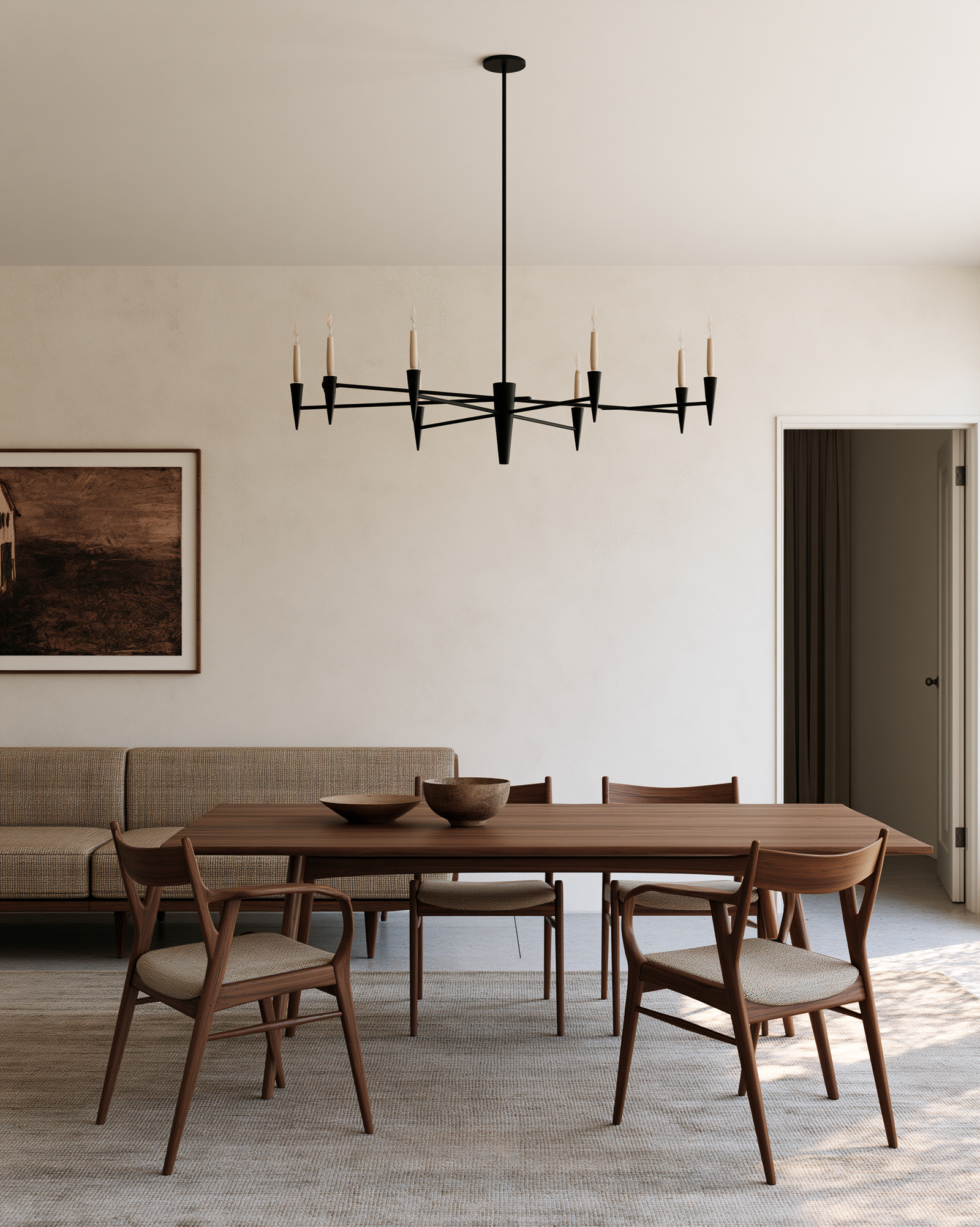
Lighting might be where transitional interior design most clearly demonstrates its bridging philosophy. The combination of traditional warmth with contemporary functionality creates spaces that feel both inviting and practical.
Layered Lighting Approach
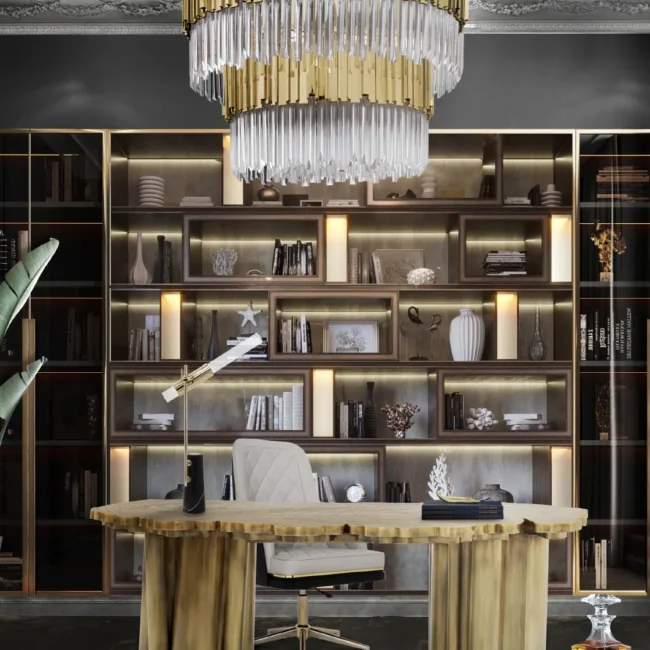
Like all well-designed interiors, transitional spaces require layered lighting—ambient, task, and accent sources working together. What distinguishes transitional lighting is the mix of fixture styles achieving this layering. You might have a traditional chandelier providing ambient light, contemporary table lamps for task lighting, and modern picture lights for accent illumination.
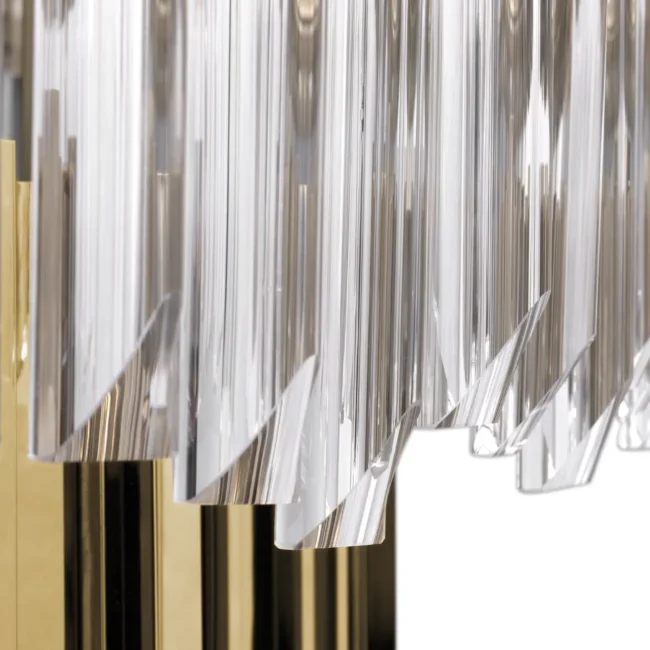
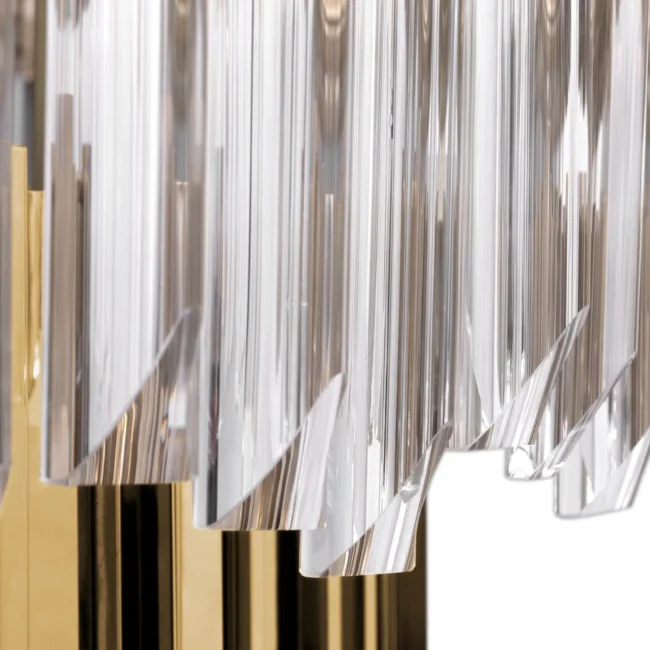
The key is selecting fixtures that don’t scream their stylistic allegiance. Transitional chandeliers often feature simplified traditional forms—perhaps crystal elements but with clean metal frames, or classic candelabra shapes rendered in contemporary finishes.
Finish Consistency
While fixture styles can vary, finish consistency helps maintain cohesion. If your kitchen pendants are brushed nickel, your bathroom sconces should likely follow suit. This doesn’t mean every fixture must be identical, but maintaining a family of related metals creates subtle unity across mixed styles.
Avoid perfectly matching all fixtures, which can feel too coordinated. Instead, aim for fixtures that complement each other in scale, proportion, and finish family while varying in specific style.
Natural Light Maximization
Transitional spaces benefit from abundant natural light, which reveals the subtle color and texture variations that make neutral palettes interesting. Avoid heavy window treatments that block light. Instead, opt for sheers, light-filtering shades, or simple panels that can be drawn fully clear of windows.
-

Adrion MD Wall Sconce
£430 – £516Price range: £430 through £516 Select options This product has multiple variants. The options may be chosen on the product page -

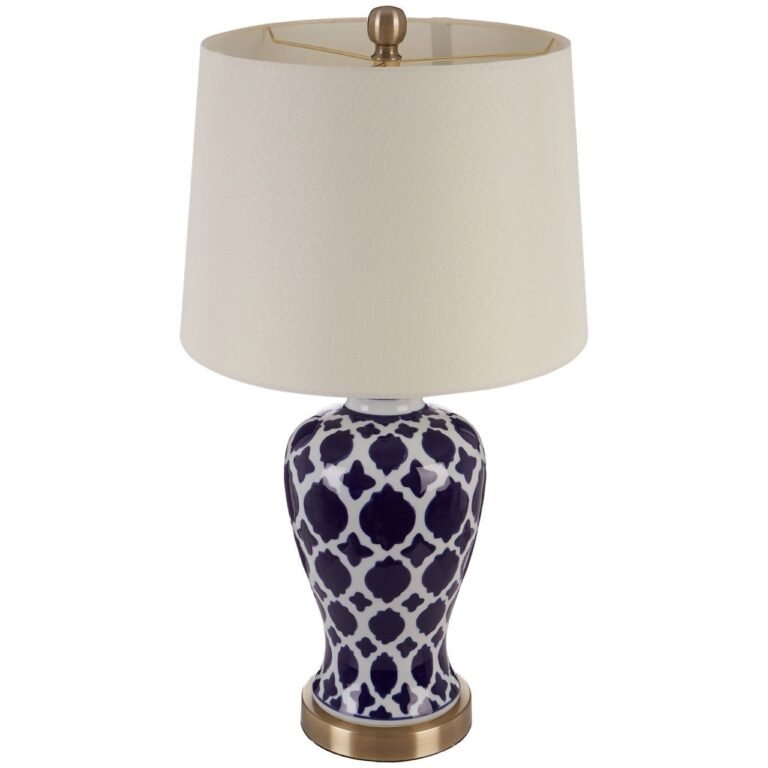
Alieti Table Lamp
£176 Add to cart -

Empire II Suspension
£26,650 Add to cart
If previous elements establish your transitional foundation, accessories and artwork represent your opportunity to personalize the space. This is also where transitional design is most vulnerable—too many accessories can quickly overwhelm the careful balance you’ve created.
The Edited Approach
Transitional spaces almost universally benefit from restraint in accessorizing. Rather than filling every surface and wall, select fewer, more meaningful items with generous breathing room between them. This edited approach maintains the clean backdrop necessary for mixed styles while preventing visual chaos.
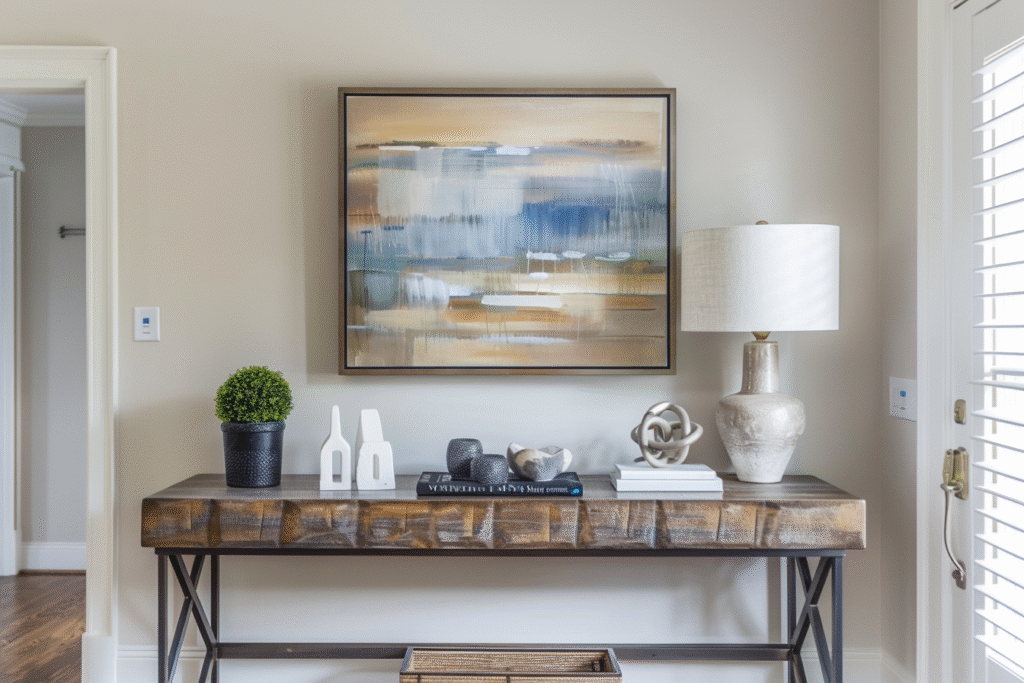
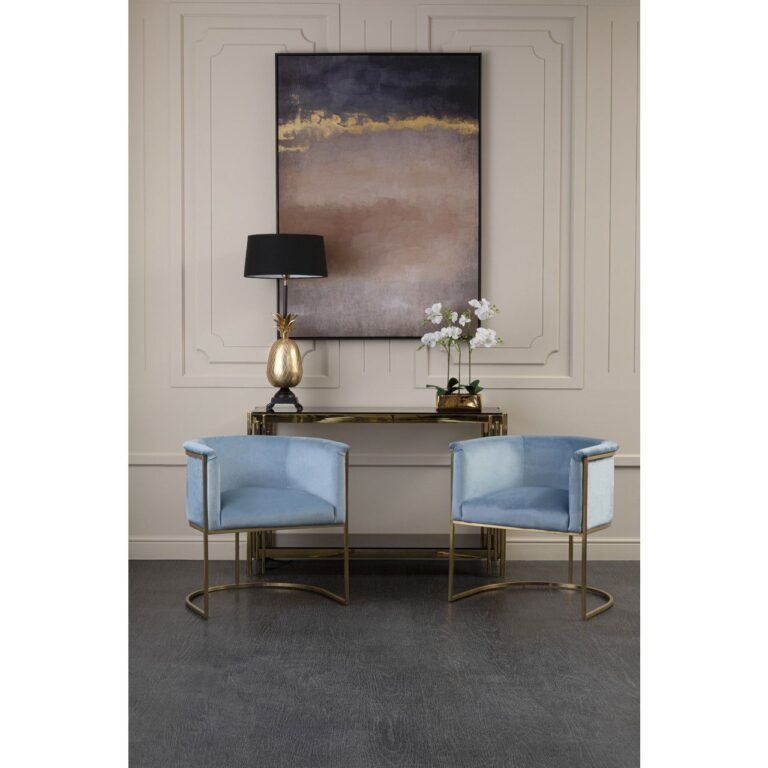
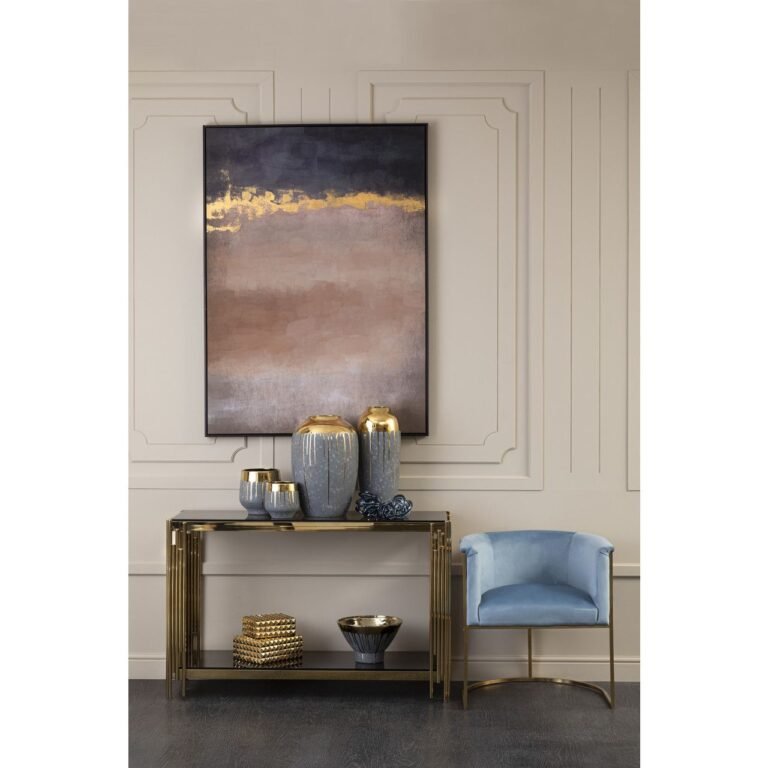
Consider the negative space in your arrangements as deliberately as the objects themselves. A console table might display a single substantial lamp, a small grouping of objects, and nothing more. This restraint feels contemporary while the warmth of displayed items nods traditional.
Art Selection Strategy
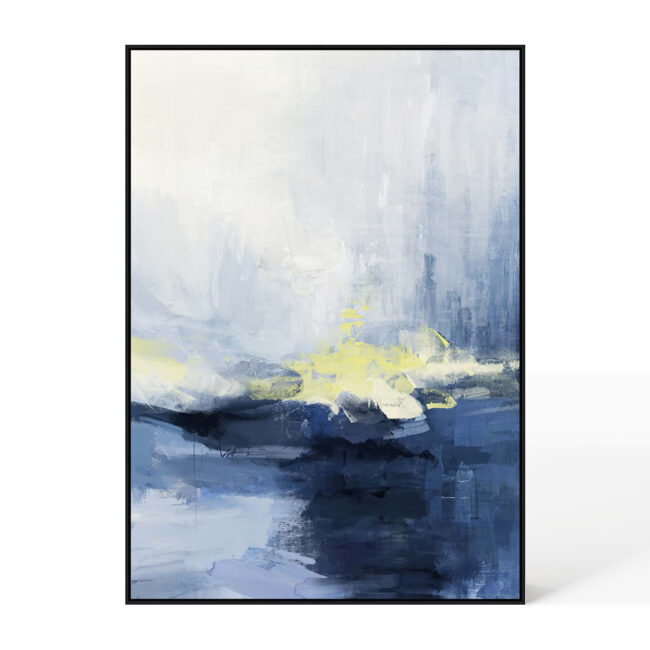
Artwork in transitional spaces can lean traditional, contemporary, or anywhere in between, provided it’s framed and displayed thoughtfully. Traditional paintings work beautifully in simple, modern frames. Contemporary photography succeeds in classic frame profiles. Abstract art bridges both worlds naturally.
Gallery walls can work but require careful curation. Mix frame styles and artwork periods, but maintain cohesion through color palette or subject matter. The goal is creating a collected-over-time feel rather than a purchased-all-at-once look.
The Personal Touch
Transitional interior design should never feel like a hotel—it should feel like someone’s thoughtfully designed home. This means incorporating personal items: family photographs, travel souvenirs, inherited pieces. The key is displaying them with the same restraint and intentionality as everything else.
Frame family photos consistently rather than in a hodgepodge of styles. Group travel souvenirs by color or material. Inherited pieces that skew too traditional might be updated through reupholstery, honoring their sentimental value while adapting them to your current aesthetic
Understanding transitional principles is one thing; applying them practically throughout your home is another. Each room type presents unique challenges and opportunities.
Living Rooms
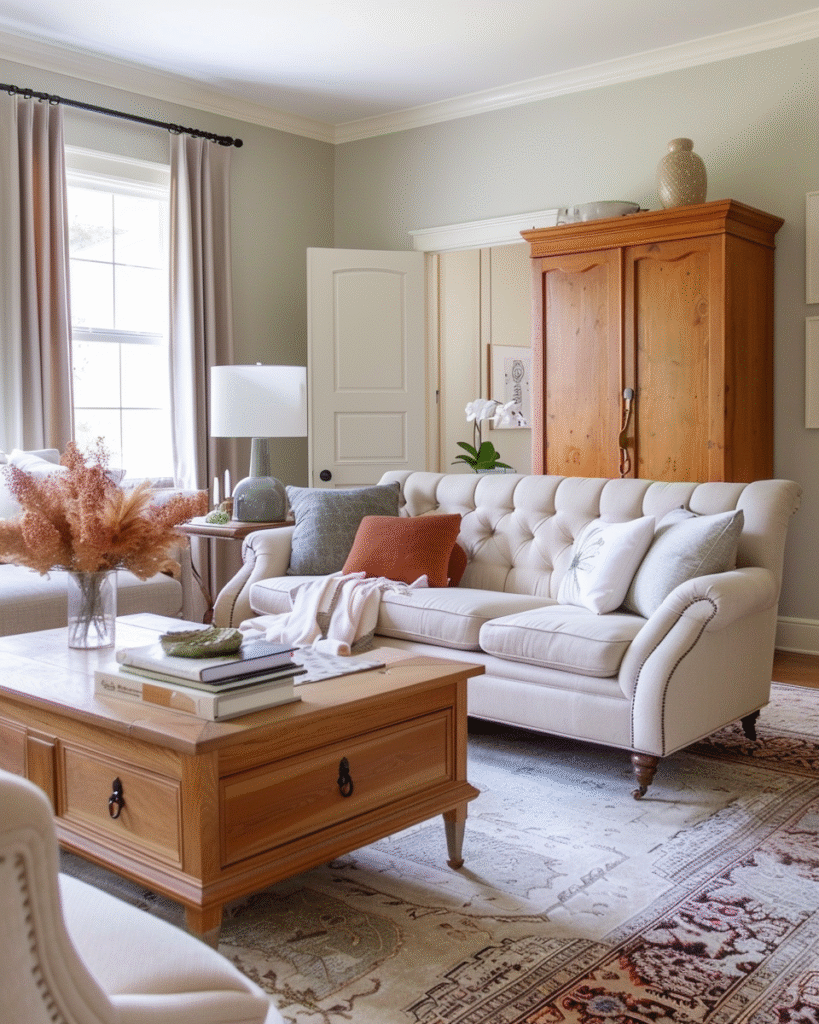
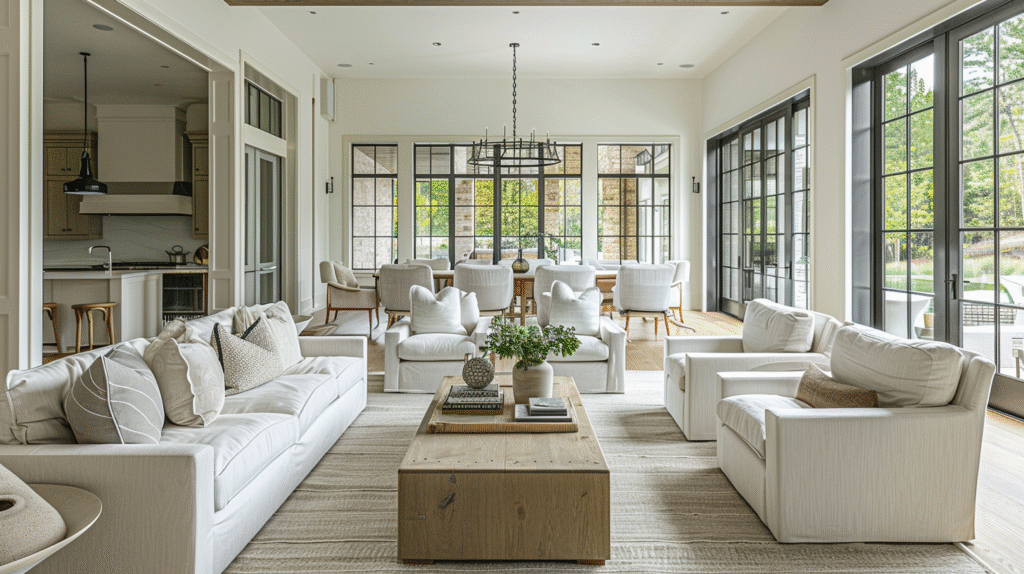
Living rooms often serve as the most visible application of transitional style. Start with a neutral sofa in a simplified silhouette. Layer with a traditional area rug, modern coffee table, and a mix of seating that spans eras. Window treatments should feel substantial but not fussy—simple panels in solid fabrics work beautifully.
Kitchens
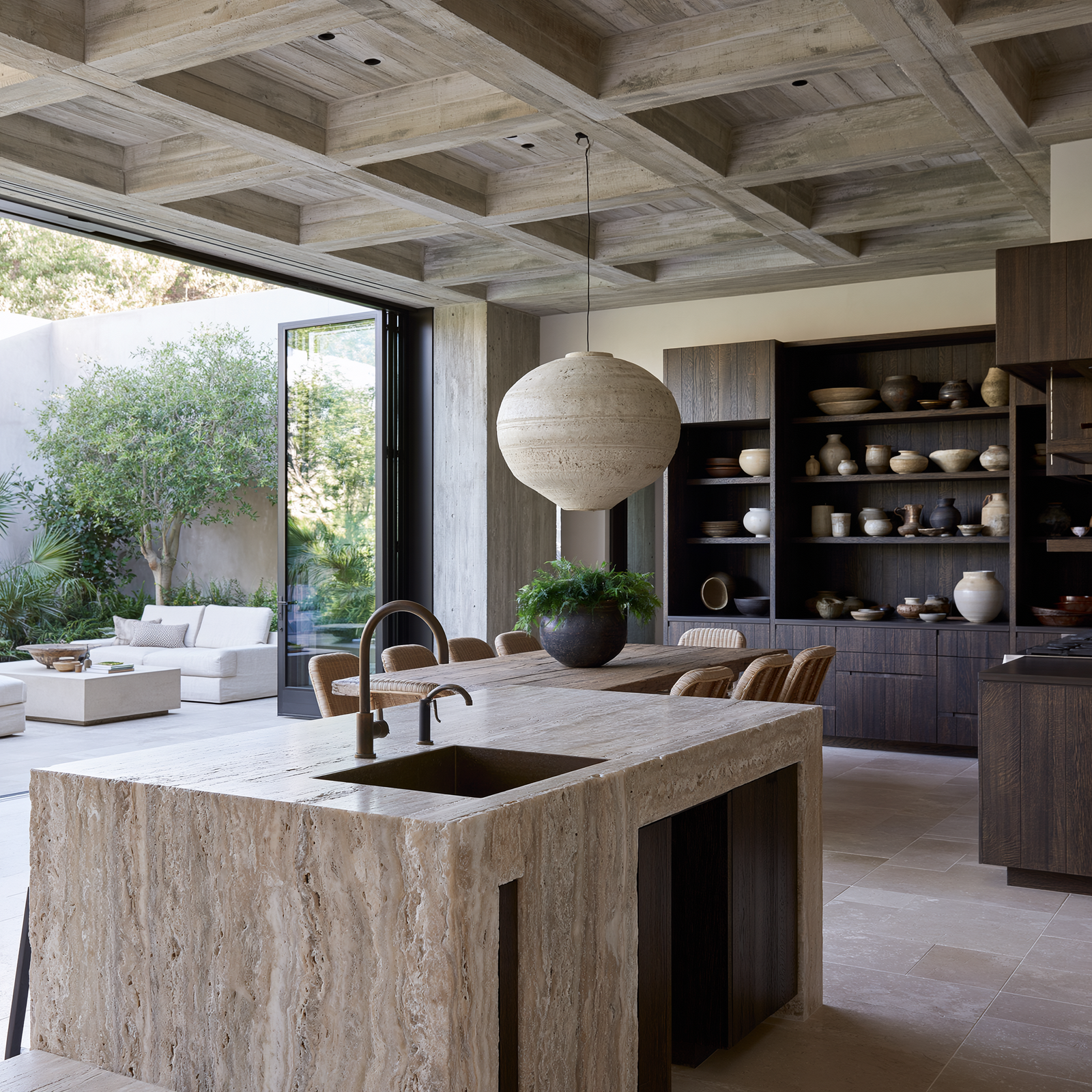
Kitchen transitional design often involves Shaker-style cabinets—a naturally transitional form that references traditional craftsmanship in simplified profiles. Pair them with contemporary hardware, substantial countertops in marble or quartz, and a backsplash that bridges eras—perhaps subway tile in a contemporary pattern.
Lighting is crucial. Consider simplified traditional pendant lights over an island, or contemporary fixtures with warm metal finishes. Open shelving can display a curated collection of dishware that mixes modern white pieces with traditional patterns.
Bedrooms
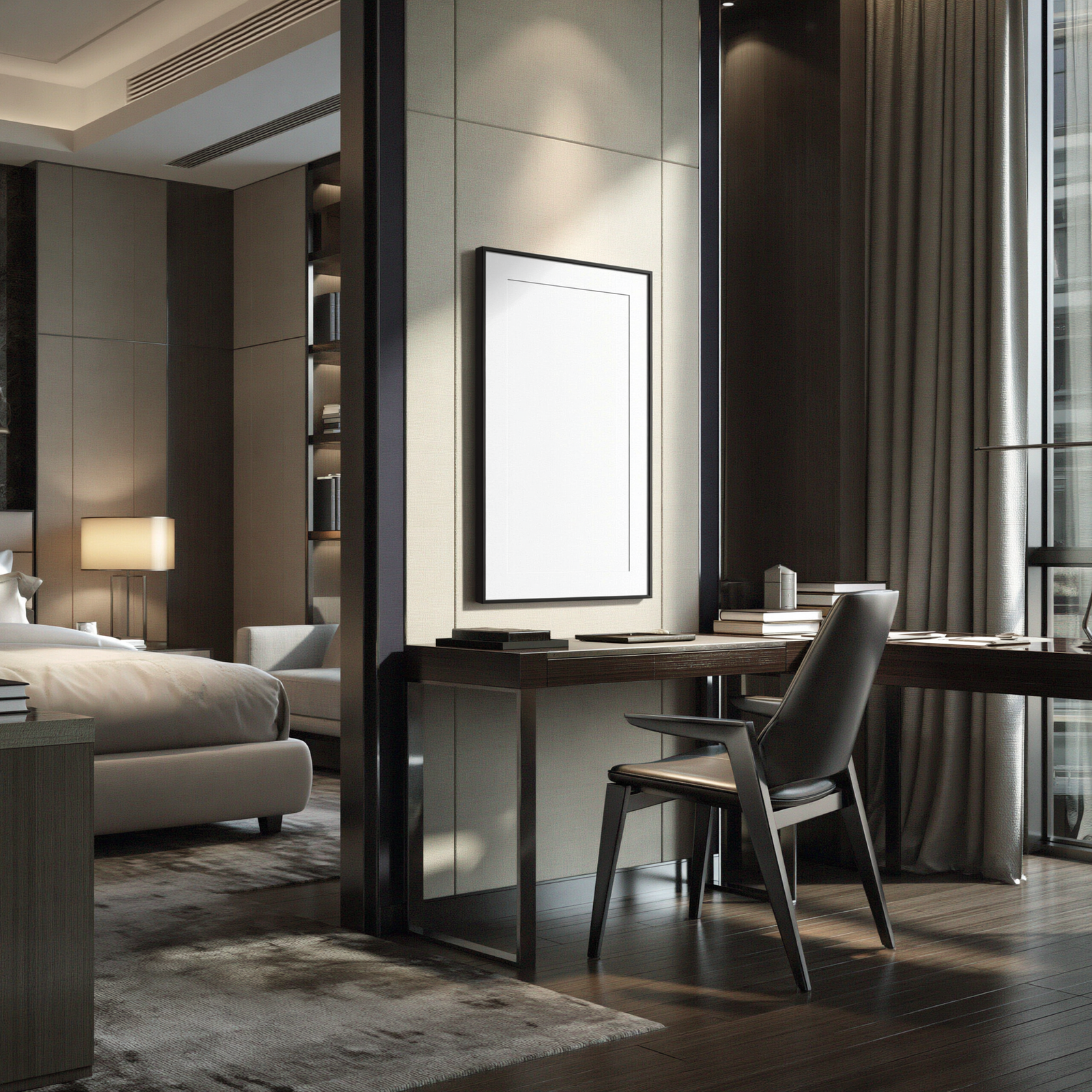
Bedrooms particularly benefit from transitional’s neutral, layered approach. A substantial upholstered bed with simplified traditional silhouette creates your anchor. Layer bedding in varying neutral textures—perhaps a white duvet with textured coverlet and linen sheets.
Nightstands might mix styles—one traditional, one contemporary—provided they’re similar in scale and share finish families. Lighting could include modern table lamps with traditional shades, or classic lamp bases in contemporary materials.
Bathrooms
Even modest bathrooms can embrace transitional principles. Consider classic subway tile with contemporary fixtures, or modern large-format tile with traditional vanity styling. Mirrors might feature simplified traditional frames, or frameless mirrors with traditional-style sconces flanking them.
Conclusion: Embracing the Art of Balanced Living
The enduring appeal of Transitional Interior Design lies not in its aesthetic middle ground but in its philosophical sophistication. This isn’t design for the indecisive—it’s design for those who recognize that the most interesting spaces don’t declare absolute allegiance to any single era or style, but instead create something richer by honoring multiple traditions simultaneously.
What makes transitional interiors successful isn’t the careful tallying of traditional versus contemporary elements, but rather the development of a discerning eye that recognizes when contrast creates interest and when it creates discord. It’s about understanding that a vintage Persian rug doesn’t contradict a modern sofa—it completes it, providing warmth and history that pure contemporary design sometimes lacks.
The beauty of Transitional Interior Design is its inherent flexibility. There’s no rigid formula declaring exactly which traditional elements pair with which contemporary ones. Instead, there are principles—balance, restraint, quality—that guide your decisions while leaving room for personal interpretation. Your transitional living room might lean more traditional in furniture but contemporary in accessories. Both approaches can succeed provided they’re executed with intentionality and care.
Perhaps most valuable is that transitional design creates homes that age gracefully. When you’re not chasing the bleeding edge of contemporary trends or strictly adhering to period-specific traditional rules, you build spaces that remain relevant as both your taste and broader design trends evolve. That neutral foundation you’ve established can accommodate new accessories as your preferences shift.
This longevity matters not just aesthetically but practically. The financial and environmental costs of constantly updating interiors to match shifting trends are significant. Transitional design offers an alternative: spaces that feel current without being trendy, classic without being dated, personal without being idiosyncratic. These are homes you can grow into rather than out of.
For those beginning their transitional design journey, remember that perfection isn’t the goal—thoughtfulness is. Start with your largest investments—quality neutral furniture that bridges eras, substantial area rugs that anchor spaces, architectural improvements that honor traditional proportions in simplified forms. Then layer gradually, introducing accessories and personal items that reflect your specific interpretation of transitional principles.
Don’t fear mistakes or feel paralyzed by the need to get everything right immediately. Transitional spaces evolve over time, with pieces added as you find them. The edited, collected-over-time quality that defines successful transitional design can’t be rushed—it develops naturally when you approach decorating as an ongoing practice rather than a one-time project.
Most importantly, trust your instincts while educating your eye. If a traditional piece feels too ornate alongside your contemporary furniture, it probably is. If a room feels cold despite technically correct contemporary furnishings, it needs the warmth that traditional textiles might provide. Transitional Interior Design succeeds when it feels right, when spaces balance comfort and clarity, when rooms honor both where we’ve been and where we’re going.
Your home deserves this kind of thoughtful attention—not the temporary satisfaction of following the latest trend, nor the rigid adherence to historical accuracy, but the lasting pleasure of spaces that truly reflect how you live, what you value, and who you are. That’s what transitional design offers: not a compromise between two aesthetics, but a third path entirely—one that’s sophisticated enough to honor complexity, flexible enough to accommodate change, and timeless enough to remain beautiful for decades to come.
If you’re renting and want to implement these transitional principles without damaging your space, check out our guide on https://eclectic-niche.com/renter-friendly-damage-free-diy-10-thoughtful-ways-to-personalize-your-space/