What Is Midimalism? The 5 Rules for Mastering the ‘Expressive Yet Calm’ Interior Trend

Midimalism

You’ve seen it before: the friend who swears by the cult of less, whose apartment feels like it could double as a Scandinavian tech showroom—spotless, yes, but also oddly vacant. No character. No warmth. Just white walls, a single plant in the corner, and an uncomfortable amount of restraint.

On the flip side, maybe you know the maximalist, the collector, the curator of everything—vintage rugs stacked on vintage rugs, gallery walls that multiply like invasive species, shelves buckling under the weight of ceramic vessels acquired from weekend markets. It’s personality-rich, sure. But it’s also visually exhausting. The kind of space that makes you need a nap just from standing in it.

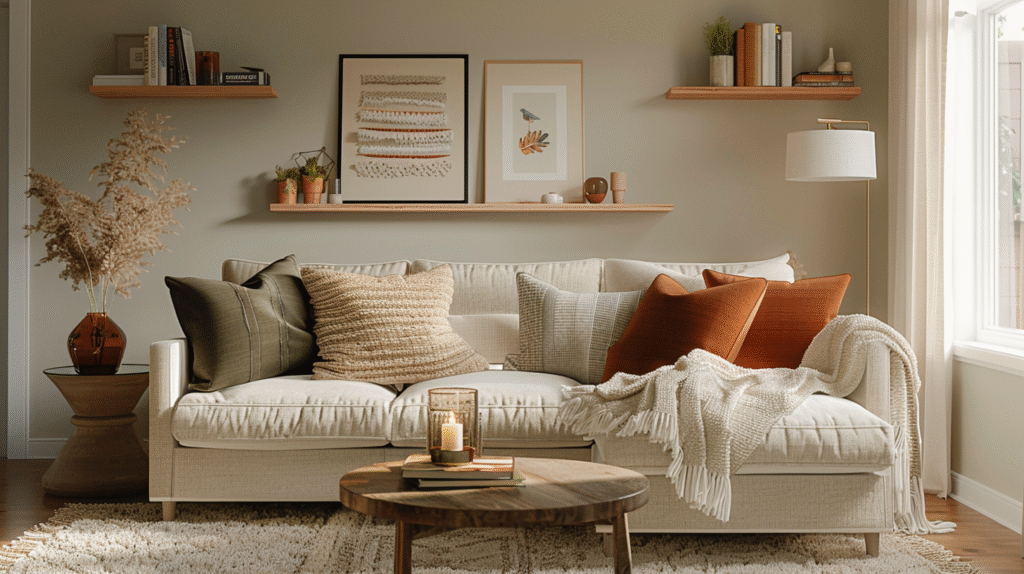
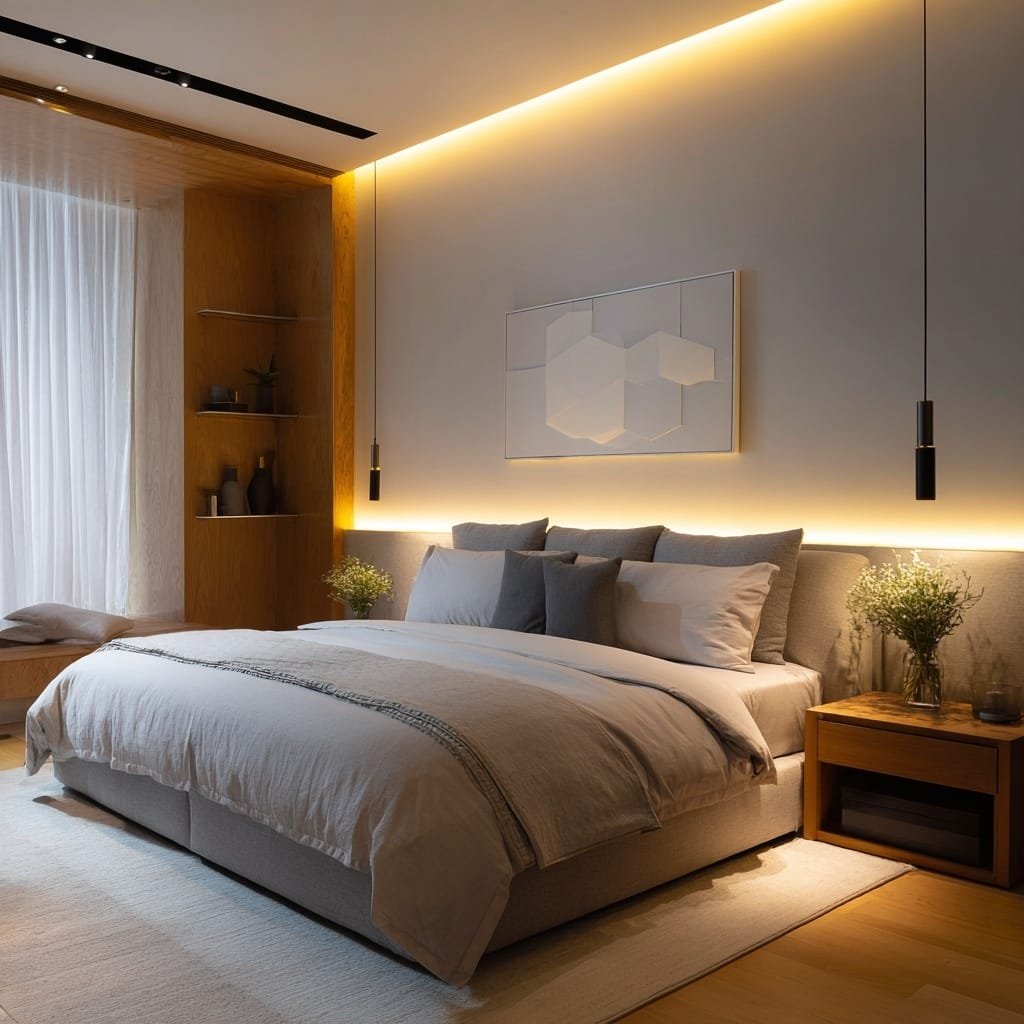
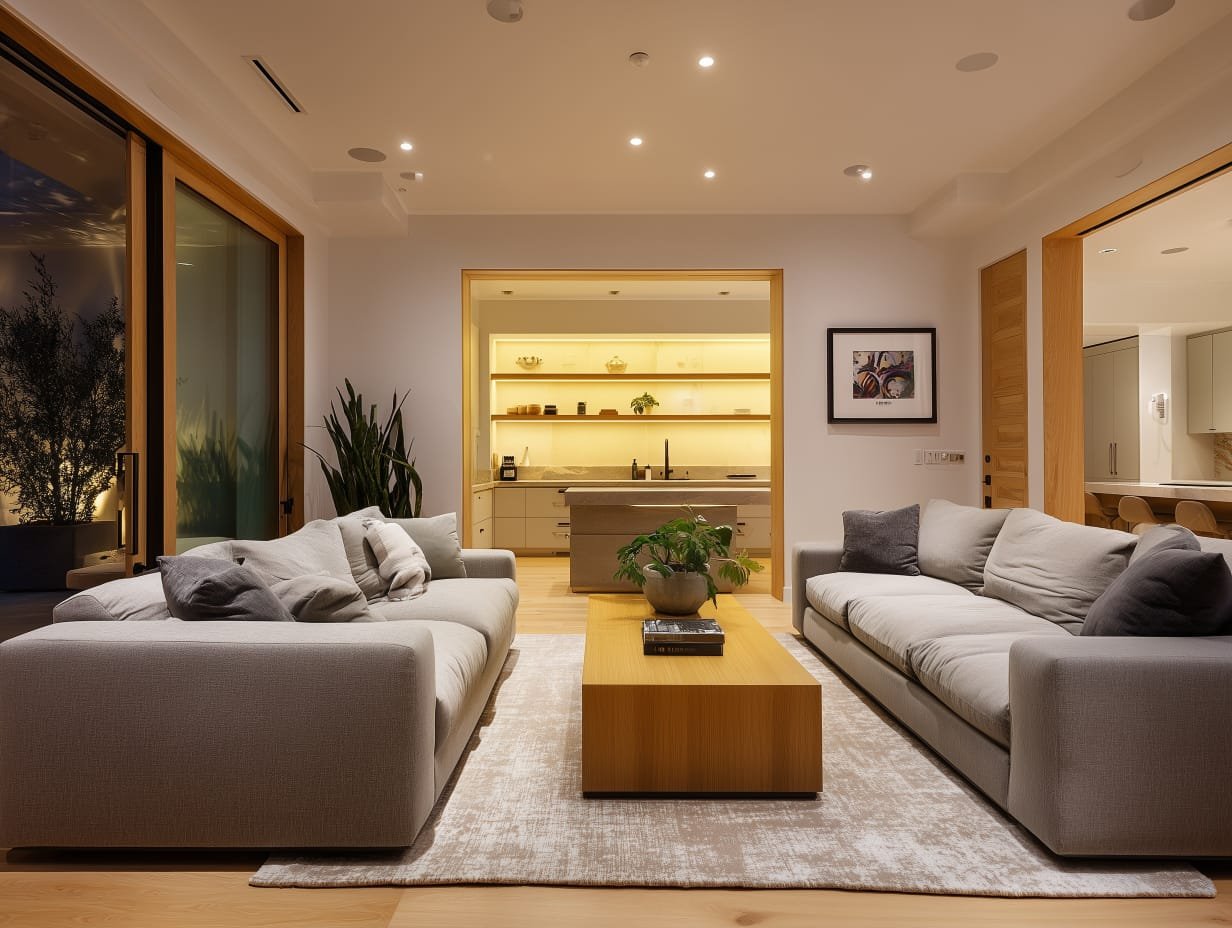
Enter midimalism, the Goldilocks aesthetic that refuses to choose between extremes and, in doing so, creates something far more compelling than either camp alone. Not sparse to the point of sterility. Not cluttered to the point of chaos. Just… considered. Warm. Grounded. Expressive without being overwhelming. Calm without being cold.

If minimalism is about denying yourself joy in the name of order, and maximalism is about celebrating joy until your home needs its own zip code, midimalism is about editing joy down to its most meaningful expression. It’s restraint with personality. Curation with intention. A visual dialect that says: I know what I love, I know what I need, and I’m confident enough to let the rest go.

This isn’t about owning fewer things for the sake of a number, or styling your bookshelves by colour because the internet told you to. Midimalism is a philosophy—a way of making space feel both luxurious and lived-in, polished yet personal, carefully composed but never staged. It’s the interior design equivalent of speaking softly and carrying a big stick. You don’t shout. You don’t apologize. You just exist, with intention.

And the best part? Midimalism is forgiving. It doesn’t demand architectural perfection, vintage finds, or a five-figure furniture budget. It simply asks that you be honest about what adds value to your daily life—and ruthless about what doesn’t. Because when you strip away the noise, what’s left isn’t emptiness. It’s clarity. It’s breathing room. It’s home.

Midimalism

In eclectic interior design, art and décor aren’t afterthoughts—they’re integral to the room’s narrative and often provide the conceptual glue that makes diverse furniture elements cohere.

Art as the Great Unifier

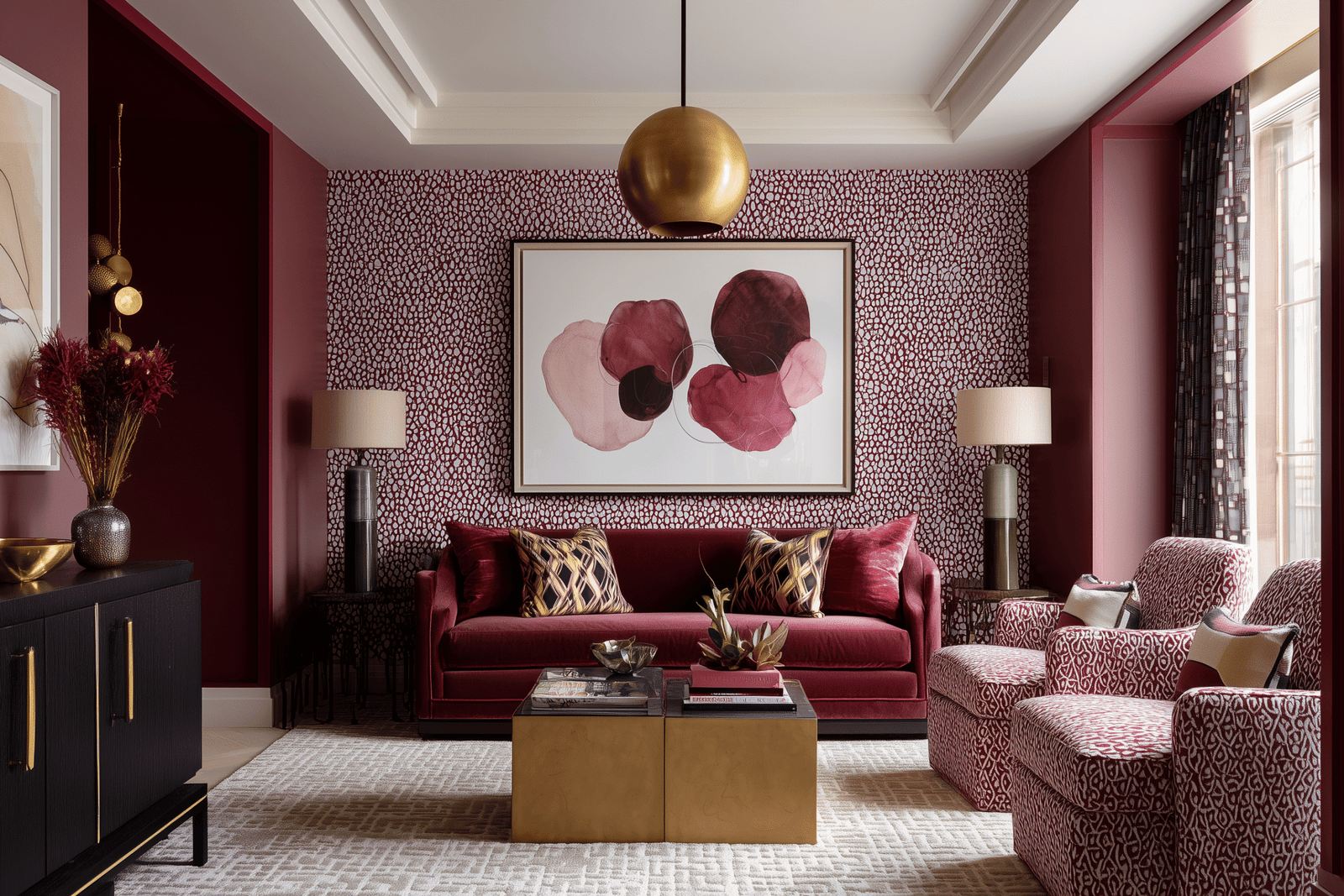
Here’s a powerful strategy: let your art collection dictate your color palette and aesthetic direction. When you pull colors from a beloved painting into your upholstery, pillows, and accessories, everything immediately relates. The art gives you permission to be bold because you can always point to it as your color inspiration.

This works especially well in eclectic spaces because art is already a medium of diverse expression. Your gallery wall might include contemporary photography, vintage botanical prints, abstract expressionist paintings, and folk art—different styles and eras united by the gallery wall format and perhaps by complementary framing or matting choices.

The Gallery Wall as Eclectic Showcase

Gallery walls are natural homes for eclecticism. They allow you to display:

  • Different artistic media (paintings, photographs, prints, textile art)
  • Various frame styles (though usually unified in finish—all brass, all black, all natural wood)
  • Multiple eras and influences
  • Personal photographs alongside fine art
  • Three-dimensional objects on ledges or integrated into the arrangement

The key to successful eclectic gallery walls: maintain consistent spacing between pieces and ensure the overall shape of the arrangement feels intentional, whether that’s a structured grid or an organic salon-style hang.

Sculptural Objects and Collectibles

Eclectic interior design celebrates objects with stories. This is where your travel finds, inherited pieces, flea market treasures, and artist discoveries shine. But curation remains essential—too many small objects create visual clutter.

Apply the “edit by half” rule: gather everything you want to display, then remove half. What remains will have more impact because each piece has breathing room and can be truly seen.

Group objects in odd numbers (three or five items together read better than two or four). Vary heights within groupings. And ensure objects relate to each other through color, material, theme, or aesthetic—the same anchoring principles that guide your larger furniture choices.

Mirrors as Both Art and Amplifiers

Mirrors in eclectic spaces do double duty: they’re decorative objects in their own right (especially vintage mirrors with ornate frames or interesting shapes) and they amplify the room by reflecting light and other elements. A statement mirror can be the focal point of an entire wall, or multiple smaller mirrors can create a collected, gallery-wall effect.

The foundational truth of midimalism is this: every single object in your home should earn its place. Not because it might be useful someday. Not because it was expensive. Not because someone gave it to you and you’d feel guilty getting rid of it. But because it either serves a clear function, brings you genuine joy, or adds visual interest to the room.

Think of yourself as a gallery curator. A great exhibition doesn’t display every piece the museum owns. It shows a tightly edited selection, each one chosen to contribute to a larger narrative. Your home is no different. The vase collecting dust on the mantle? Gone. The decorative bowl you’ve never once used? Gone. The novelty salt shaker shaped like a taco? Absolutely gone.

The Visual Principle: Negative Space Is a Design Element

In midimalist interiors, what you don’t see matters as much as what you do. Negative space—the breathing room around and between objects—creates visual calm. It allows your eye to rest. It makes the pieces you do keep feel more significant, more considered, more intentional.

Without negative space, even beautiful objects start to compete for attention. The result? Visual noise. A room that feels cluttered no matter how much you tidy. This is where minimalism gets it right: space itself is a luxury. But where midimalism improves on minimalism is in understanding that you can have both—carefully chosen objects and generous negative space. You don’t have to choose.

Common Mistakes: The “Just in Case” Trap

The most common editing failure? Keeping things “just in case.” Just in case you need twelve coffee mugs for a dinner party you’ve never hosted. Just in case the broken lamp is fixable someday. Just in case you suddenly develop a passion for scrapbooking.

“Just in case” is the enemy of midimalism. It’s clutter disguised as preparedness. If you haven’t used something in the past year—and you don’t have concrete plans to use it in the next three months—it doesn’t belong in your space.

Actionable Strategy: The Three-Category System

When editing your space, sort every object into one of three categories:

  • Functional: You use it regularly. It makes your life easier or better. Keep it.
  • Beautiful: It brings you visual joy every time you see it. It elevates the mood of the room. Keep it.
  • Dead weight: It’s neither functional nor beautiful. It’s obligation, guilt, or habit. Let it go.

This system isn’t about deprivation. It’s about clarity. And the beautiful thing about midimalism is that it makes room for things that genuinely matter—whether that’s a sculptural lamp, a vintage armchair, or simply empty counter space that makes cooking feel less chaotic.

What Is Midimalism? The 5 Rules for Mastering the 'Expressive Yet Calm' Interior Trend

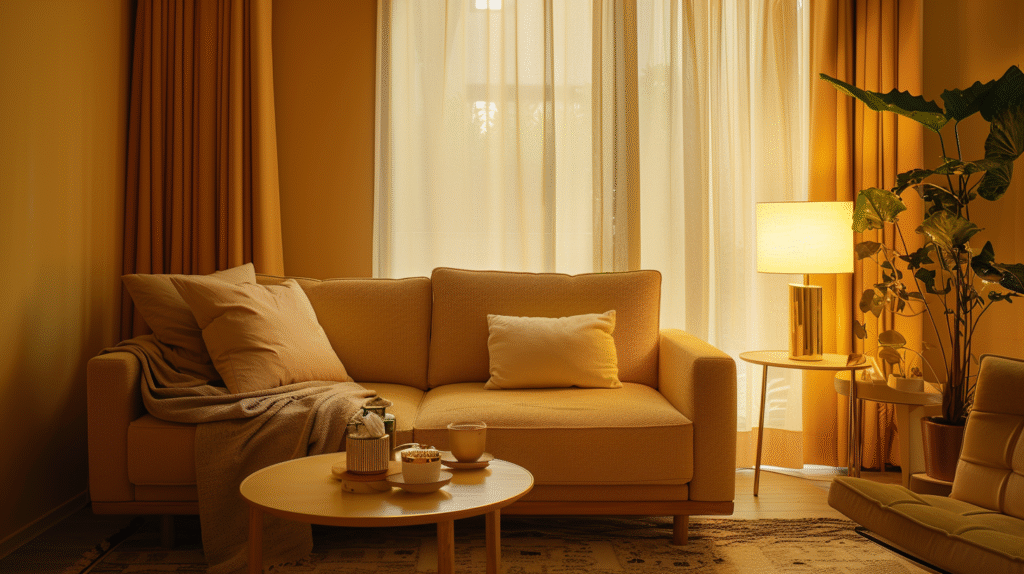
Colour is where midimalism reveals its sophistication. Unlike minimalism, which often defaults to an all-white or greyscale palette, midimalism embraces warmth and personality through colour—but it does so with restraint. The goal isn’t to eliminate colour. It’s to use colour intentionally, so that every hue feels purposeful rather than random.

Think of your colour palette as a conversation. A great conversation doesn’t involve everyone shouting at once. It has rhythm, pauses, moments of emphasis. Your interior palette should work the same way: a neutral base (the calm), punctuated by intentional colour (the expression).

The Visual Principle: Neutrals as the Foundation

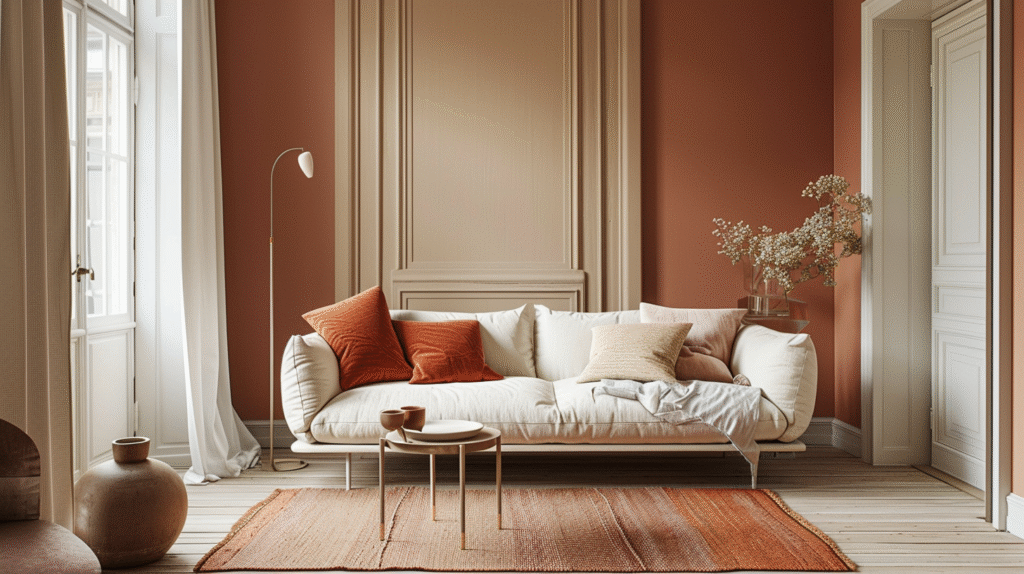
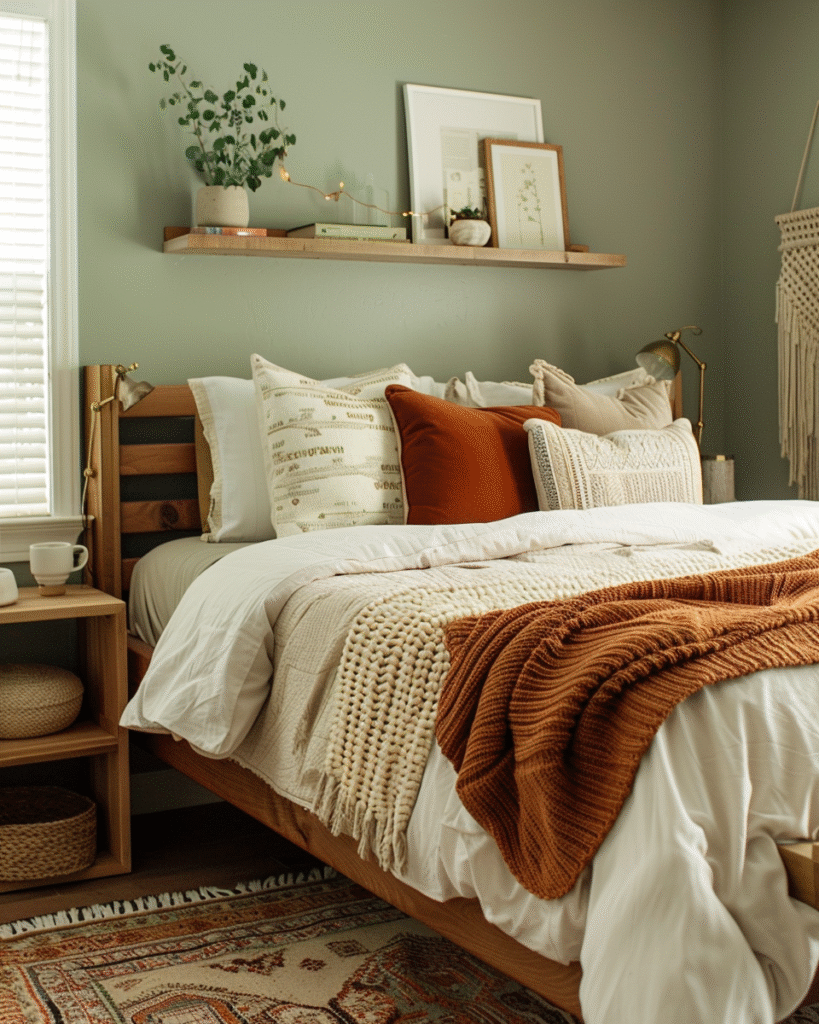
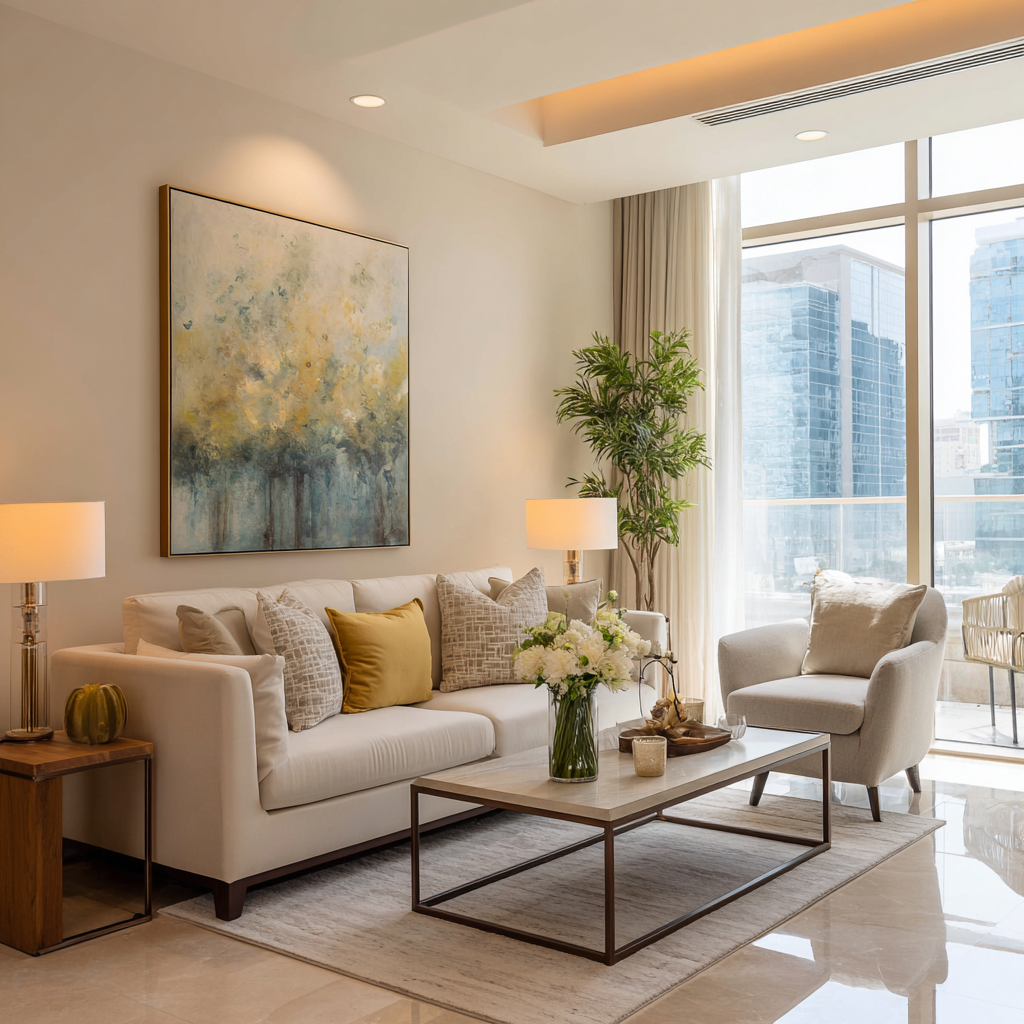
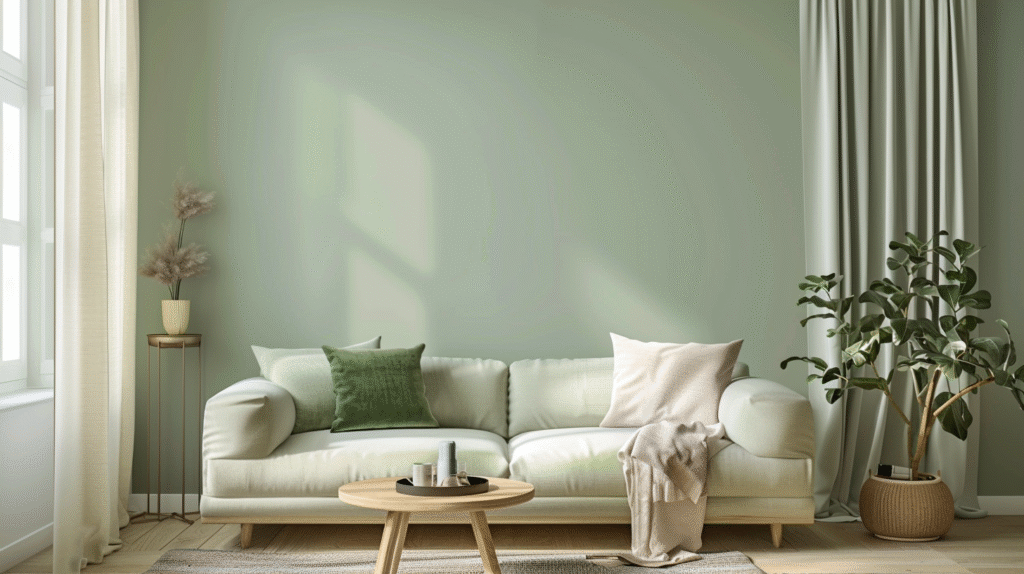
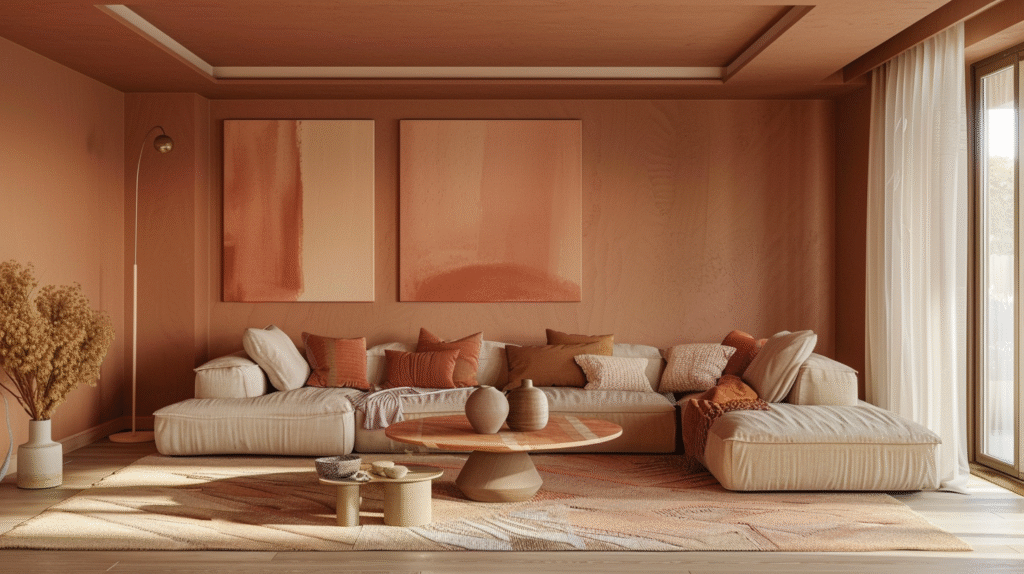
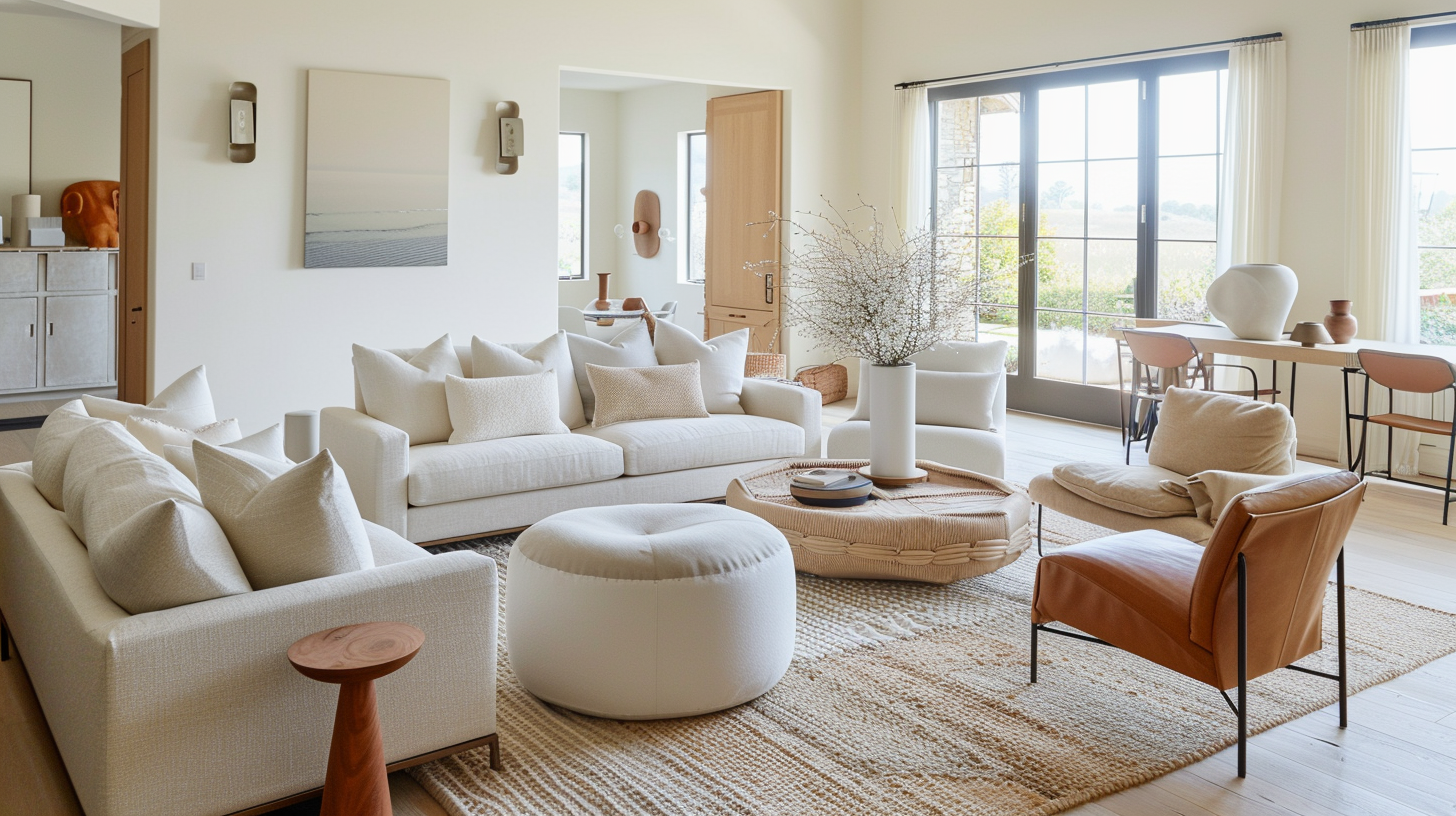
Start with neutrals—but not the cold, sterile neutrals of minimalism. Midimalist neutrals have warmth: think warm whites, soft beiges, earthy taupes, gentle greys with undertones of greige or mushroom. These aren’t colours that disappear. They’re colours that hold space, create cohesion, and allow your eye to move through a room without getting snagged on visual competition.

Walls, larger furniture pieces, and foundational textiles (rugs, curtains, bedding) should live in this neutral zone. This creates a visual anchor—a sense of calm that persists no matter what else you introduce to the space.

The Emotional Principle: Colour as Accent, Not Assault

Once your neutral base is established, introduce colour through smaller, more flexible elements: throw pillows, art, ceramic vessels, a single velvet chair, a patterned rug. These are your accent pieces—the elements that add personality, warmth, and visual interest without overwhelming the calm.

The key is to limit your accent palette to two or three colours maximum. Maybe it’s terracotta and olive. Maybe it’s dusty blue and warm ochre. Maybe it’s charcoal and blush. Whatever you choose, stick to it. Repetition creates cohesion. It makes a room feel considered rather than collected at random.

Common Mistakes: Death by Rainbow

The most common colour mistake in would-be midimalist spaces? Introducing too many accent colours at once. You love that teal pillow. You also love that mustard throw. And that burgundy vase. And suddenly, your calm neutral room looks like a festival tent.

Midimalism asks you to be disciplined. Choose your colours thoughtfully. Make sure they talk to each other, not shout over each other. And when in doubt, err on the side of restraint.

Actionable Strategy: The 70-20-10 Rule

Borrowed from interior design fundamentals, the 70-20-10 rule is a reliable framework for colour distribution:

  • 70% neutral base: Walls, large furniture, foundational textiles
  • 20% secondary colour: Medium-sized accent pieces, art, rugs
  • 10% pop colour: Small accent objects, pillows, decorative items

This distribution ensures visual balance without chaos. It’s the difference between a room that feels thoughtfully composed and one that feels like you raided a home goods store with your eyes closed.

What Is Midimalism? The 5 Rules for Mastering the 'Expressive Yet Calm' Interior Trend

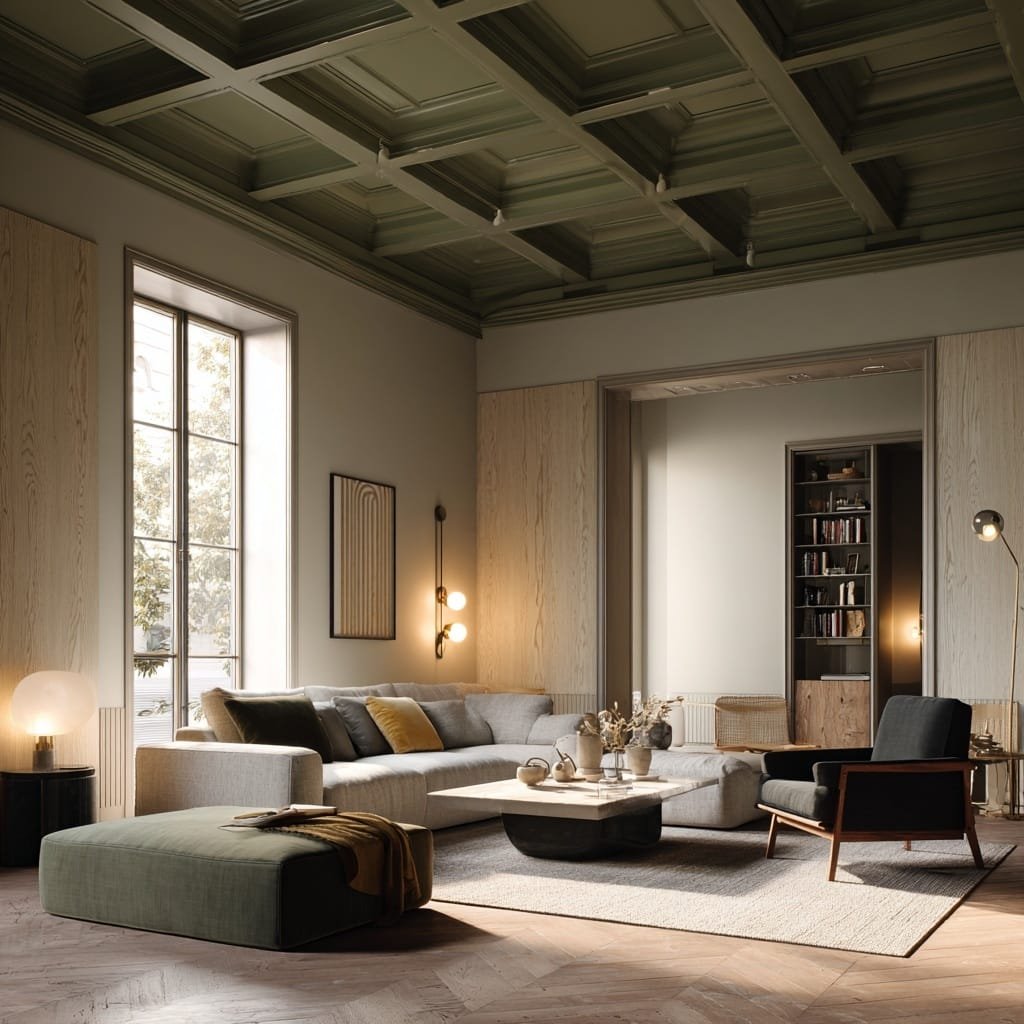
Here’s where midimalism becomes truly brilliant: texture. If colour is the conversation, texture is the intonation—the subtle shifts in tone and emphasis that keep things interesting without being loud. And in a neutral-heavy palette, texture is what prevents a room from feeling flat, sterile, or one-dimensional.

Minimalism often fails here. Too much smoothness, too much uniformity—everything sleek, everything glossy, everything the same. Midimalism understands that visual interest doesn’t only come from colour or pattern. It comes from the interplay of materials: the rough with the smooth, the matte with the shine, the soft with the hard.

The Visual Principle: Contrast Creates Depth

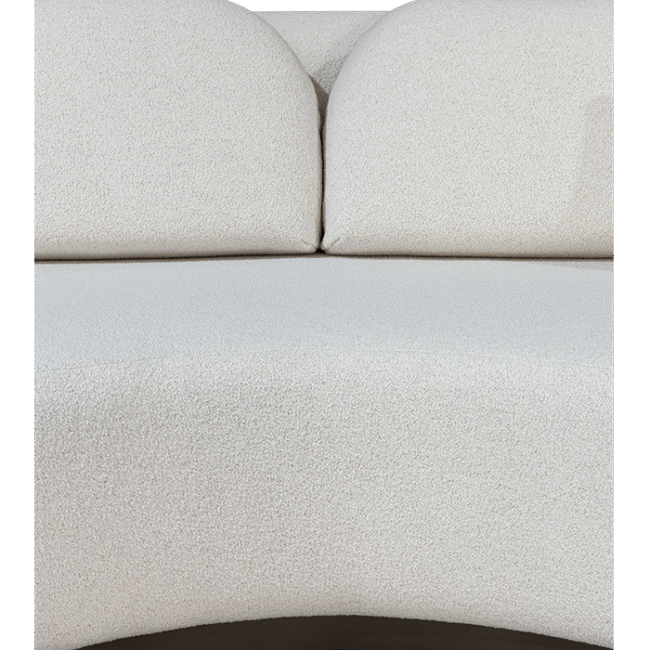
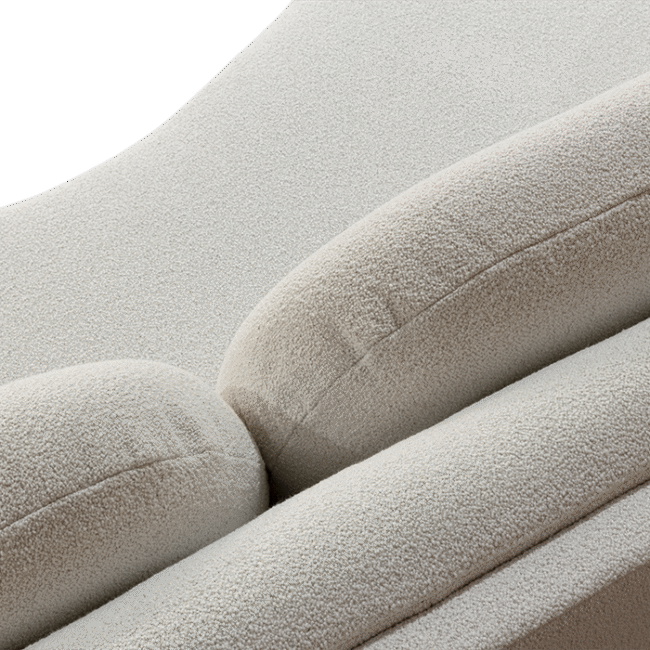
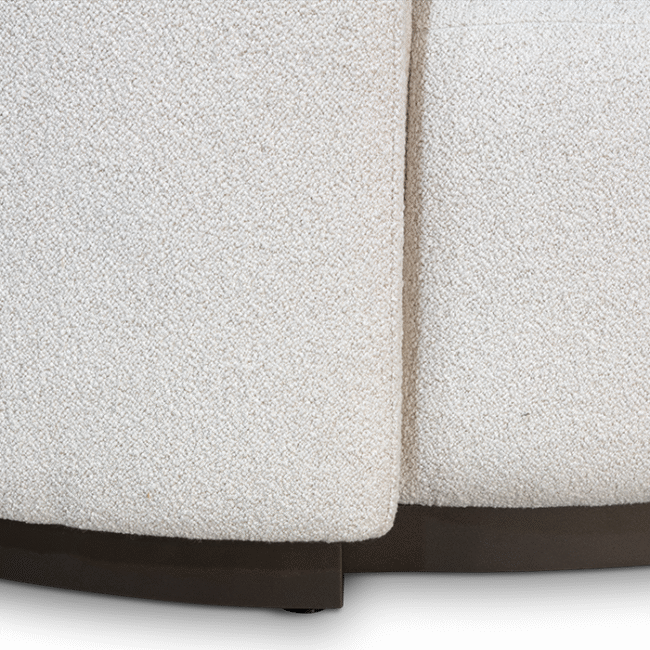
A room layered with different textures feels dimensional in a way that a single-texture room never can. The linen sofa against the wool rug. The ceramic vase next to the brass candlestick. The velvet pillow on the leather chair. Each material has its own tactile personality, and when combined thoughtfully, they create a sense of richness—of luxury—without needing to rely on colour or pattern.

This is especially critical in midimalist spaces where the colour palette is deliberately restrained. If everything is beige and everything is smooth, you haven’t created calm—you’ve created monotony. But if everything is beige and there’s a mix of linen, wood, stone, metal, and wool? Now you’ve created depth.

The Emotional Principle: Tactility Equals Warmth

Texture isn’t just visual—it’s emotional. Natural materials like wood, linen, wool, and stone make a space feel grounded, human, lived-in. Synthetic materials, on the other hand, can feel cold and impersonal, no matter how well-designed they are.

This is why midimalist interiors lean heavily on natural textures. Not because they’re trendy, but because they carry an inherent warmth that synthetic materials struggle to replicate. A chunky knit throw. A raw-edge wooden coffee table. A hand-woven basket. These aren’t just decorative choices—they’re atmospheric choices.

Common Mistakes: Too Much of the Same Thing

The textural mistake most people make? Choosing all smooth or all rough. An all-leather-and-metal room feels industrial and cold. An all-linen-and-wool room can feel overly soft, almost cottagecore. The magic happens when you mix.

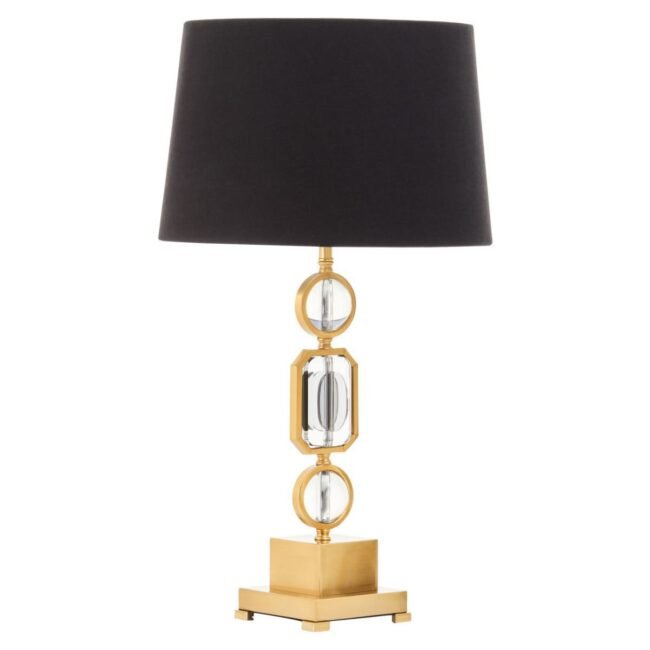
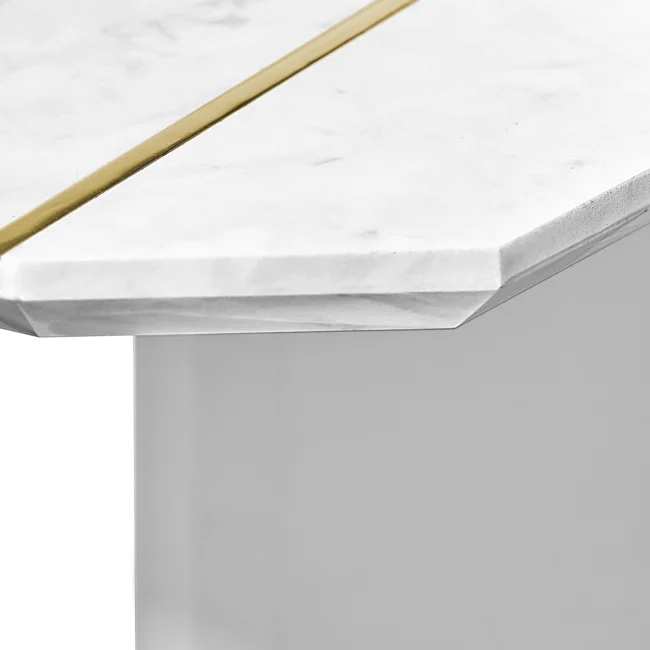
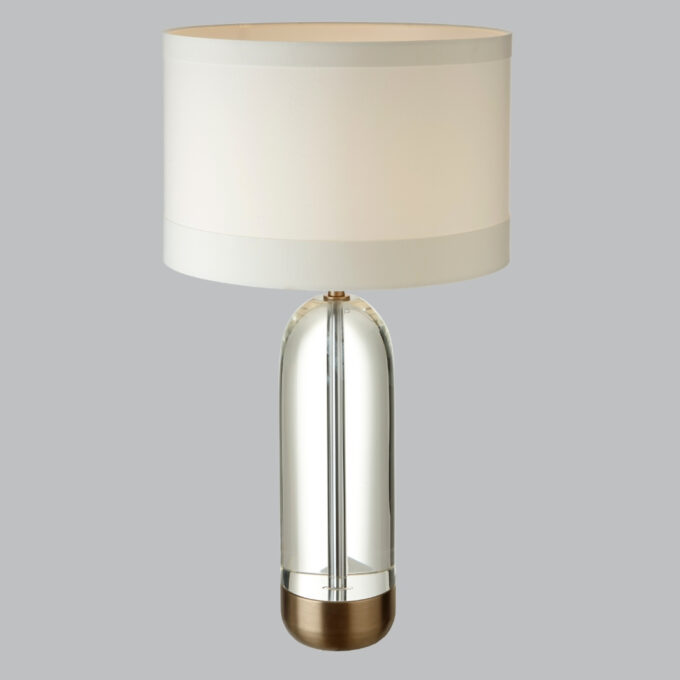
Balance is key. Pair a sleek marble side table with a chunky wool throw. Pair a smooth leather sofa with a textured jute rug. Pair matte ceramic vessels with a glossy brass lamp. Contrast is what makes each texture sing.

Actionable Strategy: The Five-Texture Rule

Aim to incorporate at least five different textures in every room:

  • Wood (furniture, flooring, shelving)
  • Textile (linen, wool, cotton, velvet)
  • Metal (brass, steel, iron)
  • Stone or ceramic (vases, countertops, decorative objects)
  • Natural fibre (jute, rattan, wicker)

This ensures visual variety without visual chaos. And the best part? You don’t need to buy new furniture to achieve this. A £20 jute rug and a £15 ceramic vase can transform the feel of a room just as effectively as a designer sofa.

What Is Midimalism? The 5 Rules for Mastering the 'Expressive Yet Calm' Interior Trend

One of the most overlooked aspects of midimalism is the art of display. How you arrange objects—on shelves, on surfaces, on walls—has enormous impact on whether a room feels curated or cluttered, intentional or chaotic.

Maximalism encourages abundance: more is more, layer upon layer, every surface filled. Minimalism swings the opposite direction: emptiness as virtue, nothing on the coffee table, nothing on the shelves. Midimalism splits the difference. It embraces display—personal objects, art, collections—but it does so with discipline.

The Visual Principle: Grouping and Negative Space

Objects displayed individually can look lonely, scattered, random. Objects displayed in thoughtful groupings feel intentional, cohesive, designed. The trick is to group objects in odd numbers (three or five works better than two or four) and vary the heights, shapes, and textures within each grouping.

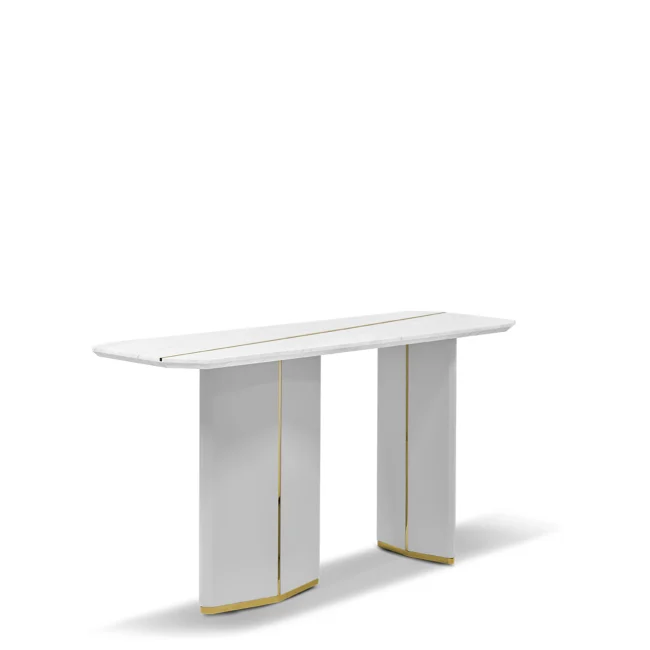
For example, on a console table: a tall ceramic vase, a medium stack of books, and a small sculptural object. Three items, three different heights, visual interest without clutter. Then—and this is critical—leave the rest of the surface empty. That negative space is what makes the grouping feel curated rather than crowded.

The Emotional Principle: Rotation Keeps Things Fresh

Midimalism doesn’t require you to own fewer beautiful things—it just requires that you don’t display all of them at once. Think of it like a wardrobe. You don’t wear every piece of clothing you own every single day. You rotate seasonally, situationally, based on mood.

The same principle applies to home decor. Keep some items in storage and rotate them in and out every few months. This keeps your space feeling fresh and allows you to appreciate each object fully, rather than letting everything blur into visual noise.

Common Mistakes: The Flat Lay Fallacy

Social media has given us the flat lay—the perfectly arranged tabletop scene, every object placed just so, photographed from above. It looks great in a photo. It looks staged and forced in real life.

Midimalist display isn’t about Instagram-perfect arrangements. It’s about creating groupings that feel natural, liveable, personal. A stack of books with a mug on top? Fine. A single vase on an otherwise empty shelf? Also fine. The goal is visual ease, not photographic perfection.

Actionable Strategy: The One-In-One-Out Rule

To maintain a midimalist display strategy over time, adopt the one-in-one-out rule: every time you introduce a new decorative object, remove an existing one. This prevents slow creep back toward clutter and forces you to evaluate whether the new piece genuinely adds value.

It’s a simple discipline, but it works. And over time, it trains you to be more discerning about what you bring into your space in the first place.

What Is Midimalism? The 5 Rules for Mastering the 'Expressive Yet Calm' Interior Trend

The final rule of midimalism is perhaps the most counterintuitive: you’re allowed to spend money on things that matter. In fact, you’re encouraged to. But—and this is the critical part—you must be ruthlessly selective about what those things are.

Midimalism is not about deprivation. It’s about prioritization. It’s about understanding that one beautiful, well-made piece will always outperform five cheap, forgettable ones—visually, emotionally, and practically.

The Visual Principle: Investment Pieces Anchor a Room

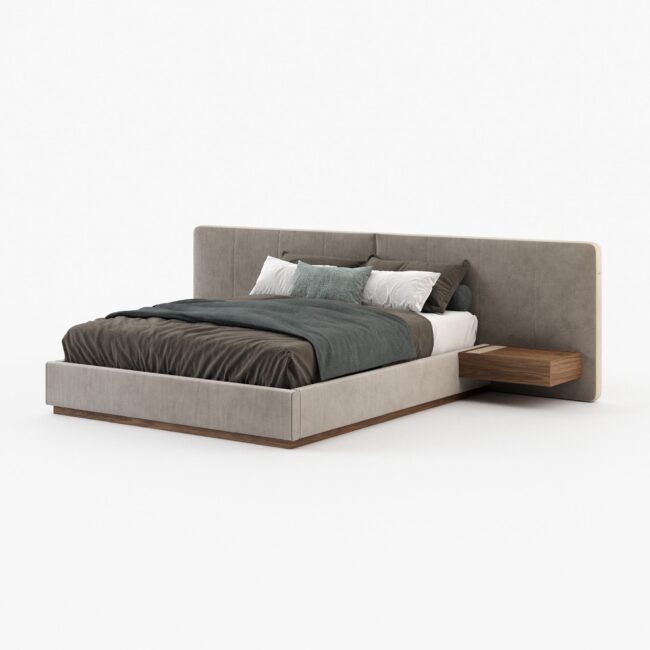
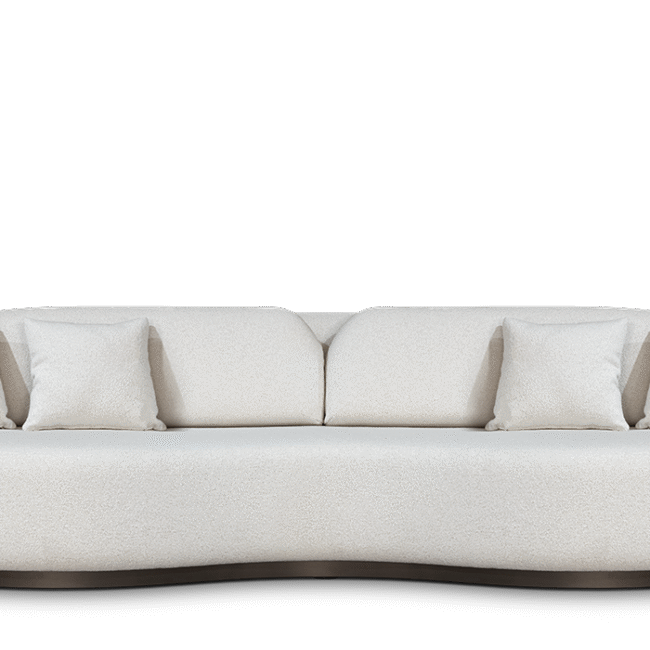
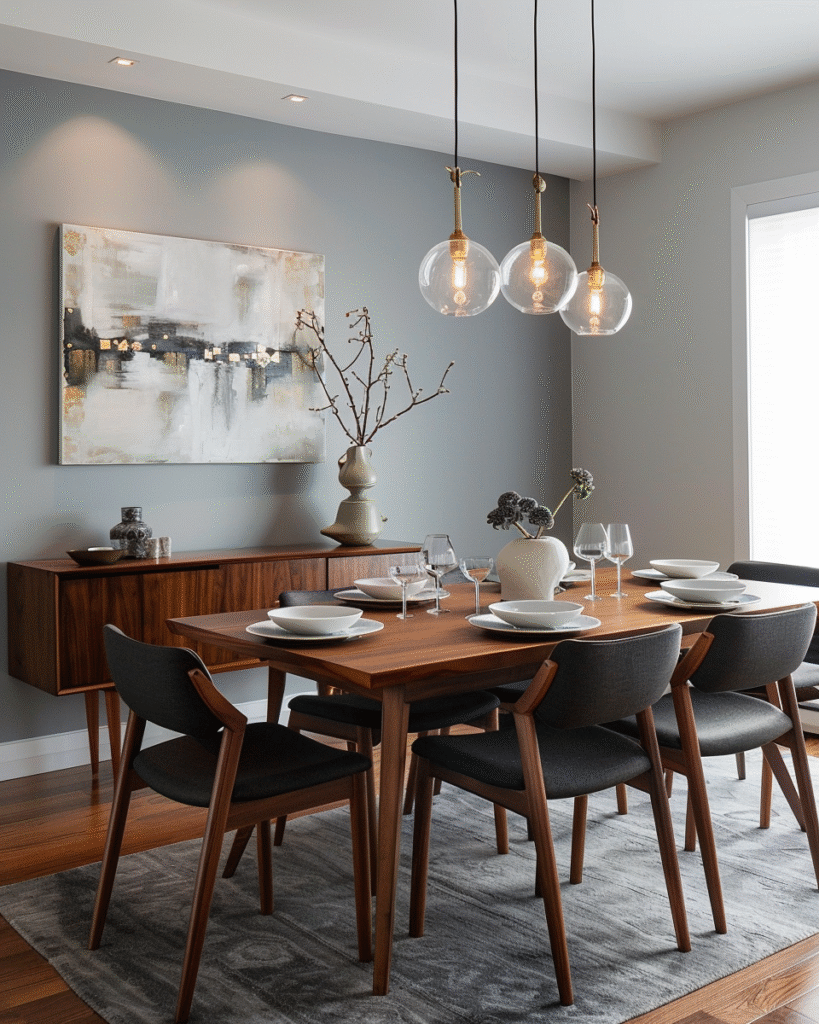
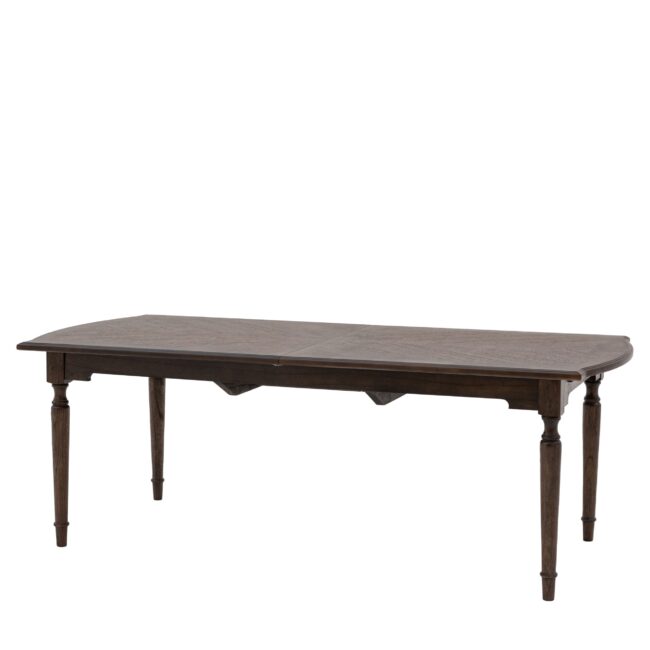
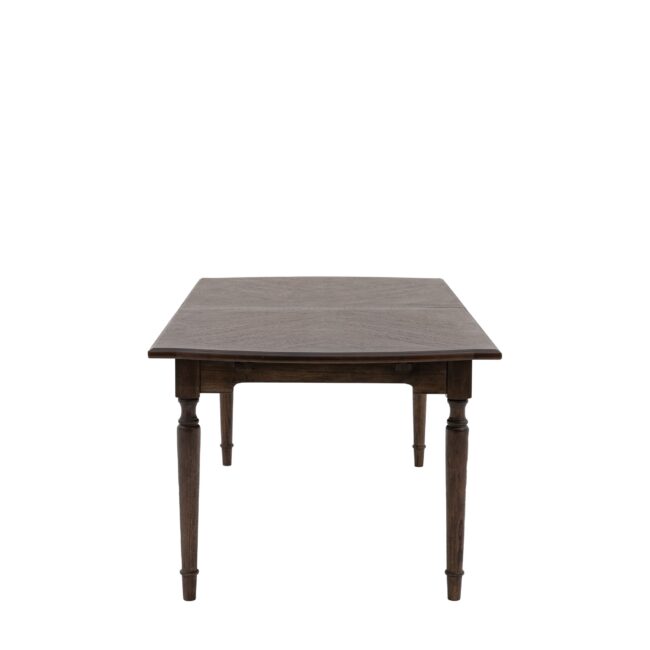
Every well-designed room has anchor pieces—the items that ground the space and set the tone for everything else. In a living room, it might be the sofa. In a bedroom, the bed. In a dining room, the table. These are your investment pieces, and they deserve your budget and attention.

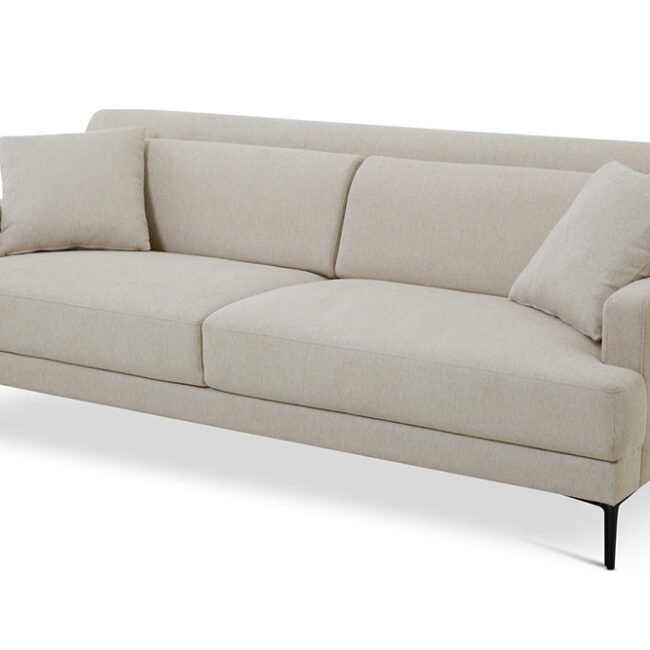
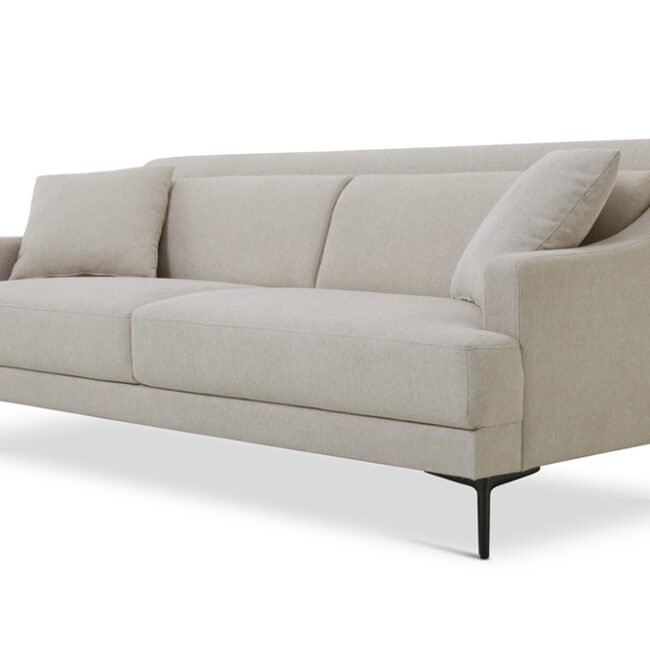
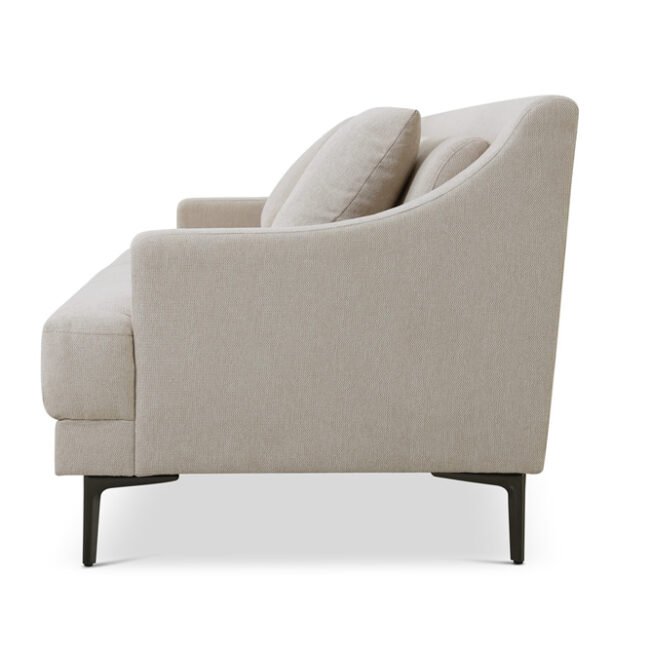
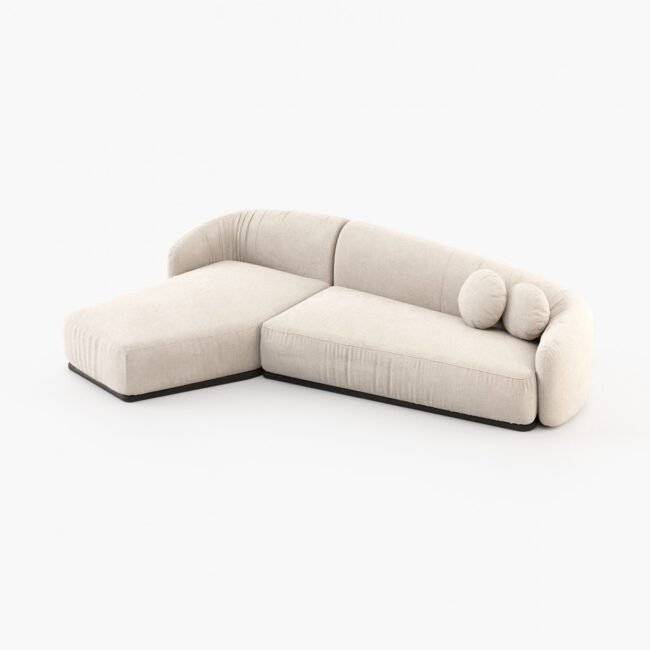
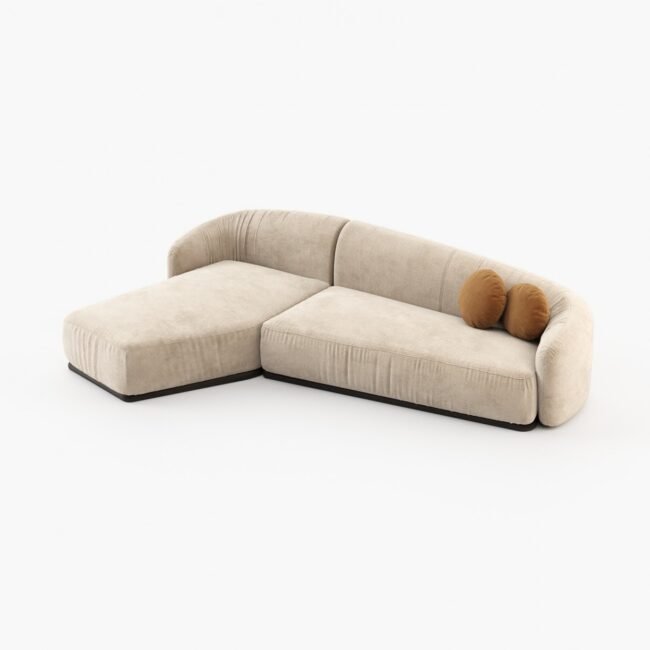
Why? Because they’re the pieces you interact with most frequently and the pieces that have the greatest visual impact. A cheap sofa will look cheap no matter how many designer pillows you pile on it. A well-made sofa, on the other hand, elevates everything around it—even budget accessories.

The Emotional Principle: Quality Ages, Trends Fade

Midimalism has an interesting relationship with trends. It’s not anti-trend—it simply recognizes that trends are ephemeral and quality is enduring. A well-made leather armchair will outlast a dozen trendy accent chairs. A solid wood dining table will still look good in twenty years. A sculptural ceramic lamp will never go out of style.

This doesn’t mean you can’t enjoy trends. It just means you should enjoy them through smaller, more flexible pieces—pillows, throws, art—that can be swapped out without financial or environmental guilt. Save the investment for timeless, well-crafted pieces that will grow more beautiful with age.

Common Mistakes: The Fast Furniture Trap

The biggest mistake people make when trying to achieve a midimalist aesthetic? Buying fast furniture in an attempt to “get the look” quickly and cheaply. The result is a room full of particle board pieces that look fine in a photo but feel flimsy in person—and start to fall apart within a year or two.

Midimalism asks you to slow down. Build your space piece by piece, saving for items that will last. A half-furnished room with one incredible sofa feels better than a fully furnished room filled with junk. Patience is part of the discipline.

Actionable Strategy: The 80/20 Budget Rule

A practical approach: allocate 80% of your furniture budget to investment pieces (sofa, bed, dining table, key seating) and 20% to everything else (accessories, accent furniture, decorative objects).

This forces you to be strategic. You can’t afford to waste budget on mediocre anchor pieces. And it gives you permission to have fun with smaller items—thrift stores, vintage shops, budget retailers—knowing that the bones of your room are solid.

For renters or those on tight budgets, consider buying investment pieces secondhand. A vintage mid-century credenza will cost half as much as a new one and look ten times better. Quality doesn’t always mean new—it just means well-made.

What Is Midimalism? The 5 Rules for Mastering the 'Expressive Yet Calm' Interior Trend

There’s a reason midimalism has emerged as the dominant aesthetic philosophy for a generation exhausted by extremes. We’re tired of the cold perfection of minimalism—the sense that our homes are museums, not places to live. We’re equally tired of the visual overwhelm of maximalism—the feeling that every surface is shouting for attention.

Midimalism offers something different: the radical idea that you can have both calm and personality, restraint and warmth, discipline and joy. It’s not about choosing between less and more—it’s about choosing better.

In a world of fast fashion, fast furniture, and fast trends, midimalism asks us to slow down. To think critically about what we bring into our homes. To invest in pieces that will last. To create spaces that reflect who we actually are, not who we think we’re supposed to be.

And perhaps most importantly, midimalism acknowledges that our homes should support the way we actually live. Not the aspirational version where we host dinner parties every weekend. Not the fantasy version where we never have clutter. The real version—where we work from home, where we need storage, where we want beauty but also function, where we want spaces that feel good to inhabit every single day.

This is what makes midimalism so powerful. It’s not prescriptive. It’s adaptive. It doesn’t demand you live a certain way or own a certain number of things. It simply asks that you be honest about what adds value to your life—and disciplined about letting go of what doesn’t.

Color Drenching 101

At its core, midimalism is not just an aesthetic—it’s a mindset. It’s the practice of intentional living, applied to the physical spaces we inhabit. It’s about recognizing that our homes are not neutral backdrops to our lives but active participants in our daily experience. They shape how we feel, how we think, how we move through the world.

And when we approach our homes with the principles of midimalism—editing with purpose, building restrained colour palettes, layering texture thoughtfully, displaying with discipline, and investing in quality—we create something remarkable. Not perfection. Not emptiness. Not chaos. But balance. Warmth. Clarity. A space that feels like home in the truest sense: a place that supports who you are and who you’re becoming.

The beauty of midimalism is that it’s forgiving. You don’t need to get it perfect on the first try. You don’t need unlimited budget or architectural perfection. You just need to start asking better questions: Does this add value? Does this serve a purpose? Does this make me feel good? And when the answer is no—which it will be, often—you need the courage to let it go.

Because here’s the truth: living with less isn’t about deprivation. It’s about making room for what matters. And when you clear away the noise—the clutter, the obligation, the “just in case”—what’s left isn’t emptiness. It’s space. Space to breathe. Space to think. Space to simply be.

That’s the promise of midimalism. Not a perfect home. Not a showroom. Just a space that feels right—calm without being cold, expressive without being overwhelming, curated without being contrived. A space that reflects the life you’re actually living, not the one you think you should be.

And in the end, isn’t that what we’re all searching for? Not more. Not less. Just better.

What Is Midimalism? The 5 Rules for Mastering the 'Expressive Yet Calm' Interior Trend
What do you think?
Leave a Reply

Blog

Get fresh home inspiration and helpful tips from our interior designers

top
0
    0
    Your Cart
    Your cart is emptyReturn to Shop

    Inactive

    Privacy Overview

    This website uses cookies so that we can provide you with the best user experience possible. Cookie information is stored in your browser and performs functions such as recognising you when you return to our website and helping our team to understand which sections of the website you find most interesting and useful.