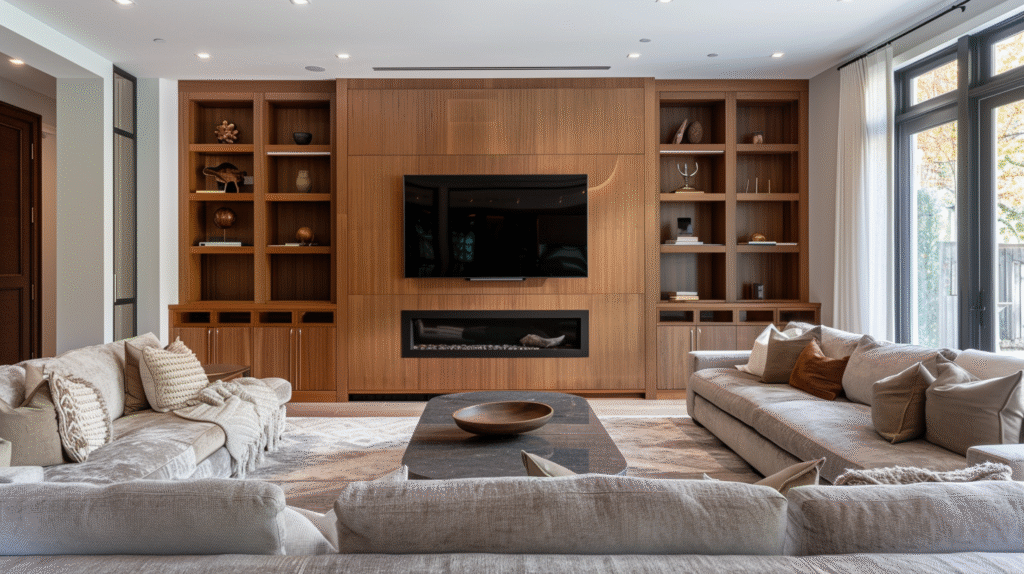
12 Solutions for a Living Room with Fireplace and TV That Compete for Attention

Living Room with Fireplace and TV

The living room with fireplace and TV presents one of interior design’s most persistent challenges. You love the warmth and architectural beauty of your fireplace, but you also want comfortable TV viewing for movie nights and streaming marathons. These two commanding features naturally draw the eye, creating a spatial tug-of-war that leaves many homeowners wondering: which focal point wins?

The truth is, neither has to lose. A living room with fireplace and TV can achieve both aesthetic harmony and practical functionality when you understand how these elements interact within your space. The key lies not in choosing one feature over the other, but in creating intentional relationships between them through thoughtful placement, furniture arrangement, and design strategy.

This dilemma affects rooms of all sizes and styles. Perhaps you’re working with a traditional living room where the fireplace commands the main wall, or maybe you’re in a modern open-concept space where flexibility feels both liberating and overwhelming. You might be a renter limited to furniture solutions, or a homeowner considering architectural changes. Regardless of your situation, the living room with fireplace and TV requires a deliberate approach that respects both elements while serving your lifestyle needs.

The solutions ahead address various room configurations, budget levels, and design preferences. Some involve simple furniture repositioning you can accomplish this weekend; others explore built-in options for those ready to invest in permanent solutions. Each strategy considers viewing comfort, traffic flow, conversational seating, and visual balance—because a beautifully designed living room with fireplace and TV should feel as good as it looks.

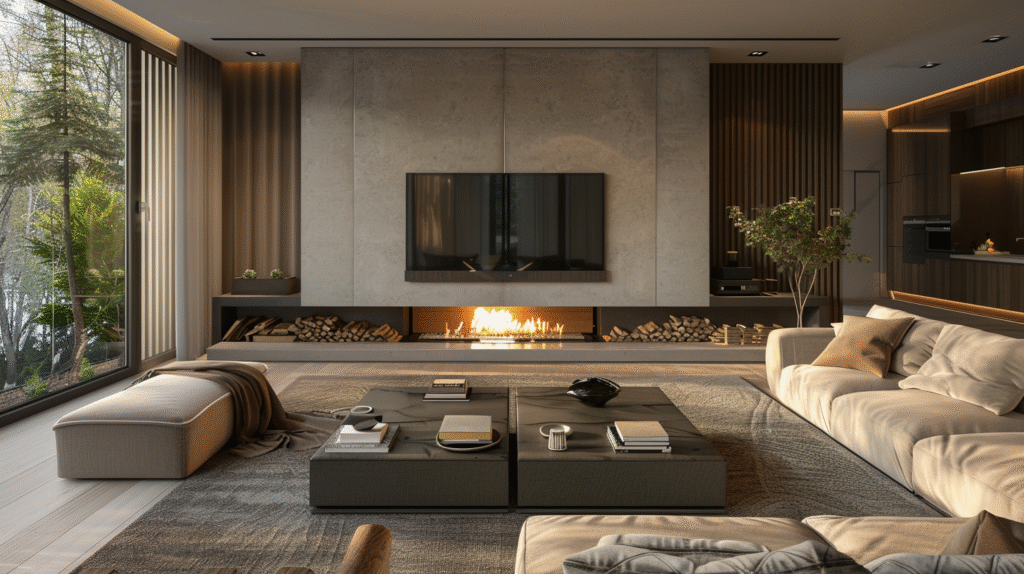
When your living room with fireplace and TV features a long, uninterrupted wall, positioning these elements side by side creates immediate visual balance. This arrangement works particularly well in rectangular rooms where the fireplace and television can share the same plane without competing for attention.

The key to success here is treating both features as equal partners in a unified composition. Place your TV on a media console that matches the height and visual weight of your fireplace mantel. If your fireplace extends 18 inches from the wall, choose a console with similar depth to create a cohesive architectural line. The space between these elements becomes crucial—aim for 24 to 36 inches of separation, enough to distinguish each feature while maintaining visual connection.

Why this works: Our eyes naturally seek symmetry and balance. When the living room with fireplace and TV presents both elements on the same wall with comparable proportions, the brain registers harmony rather than competition. This arrangement also simplifies furniture placement, as seating can face both focal points simultaneously without awkward angles.

Consider flanking this wall arrangement with matching built-ins, tall plants, or floor-to-ceiling curtains that frame the entire composition. This creates a designed “feature wall” where the fireplace and TV become part of a larger, intentional statement rather than two separate elements vying for dominance.

Common mistake to avoid: Placing a massive TV next to a delicate vintage fireplace creates visual imbalance. Scale matters tremendously in this configuration. Match the size and visual weight of both elements for the best results.

The Side-by-Side Symmetry Solution

Positioning your TV on the wall perpendicular to your fireplace creates natural zones within your living room with fireplace and TV. This L-shaped arrangement acknowledges that these features serve different purposes and times of use, allowing each to command attention without direct competition.

This configuration works brilliantly in square or nearly square rooms where no single wall dominates. Your fireplace becomes the aesthetic focal point during gatherings, dinner parties, or quiet reading sessions, while the TV takes center stage during movie nights without requiring you to crane your neck or reposition furniture.

Why this works: The adjacent wall approach respects how we actually use living spaces. Evening television viewing and cozy fireplace ambiance rarely occur simultaneously—you’re typically focused on one or the other. By placing these elements on different planes, you create functional flexibility that adapts to various activities and times of day.

Furniture arrangement becomes your most powerful tool here. Position your primary sofa to face the TV, with the fireplace on your left or right side. Add a pair of accent chairs angled to favor the fireplace, perhaps with a small side table between them. This creates two distinct seating orientations that serve different purposes: media viewing and conversation.

Optimizing sightlines: The corner where these walls meet becomes a critical design decision point. Some designers recommend placing a tall plant, sculpture, or floor lamp here to create visual separation between the two focal points. Others prefer keeping this corner minimal to maintain open sightlines across the room.

For the living room with fireplace and TV using this layout, lighting strategy becomes essential. Install dimmer switches that allow you to emphasize whichever focal point you’re using. Bright overhead lighting during TV viewing, soft ambient lighting during fireplace evenings—this flexibility prevents both elements from competing for attention simultaneously.

The Side-by-Side Symmetry Solution

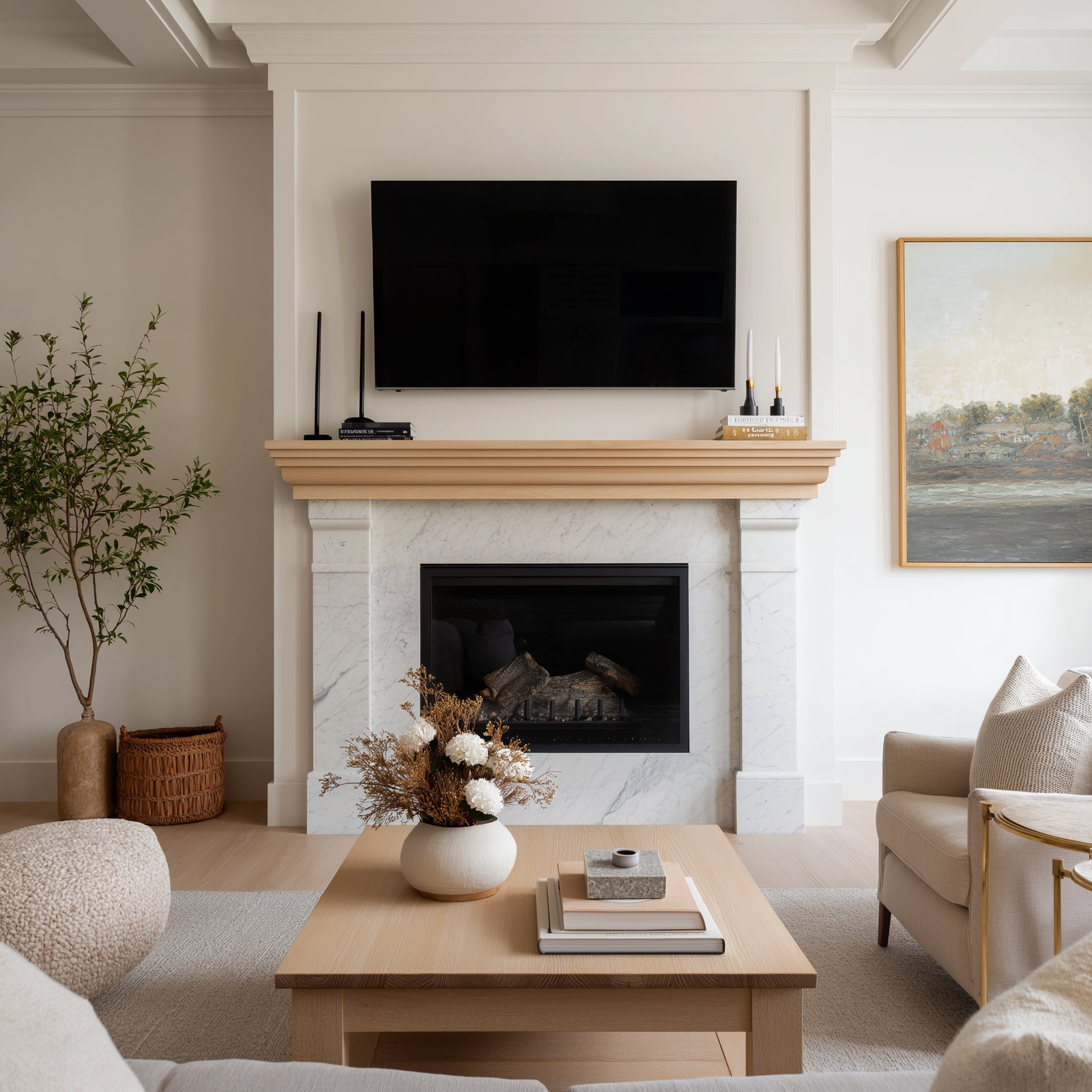
Mounting your TV above the fireplace remains one of the most common solutions for the living room with fireplace and TV, and also one of the most debated. When executed thoughtfully with proper height considerations and technical requirements, this approach creates a unified focal point.

The primary concern is viewing angle. Ideally, the center of your TV screen should sit at or slightly below eye level when you’re seated. Most fireplaces place the mantel at 48 to 60 inches from the floor, meaning a TV mounted above sits considerably higher than optimal viewing height.

Why this sometimes works: In formal living rooms where the fireplace provides primary aesthetic value and television viewing is secondary, this arrangement makes practical sense. It consolidates both features into a single focal point, simplifies furniture arrangement, and creates architectural unity.

Making it comfortable: If you choose this route, invest in a tilting TV mount that angles the screen downward toward seating. This 5 to 15-degree tilt significantly improves viewing comfort. Ensure your seating is positioned far enough back that the viewing angle isn’t excessively steep—generally, you want 10 to 12 feet between screen and seating for this configuration.

Heat considerations: Modern flat-screen TVs contain sensitive electronics that degrade when exposed to consistent heat. If you’re mounting your TV above an active fireplace, install a mantel that projects at least 6 inches from the wall to deflect rising heat. Gas fireplaces typically produce less heat than wood-burning models, making them more TV-friendly.

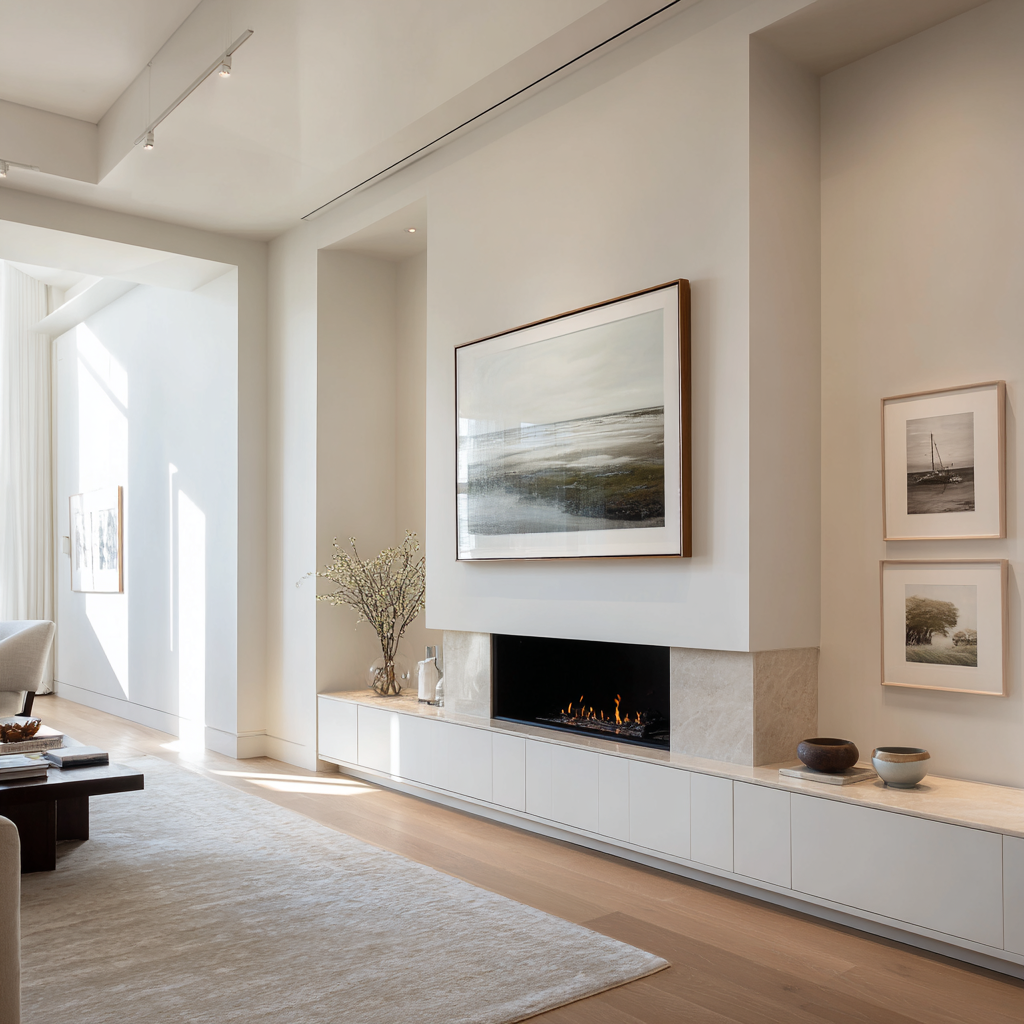
When you mount the TV above the fireplace, treat the entire wall as a cohesive design element. Use a frame TV that displays artwork when not in use, add symmetrical shelving on either side of the fireplace, or install trim molding that visually connects the TV to the mantel below.

The Above-the-Fireplace Approach (Done Right)

Placing your TV directly across from your fireplace creates the most dramatic separation in a living room with fireplace and TV—these features face each other like bookends, defining the space between them. This arrangement works best in longer rectangular rooms where sufficient distance prevents the fireplace from creating glare on the TV screen.

This configuration requires the most deliberate furniture planning because seating must orient toward one feature or the other. The solution lies in creating flexible seating arrangements that can adapt to different activities and gathering types.

Position your primary sofa facing the TV, anchored by a substantial area rug. This becomes your media-viewing zone. On the fireplace side, create a secondary seating area using accent chairs, a small loveseat, or a window seat if your architecture allows. During parties or gatherings when the fireplace provides ambiance, these pieces facilitate conversation while everyone enjoys the warmth.

Addressing the glare challenge: One significant concern with the opposite-wall living room with fireplace and TV is fireplace light creating glare on the TV screen. Combat glare through strategic lighting design. Install recessed lighting or track lights that allow you to illuminate the TV wall during fireplace use, balancing the light sources so neither creates problematic reflections.

Furniture flexibility: The opposite wall living room with fireplace and TV benefits enormously from lightweight, moveable furniture pieces. Poufs, small ottomans, and armless slipper chairs can shift between zones depending on the occasion. Consider a swivel chair as your statement seating piece—positioned between both focal points, it allows occupants to easily rotate toward either the TV or fireplace without moving the entire furniture arrangement.

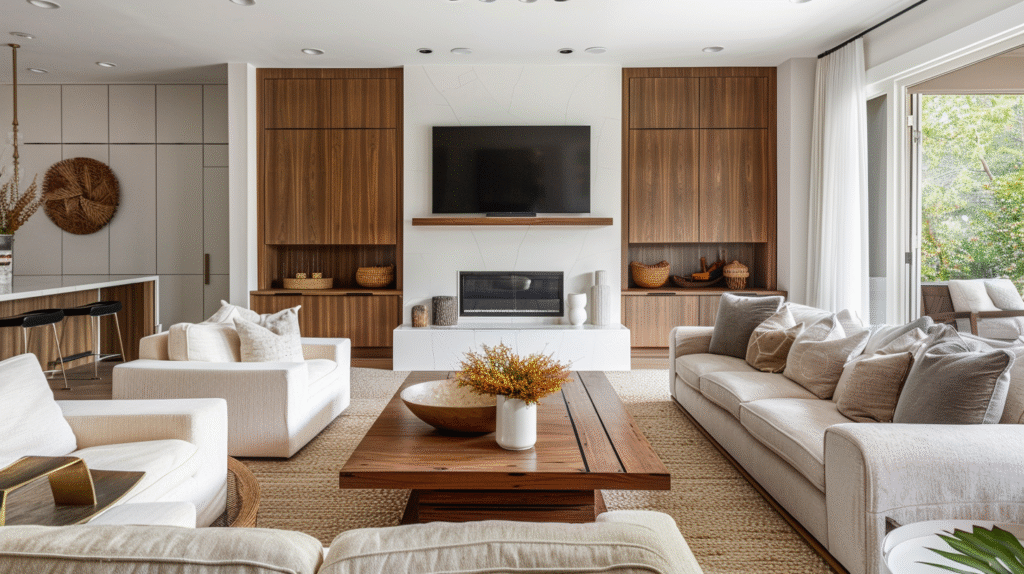
Custom built-in cabinetry surrounding either your fireplace or TV transforms a living room with fireplace and TV from a spatial challenge into an architectural opportunity. This approach requires greater investment and commitment but delivers unmatched visual cohesion and functional storage.

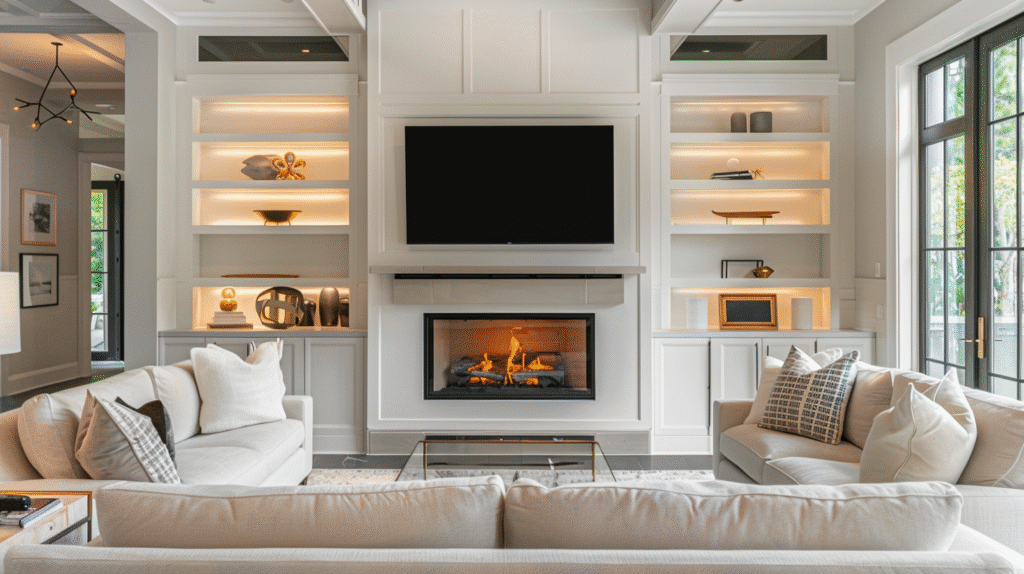
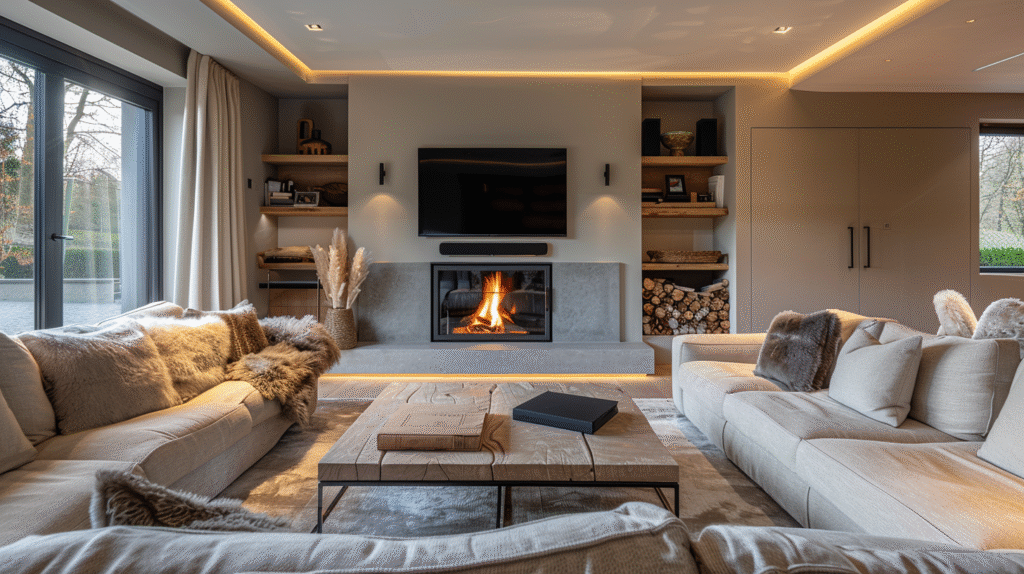
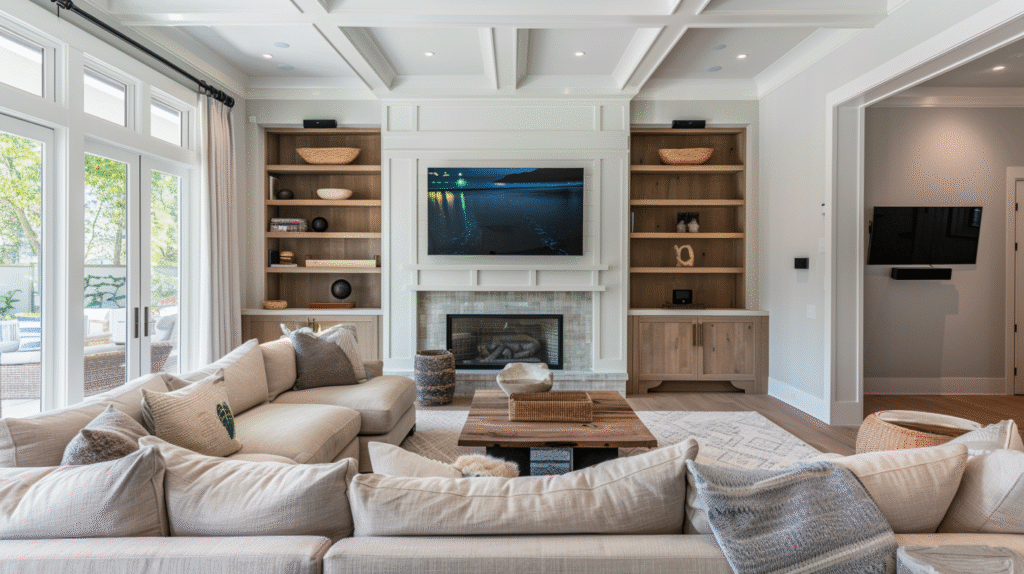
The most common configuration involves built-ins flanking the fireplace, with the TV integrated into the design—either on an adjacent wall with complementary cabinetry or mounted within the built-in system itself. Floor-to-ceiling built-ins create vertical drama that balances the horizontal emphasis of your TV, while providing storage for media components, books, décor, and entertainment essentials.

Why this works: Built-ins create the appearance of intentional architectural design rather than furniture placement. In a living room with fireplace and TV featuring quality built-ins, both elements feel like planned components of the room’s structure rather than competing afterthoughts. The cabinetry visually anchors these features, providing context and proportion that prevents either from overwhelming the space.

Built-ins also solve practical concerns. Hide unsightly cable boxes, gaming consoles, and media equipment behind cabinet doors. Create adjustable shelving that displays treasured objects, balancing the technology-focused TV with personal, human-scale items.

Budget-friendly alternatives: Full custom built-ins represent significant investment, but modular systems offer more accessible entry points. IKEA’s BESTÅ and BILLY systems, when mounted to the wall and customized with trim, crown molding, or updated hardware, create built-in effects at a fraction of custom carpentry costs.

For renters dealing with a living room with fireplace and TV, freestanding cabinet systems positioned symmetrically around features create pseudo-built-in effects without permanent installation. Choose pieces in consistent finish and style, then anchor them to each other for stability.

12 Solutions for a Living Room with Fireplace and TV That Compete for Attention

Corner fireplaces present unique opportunities in the living room with fireplace and TV because they naturally leave three walls available for TV placement. This architectural feature, once considered challenging, actually simplifies the dual focal point dilemma when approached strategically.

With your fireplace occupying a corner, your TV can claim the wall perpendicular to either side of the fireplace, or sit directly opposite on the diagonal wall. This creates natural separation between features while maintaining visual connection across the room.

Why this works: Corner fireplaces already define unconventional spatial relationships, meaning your living room with fireplace and TV doesn’t conform to expected layouts anyway. This freedom allows creative furniture arrangements that would feel forced in rooms with centered fireplaces.

Arrange furniture in an L-shape or curved configuration that embraces the corner fireplace while providing direct TV sightlines. A sectional sofa works beautifully here, with one section facing the TV and the other angled toward the corner fireplace.

The walls flanking a corner fireplace become prime real estate for storage and display elements that bridge both focal points. Built-in shelving on one or both sides of the fireplace creates visual weight that prevents the corner feature from feeling isolated. These built-ins can then extend along the adjacent wall toward your TV, creating visual continuity.

Perhaps the most flexible approach to the living room with fireplace and TV involves designing for seasonal transformation—acknowledging that these features serve different roles in winter versus summer and adjusting your space accordingly.

During colder months when the fireplace provides both functional heat and aesthetic ambiance, orient your primary seating toward it. Style the mantel with seasonal décor, keep firewood stocked in an attractive holder, and make the hearth the clear focal point. Your TV, while still present and functional, becomes a supporting element.

As seasons shift and fireplace use decreases, subtly reorient your living room with fireplace and TV toward summer priorities. The television becomes more prominent as outdoor light extends viewing hours, and the fireplace transitions into a decorative architectural feature.

Practical implementation: Keep your furniture layout relatively consistent year-round, but adjust accent pieces, lighting emphasis, and styling elements. During fireplace season, add a cozy pouf or ottoman near the hearth for fireside reading. Display a decorative fire screen and style the mantel with seasonal elements.

In warmer months, shift those accent pieces toward the TV area. Create a sleek summer mantel display using greenery, artwork, or a mirror that keeps the fireplace attractive but visually quiet. Adjust lighting to emphasize the TV wall for comfortable summer evening viewing.

The living room with fireplace and TV benefits tremendously from good storage that makes seasonal swaps effortless. Dedicate one closet or cabinet to storing off-season elements—fireplace accessories during summer, perhaps some media components during winter if you’re scaling back TV time.

12 Solutions for a Living Room with Fireplace and TV That Compete for Attention

In some living room with fireplace and TV scenarios, the best solution involves making one feature temporarily disappear. This approach uses technology and design elements to hide either the TV or minimize the fireplace’s presence depending on which feature you’re currently using.

Modern technology makes TV concealment increasingly elegant. Frame TVs display artwork when not in active use, transforming the screen into a gallery-quality print. Motorized lifts raise televisions from within furniture pieces or lower them from ceiling recesses. TV mirrors conceal screens behind reflective glass that becomes transparent when the television powers on.

Why this works: If your living room with fireplace and TV includes a stunning architectural fireplace that truly deserves to be the room’s centerpiece, concealing the TV when not in use allows the fireplace its moment of glory without visual competition.

This strategy particularly appeals to design purists who want their living spaces to feel curated and intentional rather than tech-dominated. When you’re entertaining guests during a dinner party or holiday gathering, concealment options remove the visual interference of a blank black screen.

Budget-friendly concealment might involve simpler solutions: a beautiful folding screen that can partially obscure the TV when not in use, or a sliding barn door system mounted on the wall that covers the screen. These DIY-friendly options provide visual relief without sophisticated automation.

12 Solutions for a Living Room with Fireplace and TV That Compete for Attention

Not every living room with fireplace and TV needs to pursue perfect symmetry or balance. Sometimes the most compelling designs embrace intentional asymmetry, allowing one feature to dominate while the other plays a supporting but significant role.

This approach works particularly well when one focal point possesses distinctive architectural character—perhaps a stunning stone fireplace with a custom mantel, or a state-of-the-art media wall with integrated speakers and lighting. Rather than forcing these elements into artificial balance, let the stronger personality lead.

Why this works: Asymmetry creates visual interest, dynamic tension, and a sense of movement that perfectly balanced rooms sometimes lack. When executed intentionally rather than accidentally, asymmetrical design feels sophisticated and considered.

Perhaps your fireplace is an architectural showpiece—a floor-to-ceiling stone feature that extends across most of one wall. In this case, mount your TV on an adjacent wall but keep it relatively modest in size. The TV fulfills its functional role without attempting to compete with the fireplace’s architectural gravitas.

Furniture arrangement: Asymmetrical living room with fireplace and TV designs benefit from furniture arrangements that acknowledge the hierarchy without ignoring the secondary feature. If your fireplace dominates, orient your primary seating toward it, but position the TV where it’s easily viewable with a simple chair swivel.

Create distinct zones through furniture groupings, area rugs, and lighting that clarify each focal point’s purpose without forcing them into competition. The fireplace zone might feel cozy and conversational with closely grouped seating. The TV zone might be more open with reclining seating and practical task lighting.

10. The Multi-Functional Media Console Strategy

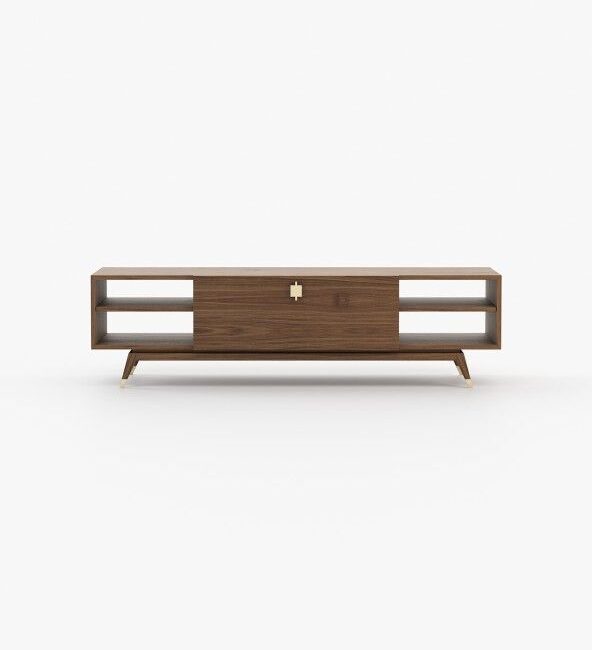
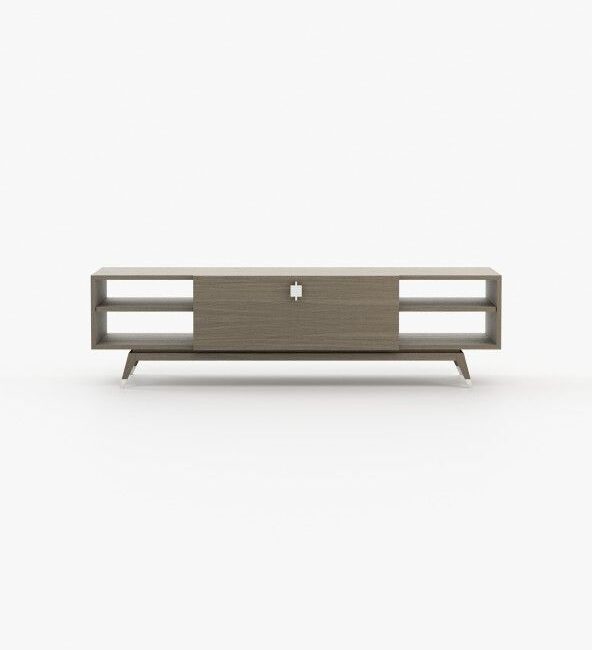
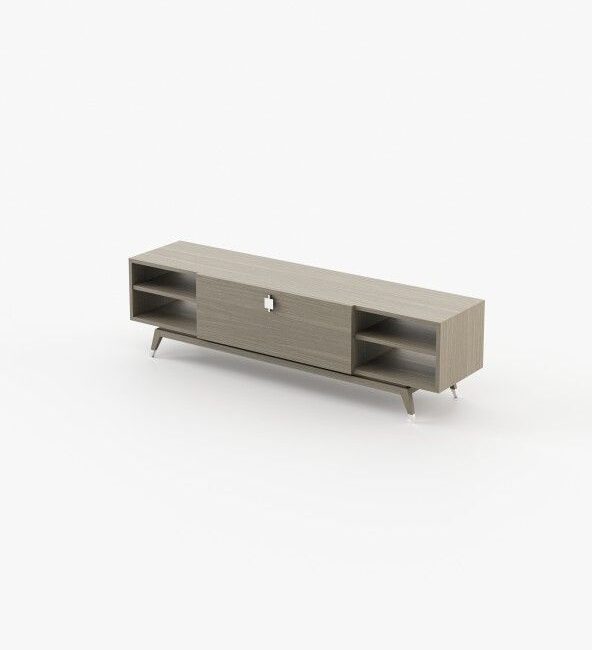
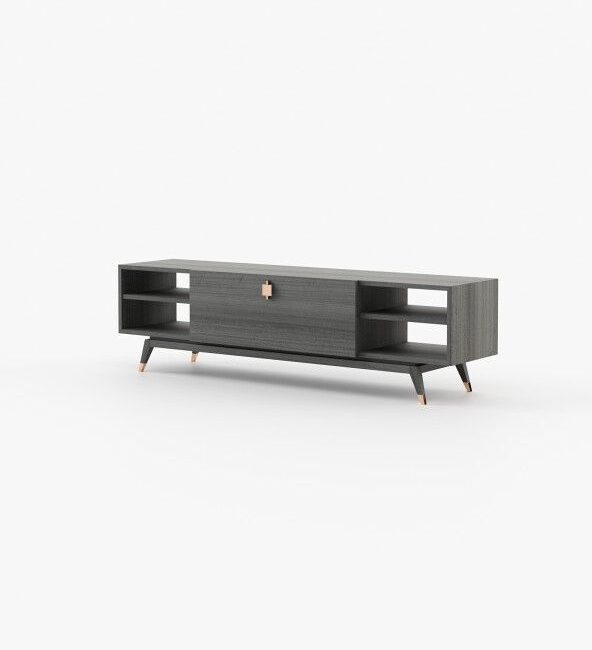
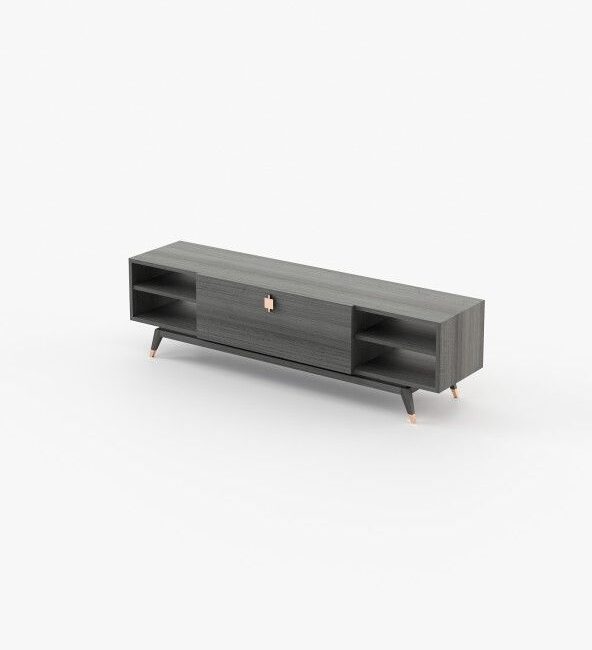
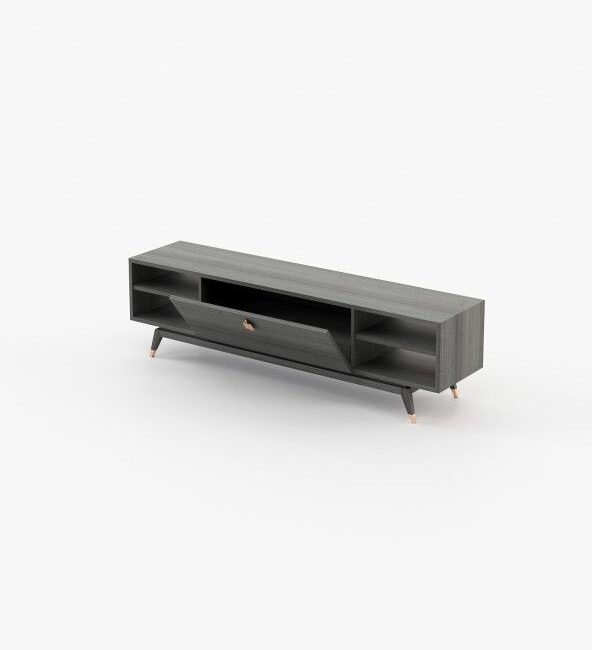
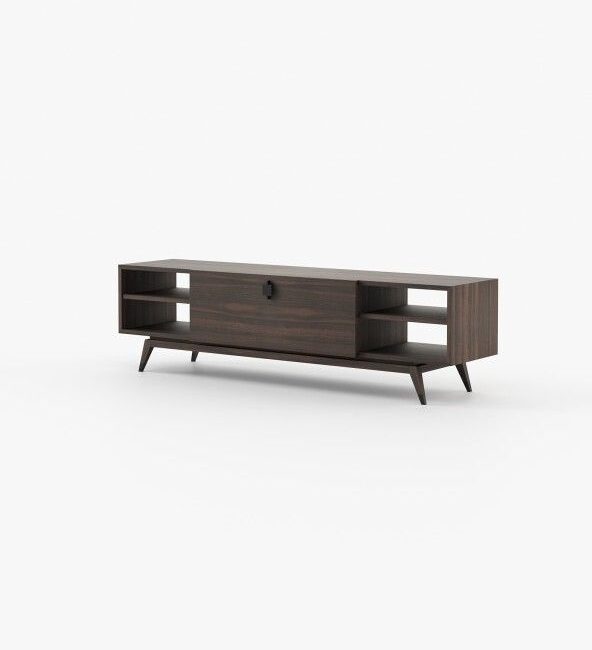
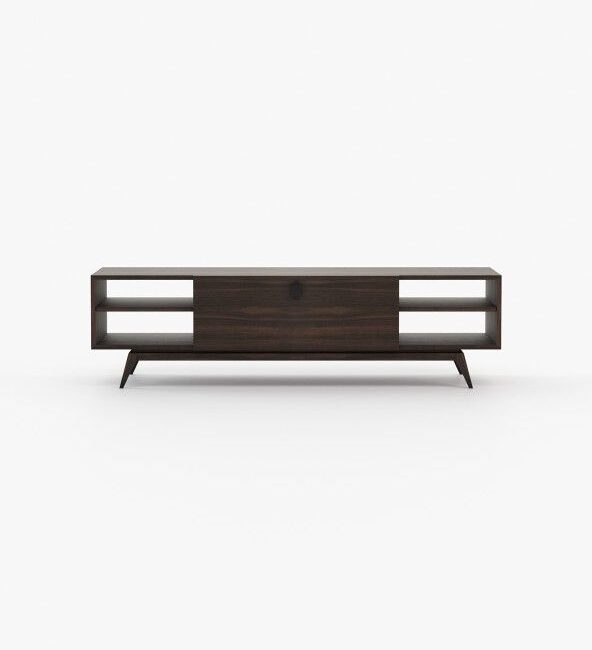
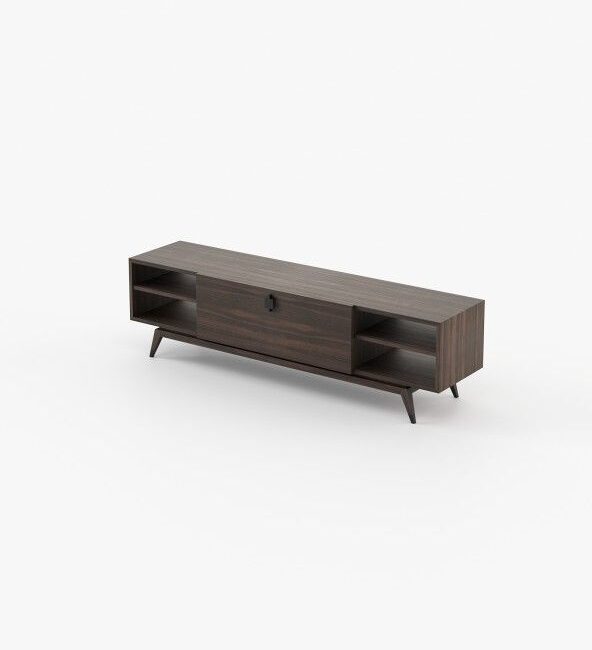
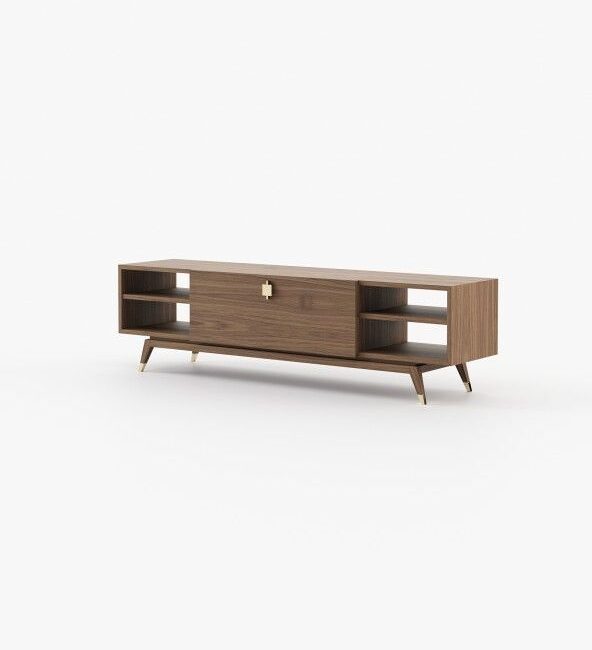
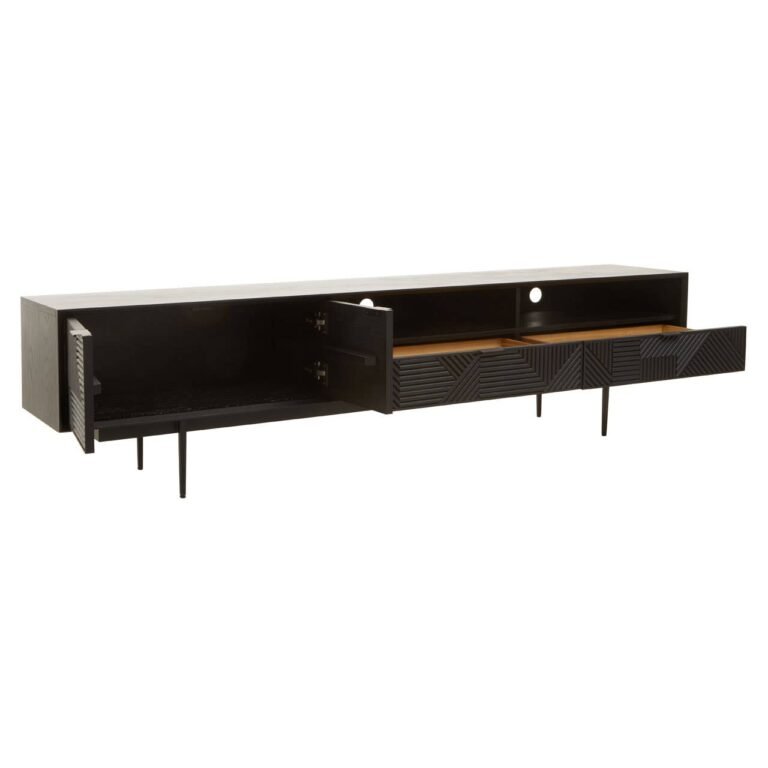
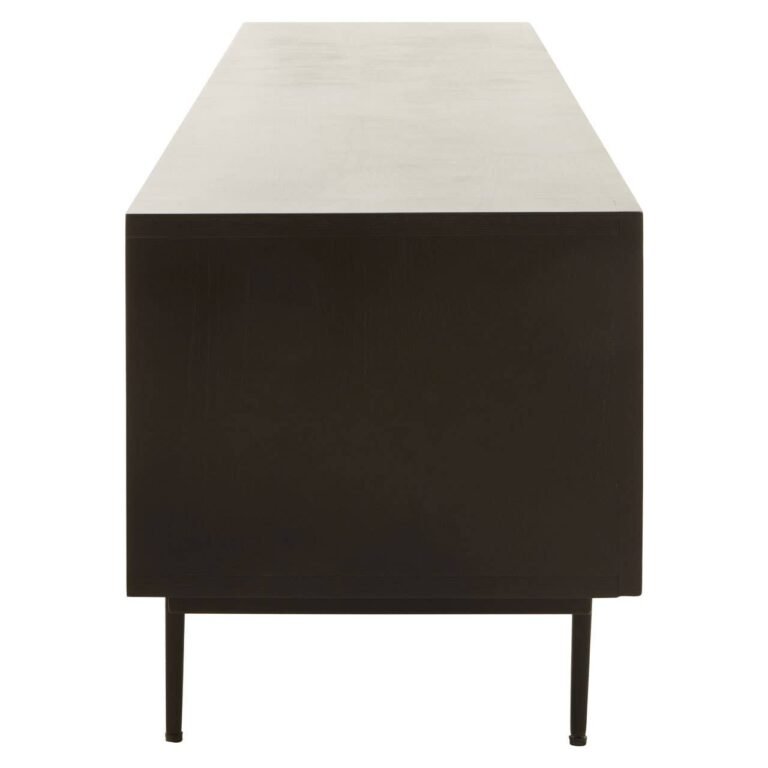
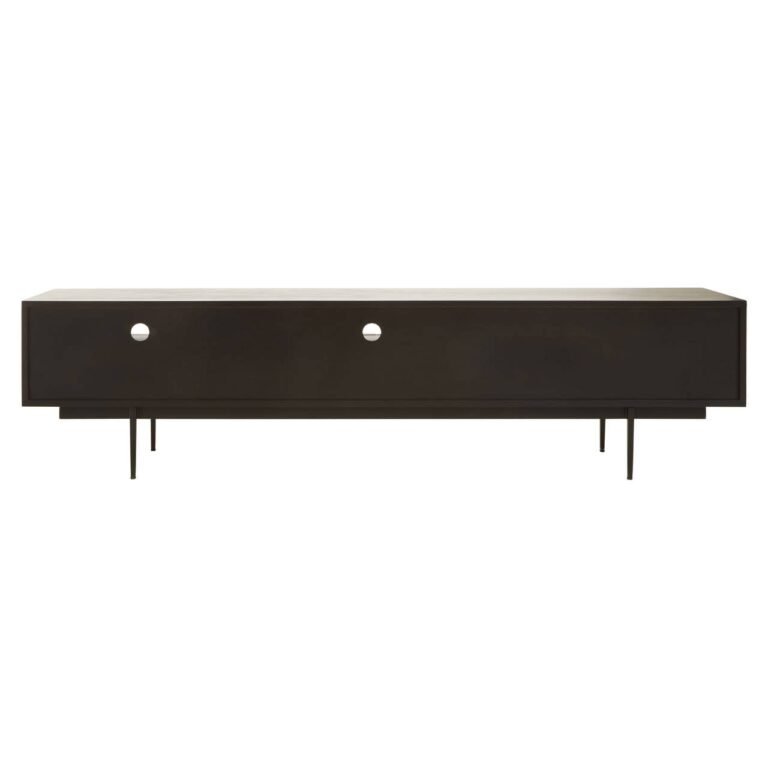
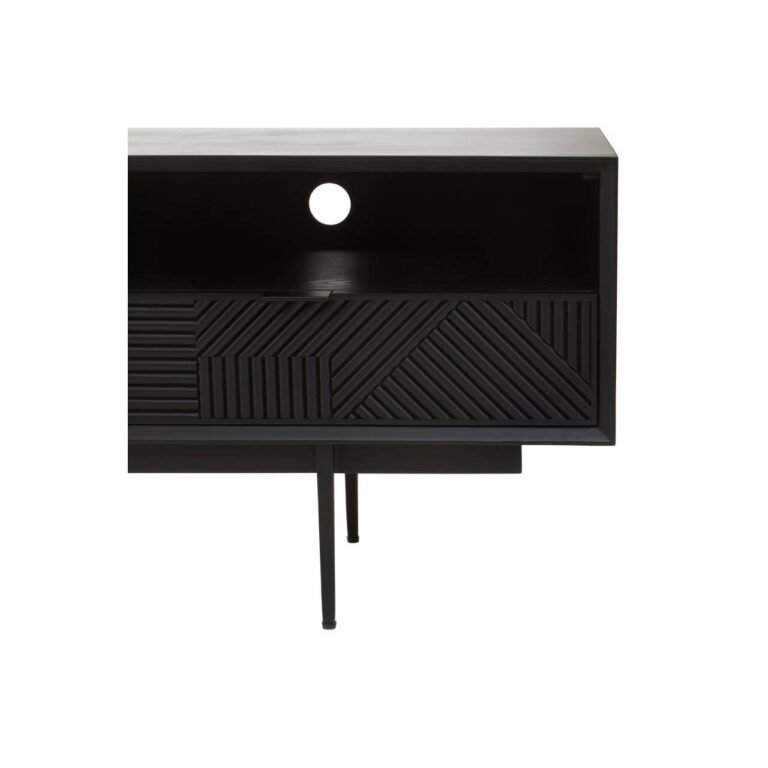
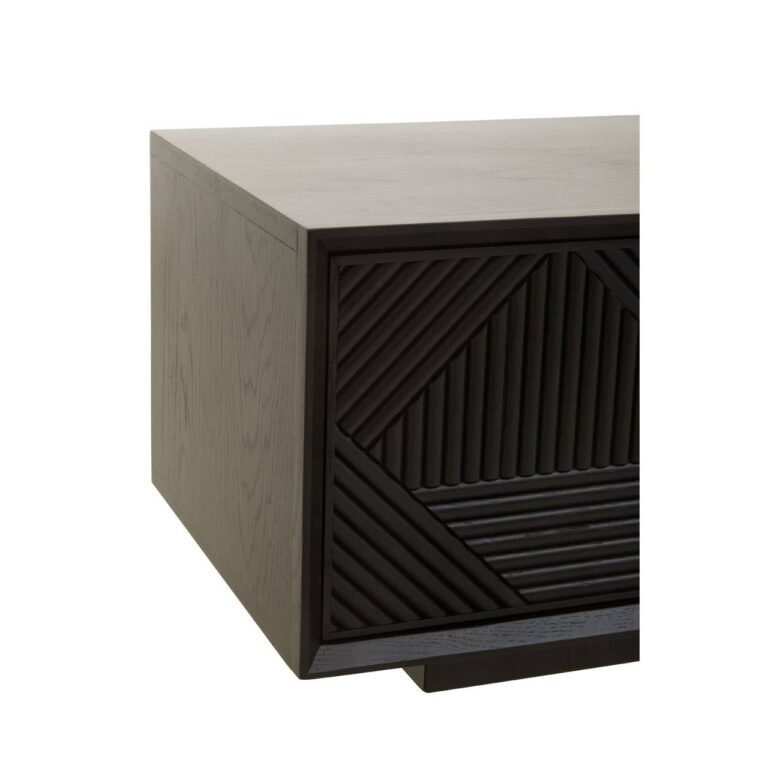
A thoughtfully designed media console can bridge the gap in a living room with fireplace and TV by serving multiple purposes—housing your television, providing storage, and creating visual balance with your fireplace. This solution works particularly well when you want to avoid mounting your TV on the wall.

Choose a media console that matches the scale and style of your fireplace surround. If you have a traditional brick fireplace with substantial visual weight, select a console with similar heft—perhaps a solid wood piece with detailed legs and ample storage. For sleek modern fireplaces, choose low-profile consoles with clean lines and minimal ornamentation.

Why this works: A substantial media console gives your TV a proper foundation, preventing it from looking like an afterthought floating on the wall. The console also provides necessary storage for media components, remotes, and accessories while offering surface space for decorative items that tie the TV area into your overall design scheme.

Position the console to create intentional relationships with your fireplace. If they’re on the same wall, ensure both pieces sit at compatible heights and depths. If they’re on adjacent or opposite walls, use the console to echo materials or colors from the fireplace surround—perhaps matching wood tones or complementary metal finishes.

The beauty of this approach for the living room with fireplace and TV is its flexibility. Unlike mounted solutions, a console-based TV setup can be adjusted seasonally, repositioned as your needs change, or taken with you if you move.

12 Solutions for a Living Room with Fireplace and TV That Compete for Attention

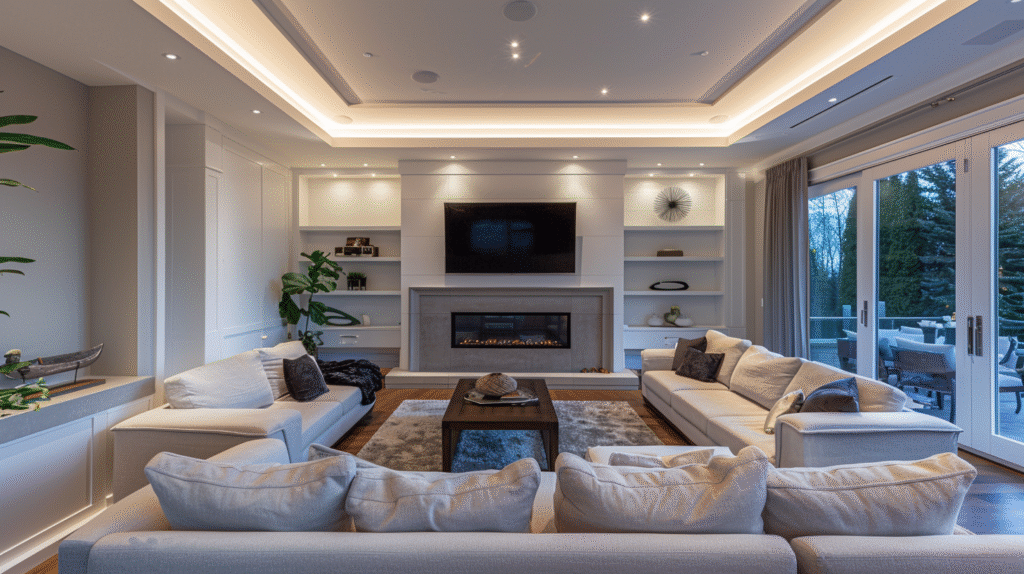
Strategic lighting can dramatically influence how your living room with fireplace and TV functions by directing attention to whichever focal point you’re currently using. This solution doesn’t change the physical placement of either feature but transforms how they’re perceived through carefully planned illumination.

Install layered lighting with independent controls for different zones. Recessed lights or track lighting can highlight the fireplace area, while separate fixtures illuminate the TV wall. Add table lamps, floor lamps, and wall sconces that provide ambient lighting without creating screen glare.

Why this works: Lighting creates focal point hierarchy through contrast and emphasis. During fireplace use, bright lighting on the hearth wall makes it the clear center of attention while dimmer lighting around the TV allows it to recede visually. When watching television, reverse this relationship—dim or turn off fireplace lighting while ensuring sufficient ambient light for comfortable viewing without screen glare.

Use warm-toned bulbs near the fireplace to enhance its cozy atmosphere, and neutral or cool-toned lighting near the TV to reduce eye strain during viewing. This temperature differentiation subtly reinforces each area’s distinct purpose within your living room with fireplace and TV.

Install dimmer switches on all lighting circuits so you can fine-tune brightness levels for different activities. The investment in quality dimmers pays dividends in flexibility and atmosphere control.

12 Solutions for a Living Room with Fireplace and TV That Compete for Attention

Sometimes the wisest approach to a challenging living room with fireplace and TV involves consulting professionals who can evaluate your specific space and lifestyle needs. Interior designers, AV specialists, and space planners bring expertise that transforms problematic layouts into elegant solutions you might never have imagined independently.

Design professionals have encountered hundreds of living room with fireplace and TV scenarios. They’ve seen which solutions succeed and which create new problems. They understand structural limitations, building codes, and technical requirements that influence feasibility.

When to seek professional help: Consider professional consultation when you’ve tried multiple DIY arrangements without satisfaction, when you’re planning significant investment in built-ins or architectural changes, or when technical integration seems overwhelming.

Many designers offer consultation packages that provide expert analysis and detailed plans without requiring you to hire them for full implementation. This might include spatial planning, furniture recommendations, TV mounting specifications, electrical requirements, and material selections—a comprehensive roadmap you can execute yourself.

Working effectively with professionals: When consulting about your living room with fireplace and TV, prepare materials that help them understand your situation quickly. Take photos from multiple angles, measure your space carefully, and create a list of your functional requirements. Be honest about budget constraints from the start so they can propose realistic solutions.

Creating Your Perfect Balance

As you’ve explored these twelve approaches to the living room with fireplace and TV, you’ve likely noticed that no single solution fits every situation perfectly. The most successful designs often combine elements from multiple strategies, adapted to your specific space, lifestyle, and aesthetic preferences.

Start with observation before implementing any solution. Spend time noticing how you currently use your living room with fireplace and TV. When do you watch television—mostly evenings, weekends, specific seasons? How often do you use the fireplace? Do you entertain frequently or primarily use the space for family time?

These observations reveal priorities that should drive your design decisions. If you discover you watch television daily but use the fireplace only occasionally during winter holidays, that suggests making the TV viewing experience optimal. Conversely, if you’re hosting gatherings monthly and rarely turn on the TV, your design should prioritize conversational seating around the fireplace.

Test before committing: Many of these solutions can be tested temporarily before making permanent changes. Use painter’s tape to mark potential TV locations on walls, measuring viewing angles from your seating. Rearrange furniture multiple ways over several weeks, living with each configuration before deciding which feels best.

Prioritize comfort over aesthetics: While visual harmony matters tremendously in the living room with fireplace and TV, never sacrifice comfort for design perfectionism. A living room that looks stunning in photos but delivers neck strain during TV viewing or awkward furniture angles won’t serve you well.

The perfect living room with fireplace and TV for your home is one where both features enhance your life without creating stress or compromise. It’s a space where you can enjoy a cozy fire on winter evenings and comfortable movie marathons on summer nights, where guests feel welcomed and conversations flow naturally.

Your living room with fireplace and TV can become a showcase for how dual focal points enhance rather than complicate a space. By approaching this common design challenge with intention, creativity, and attention to both form and function, you’ll create a living environment that feels perfectly balanced—a room where the fire crackles, the entertainment flows, and everything works together in beautiful harmony.

12 Solutions for a Living Room with Fireplace and TV That Compete for Attention
What do you think?
Leave a Reply

Blog

Get fresh home inspiration and helpful tips from our interior designers

top
3
    3
    Your Cart
    Bowie Agata Grey / Gold Bookends Remove
    £78
    Abstract Design 37 (BDGA37) Artwork Remove
    £384
    Paton Round Glass Bar Table with Chrome Legs Remove

    Inactive

    Privacy Overview

    This website uses cookies so that we can provide you with the best user experience possible. Cookie information is stored in your browser and performs functions such as recognising you when you return to our website and helping our team to understand which sections of the website you find most interesting and useful.