



The Color Grading Blueprint for Small Spaces: Make Rooms Look Bigger or Cozier

Color Grading Blueprint

Mastering the Color Grading Blueprint for Small Spaces

Colors affect how we feel and perceive space. Lighter tones tend to recede, giving the illusion of a larger room, while darker shades advance, wrapping the space in intimacy. But there’s more to it than just light versus dark—undertones, finish, and where you apply color all play critical roles in your room’s visual impact. This is especially true in smaller spaces, where every design decision counts. Color doesn’t just change how a room looks—it alters how it feels, functions, and even flows. A well-executed color grading blueprint considers how hue, saturation, and texture interact with architecture, lighting, and furnishings to either stretch boundaries or embrace them with purpose.

The Psychology of Color in Compact Interiors

Colors affect how we feel and perceive space. Lighter tones tend to recede, giving the illusion of a larger room, while darker shades advance, wrapping the space in intimacy. But there’s more to it than just light versus dark—undertones, finish, and where you apply color all play critical roles in your room’s visual impact.

This color grading blueprint helps you select the right palette to create the illusion of more space or to generate a cozy, inviting atmosphere.

Color Grading Blueprint for Small Spaces That Look Bigger

1. Use Light Monochromes
Color Grading Blueprint

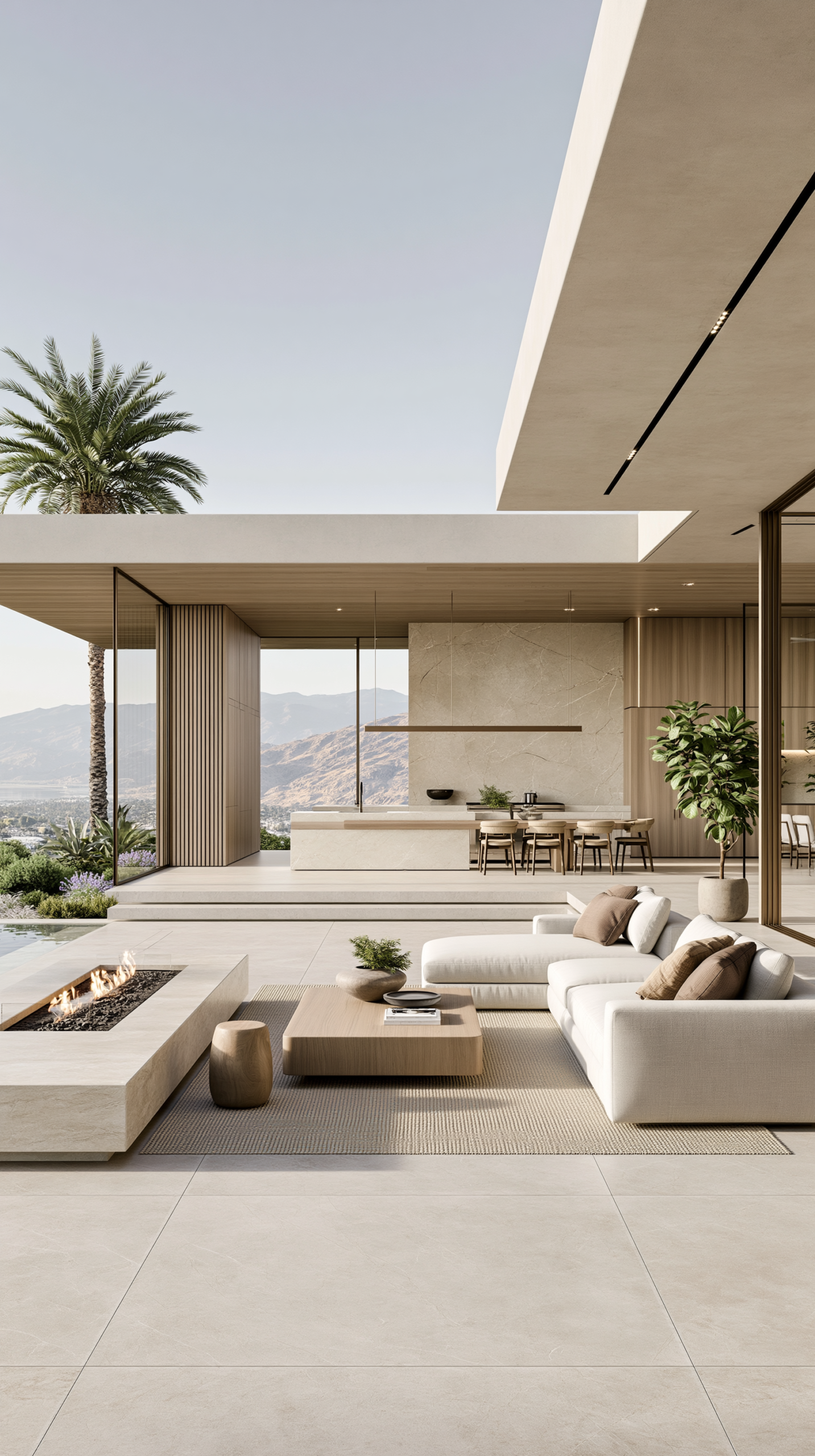
Pale neutrals like soft greys, warm whites, and beiges create a seamless flow, visually erasing boundaries. Choose a single color palette and layer tones for depth without breaking continuity. This is one of the simplest tricks in any color grading blueprint to make a room feel more expansive. By avoiding stark contrasts, the eye glides effortlessly across the space, creating an airy, open atmosphere. Light monochromes also reflect natural light beautifully, enhancing brightness and openness throughout the room. When combined with soft textures—think linen, brushed cotton, or matte ceramics—these tones can evoke calm and serenity without sacrificing sophistication. Even small architectural details, like trim or molding, can be painted in the same palette to reinforce continuity. This technique is especially effective in minimalist, modern, or Scandinavian-inspired interiors where space and light are design priorities.

2. Extend Wall Color to Ceilings
Extend Wall Color

Painting your ceiling the same shade as your walls removes visual breaks and draws the eye upward, especially effective in rooms with lower ceilings. It’s an essential technique in any color grading blueprint to create the illusion of space. This seamless transition blurs the boundary lines of the room, reducing contrast and visual clutter. The result is a more cohesive and calming environment that feels taller and more spacious. It also allows architectural elements, artwork, or lighting fixtures to stand out without competing with ceiling color. Whether you’re working with soft neutrals or deeper tones, extending wall color to the ceiling helps unify the space and gives it a thoughtfully curated, high-end look. It’s one of those subtle yet powerful tricks designers use to make compact interiors feel grander and more intentional.

3. Go Glossy with Finishes
Glossy with Finishes

A slight sheen on paint (like satin or eggshell) reflects natural light and makes walls appear more expansive. The gentle sheen adds a subtle elegance, making the space feel brighter and more open by bouncing light around the room. This finish works particularly well in spaces where natural light is limited, enhancing the room’s overall ambiance. Avoid high gloss, which can be overwhelming in small spaces and may create distracting reflections. Satin or eggshell finishes also help hide minor imperfections on the walls, making them a practical choice for high-traffic areas or older homes. They add a sophisticated, soft luster without the harshness that glossy finishes can sometimes bring. For rooms with architectural details like molding or textured walls, this type of finish complements the surfaces, ensuring the overall look remains cohesive and timeless.

4. Incorporate Mirrors with Similar Hues
Similar Hues

Mirrors bounce light around, especially when they reflect walls in light tones. Their reflective surfaces not only brighten a room but also create the illusion of depth, making a space feel larger and more open. Strategically placing a mirror across from a window can help double your space visually, as it reflects the natural light pouring in. This clever trick works wonders in small rooms, enhancing their sense of airiness. Mirrors also have the ability to highlight focal points in the room, such as artwork or unique furniture, drawing the eye and adding interest to the space. Additionally, they can introduce a touch of luxury and sophistication, particularly when framed in minimalist or ornate styles that suit the room’s overall aesthetic. When used thoughtfully, mirrors can be transformative in maximizing both light and space.

Color Grading Blueprint for Small Spaces That Feel Cozy

Sometimes, bigger isn’t better. Small spaces can feel intentionally snug and sophisticated with the right palette. Choosing deep, muted tones like charcoal, navy, or warm terracotta enhances intimacy and creates a luxurious atmosphere. Thoughtfully selected colors add personality and elegance, making smaller rooms feel like refined, personal sanctuaries.

1. Embrace Deep, Moody Tones
Moody Tones

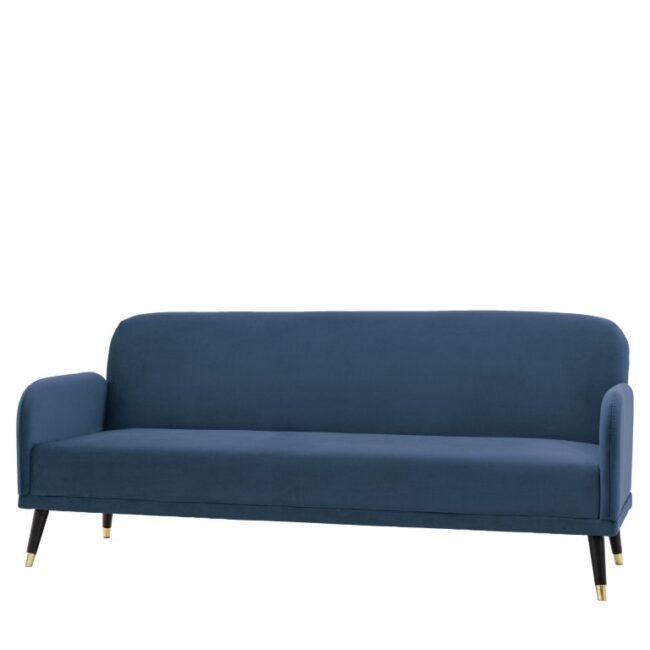
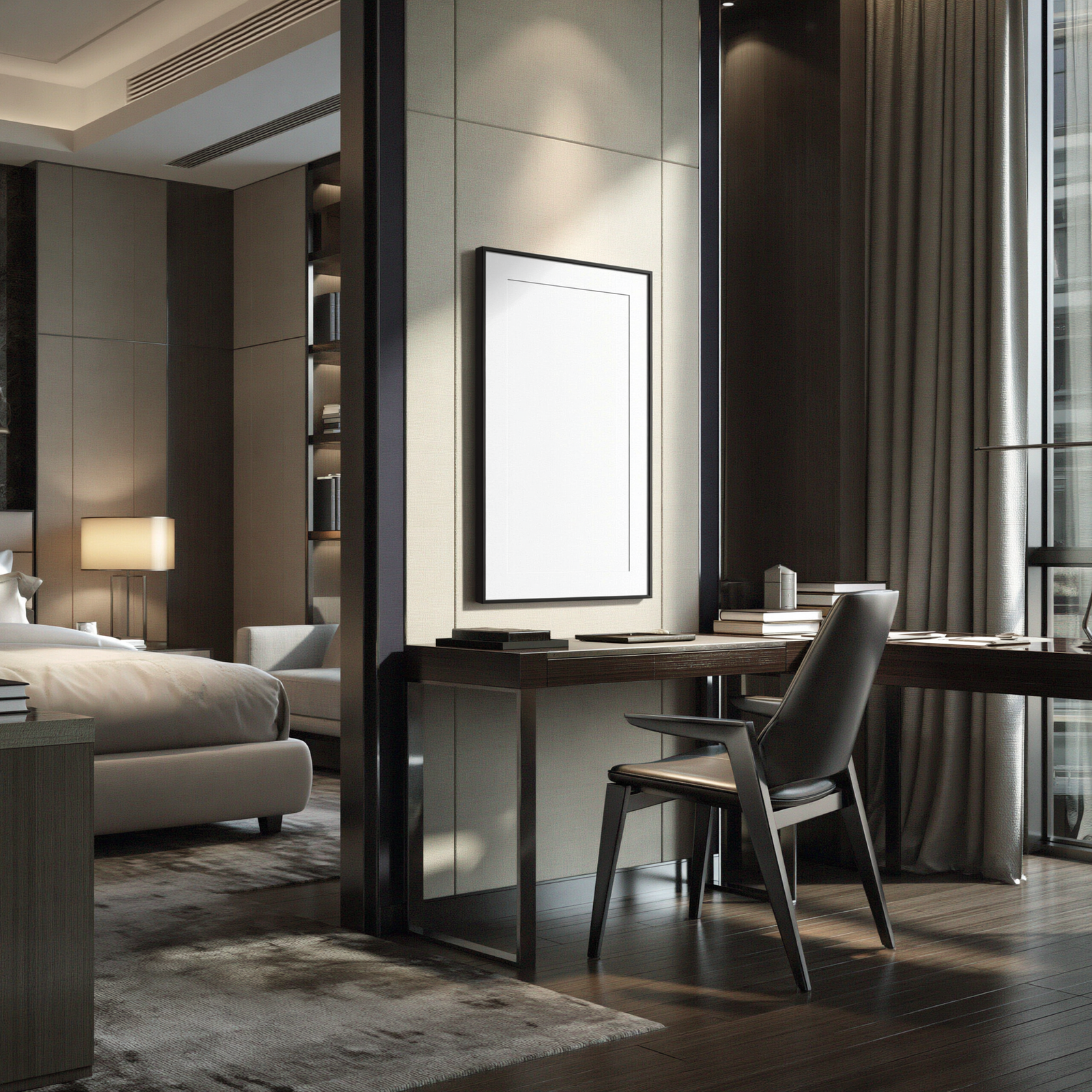
Rich hues like navy, forest green, or charcoal gray envelop a room in comfort and style. These deep, luxurious shades create a “jewel box” effect that feels both intimate and sophisticated. When used thoughtfully, they bring a sense of opulence and warmth, transforming a small space into a cozy retreat. These colors also evoke a timeless quality, making the room feel inviting yet refined. Using deep shades as part of your color grading blueprint adds richness and warmth to any small space, allowing it to feel snug and welcoming without sacrificing style. Paired with the right lighting and complementary textures like velvet or leather, deep tones create an atmosphere of understated luxury.

2. Add Earthy Accents
Earthy Accents

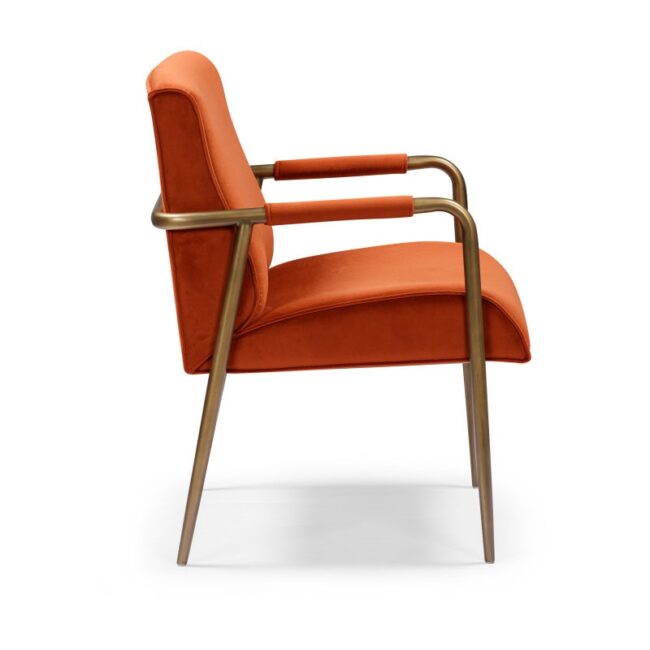
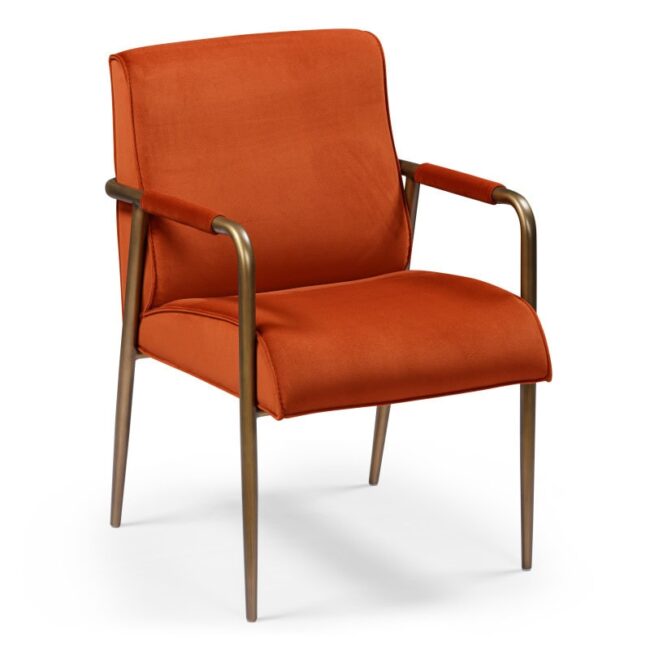
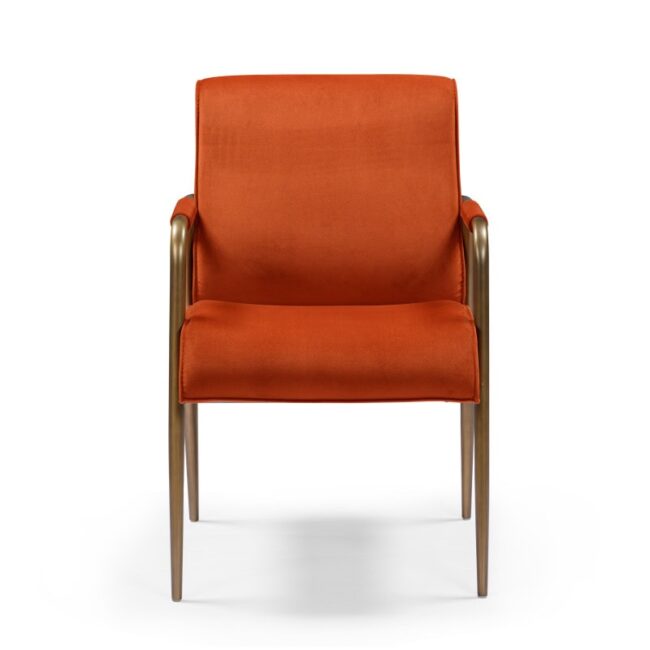
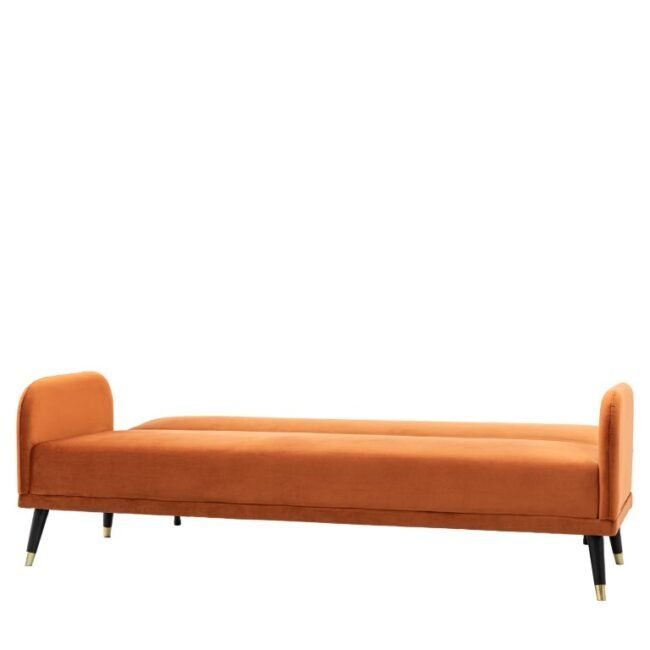
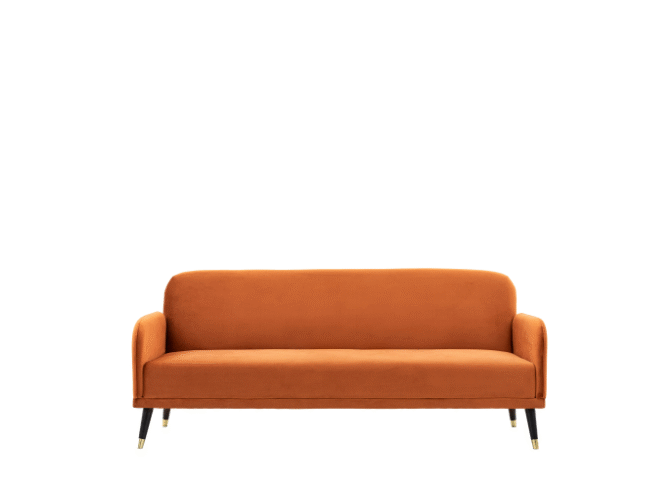
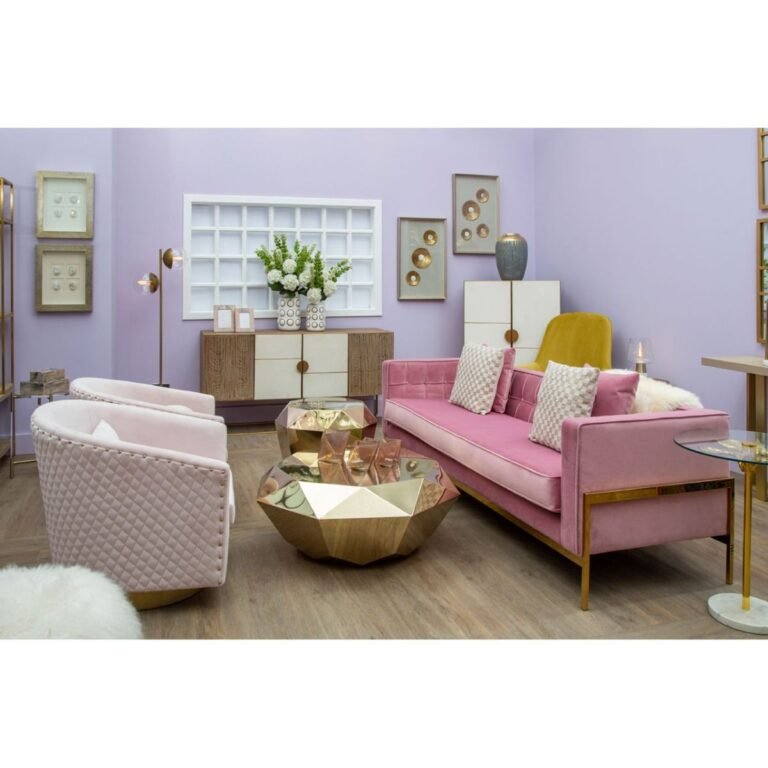
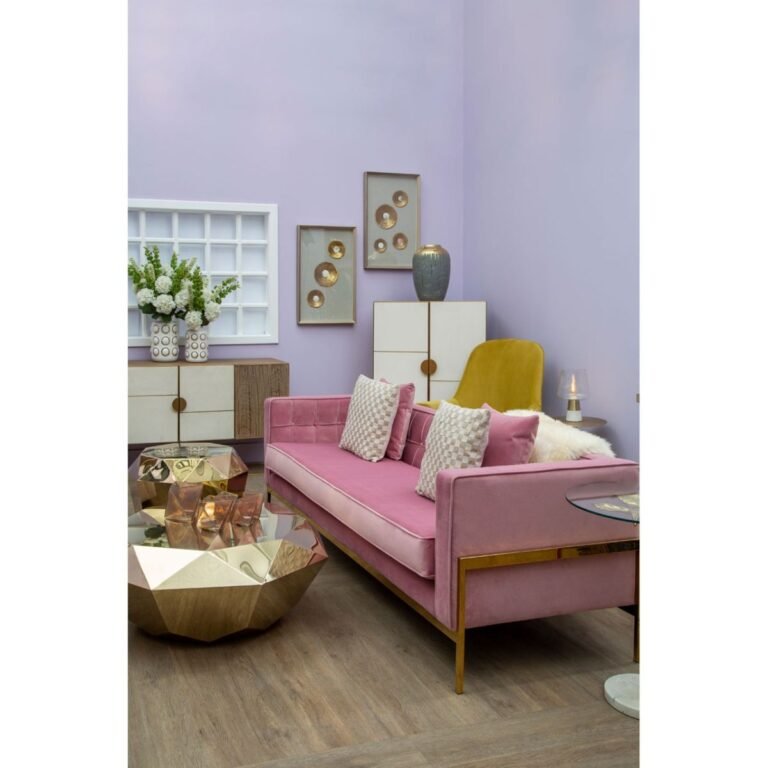
Terracottas, clay tones, and dusky pinks work well to make a room feel grounded. These earthy hues create a natural warmth that evokes a sense of calm and relaxation. When combined with layered textiles like plush rugs, soft throws, and linen cushions, the space feels welcoming and tactile. Ambient lighting, such as soft lamps or warm-toned overhead lights, enhances the cozy atmosphere by adding a touch of intimacy. This combination of natural tones and tactile elements helps to create a sanctuary, perfect for unwinding after a long day. It’s an ideal color palette for creating a balance between rustic charm and contemporary elegance, bringing a subtle, organic luxury into small spaces.

3. Opt for Warm Neutrals
Warm Neutrals

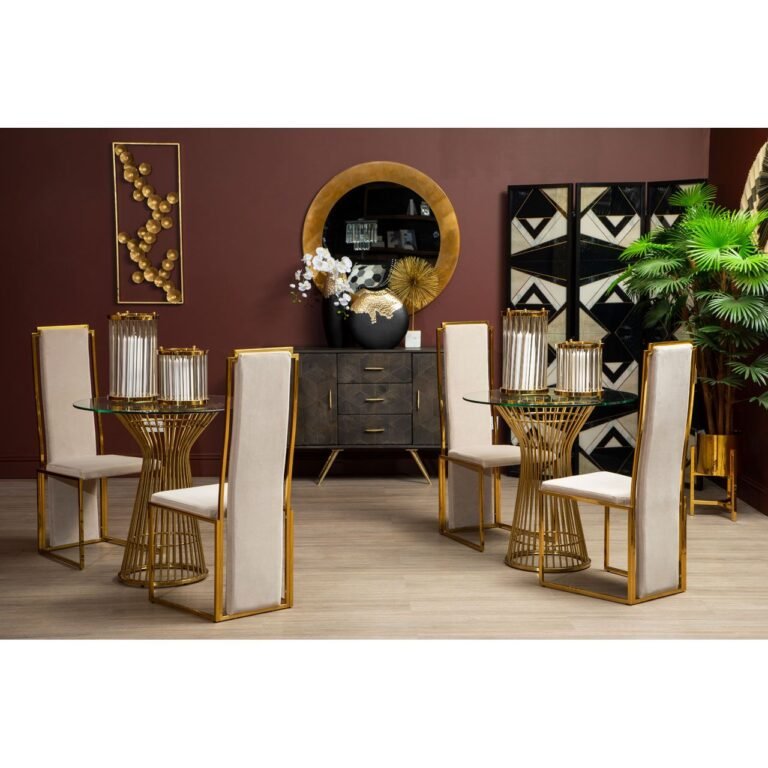
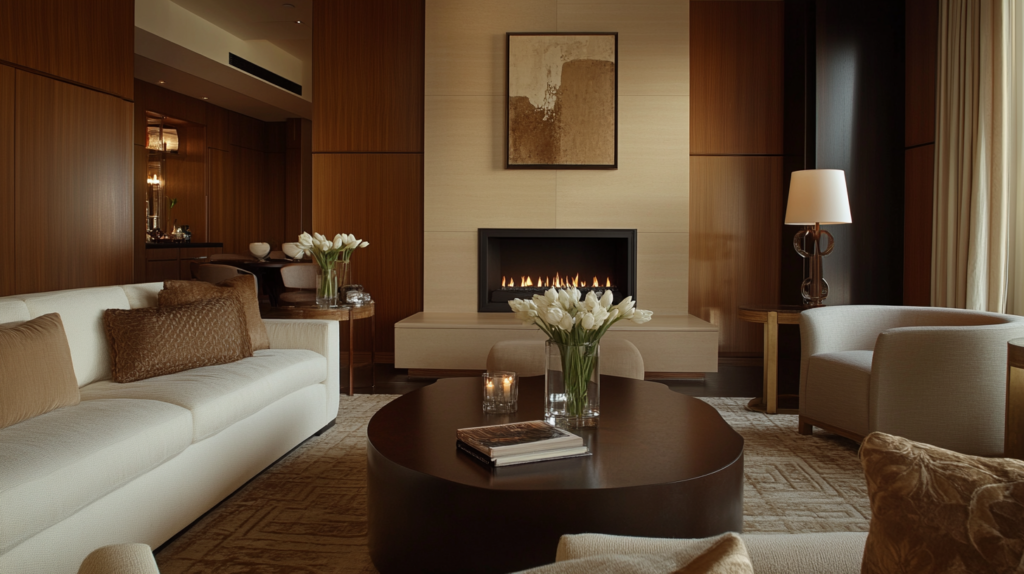
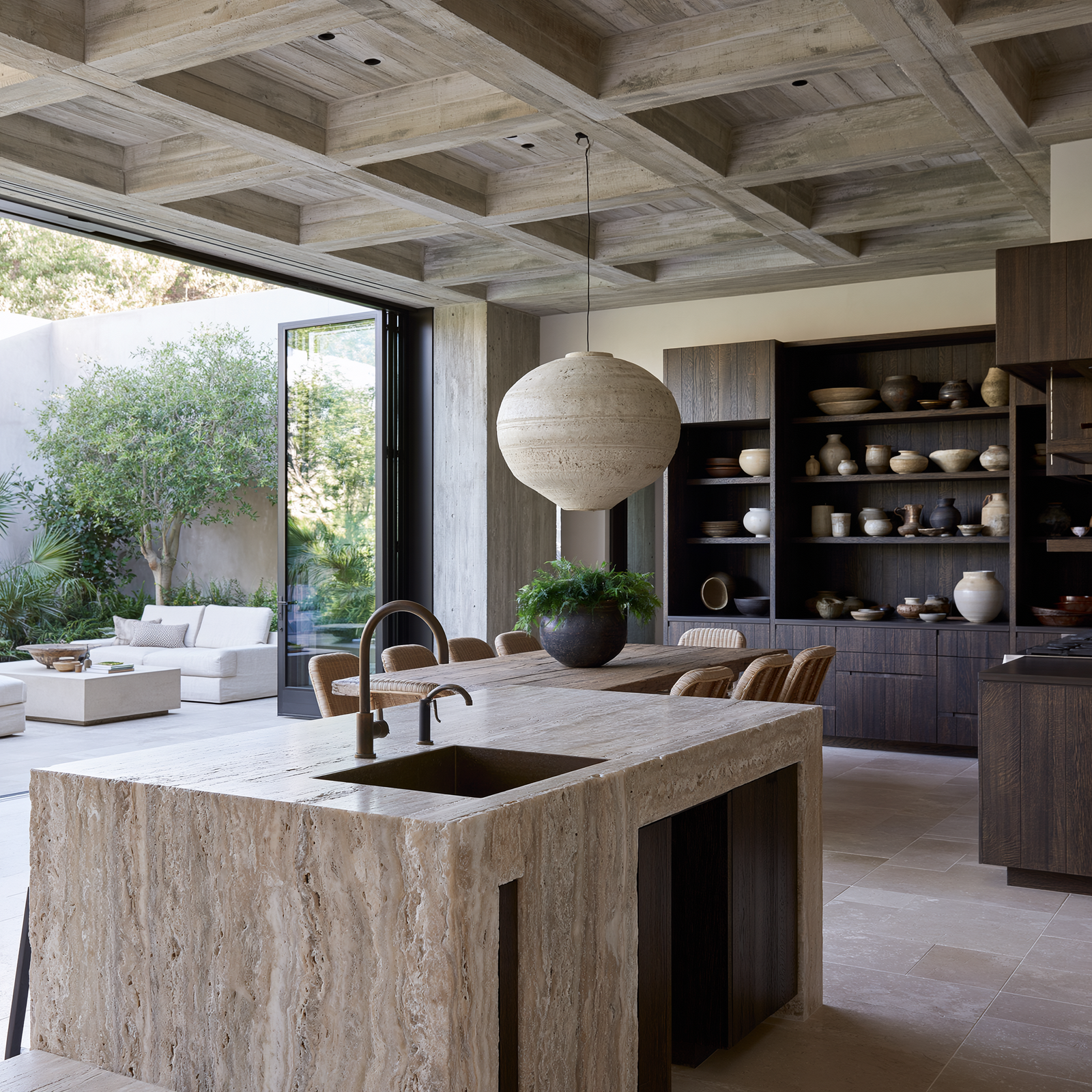
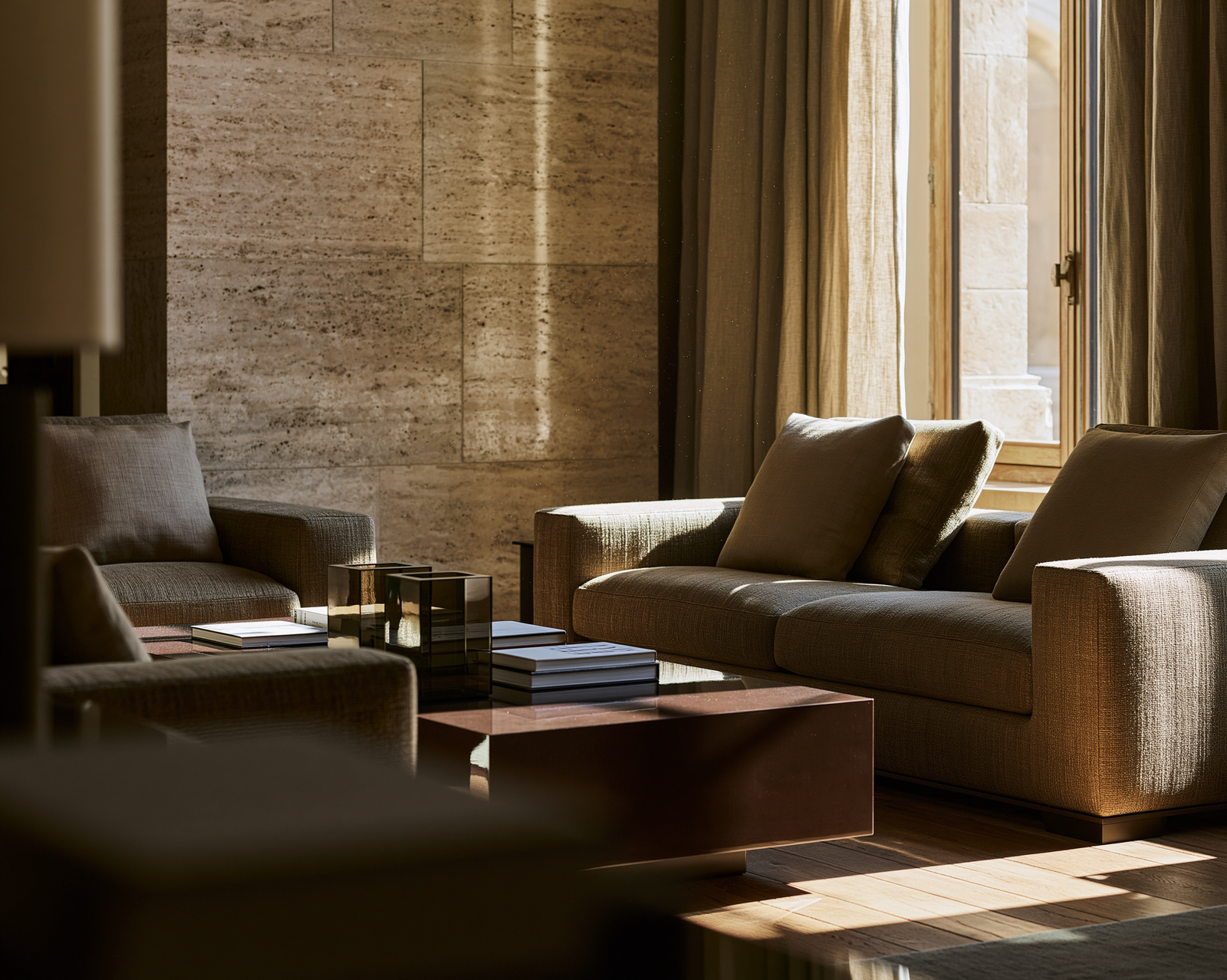
Creamy taupes, caramels, and muted golds strike a balance between bright and snug, adding warmth without overwhelming the senses. These sophisticated tones bring a sense of understated luxury and serenity, creating a harmonious environment where both light and shadow play beautifully. Integrating these hues into your color grading blueprint can make a small room feel more inviting and serene, turning it into a soothing retreat. These shades work particularly well with natural materials like wood and stone, adding texture and depth while maintaining a sense of calm. Paired with soft, ambient lighting, they provide a welcoming atmosphere that invites relaxation and comfort, making the space feel both open and intimate.

How to Combine Colors for Dual Impact

If you’re torn between wanting space to feel open and cozy, consider a two-tone or zoning approach:

  • Color Blocking: Use a lighter shade on top (to open the space) and a deeper hue below (to ground it). This is a popular technique found in every color grading blueprint for optimizing small rooms.

  • Accent Walls: Create depth by painting one wall a bold color—ideally the wall you want to highlight, such as behind a bed or sofa.

  • Zoning With Color: Use different colors to designate “zones” in studio apartments or open-concept homes—this keeps things cozy without closing them off.

Pro Tips from Interior Experts

  • Choose matte finishes in cozy color schemes to absorb light and create warmth.

  • Always test paint swatches in both natural and artificial light—colors can shift dramatically.

  • Don’t forget trims and moldings: Painting them the same color as walls can elongate walls and simplify visual lines.

Conclusion

Mastering the color grading blueprint for small spaces is less about following rigid rules and more about understanding the emotional and spatial effects of your palette. Whether you want to make your space feel bigger or wrap yourself in a cozy vibe, the right shades—and how you apply them—make all the difference. Try a few of these tips and watch your space transform.

What do you think?
Leave a Reply

Blog

Get fresh home inspiration and helpful tips from our interior designers

top
0
    0
    Your Cart
    Your cart is emptyReturn to Shop

    Inactive

    Privacy Overview

    This website uses cookies so that we can provide you with the best user experience possible. Cookie information is stored in your browser and performs functions such as recognising you when you return to our website and helping our team to understand which sections of the website you find most interesting and useful.