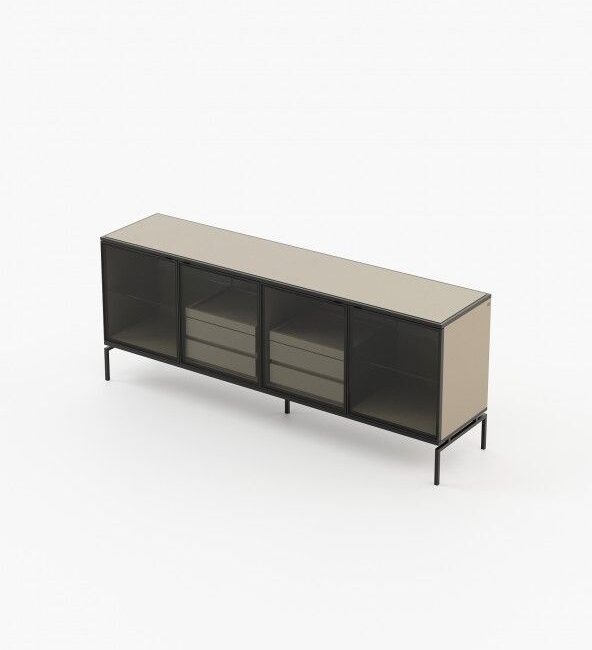
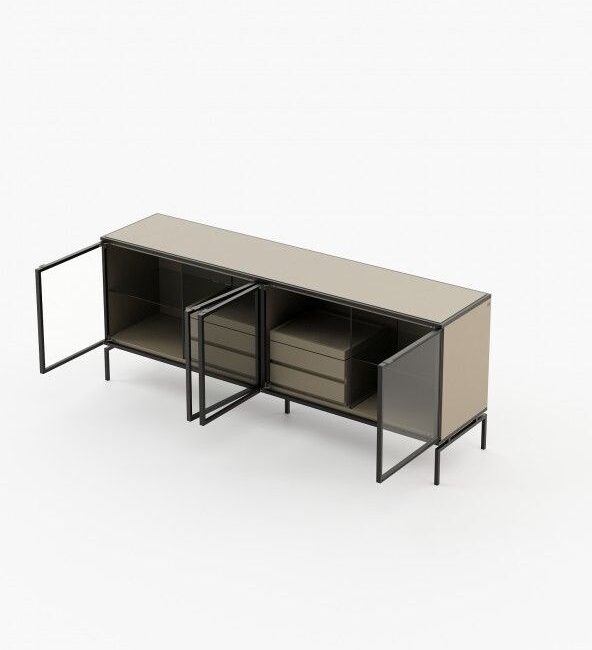
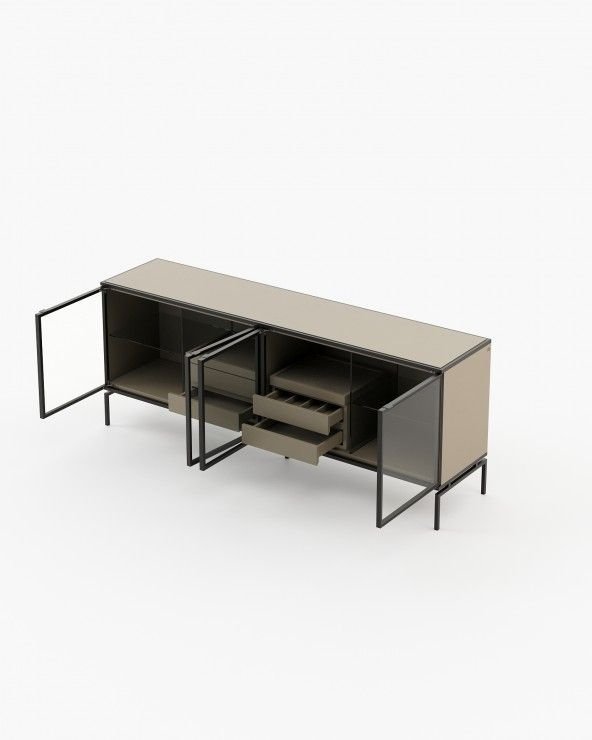
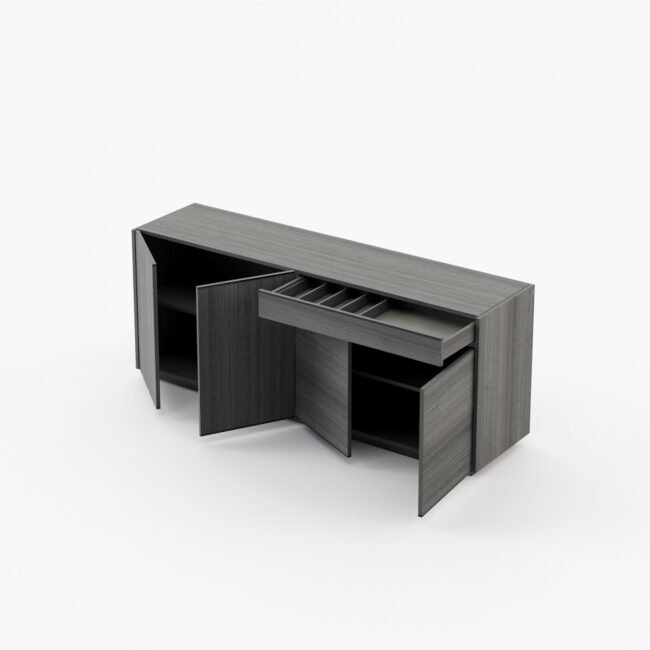
Furniture Trends 2026: The Shapes, Materials and Styles Defining Modern Homes

Furniture trends 2026

Furniture trends 2026:- This does more than complete a room. It gives the interior its character.

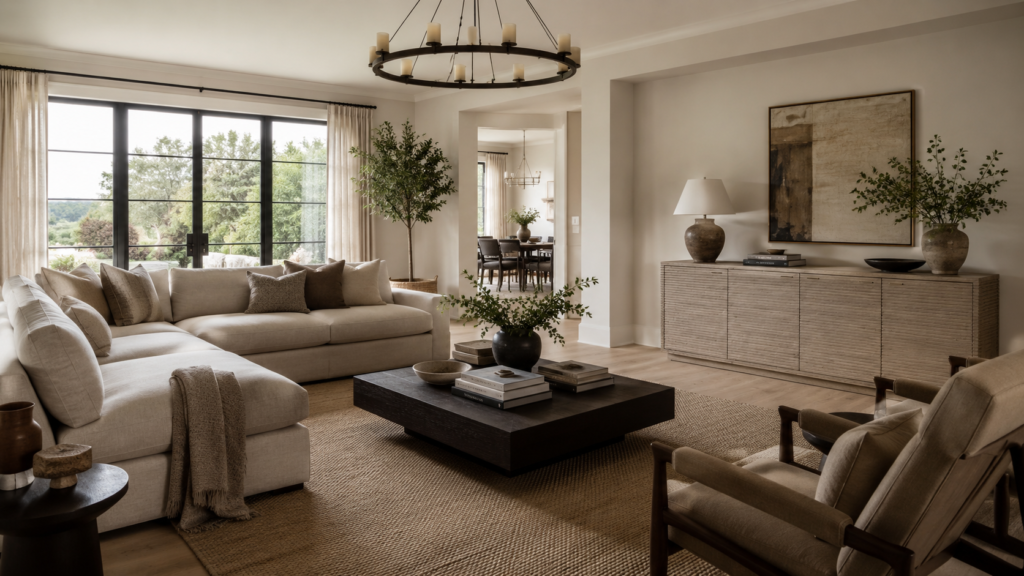
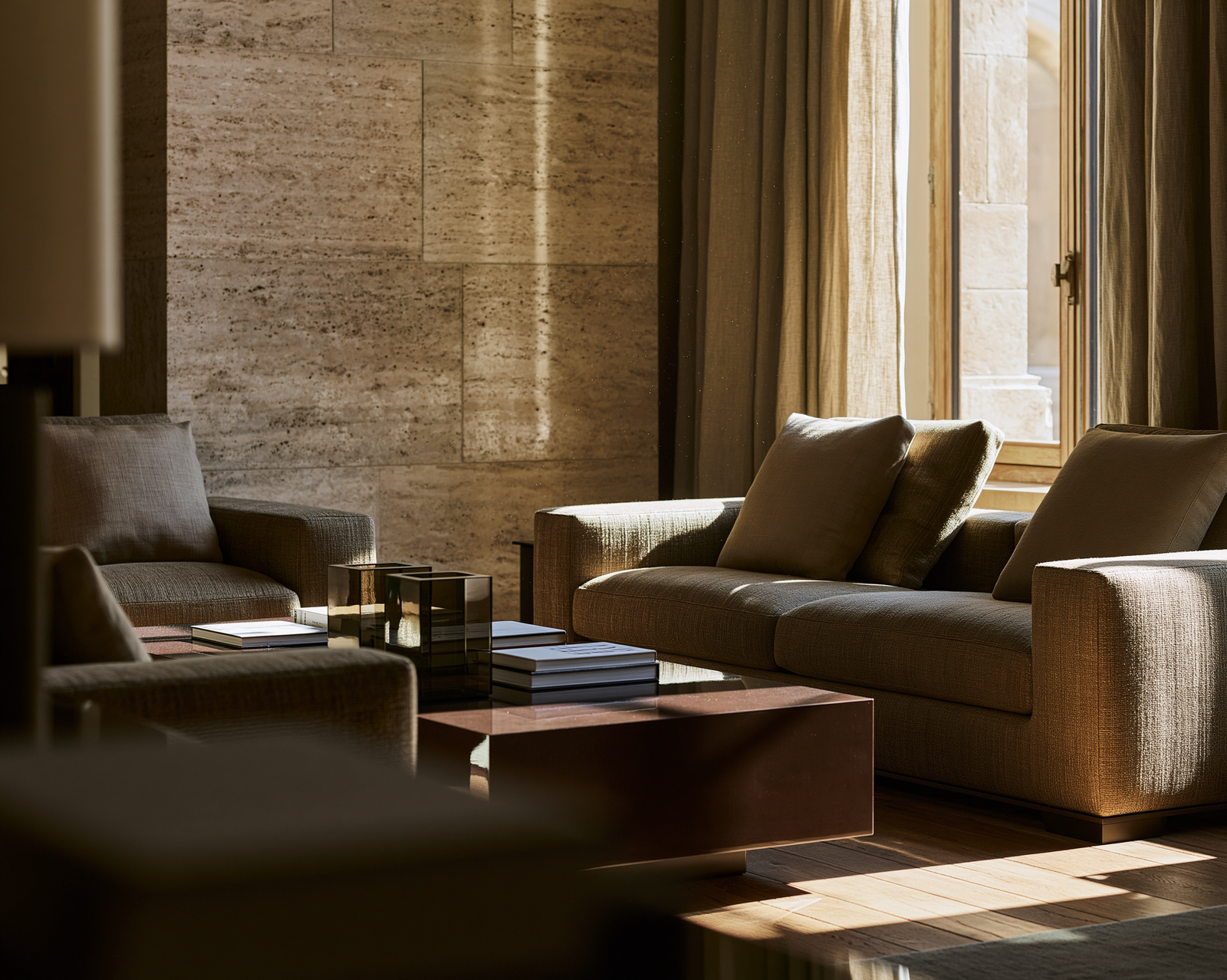
After years of restrained palettes, pale woods and quietly coordinated furniture, design is moving in a more expressive direction. Sofas are becoming softer and more sculptural. Timber is growing richer and darker. Upholstery is embracing pattern, colour and tactile detail, while furniture that looks handmade, inherited or gathered over time is increasingly valued above anything that feels too perfect.

This is not a rejection of simplicity. It is a move towards interiors with greater emotional depth.

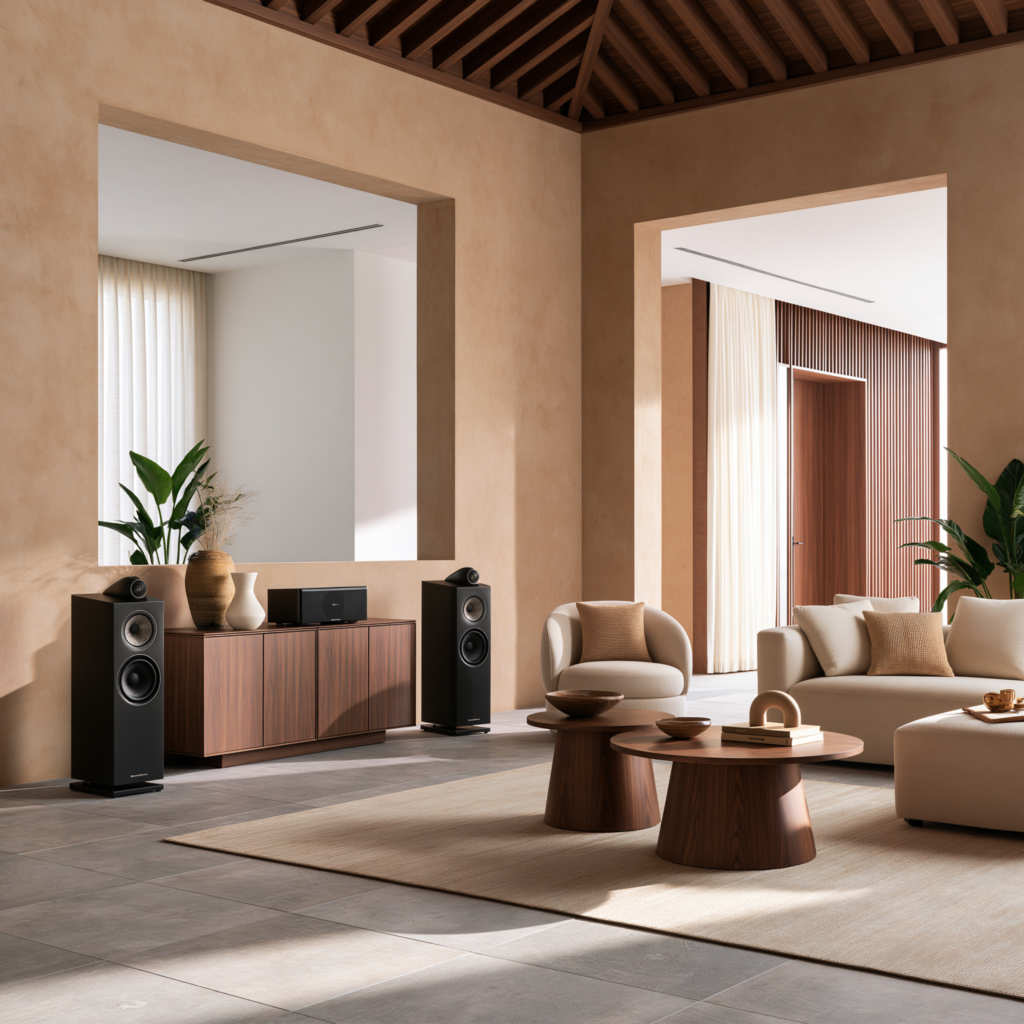
The modern home is becoming less concerned with matching every finish and more interested in creating a relationship between pieces. A contemporary sofa might be paired with an antique-inspired side table. A veined stone coffee table can sit beside a dark wood cabinet, while a patterned chair introduces an unexpected note of colour.

Nothing needs to match precisely, yet every piece should feel as though it belongs.

The defining furniture trends of 2026 reflect this desire for interiors that feel warm, personal and genuinely lived in. Vogue’s overview of the year’s major interior design trends points towards aged woods, handmade details, decorative trims and imaginative interiors that prioritise personality over polish. Similarly, Homes & Gardens identifies collected furniture, gentle curves, rich timber and statement prints among the most significant directions shaping furniture this year.

From expressive seating to the return of dark wood, these are the furniture movements defining modern homes in 2026—and how to introduce them without making your interior feel driven by passing fashion.

Table of Contents

  1. The collected interior replaces the matching suite
  2. Curved furniture becomes more architectural
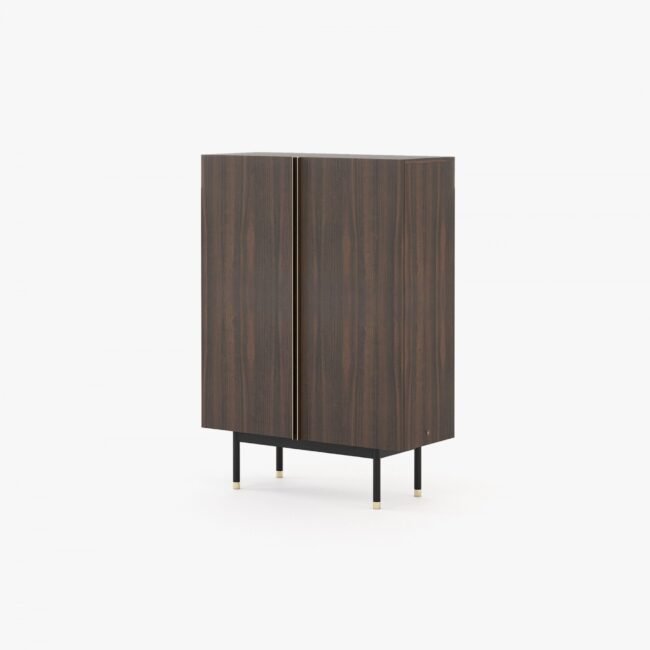
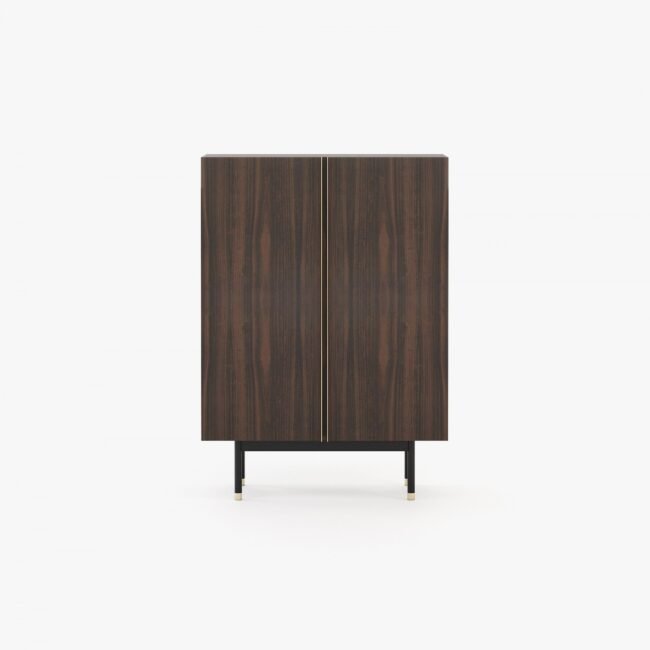
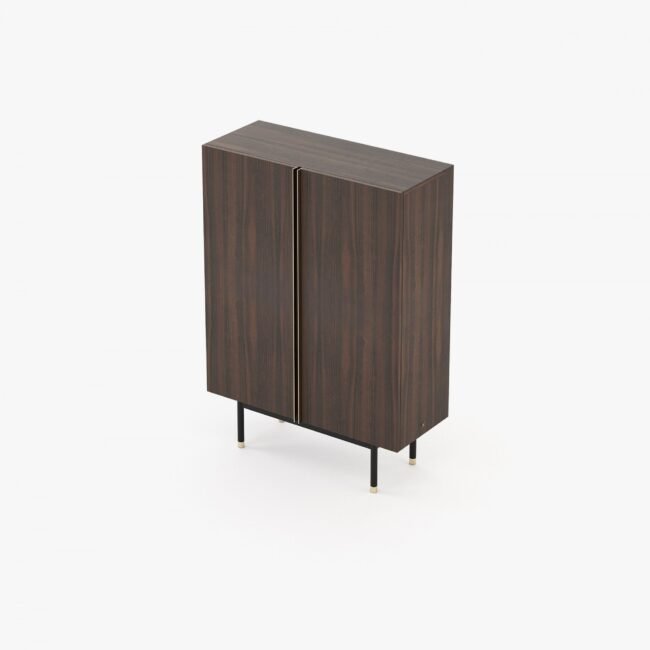
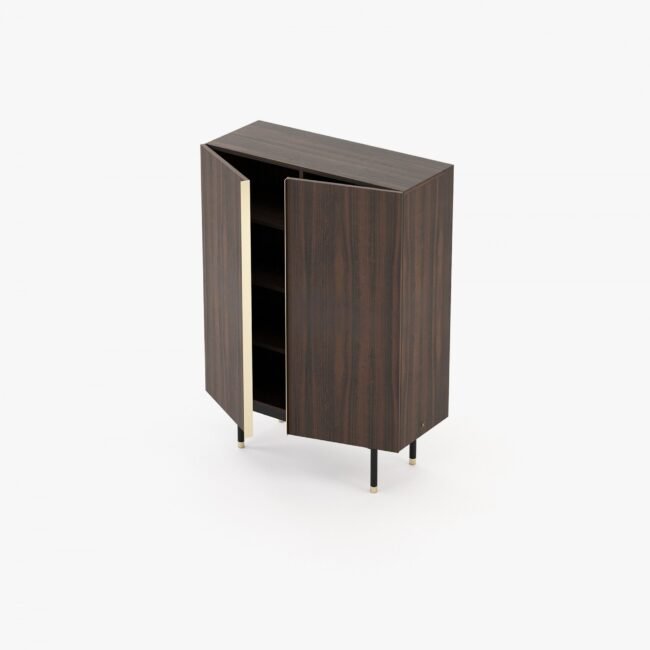
  3. Dark wood brings depth back into the home
  4. Comfort becomes a form of luxury
  5. Patterned upholstery returns with confidence
  6. The statement chair takes centre stage
  7. Skirted furniture makes a softer return
  8. Furniture colour grows richer and warmer
  9. Stone furniture becomes warmer and more expressive
  10. Craftsmanship replaces flawless uniformity
  11. Neo Deco brings restrained glamour
  12. Dining furniture becomes more sociable
  13. Outdoor furniture begins to resemble indoor design
  14. How to embrace trends without dating your home
  15. Frequently asked questions
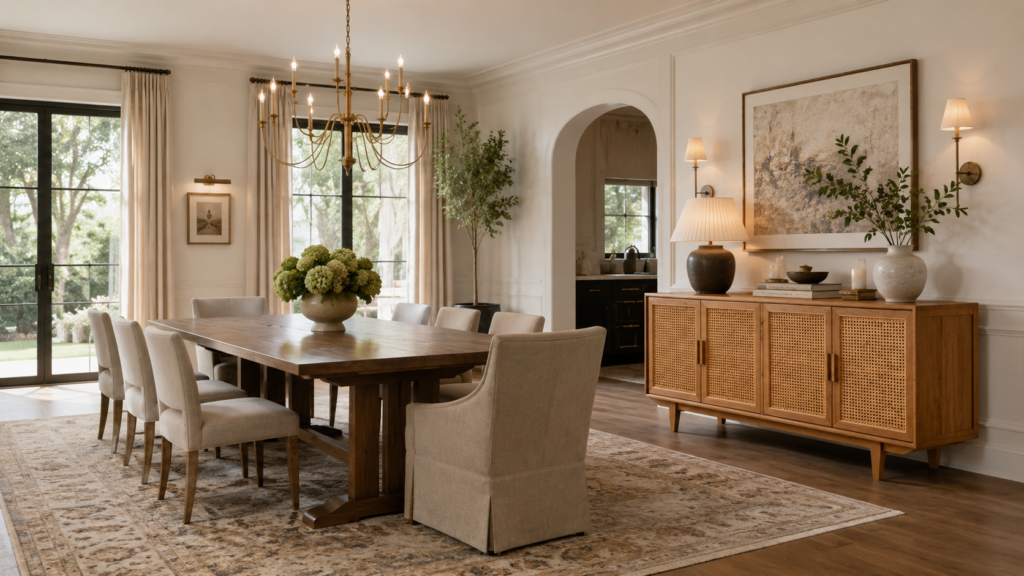
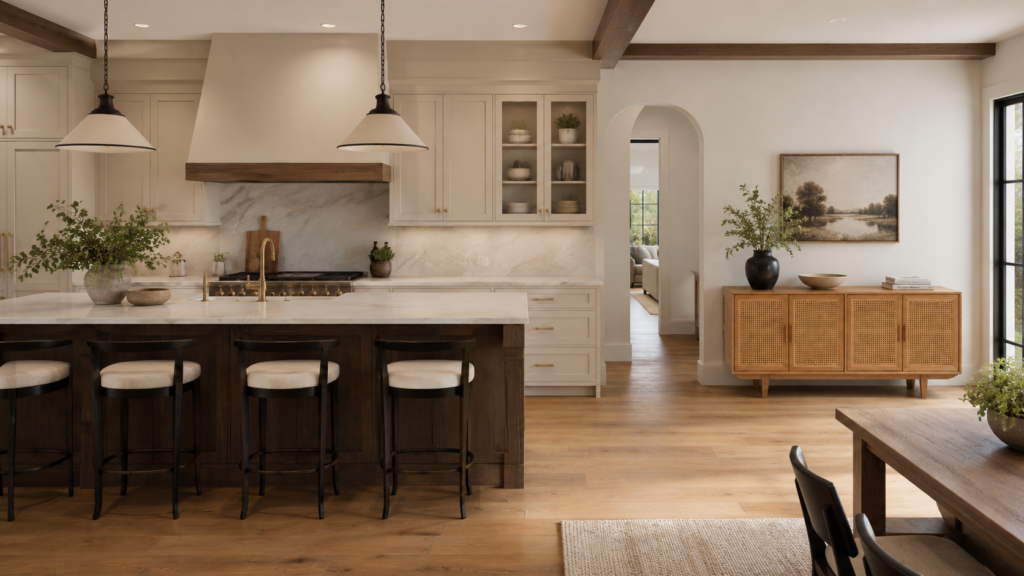
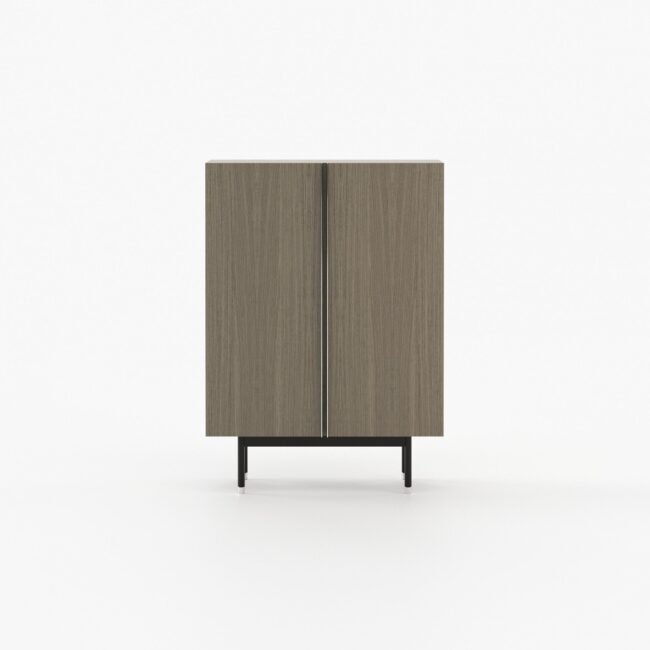
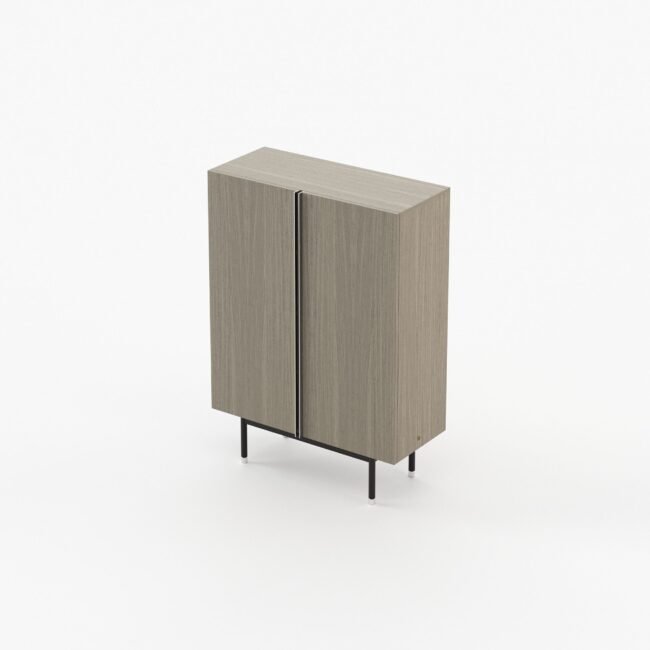
light oak sideboard in modern interior

The Collected Interior Replaces the Matching Suite

The most influential furniture trend of 2026 is not a single material or silhouette. It is a new attitude towards how rooms are assembled.

Perfectly coordinated furniture sets are giving way to interiors that feel accumulated over time. Rather than buying a matching sofa, armchair and table suite, homeowners and designers are combining pieces with different histories, finishes and design references.

A clean-lined luxury sofa might be accompanied by an ornate mirror, a vintage-inspired cabinet and contemporary side tables. A traditional timber table may be surrounded by modern upholstered chairs. The pieces are not identical, but their colours, proportions or materials create a visual connection.

This approach makes a room feel more individual.

In its 2026 furniture forecast, Homes & Gardens describes the prevailing direction as “collected, not curated”, highlighting the appeal of interiors that feel personal rather than excessively staged. Its separate guide to creating a mismatched furniture scheme recommends beginning with an anchor piece and then introducing contrast through pattern, texture, materials and age.

How to introduce the look

Start by breaking up one matching arrangement.

Replace a coordinated armchair with a contrasting accent chair, or place a sculptural table beside an otherwise traditional sofa. In a dining room, keep the table but introduce upholstered dining chairs in a different finish.

The room should still have order. Repeat one or two details—perhaps a timber tone, metal finish or colour—to make the variation feel deliberate.

Curved Furniture Becomes More Architectural

Curved furniture remains important in 2026, but the look is becoming more refined.

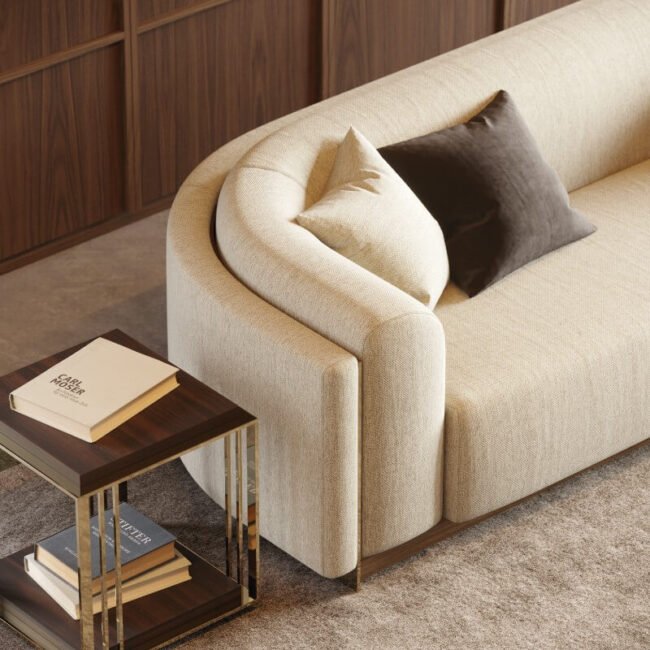
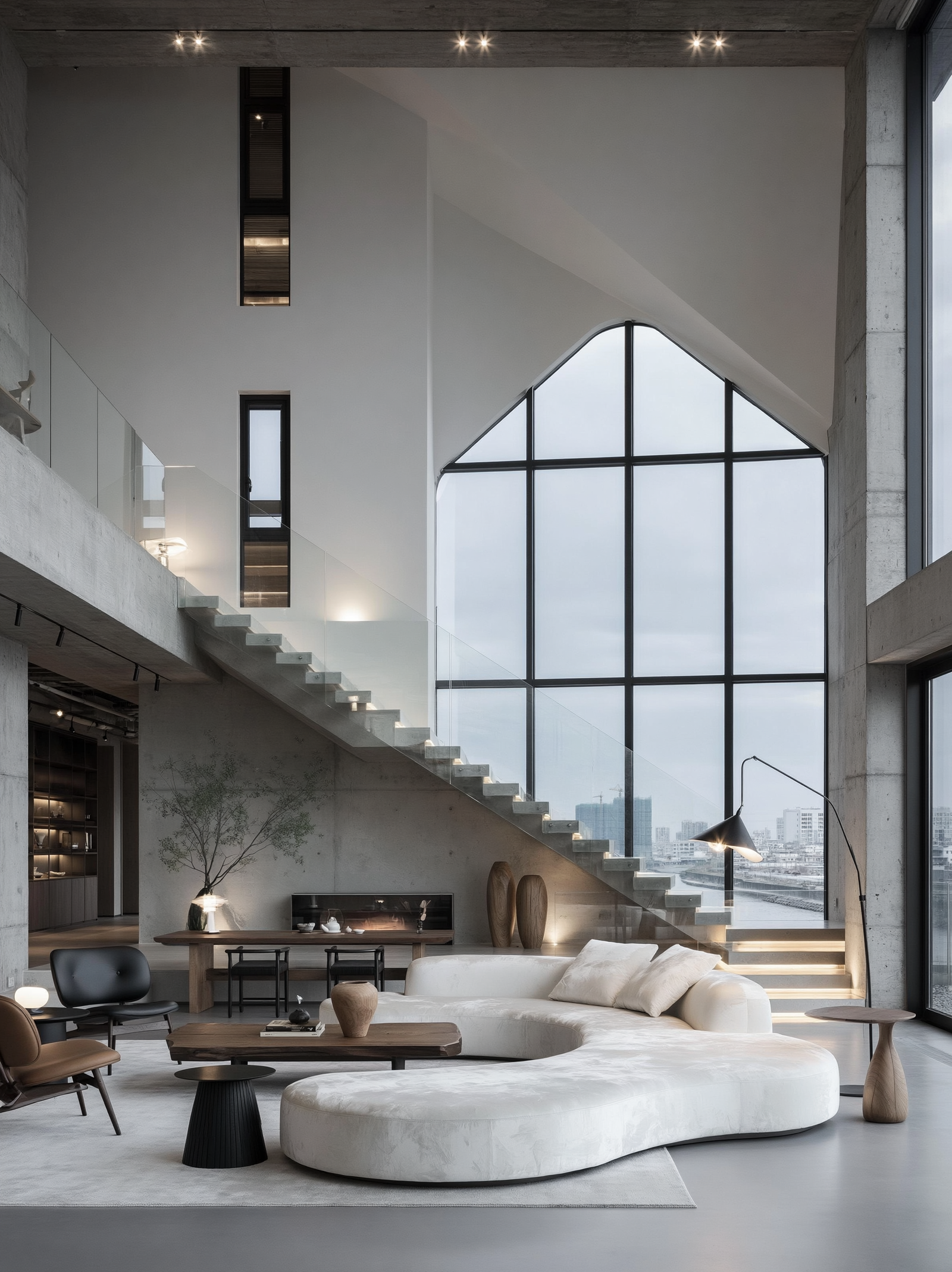
The exaggerated cloud-like sofas that dominated earlier interpretations of the trend are being replaced by forms that feel more architectural. Curves are cleaner, bases are stronger and rounded silhouettes are increasingly combined with stone, polished timber and metal.

This evolution can be seen in:

  • Crescent-shaped sofas
  • Armchairs with wraparound backs
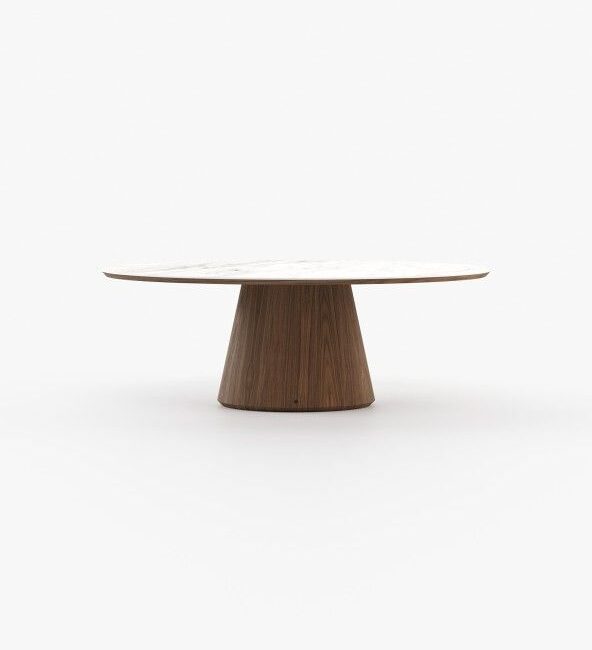
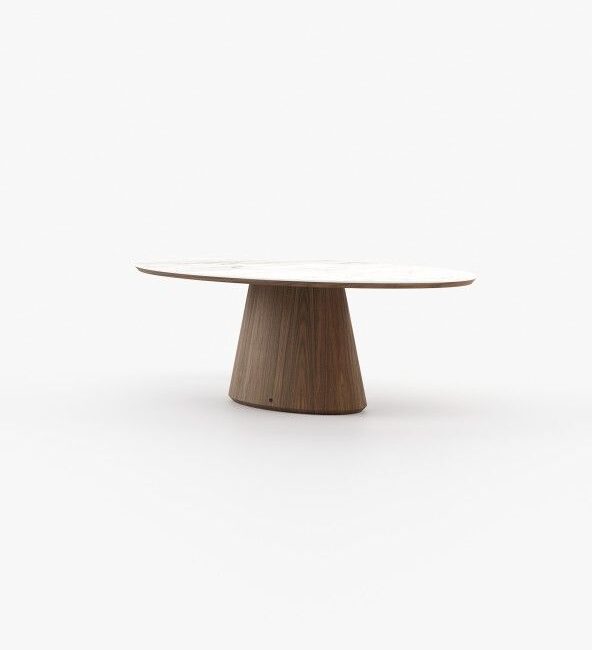
  • Oval and organic coffee tables
  • Curved sideboards and cabinets
  • Rounded headboards
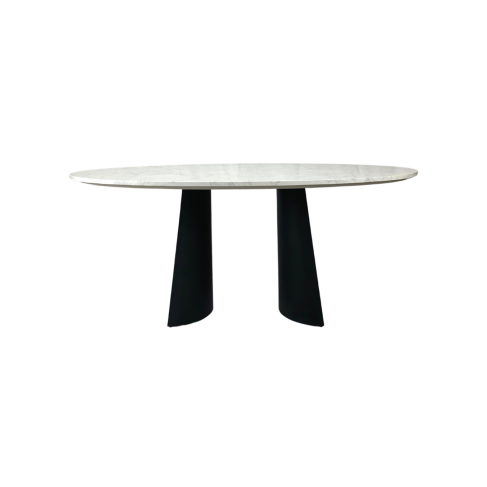
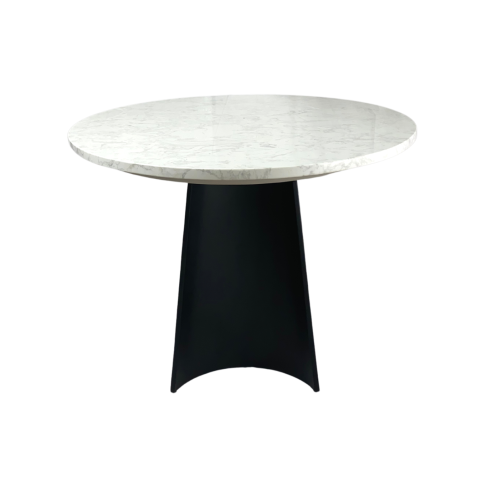
  • Circular and oval dining tables
  • Softer, irregular furniture edges

The annual 1stDibs designer survey cited by Homes & Gardens identified curved and irregular-shaped furniture among the leading choices for 2026. The publication also notes that curves are appearing not only in seating but across cabinetry, joinery and architectural details.

Curves are effective because they interrupt the straight lines that naturally dominate most rooms. Walls, windows, rugs and cabinetry are typically rectangular, so one curved piece can soften the entire composition.

How to make curved furniture feel sophisticated

Use contrast.

Pair a curved sofa with an angular stone coffee table, or place rounded armchairs beside a linear console. An oval table can sit beneath a geometric pendant, while an arched mirror can soften the hard silhouette of a sideboard.

Avoid filling the entire room with rounded furniture. One or two curved pieces will have greater impact when surrounded by cleaner lines.

Furniture trends 2026 2

Dark Wood Brings Depth Back Into the Home

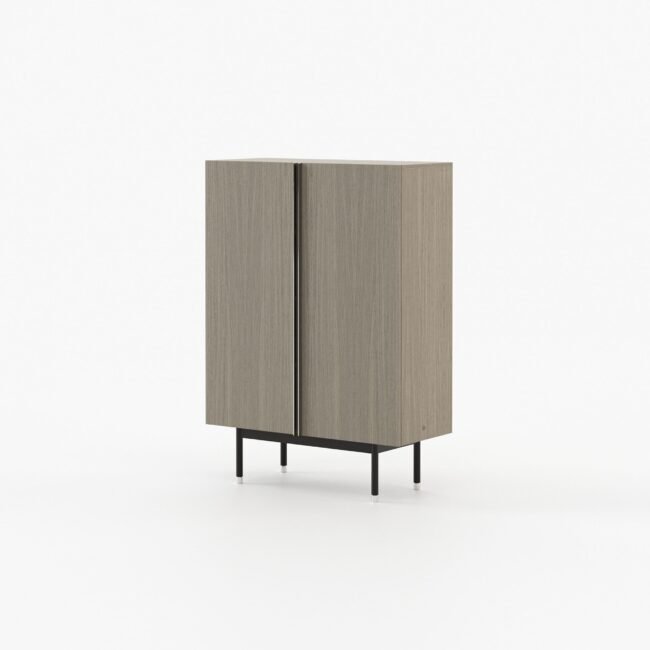
For several years, pale oak was the default timber for contemporary furniture. In 2026, richer wood tones are returning with confidence.

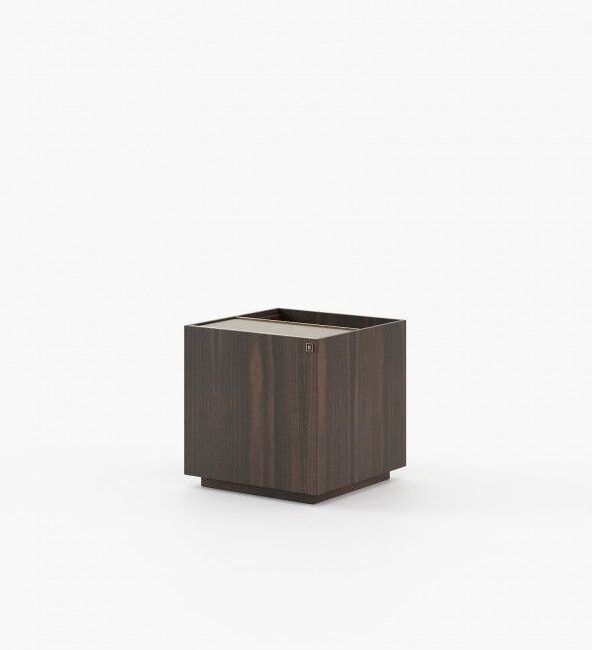
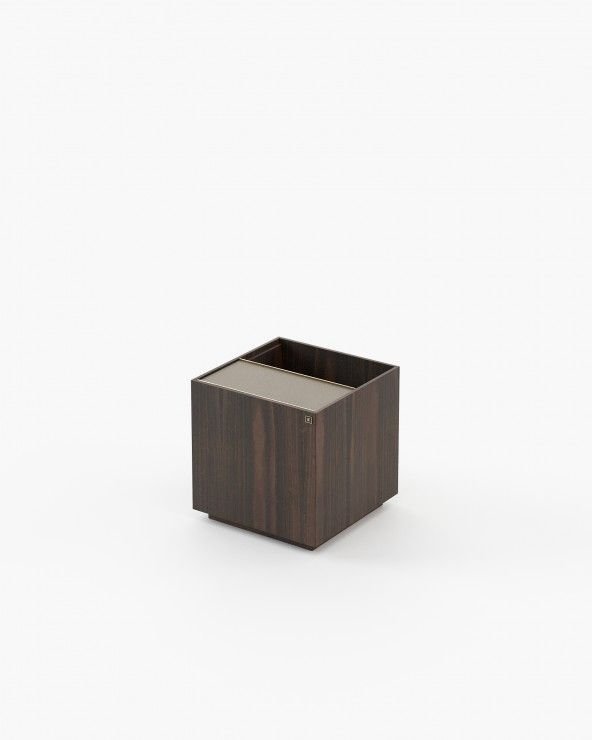
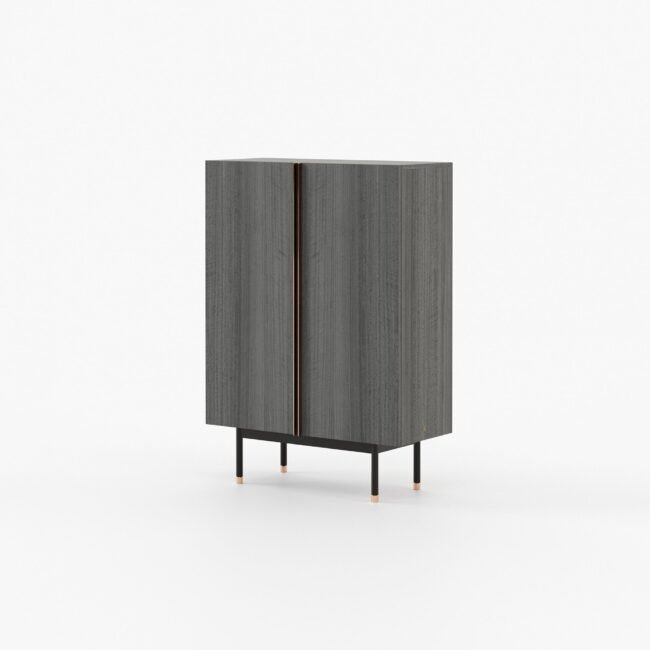
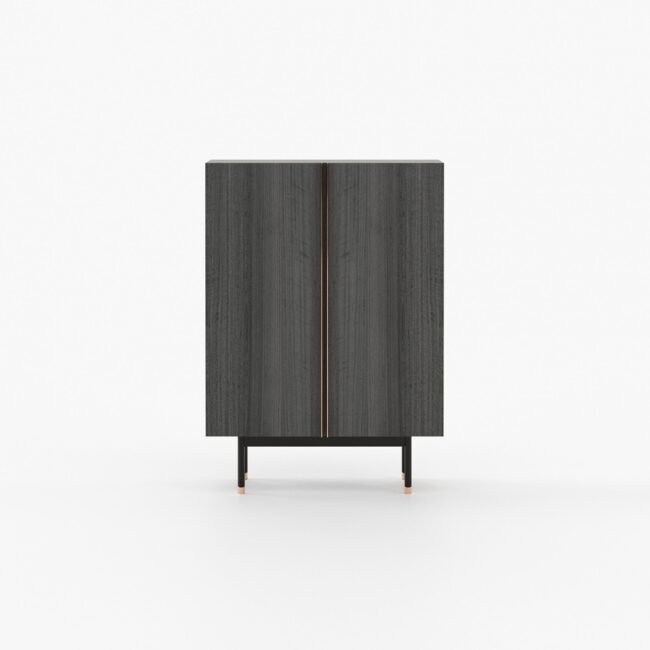
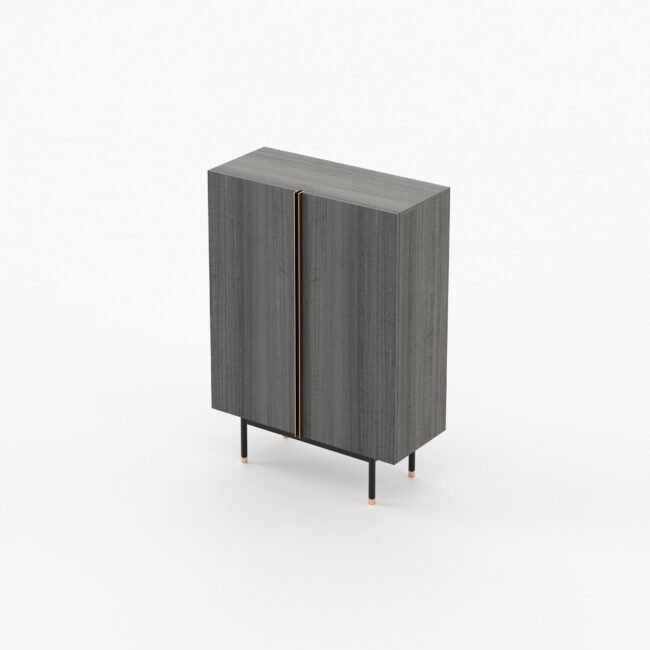
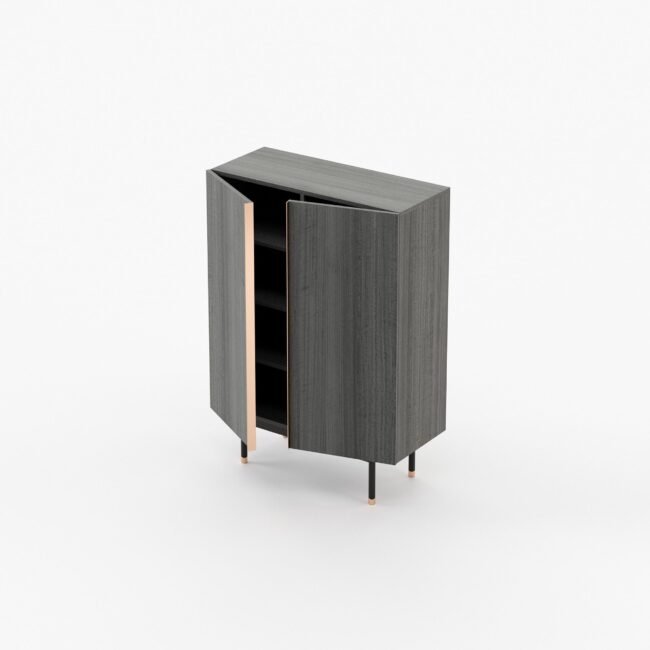
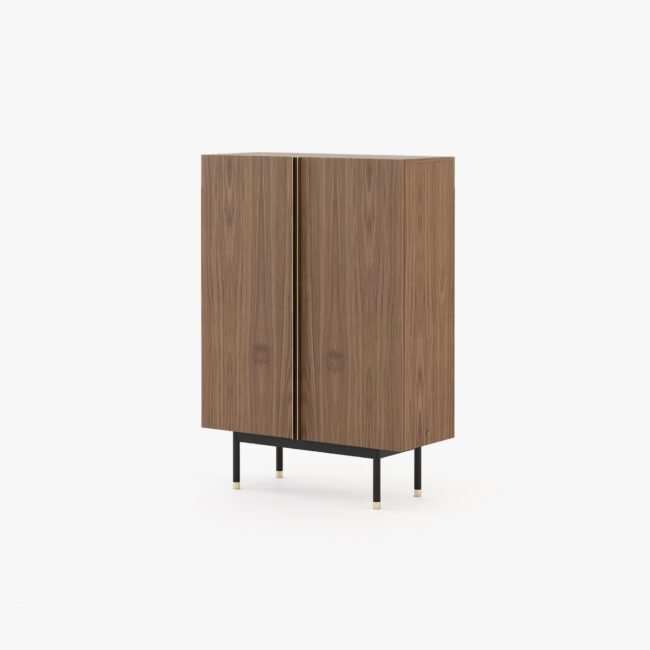
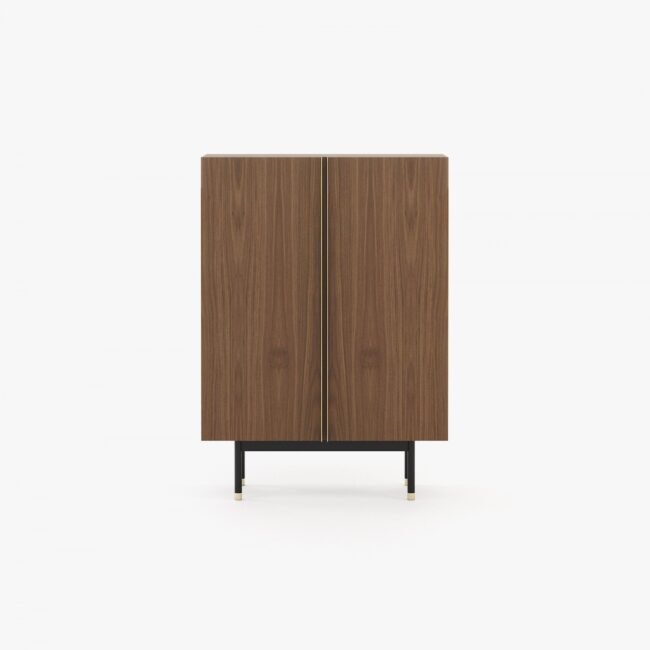
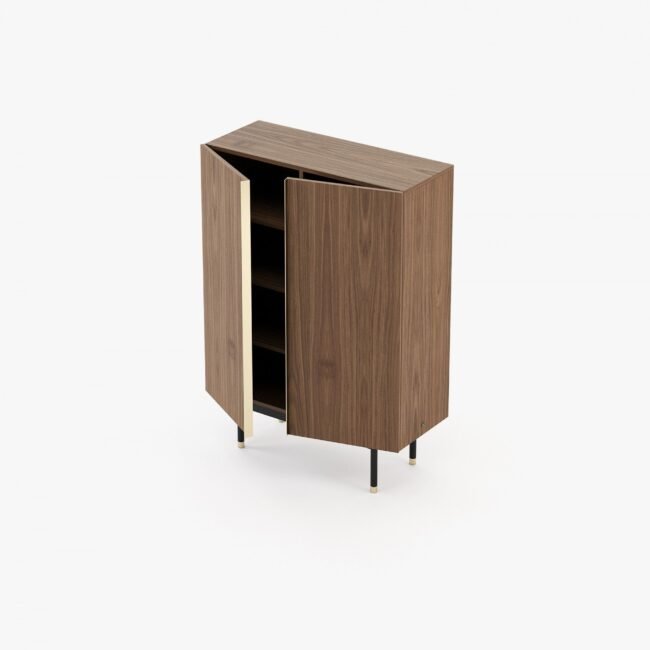
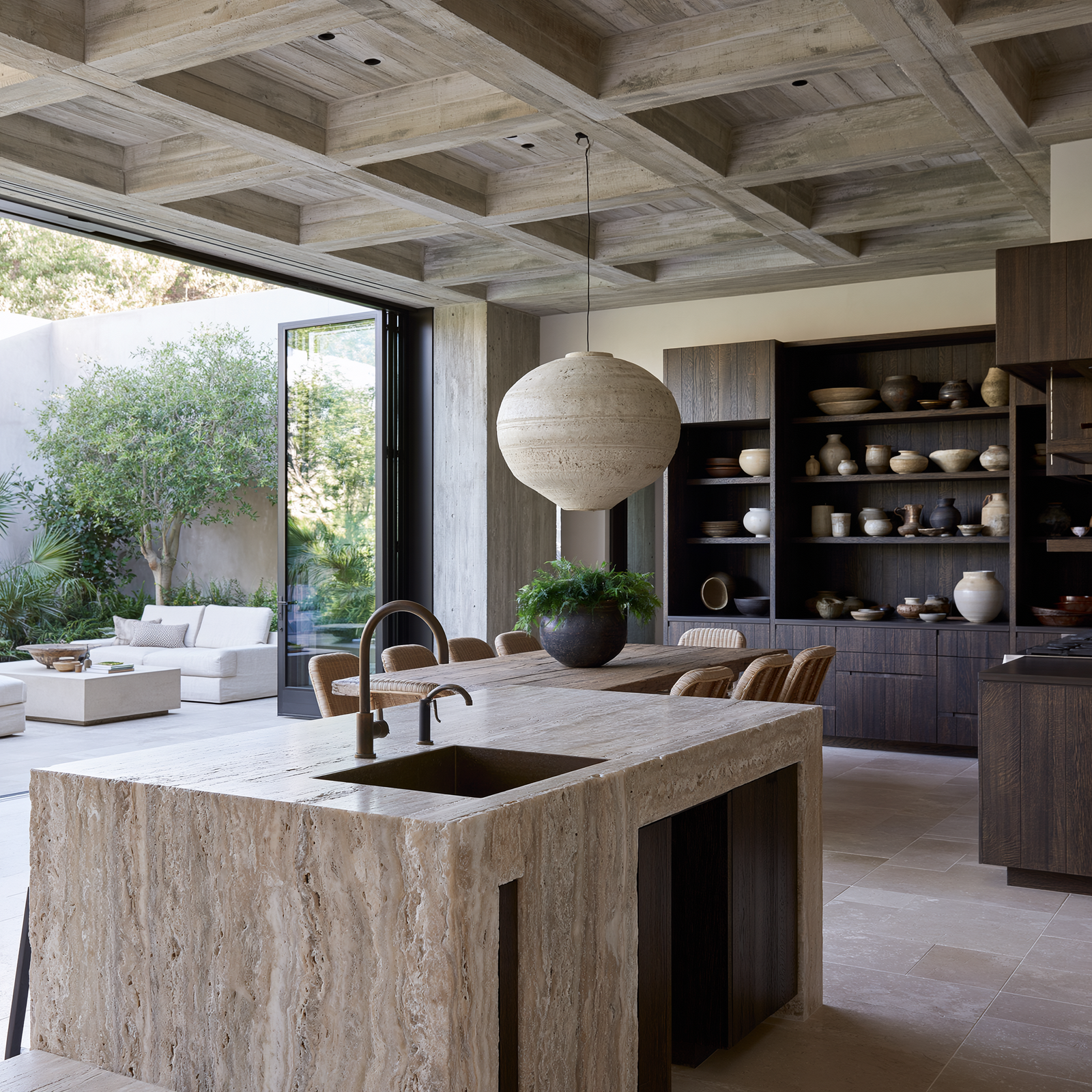
Walnut, mahogany, cherry, smoked oak and deep-stained timber bring weight and permanence to an interior. They make pale rooms feel more grounded and work particularly well with warm stone, aged metals and natural upholstery.

Dark wood is appearing across:

  • Dining tables
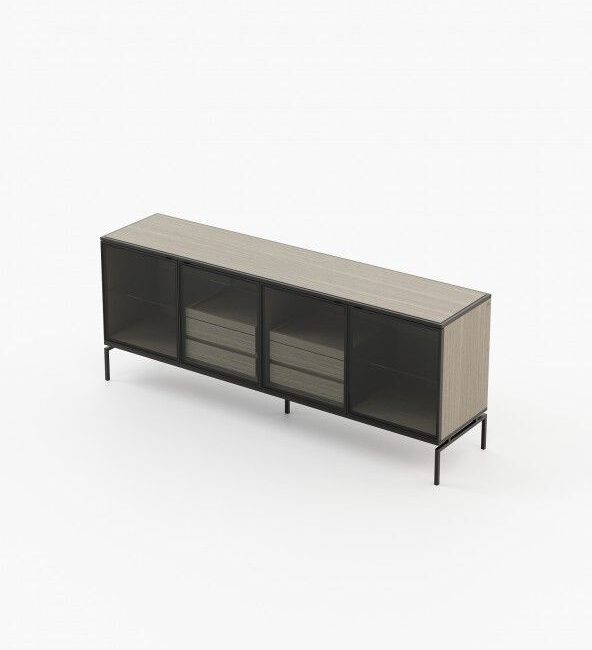
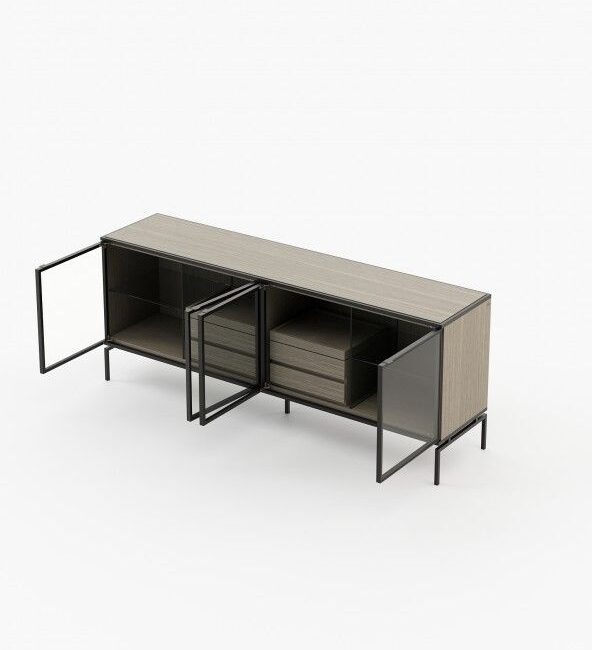
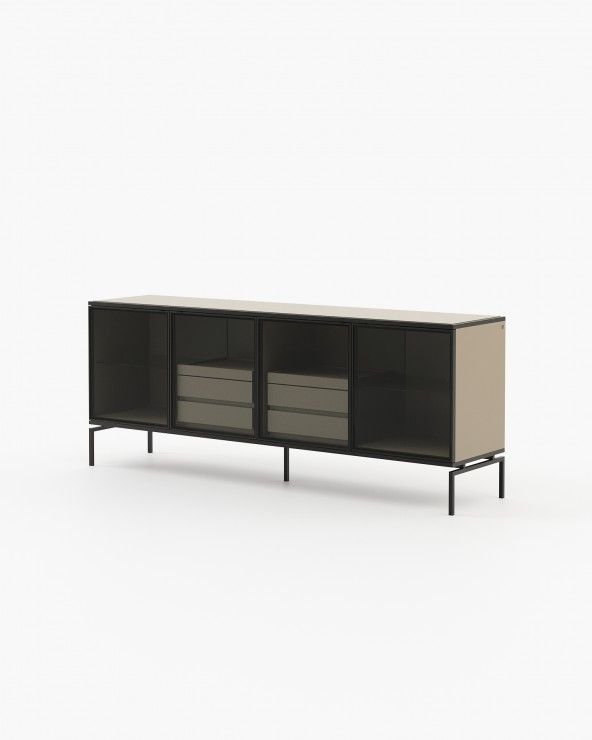
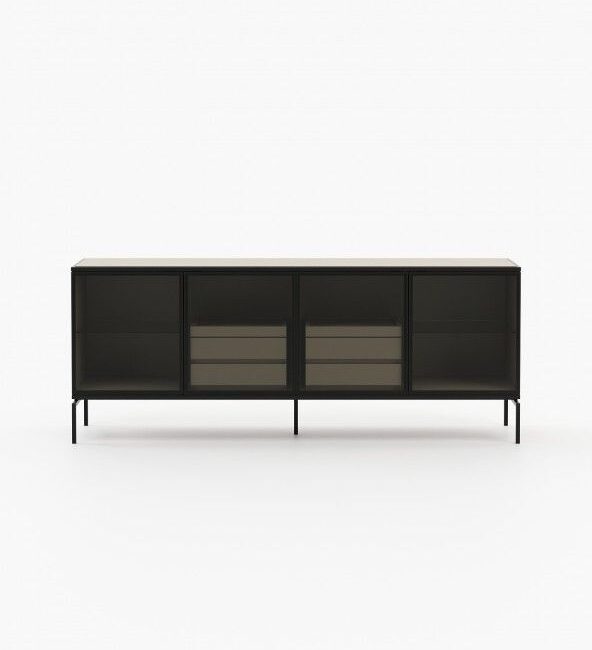
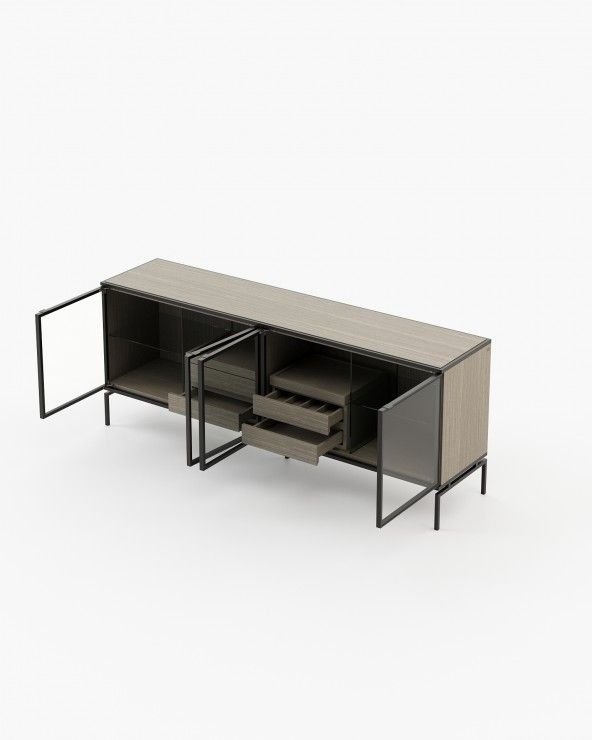
  • Sideboards
  • Consoles
  • Bed frames
  • Coffee tables
  • Occasional chairs
  • Display cabinets
  • Desks

Homes & Gardens identifies rich wood tones as one of the year’s central furniture movements, while Vogue connects substantial timber furniture with the emerging monastic aesthetic—an approach centred on simplicity, craftsmanship and the visual beauty of natural wood grain.

Dark wood does not have to make a room feel formal or heavy. Its effect depends on what surrounds it.

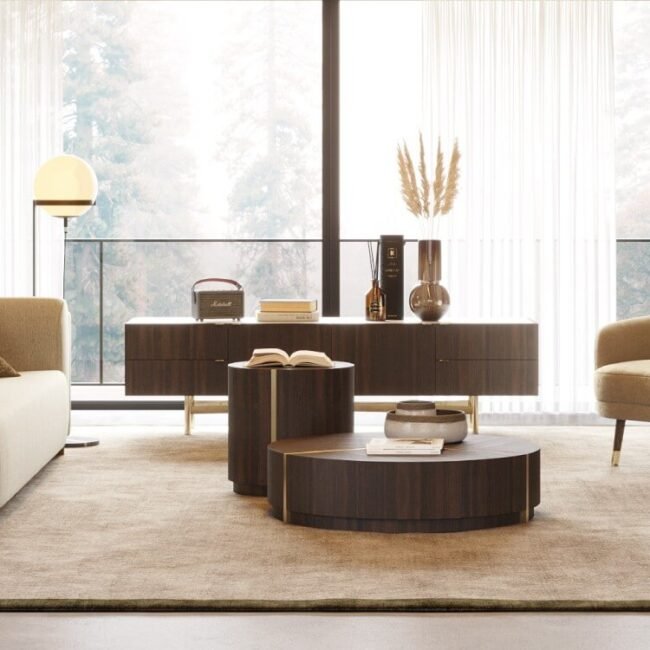
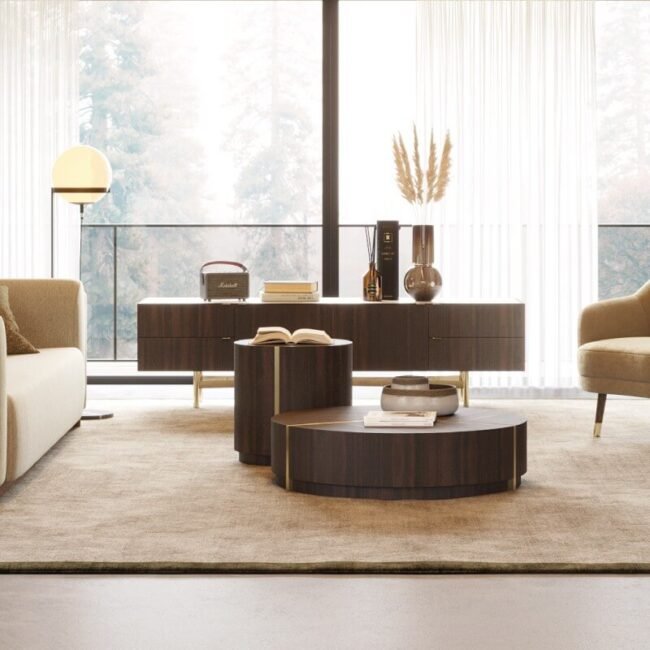
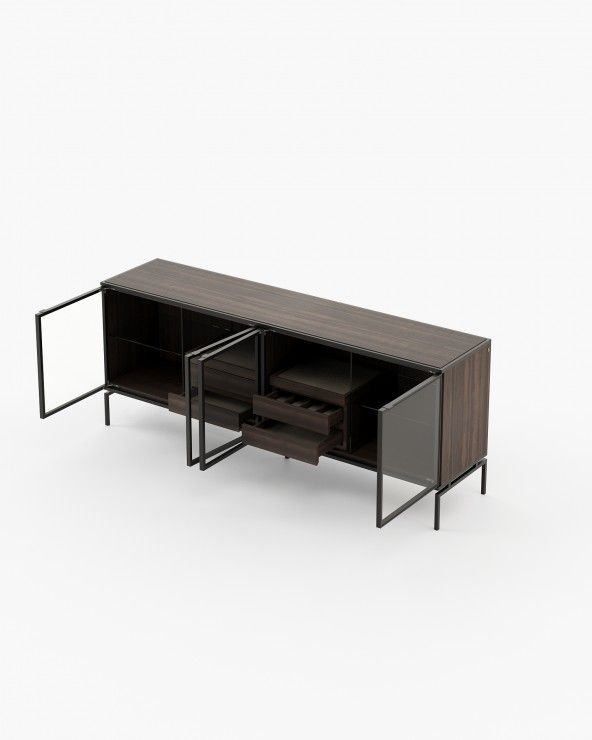
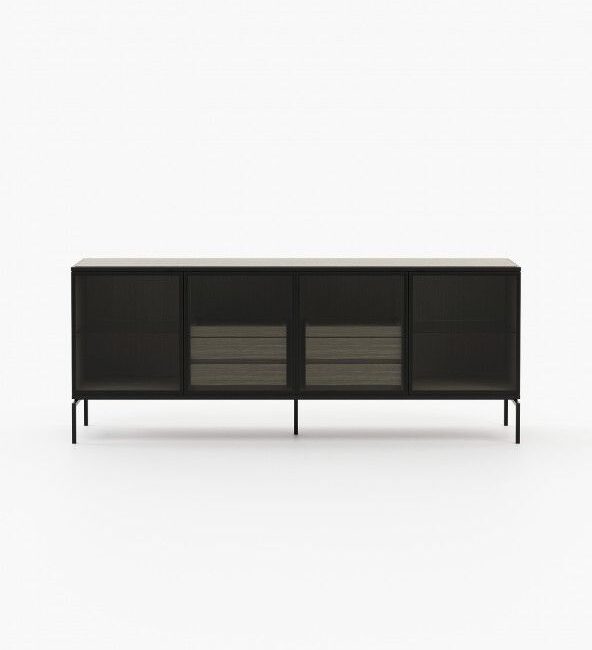
A walnut sideboard can bring warmth to a pale wall. A dark timber dining table feels contemporary when paired with cream upholstered chairs, while a mahogany-style console can create a striking contrast with modern artwork.

Colours and materials that complement dark wood

Pair deeper timber with:

  • Ivory and oatmeal upholstery
  • Warm white walls
  • Travertine and limestone
  • Burgundy or aubergine
  • Olive and moss green
  • Aged brass
  • Soft linen
  • Pale boucle used sparingly

Repeat the dark finish in one or two smaller elements, such as a mirror frame or lamp base, so the furniture does not feel isolated.

Comfort Becomes a Form of Luxury

Luxury furniture is increasingly judged by the experience it provides rather than appearance alone.

Sofas are becoming deeper, lower and more generous. Dining chairs are more frequently upholstered, armchairs are designed for lingering, and ottomans are being used as both footrests and flexible seating.

The most desirable pieces offer comfort without losing definition.

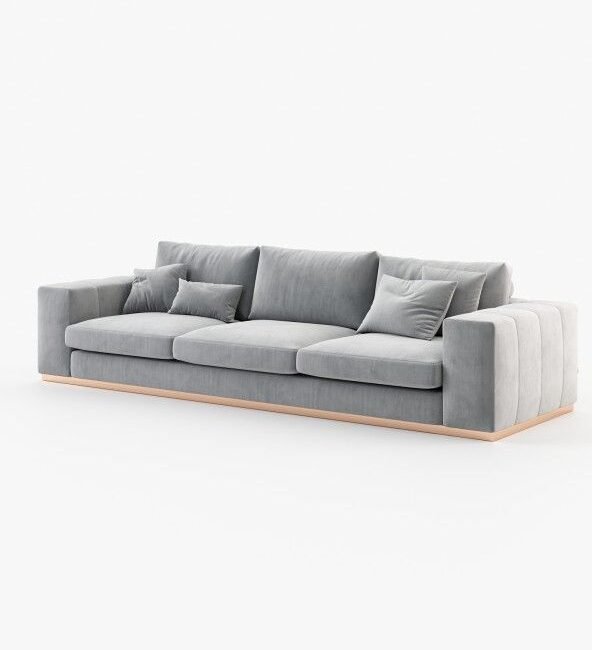
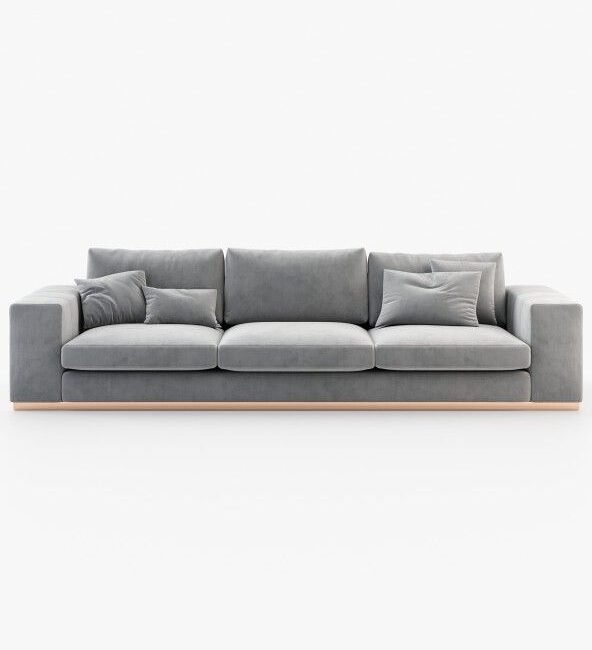
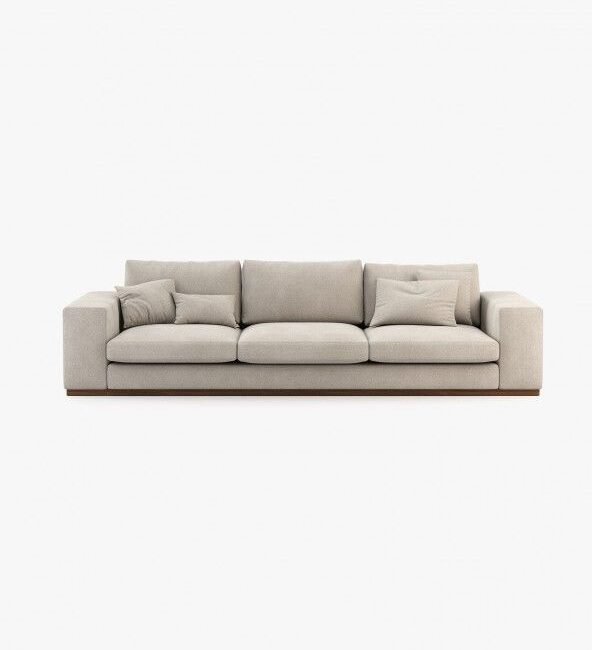
Current sofa trends for 2026 include low-slung lounge-ready shapes, deeper seating, expressive materials and distinctive sofas capable of becoming the emotional centre of a room. Tailored skirts and subtle patterns also appear prominently, showing that comfort and decorative detail are no longer treated as opposites.

The trend is particularly visible in:

  • Deep-seated sofas
  • Wide, supportive arms
  • Modular seating
  • Upholstered dining chairs
  • Oversized ottomans
  • Lounge-style accent chairs
  • Softly padded bed frames

Choosing comfort-led furniture

Consider how the room is actually used.

A formal sitting room may suit a more upright sofa with tailored cushions. A family living room may benefit from a deeper corner sofa or modular arrangement. An occasional chair should feel inviting enough to use, rather than existing purely as a decorative object.

Before buying, consider seat height, depth, back support, arm position and cushion density. Beautiful furniture should improve the experience of living in the room.

Patterned Upholstery Returns With Confidence

Pattern is returning to furniture after years in which plain cream, grey and beige upholstery dominated.

Florals, stripes, checks, paisley and small-scale geometrics are bringing character back to sofas, chairs and ottomans. These prints often draw on traditional textile references, but their use within contemporary rooms makes them feel fresh rather than nostalgic.

The trend is especially visible in statement floral sofas and heritage-inspired seating. Homes & Gardens includes floral sofas and the mixing of styles among its principal living-room furniture trends for 2026.

Patterned furniture works best when it has a relationship with the surrounding palette.

A floral chair may contain the same muted green as the walls. A striped ottoman could repeat colours found in the rug, while a paisley sofa can be balanced by quieter tables and curtains.

The easiest way to introduce pattern

Begin with a statement armchair.

A single patterned chair introduces depth without requiring the commitment of a full patterned sofa. Allow it to become a focal point, then repeat one of its colours in cushions, artwork or decorative objects.

For a stronger result, choose a patterned sofa and keep the neighbouring side tables, lighting and floor coverings relatively restrained.

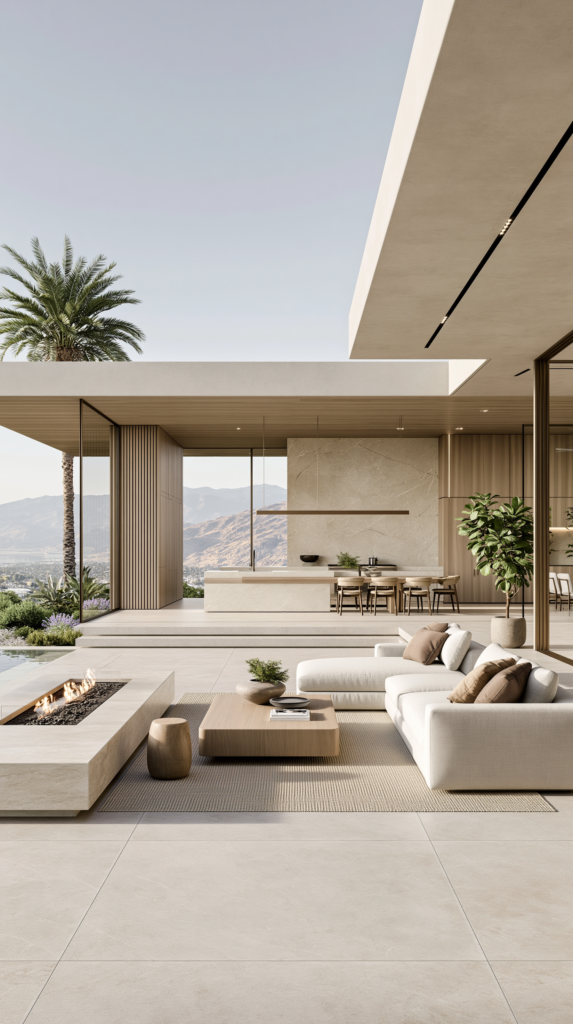
The Statement Chair Takes Centre Stage

The occasional chair has become one of the most useful pieces in modern interior design.

Unlike the primary sofa, which must usually meet practical needs for several people, a chair offers more freedom. It can be brighter, more sculptural, more decorative and more experimental.

Statement chairs in 2026 feature:

  • Curved or wraparound backs
  • Strong timber frames
  • Rich velvet and mohair
  • Patterned upholstery
  • Low lounge-style proportions
  • Decorative edging
  • Unexpected metal bases
  • Vintage-inspired forms

The rise of the occasional sofa reflects a similar desire for expressive secondary seating. Vogue notes that occasional sofas allow designers to use more adventurous fabrics and silhouettes because they are freed from some of the functional demands placed on the main family sofa.

How to style a statement chair

Allow it space.

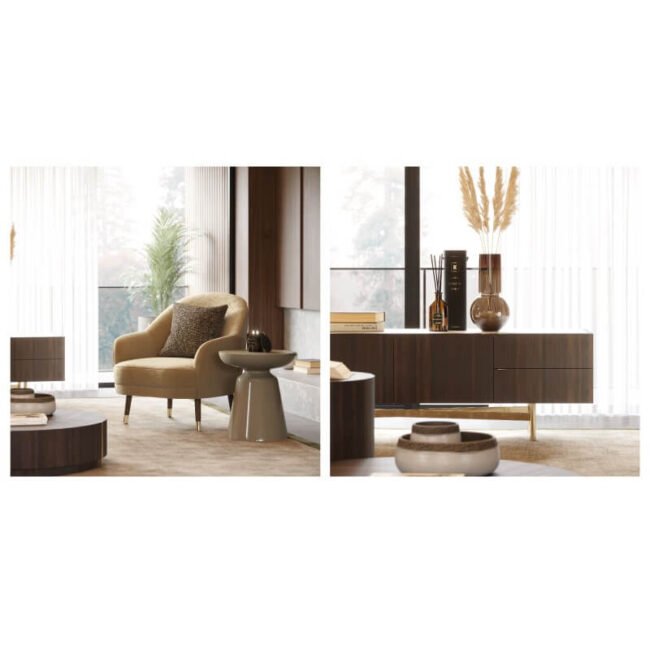
Position the chair beside a restrained side table, floor lamp or pedestal rather than surrounding it with numerous accessories. If the silhouette is the main attraction, use lighting that draws attention to its form. If the fabric is patterned, allow nearby surfaces to remain quieter.

A strong chair can transform a forgotten corner into an intentional part of the room.


Skirted Furniture Makes a Softer Return

Skirted furniture is returning, but not in the heavily ruffled form associated with older country-house schemes.

The 2026 interpretation is tailored, relaxed and architectural. Sofas and chairs may have simple box pleats or clean fabric panels that reach the floor, softening the furniture without making it appear fussy.

Skirts are appearing on:

  • Sofas
  • Armchairs
  • Dining chairs
  • Bedside tables
  • Dressing tables
  • Consoles
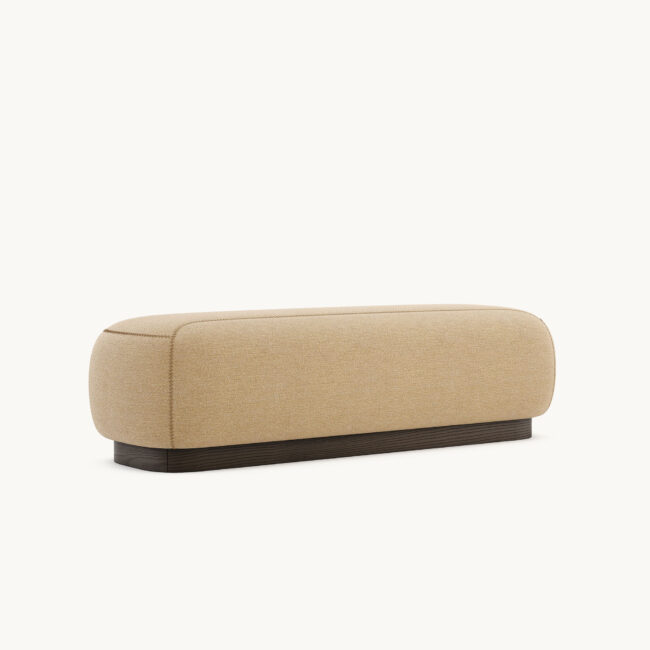
  • Upholstered benches

Designer trend surveys have identified skirted furniture as one of the year’s leading furniture choices, alongside curved and irregular forms.

This treatment is particularly effective in rooms with many hard surfaces. Fabric extending to floor level can soften stone flooring, angular architecture and dark cabinetry.

Keeping skirted furniture contemporary

Choose high-quality linen, wool or a structured woven fabric. Pair the softness of the skirt with harder materials such as stone, metal or polished wood.

A skirted sofa can look especially sophisticated beside a clean-lined table or a modern sculptural lamp.

oak sideboard in elegant dining room

Furniture Colour Grows Richer and Warmer

Neutral furniture remains relevant, but 2026 is embracing a broader and more confident palette.

Burgundy, chocolate brown, ochre, moss green, aubergine, muted blue and red are appearing across seating, cabinets and occasional tables. These colours are rich rather than excessively bright, giving rooms warmth without making them feel temporary.

Vogue’s 2026 colour forecast identifies earthy umber, ochre, red, desaturated blue and pistachio-chartreuse among the shades shaping interiors this year. Meanwhile, recent show-house coverage has highlighted plummy tones, aubergine and richly textured fabrics.

Colour is often concentrated in one important piece rather than distributed evenly throughout the room.

Consider:

  • A burgundy sofa
  • An olive-green chair
  • An aubergine cabinet
  • Red lacquered side tables
  • Blue upholstered dining chairs
  • A chocolate-brown ottoman

How to use furniture colour successfully

Choose a shade already connected to the wider scheme.

A burgundy chair might relate to tones in a rug or artwork. Olive upholstery works naturally with timber and stone, while a red side table can bring energy to a neutral room without overwhelming it.

A coloured accent chair or pair of dining chairs offers a lower-commitment way to introduce the trend than replacing the main sofa.

Stone Furniture Becomes Warmer and More Expressive

Stone remains an important furniture material, but the emphasis is moving beyond polished white marble.

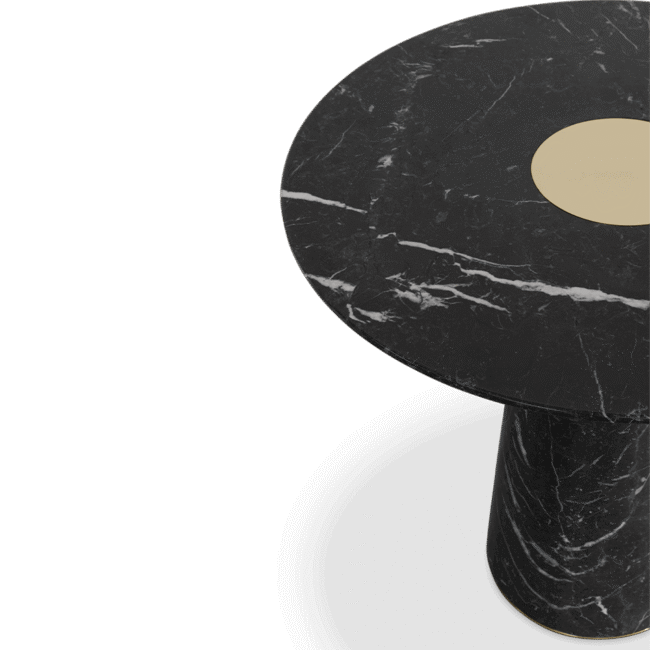
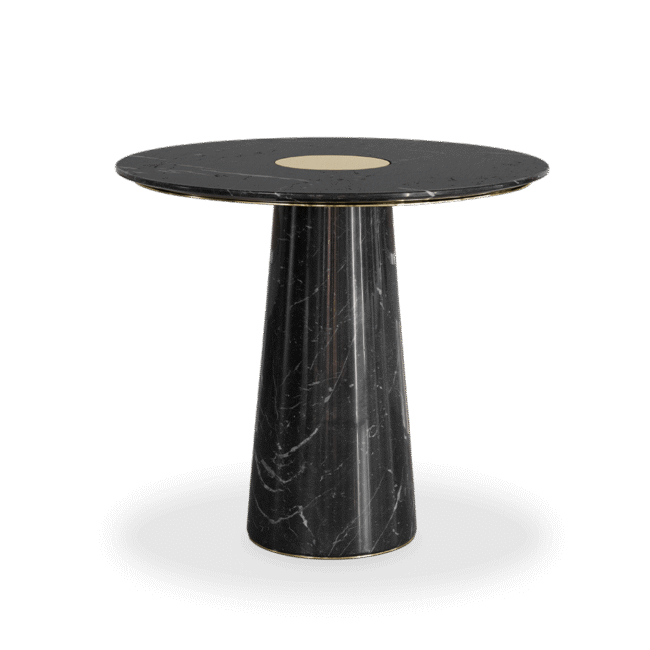
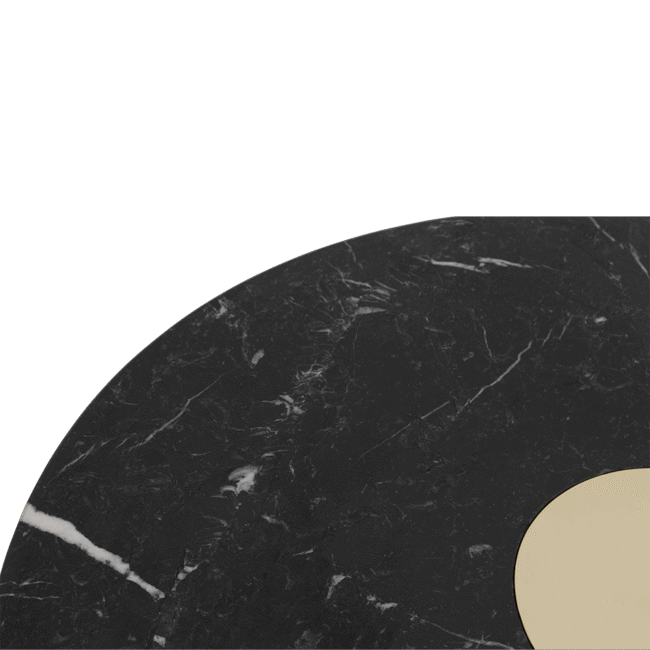
Travertine, limestone, richly veined marble and onyx bring warmth and natural variation to tables and cabinets. Rather than disappearing quietly into a neutral room, stone is being selected for its colour, movement and individuality.

It is particularly effective in:

  • Coffee tables
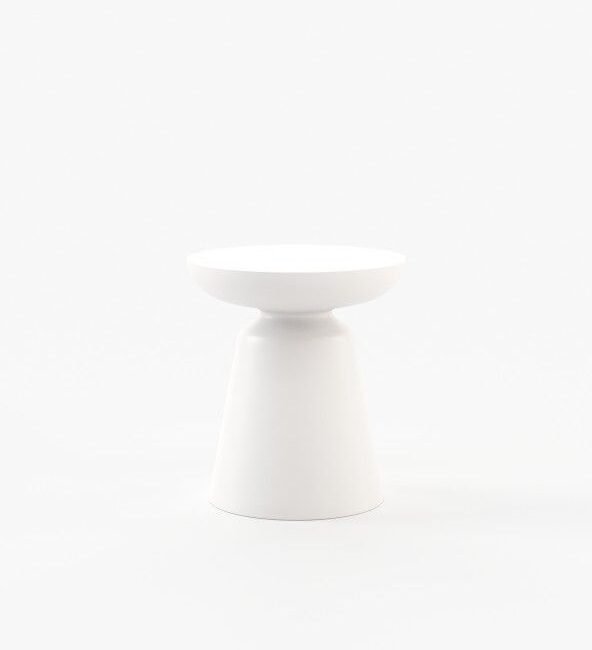
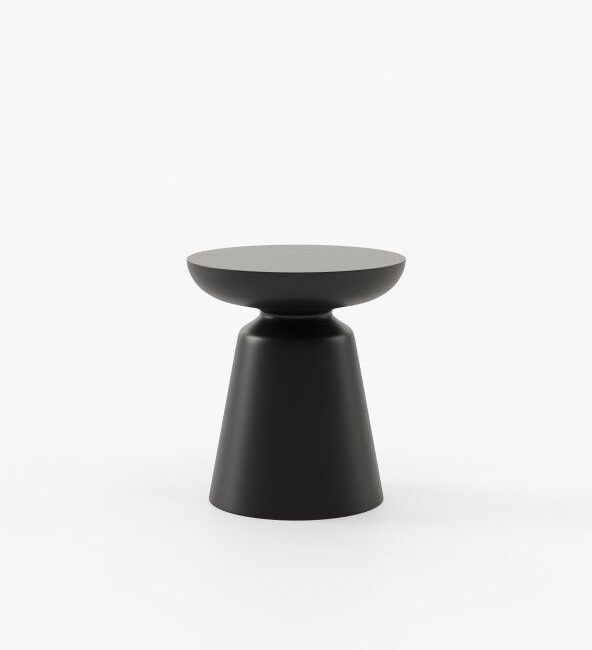
  • Side tables
  • Console tables
  • Dining tables
  • Pedestals
  • Cabinet tops

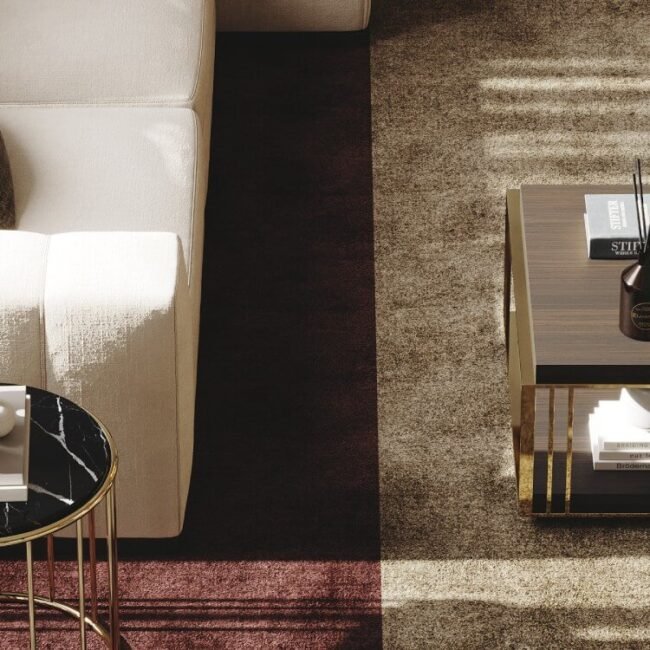
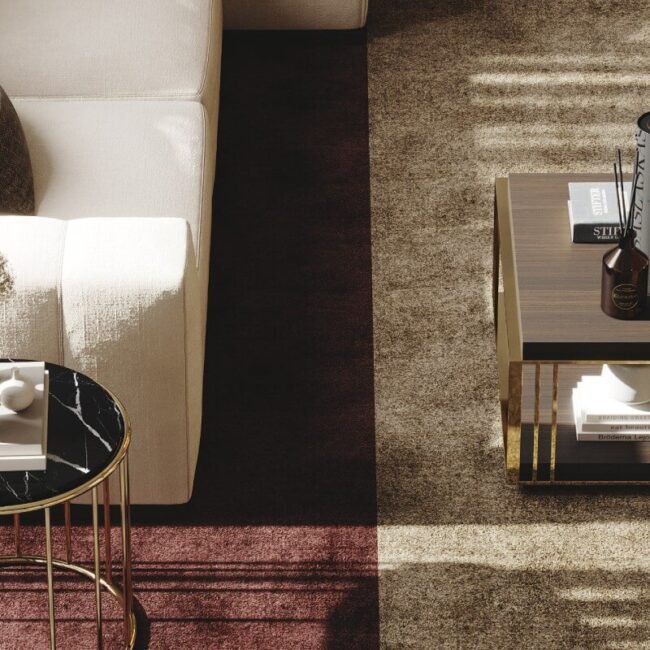
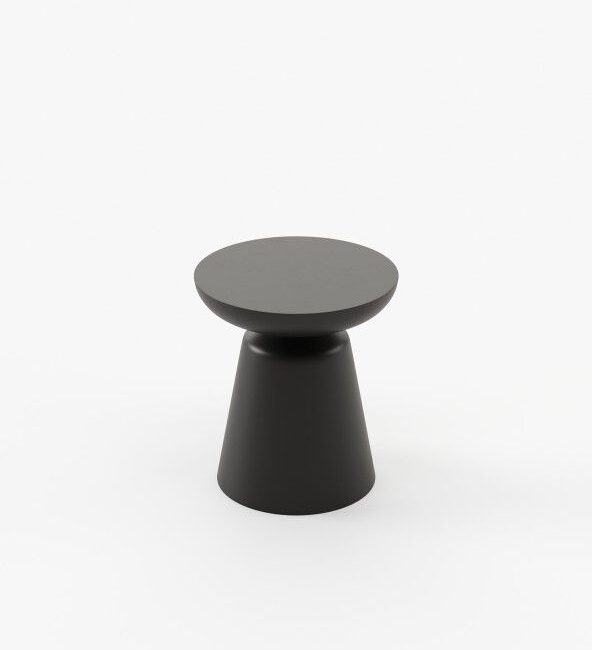
A veined stone coffee table can serve as the visual centre of a living room. A compact stone side table introduces material richness without overwhelming a smaller space, while a stone dining table creates a sense of permanence.

Stone also provides a useful counterpoint to upholstery. Its weight and hardness make soft fabrics appear even more inviting.

Choosing the right stone furniture

Consider scale carefully. A large stone table carries significant visual weight, so it should have sufficient space around it.

Pay attention to undertone. Cream travertine works well with walnut and warm textiles, while darker marble may suit brass, burgundy and richer wood finishes.

Treat natural veining as part of the design rather than expecting every surface to look uniform.

Craftsmanship Replaces Flawless Uniformity

Furniture with visible character is becoming more desirable than furniture that appears machine-perfect.

Hand-carved timber, woven panels, hammered metal, textured surfaces and natural material variations create a deeper connection between the object and the room. They reveal how the furniture was made and give it a sense of individuality.

This emphasis reflects a broader move towards material-led design. House & Garden’s 2026 trend coverage highlights natural fibres, slubby linens, clean-lined modern furniture and carefully selected antiques with distinctive forms, while designers have also expressed renewed interest in craftsmanship and materials that age well.

Look for:

  • Fluted cabinetry
  • Hand-carved timber
  • Woven cane or rattan panels
  • Hammered or patinated metal
  • Visible grain
  • Inlaid details
  • Textured upholstery
  • Irregular stone
  • Hand-applied finishes

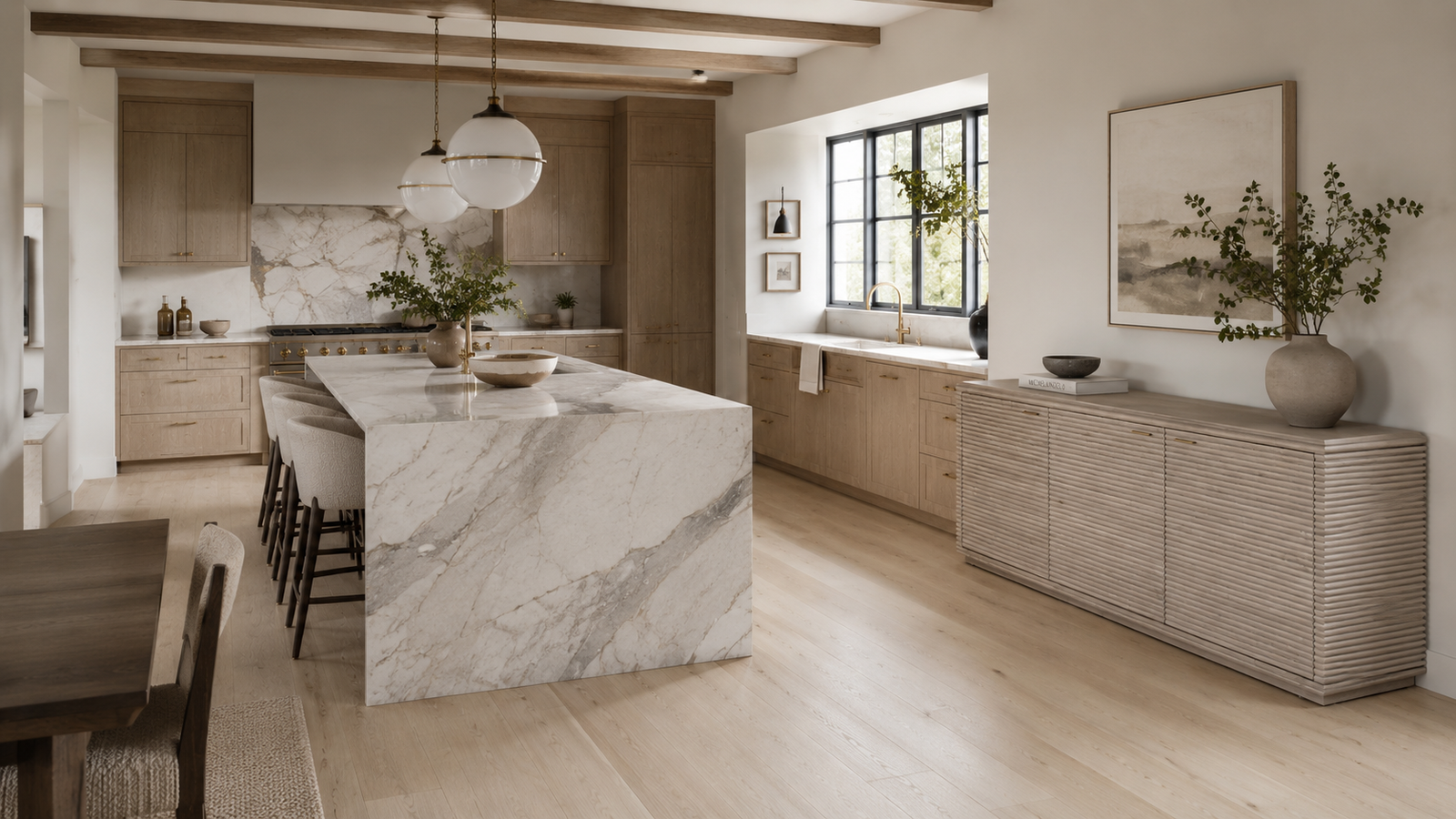
A textured sideboard can function almost like architecture within a dining room. A carved console table adds interest to a hallway without requiring excessive styling, while distinctive bedside tables can bring character to an otherwise restrained bedroom.

Use craftsmanship selectively

One highly detailed piece is usually more effective than several competing surfaces.

Surround intricately finished furniture with simpler pieces so that its texture and construction remain visible.

oak sideboard ideas for a luxury living room

Neo Deco Brings Restrained Glamour

Art Deco is returning in a softer and more liveable form.

Known as Neo Deco, the trend retains the richness, geometry and glamour of the original movement while removing some of its theatrical formality. The result is furniture that feels luxurious without turning the room into a period set.

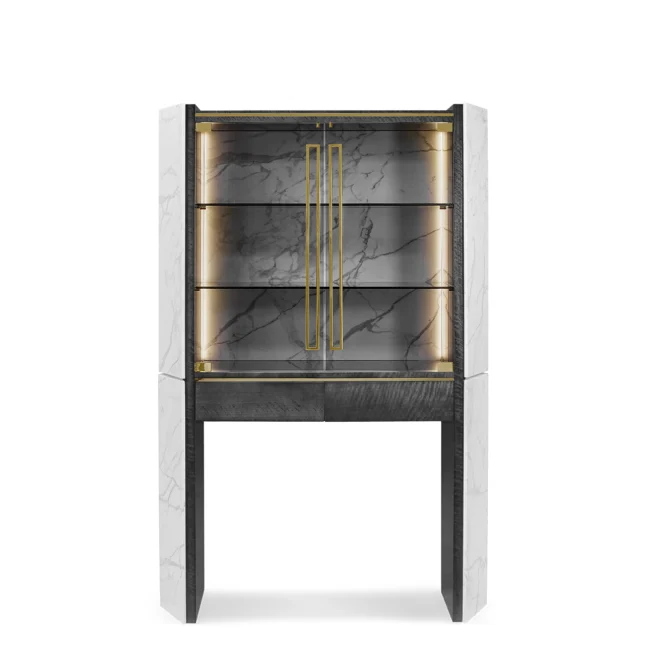
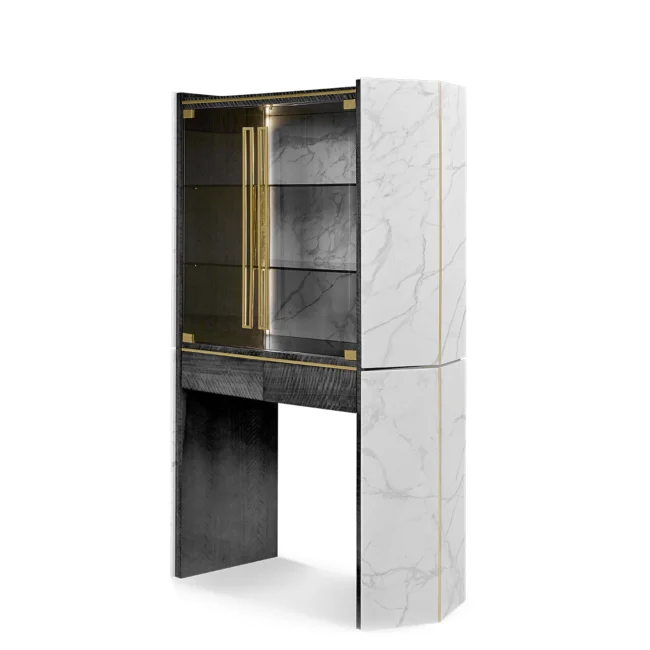
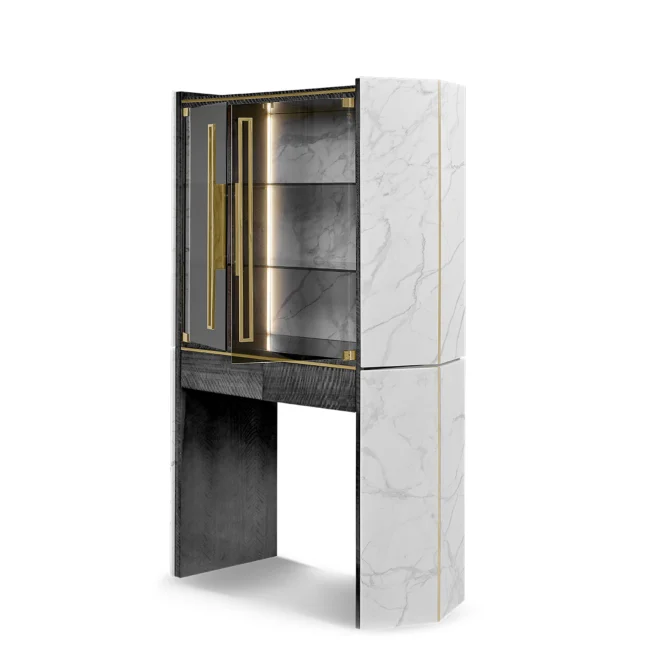
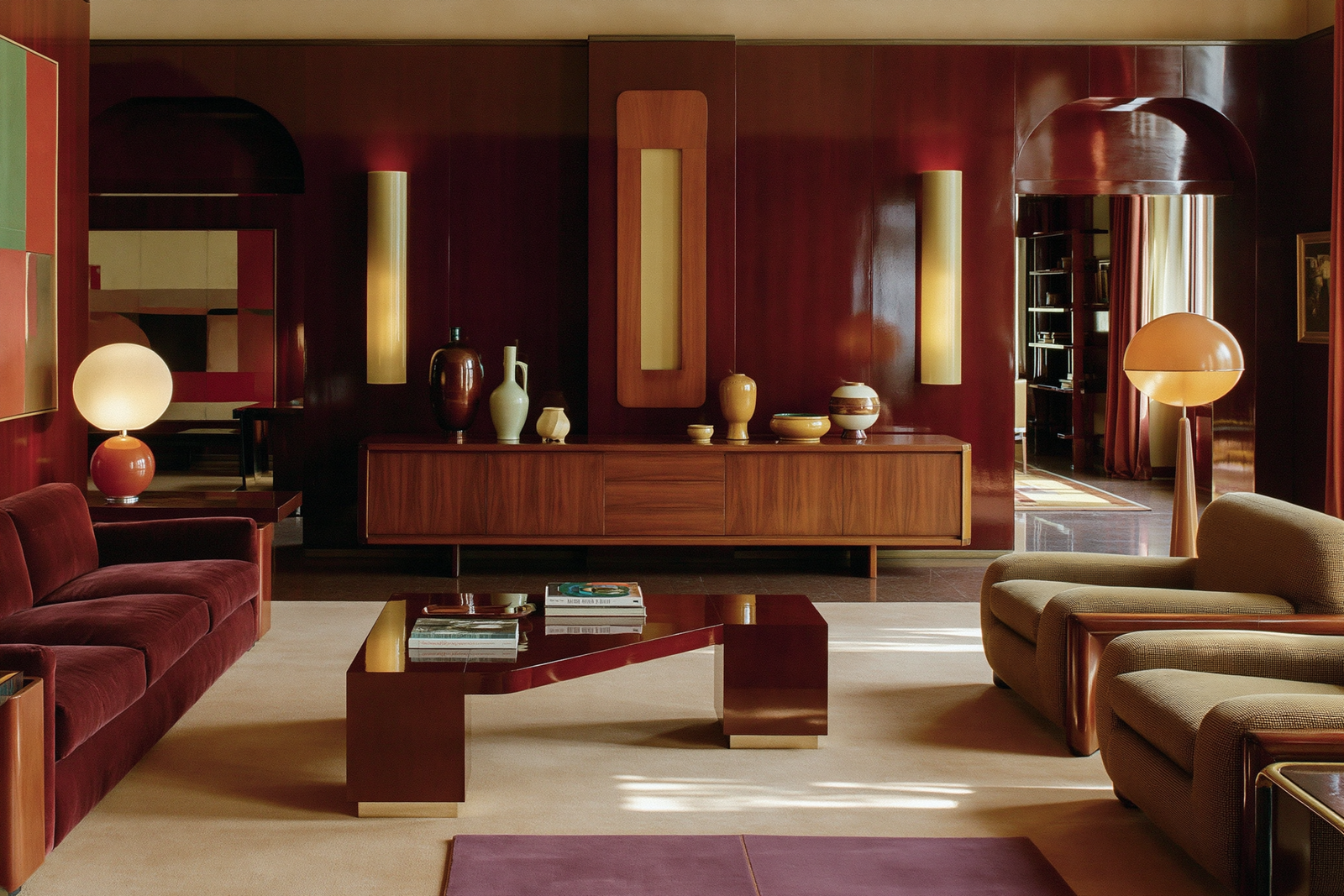
Architectural Digest describes Neo Deco as one of the defining design directions of 2026. The look combines dark woods, saturated colour, sculptural forms and tactile materials such as velvet, marble and polished metal.

Neo Deco furniture often includes:

  • Curved velvet seating
  • Fluted sideboards
  • Dark glossy timber
  • Brass or nickel detailing
  • Smoked glass
  • Marble and onyx
  • Geometric table bases
  • Symmetrical forms
  • Decorative tassels and trims

The trend is particularly effective for sideboards, console tables, cocktail cabinets, mirrors and occasional seating.

How to use Neo Deco without overdoing it

Introduce one or two pieces into a contemporary room.

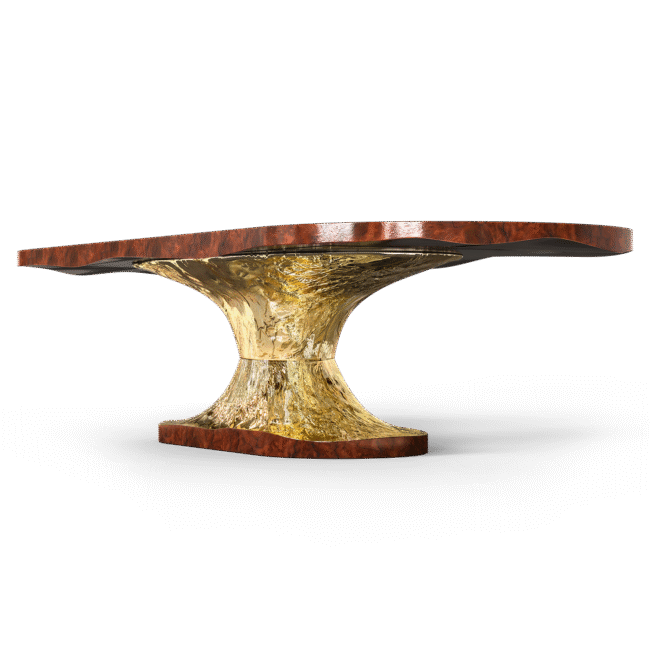
A fluted cabinet, curved velvet chair or brass-and-stone table can add glamour while the surrounding furniture remains restrained. Avoid combining every Deco reference at once.
Dining Furniture Becomes More Sociable

Dining spaces are becoming less formal and more focused on conversation.

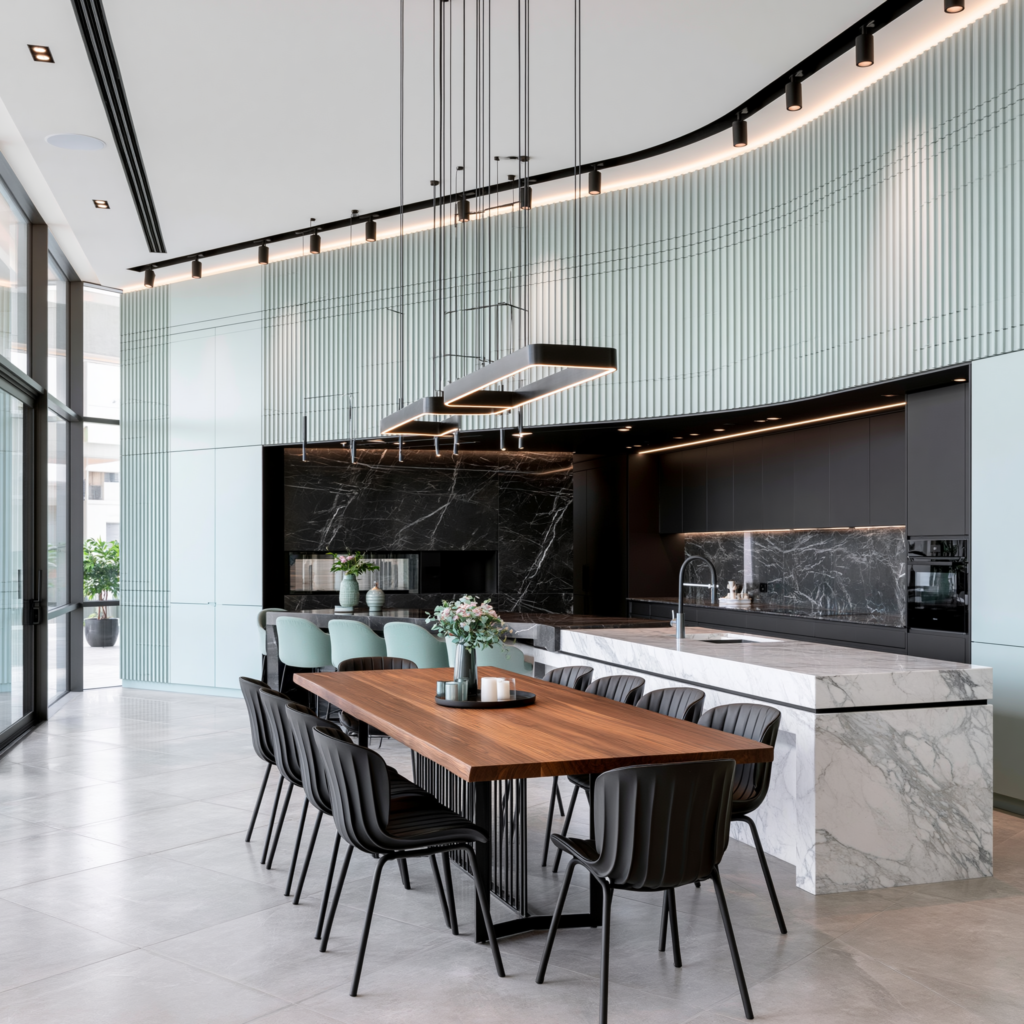
Round and oval tables are increasingly popular because they create a more inclusive seating arrangement. Upholstered chairs, banquettes and dining benches bring greater comfort, while mixed seating makes the room feel less rigid.

This trend includes:

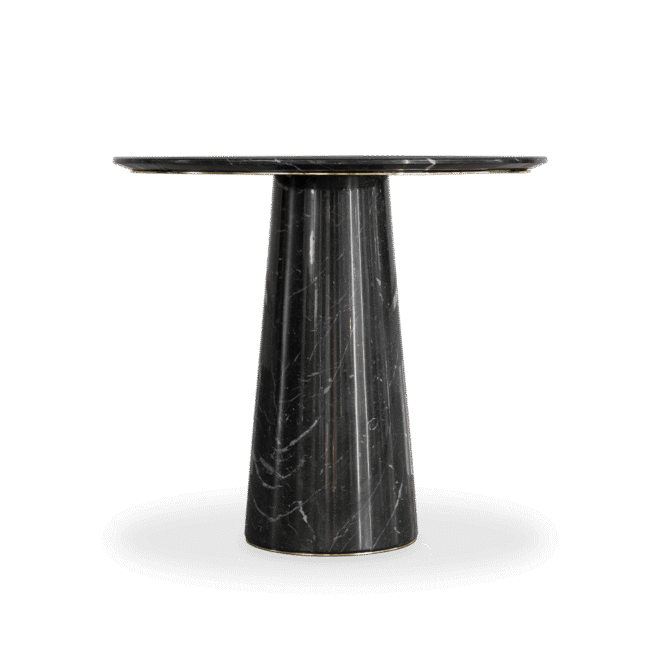
  • Round pedestal tables
  • Oval dining tables
  • Upholstered dining chairs
  • Curved banquettes
  • Different end chairs
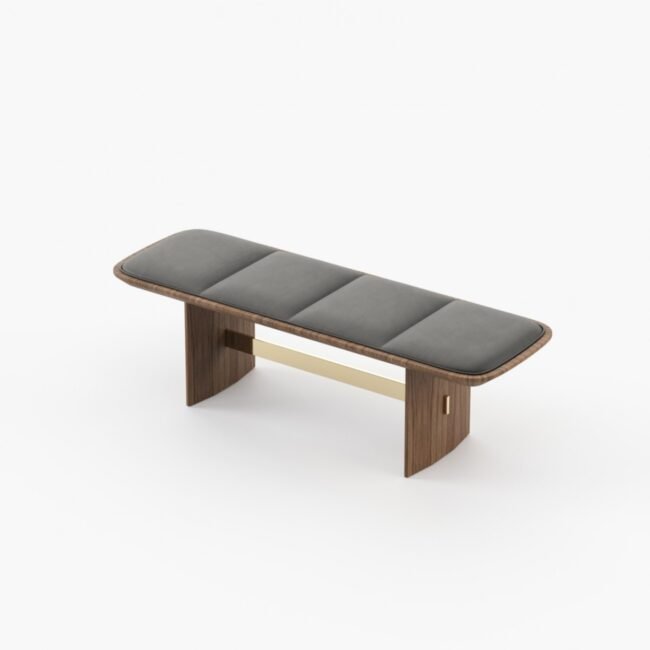
  • Dining benches
  • Tables designed for multiple uses

A circular dining table works particularly well in a square room or open-plan area because it improves circulation and removes sharp corners.

Upholstered dining chairs make the dining room feel closer to a living space, encouraging people to remain around the table after the meal has ended.

Mixing dining furniture

The table and chairs do not need to come from the same range.

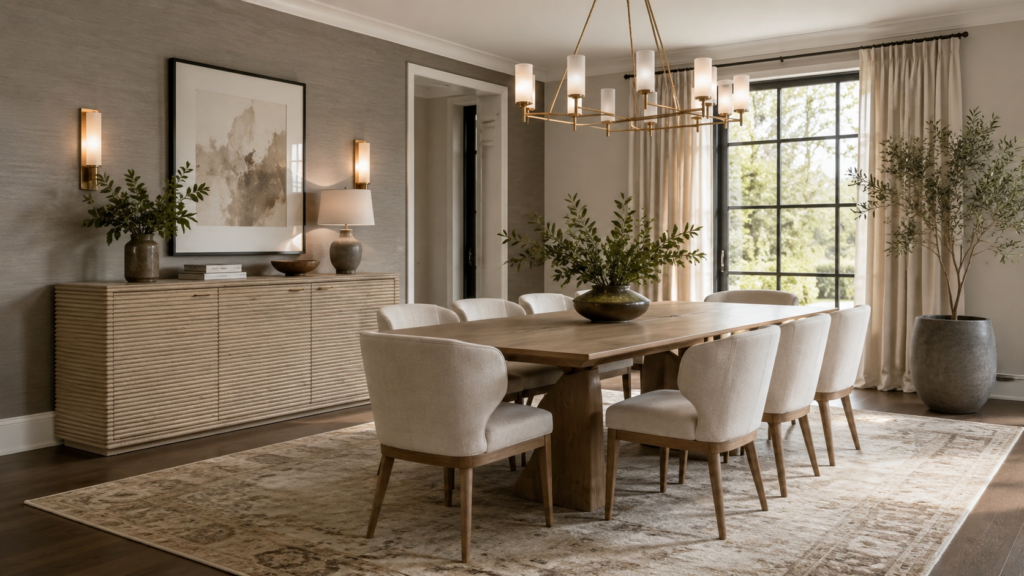
Pair a dark timber table with cream seating, or soften a polished stone table with wooden chairs. A simple table can support more decorative seating, while a sculptural table base may work better with restrained chairs.

Complete the room with a contrasting sideboard and a statement pendant light that relates to the shape or finish of the table.

oak sideboard ideas for a luxury living room

Dining Furniture Becomes More Sociable

Dining spaces are becoming less formal and more focused on conversation.

Round and oval tables are increasingly popular because they create a more inclusive seating arrangement. Upholstered chairs, banquettes and dining benches bring greater comfort, while mixed seating makes the room feel less rigid.

This trend includes:

  • Round pedestal tables
  • Oval dining tables
  • Upholstered dining chairs
  • Curved banquettes
  • Different end chairs
  • Dining benches
  • Tables designed for multiple uses

A circular dining table works particularly well in a square room or open-plan area because it improves circulation and removes sharp corners.

Upholstered dining chairs make the dining room feel closer to a living space, encouraging people to remain around the table after the meal has ended.

Mixing dining furniture

The table and chairs do not need to come from the same range.

Pair a dark timber table with cream seating, or soften a polished stone table with wooden chairs. A simple table can support more decorative seating, while a sculptural table base may work better with restrained chairs.

Complete the room with a contrasting sideboard and a statement pendant light that relates to the shape or finish of the table.

Outdoor Furniture Begins to Resemble Indoor Design

Outdoor furniture is becoming softer, more substantial and increasingly difficult to distinguish from furniture designed for the living room.

Advances in performance fabrics and weather-resistant materials have allowed designers to create garden furniture with deep cushions, tailored upholstery and more sophisticated silhouettes.

The result is an outdoor space that feels like a genuine continuation of the home rather than a separate, purely practical area.

Current outdoor design favours:

  • Deep outdoor sofas
  • Upholstered-style garden chairs
  • Sculptural coffee tables
  • Outdoor rugs
  • Dining chairs with softer forms
  • Side tables with indoor-style finishes
  • Layered lighting and accessories

The same colours, materials or shapes used inside can be repeated outdoors to create visual continuity.

A curved outdoor sofa might echo the seating in the living room. Stone garden tables can relate to interior surfaces, while upholstered garden chairs and outdoor dining furniture can turn a terrace into a complete room.

How to Embrace Trends Without Dating Your Home

A furniture trend should refine your interior, not persuade you to replace everything you already own.

The most enduring rooms combine current ideas with pieces chosen for quality, function and personal relevance.

Invest when the trend improves how you live

A deeper sofa, upholstered dining chair or round dining table may offer practical benefits as well as visual appeal.

Introduce stronger ideas through smaller pieces

A coloured chair, stone side table or decorative cabinet is easier to update than an entire matching furniture set.

Prioritise construction and materials

Choose furniture with strong proportions and durable finishes. A well-made piece will remain valuable even when the wider trend changes.

Avoid using every trend at once

A curved sofa, patterned chair, dark sideboard and Neo Deco table may all be fashionable, but the room still requires hierarchy and restraint.

Choose trends that already reflect your taste

A successful purchase should feel like a natural extension of your home rather than a temporary departure from it.

Allow the room to evolve

The strongest contemporary interiors rarely look as though everything arrived at the same time. Build the scheme gradually and choose furniture that adds something genuinely useful or beautiful.

how to style an oak sideboard

The Defining Furniture Mood of 2026

The defining furniture trends of 2026 reveal a clear move away from anonymous, perfectly coordinated interiors.

Furniture is becoming warmer, richer and more expressive. Curves feel more architectural, wood is deeper and upholstery carries more colour and pattern. Comfort matters, craftsmanship is increasingly visible and natural variation is being celebrated rather than concealed.

Above all, furniture is becoming more personal.

The strongest interiors will not contain every trend. They will select the ideas that complement the architecture, support everyday life and reflect the people who live there.

A dark timber table can anchor a pale dining room. A patterned chair may bring character to a restrained living space. A sculptural sofa can change the way the entire room is experienced.

Trends are most useful when they help you recognise what you already love.

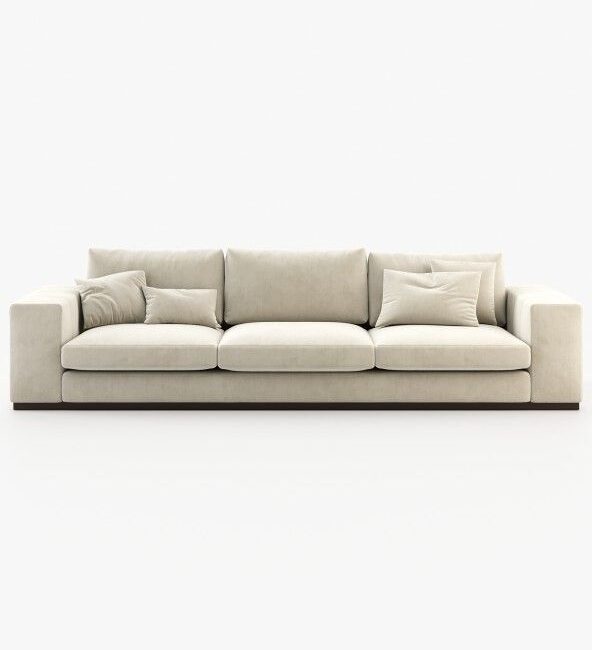
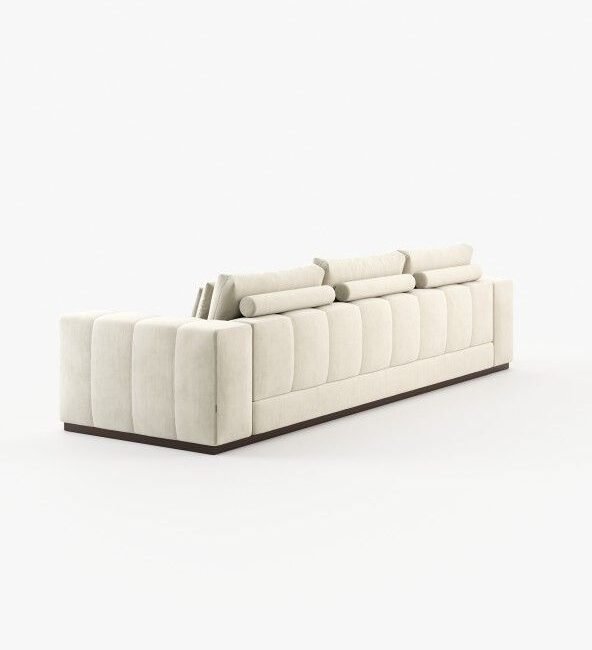
Explore distinctive luxury furniture, including sculptural sofas, expressive armchairs, contemporary coffee tables, elegant dining tables, refined sideboards and statement lighting designed to create interiors with depth, character and an unmistakable point of view.

Frequently Asked Questions

What are the biggest furniture trends for 2026?

The leading furniture trends include sculptural curves, rich dark wood, patterned upholstery, comfort-led seating, statement chairs, tailored furniture skirts, warm stone, artisanal details and richer furniture colours.

Is curved furniture still fashionable in 2026?

Yes. Curved furniture remains important, but the newest designs are more architectural and refined. They are often balanced with angular tables, stronger bases and contrasting materials.
What furniture colours are trending in 2026?

Burgundy, chocolate brown, olive, aubergine, ochre, red and muted blue are among the key shades. Warm neutrals remain relevant, particularly when layered with wood and tactile fabrics.
Is dark wood furniture coming back?

Yes. Walnut, mahogany, cherry and smoked oak are becoming increasingly prominent as homeowners seek warmth, visual depth and furniture with a more enduring character.

Are matching furniture sets out of style?

Matching sets are becoming less dominant. Many modern interiors combine complementary furniture from different collections and periods to create a more layered and personal appearance.

What sofa styles are trending in 2026?

Low-slung sofas, deep seating, tailored skirts, tactile upholstery, subtle pattern and sculptural silhouettes are among the strongest sofa directions.

Is boucle furniture still in style?

Boucle remains available, but it is no longer the only dominant texture. Velvet, mohair, wool, linen, patterned fabrics and more expressive woven materials are gaining attention.

How can I use furniture trends without replacing everything?

Introduce one or two ideas through smaller pieces such as a chair, side table, lamp or cabinet. Keep well-made furniture that already works and allow the room to develop gradually.

What do you think?
Leave a Reply

Blog

Get fresh home inspiration and helpful tips from our interior designers

top
1
    1
    Your Cart
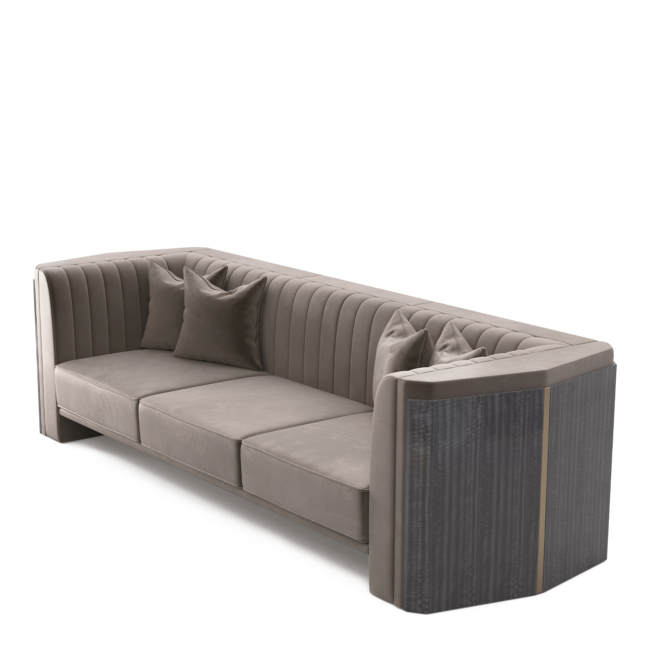
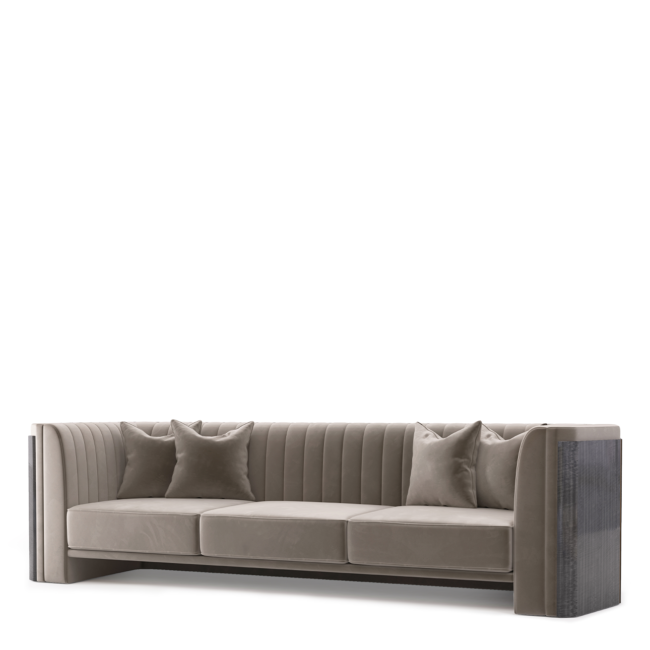
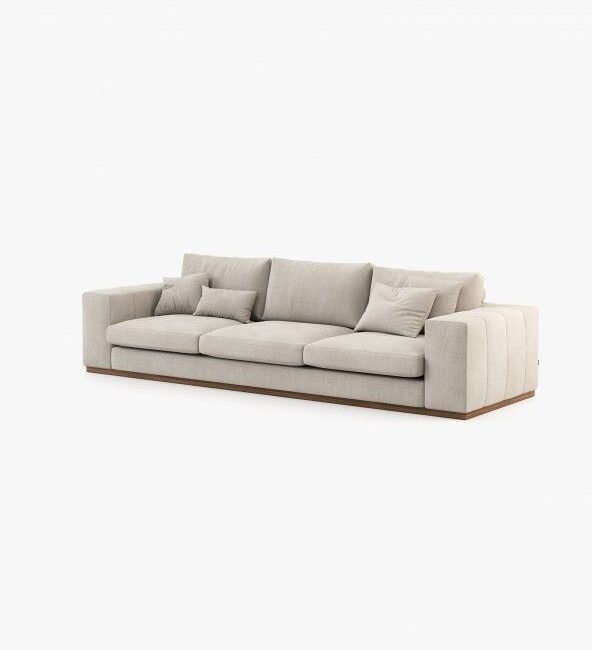
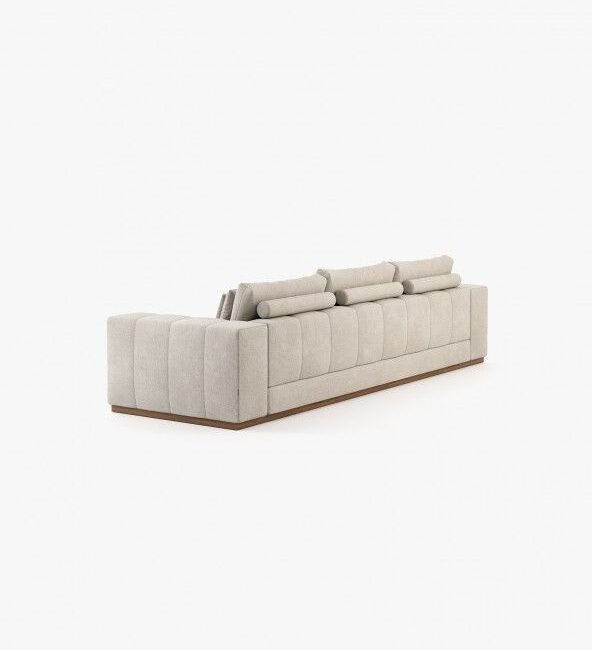
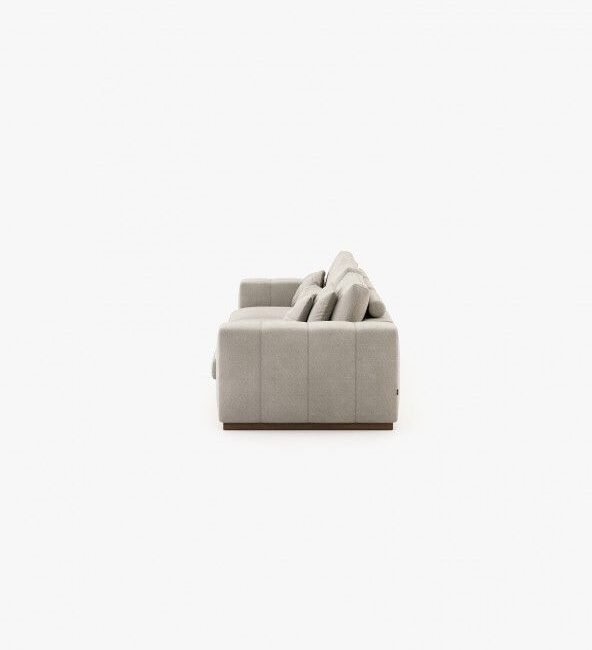
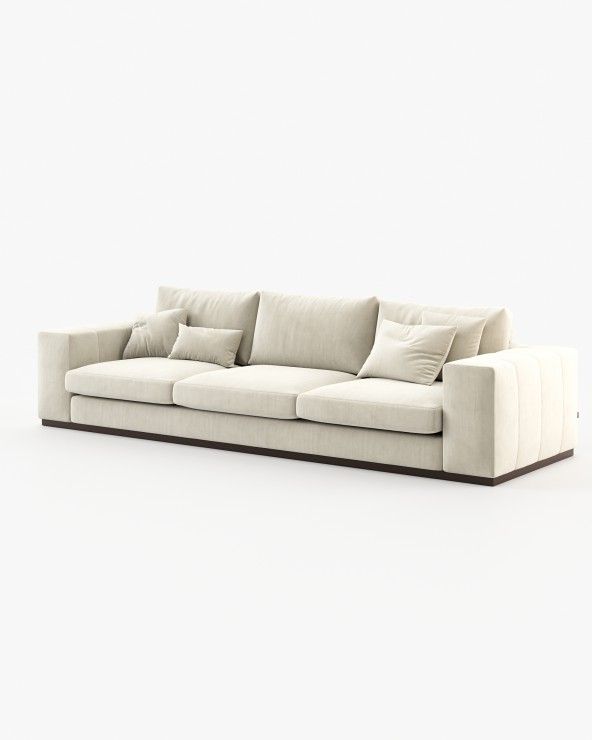
    Algerone Sofa Remove
    Algerone Sofa
    Qty: 1
    Price: £15,324
    £15,324

    Inactive

    Privacy Overview

    This website uses cookies so that we can provide you with the best user experience possible. Cookie information is stored in your browser and performs functions such as recognising you when you return to our website and helping our team to understand which sections of the website you find most interesting and useful.