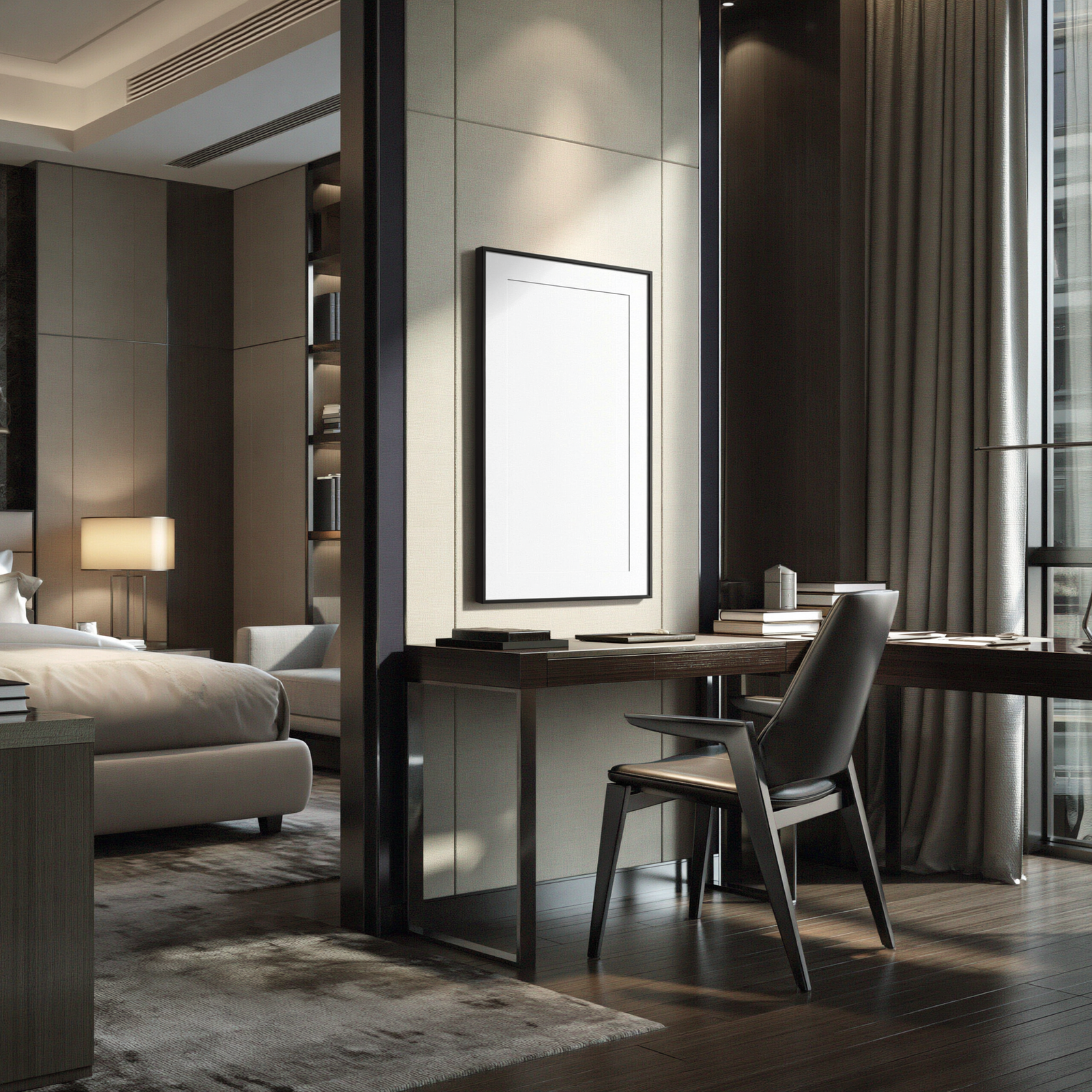
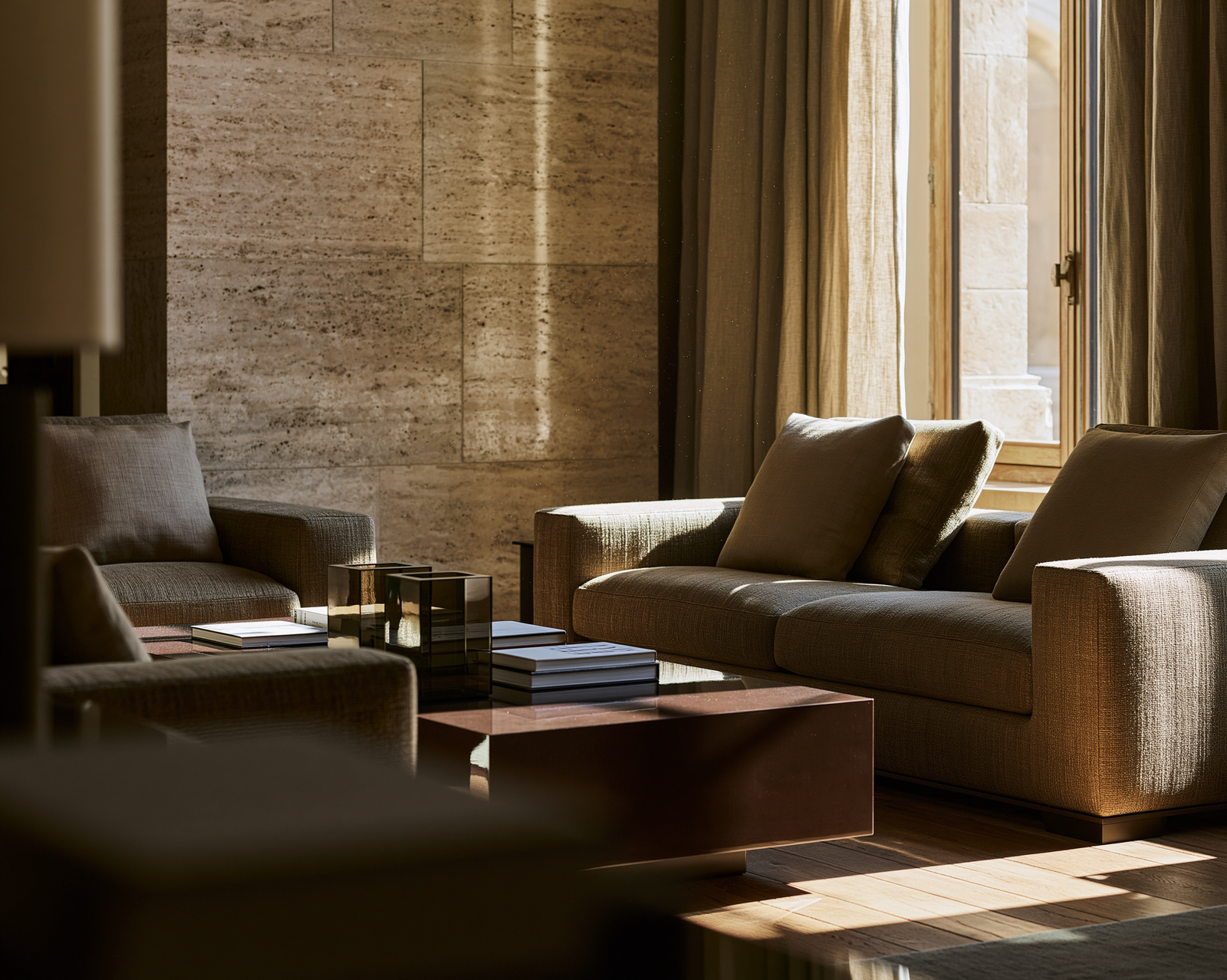
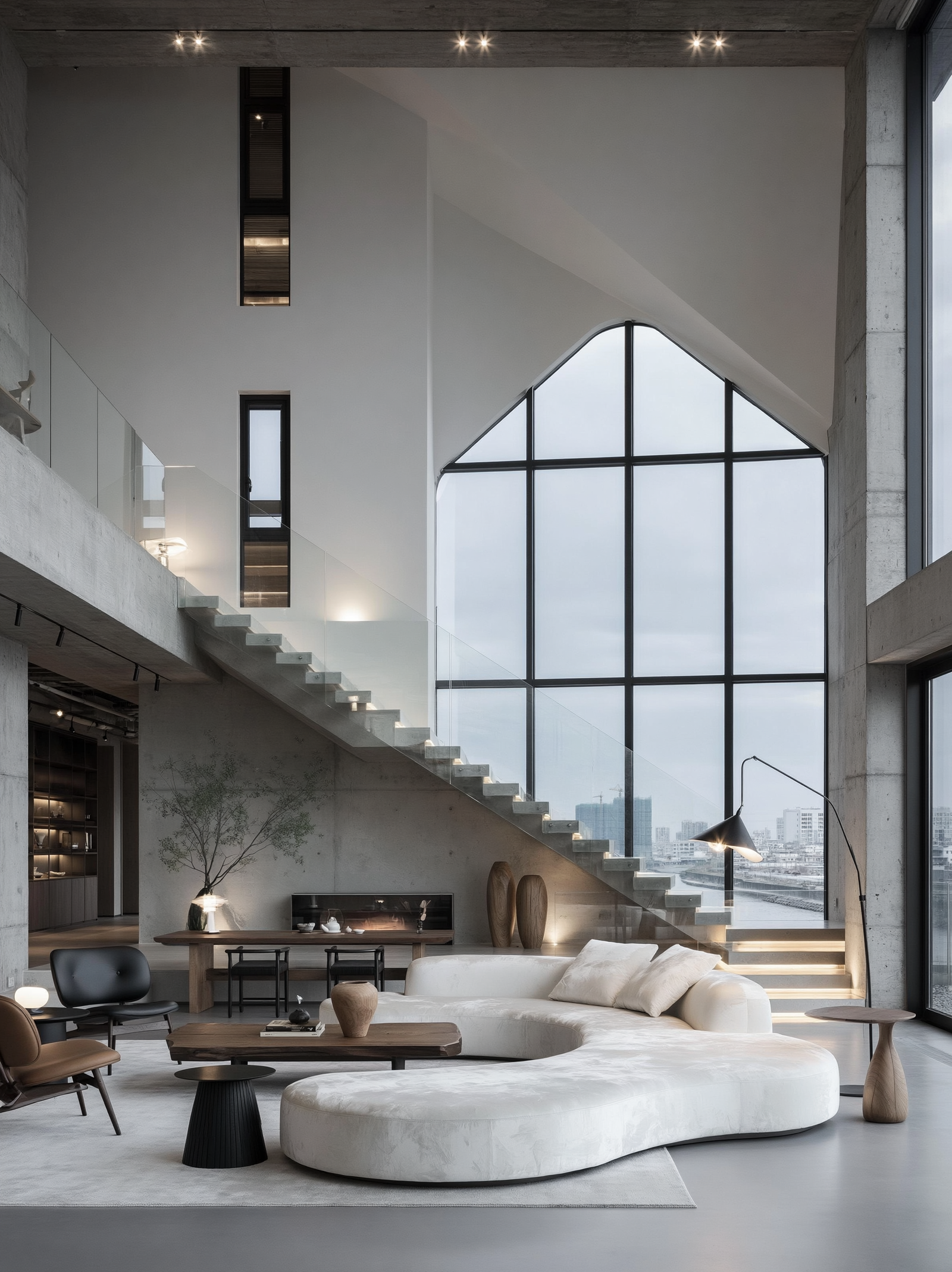
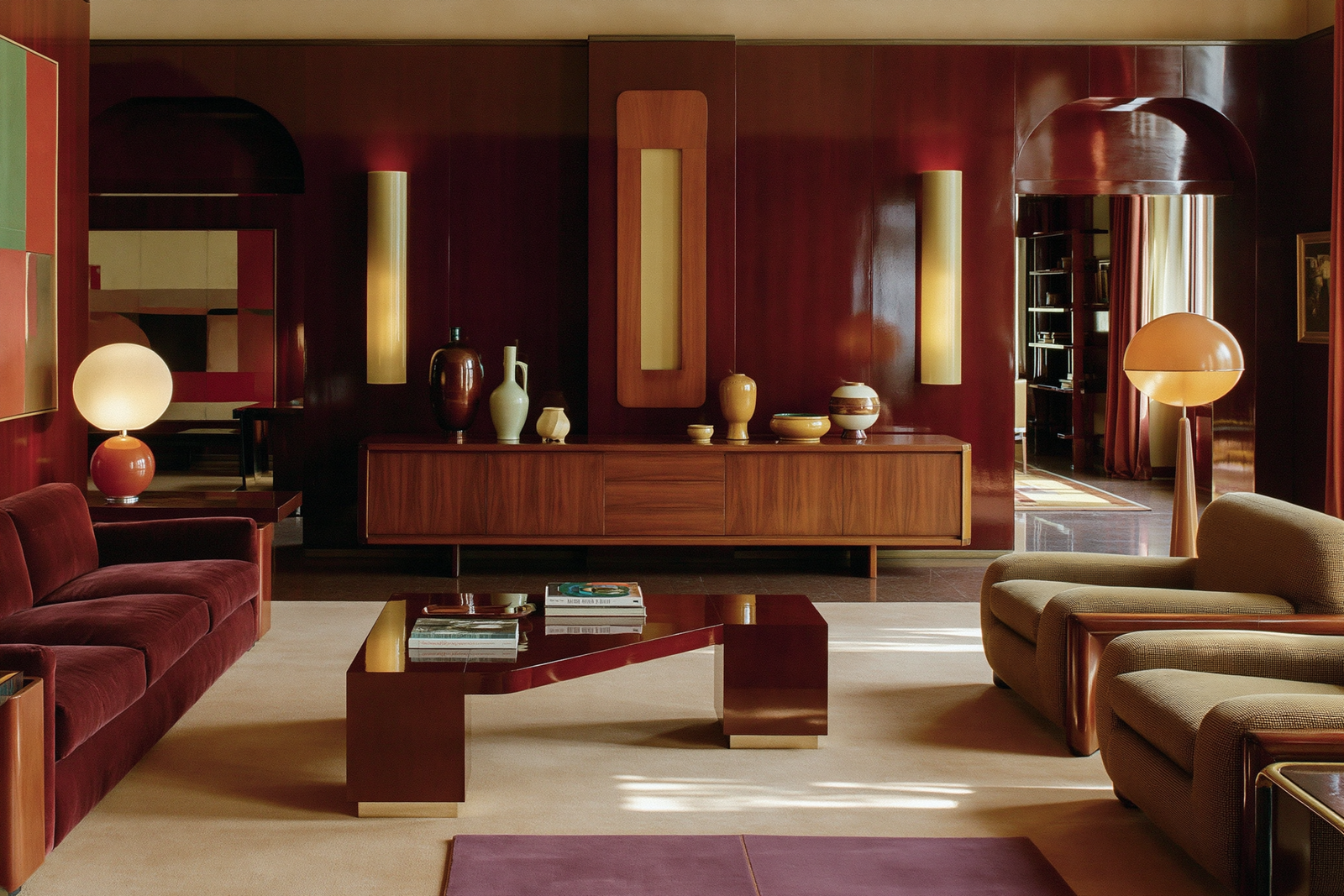
How to Mix and Match Furniture for a Collected, Designer Look

Interior design mistakes and how to fix them

The most memorable interiors rarely look as though they were furnished in a single afternoon.

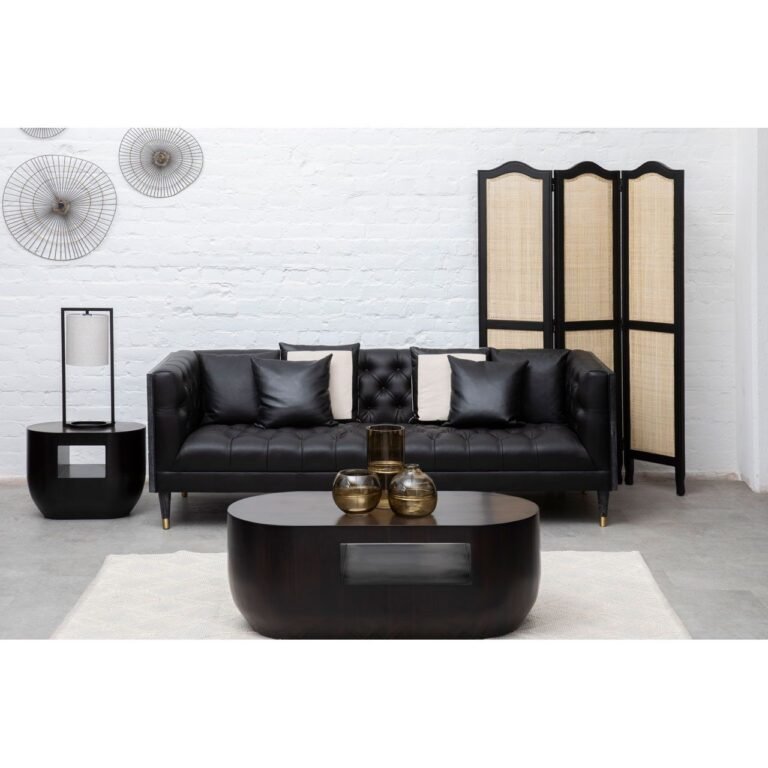
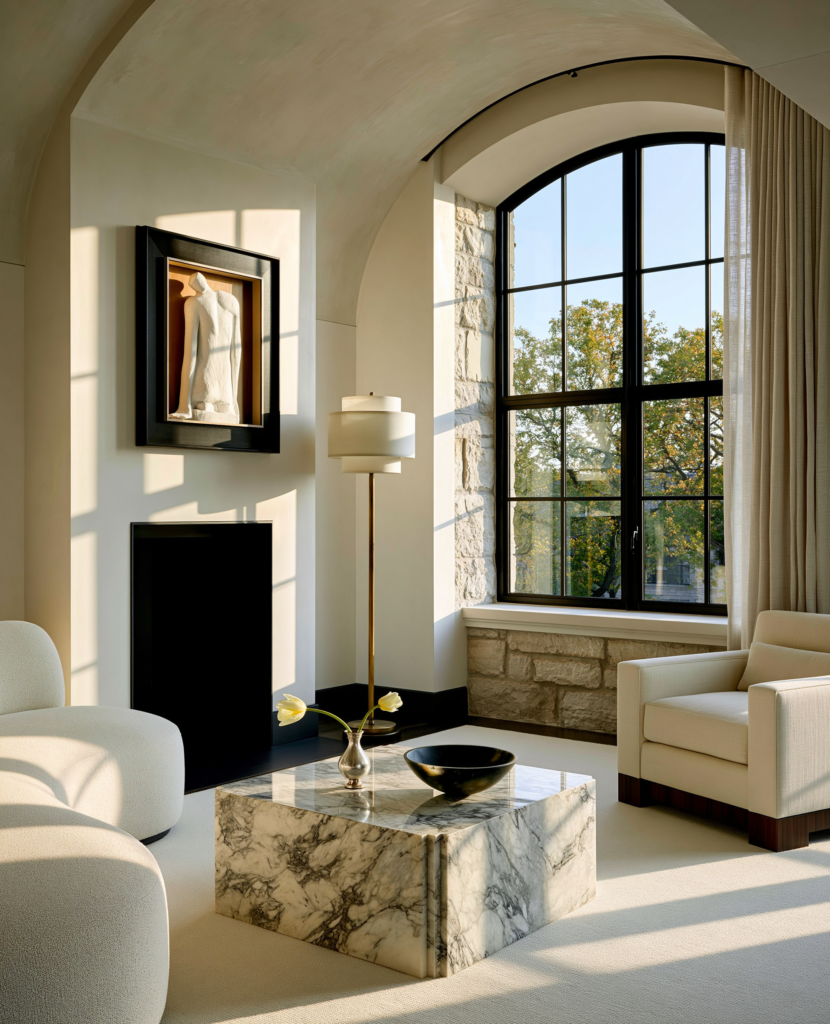
Instead, they feel layered. A contemporary sofa may sit beside a vintage-inspired chair. A polished stone table might be softened by warm timber, while sculptural lighting brings together pieces from different periods and styles. Nothing matches perfectly, yet the room feels calm, cohesive and considered.

That is the beauty of a collected interior.

Learning how to mix and match furniture is not about placing unrelated pieces in the same room and hoping they work. It is about creating subtle connections through colour, scale, material, shape and mood.

The result should feel personal rather than prescribed, curated rather than coordinated and stylish without appearing overly arranged.

A collected, designer-led home often looks effortless, but that sense of ease is usually supported by a few carefully considered principles. From choosing an anchor piece to balancing different woods, shapes and materials, this guide explains how to mix furniture with confidence while maintaining a clear and cohesive point of view.

Designers are increasingly approaching a room as a considered furniture scheme, focusing on shared scale, tone and material instead of identical pieces. As Homes & Gardens explains in its guide to creating a cohesive furniture scheme,

Table of Contents

  1. What does a collected interior look like?
  2. Why matching furniture can make a room feel flat
  3. Start with one anchor piece
  4. Build a cohesive colour palette
  5. Choose one dominant design style
  6. Balance scale and proportion
  7. Use shape to create contrast
  8. How to mix different wood tones
  9. Layer materials and textures
  10. Mix old and new furniture
  11. Repeat key details throughout the room
  12. Create a focal point
  13. Leave room for visual quiet
  14. How to mix living-room furniture
  15. How to mix dining-room furniture
  16. Common mistakes to avoid
  17. Frequently asked questions
Living room with rug too small versus properly sized rug

What Does a Collected Interior Look Like?

A collected interior is a room that feels as though it has evolved over time.

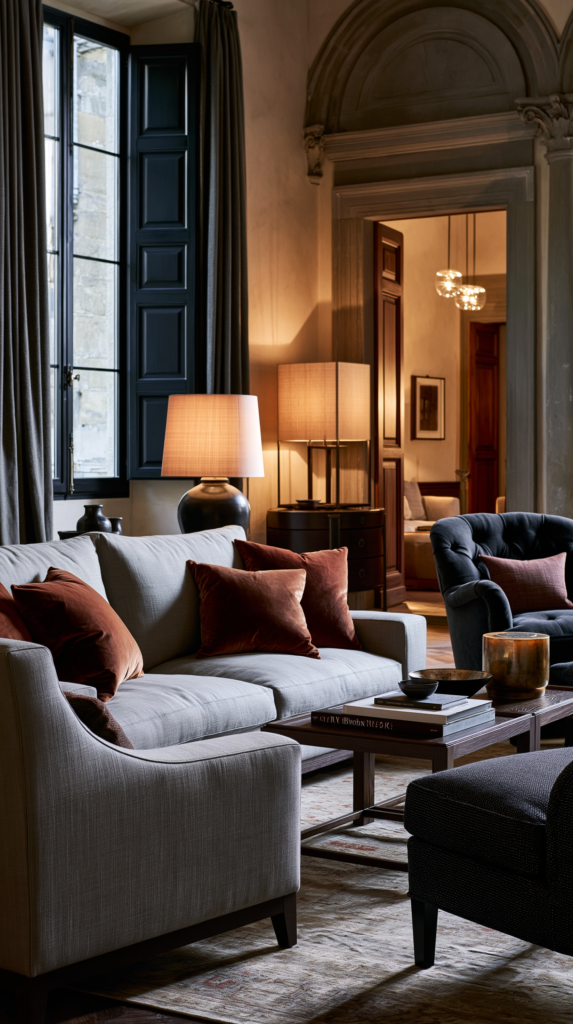
It may include furniture from different eras, collections or design movements, but the pieces are connected by a shared visual language. That connection might come from colour, texture, scale, craftsmanship or shape.

A room could combine:

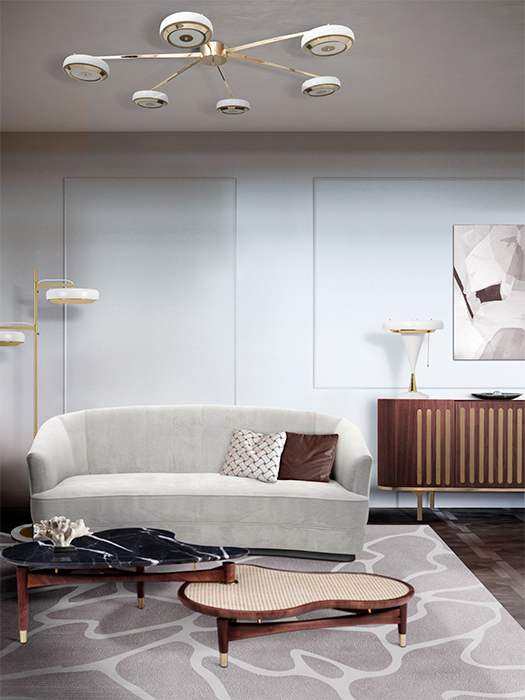
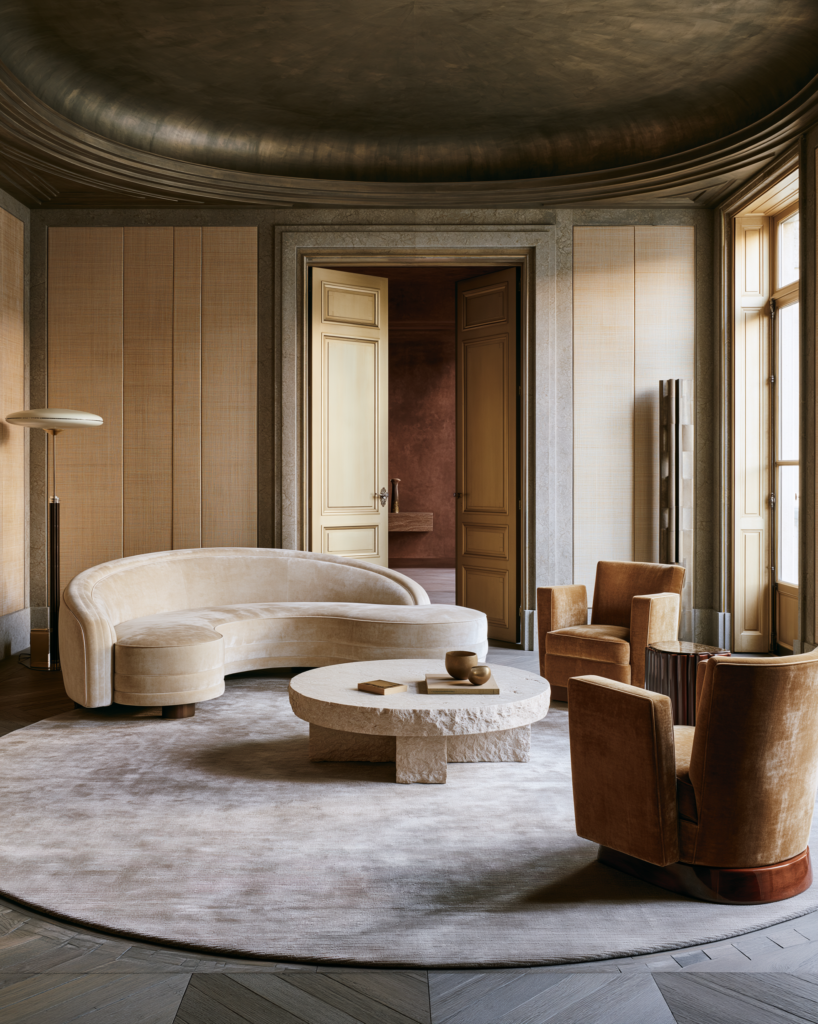
  • A modern curved sofa
  • A traditional wooden side table
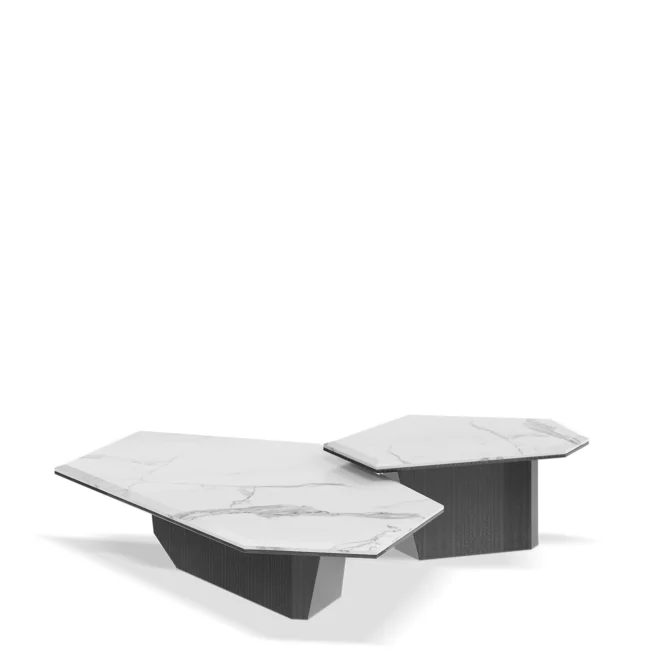
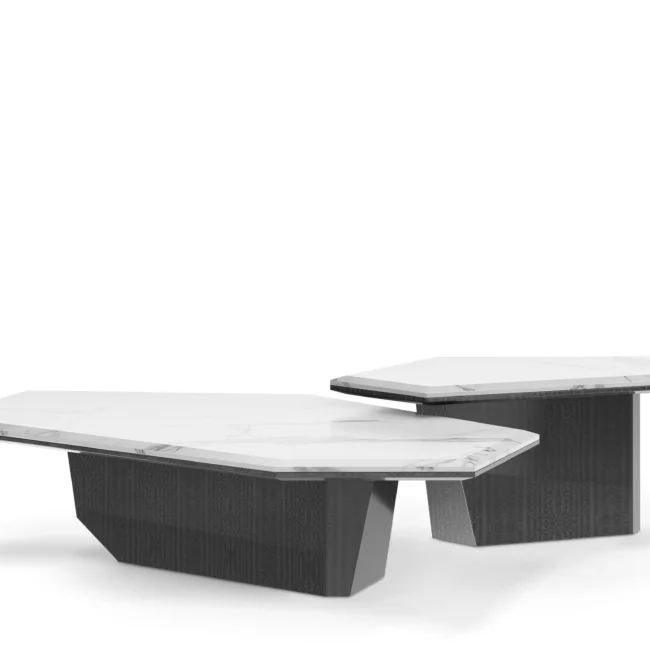
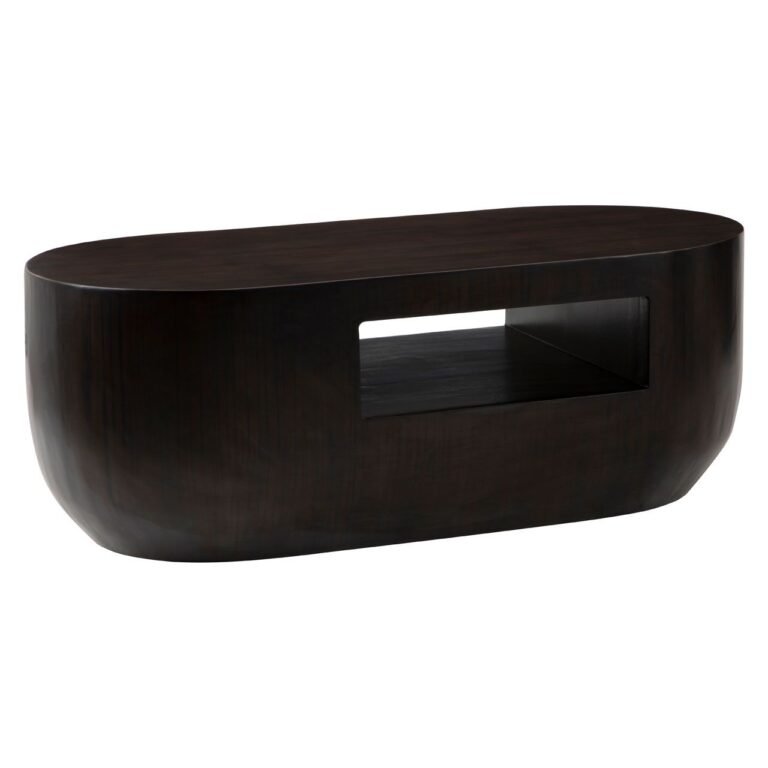
  • A contemporary stone coffee table
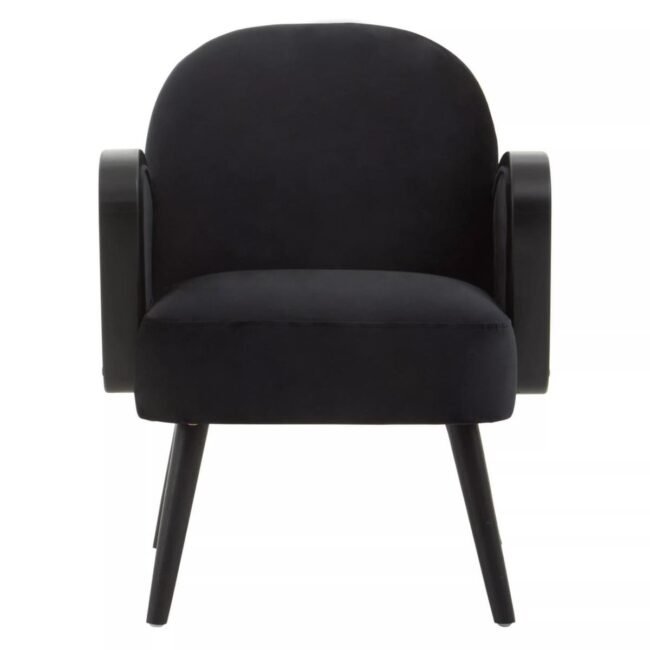
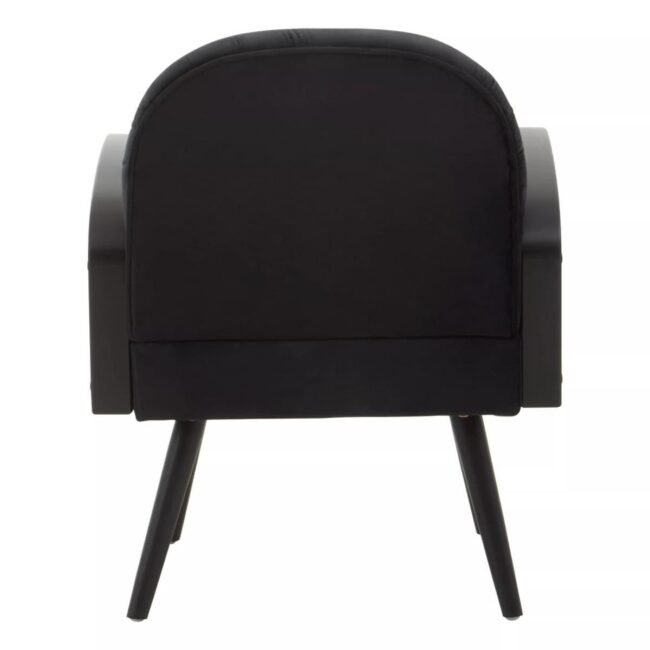
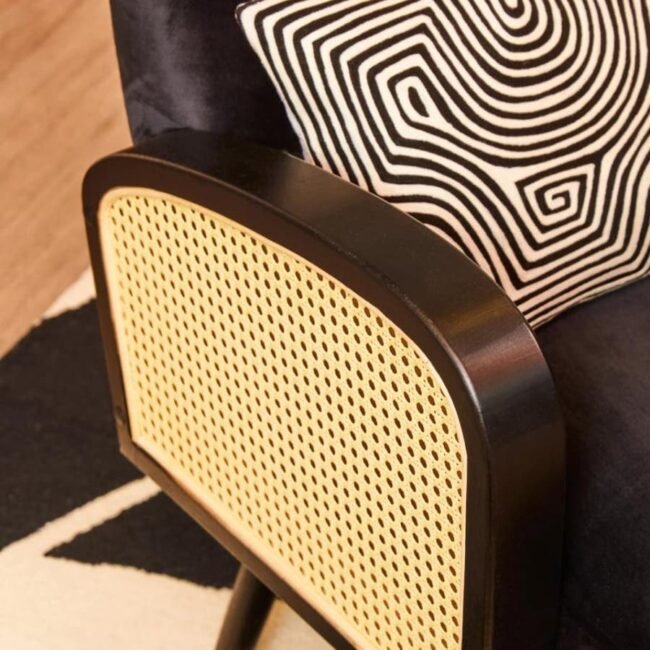
  • A vintage-inspired armchair
  • A sculptural lamp
  • A richly textured rug

These pieces do not need to look alike. They simply need to feel compatible.

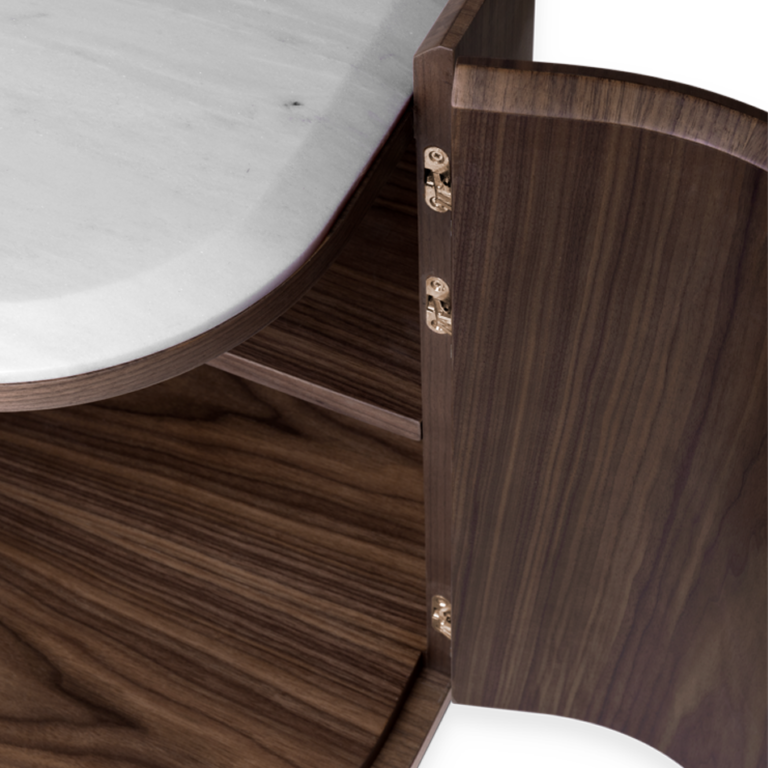
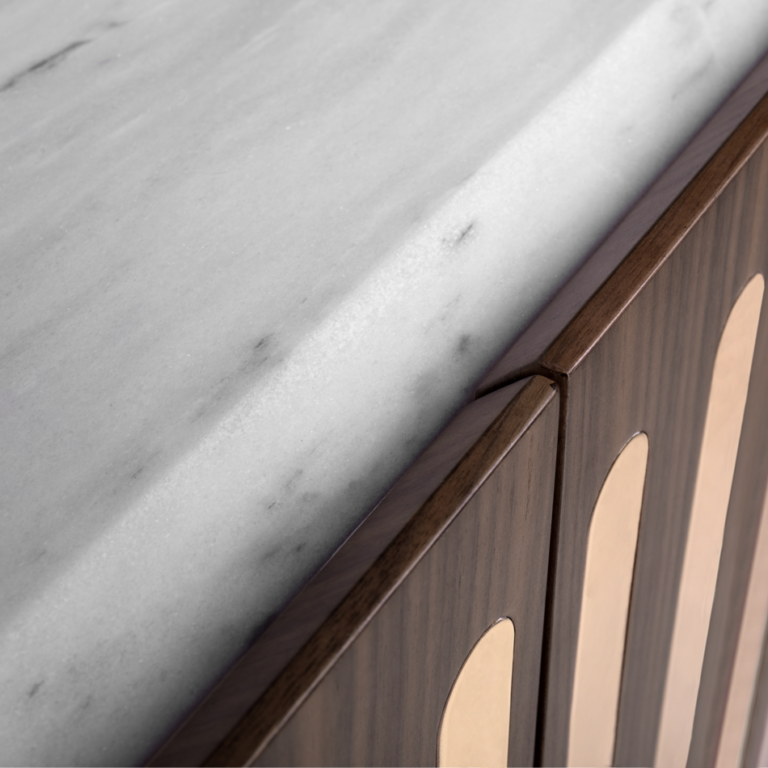
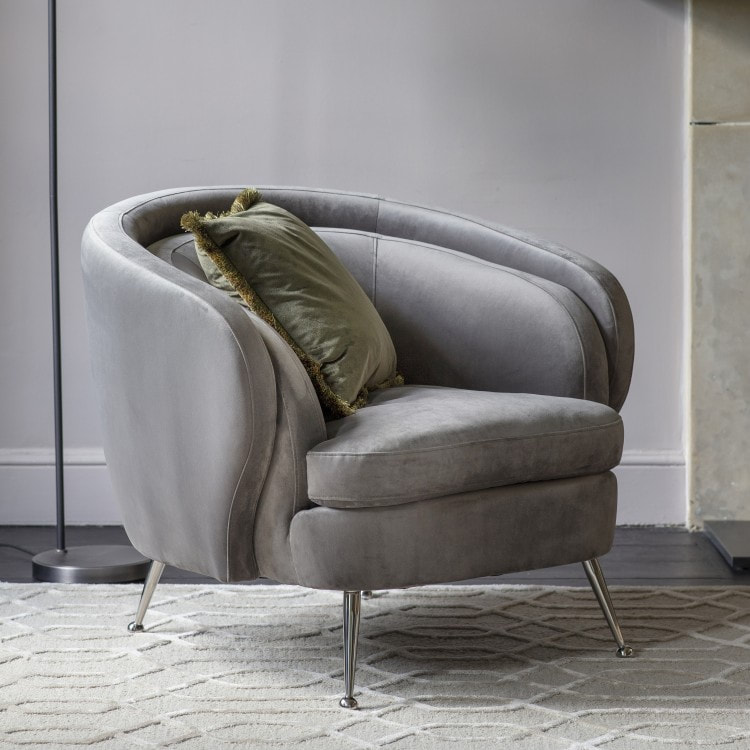
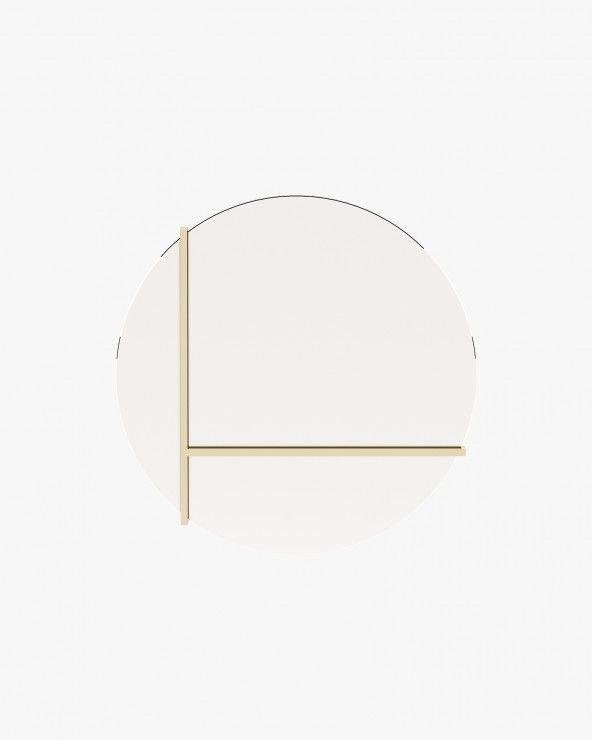
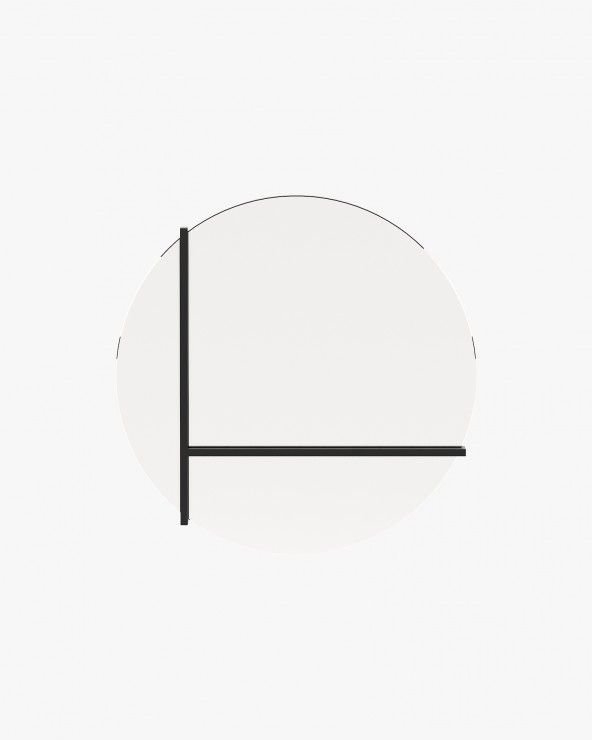
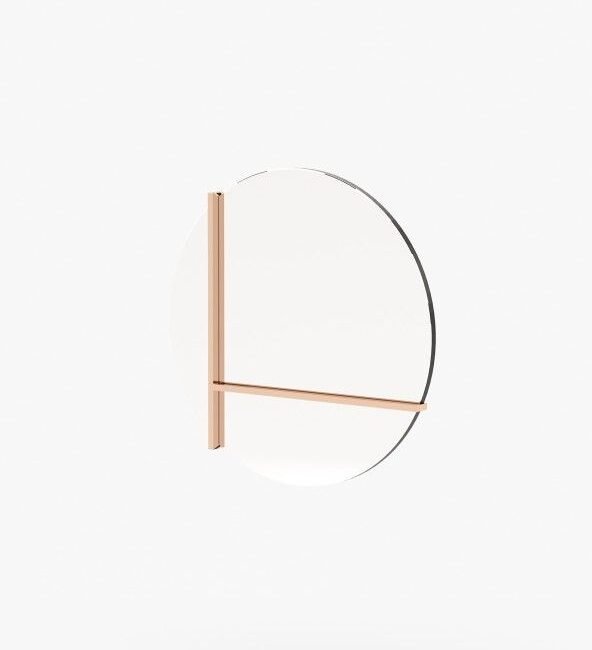
The strongest interiors often contain a mixture of contrast and repetition. A curved chair may echo the shape of an arched mirror. The brass base of a lamp might relate to the warm undertones in a walnut cabinet. The pale surface of a stone table could connect with the upholstery of the sofa.

These small visual relationships help different furniture styles feel intentional rather than random.

A collected room should feel like a conversation between pieces, with each item contributing something different while still belonging to the wider scheme.

Why Matching Furniture Can Make a Room Feel Flat

Matching furniture sets offer convenience. The proportions, finishes and details have already been designed to work together, which makes them easy to arrange.

However, when every piece shares the same timber, upholstery, legs and silhouette, a room can begin to feel more like a showroom than a home.

A perfectly coordinated suite may appear polished, but it can also lack depth and individuality.

The difference is subtle.

A matching room suggests that the furniture was bought together.

A collected room suggests that the furniture was chosen.

That distinction gives a home character.

Mixing furniture allows you to bring together meaningful purchases, inherited pieces, travel finds and designs selected simply because you love them. It creates space for your taste to develop over time.

This does not mean that coordinated furniture should be removed entirely. If you already own a matching set, introduce contrast gradually.

You could:

  • Replace one matching chair with a sculptural accent chair
  • Introduce a different coffee table
  • Style identical bedside tables with contrasting lamps
  • Add a separate sideboard in another finish
  • Mix the original dining chairs with two different end chairs

Even one unexpected piece can make a coordinated room feel more layered.

Start With One Anchor Piece

Every room needs a starting point.

Before mixing several styles, identify the piece that will establish the mood, scale and visual direction of the room. This is the anchor piece.

It might be:

  • A generously proportioned sofa
  • A sculptural dining table
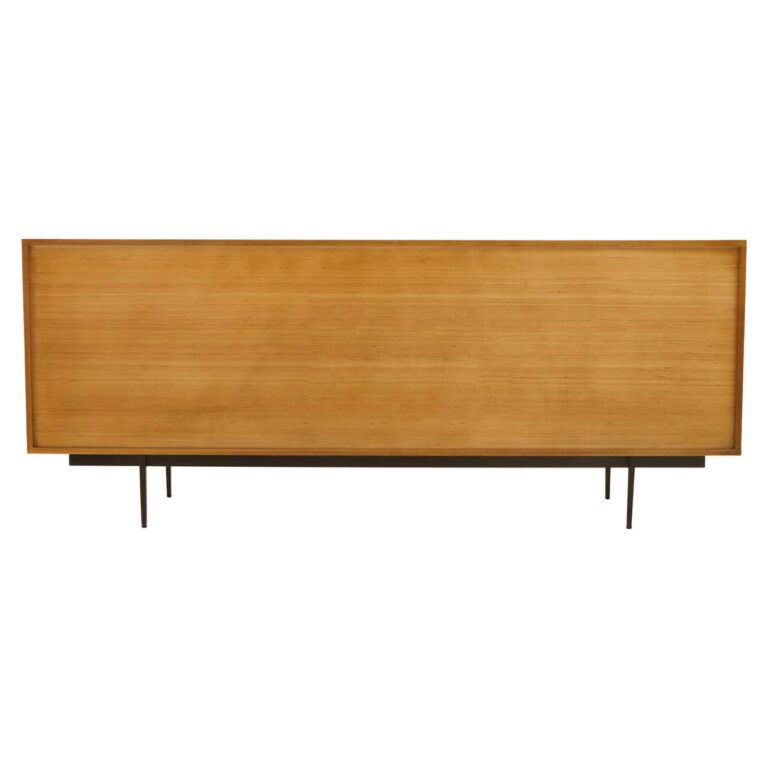
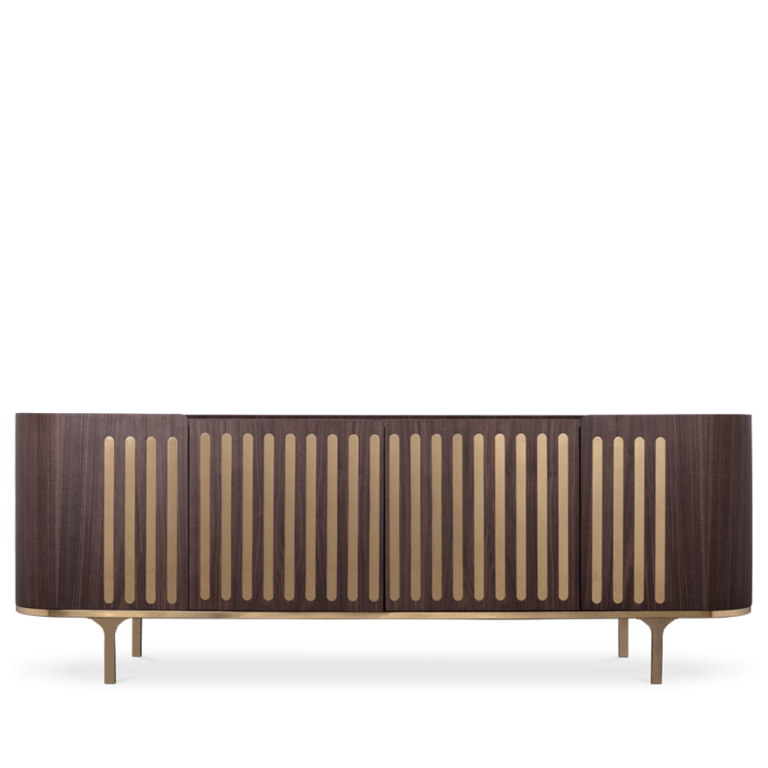
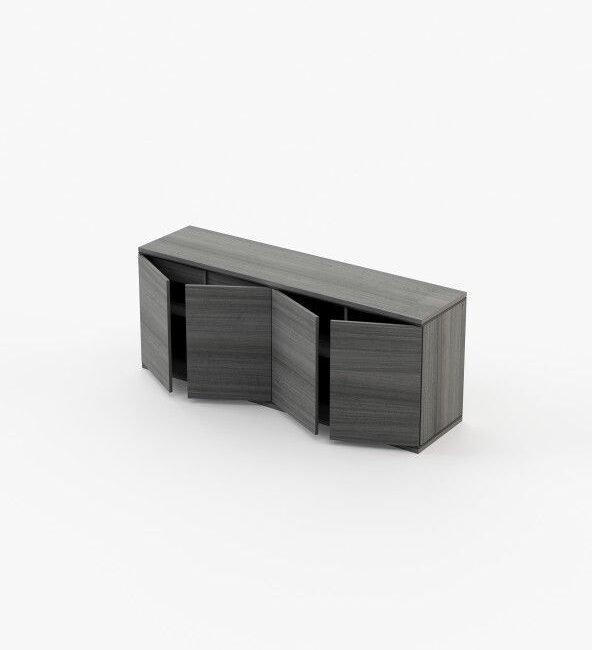
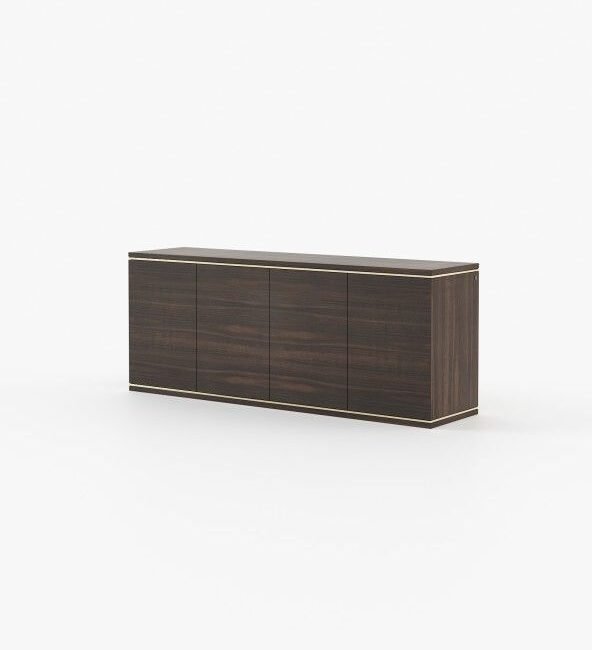
  • A distinctive sideboard
  • A statement armchair
  • A dramatic bed
  • A large chandelier

In a living room, the anchor is often the sofa because it occupies the most space. Rather than choosing chairs that replicate it, look for seating that complements it.

A deep, structured sofa can be balanced by lighter-framed chairs. A low curved sofa might work well with taller, more architectural seating. A neutral design can provide a quiet foundation for a patterned or richly coloured armchair.

The anchor should guide the room without controlling every other choice.

Once it has been selected, consider:

  • Its colour and undertone
  • Its visual weight
  • Whether its shape is curved or angular
  • The materials that could be repeated elsewhere
  • Whether the room needs contrast, softness or structure

These questions will help you choose pieces that feel related without appearing identical.


Build a Cohesive Colour Palette

Colour is one of the easiest ways to connect furniture from different periods and collections.

Your pieces do not need to be the same colour, but they should feel as though they belong to the same wider palette.

A useful approach is to select:

  • One dominant neutral
  • One secondary colour
  • One or two accent tones
  • A consistent warm or cool undertone

For example, a room could combine:

  • Ivory upholstery
  • Walnut timber
  • Muted olive
  • Aged brass
  • Warm cream walls

The furniture styles may differ, but the shared warmth will create cohesion.

A cooler scheme might use:

  • Soft grey
  • Pale oak
  • Charcoal
  • Blackened metal
  • Smoky blue


Work with colour families

Avoid trying to match every shade exactly. Interiors often look richer when they contain several related tones rather than one flat colour.

Consider combining:

  • Chocolate, caramel and walnut
  • Sage, olive and moss
  • Ivory, oatmeal and warm white
  • Burgundy, rust and muted rose
  • Navy, slate and smoky blue

The colour of an accent chair could reappear in a cushion or artwork. The warm surface of a coffee table might relate to the wall colour. A brass table base could connect with a nearby lamp or mirror.

These repetitions should feel subtle rather than forced.

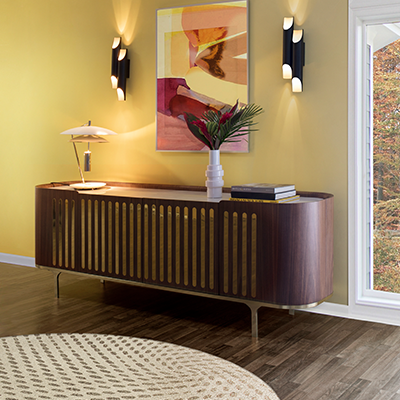
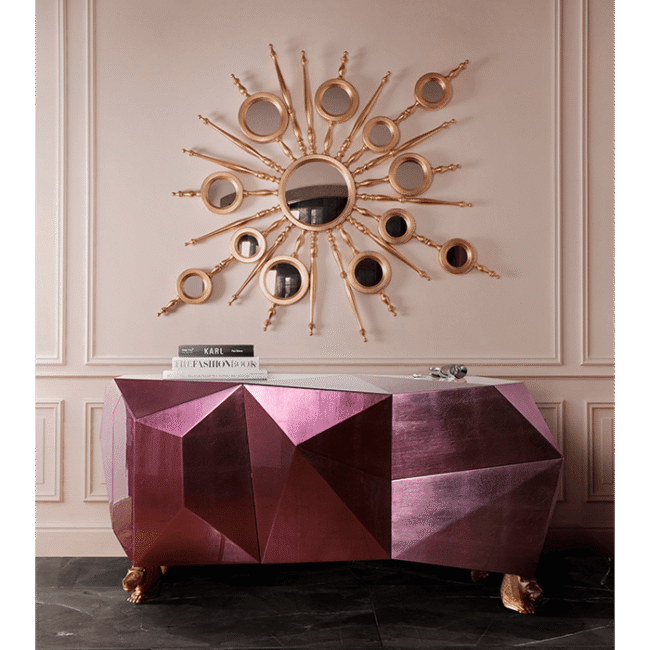
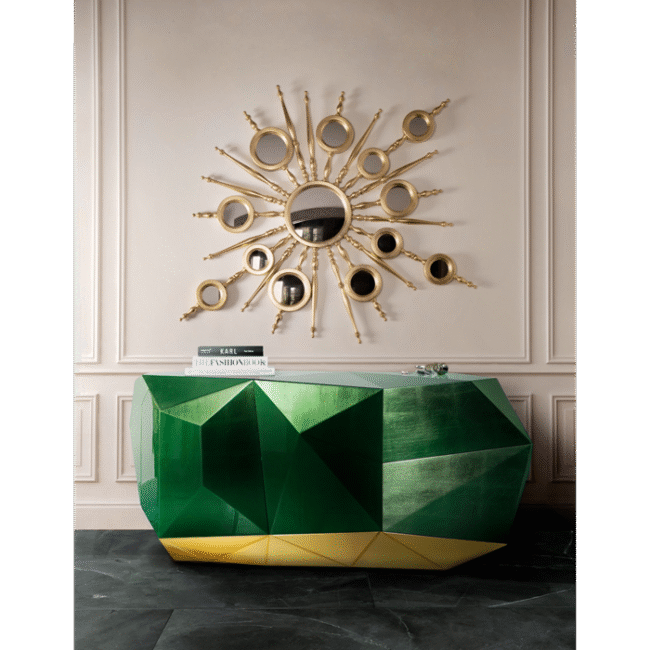
Sideboard with large mirror and styled accessories

Choose One Dominant Design Style

A collected interior does not need to represent every design style equally.

In fact, rooms often become disjointed when too many influences compete for attention.

Most successful schemes have:

  • One dominant style
  • One secondary influence
  • One smaller contrasting accent

A predominantly contemporary room might include a few mid-century pieces and one Art Deco-inspired light. A traditional space could be refreshed with modern seating and a sculptural table.

Effective combinations include:

  • Contemporary and mid-century
  • Modern and traditional
  • Minimalist and classical
  • Rustic and industrial
  • Art Deco and contemporary
  • Vintage and modern organic
  • Coastal and sculptural modern

The key is to look beyond style labels and identify shared qualities.

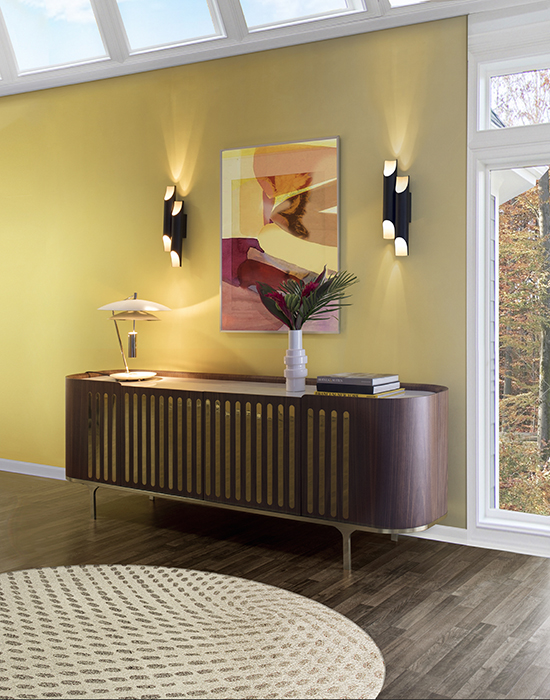
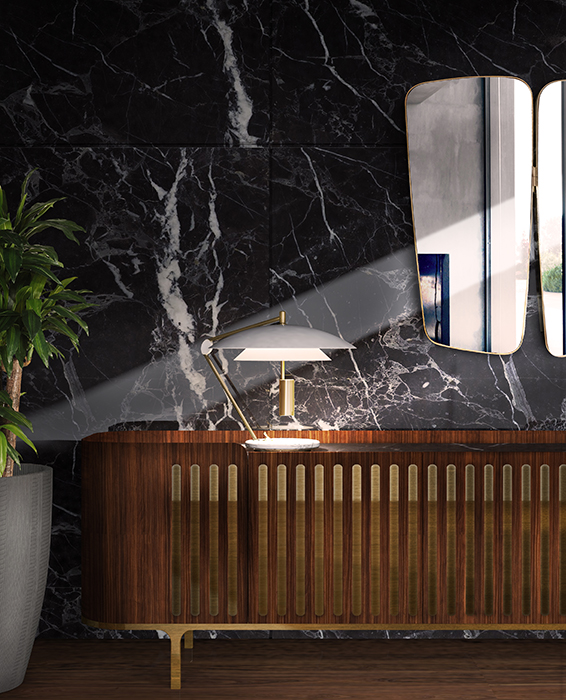
A traditional table and a modern chair may both have elegant proportions. A rustic cabinet and a contemporary lamp may share a strong silhouette. A mid-century sideboard and an Art Deco mirror could be linked through warm timber and brass.

The furniture does not need to come from the same period. It simply needs to share enough visual character to make the relationship believable.

Balance Scale and Proportion

Furniture from different collections will only feel harmonious if the proportions work together.

Scale refers to the size of a piece in relation to the room and surrounding furniture. Proportion concerns the relationship between its individual parts.

A delicate chair may look lost beside an enormous sofa. A very small coffee table can feel accidental in front of a long sectional. A narrow pendant might appear insignificant above a substantial dining table.

Before combining furniture, compare:

  • Seat heights
  • Arm heights
  • Overall widths
  • Furniture depth
  • Table heights
  • Leg thickness
  • Visual weight
  • Open space beneath each piece

Different sizes can work beautifully, but the contrast should appear intentional.

A large sofa can sit successfully with two smaller chairs if their shapes are distinctive enough to hold their own. A heavy dining table may work with slender chairs, provided they have enough height and presence.

Before purchasing a new dining table, armchair or cabinet, mark its measurements on the floor with masking tape. This helps you understand how the piece will occupy the room and whether it will balance the furniture already in place.


Use Shape to Create Contrast

Even furniture from different collections can feel repetitive if every piece shares the same shape.

A room filled entirely with rectangular tables, boxy sofas and linear cabinets can appear rigid. Curves introduce movement and soften the overall composition.

Try combining:

  • A curved sofa with an angular coffee table
  • A structured sofa with rounded armchairs
  • A circular dining table with straight-backed chairs
  • A linear sideboard with an arched mirror
  • An oval table with a geometric pendant
  • A sculptural lamp with a simple console

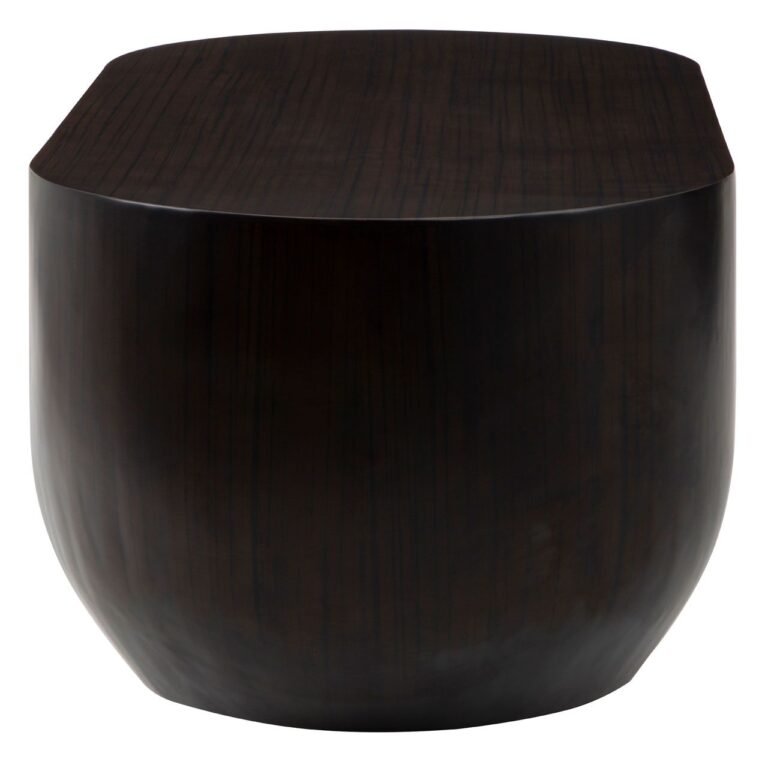
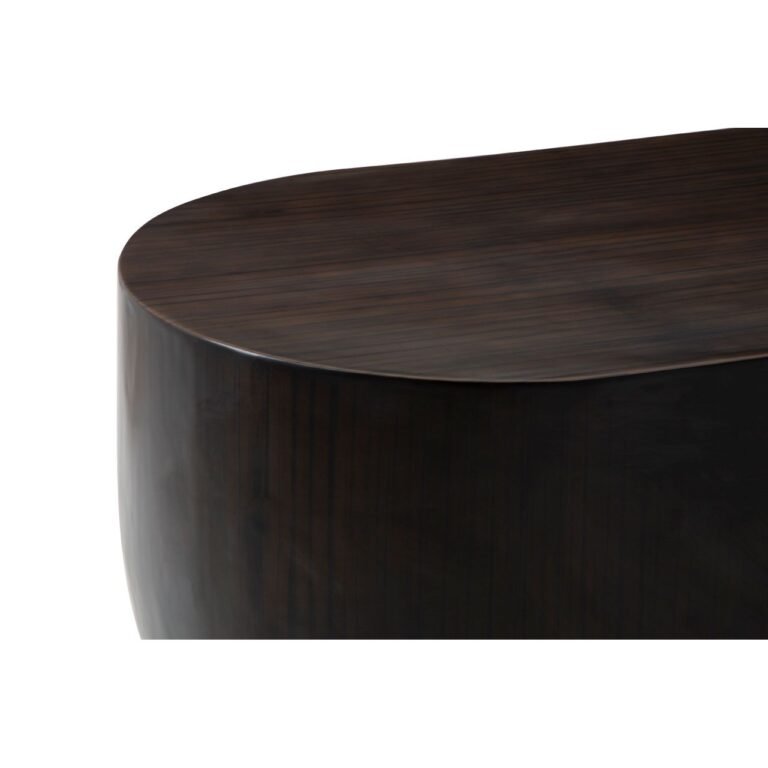
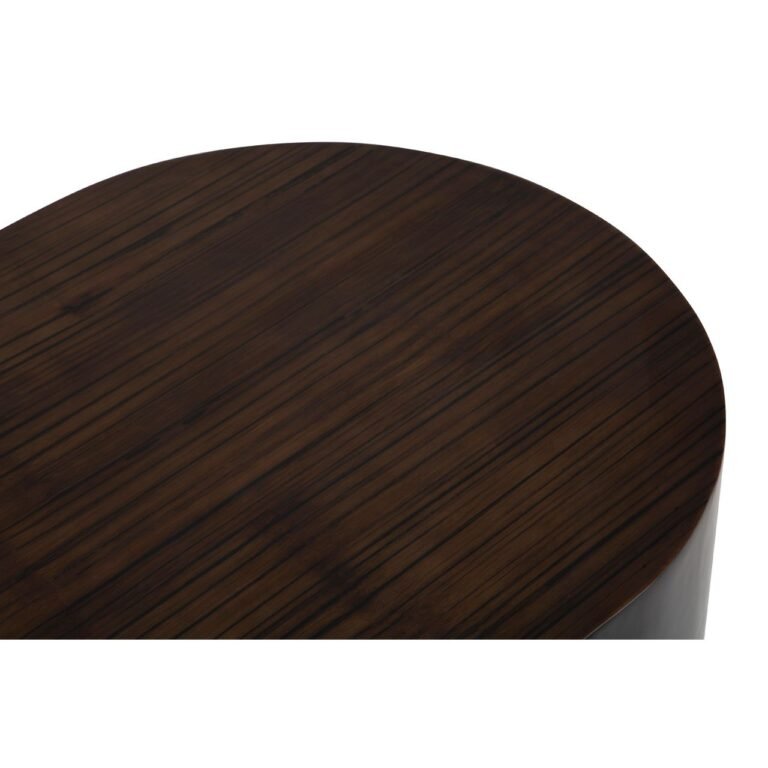
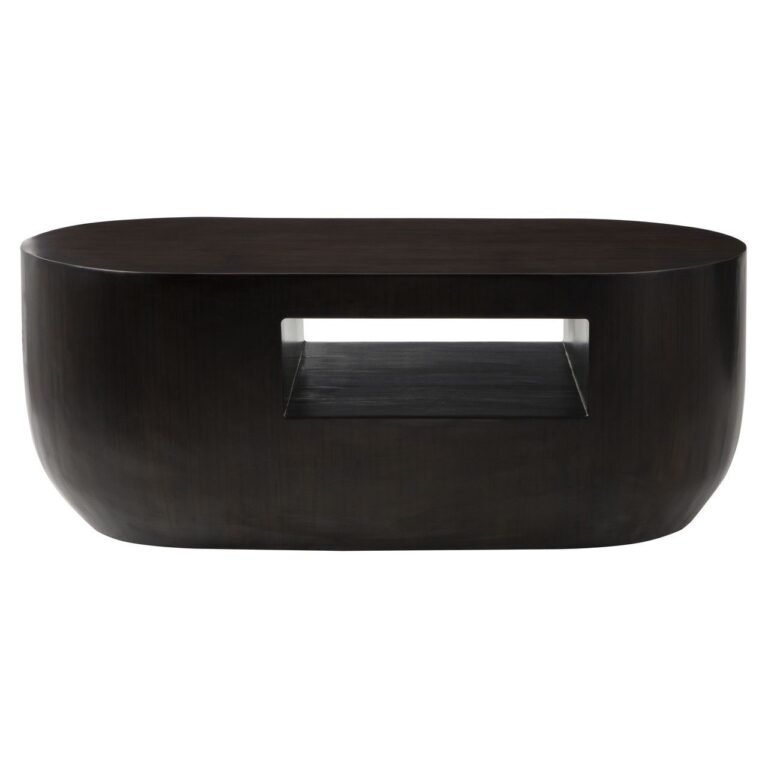
The coffee table is particularly useful for introducing contrast.

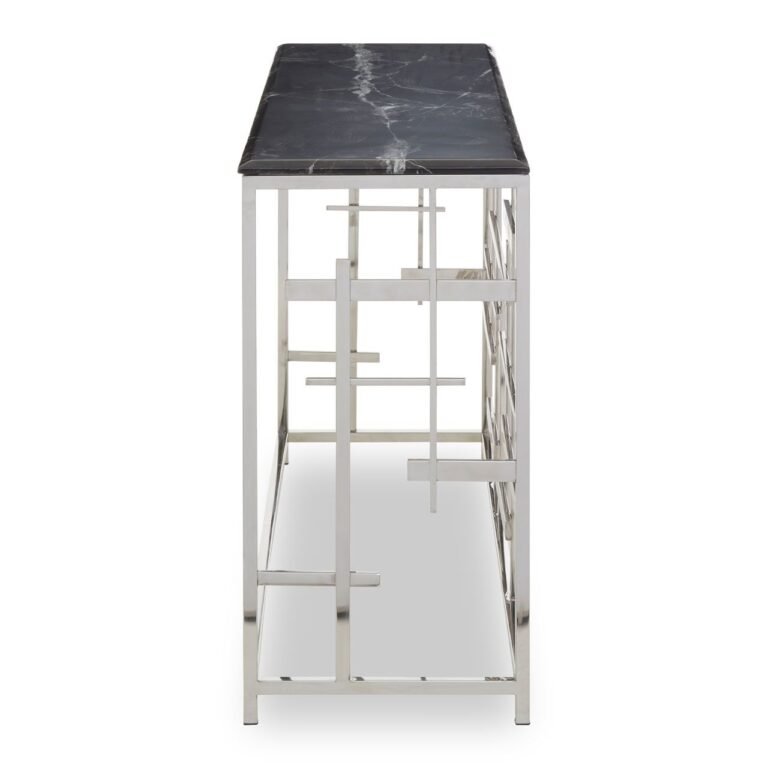
If the sofa and rug are strongly rectangular, a round or organic-shaped table can interrupt the straight lines. If the seating is soft and curved, a structured stone or metal table can add definition.

Once you introduce a new shape, repeat it lightly elsewhere.

A curved chair could be echoed by an arched mirror, rounded vase or circular lamp base. Repetition creates rhythm, but it should remain subtle.

Wall mirror i n a properly styled home

How to Mix Different Wood Tones

Mixing wood furniture is one of the areas homeowners often find most difficult.

Yet a room containing only one timber finish can feel overly coordinated. Different woods create warmth, depth and the impression that the interior developed naturally.

The first step is to identify undertone.

Warm wood tones

Warm woods often contain golden, red, orange or honey notes. These may include:

  • Walnut
  • Cherry
  • Mahogany
  • Teak
  • Warm oak

Cool wood tones

Cooler woods tend to appear pale, greyed or slightly ashy. These may include:

  • Ash
  • Limed oak
  • Grey-washed timber
  • Pale maple
  • Certain white-oak finishes

Woods with similar undertones are usually easy to combine. However, strong contrast can also work when it appears deliberate.

Choose one dominant wood

Allow one timber tone to appear most frequently, then introduce one or two supporting finishes.

For example:

  • Dominant walnut
  • Secondary pale oak
  • Smaller blackened-wood details

Avoid near matches

Two woods that are almost the same can look accidental when placed side by side.

Separate them with:

  • Upholstery
  • Stone
  • Metal
  • A rug
  • Painted furniture
  • Open space

Repeat each wood tone

A single dark cabinet in a room filled with pale oak may appear disconnected. Repeat the darker finish through a frame, lamp base, chair leg or decorative object.

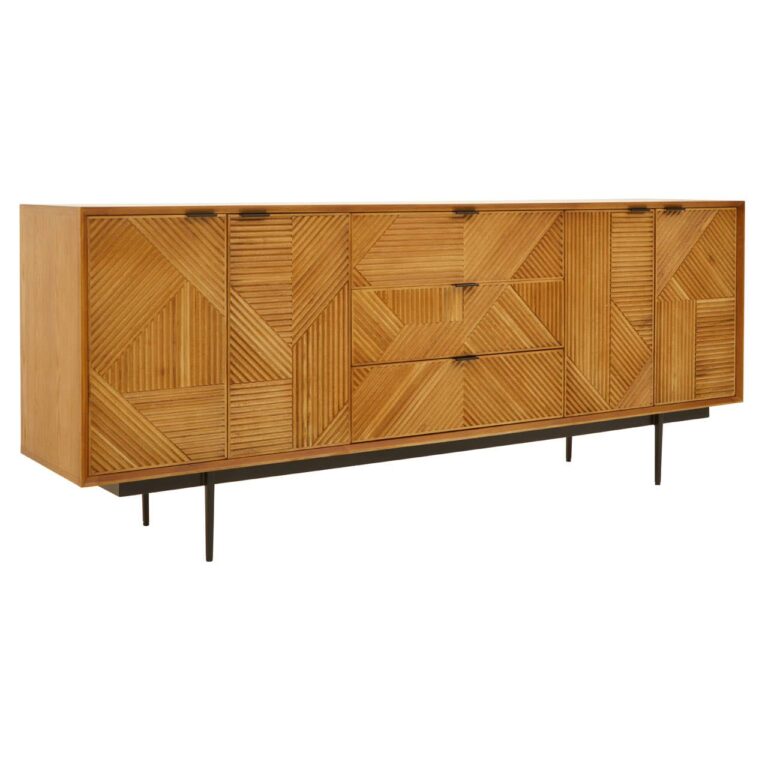
A wooden sideboard or console table can introduce another timber finish without requiring every wooden surface to match.

Layer Materials and Textures

Colour creates a visual framework, but texture gives a room depth.

When furniture styles differ, repeated material qualities can help them feel connected.

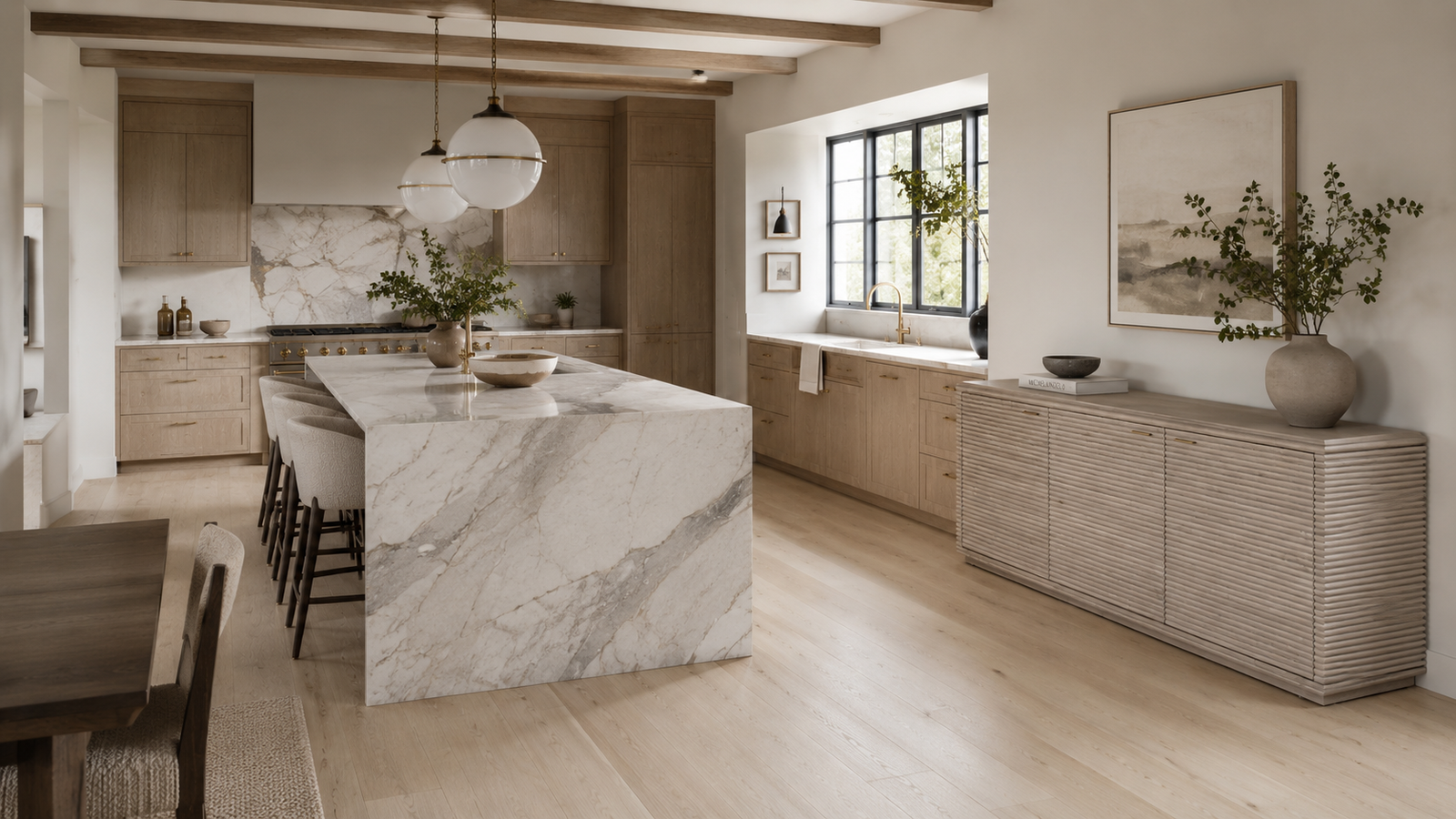
A modern velvet sofa may relate to a traditional chair through the richness of the upholstery. A marble table can sit comfortably beside a brass lamp because both have a polished surface. A rough timber cabinet may be softened by linen, wool and handmade ceramics.

Consider combining:

  • Smooth and textured upholstery
  • Glossy and matt finishes
  • Stone and fabric
  • Warm and cool metals
  • Transparent and solid forms
  • Polished surfaces and natural imperfections

A balanced living room might contain a velvet sofa, a leather chair, a stone table, a timber cabinet and a woven rug.

Each material adds something different, but together they create richness.

Texture is especially important in neutral rooms. Without it, beige, cream and grey interiors can feel flat. With thoughtful layering, the same restrained palette can feel warm and sophisticated.

Use cushions and throws to bridge stronger contrasts. A patterned cushion can repeat the colour of an armchair on a neutral sofa, while a rug can contain shades found across the seating and tables.

How to Mix and Match Furniture for a Collected, Designer Look

Mix Old and New Furniture

Combining old and new furniture is one of the best ways to create a home with character.

Older pieces introduce history, craftsmanship and patina. Contemporary furniture brings comfort, cleaner proportions and a sense of modernity.

Together, they make each other more visible.

Consider combining:

  • An antique table with contemporary seating
  • A modern lamp with a traditional console
  • An ornate mirror above a streamlined sideboard
  • Sculptural chairs around an older dining table
  • Contemporary artwork above a vintage cabinet
  • A modern chandelier in a period room

Do not try to remove every sign of age from an older piece. Softened edges, variations in colour and natural wear form part of its appeal.

Equally, avoid filling a modern room with too many reproduction pieces. One exceptional antique or vintage element often has more impact than an entire period-inspired collection.

The goal is balance.

A contemporary console table may look more distinctive beneath an antique mirror, while a vintage cabinet may feel newly relevant beside modern lighting.


Repeat Key Details Throughout the Room

Mixed interiors need repetition, but repetition does not mean using matching pairs everywhere.

It can be as simple as repeating a shape, colour or material in different parts of the room.

You might repeat:

  • A curved silhouette
  • Brass detailing
  • A dark timber
  • A particular shade of green
  • Black metal
  • Pale stone
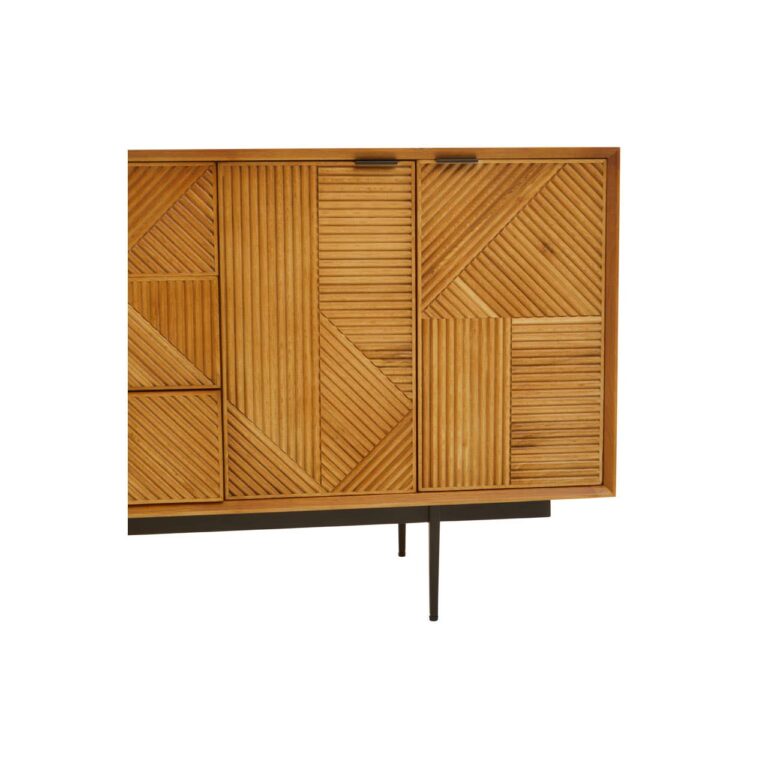
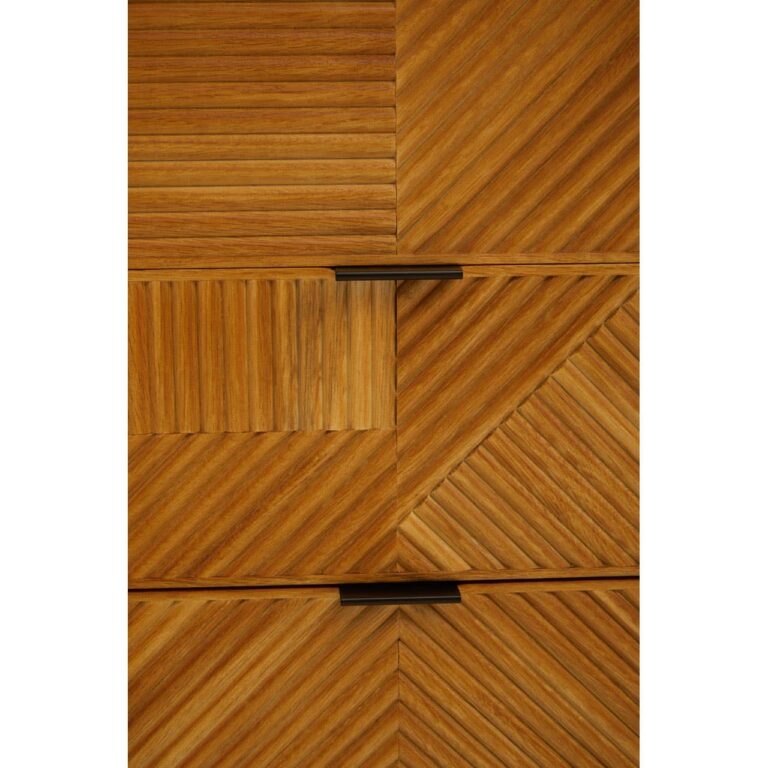
  • Fluted surfaces
  • Geometric forms

A brass handle on a cabinet could connect with a table lamp. The rounded back of an armchair may be echoed by an oval mirror. The dark base of a coffee table might relate to the frame of a nearby console.

These repetitions reassure the eye that the variation is intentional.

Two or three recurring details are usually enough. Too much repetition can make the room feel overly coordinated again.

Decorative mirrors, lighting and accessories are useful for reinforcing finishes already present in the larger furniture.


Create a Focal Point

Not every item in the room should compete for attention.

When furniture is expressive, a clear visual hierarchy becomes important. Decide which piece should lead and allow the others to support it.

The focal point might be:

  • A sculptural sofa
  • A bold pair of chairs
  • A marble dining table
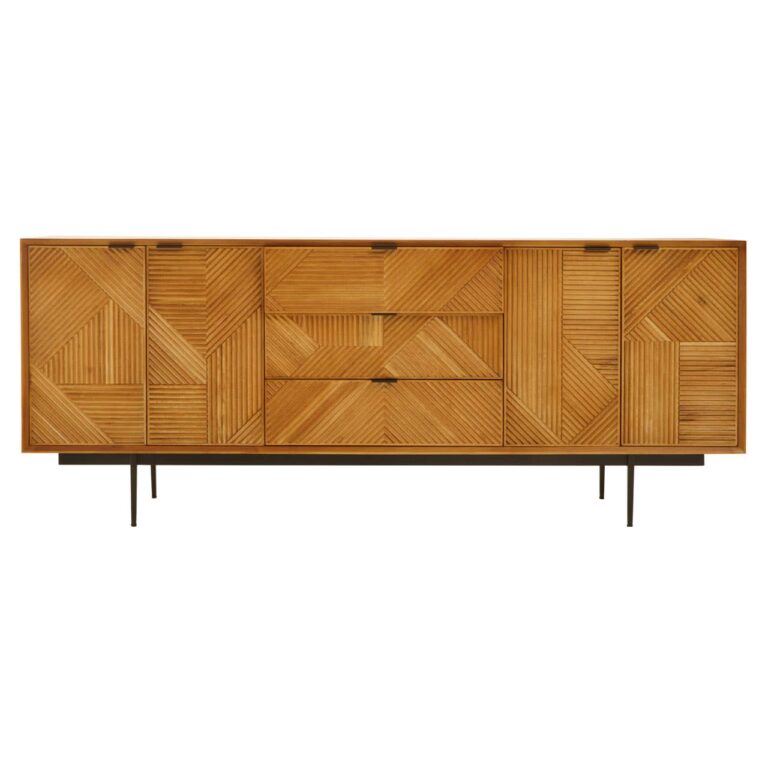
  • An intricately detailed sideboard
  • A dramatic chandelier
  • A large mirror or artwork

If the sofa is strongly patterned, surrounding furniture may need to be quieter. If the statement armchair is the hero of the room, give it space rather than surrounding it with equally complex objects.

A detailed table base will be easier to appreciate beside simple chairs. An ornate cabinet should not be hidden beneath excessive accessories.

A room becomes more memorable when the eye knows where to settle.

Leave Room for Visual Quiet

A collected interior should not be confused with a crowded one.

The more varied the furniture, the more important negative space becomes.

Empty areas give individual pieces room to breathe and prevent contrasting forms from becoming overwhelming.

Allow:

  • Space around a sculptural chair
  • A clear wall above a console
  • Breathing room around a sideboard
  • Clear pathways through the room
  • Partially empty surfaces
  • Areas where the palette becomes quieter

Restraint is what gives a layered interior confidence.

Once the furniture is arranged, remove one or two less important objects and reassess the room. The strongest pieces may become more compelling when unnecessary items are taken away.


How to Mix Living-Room Furniture

The living room usually contains the widest variety of furniture, making it ideal for a collected scheme.

Begin with the largest piece, usually the sofa, and build outwards.

Let the chairs complement the sofa

Living-room chairs do not need to share the sofa’s exact fabric, colour or silhouette.

Instead, connect them through:

  • Similar seat heights
  • Related undertones
  • Complementary shapes
  • Repeated leg finishes
  • Shared accent colours
  • Comparable visual weight

A cream sofa could be paired with rust velvet chairs, dark leather seating or timber-framed armchairs.

Browse different sofas and accent chairs with the aim of creating contrast rather than finding an exact match.

Vary the tables

Using the same table beside every seat can make a room feel too coordinated.

A stone coffee table might be paired with brass, glass or timber side tables. The materials can differ, provided there is a connection through colour temperature, shape or height.

Layer the lighting

Mixed furniture benefits from layered living-room lighting.

Consider combining:

  • A chandelier or pendant
  • A sculptural floor lamp
  • One or two table lamps
  • Discreet wall lights

The fixtures do not need to come from the same range. Repeating one finish or shape is enough to create continuity.

Ground the room with a rug

A generously sized rug can make different seating styles feel like one deliberate arrangement.

Where possible, allow at least the front legs of the sofa and chairs to sit on it. This creates a visual boundary around the conversation area.

luxury living rrom interior

How to Mix Dining-Room Furniture

The dining room offers another opportunity to move beyond a traditional matching suite.

Pair a strong table with contrasting chairs

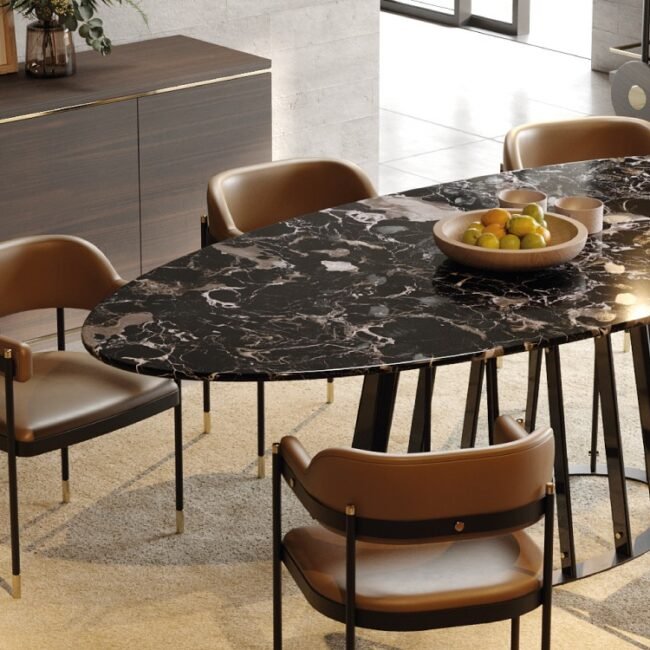
A substantial timber table can be softened by upholstered seating. A polished stone table may be warmed by timber or textured fabric. A traditional table can feel refreshed by modern chairs.

When combining a dining table with different dining chairs, consider:

  • Table height
  • Chair width
  • Legroom
  • The shape of the table base
  • The visual weight of both pieces
  • The level of formality

A sculptural table often works best with simpler seating. A restrained table can support more decorative chairs.

Use different end chairs

For a rectangular dining table, consider using more substantial chairs at the head and foot.

These might be:

  • Upholstered
  • Higher-backed
  • Fitted with arms
  • More sculptural
  • Covered in an accent colour

Keep the side chairs consistent so the room retains enough order.

Do not match the sideboard exactly

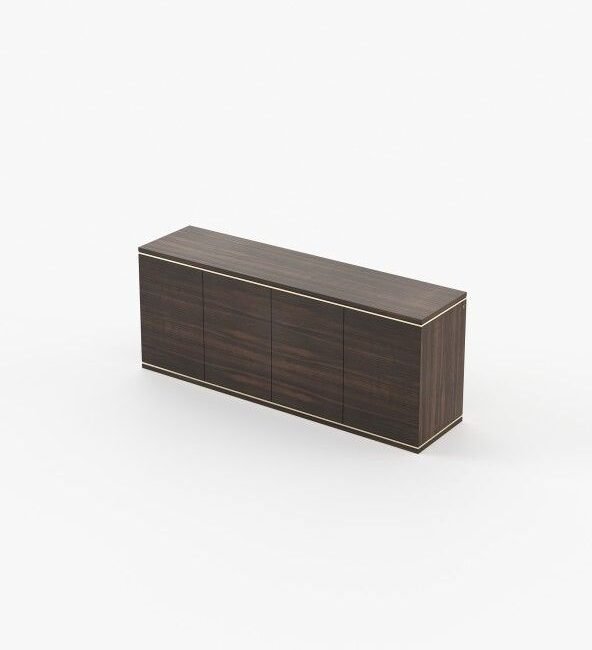
The sideboard does not need to repeat the dining table’s timber and detailing.

If the table is dark and traditional, consider a lighter or more architectural cabinet. If the table is minimalist, introduce a sideboard with fluting, stone or decorative metalwork.

Connect the scheme with lighting

A pendant light can help unite a table, chairs and sideboard that differ in style.

The fitting might repeat the curve of the table, echo the brass on the cabinet or introduce a sculptural contrast above a simpler arrangement.


Common Mistakes to Avoid

Mixing too many dominant styles

A room can feel confusing when every piece represents a different design movement.

Choose one main style and introduce others in smaller proportions.

Ignoring furniture heights

A low sofa beside an unusually tall chair may feel disconnected. Compare seat, arm and back heights before purchasing.

Using too many unrelated colours

A controlled palette allows furniture styles to vary without creating visual chaos.

Choosing only heavy furniture

Balance substantial sofas and cabinets with lighter pieces that have slim legs, open bases or transparent materials.

Choosing only delicate furniture

A room filled entirely with slender pieces may lack a visual anchor.

Mixing woods without repetition

Different timber tones should appear more than once so they feel intentional.

Making every item a statement

When everything demands attention, nothing stands out.

Forgetting function

A beautiful room still needs comfortable seating, clear pathways and accessible surfaces.

Finishing the room too quickly

Collected interiors often feel convincing because they have developed gradually.

It is better to leave an area temporarily incomplete than fill it with a piece that does not contribute to the room.

A Collected Home Is Built on Connection, Not Coordination

The art of mixing furniture lies in understanding which elements should relate and which should remain distinct.

Your sofa and chairs do not need matching upholstery. Your tables do not need to share the same timber. Your lighting does not have to belong to one collection.

What matters is the relationship between the pieces.

That relationship may be created through colour, scale, craftsmanship, shape or material. Some connections will be immediately visible, while others will reveal themselves more slowly.

This is what gives a room depth.

A collected home feels personal because its furniture has been chosen with intention rather than assembled according to a fixed formula. It welcomes contrast, allows older pieces to coexist with contemporary design and leaves space for the interior to evolve.

Begin with one piece you genuinely love. Build around it carefully. Repeat a few details, vary others and resist the urge to make everything match.

The most beautiful rooms are rarely the most coordinated.

They are the ones that feel unmistakably personal.

Explore distinctive luxury furniture, including sculptural coffee tables, characterful armchairs, elegant sideboards, statement lighting and decorative objects designed to help you create a collected, designer look.


Frequently Asked Questions

Can you mix different furniture styles in one room?

Yes. Furniture from different styles can work together when the pieces share a relationship through colour, scale, material, shape or mood.


How do you make mismatched furniture look cohesive?

Use a controlled colour palette, repeat key finishes, balance the scale of each piece and use rugs, lighting and accessories to connect the room.


Is matching furniture out of style?

Matching furniture is not necessarily out of style, but fully coordinated sets can make a room feel less individual. Complementary pieces often create a more layered result.


Can you mix dark and light wood furniture?

Yes. Choose one dominant wood, repeat secondary finishes and pay attention to undertones.


Should living-room chairs match the sofa?

No. Chairs can differ in colour, fabric and shape while still relating through scale, undertone, leg finish or overall mood.


How many furniture styles can you mix in one room?

Two or three influences are usually enough. Use one as the dominant style and the others as supporting elements.


Can modern and traditional furniture work together?

Yes. Modern furniture brings clarity and comfort, while traditional pieces add warmth, history and detail.


How do you mix furniture without making a room look cluttered?

Limit the colour palette, leave negative space, balance visual weight and avoid making every piece a focal point.

What do you think?
Leave a Reply

Blog

Get fresh home inspiration and helpful tips from our interior designers

top
1
    1
    Your Cart
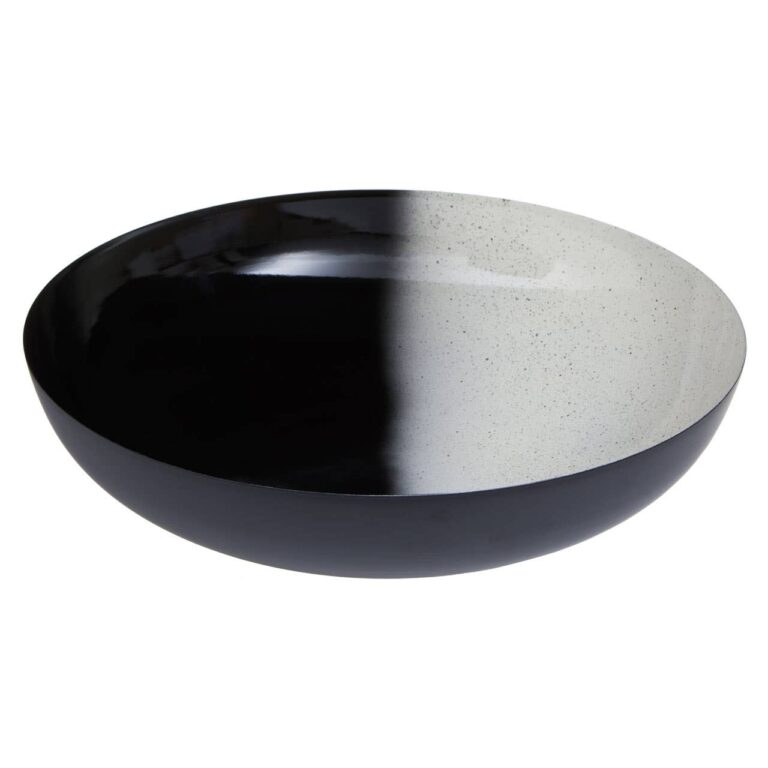
    Kira Burnt Effect Bowl Remove
    Kira Burnt Effect Bowl
    Qty: 1
    Price: £108
    £108

    Inactive

    Privacy Overview

    This website uses cookies so that we can provide you with the best user experience possible. Cookie information is stored in your browser and performs functions such as recognising you when you return to our website and helping our team to understand which sections of the website you find most interesting and useful.