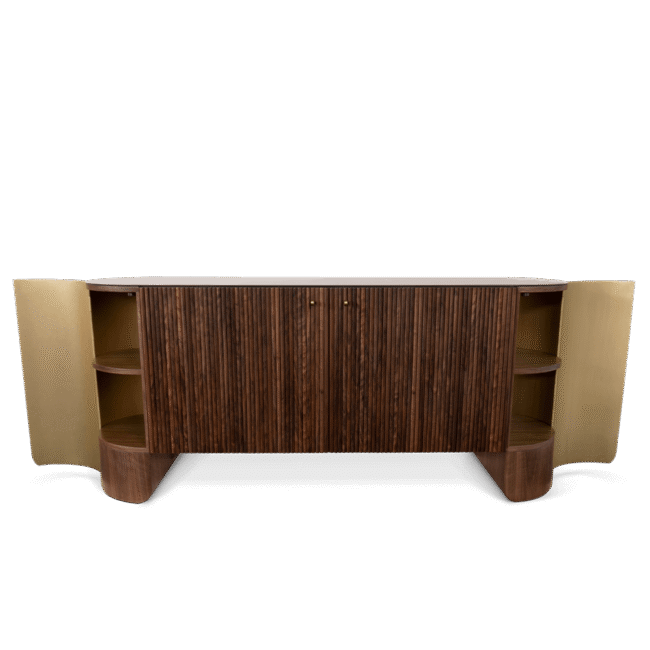
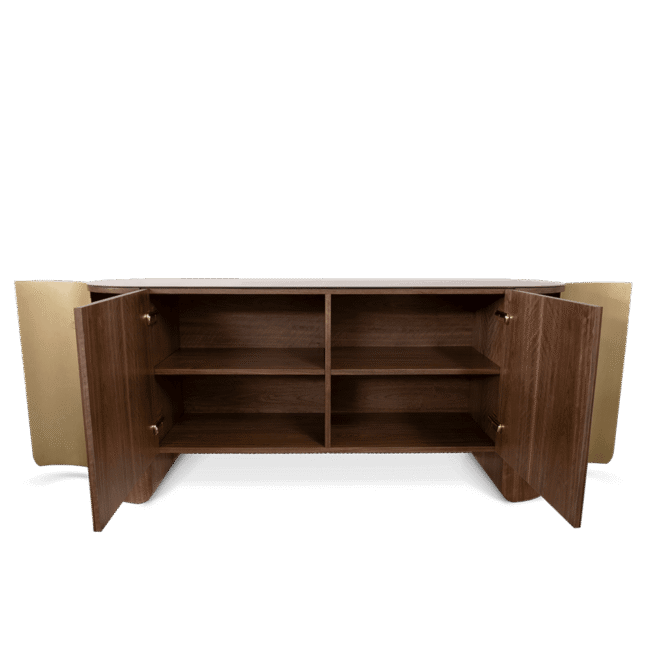
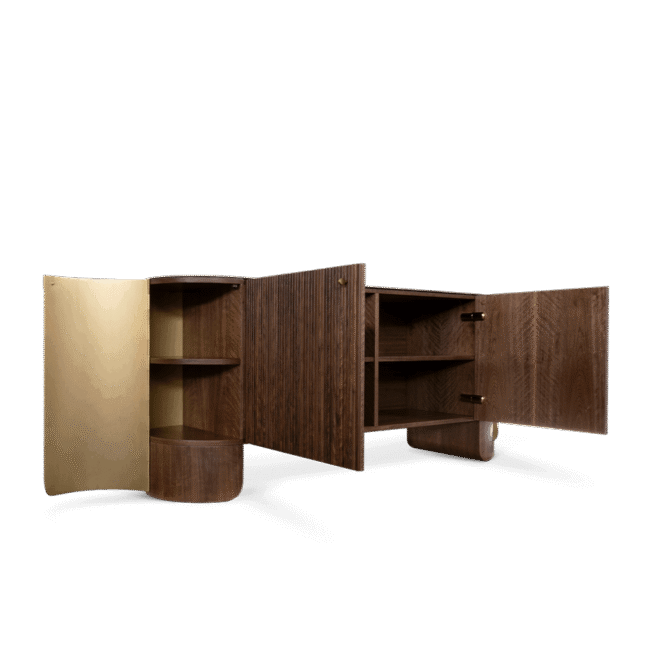
How to Style a Sideboard: Designer Tips for Living Rooms, Dining Rooms and Hallways

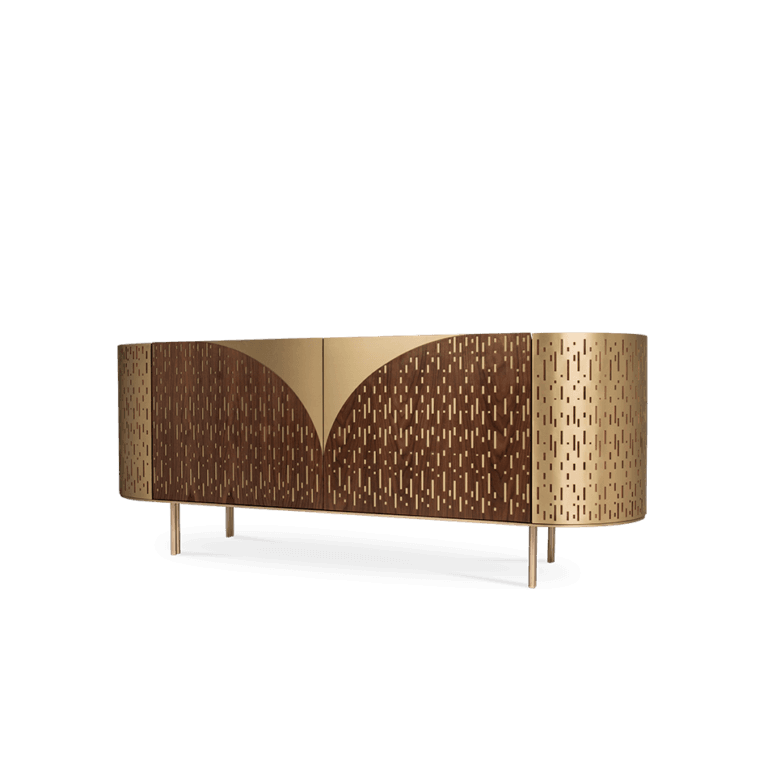
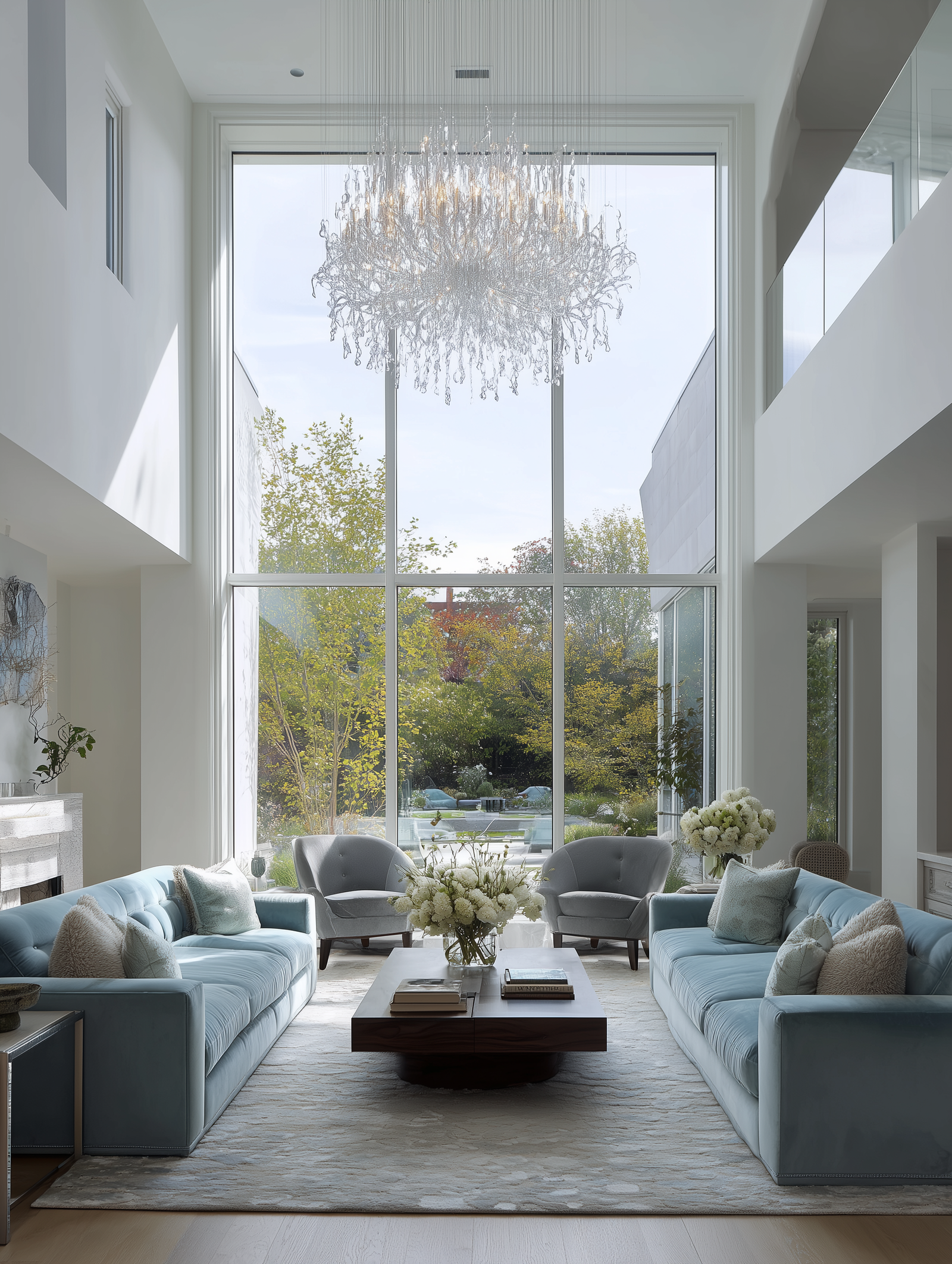
oak sideboard ideas for a luxury living room

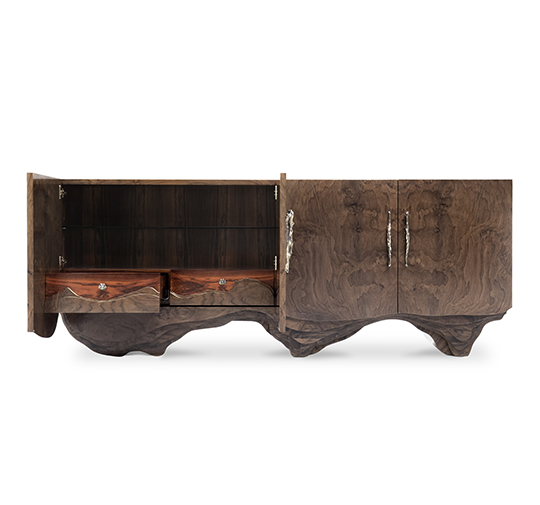
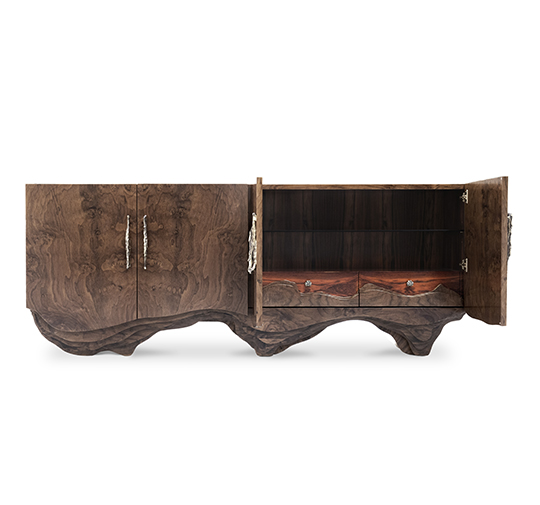
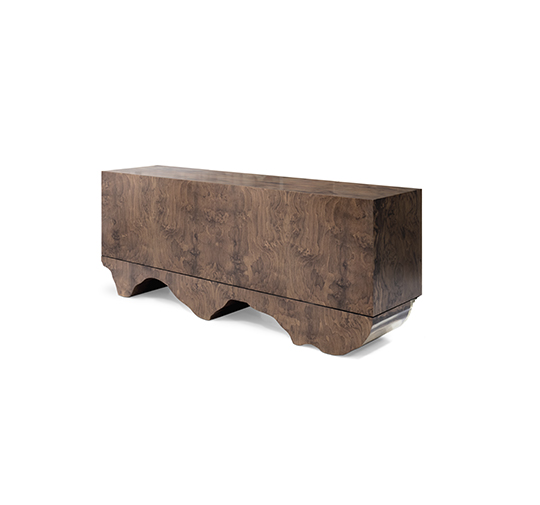
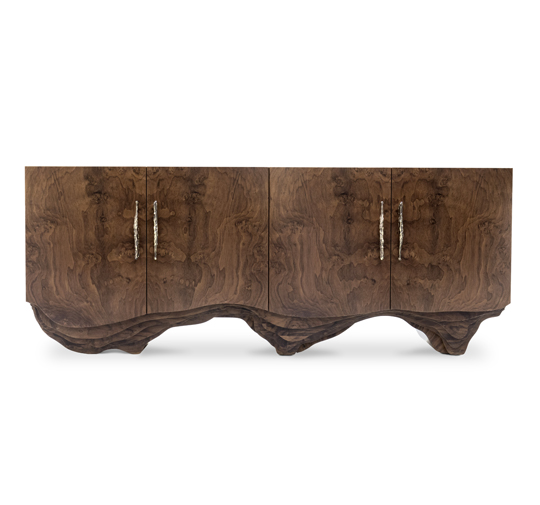
A sideboard is one of the most useful pieces of furniture in the home, but it is also one of the easiest to style badly. Leave it empty, and the room can feel unfinished. Add too much, and the surface quickly becomes cluttered. The secret to learning how to style a sideboard is understanding that it is not just a storage cabinet. It is a design moment.

A well-styled sideboard can make a living room feel more layered, a dining room feel more elegant and a hallway feel more welcoming. It gives you a place to add height, light, texture, artwork, flowers, books and personal objects. It can soften a blank wall, balance a large mirror, anchor a dining space or bring warmth to an entrance.

Designers often treat sideboards as one of the most important styling surfaces in a room because they sit at the perfect height for display. They are high enough to hold lamps, art and decorative objects, but low enough to feel grounded. This makes them ideal for creating a polished, editorial look without making the room feel overdone.

Whether you are styling a sideboard in a living room, dining room or hallway, the goal is the same: create balance, add atmosphere and make the piece feel connected to the room around it.


Table of Contents

  1. Why Sideboard Styling Matters
  2. Start with the Room, Not the Sideboard
  3. Use a Mirror or Artwork as the Anchor
  4. Add Height with Lamps, Vases or Sculptural Pieces
  5. Layer Books, Bowls and Decorative Objects
  6. How to Style a Living Room Sideboard
  7. How to Style a Dining Room Sideboard
  8. How to Style a Hallway Sideboard
  9. How to Style a Sideboard for a Luxury Look
  10. What to Avoid When Styling a Sideboard
  11. Final Thoughts: Let the Sideboard Breathe
  12. FAQs About Styling a Sideboard
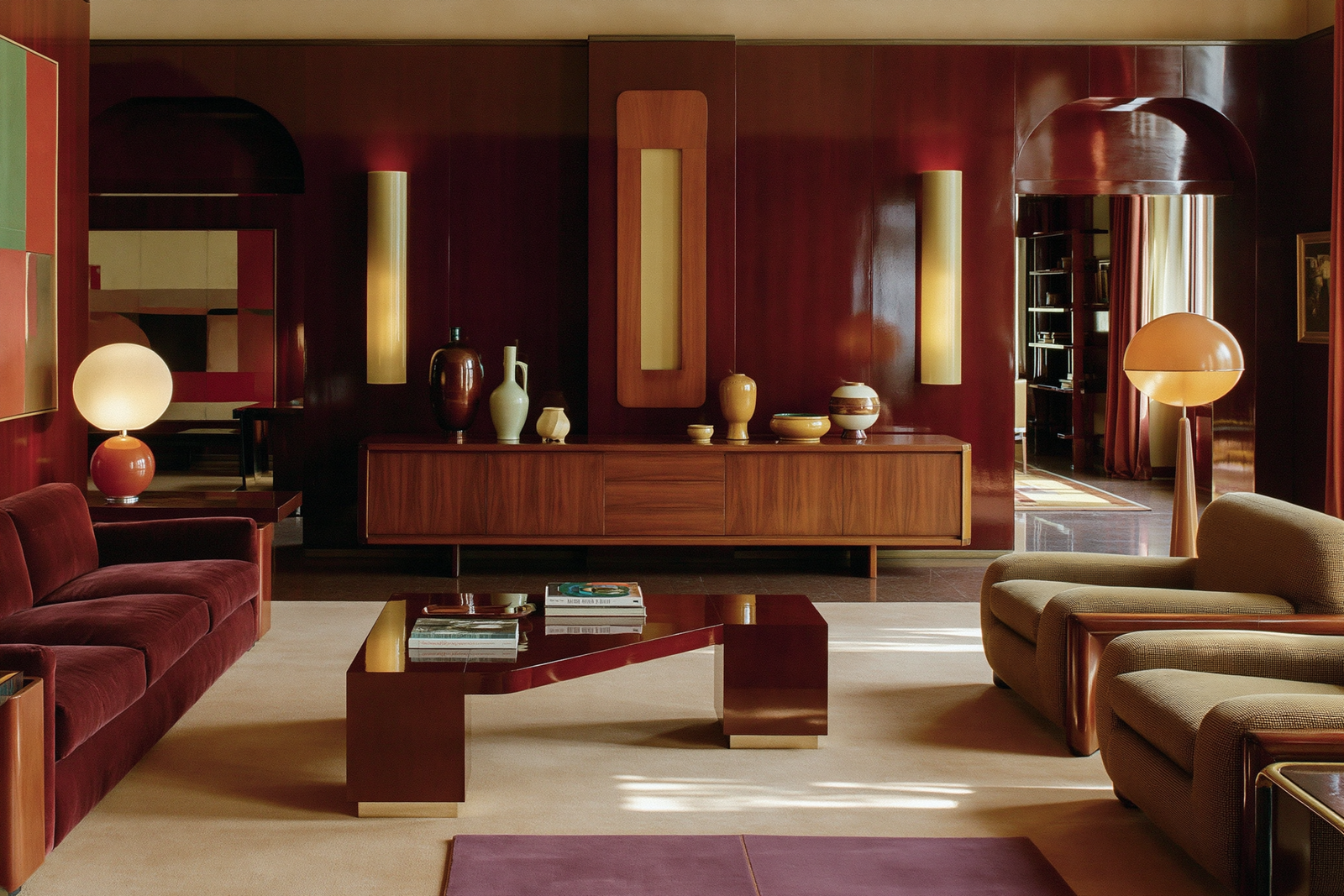
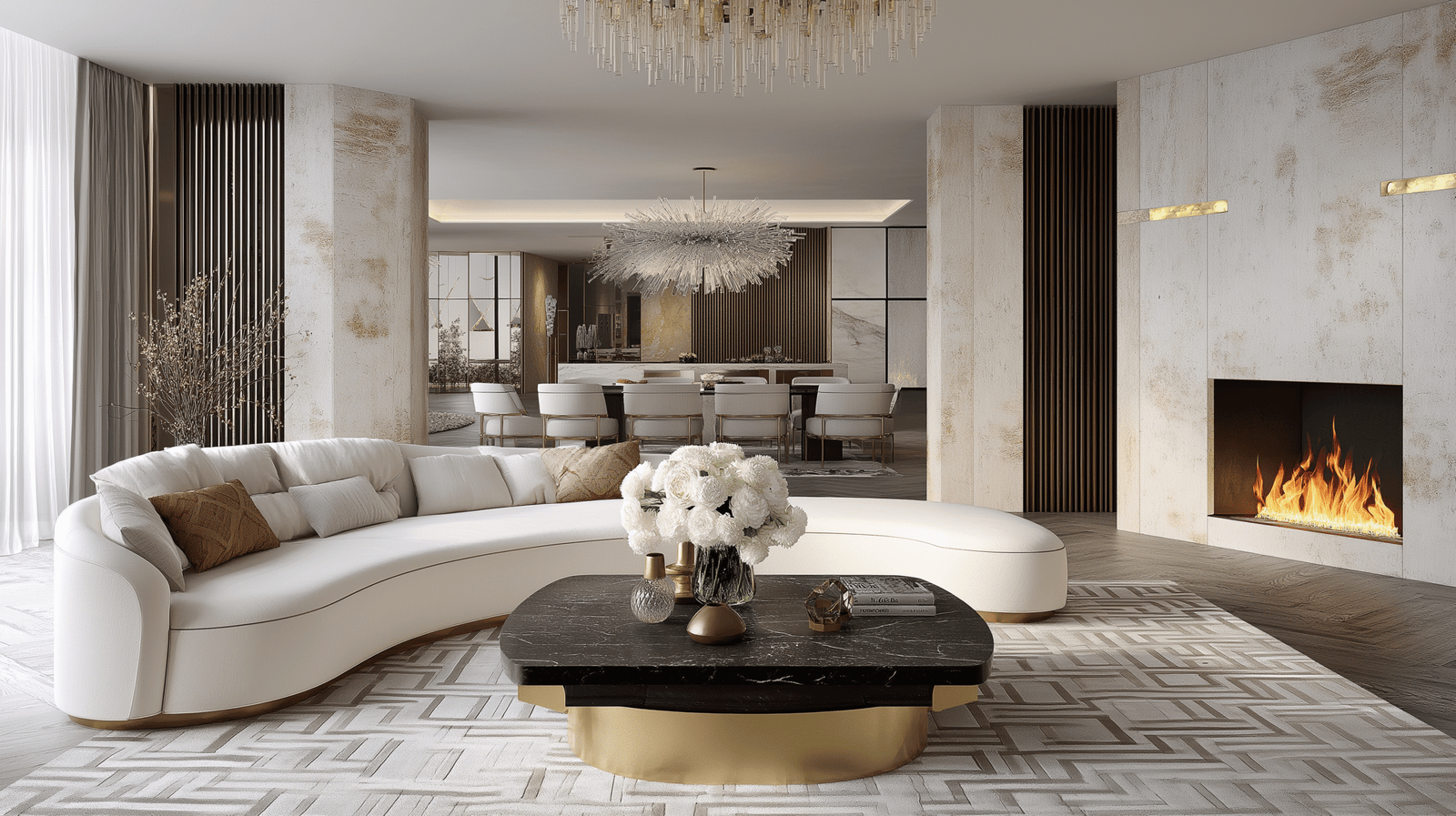
sideboard with mirror styling ideas

Why Sideboard Styling Matters

A sideboard is not only useful because it hides things away. Its real design power comes from what happens above it. The surface of a sideboard can become a focal point, a lighting moment, a place for art or a quiet display of objects that make the home feel personal.

In many rooms, the sideboard sits against a wall that would otherwise feel bare. Without styling, that wall can look empty, even if the furniture itself is beautiful. With the right arrangement, the whole area becomes intentional. A mirror above the sideboard can reflect light. A table lamp can add evening atmosphere. A vase can bring softness. Books can create layers. A tray can make small objects feel organised.

This is why sideboard styling matters. It turns a storage piece into part of the room’s architecture.

Interior stylist Emma Thomas explains in Homes & Gardens that the aim is to create spaces that feel “effortless, as well as elevated,” while taking cues from the architecture and the owner’s possessions. Her advice on creating calming and welcoming interiors is especially relevant to sideboard decor ideas because the best styling should never look forced. It should feel like it belongs to the home.

A sideboard should not look like a shop display. It should feel collected. It should hold a few objects that work together in height, texture, scale and mood. The styling should support the room, not compete with it.


Start with the Room, Not the Sideboard

The biggest mistake people make when styling a sideboard is treating it as a separate project. They choose objects for the surface without looking at the rest of the room. But a sideboard does not exist in isolation. It belongs to the sofa, the dining table, the rug, the lighting, the wall colour, the artwork and the overall mood of the space.

Before styling, step back and look at the room. Does it need warmth? Does it need height? Does it need more texture? Does the wall feel empty? Is the room too symmetrical, too flat or too cluttered?

If the room feels cold, add warmth with wood, brass, ceramic, books or a fabric lampshade. If the room feels too plain, introduce artwork, a sculptural vase or a dramatic mirror. If the room already has many decorative objects, keep the sideboard styling quieter. If the furniture is heavy, use lighter accessories such as glass, pale ceramics or slim lamps.

Kelly Wearstler’s design philosophy is useful here. Her approach has often been associated with storytelling, bold material choices and curiosity; Forbes describes her design mindset through the phrase “love color, take risks, stay curious”. Applied to styling a sideboard, this does not mean making the surface loud. It means allowing the sideboard to add something to the room’s story.

A sideboard in a calm neutral living room may need a marble lamp, soft artwork and a ceramic bowl. A sideboard in a dramatic dining room may need dark florals, a statement mirror and candlelight. A hallway sideboard may need a tray, lamp and one beautiful object that sets the tone as soon as someone enters the home.

Good sideboard styling begins with observation.

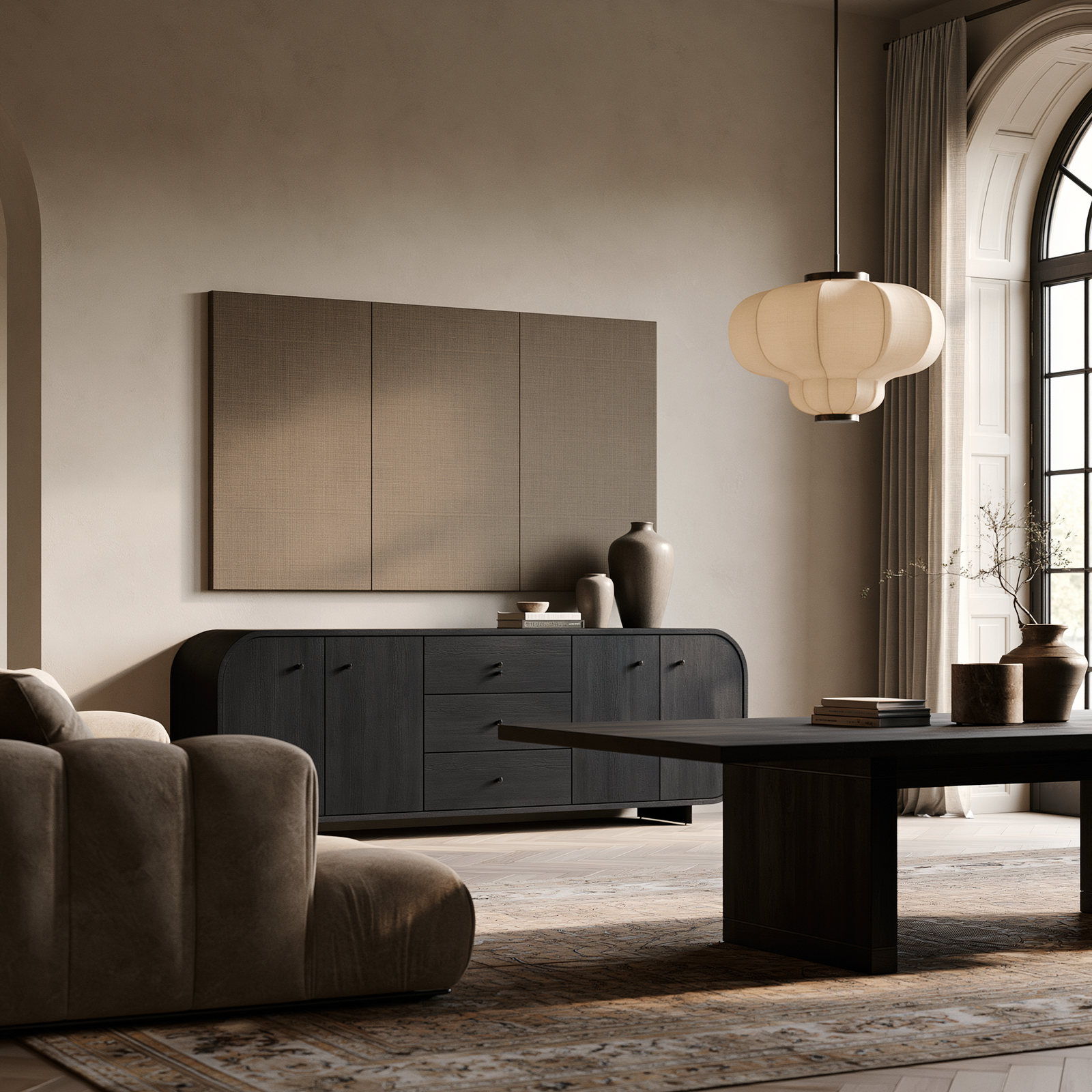
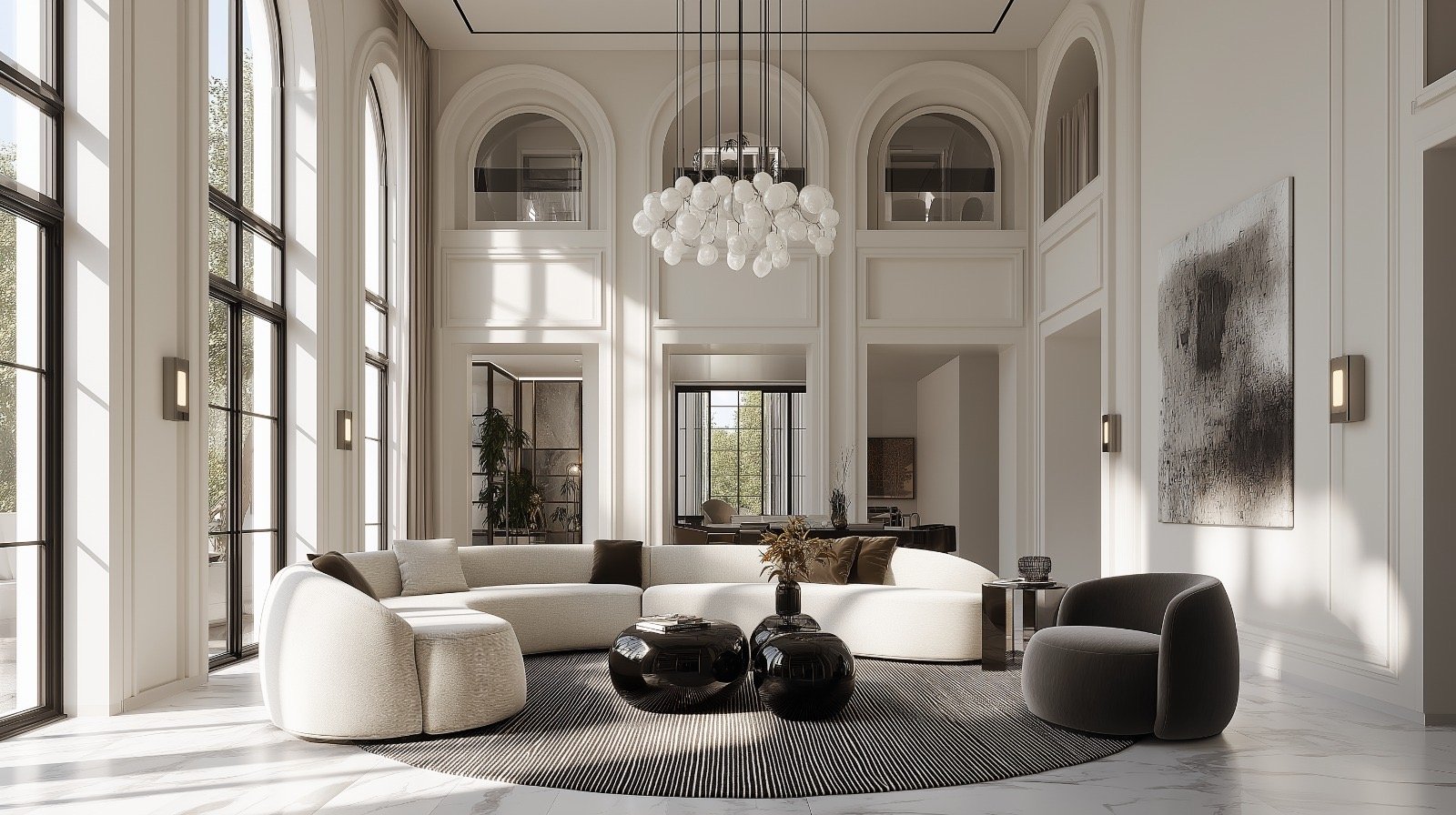
living room sideboard decor ideas

Use a Mirror or Artwork as the Anchor

Most successful sideboard styling starts with an anchor. This is the main piece above or on the sideboard that gives the arrangement structure. In most homes, the anchor is either a mirror or artwork.

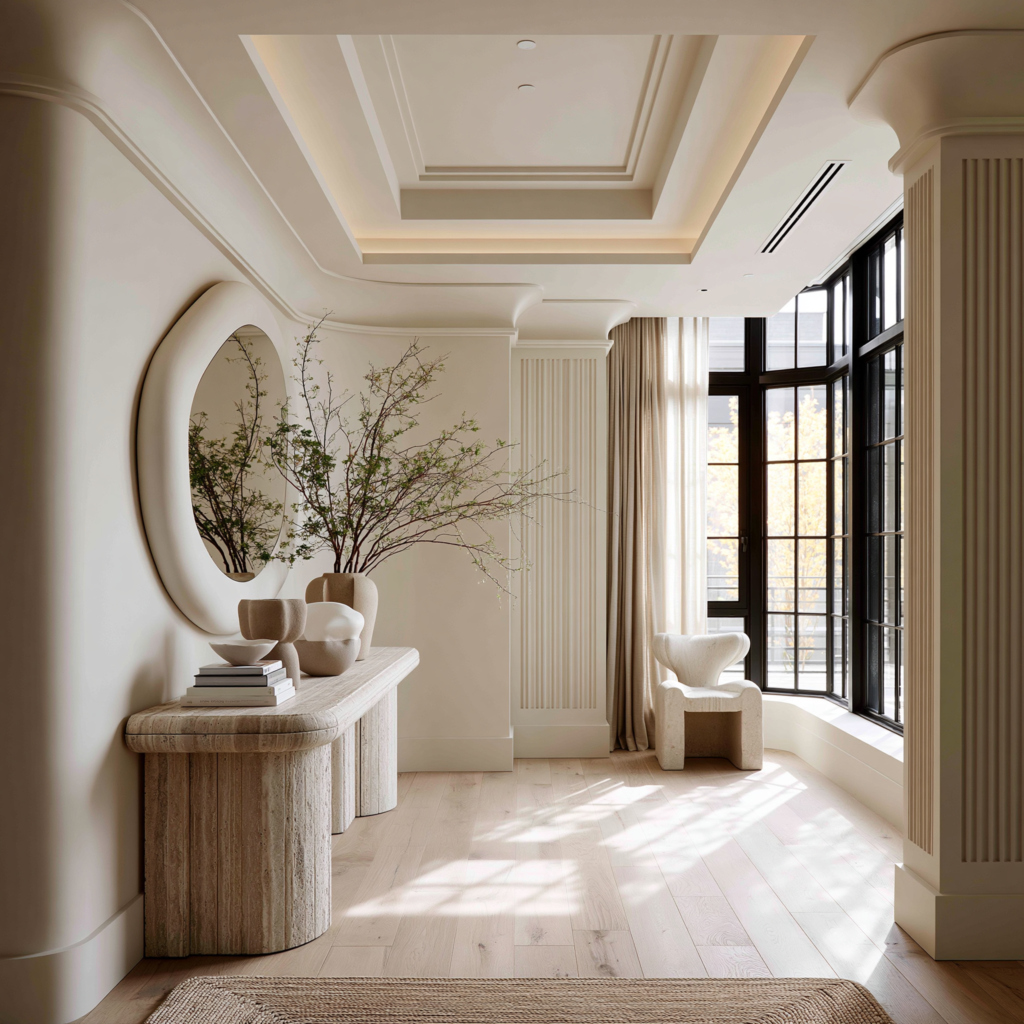
A mirror is ideal when you want to reflect light, make the room feel larger or add a polished focal point. In a hallway, a mirror above a sideboard is both beautiful and practical. It gives people somewhere to check their appearance before leaving the house and helps bounce light through what may otherwise be a narrow or darker space.

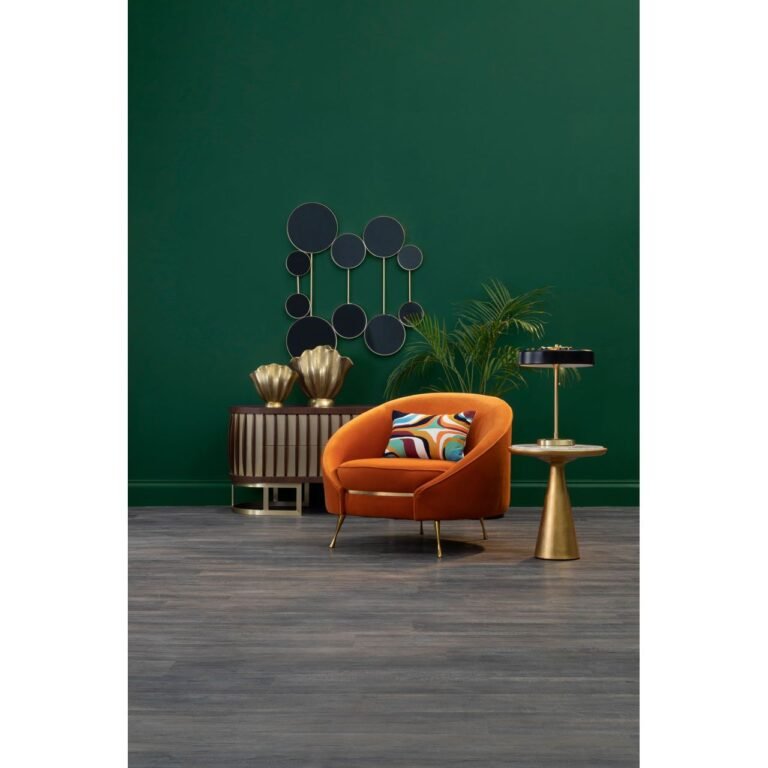
In a living room, a mirror above a sideboard can create elegance, especially when paired with lamps or decorative objects. A large round mirror can soften a long rectangular sideboard, while a tall mirror can add height to a room with lower ceilings. An antique-style mirror can bring character, while a slim black or brass-framed mirror feels more contemporary.

Artwork creates a different mood. It feels more personal and editorial. A large framed piece above a sideboard can make the area feel curated, almost like a gallery wall but with more restraint. You can hang the artwork centrally, lean it casually against the wall or layer a smaller piece in front of a larger one for a more relaxed interior-designer look.

Architectural Digest’s feature on sideboards and credenzas shows how these pieces often become the foundation for art, lamps and decorative styling. The furniture gives the wall weight, while the objects above it complete the composition.

The key is scale. A tiny picture above a large sideboard will look lost. A mirror that is too narrow may feel disconnected. As a general guide, choose artwork or a mirror that feels substantial enough to relate to the width of the sideboard without completely overpowering it.

The anchor tells the eye where to look first. Everything else supports it.


Add Height with Lamps, Vases or Sculptural Pieces

Once you have an anchor, the next step is height. A sideboard is usually long and horizontal, so it needs vertical elements to stop it looking flat. Height can come from table lamps, tall vases, candlesticks, branches, flowers, sculptures or framed artwork.

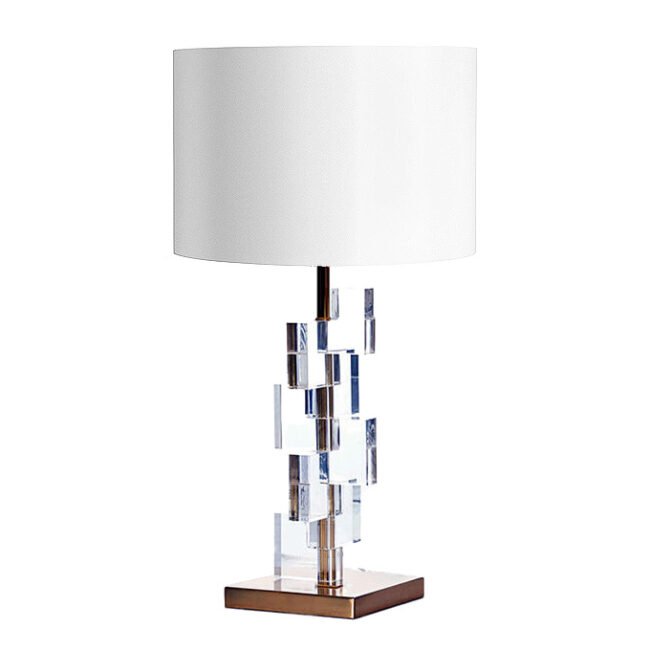
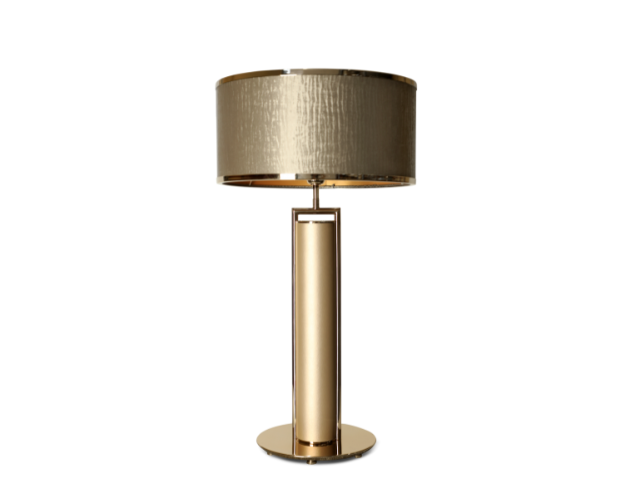
Table lamps are one of the best choices because they add both height and atmosphere. A lamp on a sideboard can completely change the mood of a room in the evening. In a living room, it creates softness. In a dining room, it adds intimacy. In a hallway, it makes the entrance feel warm and considered.

A pair of lamps can create symmetry, which works especially well in formal dining rooms, classic living rooms or hallways. One lamp can feel more relaxed and contemporary, especially when balanced with artwork, a tall vase or another sculptural object.

Vases are also powerful because they add shape. A tall ceramic vase can make a sideboard feel elegant even without flowers. A glass vase with branches can bring height without too much visual weight. Fresh flowers add softness, while dried stems create a more sculptural, long-lasting arrangement.

Designer and stylist guidance often returns to the idea of mixing height, shape and negative space. In a useful sideboard styling guide, the advice is to think about the whole wall, not just the furniture surface, when styling a sideboard as part of a room. This is exactly why height matters. The styling should rise from the sideboard and connect with the wall above it.

Avoid placing several objects of the same height in a row. That can look stiff and uninteresting. Instead, create variation: one tall lamp, one medium vase, one low bowl. This gives the surface rhythm.

Height brings life to the sideboard. Without it, the arrangement can look unfinished.

Layer Books, Bowls and Decorative Objects

After the anchor and height, add the smaller layers. This is where sideboard styling becomes personal.

Books are one of the easiest styling tools because they add colour, texture and a sense of life. A small stack of design books can create a base for a candle, bowl or sculptural object. Books also help lower pieces feel more intentional by giving them height and grounding.

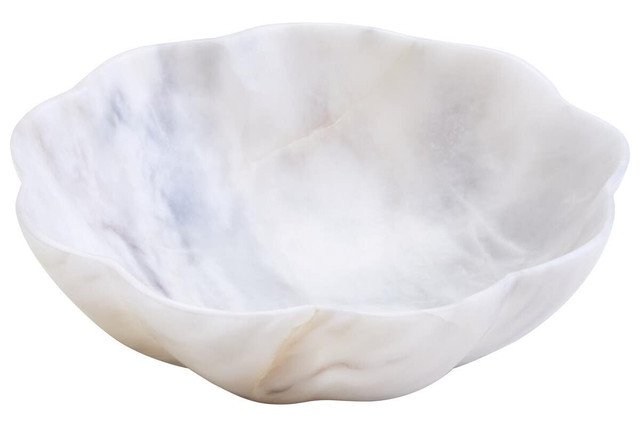
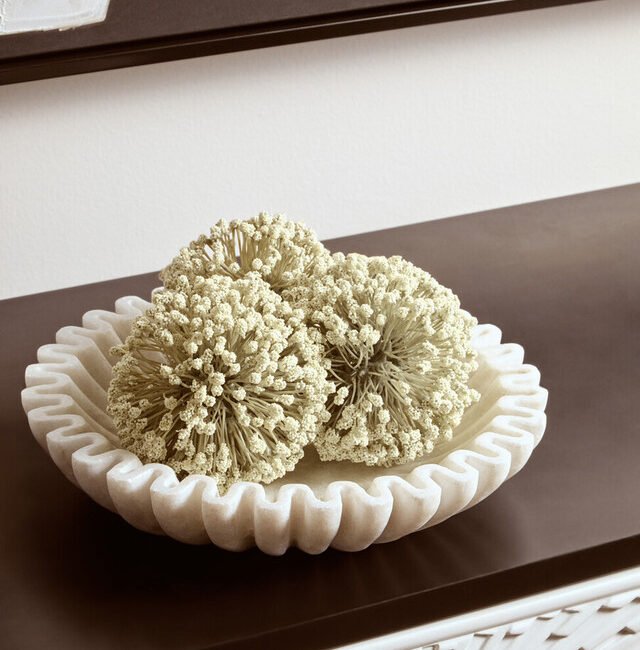
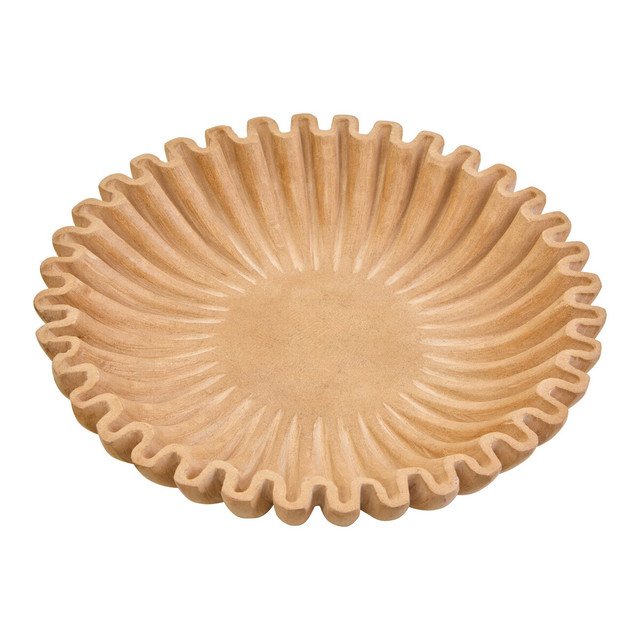
Bowls and trays are useful because they gather smaller items. On a hallway sideboard, a tray can hold keys, sunglasses or letters. In a dining room, a bowl can hold fruit, napkins or decorative objects. In a living room, a tray can group candles, matches or small ceramics.

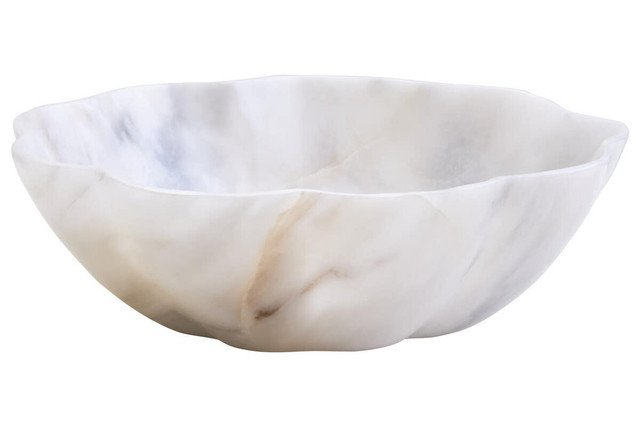
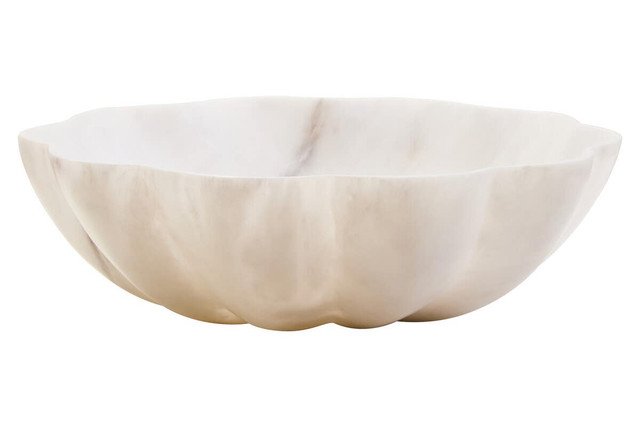
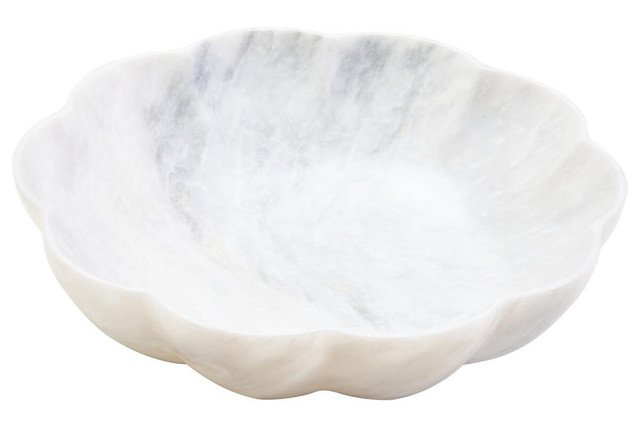
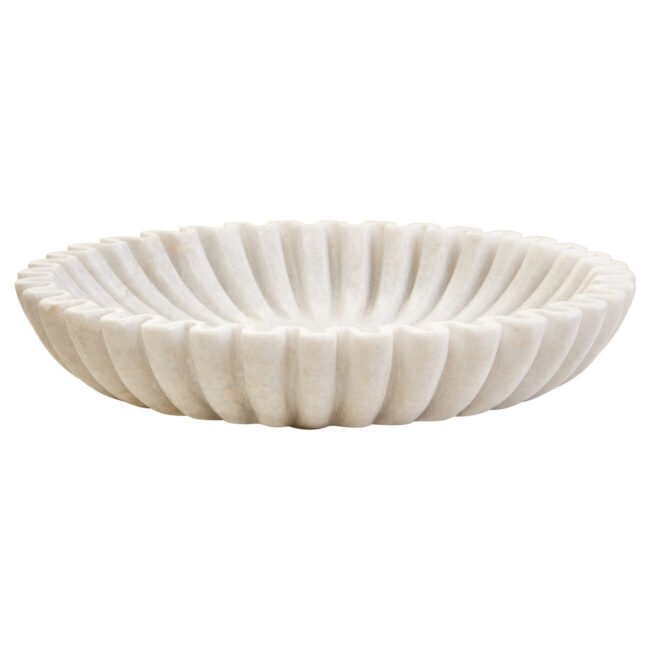
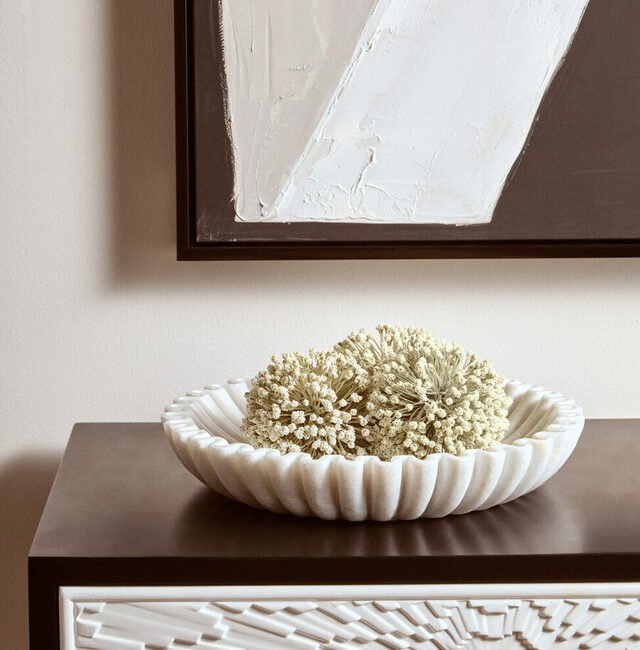
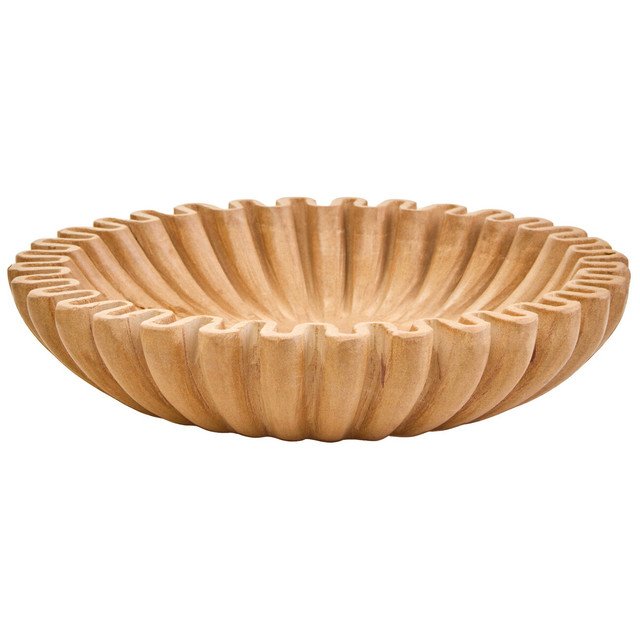
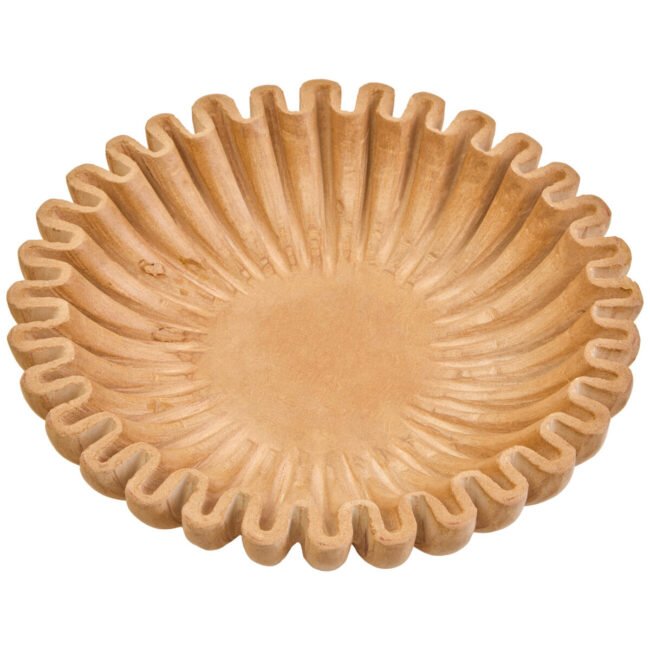
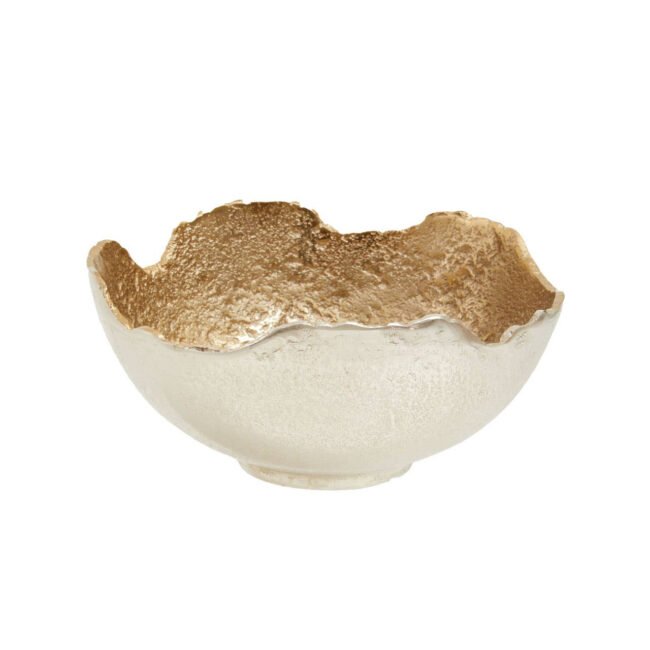
Decorative objects should be chosen with restraint. One sculptural piece is often more effective than five small ornaments. Look for pieces with interesting shape, material or meaning: a ceramic vessel, a carved wooden object, a glass bowl, a stone sculpture, a candle holder or a framed photograph.

Livingetc’s feature on side table decor ideas from interior designers is useful here because many of the same principles apply to sideboard decor: vary the height, think about proportion and avoid overcrowding. A sideboard gives you more surface area than a side table, but it still needs editing.

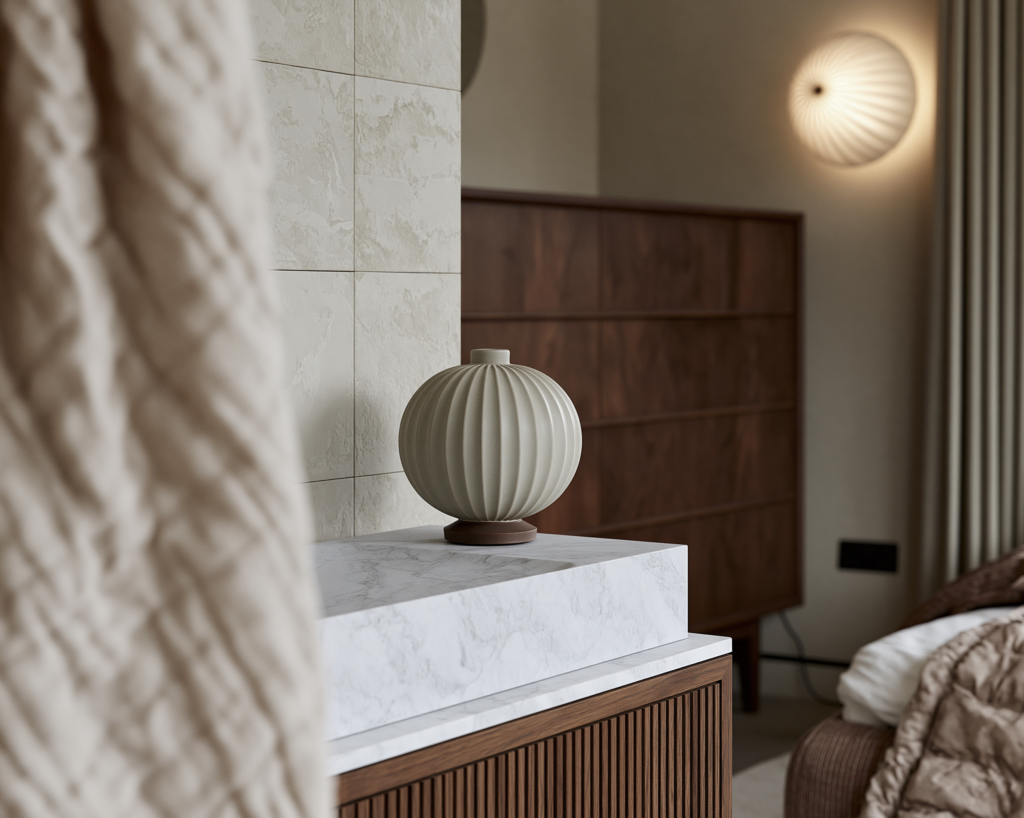
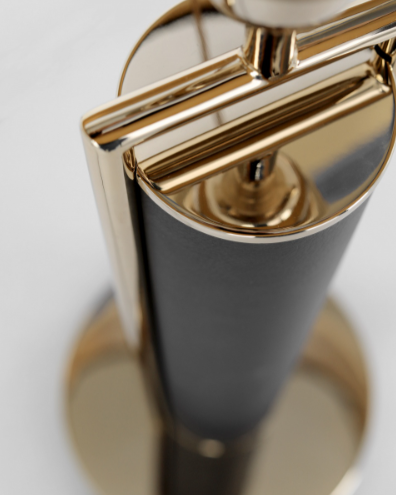
Texture is important. If your sideboard is wood, add contrast with glass, ceramic, metal or stone. If the sideboard is black, add warmth with brass, books or soft lighting. If the sideboard has a marble top, keep the styling refined so it does not compete with the stone.

The best decorative layers do not feel random. They should look like they belong together, either through colour, material, mood or shape.


How to Style a Living Room Sideboard

Living room sideboard decor should feel both beautiful and relaxed. This is not usually the place for overly formal styling unless the room itself is very traditional. A living room sideboard should support everyday life while making the space feel more polished.

Start by deciding the role of the sideboard. Is it under a television? Beneath artwork? Behind a sofa? Opposite the main seating area? Its position will affect how you style it.

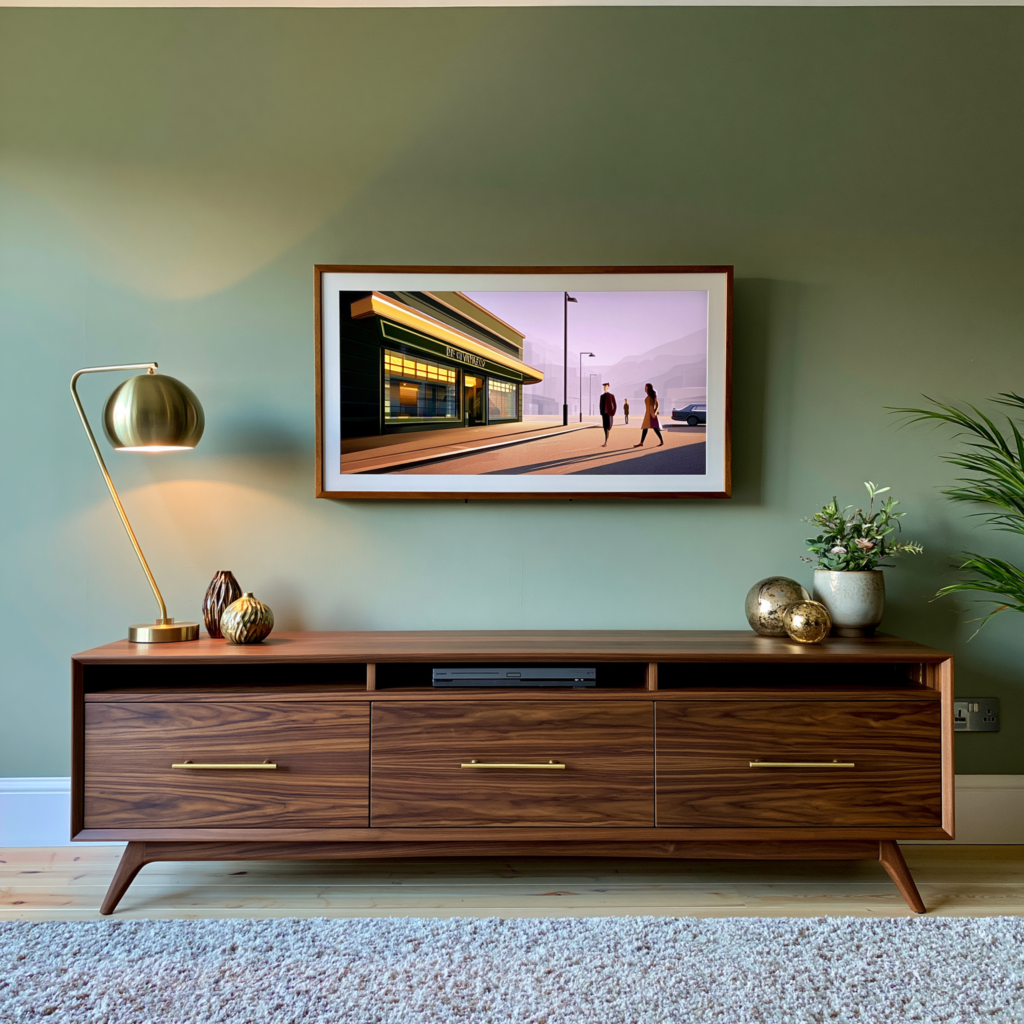
If the sideboard sits beneath a television, keep the styling low and balanced so it does not compete with the screen. Use a low bowl, a stack of books, a small plant or a pair of subtle objects. Avoid tall vases or lamps that block the view.

If the sideboard sits under artwork or a mirror, you can create a more decorative arrangement. A lamp on one side, books in the centre and a vase on the other side can feel balanced without being too symmetrical. For a more formal look, use matching lamps on both sides. For a more modern look, use one lamp and one sculptural object.

A living room sideboard is also a good place to add warmth through lighting. Many living rooms rely too heavily on ceiling lights, which can make the space feel flat. A sideboard lamp adds a lower layer of light and makes the room feel softer in the evening.

When styling, think about the rest of the living room. If your coffee table already has many objects, keep the sideboard quieter. If the room feels sparse, the sideboard can carry more styling. If the sofa is neutral, add texture or colour through the objects on the sideboard.

A living room sideboard should make the room feel finished, not staged.

How to Style a Sideboard: Designer Tips for Living Rooms, Dining Rooms and Hallways

How to Style a Dining Room Sideboard

A dining room sideboard has two lives. On ordinary days, it is a styled surface. When entertaining, it becomes a practical serving area. The best dining room sideboard styling allows for both.

For everyday styling, begin with lighting. A lamp on a dining room sideboard makes the room feel warmer and more intimate, especially in the evening. If the sideboard is long enough, a pair of lamps can create symmetry and elegance.

Next, add artwork or a mirror. A mirror works beautifully in a dining room because it reflects candlelight, glassware and the table setting. Artwork can make the room feel more personal and less formal.

Then add practical beauty. A bowl, tray, candlesticks, ceramic vase or glass decanter can all feel natural on a dining room sideboard. These objects connect to the purpose of the room without making the surface look like storage.

A sideboard buffet cabinet can also be styled with items you actually use: serving bowls, wine glasses, linen napkins or a beautiful pitcher. The key is to edit them. Display the most attractive pieces and hide the rest inside the cabinet.

For entertaining, leave enough empty space on the top. This is one of the most common mistakes with dining room sideboard styling. If every inch is filled with decor, there is nowhere to place dishes, drinks or desserts when guests arrive. A sideboard should look beautiful, but it should still function.

For a luxury dining room, combine candlelight, glass, metal and one strong floral arrangement. For a relaxed dining space, use ceramics, cookbooks, natural wood and a simple lamp. For a modern dining room, keep the styling minimal and sculptural.

The best dining room sideboard feels ready for both everyday life and special occasions.


How to Style a Hallway Sideboard

A hallway sideboard is often the first styled moment people see when they enter your home. It sets the tone before they reach the living room, kitchen or dining space. Because of that, hallway sideboard ideas should combine function with atmosphere.

Start with a mirror. In most hallways, a mirror above the sideboard is practical and visually helpful. It reflects light, makes the space feel larger and gives the entrance a polished focal point.

Then add lighting. A table lamp on a hallway sideboard can make the entrance feel warm and welcoming, especially in the evening. If the hallway is narrow, choose a slim lamp or wall light nearby so the surface does not feel crowded.

Next, add a tray or bowl for everyday items. Keys, letters and sunglasses need somewhere to go. A beautiful tray turns practical clutter into something more organised. Without a tray, these items can quickly make the hallway look messy.

Add one personal or decorative object. This could be flowers, a sculptural vase, a candle, a framed photograph, a ceramic bowl or a small stack of books. The hallway should feel considered, but not overloaded.

If the sideboard is in a narrow space, keep the depth slim and the styling vertical. Avoid large objects that project too far into the walkway. A tall mirror, slim lamp and small bowl may be enough.

Hallway sideboard styling should feel welcoming. It is not just about impressing guests. It is about creating a calm, beautiful moment every time you come home.

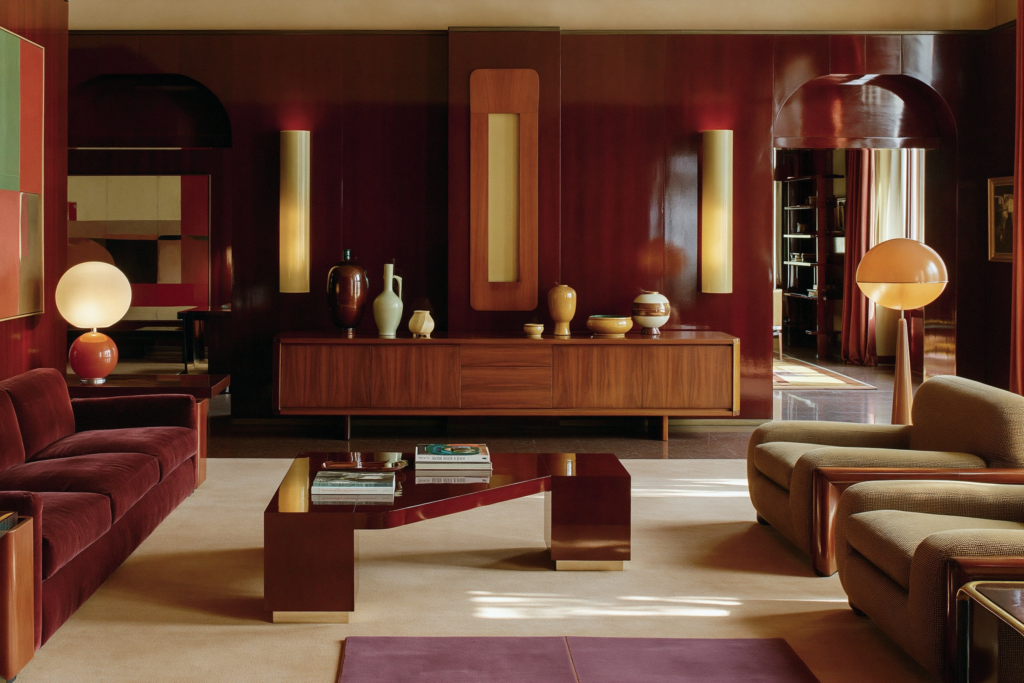
Marble Side Table in a Luxury Interior

How to Style a Sideboard for a Luxury Look

A luxury sideboard look is not about filling the surface with expensive objects. It is about restraint, proportion and materials.

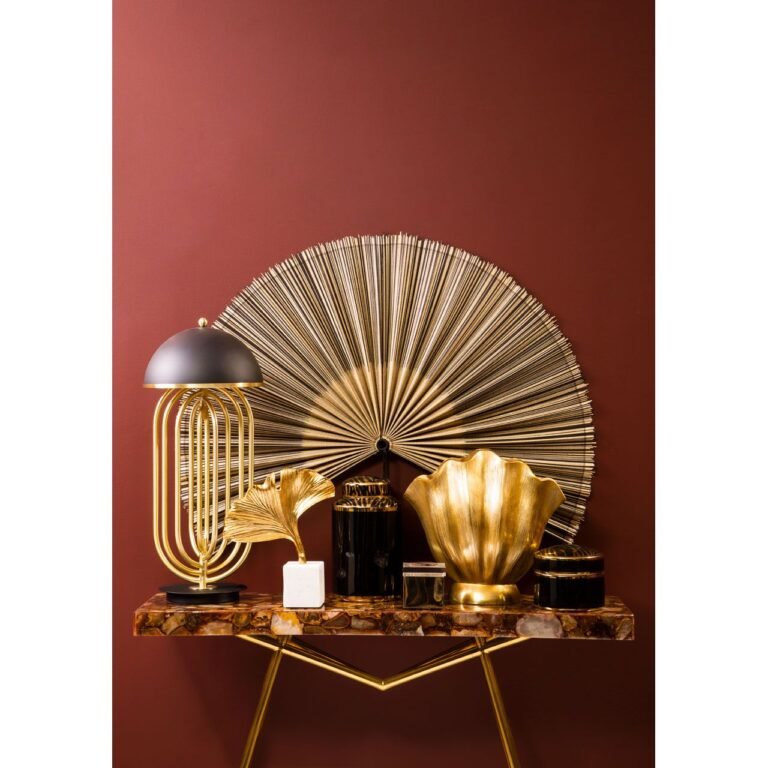
Start with fewer, better pieces. A large statement lamp will often look more luxurious than several small accessories. One beautiful vase can be stronger than a group of unrelated ornaments. A large framed artwork can make the whole sideboard feel more expensive than a cluttered gallery wall.

Choose materials that feel rich. Marble, brass, bronze, ceramic, glass, dark wood, lacquer, linen lampshades and textured stone all work well. The key is to mix hard and soft finishes. A marble sideboard with a fabric lampshade feels warmer than marble with only metal and glass. A walnut sideboard with a ceramic vase and brass lamp feels layered and elegant.

Think about negative space. Luxury interiors often allow objects room to breathe. Do not cover the entire surface. Leave space between objects so the sideboard itself can be seen.

Use lighting carefully. A lamp can make a sideboard look far more expensive because it creates atmosphere. Warm light softens the objects, adds shadow and gives the room depth.

Keep the colour palette controlled. You do not need everything to match, but the objects should feel harmonious. Choose two or three main tones and repeat them. For example, black, cream and brass. Or oak, white ceramic and soft green. Or walnut, amber glass and warm bronze.

A luxury sideboard should feel calm, confident and edited.


What to Avoid When Styling a Sideboard

The first thing to avoid is clutter. A sideboard is a large surface, but that does not mean every part of it needs to be filled. Too many objects can make the room feel messy, even if each object is beautiful on its own.

The second mistake is using objects that are all the same height. This makes the styling look flat. Vary the height with lamps, artwork, vases, books and bowls.

The third mistake is ignoring the wall above the sideboard. The surface and wall should work together. If the wall is empty, the sideboard may look unfinished. If the wall is too busy, the whole area may feel overwhelming.

The fourth mistake is making everything too symmetrical. Symmetry can be elegant, especially with lamps, but too much symmetry can feel stiff. Balance does not always mean identical objects on both sides.

The fifth mistake is choosing accessories that have no relationship to the room. A sideboard should reflect the colour, material and mood of the space. If the objects feel random, the styling will feel disconnected.

The sixth mistake is forgetting function. In a hallway, you may need a tray for keys. In a dining room, you may need space for serving. In a living room, you may need storage for everyday items. A beautifully styled sideboard that does not support real life will not stay beautiful for long.

The seventh mistake is using only tiny accessories. Small objects can work, but they need support from larger pieces. Without an anchor, the styling can look scattered.

A well-styled sideboard should feel edited, balanced and useful.

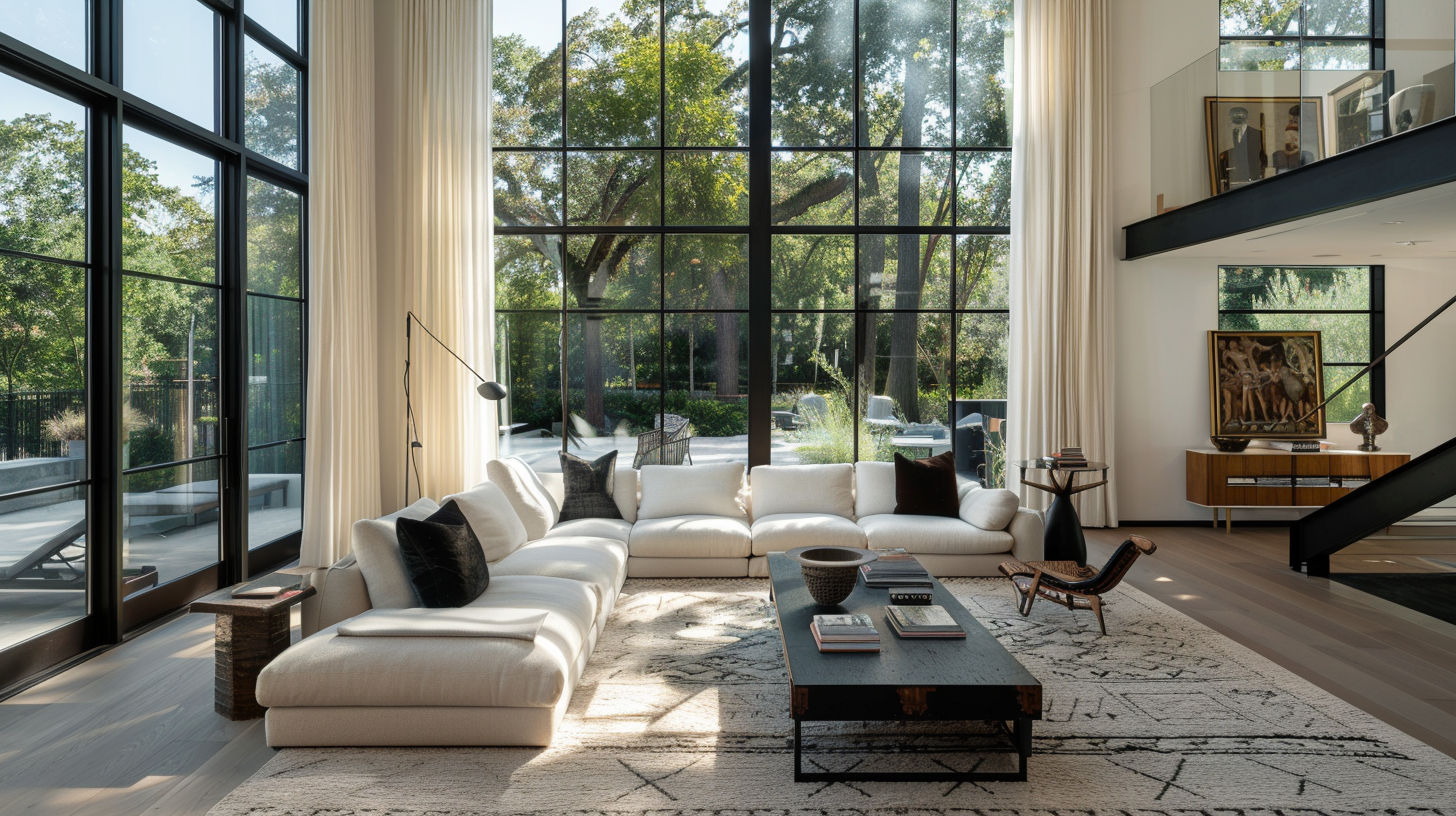
sofa side table beside luxury sofa

Final Thoughts: Let the Sideboard Breathe

Learning how to style a sideboard is really about learning how to balance beauty with usefulness. A sideboard gives you storage, but it also gives you an opportunity to create atmosphere. It can hold a lamp that warms the room, a mirror that reflects light, a vase that softens the wall, or artwork that makes the space feel more personal.

The best sideboard styling does not feel forced. It feels collected, intentional and calm. It starts with the room, uses an anchor, adds height, layers texture and leaves enough space for the furniture to breathe.

In a living room, a sideboard can make the space feel more layered. In a dining room, it can make entertaining feel more elegant. In a hallway, it can create a welcoming first impression. In every room, it can turn a blank wall into a finished design moment.

A sideboard should not simply store what you own. It should help tell the story of your home.
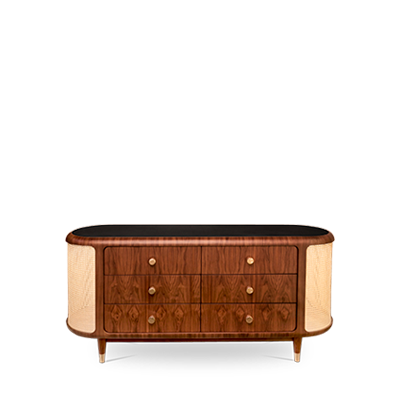
 

FAQs About Styling a Sideboard

What should I put on a sideboard?

A sideboard can be styled with a mirror or artwork, table lamps, vases, books, trays, bowls, candles, flowers and sculptural objects. The key is to vary the height and texture while leaving some empty space.
Should a mirror go above a sideboard?

Yes, a mirror works beautifully above a sideboard, especially in hallways, dining rooms and darker living rooms. It reflects light, adds height and creates a strong focal point.
How do you style a sideboard in a living room?

For living room sideboard decor, start with artwork or a mirror, add a lamp for warmth, then layer books, a bowl, vase or sculptural object. Keep the styling connected to the rest of the room.

How do you style a dining room sideboard?

A dining room sideboard should be both beautiful and practical. Use lamps, artwork, candlesticks, glassware, ceramics or a vase, but leave enough empty space for serving when entertaining.

How do you style a hallway sideboard?

For hallway sideboard ideas, use a mirror, lamp, tray for keys and one decorative object such as flowers, a vase or a candle. Keep the surface useful and uncluttered.
How do you make a sideboard look expensive?

Use fewer, better pieces. Add a large lamp, artwork or mirror, mix materials such as brass, marble, ceramic and glass, and leave negative space. Warm lighting also helps a sideboard look more luxurious.

Should sideboard decor be symmetrical?

It can be, but it does not have to be. Symmetry works well for formal rooms, especially with matching lamps. For a more relaxed look, use balanced but different objects on each side.

How do I stop my sideboard looking cluttered?

Edit the surface. Use one anchor, one tall object, one or two lower pieces and a small tray if needed. Avoid filling every inch. Negative space is what makes sideboard styling look intentional.

luxury sideboard styling ideas
What do you think?
Leave a Reply

Blog

Get fresh home inspiration and helpful tips from our interior designers

top
1
    1
    Your Cart
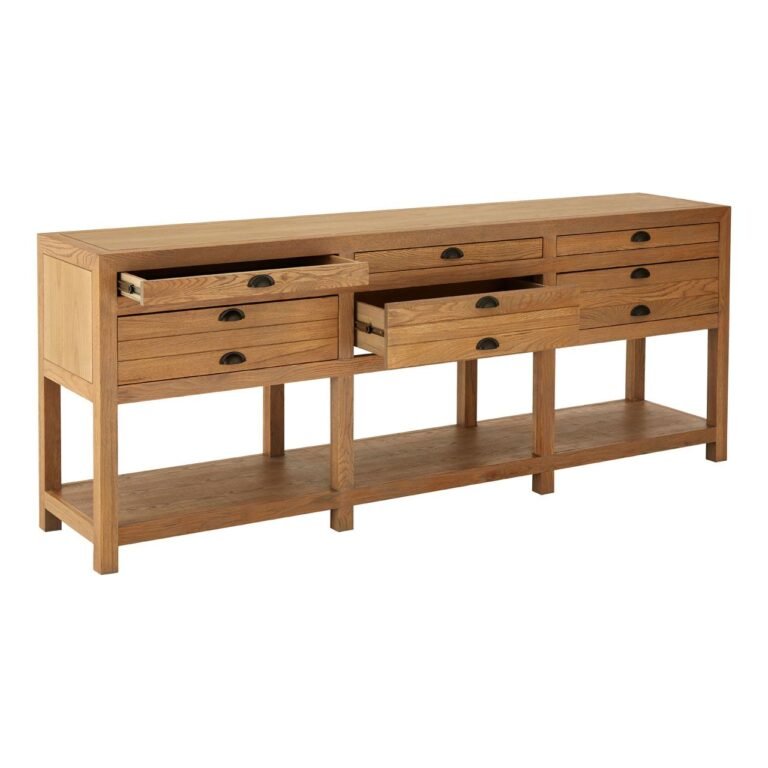
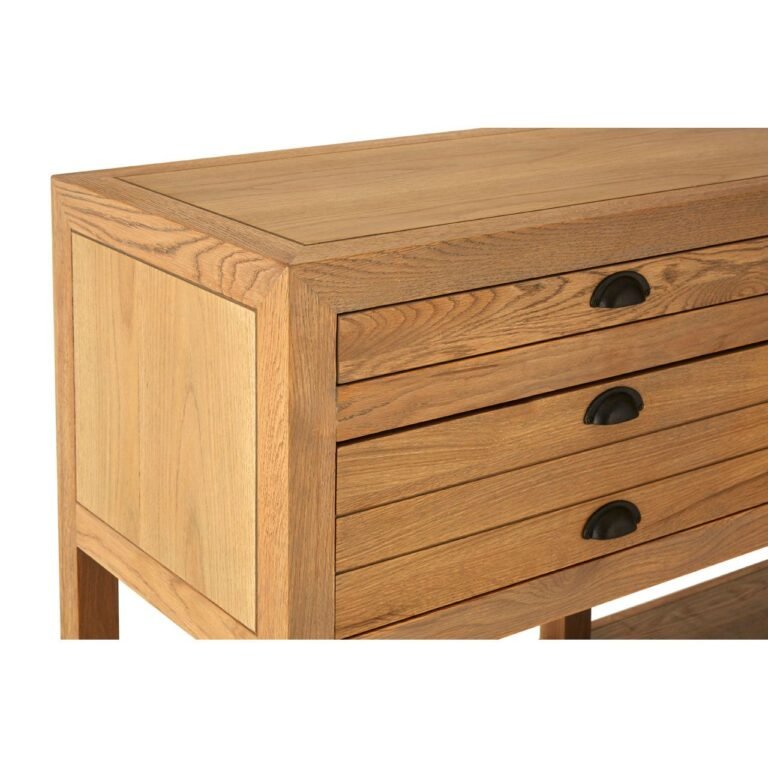
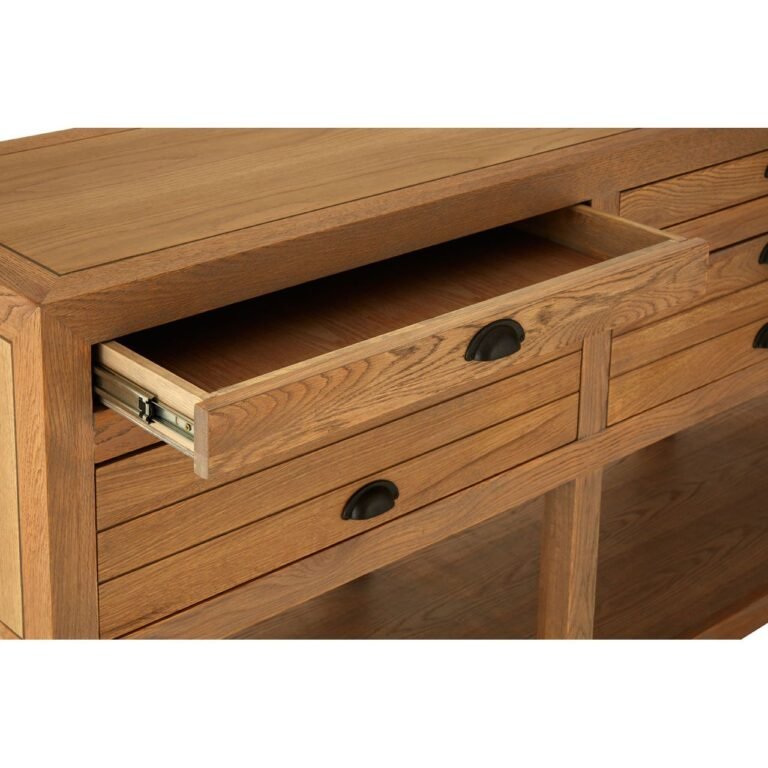
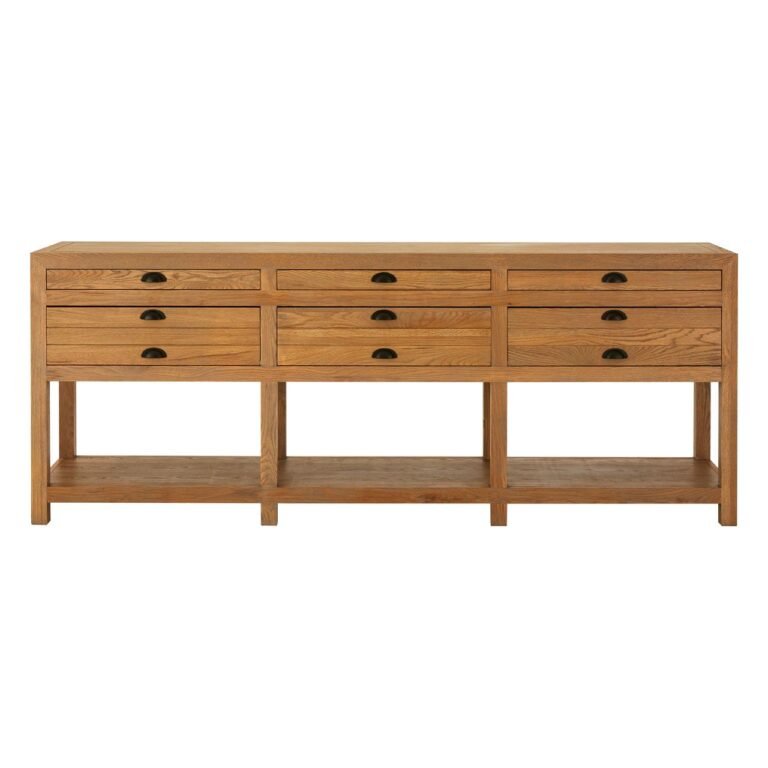
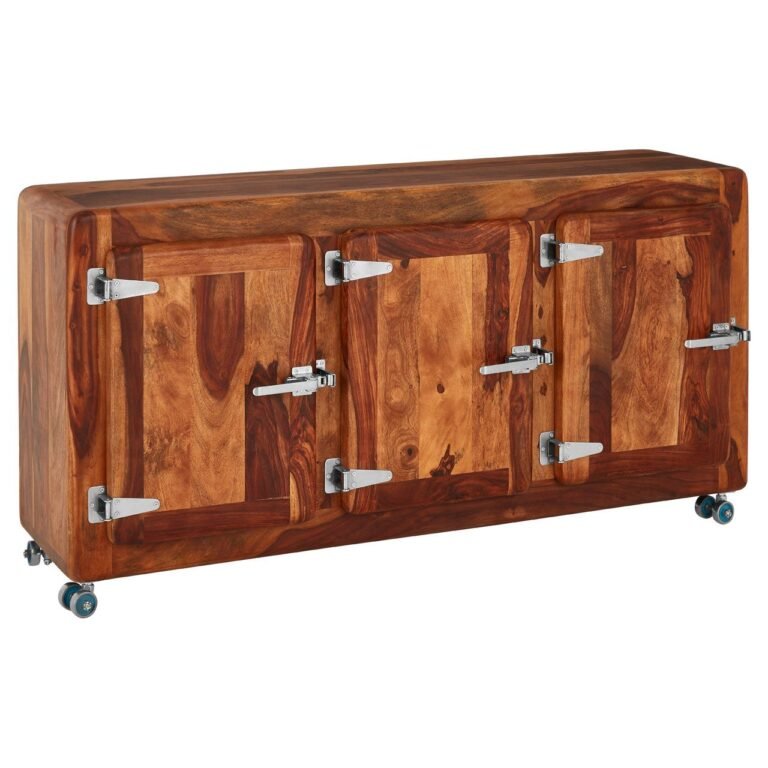
    Heathcliff Sideboard Remove
    Heathcliff Sideboard
    Qty: 1
    Price: £714
    £714

    Inactive

    Privacy Overview

    This website uses cookies so that we can provide you with the best user experience possible. Cookie information is stored in your browser and performs functions such as recognising you when you return to our website and helping our team to understand which sections of the website you find most interesting and useful.