Narrative Maximalism: How to Tell Your Story Through Décor

Narrative Maximalism

Designing Homes That Feel Like Memory, Look Like Art, and Live Like Love Letters to Yourself

There’s a particular kind of emptiness that comes from living in a beautiful room that tells you nothing about who lives there. You’ve seen these spaces—pristine, professionally styled, perfectly aligned with whatever aesthetic currently dominates design feeds. The muted neutrals. The statement light fixture everyone bought last season. The coffee table books arranged just so, spines facing outward, titles chosen for visual harmony rather than actual reading. These rooms photograph beautifully. They might even win design awards. But they don’t answer the most fundamental question a home should address: Who are you?

We’ve spent the better part of a decade worshipping at the altar of minimalism, stripping our spaces down to their essential elements, Marie Kondo-ing our possessions into oblivion, and learning to live with less. The philosophy had merit—clarity, breathing room, freedom from excess. But somewhere along the way, many of us went too far. We discarded not just clutter, but memory. Not just excess, but evidence of our lives. We created homes that looked like hotel lobbies: beautiful, calm, and utterly anonymous.

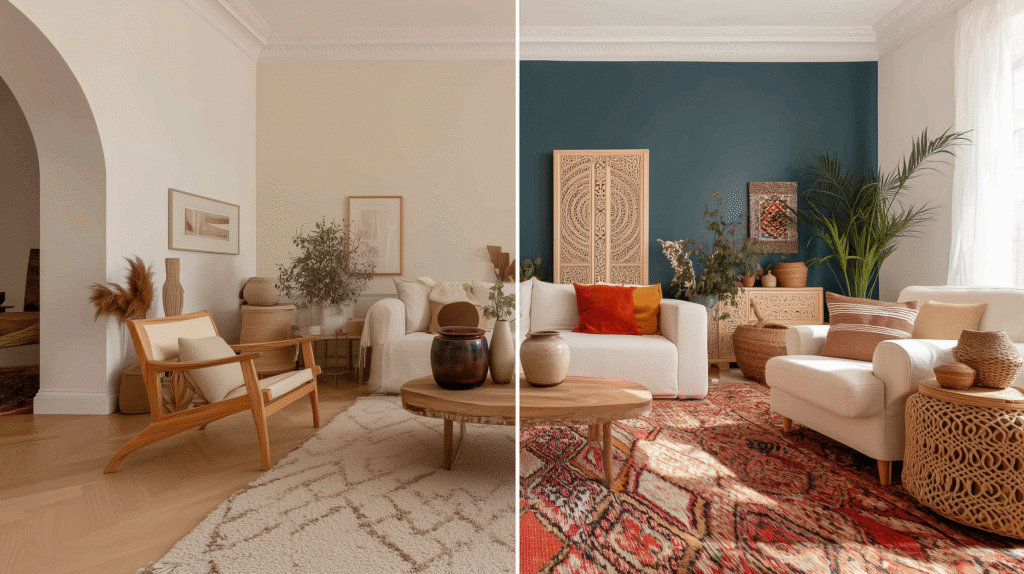
Enter Narrative Maximalism—a design philosophy that reclaims the home as a living archive of personal history, cultural identity, and lived experience. This isn’t about filling every surface until your space screams for mercy. It’s not about hoarding trends or collecting objects simply because you can. Narrative Maximalism is the intentional, thoughtful layering of meaningful elements that, together, tell your story. It’s maximalism with purpose. Abundance with intention. Visual richness that comes from depth of meaning rather than volume of stuff.

This approach recognizes that our homes should function as three-dimensional autobiographies—spaces where every carefully chosen object, every layer of pattern, every unexpected color combination serves as a chapter in an ongoing story. It’s design as memoir. Décor as dialogue. And in an era of increasing digital disconnection and cultural homogenization, it offers something profoundly human: the radical act of living among things that remind you of who you are.

In this comprehensive guide, we’ll explore how to transform your space into a meaningful narrative through intentional design choices. These topics will examine the foundational philosophy of Narrative Maximalism and distinguish it from chaotic excess or trend-driven accumulation. We’ll uncover why this approach resonates so powerfully in our current cultural moment, addressing post-minimalism fatigue, the hunger for authentic identity expression, and our collective need for emotional grounding. You’ll discover the psychological benefits of living among story-driven objects and how meaningful environments support mental well-being in ways that merely beautiful spaces cannot.

We’ll dive deep into the core design elements that make Narrative Maximalism work—from curating objects that function as autobiography to creating layered wall narratives that communicate personal history. You’ll learn how to use color and pattern as emotional language, layer textures that evoke memory and warmth, choose furniture that acts as character rather than just function, and employ lighting to emphasize your narrative. We’ll tackle the crucial balance between display and restraint, helping you understand what earns a place in your story and what doesn’t.

Practical strategies will guide you whether you’re starting from scratch, transitioning from minimalism, renting your space, or working within a tight budget. We’ll identify common pitfalls—overcrowding, trend infiltration, performative authenticity—and show you how to avoid them. Room-by-room approaches will demonstrate how different spaces in your home can tell different chapters of your story, and we’ll examine how Narrative Maximalism honors diverse cultural traditions while avoiding appropriation.

By the end, you’ll understand that Narrative Maximalism isn’t just about decorating—it’s about creating a home that evolves as your story unfolds, one that grounds you in memory while making space for who you’re becoming.

Narrative Maximalism: How to Tell Your Story Through Décor

What Narrative Maximalism Actually Means

Narrative Maximalism is the art of creating deeply personal, visually rich interiors where every element contributes to a cohesive story about the inhabitant’s life, values, heritage, and experiences. Unlike conventional maximalism—which often prioritizes visual abundance for its own sake—Narrative Maximalism insists that every piece earn its place through meaning, not just aesthetics.

Think of it as curated autobiography in physical form. The vintage typewriter on your desk isn’t there because typewriters are having a moment on design blogs. It’s there because your grandmother was a journalist who taught you that words matter, and seeing it every day reconnects you to that legacy. The textile draped over your sofa isn’t random boho styling—it’s from the market you discovered during that transformative trip to Marrakech, and it still carries the scent of that journey if you press your face close enough.

This is where Narrative Maximalism diverges sharply from its chaotic cousin, traditional maximalism. The latter can feel overwhelming precisely because it lacks this narrative throughline. Without story as organizing principle, “more” becomes just noise—competing patterns, clashing colors, objects bumping into each other for visual attention without any deeper relationship. Narrative Maximalism, by contrast, creates coherence through meaning. The story holds everything together, allowing for visual complexity that feels intentional rather than accidental.

What Narrative Maximalism Is Not

Let’s be clear about what this philosophy rejects:

  • Trend hoarding: Buying mass-produced “conversation pieces” because they’re Instagram-popular isn’t storytelling—it’s consumption disguised as personality
  • Chaotic clutter: Every surface covered with random objects creates visual noise, not narrative depth
  • Performative maximalism: Designing for other people’s cameras rather than your own comfort undermines the entire premise
  • Forced eclecticism: Throwing together unrelated “interesting” objects without genuine connection produces visual confusion, not layered meaning
  • Shopping as storytelling: Narrative Maximalism can’t be purchased wholesale from a single retailer, no matter how good their aesthetic is

The distinction matters. Narrative Maximalism requires discernment, patience, and genuine self-knowledge. It’s slow design—the opposite of impulse purchases and seasonal refreshes.

Narrative Maximalism: How to Tell Your Story Through Décor

The Post-Minimalism Awakening

After years of aspiring to minimalist perfection, many people have discovered something unsettling: living in beautifully sparse environments can feel emotionally hollow. The promised peace and clarity sometimes arrived with an unexpected companion—disconnection. When you remove all the “extra” stuff, you might also remove the tactile evidence of your relationships, memories, and experiences.

This isn’t an indictment of minimalism itself, which remains valuable for many people. But the internet-era interpretation—the ruthless purging, the nearly identical white-walled apartments, the pressure to own fewer than 100 things—created homes that often looked more like monasteries than lived-in spaces. For creatives, families, and anyone with deep cultural ties or varied interests, this aesthetic began to feel restrictive rather than liberating.

Narrative Maximalism emerges as a response to that restriction. It says: You can have abundance and intention. You can create visual richness and meaningful curation. You don’t have to choose between beauty and personality.

Identity, Culture, and the Need to Be Seen

We’re living through a cultural moment that increasingly values authenticity, representation, and the celebration of specific rather than universal experiences. People want their homes to reflect their actual identities—cultural heritage, family history, creative pursuits, personal passions—not some aspirational lifestyle manufactured by design brands.

For many, Narrative Maximalism offers a way to honor cultural identity that minimalism often erases. The vibrant textiles that reflect your heritage. The religious or spiritual objects that ground your daily practice. The artwork by creators from your community. The cookware that’s been in your family for generations. These items often possess the visual richness, pattern complexity, and color intensity that minimalism categorizes as “too much.” Narrative Maximalism recognizes them as exactly enough—necessary evidence of who you are and where you come from.

Nostalgia and Emotional Grounding

In an increasingly uncertain world, there’s profound comfort in being surrounded by objects that anchor us to meaningful moments, people, and places. Psychologists have long understood that physical objects serve as “memory scaffolding”—tangible prompts that help us access important memories and maintain connections to our past selves.

Narrative Maximalism leverages this psychological reality. It creates homes that function as memory palaces, where every room offers reminders of beloved people, transformative experiences, and values worth preserving. This isn’t about living in the past—it’s about maintaining connection to the full continuum of your story as you move forward.

How Narrative Maximalism Supports Emotional Well-Being

The relationship between our physical environments and mental health has been extensively documented. What’s less discussed is how specifically meaningful environments differ from merely beautiful ones in their psychological impact. Narrative Maximalism creates what environmental psychologists call “restorative environments”—spaces that support emotional regulation, identity affirmation, and psychological well-being.

When you live among objects that tell your story, several things happen:

Identity reinforcement: Seeing physical evidence of your values, accomplishments, relationships, and heritage provides daily affirmation of who you are. This is particularly valuable during periods of transition or challenge, when our sense of self might feel unstable.

Memory preservation: Objects serve as external memory storage, helping us maintain connections to important experiences and people. This becomes especially meaningful as we age or navigate loss.

Emotional continuity: A narrative-rich environment creates threads connecting your past, present, and future selves. The guitar you’ve played since college. The art you bought with your first real paycheck. The blanket your grandmother crocheted. These items create a sense of coherence across time.

Comfort and belonging: Spaces that reflect our authentic selves—rather than aspirational or borrowed aesthetics—produce a deeper sense of home. You’re not performing an identity; you’re inhabiting one.

Research in environmental psychology supports these observations. Studies have shown that personalized spaces—particularly those incorporating meaningful objects and images—correlate with higher life satisfaction, stronger sense of purpose, and better emotional regulation. Narrative Maximalism systematizes this into an intentional design practice.

The Paradox of Choice and Curation

Interestingly, Narrative Maximalism can actually reduce decision fatigue despite appearing to embrace “more.” How? By establishing clear criteria for what belongs in your space. When every item must earn its place through personal meaning rather than passing aesthetic approval, the decision becomes simpler: Does this tell part of my story? Does it connect to something real in my life?

This narrative filter eliminates the overwhelming paralysis that comes from trying to keep up with design trends or achieve some externally defined standard of taste. Your story becomes your standard.

Narrative Maximalism: How to Tell Your Story Through Décor

In Narrative Maximalism, objects function as physical paragraphs in your home’s ongoing story. But not everything deserves that role. The practice requires rigorous curation—keeping things that genuinely matter while releasing those that don’t earn their place.

Storytelling Objects Worth Displaying:

  • Heirlooms and inherited items: Family pieces that carry generational history, even if they’re not conventionally beautiful
  • Travel artifacts: Not tourist souvenirs, but items that genuinely reflect meaningful travel experiences—the handmade ceramic you watched being thrown, the textile you negotiated for in a language you were just learning, the map that got you spectacularly lost
  • Creative output: Your own art, writing, music, or craft—evidence of how you spend your creative energy
  • Books that shaped you: Not decorator volumes chosen for color, but actual books that influenced your thinking, kept you company during difficult times, or represent intellectual journeys
  • Correspondence and ephemera: Letters, postcards, tickets, programs from events that mattered
  • Tools of your crafts: Whatever implements you use to create, whether that’s cooking, woodworking, writing, painting, or gardening

Display Principles:

  • Visibility equals value: If something is too precious to use or see, consider whether it’s serving any purpose in your narrative
  • Context matters: Group related items to strengthen their storytelling power—all your grandmother’s things together, all your pottery from that year you took classes
  • Rotation keeps it fresh: Not everything needs to be out all the time; rotating seasonal or thematic displays keeps your space dynamic
  • Accessibility over preservation: Narrative Maximalism favors enjoying your meaningful objects over preserving them in pristine condition for some hypothetical future

Wall Narratives: Gallery Walls with Purpose

Walls in Narrative Maximalism are storytelling canvases—opportunities to create visual narratives through layered, considered arrangements of art, photographs, and meaningful objects.

The conventional gallery wall has become somewhat formulaic: symmetrical grids, matching frames, coordinated mats, uniform spacing. Narrative Maximalism approaches wall composition more organically, prioritizing narrative flow over perfect symmetry.

Creating Narrative Wall Arrangements:

Start with anchor pieces that represent major story elements—the large-scale artwork from a meaningful period, the portrait of someone important, the map of a significant place. Build outward from these anchors, adding layers that develop the story:

  • Mix frame styles and eras to reflect temporal depth
  • Include three-dimensional objects—not just flat art
  • Vary scale dramatically to create visual interest and hierarchy
  • Overlap frames slightly to suggest connection between pieces
  • Leave some breathing room; not every inch needs filling

Common Mistakes to Avoid:

  • Buying pre-matched “gallery wall sets” undermines the entire premise of personal narrative
  • Spacing things too far apart can make the arrangement feel disconnected rather than layered
  • Including things solely because they “match” rather than because they matter
  • Trying to achieve perfect symmetry often sacrifices storytelling for tidiness

Color and Pattern as Emotional Language

Minimalism taught us to fear color—or at least to approach it timidly, committing to one carefully chosen accent wall while keeping everything else neutral. Narrative Maximalism reclaims color as a fundamental element of storytelling.

Colors carry emotional associations, cultural significance, and personal meaning. The deep green of the forests where you spent childhood summers. The particular shade of blue your mother loved. The warm terracotta of the city where you fell in love. These aren’t just aesthetic choices—they’re narrative ones.

Using Color to Build Story:

  • Personal color vocabulary: Identify colors that genuinely resonate with your experiences and memories rather than whatever’s trending
  • Cultural color significance: Honor colors that hold meaning in your heritage or spiritual practice
  • Layering, not matching: Narrative Maximalism allows colors to live together without perfectly coordinating—the visual tension can actually strengthen impact
  • Emotional temperature: Use warm and cool colors deliberately to create the emotional atmosphere each room’s story requires

Pattern works similarly. The geometric precision of Art Deco tiles might speak to your love of that era’s design philosophy. Organic florals could connect to your grandmother’s garden. Bold stripes might reflect your affinity for mid-century modernism. In Narrative Maximalism, patterns aren’t just visual interest—they’re narrative signifiers.

Pattern Mixing with Intention:

  • Connect patterns through story rather than scale or color matching
  • Vary pattern intensity—not everything should demand equal attention
  • Use solid colors or texture as visual rest between busier patterns
  • Remember that too many competing patterns without narrative connection creates chaos, not depth

Texture: The Tactile Story

Texture might be Narrative Maximalism’s most underutilized storytelling tool. While color and pattern communicate visually, texture engages our sense of touch—creating visceral, emotional connections to space.

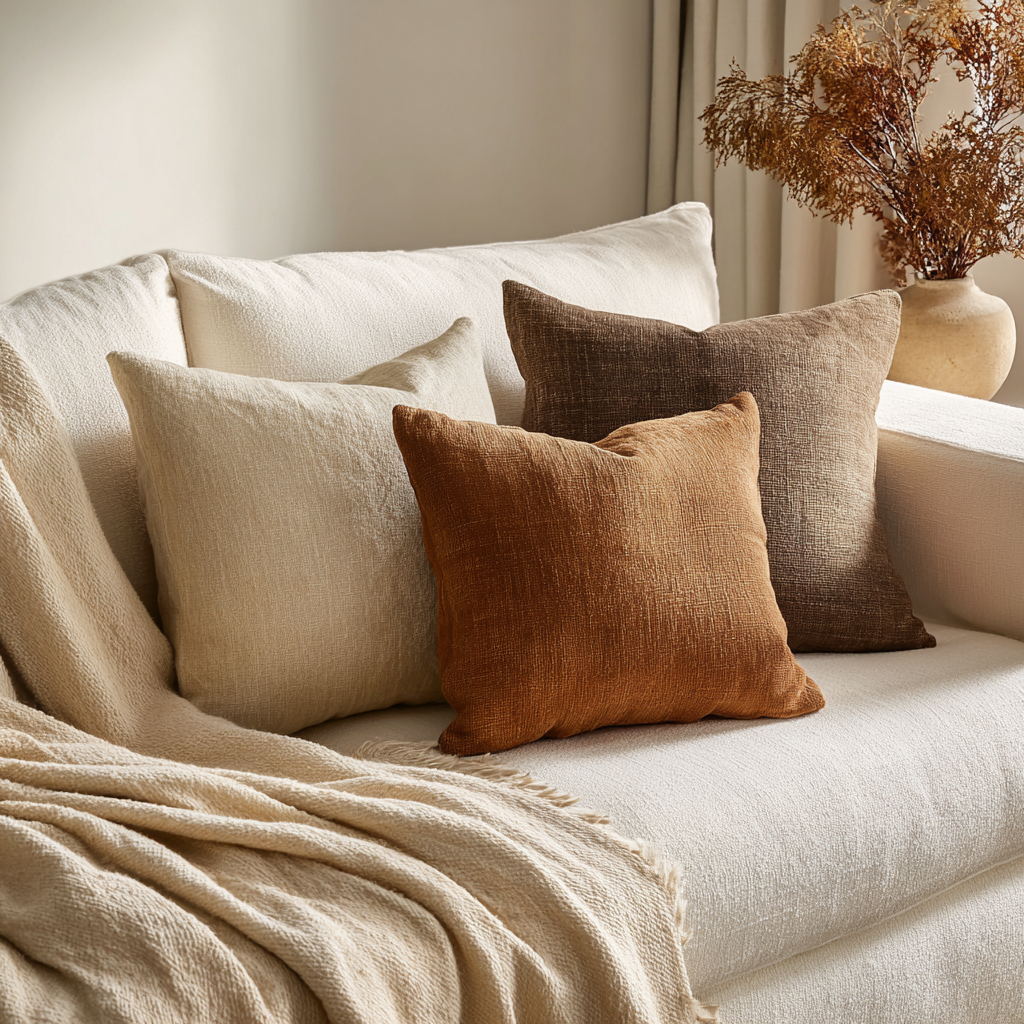
Different textures evoke different memories and associations. The rough grain of reclaimed wood. The smooth coolness of vintage glass. The softness of worn velvet. The crisp linen that reminds you of your favorite hotel. Each texture carries emotional weight and memory potential.

Layering Texture Meaningfully:

  • Natural materials: Wood, stone, clay, fiber—materials that show age and carry history
  • Inherited textiles: Quilts, rugs, embroidered pieces that connect to family or cultural traditions
  • Handmade elements: Objects that show the mark of human hands, imperfections included
  • Time-worn surfaces: Patina, wear patterns, gentle damage that proves something has been loved and used

The goal is creating spaces that invite touch, that reveal themselves differently at different proximities. Narrative Maximalism encourages interaction with your environment—running your hand along the carved detail of an inherited chair, the texture reminding you of the person who sat there before you.

Furniture as Character, Not Just Function

Minimalism often treats furniture as pure function—the necessary scaffolding for life, ideally as invisible as possible. Narrative Maximalism sees furniture as character in your home’s story.

The desk where you wrote your first novel. The dining table inherited from your grandparents, scarred by decades of family meals. The chair you reupholstered yourself, badly at first, then better with practice. The bookshelf built by a friend who was going through their woodworking phase. These pieces aren’t just storing or supporting things—they’re plot points.

Choosing Furniture Narratively:

  • Provenance over perfection: A piece with history often matters more than one that’s pristine
  • Mix eras and styles: Your furniture collection should reflect your actual life, which likely spans multiple periods and influences
  • Modification as story development: Repainting, reupholstering, or repurposing furniture becomes part of its narrative
  • Function serves story: Choose pieces based on how you actually live, not how you think you should live

Lighting: Mood and Narrative Emphasis

Lighting in Narrative Maximalism serves two purposes: practical illumination and narrative emphasis. Just as a film uses lighting to direct attention and create atmosphere, your home’s lighting should highlight important story elements and establish emotional tone.

Narrative Lighting Strategy:

  • Layer light sources: Overhead, task, accent, and ambient lighting create depth and allow flexibility
  • Spotlight meaningful objects: Use directed light to emphasize specific pieces in your narrative
  • Create intimate zones: Lower, warmer light in conversation areas; brighter, cooler light in work spaces

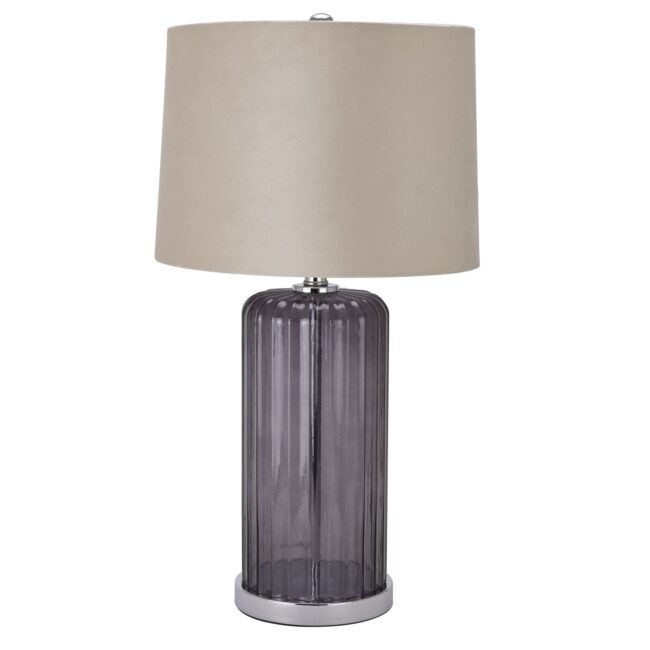
Consider light fixtures as objects: Lamps and fixtures can be meaningful objects themselves—vintage finds, handmade pieces, inherited

Narrative Maximalism: How to Tell Your Story Through Décor

5. The Curation Question: Display Versus Restraint

Perhaps the trickiest aspect of Narrative Maximalism is determining what earns display space and what doesn’t. This is where discipline separates meaningful abundance from overwhelming clutter.

The Editing Process:

Every item in your space should pass certain tests:

  1. The story test: Can you articulate why this matters to your narrative?
  2. The visibility test: If it’s displayed, do you actually see it, or has it become invisible through over-familiarity?
  3. The joy test: Does encountering this object regularly provide genuine positive emotion, or is it just taking up space?
  4. The evolution test: Does this still represent who you are now, or is it residue from an earlier version of yourself?

Strategic Restraint:

Even in Narrative Maximalism, restraint plays a crucial role. Not every surface needs decoration. Not every wall needs art. Negative space allows the eye to rest and individual elements to resonate more powerfully.

Think of it like editing a manuscript—sometimes the most powerful move is deletion. Removing one carefully chosen element can actually strengthen the overall narrative by reducing competition for attention.

Seasonal and Rotational Display:

One solution to the curation challenge is rotation. Not everything meaningful needs to be out simultaneously. Seasonal rotations keep your space feeling fresh while honoring the full scope of your story. Summer might bring out travel mementos and lighter textiles. Winter could emphasize cozier elements and family heirlooms. This approach allows you to live with more meaningful objects than you could comfortably display at once.

Starting from Scratch

If you’re beginning with a relatively blank space, Narrative Maximalism develops gradually. Resist the urge to fill your home quickly with placeholder items. Instead:

  • Begin with non-negotiables: The handful of things you already own that genuinely matter
  • Add slowly and intentionally: Give new items time to prove they belong in your story
  • Embrace incompleteness: Your narrative is always evolving; your space should reflect that ongoing process
  • Source with story in mind: Shop secondhand, inherit, make, commission—prioritize objects with intrinsic narrative value

Transitioning from Minimalism

If you’ve lived minimally and want to reintroduce meaningful complexity:

  • Retrieve selectively: Not everything you previously edited out deserves to return
  • Question the purge: Were you removing clutter or erasing your story? Understand what you actually need back
  • Start with one room: Full-home transformation can be overwhelming; develop your practice in a single space first
  • Find your saturation point: Add until the space feels full of story, then stop—this looks different for everyone

Renter-Friendly Narrative Maximalism

Temporary housing presents unique challenges, but Narrative Maximalism adapts beautifully:

  • Prioritize portable elements: Textiles, art, small furniture, and objects travel easily
  • Use temporary installation methods: Command hooks, tension rods, free-standing solutions
  • Layer on surfaces: When you can’t modify walls or floors, focus on what you place on top of them
  • Create “islands” of narrative: Even if the space’s bones aren’t yours, the life within it can be

Budget-Conscious Storytelling

Narrative Maximalism isn’t about expensive objects—it’s about meaningful ones. Some of the most powerful story-driven spaces contain primarily humble items:

  • Secondhand and inherited: These often carry more story than new purchases
  • DIY and handmade: Creating something yourself imbues it with narrative automatically
  • Free sources: Nature walks, family attics, sidewalk finds, inherited items cost nothing
  • Photography and printing: Your own images printed affordably tell powerful stories
  • Recontextualization: Giving everyday objects thoughtful display elevates their narrative significance
Narrative Maximalism: How to Tell Your Story Through Décor

Overcrowding Without Cohesion

The most common failure mode in Narrative Maximalism is simply having too much stuff without the organizing principle of story. This happens when:

  • You add items because they’re available rather than because they’re meaningful
  • You fail to edit out things that no longer serve your narrative
  • You try to display everything simultaneously instead of rotating
  • You mistake quantity for depth

Solution: Regularly audit your space with the story test. If you can’t articulate why something matters to your narrative, it probably doesn’t belong.

Trend Infiltration

Even with the best intentions, it’s easy to let trend-driven pieces infiltrate your narrative under the guise of personal meaning. You convince yourself that mid-century credenza matters to your story because you like mid-century design, not because it connects to anything genuine in your experience.

Solution: Before acquiring something, wait. If you’re still thinking about it weeks later and can articulate its narrative value, consider it. If you’ve forgotten about it, you didn’t need it.

Performative Authenticity

Designing for Instagram rather than yourself creates spaces that look narrative but feel hollow. This manifests as:

  • Choosing objects because they photograph well rather than because they matter
  • Staging rather than living in your space
  • Prioritizing aesthetic cohesion over genuine meaning

Solution: Limit photography of your space and notice what you enjoy when cameras aren’t present. Those elements probably matter most.

Narrative Stagnation

Your story continues evolving, but your space can become frozen in time if you’re not careful. What mattered five years ago might not resonate now. Narrative Maximalism requires ongoing curation as you change.

Solution: Annual or seasonal reviews. Ask yourself which elements still feel authentic and which have become historical artifacts of earlier selves you’ve outgrown.

Narrative Maximalism: How to Tell Your Story Through Décor

Living Spaces: The Public Narrative

Living and dining areas often host guests, making them natural places for sharing your story with others. These rooms can include:

  • Conversation-starting pieces: Objects that invite questions and storytelling
  • Shared history: Items that reflect relationships and community, not just individual identity
  • Cultural markers: Elements that communicate heritage and values
  • Creative evidence: Books, music, art that reflect your intellectual and creative life

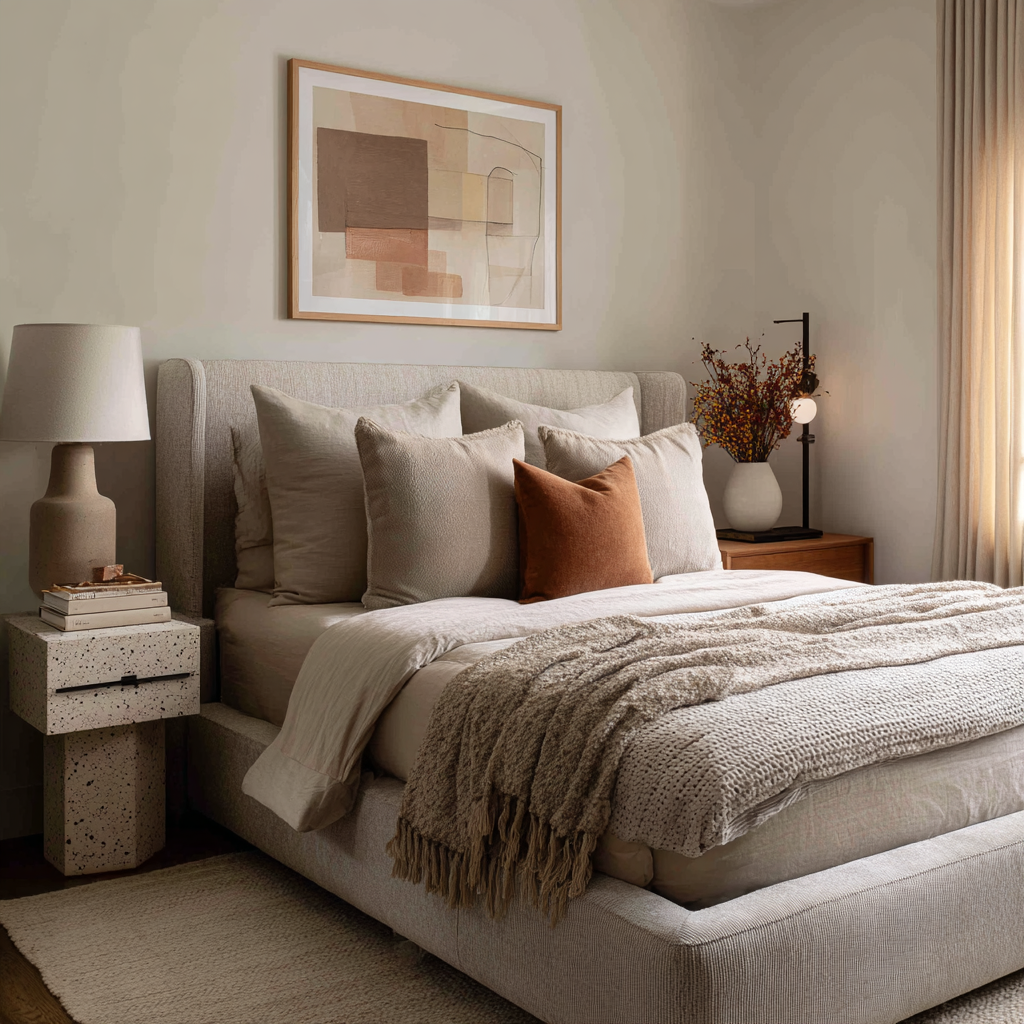
Bedrooms: The Private Story

Bedrooms allow for more intimate, personal narrative expression:

  • Comfort objects: Things that soothe and ground you
  • Dreams and aspirations: Visual reminders of future chapters you’re writing
  • Sensory richness: Textures, scents, lighting that create sanctuary
  • Personal mythology: Images and objects that connect to your private sense of meaning

Workspaces: The Productive Narrative

Home offices and creative spaces benefit from motivating, identity-affirming narratives:

  • Inspirational anchors: Work by people you admire, quotes that drive you
  • Process evidence: Tools, materials, and previous creations
  • Achievement markers: Diplomas, awards, published works, completed projects
  • Focus support: Objects that help you access flow states and productive mindsets

Kitchens: The Nourishment Story

Kitchens tell stories about care, heritage, and daily practice:

  • Cooking heritage: Inherited cookware, family recipe collections, tools passed down
  • Gathered implements: Items collected through cooking adventures and learning
  • Display-worthy tools: Beautiful, well-made implements that deserve visibility
  • Food culture markers: Elements reflecting your relationship with food and nourishment
Narrative Maximalism: How to Tell Your Story Through Décor

One of Narrative Maximalism’s greatest strengths is its fundamental compatibility with diverse cultural approaches to home and belonging. While minimalism often feels culturally specific—emerging from particular Japanese and Scandinavian design philosophies—Narrative Maximalism embraces the reality that most cultures worldwide have rich traditions of meaningful object-keeping, pattern-mixing, and multi-generational household items.

Cultural Authenticity:

Narrative Maximalism encourages bringing your actual cultural background into your home rather than adopting someone else’s aesthetic. This might mean:

  • Honoring ancestral design traditions: Color palettes, patterns, materials, and spatial arrangements from your heritage
  • Religious and spiritual objects: Creating spaces for practice and reminder that reflect your beliefs
  • Language and text: Including writing systems and languages important to your identity
  • Craft traditions: Showcasing textile arts, ceramics, woodworking, or other traditional crafts

Avoiding Appropriation:

Narrative Maximalism’s emphasis on authentic personal story naturally discourages cultural appropriation. If an object or aesthetic element doesn’t connect to your genuine experience or heritage, it probably doesn’t belong in your narrative. Admiration for another culture’s design doesn’t automatically make it part of your story.

Narrative Maximalism: How to Tell Your Story Through Décor

Narrative Maximalism represents more than an interior design trend—it’s a philosophical stance on how we inhabit space and construct meaning in our daily environments. It recognizes that homes serve purposes beyond shelter and aesthetic pleasure. They function as memory palaces, identity laboratories, and physical manifestations of our ongoing self-authorship.

In practice, this means creating spaces that evolve as we do, that reflect not just who we are at this moment but who we’ve been and who we’re becoming. Your home becomes a living archive—not a museum frozen in time, but a dynamic environment that grows and changes as new chapters unfold.

This approach requires more thought than simply shopping a designer’s look or following trend forecasts. It demands self-knowledge, curation skills, and willingness to let your space genuinely reflect your complexity rather than some simplified, marketable version of yourself. But the reward is profound: daily life among objects and arrangements that reinforce your identity, preserve your memories, and honor your full, complicated humanity.

Narrative Maximalism isn’t about achieving perfection or impressing others. It’s about creating honest spaces that feel like home in the deepest sense—places where you recognize yourself in every corner, where your history surrounds you without overwhelming you, where your story is always present but never finished.

Your space should tell the truth about who you are. Not the aspirational truth. Not the performed truth. The actual, lived, complicated, beautiful truth of a life in progress. That’s what Narrative Maximalism offers: permission to live visually among your real story, abundance and all.
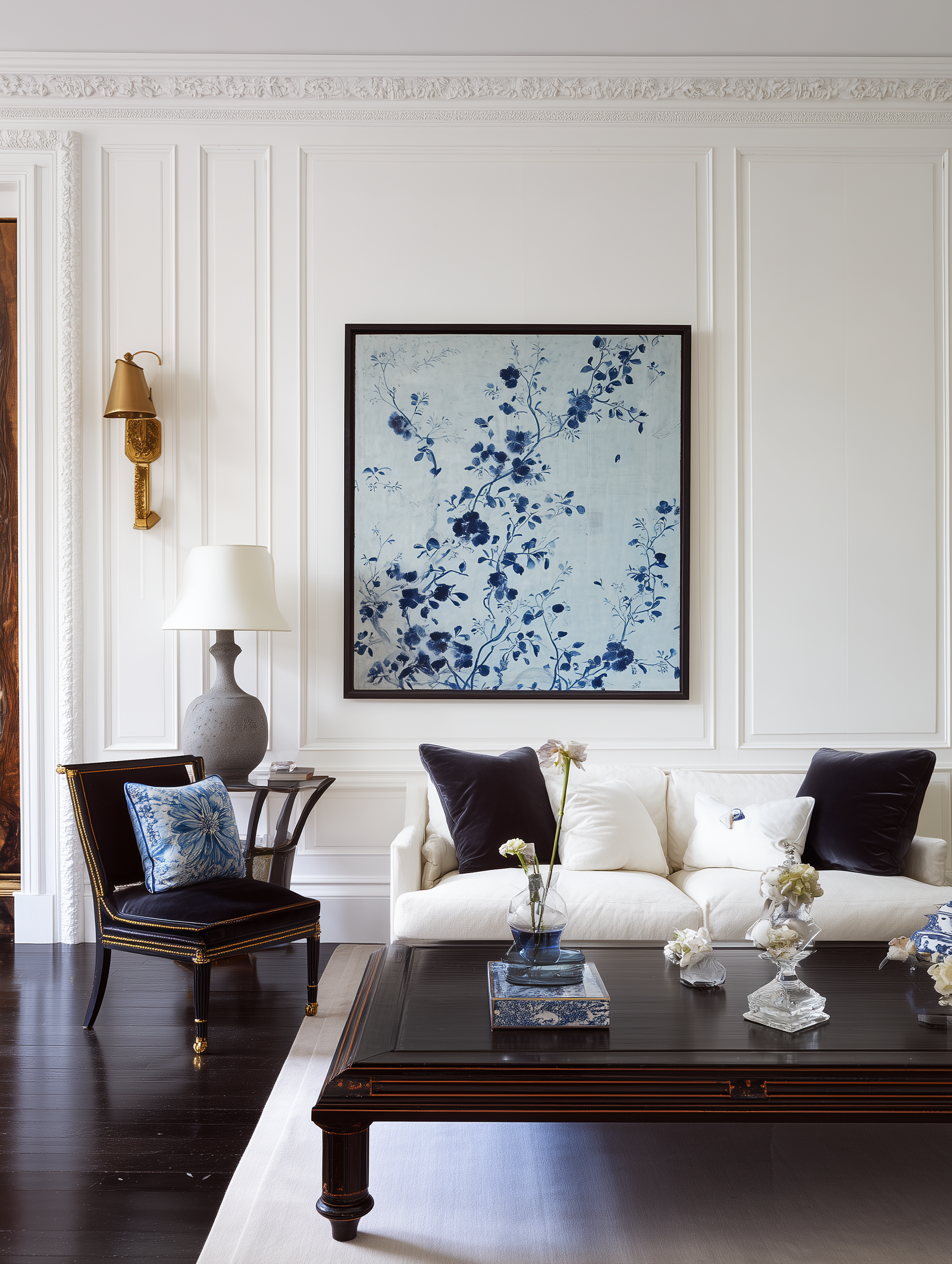
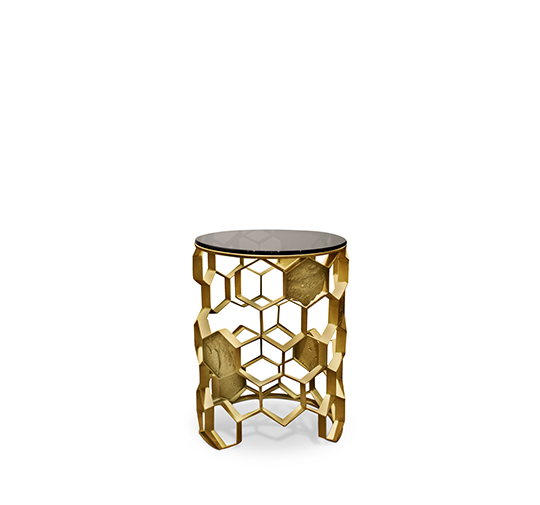
As you develop your own narrative-driven space, remember that there’s no formula, no correct way to do this. Your story is singular. Your home should be too. The goal isn’t to create an Instagram-perfect showcase or win design awards. It’s simpler and more profound: to build an environment that feels unmistakably, undeniably yours—a place where every object whispers, “This is who I am. This is how I got here. This is what matters to me.”

In that recognition lies the deepest kind of belonging: being at home with yourself, surrounded by the evidence of your one irreplaceable life.

What do you think?
Leave a Reply

Blog

Get fresh home inspiration and helpful tips from our interior designers

top
4
    4
    Your Cart
    Abstract Design 35 (BDGA35) Artwork Remove
    £384
    Osie Large Natural And Black Jute Rug Remove
    £200
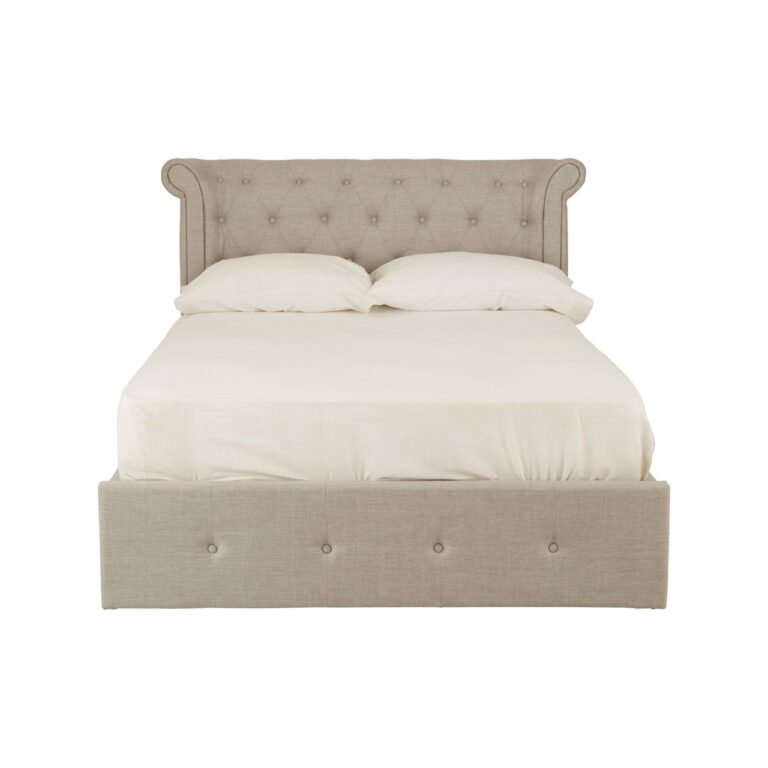
    Addison Light Grey Double Ottoman Bed Remove
    £676
    Alph Two Seat Mink Velvet Sofa Remove
    Alph Two Seat Mink Velvet Sofa
    Qty: 1
    Price: £1,374
    £1,374

    Inactive

    Privacy Overview

    This website uses cookies so that we can provide you with the best user experience possible. Cookie information is stored in your browser and performs functions such as recognising you when you return to our website and helping our team to understand which sections of the website you find most interesting and useful.