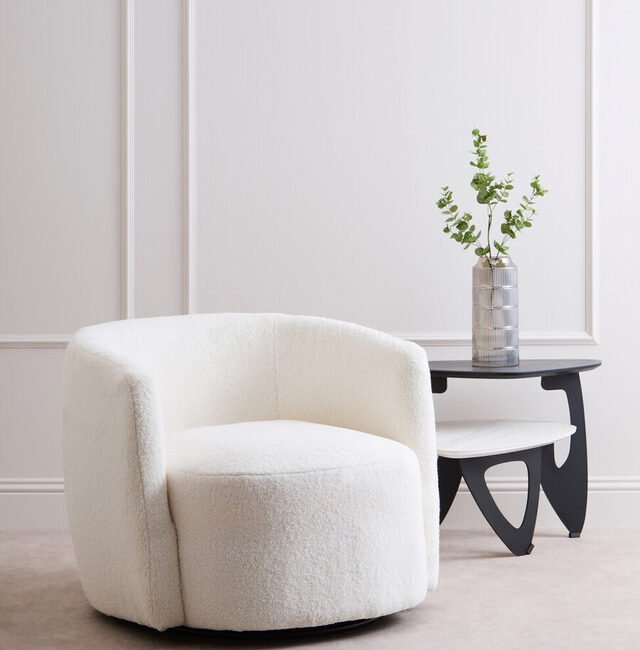
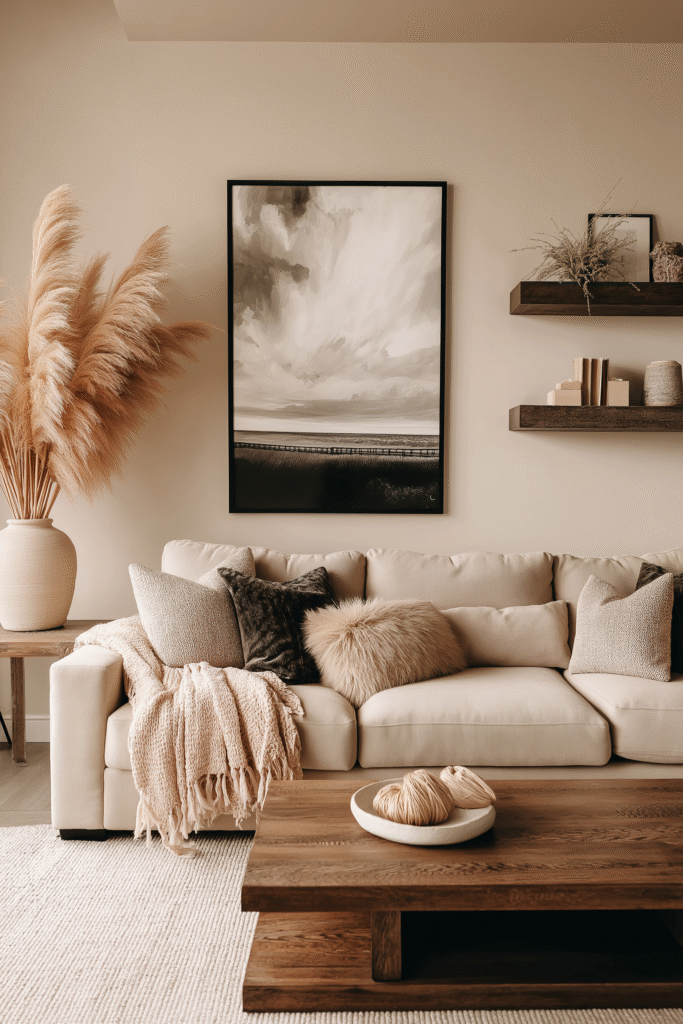
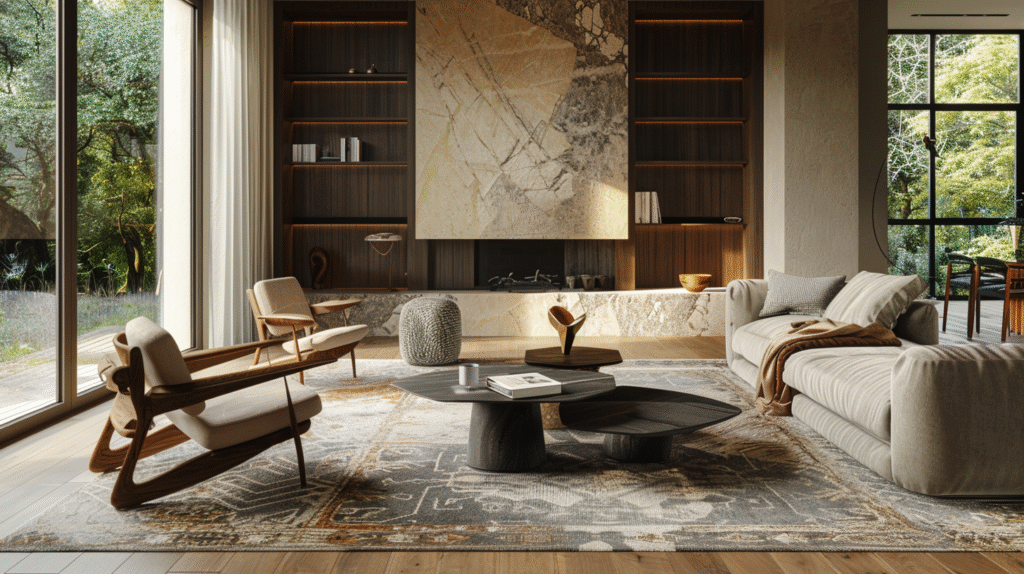
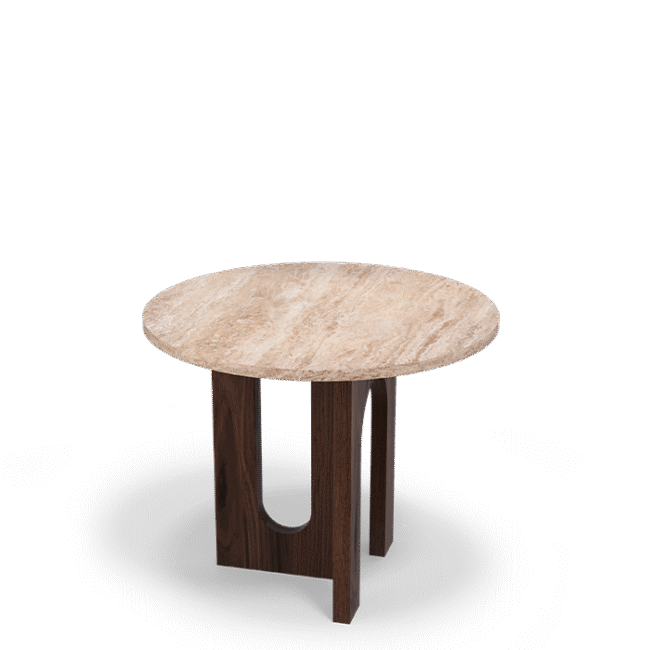
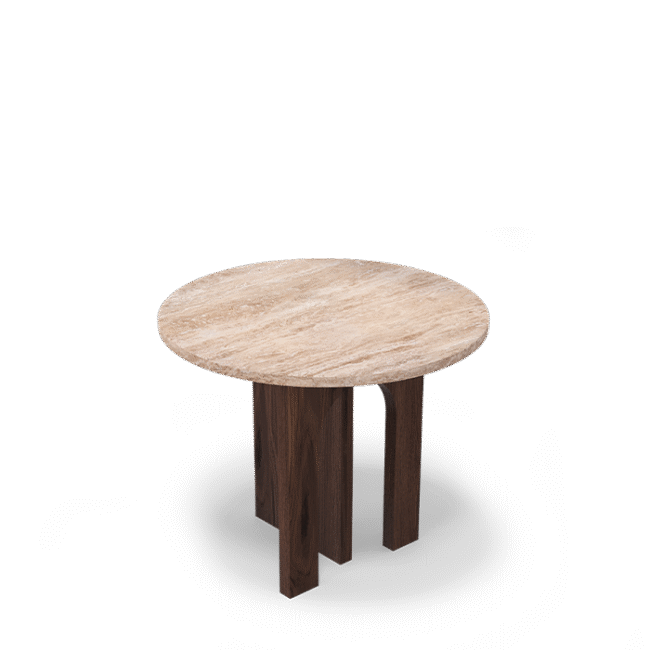
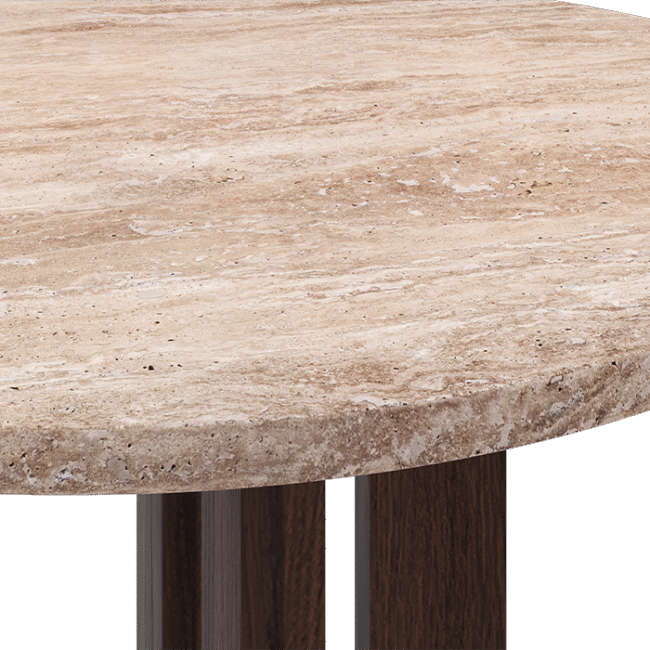
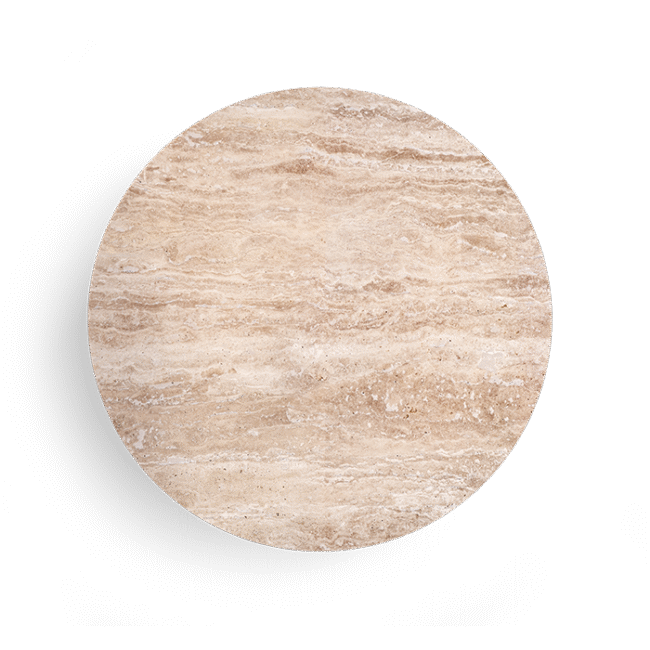
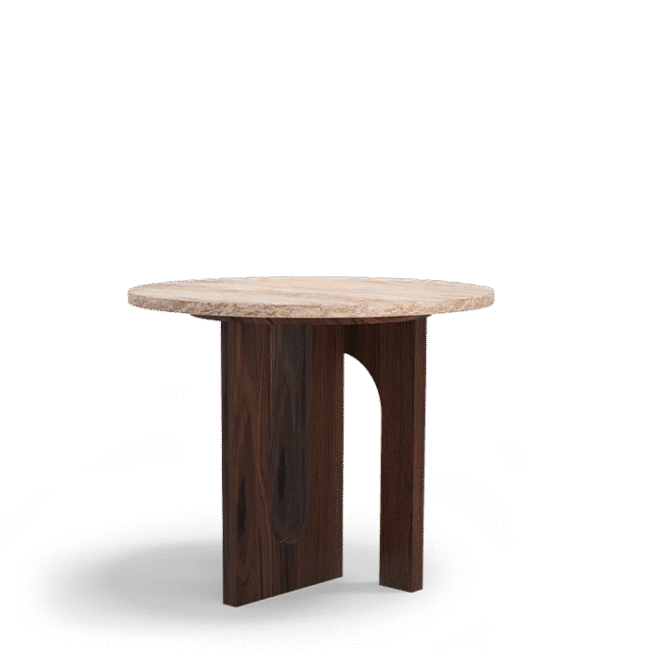
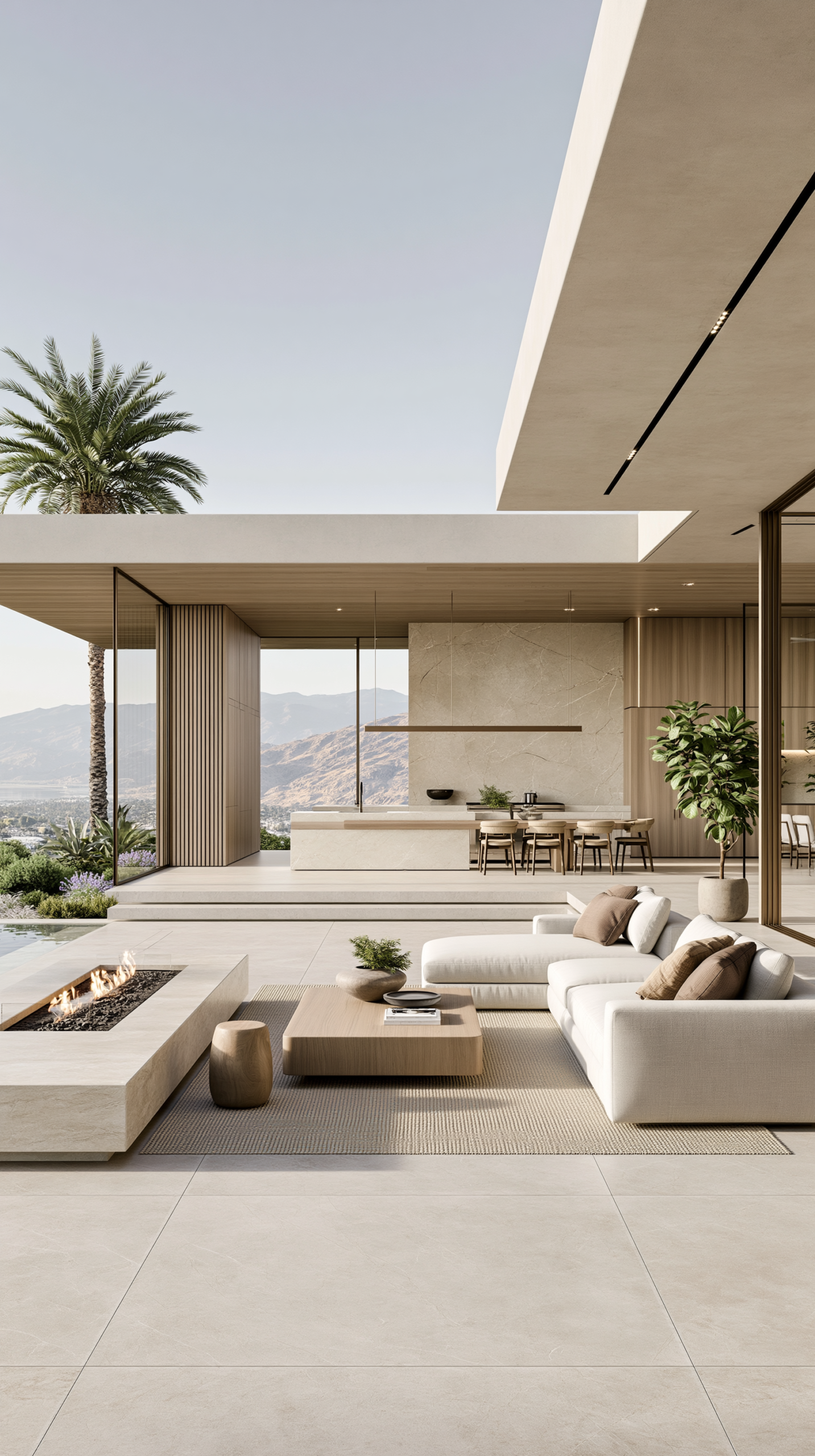
The Art of Natural Elements Interior Design: How to Transform Your Home into a Sanctuary

Natural Elements Interior Design

Why Natural Elements Interior Design Is the Key to a Calming, Restorative Home

There’s a quiet revolution happening in homes today. More people are moving away from perfectly curated but lifeless interiors and toward spaces that feel alive, restorative, and deeply personal. We’ve all walked into a room that looks beautiful on Instagram but leaves us feeling flat. The surfaces are immaculate, the color palette “on trend,” the décor neatly arranged—but the air feels still, the light feels harsh, and the overall energy feels…wrong. We may admire it for a moment, but it doesn’t draw us in. It doesn’t soothe, support, or invite us to linger.

This feeling has only intensified over the past few years. Modern life has become increasingly fast-paced, digital, and overstimulating. Many of us now spend the majority of our time indoors—our homes doubling as offices, classrooms, gyms, and meditation spaces. The pressure on our living environments is higher than ever. We want them to perform multiple roles while remaining calming and nurturing. It’s no wonder that Natural elements interior design is emerging as a preferred approach.

But what exactly does this mean? It isn’t about slapping a few potted plants on a shelf or recreating a rustic farmhouse. It’s about creating a home where every element—materials, textures, lighting, color, and living elements—is chosen intentionally to connect us with the natural world. It’s about designing spaces that support our bodies and minds. Spaces where light moves gently across textured surfaces. Spaces where the air flows easily, where plants breathe life into corners, where tactile materials like wood, stone, and clay are a daily sensory experience.

Integrating nature into the home is not just aesthetic; it is physiological. Humans are inherently biophilic, which means we respond positively to natural patterns, forms, and materials. Studies show that even short periods spent near natural elements can lower stress, regulate heart rate, improve mood, and enhance cognitive performance. A wooden table, a woven rug, or a well-placed plant can change how your brain interprets a space. Contrast that with synthetic materials, artificial lighting, and flat surfaces: they may look “clean,” but they fail to engage the senses, and over time, can subtly increase tension or fatigue.

Natural elements interior design is also about sustainability and mindfulness. It encourages homeowners to select quality over quantity, to favor authentic and durable materials, to incorporate living elements that thrive rather than decor that simply looks good for a season. This approach values longevity, sensory richness, and ethical sourcing. It is an antidote to the disposable, mass-produced aesthetic that has dominated interior design for decades.

In this guide, we’ll explore how to bring natural elements into your home in ways that are sophisticated, practical, and deeply satisfying. We’ll cover the materials that form the foundation of your space, living elements that breathe life into it, the crucial role of light, texture, color, wellness benefits, room-by-room implementation, seasonal adaptations, budget strategies, common mistakes, and how to evolve your home gradually over time. By the end, you’ll understand why Natural elements interior design is not just a trend—it’s a lifestyle that transforms your home into a sanctuary.

The goal is simple: to create a space where you can breathe, focus, rest, and rejuvenate. Where you’re not just living in a house, but inhabiting a home that mirrors the rhythms of nature and supports your well-being. This is the new natural—a design philosophy that reconnects us with what feels real, grounding, and meaningful.

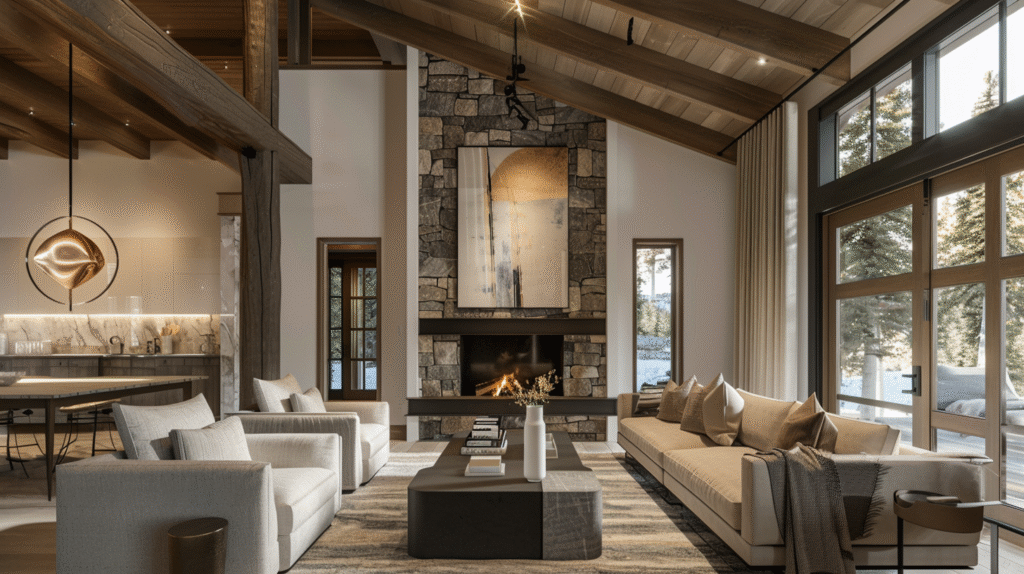
Humans have evolved to respond to natural environments. From the textures of materials to the movement of light, our bodies instinctively register whether a space feels alive or artificial. In biophilic design research, natural materials and patterns consistently reduce cortisol levels, improve focus, and boost mood. That’s why Natural elements interior design isn’t just aesthetic—it’s physiological.
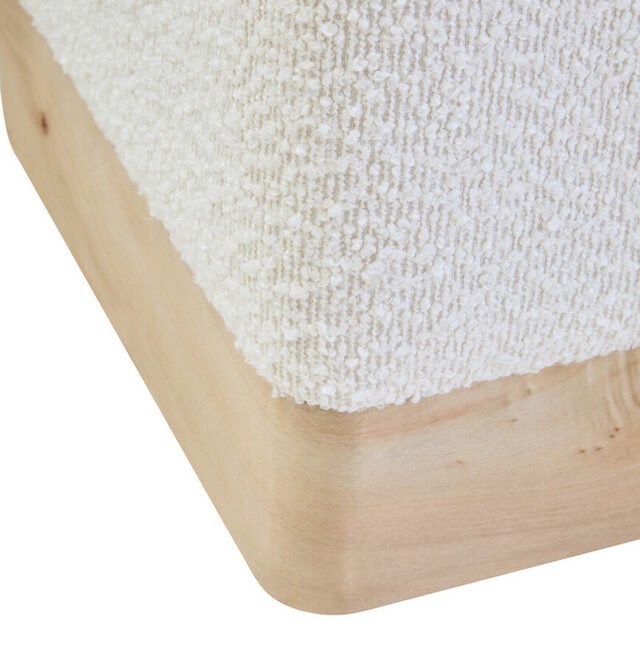

Even small interventions make a difference. Touching a smooth stone countertop or the grain of a wooden table can be calming. Observing a plant sway in natural light can reduce subtle stress markers. Textures like linen, wool, and clay provide sensory cues that tell your body the environment is safe and soothing. Colors drawn from nature—soft greens, muted browns, and earthy neutrals—have a similar effect, helping to regulate emotions and create a sense of stability.
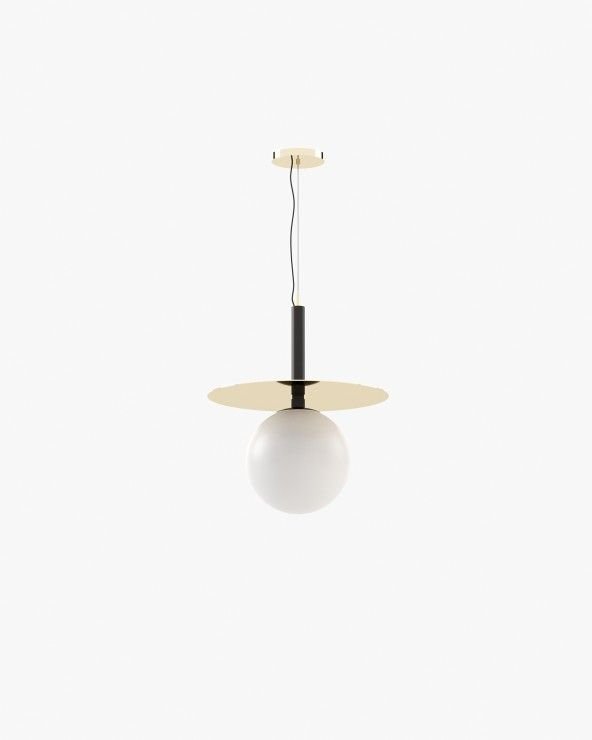
Beyond individual materials, the way natural design orchestrates spaces matters. Open layouts, abundant light, airflow, and intentional placement of living elements all contribute to well-being. For example, a corner with a sunlit reading chair, a small plant, and a natural fiber rug can create a micro-sanctuary, supporting focus, rest, and mental clarity.

In today’s overstimulated world, this becomes critical. Many homes are filled with artificial lights, synthetic materials, and cluttered décor. Over time, these factors contribute to subtle fatigue, distraction, and even anxiety. In contrast, homes designed with Natural elements interior design integrate cues that encourage calm, reduce sensory overload, and create an environment where the mind can rest and recharge.

The benefits aren’t just emotional. Studies show that natural materials can improve indoor air quality, reduce noise, and help regulate body temperature. In combination with strategic lighting, ventilation, and living plants, your home becomes a holistic ecosystem supporting your health in measurable ways. This is the reason why more homeowners, renters, and wellness enthusiasts are embracing Natural elements interior design as a foundational principle rather than a passing trend.

The Art of Natural Elements Interior Design: How to Transform Your Home into a Sanctuary

When people first hear the term Natural elements interior design, they often assume it’s a synonym for rustic décor, farmhouse style, or adding a few trendy plants to a space. But the reality is far richer, deeper, and more nuanced. True natural design is about creating spaces that feel authentic, alive, and restorative—not themed, staged, or superficial. It’s an intentional philosophy, not a decorative checklist.

Authenticity is the cornerstone of this approach. Materials must be real, textures must be felt, and living elements must thrive. A hand-finished wooden table is fundamentally different from a mass-produced piece with a faux wood veneer. The former communicates history, warmth, and tactility; the latter communicates style without substance. Similarly, a thriving fiddle leaf fig or olive tree introduces life and subtle motion, whereas a fake plant can feel flat or dissonant. In Natural elements interior design, quality always trumps quantity. Fewer, intentional pieces often create more impact than filling a room with “natural-look” accessories.

Intentionality also extends to spatial planning. A room designed with natural principles considers how light moves throughout the day, how textures layer across surfaces, and how tactile and visual elements support calm. It’s not about overwhelming the senses; it’s about rhythm. For instance, a single live-edge wooden console paired with a woven wool rug and a few curated ceramics can create a room that feels cohesive, alive, and balanced without feeling cluttered. Negative space becomes part of the design, giving the eye and the nervous system places to rest.

Another critical aspect is sustainability. Natural elements interior design encourages selecting materials that last, sourcing ethically, and minimizing waste. Choosing reclaimed wood, natural fibers, or locally crafted ceramics aligns aesthetic choices with ethical values. By integrating pieces that endure, the home evolves gracefully over time, and your connection to it deepens.

Beyond the materials and objects themselves, this approach considers how humans experience space on a physiological and psychological level. Color palettes inspired by earth, sky, and water evoke calm. Textures that invite touch, like linen curtains or a stone countertop, provide sensory comfort. Daylight and air movement are optimized to support circadian rhythms and reduce stress. Even the arrangement of plants, furniture, and accessories is informed by balance, proportion, and visual flow, all of which influence mood and focus.

It’s worth noting what natural design is not. It isn’t about creating a forest indoors or forcing a rustic aesthetic. Overcrowding a space with faux greenery, mixing clashing wood tones, or relying on inexpensive imitations can create visual noise and undermine the intended restorative effect. Instead, the goal is harmony: a curated set of authentic, tactile, and living elements that work together to form a cohesive, restorative environment.

Ultimately, Natural elements interior design is about aligning your home with human biology, wellness, and sensory pleasure. It’s about creating spaces that actively support your emotional and physical well-being while expressing your personal style in a grounded, timeless way. By understanding the philosophy behind natural design, homeowners and renters alike can make decisions that feel intentional, sustainable, and deeply satisfying.

The Art of Natural Elements Interior Design: How to Transform Your Home into a Sanctuary

The foundation of Natural elements interior design starts with the materials you choose. They are not merely decorative—they are the tactile and visual language of your home. When selected thoughtfully, they communicate warmth, authenticity, and longevity, while also supporting physical and psychological well-being.

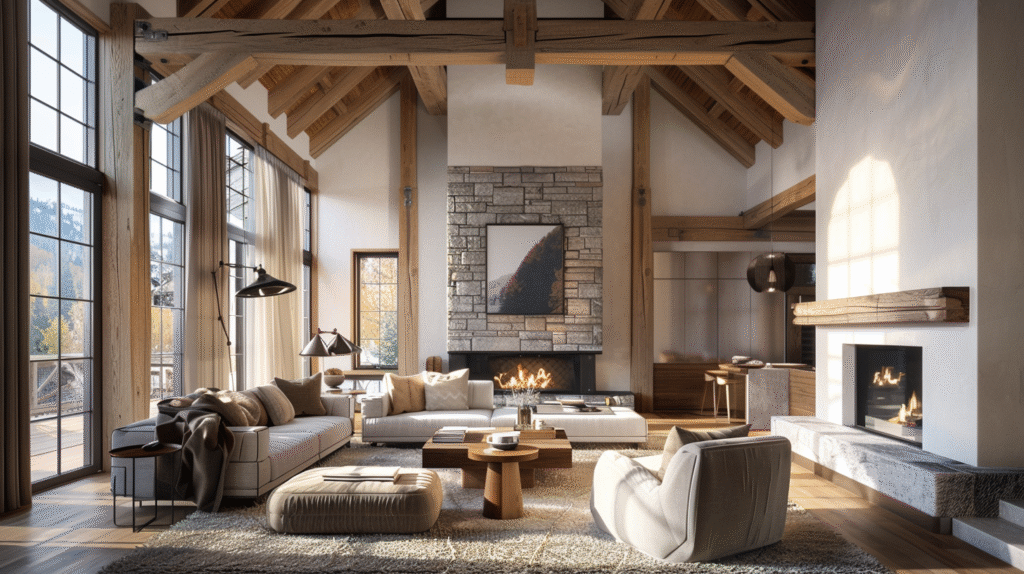
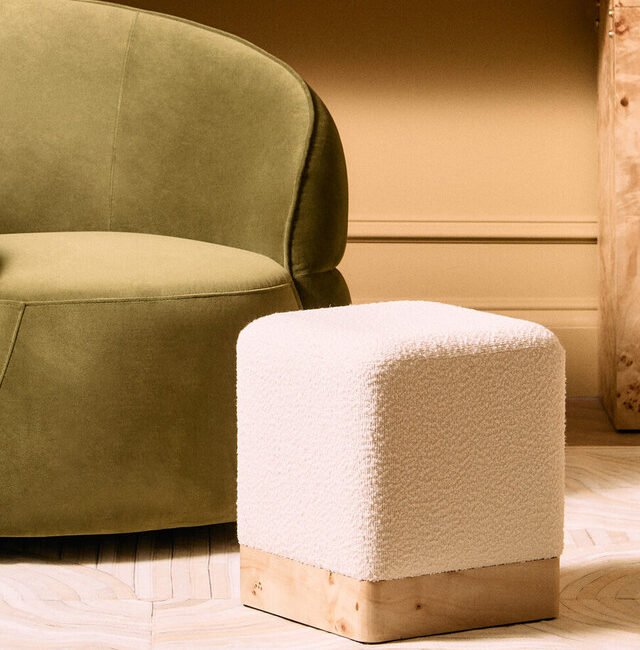
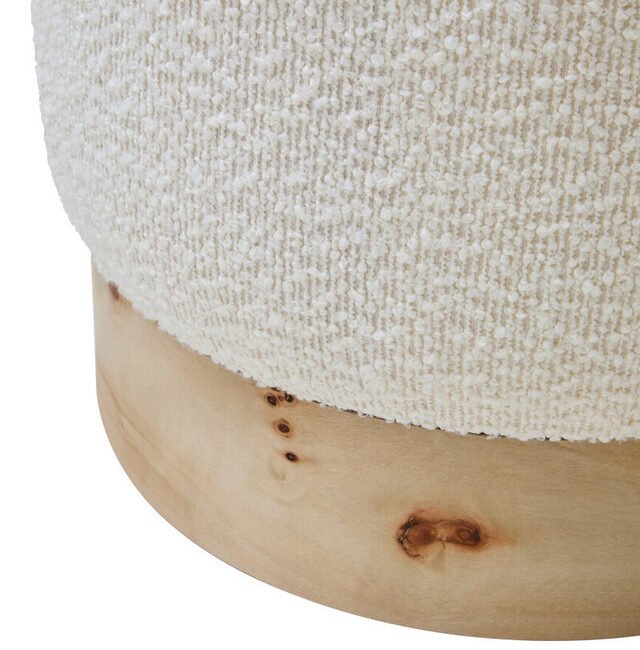
Wood is often the first material that comes to mind, and for good reason. Its grain, tone, and texture offer warmth and connection. Oak feels steady and dependable, walnut is rich and grounding, and maple provides a light, airy feel. Live-edge wood furniture, in particular, introduces organic form that mimics the irregularity of nature, creating a subtle, calming visual rhythm. Flooring, shelving, tables, and even ceiling beams crafted from real wood become anchors that tie a room together.

One of the most common mistakes in natural design is mixing too many wood tones in a space. Harmony is key: warm woods pair with warm tones, cool woods with cooler undertones. Budget-conscious homeowners can seek refurbished furniture, refinished vintage pieces, or sustainably harvested options to achieve authenticity without overspending.

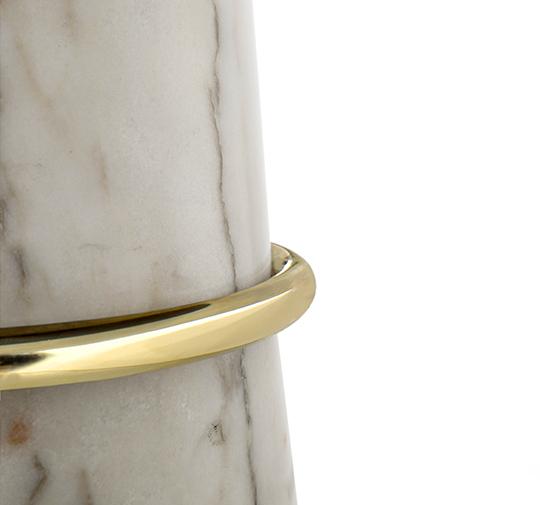
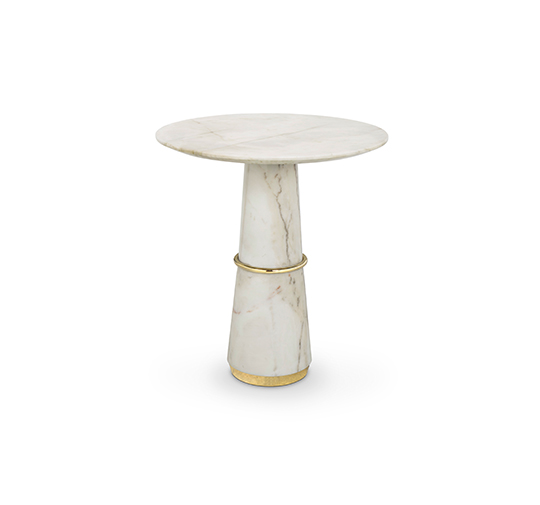
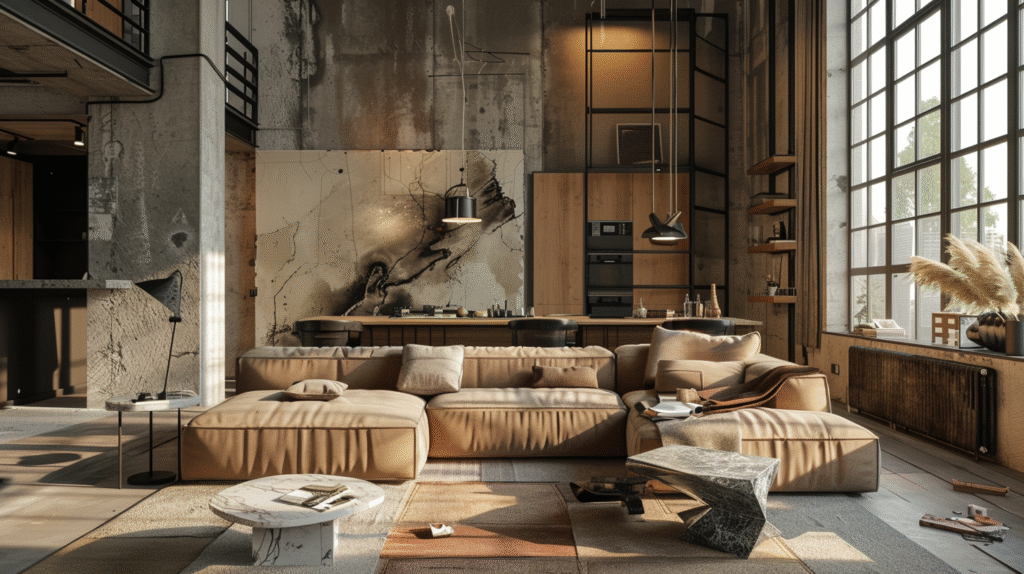
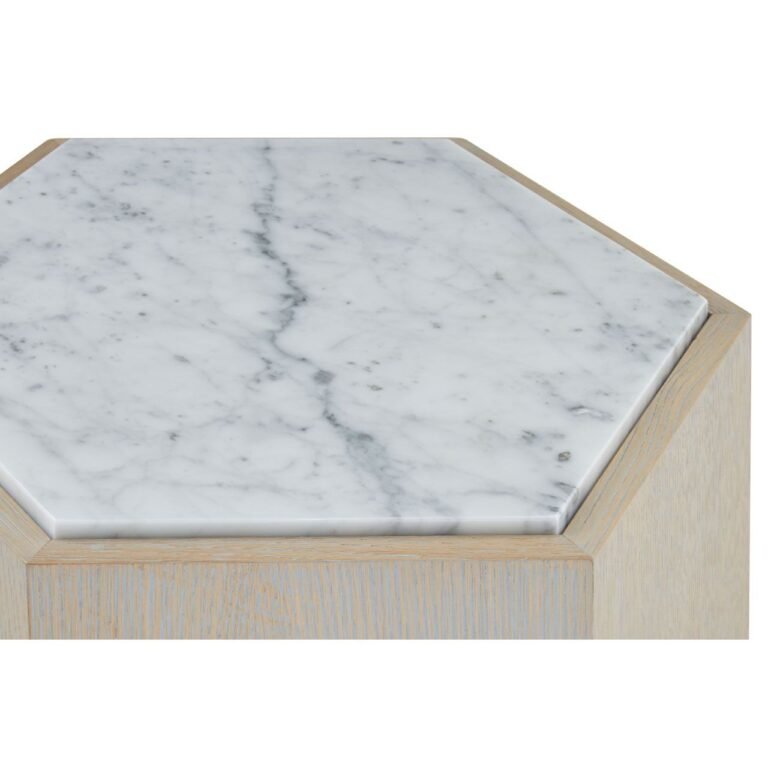
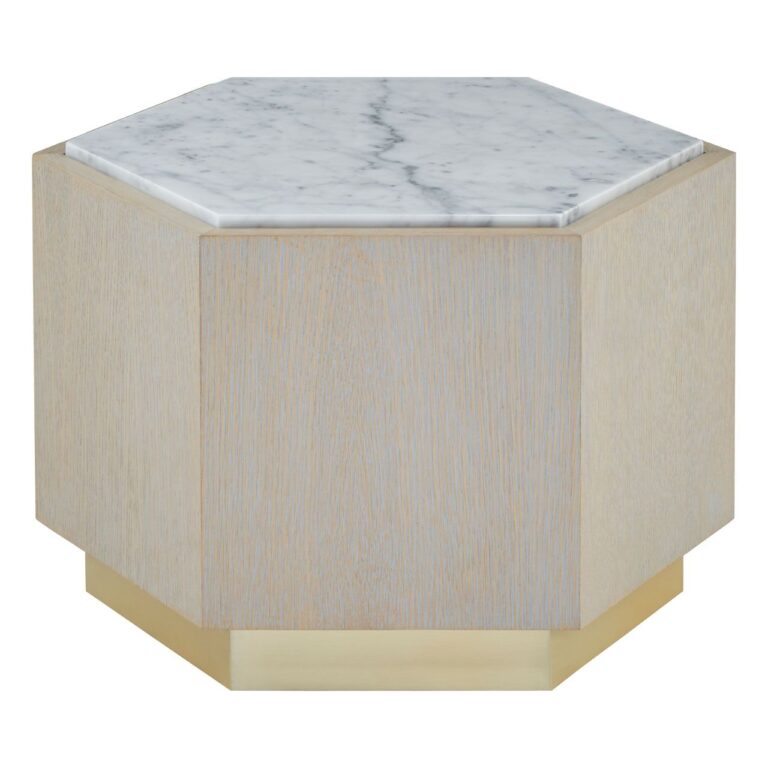
Stone is another foundational element. Marble, limestone, slate, and river rocks each carry distinct tactile and visual qualities. Marble reflects light and conveys elegance, while slate introduces subtle depth and texture. Limestone offers a soft, matte finish, ideal for floors or accent walls, and river rocks provide a tactile counterpoint in smaller décor elements like trays or indoor fountains.

Stone interacts with light differently than wood or textiles, creating shadows, highlights, and natural variation that adds sensory interest. Maintaining stone is simple yet crucial: seal porous surfaces and clean gently to preserve both appearance and longevity. Even small stone accents can ground a space, adding stability and visual weight that complements living elements like plants or woven textiles.

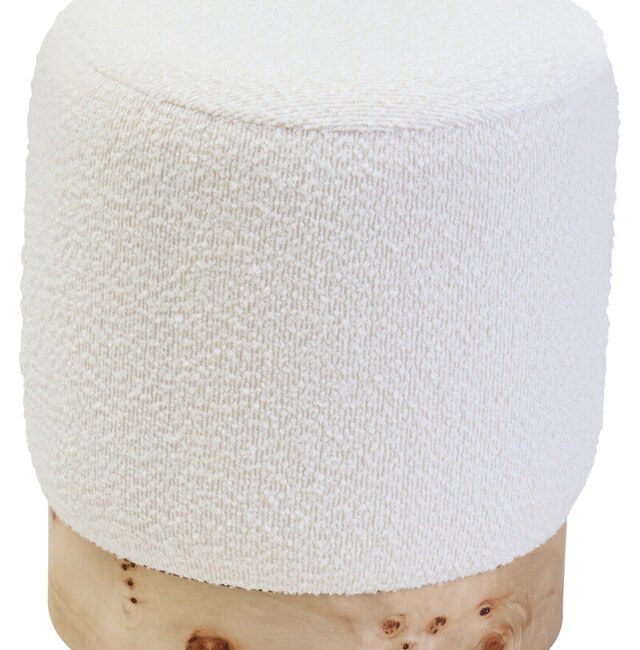
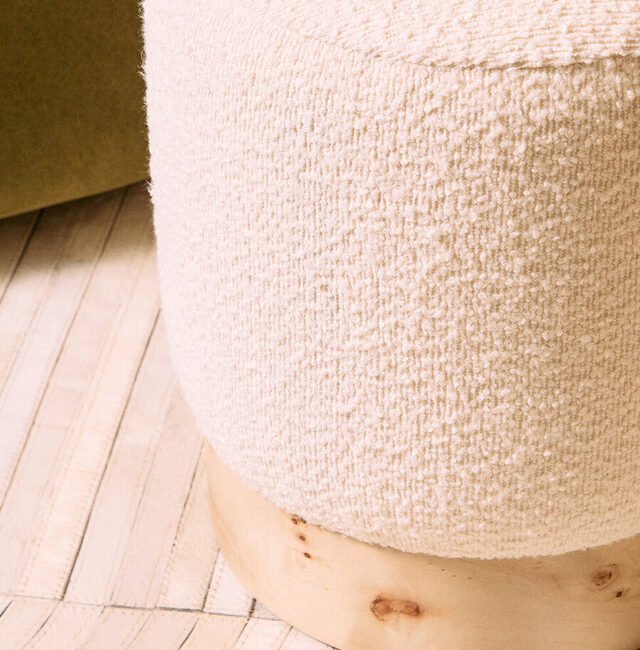
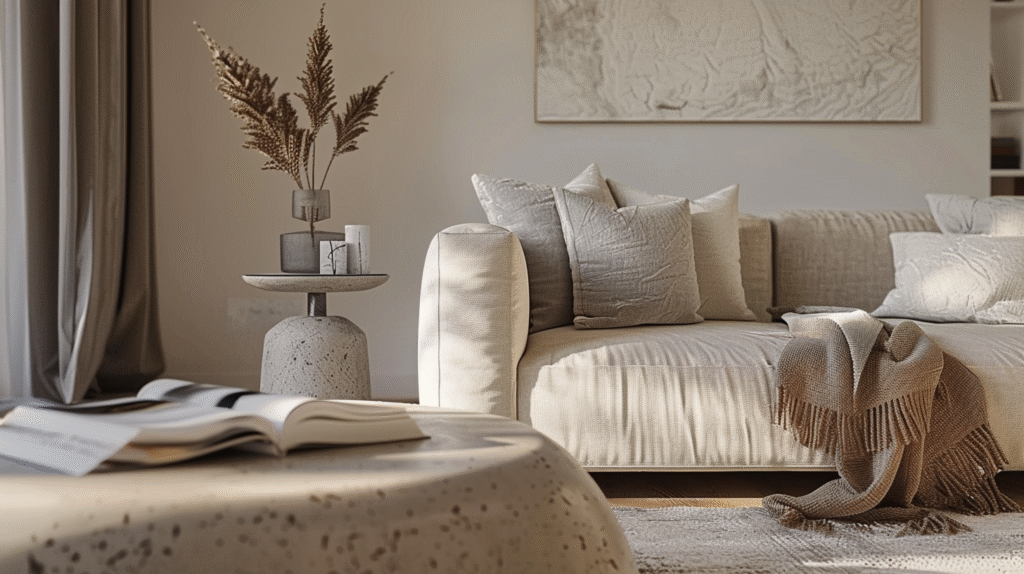
Textiles and natural fibers are equally essential. Linen, cotton, wool, jute, sisal, and bamboo introduce softness, absorb sound, and provide tactile comfort. Linen curtains filter sunlight in a warm, diffused glow, wool throws add coziness and texture, and jute rugs anchor spaces while maintaining visual subtlety. Natural fibers breathe and age gracefully, unlike synthetic textiles that trap dust and feel lifeless over time. Layering fibers—such as a wool throw over a linen sofa, or a jute rug under a cotton area rug—creates depth and interest without visual clutter.

Finally, clay and terracotta bring a human touch. Handmade ceramics, terracotta planters, and textured tiles provide irregularity and imperfection that feel deeply grounded. A simple terracotta vase or clay bowl adds warmth and tactility, reminding us of craft, tradition, and connection to materiality. The interplay of these foundational materials—wood, stone, natural fibers, and clay—creates the subtle harmony that defines Natural elements interior design: spaces that feel alive, grounded, and restorative, even at a glance

The Art of Natural Elements Interior Design: How to Transform Your Home into a Sanctuary

Plants are the living soul of Natural elements interior design. They aren’t mere decoration; they are dynamic, evolving components that create energy, rhythm, and a sense of life. A well-chosen plant can anchor a corner, soften edges, or become a sculptural centerpiece. The goal is not to fill every surface indiscriminately but to create meaningful, intentional placements that complement the space.

Low-maintenance plants like snake plants, ZZ plants, and pothos are perfect for low-light apartments or busy households. For sunnier rooms, consider fiddle leaf figs, rubber trees, or olive trees, which thrive in direct light and offer dramatic sculptural forms. The size of the plant matters as well: a single large statement plant can anchor a room more effectively than several smaller plants scattered haphazardly.

Placement should also account for daily patterns and lifestyle. Grouping plants in odd numbers creates visual interest, while ensuring sufficient space for growth keeps them thriving. Rotate plants periodically to ensure balanced light exposure, and select species that naturally purify air or regulate humidity. Herb gardens in kitchens, moss walls in living areas, or terrariums on office desks can all contribute to both function and visual harmony.

The psychological benefits of living elements are significant. Observing plant growth, caring for them, and seeing the subtle changes across seasons fosters mindfulness and reduces stress. Plants act as natural air filters, improve perceived freshness, and introduce soft movement that contrasts the rigidity of furniture and architecture. Even renters can integrate living elements through floor planters, hanging pots, or temporary installations. By prioritizing thriving, intentional plants rather than filler greenery, homes achieve the restorative, dynamic quality central to Natural elements interior design.

Light is one of the most transformative components of Natural elements interior design. Natural sunlight not only illuminates but also shapes how materials and textures are perceived, and it plays a crucial role in our biological rhythms. Humans are highly sensitive to light, which affects circadian patterns, mood, and energy levels. Rooms that maximize natural light feel expansive, inviting, and alive.

Window treatments should enhance light rather than block it. Linen or sheer curtains diffuse sunlight beautifully, creating soft, moving shadows across the room. Mirrors strategically placed can amplify daylight, reflecting it into darker corners and creating a sense of depth. Furniture arrangement also matters: avoid blocking windows with bulky items, and consider seating areas where sunlight naturally falls during morning or afternoon hours.

Artificial lighting should complement natural light. Overhead fixtures alone create flat, harsh illumination, which can feel sterile. Instead, layer lighting at multiple heights using floor lamps, table lamps, or wall sconces. Choose bulbs that mimic natural warmth and introduce subtle variation.

Beyond illumination, light interacts with texture and color. The veining in marble, the grain in wood, the weave of a rug—all respond differently depending on light quality. Morning light creates soft shadows, while midday sun introduces sharper contrast. By observing these changes and arranging materials and objects thoughtfully, a space can feel dynamic and connected to nature’s rhythm.

The Art of Natural Elements Interior Design: How to Transform Your Home into a Sanctuary

6. Texture Layering: Engaging All the Senses

Texture is one of the most underrated yet transformative aspects of Natural elements interior design. While color and materials create visual interest, texture engages the senses in ways that shape how a room feels emotionally and physically. Our bodies respond subconsciously to textures—the cool smoothness of marble beneath your hand, the rough grains of a reclaimed wood table, the softness of a wool throw brushing your skin. Together, these tactile experiences create a space that is alive, layered, and welcoming.

Incorporating texture begins with observing contrast. Think of pairing smooth and rough surfaces, soft and hard materials, shiny and matte finishes. For example, a polished stone countertop can be balanced with a jute rug beneath it, while a linen sofa can be paired with a chunky knit throw or woven rattan chairs. Layering textures is about creating harmony without overwhelming the eye. One of the common mistakes is mixing too many patterns or materials in a small space; this can feel chaotic rather than restorative. In Natural elements interior design, restraint is as important as richness.

Texture also enhances the perception of depth and warmth in any room. Even in minimalist spaces, layering subtly can prevent sterility. For instance, a stone fireplace wall can be complemented by a wool rug and a few clay or ceramic accents. In a bedroom, soft cotton sheets paired with a linen throw and a wooden bench can create a tactile narrative that engages the body and encourages relaxation. Every touchpoint becomes a micro-experience—your hands brushing over furniture, your feet sinking into a rug, or even the visual suggestion of texture on walls or fabrics.

Seasonal adjustments can further enrich texture. Summer favors lightweight linens, airy jute rugs, and woven baskets that feel light and breathable. Autumn and winter invite heavier wool blankets, denser rugs, and layered textiles that feel cozy and insulated. Even decorative elements like driftwood, dried flowers, or hand-thrown ceramics contribute to the sensory layering of a room. Texture, when approached thoughtfully, supports both aesthetic cohesion and wellness, making a space feel grounded and alive rather than flat and artificial.

Ultimately, texture layering is a cornerstone of Natural elements interior design because it ensures the home is not just seen but felt. A room should communicate warmth, tactility, and human touch in every element, from furniture surfaces to textiles to organic décor, creating an environment that encourages lingering, relaxation, and engagement with the space.

7. Wellness Benefits: How Nature Transforms the Home

The integration of Natural elements interior design goes far beyond visual appeal—it has profound effects on mental, emotional, and physical wellness. Science supports what humans have intuitively known for centuries: nature calms, restores, and nurtures the body and mind. When natural materials, living elements, light, and textures are thoughtfully integrated, a home becomes more than a living space—it becomes a sanctuary.

Living elements, particularly plants, play a crucial role in wellness. Houseplants improve air quality by filtering toxins, increasing oxygen, and regulating humidity, which can directly affect sleep quality, focus, and overall energy. Watching a plant grow, adjusting its placement for better sunlight, or simply touching its leaves introduces small, mindful interactions that reduce stress and promote relaxation. Even renters can benefit from potted herbs on windowsills or a small terrarium on a desk, offering ongoing interaction with life cycles without permanent commitment.

Materials also contribute to wellness in subtle ways. Wood and stone provide grounding energy that connects the home with natural rhythms. Wool, linen, and other fibers reduce noise and create tactile comfort. Clay and terracotta accents remind the senses of human touch and imperfection, promoting mindfulness and slowing down the pace of life. Even color selection—earthy greens, browns, muted blues, and warm neutrals—can regulate the nervous system and support calm, creating spaces that feel restorative.

Light is another critical wellness factor. Natural sunlight boosts serotonin, regulates circadian rhythms, and improves mood and focus. Designing windows, mirrors, and interior layouts to maximize light exposure aligns the indoor environment with natural cycles. Even artificial lighting should mimic natural variation, layering warm tones at different heights to prevent the fatigue often caused by harsh, overhead lighting.

Wellness is also psychological. Homes designed with Natural elements interior design encourage rest, mindfulness, and attention regulation. Cluttered or overly synthetic environments can increase cognitive load, leading to subtle stress, whereas spaces that are harmonious, breathable, and thoughtfully layered allow the mind to relax and recharge. When every element—from wood and stone to plants, fabrics, and light—is intentional, the home becomes a living support system, reducing stress, enhancing focus, and promoting emotional balance.

In essence, integrating natural elements is not just a design choice—it’s an investment in health. A thoughtfully crafted home using Natural elements interior design principles actively supports human well-being while simultaneously creating a space that feels warm, inviting, and alive.

The Art of Natural Elements Interior Design: How to Transform Your Home into a Sanctuary

To fully realize the benefits of Natural elements interior design, it’s helpful to approach the home room by room. Each space has unique functions and rhythms, which can be enhanced through natural materials, plants, light, color, and texture.

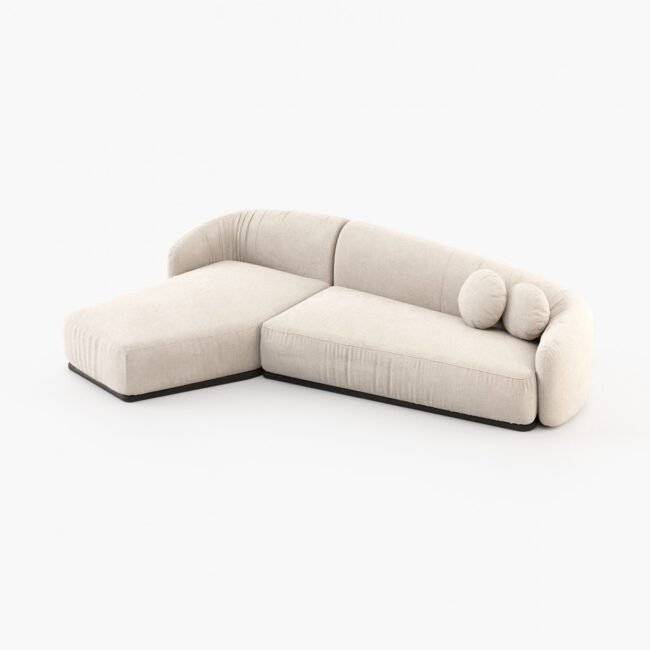
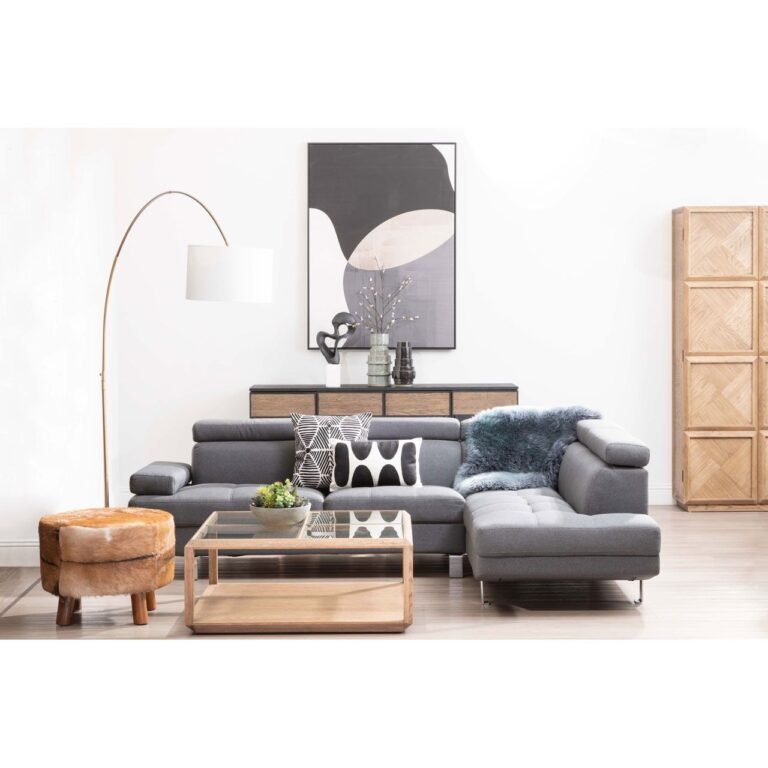
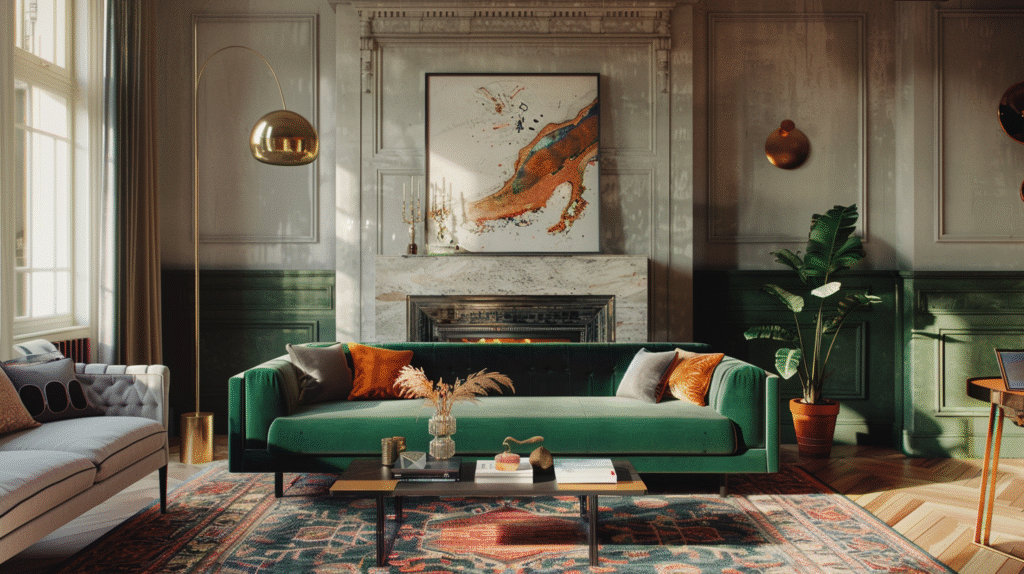
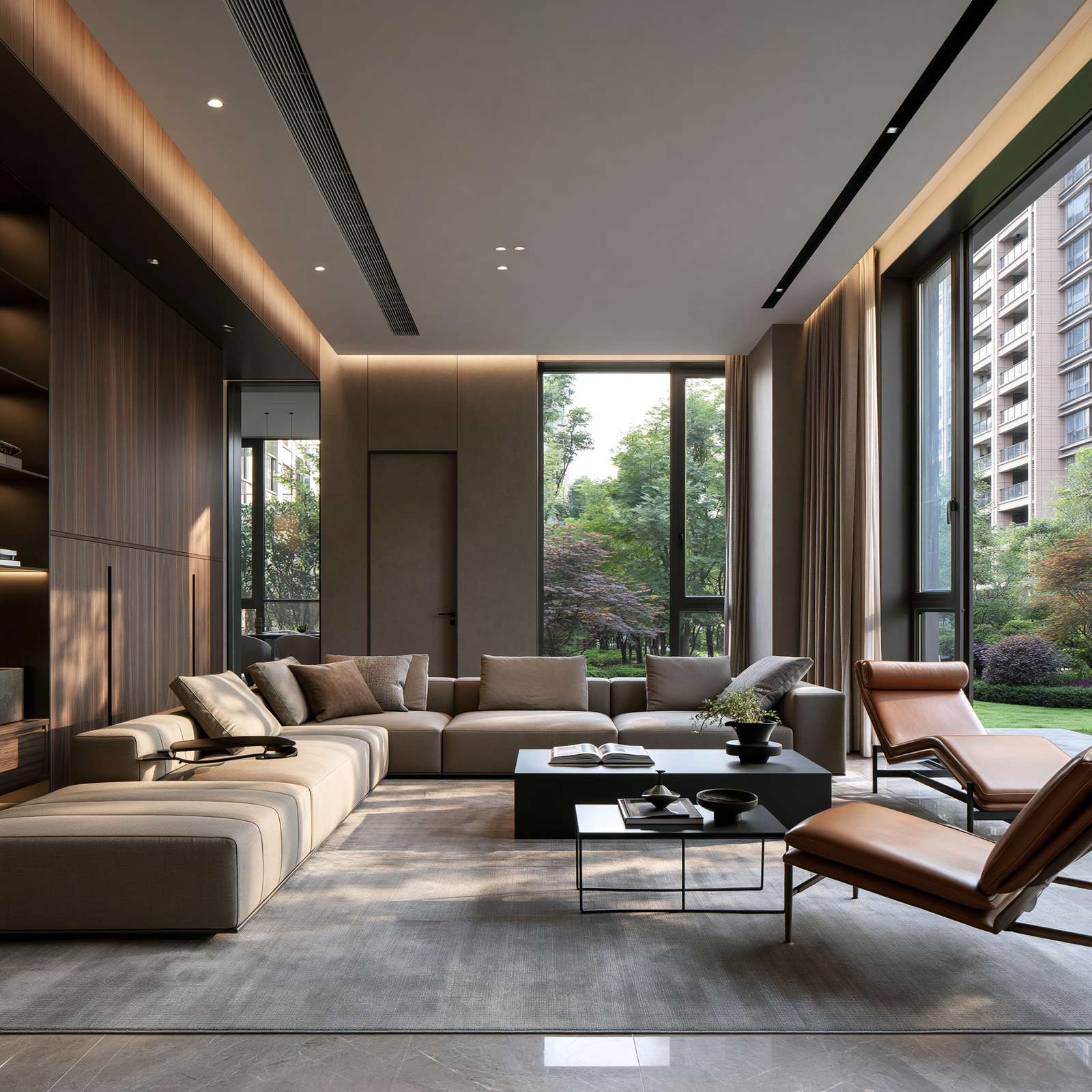
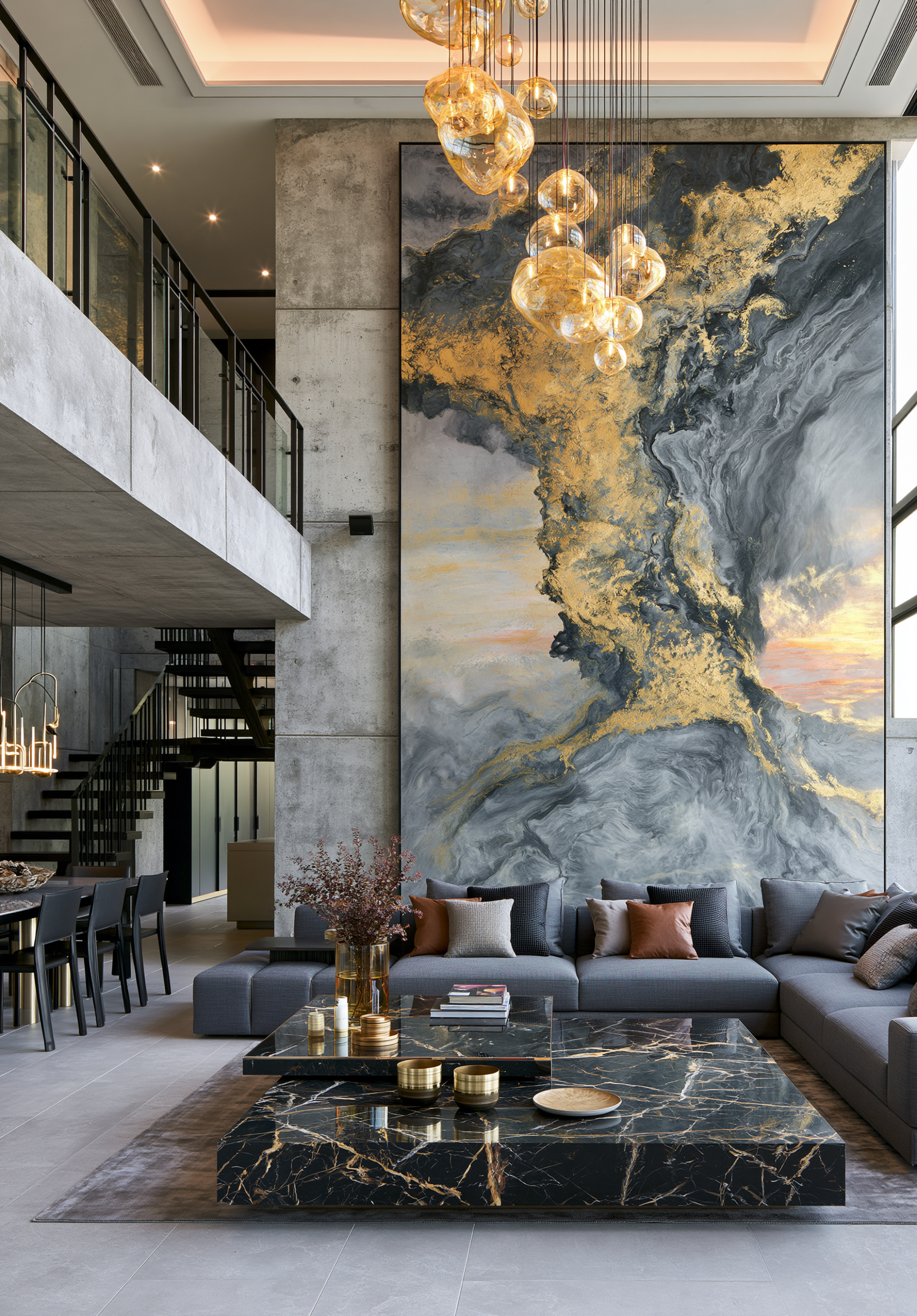
The living room serves as the primary gathering space. Anchor it with solid wood or stone furniture and layer textiles like wool rugs, linen throws, and woven cushions to create comfort and visual depth. A large statement plant in a corner can soften edges and introduce natural movement, while smaller potted plants on tables provide rhythm and variation. Consider lighting that blends natural light with layered lamps to create a dynamic and welcoming environment throughout the day.

In bedrooms, the goal is restorative calm. Use breathable linens, wool rugs, and wood furniture to encourage tactile comfort. A plant or two introduces life and movement, while soft lighting ensures evenings are relaxing. Even subtle natural materials like clay or terracotta décor can enhance sensory engagement.

Kitchens benefit from functional natural elements. Wood cutting boards, ceramic containers, and stone countertops combine utility with tactile and visual beauty. Small herb gardens or potted plants on sunny windowsills provide both freshness and life, connecting the cooking experience to nature.

Bathrooms, often overlooked, can also embrace natural elements. Wooden bath stools, terracotta planters, and stone trays enhance tactile and visual interest. Incorporating eucalyptus bundles or water features introduces subtle fragrance and sound, creating a spa-like effect.

Home offices benefit from the same principles. Maximize natural light, place a single plant in view, and select natural materials for desks, chairs, and accessories. Even small touches, like a linen mouse pad or a clay pencil holder, contribute to comfort, mindfulness, and productivity.

For smaller spaces, vertical plant stands, reflective surfaces, and multi-functional natural furniture can amplify the impact of limited square footage. Even a single well-placed plant, textured rug, or clay bowl can make a compact apartment feel connected to nature. By applying Natural elements interior design room by room, every corner of the home becomes functional, beautiful, and restorative.

Budget-Friendly Approaches and Common Mistakes To Avoid

Natural elements interior design thrives on rhythm and evolution. Seasonal refreshes keep a home aligned with the changing natural world. Spring invites fresh branches, airy linens, and lighter textures. Summer emphasizes woven baskets, airy fabrics, and sunlit arrangements. Autumn encourages dried florals, warm hues, and layered textiles, while winter calls for cozy wool, pine accents, and subtle lighting to maintain warmth and intimacy. Observing these seasonal shifts ensures the home feels alive and connected year-round.

Budget-conscious strategies can make natural design accessible. Thrifted wood furniture, DIY natural dye textiles, propagated plants, and foraged stones or branches allow homeowners to integrate authentic materials without overspending. Prioritize a few high-quality statement pieces over numerous small, low-quality décor items. This approach ensures longevity and reduces clutter while maintaining the visual and sensory impact of Natural elements interior design.

Common mistakes often undermine the restorative benefits of natural design. Overcrowding a room with too many small objects, relying on fake plants, mixing clashing wood tones, neglecting maintenance, or failing to consider light and texture can create stress rather than calm. The goal is not to “decorate” with nature, but to create spaces where each element—materials, light, plants, textures, and colors—works in harmony to support wellness. Avoiding these mistakes preserves the integrity, balance, and authenticity that define Natural elements interior design.

The Art of Natural Elements Interior Design: How to Transform Your Home into a Sanctuary

Conclusion: A Home That Breathes And Feels Alive

At its core, Natural elements interior design is about creating homes that are alive, nurturing, and restorative. By layering authentic materials, living elements, natural light, texture, and thoughtful color, a home becomes more than a shelter—it becomes a sanctuary that supports the body, mind, and spirit.

This design philosophy reminds us that less can be more. Fewer, well-chosen pieces, thoughtfully arranged, carry more emotional and aesthetic weight than a room overloaded with decoration. Quality, authenticity, and intentionality are the hallmarks of spaces that endure, evolve, and nurture wellness over time.

Homes designed with Natural elements interior design connect inhabitants to the rhythms of nature, creating calm, focus, and grounding energy in daily life. Start small, observe how each addition interacts with your space and routines, and allow the home to evolve organically. Over time, these spaces don’t just look beautiful—they feel alive. They invite you to linger, to rest, and to reconnect with the natural world.

A home that breathes is a home that heals. Through intentional integration of natural elements, your environment becomes a living, breathing support system that enriches life, enhances wellness, and transforms everyday living into a thoughtful, restorative experience.

What do you think?
Leave a Reply

Blog

Get fresh home inspiration and helpful tips from our interior designers

top
1
    1
    Your Cart
    AGRA COFFEE TABLE Remove
    AGRA COFFEE TABLE
    Qty: 1
    Price: £8,982
    £8,982

    Inactive

    Privacy Overview

    This website uses cookies so that we can provide you with the best user experience possible. Cookie information is stored in your browser and performs functions such as recognising you when you return to our website and helping our team to understand which sections of the website you find most interesting and useful.