What Is Soft Maximalism? The Cozy, Layered Look Taking Over Right Now

Soft Maximalism

There’s a quiet rebellion happening in living rooms, bedrooms, and kitchens across the country. After years of stark white walls, sparse shelving, and the visual austerity that minimalism demanded, people are finally giving themselves permission to bring warmth back into their homes. Not the chaotic, overwhelming abundance of traditional maximalism—but something gentler. Something that feels like exhaling after holding your breath for too long.

This is soft maximalism: the art of intentional abundance.

If you’ve found yourself lingering over images of spaces filled with textured throws, clustered candles, stacked books, and walls that tell stories through layered art, you’ve already felt its pull. Soft maximalism doesn’t ask you to choose between calm and personality. It doesn’t require you to edit your life down to ten essential objects or live in a space that looks like a showroom. Instead, it invites you to build a home that holds you—your memories, your textures, your colors, your comfort—without tipping into visual chaos.

The rise of soft maximalism reflects something deeper than a design trend. After years of collective uncertainty, isolation, and upheaval, we’re craving spaces that feel emotionally nourishing. We want homes that wrap around us like a favorite sweater, where every surface offers something tactile to touch, where beauty accumulates gradually rather than arriving fully formed from a catalog.

This isn’t about buying more or filling every corner. Soft maximalism is a philosophy of curation, layering, and restraint—abundance with intention, warmth with boundaries, self-expression within a framework of harmony. It’s maximalism with the volume turned down, and it’s transforming the way we think about what makes a space feel truly livable.

What This Guide Will Cover

This comprehensive guide will explore soft maximalism as both a design philosophy and a practical approach to creating cozy, layered spaces. We’ll begin by defining soft maximalism—what it is, what it isn’t, and how it differs from both traditional maximalism and stark minimalism.

We’ll examine why this aesthetic is resonating so deeply right now, exploring the cultural and psychological factors behind minimalism fatigue and our collective need for comfort. You’ll discover the essential design elements—warm color palettes, layered textures, gentle pattern mixing, and curation principles that prevent abundance from becoming clutter.

We’ll cover furniture selection, styling strategies, and lighting techniques that create the soft maximalist mood. Because this aesthetic is often misunderstood as requiring large spaces, we’ll specifically address how to achieve soft maximalism in small apartments and rental homes.

We’ll also explore the emotional benefits of thoughtfully layered spaces and highlight common mistakes to avoid. Finally, we’ll provide a practical roadmap for building your soft maximalist home gradually, with budget-conscious strategies that honor the fact that the best spaces evolve over time.

Soft Maximalism

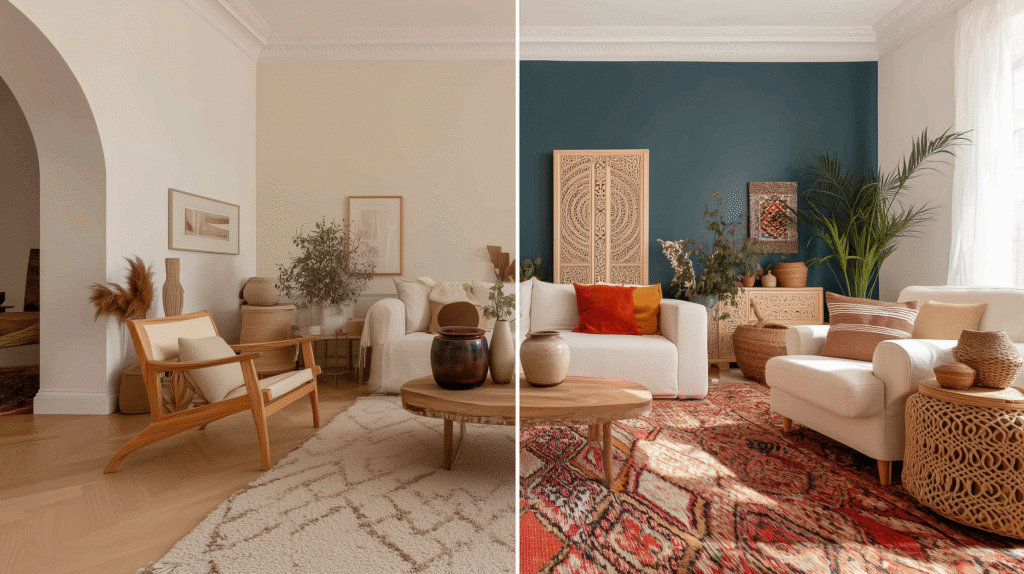
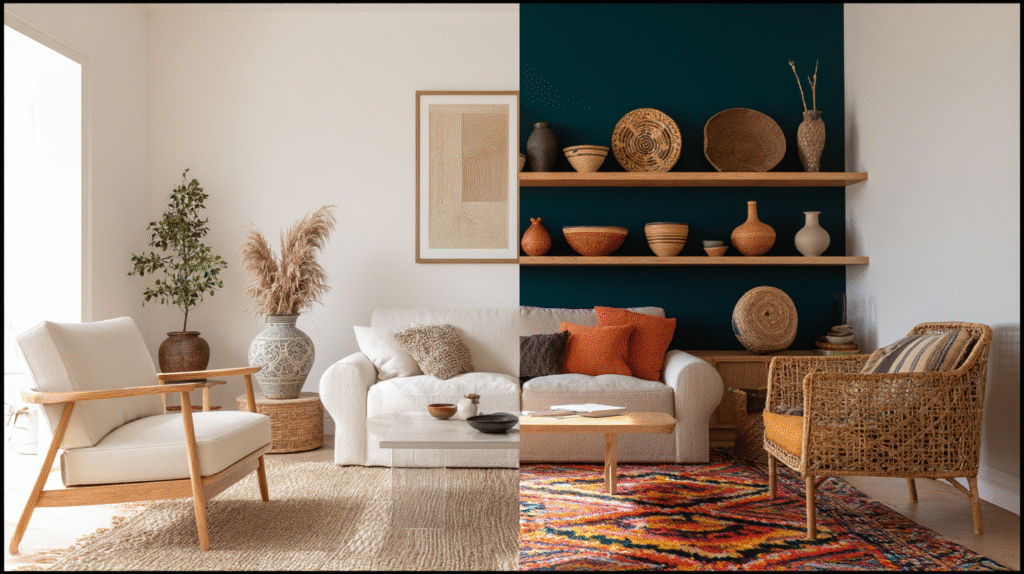
Soft maximalism sits at the intersection of opposing forces: the desire for visual richness and the need for psychological calm. Unlike traditional maximalism, which celebrates bold contrasts, saturated colors, and unapologetic excess, soft maximalism operates in a more subdued register. It embraces layering and abundance but does so with a muted palette, gentle transitions, and careful editing.

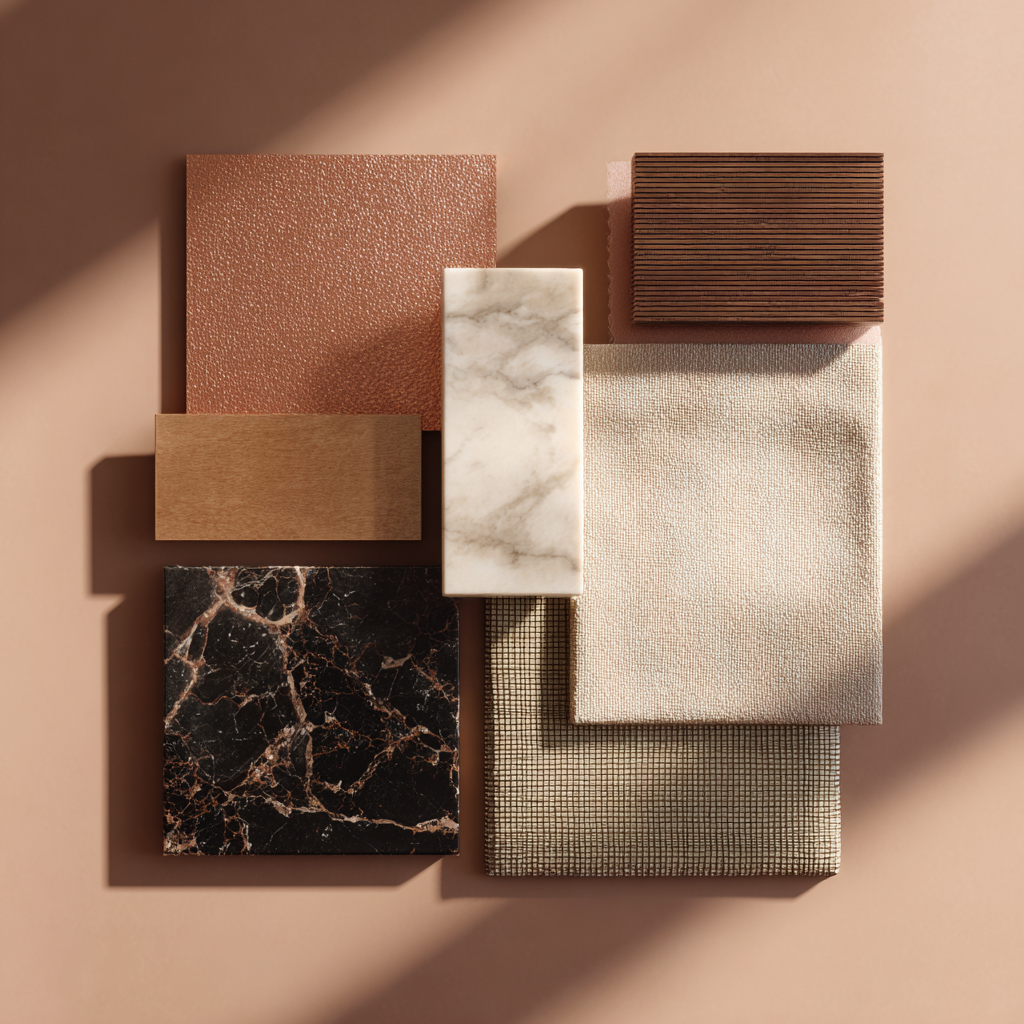
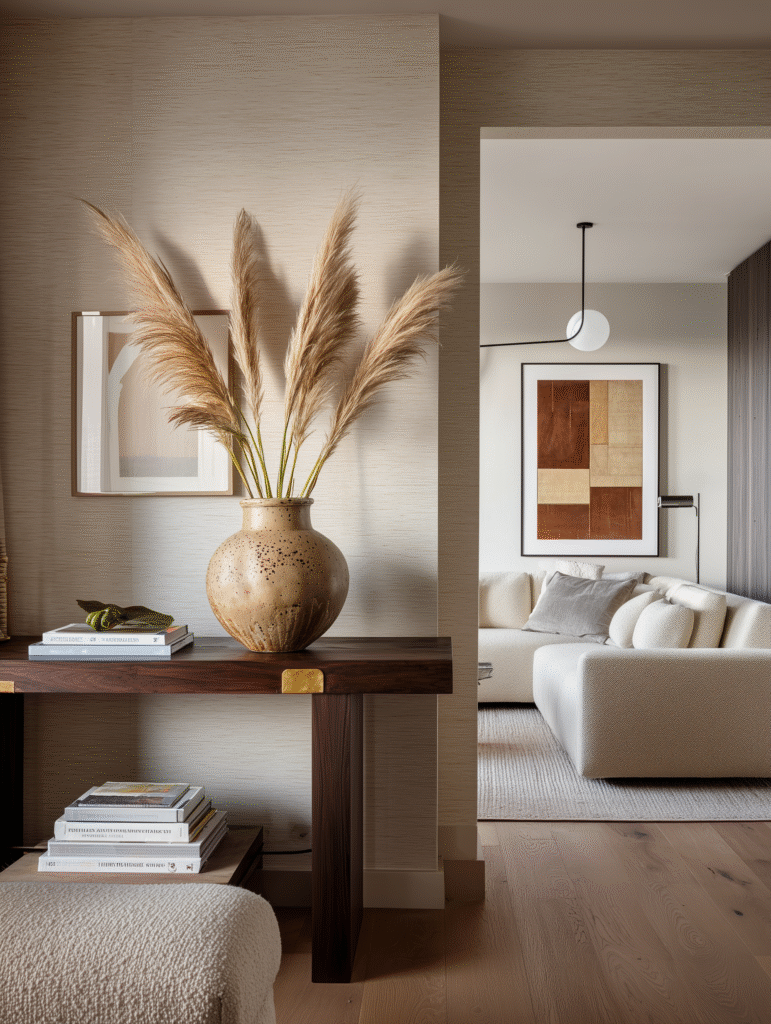
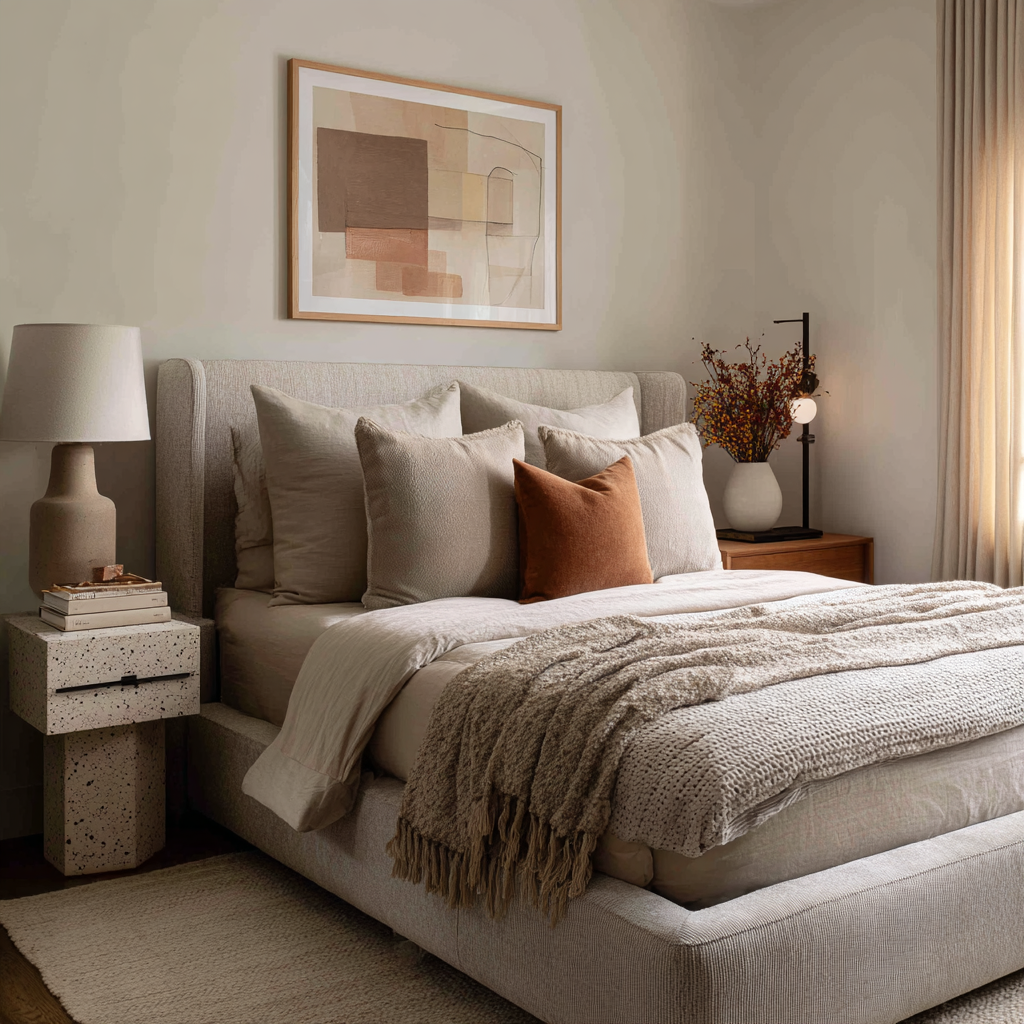
Where traditional maximalism might pair hot pink velvet with emerald green walls and gold-leafed mirrors, soft maximalism opts for terracotta linen against cream plaster, paired with aged brass and sun-bleached wood. The visual interest comes from texture rather than color shock, from depth rather than contrast, from accumulation that feels organic rather than orchestrated.

This approach emerged partly as a response to minimalism fatigue. For over a decade, the dominant aesthetic prioritized empty surfaces, hidden storage, and elimination of “visual clutter.” While this created beautiful spaces, it also left many people feeling cold, disconnected, and perpetually worried about maintaining impossible tidiness. Homes began to feel more like aspirational images than lived-in sanctuaries.

Soft maximalism offers an alternative that honors both beauty and humanity. It acknowledges that we collect, that we find comfort in familiar objects, that we need our spaces to reflect our inner lives. But it also recognizes that true comfort requires visual rest—that a home filled with too many competing elements can feel as exhausting as one stripped entirely bare.

The key differentiator is intention. Every element in a soft maximalist space should earn its place through meaning, beauty, or function—ideally all three.

2. Why Now? The Cultural Moment Behind Soft Maximalism's Rise

The pandemic transformed our living spaces from places we merely slept into offices, gyms, restaurants, and sanctuaries. Suddenly, the emotional tenor of our surroundings mattered profoundly. Minimalist spaces—however beautiful—often felt inadequate when spending eighteen hours daily within the same four walls.

This shift coincided with broader cultural conversations about wellness, authenticity, and rejection of perfectionism. The rise of soft maximalism parallels the body positivity movement and general exhaustion with curated perfection. Just as people choose comfort over restriction in fashion, they’re choosing warmth over austerity in their homes.

There’s also nostalgia at play. Soft maximalism echoes the layered, collected interiors of previous generations—grandmother’s living room with stacked books, patterned rugs, and family photos. But it updates this impulse with contemporary restraint, preserving emotional resonance while editing out dated elements.

Economically, soft maximalism makes sense for a generation navigating financial uncertainty. Unlike minimalism’s expensive investment pieces or traditional maximalism’s constant acquisition, soft maximalism encourages gradual accumulation—adding layers as you find resonant pieces, mixing vintage finds with contemporary purchases, prioritizing quality and meaning over matching sets.

The aesthetic also aligns with sustainability awareness. Rather than purging and replacing, soft maximalism celebrates keeping and layering. Inherited quilts, mismatched pottery from travels, reupholstered secondhand chairs—all have homes in this philosophy.

What Is Soft Maximalism? The Cozy, Layered Look Taking Over Right Now

Color is where soft maximalism most clearly distinguishes itself from traditional maximalism. While traditional maximalism revels in jewel tones and high-contrast combinations, soft maximalism operates within a more restrained spectrum.

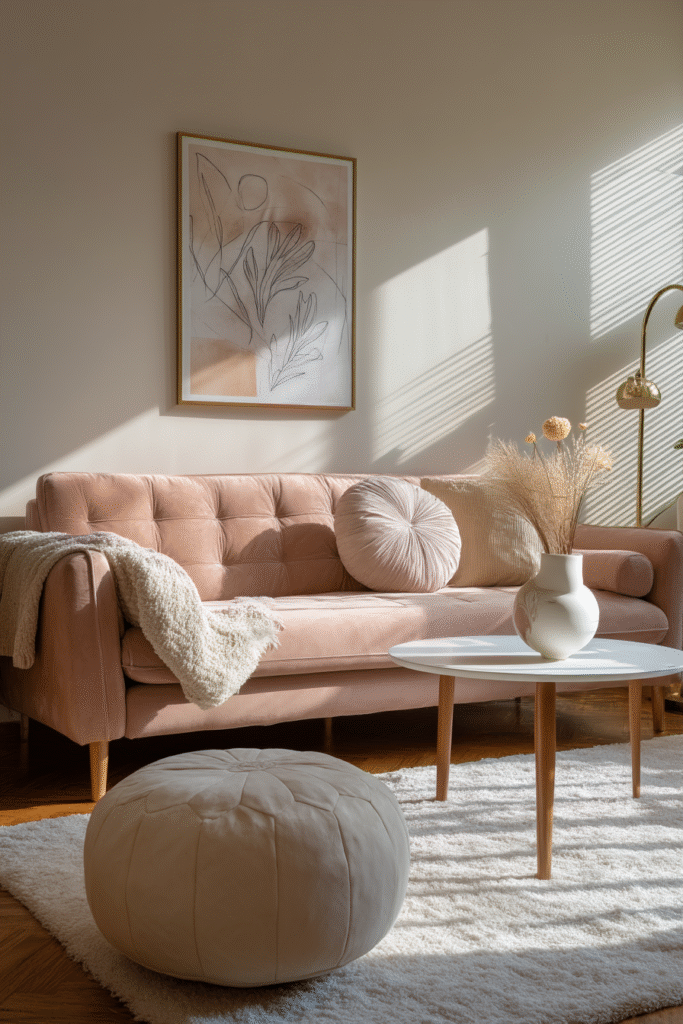
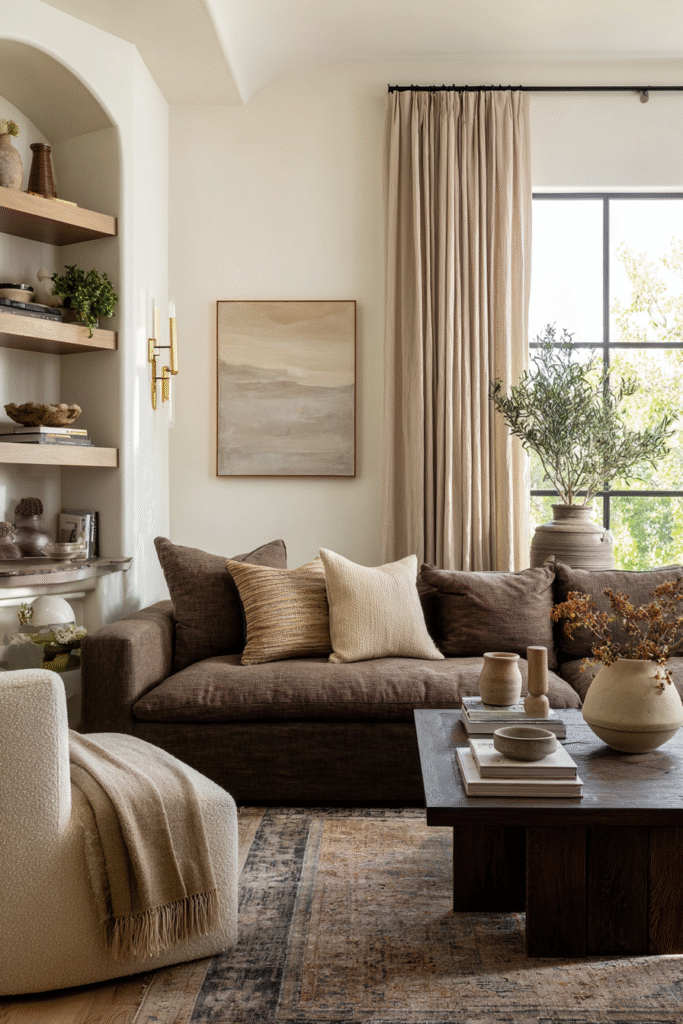
The foundational palette consists of warm neutrals: creams, taupes, terracottas, warm grays, sandy beiges, and soft whites with yellow or pink undertones. These colors create calm that allows layering without cacophony.

From this foundation, soft maximalism introduces depth through tonal variation rather than contrast. Instead of pairing navy with coral, you might layer three shades of rust—burnt orange against terracotta against peachy pink. The effect is rich and dimensional but cohesive.

When saturated colors appear, they’re typically muted. Dusty rose rather than hot pink. Sage green instead of kelly green. Mustard yellow rather than lemon. These colors carry emotional weight without demanding attention.

Natural wood tones serve as both color and texture, bridging neutral backgrounds and richer accents. The varied browns, ambers, and tans add visual complexity while maintaining organic cohesion.

The most successful soft maximalist color schemes feel naturally evolved, with each addition echoing something already present. This creates visual flow—your eye travels finding connections rather than jarring transitions.

What Is Soft Maximalism? The Cozy, Layered Look Taking Over Right Now

If color provides soft maximalism’s visual foundation, texture delivers its soul. When working within a restrained color palette, variation in texture becomes essential for creating visual intrigue without overwhelming senses.

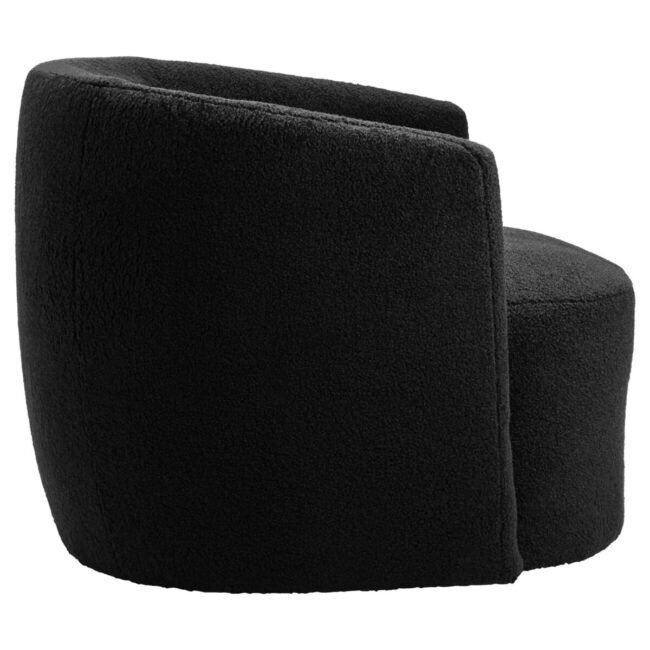
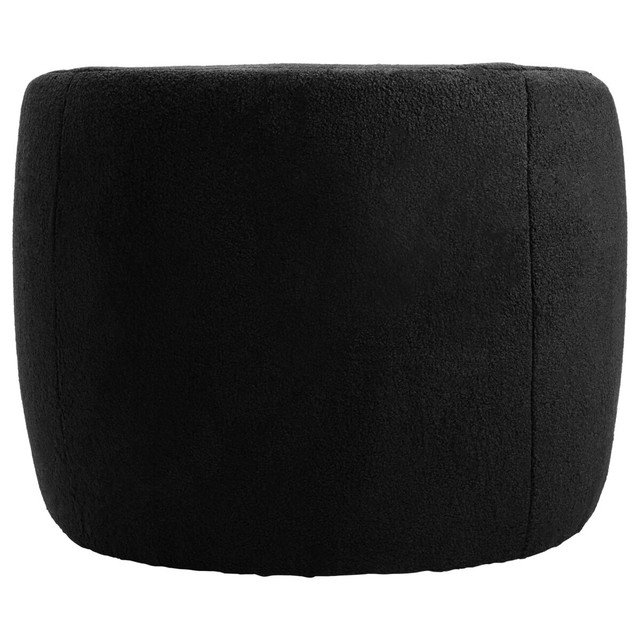
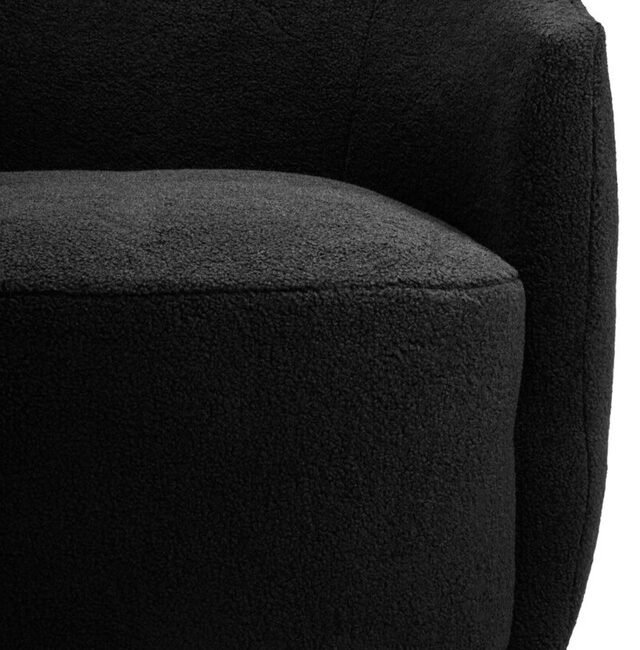
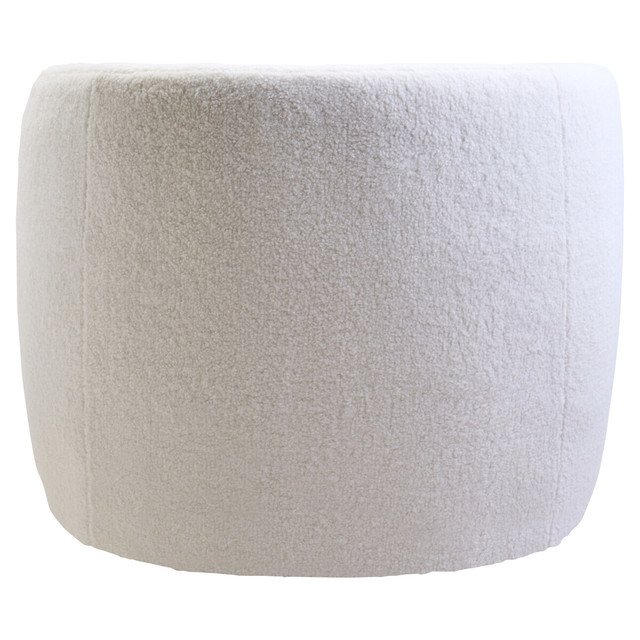
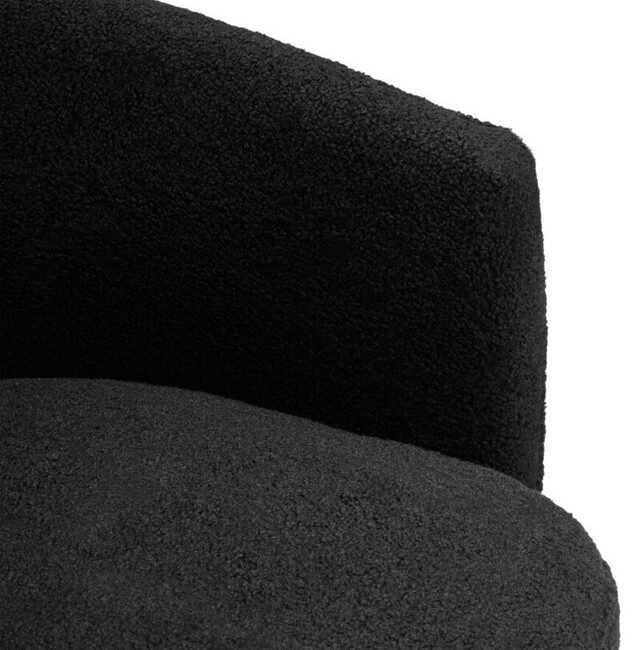
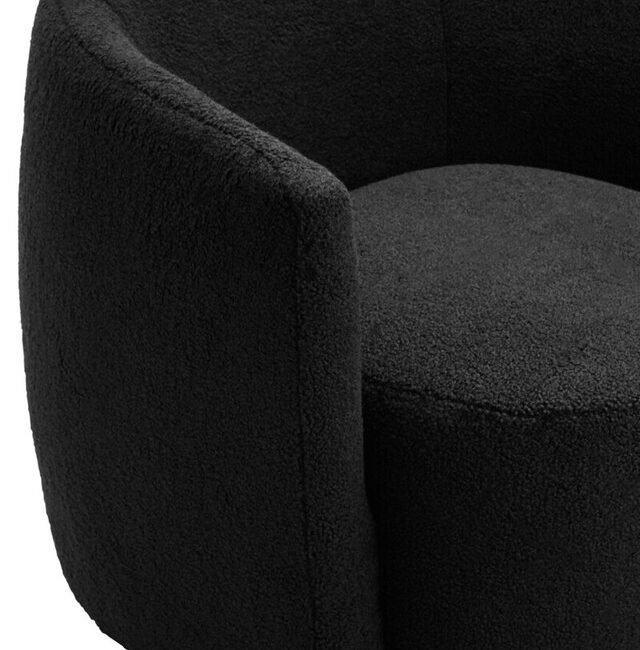
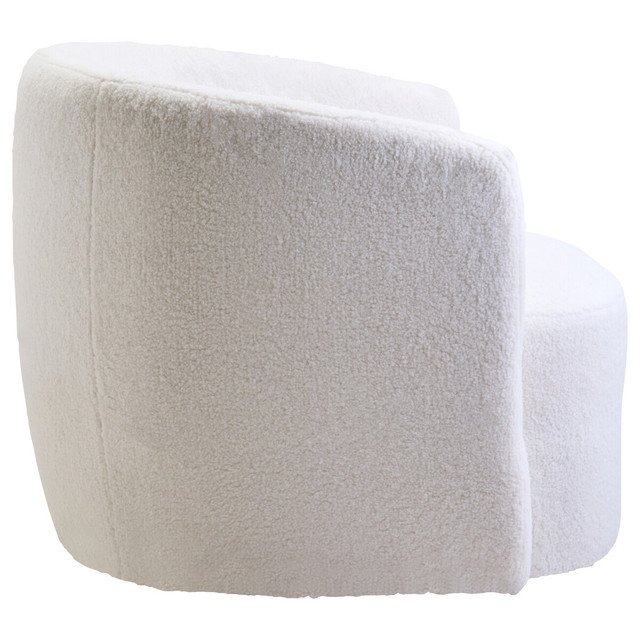
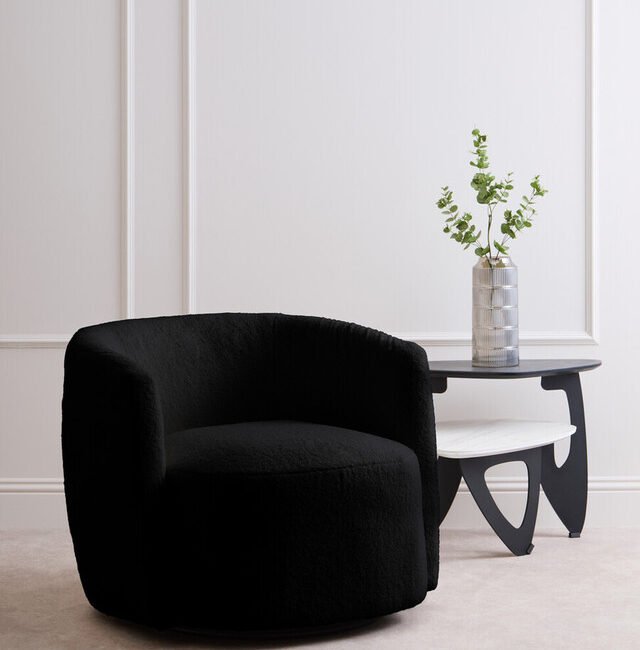
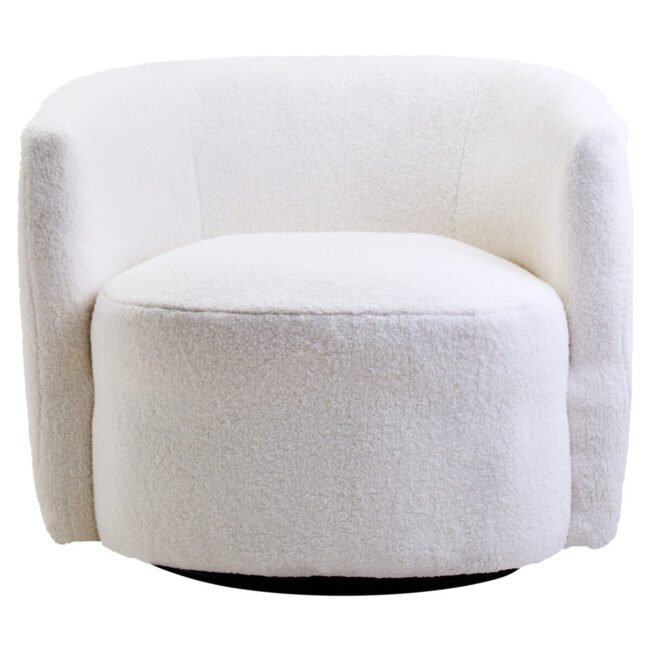
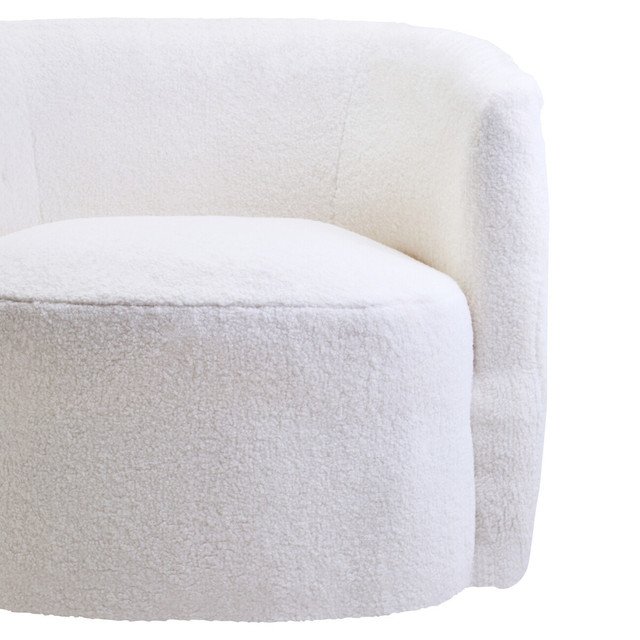
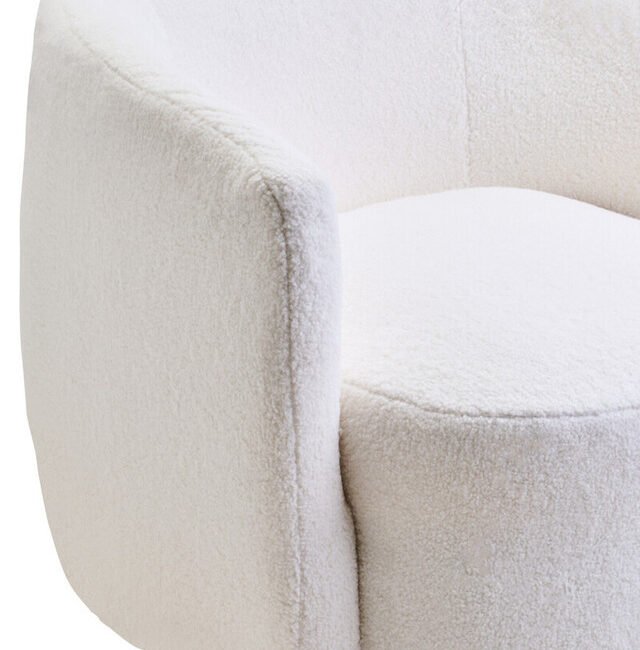
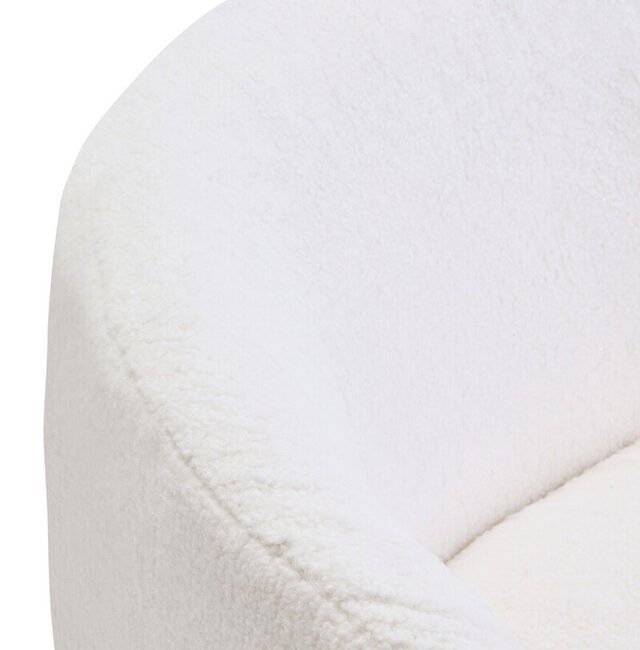
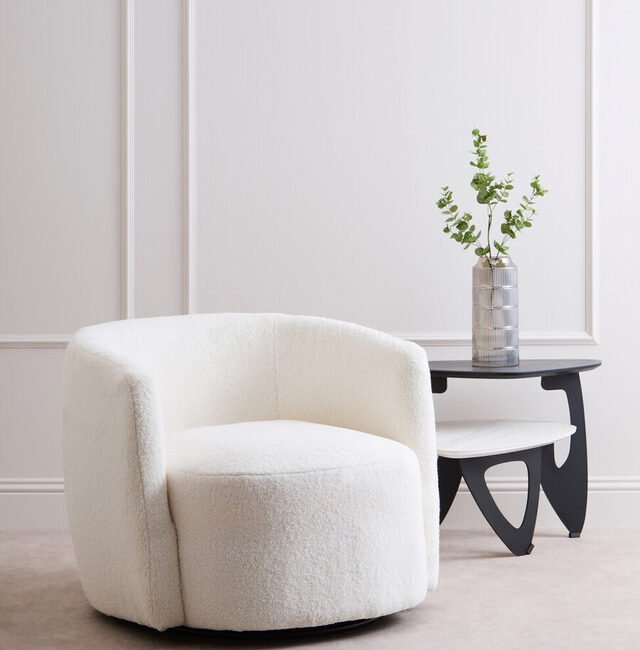
Natural materials form the backbone: raw linen with characteristic slubs, chunky wool knits and boucle upholstery, smooth ceramics alongside rough-hewn wooden bowls, jute rugs layered under vintage Persian runners, velvet cushions against nubby cotton throws. Each material contributes its sensory signature while working within broader warmth and comfort.

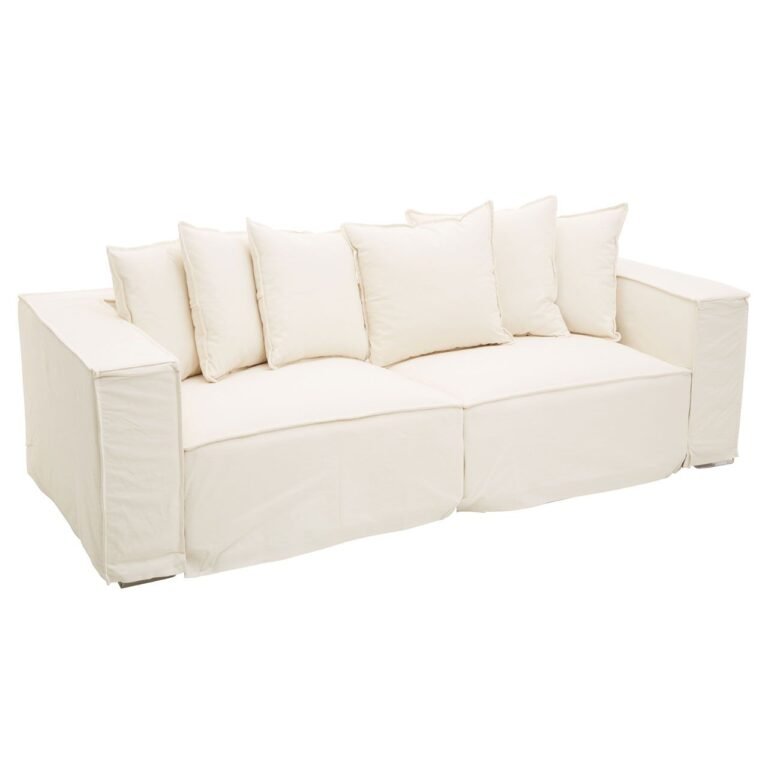
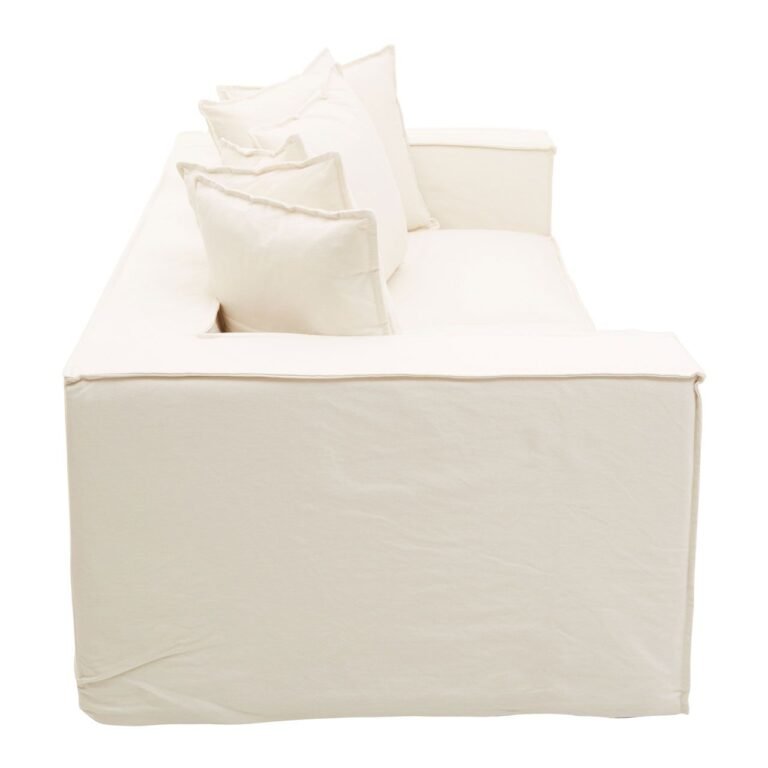
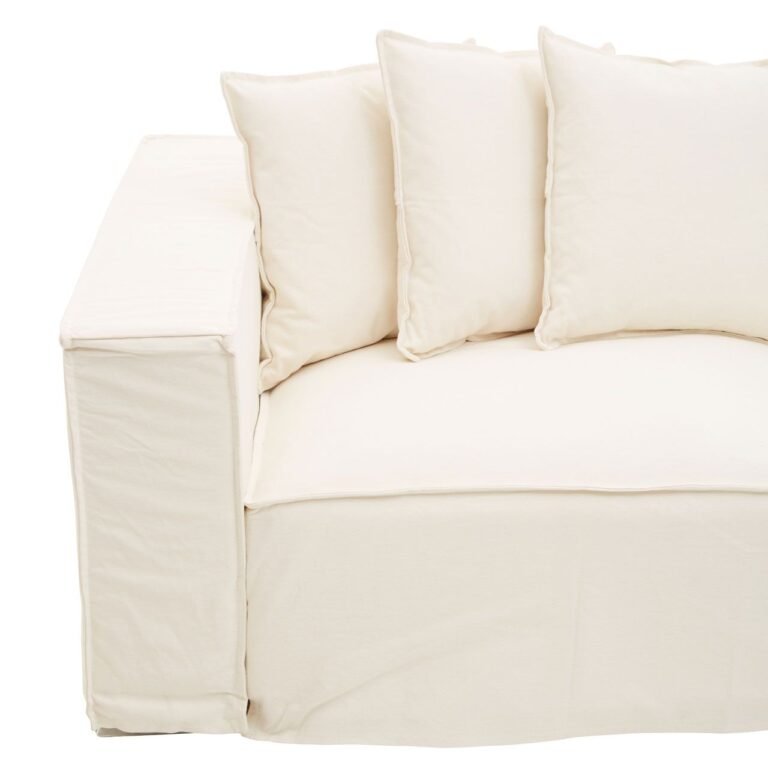
The magic happens in combination. A linen sofa becomes infinitely more inviting layered with wool throws, velvet pillows, and chunky knit blankets. A simple wooden table gains complexity with woven placemats, ceramic dishes with reactive glazes, and linen napkins.

Wall treatments add another texture dimension. Lime wash or plaster finishes catch light unevenly and develop character. Grasscloth wallpaper brings organic texture without pattern. Painted shiplap or board-and-batten adds architectural interest.

Soft maximalism celebrates textures of age and imperfection—patina on vintage brass, worn book edges, faded antique textiles, crackling pottery glazes. These aren’t flaws but textures that add irreplaceable depth.

Lighting plays crucial roles in highlighting texture. Multiple warm sources—table lamps, floor lamps, candles, sconces—create shadows and highlights that allow texture to register. Harsh overhead lighting flattens everything.

Pattern mixing challenges many attempting soft maximalism. The key is working within cohesive frameworks rather than treating it as free-for-all. Start by establishing your color palette, then choose patterns sharing colors within that spectrum.

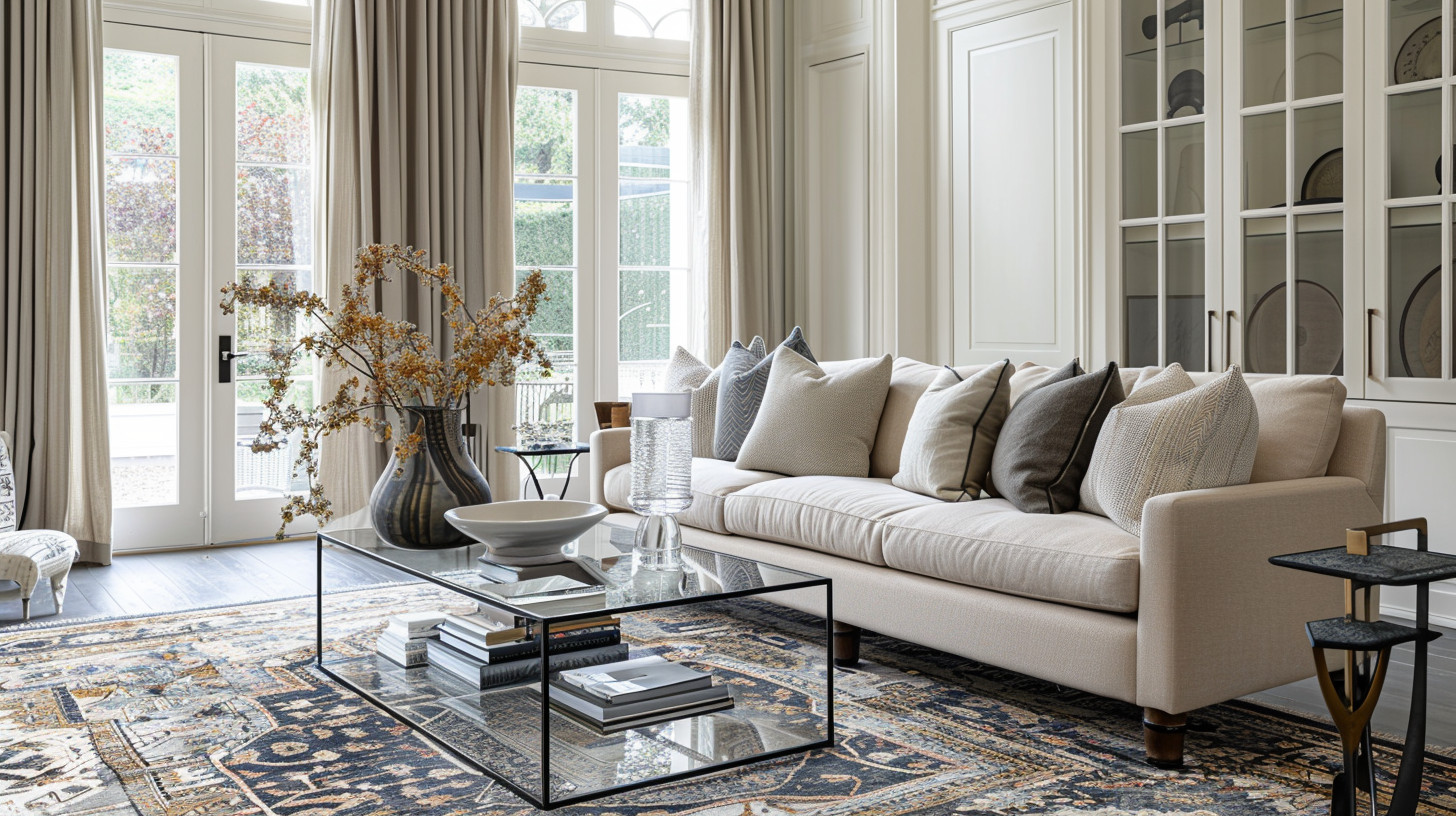
Scale variation is crucial. Mix patterns of dramatically different scales to prevent competition. Pair large-scale florals with small geometrics. Combine wide stripes with tiny polka dots. When patterns differ dramatically in scale, they occupy different visual registers and cohabit peacefully.

In soft maximalism, prefer patterns that feel organic, hand-drawn, or vintage rather than graphic and contemporary. Faded florals, watercolor abstracts, hand-blocked prints, irregular stripes, organic geometrics, traditional textiles like ikat—these align with the aesthetic’s warm, collected sensibility.

Texture can sometimes substitute for pattern. Nubby basket weave fabric creates pattern through texture alone. Jute rugs offer geometric regularity through natural weave.

Successful pattern mixing involves repetition. If you introduce floral patterns on pillows, echo florals elsewhere—in artwork, rugs, ceramic decoration. This repetition creates visual threads tying the room together.

Neutral space remains important. Not every surface needs decoration. A patterned rug can anchor a seating area with patterned pillows, but the sofa might be solid linen and walls soft neutral. This gives eyes places to rest.

Narrative Maximalism

Here’s where soft maximalism diverges from both minimalism and traditional maximalism: the principle of curation. This isn’t about having less or more—it’s about having right.

Every object should justify its presence through beauty, utility, or emotional significance. Ideally, each item offers at least two qualities; the best provide all three. This creates abundance that feels intentional rather than accidental.

Display strategies matter enormously. Soft maximalism favors grouped arrangements over scattered placement. Rather than distributing ten objects across ten surfaces, cluster them intentionally. Group candles in varying heights, arrange pottery collections on shelving, layer framed photos on mantels.

The rule of odd numbers applies. Three vases look more natural than two. Five stacked books feel better than four. Odd-numbered groupings read as organic rather than staged.

Negative space remains important even in abundance. Shelves needn’t be filled completely. Walls can have grouped art on one side and open space on the other. Coffee tables might hold beautiful arrangements but still leave room for actual use.

Rotation is a soft maximalist secret weapon. You needn’t display everything simultaneously. Keep some decorative objects in storage and rotate them seasonally. This keeps environments dynamic and prevents arrangements from becoming invisible through familiarity.

Quality over quantity becomes guiding principle. Fewer, better things create more visual calm than many mediocre things. One beautiful vintage rug always looks more intentional than three cheap ones layered unconvincingly.

7. Soft Maximalism in Small Spaces: Abundance Without Overwhelm

Soft maximalism can be particularly successful in small spaces because it prioritizes comfort and personality over visual austerity, which can make small spaces feel cold rather than cozy.

The key in compact spaces is vertical thinking. When you can’t spread horizontally, build up. Floor-to-ceiling bookshelves create storage without taking more floor space. Salon-style artwork draws eyes upward. Tall plants bring life without requiring much footprint.

Color strategy becomes even more important. While tempting to stick with all white to “maximize space,” warm, enveloping colors can make small spaces feel like jewel boxes—intimate and special—rather than compromises.

In small spaces attempting soft maximalism, one substantial, beautiful sofa serves better than several smaller pieces. Choose fewer, better items that can handle layering through textiles, art, and objects.

Multi-functionality becomes crucial. Ottomans providing seating and storage. Dining tables serving as desks. Nightstands with drawers tucking away clutter while tops display curated beauty. Furniture working hard allows visual abundance without sacrificing livability.

Textiles create softness without taking space. Layered curtains, beautiful rugs, throws, cushions—all contribute to soft maximalist aesthetic while remaining fundamentally two-dimensional.

Lighting is perhaps even more critical in small spaces. Multiple small sources—lamps, sconces, string lights, candles—create layered, warm glow making small spaces feel intimate rather than cramped.

Rental-friendly approaches include beautiful textiles, portable lighting, furniture you can take with you, leaning art, peel-and-stick wallpaper, and decorative objects. These create soft maximalist mood without lease violations.

What Is Soft Maximalism? The Cozy, Layered Look Taking Over Right Now

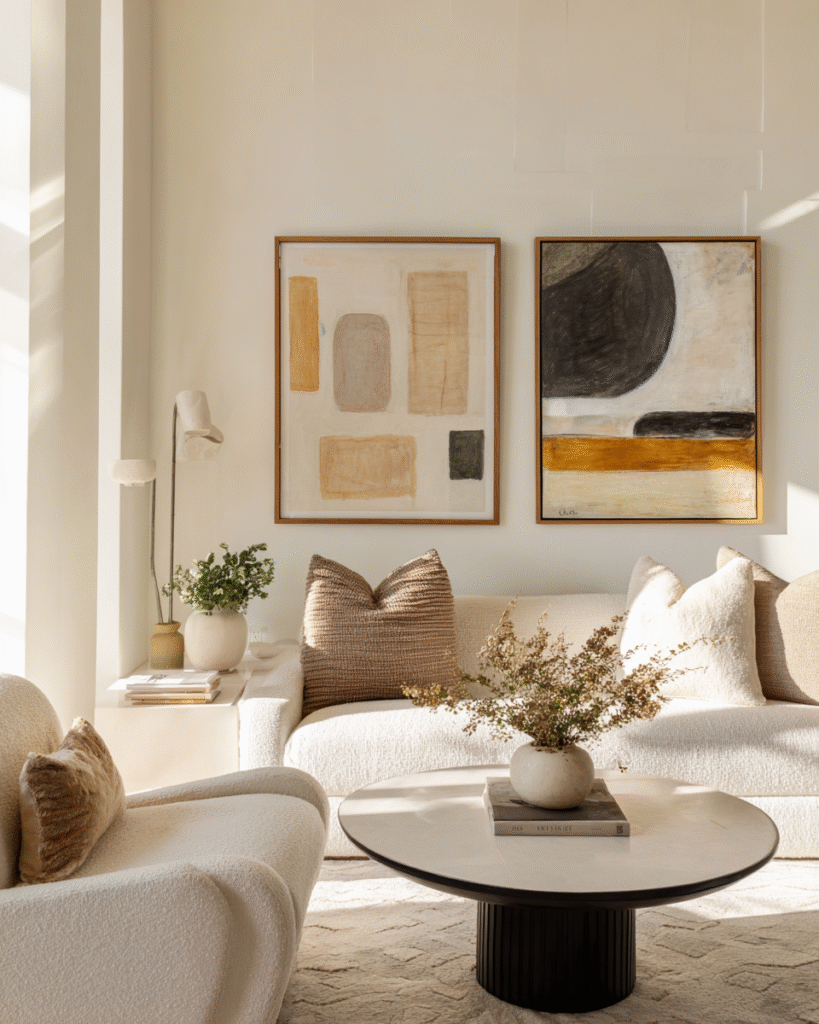
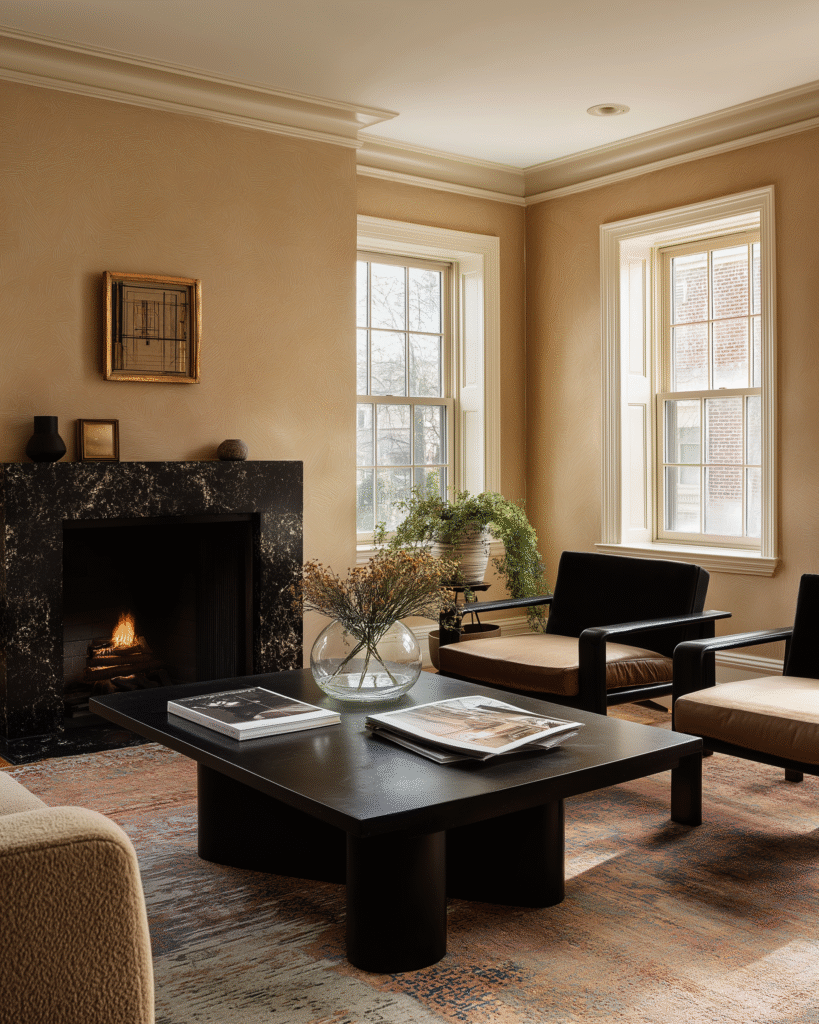
Coffee table styling offers a perfect soft maximalist microcosm. Start with beloved books stacked in groups of two or three. Add a beautiful tray to corral objects. Include something natural—a small plant, seasonal fruit bowl, dried flowers. Add candles in varying heights. Perhaps a small sculptural object. The result should feel abundant but not crowded, intentional but not rigid.

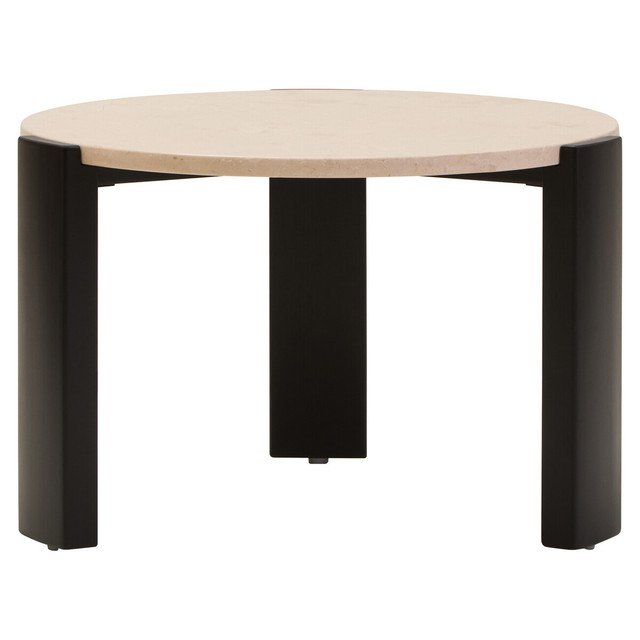
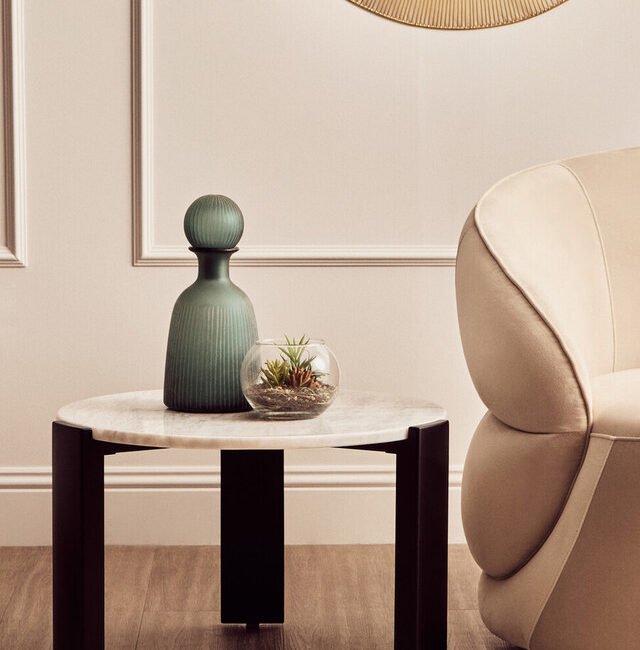
Side tables and nightstands follow similar principles. A lamp provides function. A small book stack serves utility and beauty. A personal object adds personality. Perhaps a candle, coaster, tiny vase with a single flower. These surfaces should feel dressed without cluttered.

Shelving involves mixing beautiful objects with practical ones, varying heights and depths, leaving negative space, creating small vignettes within larger compositions. Books stack vertically and horizontally, interspersed with pottery, plants, framed photos, decorative boxes.

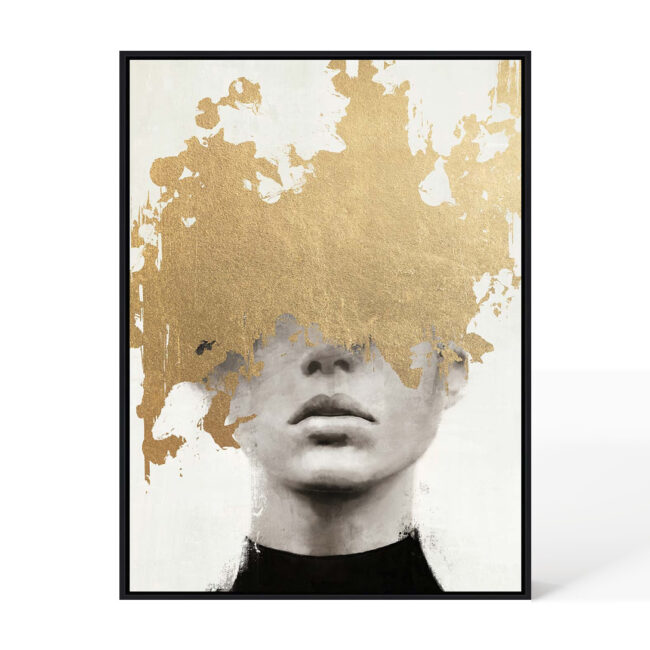
Art walls are quintessentially soft maximalist. Rather than one large statement piece, consider salon-style arrangements building over time. Mix frame sizes, colors, and styles while maintaining common threads. Lean some frames rather than hanging everything. This creates collected-over-time feeling.

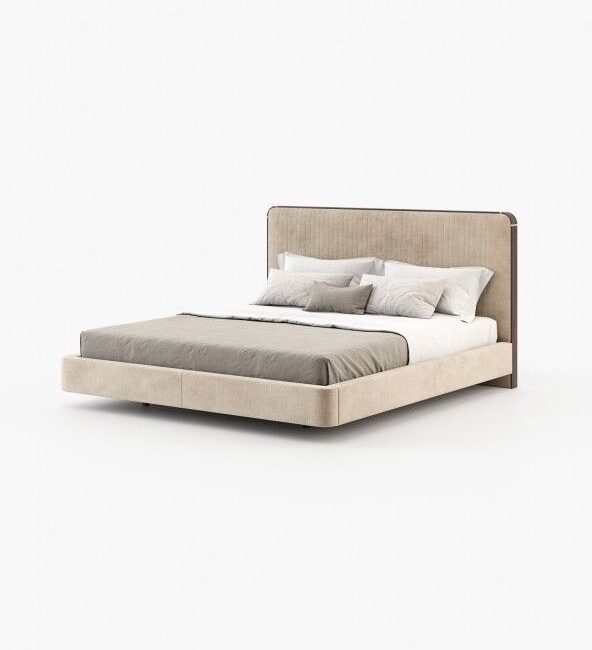
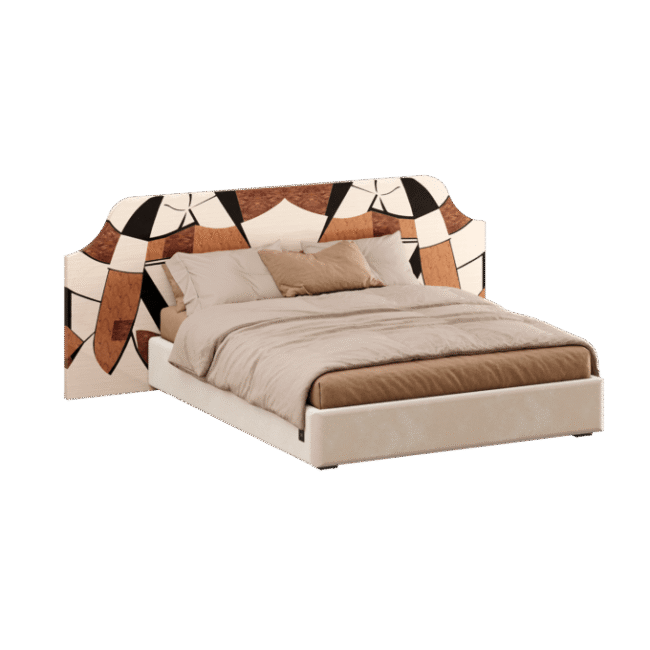
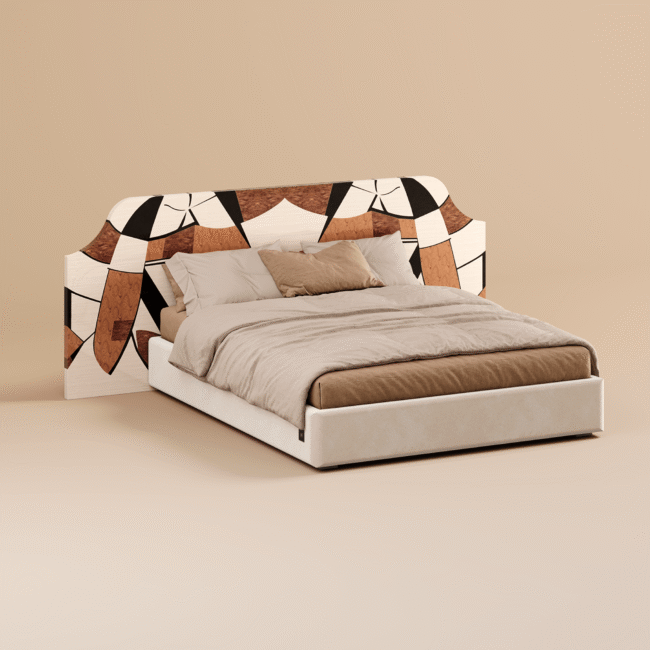
Bedding is styled in layers—textured coverlet, lightweight quilt, throw at foot, assorted pillows in different sizes and textures. Beds should look inviting, not so pristine you’re afraid to disturb them.

Seasonal refresh is built into soft maximalist styling. Swap heavy wool throws for lightweight linen as weather warms. Rotate displayed art. Bring in seasonal elements—spring branches, summer flowers, fall gourds, winter greenery.

9. Lighting: Creating Warmth and Mood Through Layered Illumination

Lighting might be the single most important element in successfully executing soft maximalism. All the texture, color, and curation will fall flat under harsh, cold, or inadequate lighting.

The cardinal rule is layering. No single overhead fixture should carry entire lighting burden. Distribute light sources throughout spaces at varying heights and intensities. This creates warm, enveloping quality making spaces feel intimate rather than stark.

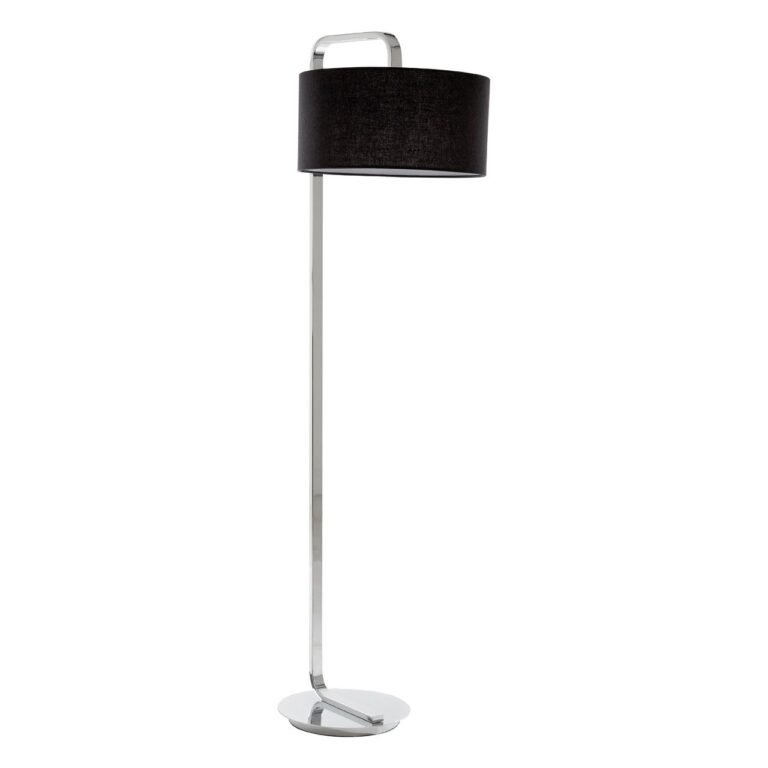
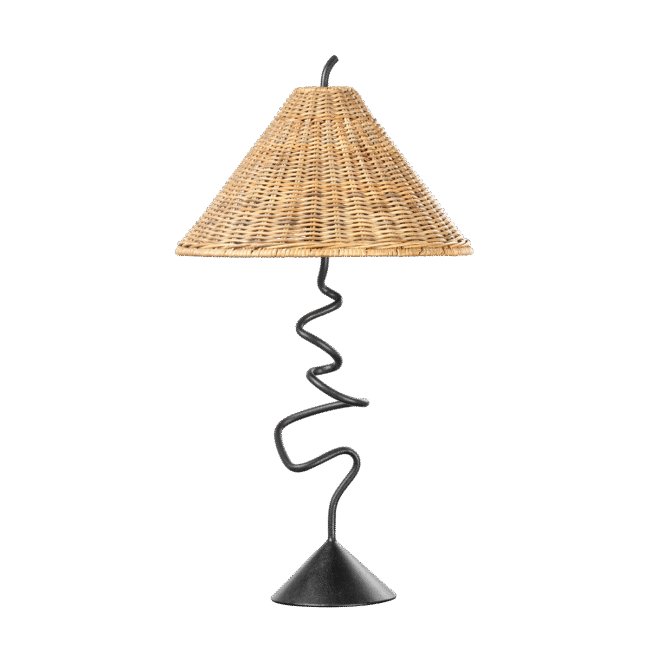
Table lamps provide both task lighting and ambient glow. Choose lamps with fabric or paper shades diffusing light softly. Floor lamps offer height variation, illuminating corners that might otherwise disappear into shadow. Wall sconces provide ambient lighting while freeing precious surface space.

Candles are fundamentally soft maximalist. They provide flattering, warm light while adding sensory experience through scent and meditative flickering flame. Cluster candles in groups on trays, mantels, coffee tables.

Dimmers are non-negotiable. Even beautiful fixtures can create wrong mood at full brightness. The ability to adjust lighting throughout the day profoundly impacts how spaces feel.

Color temperature matters enormously. Choose bulbs in the 2700K-3000K range—warm white mimicking incandescent light. Avoid anything labeled “daylight” or “cool white,” which creates harsh, clinical quality completely antithetical to soft maximalism.

Light placement should consider not just illumination but shadow. The interplay of light and shadow makes texture visible and creates depth. Varied light sources create highlights and lowlights making spaces feel dimensional.

What Is Soft Maximalism? The Cozy, Layered Look Taking Over Right Now

Beyond aesthetics, soft maximalism serves a deeper function: supporting emotional and psychological wellbeing through thoughtful environmental design.

The layered, textured quality provides what psychologists call “sensory richness.” Environments with varied textures, multiple points of visual interest, and opportunities for touch create engagement and comfort—interesting enough to hold attention without overwhelming.

Personalization—the presence of meaningful objects, photos, art, collections—reinforces identity and creates sense of control. Having a space reflecting who you are, what you’ve experienced, and what you value provides psychological grounding. Your home becomes not just shelter but a physical manifestation of your inner world.

The emphasis on natural materials connects us to the physical world in ways purely synthetic environments cannot. Wood, linen, wool, stone, ceramics—these materials carry inherent warmth and authenticity. They age visibly, developing patina telling stories of their use.

Color psychology supports soft maximalism’s palette choices. Warm earth tones—terracottas, ochres, taupes—are consistently associated with feelings of stability, comfort, and safety. Soft jewel tones introduce richness without stimulation demands of bright colors.

Soft maximalism’s rejection of perfectionism offers permission to live comfortably rather than anxiously. Unlike minimalist spaces feeling ruined by a single out-of-place object, soft maximalist rooms accommodate life. Throws can slip off sofas. Books can stack on coffee tables. This flexibility reduces stress of maintaining impossible standards.

Perhaps most importantly, soft maximalism validates the human need for comfort, beauty, and abundance. After years of being told having less would make us happier, many felt inadequate for wanting homes to hold more. Soft maximalism says that desire for richness and comfort isn’t a failing. It’s human.

What Is Soft Maximalism? The Cozy, Layered Look Taking Over Right Now

11. Common Mistakes and How to Avoid Them

Confusing “more” with “soft maximalism.” Simply adding more objects doesn’t create the aesthetic. Without curation, intention, and harmony, accumulation reads as clutter. Before adding something new, consider what it contributes.

Mixing too many color families. While soft maximalism embraces color, introducing too many unrelated colors creates chaos. Establish a color palette of 3-5 colors plus neutrals, and stay within that family.

Neglecting scale variation. When everything is the same size, spaces lack visual rhythm. Intentionally vary scale—pair large furniture with small accessories, mix oversized art with tiny vignettes.

Distributing objects evenly rather than clustering. Spacing objects uniformly creates visual noise. Group objects in clusters, leaving other surfaces relatively clear.

Insufficient editing. Loving many things doesn’t mean displaying everything simultaneously. If you own 50 decorative objects, display 20 and rotate others.

Ignoring negative space. Even abundant spaces need visual rest. Intentionally leave some walls, shelves, and surfaces relatively empty.

Rushing the process. Soft maximalism should feel collected over time. Build slowly. Live with a space before adding to it. Let rooms evolve organically.

Inadequate lighting. All the layering falls flat under harsh overhead lighting. Invest in lighting before buying another decorative object. Multiple warm light sources make everything look better.

12. Building Your Soft Maximalist Home: A Practical Roadmap

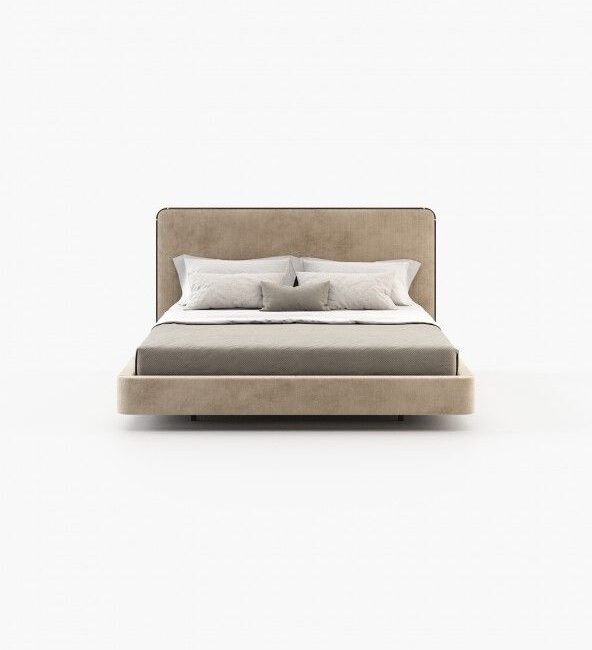
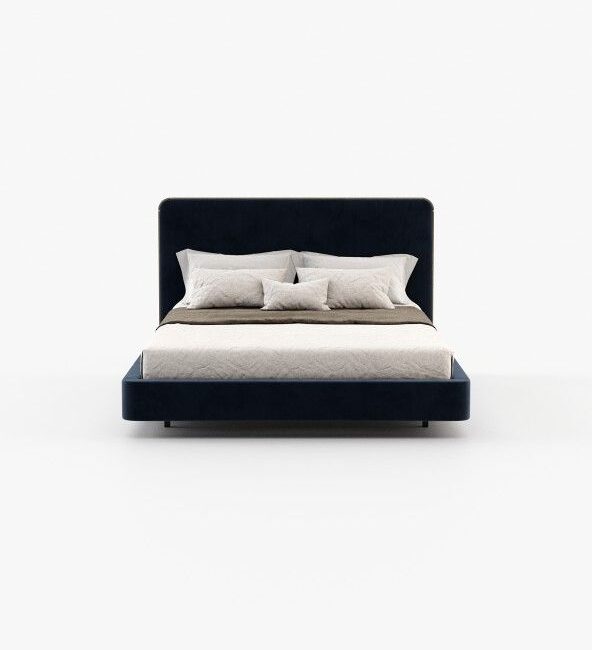
Phase 1: Foundation (Months 1-2) — Start with bones: paint, major furniture. Choose warm, neutral paint colors supporting layering. Invest in key furniture pieces—sofa, bed, dining table—that are substantial, comfortable, and beautiful enough to build around.

Phase 2: Textiles and Softness (Months 2-4) — Add layers through textiles: rugs, curtains, bedding, pillows, blankets. This is where spaces start feeling like soft maximalism. Prioritize natural materials and quality over quantity.

Phase 3: Lighting (Months 3-5) — Develop layered lighting strategy. Start with 2-3 lamps, building toward 4-6 light sources in main living areas. Invest in dimmers. Replace harsh bulbs with warm-toned alternatives.

Phase 4: Art and Display (Months 4-8) — Begin building art collections and styled surfaces. This doesn’t require expensive pieces—prints, vintage finds, your own photography, thrifted art. What matters is choosing things that genuinely resonate.

Phase 5: Refinement and Personalization (Ongoing) — Continue adding meaningful objects, editing what doesn’t work, refining compositions. This phase never ends—soft maximalist spaces evolve continuously.

Budget Considerations: Prioritize spending on quality furniture, natural fiber textiles, good lighting, and a few key art pieces you truly love. Save money by shopping vintage, DIYing simple projects, building slowly, and choosing classic pieces over trendy ones.

Rental-Friendly Approaches: Use removable wallpaper, temporary wall hooks, portable lighting, furniture you can take when you move, leaning art, and freestanding shelving.

The key to successfully building a soft maximalist home is patience. This aesthetic is fundamentally about collecting over time, finding pieces that speak to you, building layers that reflect genuine living.

What Is Soft Maximalism? The Cozy, Layered Look Taking Over Right Now

Conclusion: Soft Maximalism as a Way of Living

Soft maximalism represents more than an interior design trend—it’s a philosophy of how we want to live and feel in our homes. At its core, this aesthetic rejects the false choice between beauty and comfort, between calm and personality, between minimalism’s austerity and traditional maximalism’s overwhelming abundance.

What makes soft maximalism particularly resonant is its fundamental kindness—to ourselves, our needs, our desire for spaces that support rather than demand. It offers permission to have things we love, to display what brings us joy, to create visual and tactile richness without guilt.

The sustainability of this aesthetic, both emotionally and practically, cannot be overstated. Unlike trends requiring complete overhauls or constant updating, soft maximalism encourages gradual building, thoughtful curation, and incorporation of existing beloved objects. It celebrates age, patina, and imperfection. These qualities make it not just beautiful but genuinely livable for the long term.

Soft maximalism also honors individuality. Two people can both create soft maximalist homes that look entirely different because the aesthetic is defined by principles—warmth, texture, curation, layering—rather than specific objects or colors. Your soft maximalist space will reflect your life, your collections, your preferences, your definition of comfort.

The emotional architecture this style creates—spaces that comfort rather than stress, that welcome rather than demand, that reflect rather than erase—serves profound psychological needs. In homes designed with soft maximalist principles, we can rest. We can be ourselves. We can live without constantly maintaining impossible standards.

As you build or refine your own soft maximalist space, remember that perfection isn’t the goal—comfort, beauty, and authenticity are. Your home should evolve as you evolve, accumulating markers of your life—the books you read, the art that moves you, the textiles that feel good, the colors that make you happy.

Soft maximalism invites us to embrace warmth, to layer intentionally, to curate thoughtfully, and to create spaces that feel like exhaling after holding our breath. In doing so, it offers not just a design aesthetic but a more humane, sustainable, and joyful way of inhabiting our homes—and by extension, our lives.

What do you think?
Leave a Reply

Blog

Get fresh home inspiration and helpful tips from our interior designers

top
2
    2
    Your Cart
    Affril Large Abstract Rug Remove
    Affril Large Abstract Rug
    Qty: 1
    Price: £758
    £758
    1987 Desk Remove
    1987 Desk
    Qty: 1
    Price: £11,820
    £11,820

    Inactive

    Privacy Overview

    This website uses cookies so that we can provide you with the best user experience possible. Cookie information is stored in your browser and performs functions such as recognising you when you return to our website and helping our team to understand which sections of the website you find most interesting and useful.