The One Decision That Makes or Breaks a Beautiful Room
You’ve done everything right. The sofa is perfectly placed. The rug anchors the room beautifully. The paint colour is exactly the moody shade you spent three weekends deliberating over. And then you look up—and the ceiling fixture ruins it all.
Lighting is the most underestimated element in interior design, and nowhere is that more obvious than in the moment you realise your room looks like a showroom instead of a home, or worse, like a waiting room instead of a sanctuary. Statement pendant lights have become the go-to solution for design-conscious homeowners who want their ceilings to do more than just hold a bulb—but then there’s the chandelier, waiting in the wings with centuries of glamour behind it, refusing to be dismissed.
So which do you actually need? The answer isn’t as simple as “pendants are modern, chandeliers are traditional.” That take belongs in a 2009 decorating magazine. The real answer lives in your ceiling height, your room’s proportions, the atmosphere you’re trying to create, and how you want people to feel the moment they walk through your door.
This guide is going to make that decision easy. By the end, you’ll know exactly why statement pendant lights work brilliantly in some spaces and fall flat in others, and you’ll understand what makes designer chandeliers the only choice for certain rooms—not because of tradition, but because of design logic. Let’s get into it.
What Actually Separates Statement Pendant Lights from Chandeliers?
Before you can choose, you need to understand what you’re actually choosing between. The difference goes deeper than aesthetics.
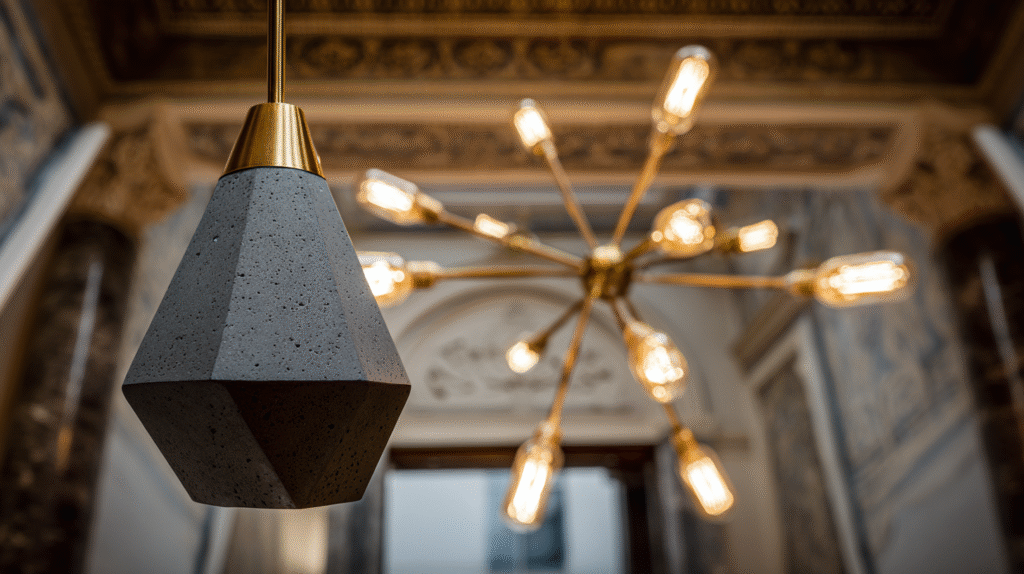
Statement pendant lights are single light sources—or a deliberate cluster of them—suspended from the ceiling by a cord, cable, or rod. The defining characteristic is intentionality. A statement pendant isn’t just functional; it’s architectural. It commands attention. It creates a focal point. Whether it’s an oversized sculptural globe, a raw concrete dome, or a hand-blown amber glass form, the pendant earns its place as an object of design in its own right.
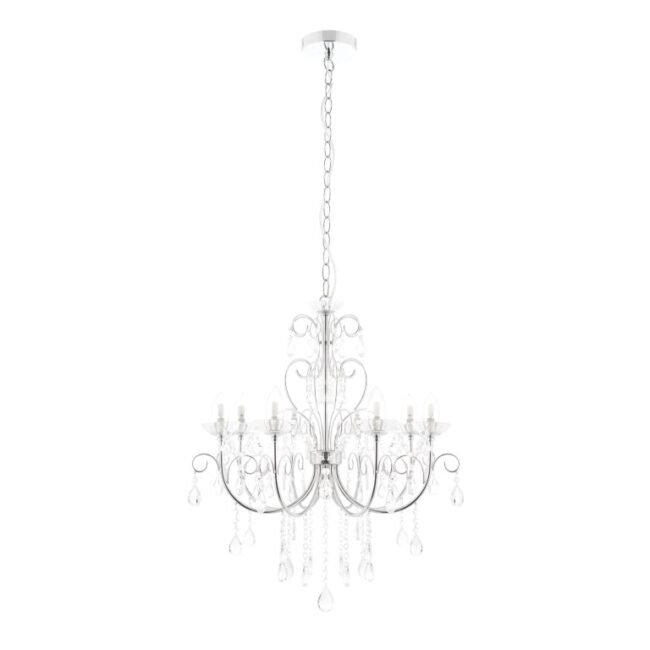
A chandelier, by contrast, is a branched light fixture—typically featuring multiple arms, tiers, or cascading elements that hold several bulbs. Designer chandeliers carry an inherent sense of abundance and grandeur. They distribute light across a wider radius, creating ambient illumination rather than a concentrated pool of light. They suggest ceremony. They make a room feel like an occasion.
Here’s what they have in common: both are designed to be seen. Neither belongs in a space that doesn’t deserve one.
Key Distinctions at a Glance: • Statement pendant lights: single focal point, directional light, often more sculptural and architectural • Designer chandeliers: multi-arm, wide light distribution, traditionally grander scale • Both: ceiling-hung, decorative, high-impact design choices • Both: wrong if scaled incorrectly to the room
The mistake most people make is choosing based on what they find beautiful in a showroom or on Instagram, without considering how that fixture will behave in their specific space. A pendant that looks breathtaking in a converted warehouse loft will look lost and faintly ridiculous in a standard new-build with 2.4-metre ceilings. Context is everything.
This is the section that will save you from the single most common—and most expensive—lighting mistake homeowners make.
Ceiling Height: The Non-Negotiable Factor
Statement pendant lights generally need a minimum of 2.4 metres of ceiling height to work properly, and that’s the absolute floor. Ideally, you’re working with 2.7 metres or above. In rooms with lower ceilings, the pendant hangs too close to eye level, creating visual clutter and, occasionally, a genuine hazard.
Chandeliers are even more demanding. A traditional multi-tiered chandelier requires at least 2.7 metres of ceiling height to hang properly, and for genuinely grand fixtures—the kind with crystal drops or sweeping arms—you’re looking at a minimum of 3 metres. In a period property with high ceilings or a double-height hallway, a chandelier becomes a masterpiece. In a modern terrace with standard ceiling heights, it becomes a problem.
The Rule of Thumb for Pendant Drop Height: • Over a dining table: hang so the bottom of the pendant sits 70-80cm above the table surface • Over a kitchen island: 60-70cm above the worktop for task lighting that’s also beautiful • In an open hallway or living space: bottom of the pendant should clear 2.1 metres from the floor at minimum
Scale and Visual Weight
Proportion matters as much as height. A pendant that’s too small for a large room disappears. A chandelier that’s too small for a grand space looks apologetic. There’s a simple formula designers use to find the right chandelier diameter: add the room’s length and width in feet, and the resulting number in inches is roughly your ideal fixture diameter. So a 12 x 14-foot room would suit a chandelier of around 26 inches in diameter.
For statement pendant lights, scale works slightly differently—because a bold pendant is supposed to make an impact, you can go larger than you might initially feel comfortable with. When in doubt, size up.
Ceiling Type Considerations: • Flat ceilings: pendants and chandeliers both work; suspension length is key • Vaulted or sloped ceilings: canopy-style pendants with angled mounts are your friend • Coffered or panelled ceilings: chandeliers align beautifully with the architectural detailing • Concrete or exposed ceilings: industrial pendant forms feel native and intentional
-



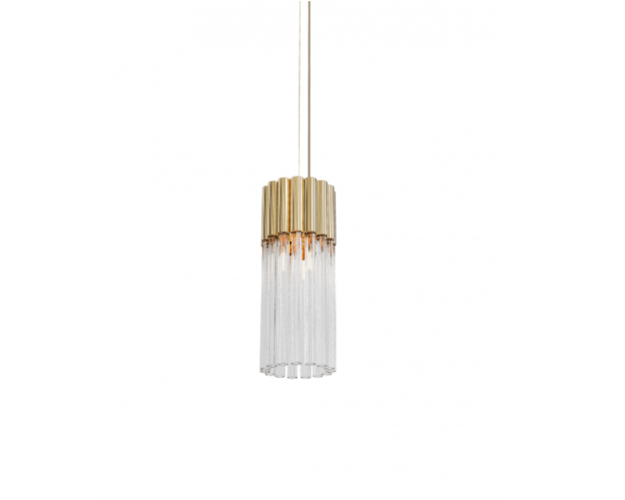
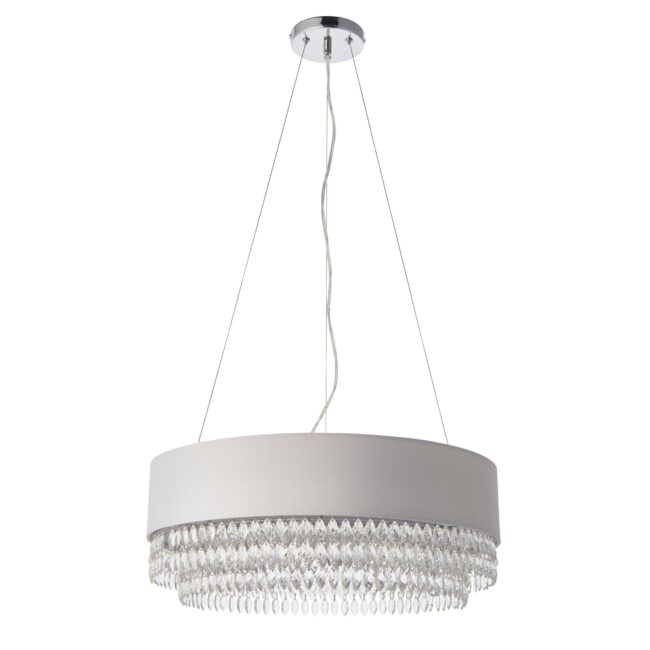
Abith Pendant Light
£238 – £434Price range: £238 through £434 Select options This product has multiple variants. The options may be chosen on the product page -
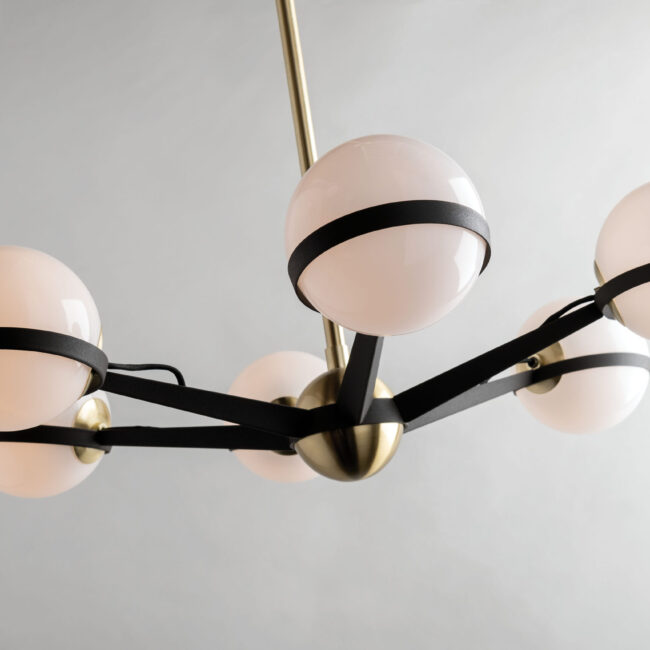
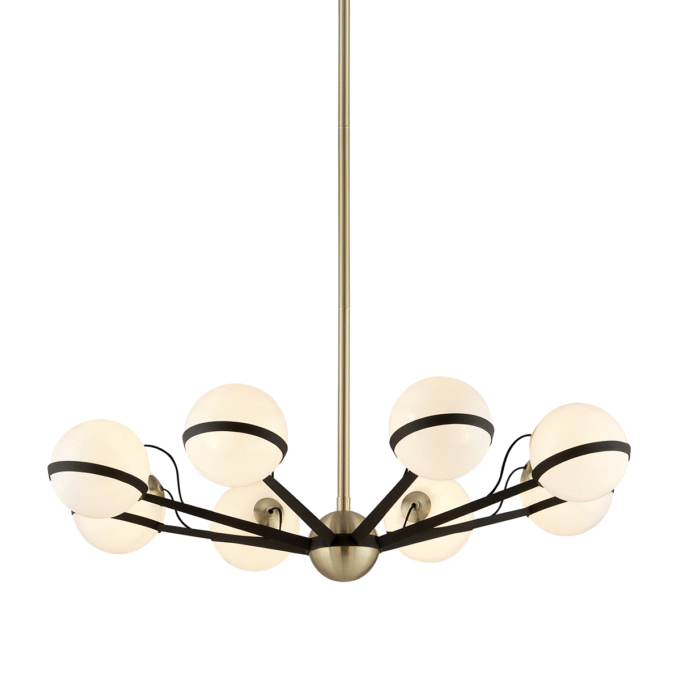
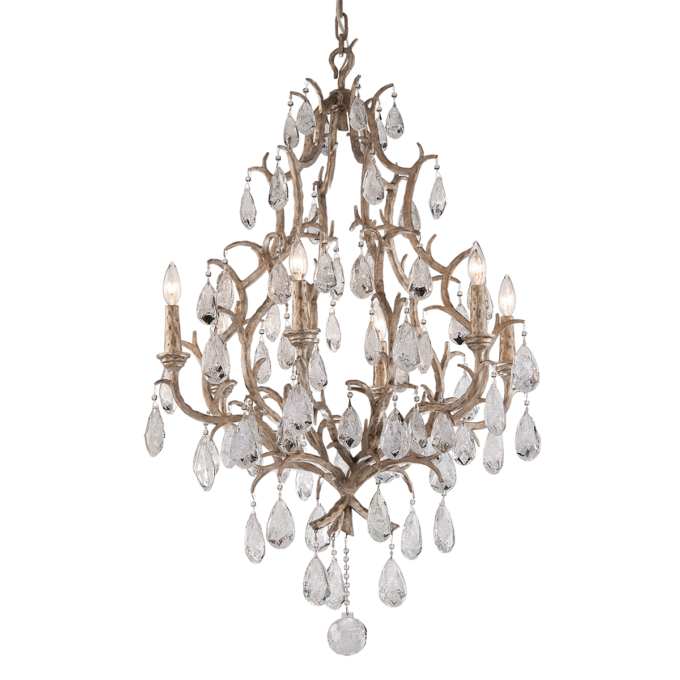
Ace Chandelier Medium-B
£1,313 Read more -

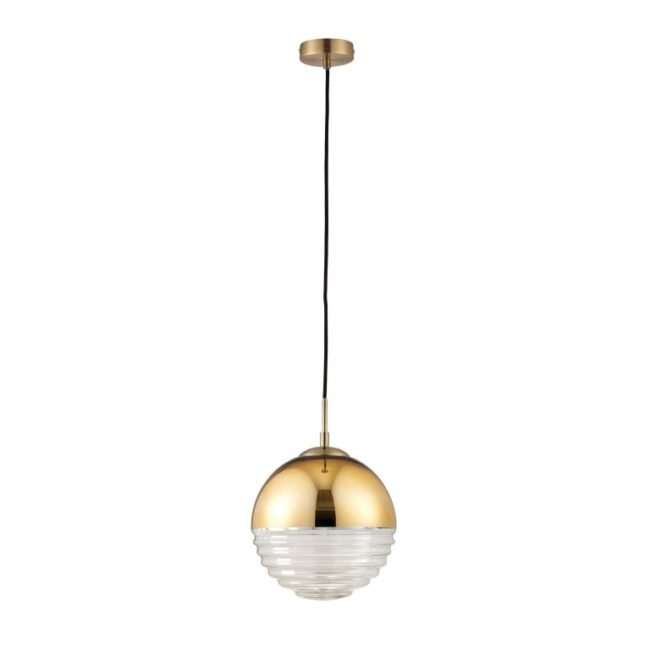
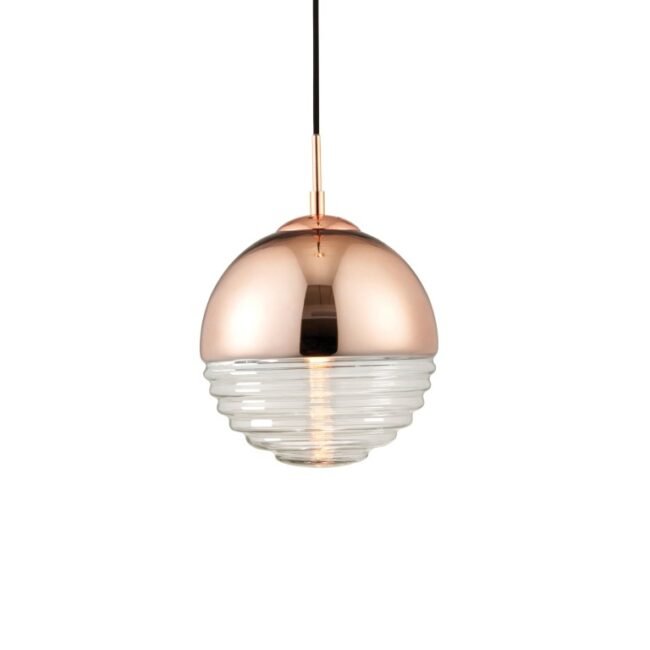

Aloma Pendant Light
£94 Select options This product has multiple variants. The options may be chosen on the product page
There are spaces and scenarios where statement pendant lights are simply the better design choice—not a compromise, but the superior solution.
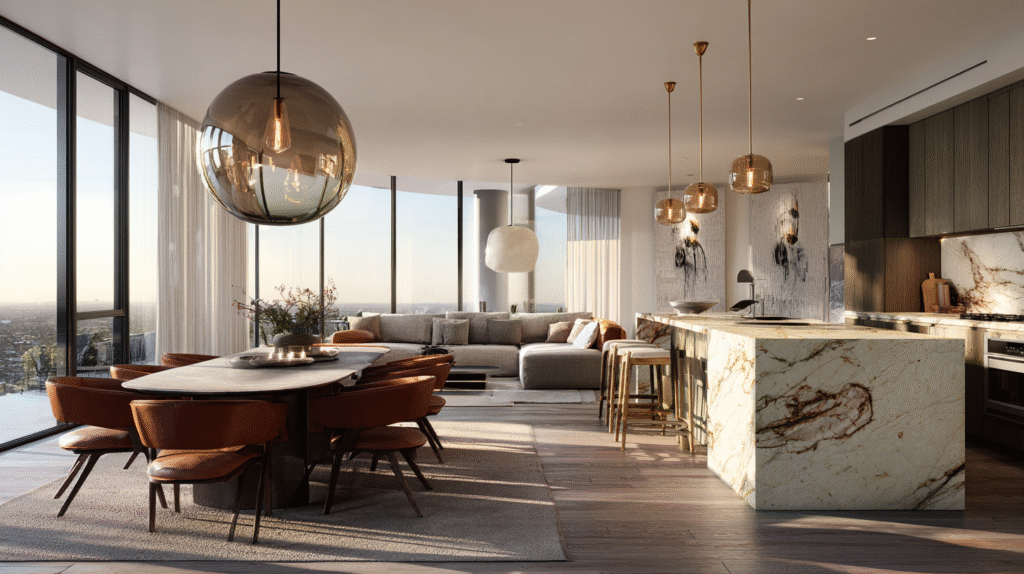
Over Kitchen Islands and Breakfast Bars
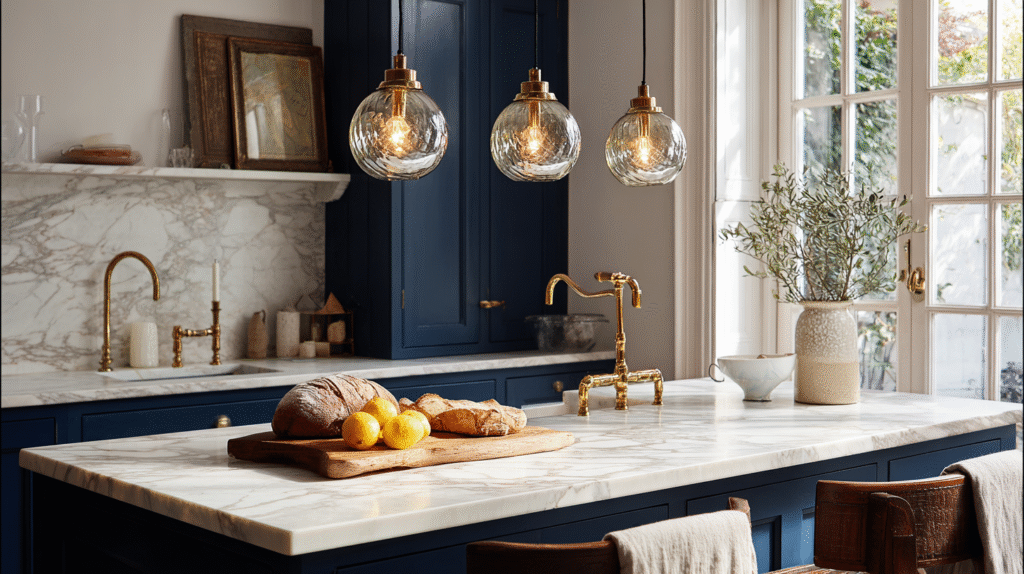
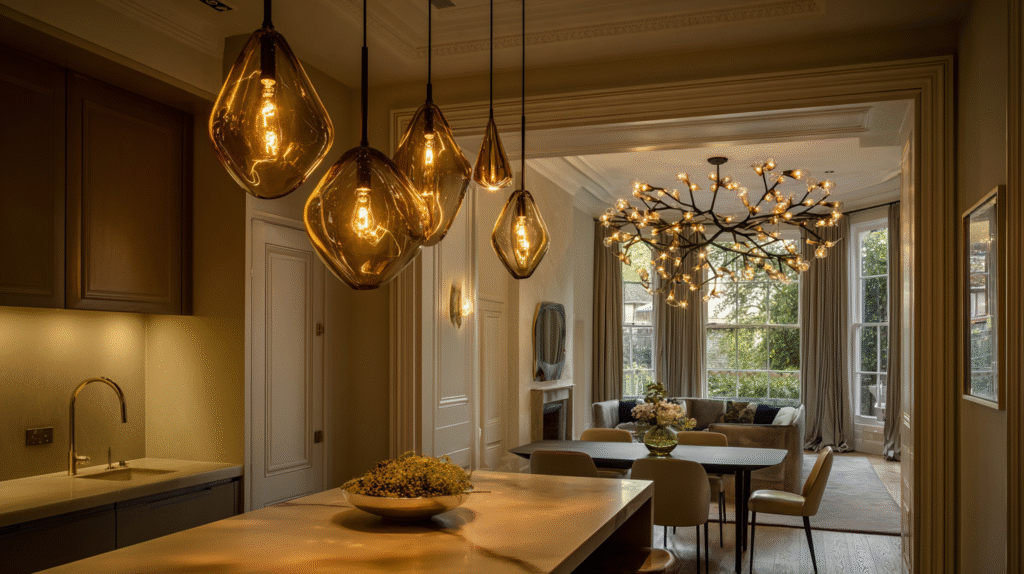
This is pendant territory, full stop. A pair or trio of luxury pendant lighting over a kitchen island creates rhythm, defines the space within an open-plan layout, and provides the kind of focused, downward illumination that makes food look better and cooking feel like less of a chore. Designer chandeliers, with their dispersed multi-directional light, lack the task-lighting precision that this space demands.
Perfect for: Open-plan kitchen-diners, large kitchen islands, breakfast bar peninsulas
Pairs beautifully with: Marble or quartz countertops, brushed brass hardware, Shaker-style cabinetry, deep-toned lower units in navy or forest green
In Bedrooms with Standard Ceiling Heights
Statement pendant lights shine in bedrooms—particularly as a replacement for bedside table lamps. A pair of slim pendant lights hung either side of the bed at the right drop height creates a hotel-style aesthetic that’s both luxurious and practical. They free up bedside table surface space and add a vertical design element that draws the eye upward, making the room feel taller.
Perfect for: Hotel-style master bedrooms, compact bedrooms where surface space is limited, minimalist interiors
Pairs beautifully with: Linen headboards, textured wall finishes, warm-toned bulbs for ambient evening light
In Dining Rooms with Moderate Ceiling Heights
A single oversized statement pendant over a dining table is one of the most powerful moves in interior design. It creates intimacy—drawing the people seated beneath it into a defined, atmospheric space within a larger room. The focused pool of light it casts makes faces look better, food look more appetising, and conversation feel more natural.
A sculptural gold pendant light over a dark timber dining table, for instance, creates a warmth and theatre that no ceiling rose fixture could replicate.
Perfect for: Dining rooms with 2.4-2.7 metre ceilings, contemporary dining spaces, open-plan rooms that need zone definition
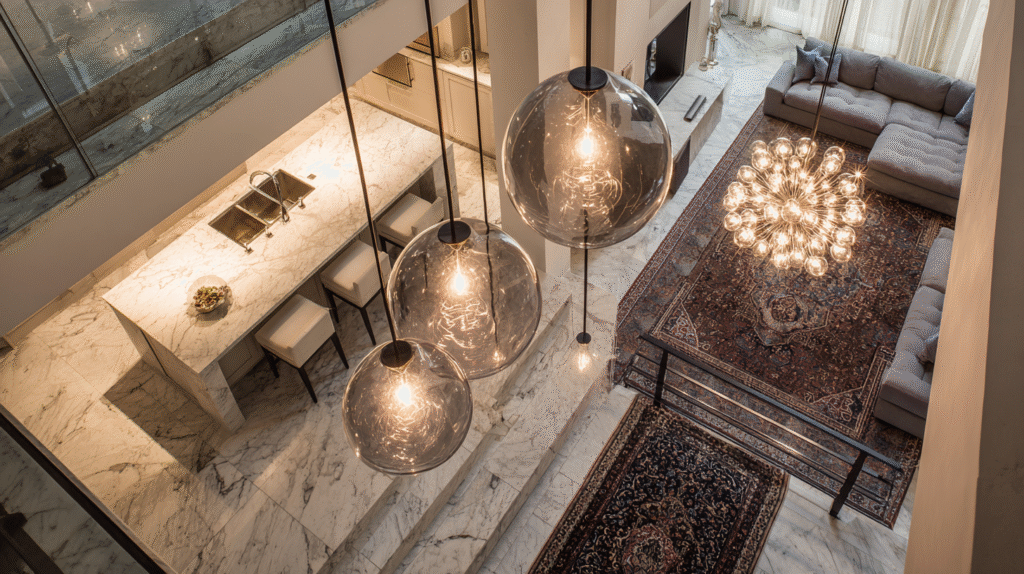
In Stairwells and Double-Height Spaces (Clustered)
Multiple statement pendant lights hung at varying heights in a stairwell or double-height entry is one of the most dramatic and photographed interior moments possible. The cluster creates movement, draws the eye upward, and fills vertical space that would otherwise feel empty and cold. This works particularly well with hand-blown glass pendants or geometric forms in metallic finishes.
Perfect for: Grand entrance hallways, contemporary open staircases, double-height living spaces
For all the versatility of statement pendant lights, there are spaces where only a chandelier will do—and trying to substitute one for the other will always feel like a compromise.
Grand Hallways and Entrance Spaces with High Ceilings
The entrance to a home sets the entire tone of the interior. In a period property, a converted townhouse, or any space with a generously proportioned hallway and high ceilings, a designer chandelier is the only fixture that fills the space with appropriate grandeur. It says arrival. It says welcome. It says this home was thought about.
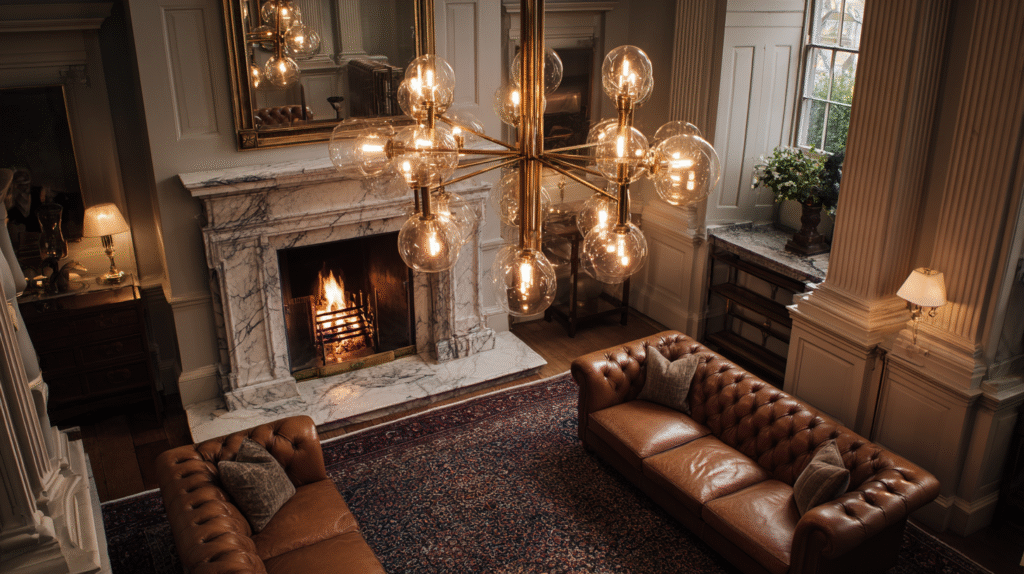
A modern chandelier UK homeowners are increasingly gravitating toward tends to be less about traditional crystal drops and more about sculptural branching forms in brushed nickel, matte black, or aged brass—still commanding, but with a contemporary edge.
Perfect for: Period hallways, open entrance atria, large Georgian or Victorian properties
Pairs beautifully with: Chequerboard flooring, ornate console tables, oversized round mirrors, gallery wall arrangements
Formal Dining Rooms with High Ceilings
In a dining room with 2.7 metres of ceiling height or above, a designer chandelier elevates the space in a way that no pendant can. The multi-arm form creates a sense of occasion—this is a room where dinners are events, not just meals. The wider light distribution of a chandelier also flatters the whole room rather than focusing entirely on the table.
A modern chandelier UK homes are embracing right now leans toward organic forms—sculptural branches, abstract multi-arm designs in matte finishes, or contemporary takes on the classic tiered silhouette without the traditional crystal embellishment.
Perfect for: Formal dining rooms, period properties, rooms with coffered or panelled ceilings
Grand Living Rooms
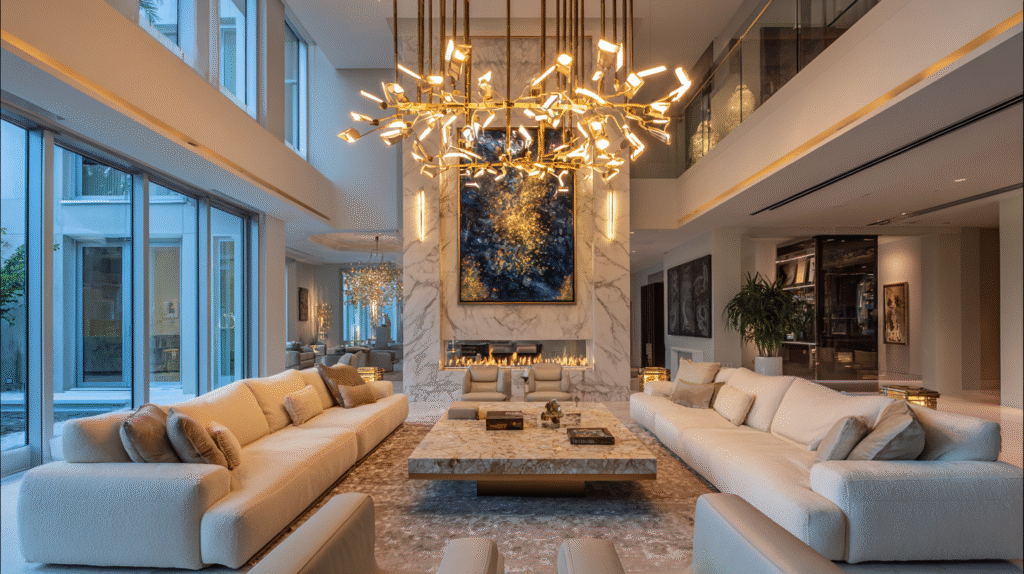
In a large, generously proportioned living room—especially one with high ceilings, symmetrical architecture, or a classical layout—a designer chandelier provides the kind of ambient overhead illumination that creates atmosphere for the whole space. It works as the hero fixture around which all other lighting layers are arranged.
Perfect for: Large luxury living rooms, classical or eclectic interior schemes, hotel-style interiors
Pairs beautifully with: Statement sofas in velvet or bouclé, large-format art, ornate or contemporary fireplaces, layered rug arrangements




Both statement pendant lights and designer chandeliers now come in such a wide range of styles that “modern” versus “traditional” is no longer a useful way to think about the choice. The more useful question is: what does this fixture communicate, and does that communication match the rest of the room?
Contemporary and Minimalist Interiors
For clean-lined, pared-back interiors, statement pendant lights in simple geometric forms—matte black cylinders, concrete domes, smoked glass globes—feel native and intentional. Luxury pendant lighting in these spaces earns its place by being beautifully made and visually calm.
If a chandelier belongs in a minimalist interior, it’s a modern chandelier with sculptural restraint: think branching arms in a single matte finish, without decorative embellishment.
Eclectic and Maximalist Interiors
This is where both fixture types get to be genuinely joyful. Oversized cluster pendant lights in mixed materials—amber glass, rattan, smoked crystal—add personality and warmth. Designer chandeliers in bold, unapologetic forms become the centrepiece around which the rest of the room’s layers orbit.
The key in a maximalist space is intentionality. The fixture shouldn’t compete with the room—it should conduct it.
Transitional and Classic-Contemporary Spaces
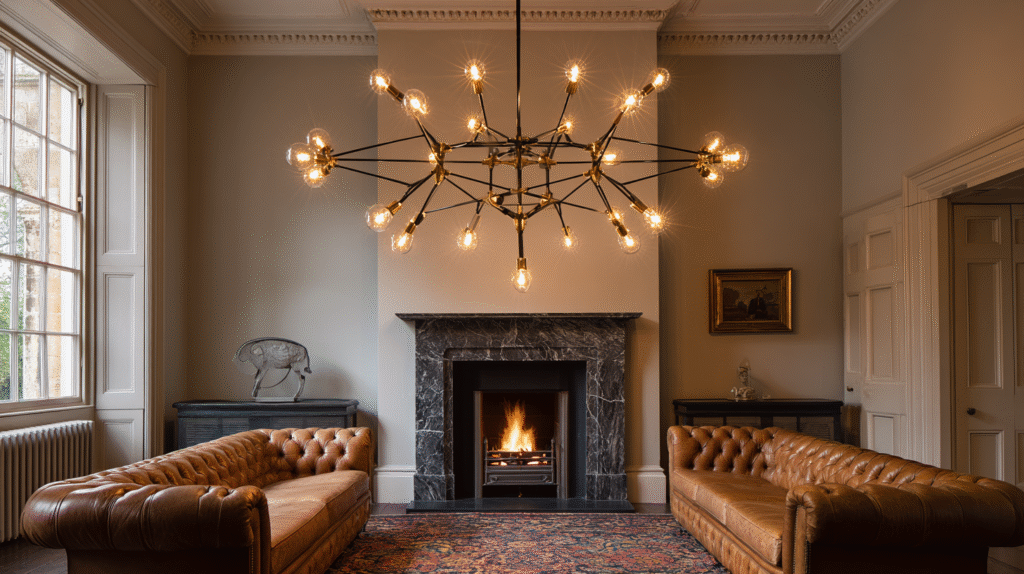
The most popular interior approach right now is the blend of old and new—classical bones with contemporary furnishings, or modern architecture softened with vintage and antique elements. Both statement pendant lights and designer chandeliers work here, but the execution matters.
A cluster of luxury pendant lighting in warm brass over an antique dining table is a brilliant transitional move. A contemporary reinterpretation of a classical chandelier form—stripped back, elongated, finished in aged bronze—reads as both timeless and current.
Layering Light: How to Use Both Without Visual Chaos
Here’s the secret most lighting guides skip: the best-lit rooms rarely rely on a single overhead fixture, whether that’s statement pendant lights or a chandelier. The magic is in the layers.
The Three Layers of Lighting Design
Ambient Lighting: The overall illumination of the space. This is where your chandelier or main pendant lives.
Task Lighting: Functional, focused light for specific activities—reading, cooking, working. Wall sconces, desk lamps, and under-cabinet lights handle this layer.
Accent Lighting: Decorative and directional, used to highlight artwork, architectural features, or objects. Picture lights, spotlights, and LED strips operate here.
Statement pendant lights and designer chandeliers belong in the ambient layer—but they shouldn’t be the only layer. A room lit exclusively by an overhead fixture, however beautiful, will feel flat and institutional.
Using Both in the Same Space
Yes, it’s possible to use statement pendant lights and a chandelier in the same home—even in adjacent or interconnected spaces. The key is establishing a visual hierarchy so there’s no competition.
In an open-plan space, a chandelier might anchor the living area while statement pendant lights define the dining zone and cluster pendants illuminate the kitchen island. Each fixture has its domain. Each one reads clearly.
What not to do: hang both a chandelier and a large pendant in the same ceiling plane of the same room. This creates visual noise and makes neither fixture the star.
Dimmer Switches: Non-Negotiable
Both statement pendant lights and designer chandeliers should be on dimmer switches. The ability to shift from bright, functional illumination to low, atmospheric glow is what separates a well-designed room from a well-lit one. This is especially important for dining rooms and living spaces that need to perform across different times of day and different occasions.
The aesthetic conversation matters enormously—but so does the practical one.
Installation
Both statement pendant lights and chandeliers require a ceiling rose and electrical connection point. Most standard homes have a central ceiling point, which works well for single pendants and smaller chandeliers. For cluster pendants or large chandeliers, you may need additional support from a joist or a purpose-built ceiling plate.
Always have a qualified electrician install ceiling fixtures. This is not the place for a DIY shortcut, particularly for heavy chandeliers that require secure structural mounting.
For renters wanting the look of luxury pendant lighting without permanent installation: swag-style pendants are your solution. These hang from a hook rather than a hardwired ceiling point, draping the cord across the ceiling before dropping to the desired position. The aesthetic reads almost identically to a hardwired installation, and no landlord permission is typically required.
Maintenance
Designer chandeliers require more maintenance than pendant lights—particularly crystal or multi-arm designs that accumulate dust across many surfaces. Factor in the cleaning process when choosing a chandelier; some are significantly easier to maintain than others.
Statement pendant lights, particularly those with enclosed shades, are generally easier to clean. Glass, ceramic, and metal shades can typically be wiped down without removing the entire fixture.
Budget Considerations
Luxury pendant lighting starts at a wide range of price points—from a few hundred pounds for a beautifully designed single pendant to several thousand for a bespoke sculptural piece. Designer chandeliers, particularly those in quality materials with multiple arms, tend to sit at a higher baseline price point simply because of the material and manufacturing complexity involved.
The investment is almost always worth it. Ceiling fixtures are long-term purchases—unlike cushions or throws, you’re not replacing them seasonally. Choose something you’ll still love in ten years.
Renter-Friendly Alternatives: • Swag-style pendant lights requiring no hardwiring • Plug-in pendant kits with decorative fabric cords • Battery-operated LED chandeliers for spaces without ceiling points • Portable arc floor lamps that deliver overhead-adjacent drama without installation

Statement Pendant Lights & Chandeliers FAQ
What are statement pendant lights?
Statement pendant lights are ceiling-hung light fixtures suspended by a cord, cable, or rod, designed to function as both a light source and a deliberate design feature. Unlike standard pendants, which prioritise function, statement pendant lights are chosen for their sculptural quality, material, or scale—they’re meant to be noticed and admired as objects of design in their own right.
How do I choose between a pendant light and a chandelier?
Start with your ceiling height and room proportions, then consider the atmosphere you want to create. Statement pendant lights work brilliantly in rooms with standard ceiling heights, over specific zones like dining tables or kitchen islands, and in contemporary or minimalist interiors. Designer chandeliers are the better choice for rooms with high ceilings, grand entrance spaces, and formal or classically proportioned interiors where a wider spread of ambient light is needed.
Can statement pendant lights work in a low-ceiling room?
Yes, with the right choice. In rooms with ceiling heights of 2.4 metres or below, opt for flush or semi-flush pendant designs that sit closer to the ceiling. Avoid long-drop pendants, which will hang too low and create a cramped feeling. Look for statement pendant lights with visual impact that doesn’t rely on dramatic drop length—bold shapes, interesting materials, and strong finishes can create the same impact in a more compact form.
What’s the difference between luxury pendant lighting and a standard pendant?
The differences are in materials, craftsmanship, design intent, and longevity. Luxury pendant lighting typically uses higher-quality materials—hand-blown glass, solid brass, ceramic, natural stone, or bespoke fabricated metals—and is designed by makers who treat the fixture as a piece of functional sculpture. Standard pendants prioritise price point over design quality. The visual difference is usually immediately apparent, and the longevity of luxury pendant lighting typically makes it better value over time.
Can I use both statement pendant lights and a chandelier in the same space?
Yes—but only if the spaces are clearly delineated. In an open-plan home, you might use a chandelier over the living area and statement pendant lights over the dining table or kitchen island, with each fixture having clear visual dominance within its own zone. Avoid using both types in the same ceiling plane within a single room; the visual competition weakens both fixtures and creates a room that feels unsettled rather than intentionally layered.
The Last Thing Your Room Needs And the First Thing People Notice
Here’s the truth: the pendant-versus-chandelier debate is really a question about what your space is asking for—and learning to hear that question is the beginning of genuine design literacy.
Statement pendant lights are the right answer when your room needs a focal point with precision, when your ceiling height calls for restraint, or when you’re defining a zone within a larger space and want something that feels current, intentional, and quietly confident. They are extraordinarily versatile. They reward bold choices. And in the right space, a single well-chosen statement pendant light transforms a room more effectively than almost any other design move.
Designer chandeliers are the right answer when your room has the ceiling height and proportions to support one, when you want to create atmosphere across a wider area, or when the space itself has a grandeur that demands to be honoured rather than simplified. A chandelier is a commitment—to the room, to the occasion, to the idea that some spaces deserve to feel like more than just rooms.
Most well-designed homes need both—not in competition, but in conversation. Statement pendant lights handling the kitchen, the bedroom, the zones. A designer chandelier anchoring the hallway, the formal dining room, the space that guests see first.
The fixture your space actually needs is the one chosen with intention, scaled correctly, and installed with confidence.
Explore our curated collection of statement pendant lights, designer chandeliers, and luxury ceiling lights to find the fixture your space has been waiting for.
- Tags: Uncategorized
What do you think?
Blog
Get fresh home inspiration and helpful tips from our interior designers