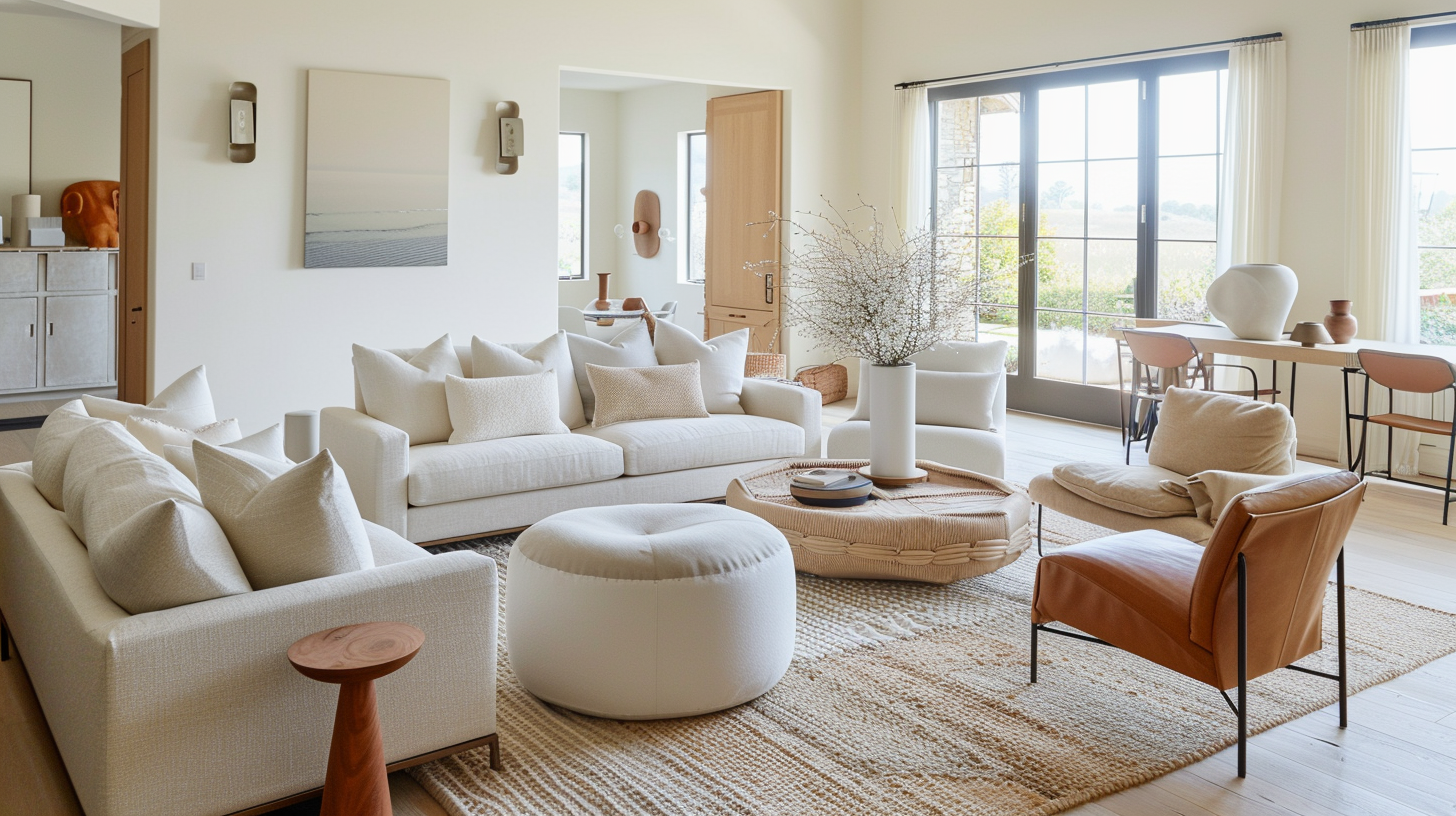
The Ultimate Upholstery Fabric Guide: Choosing, Caring, and Styling Your Furniture

Upholstery Fabric

A Fabric Story: Why Upholstery Choices Define Your Entire Space

Welcome to “The Ultimate Upholstery Fabric Guide,” the go-to resource for homeowners, decorators, and furniture lovers who want to make confident, beautiful choices. In this blog, we’ll walk you step by step through everything you need to know about upholstery fabric — from selecting the right material to caring for it, styling your pieces, and keeping them fresh for years to come.

Here’s what you’ll discover:

  1. Understanding Types of Upholstery Fabric – We’ll break down the common categories (natural, synthetic, blends) and pros/cons of each so you choose with clarity.

  2. Durability & Performance: Matching Fabric to Use – Learn about fabric rub counts, abrasion ratings, and which upholstery fabric works best in high-traffic zones or with pets/kids.

  3. Pattern, Texture & Color: Design Considerations – Explore how pattern scale, weave texture, and color affect the look and feel of your upholstered pieces using upholstery fabric.

  4. Maintenance & Care for Upholstery Fabric – Step-by-step guides for cleaning, stain removal, protective finishes, and seasonal upkeep.

  5. Eco & Sustainable Upholstery Fabrics – Insights into eco-friendly, recycled, or low-VOC upholstery fabric options that align with green design.

  6. Styling, Mixing & Coordinating Upholstery Fabrics – Tips for combining upholstery fabric choices across furniture pieces to create a cohesive interior.

In the conclusion, we’ll weave it all together into a practical action plan so your furniture choices become a lasting asset, not a liability.

Let’s begin.

Understanding Types of Upholstery Fabric

When it comes to furniture design, fabrics are more than just coverings — they define the soul of a piece. Before choosing colors or patterns, it’s essential to understand what lies beneath the surface. In this upholstery fabric guide, we’ll explore the main types of materials that bring life, comfort, and texture to your furniture.

Upholstery fabrics fall into two main categories: natural fibers and synthetic fibers. Each has unique strengths that influence durability, maintenance, and overall aesthetic. Knowing which one suits your lifestyle and design vision is the first step to creating interiors that look as good as they feel.

Upholstery Fabric
Natural Fibers: Timeless and Tactile

Natural fabrics like cotton, linen, wool, silk, and leather have been staples of furniture upholstery for centuries. Each offers a sense of authenticity that only nature can provide.

  • Cotton is a versatile favorite — breathable, soft, and easy to dye. It’s perfect for casual settings but may require protective treatment to resist stains.

  • Linen exudes effortless elegance. Its crisp texture and matte finish suit modern and minimalist interiors, though it wrinkles easily and fares better in low-traffic areas.

  • Wool is a powerhouse of resilience and warmth. Naturally resistant to pilling and soiling, it’s a top pick for high-use furniture pieces.

  • Silk, the queen of luxury fabrics, adds sheen and sophistication to formal rooms, but it’s delicate and best reserved for statement chairs or accent pieces.

  • Leather, though technically not a fabric, deserves mention in any upholstery fabric guide. It develops a beautiful patina over time, ages gracefully, and is surprisingly easy to maintain when conditioned properly.

Synthetic Fibers: Durable and Design-Forward

Modern interiors often rely on synthetic fabrics for their strength, affordability, and versatility. The most common options are polyester, nylon, acrylic, olefin, and microfiber.

  • Polyester is durable, colorfast, and easy to clean — an all-around performer that’s often blended with natural fibers for improved resilience.

  • Nylon resists wear and tear, making it ideal for family homes or pet-friendly spaces.

  • Acrylic mimics the texture of wool and stands up well to sunlight, making it perfect for upholstered furniture near windows.

  • Olefin is strong, fade-resistant, and moisture-repellent — a top choice for outdoor furniture.

  • Microfiber, with its velvety texture, feels luxurious yet performs exceptionally well against stains and daily use.

Blended Fabrics: The Best of Both Worlds

Many modern upholstery materials are blends — cotton-polyester mixes, linen-viscose weaves, or wool-acrylic combinations. These offer balance: the comfort of natural fibers with the easy maintenance of synthetics. In a well-curated upholstery fabric guide, blends are often the unsung heroes, providing long-lasting beauty and practicality.

Choosing Wisely

Your choice should depend on how the furniture will be used. For high-traffic areas, opt for sturdy synthetics or blends. For aesthetic spaces like lounges or guest rooms, indulge in natural textures that tell a story.

Understanding fabric types is the foundation of smart design decisions. It ensures that every chair, sofa, and ottoman not only looks inviting but also stands the test of time. The next section of this upholstery fabric guide will help you match those fabric characteristics to your lifestyle — because the right choice isn’t just about texture, it’s about living beautifully and practically every day.

Durability & Performance: Matching Fabric to Use

A stunning sofa means little if the fabric can’t handle real life. One of the most important parts of this upholstery fabric guide is learning how to balance beauty with practicality. Every home has different rhythms — some filled with the laughter of children and pets, others curated for calm and sophistication. The fabric you choose should echo the pace of your lifestyle.

The Ultimate Upholstery Fabric Guide: Choosing, Caring, and Styling Your Furniture
Understanding Durability Ratings

The durability of a fabric is typically measured by the Martindale or Wyzenbeek rub test, which determines how many times the fabric can be rubbed before showing wear. For high-traffic areas such as family rooms or busy lounges, look for fabrics that score high on these tests — at least 30,000 double rubs is a solid benchmark. For low-traffic or decorative furniture, lower ratings can suffice.

Durability doesn’t always mean stiffness or roughness. Many advanced weaves and fabric technologies offer durability without compromising comfort. This is where your upholstery fabric guide becomes essential — understanding the numbers helps you buy with confidence, not guesswork.

Fabric Types and Their Performance

Different fibers perform differently depending on where and how they’re used.

  • Microfiber and polyester blends are champions for family-friendly homes. They’re stain-resistant, durable, and easy to clean, making them perfect for everyday seating.

  • Leather is unmatched in resilience — it ages gracefully and wipes clean with minimal effort, ideal for busy spaces.

  • Wool blends are naturally strong and repel dirt, making them great for both cozy living rooms and formal spaces.

  • Linen and silk, while beautiful, perform best in low-use areas where their delicate weaves won’t be easily damaged.

This balance between visual appeal and long-term performance is the heart of this upholstery fabric guide — because design longevity depends on making informed choices.

Practical Considerations for Everyday Living

Lifestyle plays a massive role in selecting the right upholstery. Homes with kids or pets should lean toward fabrics that are tight-woven, stain-resistant, and easy to spot-clean. Look for performance fabrics treated with protective coatings that repel moisture and resist fading.

For example, a crypton-treated polyester offers durability against spills, while solution-dyed acrylics maintain color even under direct sunlight — ideal for rooms with large windows. If your home is more serene, with fewer daily messes, you can indulge in delicate textures like velvet or chenille for a luxurious finish.

Balancing Aesthetics and Longevity

A well-chosen fabric doesn’t just endure; it enhances. Your goal should be to find a fabric that can handle the wear of your lifestyle while complementing your interior theme. A neutral, hardwearing weave can serve as a timeless base, allowing you to layer cushions or throws seasonally for variety.

This section of the upholstery fabric guide reminds us that durability isn’t a limitation — it’s an invitation to design smarter. When you match the right material to the right purpose, you extend the life of your furniture and preserve its beauty.

Choosing fabrics with performance in mind means your investment lasts longer, your home feels more intentional, and your furniture continues to tell its story — one comfortable sit at a time.

Pattern, Texture & Color: Design Considerations

If fabric is the voice of furniture, then pattern, texture, and color are its tone and emotion. They are what transform a simple piece into a story — a mood that defines your entire room. This section of our upholstery fabric guide explores how these design elements work together to create harmony, contrast, and personality within your space.

The Ultimate Upholstery Fabric Guide: Choosing, Caring, and Styling Your Furniture
The Power of Pattern

Patterns inject energy and movement into a room. From timeless stripes to bold geometrics or delicate florals, the right pattern can become the focal point of your design. Large-scale patterns, like oversized botanicals or abstract prints, make strong statements on accent pieces — such as an armchair or an ottoman — while small-scale patterns create subtle rhythm without overwhelming the eye.

In this upholstery fabric guide, the rule of thumb is balance. If your walls and flooring already carry visual weight, opt for solid or understated fabric patterns to prevent visual clutter. Conversely, if your backdrop is neutral, a patterned sofa can anchor the entire room and add depth. Patterns can also cleverly disguise wear and tear, making them an excellent choice for busy households.

Texture: The Unsung Hero

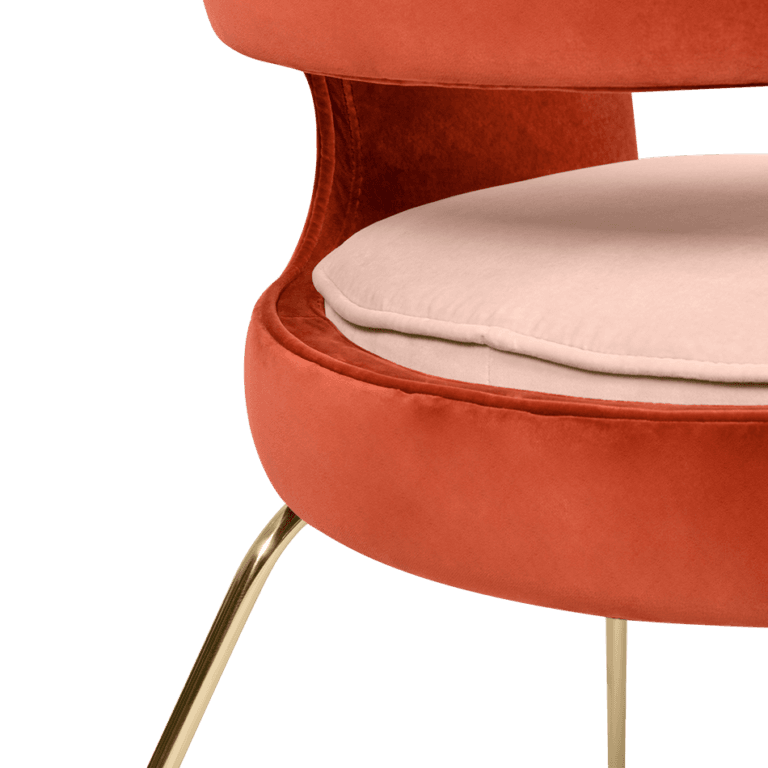
Texture is what gives a room soul. It engages not just the eyes, but the fingertips — the soft nap of velvet, the crispness of linen, the rugged appeal of boucle. Varying textures add layers of visual interest and create a more inviting atmosphere.

In curating this upholstery fabric guide, designers emphasize mixing textures intentionally. Pair smooth leather with a wool throw, or a matte linen with a lustrous silk cushion. These combinations create dimension and make a room feel complete. Texture also plays a role in light reflection: shiny fabrics bounce light, making small rooms feel larger, while matte finishes absorb it, creating coziness and depth.

Color: Setting the Mood

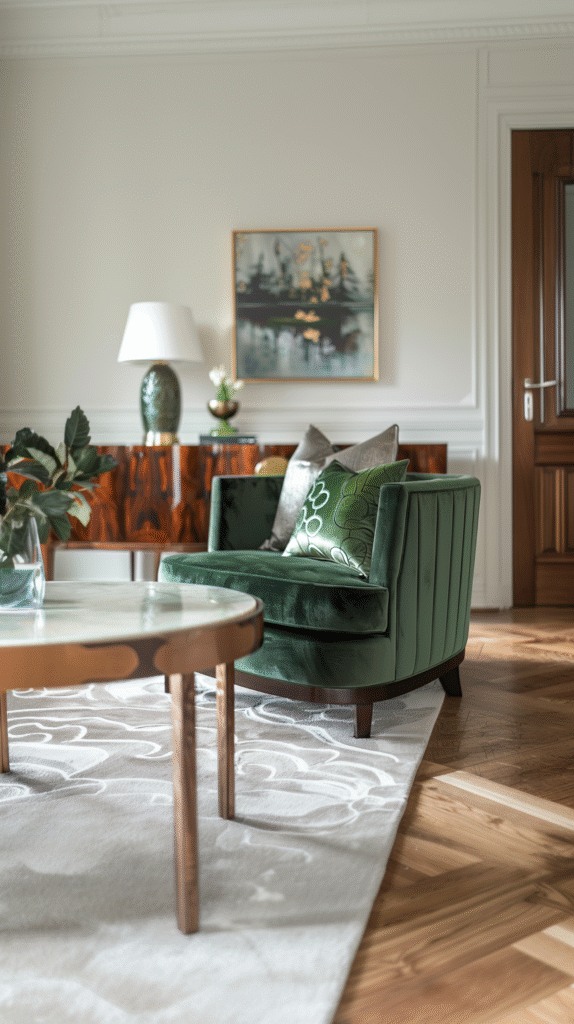
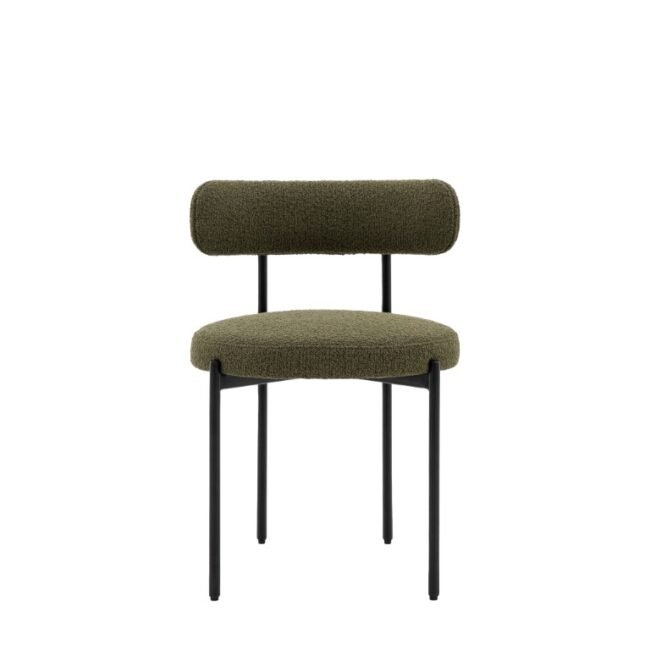
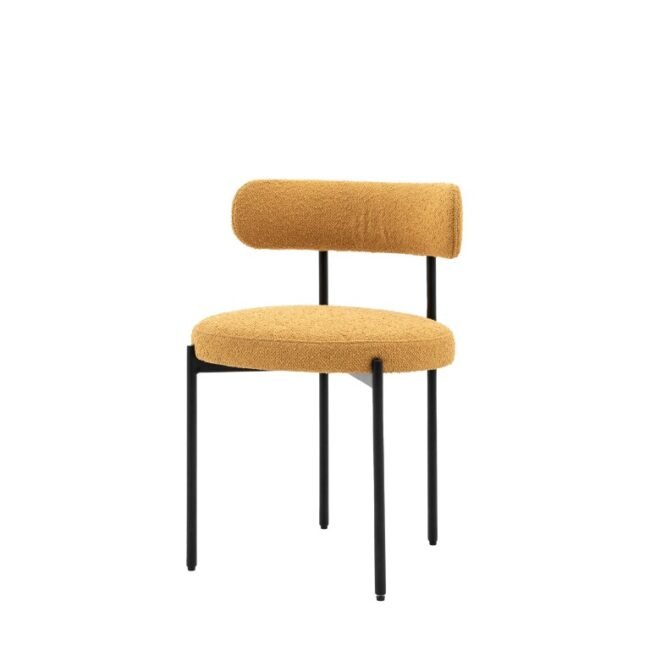
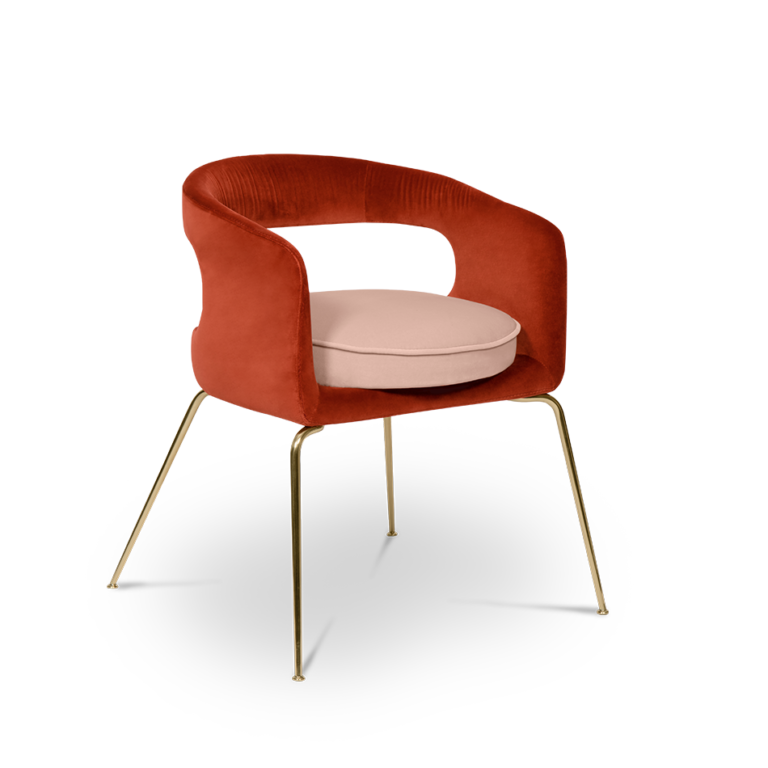
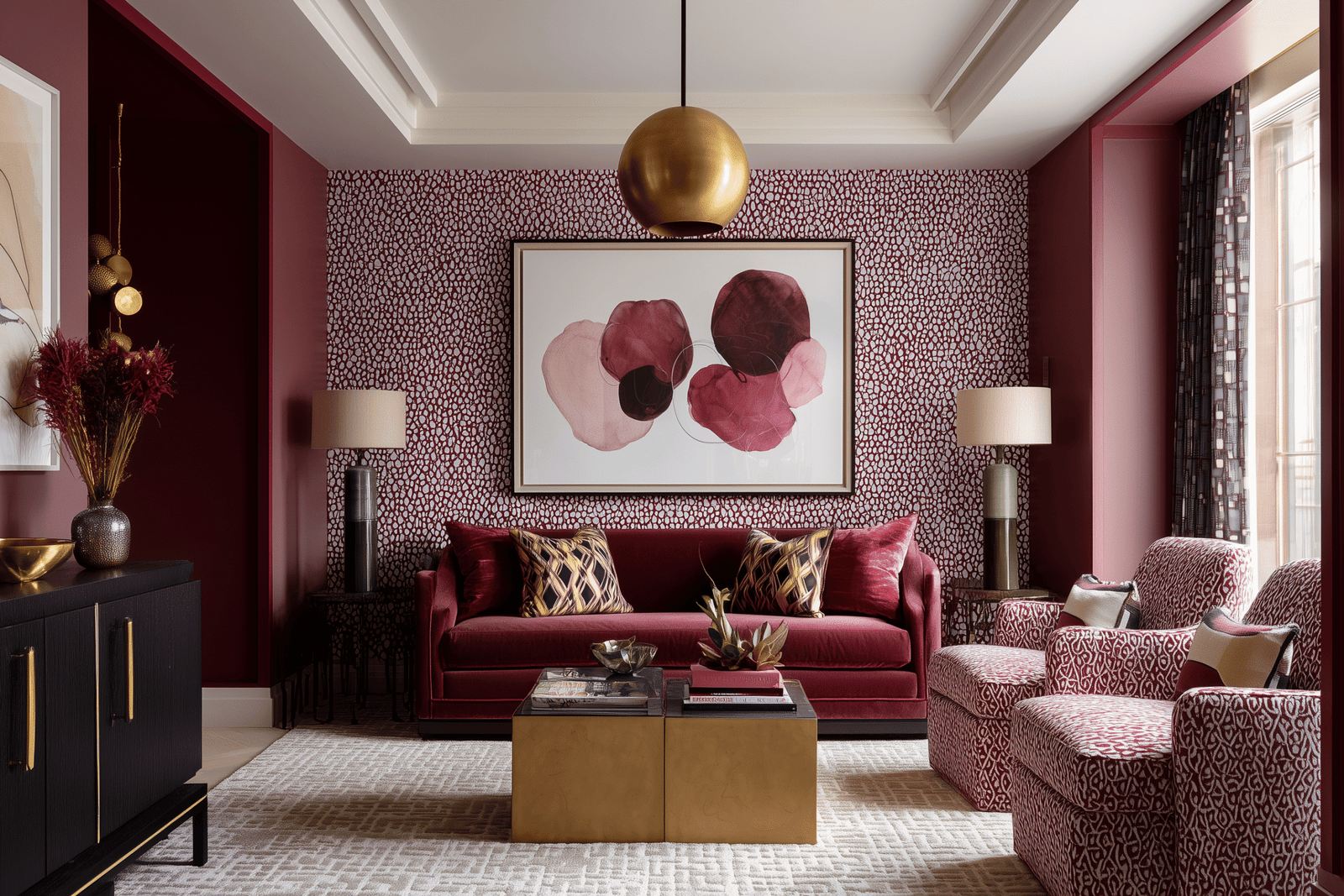
Color determines how a space feels the moment you step inside. Neutrals like beige, taupe, and gray form timeless foundations and allow flexibility with décor. Earthy tones — terracotta, olive, and caramel — introduce warmth and comfort. Meanwhile, jewel tones such as emerald, sapphire, and ruby infuse richness and sophistication.

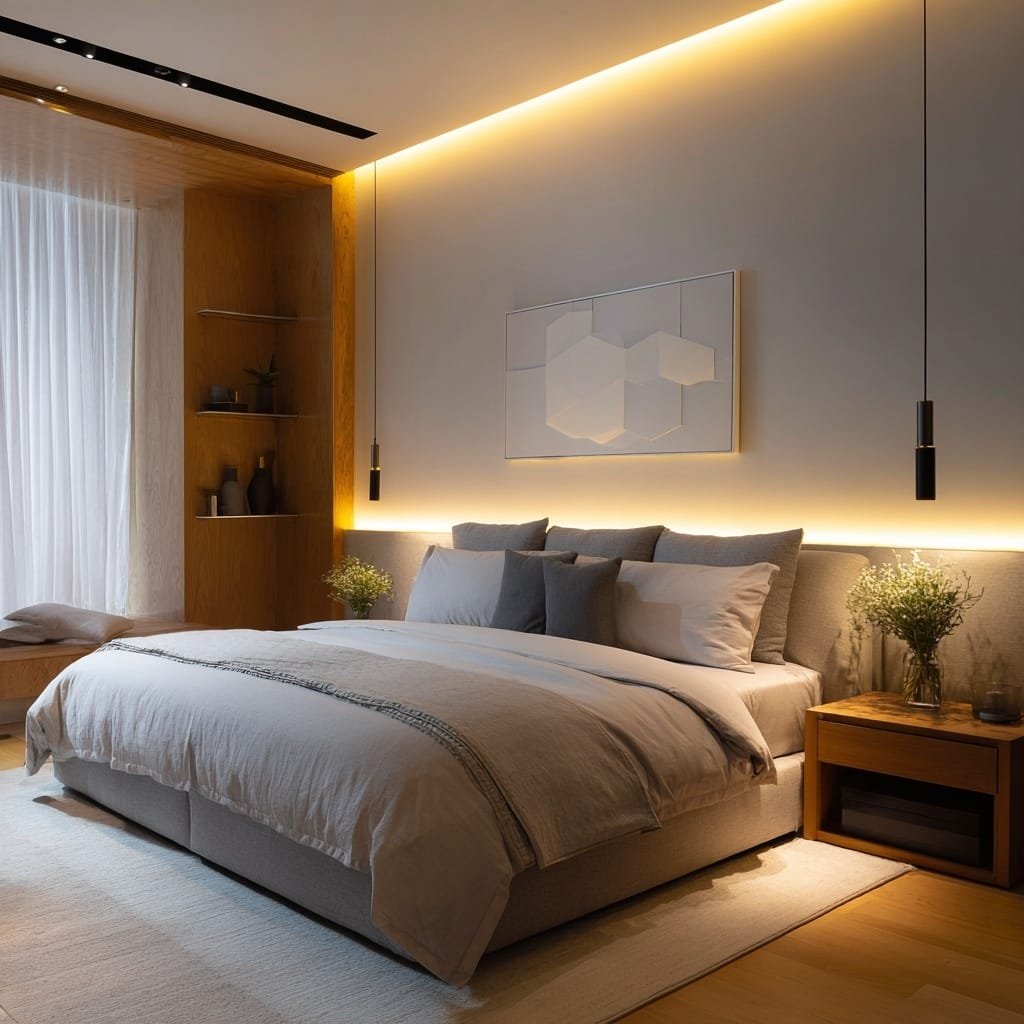
This upholstery fabric guide recommends using color psychology to influence your choices. Cool tones evoke calm and serenity, perfect for bedrooms or study areas. Warm hues encourage conversation and energy — ideal for living rooms and social spaces. Don’t shy away from bold color in moderation; a vibrant chair or ottoman can elevate an otherwise quiet palette.

Creating Harmony

The interplay of pattern, texture, and color defines the personality of your interiors. Think of them as instruments in a symphony — each beautiful alone, but breathtaking when composed together. When choosing fabrics, always consider your lighting, existing décor, and how the space is used.

In the end, this upholstery fabric guide isn’t about following strict design rules — it’s about crafting emotion through fabric. Every pattern tells a story, every texture invites touch, and every color sets a mood. Together, they form the design language of your home — one that speaks comfort, character, and timeless style.

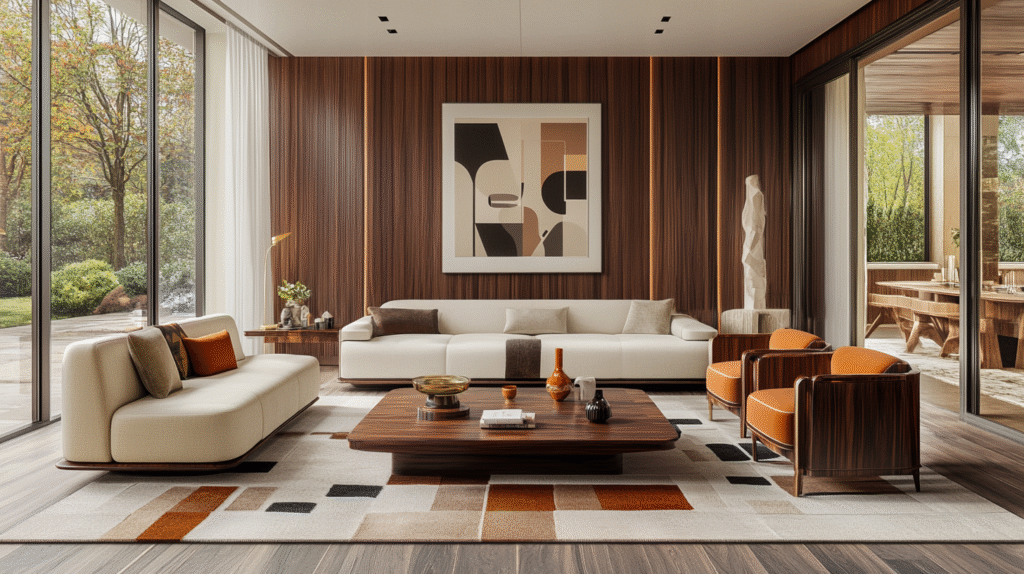
Maintenance & Care for Upholstery Fabric

Even the finest furniture can lose its luster if the fabric isn’t properly cared for. Maintenance is where style meets longevity — and in this upholstery fabric guide, that relationship is everything. Understanding how to clean, protect, and preserve your upholstery fabric ensures your investment remains as inviting as the day it was chosen.

Care for Upholstery
Know Your Fabric First

Before applying any cleaning solution or technique, you must know the fabric you’re working with. Every upholstery material — from cotton and linen to leather or microfiber — responds differently to moisture, friction, and cleaning products.

Most manufacturers provide cleaning codes on furniture tags:

  • W – Water-based cleaners are safe.

  • S – Solvent-based cleaners only (avoid water).

  • WS – Either water or solvent-based cleaners can be used.

  • X – Vacuum or brush only; no liquid cleaning.

Understanding these symbols is the foundation of this upholstery fabric guide. Ignoring them can cause discoloration, shrinkage, or fiber damage.

Routine Care Tips

Regular maintenance goes a long way toward preserving fabric quality. Start by vacuuming weekly using a brush attachment to remove dust and crumbs that can settle into the weave. Rotate cushions regularly to ensure even wear and to maintain their shape.

For delicate fabrics like linen or velvet, use a lint roller or soft upholstery brush to lift surface dirt without roughing up the texture. Spot-clean spills immediately — dab, don’t rub — and always test cleaning solutions on an inconspicuous area first.

Deep Cleaning and Professional Help

Even with routine care, upholstered furniture benefits from professional cleaning once or twice a year. Steam cleaning or dry cleaning (depending on fabric type) helps remove embedded grime, oils, and allergens that regular vacuuming can’t reach.

Performance fabrics, now common in modern homes, often come with built-in stain protection. However, even these need occasional deep cleaning to maintain their water and soil repellency. This upholstery fabric guide emphasizes preventive maintenance — protecting before problems occur, not after.

Protecting Against Sunlight and Stains

Sunlight is one of fabric’s biggest enemies. Over time, UV exposure fades dyes and weakens fibers. To prevent this, position furniture away from direct sunlight, use UV-filtering window films, or rotate pieces periodically.

Stain protection sprays or fabric guards can provide an extra layer of defense, especially in high-traffic homes. Always choose products compatible with your specific material and test them before full application.

Long-Term Preservation

Proper care isn’t just about cleanliness — it’s about preserving texture, color, and comfort. Avoid overusing harsh chemicals, as they can strip fabrics of their natural softness. For leather, use pH-balanced conditioners to prevent cracking. For fabric sofas, keep humidity levels moderate to avoid mold or fiber brittleness.

In essence, maintenance is an act of design stewardship. The best upholstery fabric guide doesn’t end with choosing the perfect textile — it continues with nurturing it. With the right care habits, your furniture not only lasts longer but also retains its charm, aging gracefully alongside your home.

Eco & Sustainable Upholstery Fabrics

In a world where conscious living is no longer optional, your furniture choices matter as much as your lighting, paint, or flooring. Sustainability isn’t just about recycling — it’s about creating interiors that respect the planet while remaining timeless and beautiful. This section of our upholstery fabric guide explores how eco-friendly fabrics can help you design a greener, more mindful home without sacrificing style.
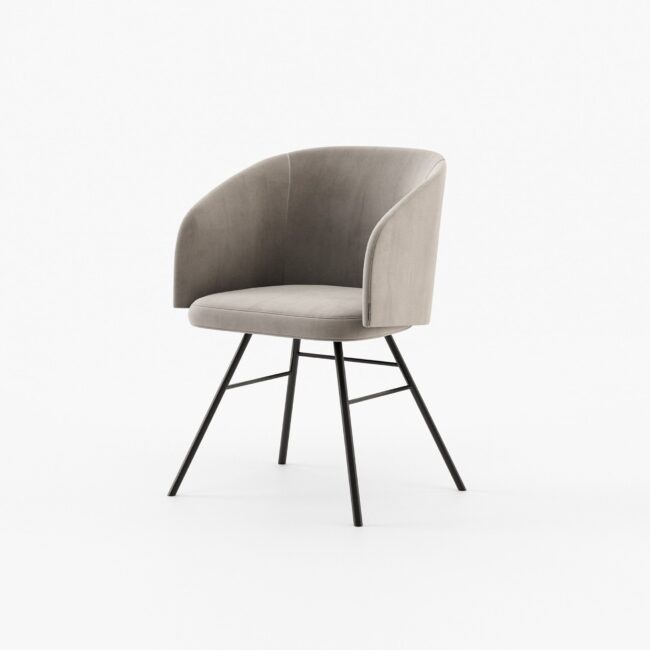
Sustainable Upholstery
Why Sustainable Fabrics Matter

Every fabric choice leaves a footprint. Traditional upholstery materials often rely on synthetic fibers, chemical dyes, and water-intensive production processes. Over time, these contribute to environmental degradation. By shifting toward eco-conscious textiles, designers and homeowners alike are embracing the philosophy that luxury and sustainability can coexist.

This upholstery fabric guide emphasizes that sustainability begins with awareness — understanding where materials come from, how they’re made, and what happens at the end of their life cycle. Eco-friendly upholstery fabrics minimize waste, use renewable resources, and often offer improved air quality inside the home by reducing off-gassing from chemicals.

Top Sustainable Upholstery Fabric Options

Several environmentally responsible options are reshaping the future of furniture design.

  • Organic Cotton: Free from synthetic pesticides and chemicals, organic cotton is breathable, soft, and ideal for casual living spaces.

  • Linen: Made from the flax plant, linen is naturally biodegradable and requires far less water than cotton. Its crisp, airy texture also complements both modern and rustic interiors.

  • Hemp: Incredibly durable and sustainable, hemp grows quickly without the need for pesticides. It’s naturally resistant to mold and UV rays — perfect for long-lasting furniture.

  • Tencel (Lyocell): Produced from sustainably sourced wood pulp, Tencel is silky smooth, strong, and eco-friendly. It’s often featured in luxury upholstery collections for its refined drape and minimal environmental impact.

  • Recycled Polyester: A standout in this upholstery fabric guide, recycled polyester gives new life to discarded plastic bottles, reducing landfill waste while maintaining the durability of traditional synthetics.

  • Wool: A natural fiber that’s renewable, breathable, and biodegradable. Ethically sourced wool supports sustainable farming practices and delivers warmth and texture to interiors.

Eco-Conscious Treatments and Dyes

True sustainability goes beyond the fiber itself. Many eco-friendly upholstery manufacturers now use low-impact dyes and water-based treatments instead of harsh chemicals. These innovations maintain the color vibrancy of your fabric while keeping your indoor air clean.

Fabric durability and environmental responsibility no longer need to compete — advances in technology have made sustainable textiles as performance-driven as their traditional counterparts.

Designing with Intention

Choosing eco fabrics isn’t just a design statement — it’s a lifestyle choice. Pairing a linen sofa with reclaimed wood furniture or layering organic cotton cushions over a hemp armchair creates a home that feels grounded and responsible.

This upholstery fabric guide celebrates sustainability not as a trend but as a timeless design principle. It’s about creating spaces that are both beautiful and ethical — interiors that reflect care for the environment, craftsmanship, and longevity.

When you invest in sustainable upholstery, you’re not only designing your living space — you’re designing your legacy.

Styling, Mixing & Coordinating Upholstery Fabrics

Once you’ve mastered the practical aspects of fabric selection, the real fun begins — styling. The right mix of fabrics can transform an ordinary space into a curated masterpiece. In this upholstery fabric guide, styling, mixing, and coordinating textiles is not just about aesthetics; it’s about creating emotional balance, visual rhythm, and a cohesive story throughout your home.

Coordinating Upholstery
The Art of Mixing Fabrics

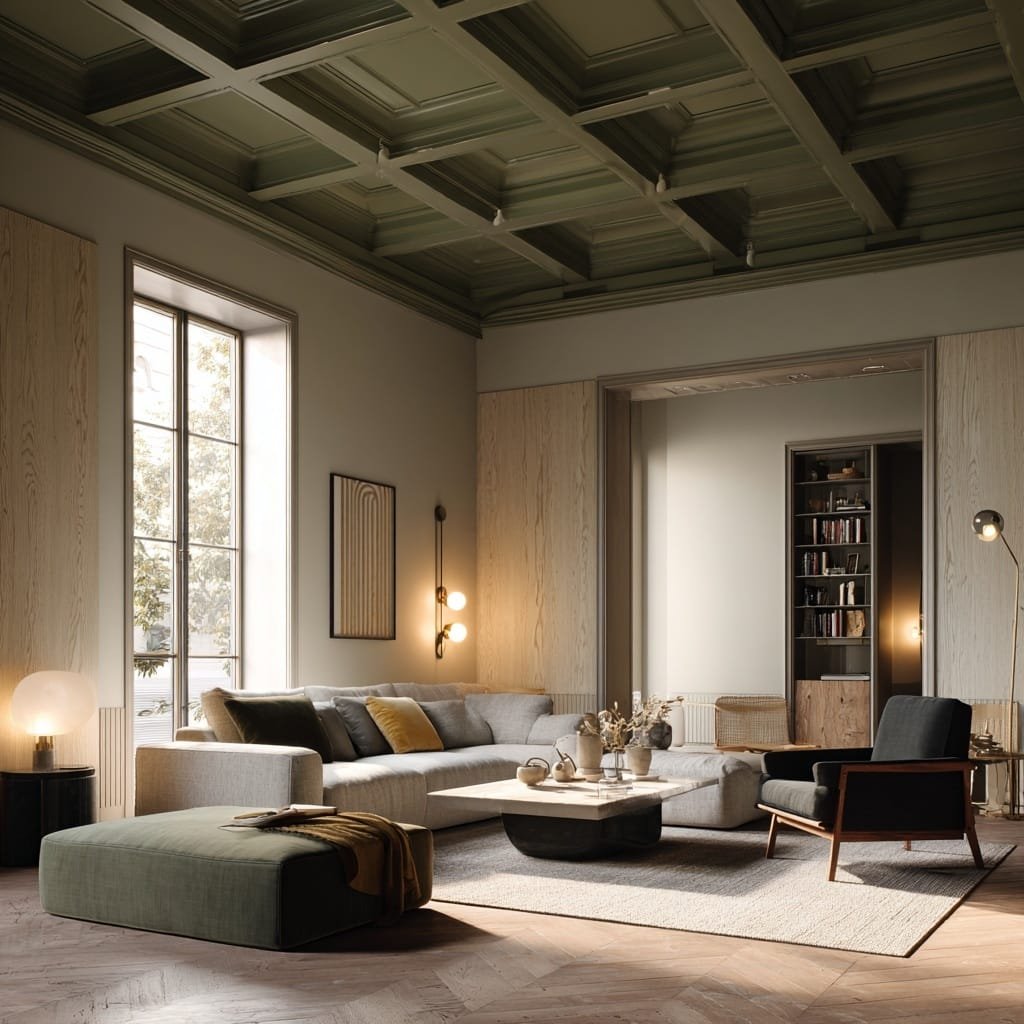
Mixing upholstery fabrics adds dimension and sophistication to your interior. A room that combines linen, velvet, and leather feels layered and inviting — like a space that has evolved over time. The key is contrast with intention. Pair smooth surfaces with textured ones, matte finishes with subtle sheen, or solid colors with patterned designs.

For instance, if your main sofa features a soft, neutral cotton, complement it with rich velvet cushions or a boucle accent chair. This variety adds tactile interest without overwhelming the space. Designers featured in this upholstery fabric guide often emphasize that the most memorable interiors are those that balance comfort with surprise — where every texture contributes to the narrative.

Coordinating Colors and Tones

Color coordination is where your fabric story comes alive. Choose a base palette — often a neutral tone — and build around it with accent shades that reflect your desired atmosphere.

If you want serenity, stay within one color family using different shades (think taupe, beige, and cream). For bolder expressions, introduce contrasting hues like navy with mustard or forest green with blush. The goal, as outlined in this upholstery fabric guide, is harmony — colors should converse, not compete.

Patterns can also play a part in color coordination. To keep a cohesive look, select one dominant pattern and let the others be subtle supporters. For example, pair a floral print with a fine stripe or small geometric. This approach maintains balance while adding visual rhythm.

Layering for Depth

Layering fabrics is one of the most powerful ways to add luxury to a room. Think of it as fashion for your furniture — a linen sofa layered with velvet cushions, topped with a wool throw. Layering not only adds comfort but also helps tie together different materials used across your space.

Lighting also plays a vital role in this process. Natural light enhances texture and color vibrancy, while soft evening lighting can make fabrics appear warmer and more inviting. This upholstery fabric guide encourages experimenting with how light interacts with different materials before finalizing your design.

Balancing Function and Flair

Styling isn’t about adding more; it’s about achieving balance. Choose where you want to draw attention — a statement chair, a bold ottoman, or a patterned bench — and let other pieces support it.

Remember that even the most stunning combination won’t last if it doesn’t suit your lifestyle. Mix style with practicality: durable fabrics in high-use zones, luxurious textures in low-traffic ones.

In the end, styling upholstery fabrics is both science and art — a tactile expression of your taste. This upholstery fabric guide reminds you that when fabrics speak to one another through thoughtful coordination, your furniture becomes more than décor — it becomes a story told in texture, tone, and timeless design.

Final Threads: How to Make Your Upholstery Choices Last

Choosing the right upholstery fabric is both art and science. As we’ve journeyed through this ultimate upholstery fabric guide, you now possess the knowledge to make smart, confident decisions for furniture that lasts. From understanding fiber types and durability metrics to navigating pattern and color, mastering maintenance, selecting eco options, and styling across interiors — each step builds toward a holistic approach that balances beauty and longevity.

Let this be your action plan:

  1. Start Smart: Request swatches of candidate upholstery fabrics for your project, bringing them into the room to test light, texture, and scale.

  2. Vet Durability: Prioritize fabrics with reliable rub-count data and stain or UV resistance, particularly for high-traffic areas.

  3. Design Mindfully: Use the principles of scale, pattern mixing, and color harmony to weave upholstery fabrics into cohesive interiors.

  4. Invest in Care: Adopt a maintenance routine early — vacuuming, rotating, prompt stain treatment, and professional cleaning extend your investment.

  5. Think Green: When possible, choose upholstery fabrics with sustainable fibers, certifications, or recycled content — eco-conscious design is the future.

  6. Style Boldly, But Wisely: Let your anchor pieces be neutral and let accent upholstery fabrics shine through thoughtful use on secondary pieces.

When you treat upholstery fabric not as an afterthought but as a foundational design element, your furniture becomes a statement — one that speaks of both aesthetic vision and lasting quality. Your clients (or your home) will thank you every day for years to come.

What do you think?
Leave a Reply

Blog

Get fresh home inspiration and helpful tips from our interior designers

top
0
    0
    Your Cart
    Your cart is emptyReturn to Shop

    Inactive

    Privacy Overview

    This website uses cookies so that we can provide you with the best user experience possible. Cookie information is stored in your browser and performs functions such as recognising you when you return to our website and helping our team to understand which sections of the website you find most interesting and useful.