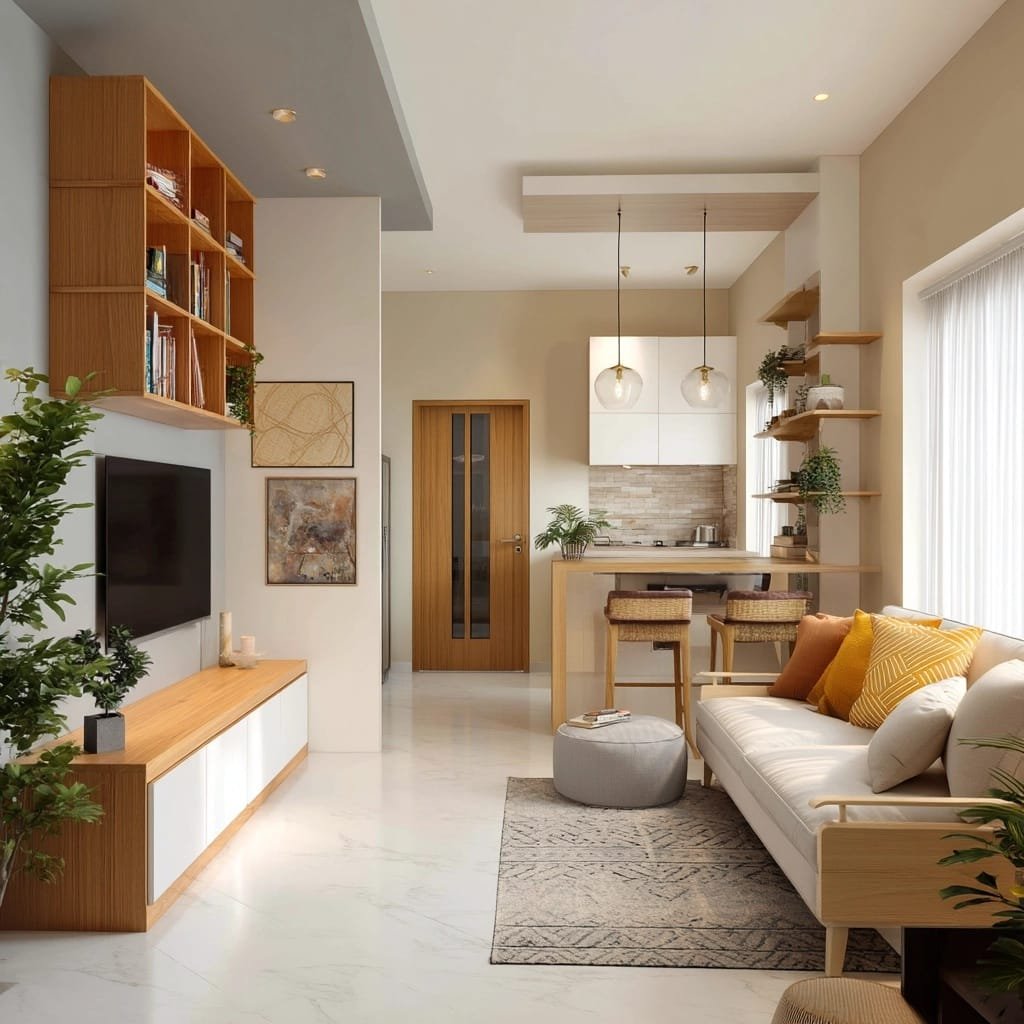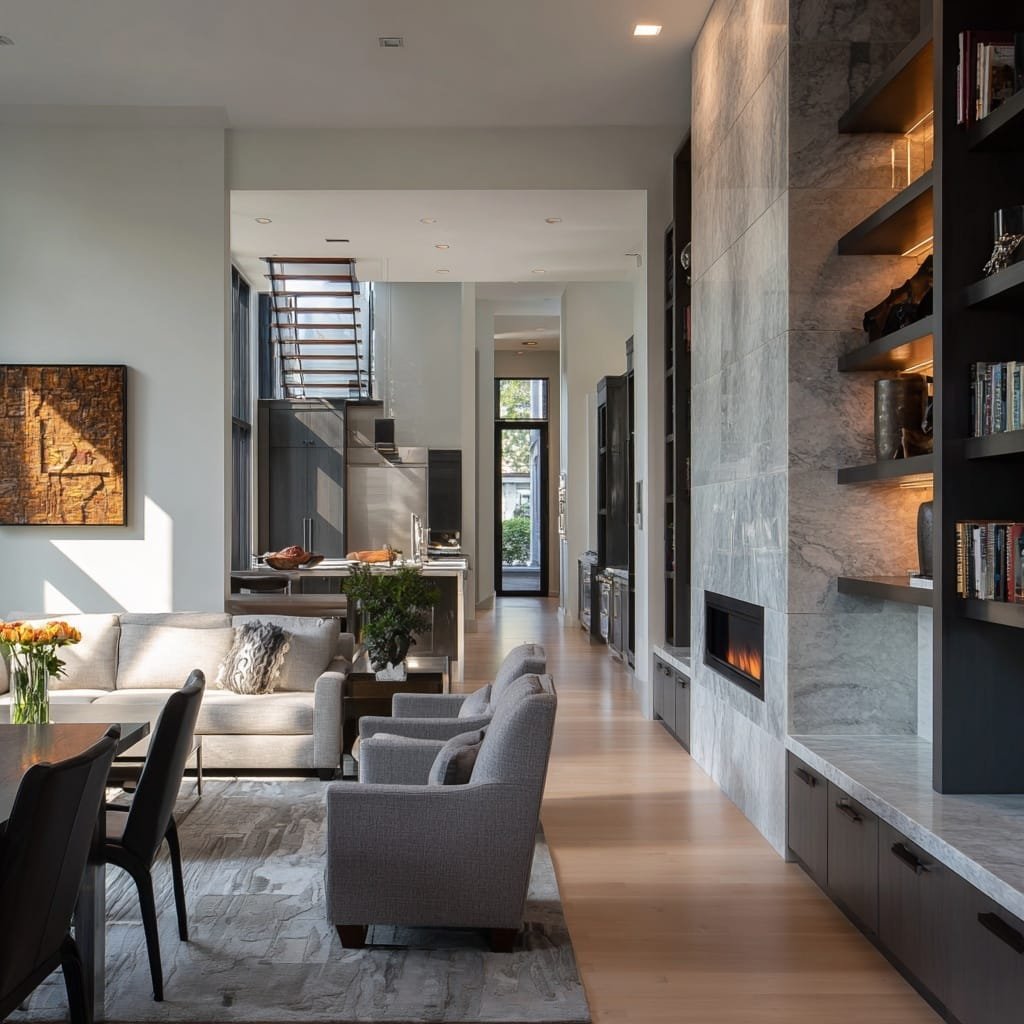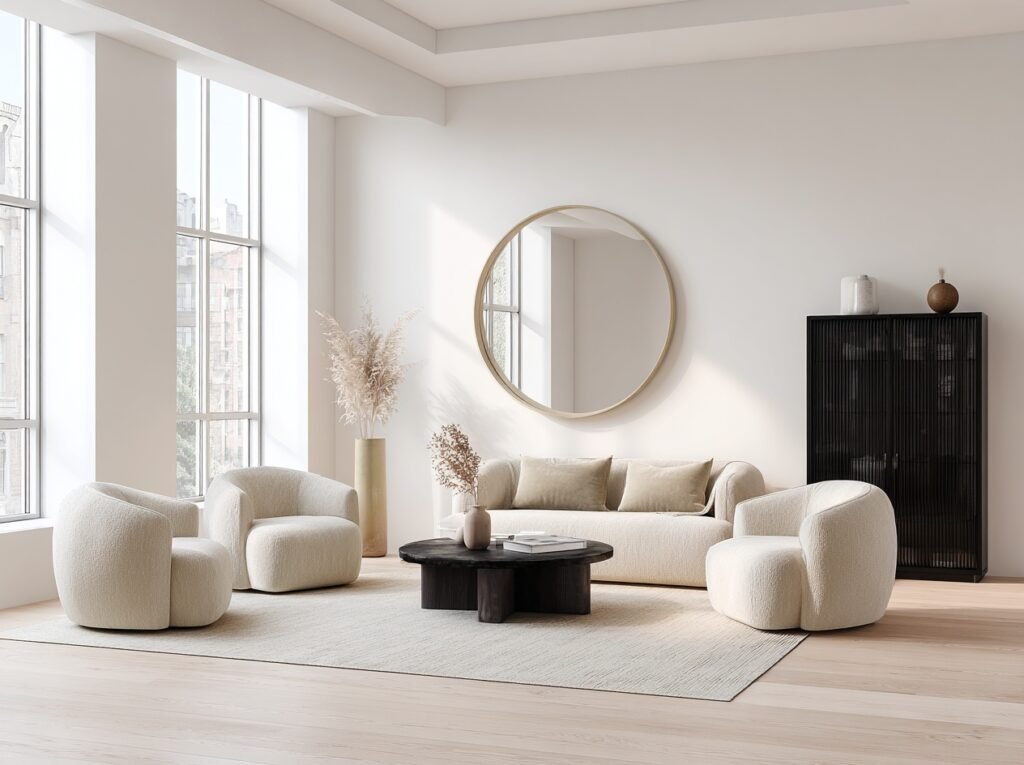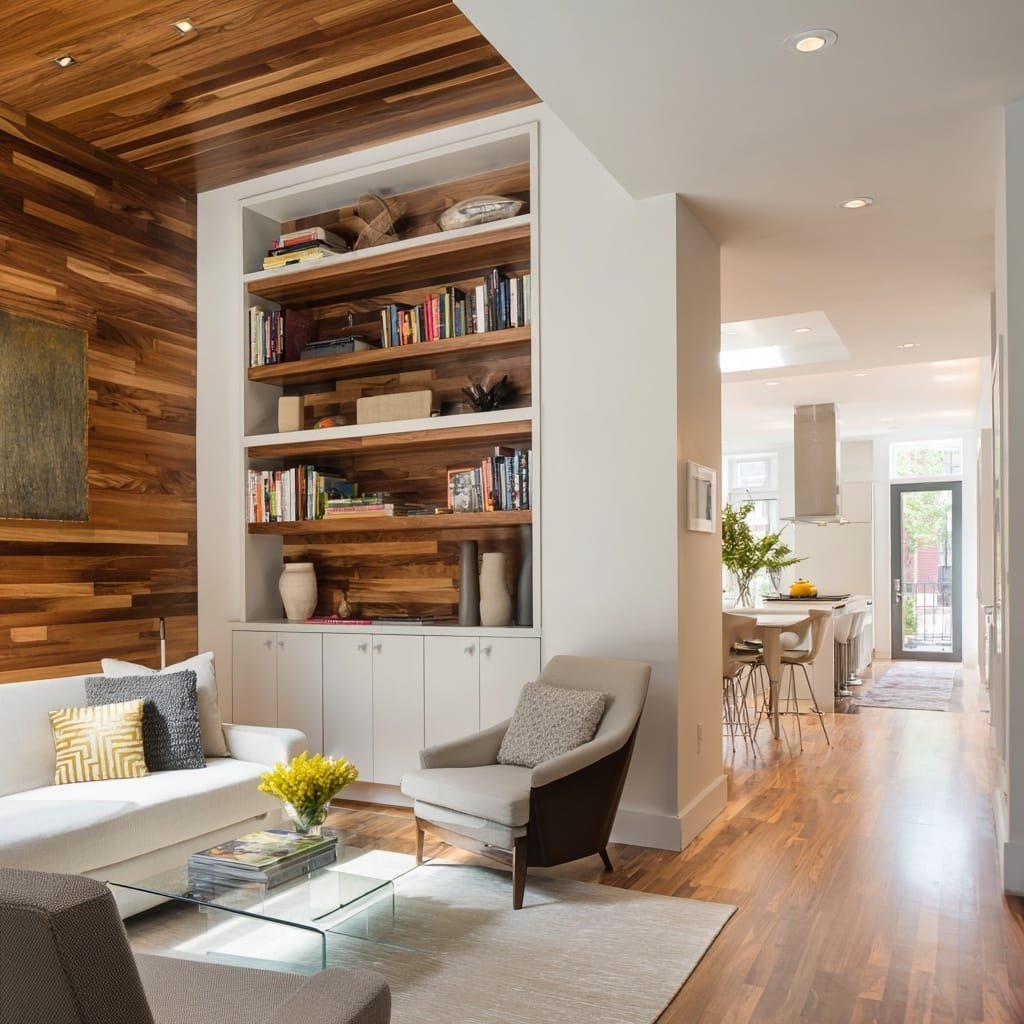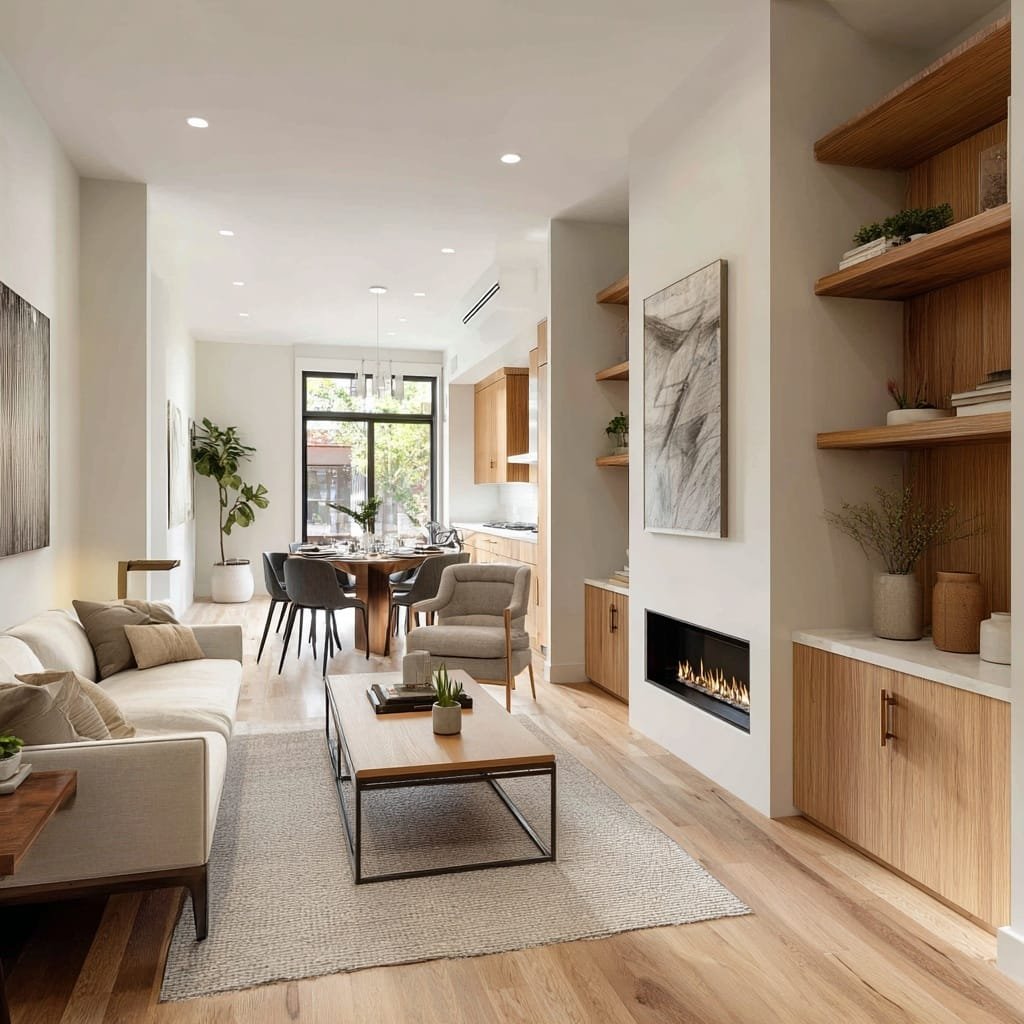
You walk into your new apartment, mentally arranging the sofa, the coffee table, maybe a bookshelf by the window. Then you stop. Your living room is long. Very long. And narrow. So narrow that placing a sofa against one wall and a TV console against the other creates a furniture tunnel that feels less “cozy conversation zone” and more “airport gate waiting area.” You’ve got a bowling alley living room, and no amount of throw pillows is going to fix the fact that it just feels… off.
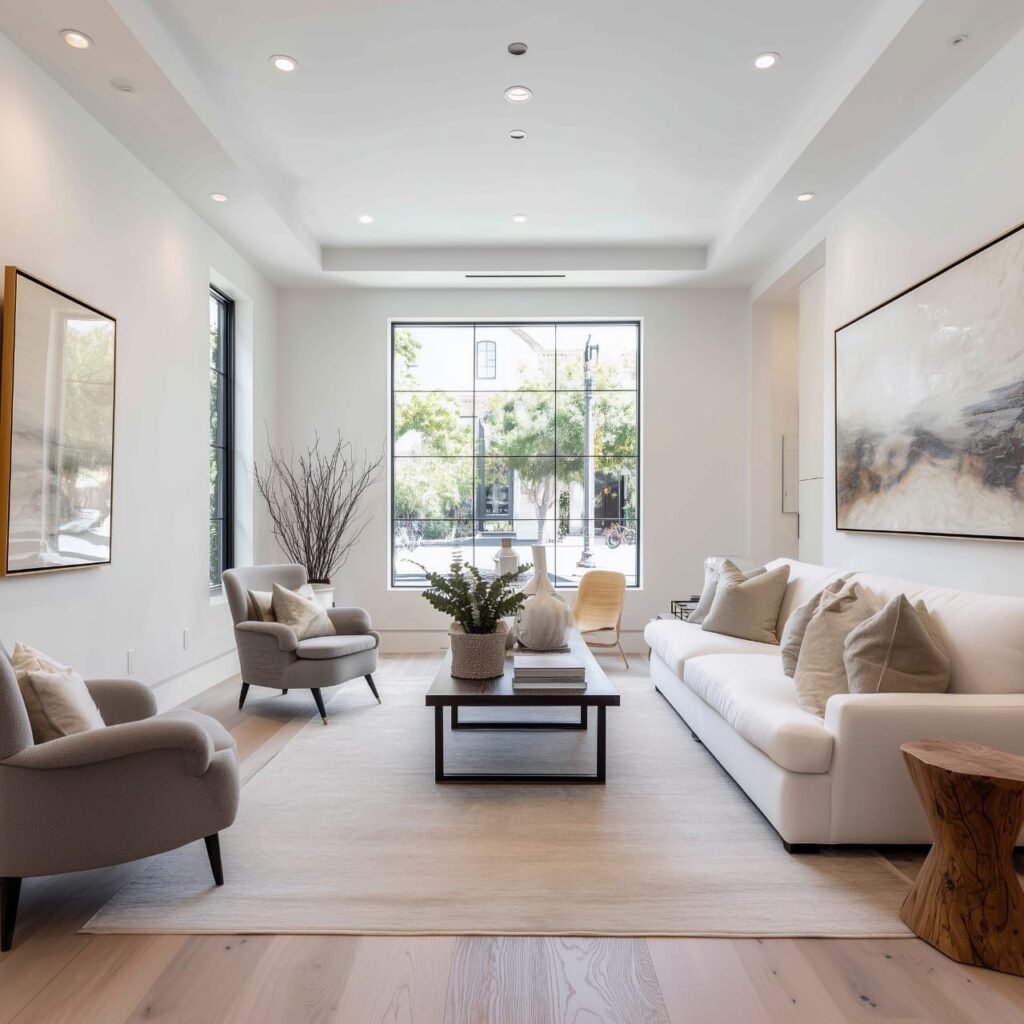
Here’s the thing: long narrow living rooms aren’t design disasters—they’re spatial puzzles. And like any good puzzle, they have solutions. The awkwardness you’re feeling isn’t about the room itself; it’s about furniture placement that works against the space instead of with it. When you arrange furniture in a long narrow living room the wrong way, you amplify the tunnel effect, block natural flow, and create dead zones that collect dust and regret. But when you arrange furniture in a long narrow living room strategically, you can break up the bowling alley, create multiple functional zones, and make the space feel intentional rather than accidental.
In this guide, I’m walking you through 10 layout tricks that actually work—no vague Pinterest advice, no “just add a rug” hand-waving. These are specific, actionable strategies rooted in spatial psychology and real-world testing. Whether you’re working with a 10×20 rental or a 12×24 brownstone parlor, these tricks will help you arrange furniture in a long narrow living room so it feels balanced, functional, and—dare I say—kind of great.
The 10 Layout Tricks to Arrange Furniture in a Long Narrow Living Room
What it is: Pulling your sofa away from the wall and positioning it perpendicular to the long axis of the room.
Why it works: When you arrange furniture in a long narrow living room by shoving everything against the walls, you’re emphasizing the length and creating a hollow center that feels like a hallway. Floating the sofa breaks the tunnel effect by creating an anchor point that divides the space into zones. It also allows you to walk around the furniture, which paradoxically makes the room feel bigger because it suggests there’s space to move.
How to execute it: Place your sofa 12–18 inches away from the wall, perpendicular to the room’s length. If your room is 10 feet wide, aim for a sofa no longer than 72–84 inches so you’ve got at least 30 inches of clearance on either side for walkways. Pair it with a narrow console table behind the sofa (10–12 inches deep) to add function without eating up floor space.
Real-world example: Imagine a 11×22 living room. Instead of a sofa running along the 22-foot wall, place an 80-inch sofa perpendicular, about a third of the way down the room. Suddenly, you’ve created a seating zone in front and left open space behind for a dining nook or workspace. The room no longer reads as one long corridor—it reads as two distinct areas.
-

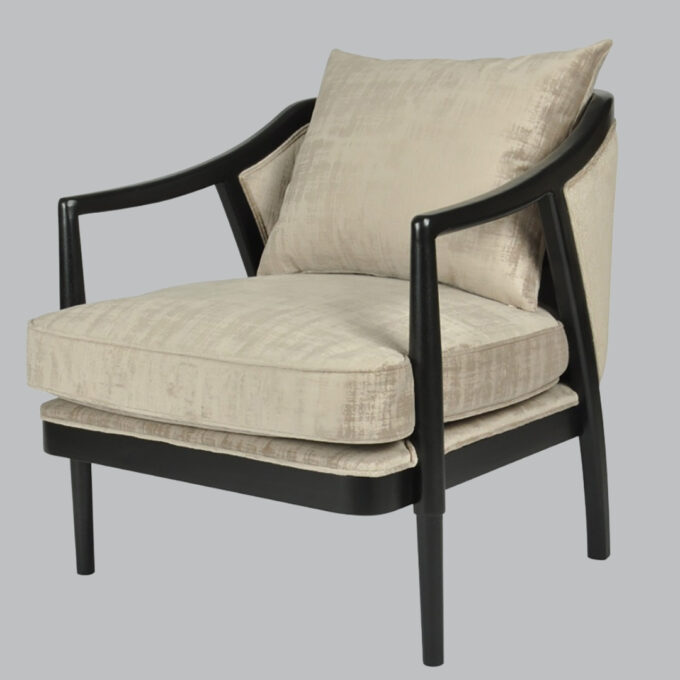
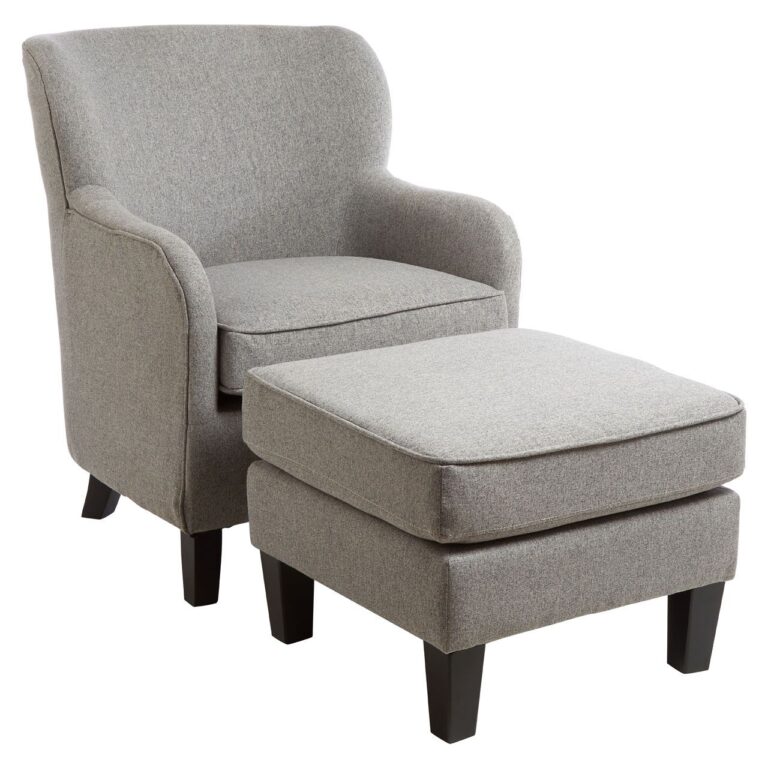
Adence Grey Fabric Chair & Footstool
£544 Read more -

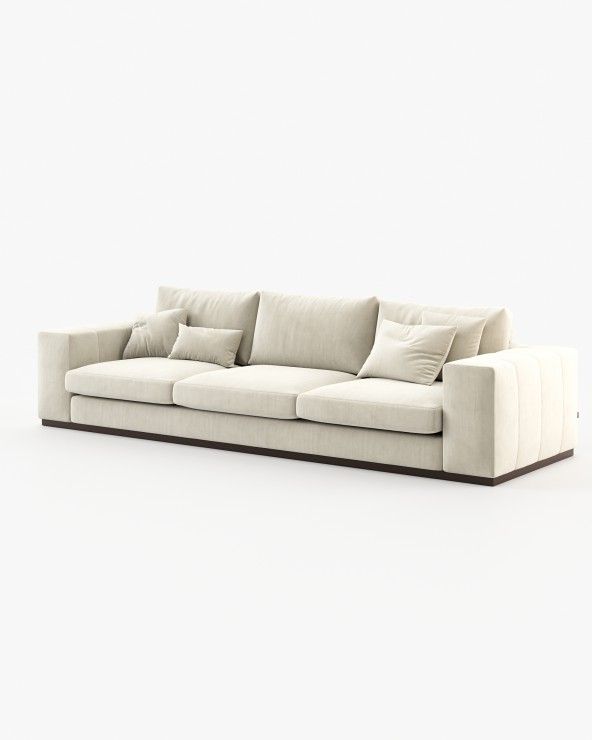
Decker Sofa
£13,605 – £31,529Price range: £13,605 through £31,529 Select options This product has multiple variants. The options may be chosen on the product page -
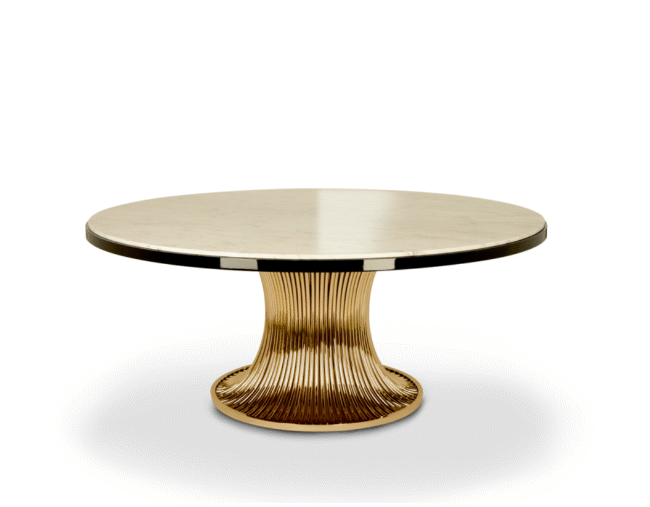
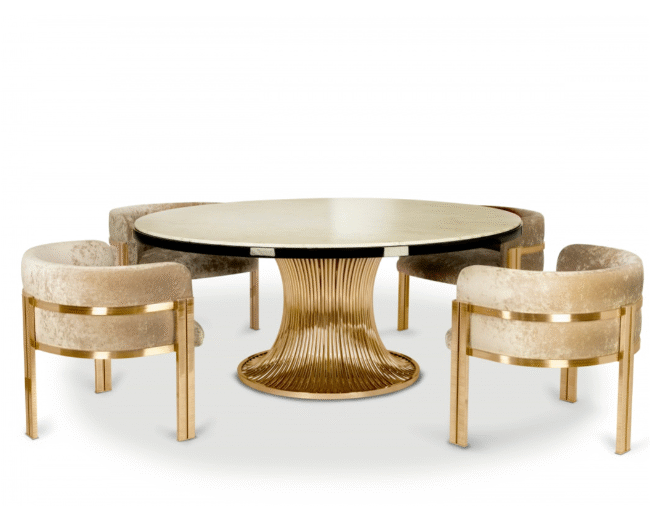
Flusso Round Dining Table
£14,232 – £15,360Price range: £14,232 through £15,360 Select options This product has multiple variants. The options may be chosen on the product page
What it is: Using rugs to visually divide the room into separate functional areas.
Why it works: Rugs act as visual boundaries. In a long narrow living room, a single rug running the full length reinforces the bowling alley vibe. Multiple rugs, or one strategically placed rug that anchors just the seating area, signal “this is a distinct zone,” which helps the eye understand the space as segmented rather than endless.
How to execute it: Use a rug that’s large enough for the front legs of your sofa and chairs to sit on—typically 8×10 or 9×12 for a seating area. If you’re creating a second zone (like a reading corner or dining area), use a second rug in a complementary style. Make sure there’s at least 18–24 inches of bare floor between rugs to maintain visual separation.
Real-world example: In a 12×24 room, place a 9×12 rug under your seating arrangement in the first third of the room, with the sofa and two chairs anchored on it. Then, 6 feet down the room, lay a 6×9 rug under a small dining table or a desk setup. The two rugs announce “seating zone” and “work/dining zone” without needing a physical divider.
What it is: Dividing the room into two separate conversation or activity zones instead of one long furniture lineup.
Why it works: One of the biggest challenges when you arrange furniture in a long narrow living room is avoiding the single-file effect. Two seating areas break the monotony and give the room multiple focal points, which makes it feel more dynamic and less like a train car.
How to execute it: Divide the room roughly into thirds or halves. In the first zone, create a traditional seating area (sofa, two chairs, coffee table). In the second zone, add a different function: a reading nook with an armchair and floor lamp, a game table with two stools, or even a small workspace. Use the back of the sofa or a narrow bookshelf as a subtle divider between the two zones.
Real-world example: Picture a 10×20 living room. The first 10 feet houses a loveseat, two armless chairs facing each other, and a round coffee table. The second 10 feet features a velvet armchair, a tall arched floor lamp, and a small side table stacked with books. You’ve just created a living room with a socializing zone and a quiet retreat zone—same room, two purposes.
-

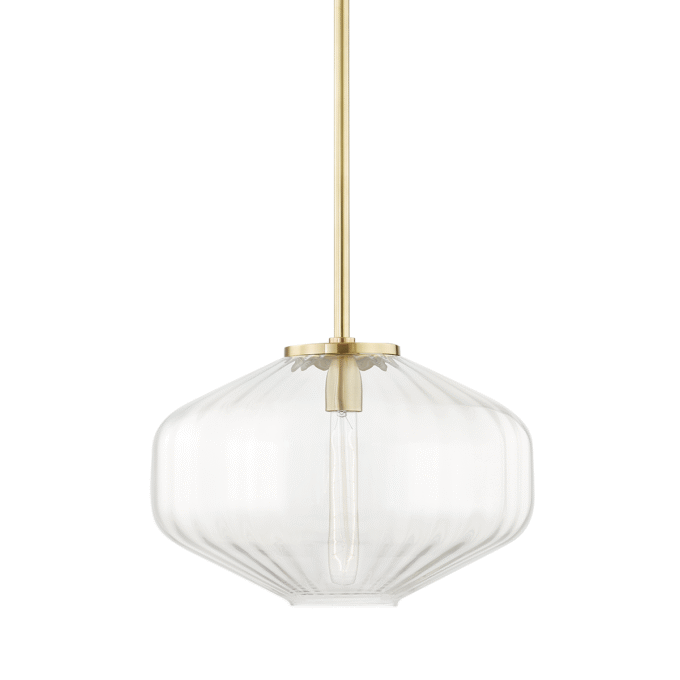
Bennett Pendant
£828 Add to cart -

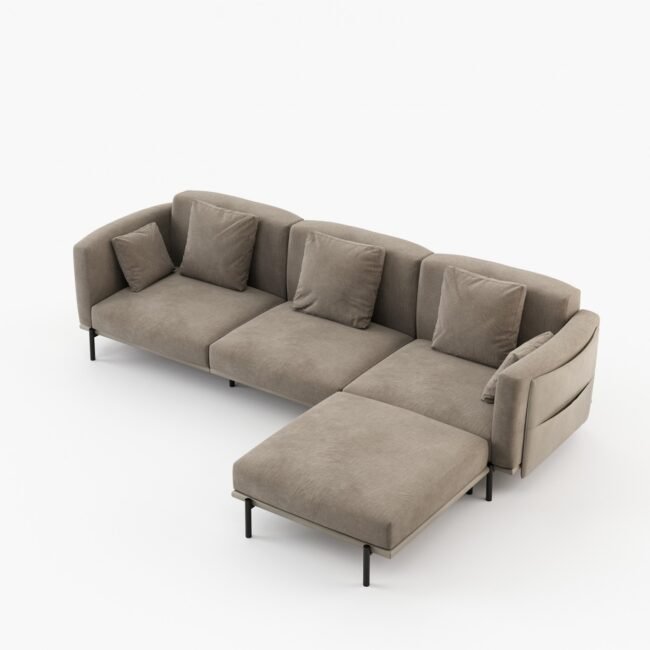
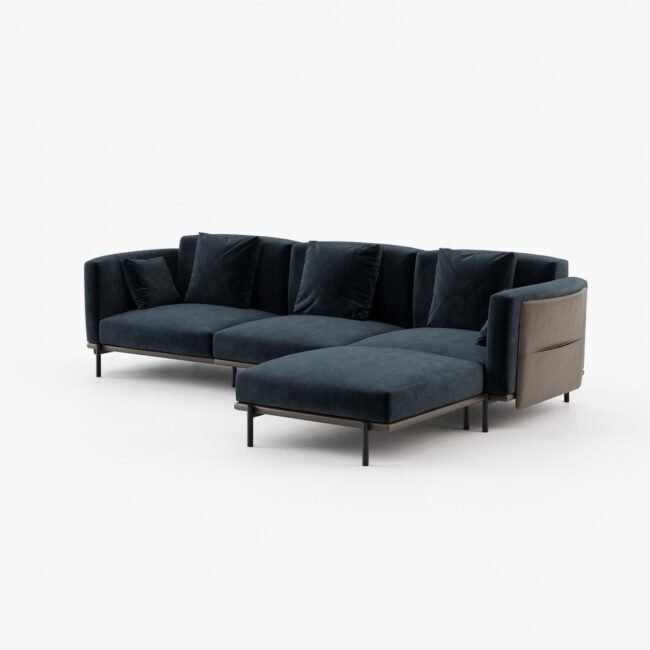
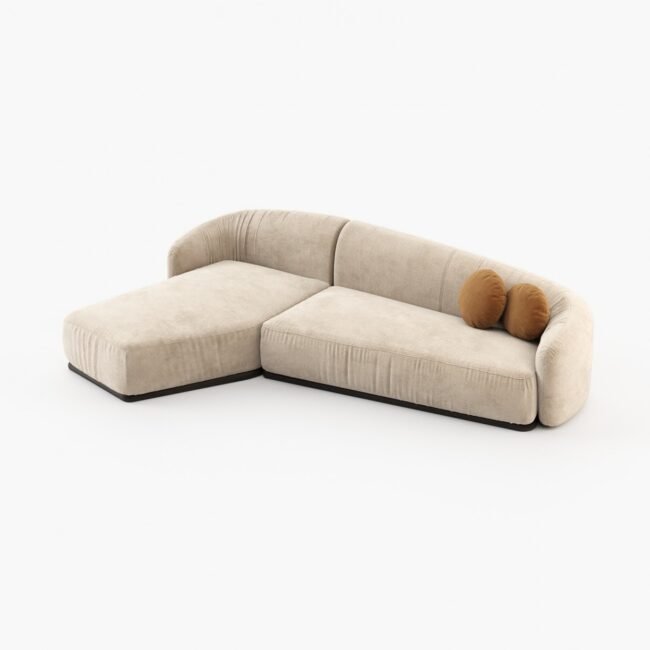
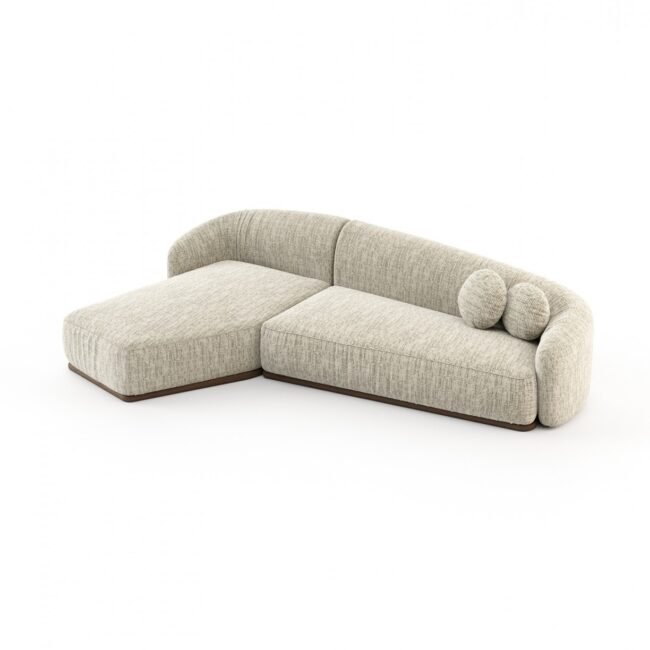
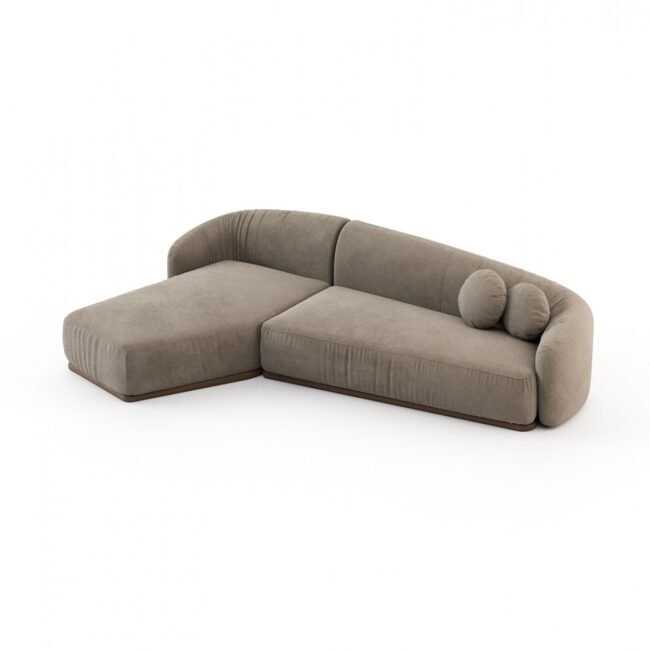
Foster Sofa Modular with Chaise
£9,669 – £14,038Price range: £9,669 through £14,038 Select options This product has multiple variants. The options may be chosen on the product page -

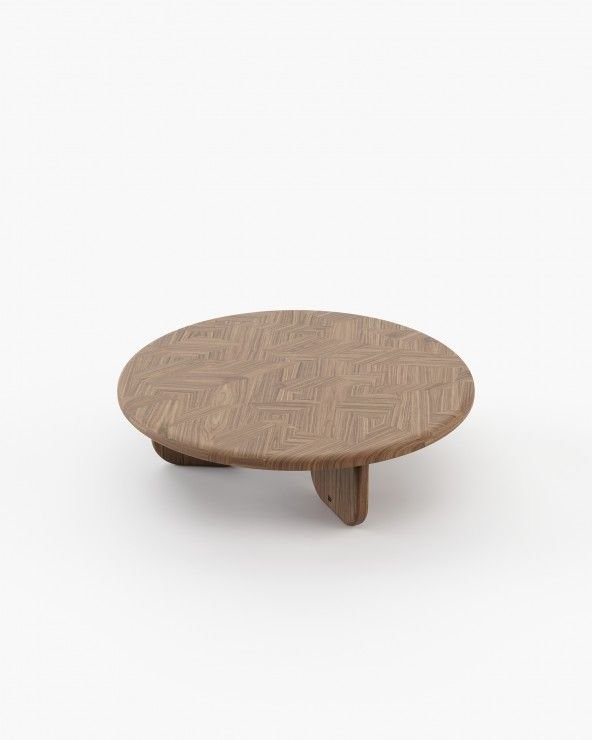
Williams Coffee Table
£3,027 – £3,700Price range: £3,027 through £3,700 Select options This product has multiple variants. The options may be chosen on the product page
Trick #4: Angle Your Furniture (Just a Little)
What it is: Placing key pieces—like a sofa or chair—on a slight diagonal instead of squared off against the walls.
Why it works: Angles disrupt the rigid geometry of a narrow room and create visual interest. When you arrange furniture in a long narrow living room on a diagonal, you’re softening the hard lines and making the space feel less boxy. It also creates more natural pathways around the furniture.
How to execute it: You don’t need to go full 45-degree pivot. A subtle 10–15 degree angle is enough. Try angling your sofa slightly inward from one corner, or position an accent chair at a gentle slant facing the sofa. Just make sure you’re not creating awkward dead corners where nothing fits—angles should enhance flow, not block it.
Real-world example: In a 11×18 room, instead of placing your sofa flat against the short wall, angle it slightly so one end is 8 inches from the wall and the other is 14 inches out. Pair it with an armchair angled toward the sofa from the opposite side. The slight shift makes the seating arrangement feel more conversational and less staged.
Trick #5: Go Narrow and Leggy with Your Furniture
What it is: Choosing furniture with slim profiles, raised legs, and open bases instead of bulky, low-slung pieces.
Why it works: Visual weight matters. Chunky furniture with solid bases makes a narrow room feel even more cramped. Furniture with exposed legs and slender frames allows light and sightlines to pass through, which tricks the eye into perceiving more space.
How to execute it: Look for sofas and chairs with legs at least 4–6 inches high. Choose armless or low-arm seating when possible. Opt for coffee tables and consoles with open bases or glass tops. Avoid overstuffed sectionals, oversized ottomans, and furniture that sits directly on the floor.
Real-world example: Swap a deep, rolled-arm sofa (38 inches deep) for a mid-century modern sofa with a 32-inch depth and tapered wood legs. Replace a chunky upholstered ottoman with a slim metal-frame coffee table with a glass top. The room breathes easier because you’re seeing floor and wall behind the furniture instead of solid mass.
Trick #6: Anchor with a Focal Point (But Not Just the TV)
What it is: Establishing a visual anchor—like a fireplace, a gallery wall, or a large piece of art—that grounds the furniture arrangement.
Why it works: Focal points give the eye a place to land, which helps organize the chaos of a long narrow space. When you arrange furniture in a long narrow living room around a clear focal point, you create a sense of purpose and direction. Without one, the room feels aimless.
How to execute it: If you have a fireplace, orient your seating around it. If not, create a focal point with a bold piece of art on one of the short walls, a floor-to-ceiling bookshelf, or a dramatic light fixture. Position your sofa and chairs to face or flank the focal point. If your only option is the TV, fine—but add something visually interesting around it (floating shelves, a textured wall treatment) so it doesn’t feel like a dorm room setup.
Real-world example: In a 12×20 room with no architectural features, hang a large abstract painting (48×60 inches) on one of the short walls. Float your sofa facing it, with two armchairs angled inward. Add a sculptural floor lamp in one corner. The painting becomes the room’s visual gravity, and the furniture arrangement makes sense because it’s oriented toward something.
Trick #7: Use Vertical Storage to Reclaim Floor Space
What it is: Swapping horizontal storage (like long low credenzas) for tall, narrow bookshelves, wall-mounted cabinets, or floor-to-ceiling units.
Why it works: Floor space is your most precious resource in a narrow room. When you arrange furniture in a long narrow living room, every piece that eats up horizontal real estate makes the space feel tighter. Vertical storage maximizes capacity while keeping the footprint small, and it draws the eye upward, which makes the room feel taller and less tunnel-like.
How to execute it: Choose bookcases that are 12–18 inches deep but 6–8 feet tall. Use wall-mounted shelving instead of freestanding media consoles. If you need a TV stand, go for a narrow one (under 16 inches deep) and flank it with tall plants or floor lamps to emphasize height.
Real-world example: Instead of a 60-inch wide, 20-inch deep media console that juts into the room, install a wall-mounted floating shelf (48 inches wide, 10 inches deep) for your TV and components. Add two narrow ladder-style bookshelves on either side. You’ve freed up 10 inches of floor depth and created a cleaner, more open feel.
-

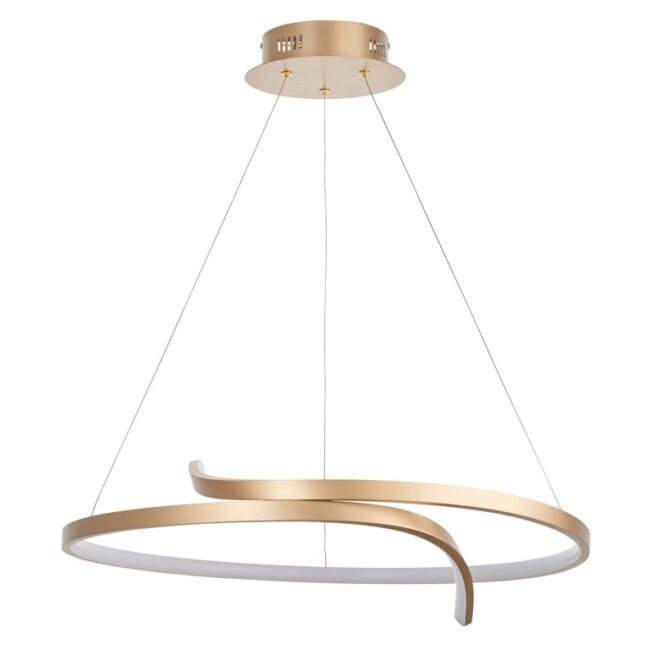
Afe Pendant Light
£296 Select options This product has multiple variants. The options may be chosen on the product page -
Alaric Chair
£1,870 Add to cart -

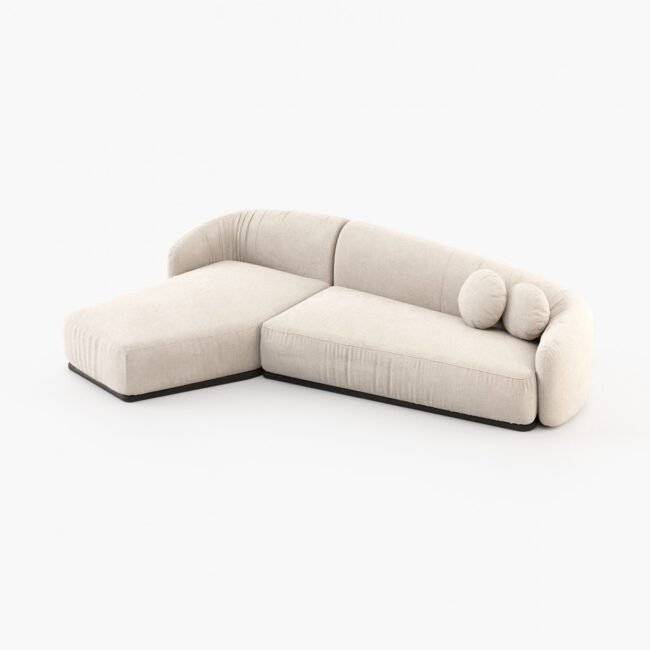
Amalia Sofa With Chaise
£9,848 – £12,406Price range: £9,848 through £12,406 Select options This product has multiple variants. The options may be chosen on the product page
Trick #8: Build a Pathway Through the Middle
What it is: Leaving a clear, unobstructed walkway down the center or side of the room instead of forcing people to weave around furniture.
Why it works: One of the fastest ways to make a long narrow living room feel claustrophobic is to block the natural flow. A clear pathway—ideally 30–36 inches wide—signals that the room is functional, not just decorative. It also prevents that “trapped in a furniture maze” feeling.
How to execute it: When you arrange furniture in a long narrow living room, map out your primary walking route first. If the main entry is at one end and the hallway or kitchen is at the other, make sure there’s a straight shot between them. Position your sofa and chairs to frame the pathway, not block it. Avoid placing coffee tables or ottomans in the direct line of traffic.
Real-world example: In a 10×18 room, float your sofa 3 feet from one long wall, leaving a 4-foot-wide pathway along the opposite wall. Place two chairs and a coffee table on the sofa side, creating a cozy seating cluster. The open pathway keeps the room from feeling congested and makes it easy to walk from the front door to the back hallway without dodging furniture
Trick #9: Layer Lighting at Multiple Heights
What it is: Using a mix of floor lamps, table lamps, and wall sconces instead of relying on a single overhead fixture.
Why it works: Narrow rooms can feel dim and cave-like if poorly lit. Layering light at different heights creates depth and dimension, which counters the flatness of a long narrow layout. It also allows you to illuminate different zones independently, reinforcing the sense of multiple areas within one room.
How to execute it: Place a floor lamp in one corner of your seating area, a table lamp on a console or side table, and consider a pair of wall sconces flanking your focal point. Avoid a single ceiling fixture blasting the whole room with flat light. Use warm bulbs (2700K–3000K) to add coziness.
Real-world example: In a 11×22 living room, position an arched floor lamp beside your reading chair at one end, a ceramic table lamp on the console behind your sofa in the middle, and two brass sconces on either side of your gallery wall at the far end. When you light the room in the evening, the varied light sources create pockets of warmth and visual interest instead of a single glaring wash.
Trick #10: Use Mirrors and Reflective Surfaces to Expand Sightlines
What it is: Placing a large mirror on one of the long walls or incorporating reflective materials (glass, lacquer, metal) into your furniture.
Why it works: Mirrors bounce light and create the illusion of depth by reflecting the room back on itself. In a narrow space, this visual trick can make the room feel wider than it is. Reflective surfaces do the same thing on a smaller scale—they catch light and prevent the room from feeling heavy.
How to execute it: Hang a large mirror (at least 36×48 inches) on one of the long walls, positioned to reflect a window or a visually appealing part of the room (not just the back of your sofa). Use a glass-top coffee table, a lacquered console, or metallic accent pieces to introduce reflective moments throughout the space.
Real-world example: On the long wall opposite your seating area, hang a full-length arched mirror (30×72 inches). It reflects the light from the window at the far end of the room, making the space feel brighter and less tunnel-like. Add a glass-and-brass coffee table in front of your sofa to keep the reflective theme going without adding visual clutter.
Common Furniture Arrangement Mistakes in Long Narrow Living Rooms
Even with the best intentions, it’s easy to fall into layout traps that make a narrow room feel worse. Here are the most common mistakes and how to fix them.
Mistake #1: Pushing Everything Against the Walls
The instinct is to clear the center and line the perimeter with furniture, thinking it’ll make the room feel bigger. It doesn’t. It makes it feel like a hallway with furniture on the sides. The fix: Float your sofa and pull key pieces away from the walls to create zones and depth.
Mistake #2: Choosing Furniture That’s Too Large
A sectional that’s 110 inches long or a coffee table that’s 60 inches wide will overwhelm a narrow room, no matter how much you love it. The fix: Scale down. Measure your room, then choose furniture that leaves at least 30 inches of clearance for walkways. A loveseat plus two chairs beats a monster sectional every time.
Mistake #3: Blocking the Natural Flow
Placing a coffee table directly in the pathway between the door and the rest of the house forces people to sidestep and squeeze. It’s annoying and makes the room feel cramped. The fix: Map your primary walking route before you place a single piece of furniture. Leave a clear 30–36 inch pathway and arrange furniture around it, not across it.
Mistake #4: Ignoring the Vertical Plane
When you only think horizontally—sofa here, chair there—you miss opportunities to use height to your advantage. Low furniture in a narrow room makes the space feel squat and closed-in. The fix: Add tall elements. A floor-to-ceiling bookshelf, a vertical gallery wall, or a pair of tall floor lamps draws the eye up and makes the room feel more spacious.
-

Aeon Wall Sconce
£108 Add to cart -

Algerone Dining Table
£11,820 – £13,788Price range: £11,820 through £13,788 Select options This product has multiple variants. The options may be chosen on the product page -
Charlie 3 Seater sofa
£6,392 – £8,630Price range: £6,392 through £8,630 Select options This product has multiple variants. The options may be chosen on the product page
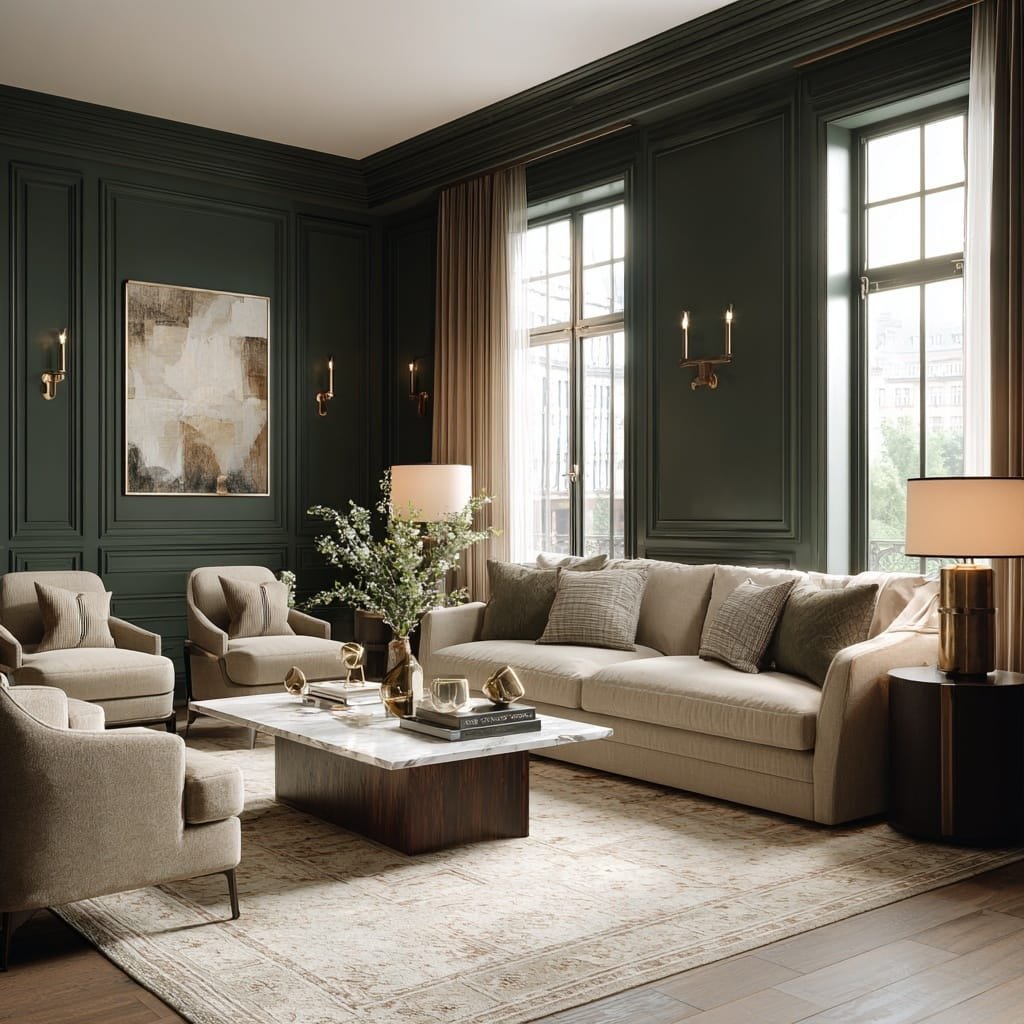
How to Choose Furniture for Long Narrow Spaces
Not all furniture is created equal when you’re working with a challenging footprint. Here’s what to look for—and what to avoid.
Scale and Proportion
Furniture should fit the room, not dominate it. In a narrow space, go for pieces that are appropriately sized: sofas in the 72–84 inch range, coffee tables no wider than 48 inches, and chairs with compact footprints (under 30 inches wide). Measure twice, buy once.
Multi-Function Pieces
When floor space is tight, furniture that does double duty is your best friend. Look for ottomans with hidden storage, nesting tables you can pull out when you need them, or a console table that can serve as a desk or bar. Every piece should earn its place.
What to Avoid
Skip the bulky sectionals—they eat up too much real estate and lock you into one rigid layout. Avoid oversized coffee tables that block pathways. Steer clear of low, heavy furniture that sits flat on the floor with no visible legs—it makes the room feel weighed down. And resist the urge to over-furnish. A narrow room with too many pieces feels chaotic. Less is more.
Smart Buys for Tight Footprints
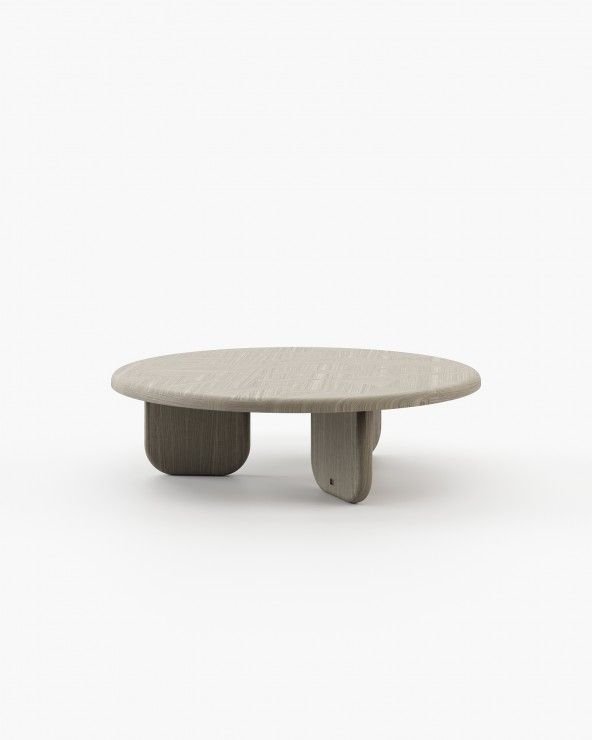
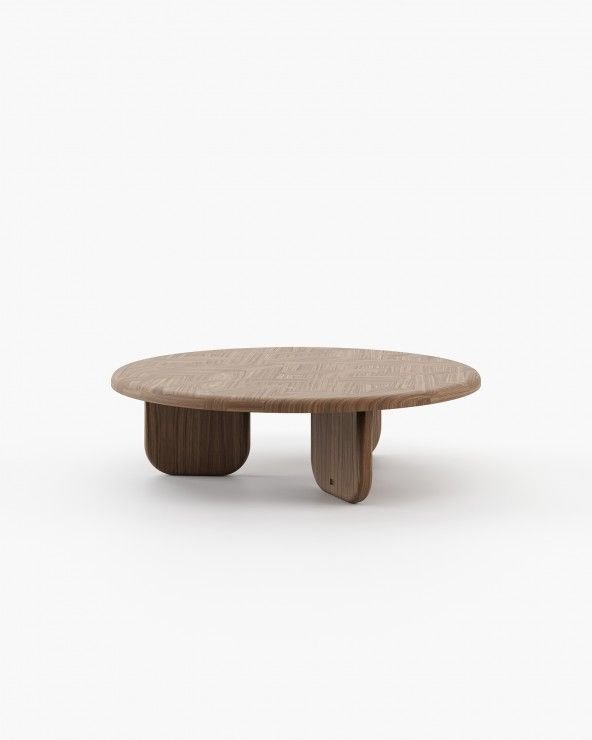
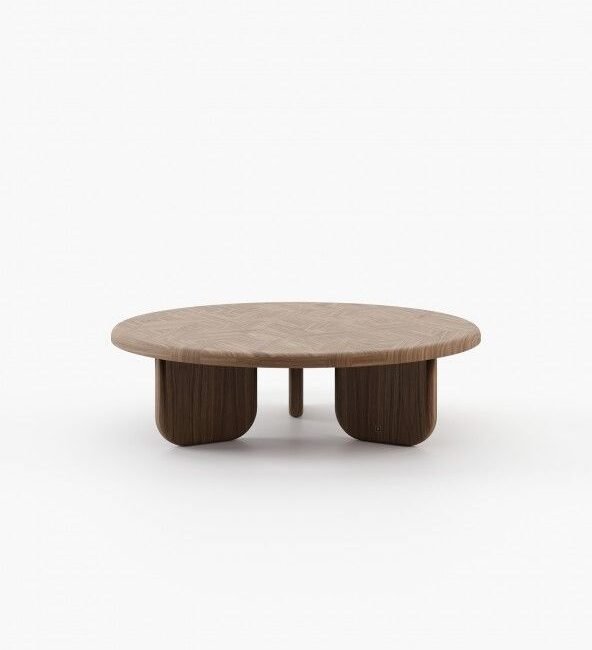
Invest in a sleek, leggy sofa with a shallow depth (32–34 inches instead of 38–40). Choose a round or oval coffee table instead of a rectangular one—curves soften the hard lines of a narrow room and make it easier to navigate. Look for armless or low-arm chairs that don’t add visual bulk. And prioritize furniture with open bases and transparent materials (glass, acrylic, metal) that let light and sightlines flow through.
Conclusion
Long narrow living rooms aren’t design failures—they’re just spaces that demand smarter thinking. When you arrange furniture in a long narrow living room with intention—floating pieces instead of hugging walls, creating zones instead of one long lineup, choosing furniture that’s appropriately scaled and visually light—you transform a bowling alley into a space that feels balanced, functional, and surprisingly spacious.
You don’t need to overhaul everything at once. Start with one trick. Float your sofa. Add a second rug to define a new zone. Swap your chunky coffee table for a sleeker one. Small shifts compound into big changes.
The goal isn’t perfection—it’s a room that works for how you actually live. And with these 10 layout tricks in your toolkit, you’re not guessing anymore. You’re designing.