Transitional vs Contemporary Design: Key Differences and How to Choose the Right Style for Your Home

Transitional vs Contemporary Design

Bridging Two Worlds: Understanding Transitional vs Contemporary Design

In this exploration of Transitional vs Contemporary Design, we’ll dive deep into the what, why, and how of choosing between these two influential styles in interior design. Whether you’re renovating a home or simply refreshing a living room, understanding Transitional vs Contemporary Design can help you articulate your vision, choose furnishings with clarity, and craft a cohesive aesthetic. Below is a roadmap of the six subtopics we will cover:

  1. Origins & Philosophy – the history and guiding principles behind Transitional vs Contemporary Design

  2. Key Visual Characteristics – how to visually distinguish transitional from contemporary interiors

  3. Materials, Textures & Finishes – which surfaces, fabrics, and finishes align best with transitional or contemporary

  4. Furniture, Layout & Scale – furniture selection, proportion, and flow in each style

  5. Color Palettes & Accents – how color palettes and accent choices differ

  6. When to Choose Each Style (and Hybrids) – advice and decision framework to pick the right style (or a blend) for your home

At the end, we’ll wrap up with a practical conclusion to guide you in adopting Transitional vs Contemporary Design in your own interior project. In total, the post aims to be both inspiring and actionable; by the end, you’ll clearly see the differences and feel confident in selecting a style that fits your space and personality.

Origins & Philosophy

Transitional vs Contemporary Design

The debate between Transitional vs Contemporary Design starts with their roots. The term transitional emerged in the late 20th century as a response to homes that were either too traditional or too ultramodern. Transitional style seeks balance — marrying the warmth and comfort of traditional design with the clean lines and simplicity of contemporary aesthetics. Meanwhile, contemporary design is ever-evolving: it refers to what is current, forward-looking, and often minimal in form, reflecting today’s trends.

In essence, Transitional vs Contemporary Design reflects two philosophies of how humans live in space. Transitional design values timelessness, subtle contrast, and layering: it does not chase trends, but rather anchors itself on enduring appeal. Contemporary design, by contrast, is trend-forward, bold in its willingness to experiment with new materials, forms, and open spaces. A home employing a contemporary aesthetic might adopt asymmetry, dramatic lighting, or modular forms.

Understanding Transitional vs Contemporary Design means recognizing that transitional is not a midpoint “watering-down” of contemporary, and contemporary is not devoid of comfort or warmth. Instead, transitional often borrows sculptural pieces from the contemporary vocabulary but frames them in softer materials and neutral palettes. Contemporary, in turn, borrows warmth through thoughtful accent materials or tones rather than embracing ornamentation.

Historically, transitional growth came from clients wanting a comfortable, livable home that was not overly ornate, nor cold and austere. Contemporary design, conversely, responds to new building technologies, sustainability, and streamlined living. In recent decades, Transitional vs Contemporary Design has become a choice homeowners grapple with: Do you want your home to feel inviting and timeless or bold and cutting-edge?

When you frame your project in terms of Transitional vs Contemporary Design, the underlying philosophical question becomes: “What mood do I want — rooted and comfortable, or progressive and crisp?” The rest of your design decisions flow from that: how much ornamentation, how much negative space, how soft vs hard finishes, and so on. In the next subtopics, we’ll drill down into visuals, materials, furniture, color, and then decision-making steps to choose or blend these two styles.

Key Visual Characteristics

When comparing Transitional vs Contemporary Design, one of the most immediate ways to see the difference is through visual cues: lines, form, proportions, and decorative restraint.

Key Visual Characteristics
Focal Points & Visual Flow

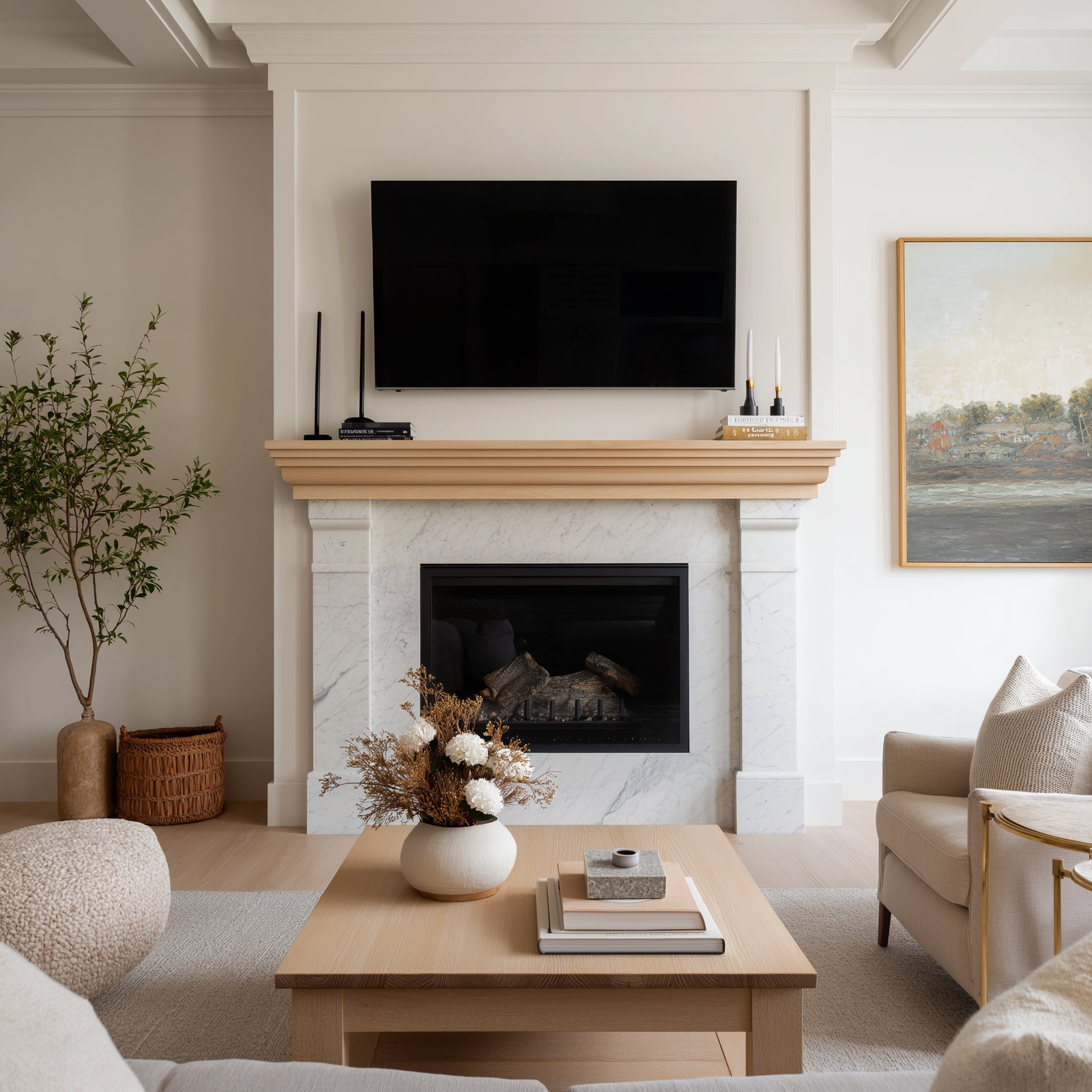
A transitional room often has one strong focal point — perhaps a fireplace, built-in shelving, or a large mirror — and all elements are balanced around it. Visual flow is steady and predictable. In contemporary design, multiple focal points can compete: bold lighting, an accent wall, sculptural furniture, or art. The eye moves more freely, sometimes intentionally unsettled in its journey.

Visual Balance & Contrast

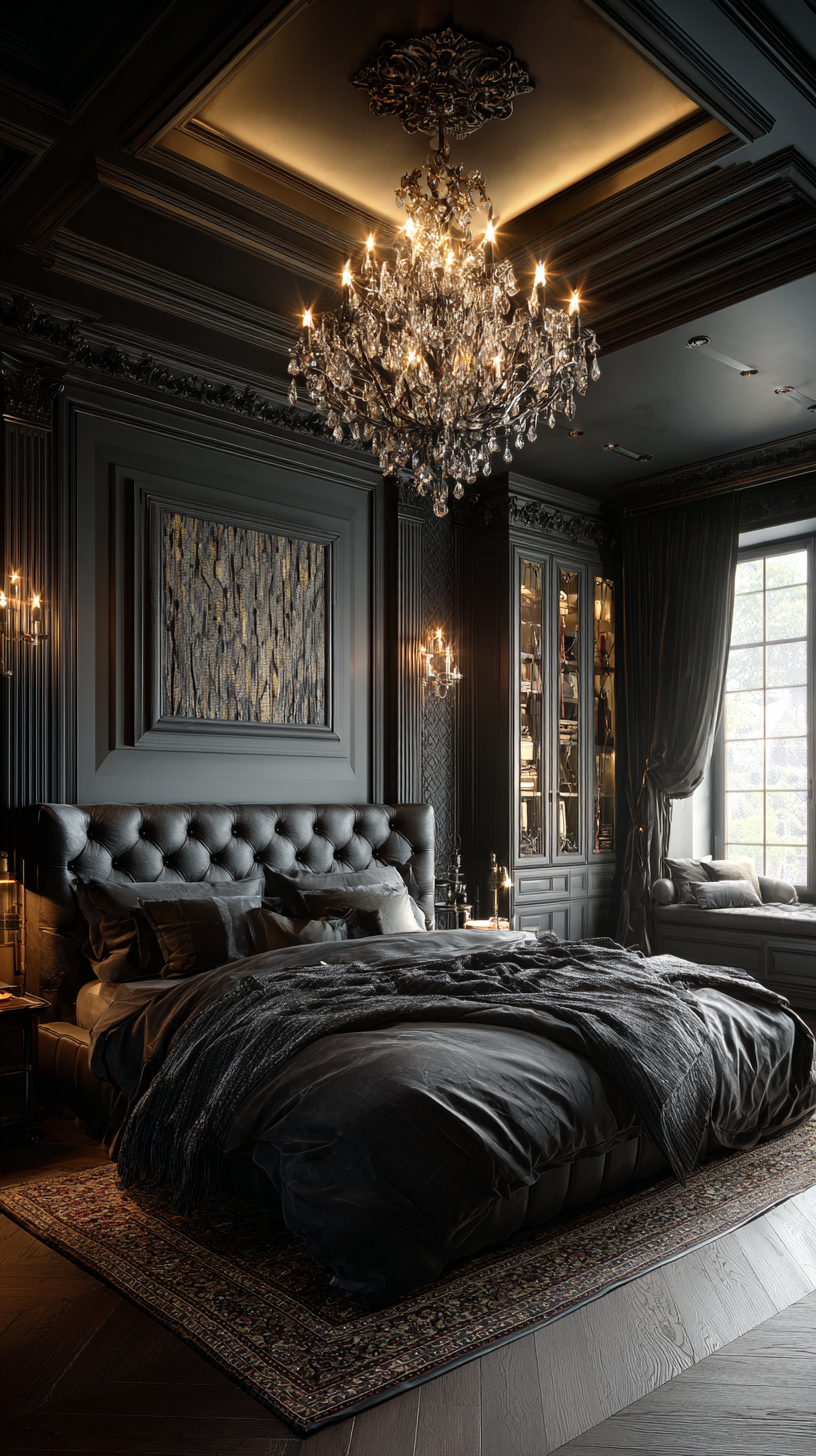
Transitional design tends to operate on tonal contrasts — light vs dark neutrals, warm woods vs pale upholstery — but keeps harmony. Contemporary design often embraces higher contrast — black and white juxtapositions, glass and steel, even dramatic pops of color against neutral backdrops.

Every time you compare rooms in magazines or Pinterest labeled “Transitional vs Contemporary Design,” focus on those visual cues: Are there ornamented moldings (transitional) or ultra-smooth walls and hidden trims (contemporary)? Is the furniture soft-edged (transitional) or crisp (contemporary)? Over time your eye becomes adept at telling them apart.

Materials, Textures & Finishes

When thinking about Transitional vs Contemporary Design, materials and textures play a core role in the feel and authenticity of the style. While form and layout matter, the surfaces under your fingers often communicate more than paint colors.

Materials, Textures & Finishes
Wood & Natural Materials

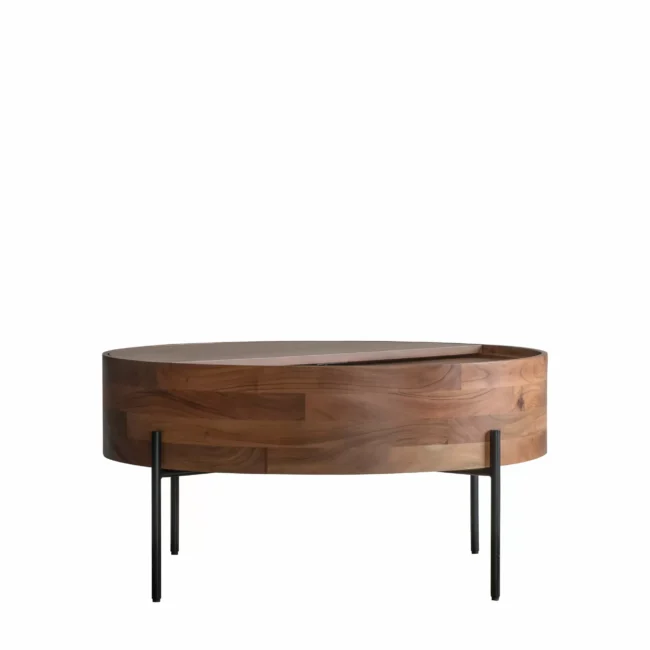
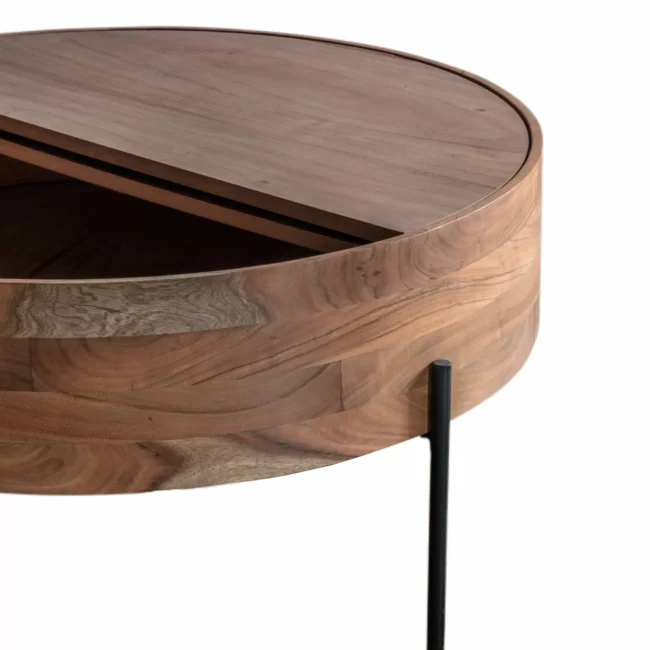
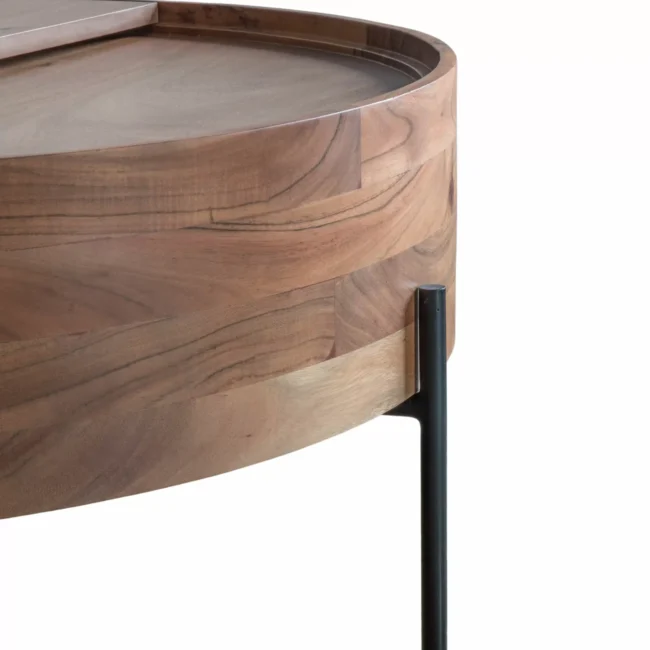
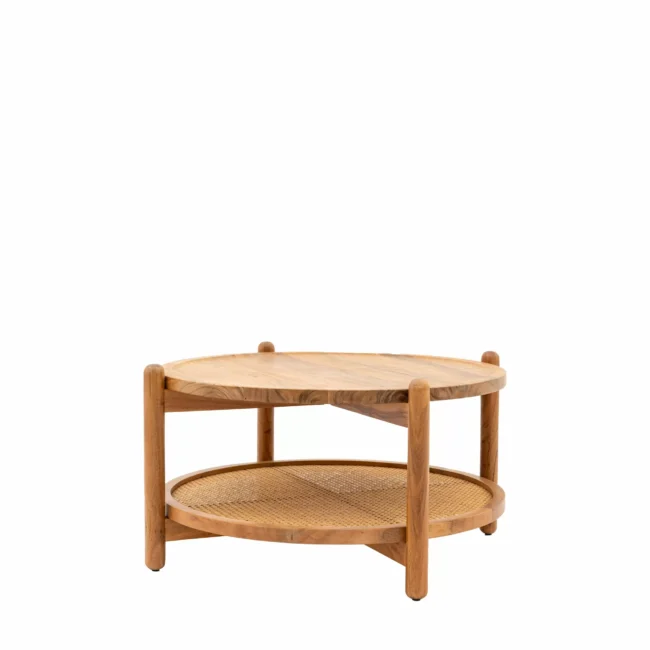
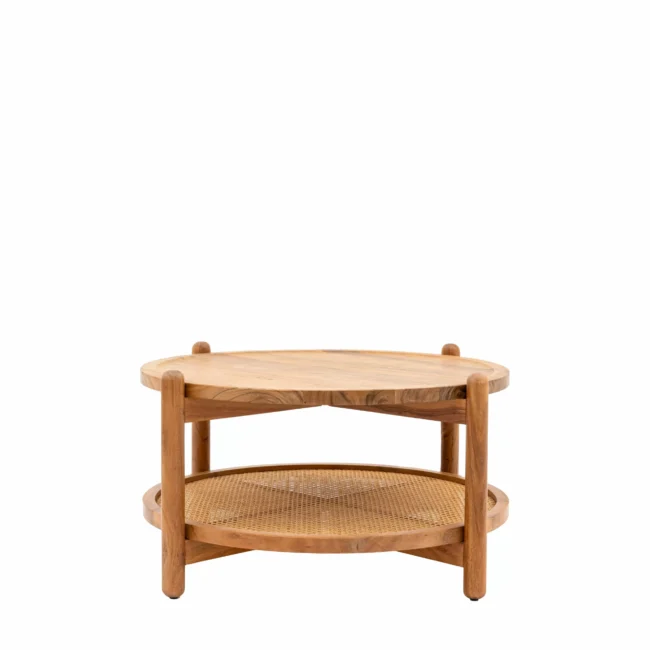
In transitional interiors, wood is a valued staple: walnut, oak, maple — often in medium tones — used for floors, cabinetry, millwork, and accent furniture. Wood surfaces are often slightly softened or brushed to avoid glare. In Transitional vs Contemporary Design, wood offers warmth, grounding the design. In contrast, contemporary design may favor engineered wood, veneer finishes, or even alternative materials like concrete-look laminate or painted MDF with seamless grain. When wood is used in contemporary design, it’s usually in a minimalist and unadorned way.

Metal, Glass & Reflective Surfaces

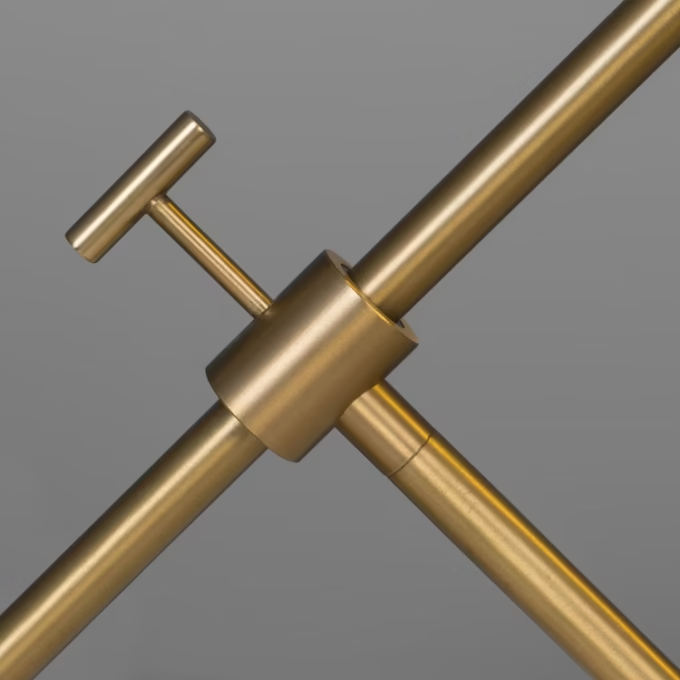
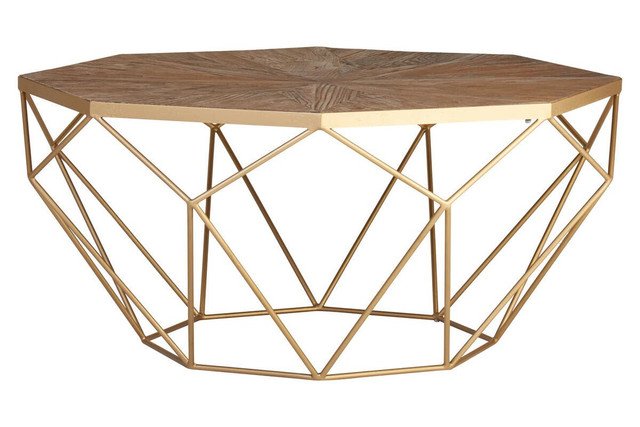
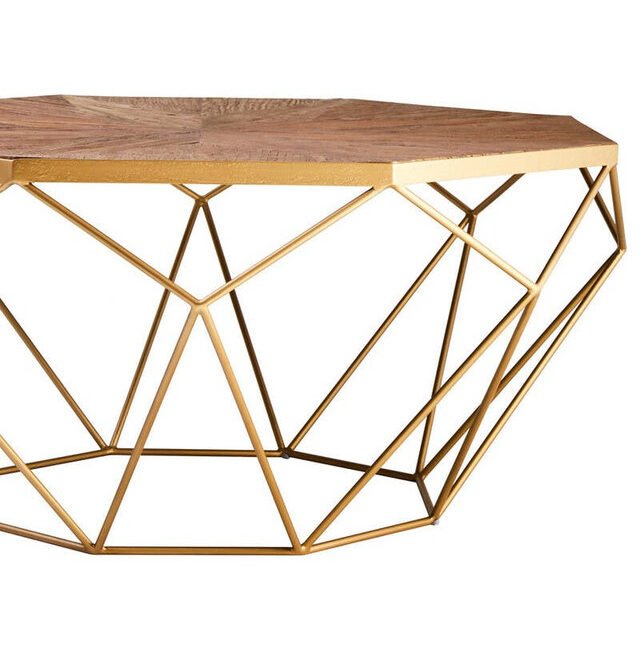
Contemporary design leans more heavily into metals (brass, chrome, stainless, blackened steel) and glass — think sleek legs, glass tabletops, mirror accents, metallic insets. Transitional might use metal accents, but more sparingly, as trim or lighting accents, and in warmer tones. Gloss is used with moderation. In Transitional vs Contemporary Design, contemporary wins on boldness in metallics and reflection.

Fabrics & Textiles

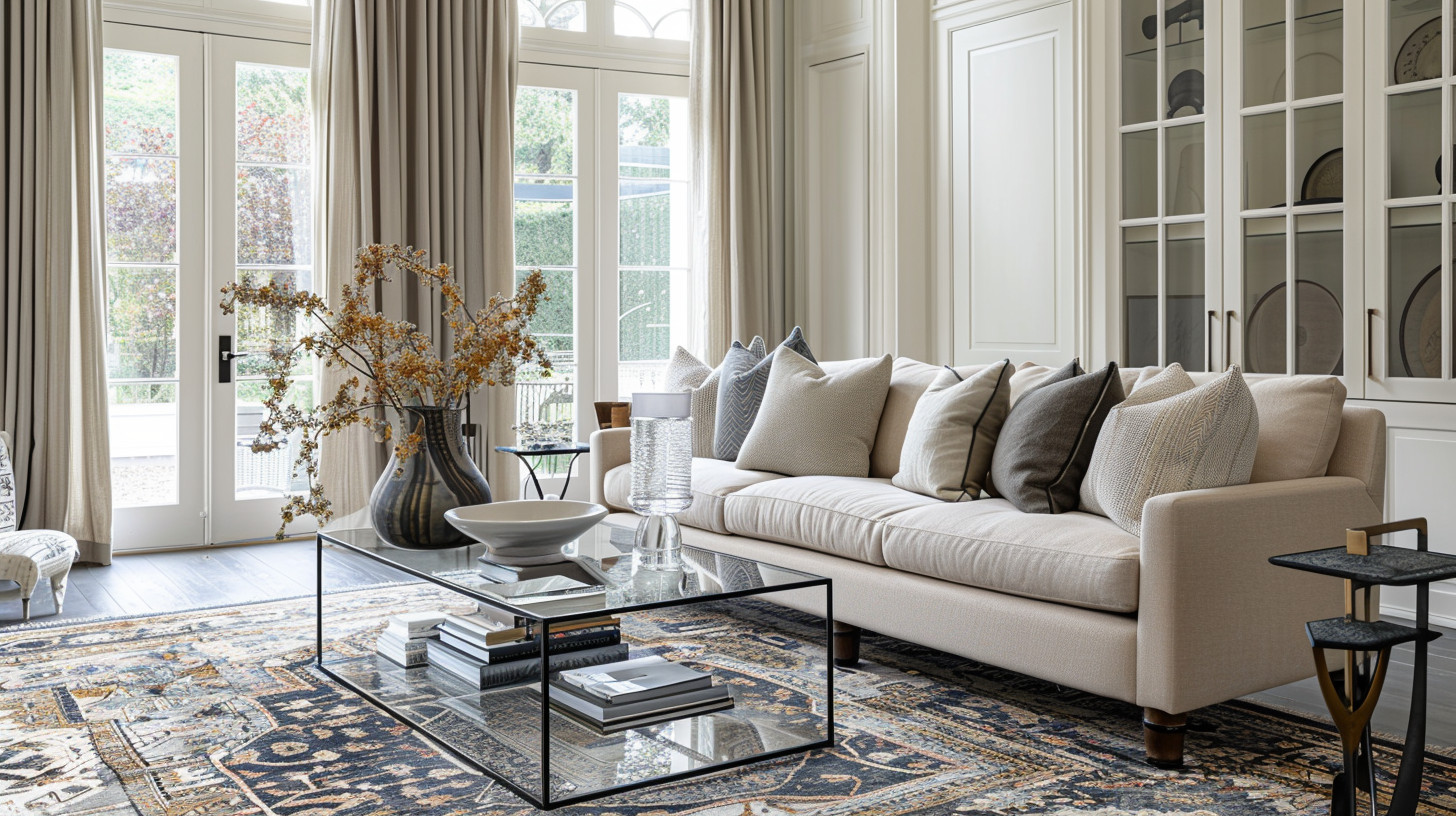
Transitional interiors tend to favor soft fabrics: linen, cotton blends, velvet, subtly textured weaves, low- to medium-pile rugs. Upholstery may have welting or piped edges but no heavy floral prints or loud graphics. In contemporary interiors, fabrics are more likely to be solid, sometimes bold in color or pattern, occasionally leather or performance fabrics. Texture becomes visual contrast — a boucle chair against a sleek rug, or a tactile fabric on a minimalist frame.

Stone, Tile & Surfaces

In transitional designs, marble, travertine, or natural stone tiles are used but often in classic sizes and patterns. Mosaic or subtle insets may appear, but always in moderation. In contemporary design, you see expansive slabs, large-format tiles, polished concrete, or poured surfaces. Joints are minimized. Surfaces are allowed to breathe as large plains of uninterrupted material.

Finish Treatments & Paint

In transitional style, paints are typically eggshell or matte with warm neutrals, subtle undertones, and occasional accent walls. Finishes on millwork might be slightly sheened but not glossy. In contemporary design, paints can be ultra-matte or even high-gloss in limited areas; contrast of pure white, charcoal, black, or bold accent hues is more common. Finishes on hardware are often concealed or integrated so that surfaces appear monolithic.

By focusing on these material choices, you anchor your design in either transitional or contemporary mode. For instance, combining highly reflective surfaces, minimal seams, and industrial materials will lean sharply contemporary; whereas combining warm woods, soft textiles, modest metallics, and restrained detailing leads you into transitional territory. Always ask: in Transitional vs Contemporary Design, does this material add warmth, or boldness?

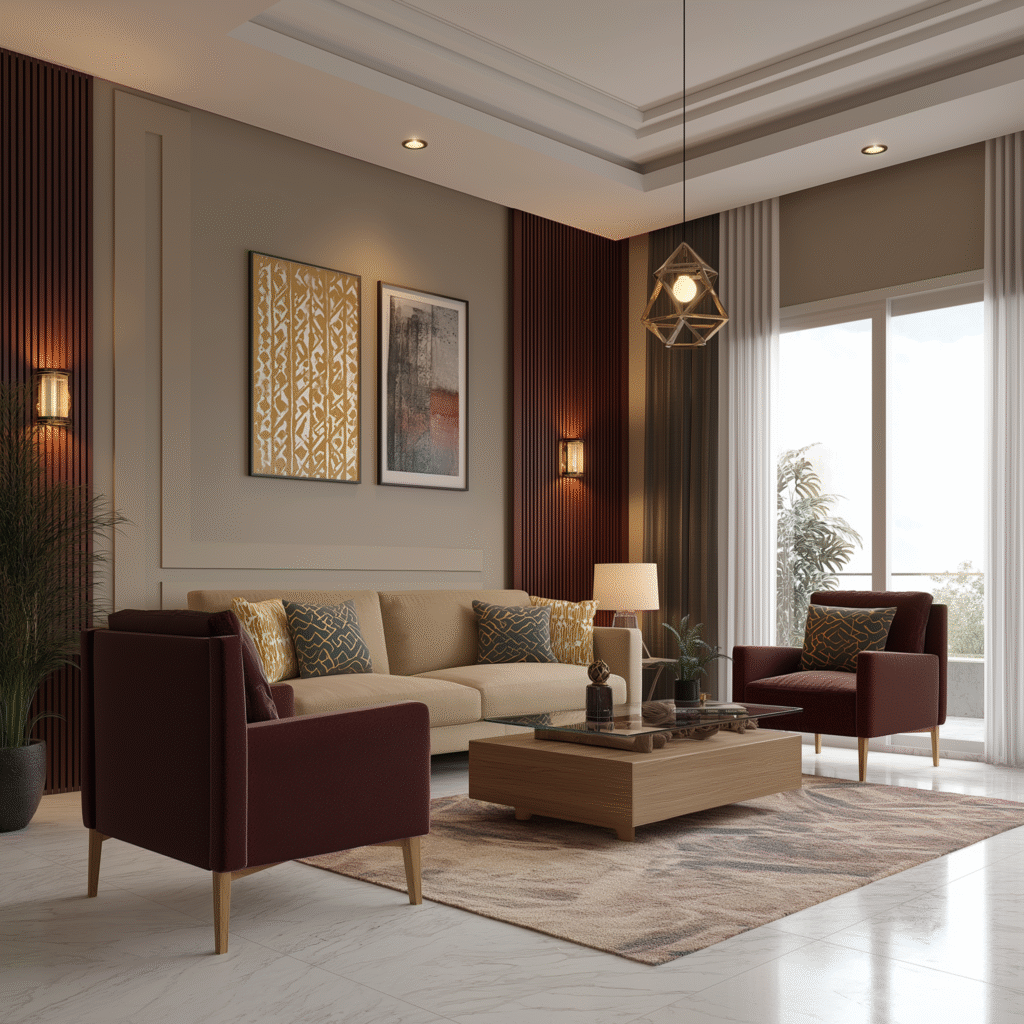
Furniture, Layout & Scale

Choosing furnishings and arranging them is one of the most visible differences in Transitional vs Contemporary Design — it’s where theory meets living reality.

Furniture, Layout & Scale
Furniture Forms & Silhouettes

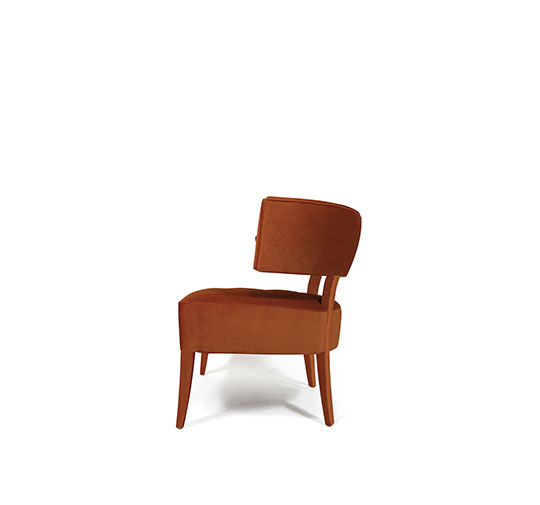
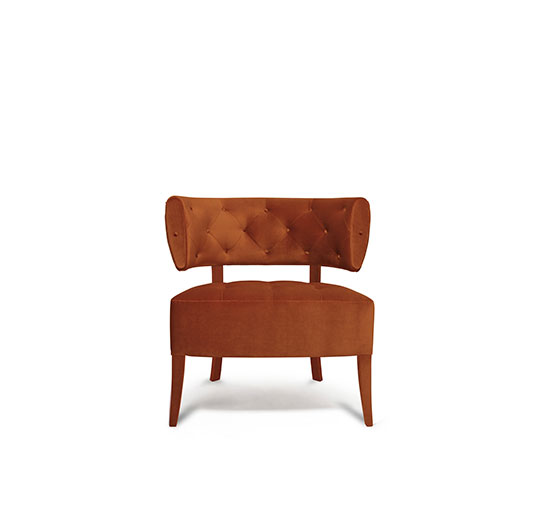
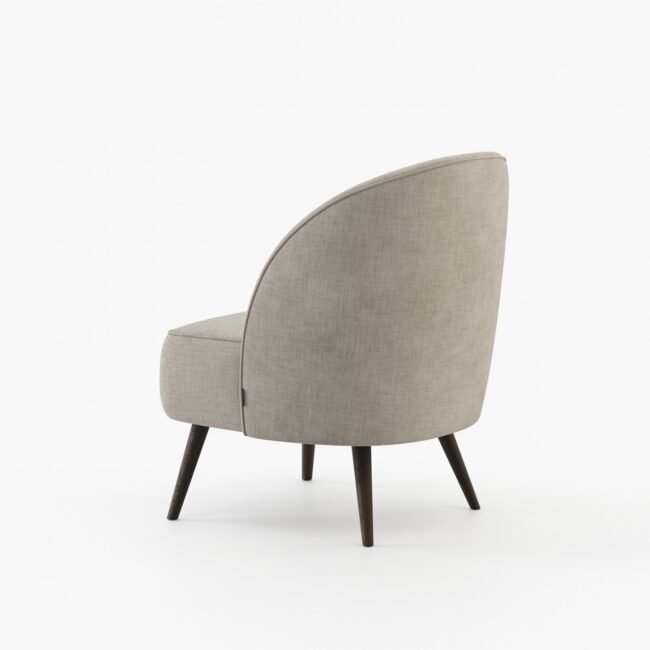
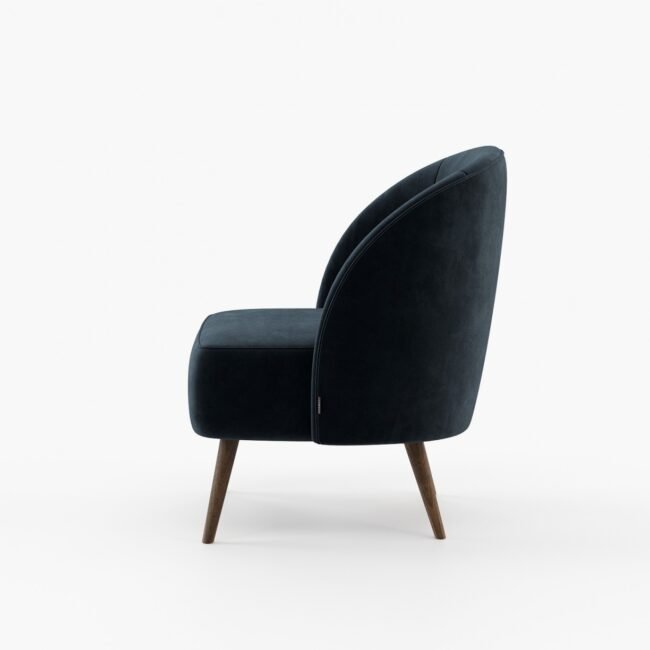
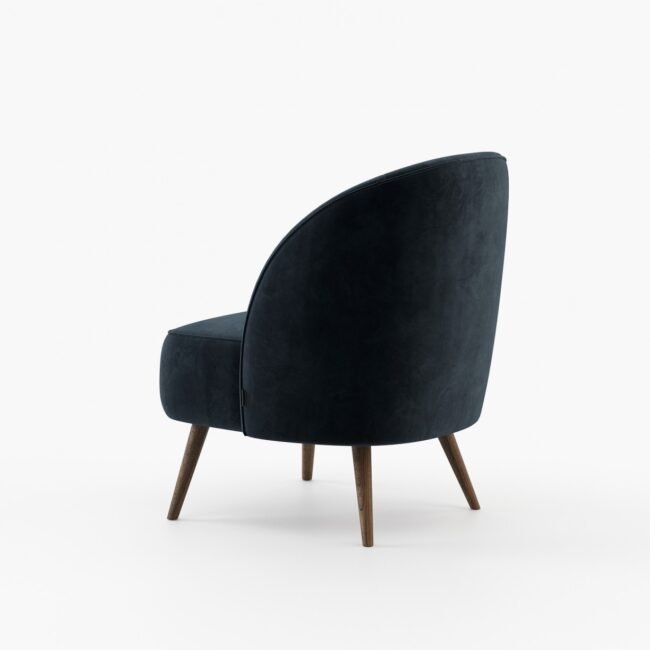
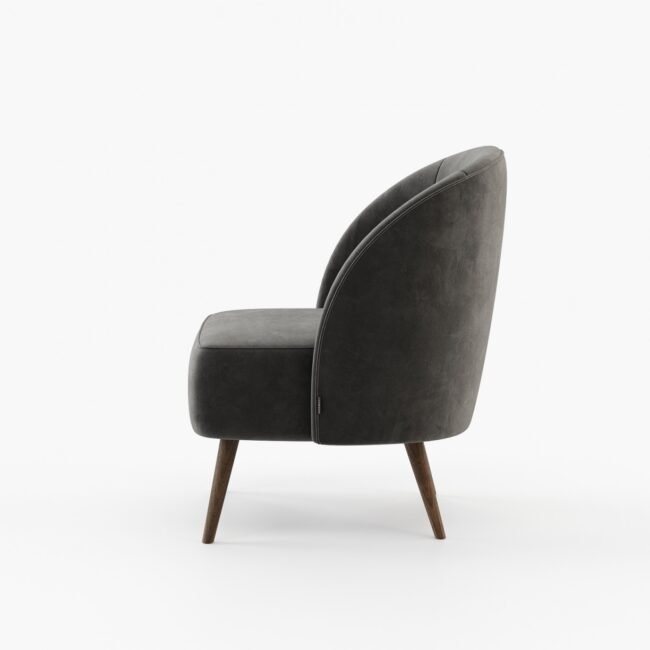
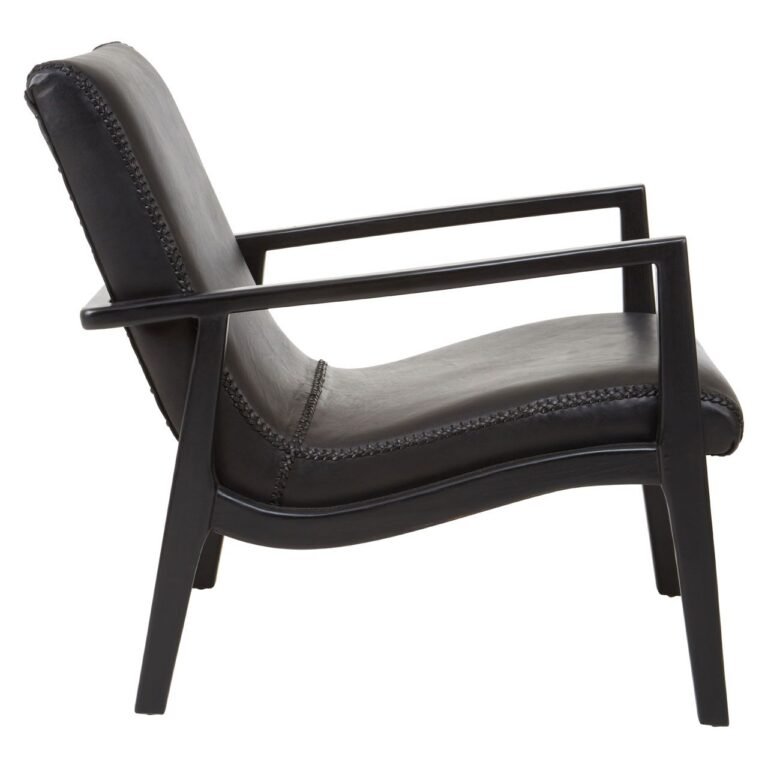
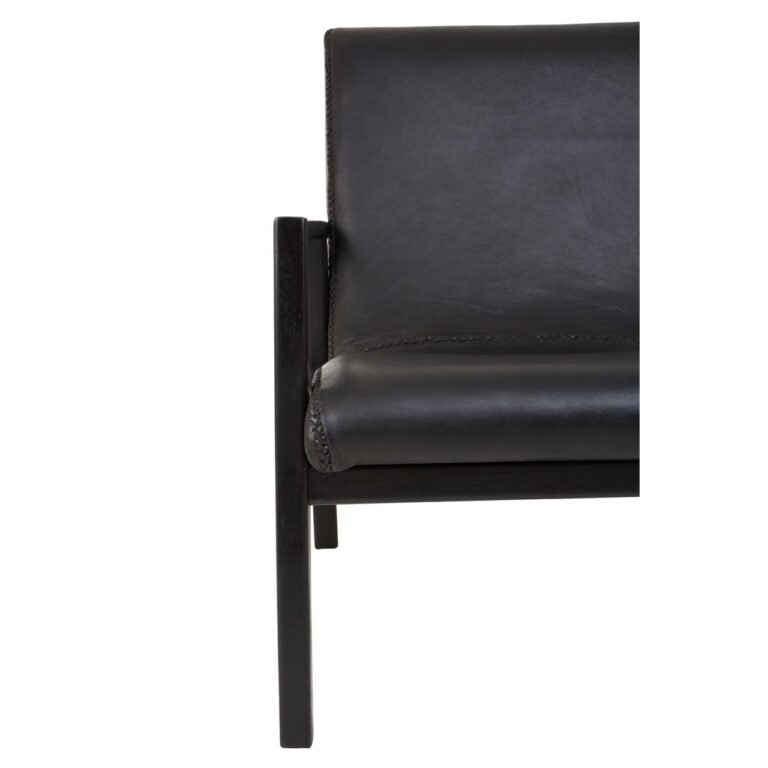
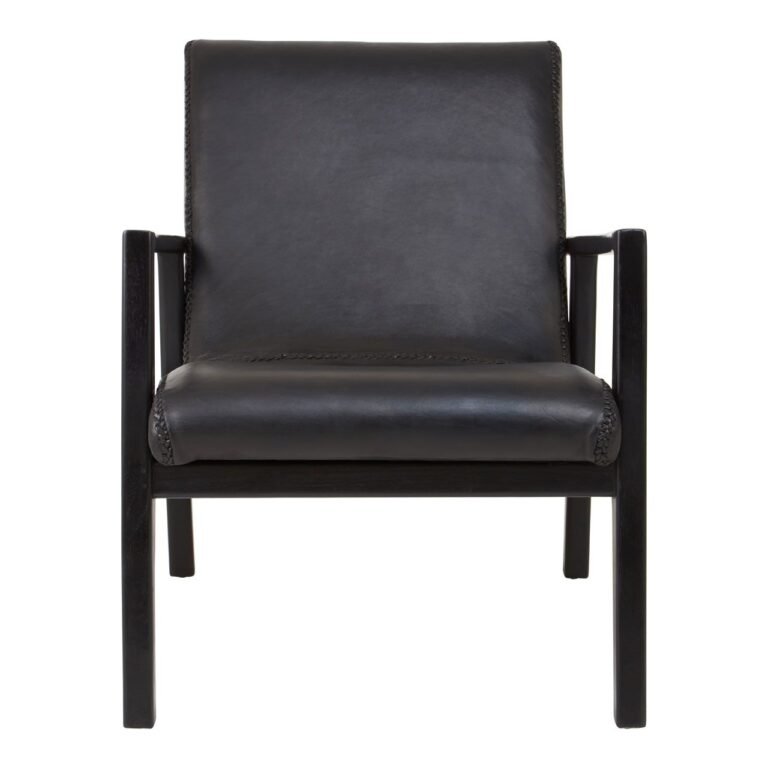
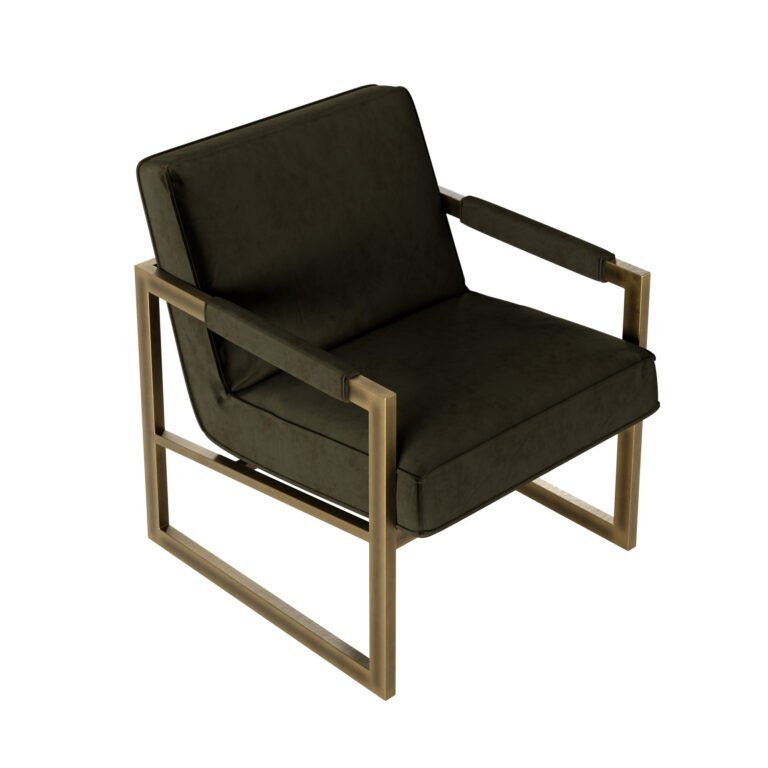
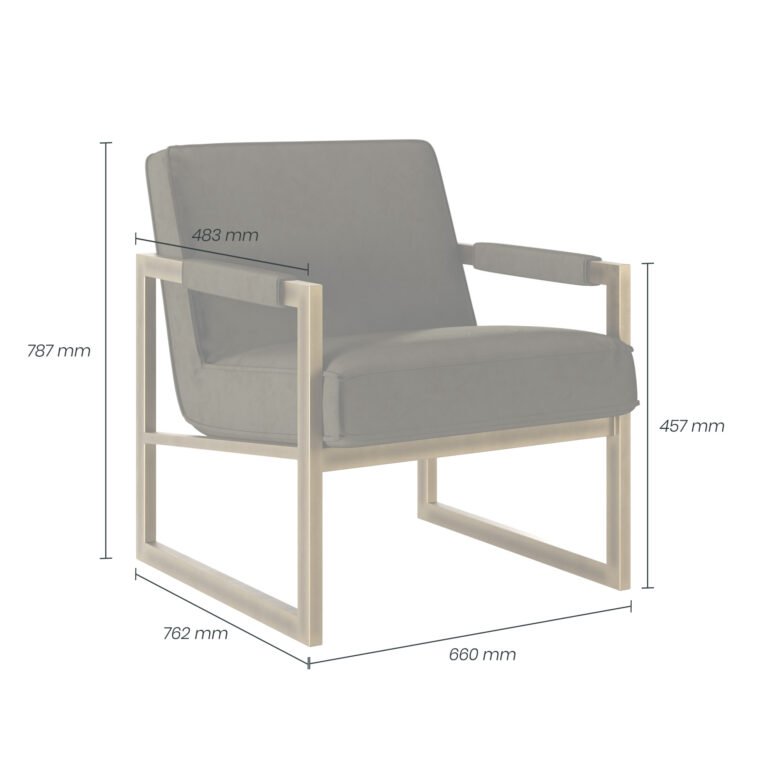
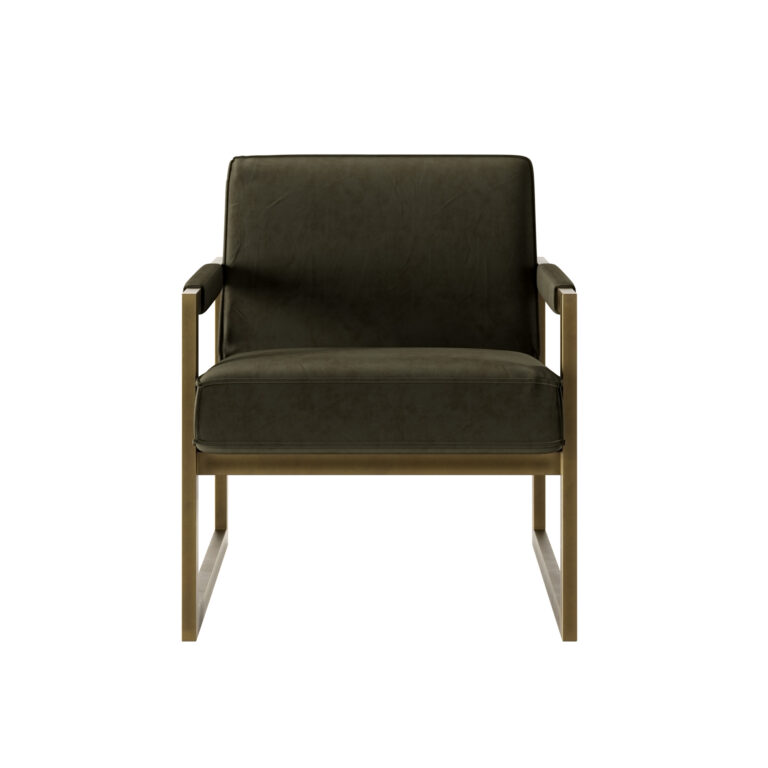
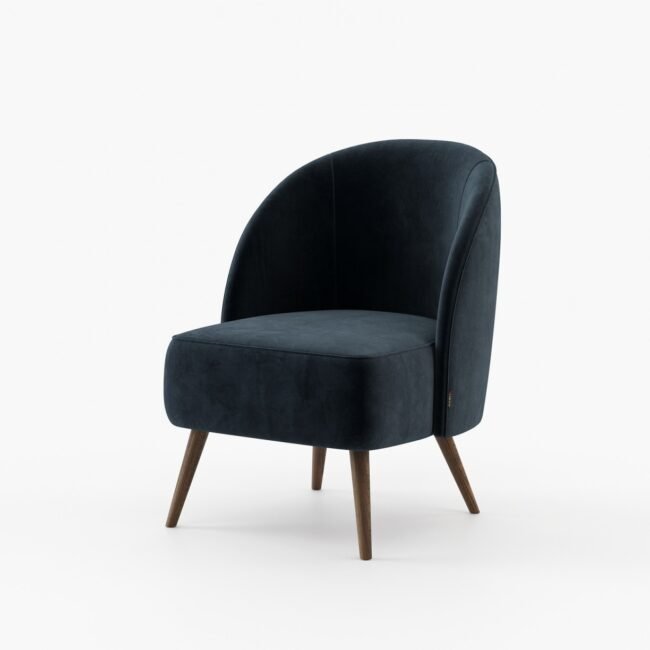
In transitional interiors, furniture designs are generally classic but relaxed. You’ll see pieces with subtle curves or gentle profiles, soft cushioning, and moderate ornament only if it’s pared back. Arms may be rolled or tapered; legs may be modest and heavier. In contemporary interiors, furniture often reads as sculptural: flat planes, straight (or dramatically angled) legs, low profiles, cantilevered frames, modularity, and minimal ornament. A contemporary chair may look like it’s floating or poised, often with exposed metal frames.

`

Transitional layouts emphasize comfort and ease of movement, with zones defined yet not rigid. In living rooms, seating clusters around conversation, oriented toward a focal point (fireplace, TV, view). Circulation paths are clear but natural. In Transitional vs Contemporary Design, contemporary layouts push boundaries: open-plan flows, multi-functional zones, furniture that doubles roles (bench as console, modular shelving), and deliberate negative space. Walking paths may pass through the space rather than around a neat arrangement.

Scale & Proportion

Transitional spaces tend to respect human scale. Oversized furniture may overwhelm. Accessories balance the room. In contemporary interiors, designers often oversize or undersize for drama — a massive sectional low to the ground, or a thin lounge chair in a sea of space. The idea is not always “fill the room,” but sometimes to let emptiness speak.

Storage, Built-ins & Integration

In transitional style, storage is often visible but designed to blend — bookcases with trim, panel doors, glass-front cabinetry. In contemporary interiors, storage is often concealed, built into walls, flush to surfaces, or integrated seamlessly so nothing “sticks out.” This leads to cleaner sightlines and minimalist impact.

Layering & Accessories

Transitional interiors layer throw pillows, rugs, small decorative objects, and art to soften the space and add personality. Accessories are curated but noticeable. In contemporary interiors, accessories are strictly limited: one large-scale sculpture, one dramatic light fixture, or one bold artwork. Visual “clutter” is minimized by design.

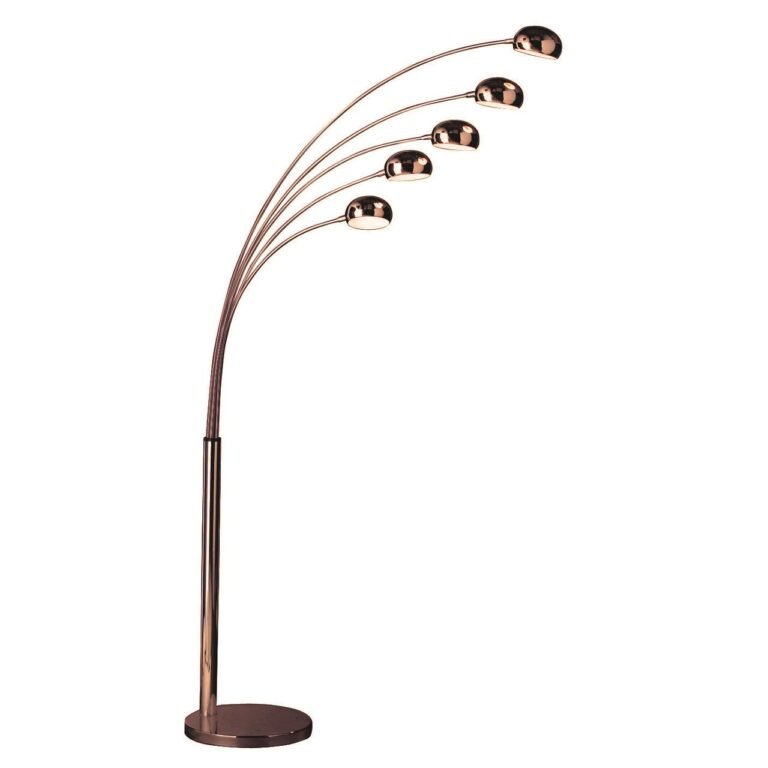
When working on your own project, think in terms of Transitional vs Contemporary Design: if you favor comfort, layering, approachable scale, you lean transitional; if you prefer boldness, dramatic space, and minimal clutter, you lean contemporary. In many modern homes, a hybrid approach — a primarily contemporary layout with a few transitional pieces to soften — can feel fresh and liveable.

Color Palettes & Accents

Color and accent choices are among the most emotionally persuasive elements when dealing with Transitional vs Contemporary Design. They set mood, define boundaries, and can tip a room from one style toward the other.

Color Palettes & Accents
Neutral Base vs Bold Contrast

In transitional interiors, neutral base palettes dominate: creams, greys, taupes, soft beiges, greige, muted pastels. Contrasts are gentle — a darker wood against light walls, a charcoal pillow on a neutral sofa. In Transitional vs Contemporary Design, contemporary is more willing to use high-contrast combinations: crisp white and black, stark charcoal and white, pure accent colors like cobalt or chartreuse punctuating the neutral field.

Accent Colors & Pops

Transitional design will support accent colors in muted tones — dusty blues, mossy greens, soft coral — used sparingly via pillows, art, or a single painted piece. In contemporary interiors, bright pops are welcome: jewel tones, graphic accent walls, and bold upholstery can all command attention in an otherwise neutral layout.

Monochrome & Tonal Variations

Monochromatic or tonal layering is a hallmark of modern interiors. In transitional rooms, tonality may be more forgiving: slightly varied neutrals, layered textures, subtle variations in finish. In contemporary rooms, the monochrome look is often more literal: many shades of grey, black, white, with sparse accent color. This leads to crisp, cohesive visual statements.

Accent Materials as Color

Sometimes in contemporary design, the accent isn’t painted — it’s material: a strip of black steel, tinted glass, or colored acrylic. In transitional design, accents tend to remain in textiles, wood, or decorative objects rather than structural color elements.

Art, Rugs & Accessories

In transitional interiors, rugs may carry pattern — but subtle, classic, tone-on-tone — and art may be framed traditionally or with more familiar scale. In contemporary interiors, you’re more likely to see oversized abstract art, geometric rugs, or even large murals. Accessories may use bold graphic motifs or sculptural forms.

Lighting & Color Temperature

Color temperature in lighting becomes part of the palette. In transitional spaces, warm white (2700–3000K) is dominant to preserve cozy ambiance. In contemporary design, cooler whites (3500K–4000K) or tunable LED lighting allow more flexibility. Accent lighting (colored LEDs, RGB) might also appear in contemporary homes, less likely in transitional ones.

To sum up, in Transitional vs Contemporary Design, transitional favors gentle contrasts, warm neutrals, and softly applied accents; contemporary thrives on bold contrast, dramatic accents, and purity of palette. Your choice will strongly influence how “warm” or “cutting-edge” your environment feels.

When to Choose Each Style

After exploring the philosophy, visuals, materials, furniture, and color of Transitional vs Contemporary Design, the critical question is: which style should you choose — or should you blend elements?
When to Choose Each Style
Consider Your Home’s Architecture

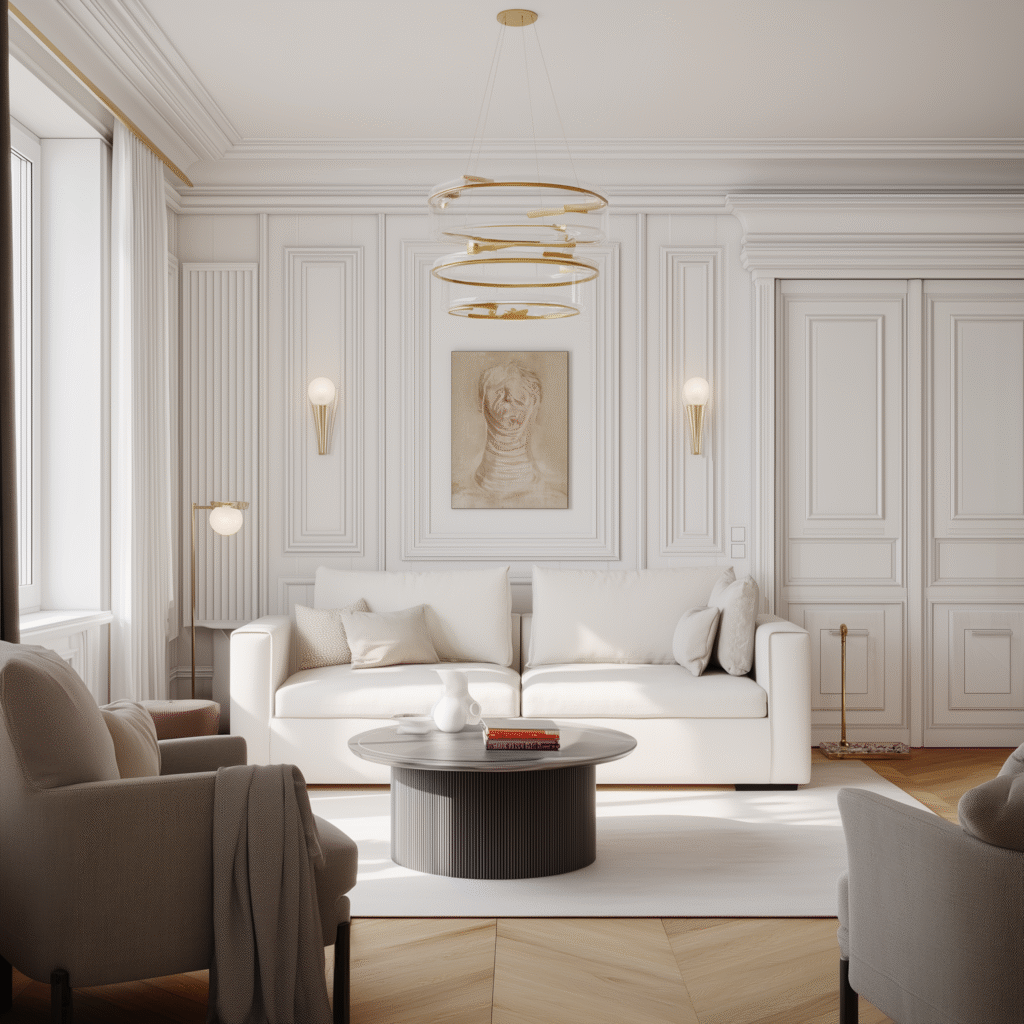
If your existing architecture has traditional moldings, wainscoting, or historic elements, leaning transitional can harmonize better. Trying to overlay strict contemporary into a traditional structure may fight the bones of the home. Conversely, if your space is new, open, with minimal architecture, contemporary may feel more natural. In the context of Transitional vs Contemporary Design, your architectural baseline will often drive your lean.

Assess Lifestyle & Comfort Needs

If you host frequently, have children, pets, or want a warm, inviting space, transitional often offers more flexibility. Contemporary can feel cold or too minimal for daily living unless carefully softened. Transitional vs Contemporary Design both can be durable, but transitional may more readily absorb the wear of everyday life.

Budget & Execution

Contemporary finishes — floating surfaces, large-format slabs, custom concealed cabinetry — can carry higher costs. Transitional materials and finishes can often be found off-the-shelf with more forgiving tolerances. If your budget is limited, transitional-style elements may be more attainable. In the tension of Transitional vs Contemporary Design, cost can push your choice.

Combining Styles: Transitional-Contemporary Hybrid

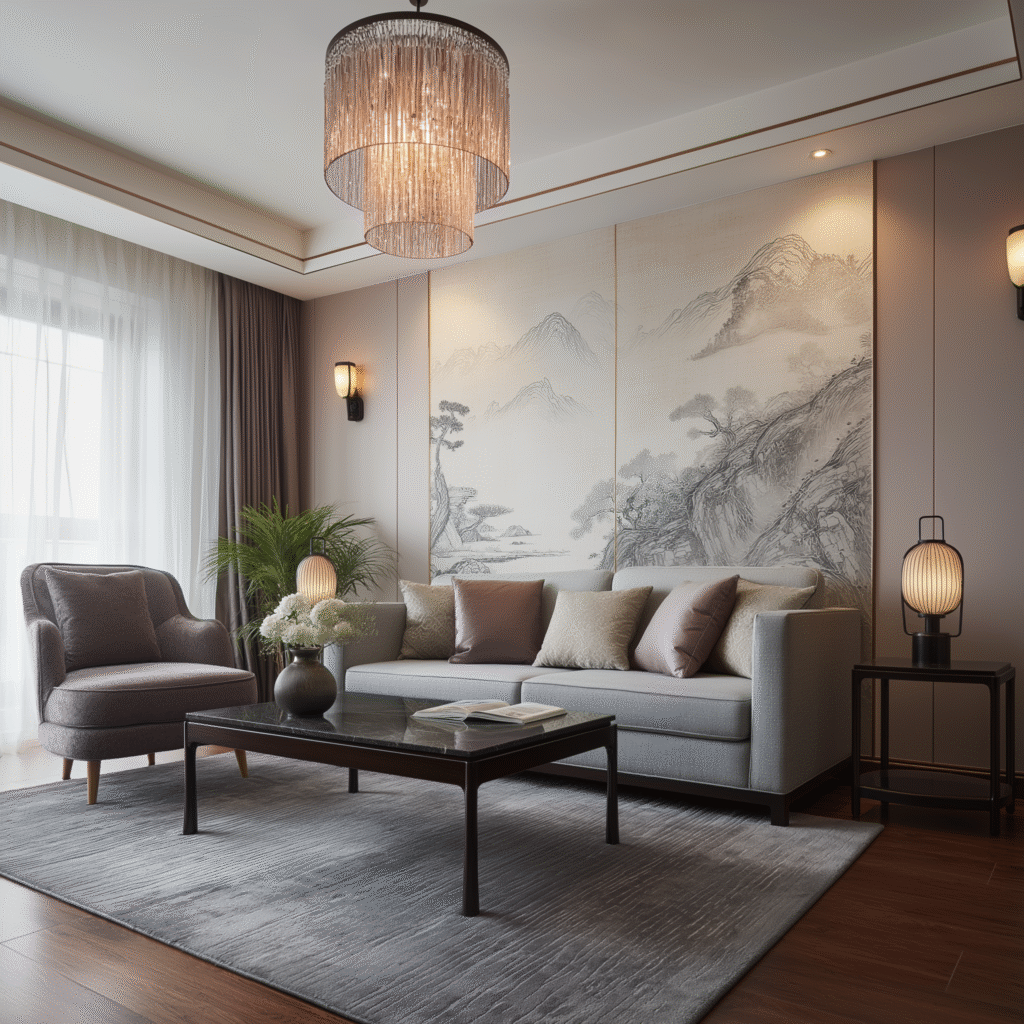
You need not slavishly pick one. Many beautiful homes embrace a transitional-contemporary hybrid. The foundation (walls, floors, major built-in cabinetry) may lean contemporary — clean walls, neutral floors — while furnishings, accents, and textiles bring in the warmth of transitional. This gives you a modern backbone with soulful touches. When blending Transitional vs Contemporary Design, the key is discipline: limit transitional elements to a supporting role so they don’t clash or dilute the boldness of contemporary.

Use Zoning by Room

You may choose to apply one style in communal rooms (living, dining) and the other in private rooms (bedrooms, dens). For example, living and kitchen could tilt contemporary for drama and modern function; bedrooms could revert to transitional for comfort and softness. This lets you “test” each style in a contained way while respecting your daily routines.

Trust Your Intuition — But Check With a Designer

If you feel pulled toward one style in your mind’s eye — and feel “off” when trying the other — that visceral reaction matters. A professional interior designer can help you evaluate your instinct. Many design consultations center around helping clients resolve Transitional vs Contemporary Design by visualizing mockups of both, or by combining elements in digital renderings before committing to finishes.

In deciding between Transitional vs Contemporary Design, the real test is walking through mockups in your space (or in virtual reality) and gauging what feels right. Over time, your design choices — materials, furniture, accents, layout — will reveal your style lean. Use this section as a decision framework, not a rigid prescription.

Finding Your Style Balance: Choosing Between Transitional and Contemporary Design

Choosing between Transitional vs Contemporary Design is more than an aesthetic decision — it’s a declaration of how you want your home to feel, live, and age. Both styles offer compelling merits: transitional for its warmth, familiarity, and balance; contemporary for its boldness, trend-forward spirit, and visual drama. By exploring their origins, visual signatures, material palettes, furniture strategies, and color approaches — and then applying the decision framework above — you’ll have a well-informed path forward.

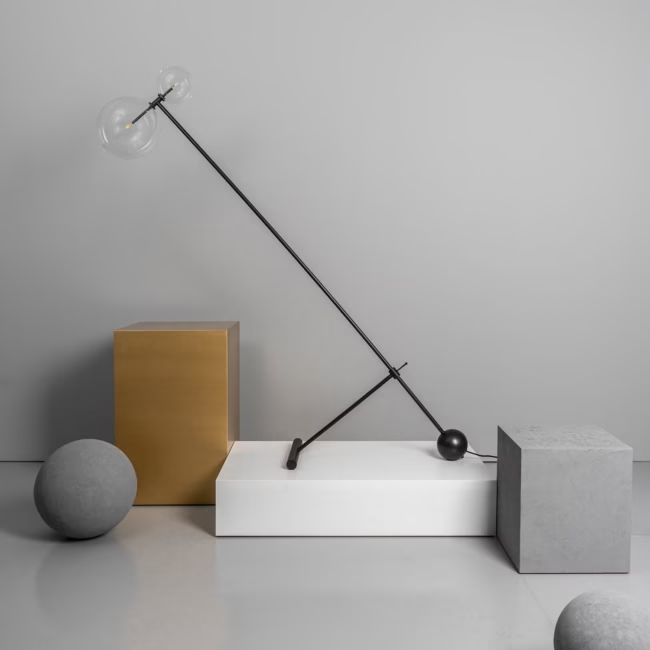
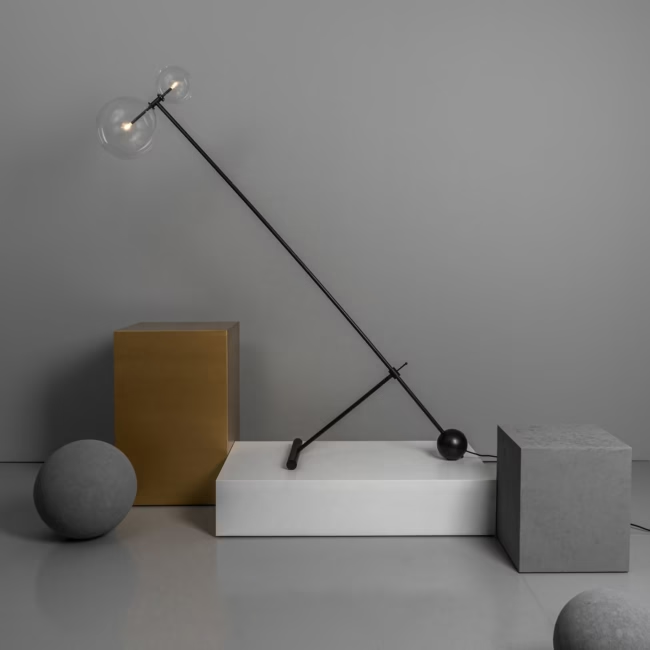
Remember: the best interior design is not about rigidly adhering to one label, but about achieving cohesion, authenticity, and comfort in the space you inhabit. Even if you lean strongly one way, incorporating touches of the other — a sculptural contemporary lamp in a transitional room, or a soft upholstered piece in a contemporary space — can elevate the experience. The hybrid path often yields the richest results.

If you keep revisiting your design through the lens of Transitional vs Contemporary Design, asking “Does this element feel softer, warmer, timeless, or bolder, cleaner, trend-forward?” you’ll refine your vision. Over time, your home becomes a unique grammar of how you express style — not a clone of a magazine spread, but a curated, liveable version of your design identity.

What do you think?
Leave a Reply

Blog

Get fresh home inspiration and helpful tips from our interior designers

top
1
    1
    Your Cart
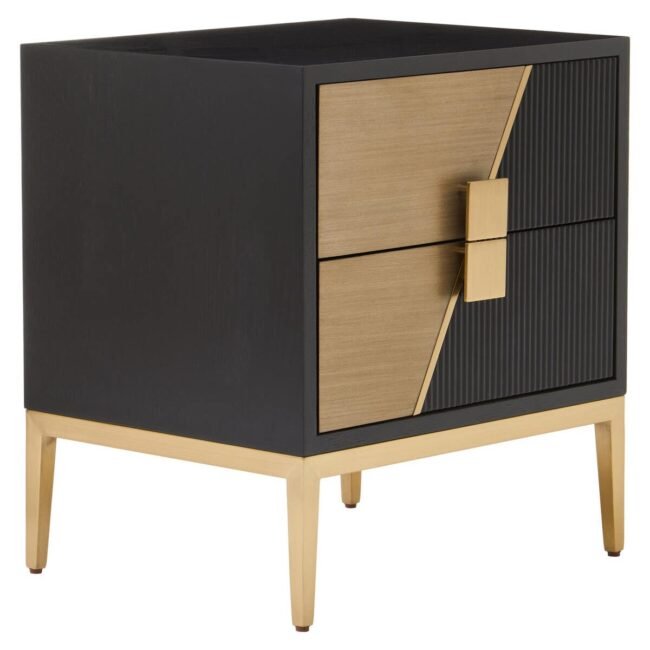
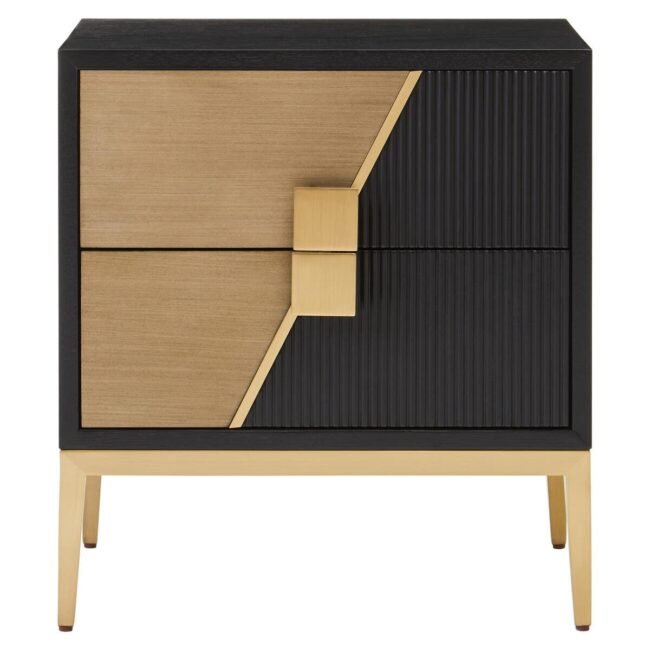
    Avioli 2 DRAWER CHEST Remove
    Avioli 2 DRAWER CHEST
    Qty: 1
    Price: £698
    £698

    Inactive

    Privacy Overview

    This website uses cookies so that we can provide you with the best user experience possible. Cookie information is stored in your browser and performs functions such as recognising you when you return to our website and helping our team to understand which sections of the website you find most interesting and useful.