2026 Living Room Trends: 7 Outdated Styles to Avoid (And What to Do Instead)

2026 Living Room Trends


You know that feeling when you walk into your living room and something just feels… off? Not wrong, exactly, but stale. Like you’re living in a Pinterest board from 2019 that never got the memo. Maybe it’s the gallery wall of identical black frames marching across your wall like little soldiers, or the farmhouse sign that seemed charming three years ago but now makes you cringe a little. You’re not imagining it—your space is caught in a design time warp, and it’s whispering for an update.

Here’s the thing about 2026 living room trends: they’re not asking you to gut your entire space or drop thousands on a complete renovation. Instead, the 2026 living room trends represent a thoughtful evolution away from the Instagram-perfect, overly curated aesthetics that dominated the late 2010s and early 2020s. We’re moving toward spaces that feel genuinely lived-in, layered with intention, and designed for actual human comfort rather than algorithmic approval.

The shift is palpable. Out goes the matchy-matchy furniture sets and the aggressive minimalism that made rooms feel more like showrooms than sanctuaries. In comes a richer, more personal approach to living room design in 2026—one that celebrates texture, embraces imperfection, and prioritizes flexibility over frozen-in-time perfection.

Ready to identify what’s holding your living room back? Let’s walk through the seven outdated styles that 2026 living room trends are leaving behind, and more importantly, what to embrace instead. Because the goal isn’t to make you feel bad about your current space—it’s to help you create a living room that feels like the most authentic, comfortable, visually interesting version of itself.

Outdated Trend #1: All-White Everything Minimalism

2026 Living Room Trends: 7 Outdated Styles to Avoid (And What to Do Instead)

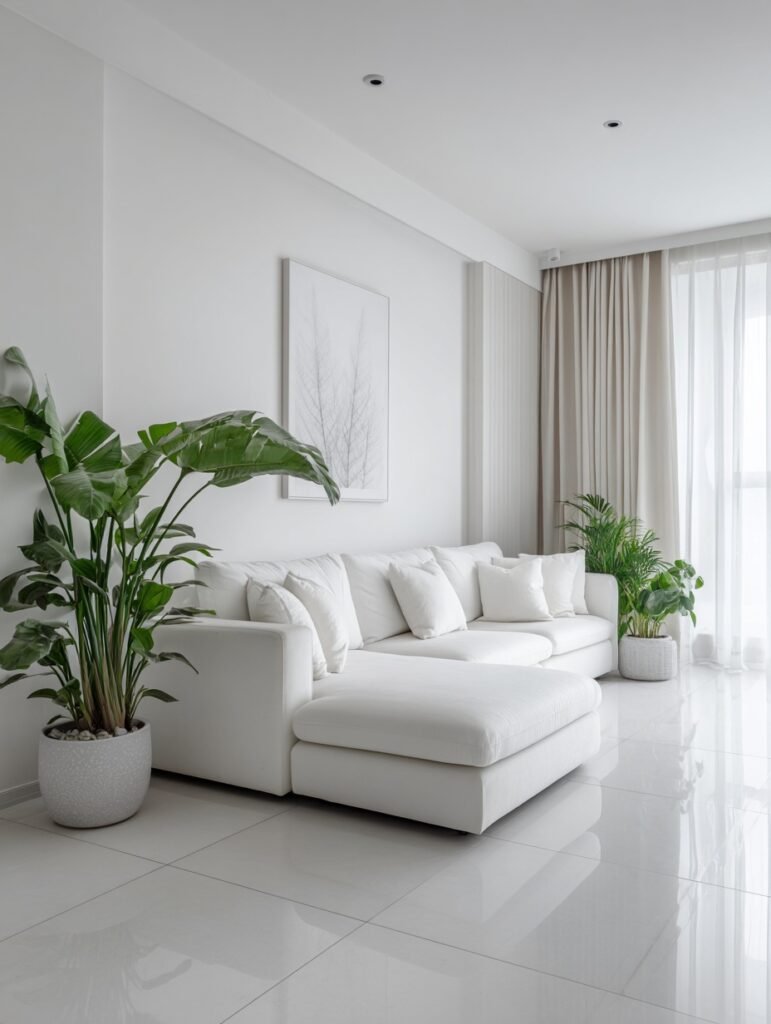
What it is: The Scandinavian-minimalist aesthetic taken to its extreme—white walls, white furniture, white accessories, maybe a single fiddle-leaf fig for “warmth.” This trend promised calm and simplicity but often delivered sterile, anxiety-inducing perfection instead.

Why it’s outdated: Turns out, living in a space that looks like a dental office waiting room isn’t actually relaxing. The 2026 living room trends acknowledge what we’ve all been feeling: true comfort comes from visual richness, not visual deprivation. Plus, maintaining an all-white space with kids, pets, or, you know, actual life happening? Exhausting. The cultural shift toward authenticity and “perfectly imperfect” living has made these pristine white boxes feel performative rather than peaceful.

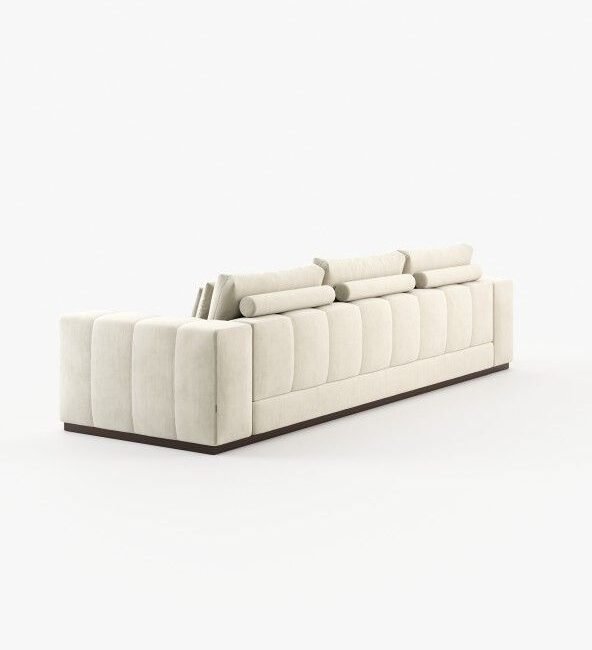
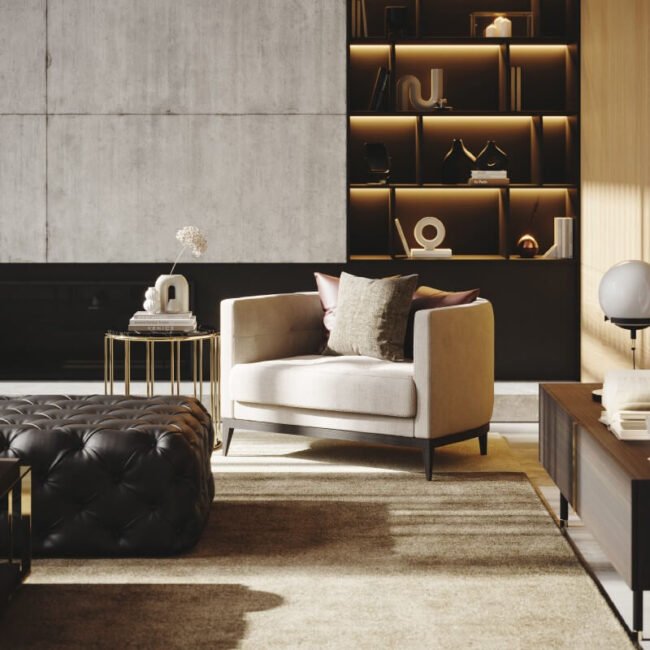
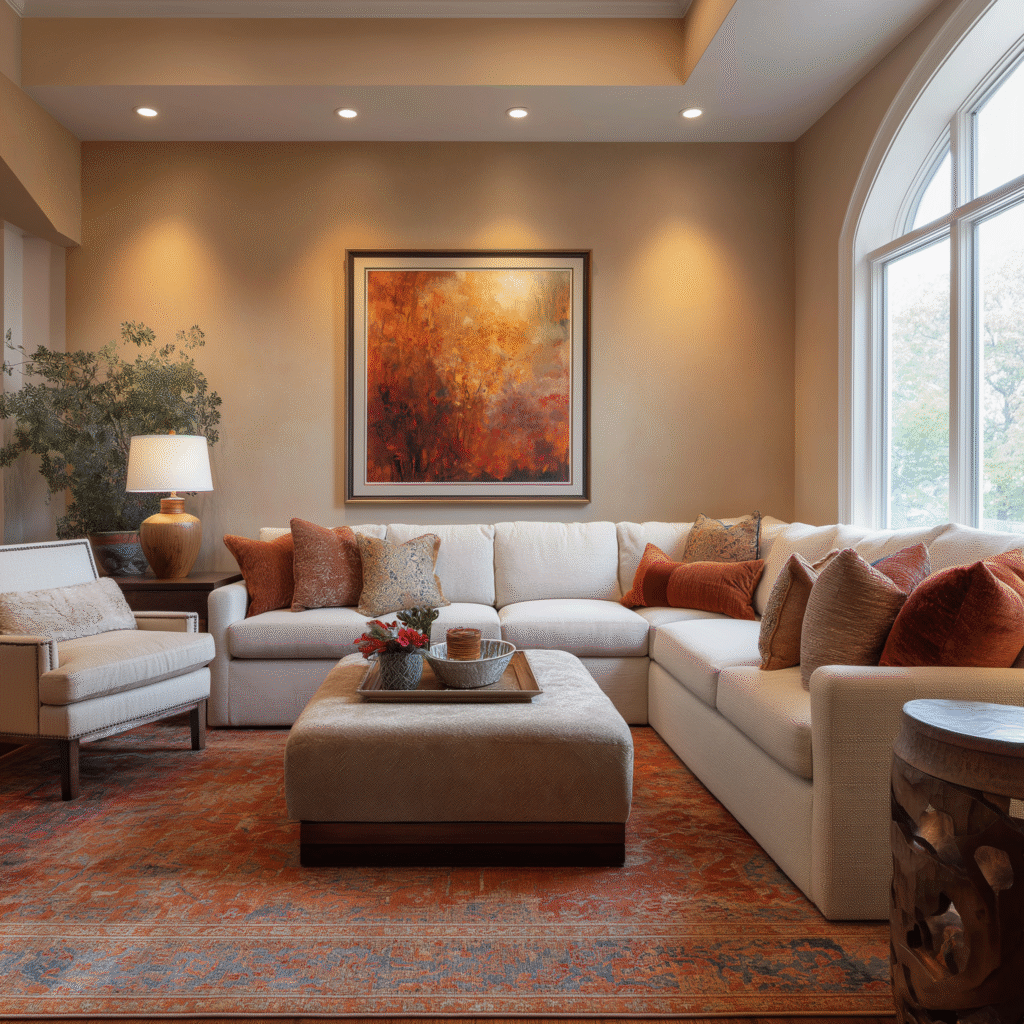
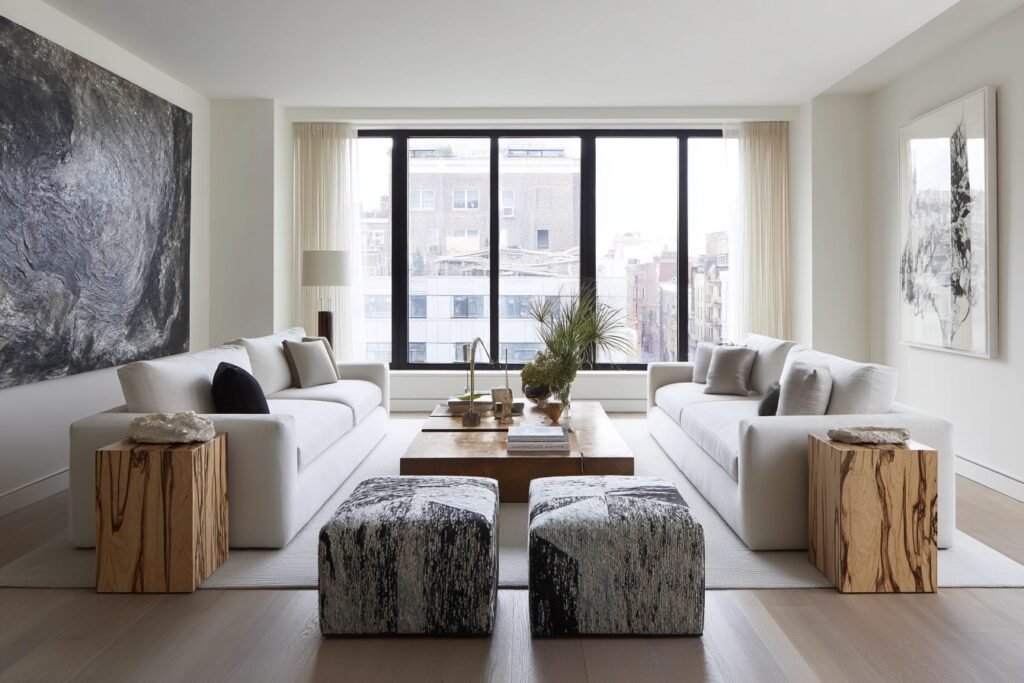
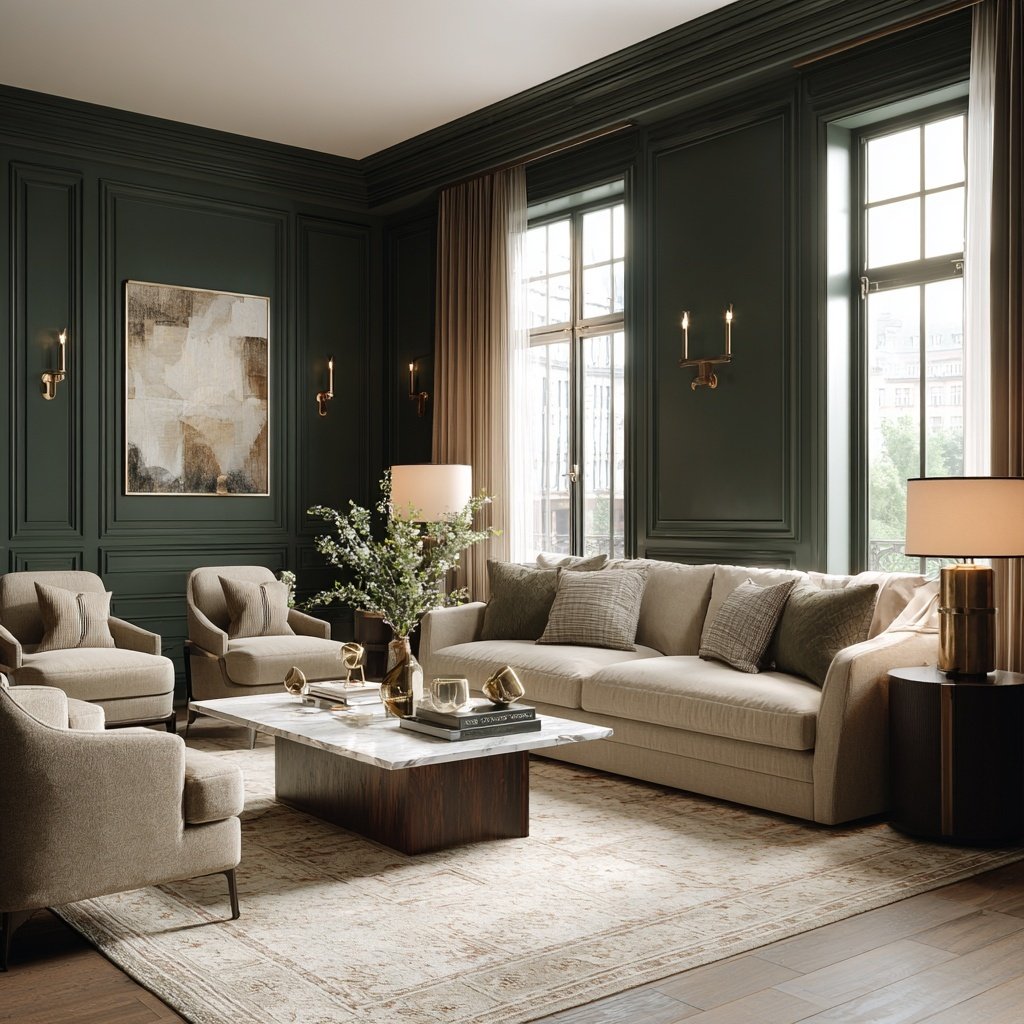
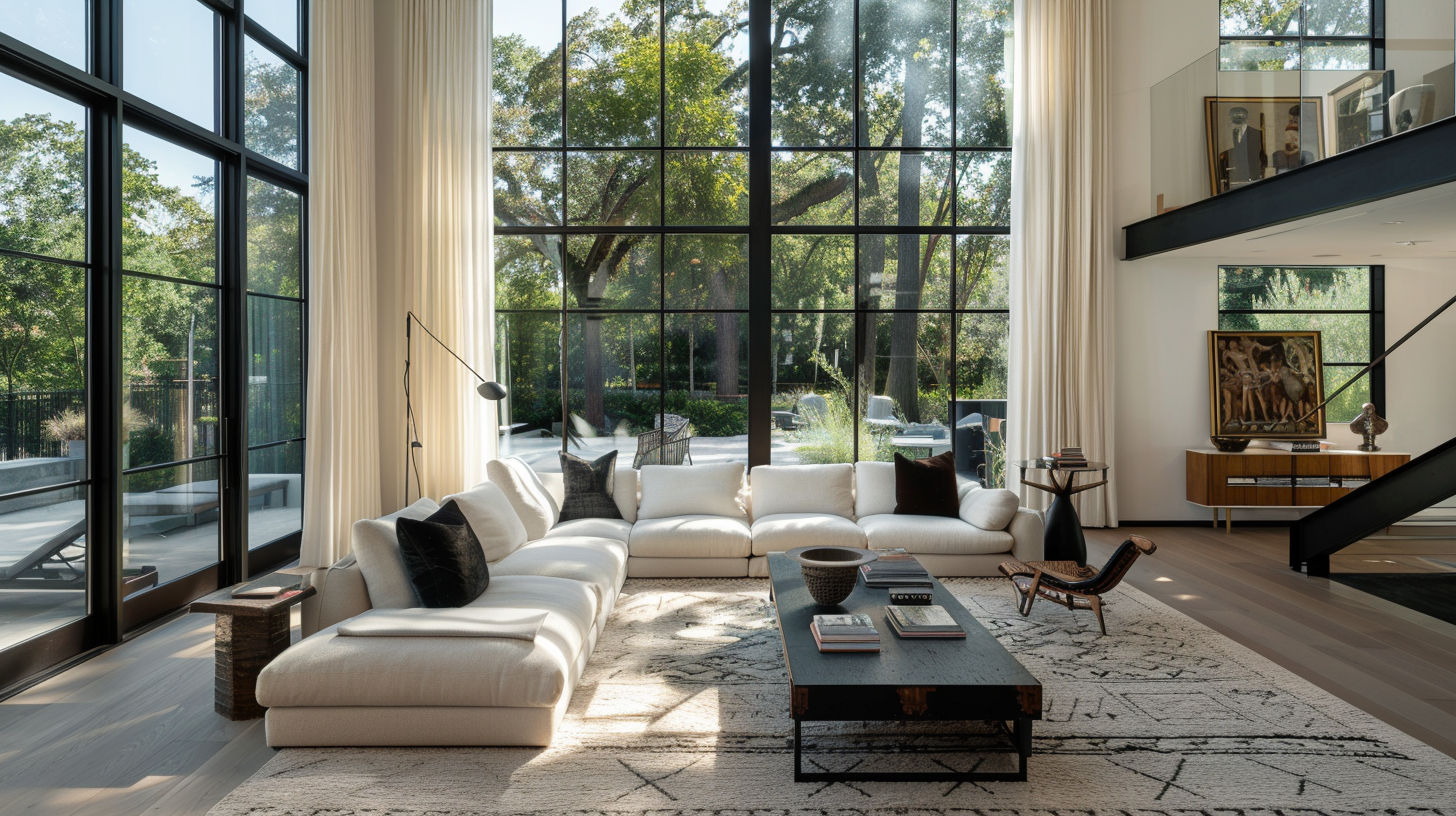
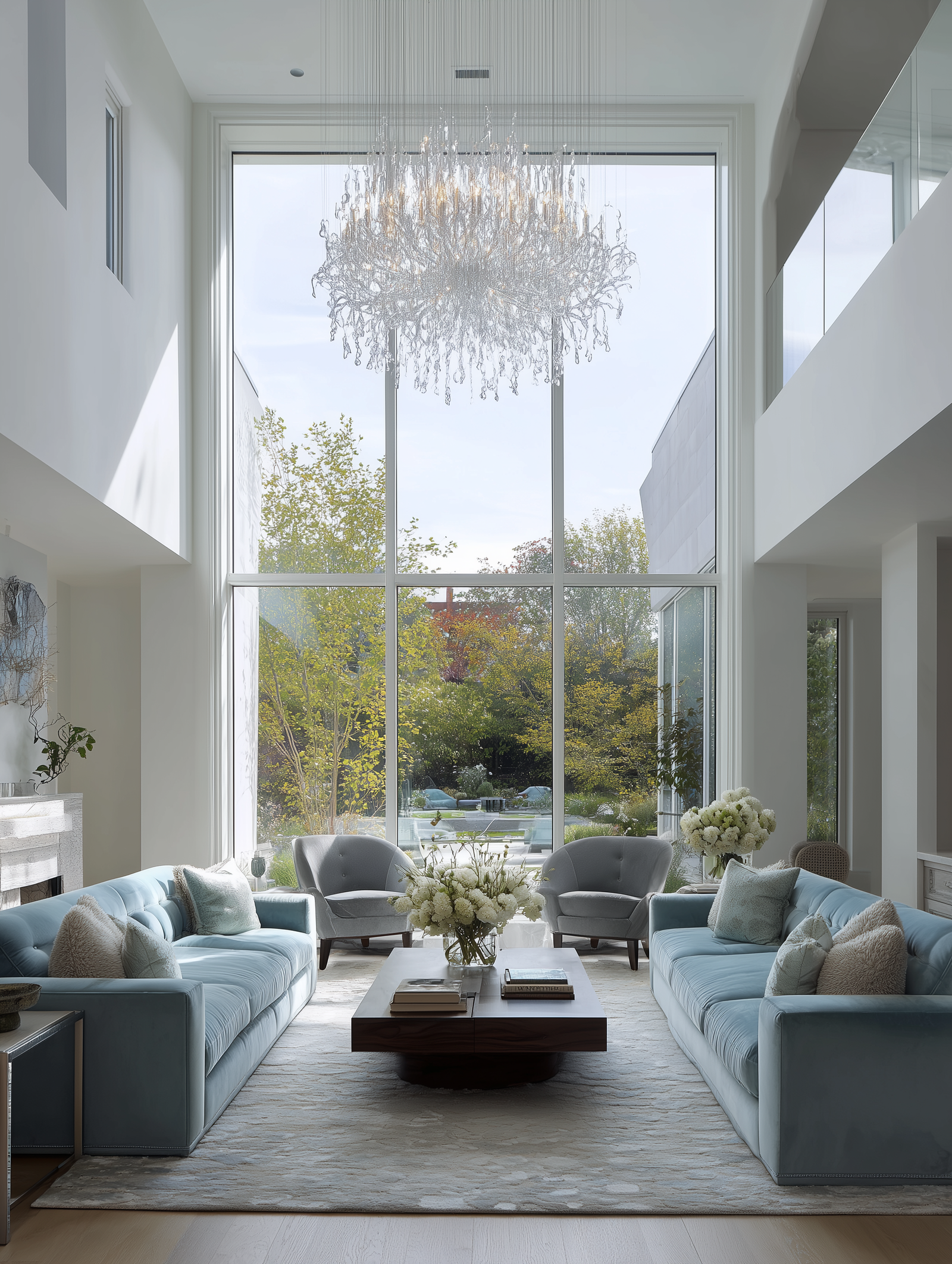
What to do instead: One of the defining 2026 living room trends is the embrace of “warm neutral maximalism”—layered, textured spaces that use a sophisticated palette of creams, taupes, warm grays, terracotta, and soft browns. Think less “Instagram flat lay” and more “English country house library meets contemporary comfort.” The key is texture upon texture: a linen sofa in oatmeal, paired with a chunky wool throw in caramel, velvet pillows in rust, and perhaps a jute rug anchoring it all.

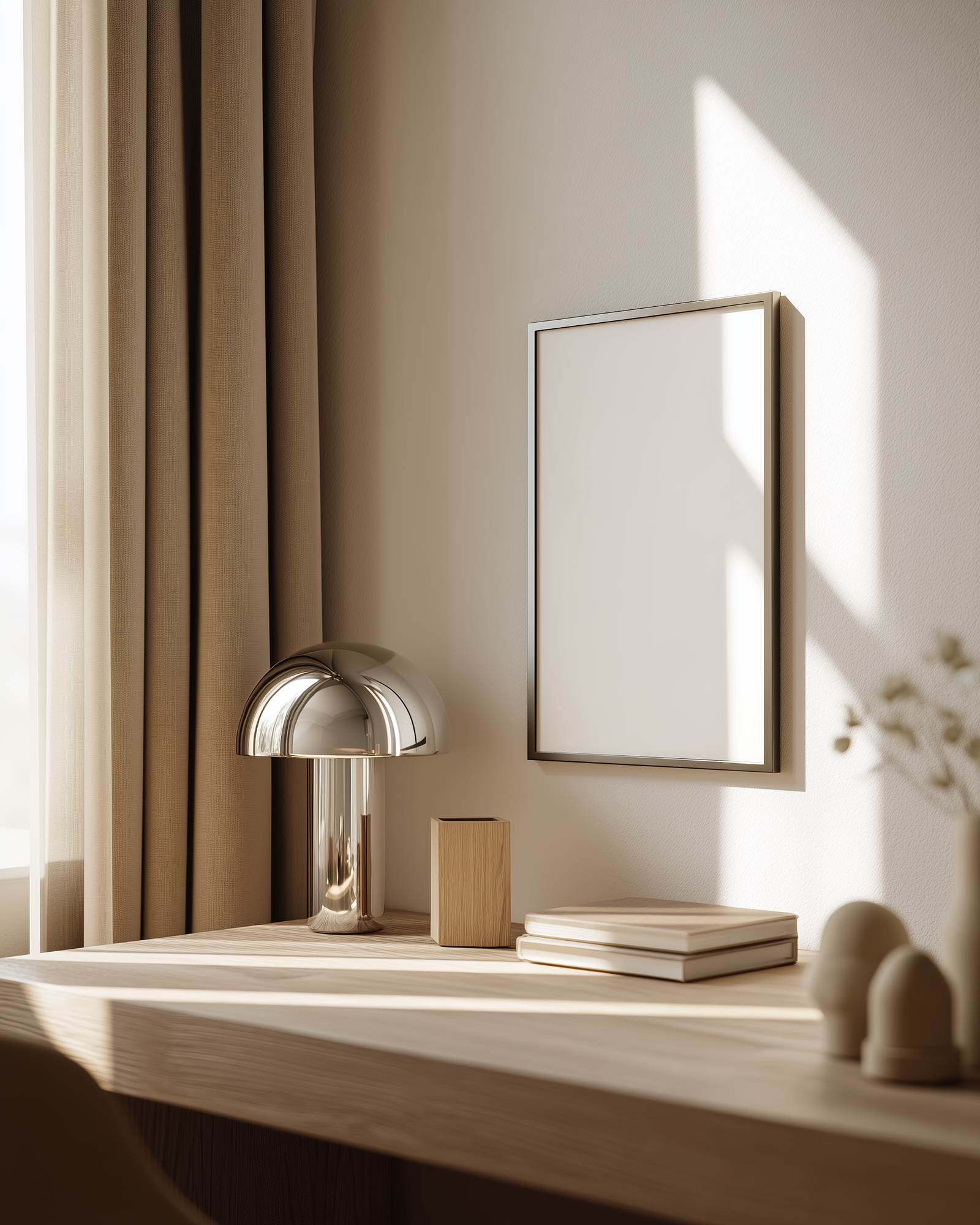
How to make the swap: Start by introducing one statement piece in a warm, saturated neutral—a terracotta velvet armchair, a cognac leather ottoman, or a chunky knit throw in burnt sienna. You don’t need to repaint immediately; instead, layer in warmth through textiles and accessories. Swap out stark white lamp shades for linen or parchment versions that cast a warmer glow. Replace cold white picture frames with warm wood or brass. Budget hack: hit up thrift stores for vintage wool blankets in caramel and cream tones—they add instant coziness for $10-20. If you’re ready to paint, try Sherwin-Williams Accessible Beige or Benjamin Moore Revere Pewter on one accent wall to test the waters.

What it is: Shiplap walls, “Gather” signs, galvanized metal everything, distressed wood furniture, and enough mason jars to open a general store. The modern farmhouse trend promised cozy nostalgia but became a cookie-cutter formula that made every living room look like a Magnolia Home showroom.

Why it’s outdated: The farmhouse aesthetic has been so oversaturated that it’s lost its original charm. What started as a genuine appreciation for rustic simplicity became a set of design clichés that actually prevented personalization. One of the key 2026 living room trends is the move toward “edited eclecticism”—spaces that tell a specific story rather than checking boxes on a trending aesthetic checklist. Today’s homeowners want their living rooms to reflect their actual personalities and experiences, not a generalized idea of “cozy.”

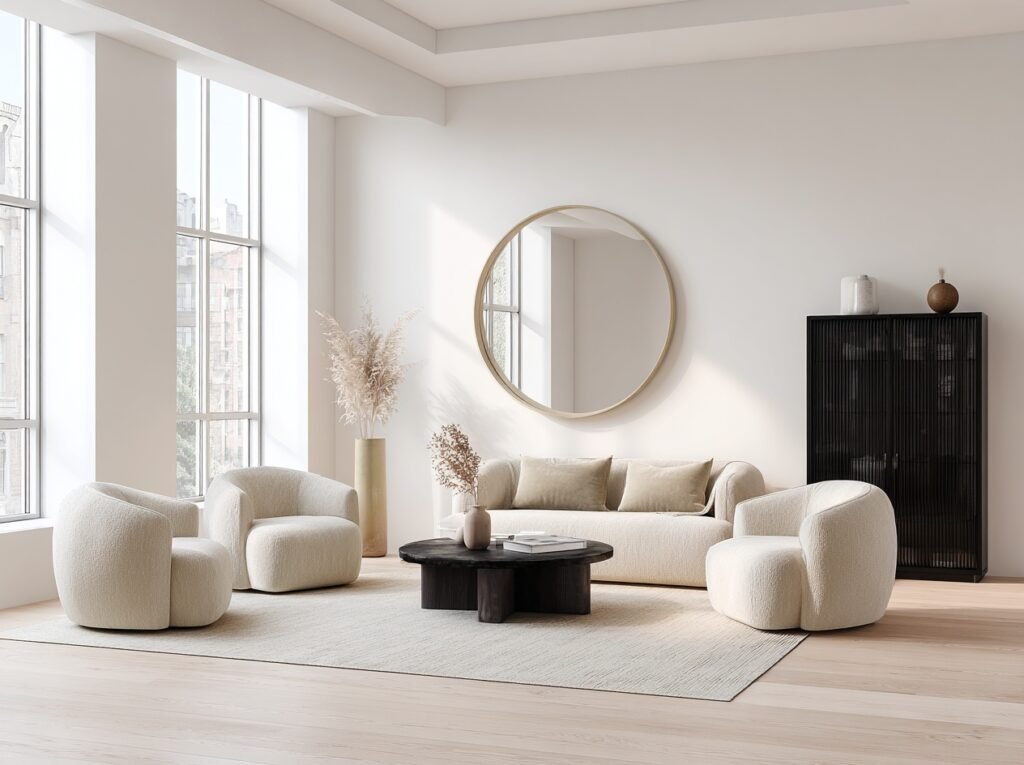
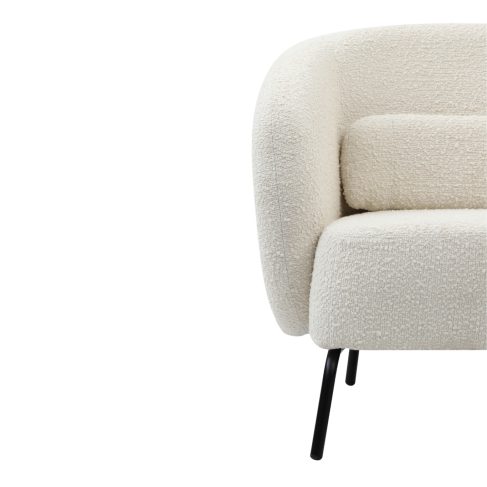
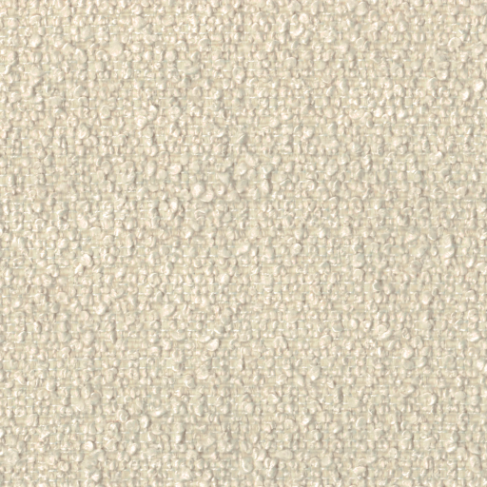
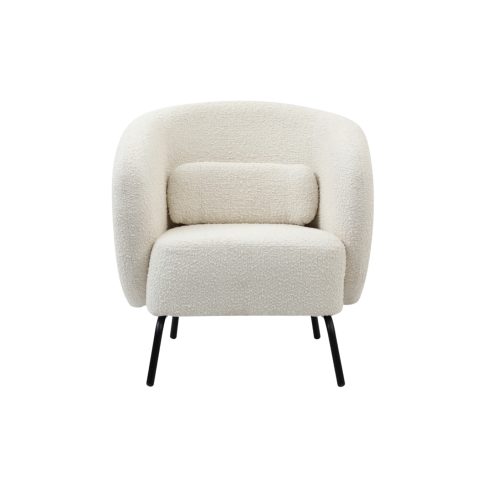
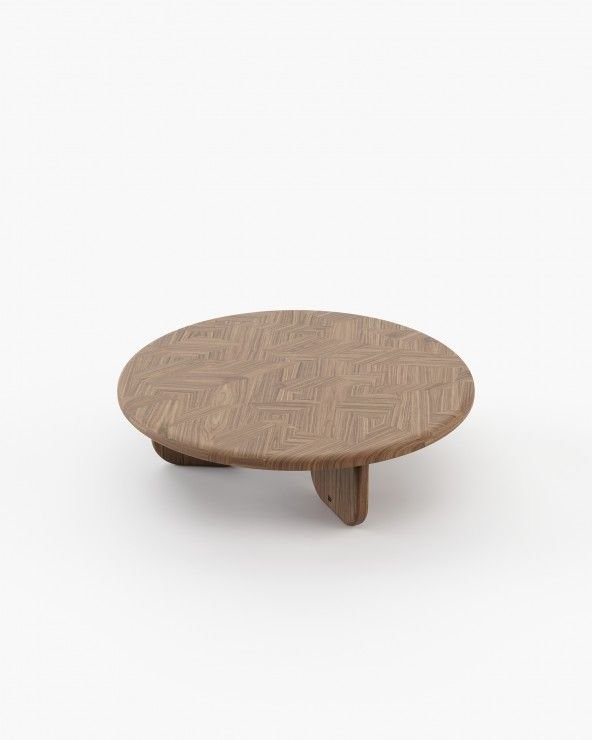
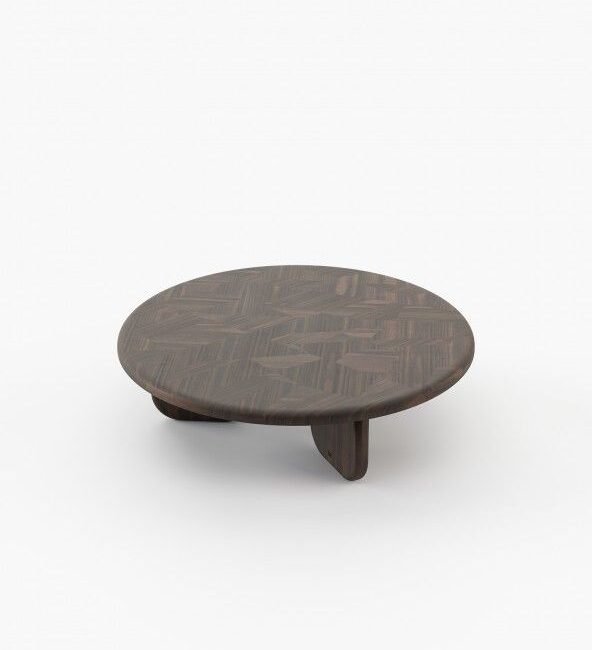
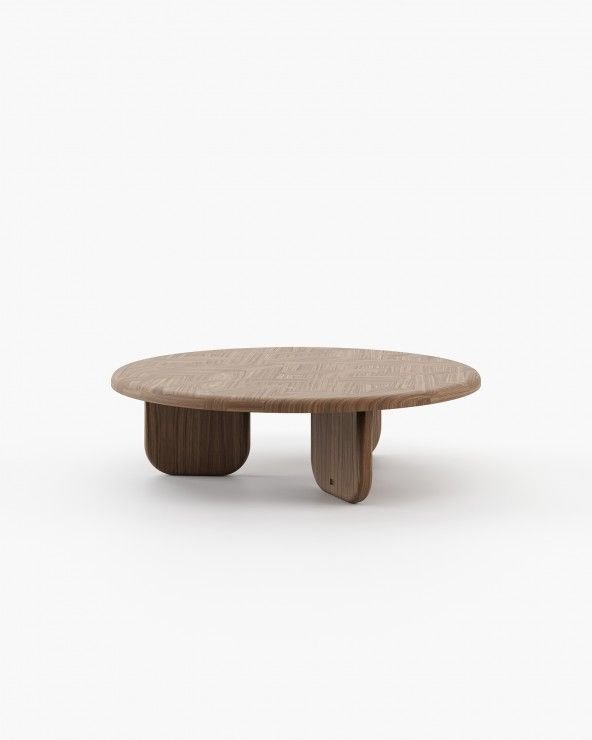
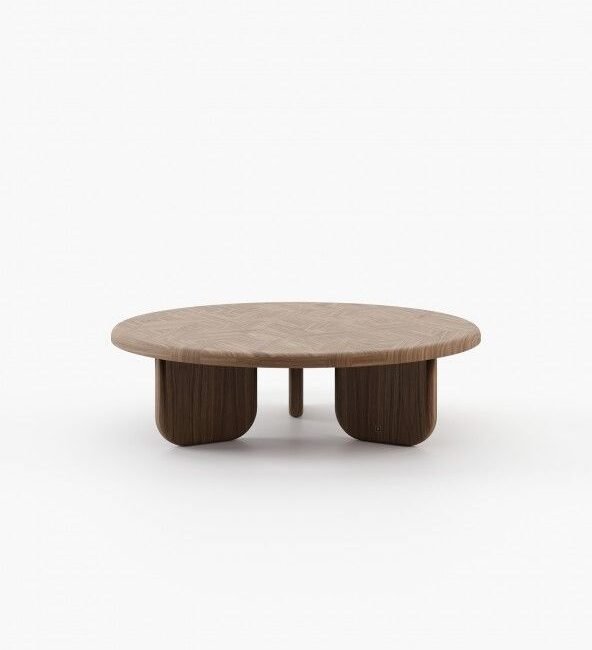
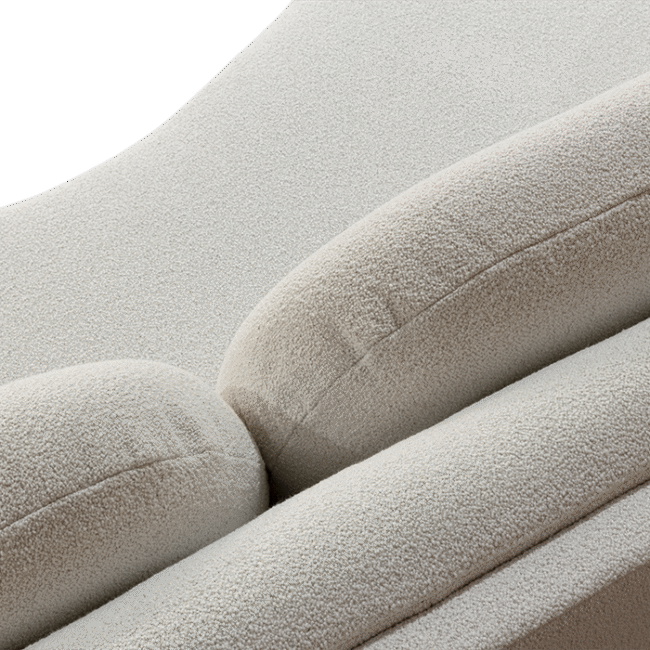
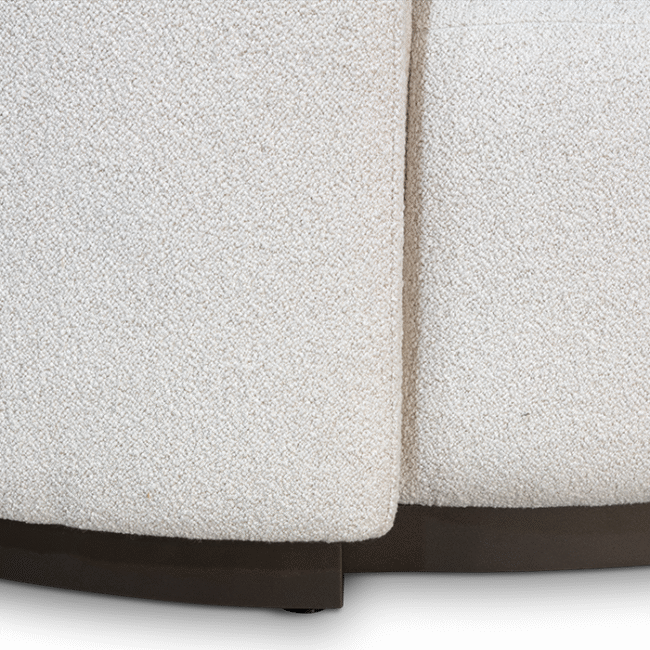
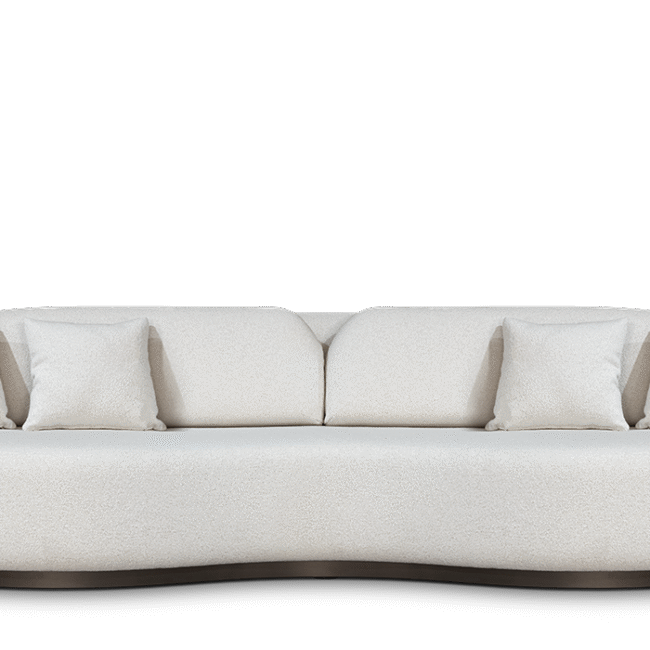
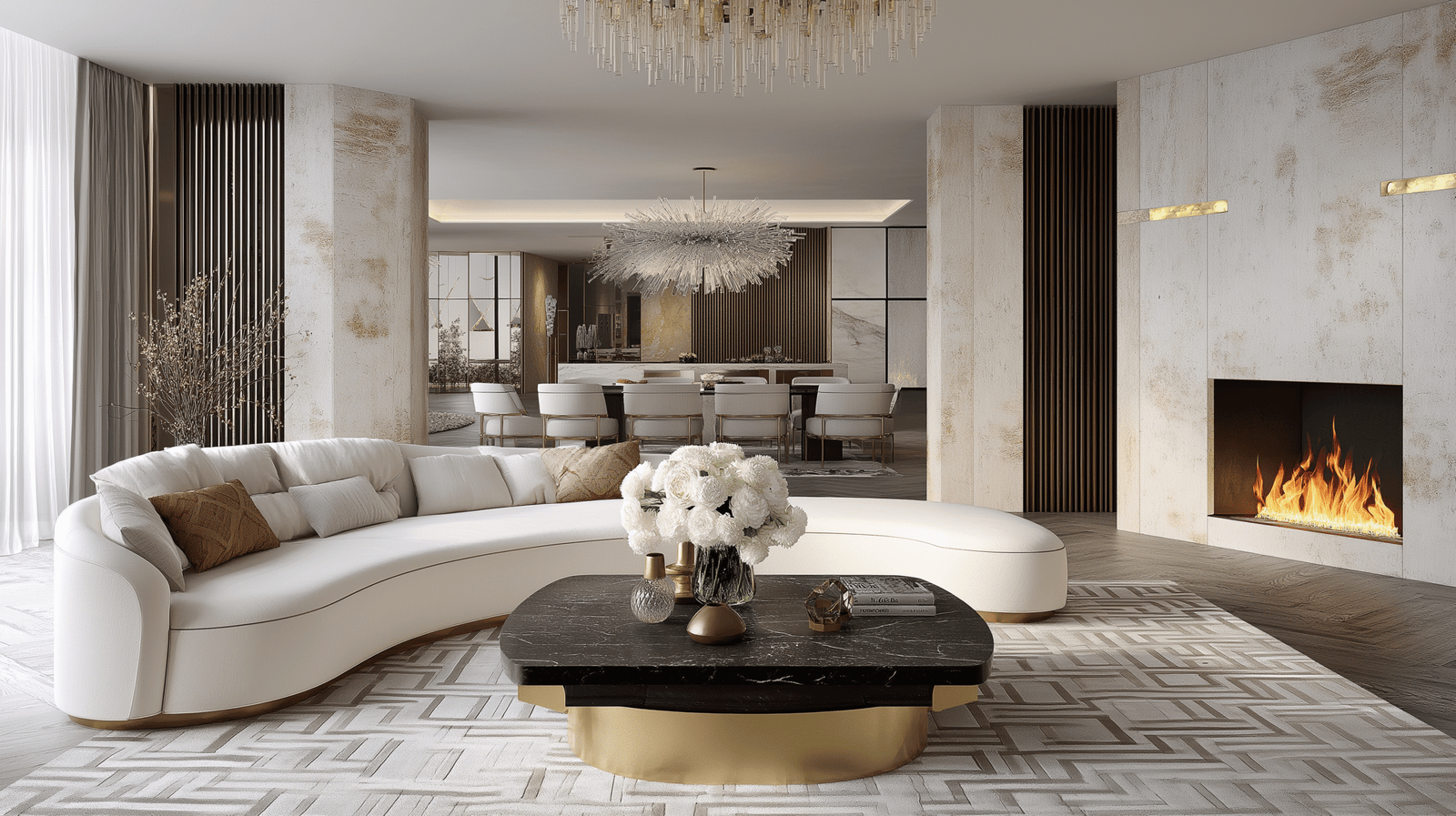
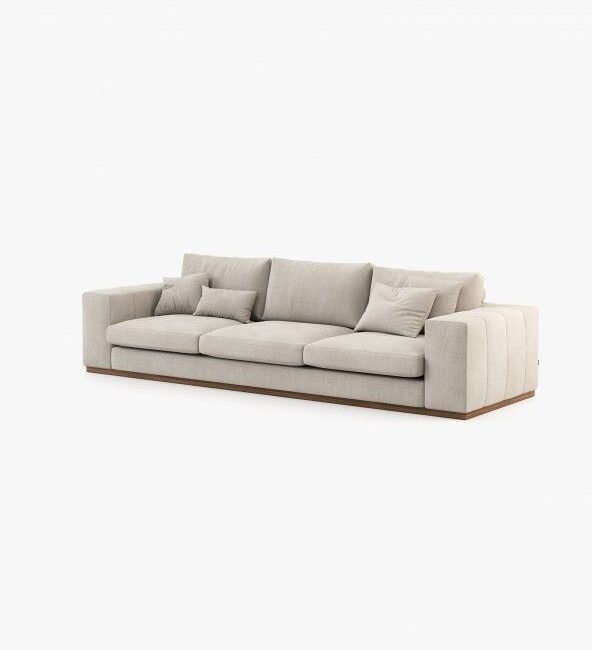
What to do instead: The 2026 living room trends favor what designers call “quiet luxury” or “understated refinement”—spaces that feel expensive and intentional without screaming for attention. This means swapping farmhouse kitsch for quality materials with beautiful, simple lines. Think a streamlined sofa in bouclé or performance linen rather than oversized tufted sectionals. Replace the distressed wood coffee table with a sleek walnut piece with clean edges. Trade the word art for actual art—even affordable prints, when thoughtfully framed, elevate a space more than any “Bless This Mess” sign ever could.

How to make the swap: Remove the most obvious farmhouse signifiers first—the word signs, the wire baskets, the decorative ladders. Don’t throw them away; donate or sell them to someone who still loves them. Invest in one quality piece that represents the quiet luxury direction: a beautiful area rug in muted, sophisticated tones, or a sculptural ceramic vase in a creamy glaze. For budget-friendly updates, simply remove the clutter. Farmhouse often meant stuff everywhere—paring back to a more curated selection immediately modernizes the space. Paint over shiplap with a smooth, warm neutral (yes, it’s okay—design moves forward). Use Facebook Marketplace to find mid-century modern pieces that bring in wood warmth without the distressed farmhouse vibe.

Dopamine decor
2026 Living Room Trends: 7 Outdated Styles to Avoid (And What to Do Instead)

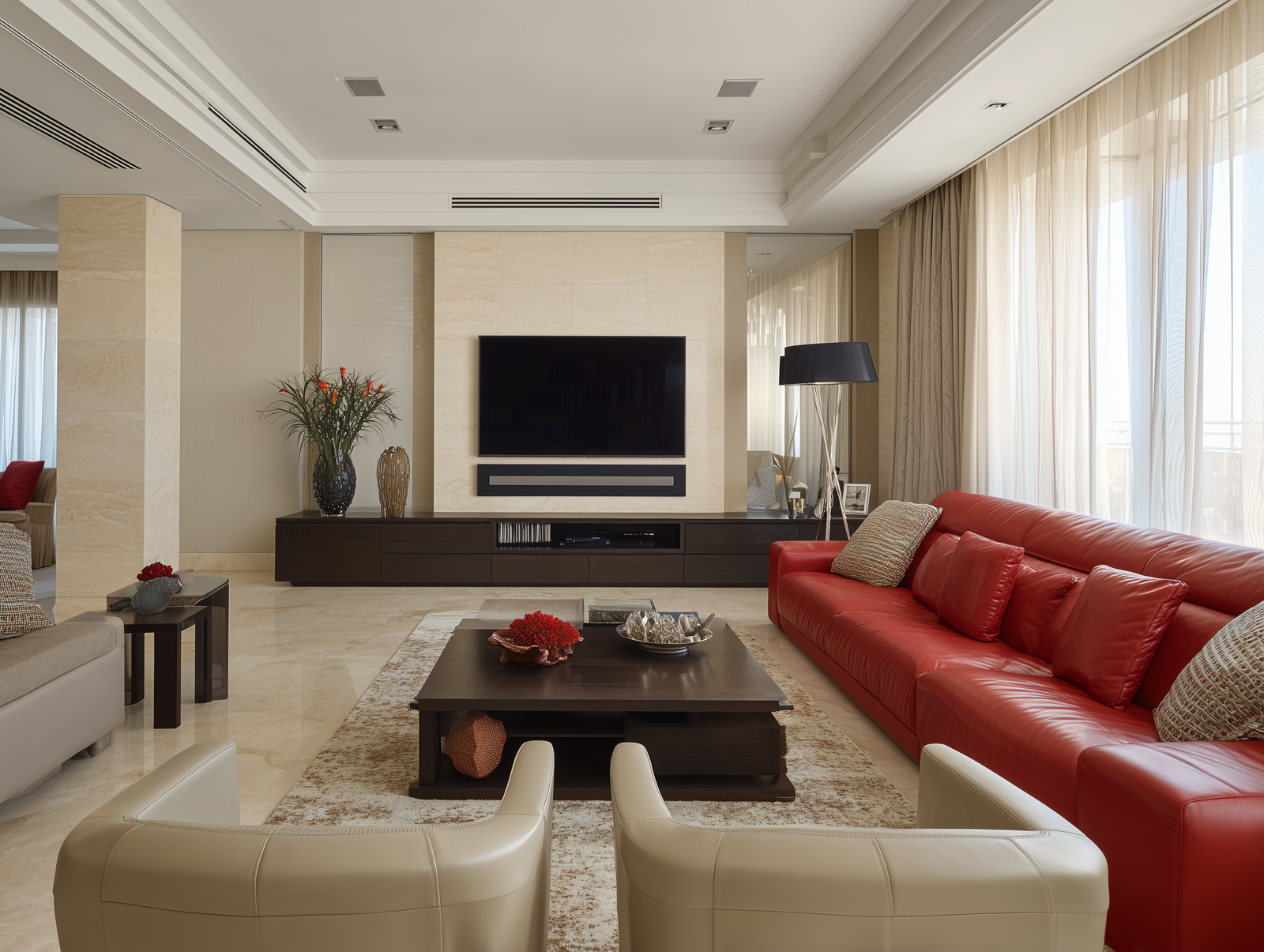
What it is: The sofa-loveseat-chair trio in identical fabric, bought all at once from the same furniture store. Or the living room collection where every piece clearly came from the same catalog page—matching wood finish, matching style, matching everything.

Why it’s outdated: Matching sets read as furniture showroom, not real home. They lack the layered, collected-over-time quality that makes spaces feel personal and interesting. Current 2026 living room trends champion the “high-low mix”—pairing investment pieces with budget finds, vintage scores with contemporary designs, creating spaces that look curated rather than purchased in a single afternoon. There’s also a sustainability angle: buying everything new at once is wasteful when you could be incorporating vintage, inherited, or secondhand pieces.

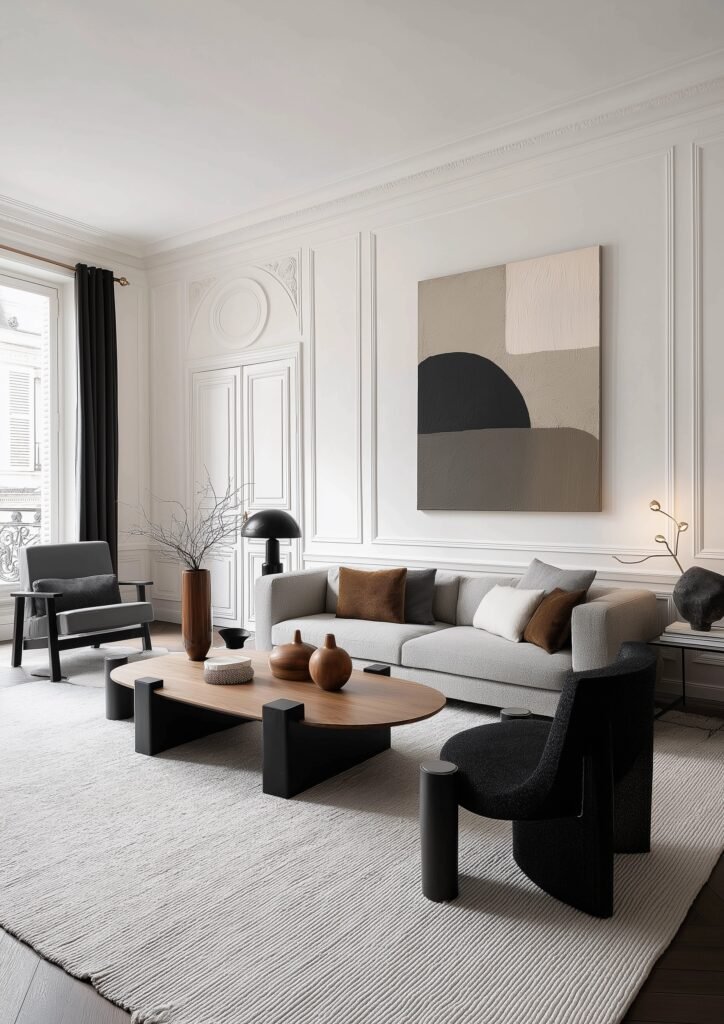
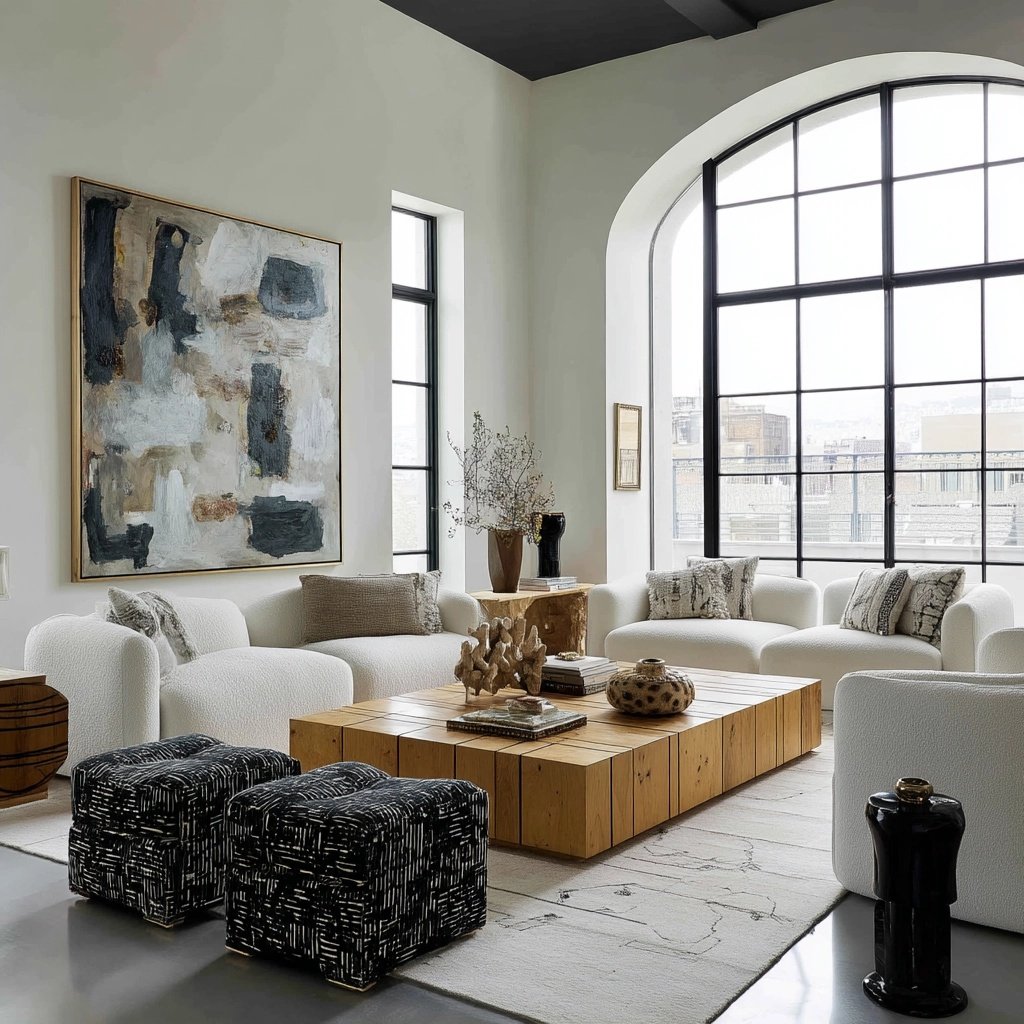
What to do instead: Embrace the art of the thoughtful mix. One of the most liberating 2026 living room trends is permission to let your furniture “disagree” with itself in interesting ways. Pair a modern minimalist sofa with a vintage leather armchair. Combine sleek metal side tables with an organic live-edge coffee table. The trick is finding a visual thread that connects them—similar color temperatures, complementary materials, or a shared sense of proportion—so the mix feels intentional rather than chaotic.

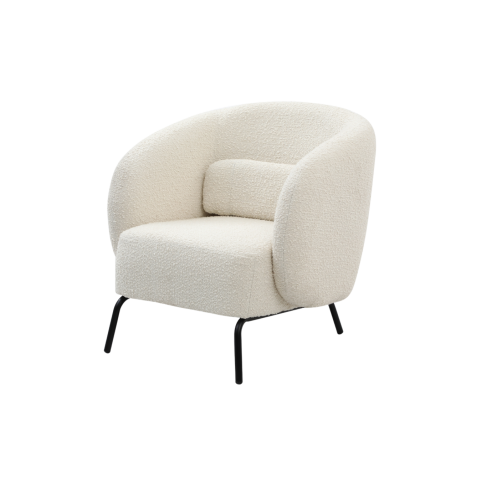
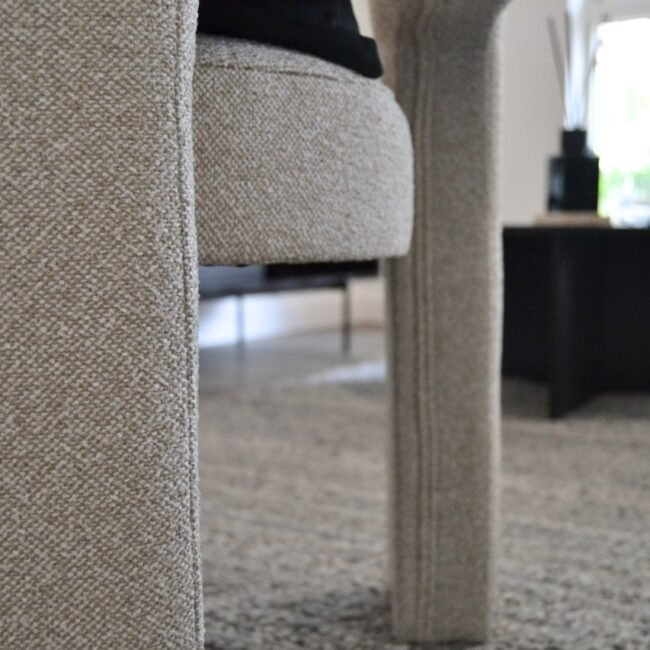
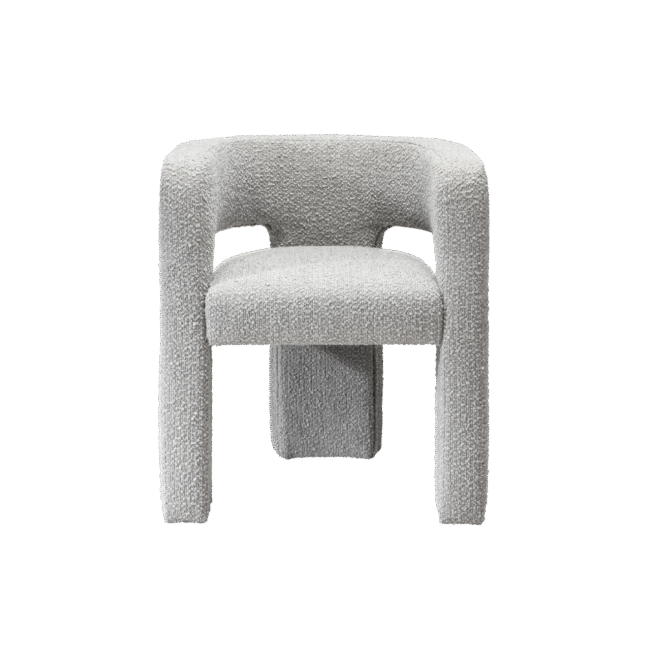
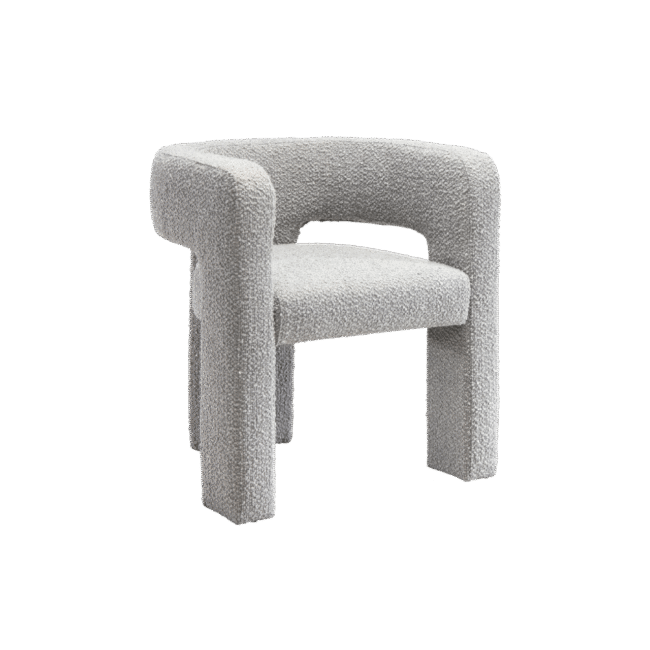
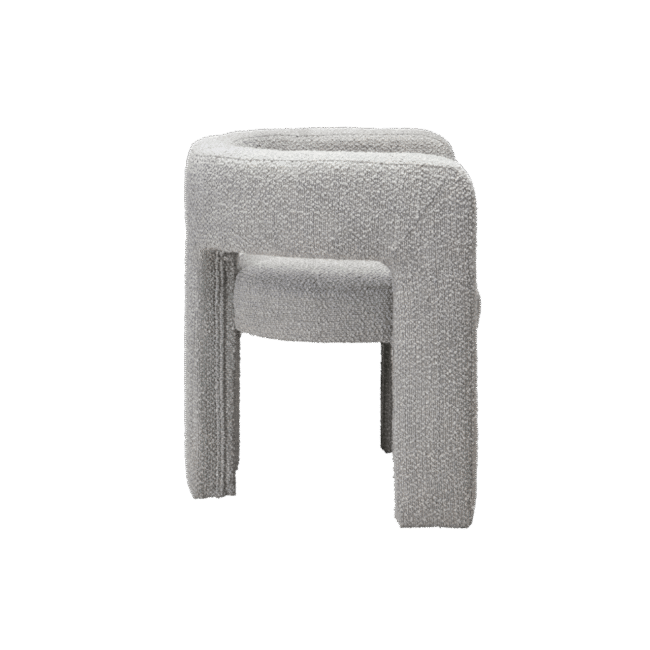
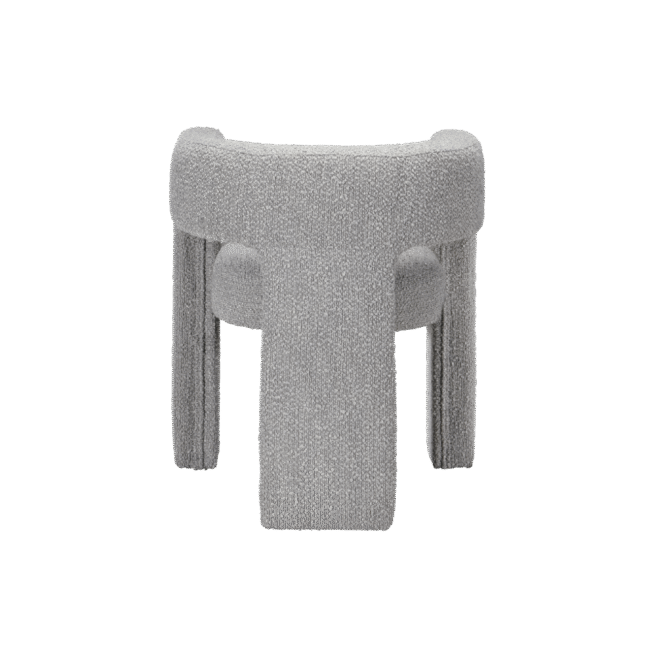
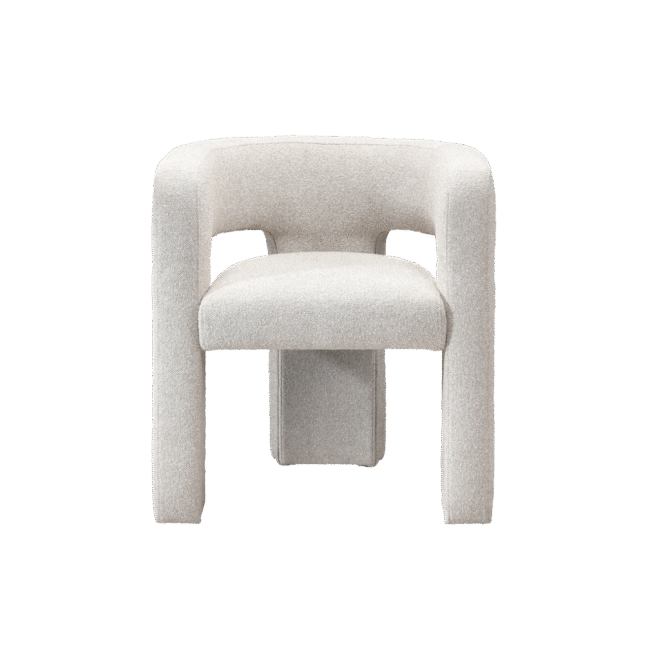
How to make the swap: Keep your favorite piece from the set (usually the most comfortable or highest quality) and start replacing the others one at a time as budget allows. If you have a matching three-piece set, begin by swapping out the smallest piece—the accent chair—with something that brings new texture or a fresh silhouette. A vintage bergère in a complementary fabric, or a contemporary swivel chair in bouclé, immediately breaks the monotony.

As you replace pieces, focus on creating textural variety: if your sofa is smooth linen, your next piece should be nubby bouclé or supple leather. Shop estate sales and consignment stores for unique occasional chairs—these often cost $100-300 and add instant character. Use Chairish or 1stDibs filters for “mid-century” or “vintage modern” to find pieces that bridge different eras beautifully.

2026 Living Room Trends: 7 Outdated Styles to Avoid (And What to Do Instead)

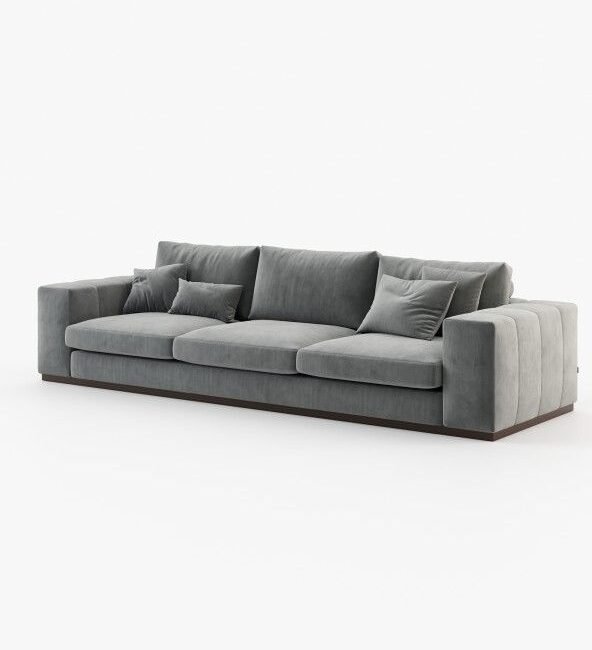
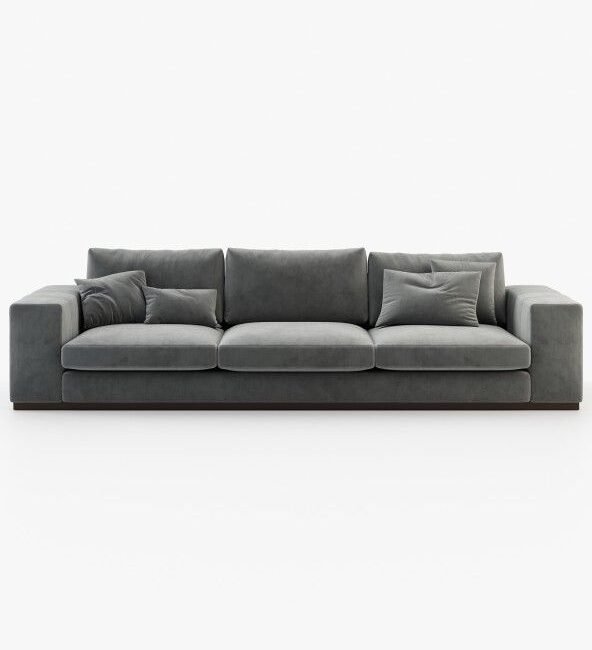
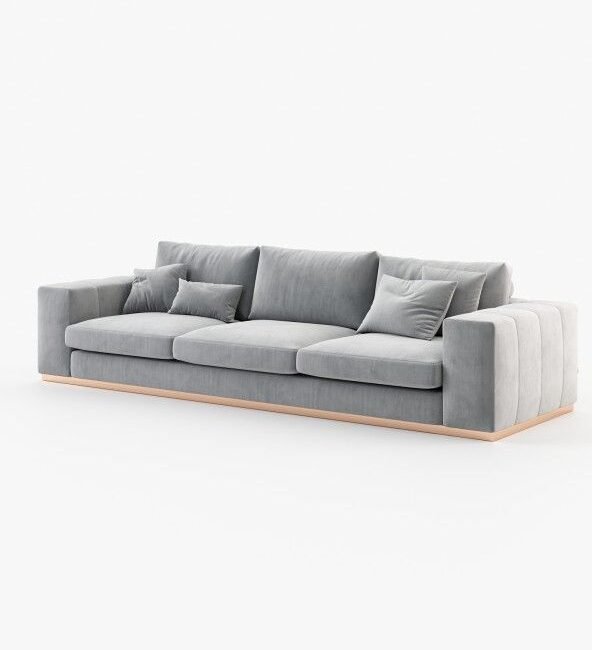
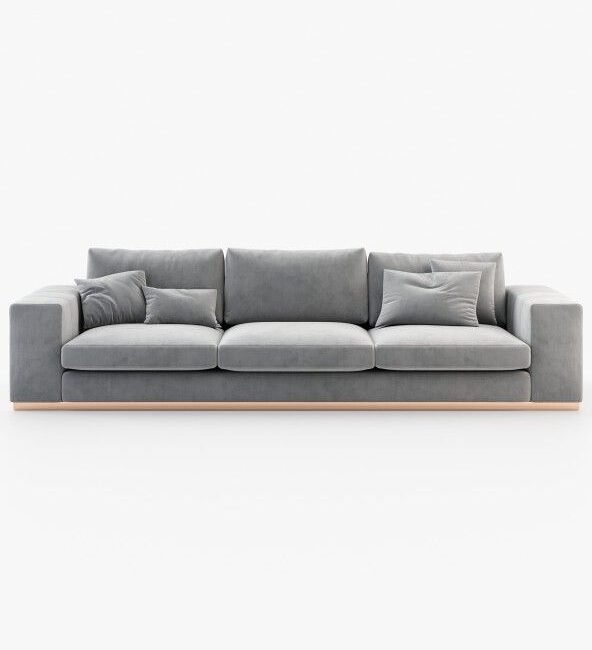
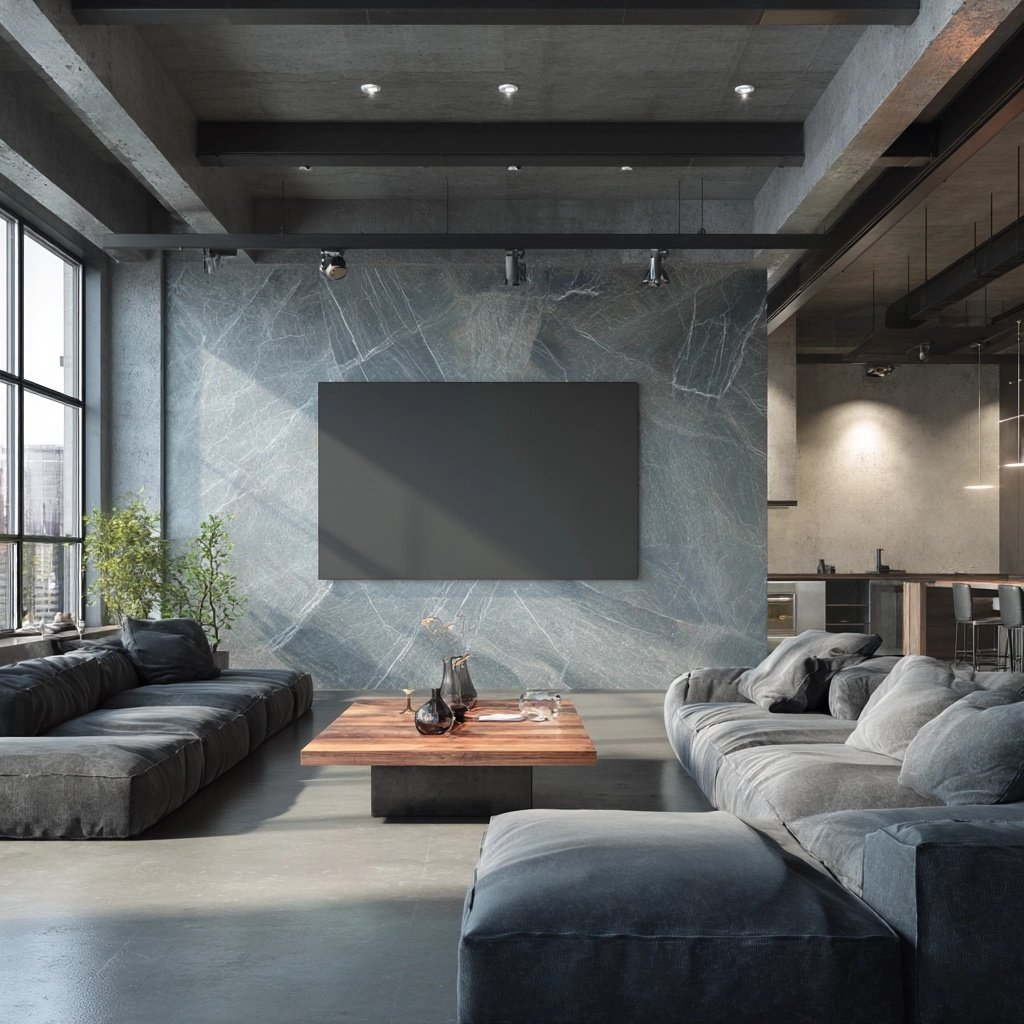
What it is: The monochromatic gray trend that dominated the mid-2010s—gray walls, gray sofa, gray rug, gray pillows. Sold as “sophisticated neutrals,” these spaces often felt more depressing than refined, especially in rooms without abundant natural light.

Why it’s outdated: We’ve collectively realized that cool-toned gray, especially without careful balancing, can make spaces feel institutional rather than inviting. The 2026 living room trends are decisively warmer, favoring earth tones, rich jewel accents, and what designers call “grounded palettes”—colors that feel connected to nature rather than industrial concrete. There’s also growing awareness of how color affects mood; after years of living in gray boxes during lockdowns, people are craving spaces that genuinely boost their emotional well-being.

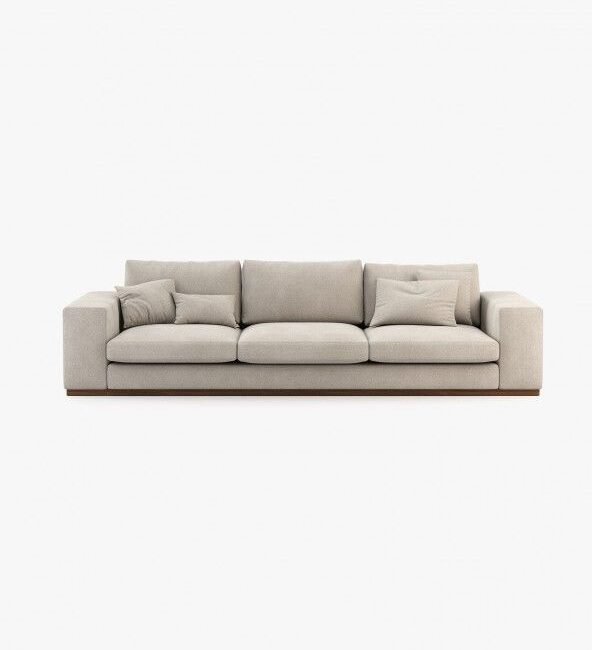
What to do instead: Transition to a warmer neutral base with strategic pops of saturated color. One of the defining 2026 living room trends is the “new neutral”—not beige exactly, but a sophisticated range of greiges (gray-beiges), warm taupes, soft terracottas, and creamy off-whites. From there, layer in accent colors inspired by nature: deep forest green, burnt sienna, ochre yellow, or dusty plum. These earthy, complex tones add visual interest without the aggressive brightness of 2010s-era accent walls.

How to make the swap: If you have gray walls and aren’t ready to repaint, start by warming up the space through textiles and accents. Add a burnt orange velvet throw pillow, a forest green ceramic table lamp, or a terracotta vase. Introduce warm-toned wood pieces—a walnut side table or oak shelving—to counteract the cool gray.

When you are ready to paint, try “greige” colors like Benjamin Moore Edgecomb Gray or Sherwin-Williams Accessible Beige—they read neutral but have warm undertones that make gray furniture look intentional rather than dreary. For renters, large-format art in warm tones can shift the entire color temperature of a room without touching the walls. Budget move: dye gray textiles! You can transform a cool gray throw pillow cover into warm taupe using Rit dye for about $5.

2026 Living Room Trends: 7 Outdated Styles to Avoid (And What to Do Instead)

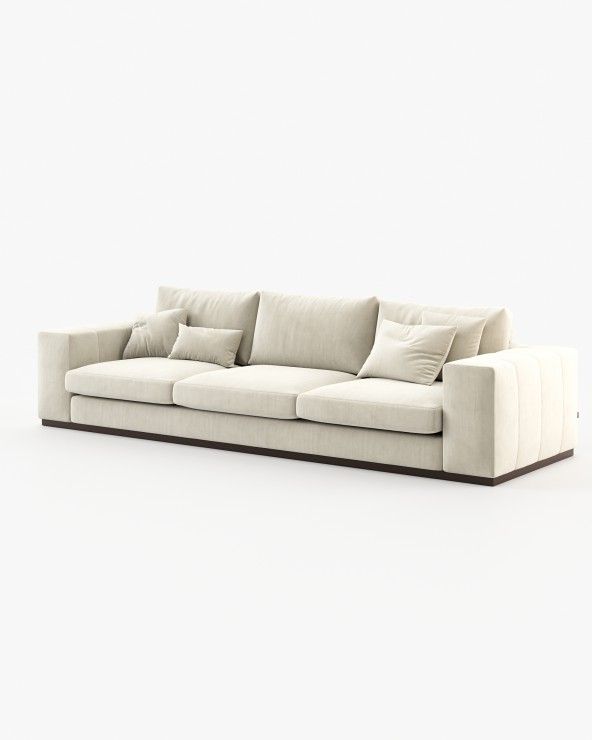
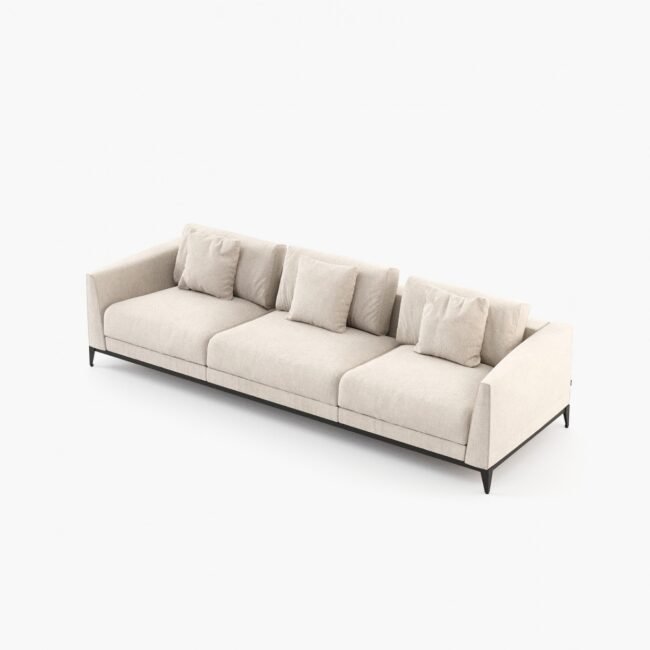
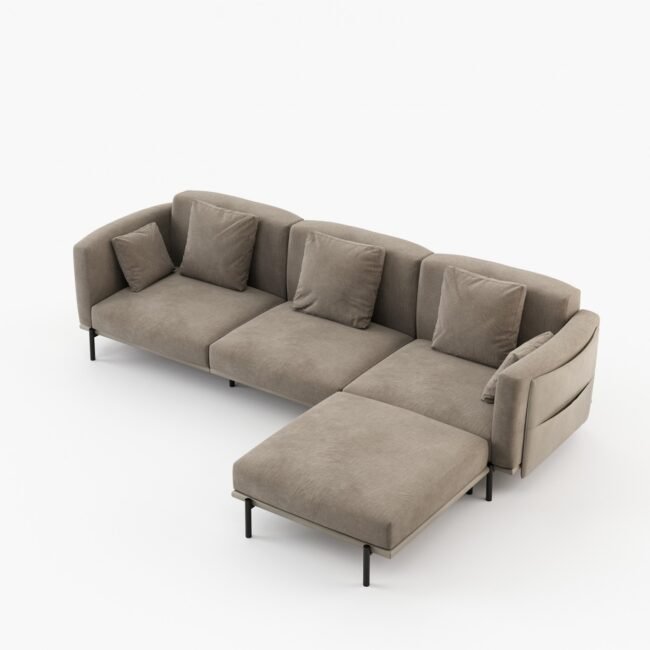
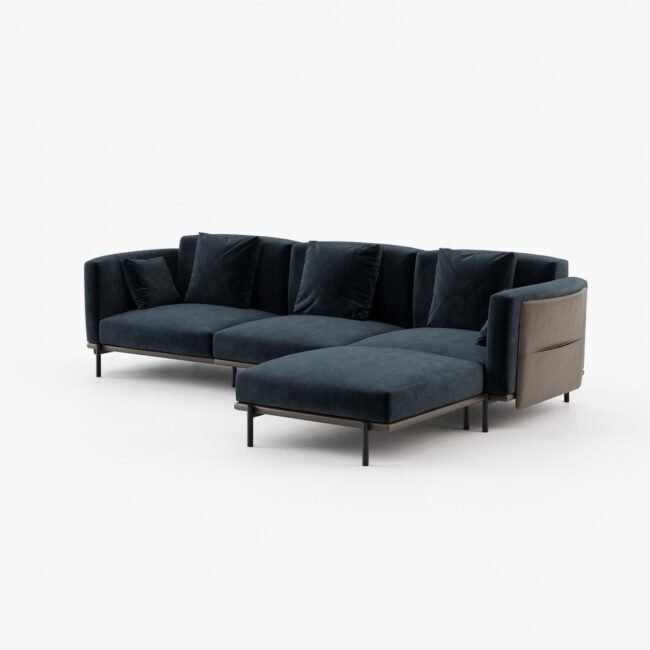
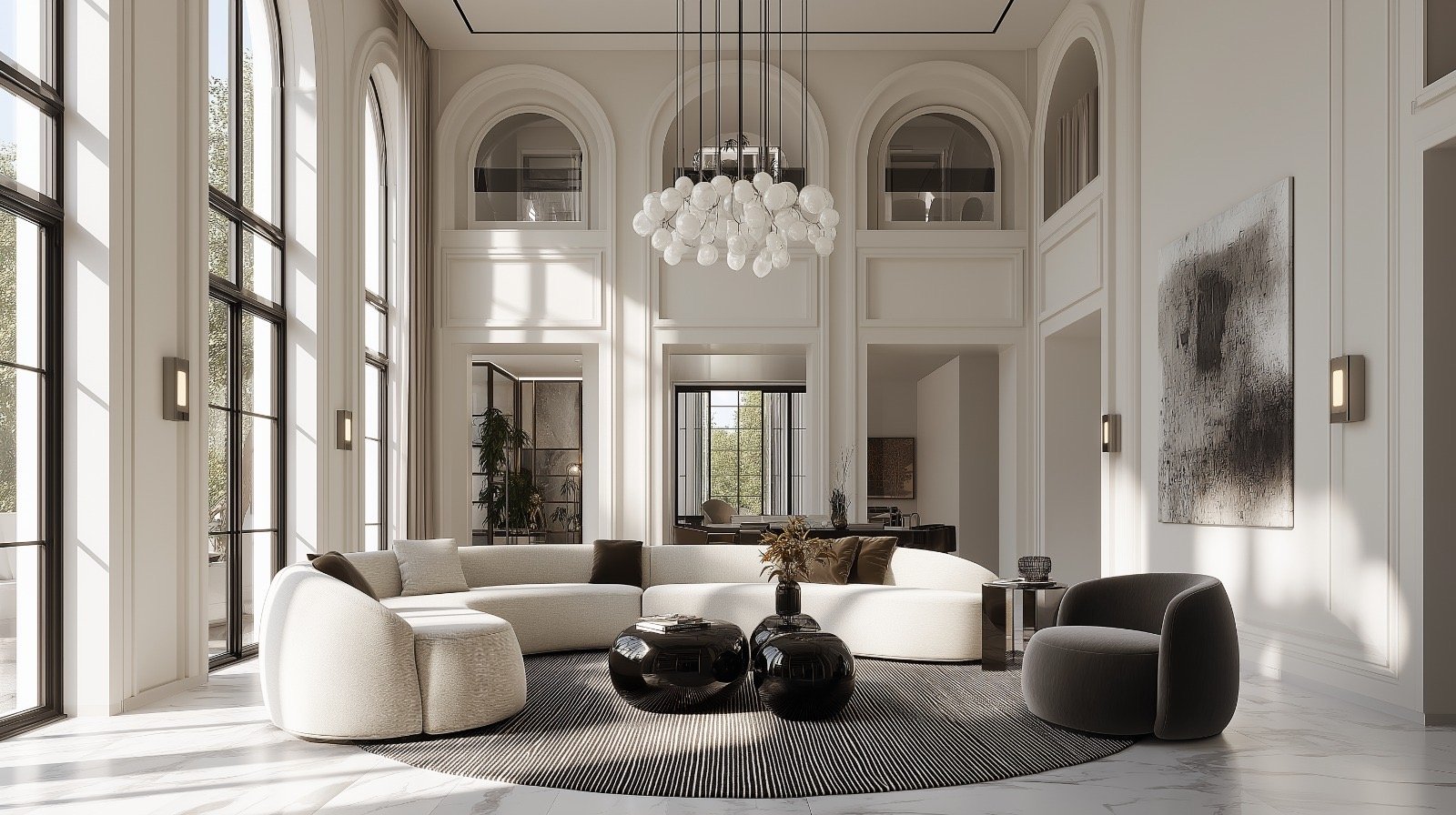
What it is: The oversized L-shaped or U-shaped sectional that dominates the entire living room, often leaving only narrow walkways around it. Marketed as “family-friendly” and “great for entertaining,” these behemoths promised maximum seating but often delivered maximum inflexibility.

Why it’s outdated: Our lives are more fluid than these furniture layouts allow for. The 2026 living room trends prioritize flexibility and multi-functionality, reflecting how we actually use our spaces—sometimes for movie marathons, yes, but also for work-from-home setups, yoga sessions, kids’ homework spreads, and hobbies. A single massive sectional locked into one configuration can’t adapt to these varied needs. Plus, as more people embrace smaller, more sustainable homes, furniture that monopolizes square footage is falling out of favor.

What to do instead: Create modular, reconfigurable seating arrangements using separate pieces that can be moved and regrouped. This is central to what’s trending in living room design for 2026: one standard-sized sofa paired with a couple of versatile armchairs and a pouf or ottoman that can serve as extra seating, footrest, or side table. This approach gives you the same seating capacity with far more flexibility. You can pull chairs closer for conversation, angle them toward the TV for movie night, or push them aside to clear floor space when needed.

How to make the swap: If you own a sectional, you don’t have to ditch it immediately—but start planning its exit strategy. Begin by adding one or two stand-alone accent chairs to your space, even while the sectional is still there. This gets you used to a more varied seating layout. When it’s time to replace the sectional, invest in a quality standard sofa (78-84 inches is the sweet spot for most living rooms) and put the money you save toward two really beautiful chairs in different materials or styles.

Sell your sectional on Facebook Marketplace—they move quickly because they’re still popular in some demographics. Use that cash to fund your new, more flexible setup. Budget tip: buy your sofa new (it’s the hardest-working piece) but thrift or vintage-shop your accent chairs for character and savings.

2026 Living Room Trends: 7 Outdated Styles to Avoid (And What to Do Instead)

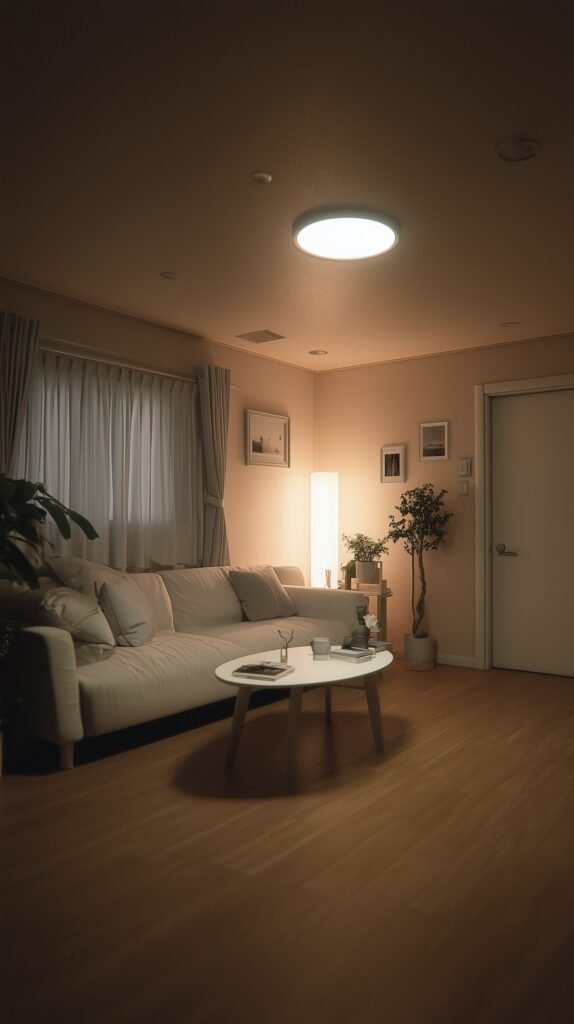
What it is: Relying exclusively on harsh ceiling fixtures—usually a single central overhead light or recessed cans—to illuminate your entire living room. This was builder-basic standard for decades, but it’s finally being recognized as one of the quickest ways to make a space feel flat and unwelcoming.

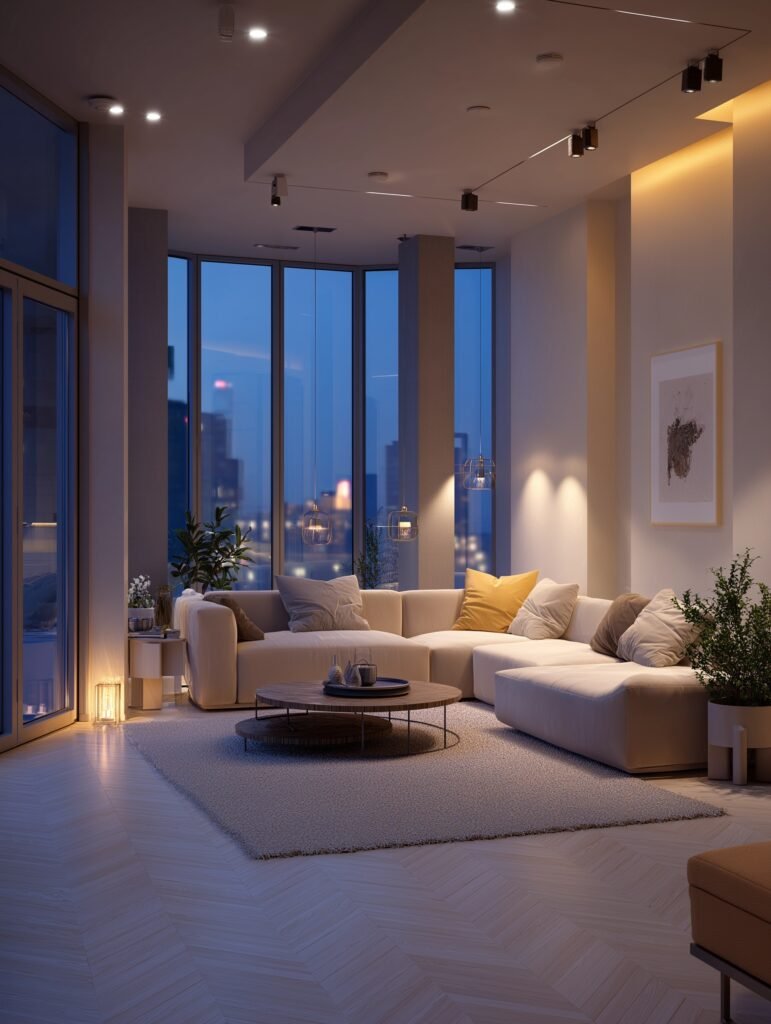
Why it’s outdated: Good lighting is layered lighting. This principle is fundamental to current 2026 living room trends: ambient lighting (overhead), task lighting (reading lamps, desk lights), and accent lighting (picture lights, uplights, decorative fixtures) should all work together to create depth, mood, and functionality. A single overhead source casts unflattering shadows and creates a one-note atmosphere that can’t adjust to different activities or times of day. Designers now understand that lighting is as crucial to a room’s success as furniture selection.

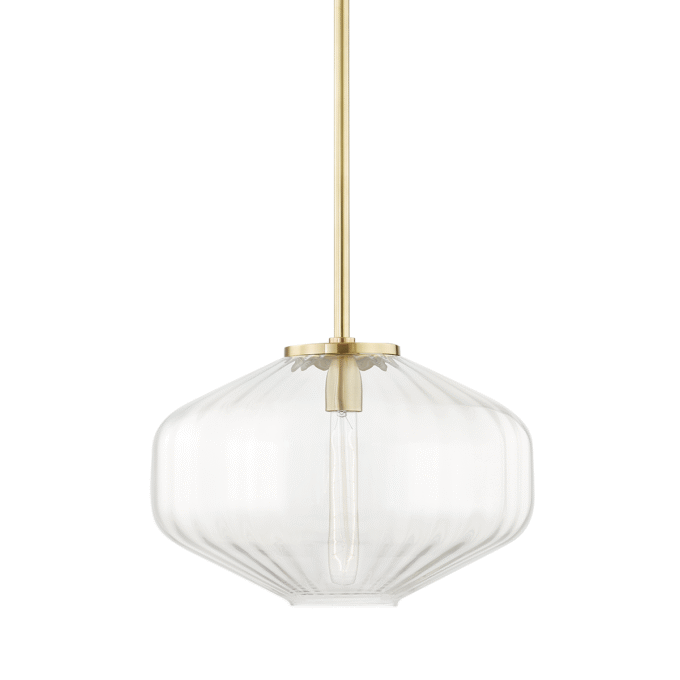
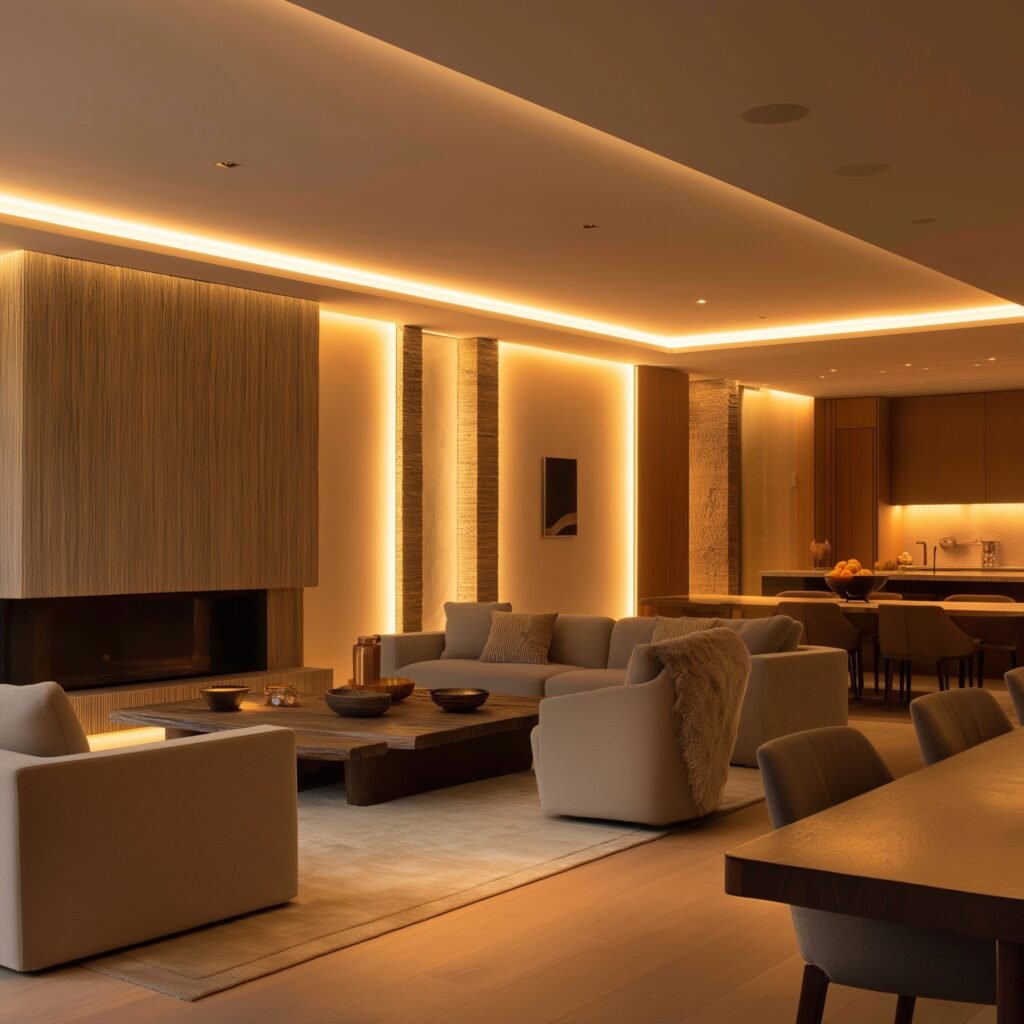
What to do instead: Implement the “three-layer” lighting approach that defines sophisticated living room design in 2026. Start with ambient light—this can be your existing overhead fixture, but ideally on a dimmer. Add task lighting through floor lamps beside seating areas and table lamps on side tables, choosing fixtures with warm-toned bulbs (2700K-3000K) that create pools of inviting light. Finally, introduce accent lighting: LED strip lights behind floating shelves, a picture light over artwork, or uplights in room corners that wash walls with soft illumination.

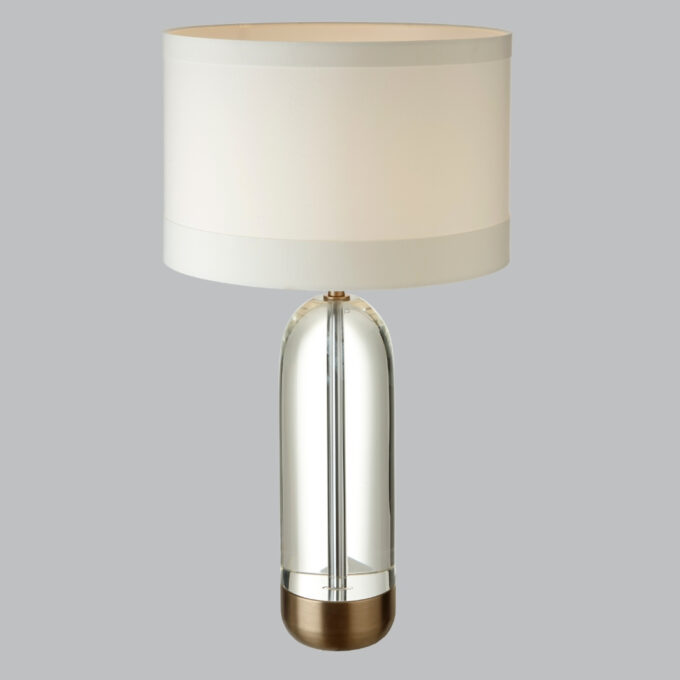
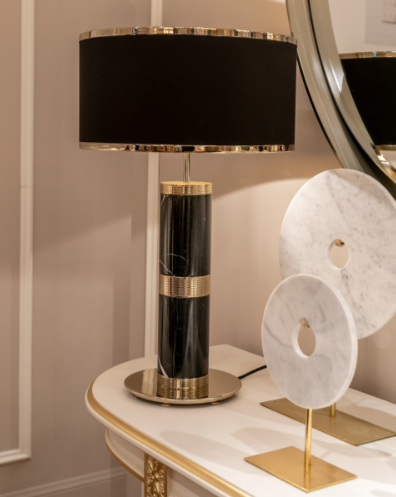
How to make the swap: Begin with one quality floor lamp in a living area where you read or work. Arc floor lamps are particularly versatile—they can reach over a sofa to provide reading light without requiring side table space. Next, add a table lamp on your side table or console. Choose fixtures with fabric or paper shades that diffuse light warmly rather than clear glass that creates harsh spots. Install a dimmer switch on your overhead fixture ($15-30 for the hardware, DIY-able with a YouTube tutorial if you’re handy).

This single upgrade transforms your overhead lighting from one-note to adjustable. Budget hack: thrift stores are goldmines for vintage lamps with great bones; you can rewire them ($20-40 at a hardware store) and add a new shade for a total investment under $50. Use smart bulbs (Philips Hue, LIFX) in existing fixtures to gain color temperature and brightness control without replacing the fixture itself.

2026 Living Room Trends: 7 Outdated Styles to Avoid (And What to Do Instead)

What it is: The Pinterest-perfect gallery wall composed of identical black or white frames in a precise grid pattern, usually filled with generic prints or family photos.

While gallery walls themselves aren’t outdated, this ultra-matching, overly symmetrical approach has become as formulaic as the farmhouse aesthetic.

Why it’s outdated: The identical-frame gallery wall reads as impersonal and overly calculated—more like a furniture catalog than a personal art collection. The 2026 living room trends favor what designers call “collected” or “organic” gallery walls that look like they were assembled over time, with varied frame styles, sizes, and even matting that create visual rhythm rather than rigid uniformity. This approach feels more authentic and allows your wall art to be an evolving expression of your taste rather than a completed project that can never change.

What to do instead: Create an eclectic, layered gallery wall using a mix of frame styles, artwork types, and even three-dimensional objects. One of the most exciting 2026 living room trends in wall decor is the integration of sculptural elements—a woven wall hanging next to framed prints, a vintage mirror among the art, floating shelves that break up the vertical plane. The key is creating visual conversation between pieces rather than military precision.

Use a mix of wood frames, brass frames, and yes, even some black or white frames, but not exclusively. Vary the matting—some pieces with generous white mats, others with no mat at all, some with colored mats that pick up hues in the artwork.

How to make the swap: You don’t need to start from scratch. Keep your favorite pieces from your current gallery wall and begin introducing variation. Add one ornate vintage frame you find at an estate sale. Hang a small woven basket or decorative plate among the frames. Introduce a piece of original art—even affordable work from local artists adds character that mass-produced prints can’t match.

The “salon-style” hang is replacing the grid: start with your largest piece at eye level (about 57-60 inches to the center of the frame) and build out from there, letting pieces relate to each other organically rather than conforming to a rigid pattern.

Use painter’s tape to mock up positions on the wall before committing to nail holes. Budget approach: swap out the art inside your existing frames rather than replacing frames all at once. Sites like Minted, Society6, and Etsy offer downloadable prints for $5-20 that you can print at Costco or Staples. Gradually replace frames as you find interesting vintage or secondhand options.

Common Mistakes When Updating Your Living Room

2026 Living Room Trends: 7 Outdated Styles to Avoid (And What to Do Instead)

Avoiding outdated trends is one thing—executing the update without creating new problems is another. Here are the most common pitfalls people encounter when transitioning to current 2026 living room trends, and how to sidestep them.

Mistake #1: Overcorrecting the Trend

You had an all-white minimalist living room, so you swing hard in the opposite direction and suddenly you’re drowning in pattern, color, and texture with no visual breathing room. Or you’re leaving behind gray everything and now you’ve painted every wall terracotta and upholstered everything in rust velvet. The result? A space that feels just as overwhelming as the sterile white box did.

The fix: Embrace the 60-30-10 rule: 60% of your room should be a dominant neutral (your walls, large furniture pieces), 30% a secondary color or texture (accent chairs, curtains, smaller furniture), and 10% your boldest choices (pillows, art, accessories). This creates balance and prevents any single element from overwhelming the space. When adopting 2026 living room trends, think of them as accents and influences on your space, not wholesale transformations.

Mistake #2: Ignoring Your Actual Lifestyle

You’re inspired by images of pristine, layered living rooms with beautiful cream linen sofas and jute rugs, so you recreate that aesthetic—only to remember you have two large dogs and three kids under 10. Within a week, everything is stained and you’re stressed about maintaining something fundamentally incompatible with your real life.

The fix: Let your lifestyle dictate your material choices, not just the aesthetic. The good news? Current living room design in 2026 embraces performance fabrics that look luxurious but function practically. You can have that cream bouclé sofa in a kid-and-pet-friendly performance fabric that repels spills and cleans easily.

Choose wool or wool-blend rugs over jute if you have heavy foot traffic—they’re far more durable and easier to clean. The current trends are actually more lifestyle-friendly than previous ones; you just need to adapt materials to your needs while keeping the overall aesthetic direction intact.

Mistake #3: Buying Everything at Once

You get inspired by 2026 living room trends and decide to update your entire space in one shopping spree—new sofa, new chairs, new rug, new lighting, new art, new everything. Three problems with this: you blow your entire budget immediately, you don’t give yourself time to live with choices and see what actually works, and you end up with a room that feels designed in a moment rather than collected over time (which is exactly the look we’re trying to avoid).

The fix: Update in phases, starting with the elements that give you the most visual impact per dollar spent. Usually that’s paint (if you’re changing wall color), followed by one significant furniture piece, then layering in textiles and accessories over several months. This approach lets you test choices, adjust as you go, and create a more authentic, collected aesthetic. It’s also easier on your budget and allows you to sell or donate pieces you’re replacing rather than scrambling to get rid of everything at once.

Mistake #4: Following Trends Without Considering Your Architecture

You see gorgeous examples of warm maximalism and textured neutrals in 2026 living room trends inspiration photos, but those rooms have 10-foot ceilings and oversized windows. You have an 8-foot ceiling and limited natural light. You try to recreate the look anyway and wonder why it feels heavy and dark rather than cozy and layered.

The fix: Adapt trends to your specific space rather than copying them wholesale. Low ceilings and limited light require a lighter touch: use the warm neutral palette but keep walls lighter and save deeper tones for accents. Maximize your light sources through the three-layer lighting approach. In smaller rooms, embrace the trends through textiles and accessories rather than large furniture pieces. The principles of what’s trending—warmth, texture, personality—can be applied to any space if you adjust the execution to your architecture’s reality.

2026 Living Room Trends: 7 Outdated Styles to Avoid (And What to Do Instead)

How to Future-Proof Your Living Room Design

The whole point of understanding 2026 living room trends isn’t to redesign your space every year chasing whatever’s new. It’s to create a room that feels current now and will continue to feel good for years to come. Here’s how to build in longevity.

Invest in Classic Silhouettes, Trend with Accessories

The furniture pieces that eat up the most budget—your sofa, primary seating, major tables—should have classic, relatively timeless silhouettes that transcend specific trends. A simple, well-proportioned sofa in a quality neutral fabric will work with shifting design trends for a decade or more. Save your trend expression for the elements that are easier and less expensive to change: throw pillows, art, lighting fixtures, small accent furniture.

This approach lets you refresh your space’s look as 2026 living room trends evolve into 2027, 2028, and beyond, without replacing your expensive foundations.

A good test: if a furniture piece is explicitly described as “on trend,” it’s probably not the piece to invest heavily in. Look instead for descriptions like “timeless,” “classic,” or “versatile”—these are the bones of a future-proof room.

Prioritize Quality Over Quantity

Fast furniture is the design equivalent of fast fashion—cheap, trendy pieces that fall apart in a few years and end up in landfills. One of the underlying themes in current living room design is sustainability and longevity. It’s better to buy one excellent sofa that will last 15 years than three mediocre ones over that same period. Better to invest in two perfect vintage chairs than five cheap new ones.

This doesn’t mean everything needs to be expensive. It means being selective and prioritizing quality where it matters: pieces you use daily, pieces that anchor your room, pieces that are difficult to replace. Mix these investments with budget-friendly accessories and secondhand scores for a high-low balance that’s both economical and enduring.

Create Flexibility Through Modular Design

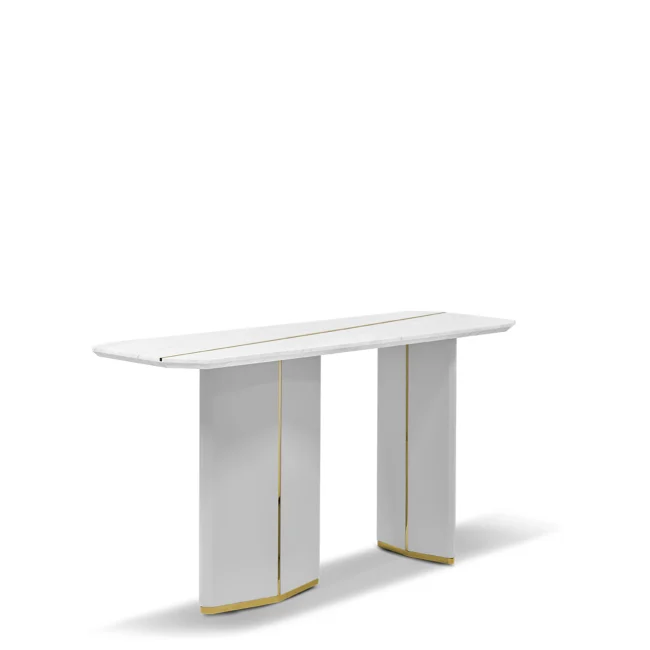
We covered this with the sectional section, but it bears repeating: spaces that can adapt to changing needs age better than locked-in layouts. Choose furniture that can be moved, rearranged, and repurposed. A beautiful bench can serve as coffee table, extra seating, or end-of-bed storage depending on your needs. A console table works behind a sofa, in an entryway, or as a desk. This flexibility means your living room can evolve with your life without requiring all new furniture.

Embrace Personal Over Perfect

Here’s the truth: the living rooms that age best aren’t the ones that perfectly captured a specific year’s trends. They’re the ones that feel deeply personal to their owners—filled with art you love, books you actually read, objects that carry meaning, furniture that fits how you actually live. The most enduring of the 2026 living room trends is the move toward authenticity and away from Instagram perfection. Lean into that. Your living room should tell your story, not a decorator’s or an algorithm’s idea of what’s stylish.

The pieces you love—genuinely love, not just like because they’re trending—are the ones you’ll keep and build around for years. That’s the real secret to future-proofing: designing for yourself, not for an imaginary audience.

2026 Living Room Trends: 7 Outdated Styles to Avoid (And What to Do Instead)

Conclusion

If you started this article feeling vaguely dissatisfied with your living room but unable to pinpoint why, hopefully you now have clarity. Those outdated elements—the all-white everything, the farmhouse overload, the matching sets, the gray monotony, the massive sectional, the single overhead light, the identical gallery wall—they’ve been holding your space back from feeling like the best version of itself.

The 2026 living room trends aren’t asking for perfection or a massive budget. They’re asking for warmth, texture, personality, flexibility, and thoughtfulness. They’re about creating spaces that work for real life, not just curated photos. Spaces that can adapt, evolve, and continue to feel good as trends shift.

You don’t need to tackle all seven updates at once. Start with the one that resonates most—maybe it’s adding that first warm-toned floor lamp to break away from overhead-only lighting, or swapping one piece of your matching set for something with character. Maybe it’s just painting over that gray wall with a warm greige that makes the room feel immediately more inviting. Small changes compound into transformation.
The best part about understanding current 2026 living room trends? You can finally stop second-guessing your instincts. If your living room has been whispering that it needs change, now you know exactly what to do. And that outdated element you’ve been staring at for months, wondering if everyone else thinks it’s as tired as you do? They probably do. It’s time.
What do you think?
Leave a Reply

Blog

Get fresh home inspiration and helpful tips from our interior designers

top
5
    5
    Your Cart
    Sparta Table Lamp Remove
    Sparta Table Lamp
    Qty: 1
    Price: £1,584
    £1,584
    Aeon Wall Sconce Remove
    Aeon Wall Sconce
    Qty: 1
    Price: £108
    £108
    Joey Armchair Remove
    Joey Armchair
    Qty: 1
    Price: Original price was: £570.Current price is: £536.
    £536
    Bennett Pendant Remove
    Bennett Pendant
    Qty: 1
    Price: £828
    £828
    Zev Table Lamp Remove
    Zev Table Lamp
    Qty: 1
    Price: £1,157
    £1,157

    Inactive

    Privacy Overview

    This website uses cookies so that we can provide you with the best user experience possible. Cookie information is stored in your browser and performs functions such as recognising you when you return to our website and helping our team to understand which sections of the website you find most interesting and useful.