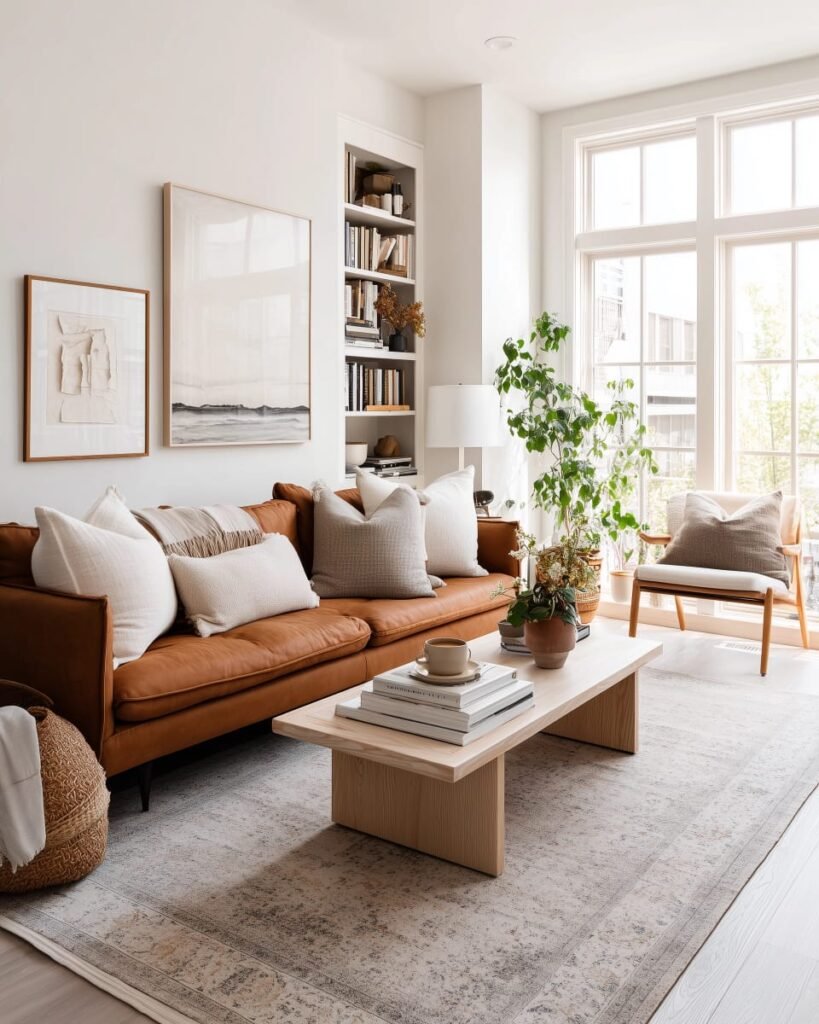
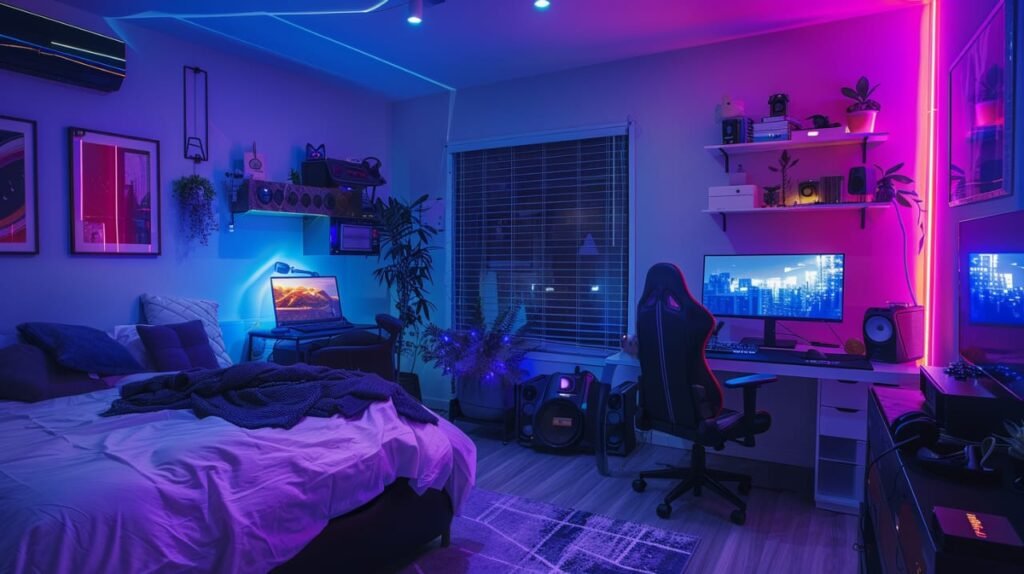
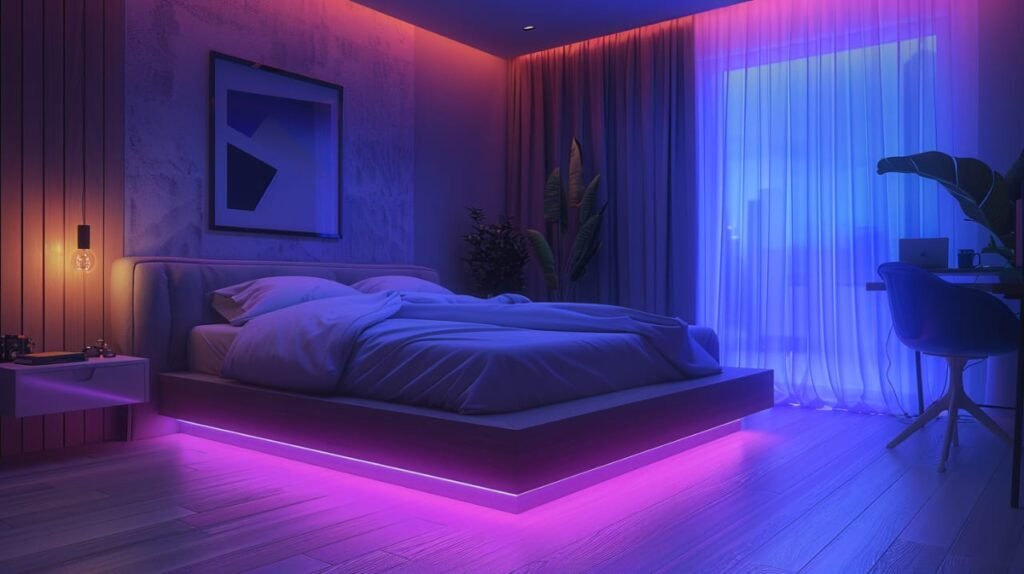
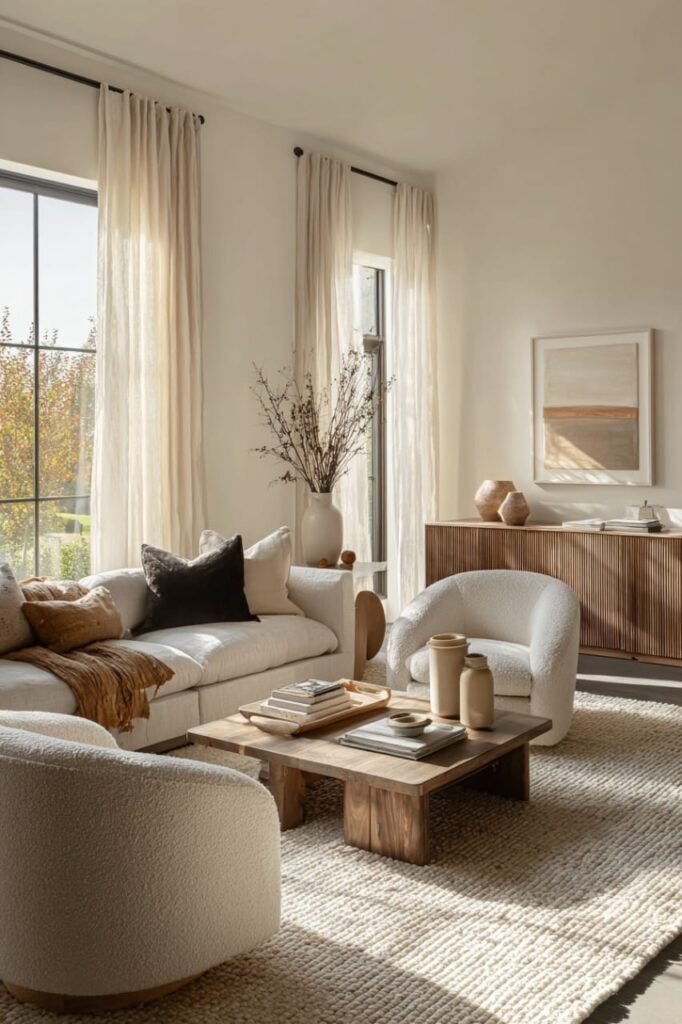
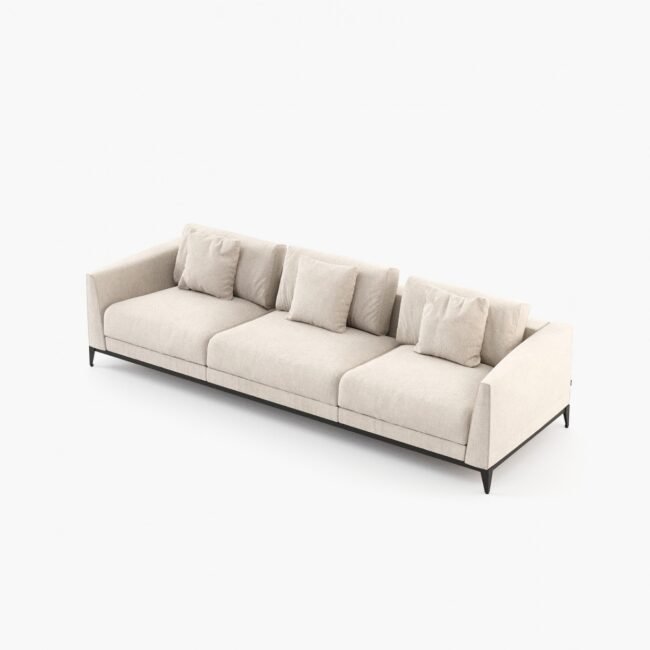
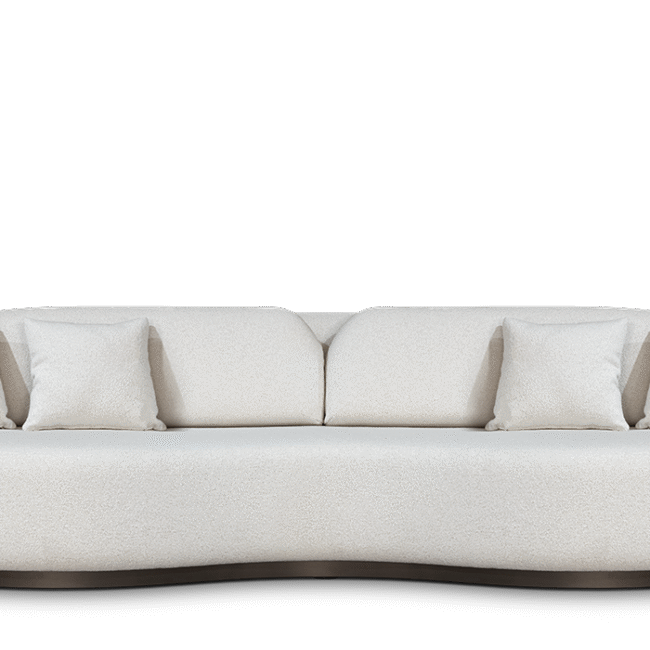
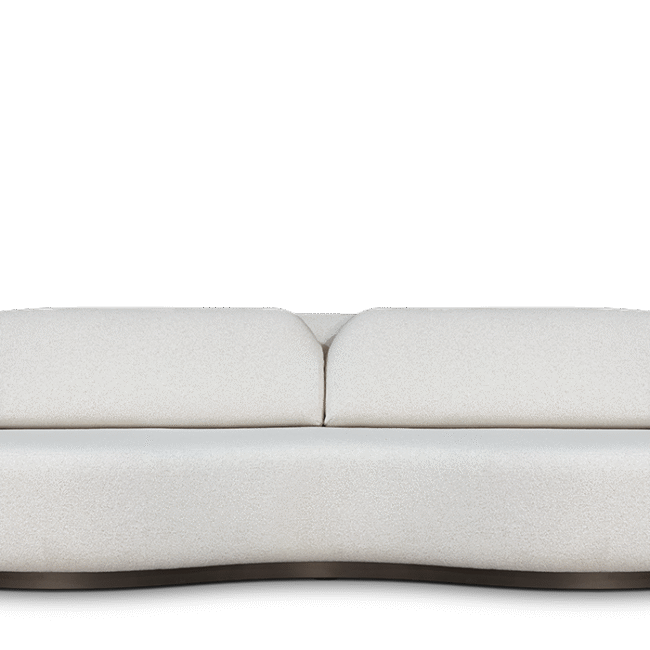
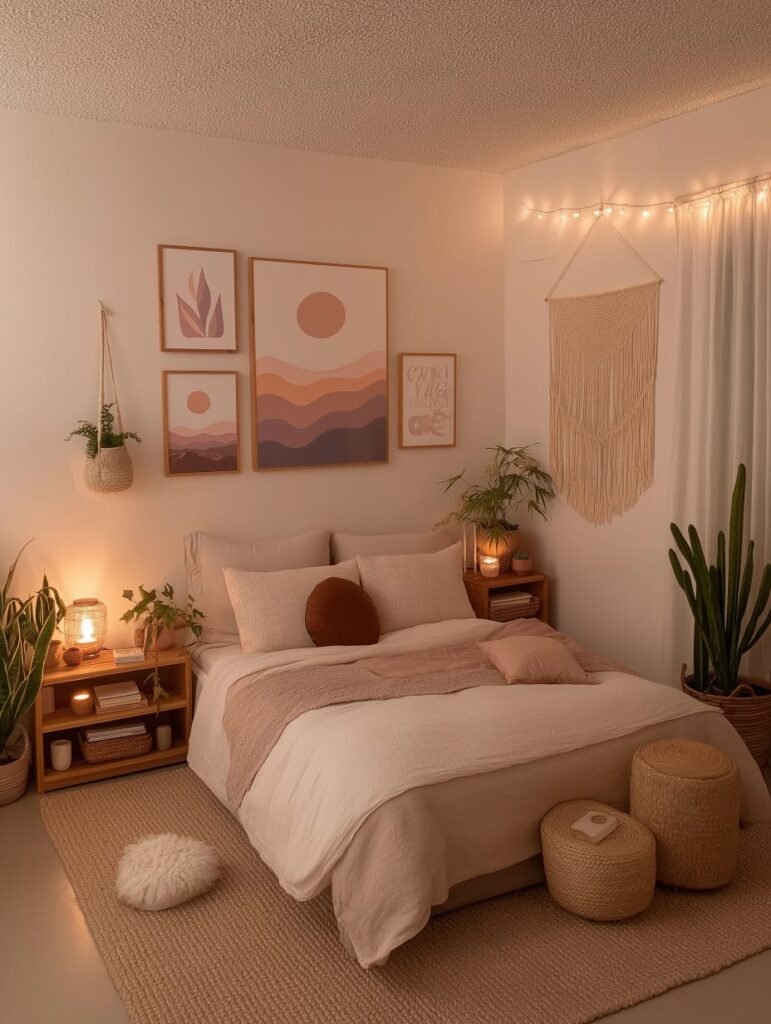
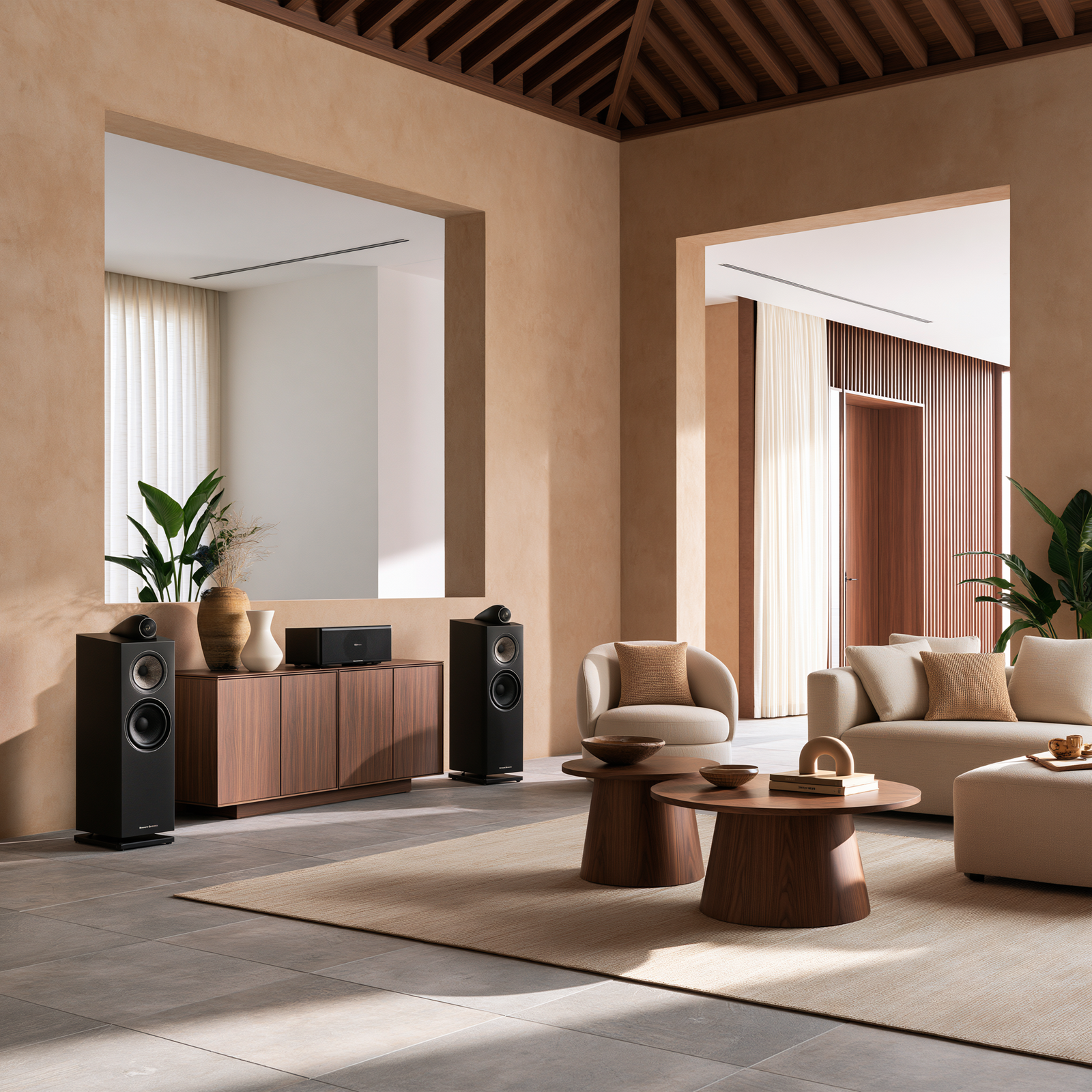
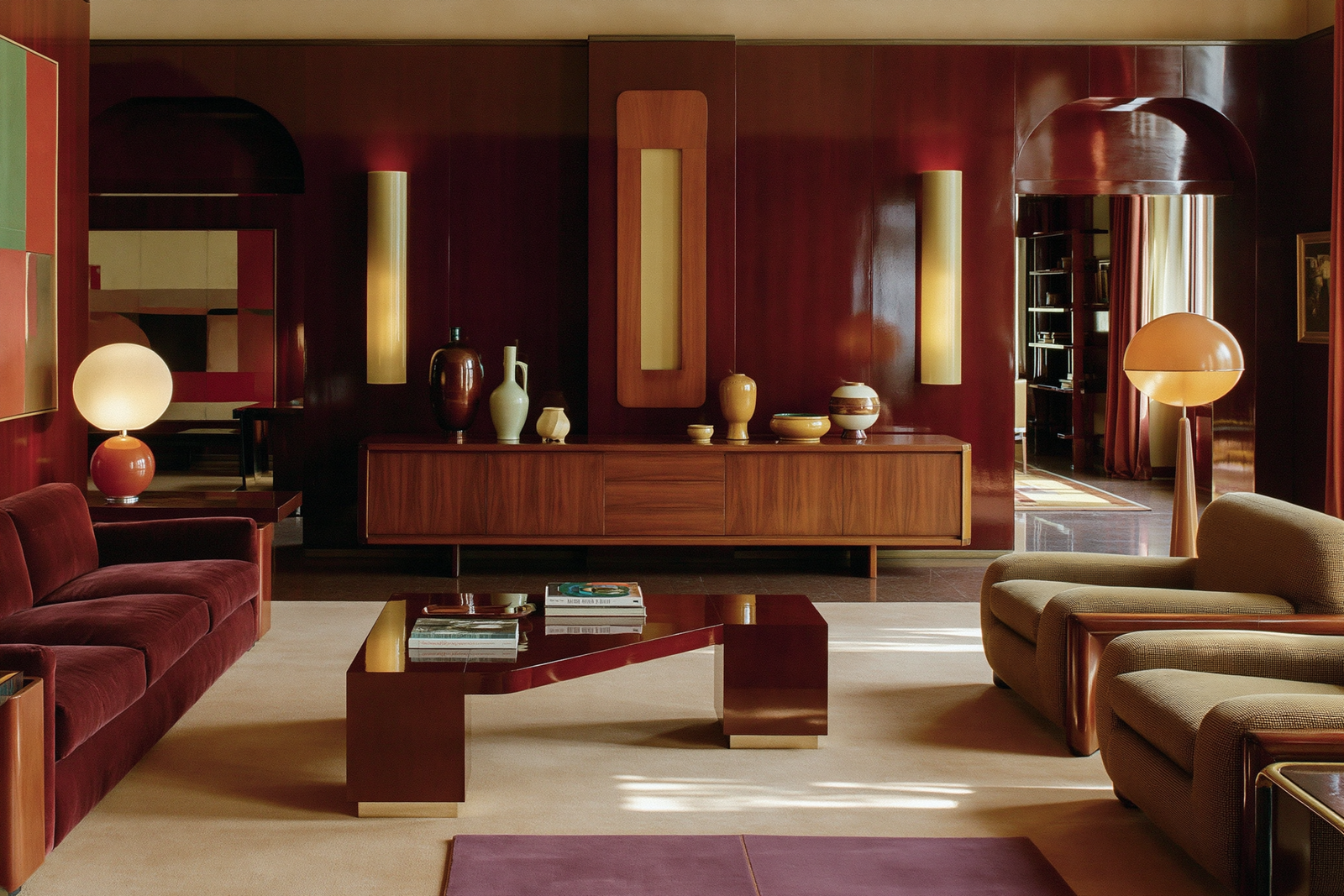
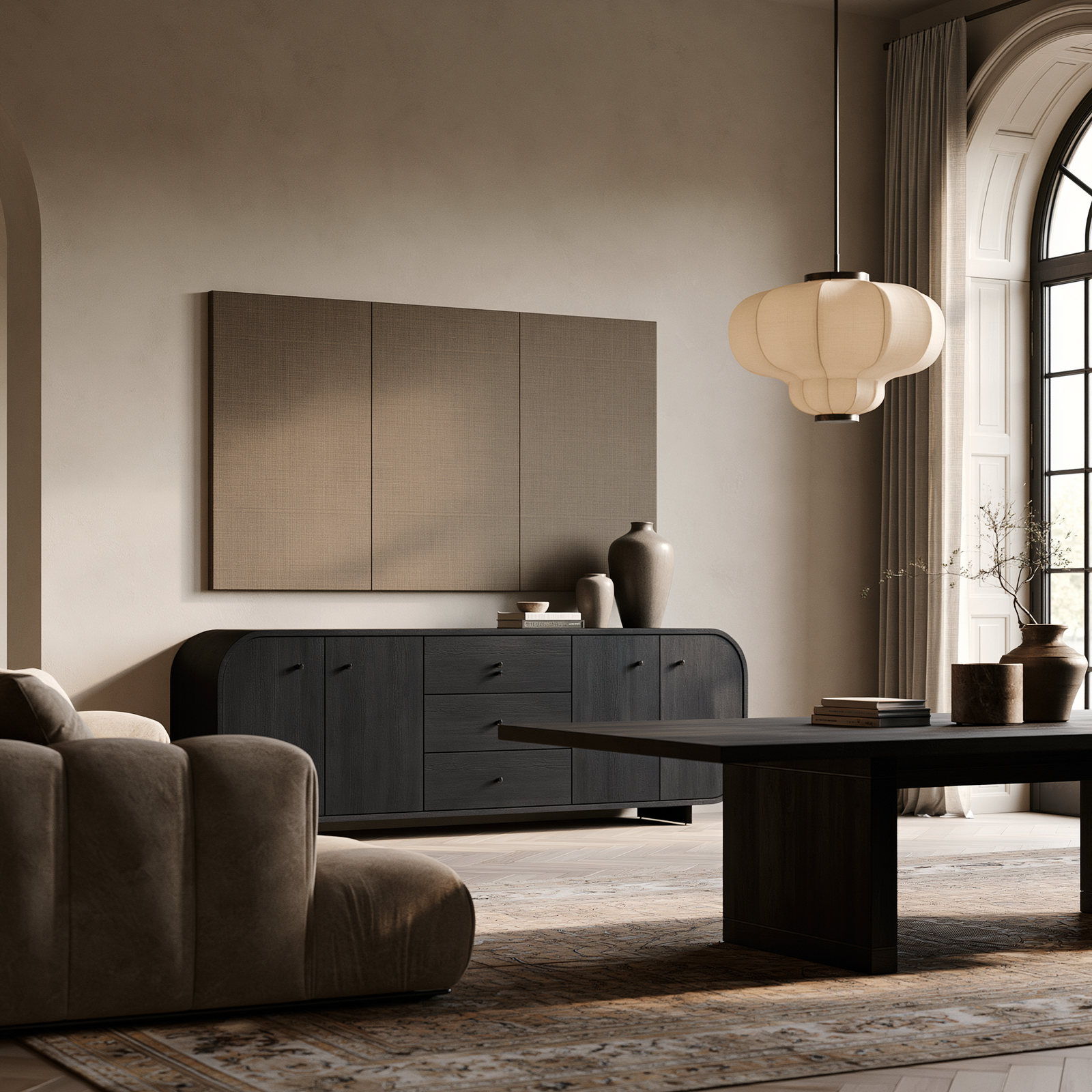
Let’s be honest: the TikTok aesthetic has turned our homes into algorithmic echo chambers. Scroll through your For You Page for five minutes, and you’ll see the same cloud couch in seventeen different apartments, identical neon signs proclaiming “Good Vibes Only,” and enough LED strip lighting to guide aircraft safely to landing.
What started as design inspiration has devolved into a homogenizing force that makes every bedroom look like it was furnished by the same Amazon wishlist, every living room staged for content rather than living, and every kitchen organized for views rather than actual cooking. The TikTok aesthetic has fundamentally changed how people approach home design.
The TikTok aesthetic isn’t just aesthetically questionable—it’s fundamentally reshaping how we think about our homes, and not for the better. Unlike organic design movements that evolved through decades of cultural shifts, thoughtful innovation, and genuine aesthetic exploration, the
TikTok aesthetic operates on a completely different logic: the logic of virality. It rewards instant visual impact over longevity, replicability over originality, and trend participation over personal expression. The algorithm doesn’t care if your acrylic coffee table will crack in six months or if your “dopamine decor” gives you a headache. It cares about engagement, and engagement demands novelty, which demands constant consumption, which demands that you treat your home like a film set that needs refreshing every season. The TikTok aesthetic thrives on this cycle of perpetual reinvention.
Here’s what nobody tells you about the TikTok aesthetic: it’s expensive, exhausting, and environmentally catastrophic. Chasing viral trends means constantly replacing perfectly functional furniture, accumulating decorative objects you don’t actually like, and spending money on mass-produced items that will be embarrassing in two years.
It’s fast fashion for your living room, complete with the same quality issues, ethical concerns, and disposability crisis. And perhaps most insidiously, it trains you to distrust your own taste, to second-guess your instincts, and to seek validation from an algorithm that profits from your insecurity.
This isn’t an anti-technology manifesto or a call to abandon social media entirely. TikTok has democratized design knowledge, made interior inspiration accessible, and built communities around home improvement that simply didn’t exist before. But there’s a difference between finding inspiration and outsourcing your entire aesthetic to whatever the algorithm is pushing this week.
There’s a difference between incorporating a trend you genuinely love and buying into a packaged identity because everyone else has. And there’s a massive difference between designing a home that works for your actual life and creating a backdrop optimized for content creation.
So let’s talk about the specific TikTok aesthetic trends that are actively making homes worse in 2026—and more importantly, what to do instead.
The TikTok aesthetic loves LED strip lights with a passion that borders on pathological. Purple underglow beneath floating beds. Color-changing strips outlining every architectural feature. RGB lights synchronized to music, creating what can only be described as a nightclub experience in spaces meant for sleep, work, or literally any activity that doesn’t involve bottle service. LED strip lighting has become the visual signature of the TikTok aesthetic.
What It Is
LED strip lighting has become the most ubiquitous element of the TikTok aesthetic, appearing in bedroom makeovers, “aesthetic room tours,” and gaming setup videos with alarming frequency. The typical installation involves adhesive RGB strips placed behind headboards, under desks, around mirrors, along baseboards, and sometimes—horrifyingly—on the ceiling. The lights cycle through colors like a perpetual mood ring, often controlled by smartphone apps that promise “16 million color options” as though that’s something anyone needs or wants.
Why It’s Problematic
Let’s start with the obvious: LED strips are not ambient lighting. They’re task lighting being forced into a role they’re fundamentally unsuited for. Proper ambient lighting should be diffused, warm, and human-scaled. LED strips are harsh, cold (even when set to “warm white”), and create strange shadows that make spaces feel disconnected and artificial. The colored options are worse—purple underglow doesn’t make your room “aesthetic,” it makes it look like a computer case, because that’s literally where this lighting trend originated.
But beyond aesthetics, there’s a functionality problem. These lights are almost always too bright for actual relaxation and too dim for actual tasks. They exist in a liminal zone of lighting that serves no practical purpose except looking interesting in a 15-second video. Try reading a book by purple LED underglow. Try applying makeup in a bathroom where the only lighting is color-changing strips. It doesn’t work.
The quality issue is significant too. Most viral LED strips are cheap, with adhesive that fails within months, uneven color distribution, and electrical components that aren’t rated for continuous use. The TikTok aesthetic encourages buying $15 strips from Amazon rather than investing in actual lighting design, which means you’re replacing them constantly while never actually improving the lighting in your space.
Why People Fall for It
The appeal is obvious: LED strips provide instant transformation at low cost. Stick them up, plug them in, and suddenly your room looks “different,” which the algorithm reads as “content-worthy.” There’s also a psychological component—colored lighting feels futuristic, customizable, and personal in a way that standard lighting doesn’t. When you’re young, renting, and can’t make permanent changes, LED strips offer a sense of control over your environment.
The virality mechanics reinforce this. Videos with dramatic before-and-afters perform well, and nothing creates that contrast like going from standard lighting to RGB underglow. The comments fill with “link?” requests, the poster shares their Amazon affiliate link, and the cycle perpetuates.
Why It Will Age Poorly
Colored LED lighting is this generation’s black light poster. In three years, you’ll look at photos of your purple-lit bedroom the way millennials now cringe at their 2000s-era rooms with lime green accent walls and inflatable furniture. The TikTok aesthetic’s obsession with RGB lighting will date these spaces immediately, creating a timestamp as clear as wood paneling screams “1970s.”
There’s also the replacement cost to consider. Those $15 strips fail constantly, meaning you’re spending $60+ per year maintaining lighting that was supposed to be a one-time purchase. Compare that to a quality floor lamp that will last decades, and the budget argument for LED strips collapses entirely.
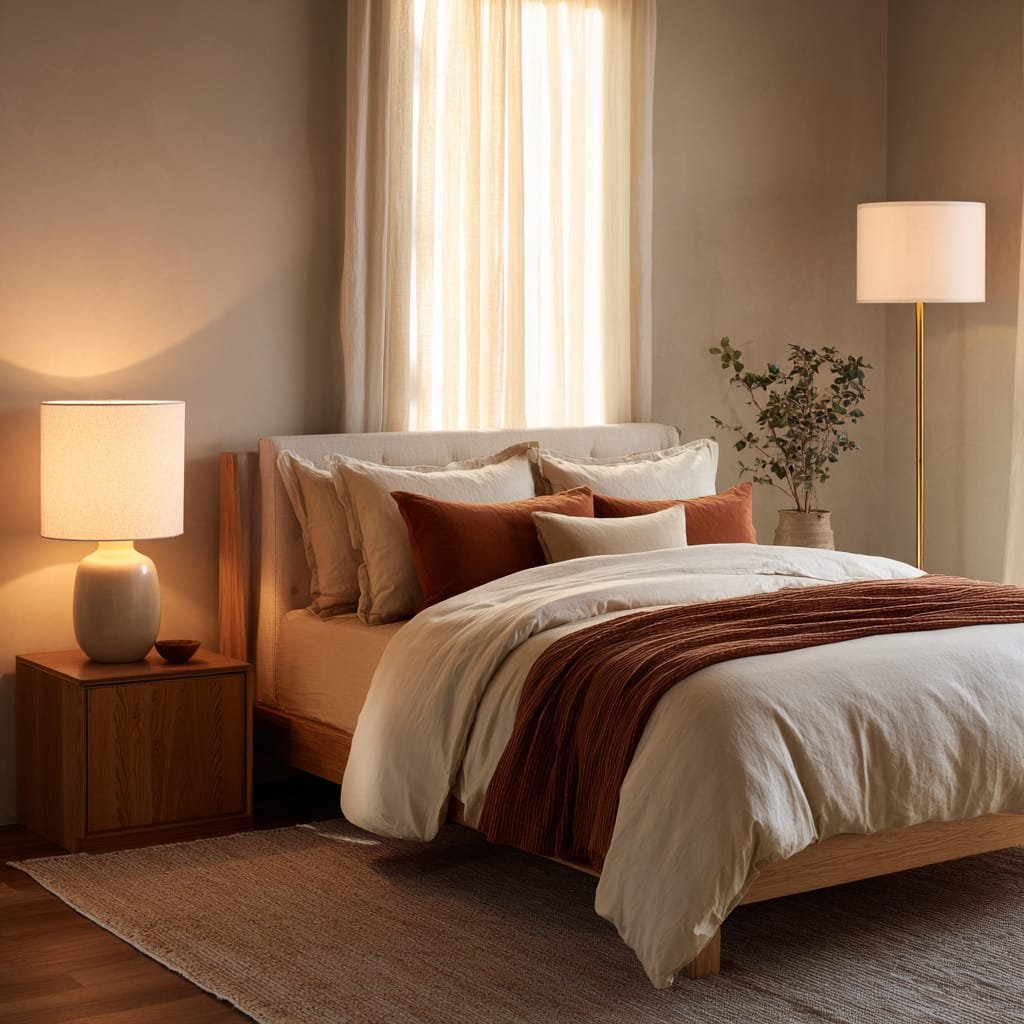
If you want customizable, atmospheric lighting that won’t make your room look like an esports arena, invest in actual lighting design. Start with warm-toned (2700K-3000K) ambient lighting from overhead fixtures or floor lamps. Add task lighting where you actually perform tasks—reading lights by the bed, desk lamps for work, vanity lighting in the bathroom. Use dimmer switches or smart bulbs if you want adjustability, but keep the color temperature in the warm white range.
For accent lighting that creates actual ambiance, consider:
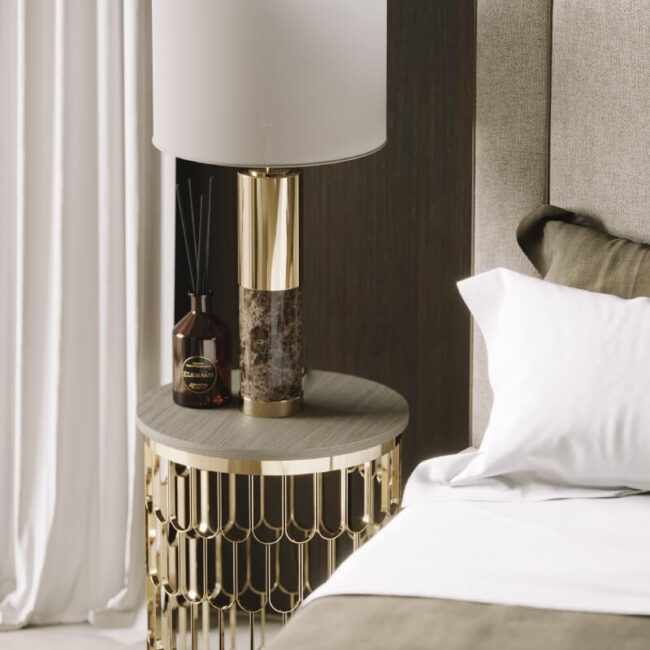
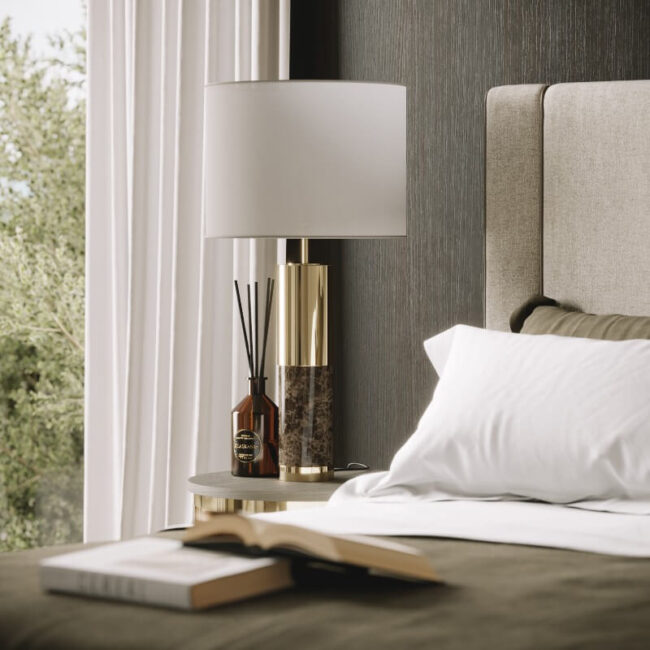
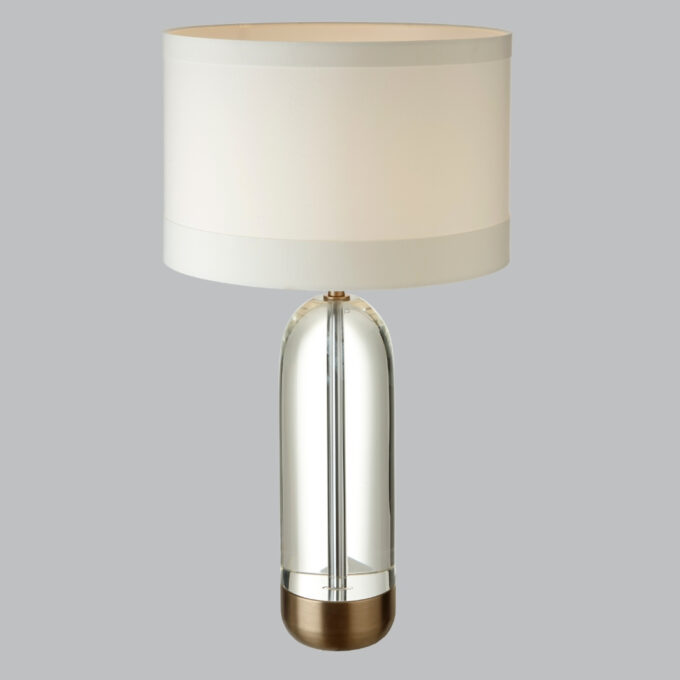
- Quality table lamps with fabric shades that diffuse light beautifully and cost $50-150 for pieces that last years
- Wall sconces that create layered lighting and architectural interest without requiring electrical work (plug-in versions exist)
- String lights with Edison bulbs if you must have that glow, but use them sparingly—as an accent, not as your primary light source
- Himalayan salt lamps or candles for warm ambient glow that actually promotes relaxation rather than disrupting it
The key is thinking about lighting in terms of function and mood, not content potential. Ask yourself: “Will this help me see what I’m doing?” and “Does this create the feeling I want in this space?” If the answer is no, put down the LED strips.
-

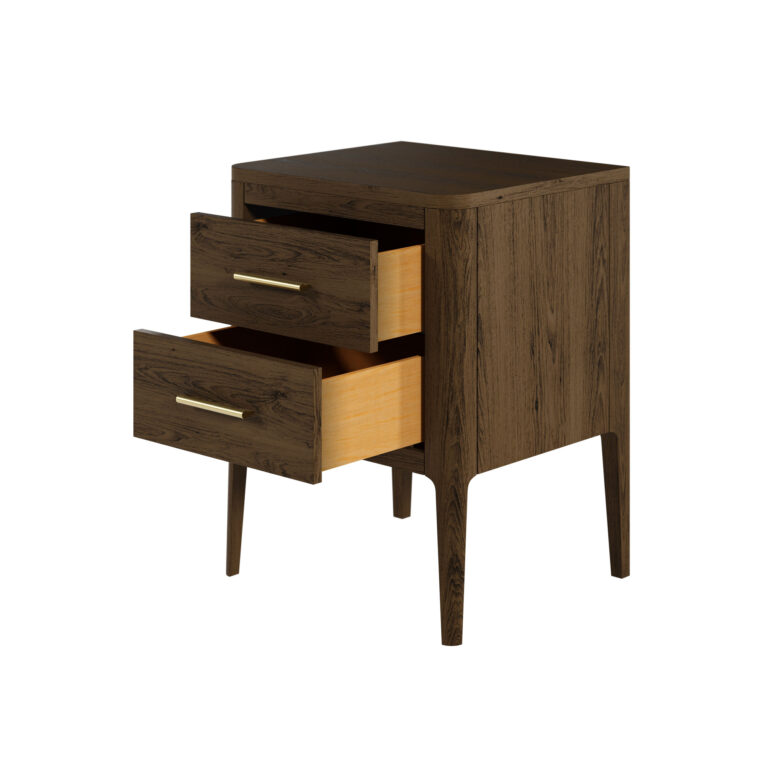
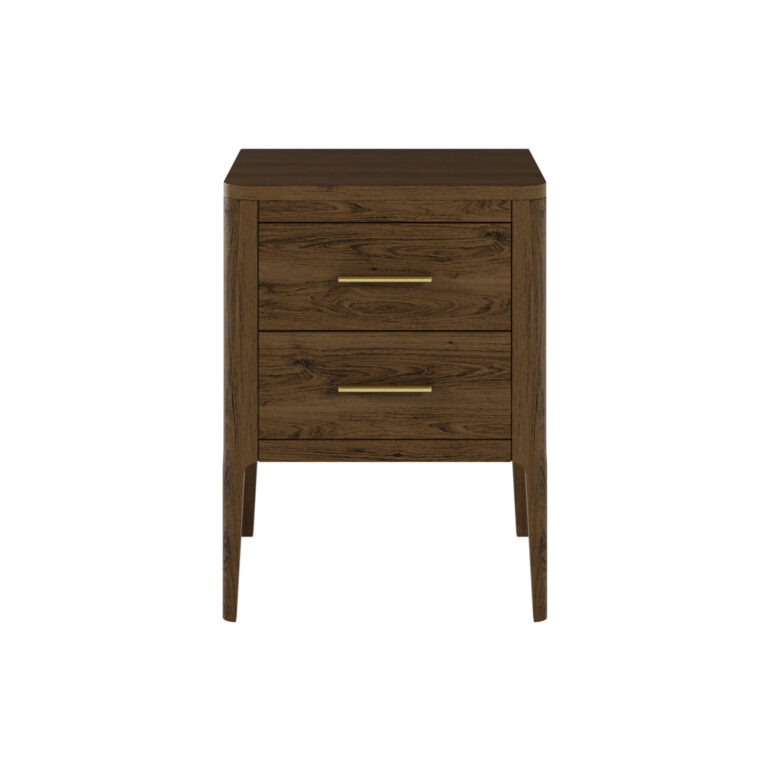
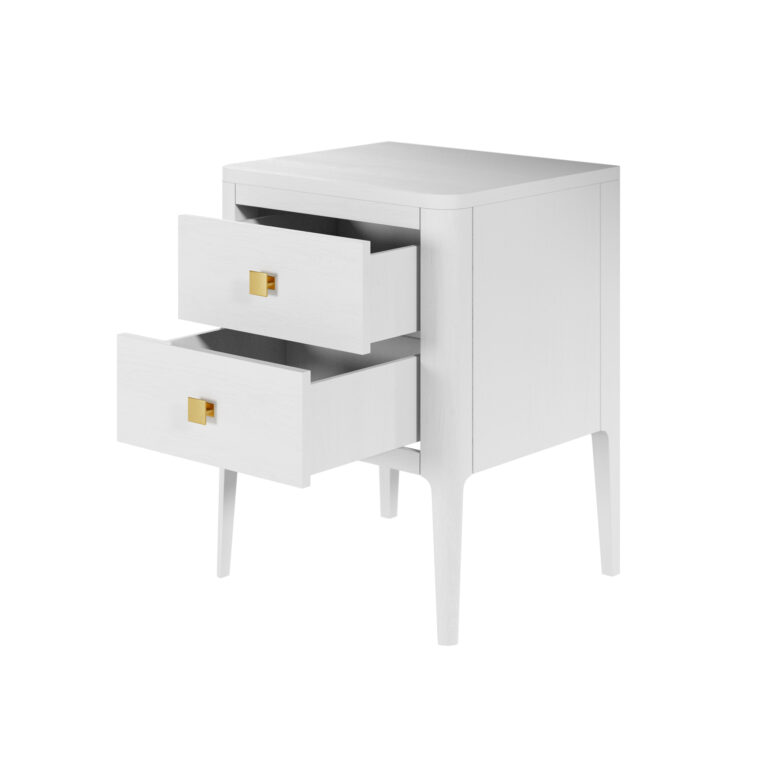
Abberley Bedside | Brown
£464 Add to cart -

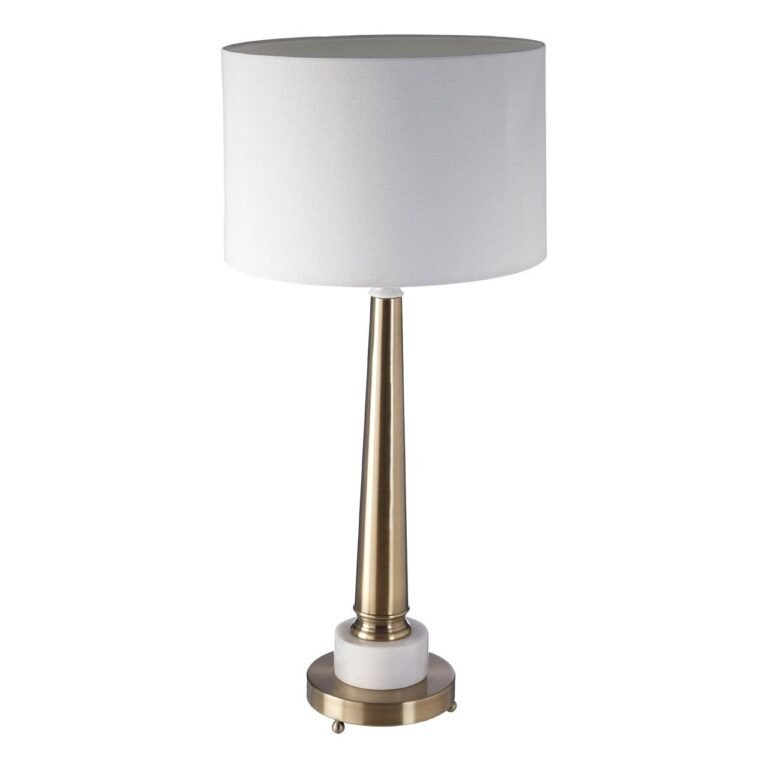
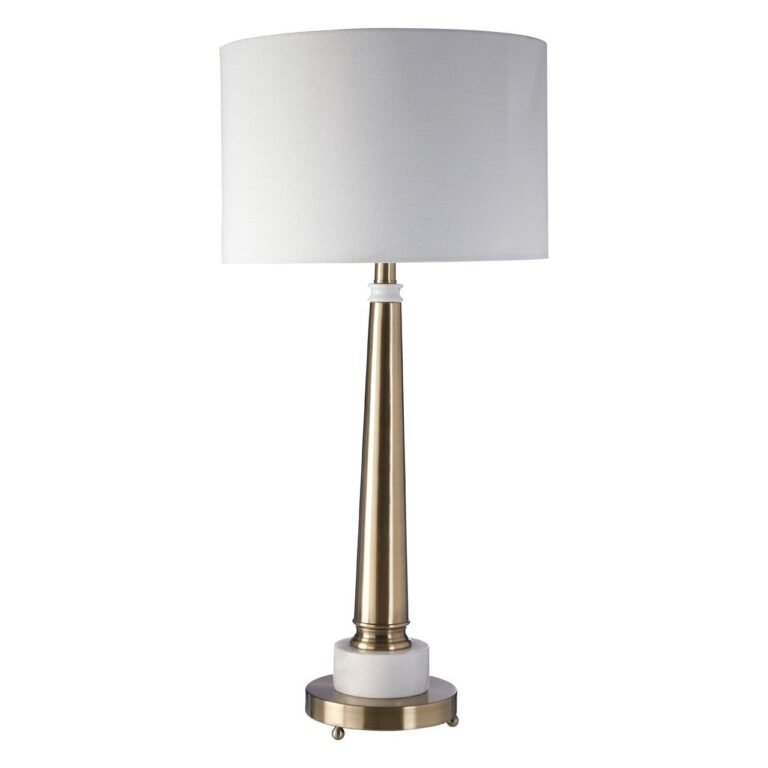
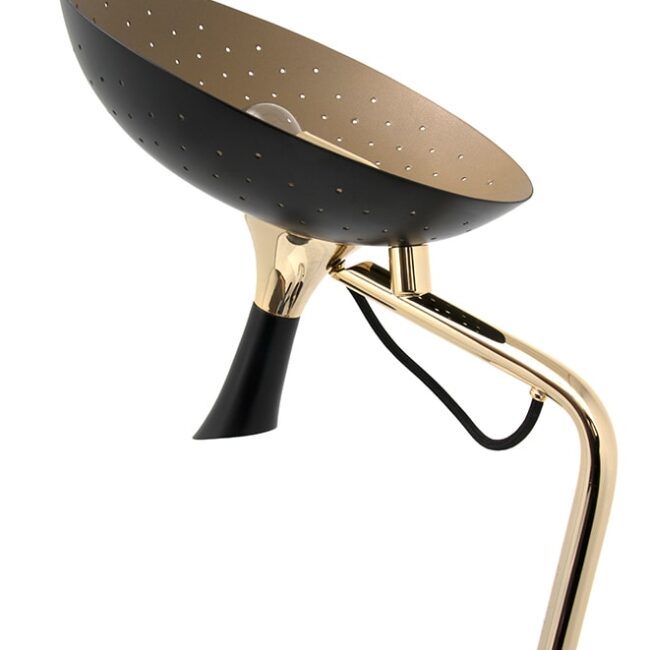
Airo Table Lamp
£194 Add to cart -

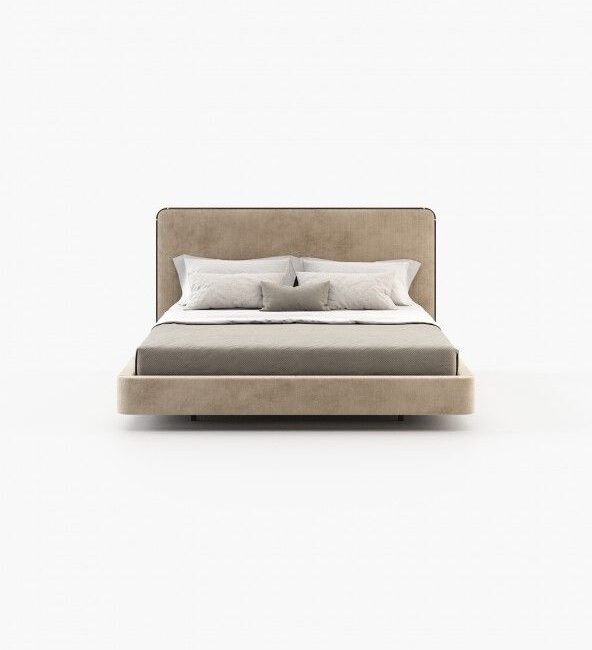
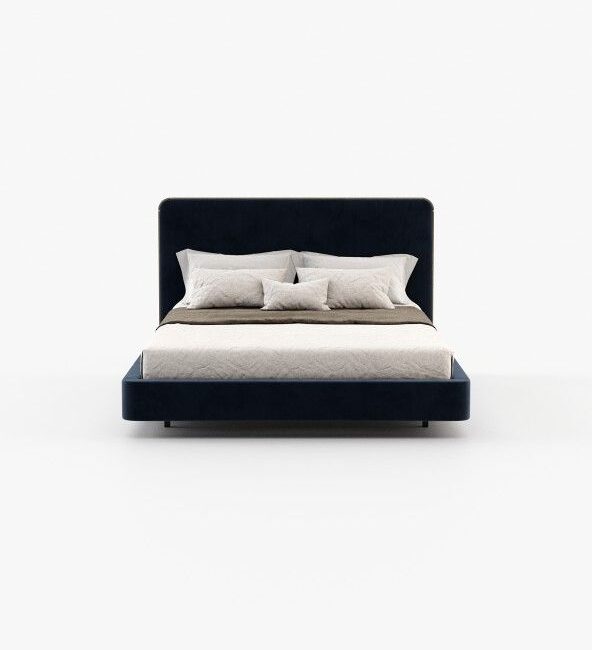
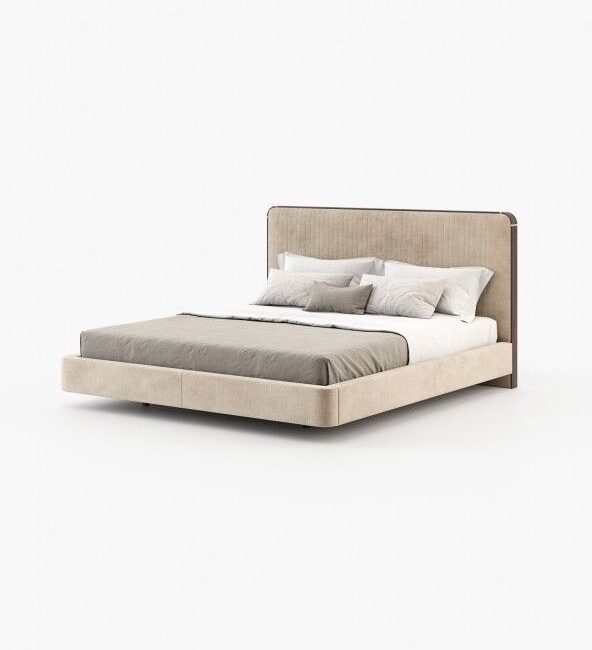
Corin bed
£6,332 – £8,940Price range: £6,332 through £8,940 Select options This product has multiple variants. The options may be chosen on the product page
The TikTok aesthetic has normalized buying furniture the same way you buy a t-shirt—fast, cheap, and with full expectation that it’ll be replaced in a season or two. Entire TikTok genres are devoted to “Amazon Home Finds,” “Budget Bedroom Makeovers Under $200,” and “Affordable Dupes for Expensive Furniture,” all of which encourage treating furniture as disposable decor rather than long-term investment.
What It Is
Fast fashion furniture is the particleboard nightmare fueling the TikTok aesthetic’s constant makeovers. These are pieces designed to look good in photos and last approximately three months of actual use. The viral cloud couch that costs $400 instead of $4,000 but uses foam that compresses into pancakes within weeks. The acrylic coffee table that looks like a Kartell dupe until you actually put weight on it. The “velvet” accent chair that’s actually polyester over compressed cardboard, held together by staples and prayer.
These pieces dominate TikTok home content because they photograph well and hit a price point that makes constant refreshing seem feasible. The algorithm loves them because they enable endless makeover content—when your furniture falls apart every few months, you’ve got built-in content opportunities for the next purchase.
Let’s do the math on a viral example: the Amazon cloud couch. It costs roughly $400, which seems reasonable compared to a quality sofa at $2,000+. But here’s what actually happens: the foam compresses within 3-6 months, the fabric pills immediately, the frame starts sagging around month 8, and by year two you’re shopping for a replacement. You’ve now spent $800 on two sofas that lasted 24 months combined. A $2,000 quality sofa would have lasted 10-15 years minimum, giving you a per-year cost of $133-200 versus $400 for the fast furniture approach.
The quality issues extend beyond durability. Fast fashion furniture is almost universally uncomfortable, poorly proportioned, and badly constructed. Those viral “aesthetic” pieces prioritize visual impact over ergonomics, which means you’re sitting on furniture that looks good but feels terrible, supporting your body incorrectly, and creating physical discomfort in spaces meant for relaxation. The TikTok aesthetic prioritizes how furniture photographs over how it functions.
Environmental impact deserves its own paragraph. Fast furniture is an ecological disaster. It’s made from the cheapest possible materials (particleboard, low-grade foam, synthetic fabrics), shipped internationally (massive carbon footprint), used briefly (preventing any carbon payback from longevity), and disposed of in landfills where it won’t biodegrade (particleboard and synthetic materials sit forever). The TikTok aesthetic’s normalization of constant furniture cycling has created a generation comfortable with treating major purchases as temporary, which is environmentally catastrophic at scale.
Why People Fall for It
The appeal is pure economics—or appears to be. When you’re furnishing your first apartment on a limited budget, $200 for a “good enough” couch seems infinitely more achievable than $2,000 for a quality one. The TikTok aesthetic reinforces this by showing endless examples of “budget friendly” makeovers where everything comes from Amazon, with affiliate links in bio and discount codes in the comments.
There’s also the experimentation argument: why invest in expensive furniture when you’re still figuring out your style? Fast fashion furniture positions itself as training wheels, pieces you can replace guilt-free as your taste evolves. This sounds reasonable until you realize your taste can’t evolve if you’re constantly replacing things before you’ve lived with them long enough to understand what actually works.
Why It Will Age Poorly
Fast furniture doesn’t age—it disintegrates. The pieces currently dominating the TikTok aesthetic won’t be embarrassing in three years because they won’t exist in three years. They’ll be in landfills, replaced by whatever viral furniture trend comes next, in an endless cycle of consumption that’s financially ruinous and aesthetically incoherent.
Even if the pieces survive, they’ll look dated fast. The cloud couch is already becoming a marker of a specific moment in interior design, recognizable the way bean bag chairs scream “2000s dorm room.” When everyone has the same viral piece, that piece stops being aesthetic and starts being a cliché.
The Better Alternative
The solution isn’t to immediately spend thousands on furniture, it’s to completely reframe how you approach furnishing your home. Stop thinking of furniture as something you buy new, all at once, from a single source. Start thinking of it as something you accumulate over time, mixing vintage finds, quality new pieces, and strategic budget items.
Where to invest your budget:
- Seating: Sofas, chairs, and dining seating should be quality. These pieces support your body for hours daily; buy the best you can afford
- Mattresses: Non-negotiable. Your health depends on quality sleep, and your sleep depends on a quality mattress
- Storage: Well-made dressers, shelving, and cabinets last decades and move with you through multiple homes
Where fast furniture is actually acceptable:
- Trendy small pieces: Side tables, decorative stools, and accent pieces that you might want to swap out as your style evolves
- Temporary solutions: If you’re genuinely in a transitional situation (temporary housing, expecting to move soon), budget pieces make sense
- Kids’ furniture: Children destroy furniture regardless of quality; save your money until they’re past the destructive phase
The smarter acquisition strategy:
- Buy secondhand first: Facebook Marketplace, Craigslist, estate sales, and thrift stores are full of solid wood furniture that’s outlasted multiple owners and will outlast you too
- Invest incrementally: Buy one quality piece per year rather than furnishing everything at once with cheap alternatives
- Ask for furniture as gifts: Boring but effective—turn birthdays and holidays into opportunities to acquire quality pieces
- Research before buying: Read actual reviews (not just Amazon ratings), check construction methods, and verify return policies
The goal is a home furnished with pieces that will last, that you actually like (not just algorithmically approved), and that won’t need replacing every trend cycle.
-

Alia Yin-Yang Stainless Steel Coffee Table
£1,082 Add to cart -

Decker Sofa
£13,605 – £31,529Price range: £13,605 through £31,529 Select options This product has multiple variants. The options may be chosen on the product page -
Sale

Joey Armchair
£570Original price was: £570.£536Current price is: £536. Add to cart
3. Aesthetic Labels as Personality Replacements
The TikTok aesthetic has spawned an entire taxonomy of micro-aesthetics: cottagecore, dark academia, coastal grandmother, clean girl, that girl, light academia, goblincore, grandmillennial, and approximately 847 others. What started as useful descriptive shorthand has become a shopping list, a personality quiz, and a path to packaged identity that requires zero introspection or personal taste development. Within the TikTok aesthetic ecosystem, these labels function as both identity markers and purchasing guides.
What It Is
Aesthetic labeling on TikTok functions like sorting houses in Harry Potter, except instead of magical destiny, you’re determining which mass-produced decor items you’re supposed to buy. Decide you’re “cottagecore,” and suddenly your entire home requires gingham prints, dried flowers, vintage teacups, and soft linens. Identify as “dark academia,” and you’re shopping for leather-bound books (unread), vintage globes, dark wood furniture, and moody lighting. Each aesthetic comes with a precise visual formula, a specific shopping list, and an algorithmic promise that buying these items will grant you the personality the aesthetic represents.
The TikTok aesthetic encourages treating these labels not as inspiration or starting points, but as complete identities to purchase and perform. Entire accounts exist solely to curate shopping links for specific aesthetics, creating a direct pipeline from “I like this vibe” to “here’s everything you need to buy to become this vibe.”
Why It’s Problematic
Aesthetic labels replace the messy, slow, rewarding work of developing personal taste with algorithmic paint-by-numbers. Instead of living in your space, noticing what brings you joy, observing which colors make you feel calm or energized, and slowly curating a home that reflects your actual personality, you’re downloading someone else’s fully formed aesthetic and implementing it wholesale.
This creates homes that feel performative rather than personal. Every element exists because it checks a box on the aesthetic checklist, not because you love it or need it or even particularly like it. You’ve got the vintage typewriter because dark academia requires vintage typewriters, not because you write or collect typewriters or have any relationship with typewriters whatsoever. You’ve covered your walls in botanical prints because cottagecore demands it, not because you’re particularly interested in botany.
The financial trap is significant too. Each aesthetic requires specific items, which means switching aesthetics (as people inevitably do) requires replacing entire categories of possessions. The TikTok aesthetic encourages treating this as normal—”my new vibe,” “aesthetic change-up,” “redecorating my room again”—but it’s just fast fashion thinking applied to your entire living space.
There’s also an authenticity issue. These aesthetics are often based on idealized, often historically dubious versions of lifestyles that were themselves complex and context-dependent. “Dark academia” romanticizes elite educational privilege. “Cottagecore” aestheticizes rural poverty. “Coastal grandmother” is literally just expensive taste marketed as accessible aesthetic. You’re not developing a personal style; you’re buying into someone else’s fantasy, usually one that ignores the actual complexity of the thing being aestheticized.
Why People Fall for It
The appeal is the same appeal of personality quizzes, astrological signs, and Myers-Briggs types: they offer identity and community with minimal effort. In a fragmented, overwhelming world, being able to say “I’m cottagecore” and immediately know what that means, find other people who identify the same way, and access a ready-made style guide is deeply comforting.
There’s also the paralysis of choice. When you can decorate your home any way imaginable, where do you even start? Aesthetic labels solve this by narrowing options to a manageable set. Instead of infinite choice, you’ve got a curated list of “cottagecore-approved” items. It’s decision-making outsourced to the algorithm.
The virality mechanics reward this too. Videos showing “aesthetic transformations”—before shots of normal rooms, after shots perfectly matching an aesthetic label—perform incredibly well. The comments fill with “what aesthetic is this?” and “I need this vibe,” creating a feedback loop where people discover aesthetics through viral content and then create their own transformation content, perpetuating the cycle.
Why It Will Age Poorly
Aesthetic labels are already starting to feel dated because the whole concept is inherently trend-driven. “Cottagecore” had a peak moment during pandemic lockdown, when people craved pastoral fantasies and comfort. As we move further from that context, the aesthetic will feel increasingly tied to a specific moment, the way “shabby chic” now screams “2000s” or “industrial” screams “2010s.”
More fundamentally, homes decorated purely to match aesthetic labels lack the depth and personality that make spaces interesting long-term. They’re all surface, no substance—Pinterest boards made physical. When you return to these spaces in photos five years from now, you’ll see not a reflection of who you were, but a reflection of what was trending.
The Better Alternative
Instead of picking an aesthetic and buying everything associated with it, use aesthetic labels as inspiration only. Create a more thoughtful approach:
Develop actual personal taste:
- Save images you genuinely love, not images that match an aesthetic you think you should have
- Notice patterns in what you save—colors, textures, shapes, moods—these patterns reveal your actual preferences
- Try things in your space before committing—live with a color sample, borrow a friend’s plant, test whether you actually like dried flowers or just like the idea of them
Mix and match across aesthetics:
- Your home can have dark wood furniture (dark academia) AND plants (cottagecore) AND modern art (contemporary minimalism) if those are things you actually like
- The goal is coherence, not purity—a space can feel cohesive without matching a single aesthetic label
- Real personal style is always hybrid, always specific to you, always a little weird and un-categorizable
Prioritize meaning over matching:
- One piece you inherited from a family member or found on a memorable trip is worth more than ten pieces purchased to complete an aesthetic
- Objects with stories create homes with depth
- The things that won’t fit any aesthetic category are often the most interesting
Build slowly and intentionally:
- You don’t need to “complete” an aesthetic
- Homes should evolve as you evolve
- Half-furnished is better than fully furnished with things you don’t care about
The goal is a home that reflects your actual personality—messy, multifaceted, evolving—not a label you picked from TikTok.
4. Over-Styled "Shelfies" and Performative Organization
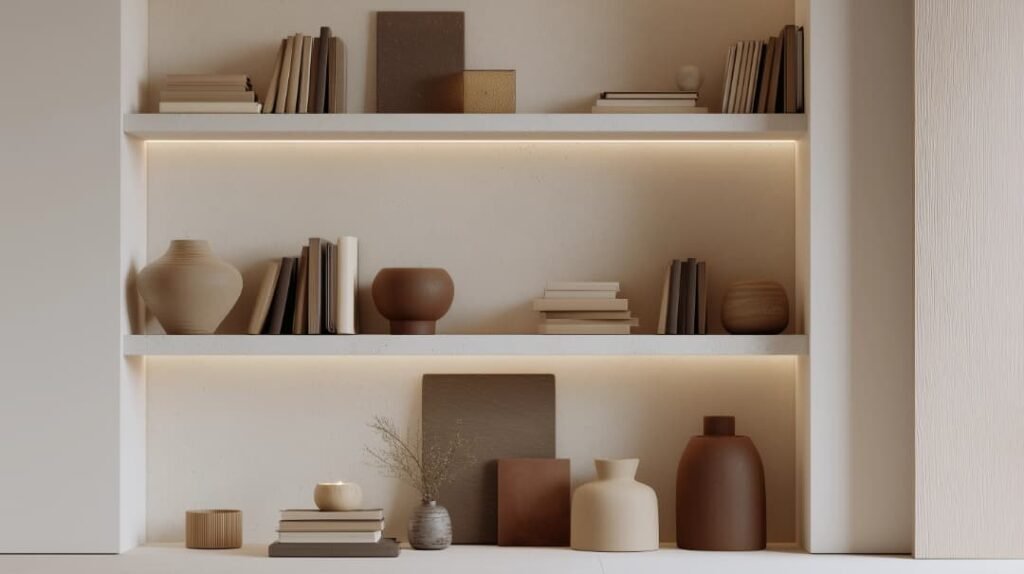
The TikTok aesthetic has transformed functional storage into content opportunities, creating the “shelfie”—shelving arrangements that exist purely for aesthetic documentation rather than actual use. Books are arranged by color but unread. Matching containers hold nothing. Carefully staged vignettes make accessing stored items impossible. It’s organization theater, and it’s making homes less functional while convincing people this is somehow aspirational.
What It Is
Shelfies are the TikTok aesthetic’s take on open shelving, where every visible shelf becomes a carefully curated display optimized for camera angles. The formula is consistent: books arranged by color (spine out if the covers match the aesthetic, spine in if they don’t), interspersed with decorative objects (usually matching candles, small plants, or sculptural pieces), often including fake books or books bought purely for their covers. The TikTok aesthetic has transformed shelves from storage into stage sets. The goal is visual impact, not usability.
This extends to “aesthetic organization” videos showing pantries, fridges, and closets transformed into matching-container wonderlands. Everything gets decanted into identical clear containers, labeled with aesthetic fonts, arranged in perfect symmetry. It looks beautiful in a 30-second video and becomes completely impractical within a week of actual use.
Why It's Problematic
Let’s start with books. Arranging books by color makes them nearly impossible to find. Authors get separated, series get scattered, and any actual organization system (genre, author, read vs. unread) gets destroyed in favor of creating a rainbow gradient. This is aesthetics actively making your home less functional.
The “books spine in” trend is even worse—it’s literally rendering your books unidentifiable, turning them into decorative blocks that could be anything. And the inclusion of fake books—hollow decorative spines purchased purely to fill shelves—represents peak TikTok aesthetic dysfunction: buying objects that look like functional objects but serve no purpose except looking like functional objects.
The matching container problem deserves its own critique. Those beautiful pantries with every ingredient in matching glass containers? They’re creating work, not eliminating it. You’re now doing two-step storage: transferring from original packaging to aesthetic containers, which means more dishes to wash, more time spent organizing, and—crucially—losing the actual product information, cooking instructions, and expiration dates that were on the original packaging. You’ve made your pantry prettier and significantly less functional.
Environmental issues compound here. All those matching containers are purchased specifically for this aesthetic trend, creating demand for products you don’t actually need. The plastic waste from decanting products, the packaging from buying organizational products, the disposal of perfectly functional original containers—it adds up to significant environmental cost for purely visual benefit.
Why People Fall for It
The appeal is control and perfectionism. In an overwhelming, chaotic world, having one perfectly organized bookshelf or immaculate pantry feels like an achievable win. The TikTok aesthetic promises that if you just buy the right containers, the right labels, the right organizational system, your life will be as aesthetic as these videos.
There’s also the productivity performance aspect. Showing your color-coded books or label-maker-perfect pantry signals that you have your life together, that you’re organized and intentional and in control. Never mind that these systems are impossible to maintain; the video makes you look competent, which is what matters for content.
The virality mechanics are straightforward: before-and-after organization content performs exceptionally well because it creates satisfying visual transformation. Messy shelf to perfect shelfie provides dopamine for viewers and engagement for creators.
Why It Will Age Poorly
These over-styled arrangements are high-maintenance systems that look perfect for photos and fall apart immediately with actual use. Take one book off the color-coded shelf and the whole rainbow is ruined. Use one ingredient from the matching containers and you’ve got a gap in the perfect symmetry. The TikTok aesthetic sets up domestic spaces as museums, which only works if you never actually live in them.
Functionally, people will abandon these systems. Color-coded books will get reorganized when you actually need to find something. Matching containers will get shoved to the back when you’re in a hurry and just toss the original package on the shelf. The perfect aesthetic crumbles under contact with real life, leaving you with a bunch of purchased organizational products that don’t actually organize anything.
The Better Alternative
Design storage and organization for actual use, with aesthetics as a secondary consideration:
For books:
- Organize in whatever way helps you find them—by author, by genre, by read/unread, by size if you’re genuinely just decorating with them
- Mix books with meaningful objects—a photo, a souvenir, a piece of art—to create displays that are personal, not just pretty
- Leave some empty space; books don’t need to fill every inch of shelf
- If you genuinely love the way color-organized books look and rarely need to find specific titles, that’s fine—but admit you’re decorating with books, not organizing them
For pantries and closets:
- Keep things in original packaging unless there’s a functional reason to decant (flour and sugar make sense in sealed containers; pasta does not)
- Use clear containers only for items where you need to see quantity at a glance
- Labels should increase usability, not just look aesthetic—make them legible, specific, and actually helpful
- Organize by use frequency: most-used items at eye level, occasional items higher or lower
- Accept that functional organization rarely looks perfectly symmetric
For general shelving:
- Mix functional storage with display: some shelves hold things you use, others hold things you love looking at
- Three-deep storage is fine; not everything needs to be visible and styled
- Empty space is valuable—it makes spaces feel calm and makes finding things easier
- Rotate displayed items seasonally if you want freshness without constant purchasing
The goal is organization that serves your life, not content that performs organization.
-

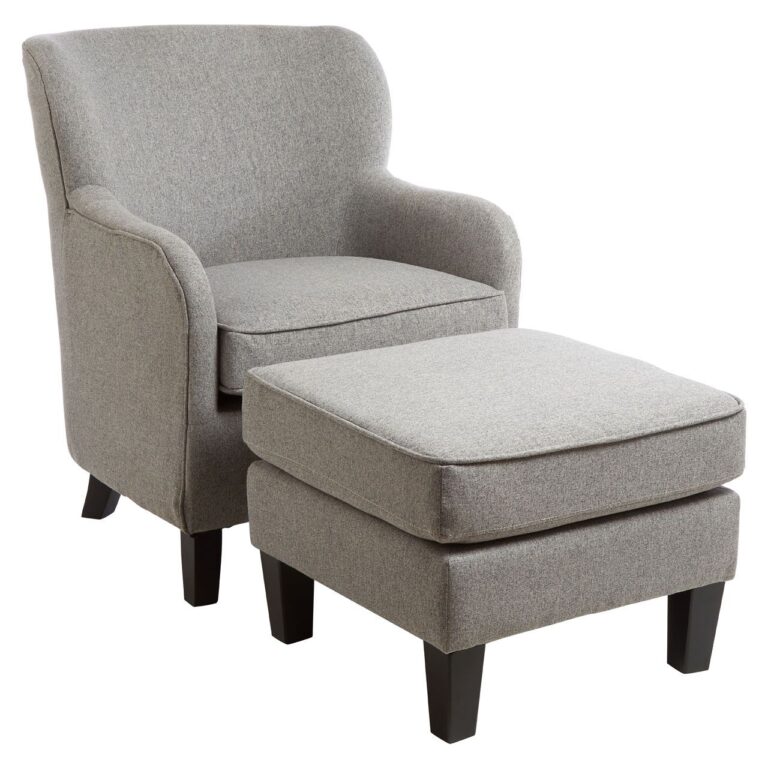
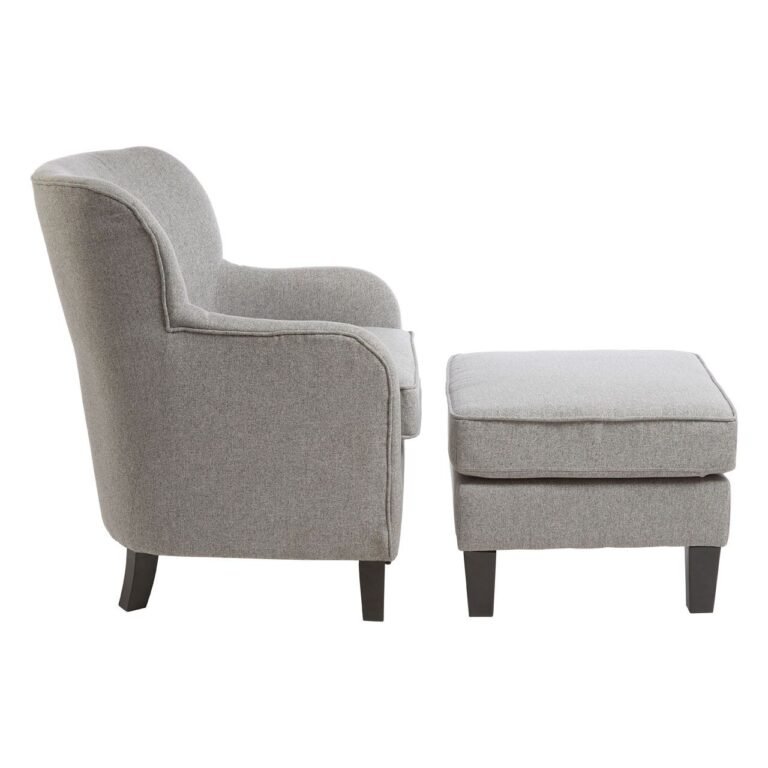
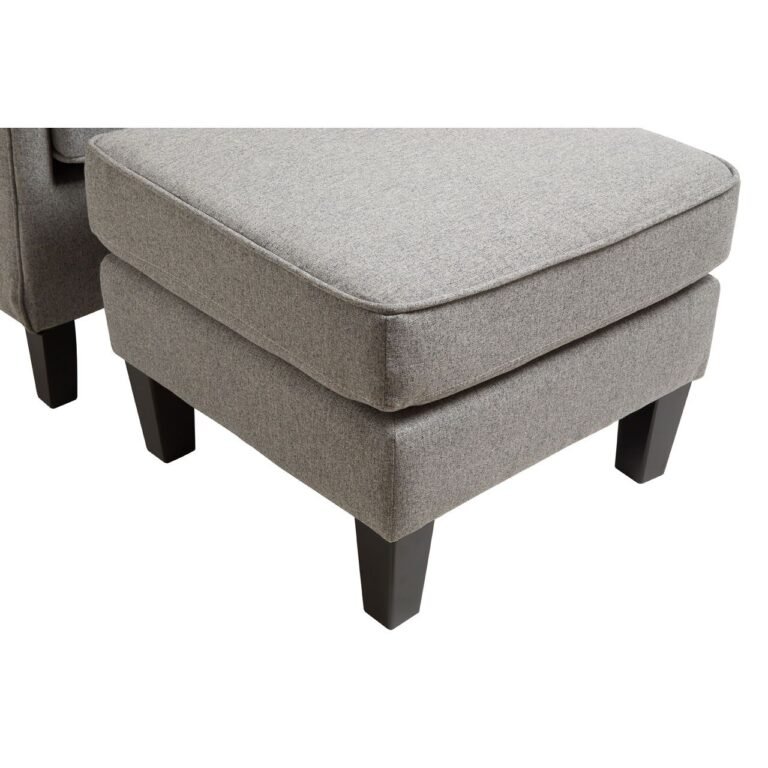
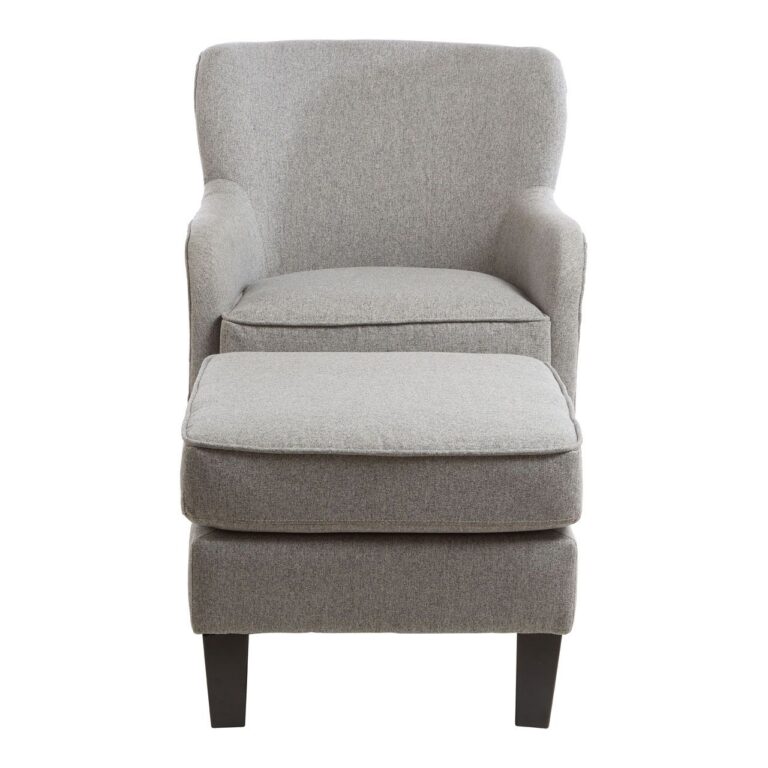
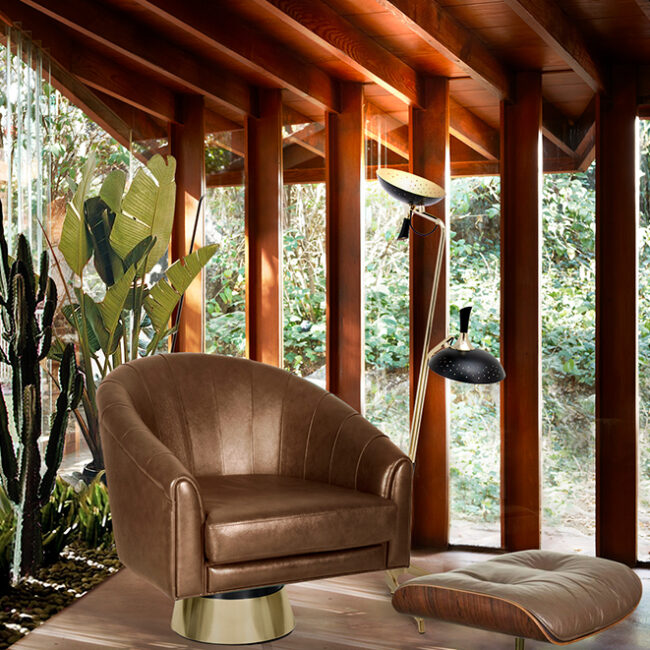
Adence Grey Fabric Chair & Footstool
£544 Read more -

Decker Sofa
£13,605 – £31,529Price range: £13,605 through £31,529 Select options This product has multiple variants. The options may be chosen on the product page -

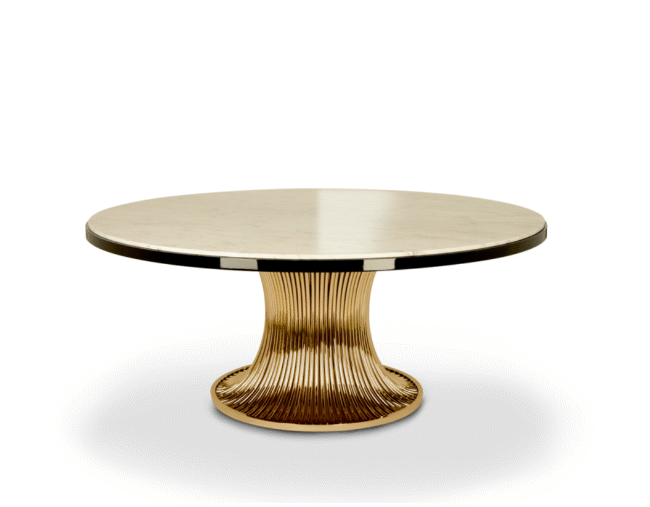
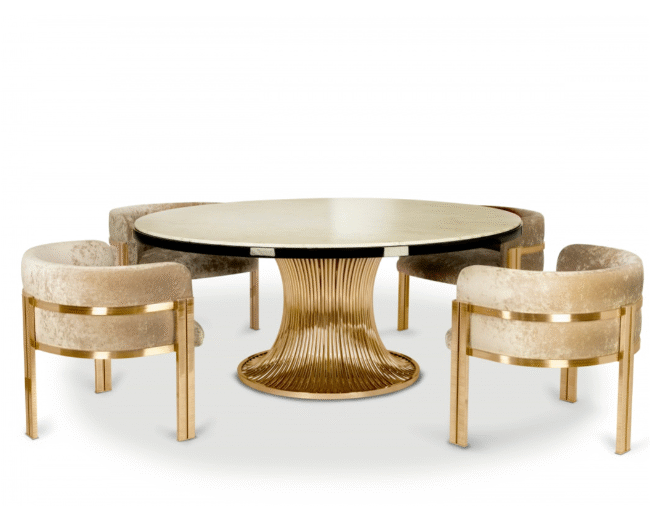
Flusso Round Dining Table
£14,232 – £15,360Price range: £14,232 through £15,360 Select options This product has multiple variants. The options may be chosen on the product page
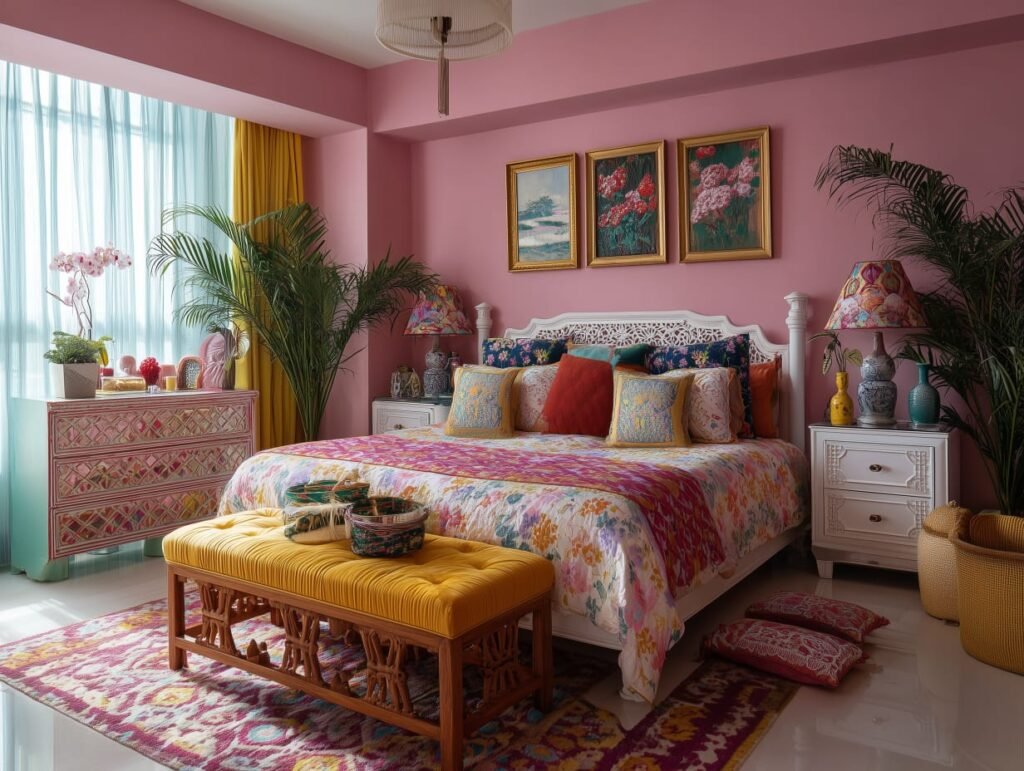
5. Maximalist Chaos Masquerading as "Dopamine Decor"
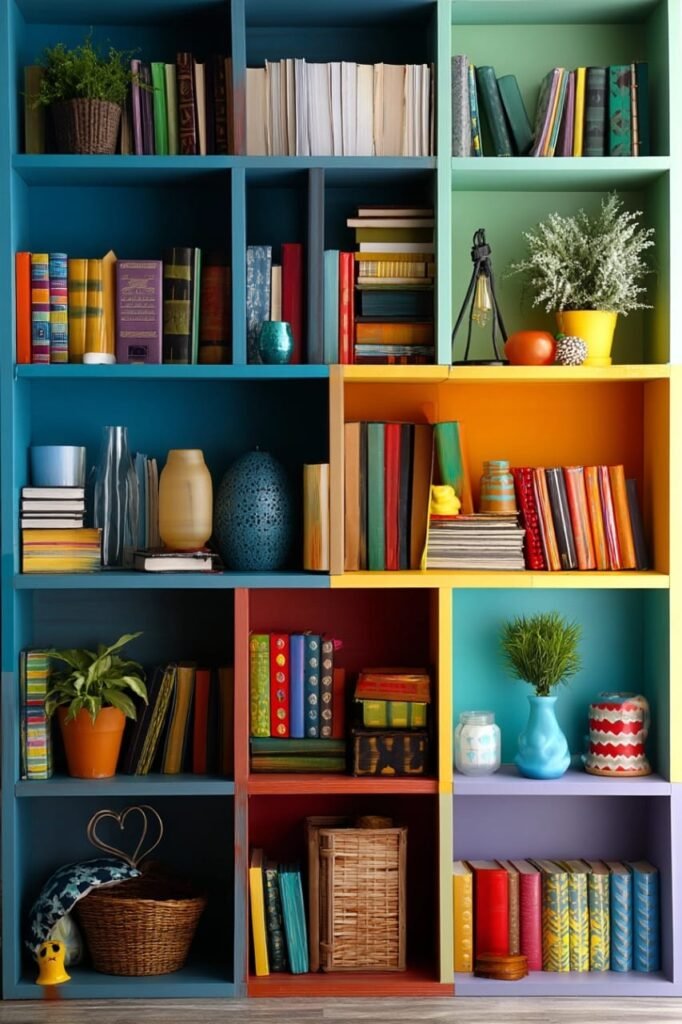
The TikTok aesthetic has recently embraced “dopamine decor”—interiors filled with bright colors, playful patterns, and abundant decorative objects, supposedly designed to spark joy and boost mood. In practice, it often means buying every colorful thing the algorithm serves you, cramming it all into one space, and calling the resulting visual chaos “a vibe.”
What It Is
Dopamine decor on TikTok typically features: walls covered in colorful art prints (often all from the same viral print shops), shelves crowded with collectibles and decorative objects, furniture in multiple bold colors that don’t necessarily work together, and an overall philosophy of “more is more” without the curation and intentionality that makes actual maximalism work.
The aesthetic borrows the visual language of maximalism but misses the expertise that makes maximalist interiors successful. Real maximalism is about thoughtful layering, color theory, intentional composition, and creating complexity that feels abundant rather than chaotic. TikTok dopamine decor is often just accumulation—buying lots of colorful things and hoping they cohere.
Why It's Problematic
The fundamental issue is that “dopamine decor” as practiced on TikTok conflates “colorful” with “mood-boosting” and “lots of stuff” with “personality.” Actual environmental psychology is far more nuanced. Yes, color affects mood, but the relationship isn’t as simple as “bright colors = happiness.” Too much visual stimulation creates stress, not joy. Overwhelming color can be exhausting. Cluttered spaces increase cortisol levels. The TikTok aesthetic misunderstands the science it claims to apply.
There’s also a consumerism issue. The TikTok aesthetic presents dopamine decor as something you achieve by purchasing—buy these colorful prints, these bright pillows, these playful objects, and you’ll be happier. It’s therapy you can shop for, which is both psychologically dubious and financially exploitative. Real mood improvement through environmental design involves light, air quality, nature connection, and organizational clarity—none of which you can buy through affiliate links.
The execution is often visually unsuccessful. Dopamine decor videos show spaces that photograph well in flattering light but would be genuinely unpleasant to inhabit. Too many competing colors create visual noise. Overcrowded surfaces make spaces feel smaller and more chaotic. The abundance reads as stress, not joy, especially when you’re the one who has to dust all those objects.
Quality suffers too. Because dopamine decor emphasizes quantity and variety, people end up buying lots of cheap, mass-produced decorative items rather than fewer quality pieces. You get walls of identical viral art prints instead of actual art. You get mass-produced “quirky” objects instead of genuine vintage finds or handmade pieces with character.
Why People Fall for It
The appeal is obvious: dopamine decor promises that buying more stuff will make you happier, which is an extremely marketable message. It also provides permission to indulge maximalist impulses without developing the taste or skill to execute maximalism well. You don’t need to understand color theory or composition; just buy colorful things and call it dopamine decor.
There’s also the personality signaling aspect. A room full of colorful objects and playful decor signals that you’re fun, creative, and joyful—which is appealing, especially for people whose actual lives feel stressful or overwhelming. Your environment becomes a personality performance, and dopamine decor makes that performance accessible at any budget.
The virality mechanics favor visual density. Rooms with lots to look at perform better than minimalist spaces because there’s more to comment on, more to ask about, more affiliate links to share. The algorithm rewards abundance, so creators deliver abundance.
Why It Will Age Poorly
Trends that rely on accumulating lots of inexpensive decorative objects date quickly because those objects are trend-specific. The viral prints, the specific color palettes, the particular decorative styles—all of these will mark your space as “2025-2026” as clearly as chevron prints scream “2012” or word art screams “2008.”
Psychologically, many people will realize that their dopamine decor spaces don’t actually make them happier. The initial excitement of a colorful makeover fades, and you’re left with a space that’s visually exhausting, hard to keep organized, and doesn’t actually address whatever emotional need you were trying to fill through decoration.
Practically, these spaces require constant maintenance. All those objects need dusting. All those prints need straightening. All that visual complexity needs defending against entropy, which is exhausting.
The Better Alternative
If you genuinely love color and abundance, pursue actual maximalism with intention and skill:
Learn the principles:
- Color theory matters: Understand complementary colors, analogous palettes, and how to create harmony across multiple hues
- Composition is key: Arrange objects with attention to visual weight, balance, and breathing room
- Curation over accumulation: Every item should earn its place; abundance is not the same as clutter
- Layer strategically: Mix patterns, textures, and colors intentionally, not randomly
Build slowly:
- Collect over time: Accumulate pieces you genuinely love from different sources, creating a collection with depth and story
- Invest in statement pieces: Better to have one incredible colorful rug than ten mediocre colorful pillows
- Mix high and low: Expensive art with thrifted frames, designer textiles with vintage finds
- Edit ruthlessly: Maximalism requires removing things as often as adding them to maintain visual clarity
Consider actual mood-boosting design:
- Natural light: Windows, sheer curtains, strategic mirror placement—light affects mood more than color
- Plants: Real ones, in appropriate quantities, properly cared for—not every surface covered in succulents
- Air quality: Opening windows, reducing dust, maintaining humidity—environmental health affects mental health
- Organization: Visible order reduces stress, even in abundant spaces
- Personal meaning: One object you love is worth more than fifty objects you bought because they were colorful
Use color thoughtfully:
- Choose a palette: Three to five colors that work together, used consistently throughout the space
- Vary intensity: Mix bright accent colors with softer neutrals to prevent visual exhaustion
- Consider undertones: Warm yellows and cool yellows don’t work together; undertones matter
- Test before committing: Live with color samples, buy one colorful pillow before buying eight
The goal is a space that energizes without overwhelming, that feels abundant without cluttered, that brings joy because it reflects your actual taste—not because you bought everything the algorithm suggested.
-

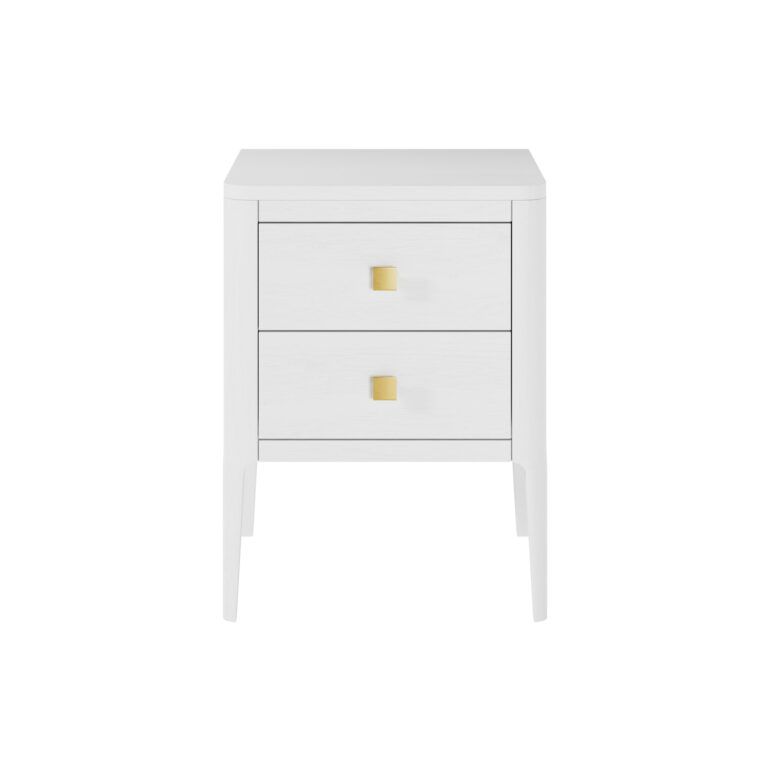
Abberley Bedside | White
£464 Add to cart -

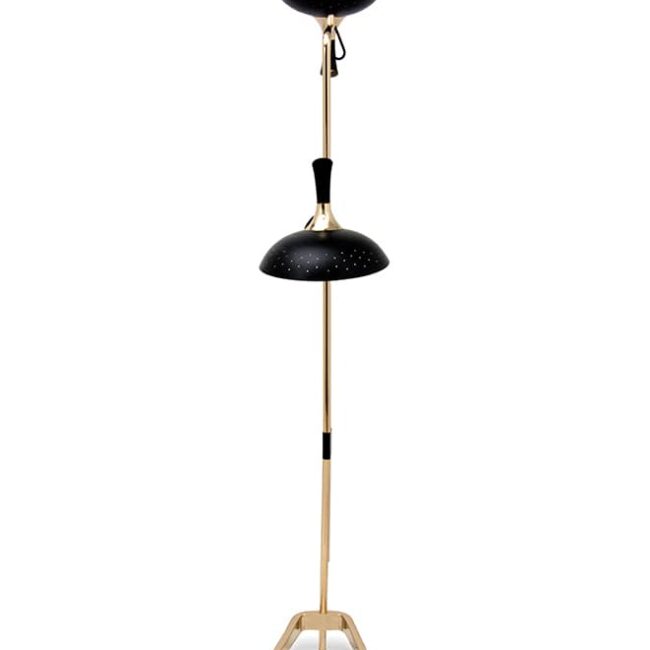
ABBEY FLOOR
£3,463 Add to cart -

Anny bed
£9,534 – £13,848Price range: £9,534 through £13,848 Select options This product has multiple variants. The options may be chosen on the product page
Breaking Free from the TikTok Aesthetic: Building Homes That Outlast the Algorithm
The TikTok aesthetic isn’t going anywhere. As long as social media rewards viral content, algorithmic design will continue to homogenize our homes, accelerate trend cycles, and encourage consumption over curation. But you don’t have to participate. You can break free from algorithm-driven design by developing actual personal taste, investing in quality over quantity, and building spaces that reflect your life rather than your For You Page.
Start by auditing your space honestly. How much of what you own did you buy because you genuinely loved it, and how much did you buy because it was trending? Which pieces bring you actual joy, and which exist purely because they matched an aesthetic you thought you should have? This isn’t about guilt—we’ve all bought into trends—but about understanding where algorithm-driven consumption has replaced authentic preference. Breaking free from the TikTok aesthetic starts with honest self-assessment.
Next, develop your actual taste. This is slower and harder than downloading a pre-made aesthetic, but infinitely more rewarding. Save images you love without worrying about whether they’re “on trend.” Notice what you’re drawn to repeatedly—certain colors, materials, forms, moods. Visit museums, vintage shops, design showrooms, and other people’s homes. Real style comes from exposure to many things and choosing what resonates, not from following a single aesthetic’s shopping list.
Invest in longevity, both material and aesthetic. Buy the best quality you can afford, particularly for pieces you use daily. Choose materials that age beautifully—solid wood, natural stone, quality textiles—over materials designed to look good briefly. Select styles that feel personal rather than trendy, classic rather than viral. The goal is furniture that will still serve you in a decade, not furniture that will be embarrassing in a year.
Embrace imperfection and personality. The TikTok aesthetic values polish and perfection; real homes are messy, evolving, and full of compromises. You don’t need matching furniture sets. You don’t need a cohesive color palette across every room. You don’t need everything styled for content. You need spaces that work for your actual life, which might mean workout equipment visible in your bedroom, mismatched dishes in your kitchen, or books organized functionally rather than aesthetically.
Build slowly and edit constantly. Resist the urge to furnish everything at once. Live with spaces partially furnished while you figure out what you actually need and want. Add pieces gradually as you find things you love, not because you need to complete a room. And remove things constantly—edit out what doesn’t serve you, what you’ve outgrown, what was a trend experiment that failed.
Most importantly, stop seeking validation from algorithms. Your home exists for you, not for content. It doesn’t need to look good in photos or perform well in videos. It needs to feel good to live in. The TikTok aesthetic will continue evolving, spawning new trends, new must-have items, new aesthetics to purchase. You can observe it, take inspiration from it, and completely ignore its pressure to participate.
The best homes aren’t trending. They’re not perfectly styled or algorithmically approved. They’re not everyone’s taste, and they don’t need to be. They’re spaces built slowly, curated thoughtfully, and designed for actual living rather than digital performance. They’re homes that will still feel right in five years because they reflected genuine preference, not viral trend. They’re spaces that outlast the algorithm because they were never designed by it in the first place.
That’s the real aesthetic worth pursuing: authenticity, longevity, and the quiet confidence of knowing your home is genuinely yours.