


When designing a home or workspace, most people start with furniture—and rightly so. It defines structure, purpose, and style. But here’s what truly separates an average space from a well-designed one:
Lighting.
Lighting is what reveals the beauty of your furniture, enhances functionality, and shapes how your space feels daily. Without it, even the most premium pieces can fall flat. With it, everything—from your sofa to your workspace—comes alive.
This guide will show you how to intentionally pair lighting with furniture to create a space that is not just beautiful, but highly functional and comfortable.
Before choosing lighting or furniture, think about how you want your space to feel and function.
Your answers shape your decisions.
Furniture provides the physical structure—where you sit, sleep, work, or store items. Lighting, on the other hand, controls mood, visibility, and perception.
When both are aligned, your space works effortlessly.
For example:
A sleek modern sofa paired with harsh overhead lighting can feel cold and uninviting. But introduce soft, warm lighting, and the same sofa becomes a centerpiece of comfort.
One light source is never enough—especially in modern homes and offices. The most effective spaces use layered lighting, where different types of lighting support different furniture areas.
Here’s how to structure it:
Ambient Lighting (Overall Visibility)
This is your base lighting—ceiling fixtures or general room lighting. It ensures the space is usable but shouldn’t do all the work alone.
Task Lighting (Function-Focused)
This lighting is directly tied to your furniture:
It improves usability and reduces strain, especially in work environments.
Accent Lighting (Style & Depth)
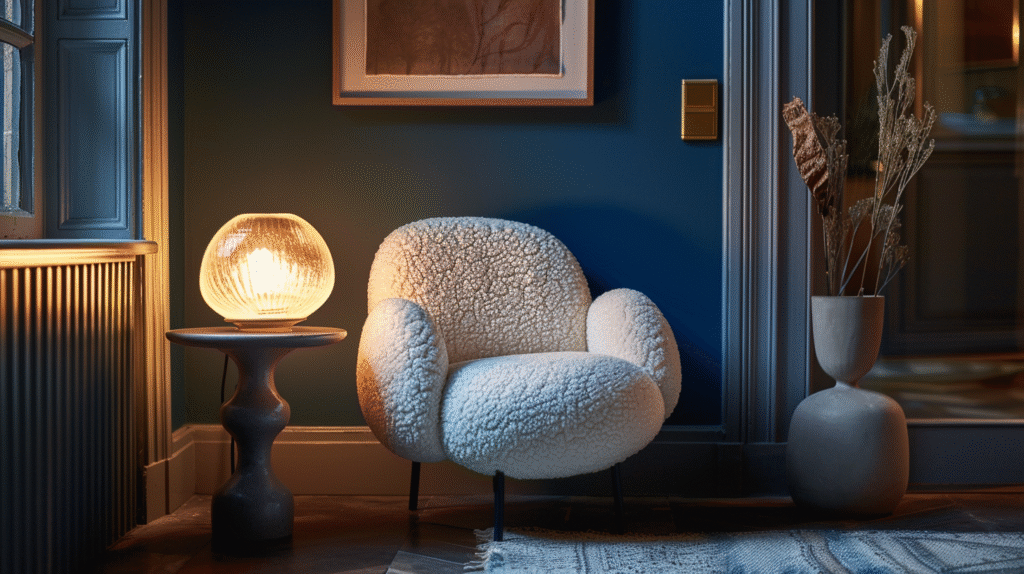
This is where your design stands out. Accent lighting highlights specific furniture pieces—your statement chair, shelving unit, or dining table—adding depth and visual interest.
The result:
Your space feels balanced, intentional, and far more dynamic than using a single overhead light.
Every piece of furniture serves a function, and your lighting should support that function—not fight it.
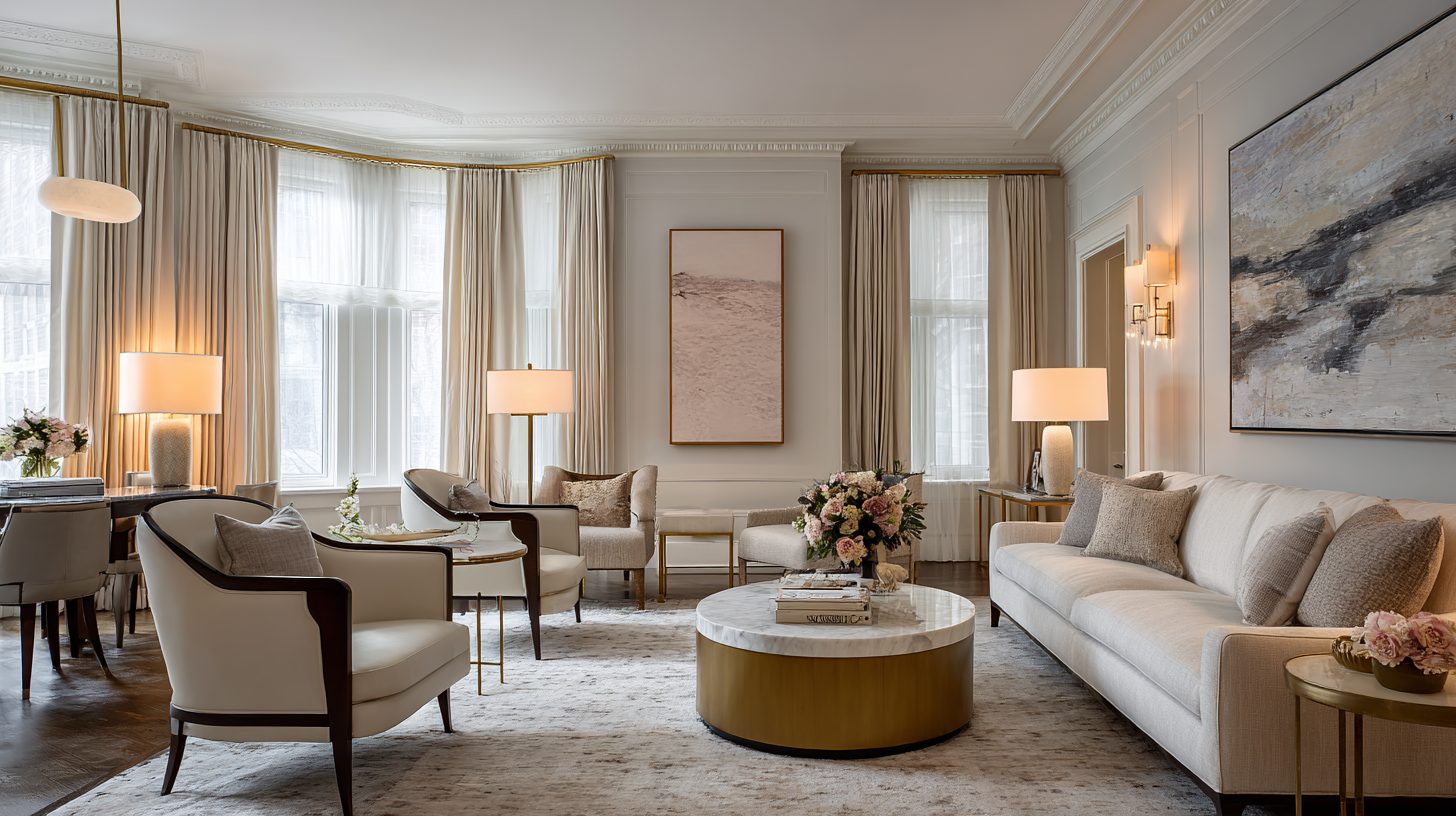
Living Room (Relaxation + Social Space)
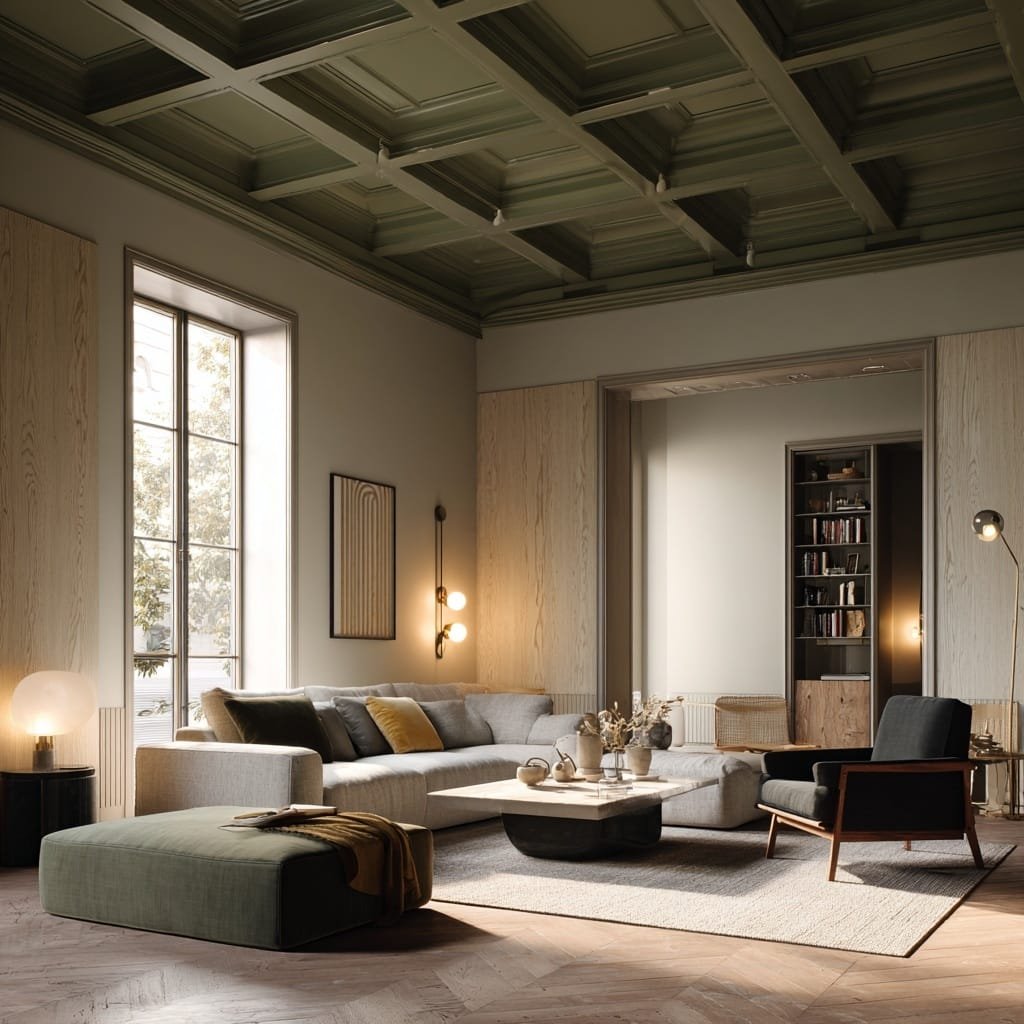
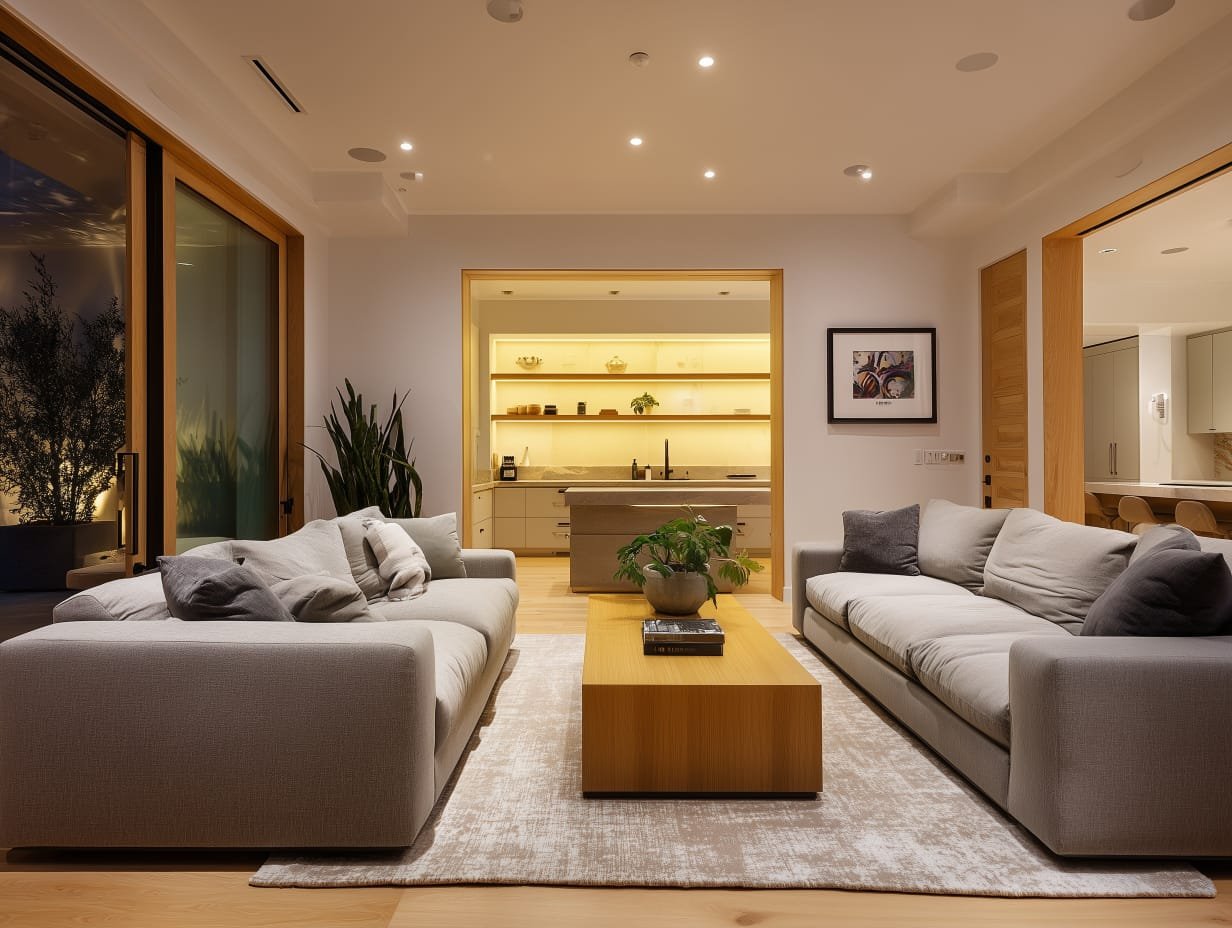
Your sofas, coffee tables, and side chairs should be paired with soft, warm lighting. Floor lamps and side lamps create a cozy environment that encourages comfort and conversation.
Bedroom (Rest + Calm)
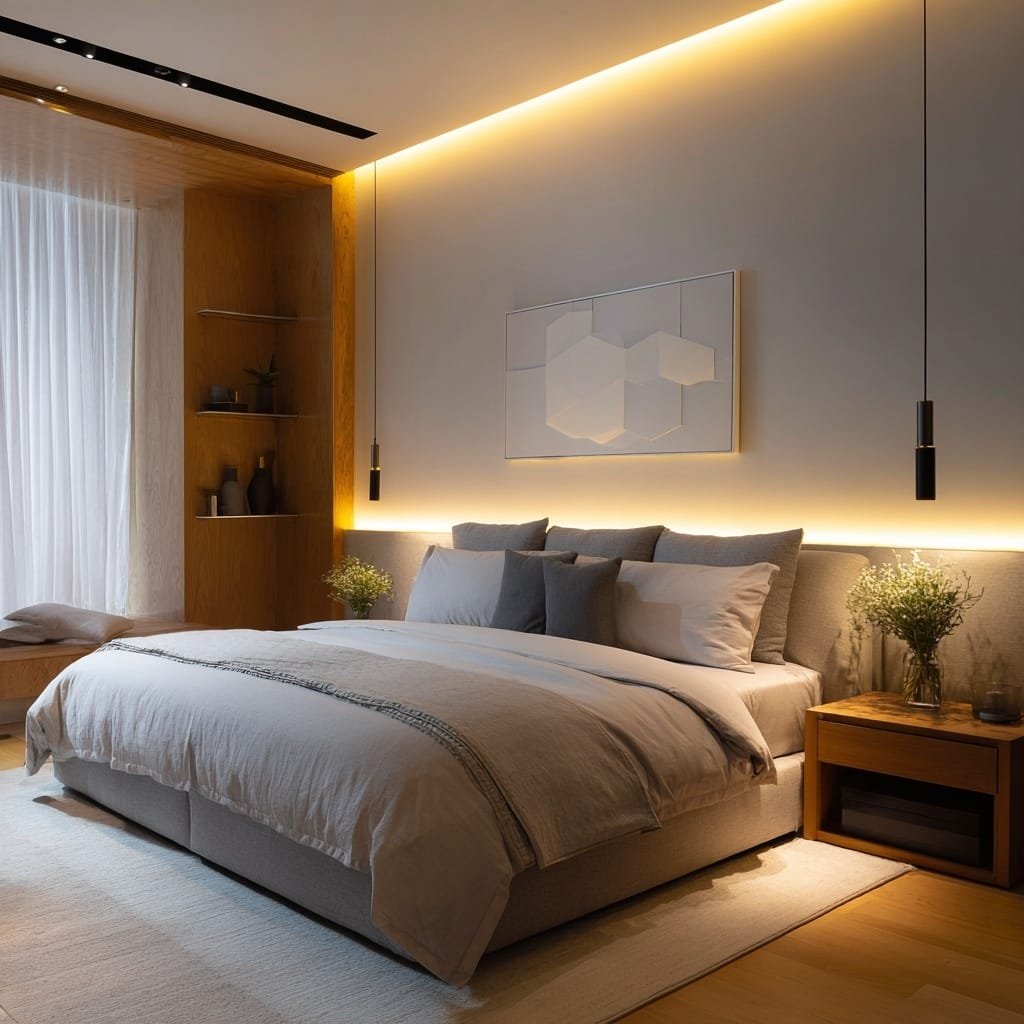
Your bed is the focal point, and lighting should promote relaxation. Soft bedside lighting works best here, while overly bright ceiling lights should be minimal or adjustable.
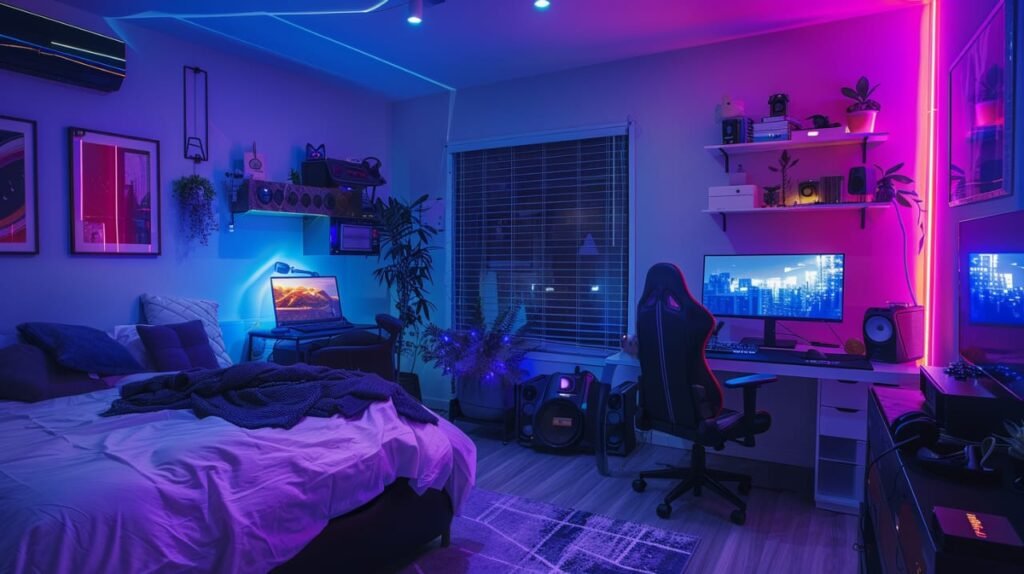
Workspace / Home Office (Focus + Productivity)
Your desk and chair require bright, clean lighting that reduces eye strain. A well-placed desk lamp can significantly improve comfort and efficiency.
Dining Area (Connection + Style)
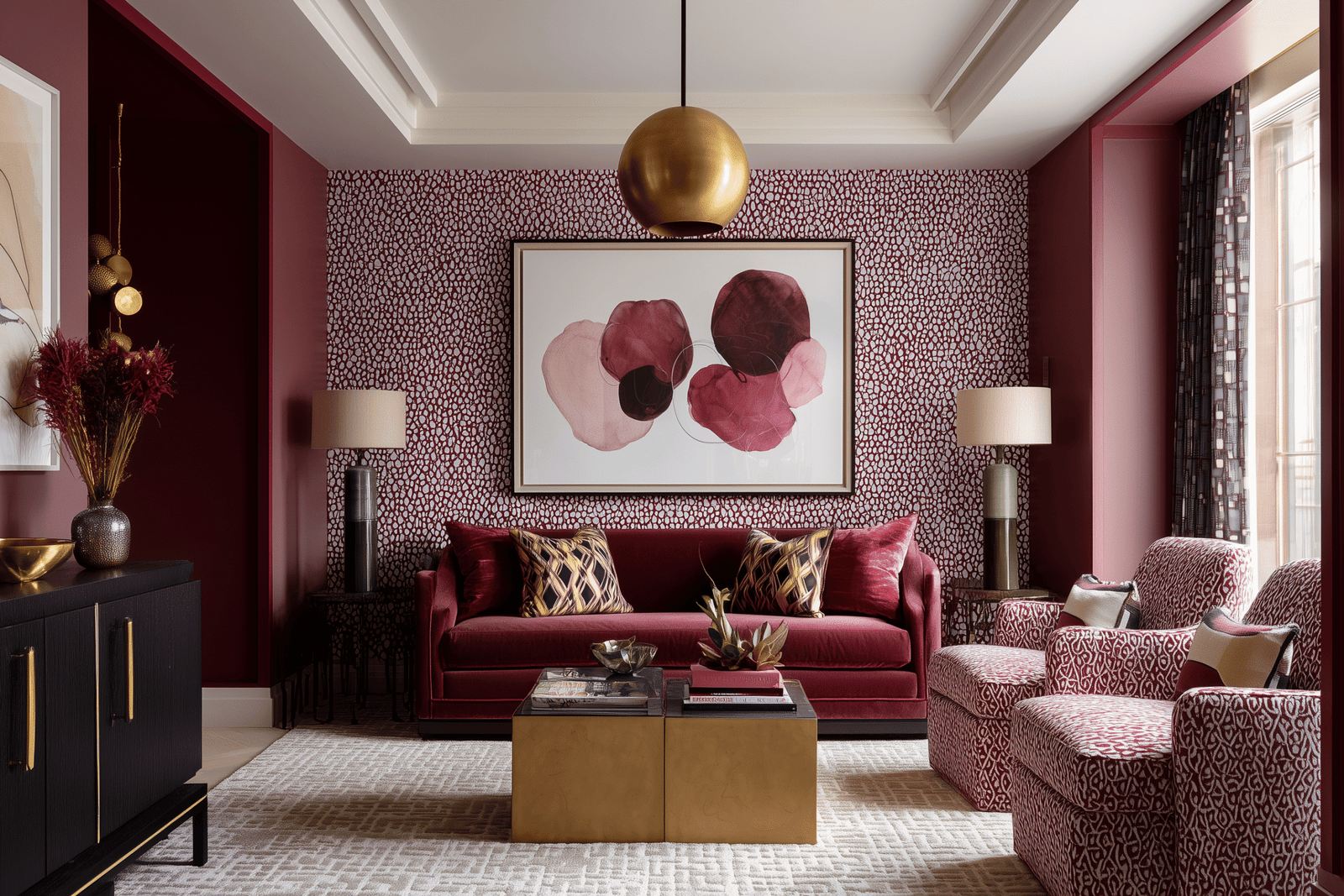
Lighting should draw attention to your dining table. A well-positioned pendant or overhead fixture creates a sense of occasion and elevates the entire setup.
Key takeaway:
When lighting is designed around your furniture’s purpose, your space becomes easier—and more enjoyable—to use.
Lighting doesn’t just illuminate—it transforms how your space is perceived.
Make Small Spaces Feel Bigger
Strategically placed lighting can open up a room. Combining overhead lighting with lamps reduces shadows and makes your space feel more expansive.
Highlight What Matters
Instead of overcrowding your space, use lighting to draw attention to key furniture pieces. This creates a clean, curated look.
Reinforce Your Style
Lighting should complement your furniture design:
When done right, lighting becomes part of your design language—not just a utility.
To get the best results from your furniture, your lighting choices should be intentional.
These small decisions make a significant difference in how your space looks and feels.
Furniture gives your space purpose.
Lighting gives it personality.
Individually, they serve their roles—but together, they create a complete experience.
When you invest in the right furniture and pair it with thoughtful lighting, you’re not just decorating—you’re designing a space that supports your lifestyle, enhances comfort, and reflects your style.
Because great spaces aren’t just filled… they’re designed to be lived in.
Get fresh home inspiration and helpful tips from our interior designers
 Remove
Registered office address: 124 City Road, London, EC1V 2NX.
Registration No.: 11765161
Email address: info@eclectic-niche.com