

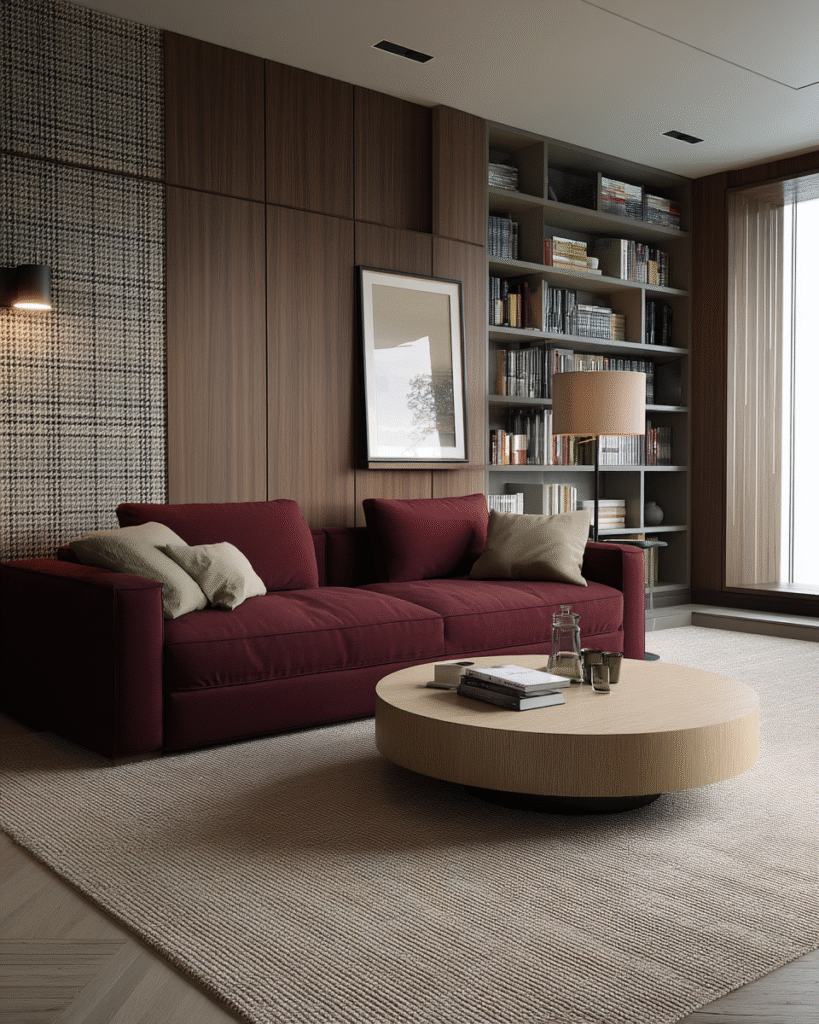

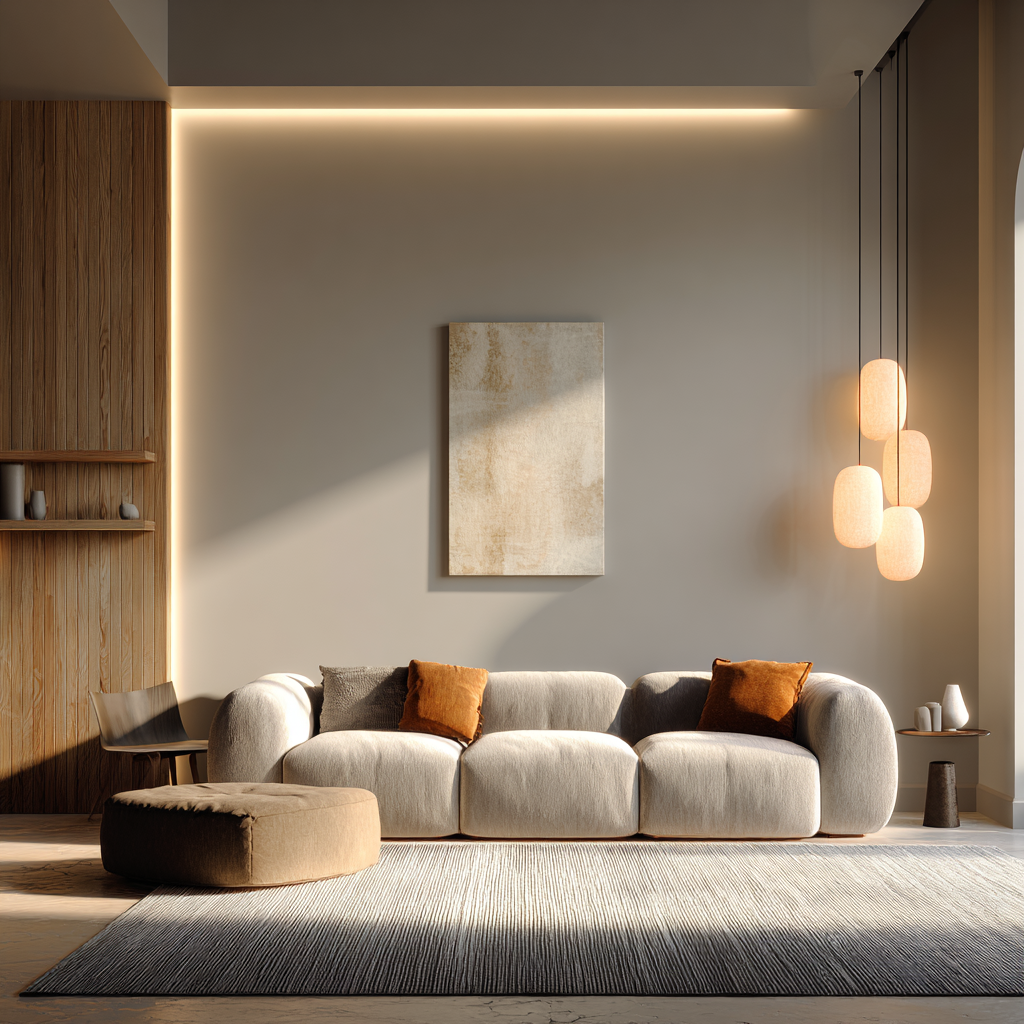

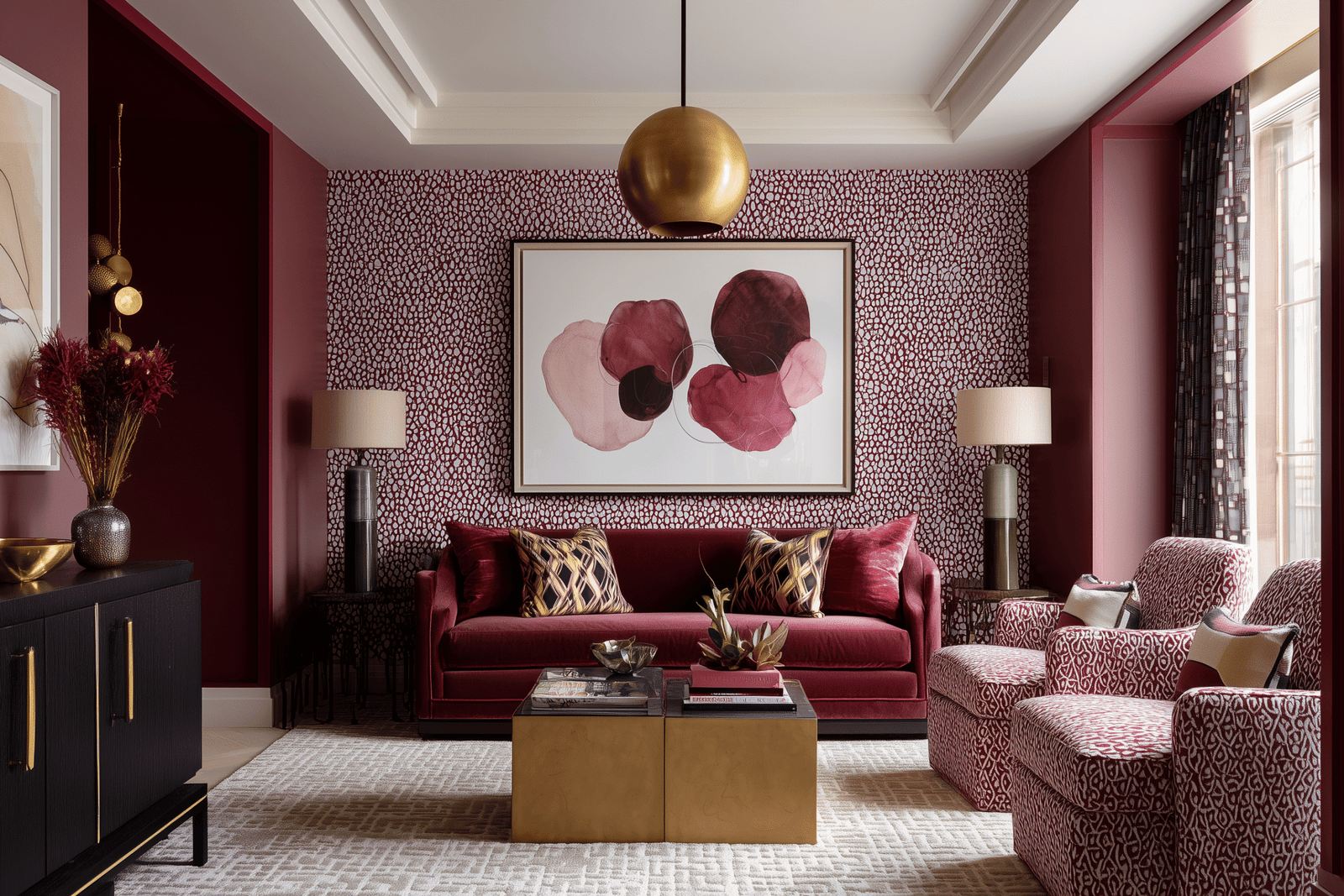
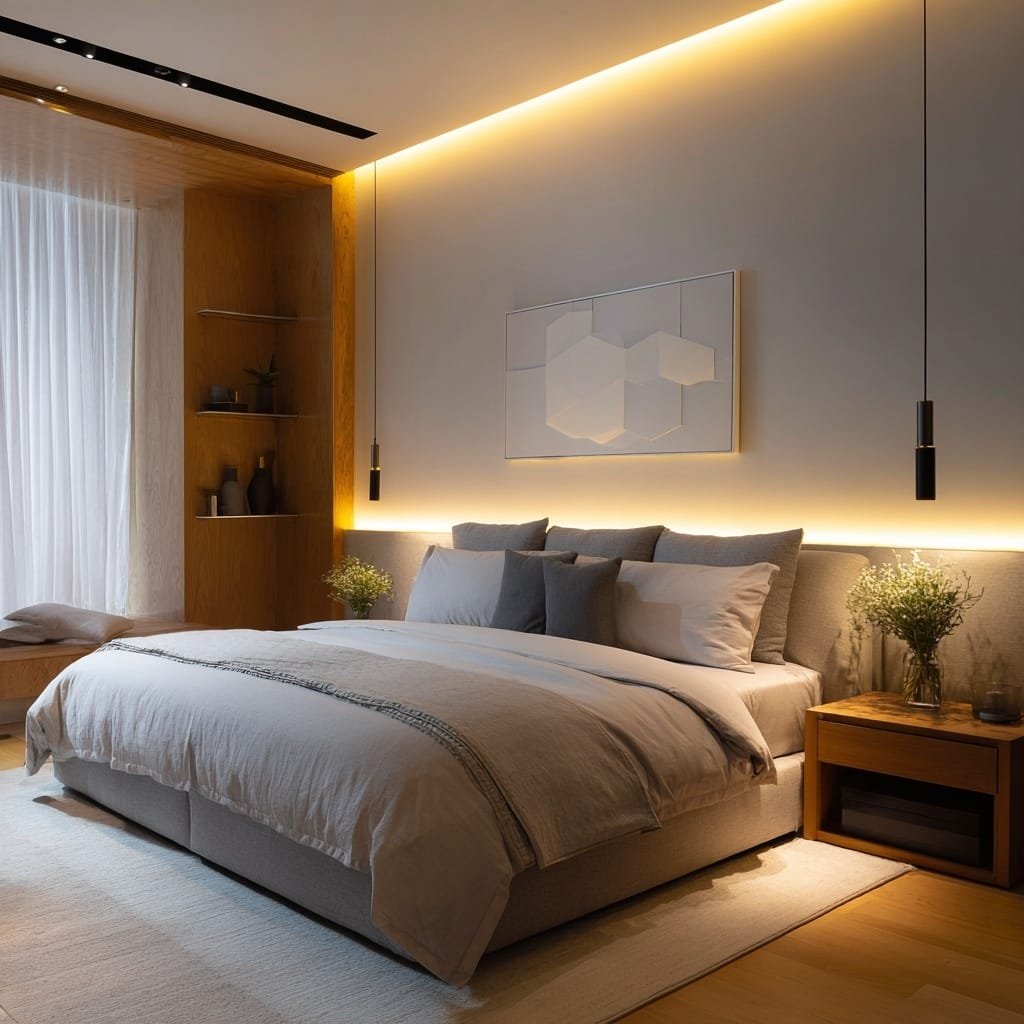
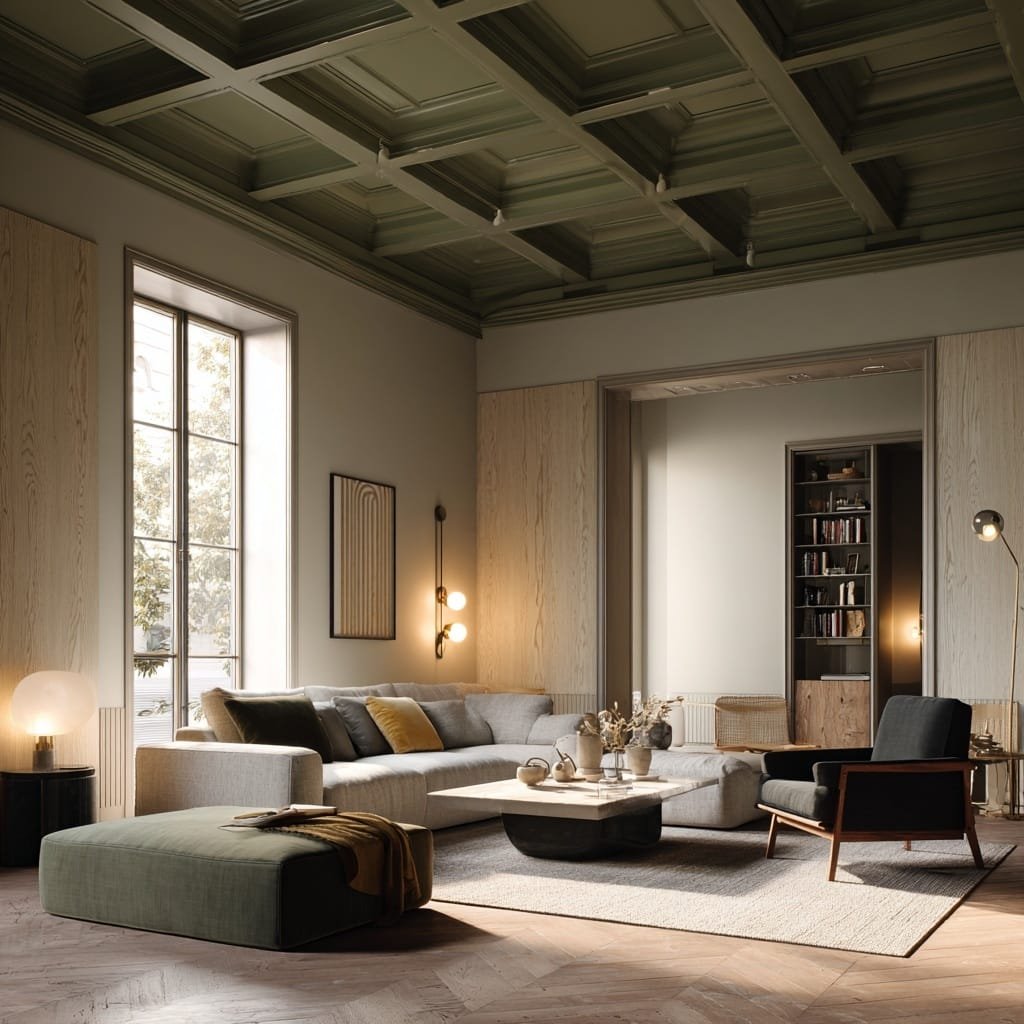
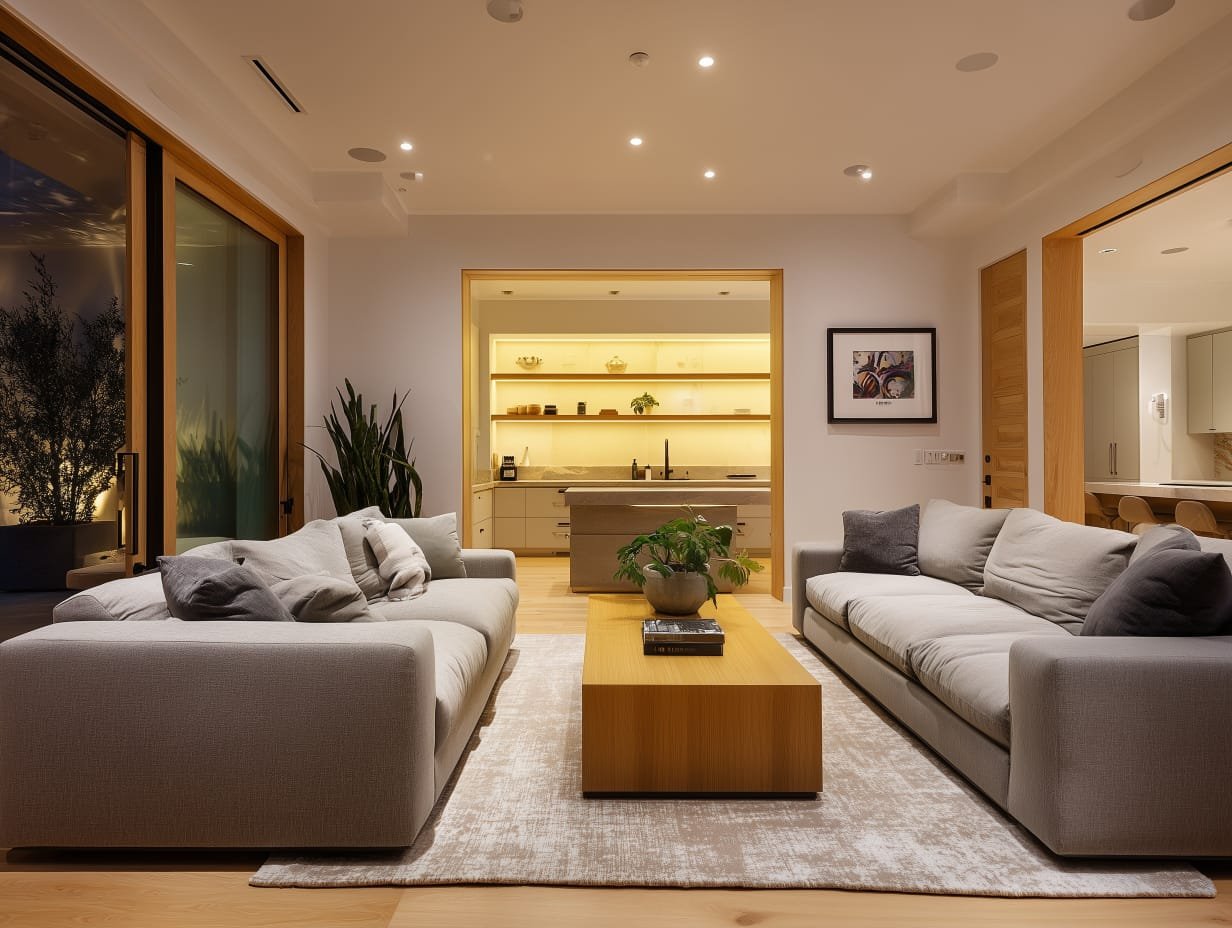
Urban spaces are evolving—homes are getting more compact, workspaces more flexible, and lifestyles more dynamic. But while square footage may be shrinking, expectations for comfort, functionality, and style remain high.
For today’s homeowner or professional, the goal isn’t just to fit into a space—it’s to make that space work beautifully. And that’s where smart furniture design comes in.
The right furniture doesn’t just occupy space—it transforms it.
Every well-designed space starts with intention. In smaller urban homes and offices, random furniture choices quickly lead to clutter, discomfort, and inefficiency.
Instead of asking “What can I add to this room?”, the better question is “What does this space need to do?”
A living room might need to double as a relaxation zone and a workspace. A bedroom may also serve as a storage hub. An office might need to feel open yet remain highly functional.
This is where purpose-driven furniture becomes essential.
Smart furniture pieces are designed to:
For example, a well-designed compact desk doesn’t just provide a work surface—it supports productivity without overwhelming the room. A streamlined wardrobe doesn’t just store clothes—it keeps your environment visually clean and organized.
When each piece has a clear role, your space instantly feels more structured, breathable, and refined.
In urban living, space is too valuable to waste on single-purpose furniture. The most effective interiors rely on pieces that do more than one job—without looking bulky or complicated.
Multi-functional furniture is no longer a compromise. It’s a design advantage.
Think about the impact of:
These pieces allow you to use the same square footage in multiple ways—seamlessly.
For a furniture brand, this is where real value lies. You’re not just selling products; you’re offering solutions. Solutions that help customers live more comfortably, stay organized, and enjoy their space without constantly feeling limited.
When furniture adapts to the user—not the other way around—urban living becomes significantly easier and more enjoyable.
One of the biggest misconceptions about small spaces is that you have to sacrifice style for practicality. In reality, the right furniture can give you both.
The secret lies in choosing designs that create a sense of openness.
Furniture that is:
…can make a room feel larger than it actually is.
Bulky, oversized furniture tends to “close in” a space, while sleek, well-proportioned pieces open it up.
Beyond structure, finishes and textures also play a key role. Neutral tones, soft fabrics, polished wood, and subtle metallic accents can elevate a room without overwhelming it.
For offices, this translates into a more productive and less stressful environment.
For homes, it creates a calm, inviting atmosphere.
Good furniture doesn’t just fill a room—it shapes how the room feels.
No matter how beautiful a space is, clutter can quickly take away from its appeal. In compact environments, this effect is even more noticeable.
That’s why smart storage is not optional—it’s essential.
But storage today goes beyond traditional shelves and cabinets. Modern furniture integrates storage in ways that are subtle, efficient, and stylish.
Consider:
These solutions help maintain a clean, polished look without sacrificing accessibility.
The result? A space that feels calm, organized, and easy to live or work in.
For your customers, this is a major transformation. Instead of constantly managing clutter, they experience a space that supports their lifestyle effortlessly.
Designing for urban living isn’t about working around limitations—it’s about designing beyond them.
With the right furniture, even the most compact space can become:
Get fresh home inspiration and helpful tips from our interior designers
Registered office address: 124 City Road, London, EC1V 2NX.
Registration No.: 11765161
Email address: info@eclectic-niche.com