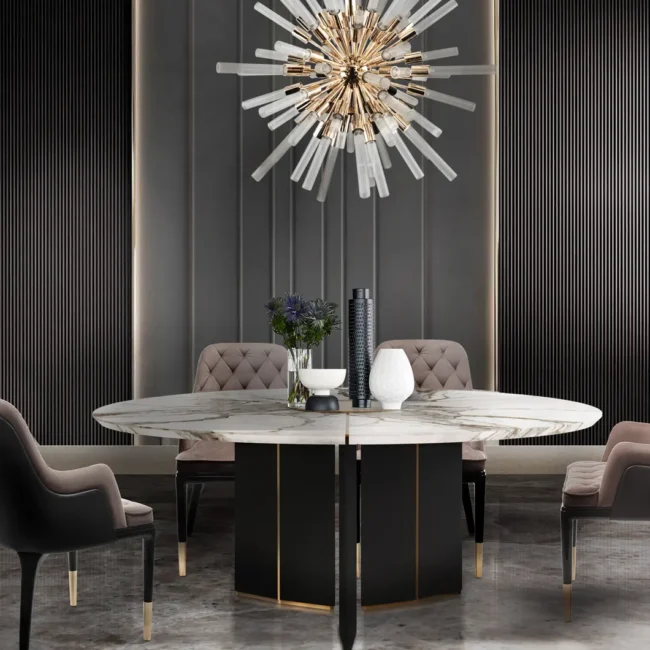
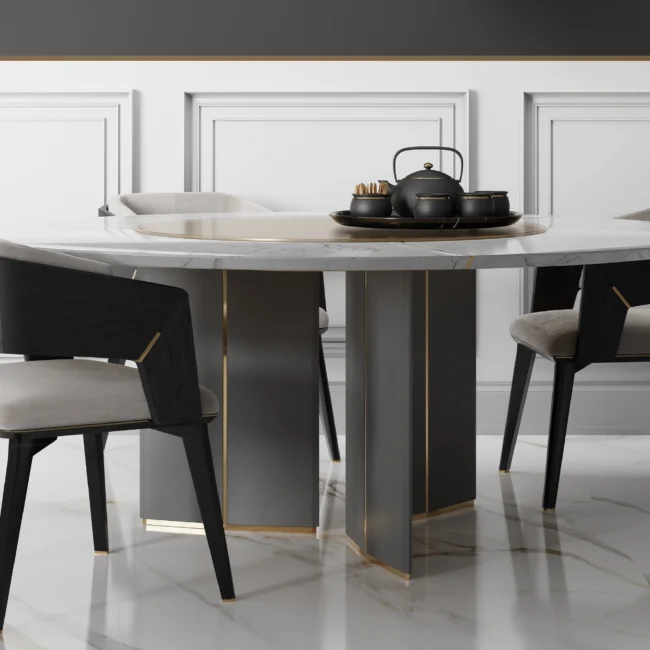
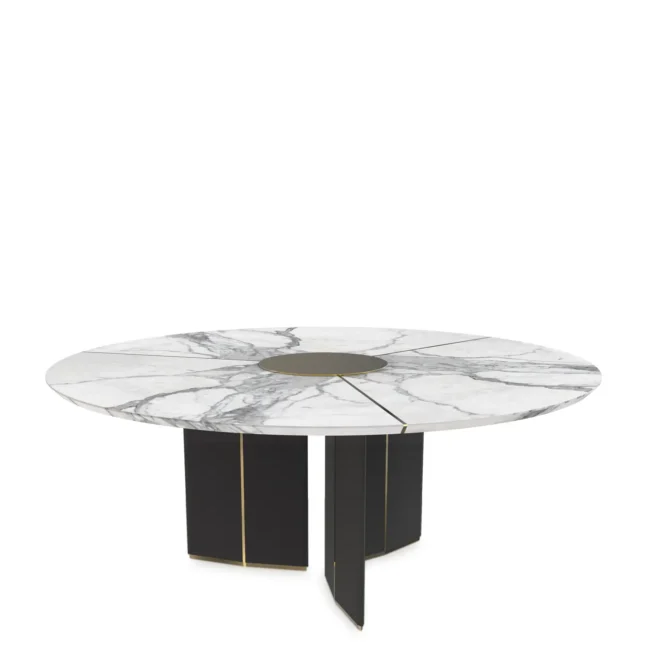
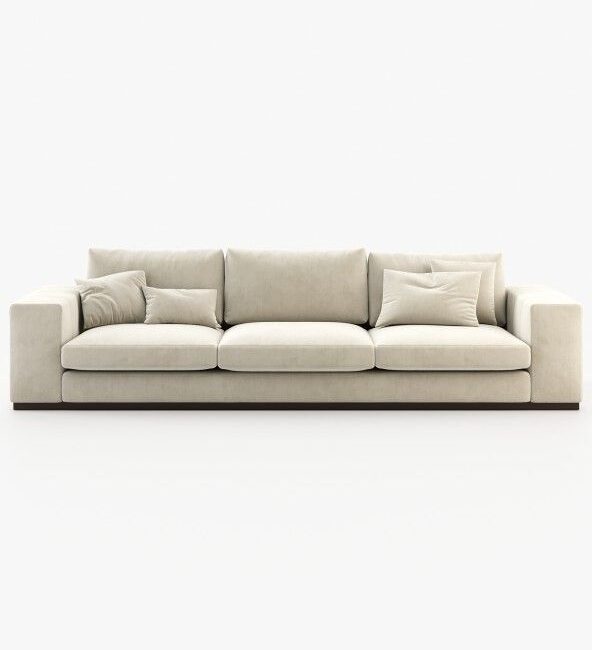
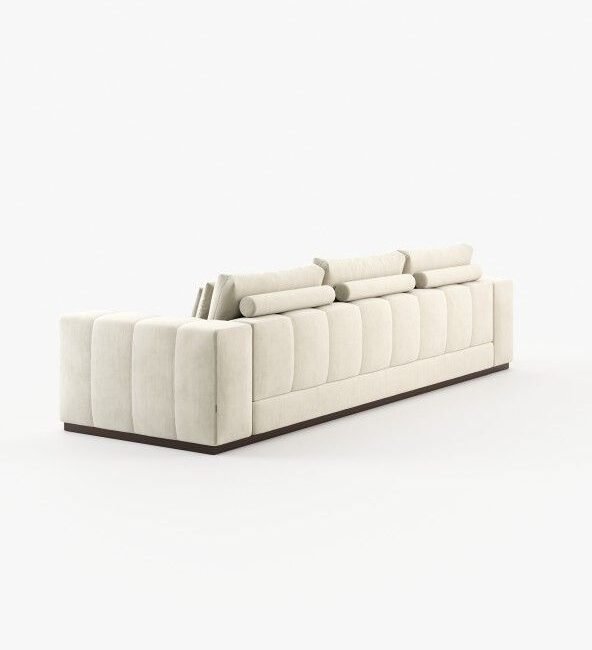
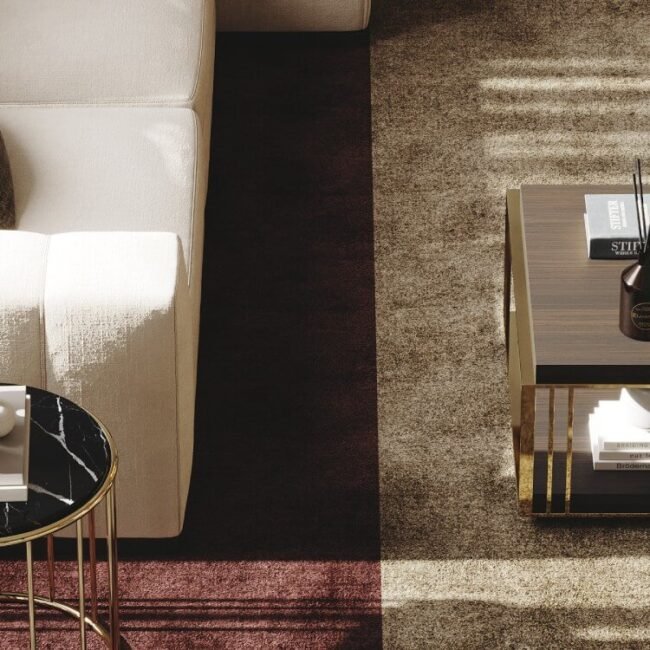
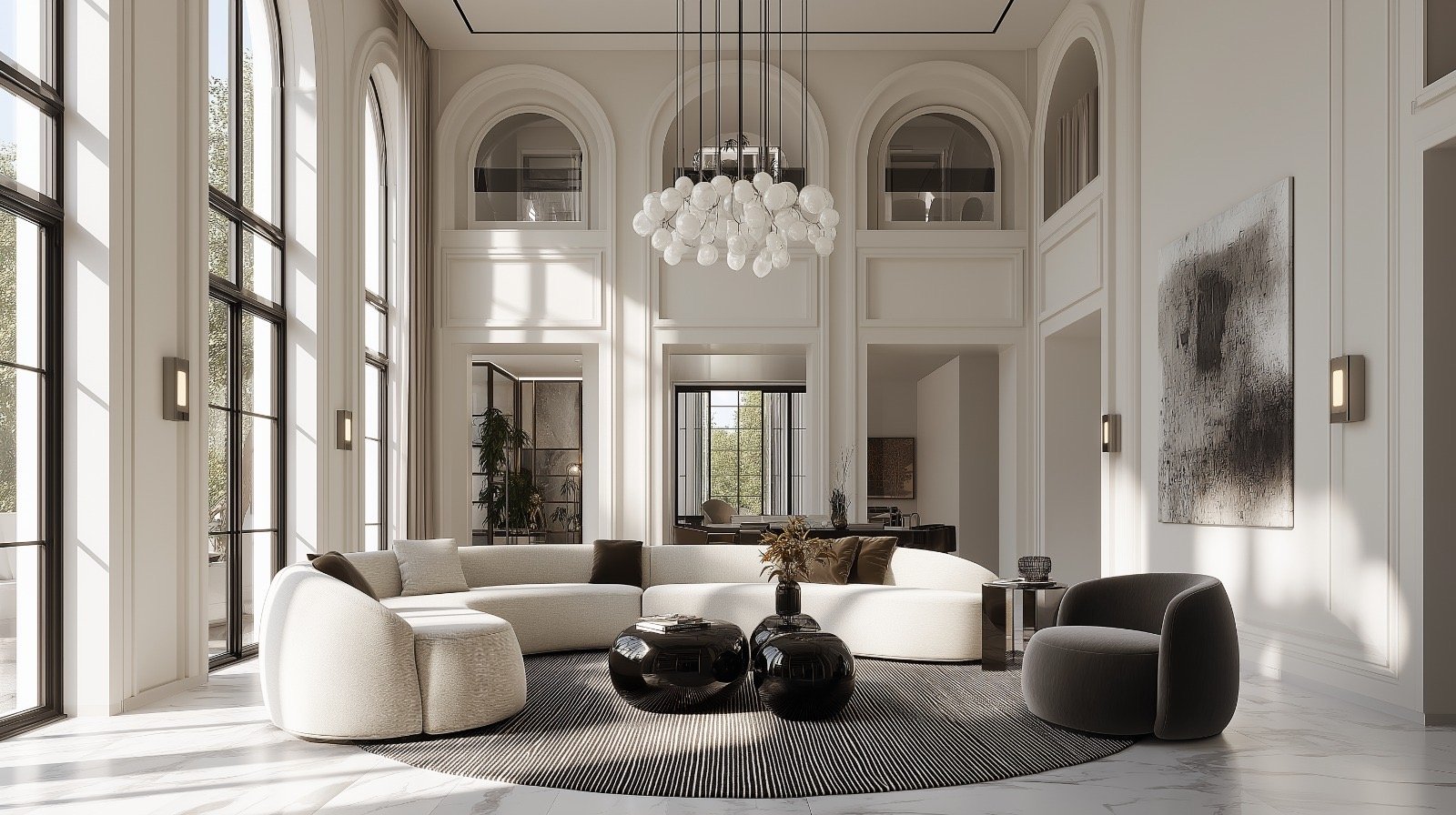
How to Master Warm Minimalist Interior Design in 2026

Warm Minimalist Interior Design

Walk into the most compelling homes of 2026 and you’ll notice something immediately: they feel profoundly calm yet unmistakably alive, pared back yet deeply embracing. They’re not the stark white boxes of 2010s minimalism, nor are they cluttered with “good intentions” masquerading as personality. Instead, they represent something far more nuanced: the arrival of warm minimalist interior design as the defining aesthetic philosophy for how we want to live in 2026.

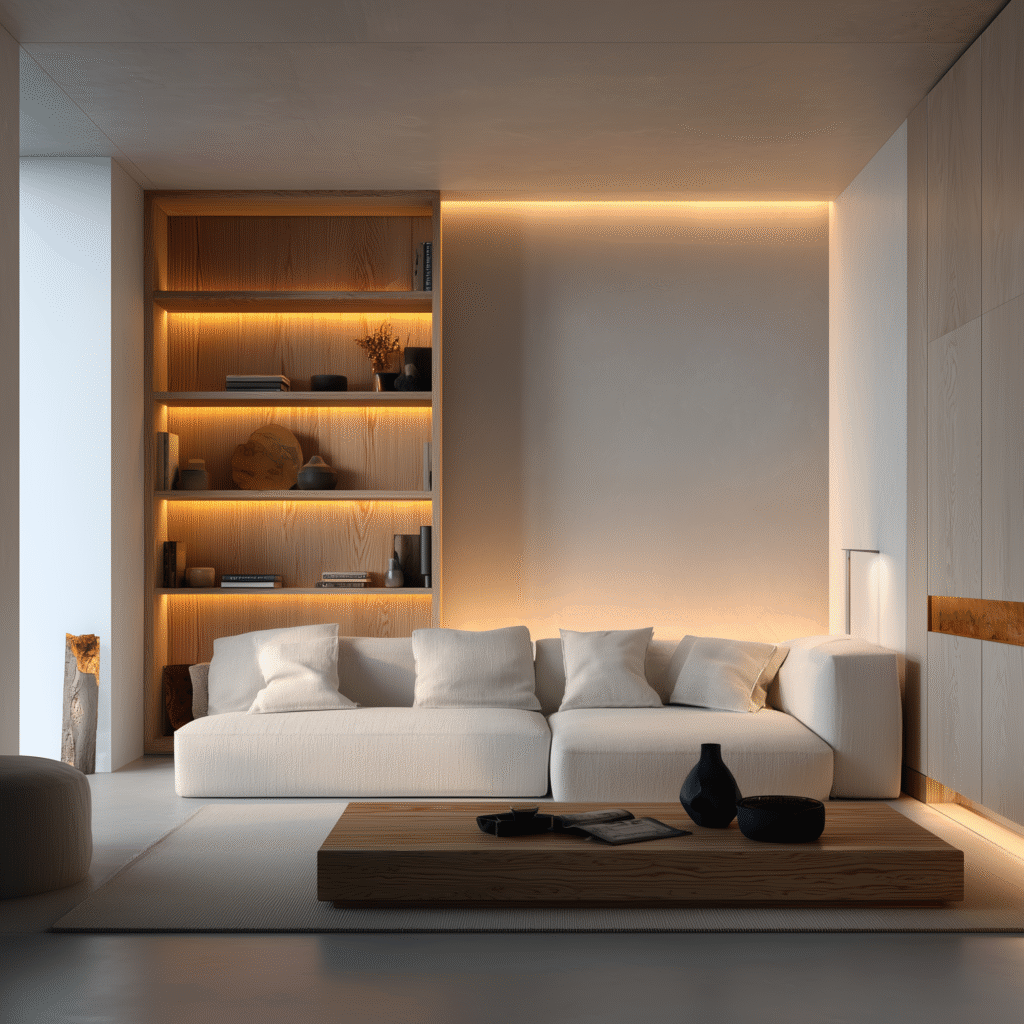
Warm minimalist interior design is the visual embodiment of sanctuary. It’s what happens when you strip away the excess but refuse to sacrifice soul—when you choose fewer things but insist those things feel human, tactile, lived-in. It’s the linen throw draped just so over a sculptural oak bench. The hand-thrown ceramic vase catching afternoon light on an otherwise empty console. The deliberate negative space that doesn’t read as emptiness but as breathing room for your actual life.

This isn’t minimalism with a beige filter. It’s a fundamental reimagining of what “less” can mean when paired with genuine warmth—when natural materials replace synthetic finishes, when texture becomes the antidote to coldness, when every carefully chosen element serves both function and emotional resonance. As we move deeper into 2026, warm minimalist interior design has emerged not as a trend but as a design philosophy for people exhausted by extremes: those who’ve tried stark minimalism and felt cold, who’ve embraced maximalism and felt overwhelmed, and who are finally ready for the radical middle ground where restraint meets comfort.

What follows are the seven foundational principles for mastering warm minimalist interior design—not as a prescriptive aesthetic rulebook, but as a framework for creating spaces that feel genuinely nourishing, authentically yours, and built to last far beyond this year’s trend cycle.

Rule 1: Build Your Foundation on Warm, Organic Neutrals

The color palette is where warm minimalist interior design lives or dies, and most people get it wrong from the first paint swatch. Here’s the critical distinction: warm minimalism doesn’t mean “add beige to a white room.” It means fundamentally rethinking your neutral foundation to prioritize warmth, depth, and natural variation over the cool, clinical tones that defined early minimalism.

The Warm Neutral Palette: Your New Color Architecture

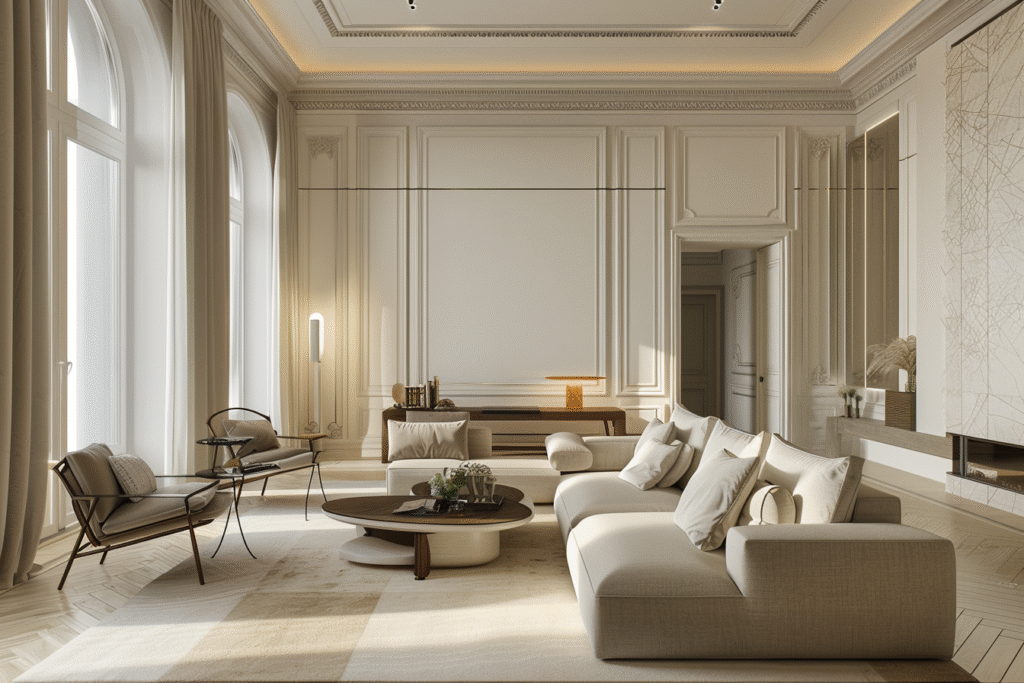
Your base palette should feel like it was pulled from nature itself—think of sunbaked clay, limestone worn smooth by centuries, the creamy interior of a seashell, aged linen left in Mediterranean sun. We’re talking warm whites with subtle yellow or pink undertones (never stark white), oatmeal and ecru, soft taupes that lean slightly towards greige, and those impossibly beautiful warm greys that somehow read as both modern and timeless.

The key is understanding undertones. Cool greys and stark whites create visual distance—they recede, they feel atmospheric, they read as “designed.” Warm neutrals do the opposite: they advance slightly, they envelope, they create the sensation of being held rather than observed. In warm minimalist interior design, your walls, larger furniture pieces, and foundational textiles should anchor the space in this warm neutral territory before you even think about accent colors.

Strategic Color Accents: Earthy, Never Garish

When you do introduce color beyond neutrals, warm minimalist interior design pulls from the earth’s own palette: terracotta that recalls sunbaked Italian hillsides, ochre and rust that feel ancient and grounding, sage and olive that bring gentle vitality without screaming for attention, warm caramels and cognac tones in leather or wood. These aren’t “pops of color” in the traditional sense—they’re natural extensions of your warm neutral foundation.

Budget-Friendly Implementation

You don’t need to repaint everything at once. Start with textiles—swap cool-toned throw pillows for linen in oatmeal or terracotta, replace that bright white duvet with washed cotton in cream or warm grey. Add a jute or sisal rug to anchor the space in natural warmth. These accessible changes can shift the entire emotional temperature of a room before you invest in paint or furniture, making warm minimalist interior design achievable even on a tight budget.

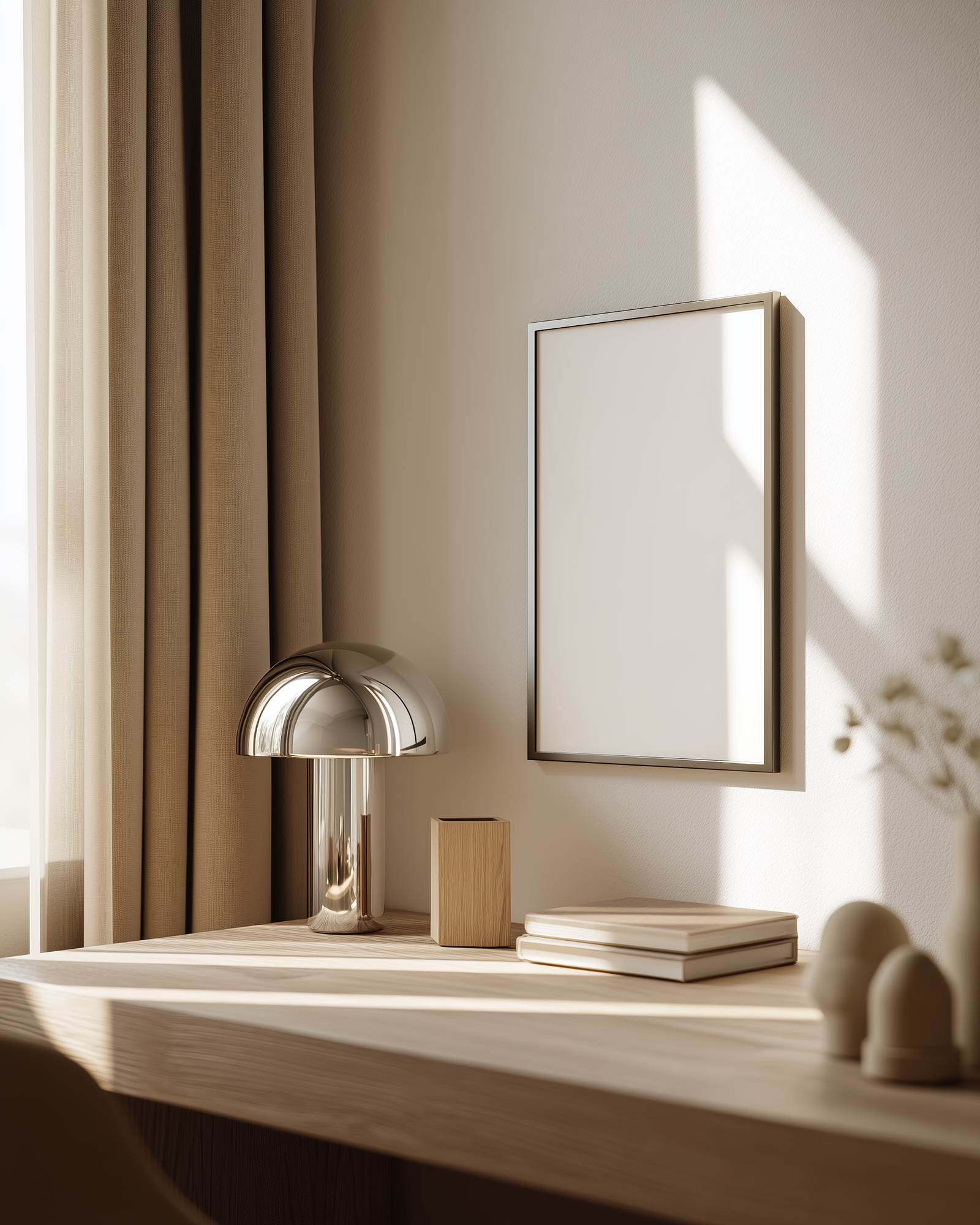
Refined Neutral Palette

Rule 2: Layer Texture Like Your Aesthetic Life Depends on It (Because It Does)

If warm minimalist interior design could be reduced to one principle: texture is everything. It’s the difference between sanctuary and showroom, why spaces with fewer items feel richer than cluttered rooms with infinitely more.

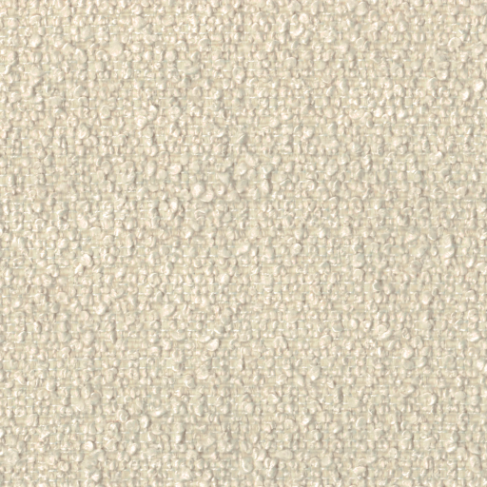
Minimalism without texture is emptiness. When you strip away pattern and color variation, texture becomes your primary tool for warmth and interest. Nubby linen catches light differently than smooth cotton. Rough-hewn wood has depth laminate never replicates. Hand-thrown ceramics create shadows and highlights mass-produced pieces lack.

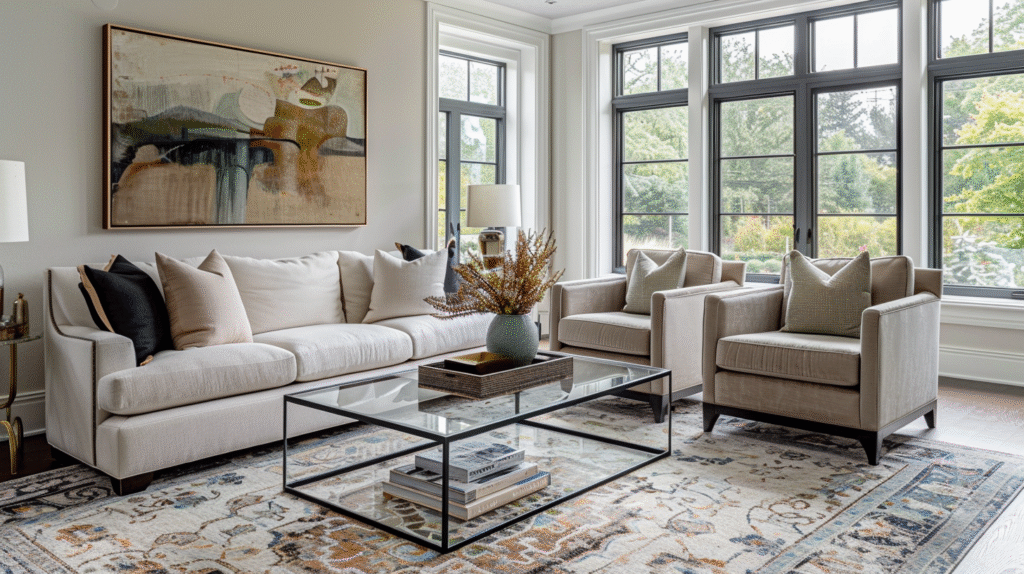
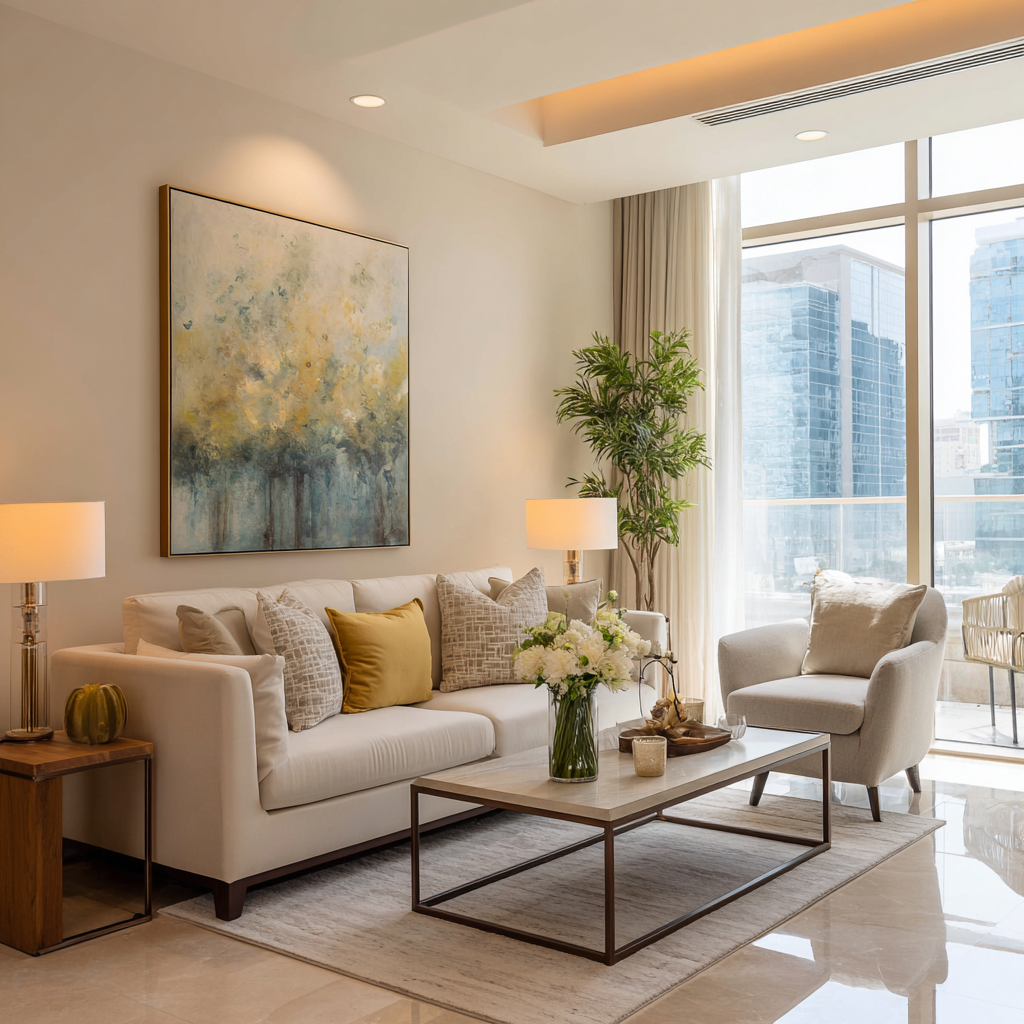
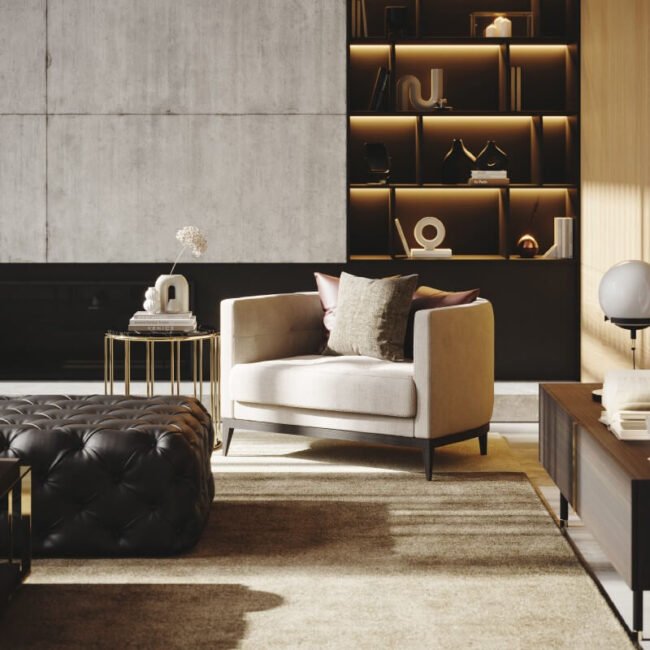
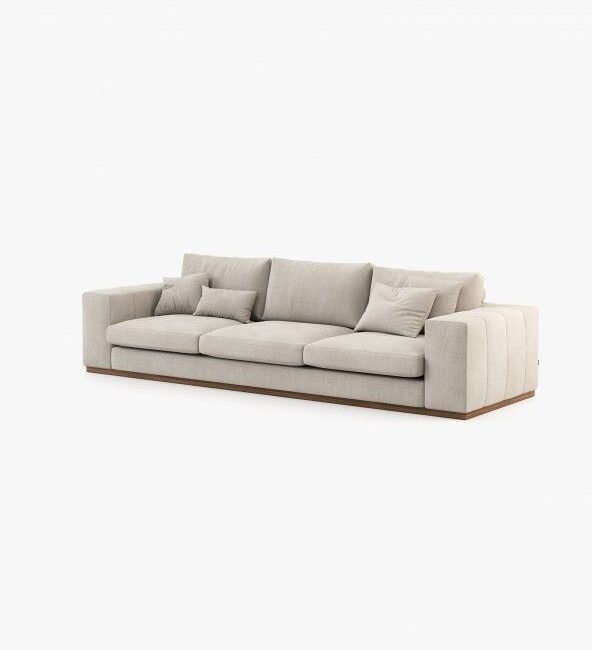
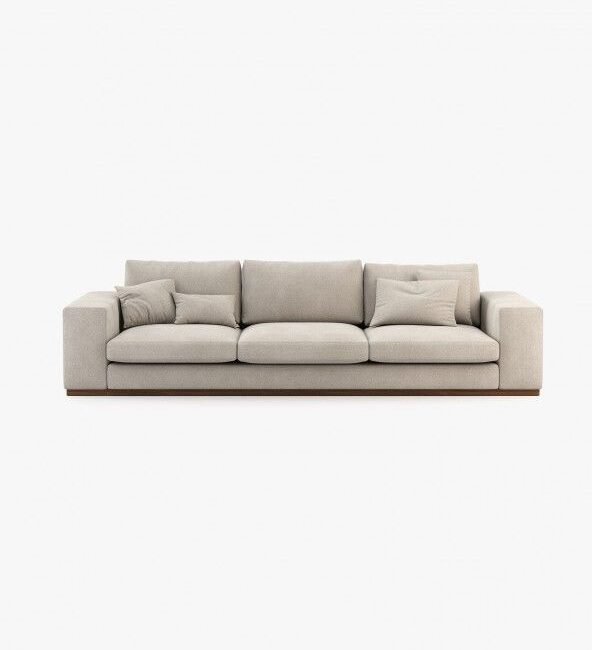
Think of soft furnishings as textural composition. A linen sofa layered with chunky knit throw and linen-cotton pillows creates exponentially more interest than any single textile alone. Warm minimalist interior design embraces layering not as “more stuff” but as depth through natural materials.

On beds: linen duvet, cotton waffle blanket, lightweight wool throw. Underfoot: jute area rug layered with sheepskin or vintage kilim. At windows: sheer linen panels filtering light, perhaps with heavier linen-cotton drapes for privacy. Each layer is simple, natural, warm—together creating complexity that reads as richness.

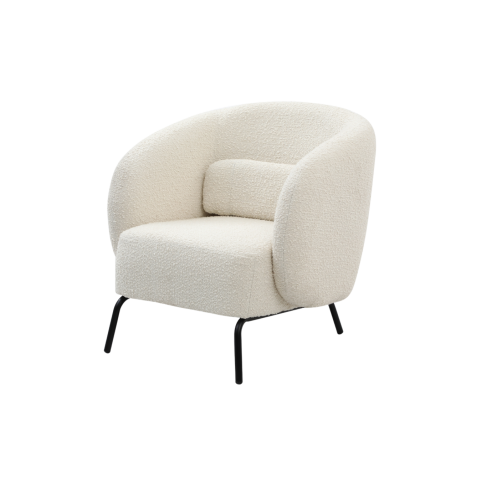
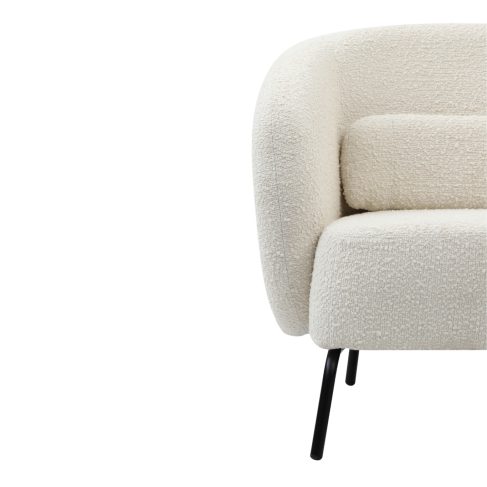
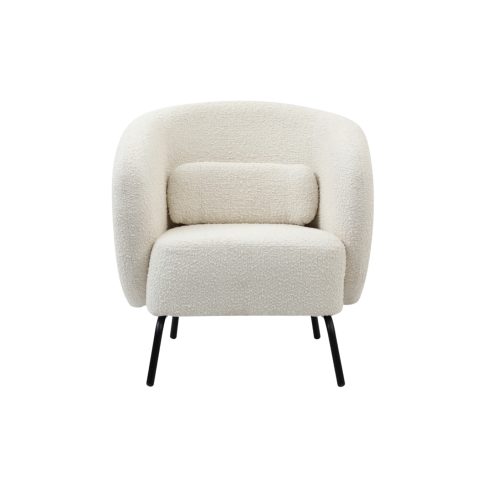
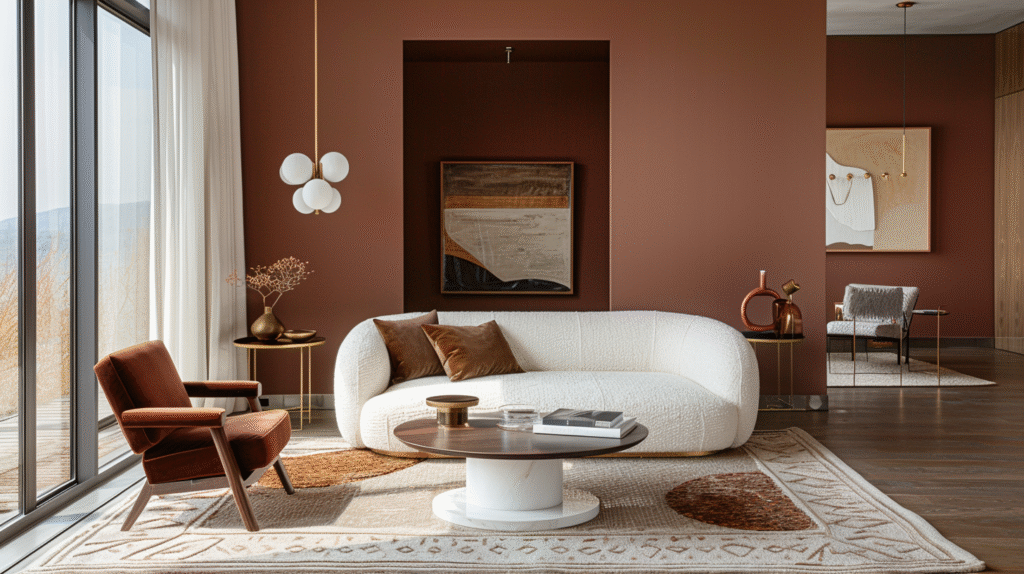
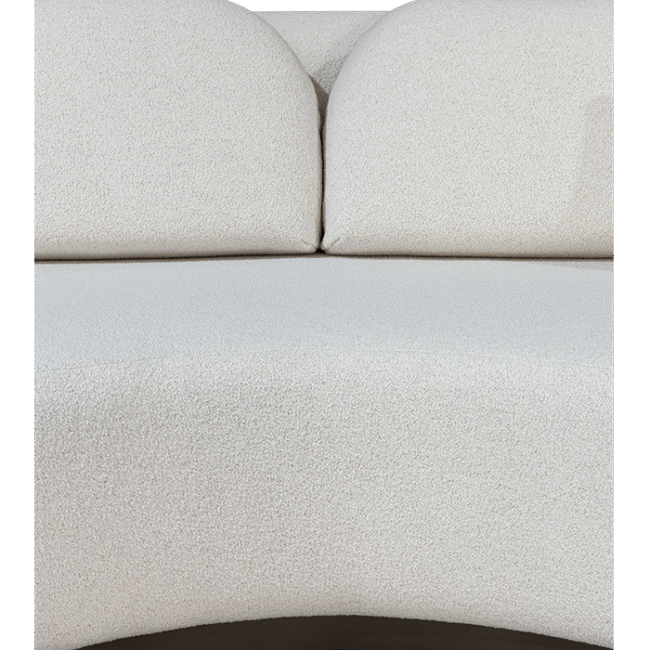
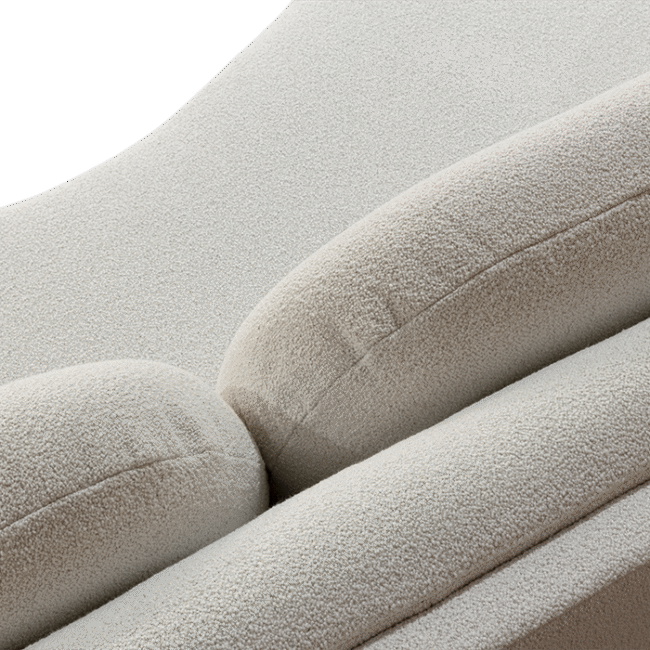
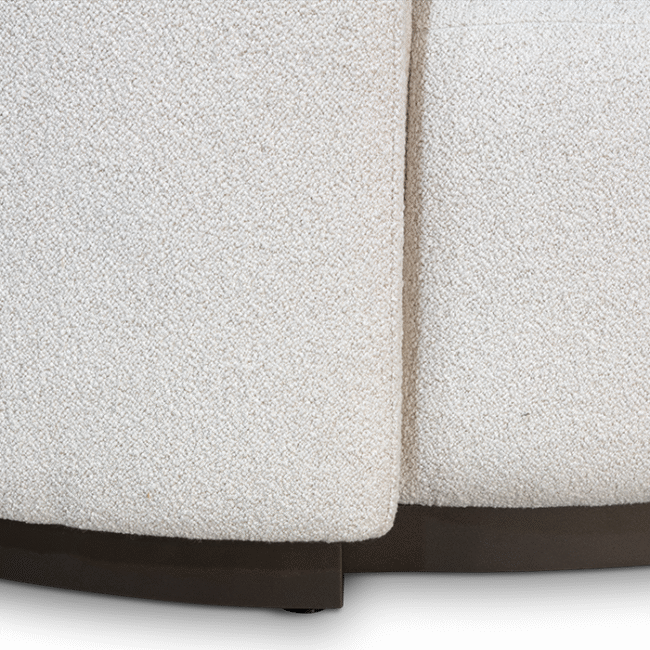
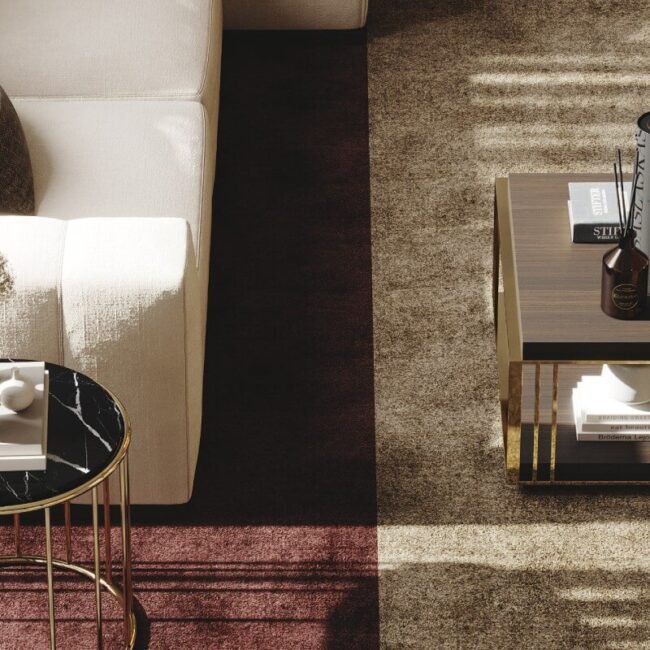
Great warm minimalist interior design balances smooth and rough, matte and subtle sheen, hard and soft. Pair smooth walnut tables with rough linen napkins and matte ceramics. Balance sleek plaster with chunky jute rugs and nubby bouclé seating. Combine stone’s cool hardness with worn leather and soft wool warmth.

Perhaps most importantly, warm minimalist interior design should make you want to touch things. The wool throw you reach for because it feels incredible. Bouclé chairs begging your hand across them. Linen bedding you sink into with pleasure. When texture serves visual and tactile purposes, spaces transcend “looking good” and become genuinely comforting.

Renter-friendly upgrades: transform sterile rentals through textiles alone. Swap bedding for quality linen. Add natural fiber rugs over existing floors. Drape chunky knits over landlord sofas. Use woven baskets instead of plastic bins.

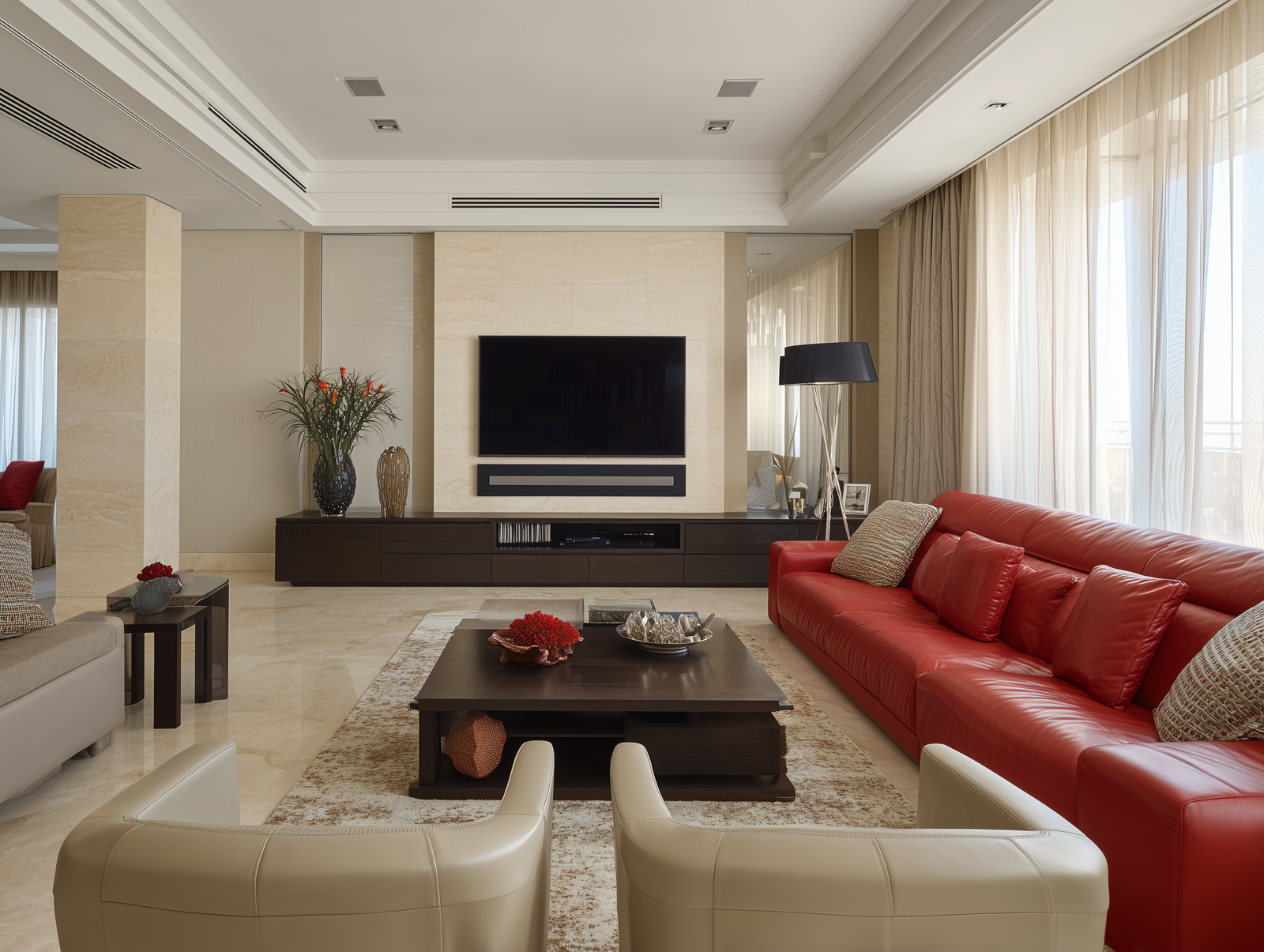
Living Room Application

Rule 3: Choose Furniture with Organic Forms and Honest Materials

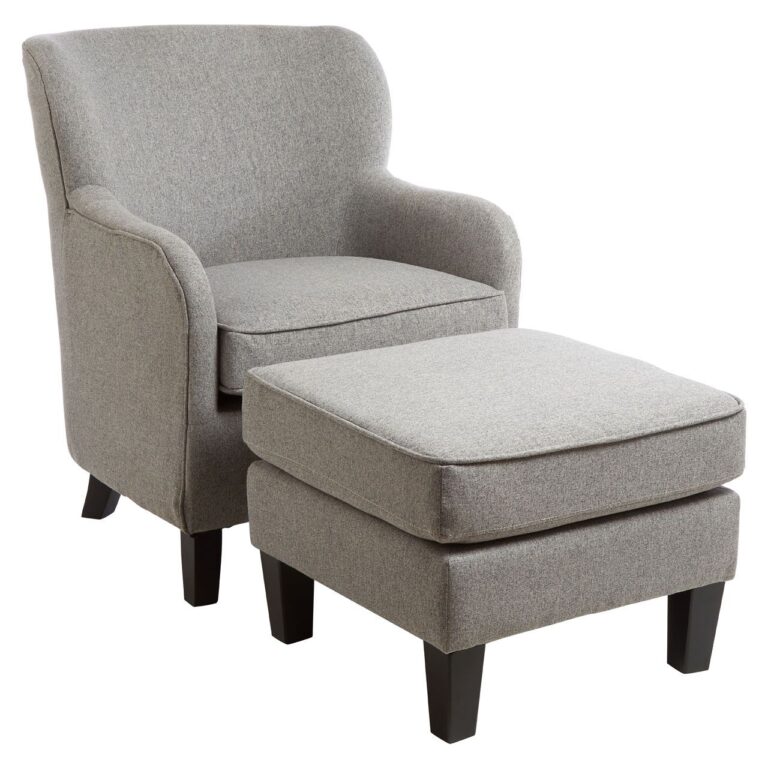
Furniture reveals warm minimalist interior design’s true character. Every piece should justify presence through function and feeling, crafted from materials aging beautifully, shaped with curves echoing nature rather than rigid geometry.

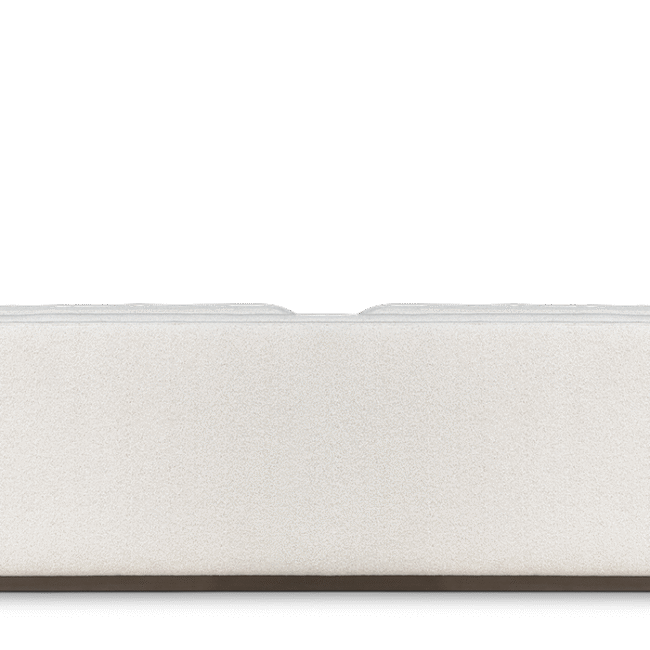
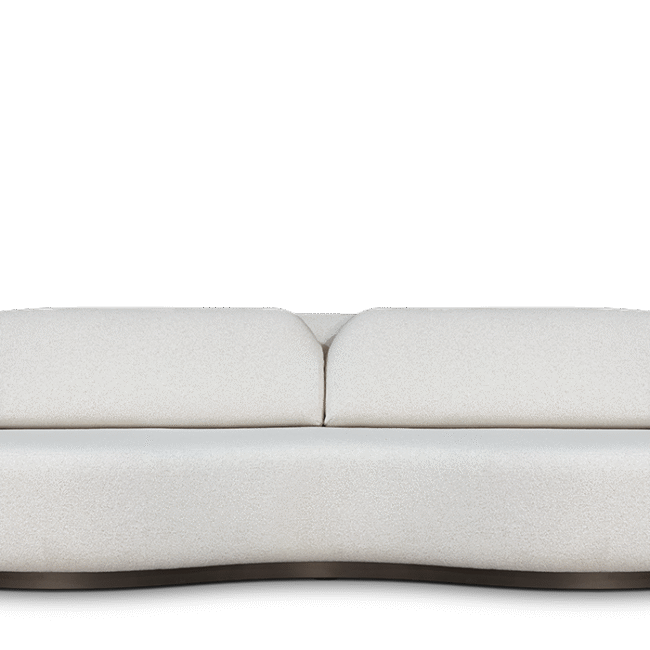
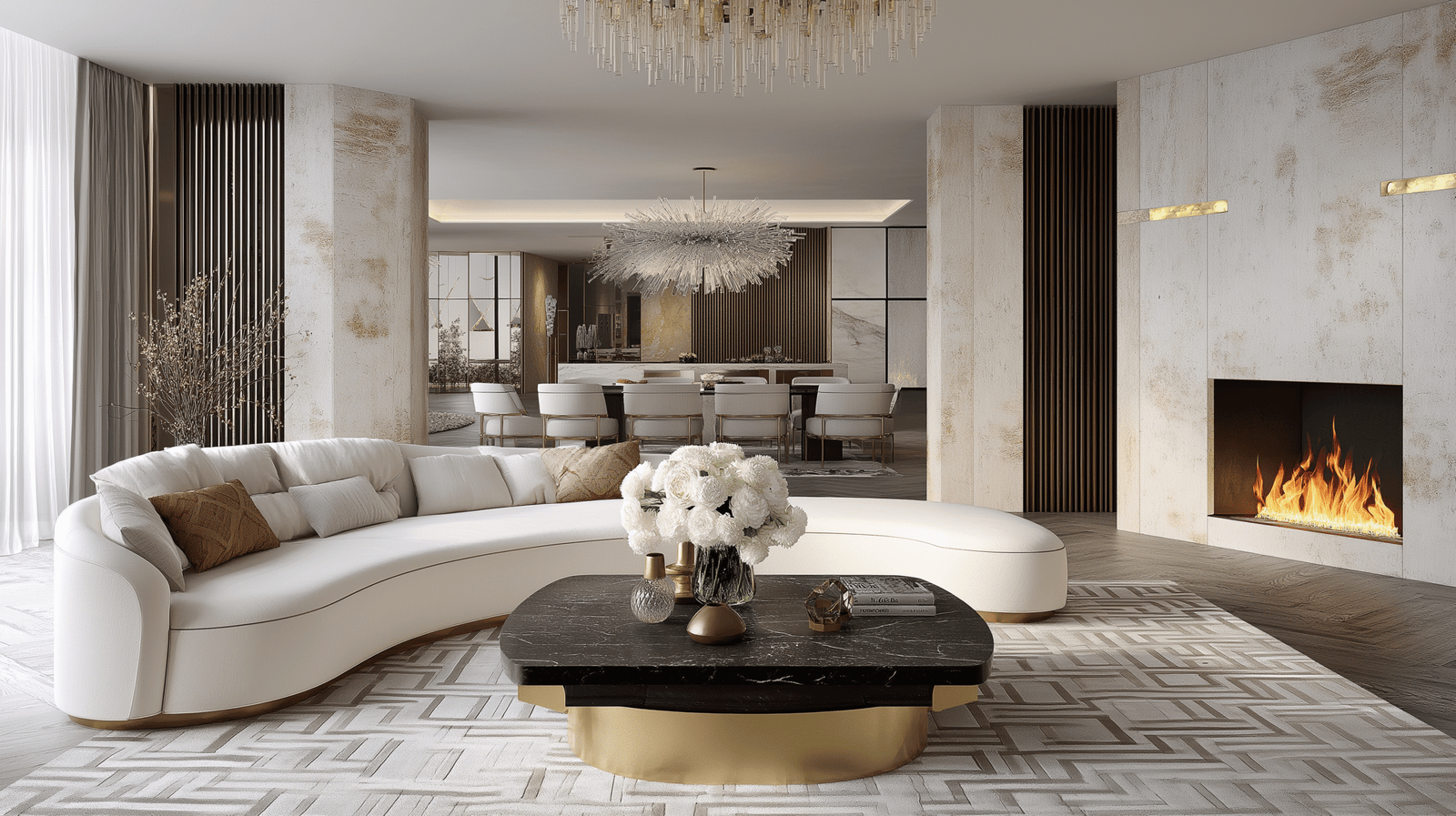
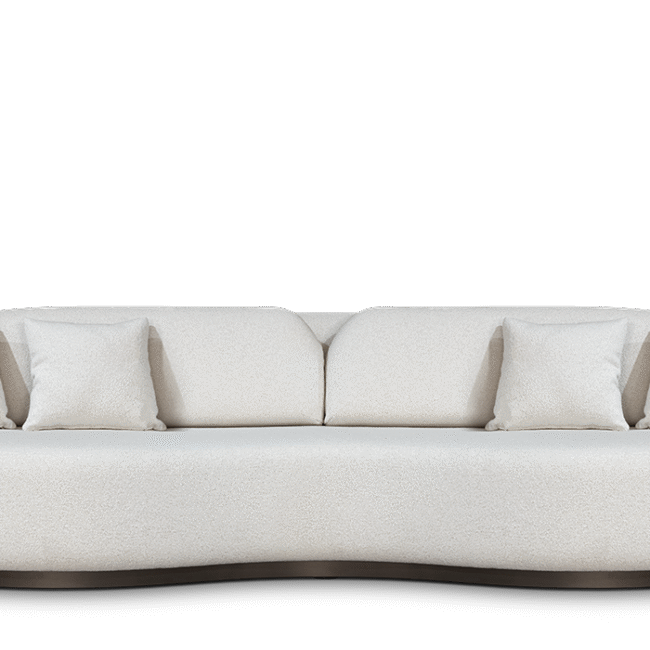
Warm minimalist interior design gravitates toward rounded edges, gentle curves, sculptural silhouettes over severe right angles. Organic forms feel inherently human. Live-edge dining tables with natural grain and irregular edges. Curved bouclé sofas embracing rather than cornering. Round terracotta side tables instead of sharp cubes.

Look for furniture referencing natural forms: chairs with curved backs echoing the spine, tables with organically tapering legs, lighting suggesting branches over industrial geometry. Even contemporary pieces should feel like they grew rather than were merely manufactured.

Warm minimalist interior design rejects fakery. No laminate pretending to be wood. No plastic masquerading as marble. Choose furniture wearing materiality honestly: solid wood aging beautifully, genuine leather developing character, natural textiles softening and fading in ways that add appeal.

This material honesty extends to finishes. Wood left natural or oil-finished rather than high-gloss lacquered. Brass and bronze developing patina rather than eternally bright chrome. Handwoven cane and rattan over plastic wicker.

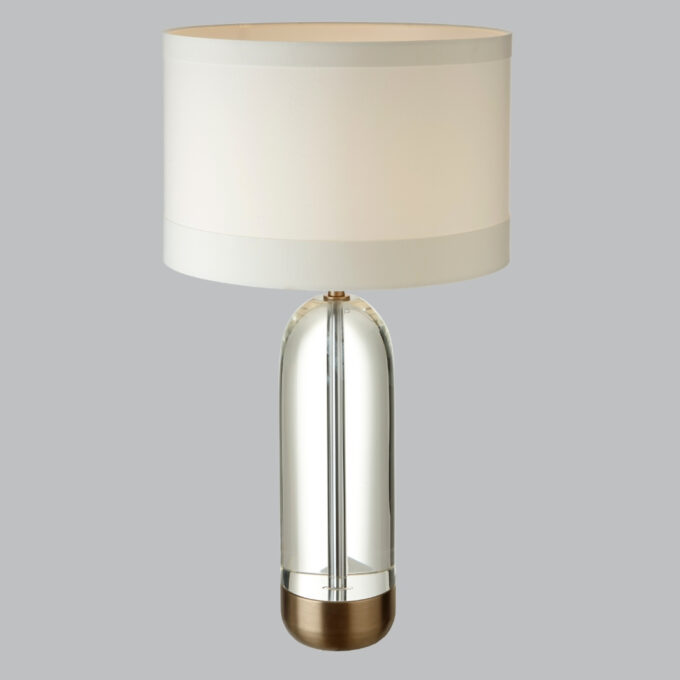
Warm minimalist interior design operates on “fewer, better.” Rather than filling rooms with mediocre furniture replaced in three years, invest in exceptional pieces anchoring spaces for decades. The solid oak table refinished endlessly. The vintage walnut credenza growing more beautiful. The handcrafted ceramic lamp with perfect proportions.

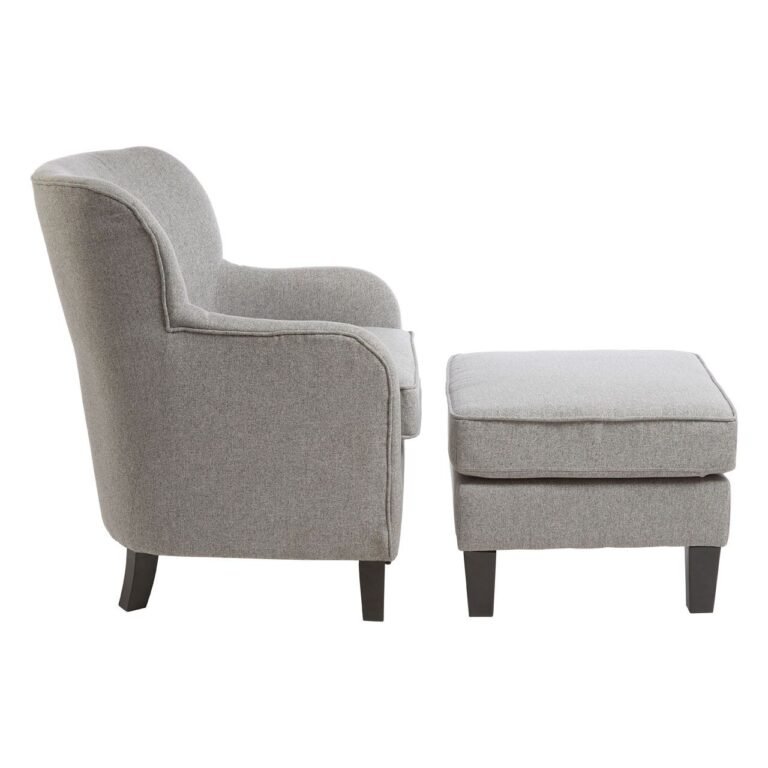
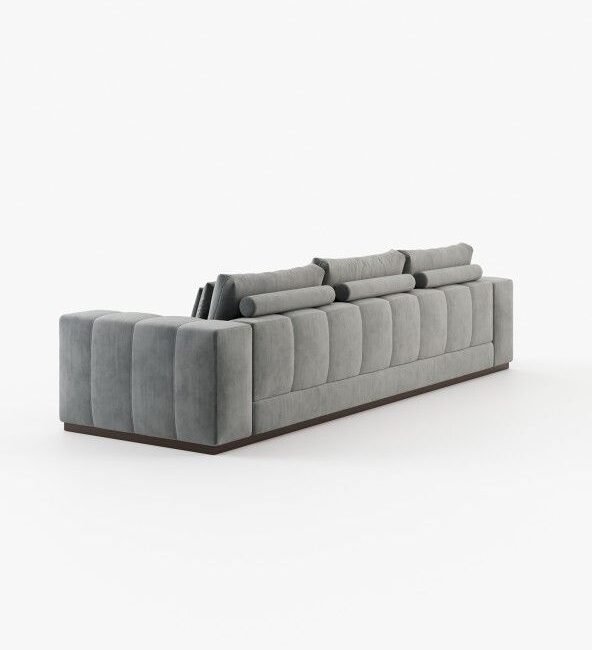
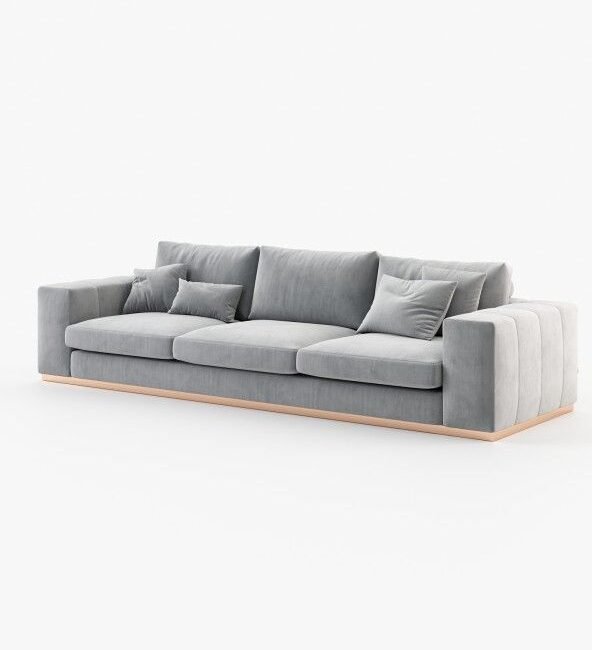
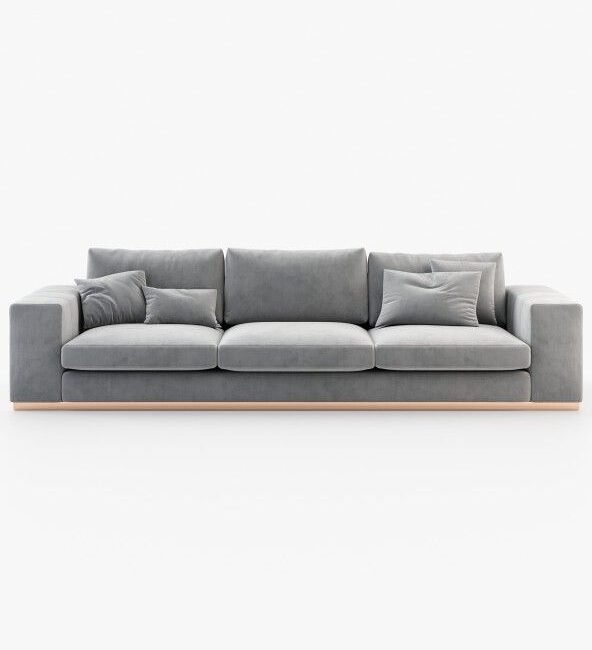
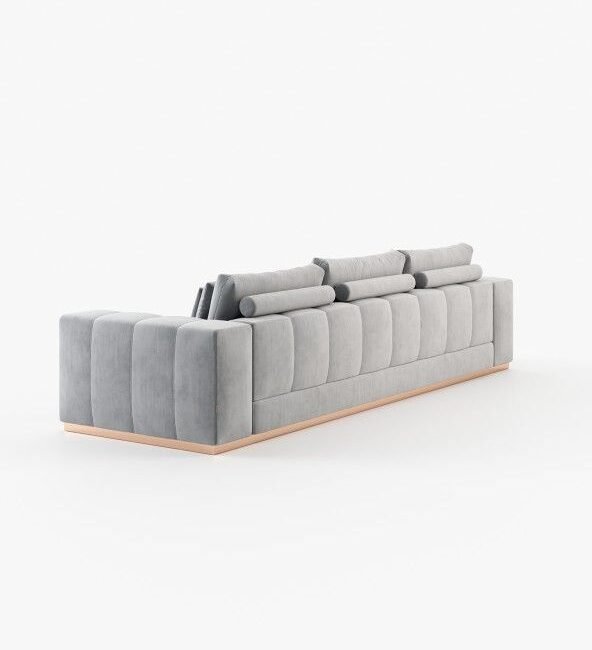
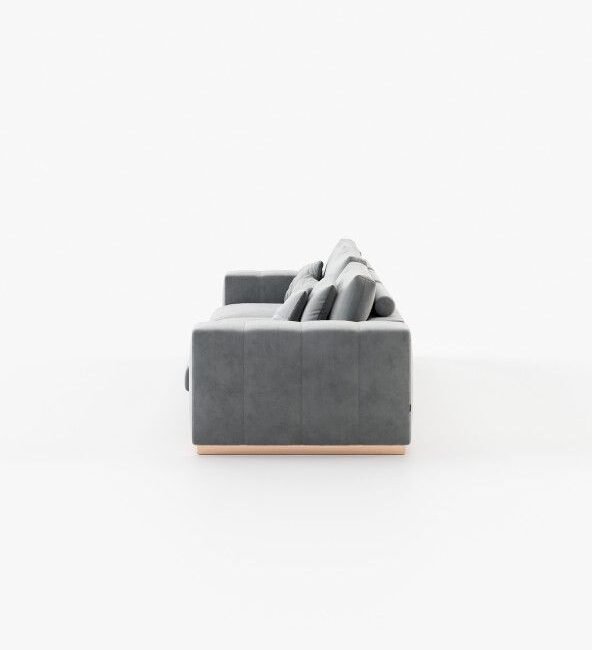
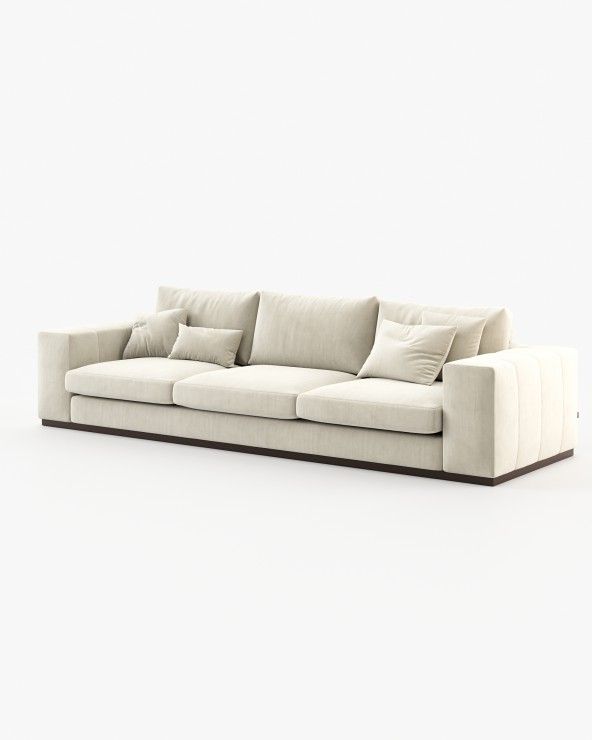
Notice how successful warm minimalist interior design spaces feature lower-profile furniture—sofas, beds, seating closer to floors. This creates visual groundedness that feels stable and calming. Platform beds instead of traditional frames. Low-slung sofas rather than tall-backed sectionals.

The biggest error: buying sleek, modern pieces with cold materials and assuming texture compensates. Glass and chrome coffee tables never work in true warm minimalist interior design, regardless of surrounding textiles.

Budget-conscious approach: build exceptional warm minimalist interior design spaces through strategic secondhand shopping. Search for solid wood pieces from the ’60s-’80s. Vintage pieces in good materials outperform new furniture in synthetics at identical price points, carrying the patina warm minimalist interior design craves.

How to Master Warm Minimalist Interior Design in 2026

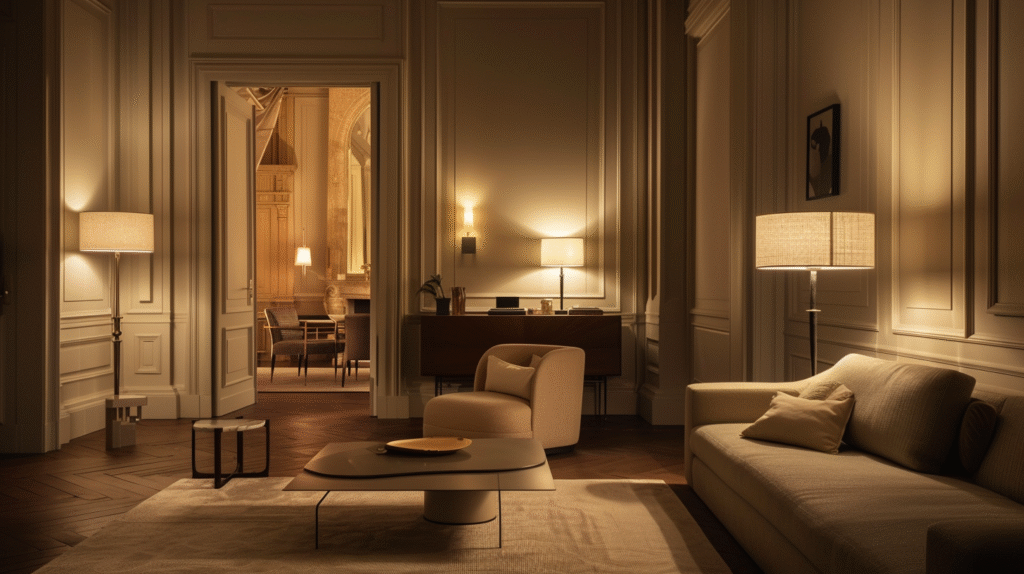
Lighting transforms warm minimalist interior design from concept to reality. Perfect furniture, textiles, and color palettes mean nothing if harsh overhead lighting destroys atmosphere. Conversely, thoughtful lighting makes modest spaces feel like sanctuaries.

Non-negotiable in warm minimalist interior design: bulbs must emit warm light. Look for 2700K-3000K color temperatures—the warm, amber glow of candlelight and sunset making spaces inviting. Anything above 3500K reads institutional, clinical, harsh.

Replace every “bright white” or “daylight” bulb immediately. Yes, even task areas. You can have warm light bright enough for cooking or makeup—the two aren’t mutually exclusive.

Warm minimalist interior design spaces employ three lighting layers: ambient (general illumination), task (focused light for activities), and accent (highlighting features or atmosphere). Magic happens when you control layers independently, adjusting from bright and energized to softly atmospheric.

For ambient lighting, avoid single overhead fixtures. Consider recessed ceiling lights on dimmers, floor lamps bouncing light off walls and ceilings, or multiple table lamps. The goal: gentle, diffused light from multiple sources rather than harsh central illumination.

Task lighting should be functional and beautiful. Sculptural brass desk lamps. Pendant lights with linen shades over kitchen islands. Adjustable wall sconces flanking beds. These serve purposes while adding warmth through materials and warm-toned bulbs.

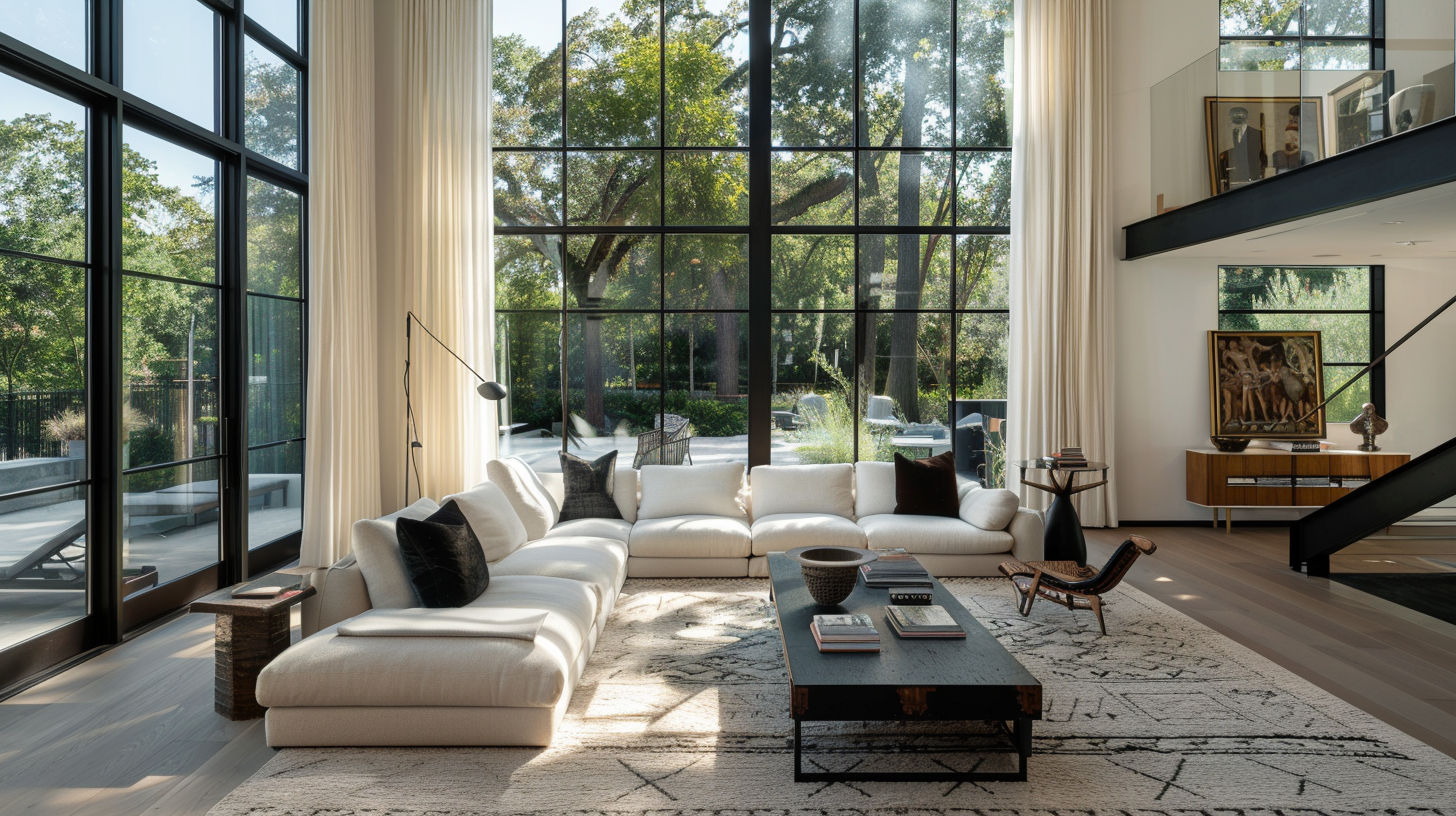
Maximizing natural light is fundamental to warm minimalist interior design, but with nuance. The goal isn’t harsh direct sunlight—it’s diffused, soft natural light changing throughout the day. Sheer linen curtains filter sun while maintaining brightness. Reflective surfaces bounce light deeper into rooms.

The worst offense: relying solely on overhead lighting, particularly builder-grade flush-mounts with cool-white bulbs. This creates flat, institutional lighting destroying any warmth.

Budget-friendly upgrades: replace every bulb with 2700K-3000K warm equivalents—immediate transformation for minimal cost. Add affordable secondhand table lamps. Install dimmer switches yourself or use smart bulbs allowing dimming via app. The impact-to-cost ratio of lighting upgrades is unmatched.

How to Master Warm Minimalist Interior Design in 2026

Rule 5: Bring Nature Inside with Biophilic Intention

Warm minimalist interior design doesn’t oppose nature—it’s a love letter to it. Biophilic elements aren’t decorative afterthoughts but essential components bridging pared-back simplicity and organic vitality.

Forget Instagram jungle aesthetics. Warm minimalist interior design employs greenery with restraint, but plants present carry outsized weight. One large fiddle leaf fig makes stronger statements than six scattered succulents. A trailing pothos on simple shelving creates more impact than windowsills crowded with mismatched pots.

Choose plants suiting your light and maintenance capacity. Consider sculptural varieties: snake plants with architectural leaves, rubber plants with glossy foliage, olive trees if you have space.

Beyond living plants, warm minimalist interior design integrates nature through materials. Wood in varying tones—pale oak to rich walnut—brings organic warmth and grain patterns no manufactured material replicates. Stone and clay—terracotta planters, travertine tables, ceramic vessels—connect spaces to elemental materials.

Natural fibers extend biophilic connection: jute rugs, linen curtains, wool throws, rattan baskets. These don’t just look natural—they feel natural, smell natural, age naturally.

One signature move: incorporating live-edge wood retaining natural edges—the irregular outline where trunk met air. Live-edge coffee tables, floating shelves with visible bark, rough-hewn oak headboards celebrate imperfection and bring warmth through connection to living trees.

The biggest error: fake plants actively undermine warm minimalist interior design by introducing dishonesty into spaces built on material authenticity. If you can’t maintain real plants, use dried grasses, branches, or botanical prints—anything genuinely natural.

Budget-conscious: propagate plants from friends rather than buying new. Forage branches and seasonal elements from your yard. Choose fast-growing, low-maintenance plants like pothos you can propagate endlessly.

Fashion and Nature


Here’s where warm minimalist interior design separates from both cluttered maximalism and sterile minimalism: ruthless editing combined with deeply intentional display. Not everything deserves visibility. Not every surface requires objects. But things you display should earn presence through beauty, meaning, or both.

Negative space—deliberate emptiness around and between objects—isn’t absence. It’s active design allowing eyes to rest, minds to quiet, chosen pieces to breathe. In warm minimalist interior design, negative space creates luxury of simplicity and visual calm.

Empty wall stretches aren’t failures. Clear countertops aren’t “unfinished.” These open areas balance displayed objects, creating rhythm and preventing overwhelm.

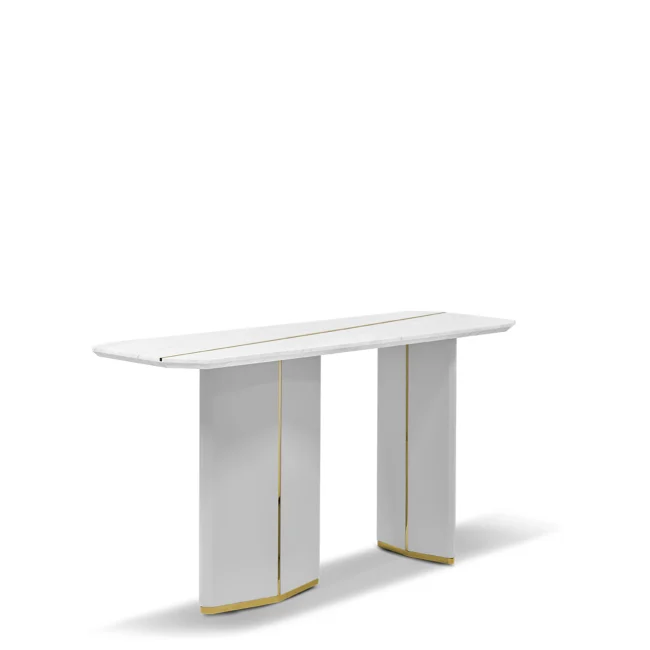
Aim for the rule of thirds in surface styling: roughly one-third of surfaces should remain clear. On console tables, this might mean a ceramic vessel and art book stack occupying one side, two-thirds left open.

Warm minimalist interior design asks you to think like gallery curators, not collectors. Galleries don’t display everything—they select pieces working together to tell stories or establish visual dialogue.

This means rotating seasonal items rather than displaying everything always. Winter brings heavier textiles and darker ceramics; summer introduces lighter colors and botanicals. Rotation prevents visual fatigue and creates excitement rediscovering temporarily stored pieces.

When displaying objects, warm minimalist interior design favors thoughtful groupings over scattered isolated items. Three similar ceramic vessels at varying heights create more impact than one alone. Vintage brass candlesticks grouped on dining tables make statements.

The most successful warm minimalist interior design spaces blur lines between functional items and display-worthy objects. Beautiful wooden cutting boards leaning against backsplashes. Linen napkin collections in handwoven baskets. When everyday objects are aesthetically pleasing and honestly made, the need for purely decorative items diminishes.

Over-symmetry is one trap. Perfect symmetry reads as staged rather than lived-in. Warm minimalist interior design embraces slightly off-center arrangements, odd numbers, organic imperfection suggesting someone actually lives there.

Budget-conscious: editing costs nothing—perhaps the most accessible aspect of warm minimalist interior design. Remove half of what’s displayed and live with spaces for a week. You’ll likely not miss most of it.

How to Master Warm Minimalist Interior Design in 2026

The final principle might be most countercultural: deliberate celebration of imperfection, age, and wear from genuine living. This opposes plastic Instagram minimalism perfection where everything stays pristine and homes feel like showrooms.

The Japanese wabi-sabi philosophy—finding beauty in impermanence, imperfection, incompleteness—provides the missing piece for warm minimalist interior design. It transforms stark minimalism into something human. Chips in favorite ceramic bowls tell stories. Patina developing on brass hardware is evolution. Slight linen curtain fading records light and time.

This mindset changes how you choose and care for objects. Rather than seeking eternal perfection, select items aging beautifully and accept living’s marks as appeal. Wood scratching and denting in character-adding ways. Leather developing rich patina. Metals tarnishing and aging.

Warm minimalist interior design gravitates toward materials with proven aging characteristics. Solid wood darkens or lightens with sun, develops minor dents from use, refinishes endlessly. Natural textiles like linen and cotton soften with washing, fade gently, become more comfortable over time.

Mass-produced items achieve uniformity through industrial processes removing human variation. Handmade objects carry maker’s marks—slight asymmetry in hand-thrown bowls, subtle color variation in hand-dyed textiles, organic irregularity in artisan-forged brass. These “imperfections” make handmade items feel alive and unique.

Part of mastering warm minimalist interior design is releasing anxiety about keeping everything pristine. Dining tables get scratched from daily use—scratches become records of shared meals and lived lives. Jute rugs show traffic patterns—evidence spaces are genuinely inhabited.

The trap: confusing intentional imperfection with neglect. Warm minimalist interior design celebrates age and wear, not dirt, disrepair, or genuine damage. Vintage rugs with worn patches from decades of use are beautiful; stained rugs you haven’t cleaned are not.
Budget-conscious: accepting imperfection dramatically expands options. Vintage solid wood dressers with scratches and worn finish? Half the price of new, better quality, and wear adds appeal rather than detracts.

Understanding the Foundation

Warm Minimalist Interior Design

Creating spaces through warm minimalist interior design ultimately means respecting yourself enough to build genuinely nourishing environments rather than merely impressive ones. It’s recognizing you deserve quiet luxury of negative space and sensory pleasure of natural materials. It’s understanding fewer objects can mean richer experiences when chosen with intention and crafted with integrity.

These seven principles—warm organic neutrals, textural layering, honest materials and organic forms, masterful lighting, biophilic integration, ruthless editing, and embracing imperfection—work together as comprehensive frameworks rather than isolated rules. They reinforce each other: warm lighting enhances color palettes, textural variety prevents coldness, editing creates space for best pieces to shine, natural materials age beautifully when you embrace patina.

Start small if full transformation feels overwhelming. Swap bulbs to 2700K warmth and notice immediate spatial difference. Replace one cold-toned item with something in warm natural materials. Edit one surface completely clear and observe how breathing room changes stress levels. Layer one beautiful textile over existing furniture.

In a world increasingly chaotic, screen-saturated, and disconnected from natural rhythms, warm minimalist interior design offers something profoundly valuable: creating spaces actively restoring rather than depleting us. Spaces where you exhale fully. Where you’re surrounded by honest materials and warm light. Where every object has meaning and nothing is excess.

That’s the promise of warm minimalist interior design in 2026—not as trends to follow but as frameworks for building homes supporting lives we actually want to live, with all their beautiful imperfection and human warmth.

What do you think?
Leave a Reply

Blog

Get fresh home inspiration and helpful tips from our interior designers

top
1
    1
    Your Cart
    Espresso Floor Lamp Remove
    Espresso Floor Lamp
    Qty: 1
    Price: £3,768
    £3,768

    Inactive

    Privacy Overview

    This website uses cookies so that we can provide you with the best user experience possible. Cookie information is stored in your browser and performs functions such as recognising you when you return to our website and helping our team to understand which sections of the website you find most interesting and useful.