Introduction
The UK luxury furniture market is entering 2026 with a more selective customer. People are still investing in their homes, but the way they spend has changed. After several years of inflation, higher mortgage costs and weaker consumer confidence, many buyers are no longer furnishing their homes casually. They are comparing more, researching more and expecting more from every purchase.
This does not mean the appetite for beautiful interiors has disappeared. In fact, the latest furniture, retail, renovation and interior design data suggests the opposite. Homeowners are still renovating, still decorating, still shopping online and still looking for pieces that make their homes feel more personal, comfortable and considered. What has changed is the level of scrutiny. A sofa, dining table, side table, mirror or light fitting now has to justify its place in the home.
Luxury furniture sits in an interesting position within this market. It is not driven only by necessity, but it is not purely decorative either. A well-chosen piece of furniture can make a room more functional, more atmospheric and more valuable to live in. In 2026, the strongest demand is likely to come from buyers who want fewer, better pieces: furniture with better materials, stronger proportions, timeless finishes and a sense of individuality.
This report brings together the most useful UK luxury furniture statistics for 2026, using current data from sources including the Furniture Industry Research Association, the Office for National Statistics, Houzz, IBISWorld, Deloitte, PwC and the British Retail Consortium.
Rather than listing hundreds of disconnected numbers, this article focuses on the statistics that actually explain what is happening: how large the furniture market is, how consumers are spending, how renovation is shaping demand, how online shopping is changing the buying journey and which interior design trends are influencing luxury homes in the UK.
Key UK Luxury Furniture Findings for 2026
The UK furniture market is recovering, but not in a straight line. According to the Spring 2026 FIRA Statistics Digest, furniture and furnishings expenditure returned to modest growth, with furniture spending rising by 3.2% to £20.15 billion. That is an important signal because furniture is a big-ticket category. When spending starts to rise again, it often means households are beginning to return to purchases they may have delayed.
The same FIRA update reported that UK household final consumption expenditure reached £1.78 trillion in 2025, up 4.5% year on year, while total UK manufacturer sales reached £10.8 billion in 2024. This shows that despite pressure on households, the furniture sector remains a significant part of the wider consumer economy.
Retail conditions, however, remain challenging. The ONS April 2026 retail sales bulletin reported that retail sales volumes fell by 1.3% in April 2026 after growth in March, while online sales accounted for 28.1% of total retail sales. The British Retail Consortium also reported a 3% year-on-year fall in total UK retail sales in April 2026.
This mixed picture matters. It suggests that the furniture market is not simply booming, but neither is it standing still. Buyers are cautious, but they are still spending where they see value. For luxury furniture, this creates a more demanding customer: one who expects quality, reassurance, good information and a sense that the piece will last.
Renovation data supports this. The 2025 UK Houzz & Home Renovation Trends Study found that 51% of surveyed UK homeowners renovated their homes in 2024, while the median renovation spend rose by 26% to £21,440. The top 10% of renovating homeowners spent £169,000. This is a major signal for luxury furniture, because renovation often creates the need for better furniture, lighting and decorative pieces to complete the space.
Interior design is also growing. IBISWorld estimates the UK interior design activities market at £1.8 billion in 2026, with market size increasing by 2.0% in 2026. That growth is modest, but it supports a wider trend: more homeowners want professional-looking interiors, and more of them are willing to invest in the rooms they use every day.
How Big Is the UK Furniture Market?
The UK furniture market is large, but it has been shaped by several difficult years. Inflation, weaker consumer confidence, high interest rates and pressure on household budgets have all affected big-ticket purchases. Furniture is especially sensitive to these pressures because it is easy to postpone. A household may need to replace food, fuel or basic essentials immediately, but a new coffee table, dining chair or bedroom cabinet can often wait.
That makes the return to growth in furniture spending particularly useful. FIRA’s Spring 2026 data shows furniture spending rising by 3.2% to £20.15 billion, outpacing flooring and some other household categories. This does not mean every part of the market is growing equally. Instead, it points to a gradual return of furniture demand after a more cautious period.
The manufacturing side of the sector remains important too. FIRA reported that total UK manufacturer sales reached £10.8 billion in 2024, still above pre-pandemic levels, with kitchen furniture continuing to lead domestic production. Kitchen furniture matters because kitchens have become central to modern home investment. In many homes, the kitchen now connects directly with dining and living spaces, which means furniture choices around the kitchen have become more visible and more design-led.
A kitchen renovation, for example, can lead to new bar stools, dining chairs, pendant lighting, sideboards and occasional tables. A living room refresh can lead to a new coffee table, side table, media unit, mirror or statement lamp. This is why luxury furniture demand is often connected to wider home improvement, rather than treated as a completely separate purchase.
The luxury segment is harder to measure with one official figure because the UK does not publish a single public “luxury furniture market size” statistic. Instead, luxury furniture sits across furniture expenditure, interior design activity, home renovation spend, premium retail, imported furniture, high-value household consumption and discretionary homeware. The best way to understand it is to look at these related indicators together.
The data suggests that the market is becoming more polarised. Some shoppers are delaying purchases or trading down, while others are still investing in higher-quality pieces. That second group is especially important for luxury furniture. They may not buy frequently, but when they do, they want furniture that improves the room properly.
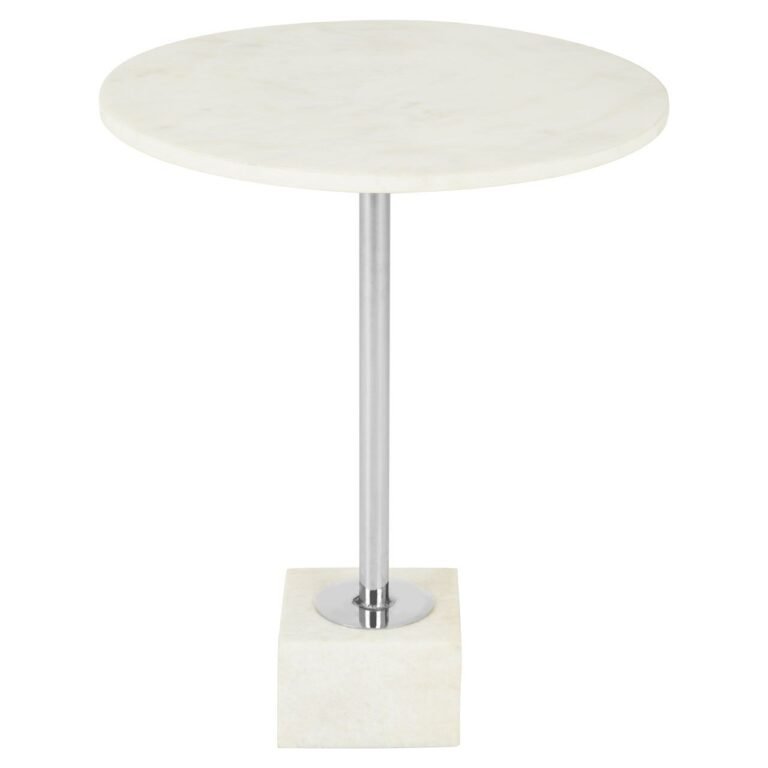
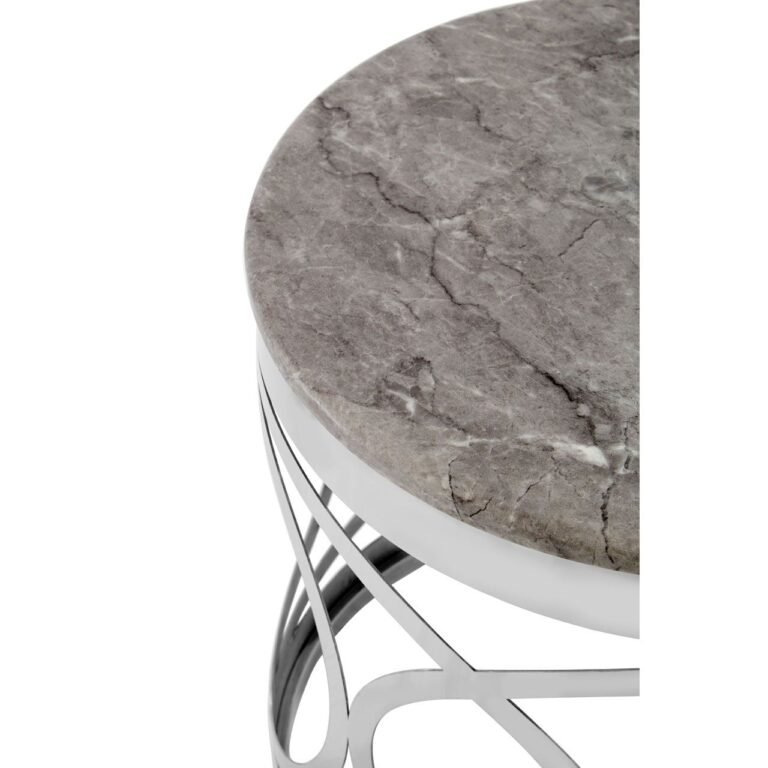
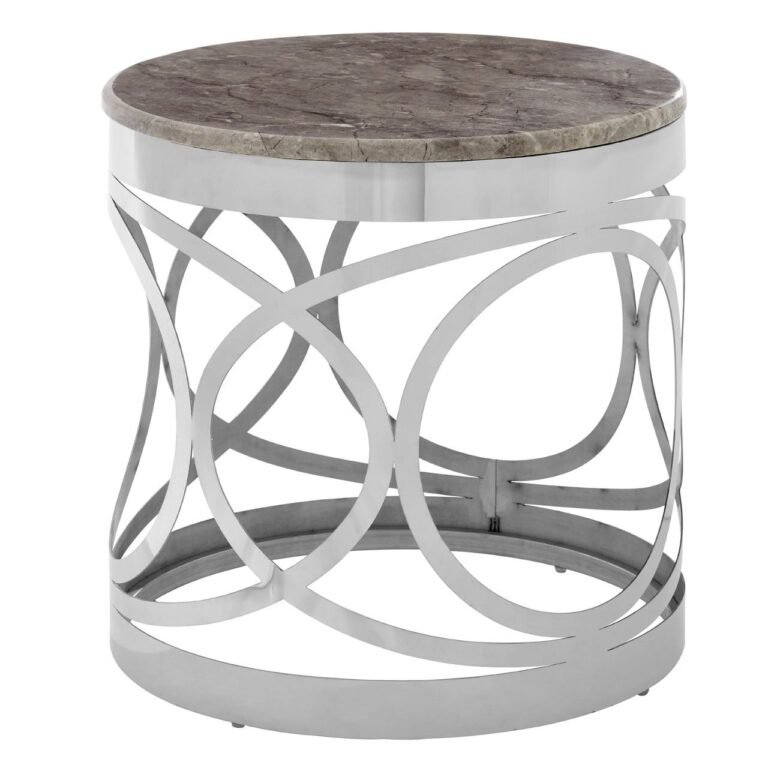
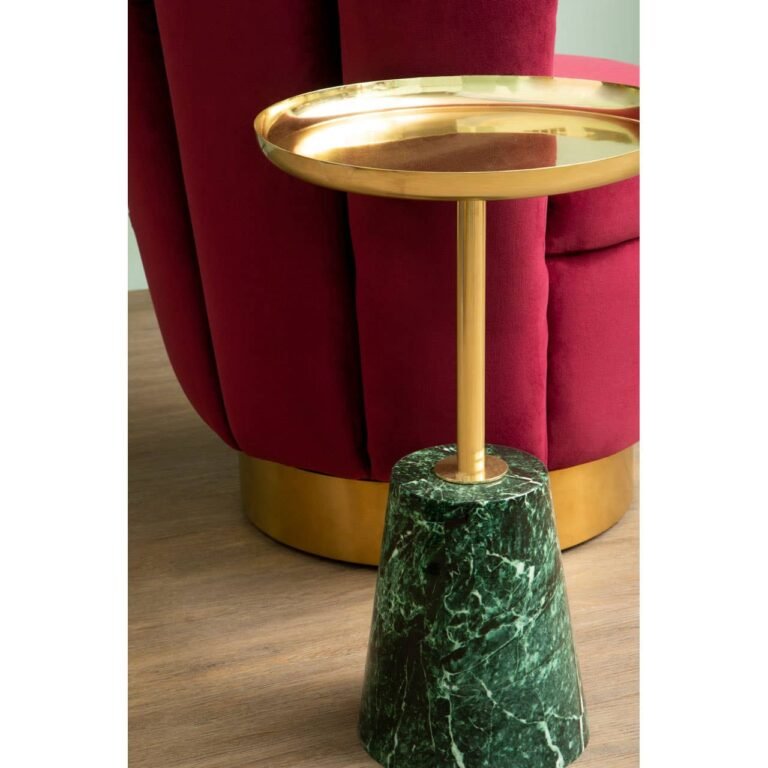
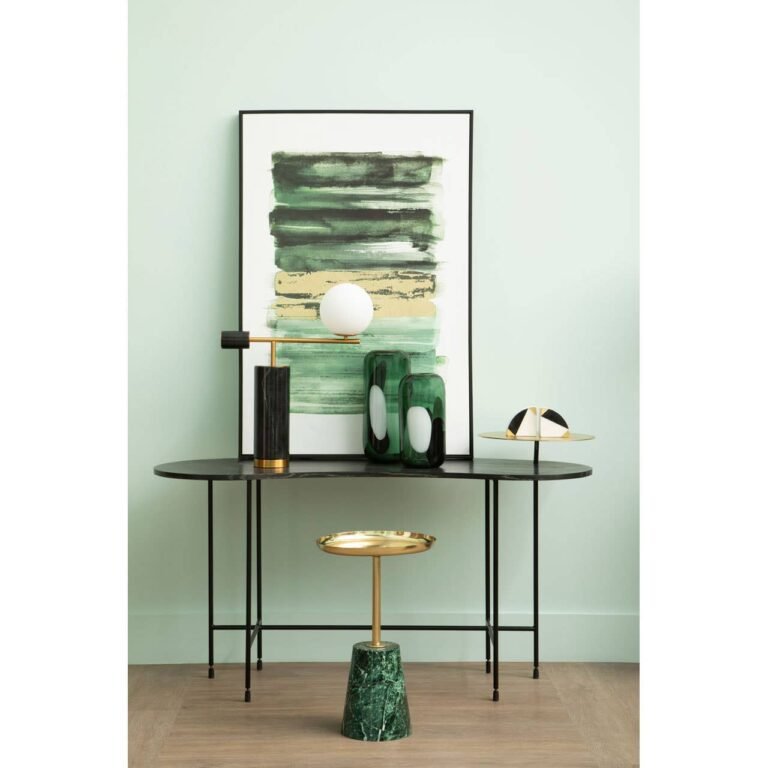
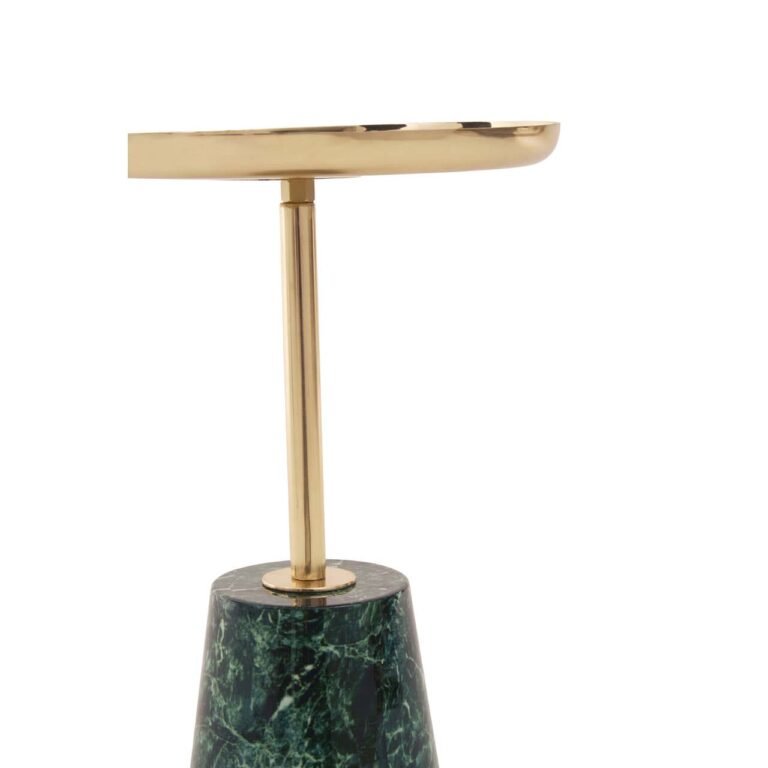
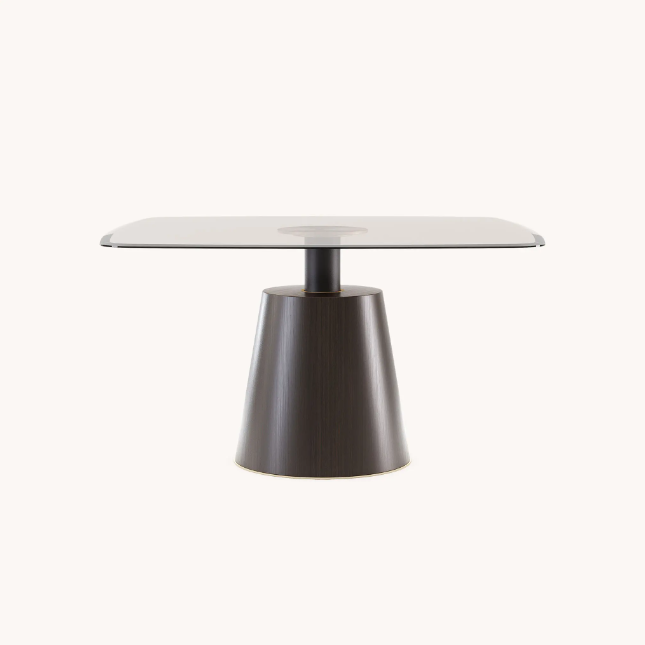
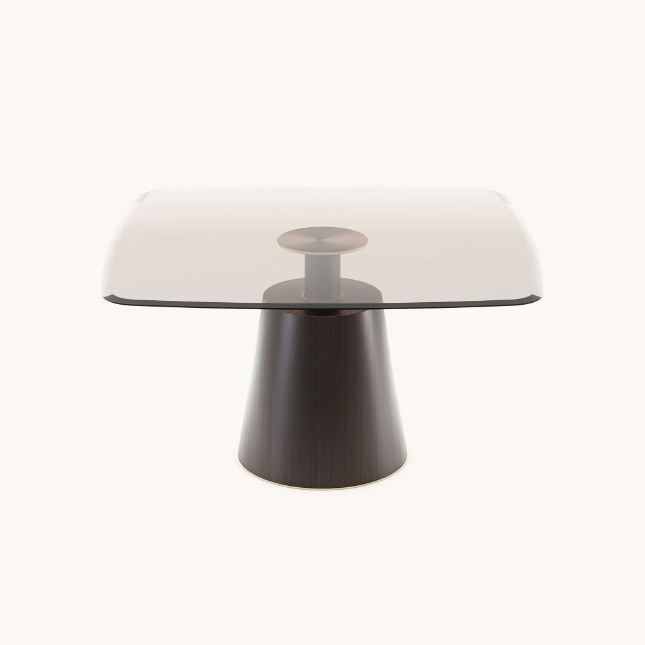
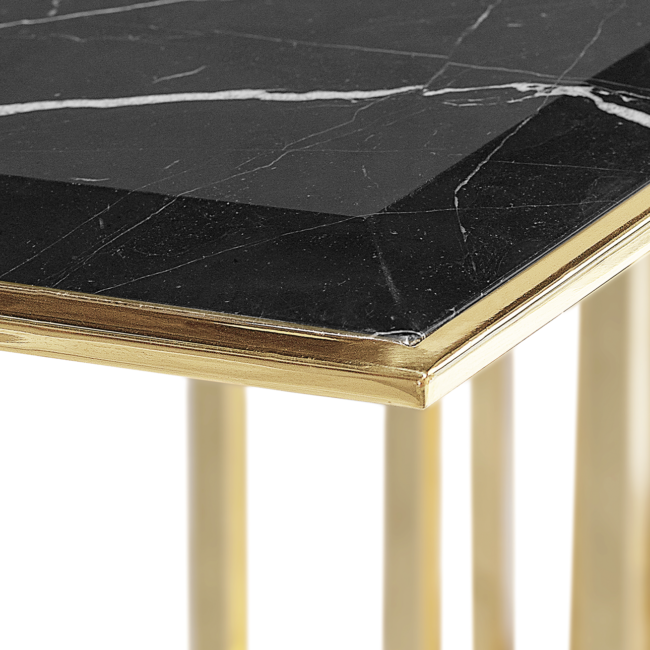
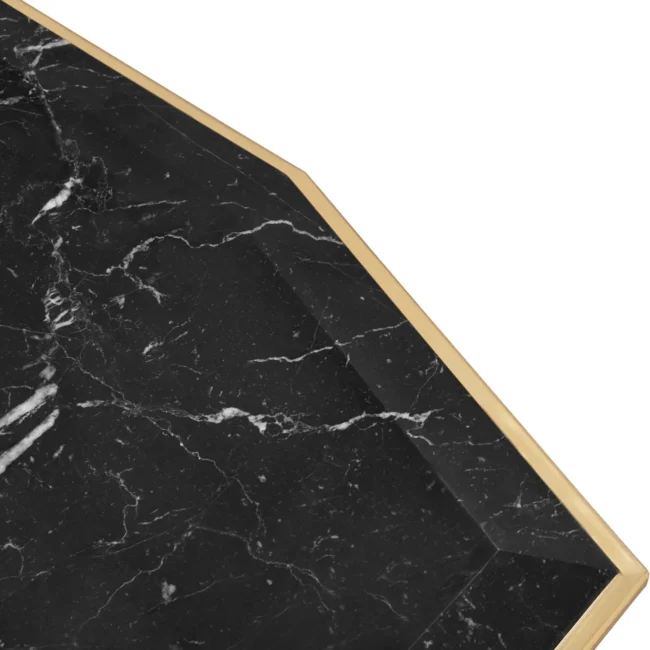
This is one reason accent furniture has become so important. A marble side table, sculptural coffee table, upholstered dining chair or statement mirror can change the feeling of a room without requiring a full renovation. These pieces offer visible impact, but they are still practical enough to feel like a considered purchase.
Is the UK Furniture Market Recovering?
The UK furniture market is recovering, but slowly and unevenly.
Official retail data shows why the picture is complicated. The ONS April 2026 retail sales bulletin reported that retail sales volumes rose by 0.5% in the three months to April 2026 compared with the previous three months. However, sales volumes fell by 1.3% in April itself. That combination tells us something important: the wider trend can improve even while individual months remain weak.
Retailers also continue to face pressure from cautious consumers. Deloitte’s Consumer Tracker for Q1 2026 reported that UK consumer confidence fell by three percentage points in the first quarter of 2026, reaching its lowest level since Q3 2023. Deloitte also found that confidence in the UK economy fell to -69%, down from -56% in Q4 2025.
PwC’s Spring 2026 Consumer Sentiment Survey paints a similar picture, reporting the sharpest quarterly decline in consumer sentiment in four years. This matters for furniture because when customers feel uncertain, they become more careful with large purchases.
Yet this caution does not remove demand. It changes the way demand behaves. A consumer may still want a more beautiful living room or dining space, but they are less likely to buy without research. They want clearer dimensions, better images, delivery details, material information, reviews, care instructions and reassurance that the piece will work in their home.
This is particularly true in luxury furniture, where the purchase carries more risk. A low-cost side table may be an impulse buy. A luxury dining table or statement cabinet is not. The customer needs confidence before spending. That confidence comes from product quality, but also from presentation: room photography, styling advice, material explanations, scale guidance and trustworthy delivery information.
In 2026, the furniture brands most likely to benefit from recovery are those that understand the buyer’s hesitation. It is not enough to present a beautiful item. The brand has to answer the questions a careful buyer is already asking.
What the Data Says About Luxury Furniture Buyers
Luxury furniture buyers in 2026 are not necessarily buying more. Many are buying more carefully.
The strongest trend is selectivity. After years of rising costs, consumers are more aware of waste, poor quality and short-lived trends. This has made the “fewer, better pieces” mindset more relevant in interiors. The customer may not want to replace a whole room, but they may be willing to invest in one piece that improves it.
That could be a better dining chair, a more elegant bedside table, a sculptural coffee table, a statement light or a mirror that makes a hallway feel finished. These are not always the largest purchases in the home, but they often have a strong visual effect.
Renovation behaviour helps explain this. Houzz found that median renovation spend reached £21,440 in 2024, while the top 10% of renovating homeowners spent £169,000. Once a household has invested that much in a home, cheaper furniture can make the finished room feel incomplete. A newly decorated room often needs furniture that matches the level of effort already spent on the walls, floors, lighting and layout.
There is also a confidence element. Luxury furniture shoppers are more likely to care about materials and finish. They want to know whether a table is marble, travertine, oak, walnut, glass, brass, bronze or veneer. They want to understand whether a chair is upholstered in velvet, linen, leather, bouclé or a performance fabric. They want clarity on whether a metallic finish is polished, brushed, antique or painted.
This does not mean every buyer wants traditional luxury. Many modern luxury interiors are quieter. The language of luxury has shifted away from obvious excess and towards texture, proportion, warmth and atmosphere. In furniture, this can mean curved forms, natural stone, darker woods, soft upholstery, aged metals and pieces that feel collected rather than overly matched.
The luxury customer is also influenced by how rooms are now used. Living rooms are not only for formal entertaining. Dining rooms are not only for special occasions. Bedrooms are expected to feel calm and hotel-like. Hallways are treated as design moments rather than empty passing spaces. Home offices need to be practical without looking corporate. This creates demand for furniture that is both functional and beautiful.
In short, the luxury furniture buyer is no longer just asking, “Is this expensive?” They are asking, “Does this make my home feel better?”
Home Renovation Statistics and What They Mean for Furniture Demand
Renovation is one of the strongest indicators of future furniture demand.
According to the 2025 UK Houzz & Home Renovation Trends Study, 51% of surveyed UK homeowners renovated their homes in 2024. The same study found that 60% completed decoration projects. This distinction is important because decoration is especially close to furniture purchasing. Once people repaint, change flooring, update lighting or refresh a room, the existing furniture can suddenly feel wrong.
Houzz also found that 49% of surveyed homeowners planned to renovate in 2025, while 60% planned to decorate. That shows a continuing pipeline of home improvement activity. Even if some households are cautious, many are still planning to improve the homes they already own.
The age of UK housing stock also matters. Houzz reported that 53% of renovating homeowners lived in homes built in 1940 or earlier. Older homes often need repairs and upgrades, but they also create strong design opportunities. Period properties can suit layered interiors, antique-inspired furniture, statement lighting, mirrors, textured fabrics and natural materials. They can also make generic, flat-pack furniture feel out of place.
Professional involvement is another important signal. Houzz found that 94% of renovating homeowners worked with at least one professional. Electricians were used by 59%, plumbers by 56%, painters by 41%, architects by 25% and cabinetry professionals by 27%. This suggests that many renovations are not purely casual DIY updates. They are serious projects with proper budgets, trades and design decisions.
That matters because professional renovations tend to raise expectations. If a homeowner has invested in an architect, cabinetry professional, decorator or electrician, the furniture chosen afterwards has to match the new standard. A poorly scaled coffee table, harsh ceiling light or uncomfortable dining chair can weaken the whole result.
Renovation spending also explains why luxury furniture can remain relevant even in a cautious economy. People may move less often when mortgage costs are high, but they may invest more in the homes they already own. This “improve rather than move” mindset supports furniture categories linked to room completion: lighting, tables, chairs, mirrors, storage and decorative accessories.
Interior Design Market Statistics in the UK
The UK interior design market gives another useful view of luxury furniture demand.
IBISWorld estimates that the UK interior design activities market is worth £1.8 billion in 2026. It also reports that the market size increased by 2.0% in 2026 and grew at a 1.3% compound annual growth rate between 2020 and 2025.
These are not explosive growth figures, but they are still meaningful. Interior design is a discretionary service, so growth in this sector suggests that a portion of homeowners and businesses are still willing to pay for better spaces. That supports demand for furniture that looks considered, specified and design-led.
Interior designers also influence furniture purchases in a different way from ordinary retail shoppers. They often think in terms of balance, proportion, finish and whole-room schemes. A designer may choose a chair not just because it looks attractive, but because its shape works against a table, its fabric balances the room and its height suits the surrounding furniture.
This is important for luxury furniture because designer-led purchasing often favours more distinctive pieces. A plain product may be easier to sell at scale, but an unusual side table, curved chair, textured cabinet or sculptural lamp can make a room memorable. In interiors, the pieces that stand out are often the pieces that make a room feel designed.
The interior design market is also influenced by social media and visual search. Homeowners may not always hire a designer, but they increasingly expect their homes to look “designed”. Platforms such as Pinterest, Instagram, Houzz and online magazines have trained consumers to think in terms of mood, colour palette, material mix and styling details. That has raised the standard for furniture retail. A product image alone is often not enough; buyers want to understand how the item contributes to a room.
Online Furniture Shopping Statistics
Online shopping remains central to furniture retail, even when the final purchase is expensive.
According to the ONS April 2026 retail sales bulletin, online sales accounted for 28.1% of total UK retail sales in April 2026. Online sales values fell by 2.3% over the month, but they were still 6.6% higher than in April 2025. This shows that online retail remains structurally important, even when monthly performance moves up and down.
Furniture shopping is especially research-heavy online. Customers often search long before they buy. They compare styles, materials, dimensions, delivery costs and returns policies. They look at lifestyle images, room inspiration and reviews. They may visit several websites before deciding.

This matters because luxury furniture has a higher hesitation point than smaller purchases. A customer buying a statement dining table or large mirror wants to avoid mistakes. They need to know whether the piece will fit, whether the finish will suit their room, whether the material is durable and how delivery will work.


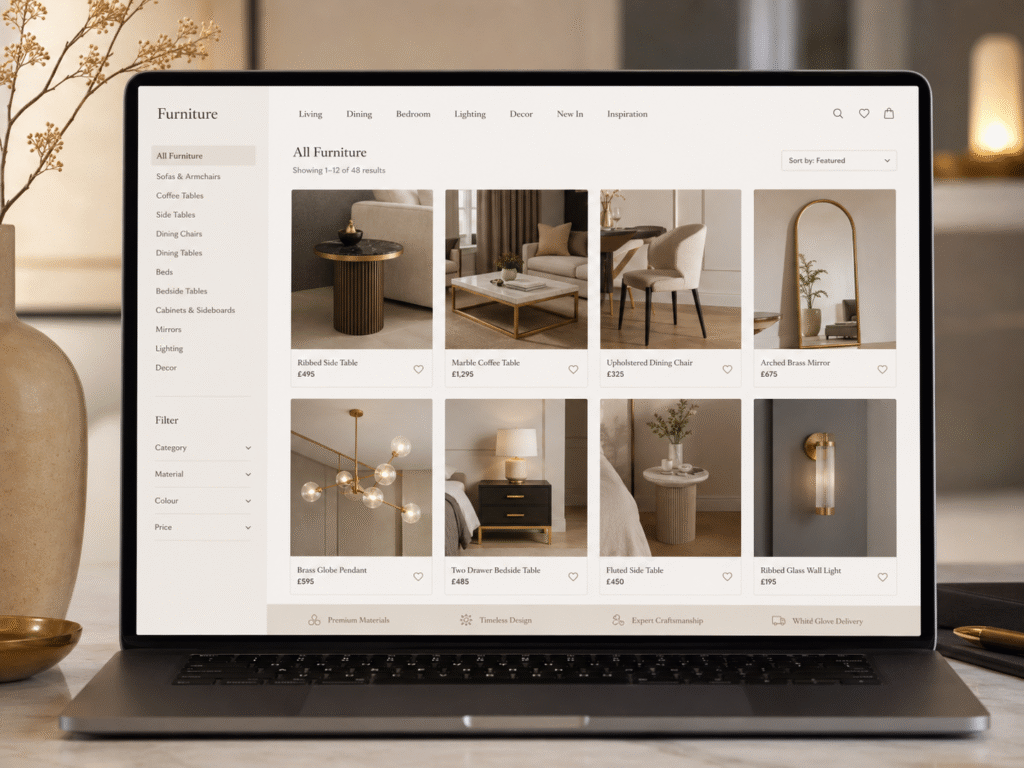
The most effective furniture pages in 2026 are therefore not only product listings. They are decision-support pages. They explain scale, style, materials and room use. They help the customer imagine the item in a real home.
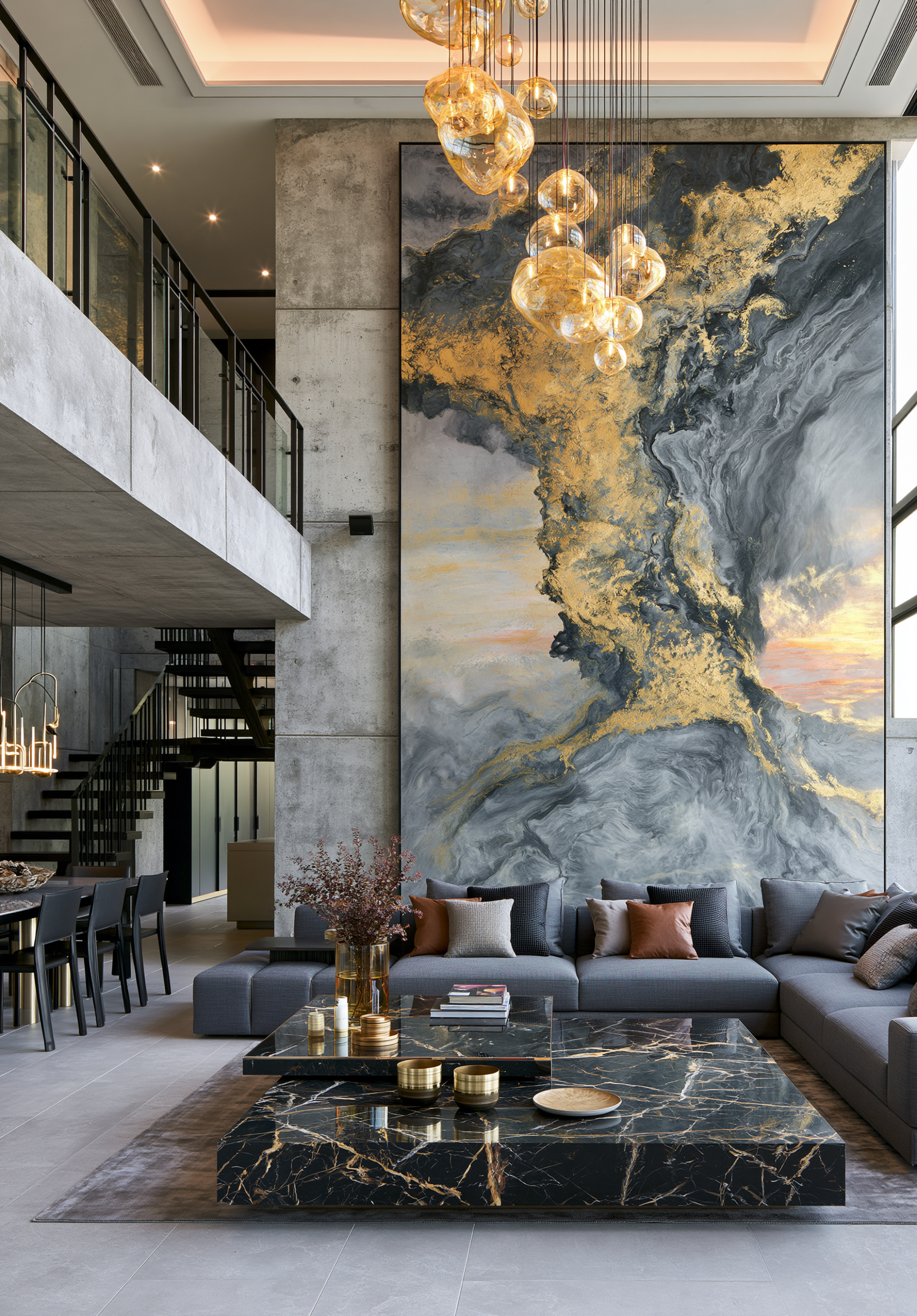
This is particularly important for categories such as dining chairs, coffee tables, side tables, mirrors and lighting. These pieces are often purchased to complete a room, so context matters. A dining chair needs to suit the table height. A coffee table needs to work with the sofa and rug. A side table needs to sit at the right height beside a sofa or bed. A mirror needs to suit the wall, light and proportions of the room. A pendant light needs to work with ceiling height and furniture placement.
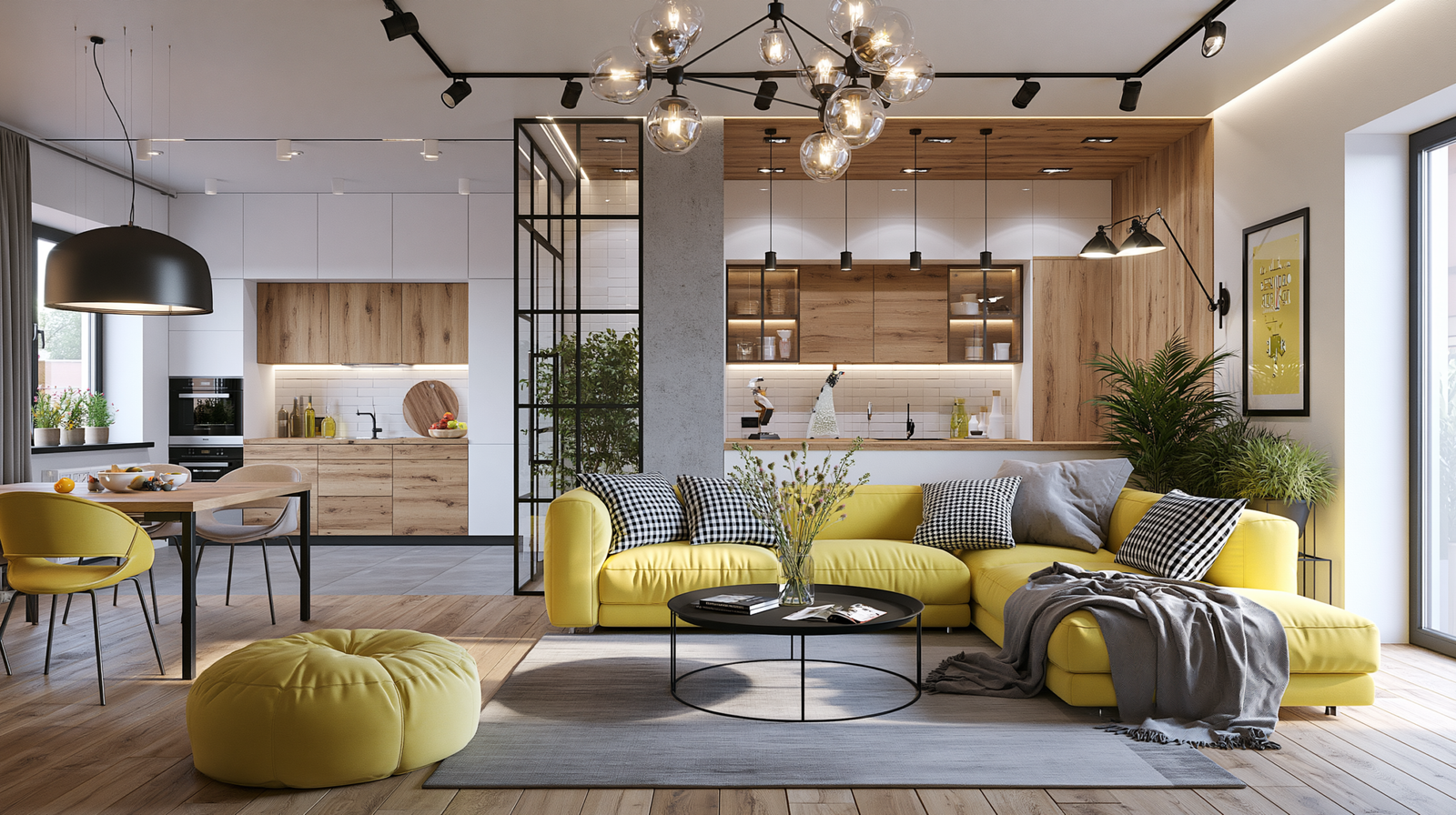
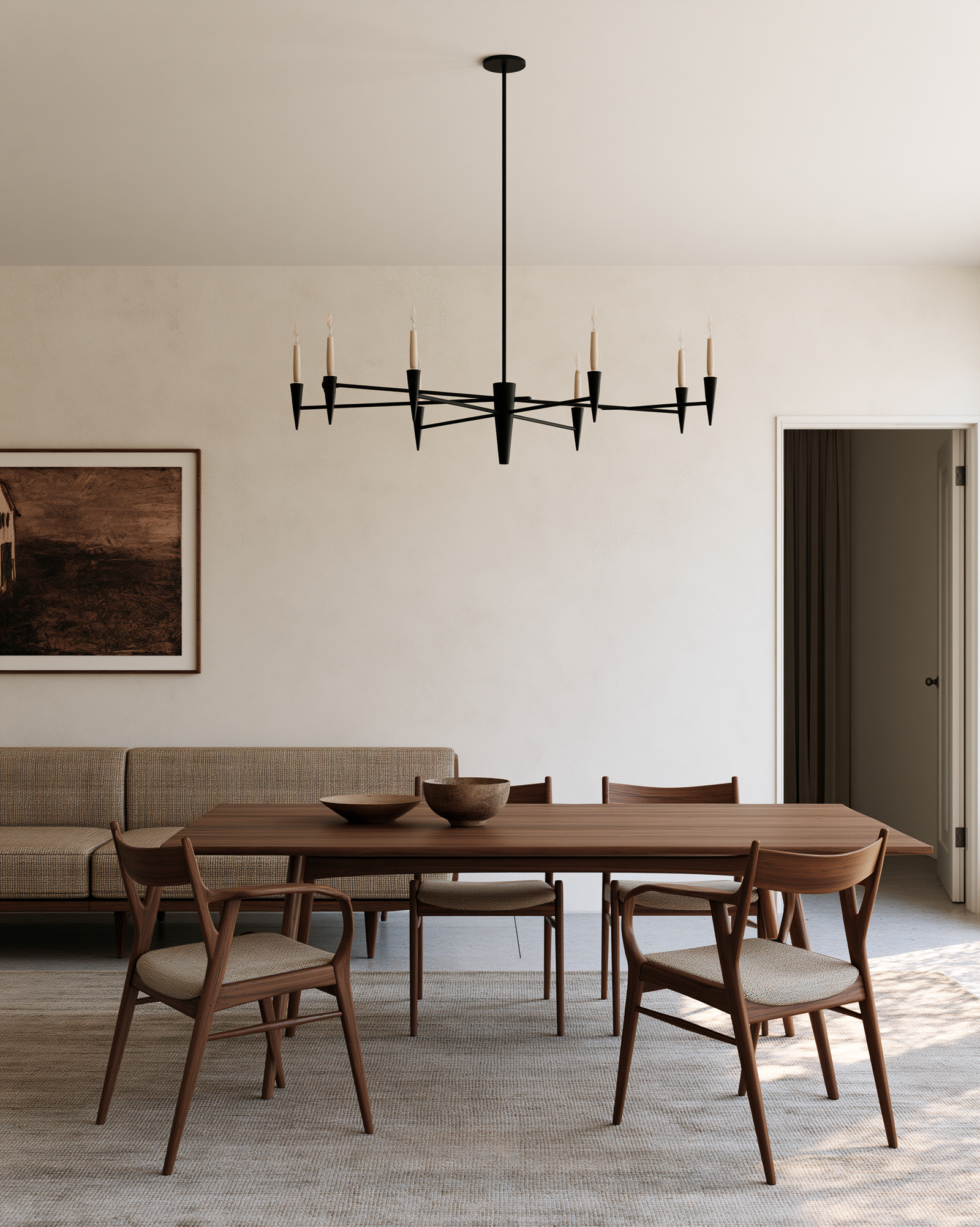
Online furniture sales therefore depend on trust. High-quality photography, clear dimensions, detailed descriptions, delivery transparency and styling guidance can all reduce hesitation. In luxury furniture, trust is part of the product.
Luxury Furniture Trends Shaping UK Homes in 2026
The strongest luxury furniture trends in 2026 are not about short-lived novelty. They are about comfort, quality and atmosphere.
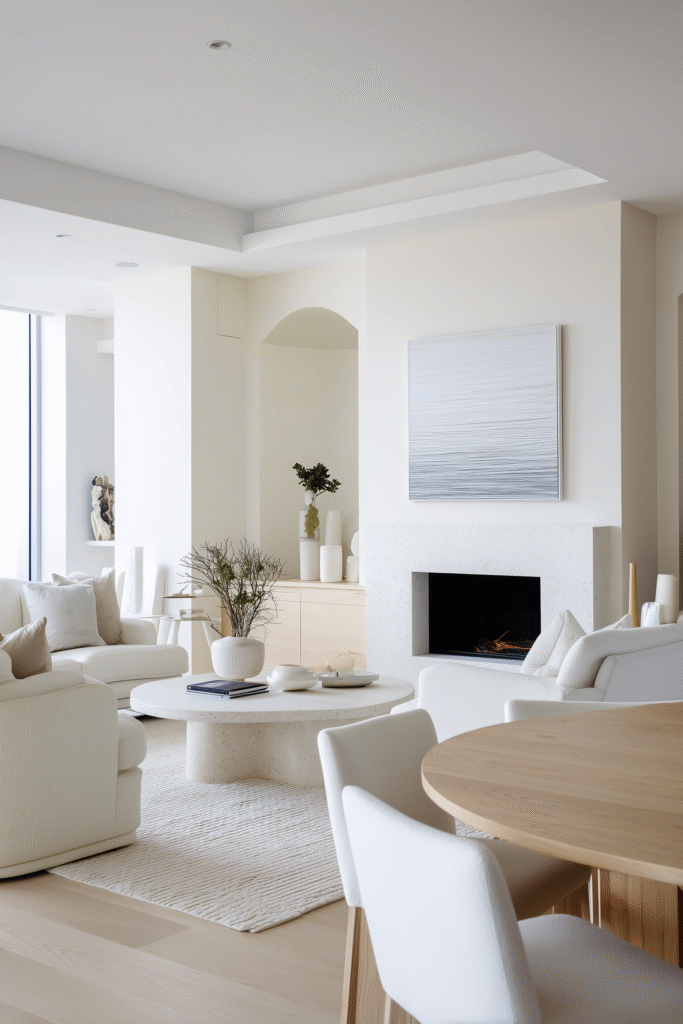
The first major trend is quiet luxury. In interiors, quiet luxury means fewer obvious statements and more attention to materials, texture and proportion. Instead of glossy excess, the look is softer and more restrained: warm neutrals, natural stone, dark woods, aged metals, linen, wool, leather, velvet and layered lighting.
The second trend is the return of warmth. Cool grey interiors are giving way to richer, more natural palettes. Cream, taupe, olive, chocolate brown, burgundy, terracotta, muted gold and warm white are all becoming more relevant. This shift supports furniture in walnut, oak, bronze, brass, marble, travertine and textured upholstery.
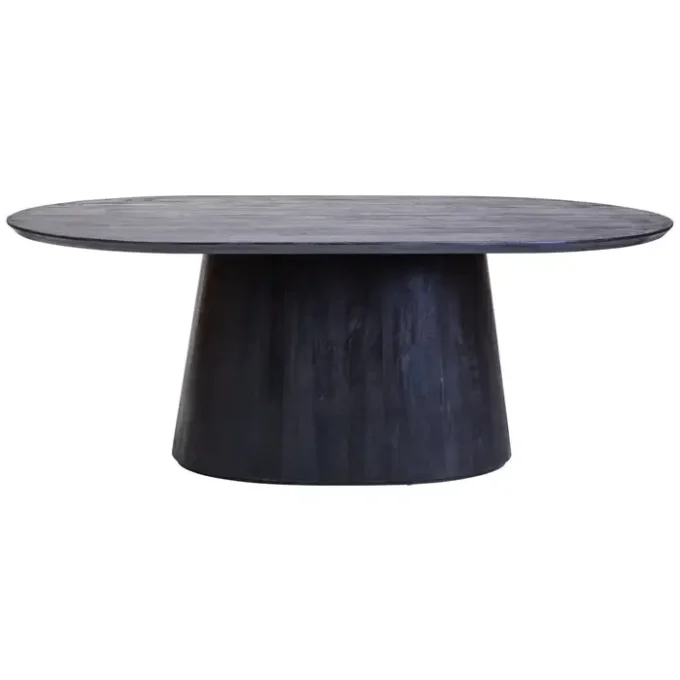
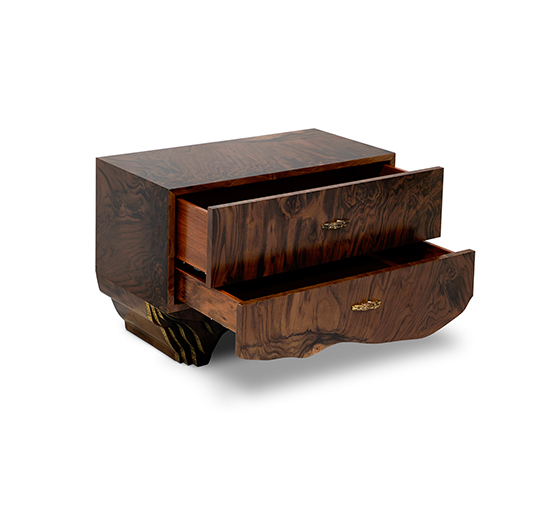
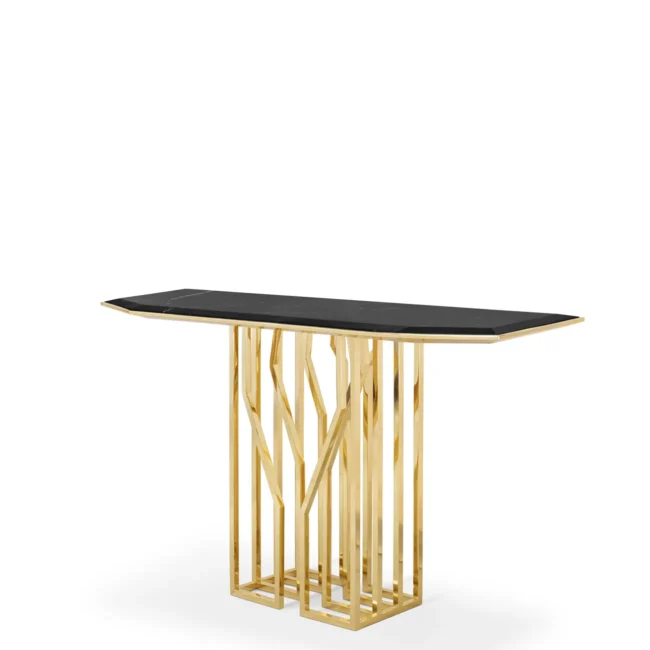
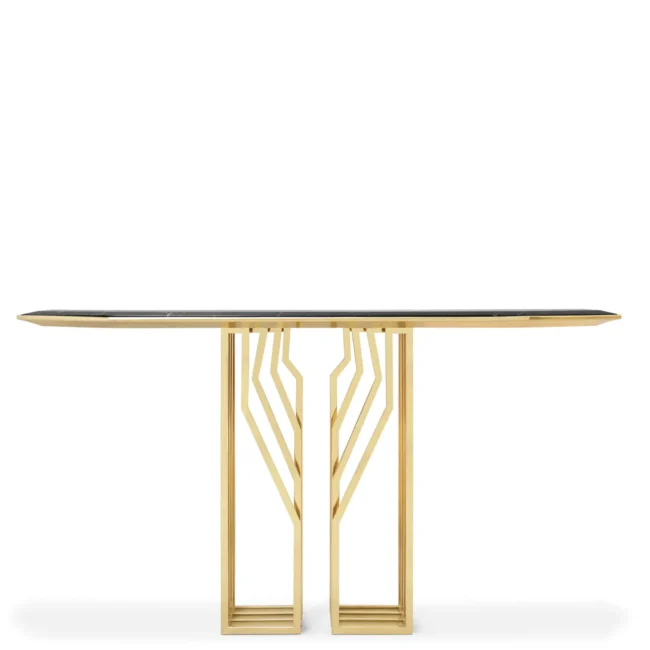
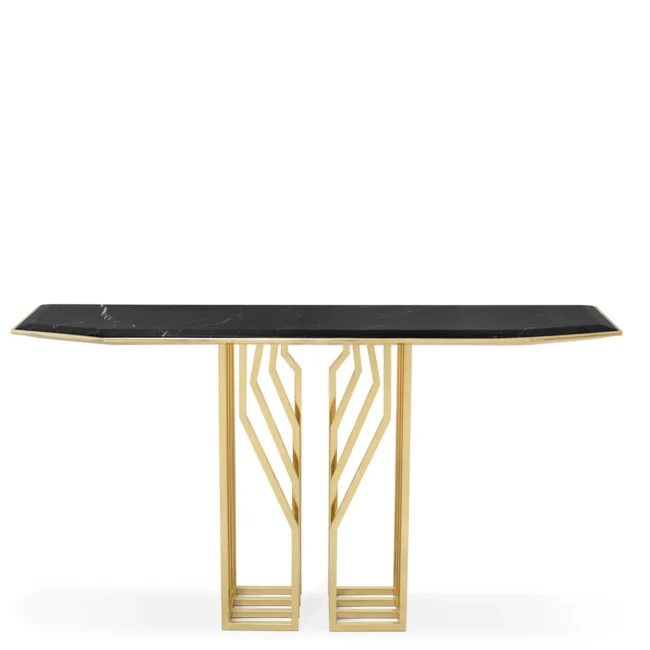
The third trend is sculptural accent furniture. Coffee tables, side tables, consoles and mirrors are becoming more expressive. These pieces allow homeowners to introduce personality without overwhelming a room. A sculptural table or unusual mirror can make a space feel curated even when the rest of the room is calm.
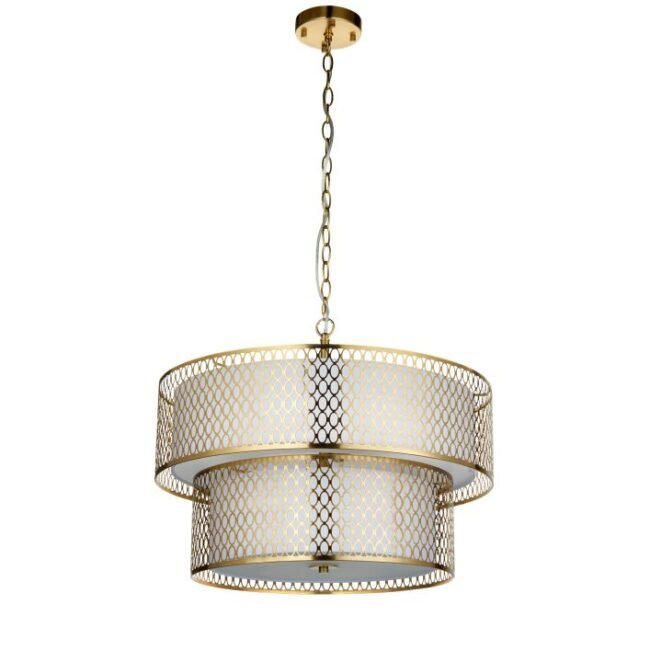
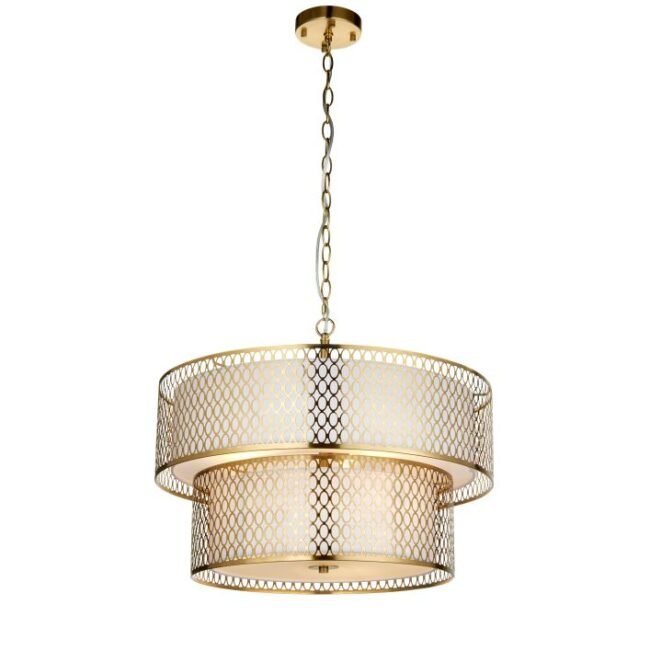
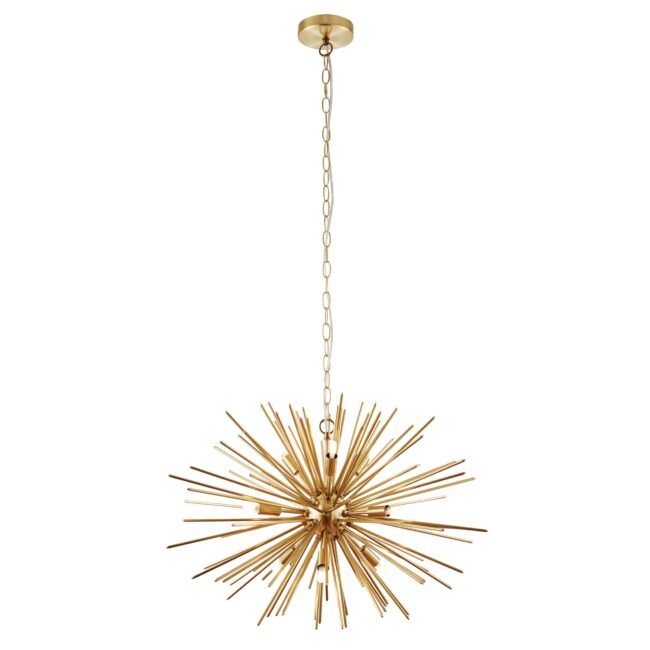
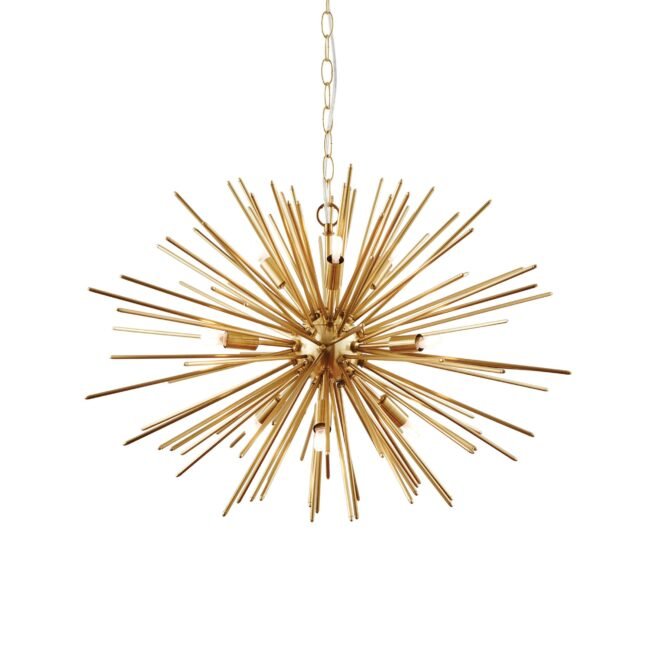
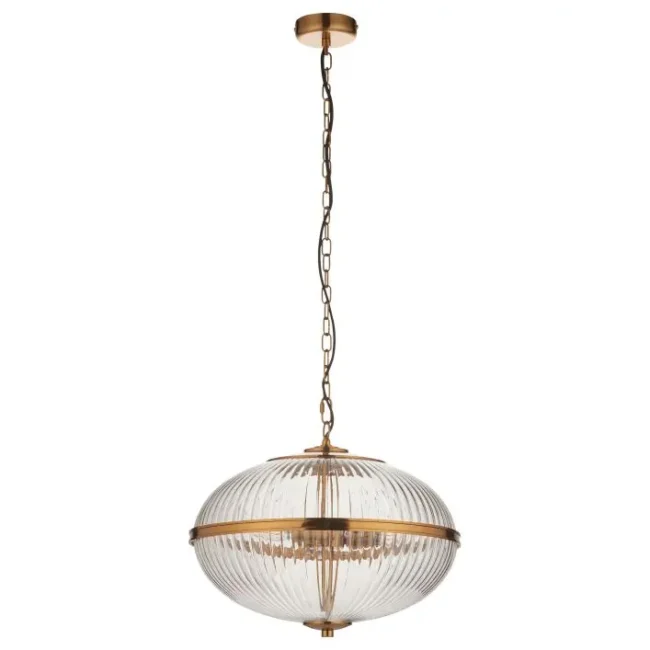
The fourth trend is layered lighting. Renovation experts and interior designers increasingly treat lighting as part of the design, not an afterthought. A room with only ceiling lights can feel flat. Table lamps, wall lights, floor lamps and pendants create depth, softness and atmosphere. For luxury interiors, lighting is often one of the easiest ways to make a room feel more expensive.
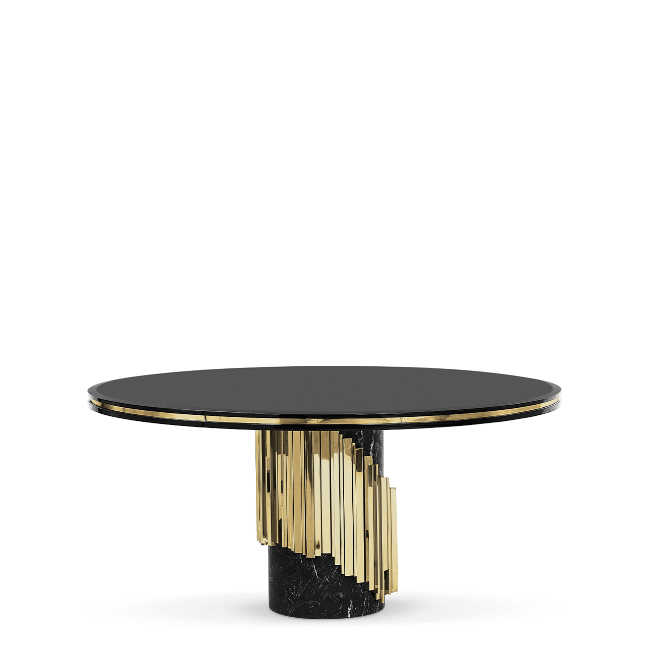
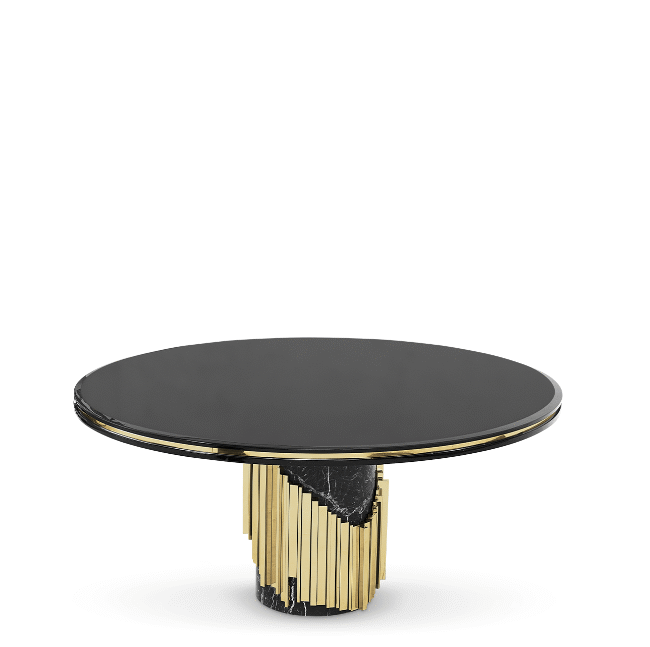
The fifth trend is comfort-led dining. Dining spaces are becoming more important again, partly because homes are being used for hosting, family meals and flexible working. Upholstered dining chairs, extendable dining tables and statement lighting can help dining areas feel practical but still elegant.
The sixth trend is individuality. More homeowners want rooms that feel collected rather than copied. This is why antiques, vintage-inspired forms, unusual silhouettes and mixed materials are gaining attention. A room that mixes old and new often feels more personal than one built entirely from matching furniture sets.
The final trend is longevity. Buyers are increasingly aware that cheap furniture can date quickly, wear badly or feel wasteful. Luxury furniture is not only about appearance; it is about choosing pieces that can stay in the home for years.
What This Means for Homeowners, Designers and Furniture Retailers
The data points to a clear conclusion: the UK furniture market is becoming more selective, not less interested.
For homeowners, this means the best purchases are likely to be the ones that solve a real design problem. A good piece of furniture should improve how a room looks and how it works. That could mean a dining chair that is comfortable enough for long meals, a coffee table that balances a seating area, a side table that completes a reading corner, or a mirror that makes a hallway feel brighter.
For interior designers, the opportunity is in helping clients choose pieces that feel timeless but not boring. The strongest rooms in 2026 are layered, warm and personal. They combine materials, shapes and finishes rather than relying on one flat style.
For furniture retailers, the message is even clearer. The customer needs more guidance. Product pages, buying guides, photography and editorial content all matter because shoppers are taking longer to decide. A beautiful product still needs context.
The luxury buyer is not only buying furniture. They are buying confidence: confidence that the item will fit, that it will last, that it will look right, and that it will make the home feel more complete.
FAQs
How big is the UK furniture market in 2026?
The latest FIRA data shows that UK furniture spending rose by 3.2% to £20.15 billion, while UK household final consumption expenditure reached £1.78 trillion in 2025. Total UK manufacturer sales reached £10.8 billion in 2024.
Is the UK luxury furniture market growing?
There is no single official public figure for the UK luxury furniture market, but related indicators suggest steady demand among higher-value buyers. Furniture spending has returned to modest growth, renovation spending has increased, and the UK interior design market is estimated at £1.8 billion in 2026.
Are UK consumers still spending on furniture?
Yes, but they are spending more carefully. Furniture spending has returned to growth, but wider retail and consumer confidence data shows that shoppers remain cautious. This means buyers are more likely to research, compare and seek reassurance before purchasing.
What are the biggest luxury furniture trends in the UK?
The biggest trends include quiet luxury, warm neutrals, natural materials, sculptural accent furniture, statement lighting, upholstered dining chairs, antique-inspired pieces, layered interiors and furniture designed to last.
Why does renovation matter for furniture demand?
Renovation often creates the need for new furniture. When homeowners update flooring, walls, lighting or layouts, older furniture may no longer suit the room. Houzz found that 51% of surveyed UK homeowners renovated in 2024 and that median renovation spend rose to £21,440.
Is online furniture shopping still important?
Yes. ONS data shows that online sales accounted for 28.1% of total UK retail sales in April 2026, with online sales values 6.6% higher than in April 2025. Furniture shoppers often use online research even when they are considering high-value purchases.
Sources and Methodology
This article is based on publicly available UK furniture, retail, renovation, consumer confidence and interior design data. The main sources used include:
- FIRA Spring 2026 Statistics Digest for the UK Furniture Industry
- Office for National Statistics: Retail Sales, Great Britain, April 2026
- Houzz 2025 UK Home Renovation Trends Study
- IBISWorld: Interior Design Activities in the UK Market Size
- Deloitte UK Consumer Tracker
- PwC Consumer Sentiment Survey
- British Retail Consortium retail sales commentary
Where no official standalone “luxury furniture market” figure exists, the article uses related indicators including furniture expenditure, home renovation spend, interior design market size, online retail sales and consumer confidence to understand the premium furniture landscape.