Living Room Interior Design Ideas Designers Always Get Right: How to Make Your Space Look Expensive and Finished

The best living room interior design ideas are not always the loudest ones. They are often the quiet decisions that make a room feel balanced, layered and complete: the right size rug, the table lamp that softens the evening light, the sideboard that gives an empty wall purpose, the mirror that reflects warmth, the coffee table that anchors the seating area and the artwork that makes the room feel personal.

A living room is one of the hardest rooms to design well because it has to do many things at once. It must be beautiful enough to welcome guests, comfortable enough for everyday life, practical enough for family routines and personal enough to feel like home. That is why successful living room interior design is never just about buying beautiful furniture. It is about creating a room that works.

A room can have an expensive sofa and still feel unfinished. It can have beautiful accessories and still feel cluttered. It can have a stylish colour palette and still feel flat. The difference is usually not one single item. It is the way furniture, lighting, texture, scale and styling work together.

Interior designers understand this. A living room looks expensive when every element has a reason to be there. The furniture has breathing space. The rug is large enough. The lighting is layered. The materials feel rich. The walls are not forgotten. The accessories feel edited rather than scattered.

Whether your home is modern, classic, neutral, colourful, compact or open-plan, these living room interior design ideas will help you create a space that feels elegant, finished and deeply considered.

Table of Contents

  1. Why Living Room Interior Design Matters
  2. Start with a Furniture Layout That Works
  3. Choose the Right Rug Size to Anchor the Room
  4. Layer Lighting for a More Expensive Look
  5. Use a Sideboard, Console or Cabinet to Finish Empty Walls
  6. Add Mirrors and Artwork with Intention
  7. Mix Textures to Make the Room Feel Richer
  8. Choose a Colour Palette That Feels Calm and Connected
  9. Style Coffee Tables and Side Tables Like a Designer
  10. Use Curtains and Soft Furnishings to Elevate the Room
  11. Avoid the Interior Design Mistakes That Make a Living Room Look Unfinished
  12. What to Buy First When Redesigning a Living Room
  13. Final Thoughts: A Finished Living Room Is About Layers
  14. FAQs About Living Room Interior Design Ideas
Living Room Interior Design Ideas Designers Always Get Right: How to Make Your Space Look Expensive and Finished

Choose the Right Rug Size to Anchor the Room

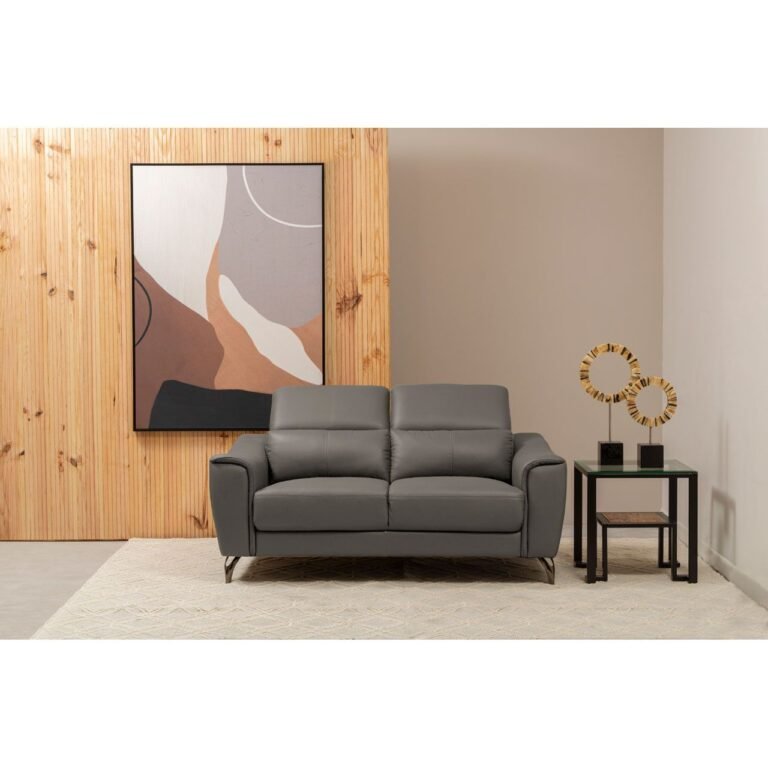
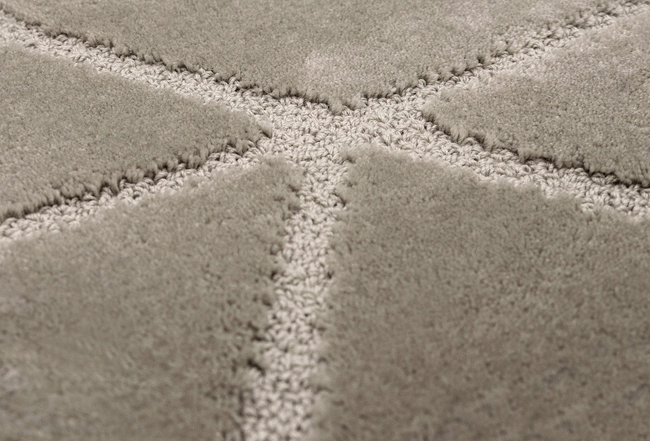
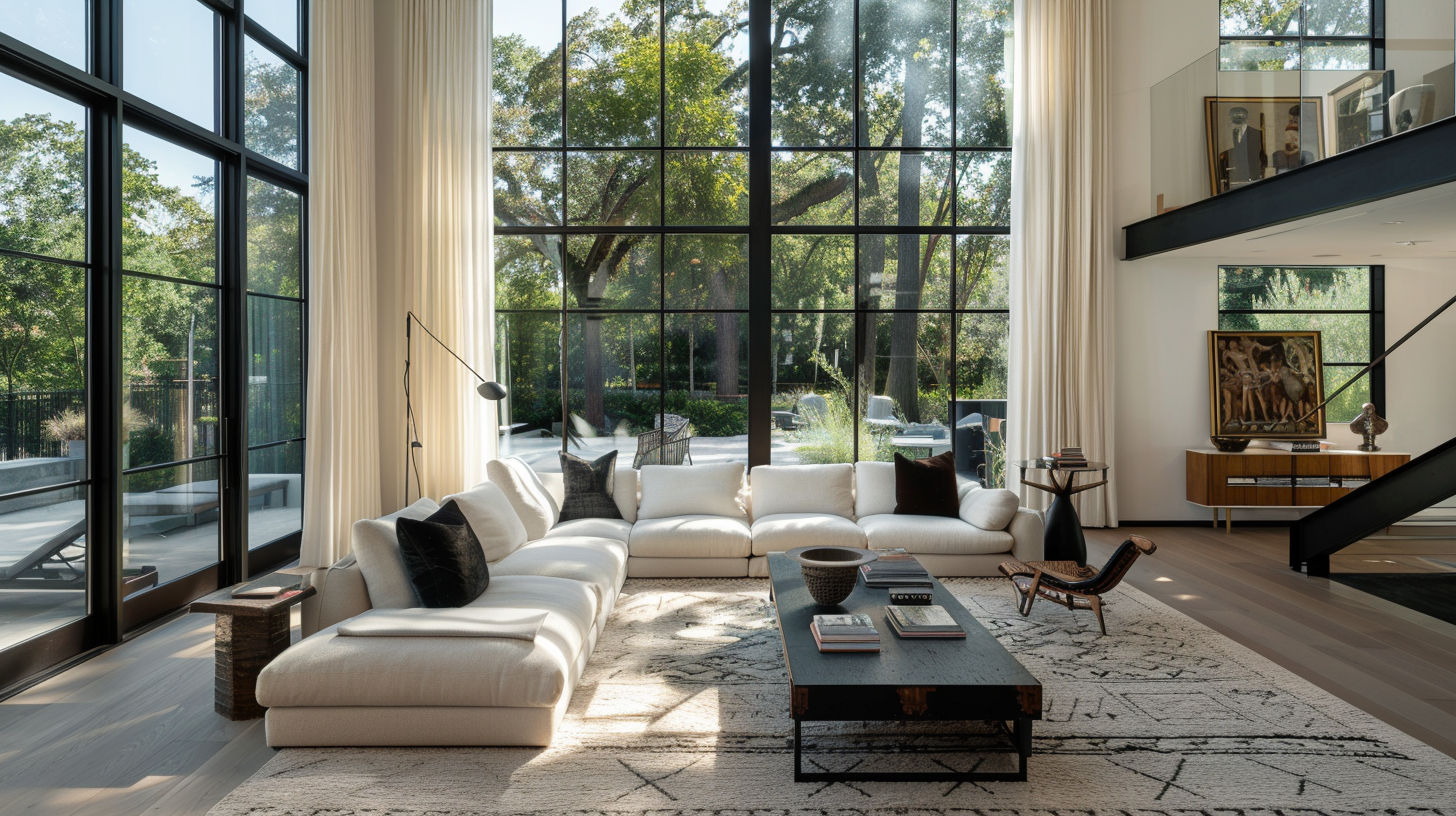
A rug is one of the most powerful living room interior design tools because it connects the furniture. Without a rug, a living room can feel like a collection of separate pieces. With the right rug, the seating area suddenly feels grounded.

The biggest rug mistake is choosing one that is too small. A small rug floating under a coffee table can make the whole room feel cheaper, even if the sofa and table are beautiful. The rug should relate to the furniture, not sit apart from it.

As a general rule, the front legs of the sofa and chairs should sit on the rug, or the rug should be large enough to hold the full seating arrangement. This makes the furniture feel connected. Architectural Digest’s guide to choosing the best area rug size explains that rug size should be guided by furniture placement, not just floor measurements.

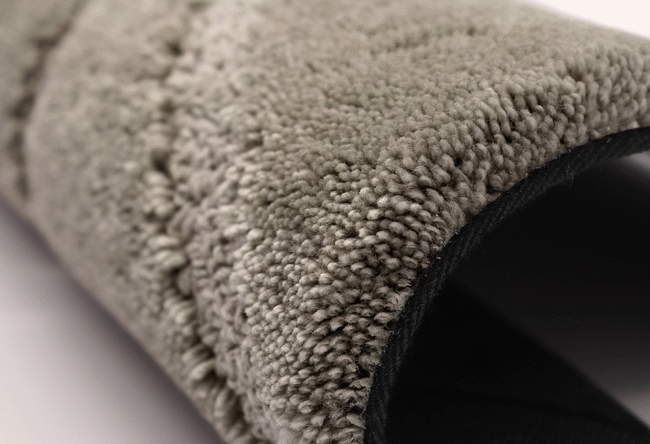
In a luxury living room, the rug also adds texture and softness. Wool, viscose, jute, silk blends and high-quality woven textures can make the room feel richer. A neutral rug can calm a busy scheme, while a patterned rug can add character to a simple room.

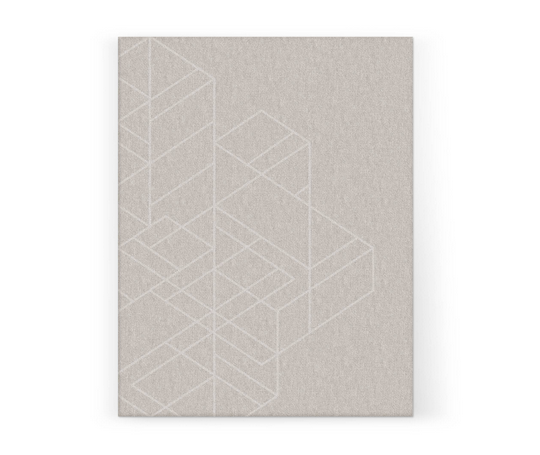
Choose a rug that supports the room’s mood. A soft cream rug feels calm and refined. A patterned Persian-style rug brings warmth and history. A textured natural rug works well in relaxed interiors. A darker rug can ground a pale room and add contrast.

The rug is not just decoration. It is the foundation of the seating area.


Layer Lighting for a More Expensive Look

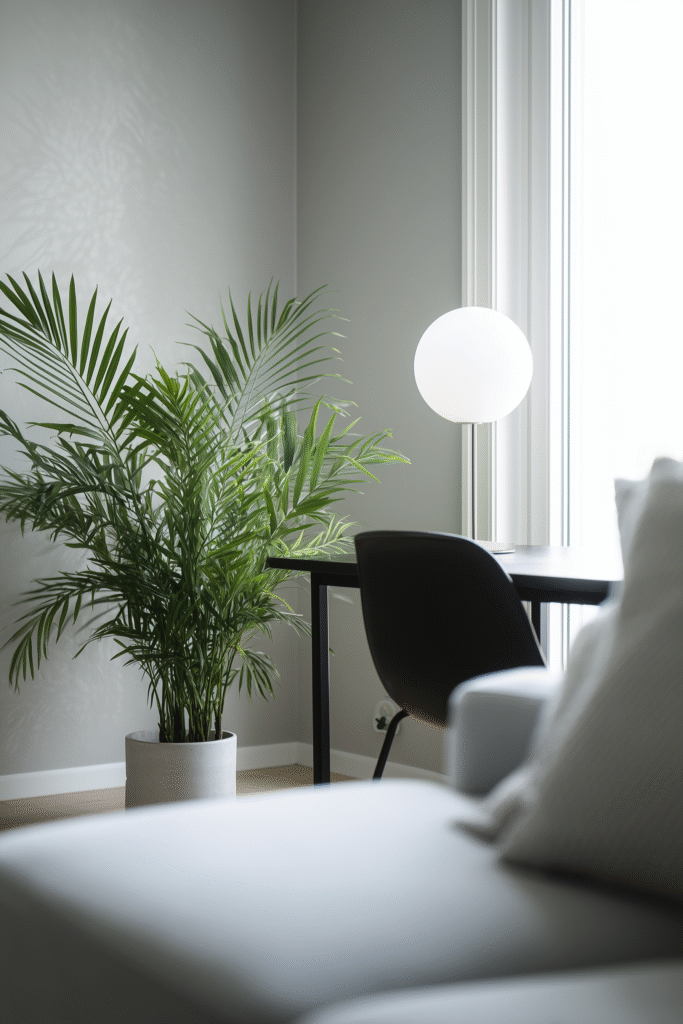
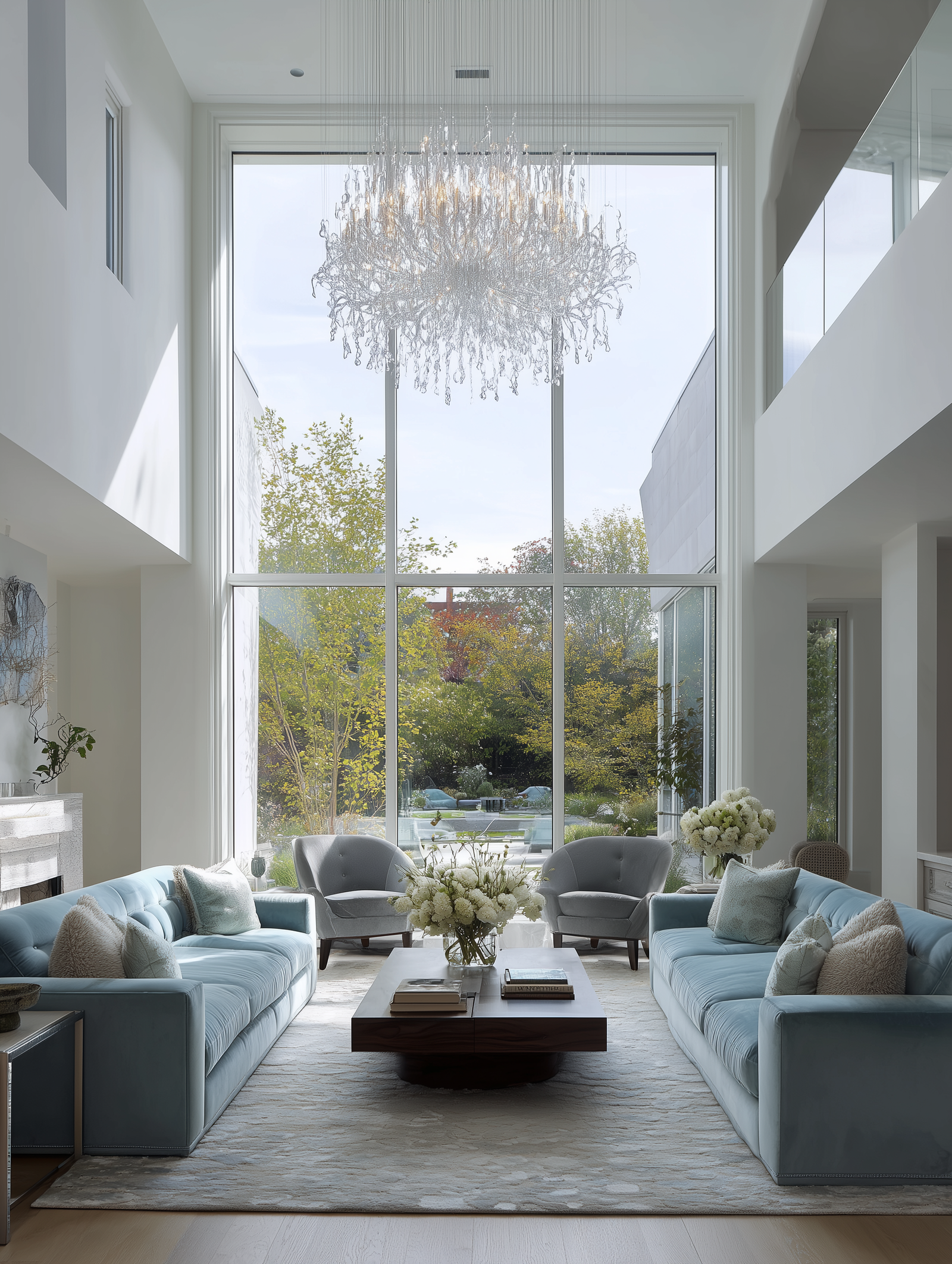
Lighting is one of the fastest ways to make a living room look more expensive. A room that relies only on one ceiling light often feels flat, harsh and unfinished. A room with layered lighting feels warmer, softer and more designed.

Layered lighting means using different types of light at different heights. This may include a chandelier or pendant, table lamps, floor lamps, wall lights, picture lights and candles. Each one creates a different mood.

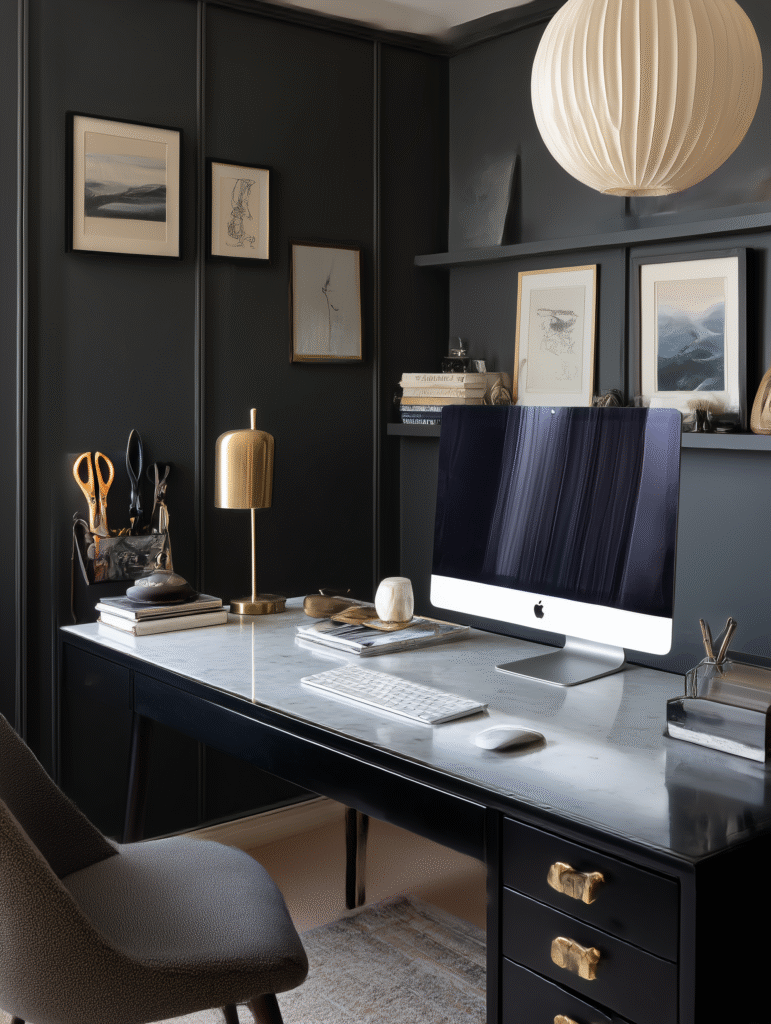
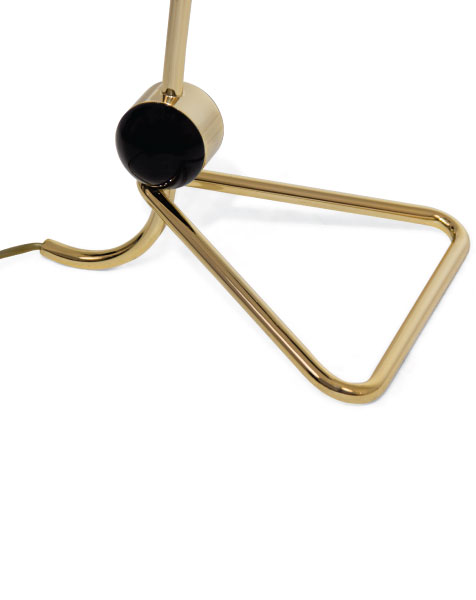
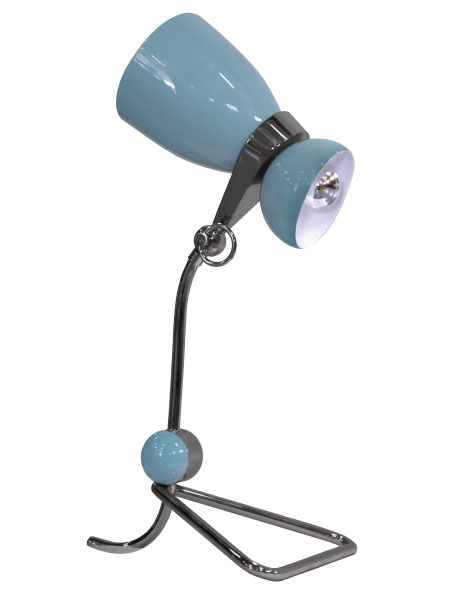
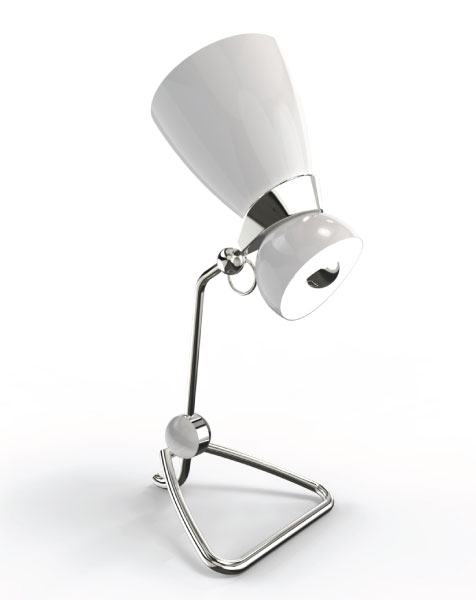
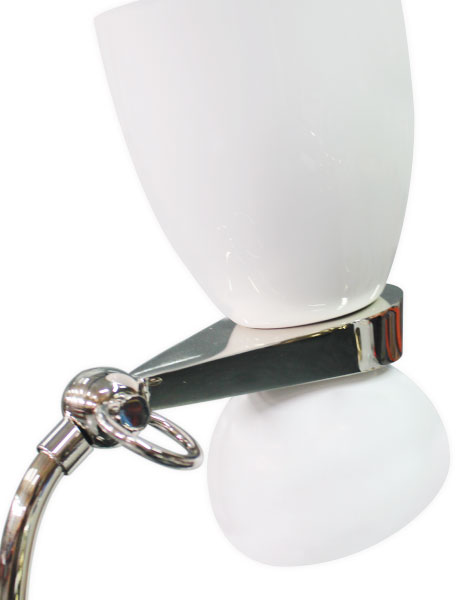
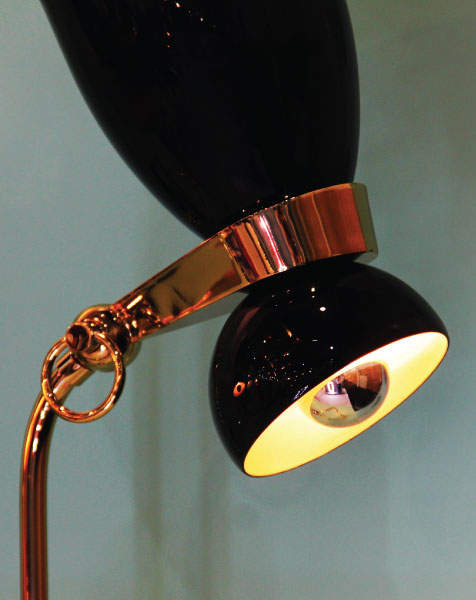
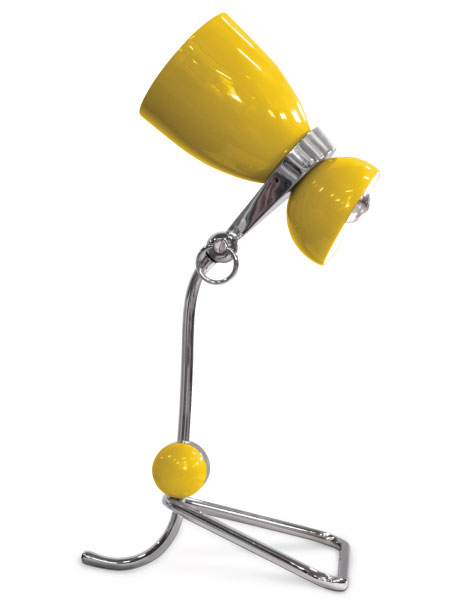
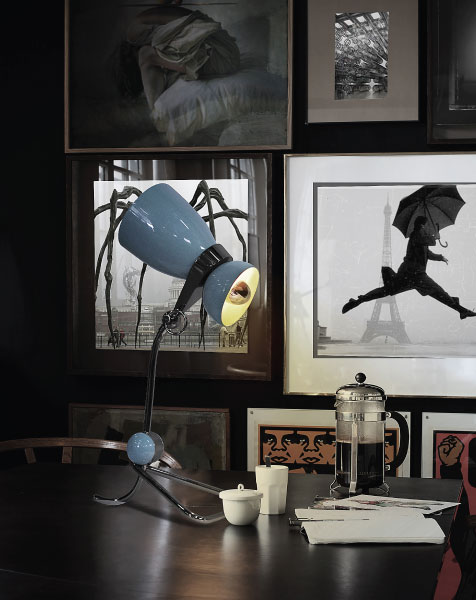
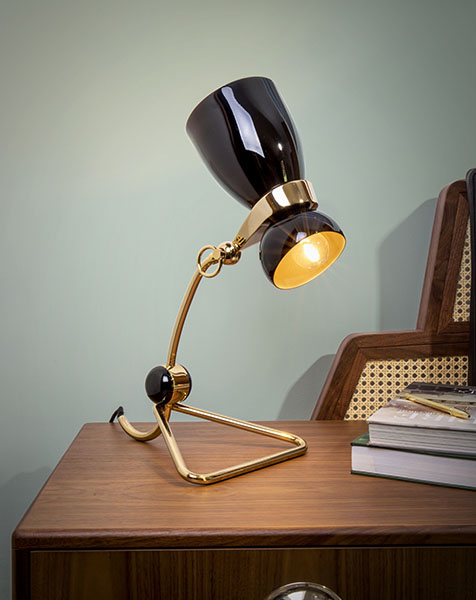
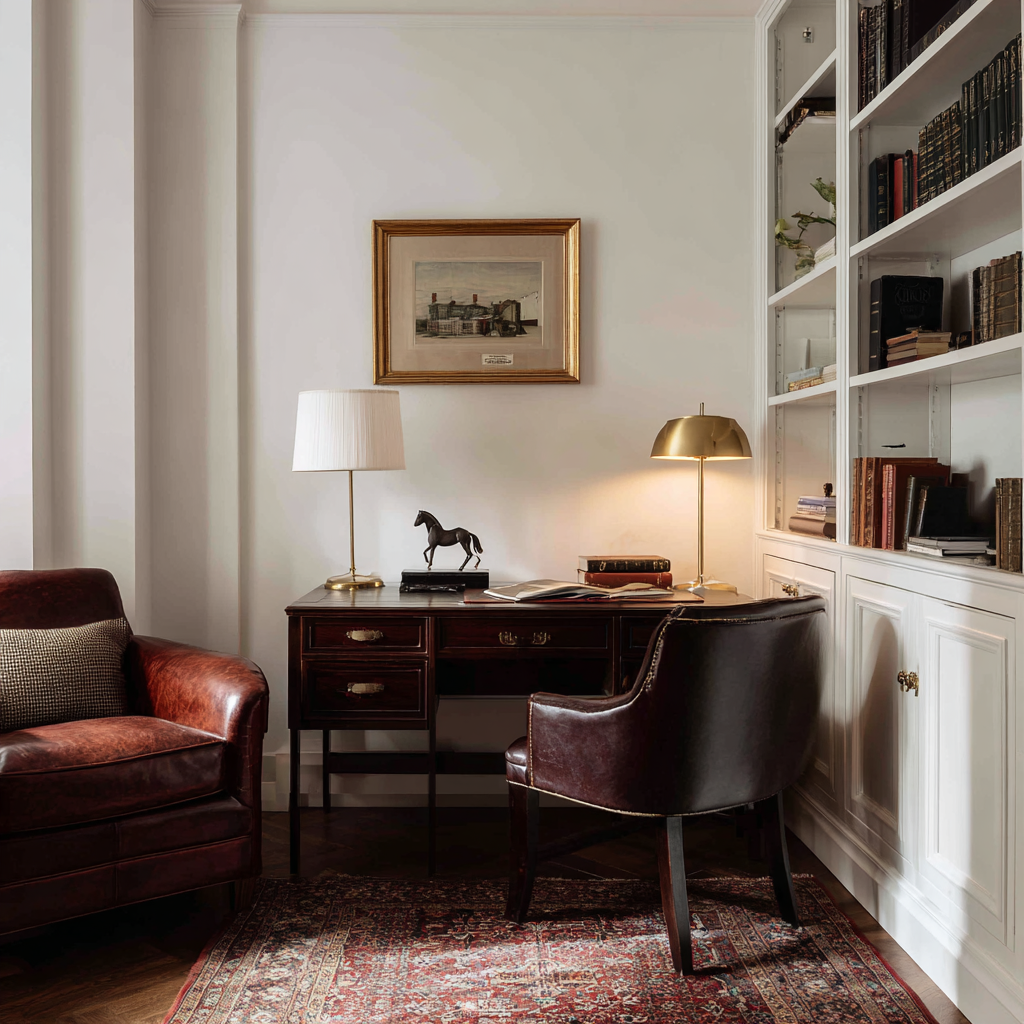
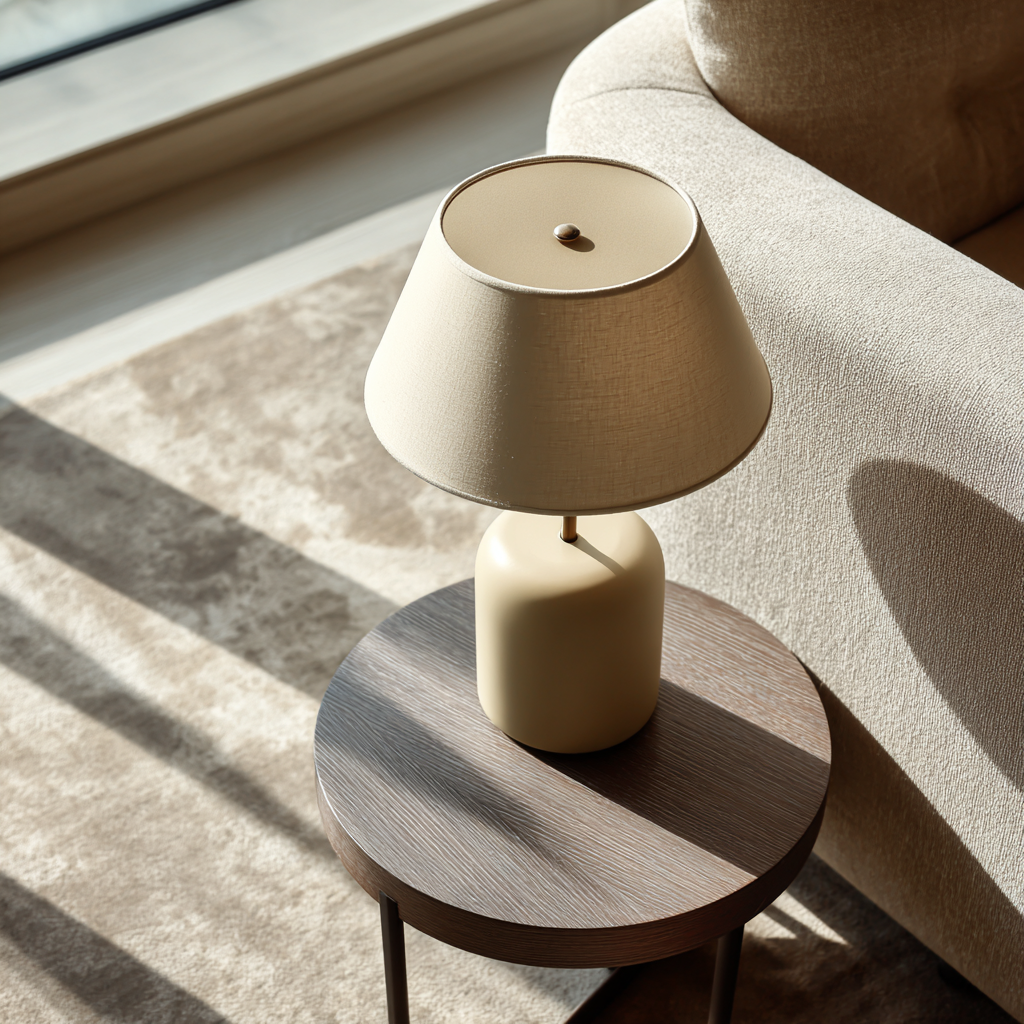
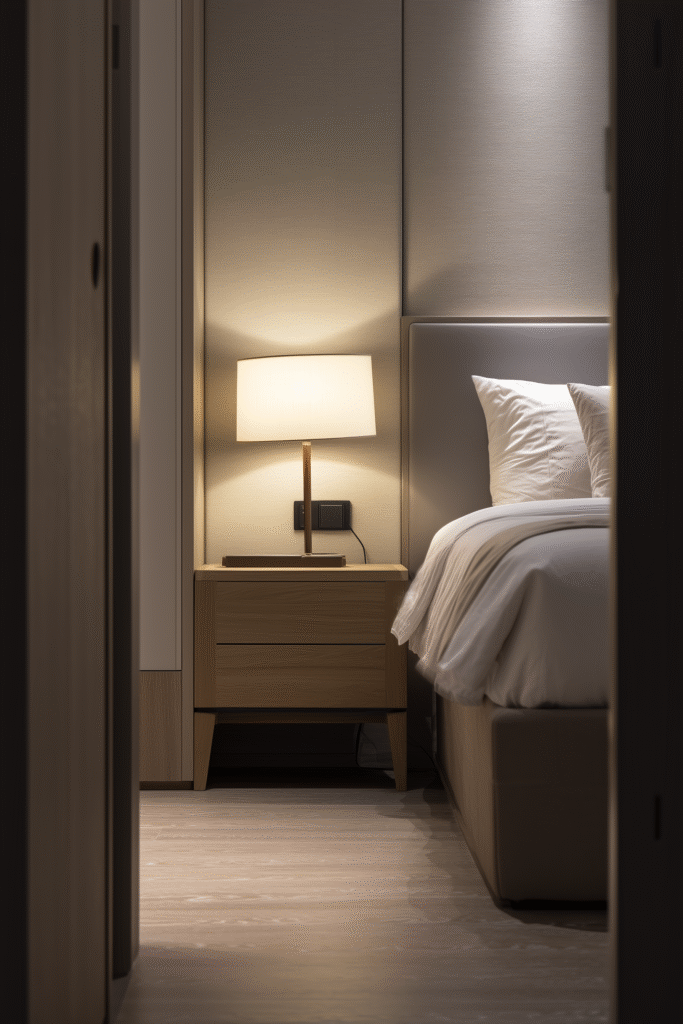
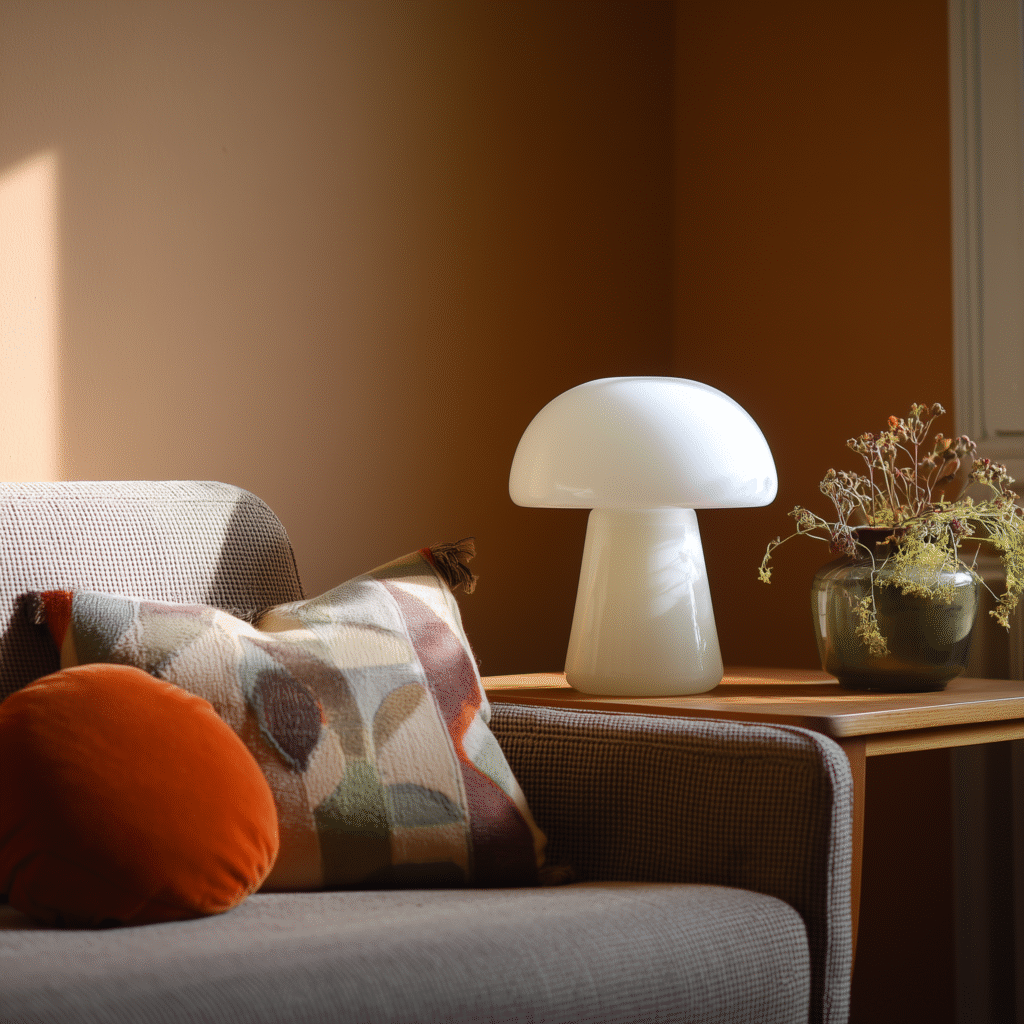
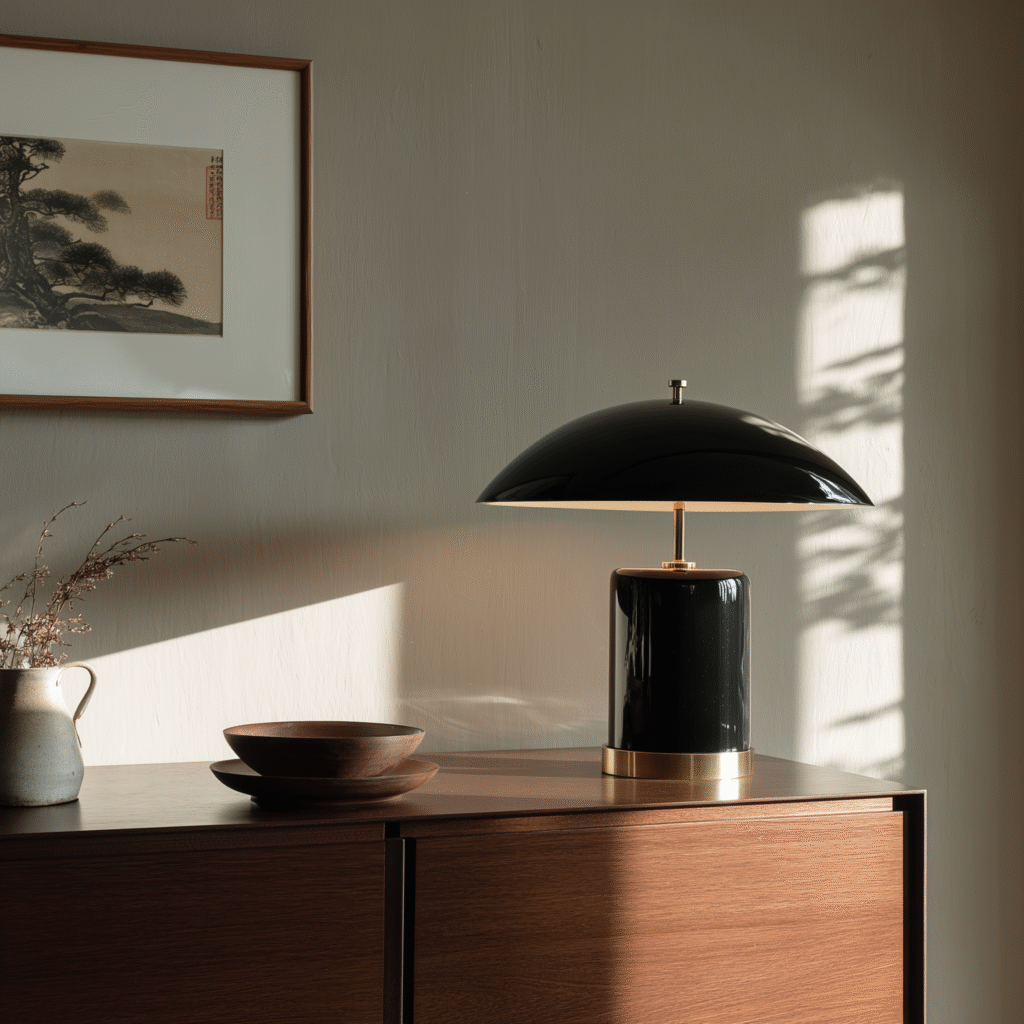
In the evening, table lamps and floor lamps are especially important because they bring light closer to eye level. This makes the room feel more intimate. A lamp on a side table can soften a sofa corner. A lamp on a sideboard can make an empty wall feel warm. A floor lamp beside an armchair can create a reading spot.

Architectural Digest quotes designer Elizabeth Pash Banker advising that a cosy living room should include a mix of table lamps, standing lamps, picture lights and sconces, with several light sources at different heights creating a welcoming glow. That perspective is included in their feature on living room mistakes designers often fix.

For a luxury interior design feel, avoid cool white bulbs. Warm white bulbs are usually more flattering in a living room. Dimmers are also valuable because they allow the room to shift from practical daytime brightness to soft evening atmosphere.

Lighting should never feel like an afterthought. It is one of the main reasons a room feels expensive.

Living Room Interior Design Ideas Designers Always Get Right: How to Make Your Space Look Expensive and Finished

Use a Sideboard, Console or Cabinet to Finish Empty Walls

Empty walls can make a living room feel unfinished, especially if the room has a large blank area opposite the sofa or beside a fireplace. A sideboard, console table or storage cabinet can solve this beautifully.

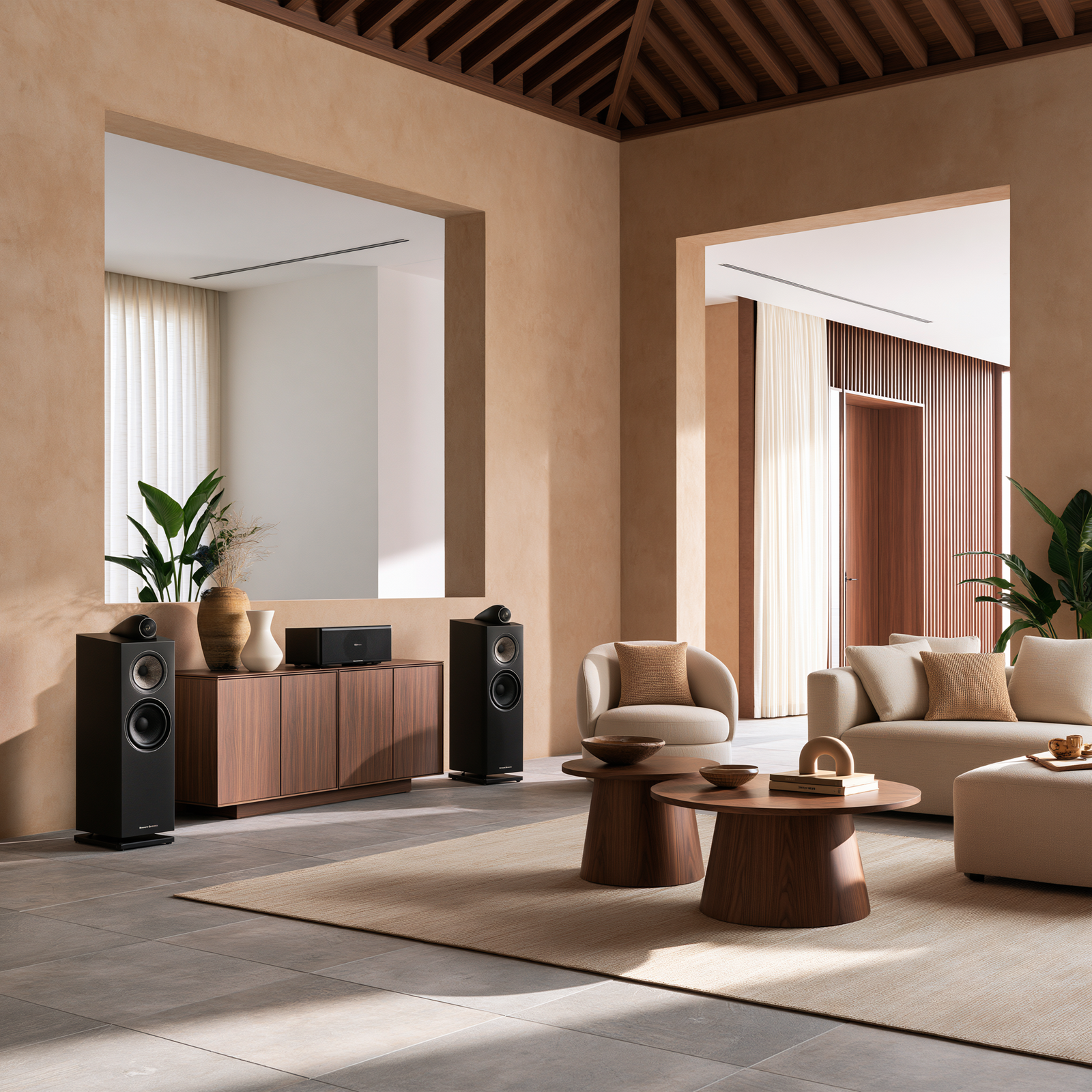
A sideboard gives the wall purpose. It provides storage, creates a surface for lamps and styling, and gives the room another horizontal layer. It can also support artwork, mirrors, ceramics, books and decorative objects.

This is one of the easiest ways to make a living room look more designed. Instead of having all the furniture clustered around the sofa, a sideboard creates another moment in the room. It balances the space and gives the eye somewhere else to rest.

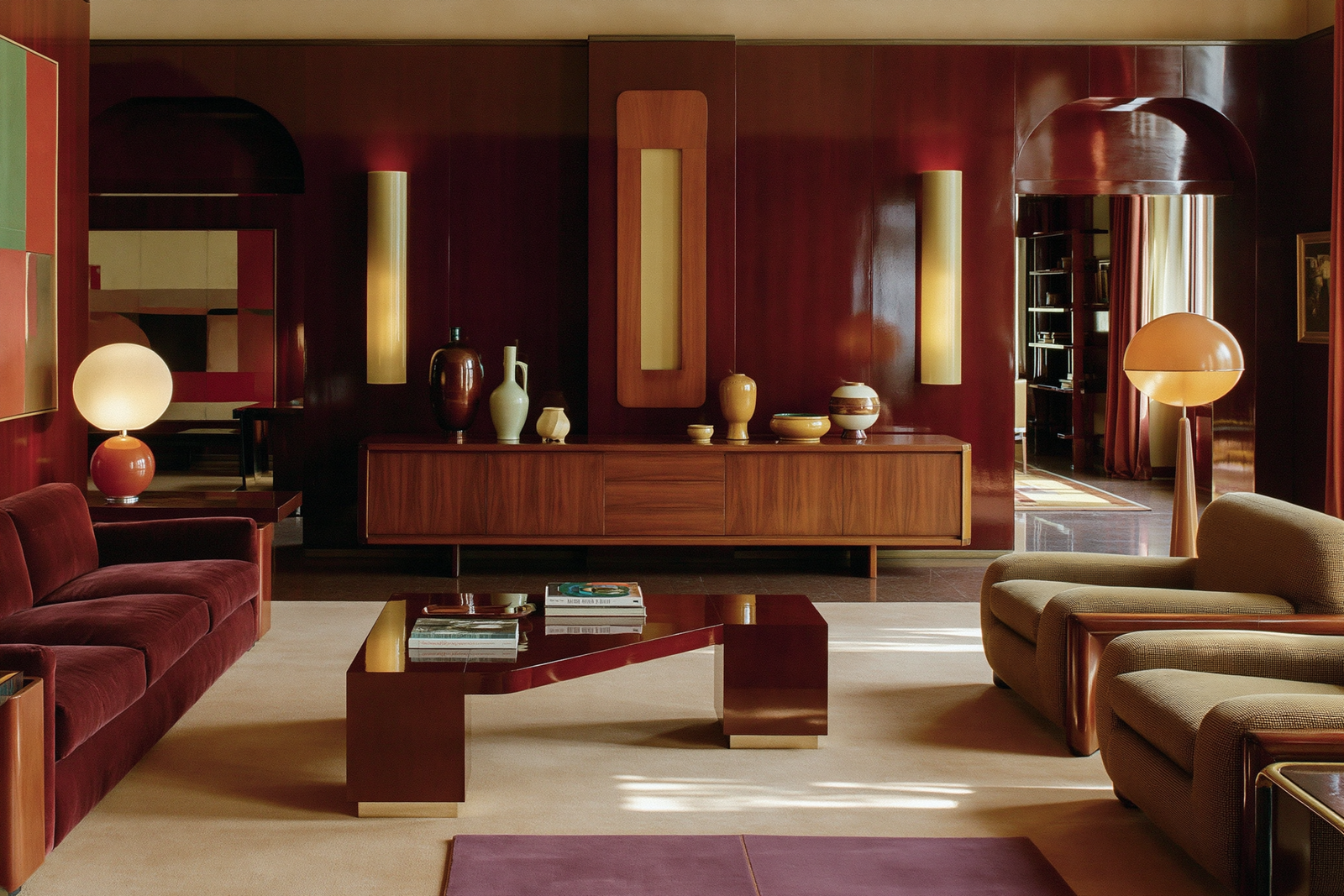
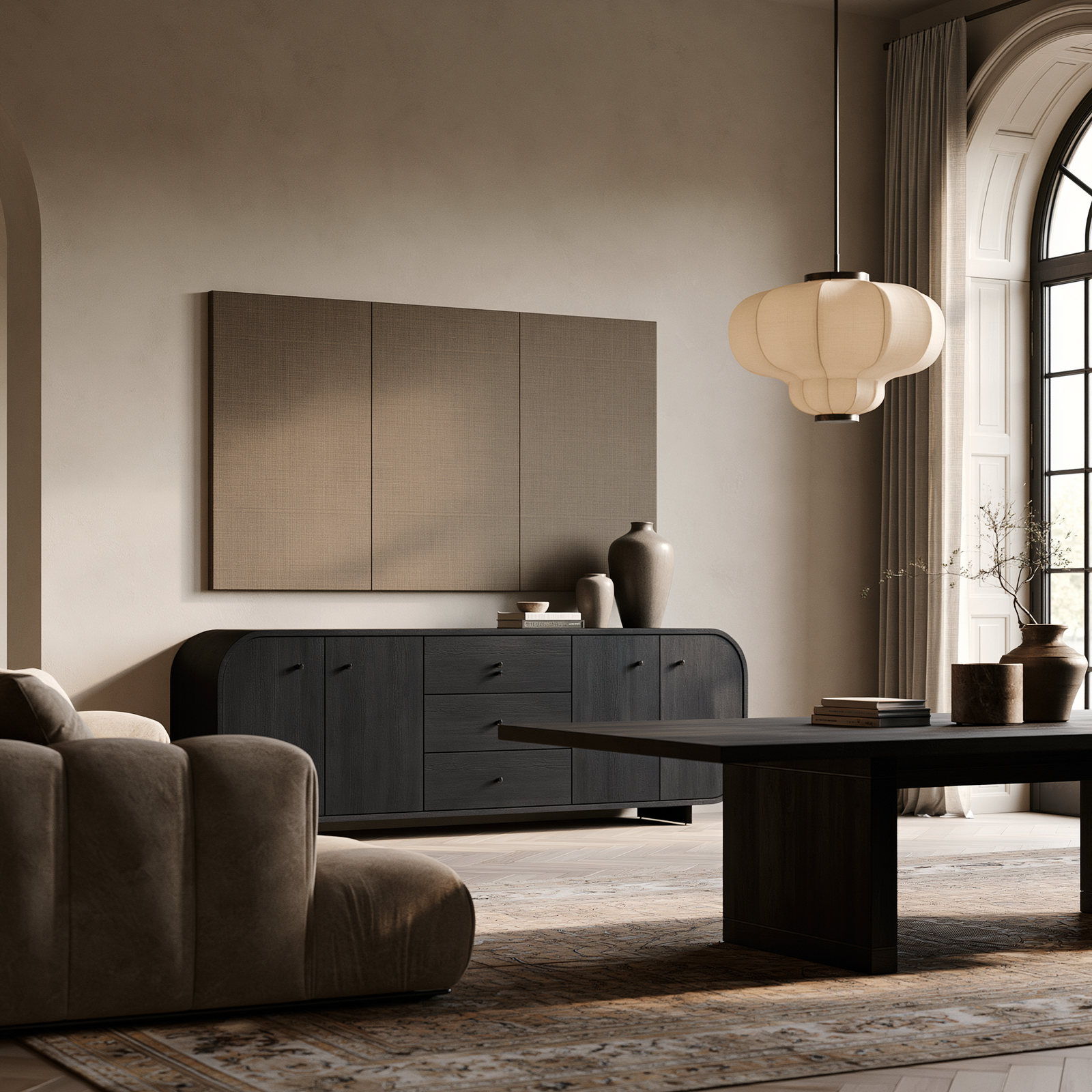
A walnut sideboard can add richness to a neutral living room. An oak sideboard can bring warmth and natural texture. A black cabinet can create contrast. A fluted or marble-topped sideboard can add detail and quiet luxury.

The key is to style it with restraint. Add a lamp, a mirror or artwork, and a few objects of different heights. Let the furniture breathe. A sideboard should not become a dumping ground for clutter. It should feel intentional.

This is also where storage supports beauty. The less attractive parts of everyday life — wires, remotes, toys, paperwork, games — can be hidden away, leaving the visible surface calm and elegant.

A finished living room usually has more than seating. It has storage, surfaces and styled moments.


Add Mirrors and Artwork with Intention

Walls are often what separate a room that feels furnished from a room that feels finished. A beautiful sofa may fill the floor, but artwork and mirrors complete the vertical space.

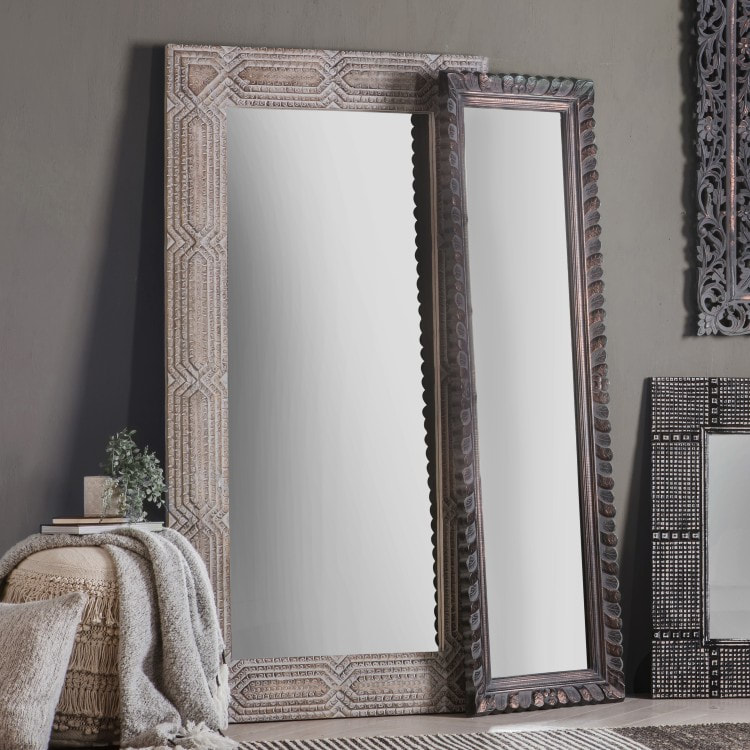
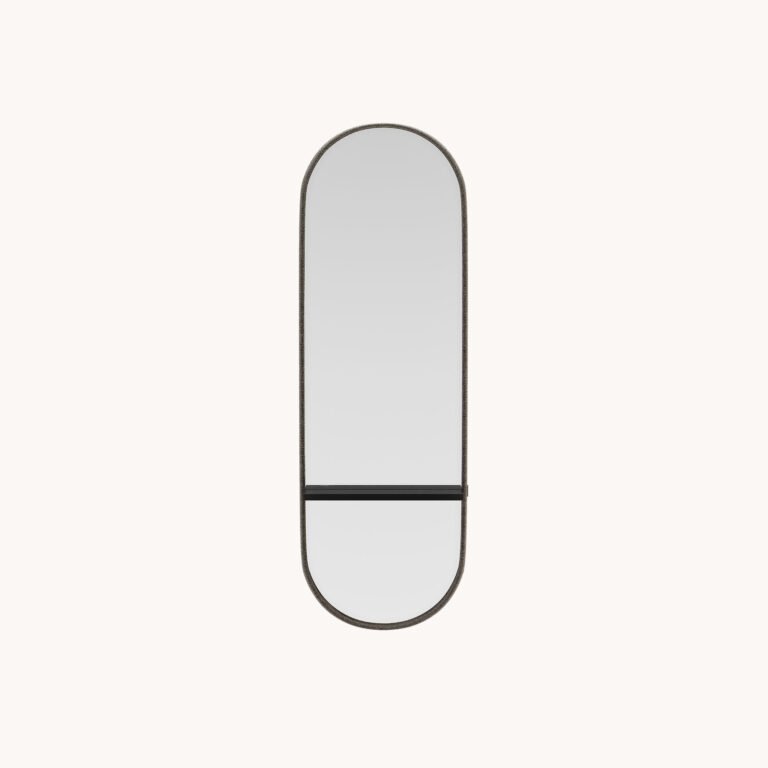
A mirror can make a living room feel larger, brighter and more polished. It reflects light, adds shape and can create a strong focal point above a sideboard, fireplace or console. A large round mirror can soften a room with many straight lines. A tall mirror can add height. An antique mirror can bring character, while a slim black or brass frame feels more modern.

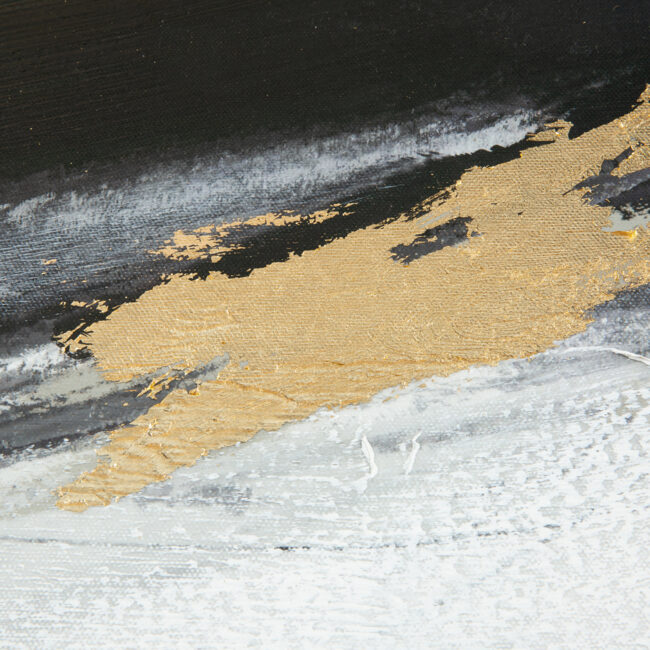
Artwork adds a different kind of depth. It brings colour, mood and personality. It can make a room feel collected rather than generic. One large piece often looks more expensive than several small pieces scattered around the room. If you prefer a gallery wall, keep it considered: consistent frames, a clear colour story or a balanced layout.

The mistake is hanging art too high or choosing pieces that are too small for the wall. Artwork should relate to the furniture beneath it. A small picture above a large sofa will feel lost. A large piece above a sideboard or sofa can make the whole room feel more substantial.

For a designer look, think about the relationship between the art, furniture and lighting. A picture light above artwork, a lamp below it and a sideboard beneath can turn one blank wall into a complete design moment.

Mirrors and artwork should not be added only because a wall is empty. They should help tell the story of the room.

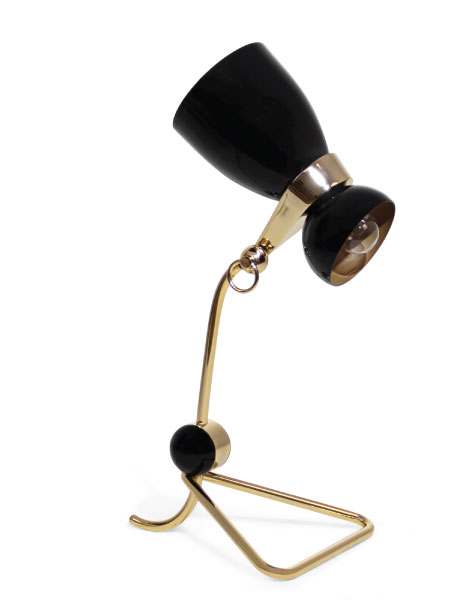
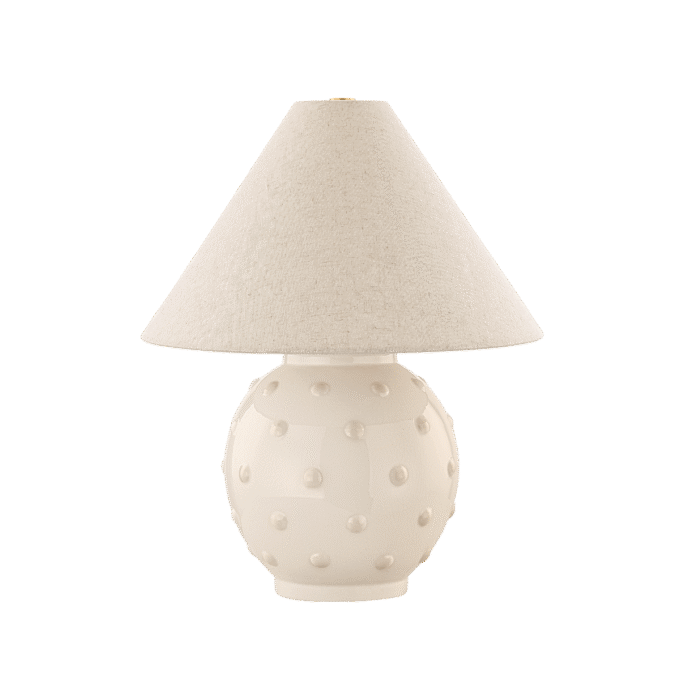
Portable table lamp 3

Mix Textures to Make the Room Feel Richer

Texture is one of the main differences between a flat room and a rich one. A living room can be completely neutral and still feel luxurious if the textures are layered well.

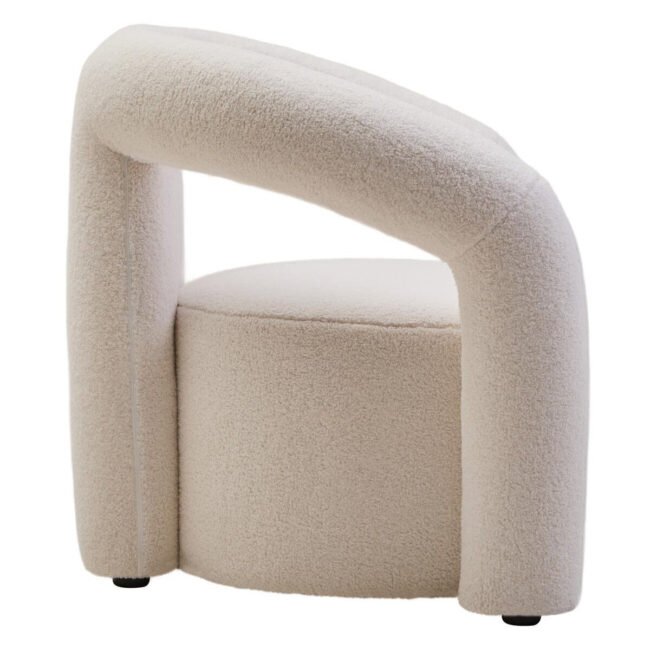
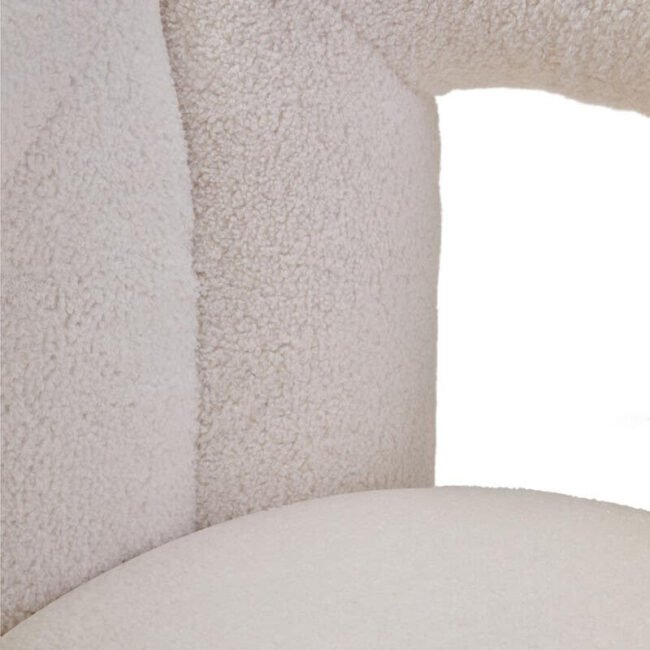
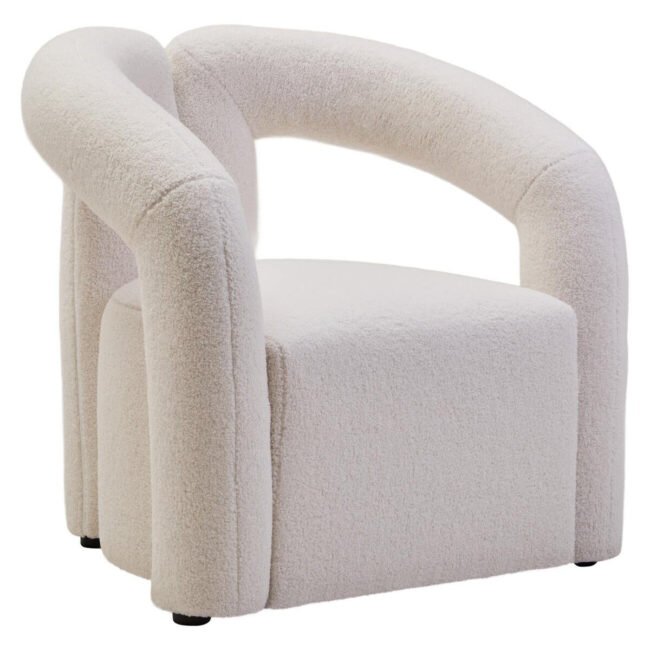
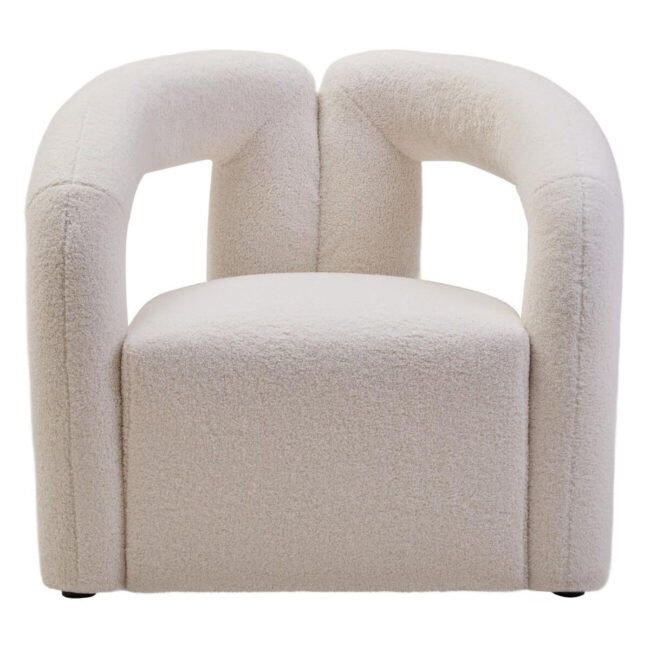
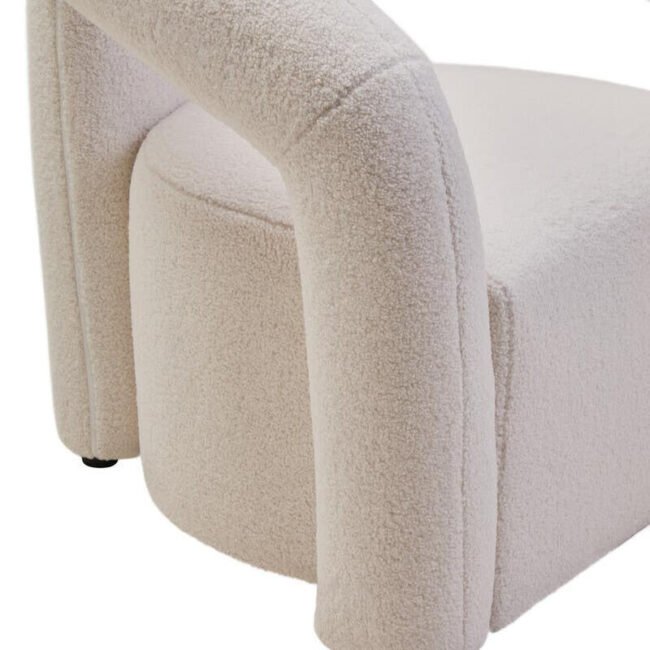
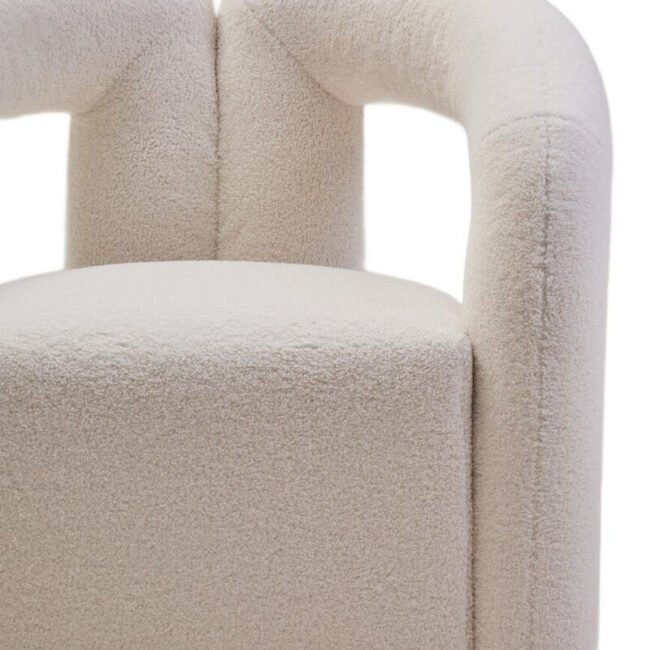
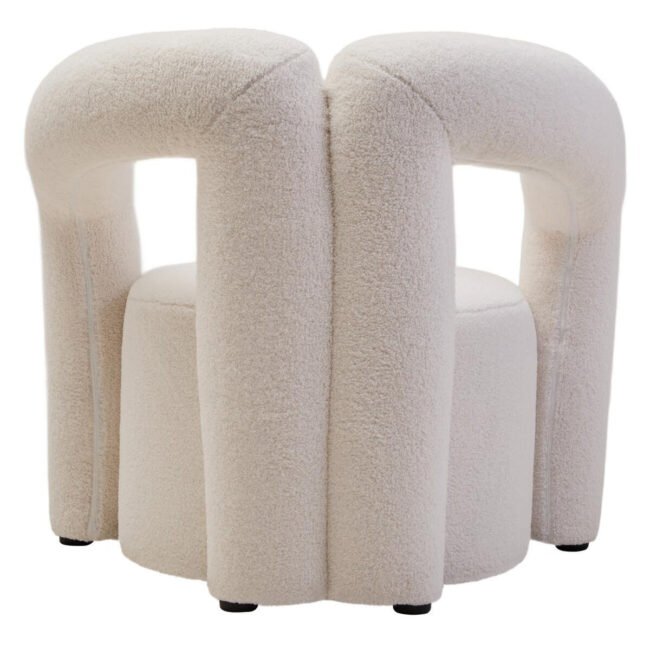
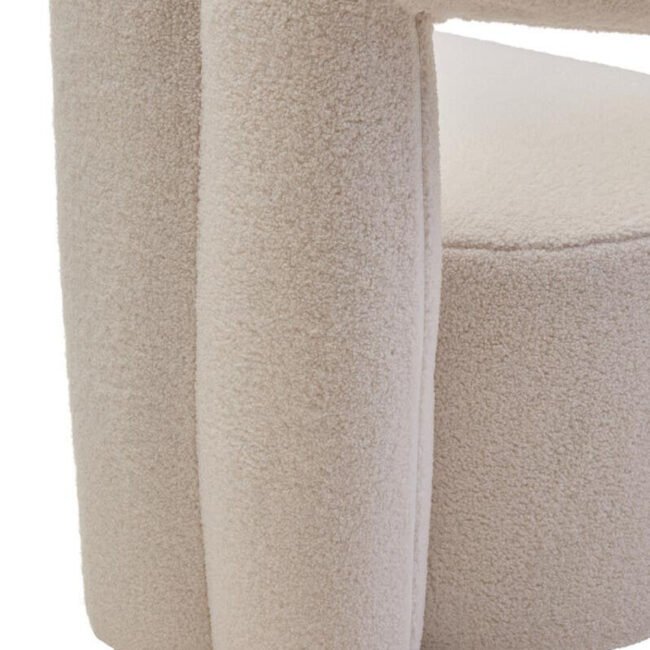
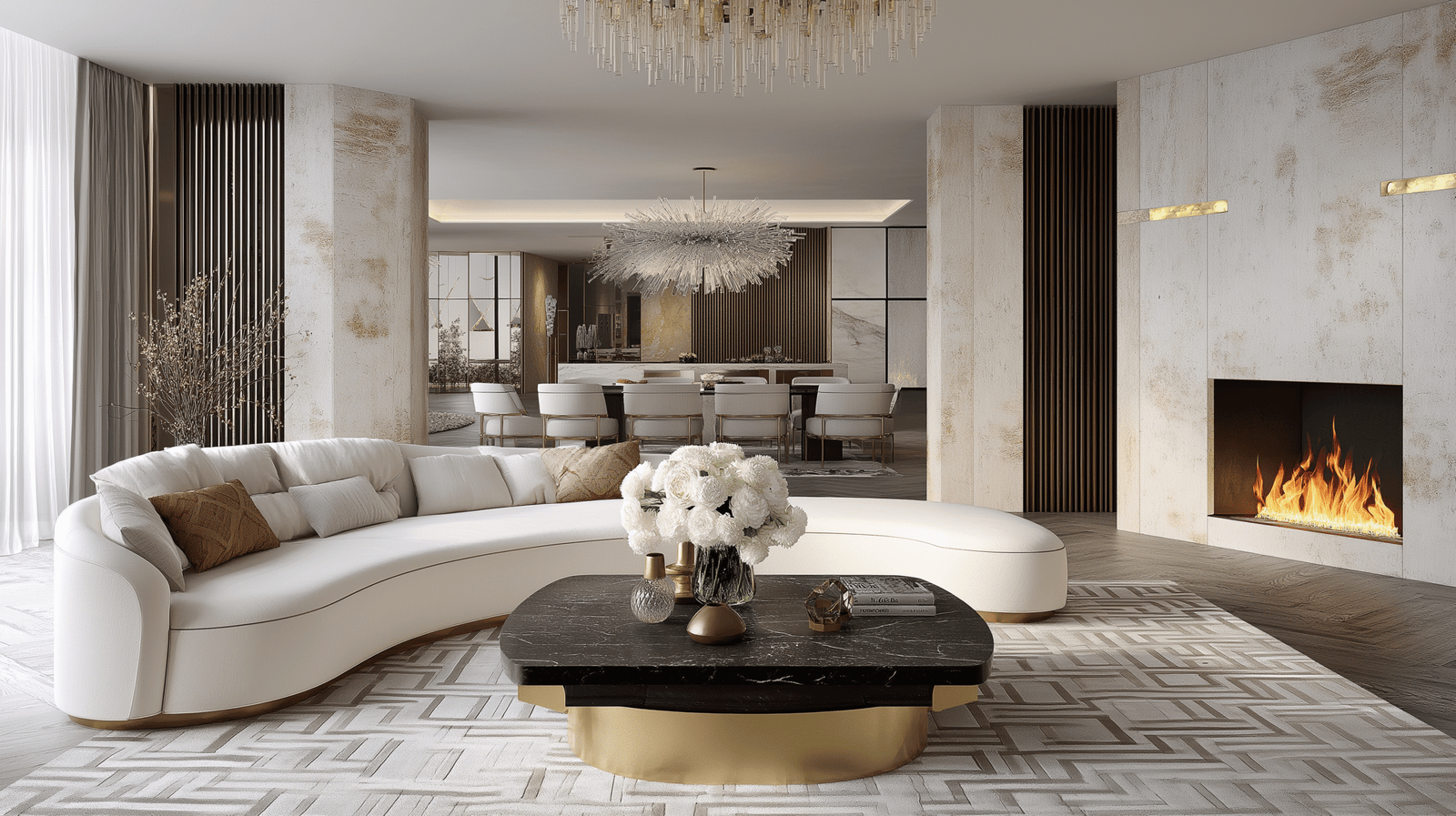
Think about the difference between a room with only smooth surfaces and a room with linen curtains, a wool rug, velvet cushions, a marble coffee table, a wooden sideboard, ceramic lamps and a boucle armchair. The second room feels more expensive because the eye has more to experience.

Texture creates depth. It allows a simple colour palette to feel interesting. It also makes the room feel more comfortable.

For modern interior design, texture is especially important because contemporary rooms can sometimes feel cold. Add softness through rugs, cushions, throws, curtains and upholstered furniture. Add structure through wood, stone, metal, glass or marble. Add life through plants, flowers or natural materials.

A luxury living room does not need too many colours, but it does need variation. Pair smooth with rough, soft with hard, matte with reflective, old with new. A marble side table beside a textured sofa. A brass lamp on a wooden sideboard. A velvet cushion on a linen chair. A ceramic vase against a polished mirror.

The goal is not to make the room busy. The goal is to make it layered.


Choose a Colour Palette That Feels Calm and Connected

Colour is one of the most emotional parts of interior design. It decides whether a living room feels calm, dramatic, warm, airy, classic or contemporary.

A finished living room usually has a connected colour palette. That does not mean everything matches. It means the colours speak to each other.

Start with a base colour. This may be warm white, cream, taupe, beige, soft grey, olive, charcoal or another neutral. Then add supporting tones through furniture, rugs, curtains and accessories. Finally, add accents through cushions, art, lamps or decorative objects.

For an expensive-looking living room, avoid using too many unrelated colours. A controlled palette usually feels more elegant. Warm neutrals with black accents. Cream and walnut with brass. Pale grey with navy and marble. Olive with oak and linen. Beige with chocolate brown and stone.

Kelly Wearstler’s interiors are known for bold materiality and personality, and Forbes describes her design mindset through the phrase “love color, take risks, stay curious”. The lesson is not that every room needs strong colour. It is that the palette should feel intentional, not accidental.

A calm room can still be brave. A neutral room can still have contrast. A colourful room can still feel sophisticated if the tones are balanced.

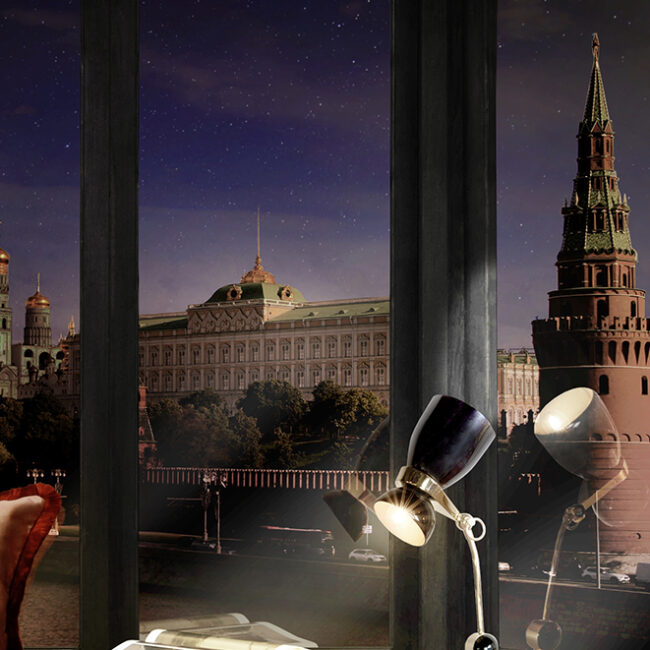
“A portable lamp is the small design detail that makes a room feel considered, not just furnished.”

House & Garden — “Clever Lighting Ideas”
Portable table lamp

Style Coffee Tables and Side Tables Like a Designer

Coffee tables and side tables are small compared with sofas or rugs, but they have a big effect on how finished a living room feels. They are the pieces people see close-up, so the styling matters.

A coffee table should be useful, but not bare. Start with a tray, stack of books, vase, candle or sculptural object. Vary the height and texture. Leave space for real life: a drink, remote control or serving plate.

A side table should support the sofa or armchair beside it. A lamp, small book, candle or decorative bowl may be enough. The surface should not be overcrowded. A side table is most successful when it feels useful and styled at the same time.

Livingetc’s designer-led advice on side table decor ideas is useful because it shows how small surfaces can become polished moments through proportion, height and restraint.

For a luxury living room, use fewer, better accessories. A heavy ceramic bowl, a beautiful book, a sculptural vase or a refined candle can look more expensive than many small ornaments. Materials matter: marble, glass, brass, ceramic, wood, stone and linen all add richness.

The goal is to make the tables look lived with, not staged. A room becomes more inviting when the surfaces suggest comfort, beauty and use.

Use Curtains and Soft Furnishings to Elevate the Room

Curtains, cushions and throws can change the entire feeling of a living room. They soften the architecture, absorb sound and make the room feel more complete.

Curtains are especially powerful. A bare window can make a room feel unfinished, even if the furniture is beautiful. Full-length curtains add height, softness and elegance. Hang them high and wide where possible so the window feels larger and the ceiling feels taller.

Cushions and throws should be used with restraint. Too many cushions can make a sofa feel fussy. Too few can make it feel bare. Mix sizes, textures and tones. Linen, velvet, boucle, wool and silk-effect fabrics can all add richness.

Southern Living recently gathered designer advice on styling details that make a home feel finished, including window treatments, textiles, artwork, greenery and layered lighting. Those details may seem small individually, but together they make a room feel complete.

Soft furnishings are where comfort becomes visible. They tell the room to relax.

Portable table lamp 4

Avoid the Interior Design Mistakes That Make a Living Room Look Unfinished

The first mistake is buying furniture without a layout plan. A beautiful sofa can still look wrong if it is the wrong size or placed awkwardly.

The second mistake is choosing a rug that is too small. This is one of the quickest ways to make a living room look less expensive.

The third mistake is relying only on ceiling lighting. A single overhead light rarely creates warmth or atmosphere.

The fourth mistake is leaving walls empty. Artwork, mirrors and lighting help complete the vertical space.

The fifth mistake is choosing everything from one matching set. Rooms feel more expensive when they are layered, not overly coordinated.

The sixth mistake is ignoring scale. Tiny accessories on a large sideboard, a small lamp beside a large sofa or narrow curtains on a wide window can all make a room feel off.

The seventh mistake is over-styling. Too many objects can make the room feel cluttered. Negative space is part of luxury.

The eighth mistake is forgetting storage. If there is nowhere to hide everyday items, the room will never stay polished.

A finished living room is not about perfection. It is about balance.


What to Buy First When Redesigning a Living Room

When redesigning a living room, start with the pieces that define the structure of the room.

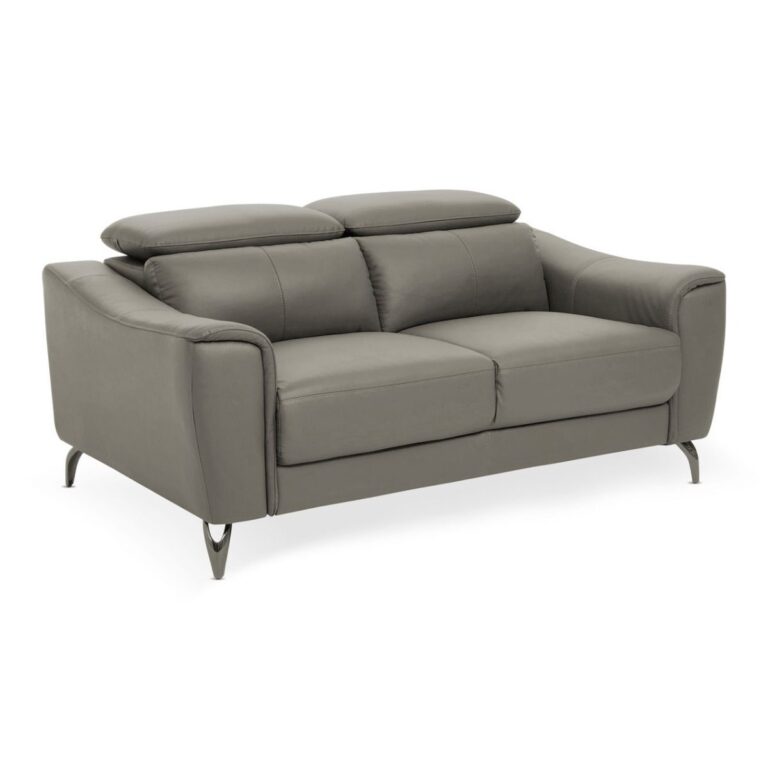
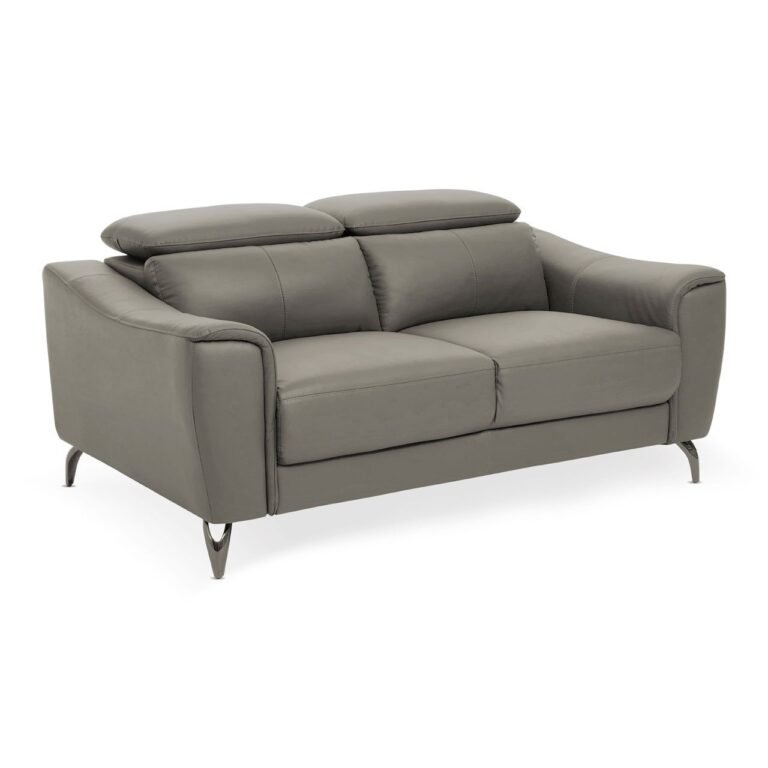
First, choose the sofa or main seating. This is usually the largest and most used piece. Then choose the rug, because it anchors the seating area. After that, consider the coffee table, side tables and storage pieces such as a sideboard or cabinet.

Lighting should be planned early, not added at the end. Think about where lamps will go, whether you need a floor lamp, and whether the room would benefit from wall lights or picture lights.

Accessories should come last. Cushions, throws, vases, trays, books and candles are important, but they cannot fix poor layout or wrong scale.

A sensible order is:

Sofa and chairs.
Rug.
Coffee table and side tables.
Sideboard or storage.
Lighting.
Curtains.
Artwork and mirrors.
Accessories.

This order helps you build the room properly. Large pieces create the structure. Smaller pieces add the atmosphere.

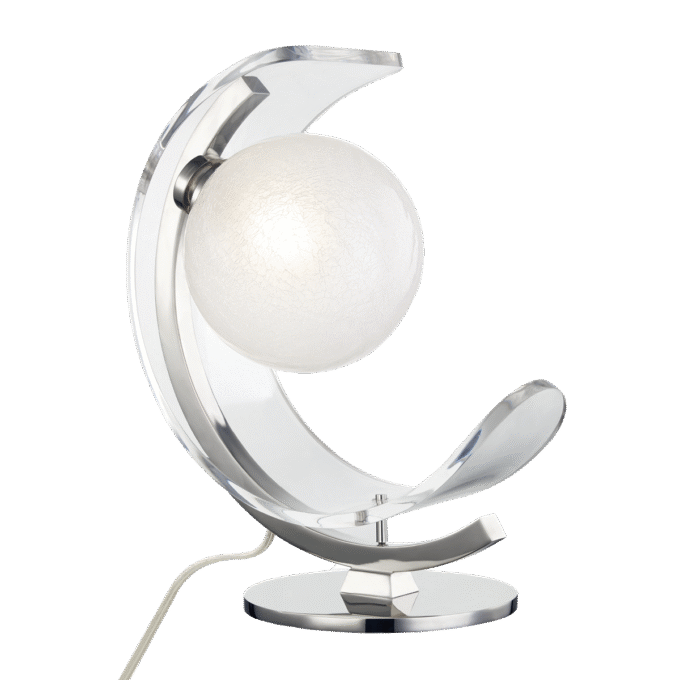
Portable table lamp 5

Final Thoughts: A Finished Living Room Is About Layers

The most beautiful living rooms are not created by one expensive purchase. They are created through layers: furniture, rugs, lighting, storage, texture, artwork, mirrors, curtains and personal objects.

That is why the best living room interior design ideas are often practical as well as beautiful. A larger rug makes the room feel grounded. A sideboard gives storage and styling space. A table lamp adds warmth. Curtains soften the window. Artwork gives the room emotion. A coffee table creates a centre. Accessories add personality.

A finished living room should feel elegant, but it should also feel usable. It should welcome people in, support everyday life and still feel considered when the evening light softens.

The secret is not to fill the room. It is to layer it well.

When every piece has a purpose, every surface has breathing space and every detail contributes to the mood, the living room begins to feel expensive in the most natural way. Not showy. Not forced. Just beautifully finished.


FAQs About Living Room Interior Design Ideas

What are the best living room interior design ideas for making a room look expensive?

The best ideas include choosing the right size rug, layering lighting, using full-length curtains, adding a sideboard or storage piece, styling tables with restraint, using large-scale artwork or mirrors, and mixing rich textures such as wood, marble, wool, linen, glass and brass.

How do I make my living room look finished?

Start with layout, then add a rug, layered lighting, curtains, artwork, storage and styled surfaces. A finished living room usually has a strong seating area, useful storage, soft lighting and a few personal details.

What should every living room have?

Most living rooms need comfortable seating, a rug, a coffee table, side tables, lighting, storage, artwork or mirrors, curtains or blinds, and a few accessories that add texture and personality.

What makes a living room look cheap?

A rug that is too small, harsh ceiling lighting, furniture pushed against every wall, tiny accessories, bare windows, cluttered surfaces and matching furniture sets can all make a living room look less expensive.

How do interior designers make living rooms look better?

Interior designers focus on layout, scale, lighting, texture and balance. They usually start with how the room will be used, then choose furniture and decorative layers that support both function and atmosphere.

What colour makes a living room look expensive?

Warm neutrals, soft whites, taupe, olive, charcoal, navy, chocolate brown and muted earthy tones can all look expensive when paired with good lighting, texture and quality materials.

How do I make a small living room look bigger?

Use a properly scaled rug, furniture with visible legs, mirrors to reflect light, layered lighting, slim storage and fewer but larger accessories. Avoid overcrowding the room with too many small pieces.

What should I buy first for my living room?

Start with the sofa or main seating, then the rug, coffee table, side tables, storage, lighting, curtains, artwork and accessories. Build the structure first, then add styling layers.

Portable table lamp 6
What do you think?
Leave a Reply

Blog

Get fresh home inspiration and helpful tips from our interior designers

top
1
    1
    Your Cart
    Osie Large Jute Rug Remove
    Osie Large Jute Rug
    Qty: 1
    Price: £168
    £168

    Inactive

    Privacy Overview

    This website uses cookies so that we can provide you with the best user experience possible. Cookie information is stored in your browser and performs functions such as recognising you when you return to our website and helping our team to understand which sections of the website you find most interesting and useful.