Organizing a Tiny Bedroom: Layout Tricks That Make a Big Difference

organizing a tiny bedroom

Why Small Bedrooms Deserve Big Design Thinking

Designing a small bedroom often feels like walking a tightrope—you want comfort, storage, and style, but you’re working with limited square footage. The challenge lies in balancing all three without letting the room feel cluttered or cramped. The truth is, even the tiniest bedrooms can feel spacious and inviting when designed with intention. The secret lies in smart layouts, multi-functional furniture, and a willingness to think vertically.

When it comes to organizing a tiny bedroom, layout is your strongest ally. Where you place the bed, how you use corners, and what furniture you choose can make the difference between a room that feels overwhelming and one that feels like a calm retreat. By focusing on simple but impactful tricks, you can open up floor space, streamline storage, and create a flow that maximizes every inch.

In this blog, we’ll walk through practical yet stylish layout strategies that can transform your small bedroom. Here’s what you’ll discover:

  • Placing the Bed with Purpose – Why bed positioning sets the tone for the entire room.

  • Rethinking Nightstands and Side Furniture – Clever alternatives that save space without compromising function.

  • Using Corners and Vertical Space – Turning forgotten spots into design opportunities.

  • Built-In Storage Magic – Furniture that hides clutter while adding character.

  • Keeping Pathways Clear – How open circulation instantly makes a room feel larger.

  • Multi-Functional Furniture That Works Overtime – Pieces that serve more than one role to maximize usability.

  • The Power of Mirrors and Light – Tricks to expand space visually and create airiness.

By the end of this post, you’ll see that organizing a tiny bedroom isn’t about giving things up—it’s about making smarter choices. With a little creativity, your small bedroom can feel

Placing the Bed with Purpose

organizing a tiny bedroom

When it comes to organizing a tiny bedroom, one of the most impactful decisions you can make is where you place your bed. It might seem simple at first — after all, it’s the one piece of furniture every bedroom needs — but in a small space, its position dictates how the rest of the room functions. The bed is not just where you sleep; it’s the anchor that determines traffic flow, the availability of storage, and even how spacious the room feels. That’s why approaching its placement with intention can make the difference between a room that feels cramped and chaotic and one that feels harmonious and inviting.

The most common mistake people make in small bedrooms is sticking to traditional layouts that don’t work well when space is limited. Many of us instinctively push the bed into the center of the longest wall and flank it with two nightstands. While this looks balanced in a larger space, it often swallows valuable square footage in a compact room. Instead, consider tucking the bed against one wall or even into a corner. This not only opens up more floor space for movement but also gives you room to introduce other functional elements, such as a slim dresser or a reading chair, without crowding the space.

Another overlooked but effective solution is positioning the bed under a window. Although design “rules” sometimes discourage this, in a tiny bedroom it can be a smart move that maximizes wall space for storage or artwork elsewhere. The natural light framing the bed can also become a beautiful design feature, creating a focal point that makes the room feel larger and brighter. The same principle applies to placing the bed diagonally or in an unconventional spot. Sometimes shifting the bed just a few inches can dramatically improve circulation and make the space feel more open.

For even tighter spaces, vertical thinking becomes essential. Raised platforms, loft beds, or storage beds are excellent solutions that free up the area beneath the mattress for drawers, baskets, or even a small desk. By combining sleeping space with hidden storage, you transform the bed from a single-purpose object into a multifunctional feature — a crucial strategy when organizing a tiny bedroom.

It’s also important to consider how the bed interacts with the rest of the room’s layout. Think about how you enter and exit the space. Is there a clear path from the door to the bed? Are you forced to squeeze around furniture to get to the closet or window? Even small adjustments — like sliding the bed a few inches or rotating its orientation — can significantly improve the room’s flow and usability. Remember, open space is as valuable as storage in a small room, and smart bed placement helps create it.

Ultimately, placing the bed with purpose is about more than aesthetics — it’s about maximizing potential. By positioning it strategically, you unlock more floor area, improve movement, and make the entire room feel intentional rather than improvised. This thoughtful approach turns a cramped sleeping area into a restful retreat and proves that organizing a tiny bedroom isn’t about compromise; it’s about creativity and control over how your space works for you.

Rethinking Nightstands and Side Furniture

Rethinking Nightstands

When it comes to organizing a tiny bedroom, one of the easiest places to reclaim space is by rethinking the furniture that surrounds your bed. Nightstands and side tables are often considered essential, but in small rooms, the traditional bulky versions can quickly overwhelm the layout. Oversized nightstands not only eat up valuable floor space but also disrupt circulation, making the room feel tighter than it really is. The good news is that there are countless creative alternatives that maintain function while giving your bedroom the open, airy feel it deserves.

Instead of sticking to the standard two nightstands flanking the bed, ask yourself what you actually use them for. Do you really need the extra storage, or is it just a place to hold a lamp, a book, or a glass of water? In many cases, the answer reveals that you can downsize without losing convenience. Slim, narrow tables can serve the same purpose while taking up a fraction of the room. Even better, consider wall-mounted solutions like floating shelves, which create the illusion of more floor space while keeping essentials within arm’s reach.

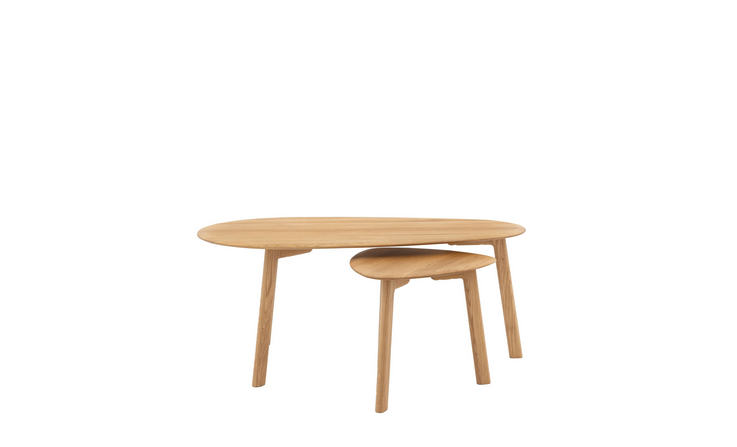
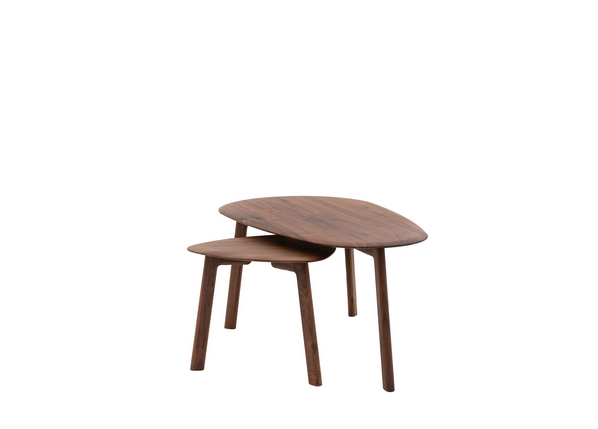
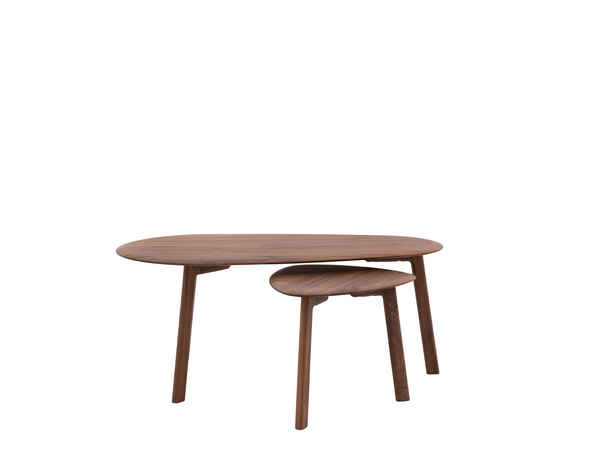
Another clever option is to incorporate multipurpose furniture. A small rolling cart, for example, can act as a flexible nightstand that you can move as needed, doubling up as extra storage during the day. Stackable stools or nesting tables offer a similar versatility; when not in use, they can be tucked away neatly, and when you need them, they’re easy to pull out. For those who love a streamlined look, a fold-down wall table is an elegant solution that frees up space entirely when not in use. These alternatives are not only space-saving but also bring a modern, adaptable feel to the bedroom.

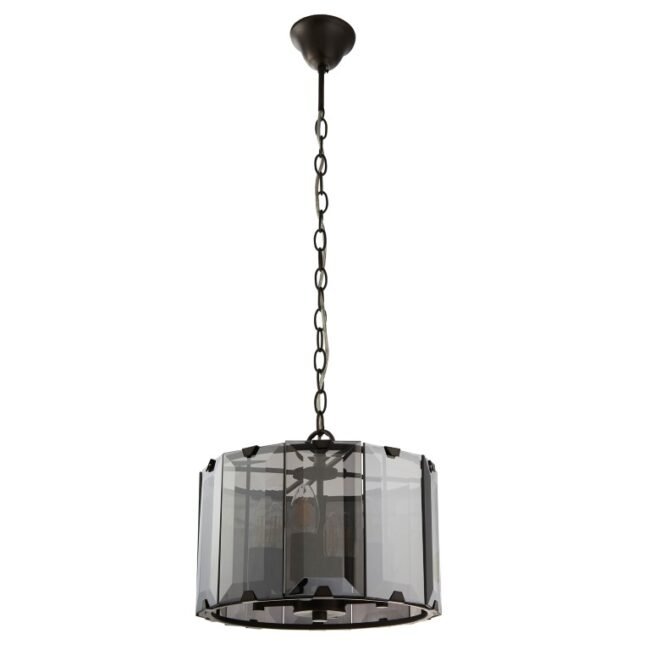
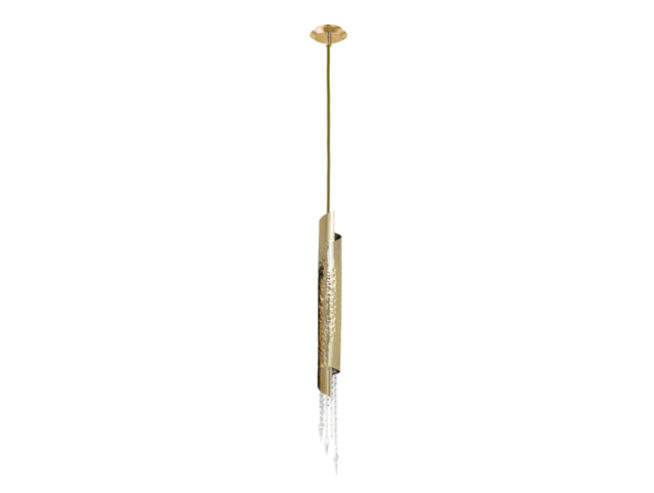
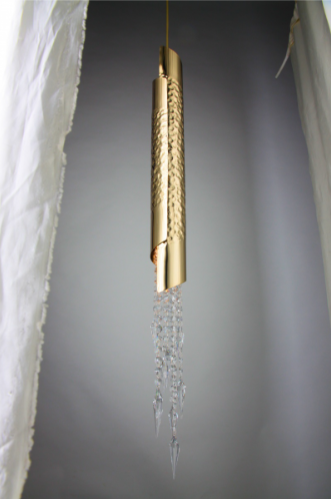
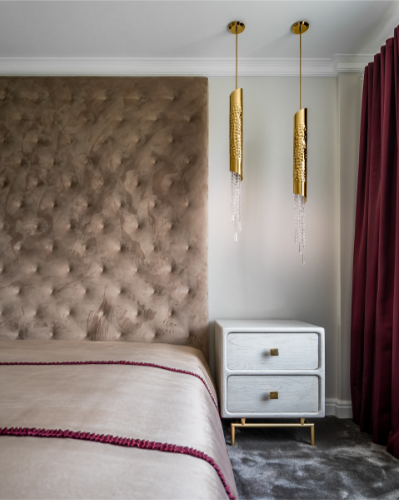
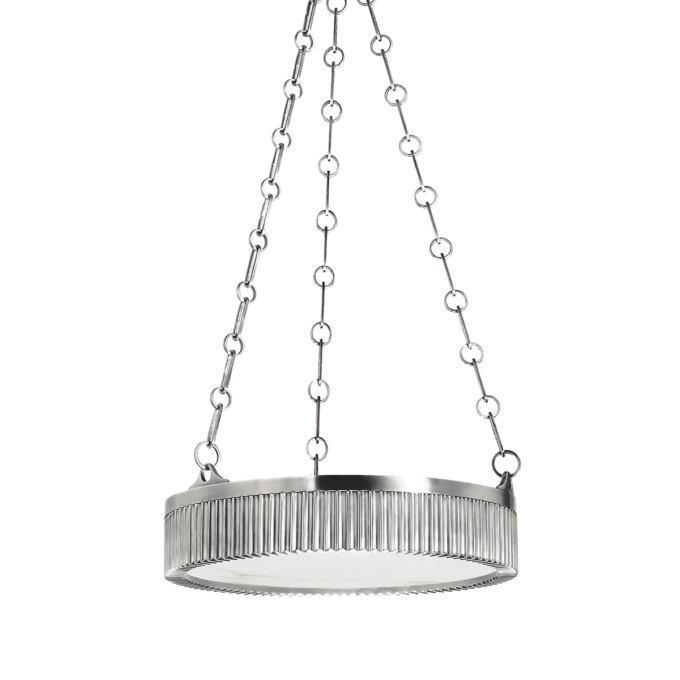
Lighting is another factor to consider. Traditional lamps take up precious tabletop space, but wall-mounted sconces or pendant lights free the surface entirely while adding a stylish design element. This small change alone can transform how open the room feels. By moving lighting off the table, your side furniture can be minimized, downsized, or eliminated altogether without sacrificing practicality.

It’s also worth rethinking symmetry. While two identical nightstands create a balanced look in larger rooms, in small bedrooms, asymmetry can work in your favor. For instance, you might choose a narrow floating shelf on one side and a taller slim cabinet on the other. This not only adapts to your storage needs but also creates a more dynamic, personalized layout. In organizing a tiny bedroom, breaking away from traditional rules often leads to more functional and visually interesting solutions.

Ultimately, the goal is to prioritize furniture that enhances function without overwhelming the space. By reimagining what a nightstand or side table can be, you unlock opportunities for better flow, improved storage, and a cleaner, more intentional design. Small bedrooms thrive when every piece of furniture has a purpose, and with a thoughtful approach, even the smallest surface beside your bed can make a big impact in how the room feels.

Using Corners and Vertical Space

Organizing a Tiny Bedroom: Layout Tricks That Make a Big Difference

One of the biggest challenges in organizing a tiny bedroom is figuring out what to do with awkward or unused areas. Corners, for example, often end up as dead space, while vertical walls go largely untouched. In small rooms, leaving these areas empty is a missed opportunity. When you start thinking of corners and vertical space as valuable real estate, you unlock new possibilities for storage, design, and overall functionality.

Corners are often overlooked because they can be tricky to furnish. Traditional rectangular furniture doesn’t always fit neatly, but with the right approach, corners can become some of the most useful zones in the room. A tall corner wardrobe, for instance, takes advantage of vertical height while occupying minimal floor space. Alternatively, a ladder shelf or tiered corner shelving unit provides a place for books, plants, or decorative objects without encroaching into the main walking area. Even a cozy corner chair paired with a slim side table can create a small reading nook, turning what was once wasted space into a functional retreat.

Vertical walls are another game-changer. Too often, people focus only on floor space when planning a layout, forgetting that walls can carry a lot of the load. Installing floating shelves above eye level creates storage for books, boxes, or display pieces without cluttering the floor. Wall-mounted pegboards or hook systems can hold everyday items like bags, hats, or accessories, keeping them off surfaces while still within easy reach. In a tiny bedroom, these solutions reduce clutter and make the room feel more open by lifting storage higher up.

The back of the door is another underutilized vertical zone. Simple over-the-door racks or hanging organizers can store shoes, scarves, or even small folded clothing items. Similarly, the space above the door frame can accommodate a narrow shelf, perfect for storing items you don’t need daily access to. These small adjustments can collectively add significant functionality without sacrificing style.

When you’re short on square footage, vertical design also adds to the aesthetic appeal of the room. Tall bookcases, mirrors, or vertical artwork draw the eye upward, creating the illusion of higher ceilings and more space. Mirrors, in particular, amplify this effect by reflecting light, which makes the bedroom feel brighter and less confined. This visual trick is just as important as the physical storage, since perception plays a major role in how comfortable a small space feels.

Ultimately, using corners and vertical space is about approaching design with creativity and intention. Instead of focusing solely on where furniture sits on the floor, consider how the walls and overlooked angles can work harder for you. By stacking, layering, and elevating storage and design elements, you maximize every inch of the room while keeping it functional and stylish. In the bigger picture, these small adjustments are what transform organizing a tiny bedroom from a constant struggle into a seamless, thoughtful process that makes your space feel larger, lighter, and far more livable.

Built-In Storage Magic

Built-In Storage

When space is tight, the smartest solutions often come from furniture that works double duty. In the world of organizing a tiny bedroom, built-in storage is nothing short of magic. Instead of cramming more standalone pieces into an already crowded room, built-ins allow you to hide clutter in plain sight while maintaining a clean, seamless aesthetic. The beauty of this approach is that it doesn’t just solve practical storage problems—it also enhances the overall design, making the room feel intentional and thoughtfully planned.

One of the most effective built-in options is under-bed storage. A bed with deep drawers or hidden compartments underneath instantly transforms wasted space into valuable storage. Whether it’s seasonal clothing, extra bedding, or even shoes, these hidden zones help you declutter without needing bulky dressers. For rooms where a new bed isn’t an option, even simple risers paired with rolling bins can achieve a similar effect. The key is to think of the bed as more than just a place to sleep—it’s also a storage powerhouse waiting to be used.

Headboards, too, can be reimagined as functional storage. Built-in shelves or cubbies within the headboard create space for books, lamps, or personal items, eliminating the need for oversized nightstands. Some designs even incorporate hidden compartments, which are perfect for keeping small essentials neatly tucked away. This not only saves floor space but also turns the headboard into a striking design feature, blending style with practicality.

Closets can also benefit from a built-in approach. Instead of relying on freestanding wardrobes, consider custom closet systems that maximize every inch of vertical and horizontal space. Adjustable shelving, hanging rods, and pull-out baskets allow you to create a storage setup tailored to your exact needs. Even a small reach-in closet can be transformed into a highly efficient storage zone when designed with built-ins in mind.

Another overlooked area for built-in storage is the walls themselves. Recessed shelves carved into the wall provide depth without taking up extra square footage. These are ideal for displaying decor, storing books, or even housing lighting elements. In especially small bedrooms, wall niches can replace bedside tables altogether, offering functionality without cluttering the floor.

The magic of built-in storage lies not only in its efficiency but also in the sense of calm it brings. Clutter is one of the biggest culprits in making a small bedroom feel overwhelming. By giving every item a designated hidden place, built-ins create a sense of order that immediately makes the room feel larger and more serene. It’s this combination of form and function that elevates a tiny bedroom from simply “livable” to thoughtfully designed.

Ultimately, built-in storage is about embracing creativity and long-term thinking. It’s about designing furniture and layouts that work harder without taking up more room. When you commit to built-ins, organizing a tiny bedroom becomes less about squeezing things in and more about creating a space that feels open, stylish, and perfectly balanced. That’s the magic—and it’s the secret to making small spaces shine.

Keeping Pathways Clear

Keeping Pathways Clear

In small bedrooms, every step counts. When pathways are blocked, even the most thoughtfully designed space can feel cramped, cluttered, and frustrating to navigate. Good design isn’t just about aesthetics—it’s also about functionality and flow. Keeping pathways clear ensures your room feels more open, organized, and restful, while also making day-to-day movement effortless. This principle applies whether you’re styling a studio apartment, a tiny guest bedroom, or a compact master suite.

The first step in achieving clear pathways is identifying the natural flow of the room. Walk into the space and notice how you move from the door to the bed, from the bed to the closet, and from the closet to any additional furniture. These lines of movement should remain as unobstructed as possible. Even a small chair, laundry basket, or oversized rug can interrupt the flow and make the space feel cramped. By prioritizing these routes, you ensure the room remains practical as well as stylish.

One common mistake in small bedrooms is placing furniture too close to the bed or against the main walking areas. For example, a nightstand that juts out too far can make getting in and out of bed awkward. Instead, opt for slim-profile nightstands or floating shelves that provide storage without intruding on precious floor space. The same goes for dressers—choose narrower designs or place them against walls that won’t interfere with the main walkways.

Another trick for keeping pathways clear is to think vertically. Instead of bulky floor storage bins that crowd the area, use wall-mounted shelving, tall wardrobes, or under-bed storage solutions. This approach frees up the floor, giving the illusion of a bigger, more breathable space while still offering ample storage. The goal is to keep the “walking zones” of the room uninterrupted, creating a smooth flow from one area to the next.

Lighting also plays an important role in maintaining open pathways. In a small bedroom, shadows can make corners feel tighter and passageways narrower. By using wall sconces or pendant lights instead of floor or table lamps, you not only save surface space but also brighten the routes people naturally move through. A well-lit pathway not only feels safer but also contributes to the perception of openness.

Rugs are another detail worth considering. While they add warmth and style, a poorly placed rug can break up the flow of the room and make walking paths feel jagged. Instead, opt for rugs that extend under the bed and stop short of major walkways, so the floor feels continuous and easy to traverse.

Ultimately, keeping pathways clear in a small bedroom is about balance. You want to maximize the functionality of the space without overloading it. By being intentional about furniture placement, embracing vertical storage, and ensuring movement routes are free of clutter, you create a bedroom that feels larger, calmer, and more inviting. When flow is prioritized, even the tiniest bedroom transforms into a thoughtfully designed sanctuary.

Multi-Functional Furniture That Works Overtime

Multi-Functional Furniture

In a tiny bedroom, every piece of furniture must earn its keep. When square footage is limited, the best way to stay organized and stylish is to invest in multi-functional furniture—pieces that do more than one job without overwhelming the space. These versatile solutions are not only practical but also help maintain a clean and cohesive aesthetic.

Take the classic example of a bed with built-in drawers. Instead of adding a bulky dresser, you can tuck away clothing, bedding, or seasonal items neatly beneath the mattress. This hidden storage keeps clutter out of sight while freeing up precious floor space for other essentials. Another smart solution is a storage ottoman at the foot of the bed. It serves as seating, a surface for laying out clothes, and a discreet compartment for extra blankets or books.

Wall-mounted desks or fold-down “Murphy-style” desks are also game-changers for small bedrooms. They give you a functional workspace during the day and can be tucked away at night, making them ideal for hybrid living. Likewise, a nightstand with shelves can double as a mini bookcase, or a bench with storage can serve as both décor and utility.

The beauty of multi-functional furniture is that it reduces visual clutter. Instead of crowding the room with multiple single-use items, you’re choosing sleek, adaptable pieces that blend seamlessly into the design. To keep things cohesive, opt for finishes that complement your overall aesthetic—whether that’s modern minimalism, cozy farmhouse, or sleek contemporary.

When organizing a tiny bedroom, multi-functional furniture ensures that form and function go hand in hand. It lets you streamline your space while still enjoying the comforts of a fully equipped room.

The Power of Mirrors and Light

Mirrors and Light

If there’s one trick that designers swear by for making small spaces look larger, it’s the clever use of mirrors and light. Together, they can visually double your space, create depth, and infuse even the smallest bedroom with an airy, open feel.

Mirrors are powerful because they reflect both natural and artificial light, bouncing brightness around the room. A large floor mirror leaning against a wall instantly makes the room feel taller, while mirrored closet doors create the illusion of extended space. Even smaller mirrors, when placed thoughtfully—like above nightstands or opposite a window—can expand the visual boundaries of your bedroom.

Light, too, plays a critical role in how big or small a room feels. Natural light should be maximized wherever possible, so consider sheer curtains that let sunshine filter through instead of heavy drapes that block it out. For artificial lighting, layering is key. Ceiling lights provide overall illumination, while wall sconces or pendant lamps free up surface space and add depth. LED strip lighting under shelves or behind the headboard can create a soft glow that makes the room feel cozy yet expansive.

To amplify the effect, pair mirrors with well-placed lighting. A mirror near a window, for example, will capture daylight and scatter it across the room, eliminating dark corners. At night, mirrors placed opposite warm lamps can create a soothing ambiance that makes the room feel bigger without feeling harsh.

When organizing a tiny bedroom, mirrors and light aren’t just decorative—they’re transformative. They reshape perception, giving you the sense of space and calm even when square footage is limited. By strategically blending these two design tools, you can make your bedroom feel like it doubled in size, without moving a single wall.

Small Bedroom, Big Possibilities

Designing and organizing a tiny bedroom may seem like a challenge at first, but as you’ve seen, it’s also an opportunity to get creative with every square inch. The trick lies in treating your bedroom layout as more than just a matter of furniture placement—it’s about crafting a space that feels comfortable, open, and uniquely yours.

By placing the bed with purpose, you set the foundation for flow and functionality. From there, rethinking traditional pieces—like nightstands or bulky dressers—opens up new possibilities that balance form and function. The once-forgotten corners and vertical space of your bedroom suddenly become assets, turning empty walls into valuable storage or display areas.

Built-in storage brings a seamless sense of order, helping you hide clutter while adding character. Clear pathways ensure your room not only looks more spacious but also feels calm and easy to navigate. When paired with multi-functional furniture, your bedroom begins to work smarter, adapting to multiple needs without becoming crowded.

Finally, the subtle yet powerful influence of mirrors and light can transform how your space is perceived—doubling its visual size and making it feel airy and bright, no matter the square footage.

Together, these strategies prove that organizing a tiny bedroom is not about giving up style or comfort—it’s about maximizing potential. With thoughtful design choices, small spaces can feel every bit as inviting, practical, and luxurious as larger ones.

So, instead of viewing your tiny bedroom as a limitation, embrace it as a canvas. With the right layout tricks, it can become a room that inspires calm, reflects your personality, and makes a big difference in your everyday life.

What do you think?
Leave a Reply

Blog

Get fresh home inspiration and helpful tips from our interior designers

top
0
    0
    Your Cart
    Your cart is emptyReturn to Shop

    Inactive

    Privacy Overview

    This website uses cookies so that we can provide you with the best user experience possible. Cookie information is stored in your browser and performs functions such as recognising you when you return to our website and helping our team to understand which sections of the website you find most interesting and useful.