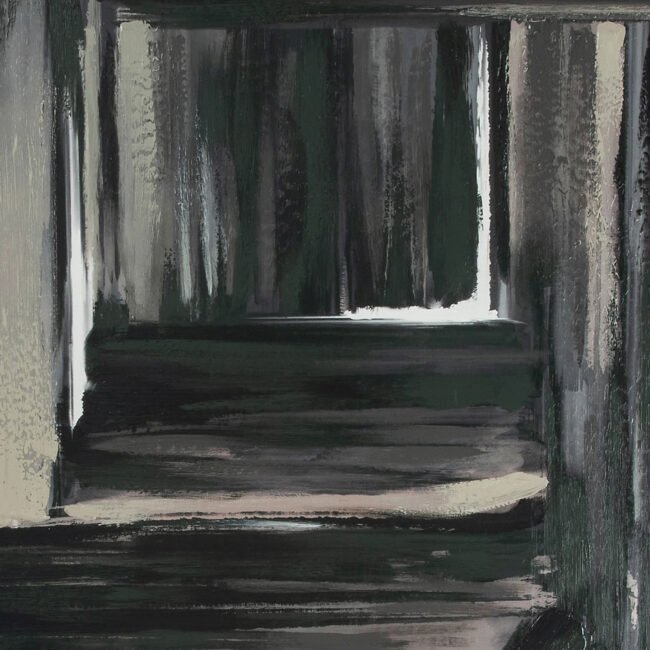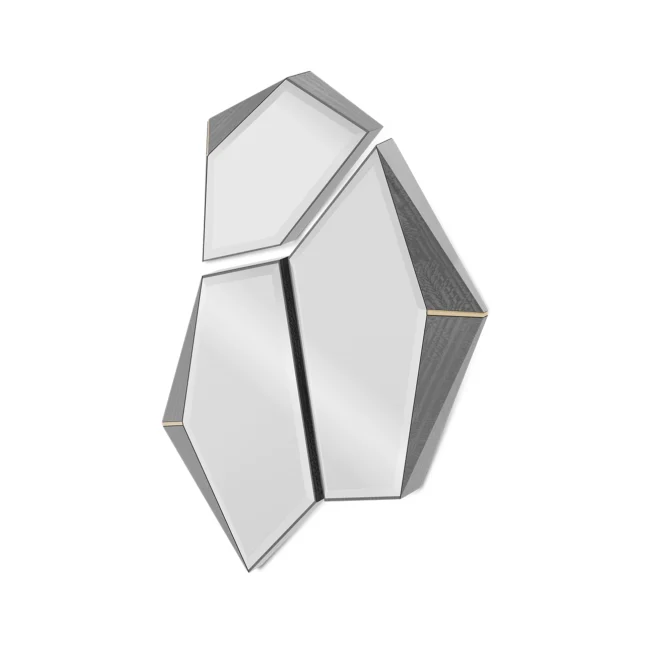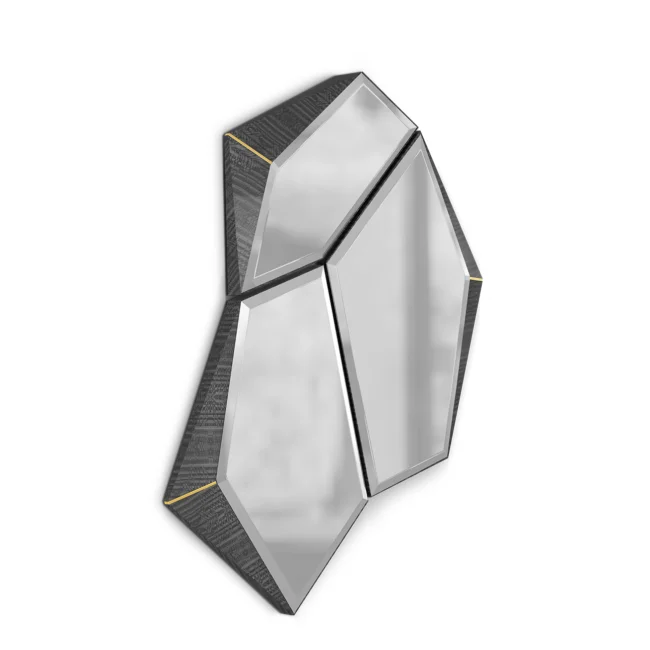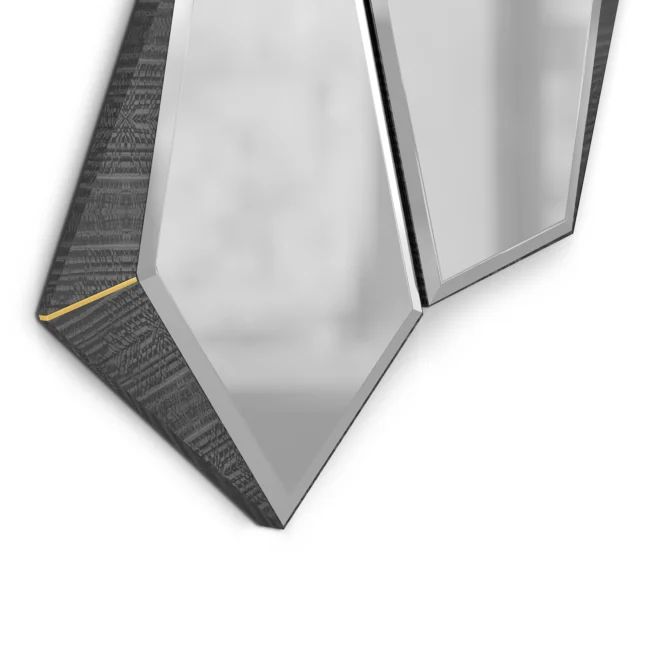
Why Embracing Imperfection Creates More Authentic, Livable Interiors
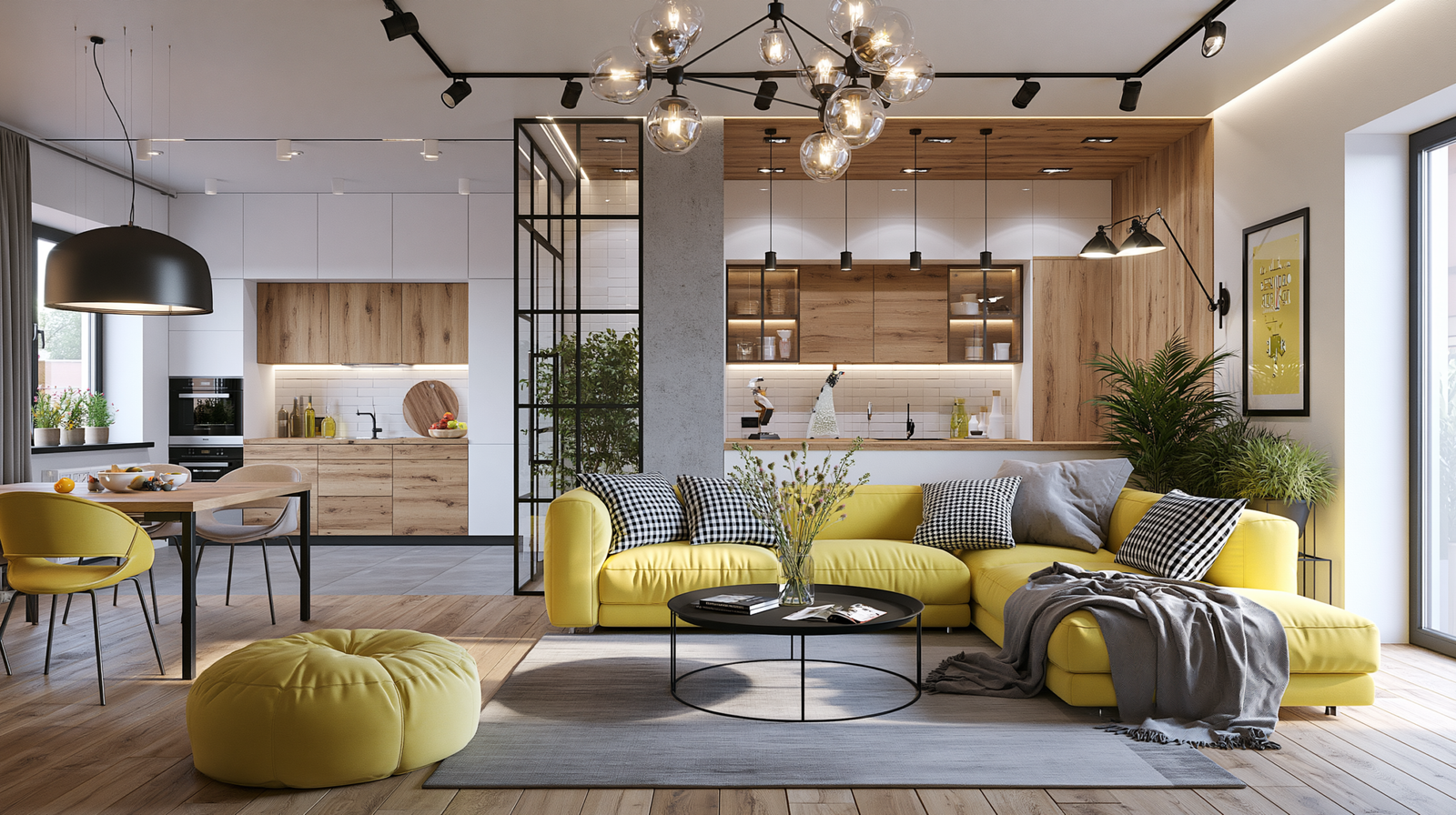
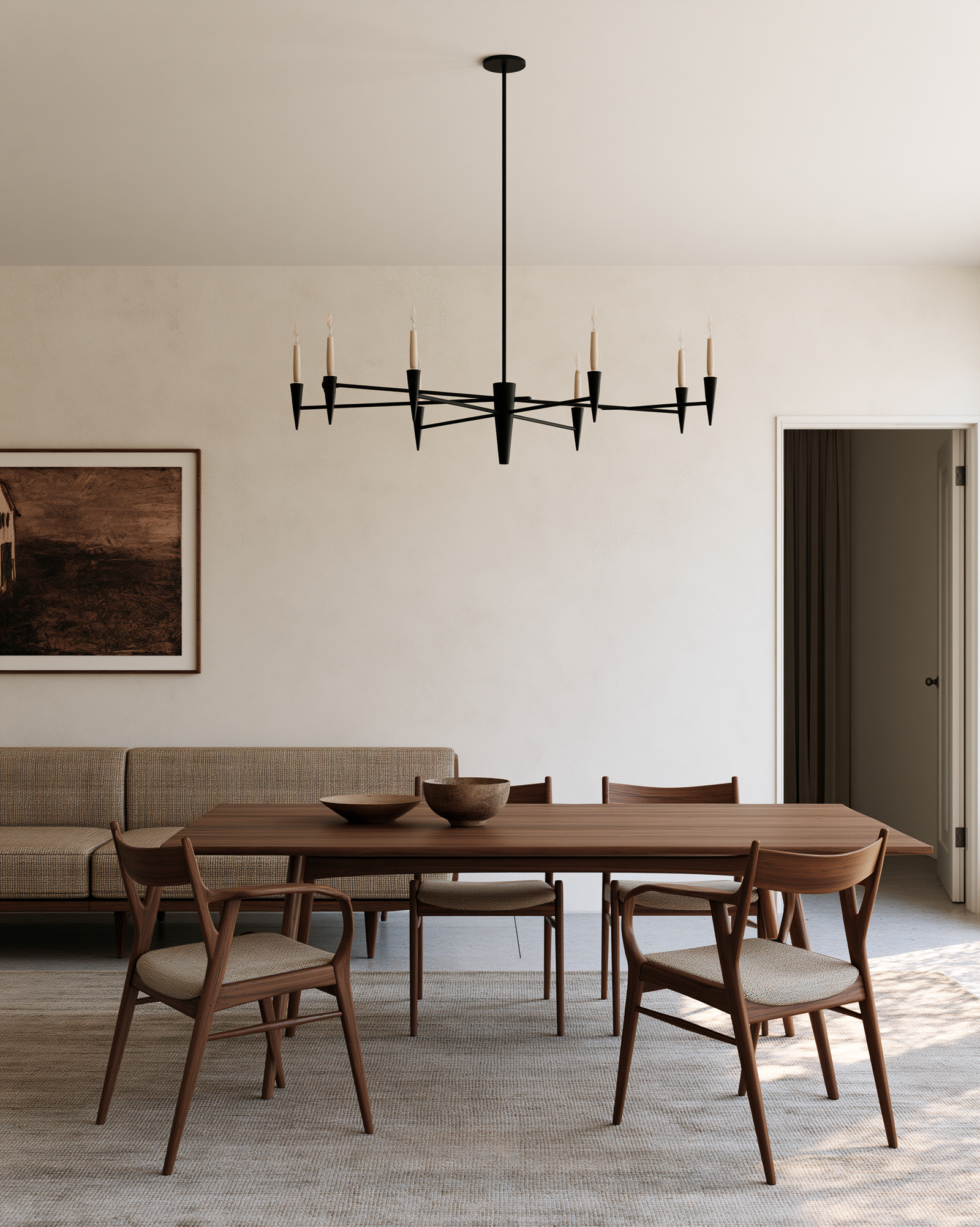
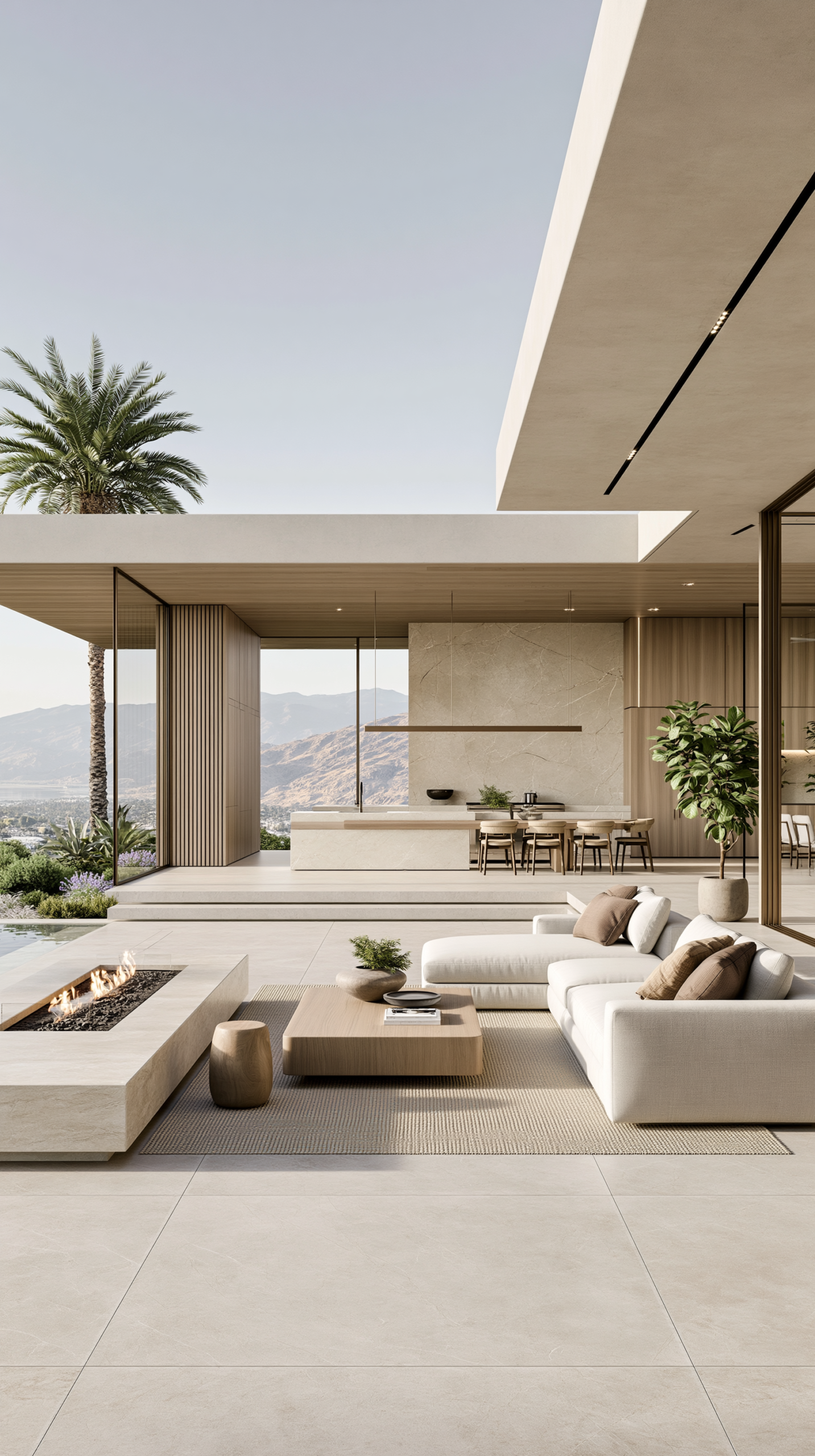
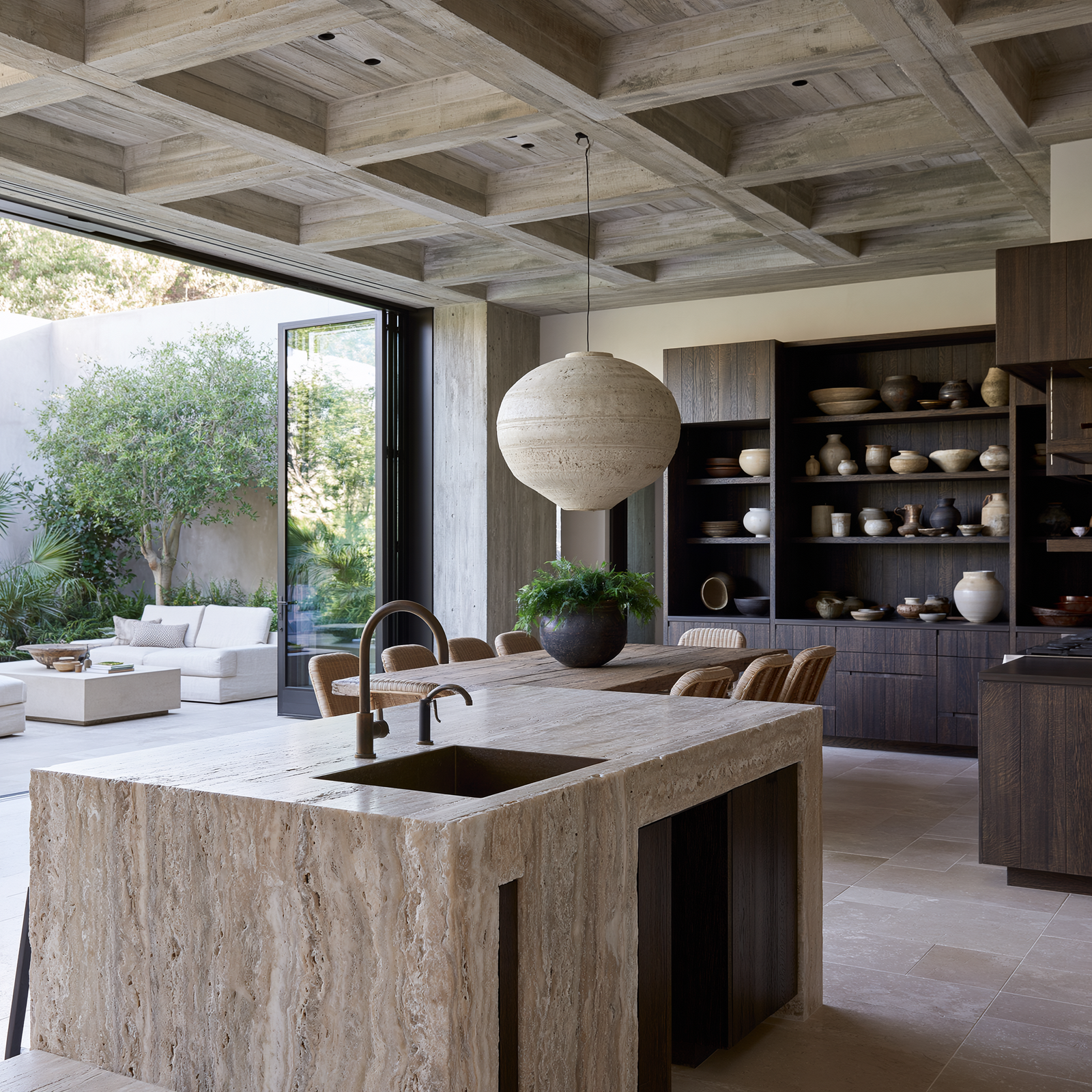
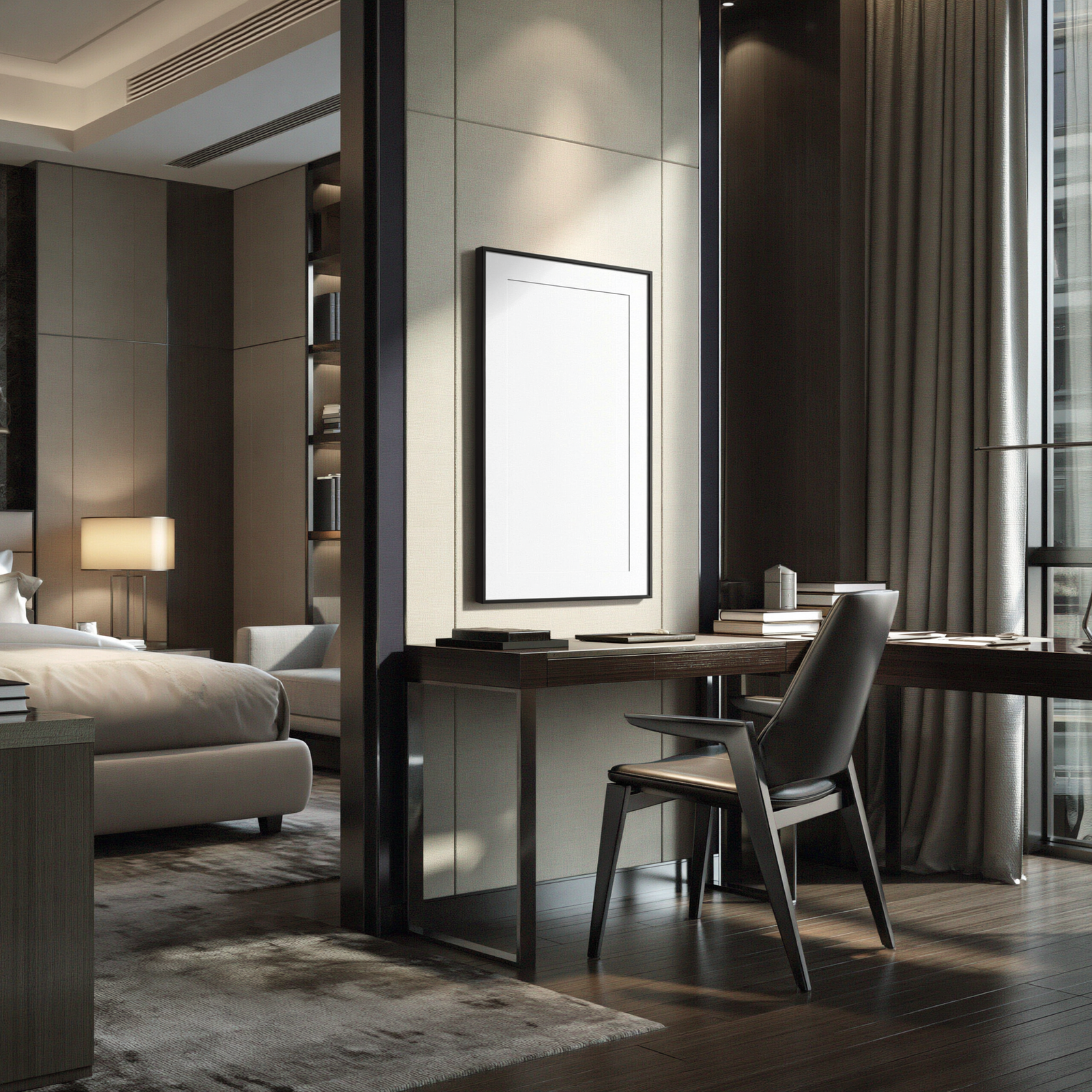
In a world obsessed with curated perfection, interior designers are whispering about a revolutionary idea — perfectly imperfect spaces. These rooms are not about achieving glossy, unattainable showroom looks. Instead, they celebrate authenticity, comfort, and the soulful beauty that comes from embracing quirks, character, and personal stories.
Today’s most forward-thinking designers know that perfectly imperfect spaces aren’t a trend; they’re a mindset shift. It’s the art of mixing old with new, rough with smooth, and planned with spontaneous, creating rooms that feel alive rather than staged.
The Allure of the Unpolished

What makes perfectly imperfect spaces so magnetic? It’s simple: humans crave authenticity.
When a space feels too pristine, it can be intimidating, cold, and uninviting. But a well-worn leather chair, a handmade ceramic vase with an uneven lip, or the faded patina of a vintage table tells a story. These signs of life offer an unspoken invitation: “Relax. Be yourself.”
Interior designers crafting perfectly imperfect spaces carefully balance intentional design with organic accidents. A scratch on the floor isn’t a flaw — it’s a memory. An asymmetrical art wall isn’t sloppy — it’s soulful. The result? Homes that feel welcoming, layered, and full of personality.
Curated Chaos: How Designers Master the Look
Creating perfectly imperfect spaces is more strategic than it looks. Designers deploy a few consistent techniques to achieve the right mix of polish and rawness:
1. Mixing High and Low

Pairing high-end elements with humble, rustic pieces creates tension and interest that feels both elevated and approachable. A luxurious velvet sofa juxtaposed with a reclaimed wood coffee table doesn’t just save on cost — it tells a story. This kind of contrast invites curiosity, allowing each piece to shine while contributing to a cohesive whole. The magic happens when glamour and grit live together in the same room.
-
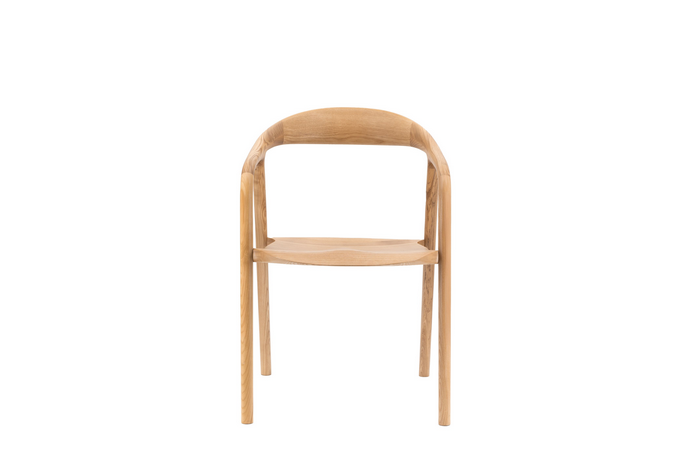
Adri Dining Chair 2pk
£500 – £560Price range: £500 through £560 Select options This product has multiple variants. The options may be chosen on the product page -
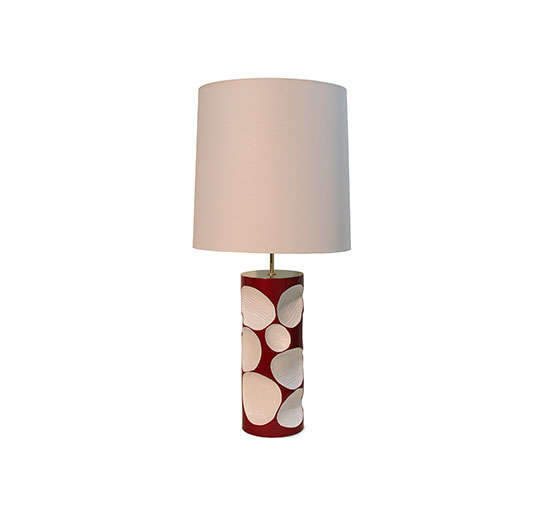
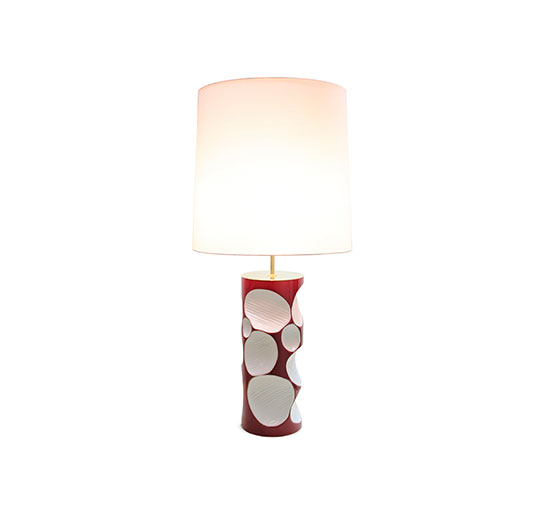
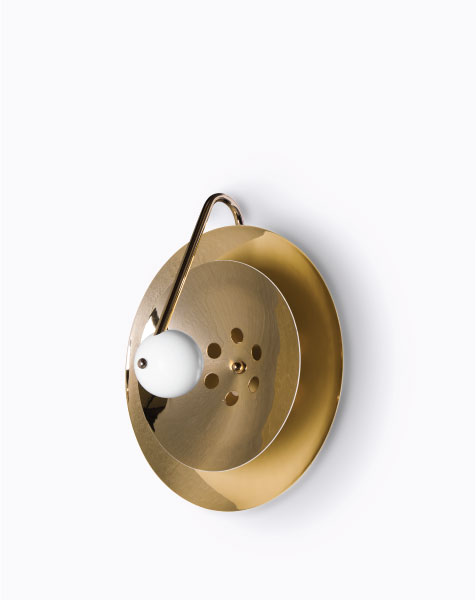
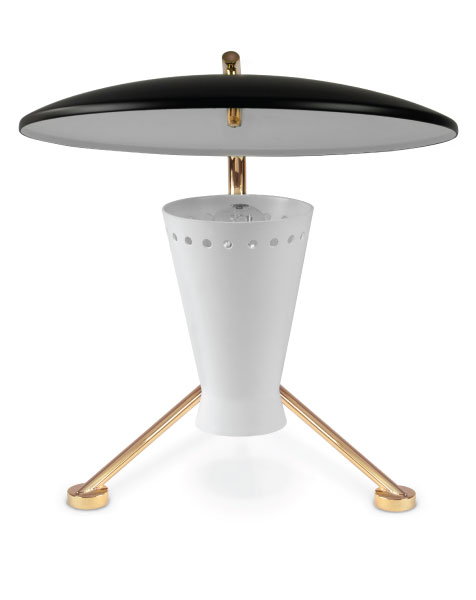
AMIK TABLE LIGHT
£1,622 Add to cart -
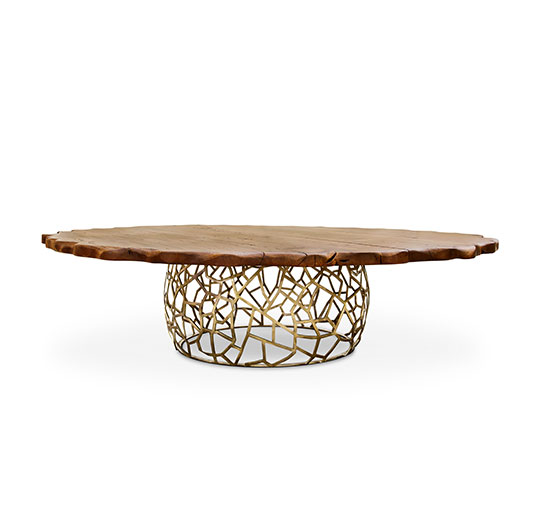
APIS II DINING TABLE
£38,675 Add to cart -
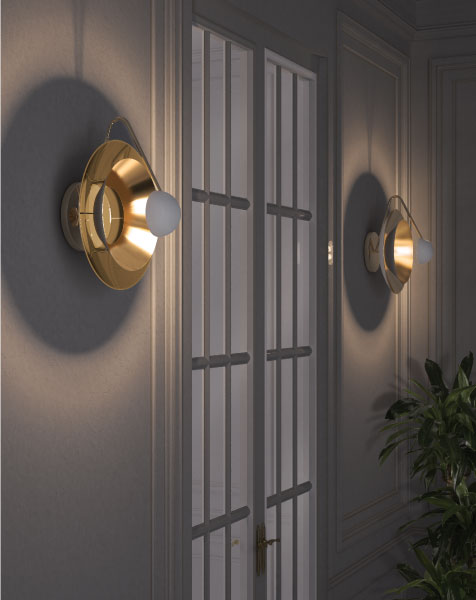
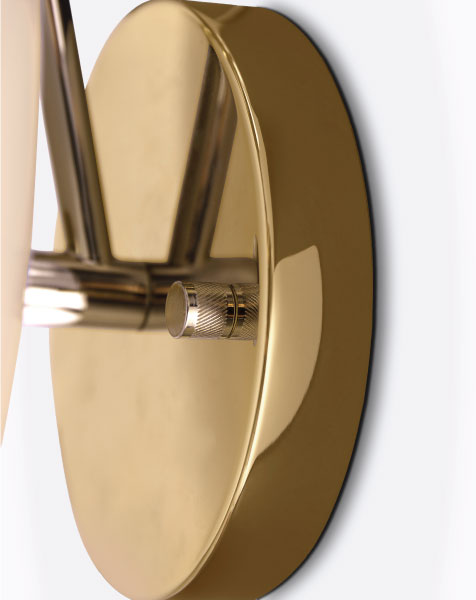
BASIE WALL
£1,788 Add to cart
2. Layering Textures

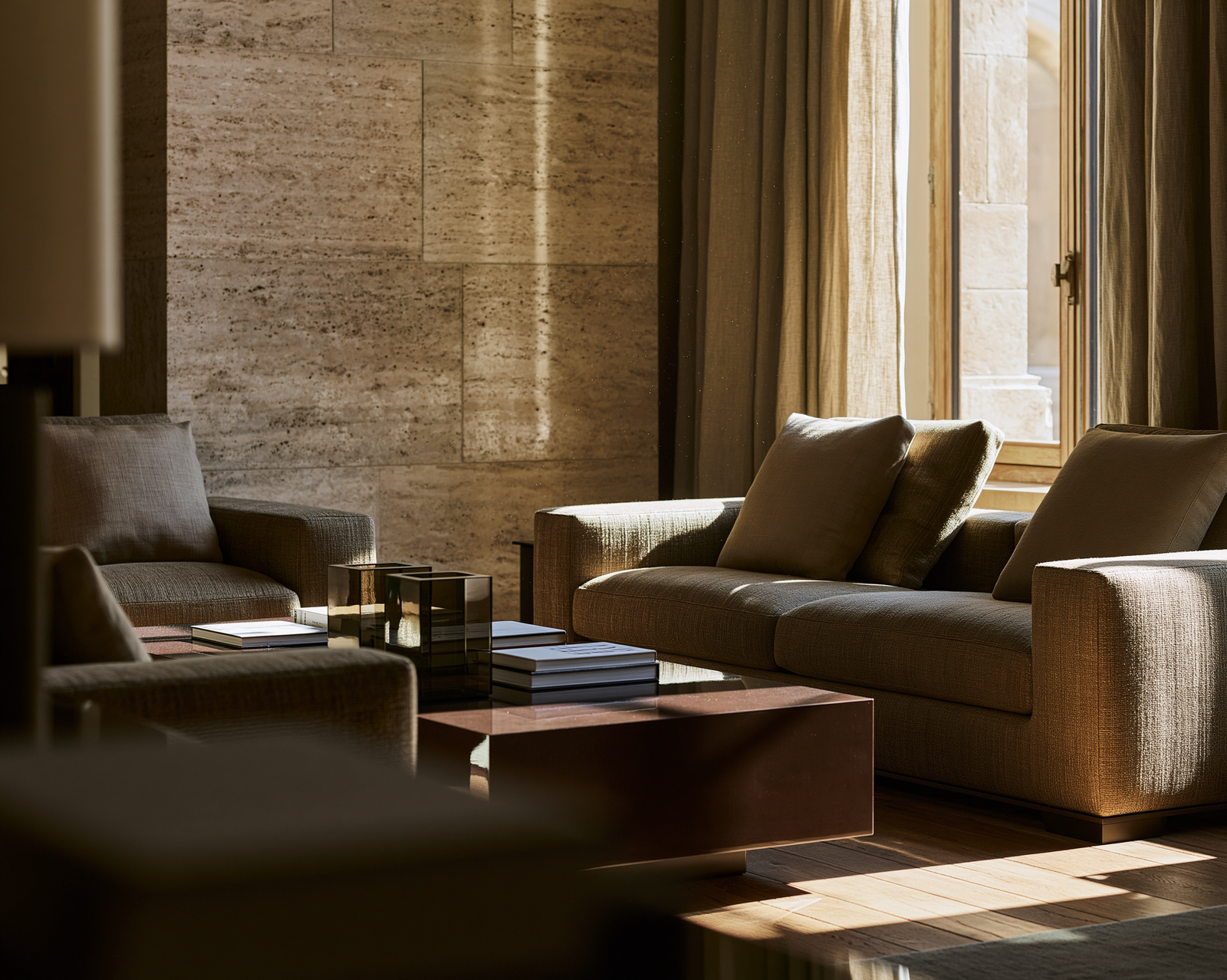
A visually stunning space often succeeds because it appeals to the senses. Think soft linen drapes next to a distressed leather chair, with a rough-hewn wood bench and a plush handwoven rug underfoot. Layering these tactile elements creates depth and soul, making the room not just look good, but feel good. Texture evokes comfort and brings an organic rhythm to interiors, especially in contemporary modern spaces where form often follows feeling.
3. Playing with Symmetry (and Breaking It)

Symmetry can anchor a room, bringing balance and order — a centered sofa, twin lamps, or matching chairs. But perfection isn’t always memorable. The moment of surprise comes when symmetry is disrupted: an off-centered piece of art, a lopsided gallery wall, or mismatched side tables. This deliberate imbalance adds personality and keeps the space from feeling static or overly formal. It feels curated rather than calculated.
4. Letting Objects “Speak”

Every object in a room carries its own visual voice — the patina of age, the craftsmanship of a bygone era, or the sleek line of modernity. Instead of forcing items to match, today’s designers are letting different eras, styles, and finishes coexist. A Bauhaus chair can sit beside a hand-painted Moroccan cabinet if each is allowed to stand on its own merits. This freedom fosters authenticity, making your home feel less like a showroom and more like a narrative.
The secret is controlled imperfection. Designers edit and refine, ensuring that the space feels intentional rather than chaotic. Perfectly imperfect spaces don’t “just happen” — they’re orchestrated with a master’s touch.
-
Abstract Design 39 (BDGA39) Artwork
£384 Add to cart -
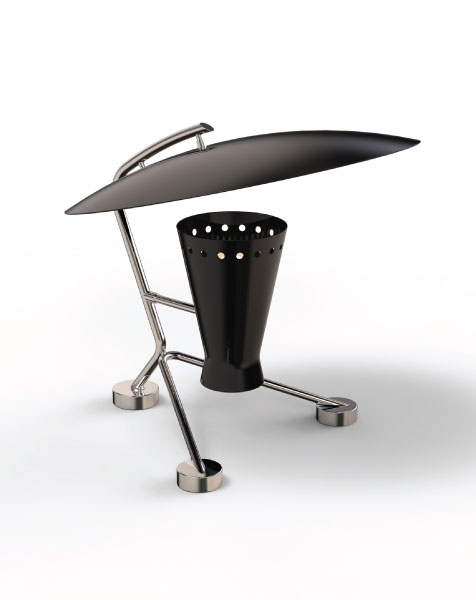
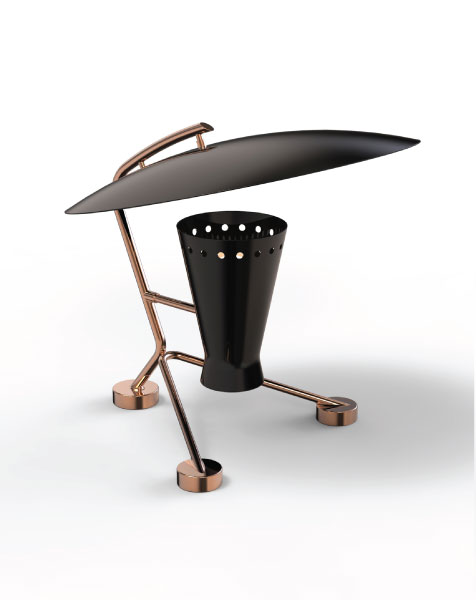
BARRY TABLE
£1,225 Add to cart -
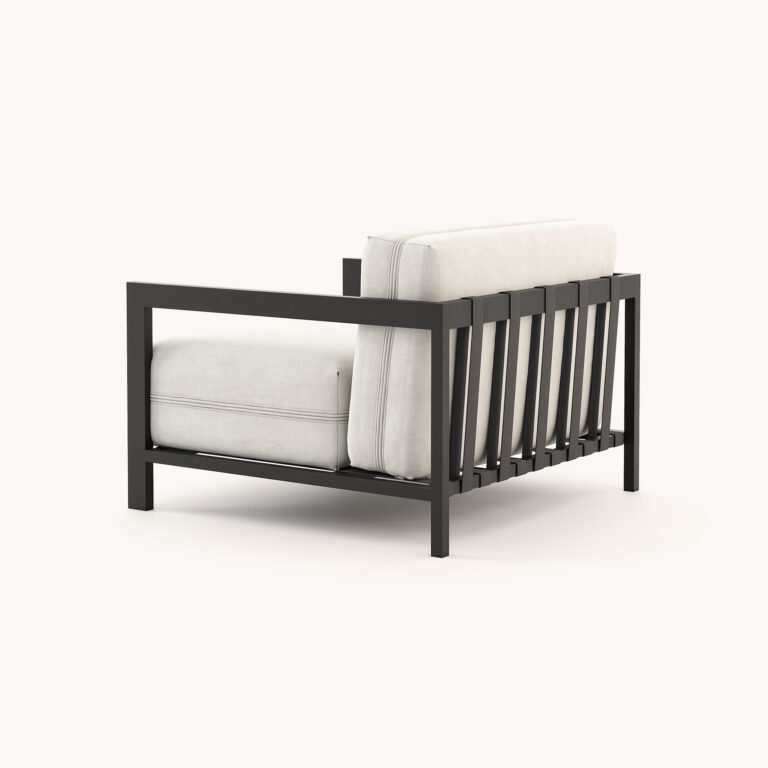
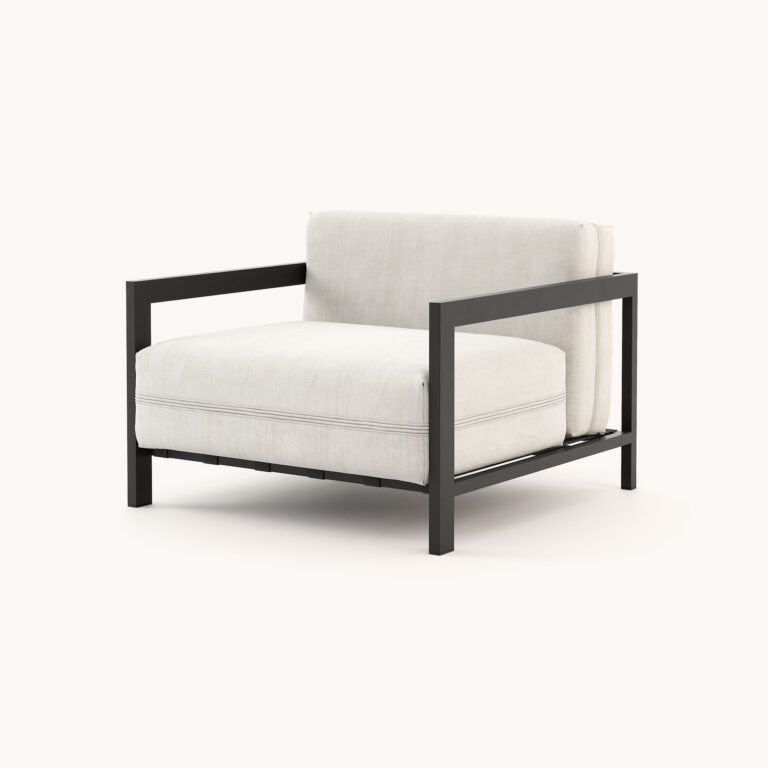
Bondi Armchair
£3,948 – £4,806Price range: £3,948 through £4,806 Select options This product has multiple variants. The options may be chosen on the product page -
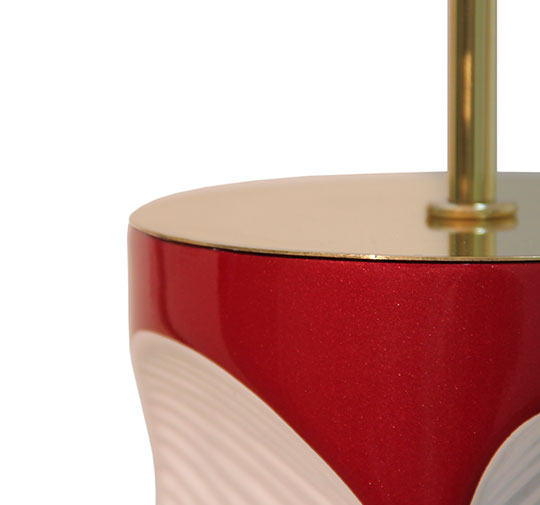
Diamond Amethyst Sideboard
£22,660 – £47,550Price range: £22,660 through £47,550 Select options This product has multiple variants. The options may be chosen on the product page
Why Perfectly Imperfect Spaces Resonate Now More Than Ever

Post-pandemic, our relationship with home shifted permanently. No longer just a place to show off, a home now must serve as sanctuary, workspace, retreat, and gathering hub.
Perfectly imperfect spaces meet this new demand beautifully. They prioritize comfort and individuality over sterile perfection. Hand-me-down pieces, artisanal finds, and locally made crafts breathe life into interiors, creating homes that support real, messy, wonderful lives.
In a world of airbrushed Instagram feeds, homeowners crave realness. A home that tells your story — the true, unedited version — is not just refreshing; it’s luxurious.
-
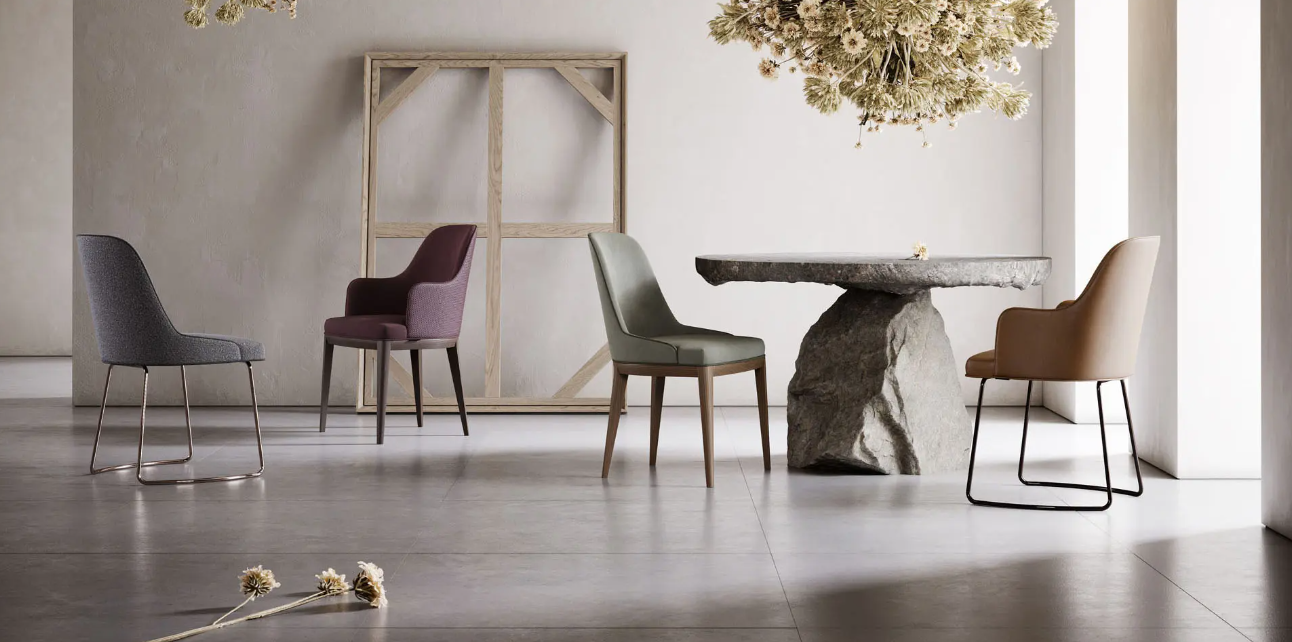
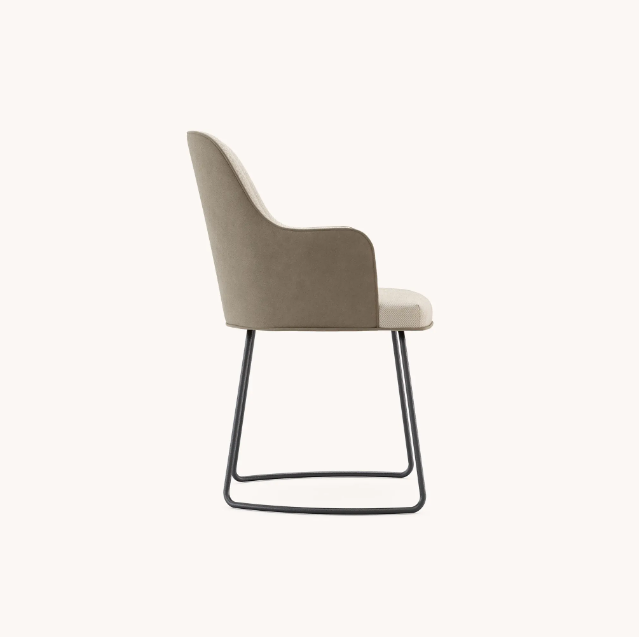
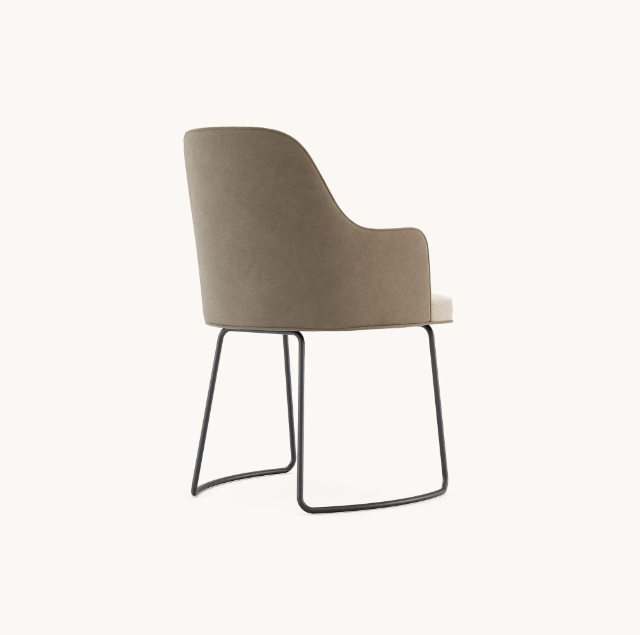
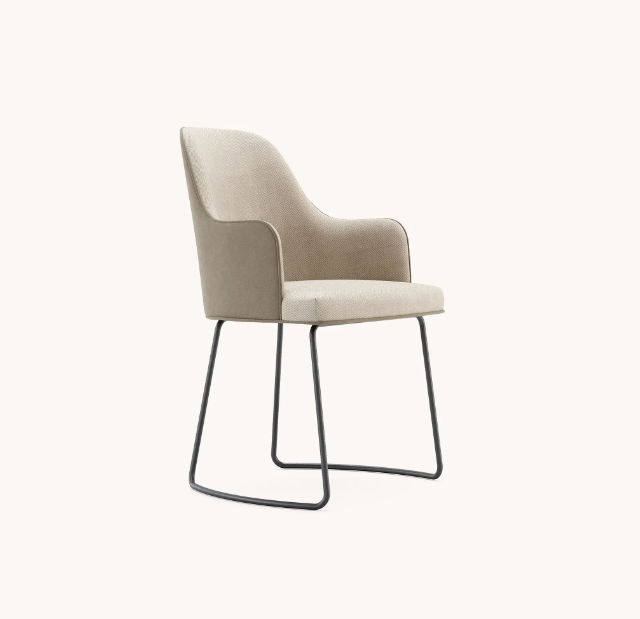
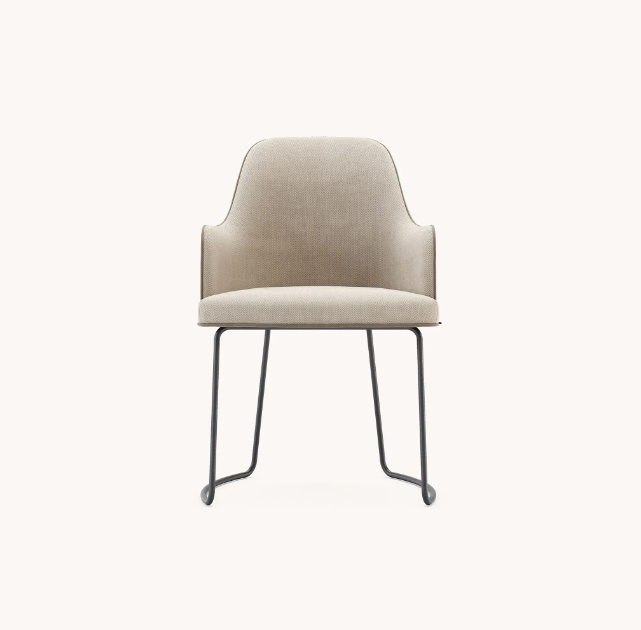
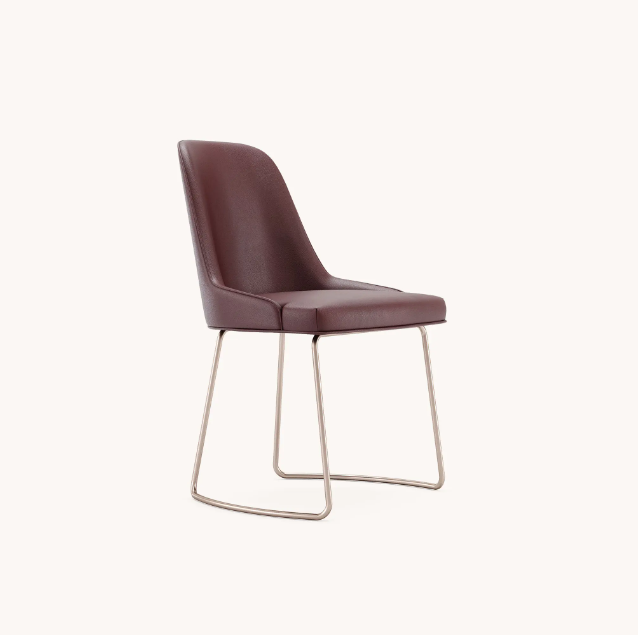
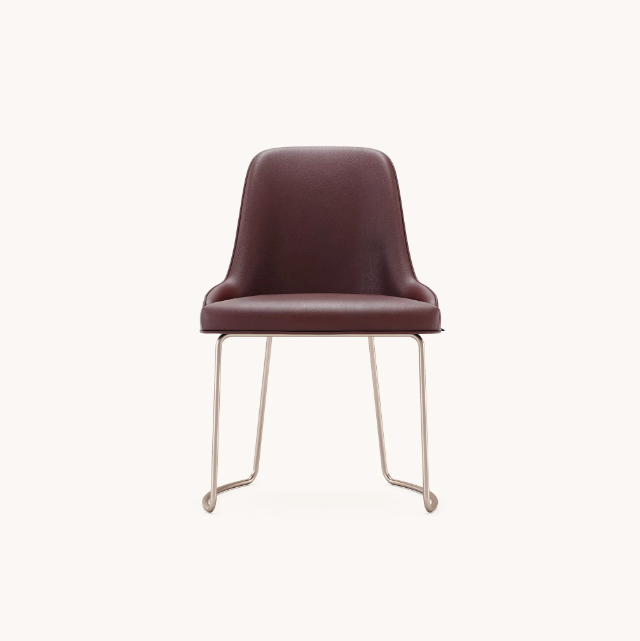
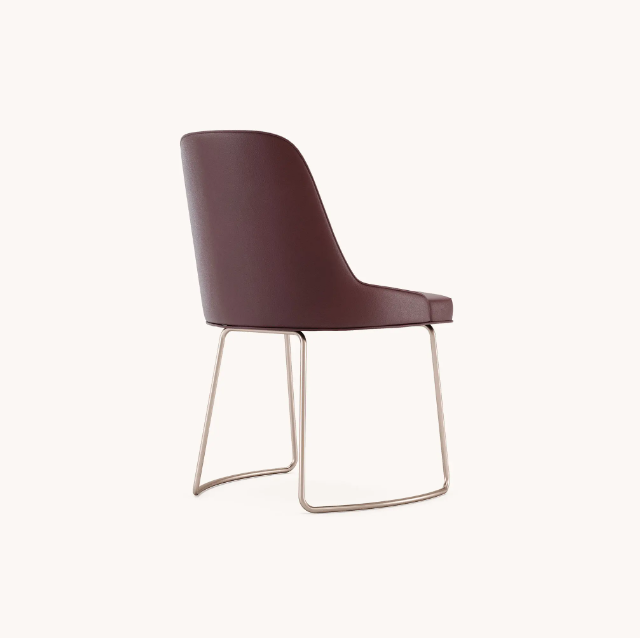
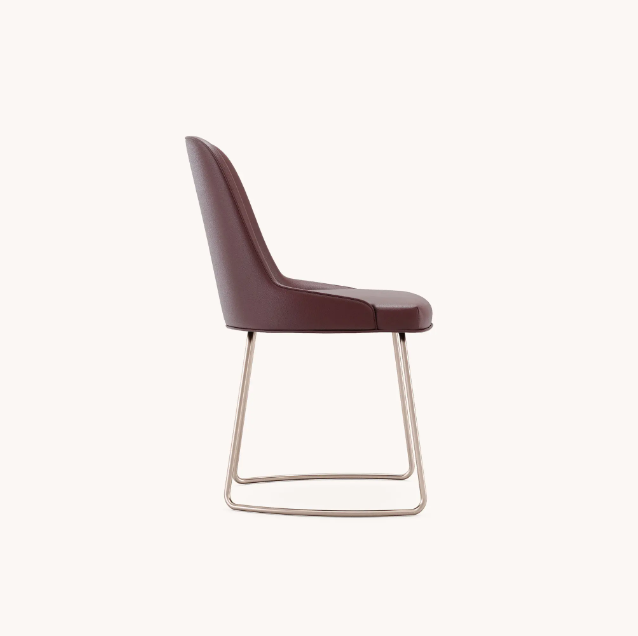
Anna Dining Chair (Metal Sled Base)
£1,096 – £2,489Price range: £1,096 through £2,489 Select options This product has multiple variants. The options may be chosen on the product page -
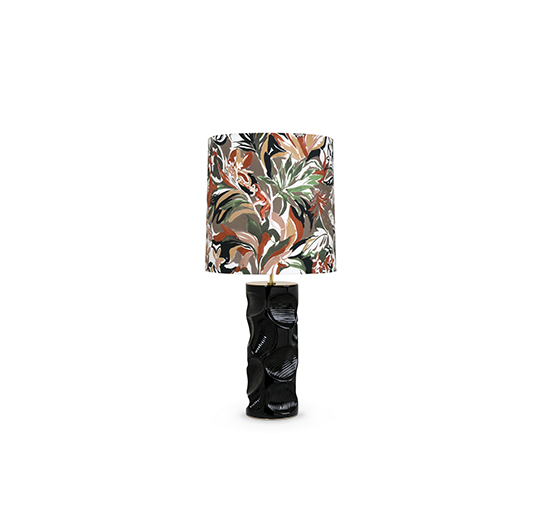
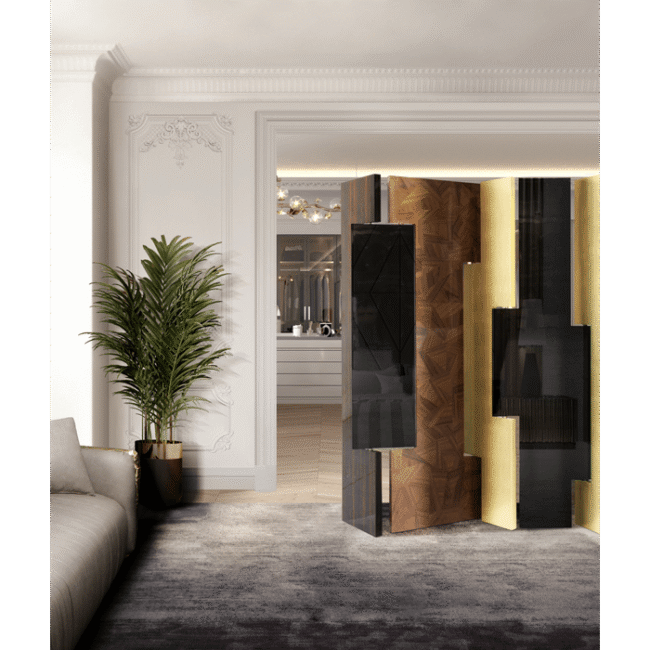
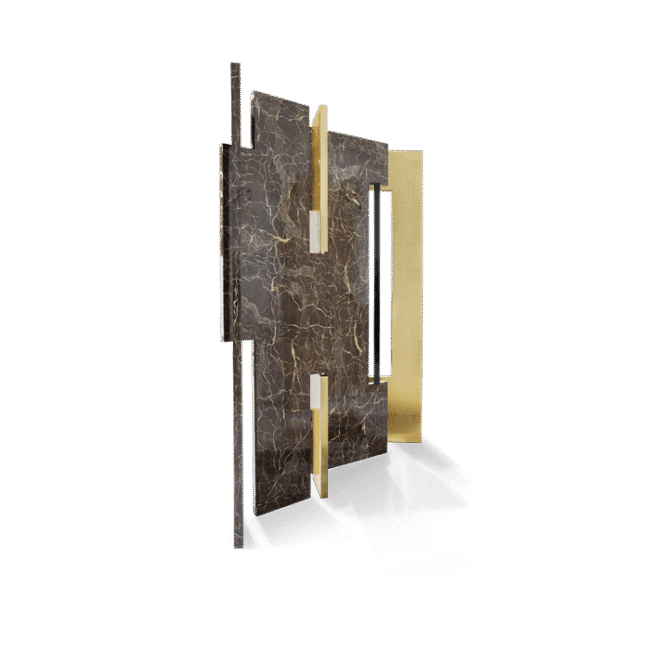
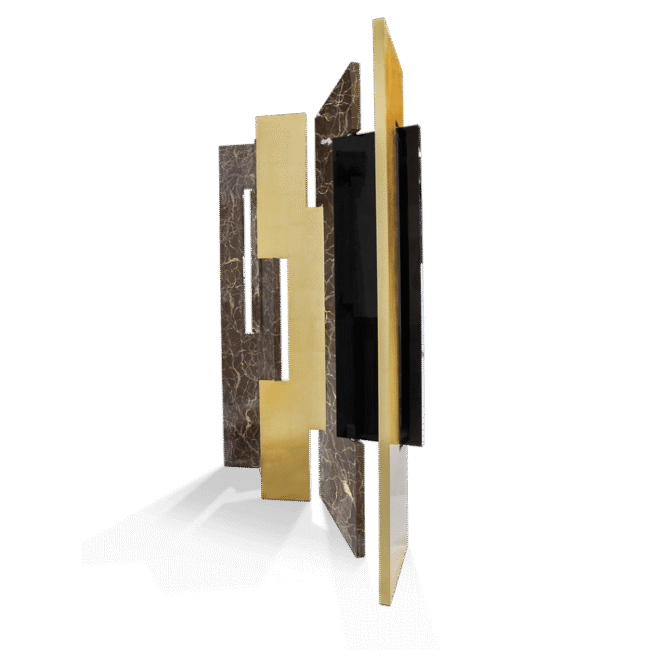
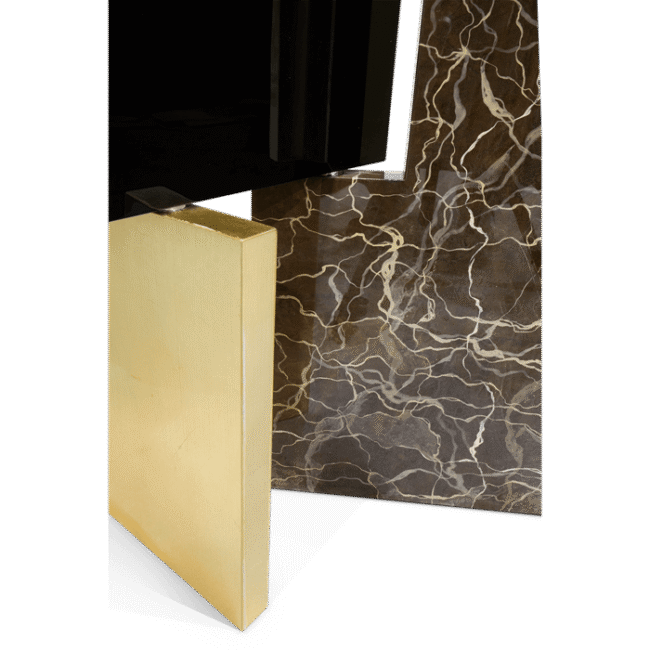
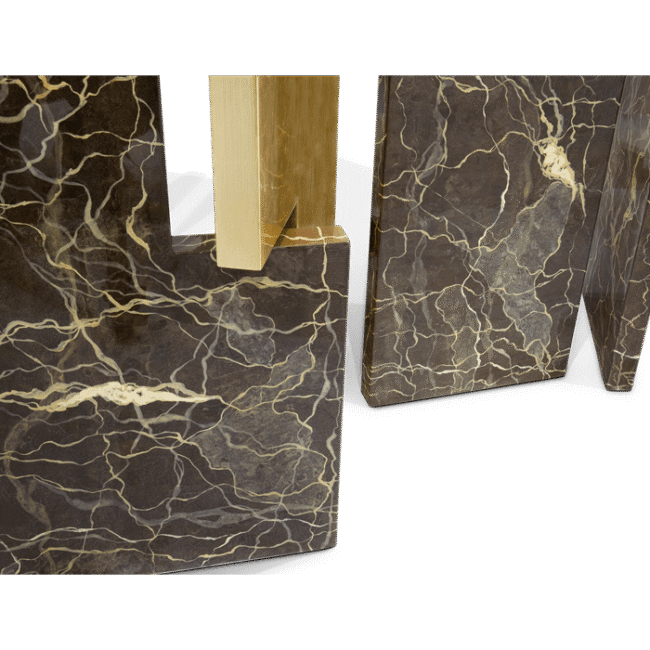
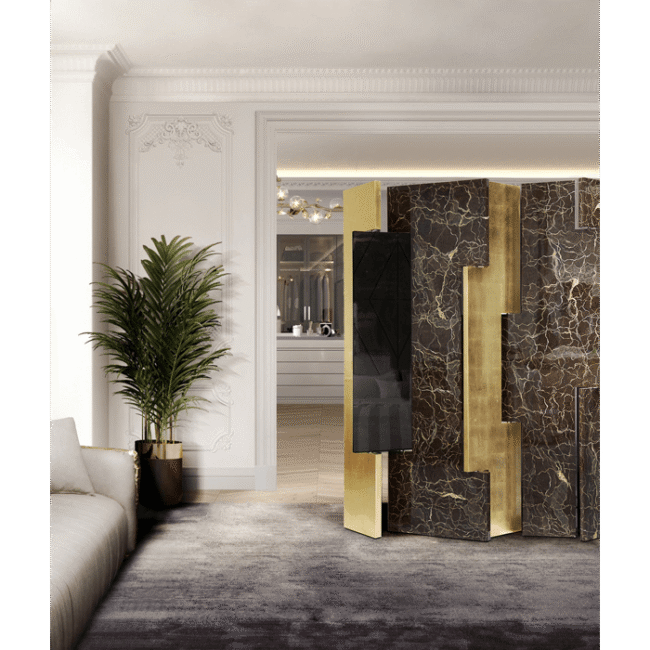
Avenue Folding Screen
£12,870 Select options This product has multiple variants. The options may be chosen on the product page -
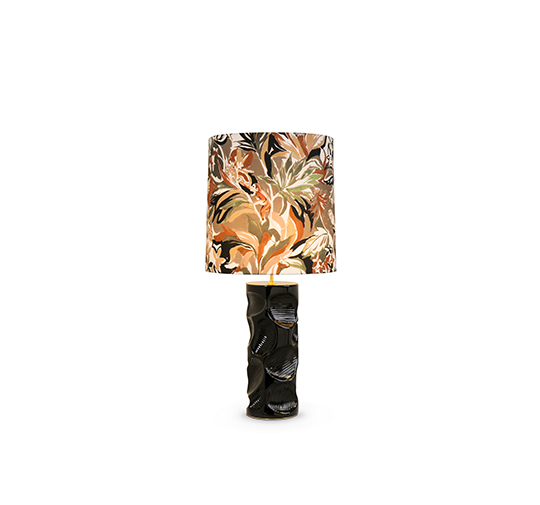
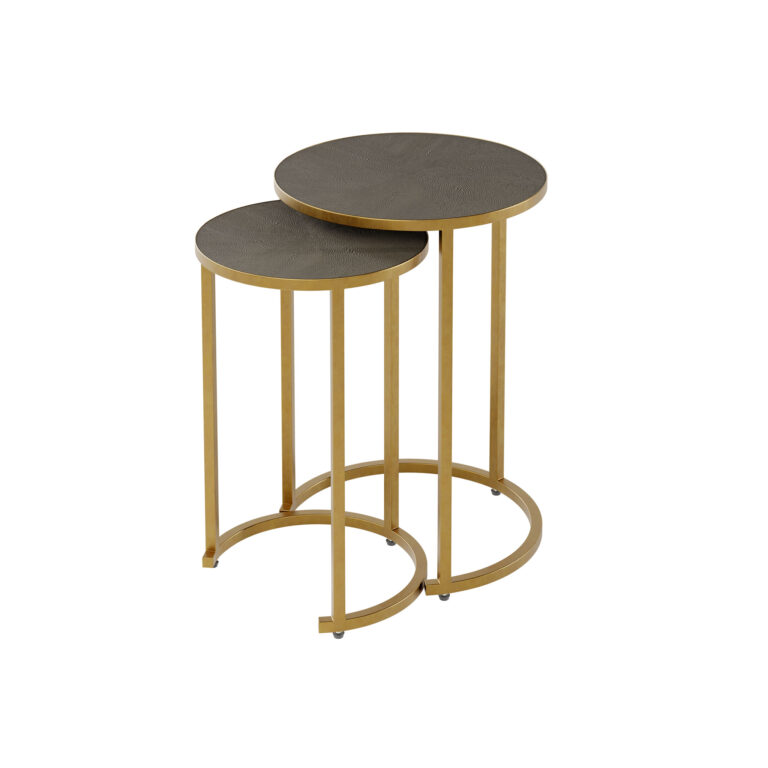
Hampton Nest Table | Grey Shagreen | 2 piece
£715 Add to cart
Design Tips: How to Embrace Perfect Imperfection at Home
If you’re ready to lean into the beauty of perfectly imperfect spaces, start here:
1. Choose One Statement Piece with History

A single item with visible age or provenance can transform an entire space. Whether it’s a weathered farmhouse table, a vintage Persian rug, or an heirloom armoire, these pieces ground your room in history and soul. They bring authenticity and character that no brand-new item can replicate. Aged elements quietly command attention — and remind us that imperfection is beauty earned over time.
2. Mix, Don’t Match

Design that strictly matches can feel sterile. True style is in the mix — mid-century chairs with a rustic dining table, industrial lighting over a traditional coffered ceiling. When you throw out the rulebook, you allow your personality to guide the space. This creates a layered, collected look that feels real, lived-in, and refreshingly human.
3. Celebrate Handcrafted Items

Hand-thrown ceramics, imperfectly woven textiles, handblown glass — these items wear their imperfections like a badge of honor. They reveal the human hands that shaped them, imbuing the room with warmth and uniqueness. In a world of mass production, handcrafted items slow the eye down and invite appreciation for the craft, not just the finish.
-
Abstract Design 42 (BDGA42) Artwork
£320 Read more -
Algerone Mirror
£3,228 – £7,092Price range: £3,228 through £7,092 Select options This product has multiple variants. The options may be chosen on the product page -
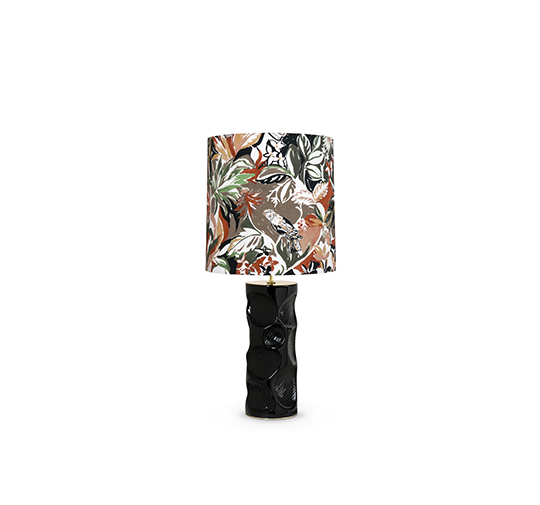
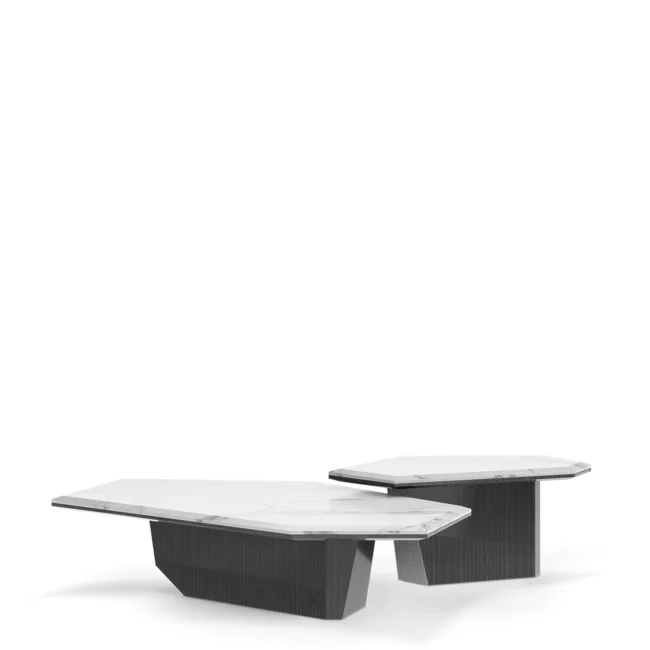
Algerone Set II Center Table
£5,604 – £13,373Price range: £5,604 through £13,373 Select options This product has multiple variants. The options may be chosen on the product page -
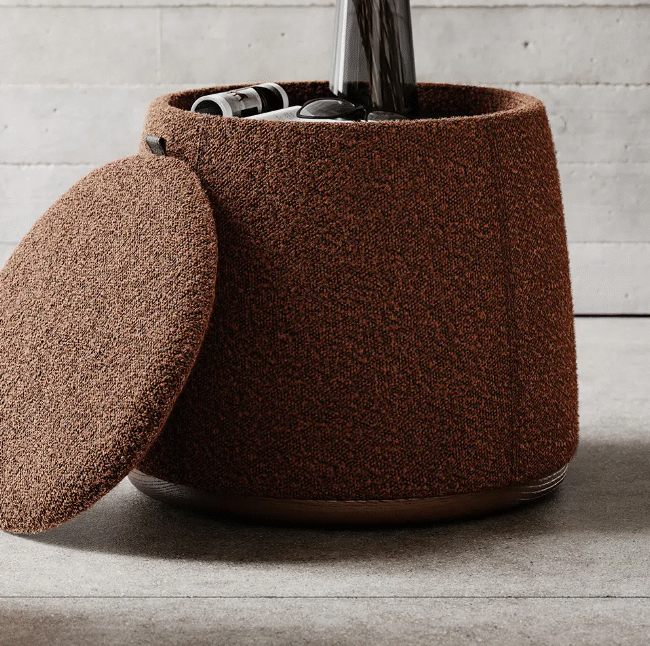
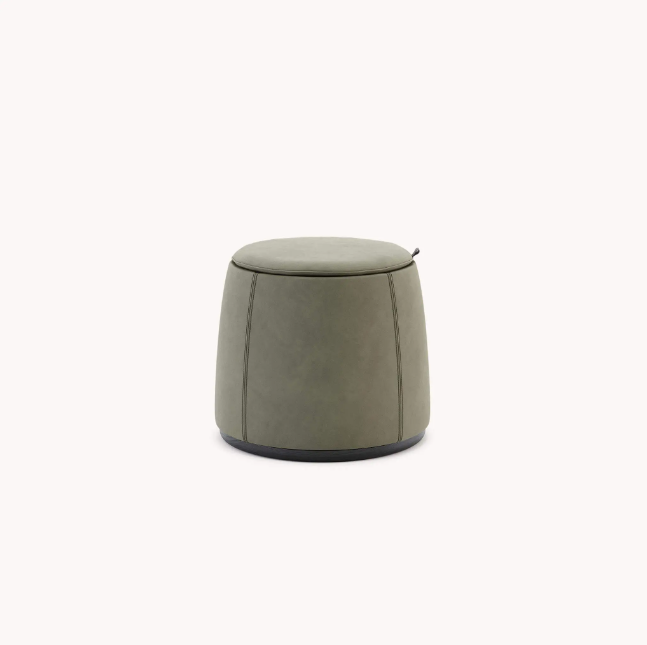
Avery Pouf
£1,116 – £1,832Price range: £1,116 through £1,832 Select options This product has multiple variants. The options may be chosen on the product page
4. Allow for Evolution

Great design isn’t a sprint — it’s a slow, organic build. Instead of rushing to finish every detail, allow your space to evolve. Live in it. Learn what works. Add layers over time. The most compelling interiors are never static; they grow and shift with the people who inhabit them. Give your home permission to breathe.
5. Prioritize Feeling Over Perfection

Interior design should first and foremost feel good. Ask: “Do I love being in this space?” instead of “Does this look perfect?” A room’s emotional impact matters more than whether every corner is styled for Instagram. If it brings comfort, sparks joy, or evokes calm — it’s already doing more than any trend ever could.
Remember, the ultimate goal is a space that feels lived in, loved, and unapologetically yours.
Conclusion: Imperfection is the New Luxury
The secret is out: the most compelling interiors today aren’t flawless — they’re fearlessly, gloriously real.
Perfectly imperfect spaces offer something deeper than fleeting trends: a sense of belonging, authenticity, and emotional resonance.
So the next time you see a slightly chipped vase, a sun-faded rug, or a quirky mismatched chair, smile. You’re looking at the future of design — and it’s perfectly imperfect.