Renter-Friendly & Damage-Free DIY: 10 Thoughtful Ways to Personalize Your Space

Renter-Friendly & Damage-Free DIY

When Temporary Living Meets Timeless Design

There’s a quiet rebellion happening in rentals across the world. It’s in the way a carefully positioned floor lamp can rewrite an entire room’s atmosphere. In how a single wall dressed in removable wallpaper transforms a forgettable apartment into someone’s sanctuary. In the realization that the most powerful design statements don’t require ownership—they require vision.

For too long, renters have existed in a creative no-man’s-land. Caught between the desire to build a home and the restrictions of a lease agreement. Between Pinterest boards overflowing with inspiration and landlords who’ve made their stance clear: no holes, no paint, no permanent alterations. The result? Millions of people living in spaces that feel like they belong to someone else, waiting for “someday” when they can finally express themselves through design.

But here’s the truth the design world has quietly known for years: permanence has nothing to do with impact. The most memorable interiors aren’t always the ones with custom millwork and hand-painted murals. Often, they’re the spaces where every element has been chosen with care, where removable doesn’t mean forgettable, and where temporary solutions create lasting impressions.

Welcome to the art of Renter-Friendly & Damage-Free DIY—a design philosophy that refuses to accept mediocrity as the cost of flexibility. This isn’t about “making do” with your rental’s limitations. It’s about recognizing that constraints breed creativity, that the inability to drill into walls forces you to think more intentionally about every design decision, and that the best transformations often come from composition rather than construction.

This guide answers that question through ten transformative strategies that honor both your aesthetic ambitions and your rental reality. We’re talking about lighting techniques that architects use to manipulate spatial perception. Textile layering principles borrowed from luxury hotels. Furniture arrangement psychology that makes 400 square feet feel like 800. Adhesive technology that’s evolved so dramatically, you can hang a gallery wall that rivals any homeowner’s—and remove it without a trace when you’re ready to move on.

The Renter-Friendly & Damage-Free DIY movement represents a fundamental shift in how we think about temporary spaces. It recognizes that you shouldn’t have to choose between respecting your lease and respecting your need for beauty. That damage-free doesn’t mean design-free. That the ability to take your aesthetic with you when you move is actually a superpower, not a limitation.

In the chapters ahead, we’ll explore how to transform your rental through:

Strategic lighting design that rewrites your apartment’s entire atmosphere without touching a single wire.

Removable wall treatments that deliver the drama of paint and the sophistication of custom wallpaper—with zero permanence.

Textile layering techniques that turn builder-grade rentals into spaces with the warmth and depth of intentionally designed homes.

Modern adhesive systems that make the impossible possible: gallery walls, floating shelves, and statement mirrors—all without a single nail hole.

Furniture arrangement psychology that maximizes every square foot while creating the spatial flow of much larger homes.

Damage-free art displays that showcase your collection with museum-quality presentation.

Creative storage solutions that solve rental inadequacies while becoming design features in their own right.

Temporary surface transformations for kitchens and bathrooms that update the spaces landlords forget.

Biophilic design principles that bring nature indoors without installation requirements.

Curation strategies that transform personal collections into displays that tell your story.

By the end, you’ll understand why the most sophisticated designers have always known: great design isn’t about what you own. It’s about what you see, what you create, and how intentionally you compose the elements around you. Your rental deserves nothing less than that kind of attention—and with these Renter-Friendly & Damage-Free DIY approaches, you can finally give it exactly that.

Architectural Lighting Transformation

The single most powerful Renter-Friendly & Damage-Free DIY intervention you can make is lighting. Poor lighting is the silent killer of rental aesthetics—those harsh overhead fixtures casting unflattering shadows, the absence of task lighting in crucial areas, the cold, institutional quality that makes even beautifully furnished apartments feel unwelcoming.

Professional designers never rely on a single light source, yet most rentals come with exactly that: one central ceiling fixture per room. Creating a layered lighting scheme—combining ambient, task, and accent lighting—completely transforms spatial perception and atmosphere without any electrical work.

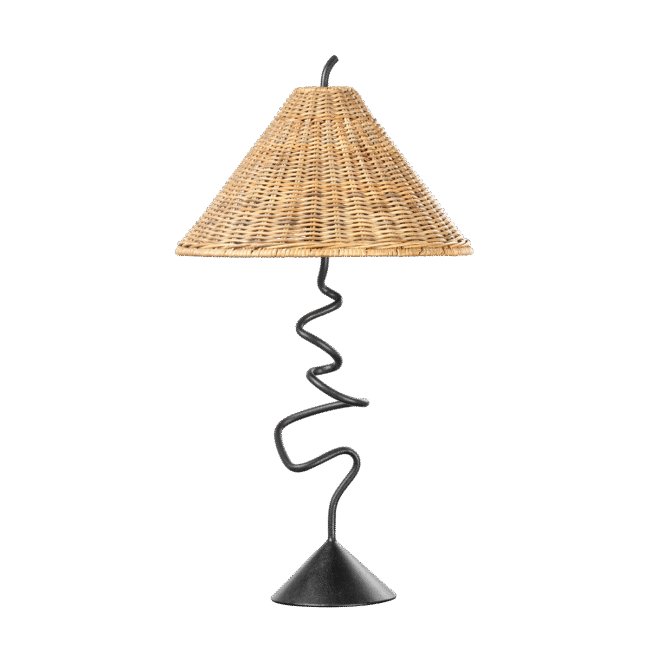
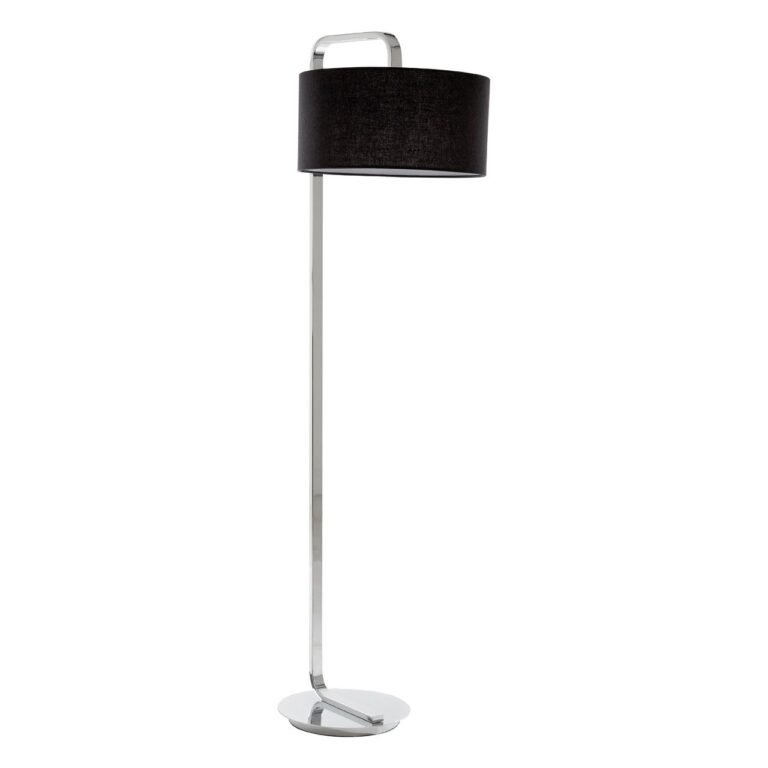
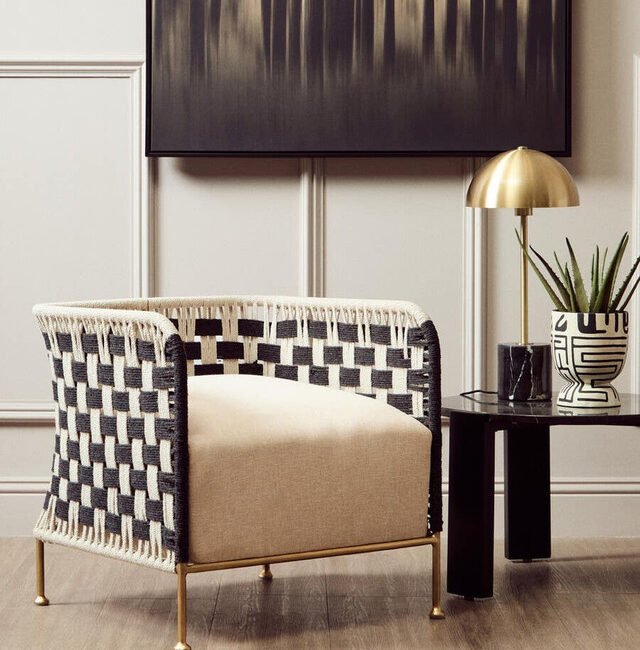
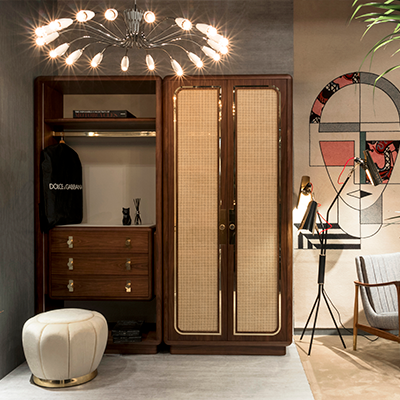
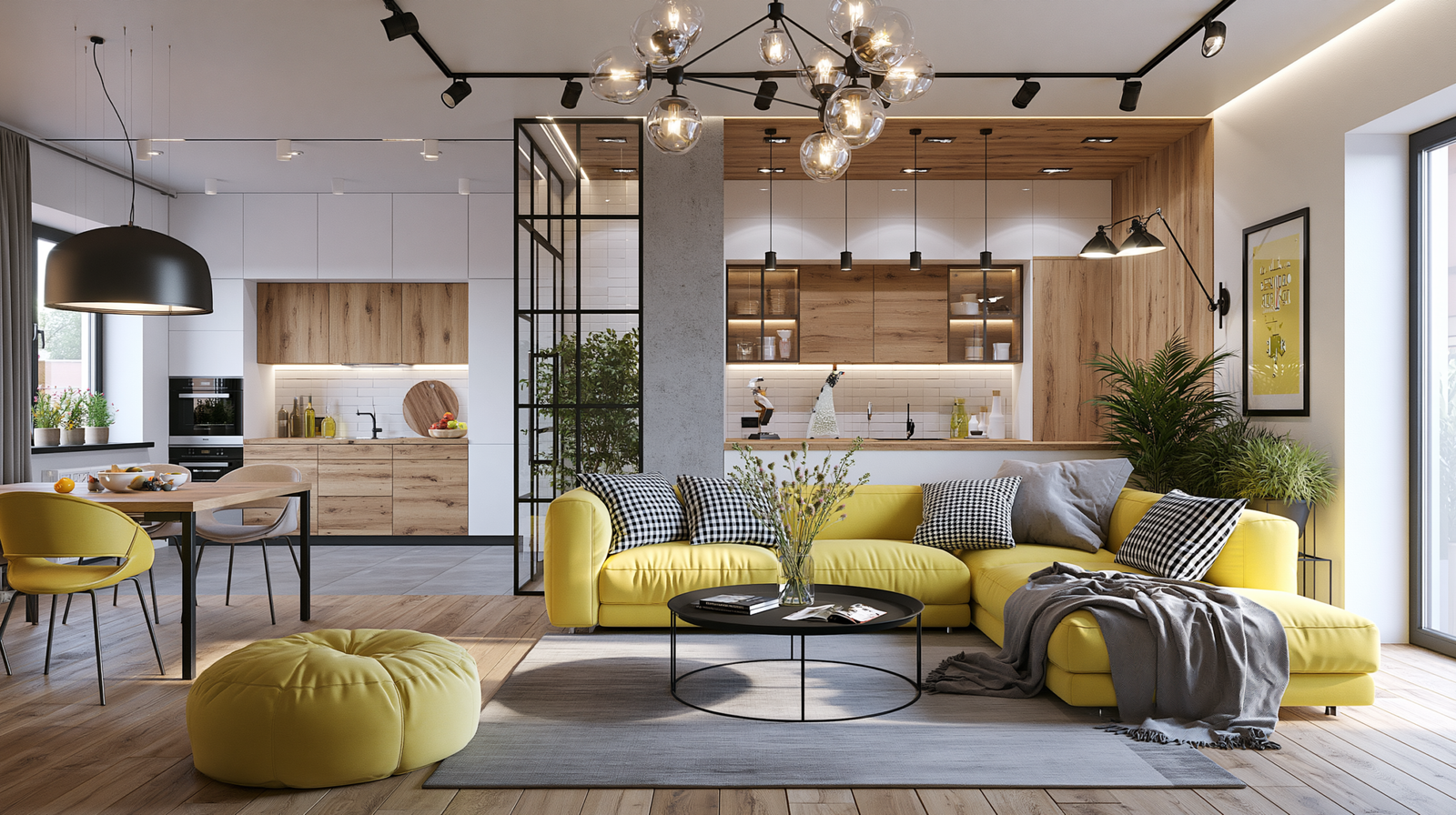
Start with floor lamps positioned strategically in corners to create pools of warm light that visually expand your space. Arc floor lamps are particularly valuable in rentals because they provide overhead-style illumination without ceiling installation. Table lamps should be deployed in clusters rather than in isolation—multiple low-wattage sources always outperform fewer high-wattage ones for creating ambiance.

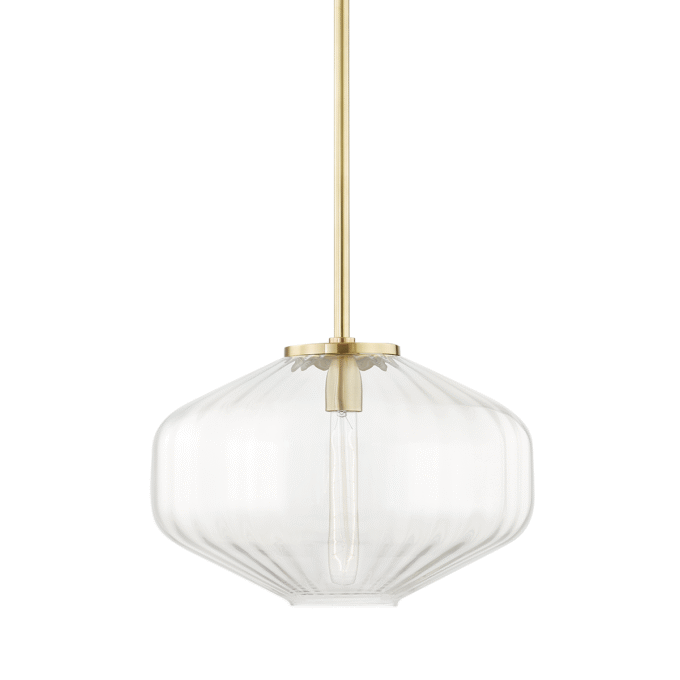
Consider cord-and-plug pendant lights that hang from adhesive ceiling hooks. These designer-looking fixtures allow you to replace that builder-grade ceiling fixture’s aesthetic without touching the electrical system. Smart bulbs offer unprecedented control over color temperature and brightness, programming different “scenes” for various times of day without any installation beyond screwing them into existing fixtures.

The key is varying your light source heights from floor level to upper level, creating depth and visual interest. Avoid mixing warm and cool light sources in the same room—maintain color temperature consistency for visual harmony.
Removable Wallpaper & Wall Treatments

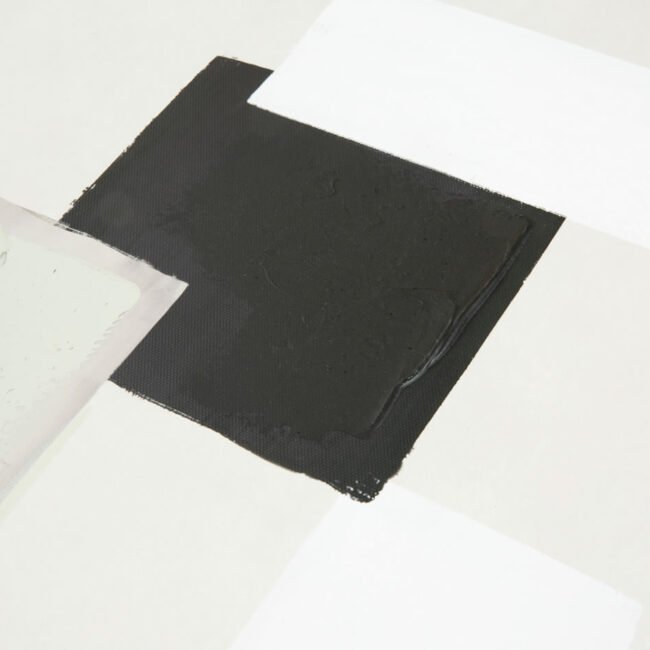
Modern peel-and-stick wallpaper offers all the visual impact of painted walls with none of the permanence. Rather than wallpapering entire rooms, focus on accent walls or architectural features. A single wallpapered wall behind your bed creates an instant headboard effect and focal point.

The key to successful application is proper surface preparation. Clean walls thoroughly, ensuring no residual dust or grease. When removing wallpaper later, work slowly at a sharp angle, pulling steadily rather than yanking quickly to minimize paint lifting risk.
Beyond traditional wallpaper, consider fabric panels stretched over lightweight foam boards that lean against walls, or large-scale tapestries that add architectural texture while absorbing sound. Removable wall decals offer sophisticated geometric patterns and botanical illustrations without wallpaper commitment.

When choosing patterns, remember that large-scale patterns work surprisingly well in small rooms because they create the illusion of expanded space. Consider your existing furniture when selecting wallpaper—if your furnishings feature strong patterns, wallpaper should provide a complementary backdrop rather than competing for attention.

Renter-Friendly & Damage-Free DIY: 10 Thoughtful Ways to Personalize Your Space

If lighting transforms how you see your space, textiles transform how your space feels. Fabric layering is perhaps the most underutilized Renter-Friendly & Damage-Free DIY technique, offering unparalleled versatility for creating warmth, absorbing sound, and introducing color without permanent alterations.

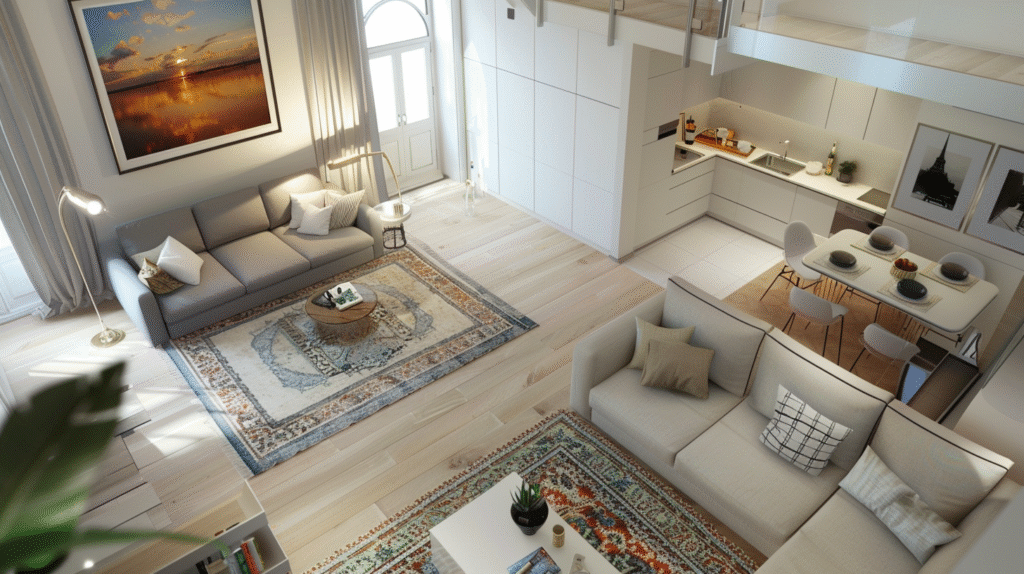
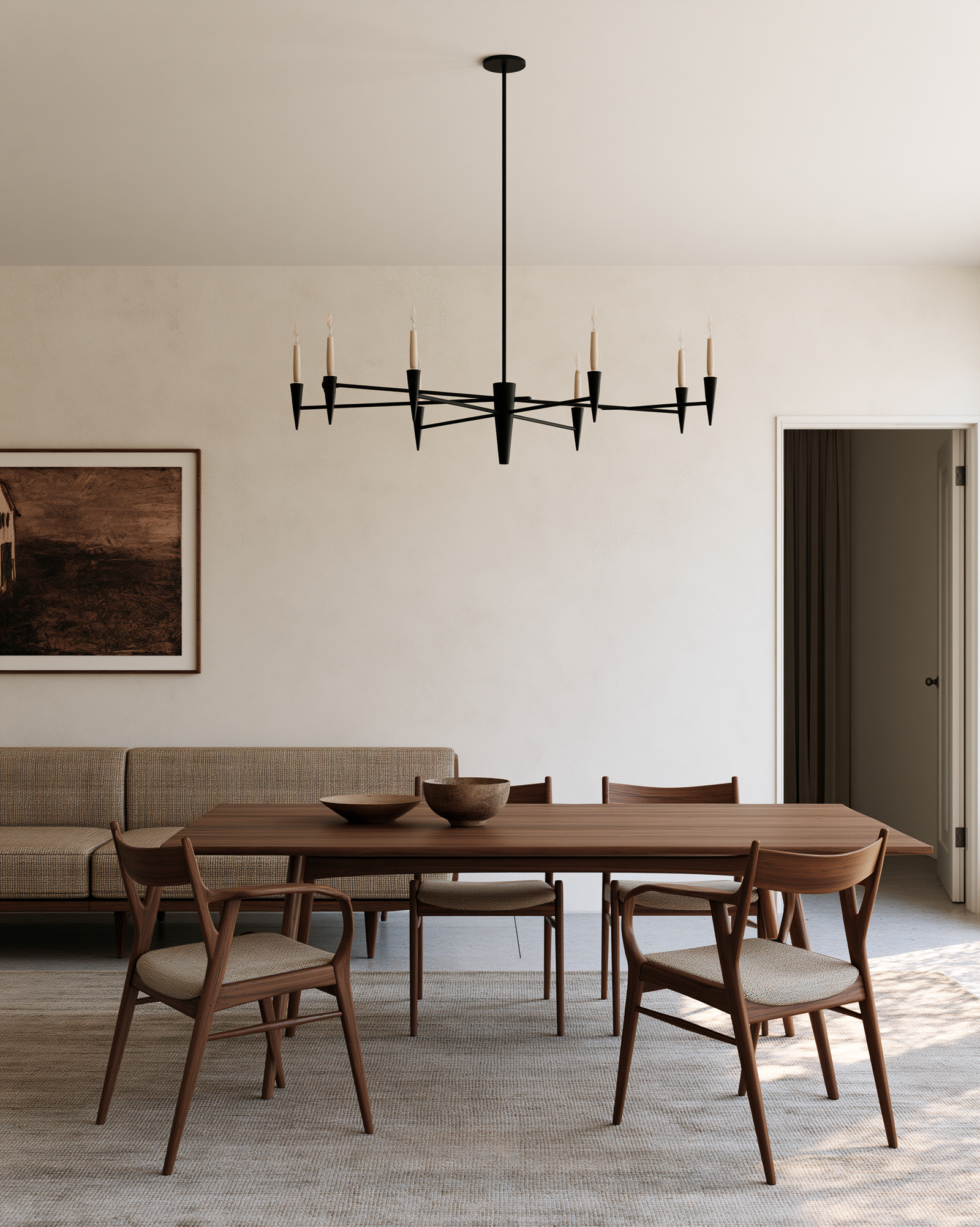
Start with area rugs that define zones, anchor furniture groupings, and dramatically improve acoustics. In living rooms, front furniture legs should sit on the rug with back legs off. In dining rooms, ensure the rug extends at least 24 inches beyond the table on all sides to accommodate pulled-out chairs.

Layer curtains over existing window treatments by hanging them as high and wide as possible—mount curtain rods just below the ceiling line and extend them 6-12 inches beyond the window frame on each side. This makes windows appear larger and ceilings higher. Choose lightweight curtain rods that mount with adhesive clips or tension rods for damage-free installation.

Throw pillows and blankets represent your most flexible design tools. Rather than scattering them randomly, establish a coherent color story with varying textures—combine smooth velvet with nubby linen, sleek leather with chunky knits. Drape throws intentionally over sofa arms, at the foot of your bed, or on decorative ladders leaning against walls.

Command Strips & Adhesive Solutions

Modern command strips and adhesive mounting systems can support substantial weight while removing cleanly when it’s time to move. Always check weight limits and use more strips than necessary—multiple smaller strips provide more reliable support than fewer large ones.

Surface preparation determines success. Wipe down walls with rubbing alcohol, allowing complete drying before applying adhesive products. Apply in moderate temperatures and avoid hanging anything for at least 24 hours after application.

Think beyond framed artwork. Use heavy-duty strips to mount floating shelves, adhesive mirror mounting squares for mirrors up to 16 pounds, and cable management clips for organized cords. Adhesive-backed LED strip lighting under cabinets or behind headboards provides ambient lighting while remaining completely removable.

When moving out, pull strips straight down slowly rather than outward from the wall to prevent paint damage. Create a map of adhesive product locations when installing them to ensure systematic removal during move-out.

Furniture Arrangement & Spatial Psychology

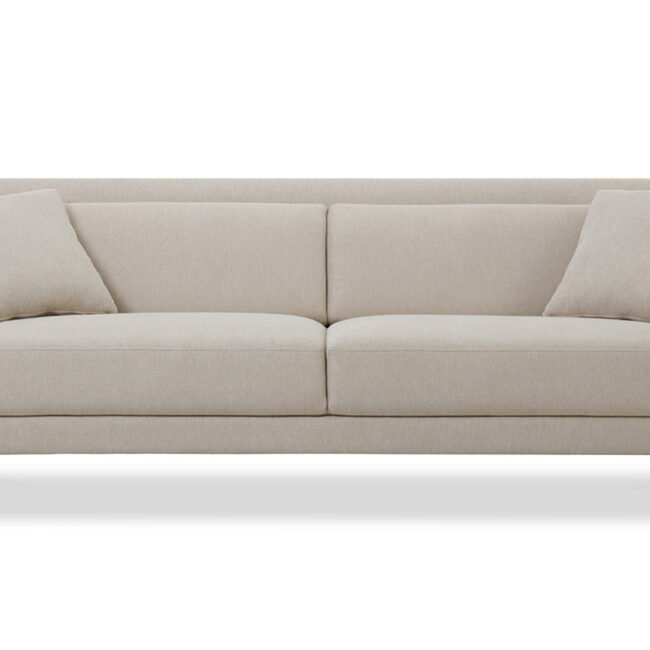
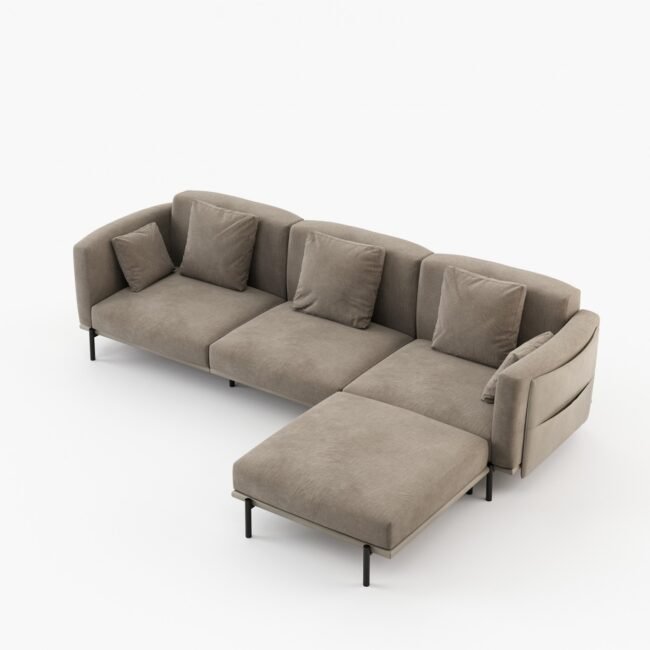
How you position existing furniture dramatically impacts how spacious, functional, and intentional your rental feels. In open-plan layouts, position your sofa perpendicular to the longest wall rather than against it—this creates a defined seating area and opens flow through the space.

Area rugs reinforce zones created by furniture positioning. Maintain 30-36 inches of clearance for primary walkways and 18-24 inches for secondary paths between furniture pieces. Furniture that obstructs natural movement makes spaces feel cramped regardless of actual square footage.

Your largest furniture pieces should relate to room dimensions proportionally. In living rooms, sofa length should generally span 60-75% of the wall length behind it. In rentals with high ceilings, draw eyes upward with tall bookshelves or floor-to-ceiling curtains. In rentals with lower ceilings, keep furniture profiles low.

Every room needs a visual anchor. In living rooms lacking built-in focal points, create them through furniture arrangement—position your sofa facing your most visually interesting wall treatment. In bedrooms, position the bed along the most prominent wall and dress it with layers that draw attention.

Gallery Walls & Art Display

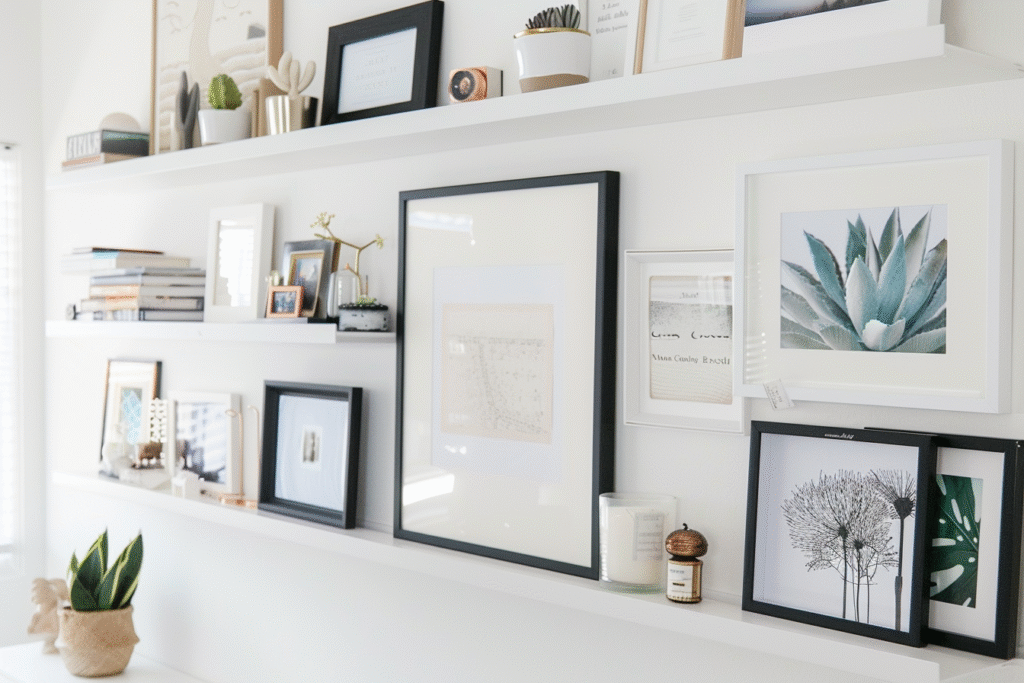
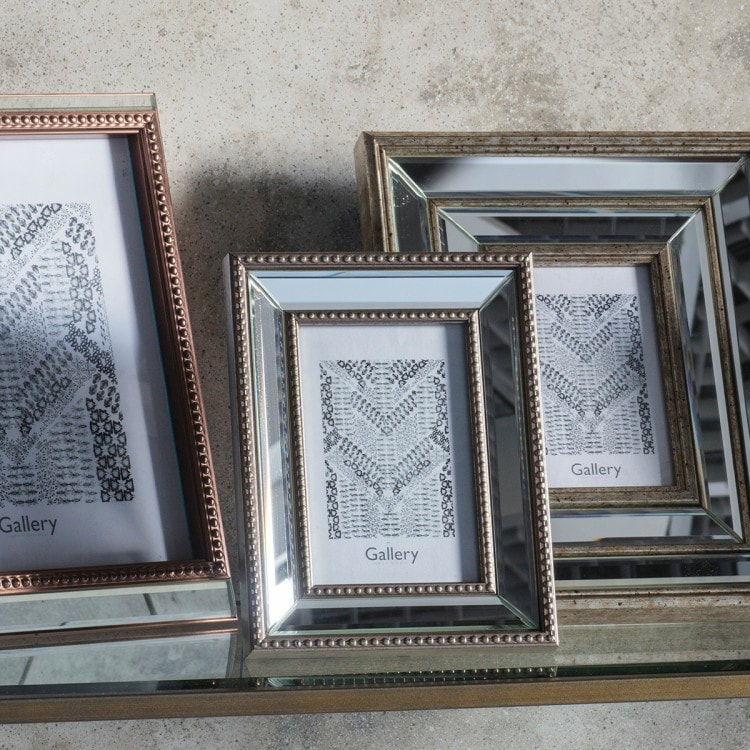
Before hanging anything, design your gallery wall on the floor. Lay out all frames, experimenting with arrangements until you’ve created a composition that feels balanced and intentional. The center of your gallery wall should sit approximately 57-60 inches from the floor—standard gallery height.

Picture hanging strips rated for 3-16 pounds work for most standard frames. For heavier pieces, consider gallery systems using a single adhesive rail from which you hang artwork using cables. For renters particularly concerned about wall damage, consider leaning artwork on surfaces rather than hanging it.

Expand your definition of “art” to include textiles, three-dimensional objects, and found materials. Vintage scarves stretched over foam boards create colorful artwork. Floating shelves display rotating collections of small sculptures or ceramics. Large-scale plant stands position substantial plants at varying heights, creating a vertical garden effect against blank walls.

7. Clever Storage Solutions: Organization as Design Element

Clever Storage Solutions

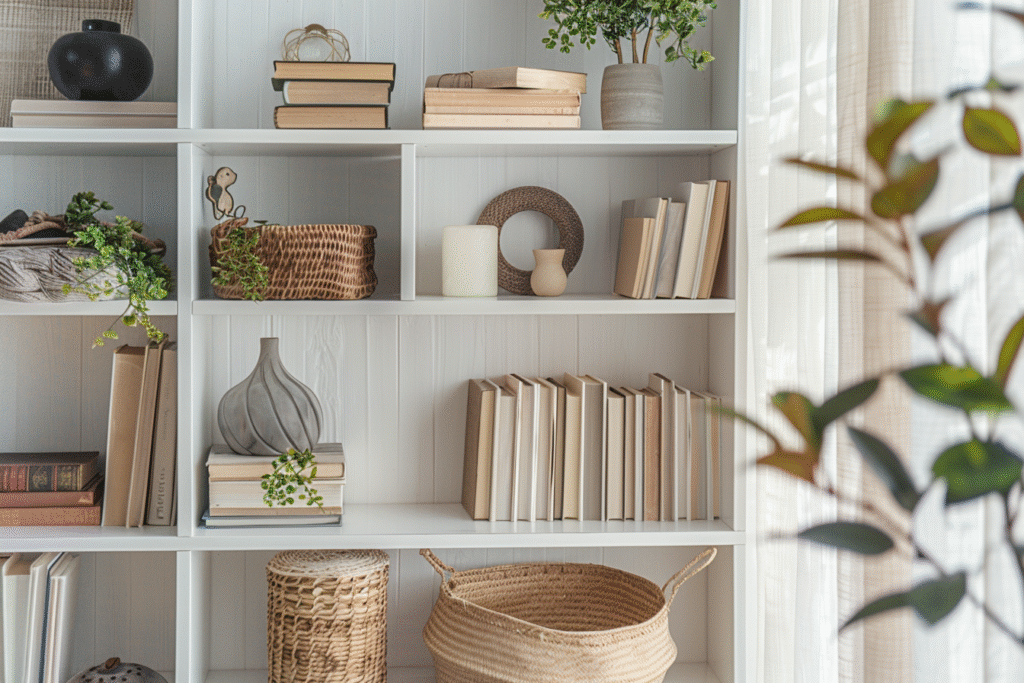
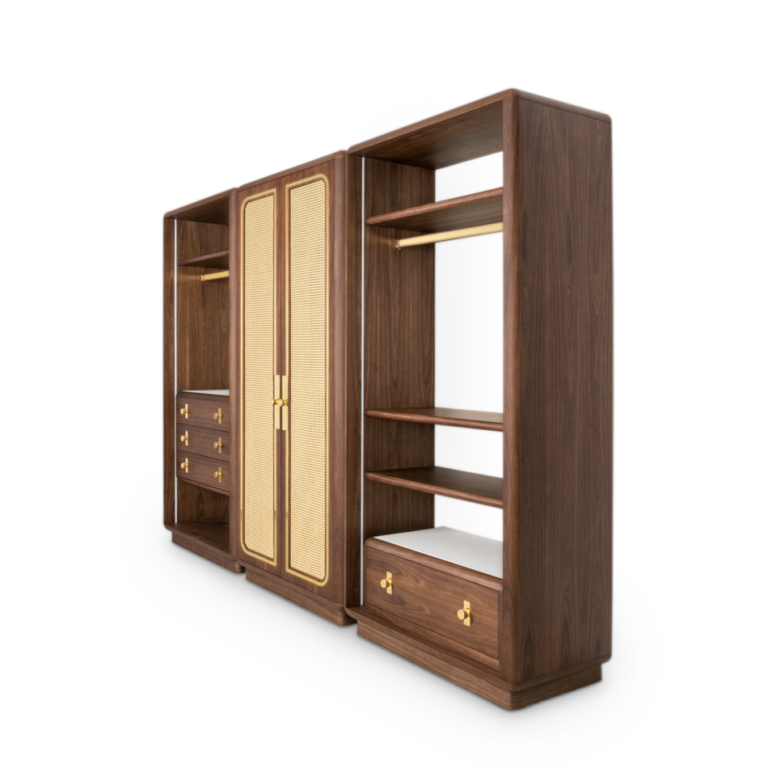
Freestanding shelving units create architectural interest while providing abundant storage. Position tall units perpendicular to walls to create room dividers in studio apartments. Style open shelving with the 50/30/20 principle: 50% functional items, 30% decorative objects, 20% negative space.

The space under beds represents significant untapped storage potential. Bed risers create 6-12 inches of clearance for under-bed storage containers. Alternatively, replace traditional bed frames with storage beds featuring built-in drawers—eliminating the need for separate dressers in compact spaces.

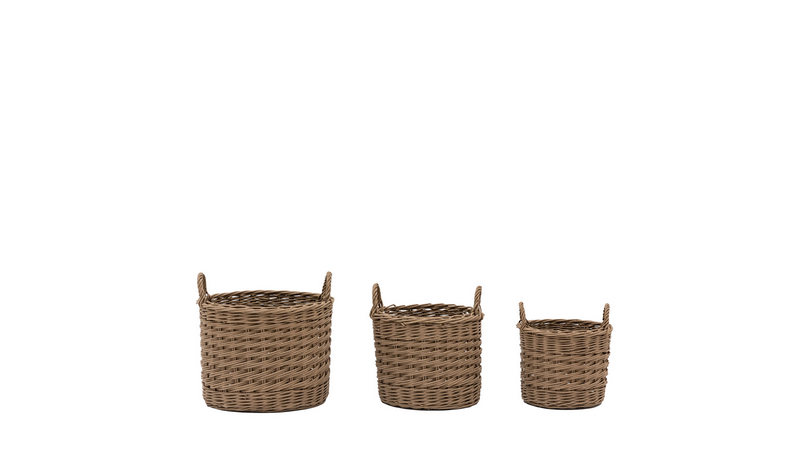
Furniture with integrated storage serves dual functions essential in space-constrained rentals. Ottoman storage benches, lift-top coffee tables, and console tables with drawers provide surfaces and storage without additional floor space. Decorative storage like woven baskets and vintage trunks disguises practical function as design element while contributing texture and warmth.

Removable Backsplash & Counter Upgrades

Modern peel-and-stick tiles adhere directly over existing tile or painted drywall. Focus applications on high-impact, limited areas—a new backsplash between counters and upper cabinets creates dramatic transformation with manageable installation. Application requires clean, dry, smooth surfaces and careful alignment.

Laminate counters benefit from temporary contact paper designed for countertop application. Modern films simulate marble, concrete, and butcher block with impressive realism. Work in sections, using a squeegee to eliminate air bubbles, and seal edges with clear caulk to prevent lifting.

Sometimes the most impactful updates are accessory replacements. Swap builder-grade faucets for stylish alternatives that simply screw onto existing mounts. Replace standard light bulbs in bathroom vanities with warm-temperature bulbs. Update shower curtains to substantial fabrics with weighted hems, and choose bath mats in natural materials like teak or bamboo for spa-like aesthetics.

Greenery & Biophilic Design

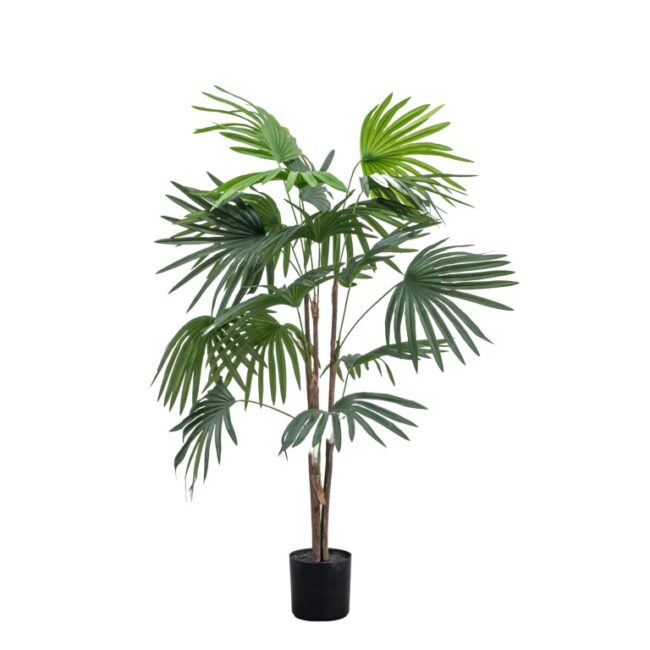
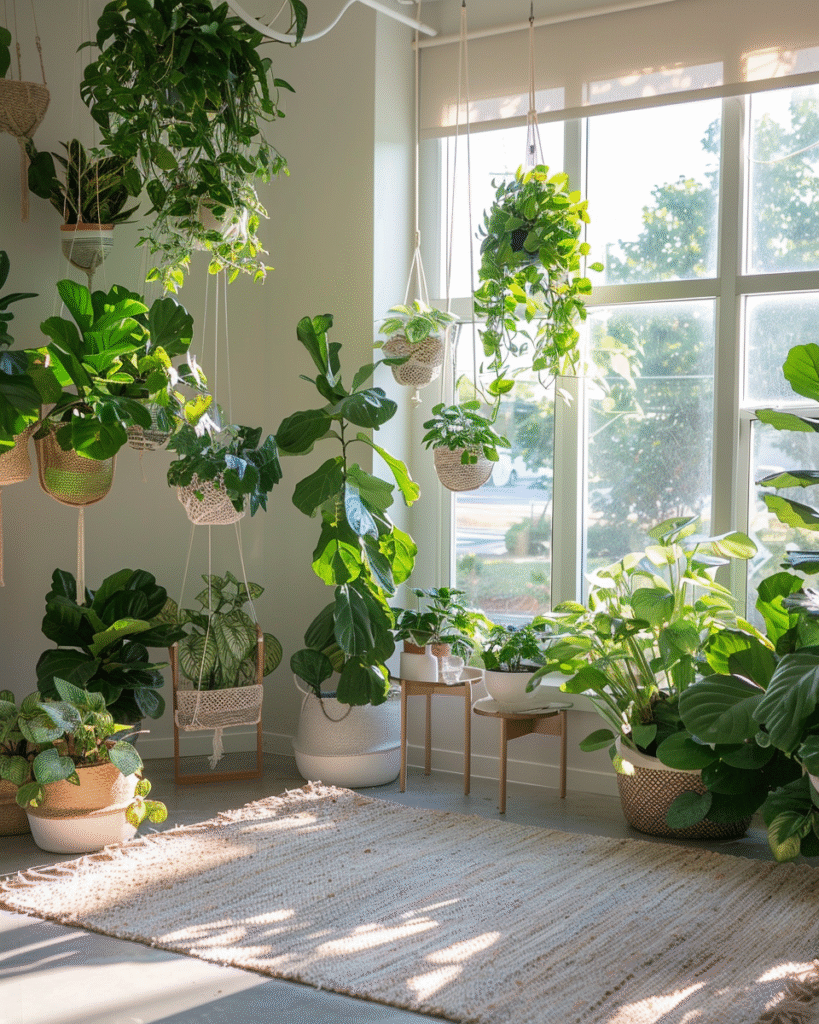
Plants improve air quality, introduce organic shapes, provide color, and require zero installation. Choose plants based on your rental’s specific light conditions—south-facing windows accommodate light-hungry varieties, while north-facing windows require low-light specialists like ZZ plants and snake plants.

One large-scale plant creates more impact than numerous small plants scattered randomly. Position statement plants in corners or beside furniture to anchor spaces. Conversely, collections of smaller plants grouped together in odd numbers create cohesive displays with visual balance.

Hanging planters suspended from adhesive ceiling hooks bring greenery to eye level while saving floor space. Choose trailing plants like pothos that create cascading greenery, softening hard architectural edges. Plant stands elevate greenery to various heights, creating multi-level displays with architectural presence.

Establish consistent care routines—most plant death results from inconsistent watering rather than incorrect technique. Consider self-watering pots for difficult-to-reach locations or frequent travelers.

Personal Collections & Curated Displays

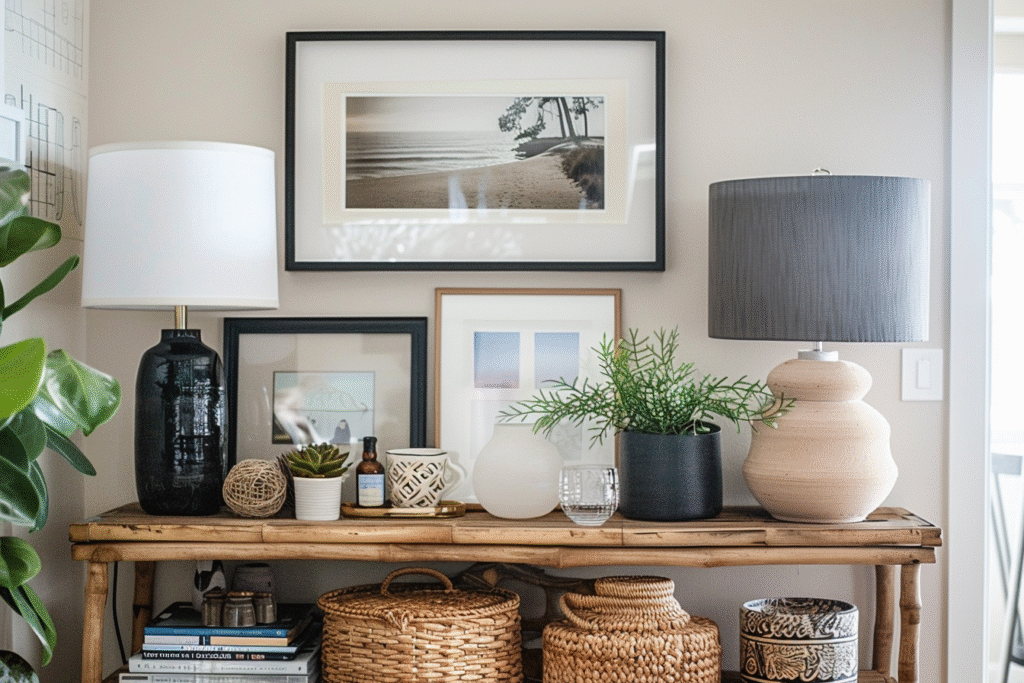
Well-curated displays transform rentals from generic spaces into homes that tell your story. The rule of three suggests that objects grouped in threes create visual balance. Vary heights, textures, and visual weights within displays—incorporate both vertical elements and horizontal layers.

Negative space matters as much as the objects themselves. Overly crowded surfaces read as cluttered regardless of item quality, while generous space between objects suggests curation and intentionality.

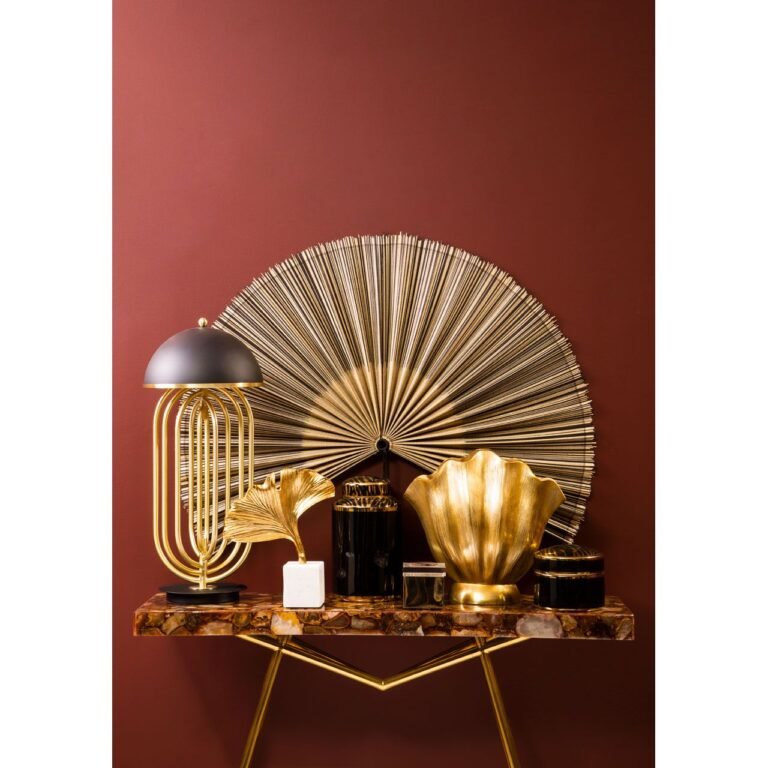
Different surfaces serve different purposes. Consoles accommodate your most significant displays with layered artwork, varying-height objects, plants, and trays for corralling smaller items. Coffee tables benefit from restraint—maintain usability while adding personality with a stack of books, a small plant, and perhaps one sculptural object.

Your most meaningful possessions deserve display rather than storage. Shadow boxes showcase delicate objects, floating shelves display pottery or sculptures, and photographs should be framed and displayed in rotating arrangements. Consider unconventional displays—a surfboard leaned against a wall, a bicycle hung from wall brackets, or vintage cameras arranged on bookshelves celebrate personal passions while filling space beautifully.

Conclusion: Empowering Rental Living Through Intentional Design

Renter-Friendly & Damage-Free DIY

The fundamental misunderstanding about rental personalization is that it requires permission, permanence, or property ownership. In reality, the most impactful design transformations come from thoughtful choices about lighting, color, texture, and composition—all completely achievable within rental constraints.

These ten Renter-Friendly & Damage-Free DIY strategies demonstrate that sophisticated, personalized living spaces aren’t exclusive to homeowners. The temporary nature of renting becomes an advantage—it offers freedom to experiment, evolve, and reinvent spaces alongside personal growth.

Beyond protecting your security deposit, mastering Renter-Friendly & Damage-Free DIY techniques builds genuine design literacy. You learn to think spatially, to understand how light, color, and texture interact, to create focal points and traffic flow. These skills transcend specific apartments, following you through life’s transitions.

Perhaps most importantly, investing effort into personalizing rental spaces shifts how you relate to temporary housing. Spaces you’ve thoughtfully designed become homes you take pride in maintaining, improving daily quality of life in ways that extend far beyond aesthetics.

Start small if comprehensive transformation feels overwhelming. Update your lighting this month, add removable wallpaper next month, layer textiles, rearrange furniture, introduce plants, and curate displays gradually. Each intervention builds upon previous ones, creating cumulative impact that transforms your rental from temporary housing into a home that genuinely reflects who you are—for however long you choose to stay.

What do you think?
Leave a Reply

Blog

Get fresh home inspiration and helpful tips from our interior designers

top
2
    2
    Your Cart
    Freya Photo Frame 4x6" (4pk) W70 x D25 x H220mm Remove
    Alaric Table Lamp Remove
    Alaric Table Lamp
    Qty: 1
    Price: £616
    £616

    Inactive

    Privacy Overview

    This website uses cookies so that we can provide you with the best user experience possible. Cookie information is stored in your browser and performs functions such as recognising you when you return to our website and helping our team to understand which sections of the website you find most interesting and useful.