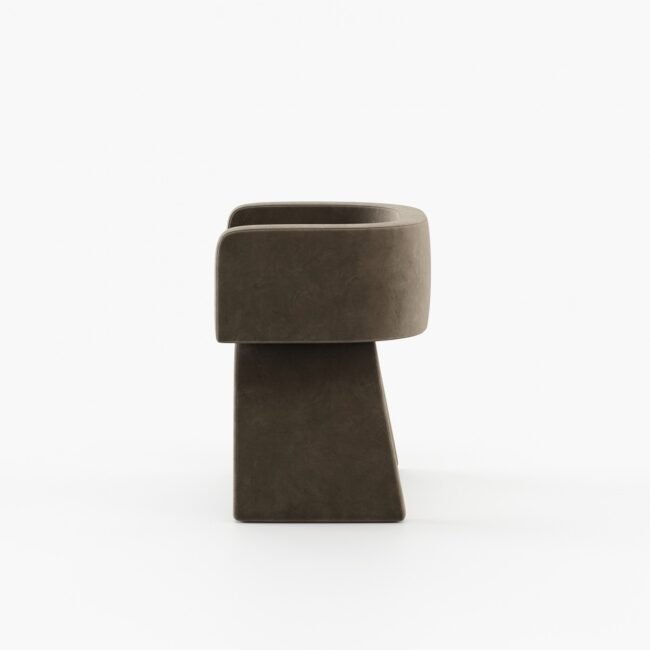
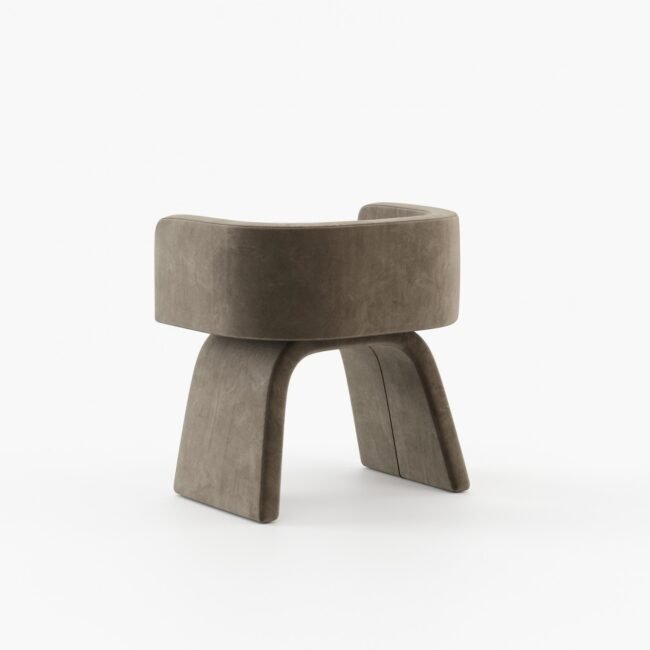
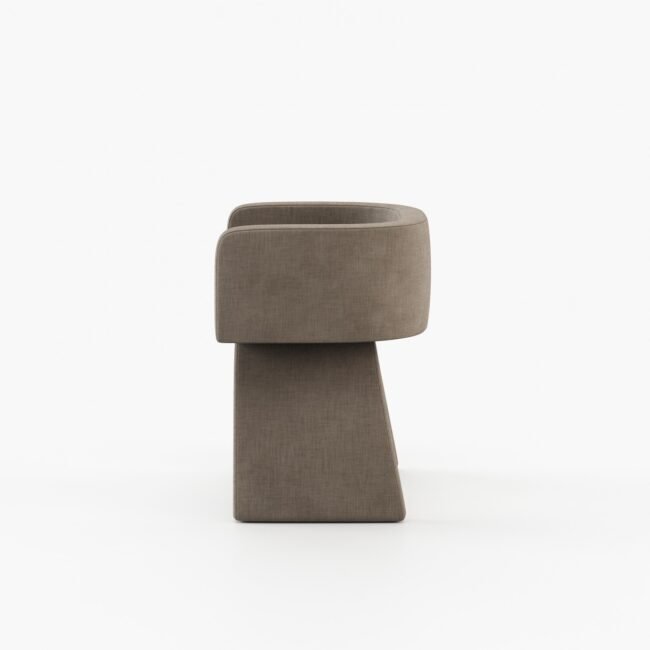
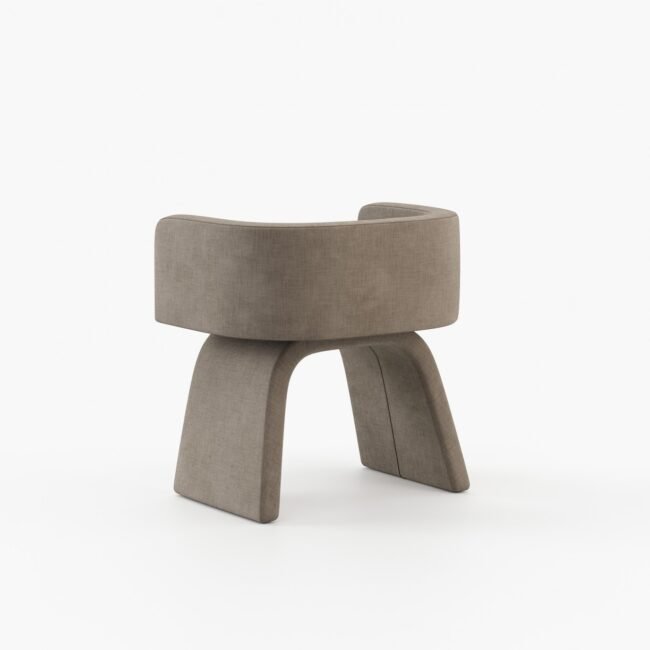
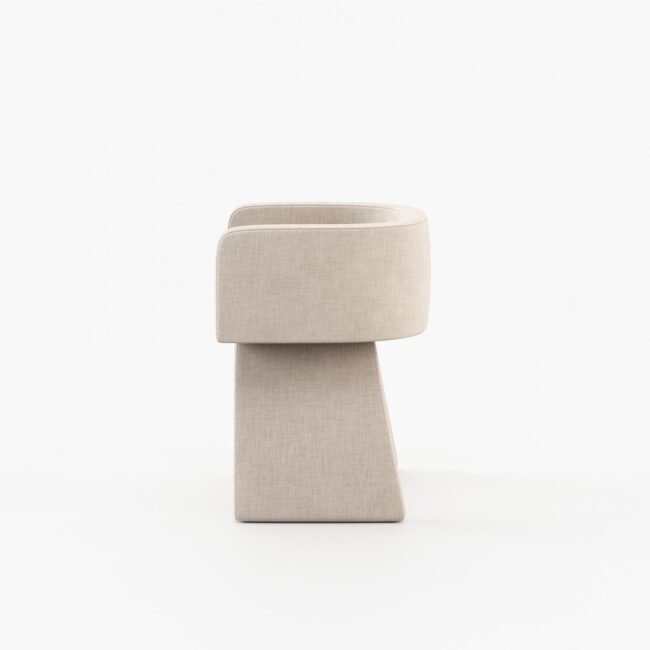
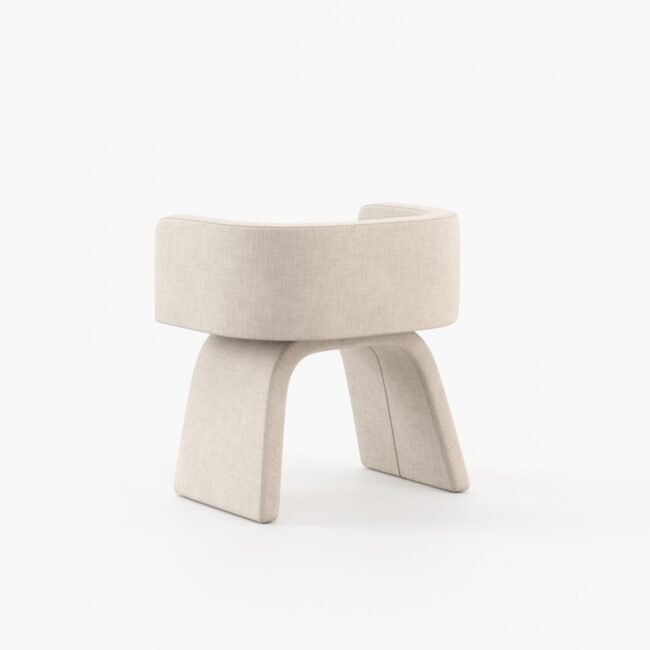
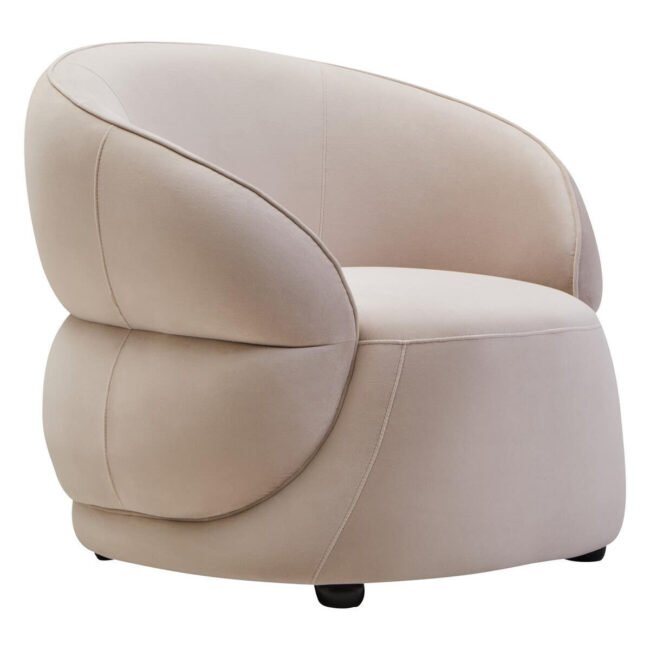
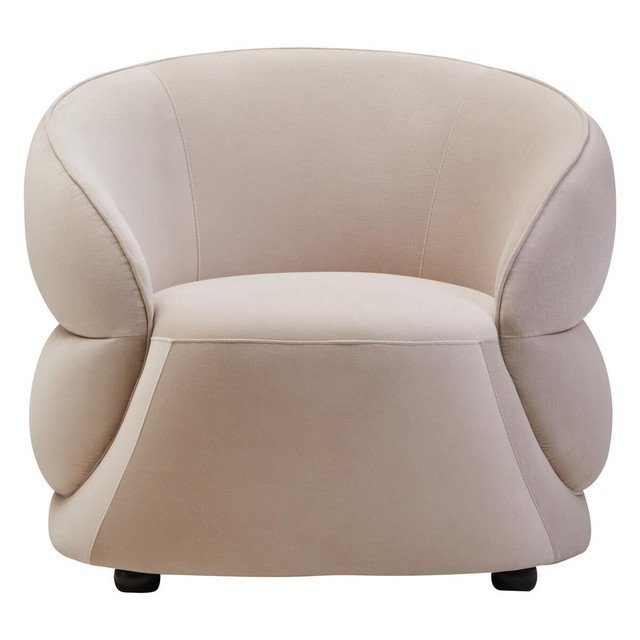
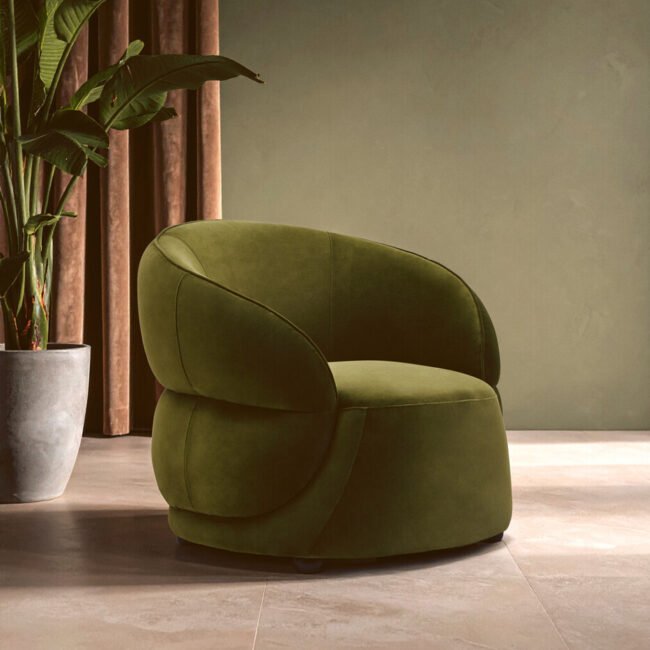
Side Table Ideas Designers Always Get Right: Bedside, Marble, Round and Sofa Side Tables for a Finished Home

Natural Elements Interior Design


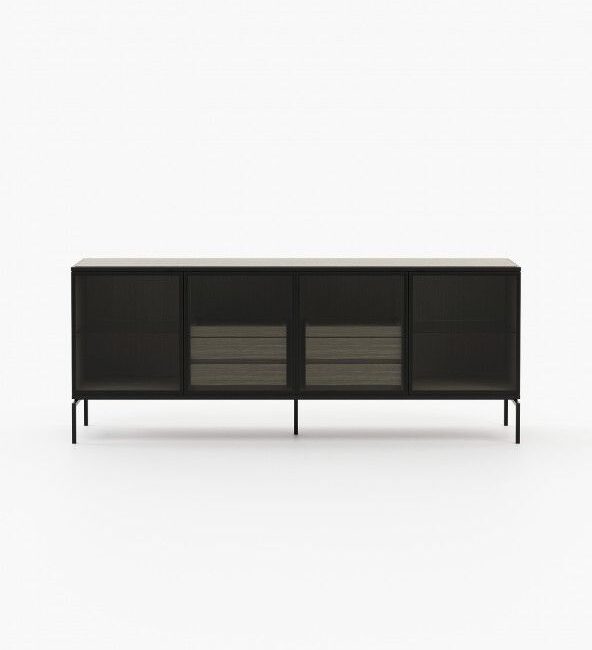
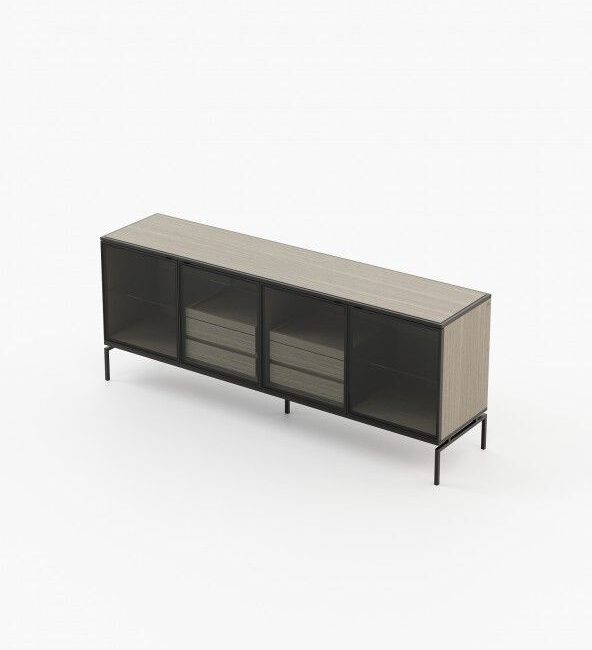
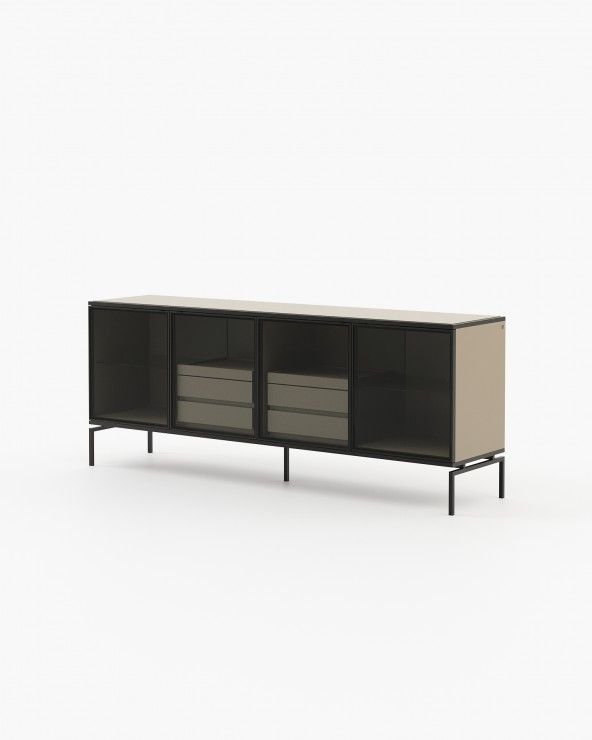
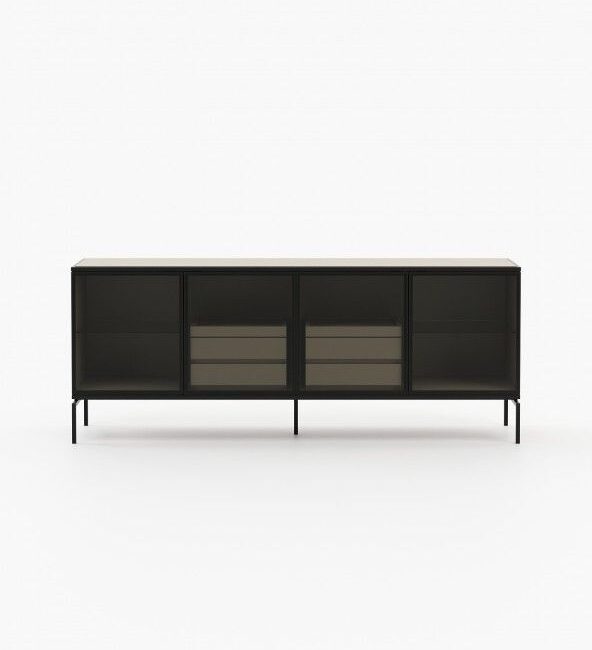
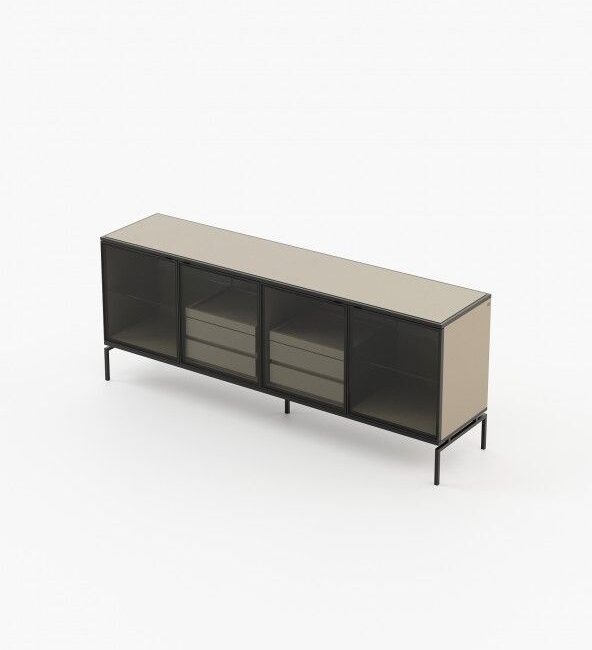
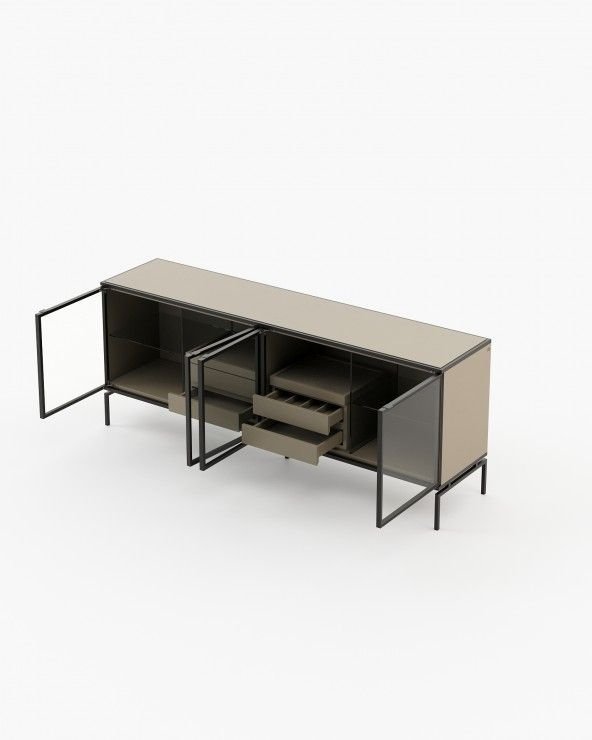
A sideboard is one of those pieces that can quietly change the way a room feels. It does not demand attention in the way a sofa, dining table or statement chandelier might, yet it often becomes the piece that makes a room feel complete. A sideboard cabinet gives storage, balance, surface styling and architectural presence. It can sit beautifully in a living room, dining room, hallway, kitchen or open-plan space, holding everything from dinnerware and glassware to books, lamps, artwork and decorative objects.

The best sideboards are not simply storage pieces. They are design anchors. They introduce material, proportion and rhythm. An oak sideboard can make a room feel warm and grounded. A walnut sideboard can bring depth and richness. A sideboard buffet cabinet can make a dining room feel more elegant and practical. A mid century sideboard can add vintage character to a modern interior. Even a kitchen sideboard cabinet can soften a practical space and make it feel more considered.

Designers understand this well. A sideboard is not just where things are hidden away. It is where function meets composition. It gives the room a horizontal line, a place to style lamps and art, and a storage solution that can still look beautiful. In a well-designed home, a sideboard does not look like an afterthought. It looks like the piece that was always meant to be there.


Table of Contents

  1. Why a Sideboard Makes a Room Feel Finished
  2. How to Choose the Right Sideboard Cabinet
  3. Sideboard Ideas for Living Rooms
  4. Sideboard Buffet Cabinet Ideas for Dining Rooms
  5. Kitchen Sideboard Cabinet Ideas for Elegant Storage
  6. Oak Sideboard Ideas for a Warm and Timeless Home
  7. Walnut Sideboard Ideas for a Rich, Expensive-Looking Interior
  8. Mid Century Sideboard Ideas for Vintage Character
  9. How to Style a Sideboard Like an Interior Designer
  10. What to Look for Before Buying a Sideboard
  11. Common Sideboard Mistakes to Avoid
  12. Final Thoughts: The Storage Piece That Completes the Room
  13. FAQs About Sideboards
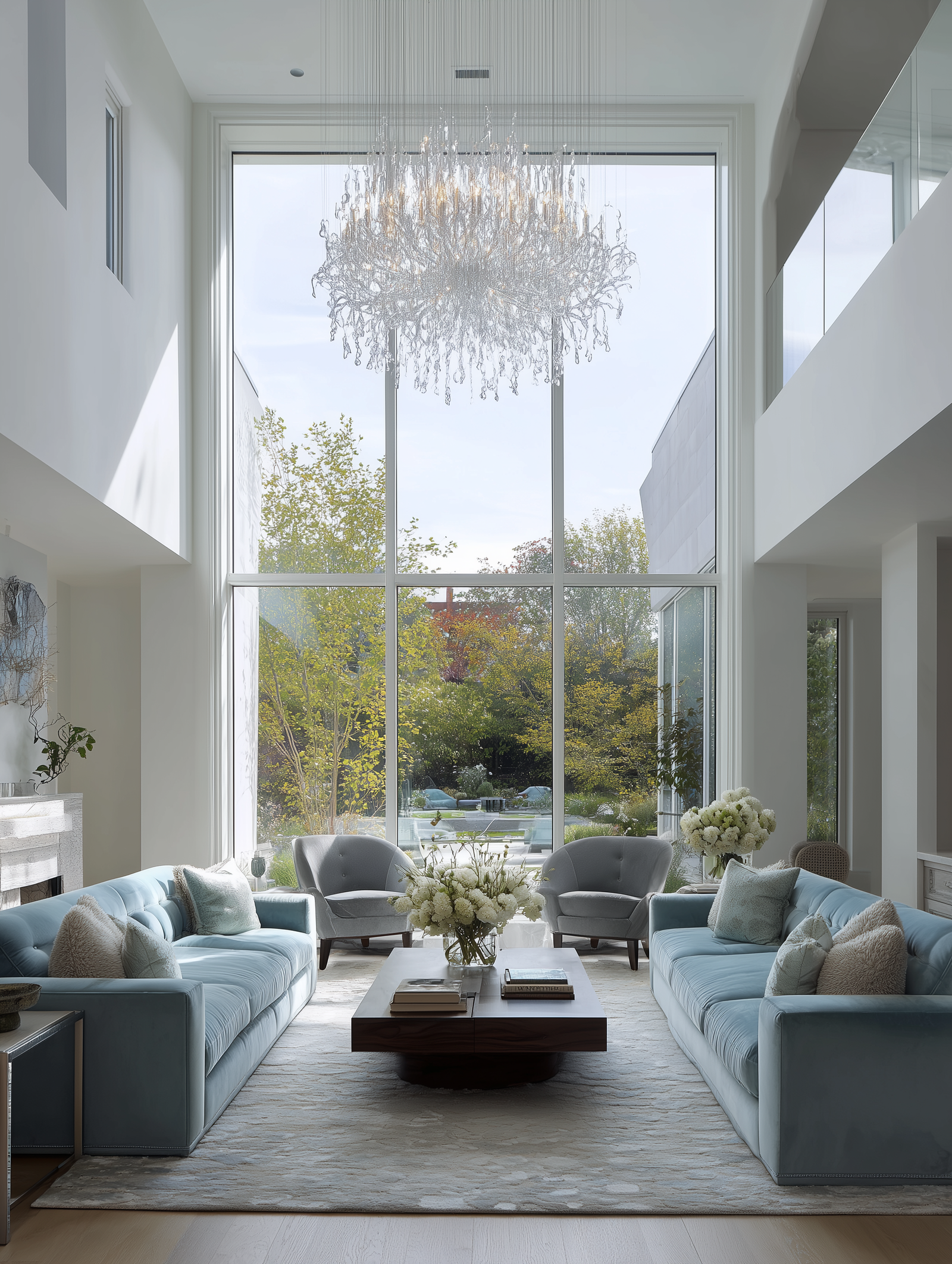
side table ideas for a luxury living room

Why a Sideboard Makes a Room Feel Finished

A finished room rarely depends on one dramatic piece. More often, it is the supporting furniture that gives the room depth: the table beside the sofa, the lamp in the corner, the artwork above the fireplace, the sideboard against the wall. A sideboard has a special role because it combines beauty and practicality in one long, elegant form.

In a living room, a sideboard cabinet can ground a wall that would otherwise feel empty. In a dining room, it creates a natural place for serving, storage and display. In a hallway, it can make a transitional space feel intentional. In a kitchen or open-plan room, it can provide extra storage while introducing a more decorative furniture element.

A sideboard gives a room structure. Its long horizontal shape balances taller pieces such as mirrors, artwork, lamps or shelving. It also creates a useful surface for styling. A table lamp, a framed artwork, a vase, a stack of books or a sculptural object can turn the top of a sideboard into a beautiful design moment.

This is where the designer mindset matters. Styling is not just about placing objects somewhere because the surface is empty. It is about considering the whole room. In a Homes & Gardens feature, stylist Emma Thomas explains that when styling a lived-in home, the aim is to create spaces that feel “effortless, as well as elevated,” while taking inspiration from the architecture and the owner’s possessions. Her advice on creating calming, beautiful and welcoming spaces is exactly the principle that makes sideboard styling work.

A sideboard should not look like a showroom display. It should feel connected to the home. That might mean displaying a favourite ceramic bowl, leaning a piece of art, adding a lamp for atmosphere or using the cabinet to hide away everyday clutter. The beauty of a sideboard is that it allows a room to feel both practical and polished.

How to Choose the Right Sideboard Cabinet

Choosing the right sideboard cabinet starts with one simple question: what does the room need?

Some rooms need storage. Others need warmth. Some need a strong focal point. Others need a quiet piece that supports the rest of the scheme. Before choosing a sideboard, look at the room honestly. Is the space too bare? Too cluttered? Too cold? Too visually busy? The right sideboard should answer the problem without creating a new one.

Size is the first thing to consider. A sideboard that is too small can look lost against a long wall, while one that is too large can make a room feel crowded. In a dining room, the sideboard should leave enough space for people to move comfortably around the table. In a living room, it should relate to the scale of the sofa, rug, artwork and other furniture. In a hallway, it should be slim enough not to interrupt movement.

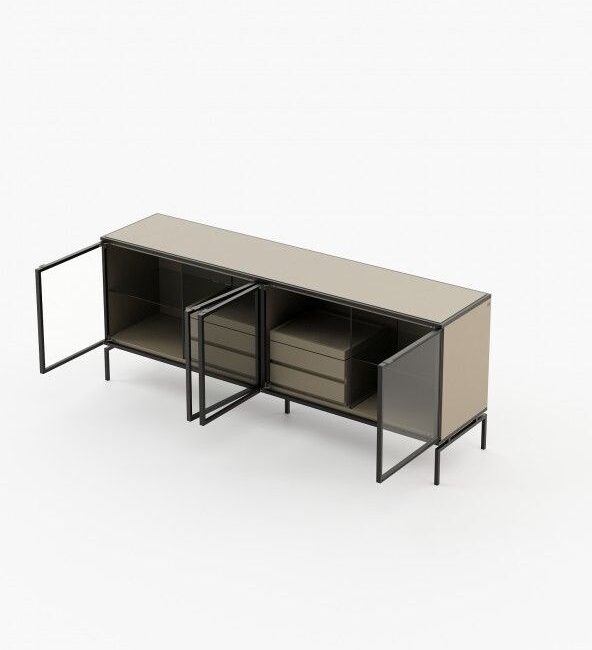
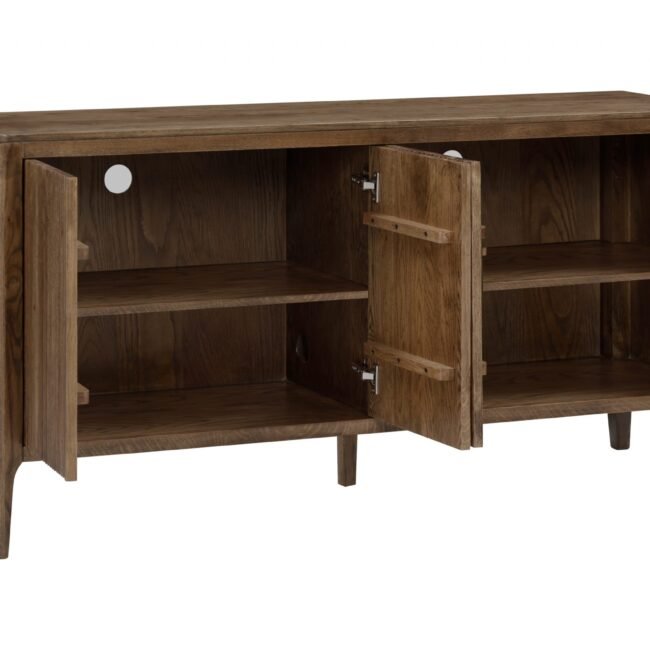
Storage is the next decision. Do you need drawers, cupboards, shelves or a combination? A sideboard buffet cabinet used in a dining room may need space for plates, serving dishes, glassware, linens and candles. A living room sideboard may need to hide board games, books, media equipment or children’s toys. A kitchen sideboard cabinet may need to store pantry items, extra crockery or appliances.

Material matters just as much as function. An oak sideboard gives warmth and a timeless feel. A walnut sideboard feels richer, deeper and more dramatic. A painted sideboard can add softness or colour. A marble-topped sideboard feels luxurious. A black sideboard can create contrast and modernity. A mid century sideboard often brings character through tapered legs, warm wood and clean lines.

Kelly Wearstler’s design philosophy is useful here. In Forbes, her approach is described through the phrase “love color, take risks, stay curious”. Applied to sideboards, this means the piece should not simply fill a wall. It should add something to the story of the room: texture, contrast, warmth, shape or personality.

A sideboard cabinet should be practical, but it should also have presence.

Side Table Ideas Designers Always Get Right: Bedside, Marble, Round and Sofa Side Tables for a Finished Home

Sideboard Ideas for Living Rooms

A sideboard in a living room can do several things at once. It can provide storage, support a television, create a styling surface, balance a large sofa or fill a wall that would otherwise feel unfinished. It is one of the most useful pieces for making a living room feel more layered and complete.

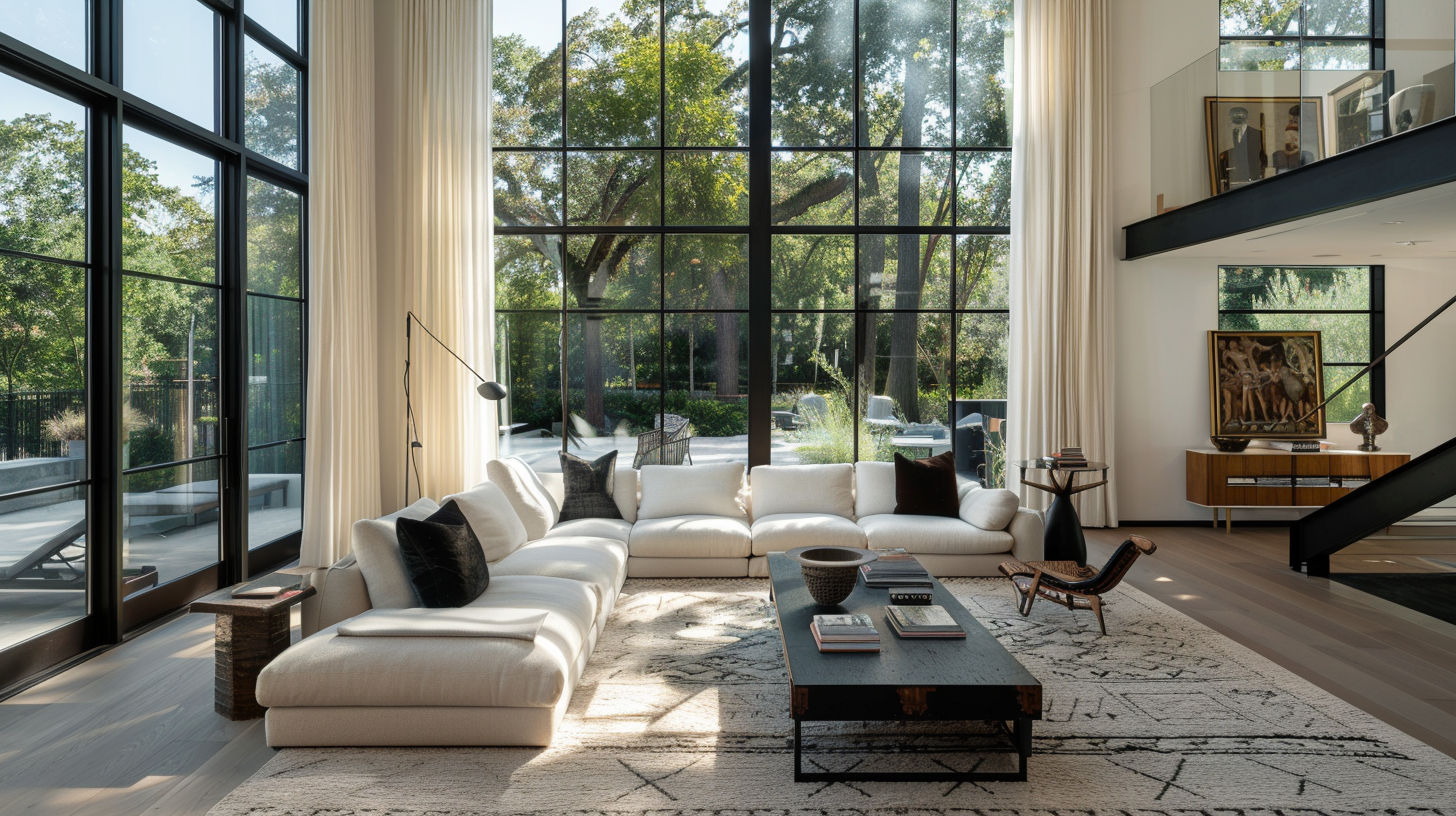
If your living room has an empty wall opposite or beside the sofa, a sideboard can give that wall purpose. Instead of leaving it bare, use a sideboard to anchor artwork, lamps and decorative objects. A large mirror above a sideboard can reflect light and make the room feel bigger. A piece of artwork can create a more curated, editorial feel. A pair of lamps can add symmetry and warmth.

For a modern living room, choose a sideboard cabinet with clean lines, simple handles and a refined finish. A walnut sideboard works beautifully in a neutral room because it adds depth without overwhelming the space. A black sideboard can make a strong statement when paired with pale walls, cream upholstery or brass lighting. An oak sideboard can soften a contemporary room and make it feel more natural.

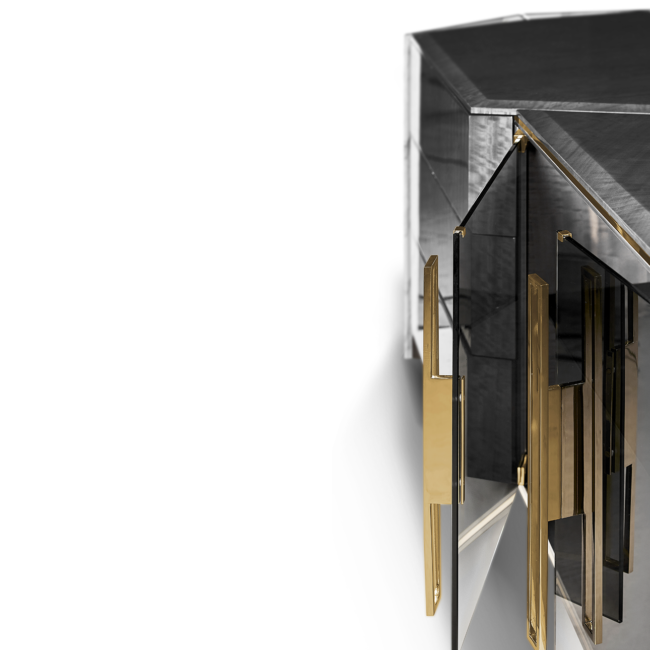
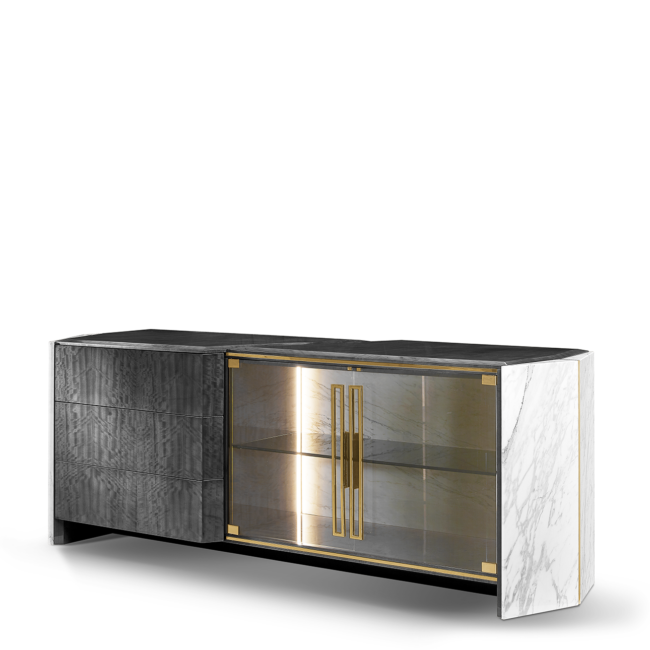
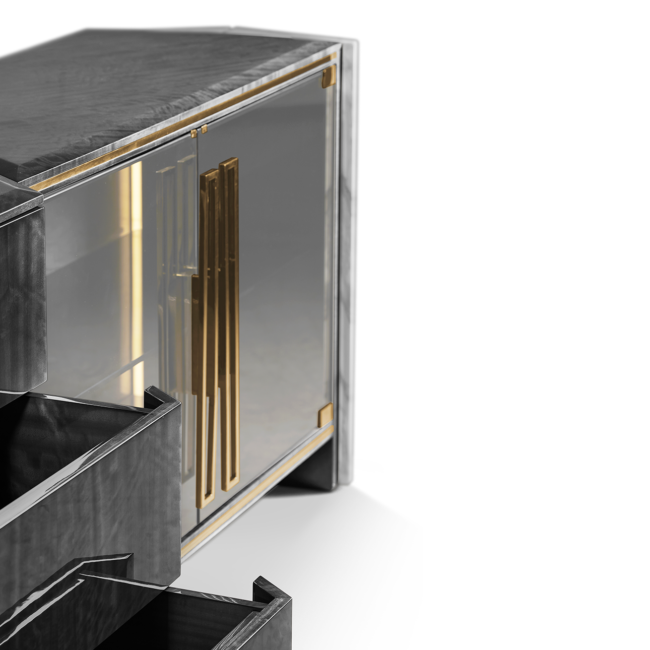
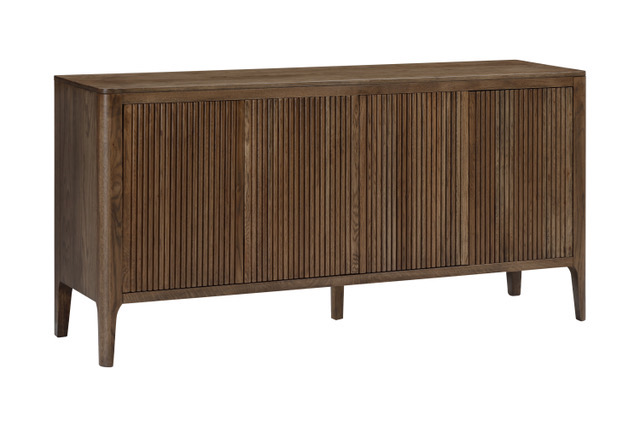
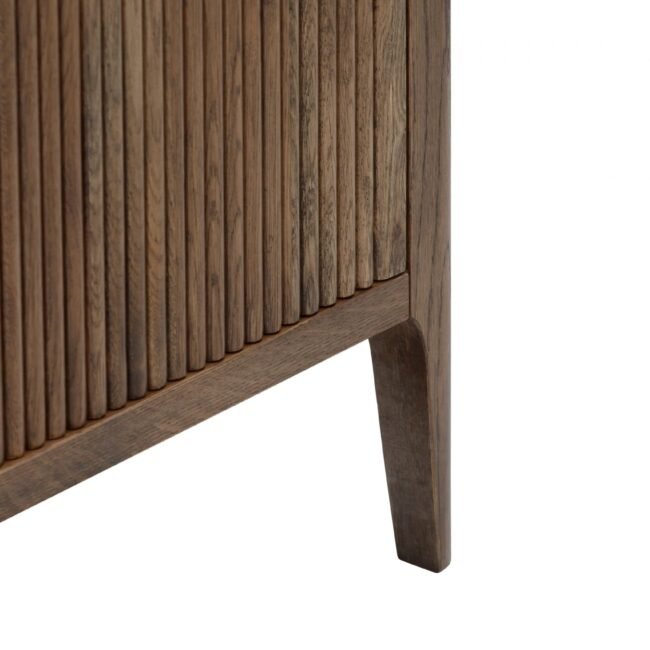
For a luxury living room, look for details that feel elevated: fluted doors, marble tops, brass accents, sculptural legs, textured wood or unusual hardware. These details help the sideboard feel like a design piece rather than basic storage.

Architectural Digest’s feature on sideboard and credenza ideas describes these pieces as both stunning and essential, which captures their dual purpose perfectly. A living room sideboard should look beautiful, but it should also make the room work better.

When styling a living room sideboard, think in layers. Start with something tall, such as a lamp, artwork or vase. Add something lower, such as books, a tray or a bowl. Then include one sculptural or personal object. This creates height, balance and character without making the surface feel cluttered.


Sideboard Buffet Cabinet Ideas for Dining Rooms

A sideboard buffet cabinet is one of the most natural additions to a dining room. Historically, sideboards were closely associated with dining spaces because they offered a place to store and serve food, drinks, plates and glassware. Today, they still serve that purpose, but they can also make a dining room feel more elegant and complete.

A dining room without a sideboard can sometimes feel like it is missing a layer. The table and chairs may be beautiful, but the room can feel sparse if there is no supporting furniture. A sideboard buffet creates balance. It gives the room another surface, another material and another opportunity to bring in lighting or artwork.

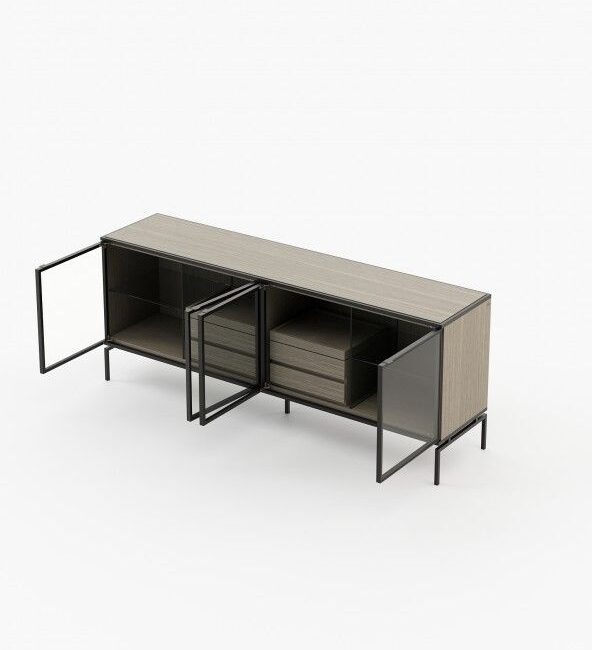
For a formal dining room, a sideboard buffet cabinet with closed storage is usually best. It keeps the room tidy while hiding practical items such as serving platters, table linens, candles, napkin rings and extra glassware. For a more relaxed dining space, open shelving or glass-front cabinets can work well, especially if you have beautiful ceramics, cookbooks or glassware to display.

Material can change the whole mood. An oak sideboard buffet feels warm and timeless. A walnut sideboard buffet feels richer and more refined. A painted cabinet can bring softness. A dark sideboard can create drama, especially in a dining room with moody walls or statement lighting.

The top of the sideboard can be styled for everyday beauty or for entertaining. On ordinary days, use a lamp, vase, artwork and a few books or bowls. When hosting, the same surface can become a practical serving area for drinks, desserts or extra dishes.

A sideboard buffet cabinet is not just storage. It is part of the dining experience. It makes the room more useful, but it also makes it feel more intentional.

Kitchen Sideboard Cabinet Ideas for Elegant Storage

A kitchen sideboard cabinet is a clever way to add storage without making the space feel overly fitted or functional. Kitchens can easily become dominated by built-in units, appliances and hard surfaces. A sideboard introduces something softer and more furniture-like.

This works especially well in open-plan homes where the kitchen flows into a dining or living area. A freestanding sideboard cabinet can bridge the gap between practical kitchen storage and decorative living space. It can hold plates, serving dishes, glassware, table linens, pantry extras or even small appliances that you do not want on the worktop.

In a modern kitchen, an oak sideboard can add warmth against stone worktops or painted cabinetry. A walnut sideboard can bring richness to a pale kitchen. A black sideboard can create contrast and sophistication. A fluted or textured sideboard can add architectural detail without needing a full renovation.

For smaller kitchens, a slim sideboard cabinet can be useful if you do not have space for a full dresser or pantry unit. In a kitchen-dining area, a sideboard buffet cabinet can sit near the table and hold everything needed for meals, making the room more efficient and more elegant.

The key is to choose a piece that feels connected to the kitchen, but not identical to it. If all your kitchen cabinetry is painted, a wooden sideboard can add warmth. If your kitchen has a lot of wood, a painted or marble-topped sideboard can add contrast.

A kitchen sideboard cabinet should feel like furniture, not an extra cupboard. That is what makes it beautiful.


Oak Sideboard Ideas for a Warm and Timeless Home

An oak sideboard is one of the most versatile choices because oak has a natural warmth that works across many interior styles. It can feel rustic, modern, classic, Scandinavian, farmhouse or contemporary depending on the shape, finish and surrounding furniture.

Light oak sideboards are ideal for homes that feel bright, calm and natural. They work beautifully with white walls, linen upholstery, stone floors, jute rugs, soft neutrals and relaxed textures. A pale oak sideboard can make a room feel warmer without making it dark.

Darker oak sideboards feel more traditional and grounded. They work well in period homes, dining rooms, libraries, hallways and interiors with richer colour palettes. Paired with brass lamps, antique mirrors or framed artwork, a dark oak sideboard can feel timeless and quietly expensive.

Oak is also a good choice if you want the sideboard to feel durable and long-lasting rather than trend-led. It does not need to shout. It simply brings texture and warmth.

To style an oak sideboard, avoid using only wooden accessories on top. Too much wood can feel heavy. Instead, add contrast with ceramic, glass, metal, stone, fabric lampshades or artwork. A white ceramic vase, a brass lamp or a black-framed mirror can make oak feel more elevated.

An oak sideboard works especially well in rooms that need softening. If the space has cool grey walls, stone flooring or lots of metal, oak can bring the warmth back. It is practical, timeless and easy to live with.

Walnut Sideboard Ideas for a Rich, Expensive-Looking Interior

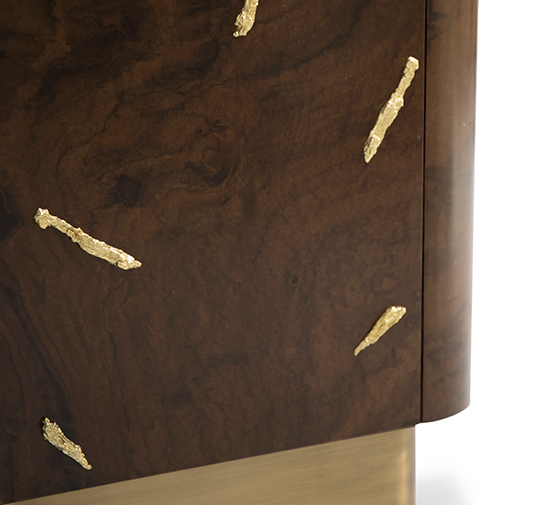
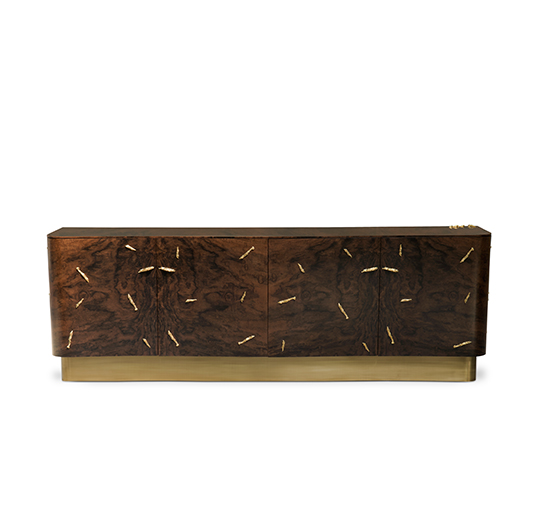
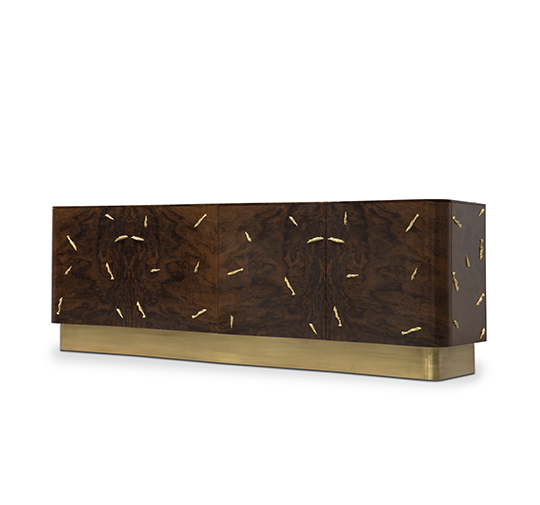
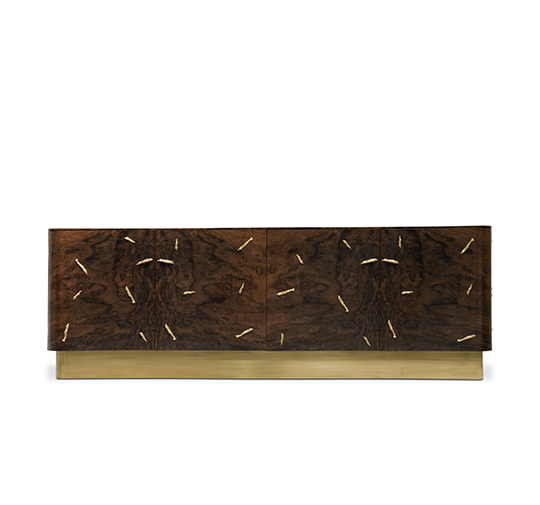
A walnut sideboard has a very different mood from oak. Where oak feels warm and natural, walnut feels deeper, richer and more dramatic. It has a luxurious quality that works beautifully in sophisticated living rooms, dining rooms and bedrooms.

Walnut is particularly effective in neutral interiors because it adds depth. A room filled with cream, taupe, beige or soft grey can sometimes feel flat if there is no contrast. A walnut sideboard solves that problem by bringing a darker, warmer note into the room.

In a living room, a walnut sideboard can sit beautifully beneath artwork or a large mirror. In a dining room, it can make the space feel more grown-up and refined. In a hallway, it can create a strong first impression, especially when styled with a table lamp, tray and sculptural vase.

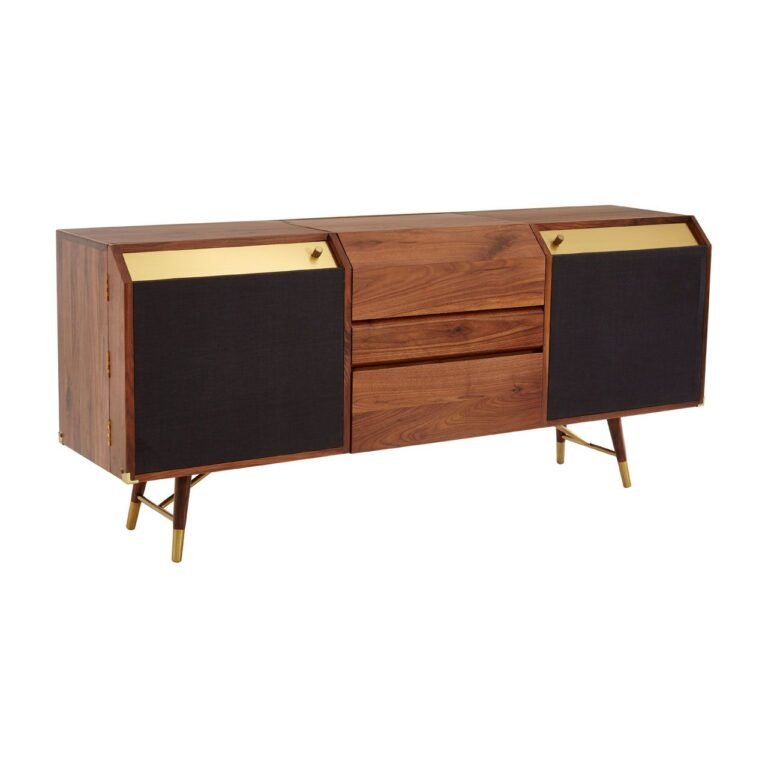
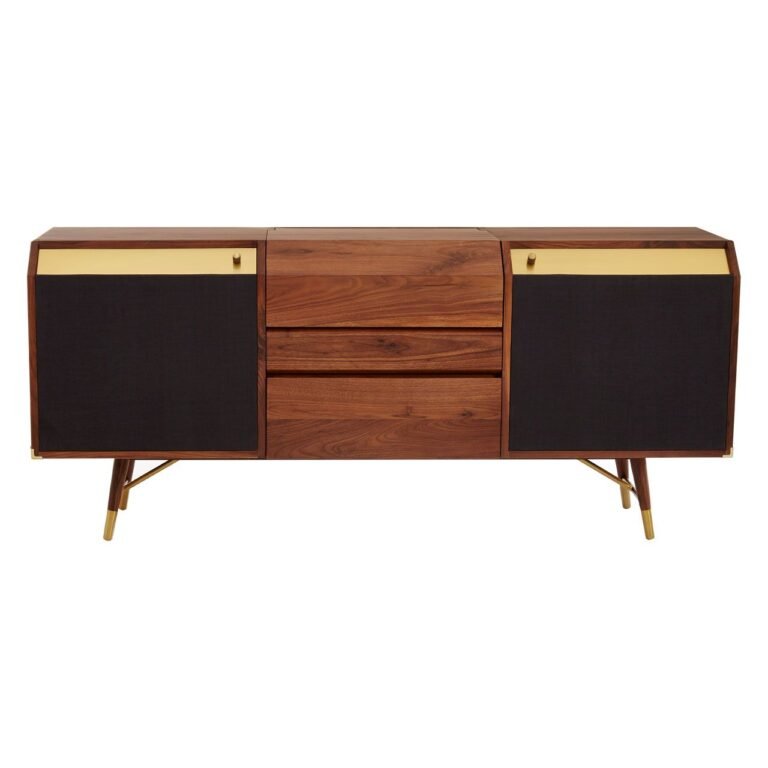
A walnut sideboard also works well in mid century interiors. Many mid century sideboards use warm woods, slim legs and clean shapes, making walnut a natural material choice. Pair it with curved chairs, brass lighting, textured rugs and sculptural ceramics for a room that feels collected rather than staged.

When styling walnut, be careful not to make the room too dark. Balance it with lighter walls, pale upholstery, glass, marble, brass or warm lighting. A walnut sideboard with a cream lamp and large artwork above can look elegant without feeling heavy.

If you want a room to feel expensive, walnut is one of the strongest sideboard choices. It adds richness, depth and quiet confidence.


Mid Century Sideboard Ideas for Vintage Character

A mid century sideboard is a classic for a reason. It offers clean lines, practical storage and a strong sense of character without feeling overly ornate. It works especially well in homes that mix old and new pieces.

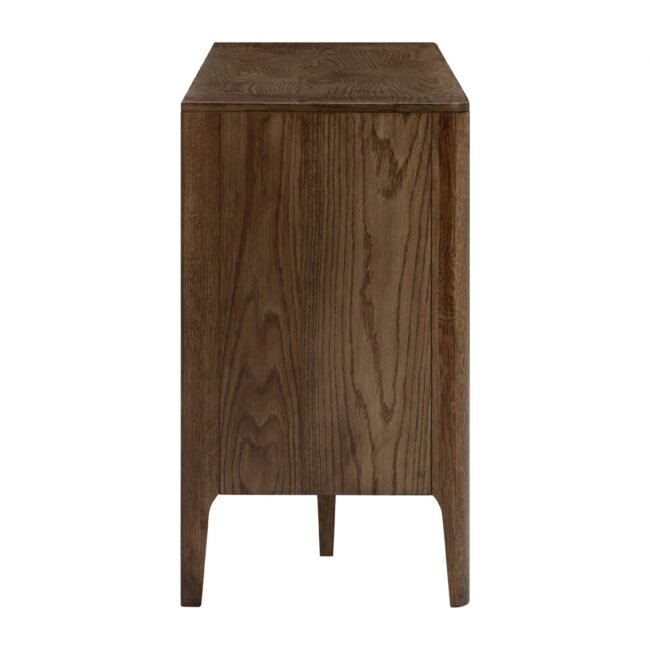
The typical mid century sideboard has a long, low shape, warm wood, simple handles and tapered legs. This combination makes it feel light but substantial. It gives storage without looking bulky, and it often works well in living rooms, dining rooms and hallways.

In a modern interior, a mid century sideboard can stop the room from feeling too new or too polished. It adds warmth and history. In a traditional interior, it can bring a cleaner line and prevent the room from feeling too formal. In an eclectic interior, it can become the piece that ties together vintage finds, contemporary lighting and layered accessories.

A mid century sideboard is especially useful under artwork because its long shape creates a natural base. Hang or lean art above it, add a lamp to one side, then style the surface with books, ceramics or a plant. The result feels balanced without being too symmetrical.

This is a good place to remember that not every piece in a room needs to be from the same era. In fact, rooms often feel more interesting when they combine different periods. A mid century sideboard can sit beautifully beside a contemporary sofa, traditional rug or modern chandelier.

The key is to repeat one element elsewhere in the room. If the sideboard has warm wood, echo that warmth through a frame, chair leg or accessory. If it has brass handles, repeat brass in the lighting or decorative objects. This makes the mix feel deliberate.

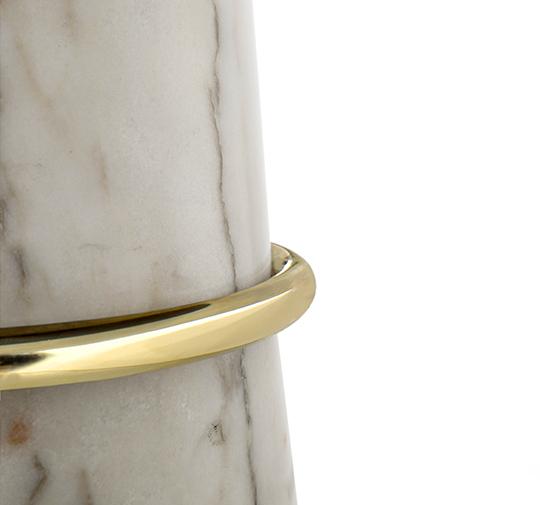
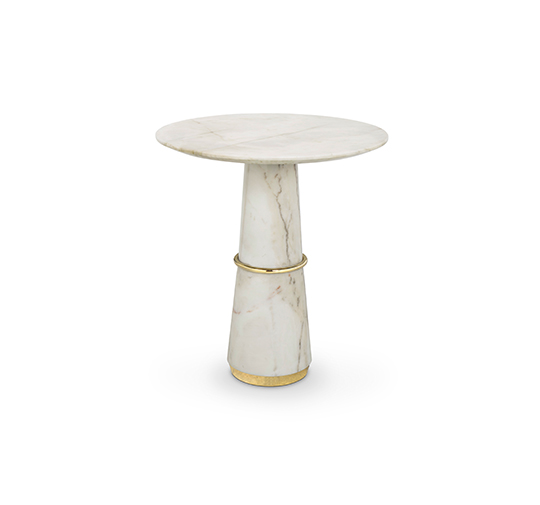
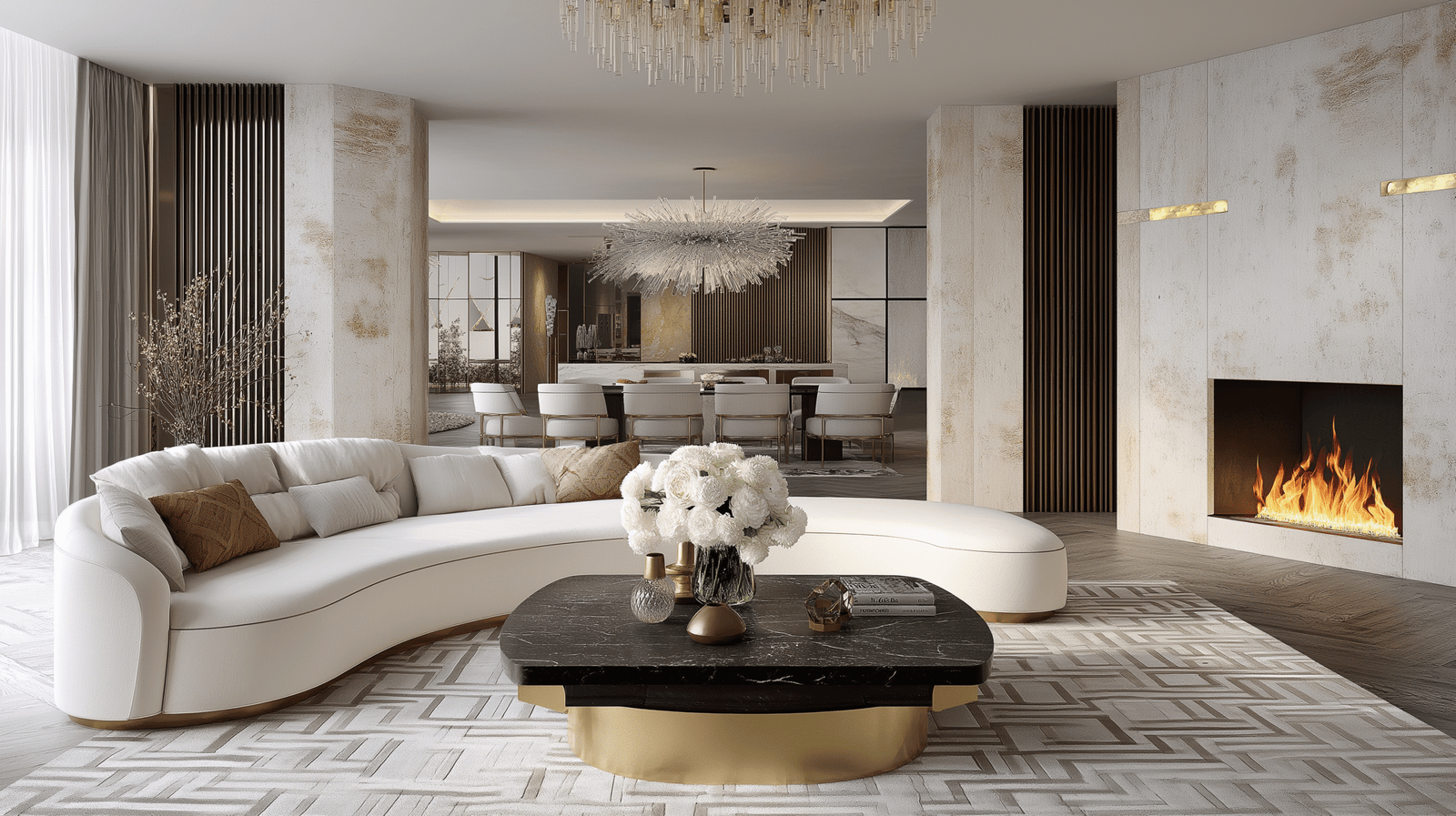
Marble Side Table in a Luxury Interior

How to Style a Sideboard Like an Interior Designer

Styling a sideboard is where many people overdo it. Because the surface is long, it can be tempting to fill every inch. But a designer-looking sideboard usually has space to breathe.

Start with one anchor. This could be a large mirror, a piece of artwork, a pair of lamps, or a sculptural vase. The anchor gives the arrangement height and purpose.

Then create layers. Use books, trays, bowls, candles, ceramics, framed photographs or flowers. Vary the height and shape of the objects so the arrangement does not feel flat. A tall lamp, a low stack of books and a rounded vase will usually look more interesting than several objects of the same height.

The “rule of three” can help, but it should not feel forced. A group of three objects often looks natural because it creates rhythm. For example, a lamp, a stack of books and a small bowl. Or artwork, a vase and a tray. The goal is balance, not clutter.

Interior designer and stylist advice often comes back to the same principle: style the piece in relation to the room, not in isolation. In a sideboard styling feature, the advice is to consider the whole room, including colour palette, texture and the space above and around the sideboard. That approach is explained well in this guide to styling a sideboard as part of the whole room.

If the sideboard is in a dining room, you might style it with glassware, a lamp and a large vase. If it is in a living room, books, art and sculptural objects may feel more natural. If it is in a hallway, a tray for keys, a mirror and a lamp can make the space both practical and welcoming.

The best sideboard styling feels collected. It should look beautiful, but not like a shop display. Leave some negative space. Let the furniture show. Allow the room to breathe.


What to Look for Before Buying a Sideboard

Before buying a sideboard, check five things: size, storage, material, placement and proportion.

First, measure the wall. A sideboard needs breathing room on either side, especially if it is placed in a hallway or dining room. It should look generous, but not squeezed in.

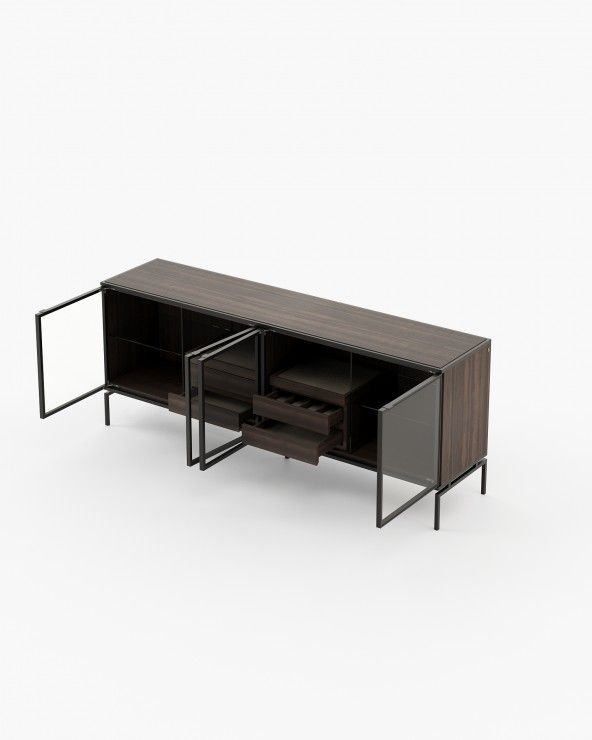
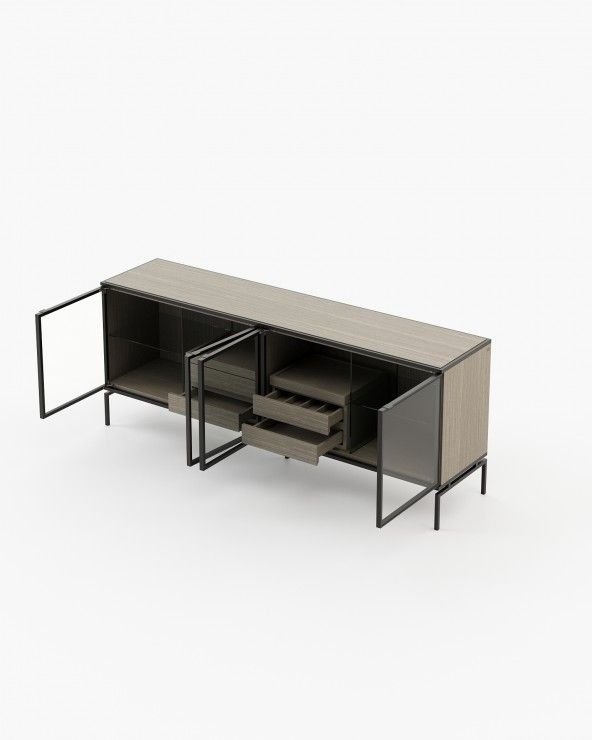
Second, think about storage. Do you need cupboards, drawers or shelves? Drawers are useful for smaller items such as cutlery, candles, remotes or table linens. Cupboards are better for larger items such as plates, glassware, books or appliances. Open shelving is decorative but requires more styling discipline.

Third, choose the material carefully. Oak is warm and timeless. Walnut is rich and elegant. Black or painted finishes can feel modern. Glass or metal details can add glamour. A marble top can make a sideboard cabinet feel more luxurious.

Fourth, consider placement. A dining room sideboard should sit near the table. A living room sideboard may work well opposite the sofa or beneath artwork. A hallway sideboard should be slim enough for easy movement. A kitchen sideboard cabinet should support daily use without blocking the flow of the space.

Fifth, look at proportion. A very tall sideboard can feel heavy in a small room. A very low sideboard can look lost beneath high ceilings. The height should relate to the artwork, mirror, lamps or wall space above it.

A sideboard is often an investment piece, so it should not be chosen only because it fits today’s trend. Choose a piece with good proportions, useful storage and a material you will still love in five years.

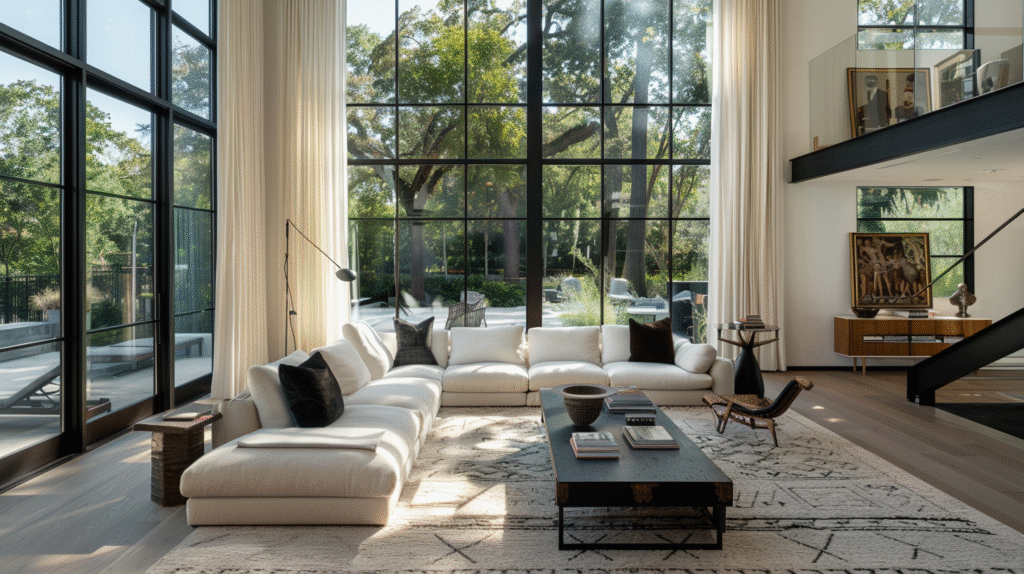
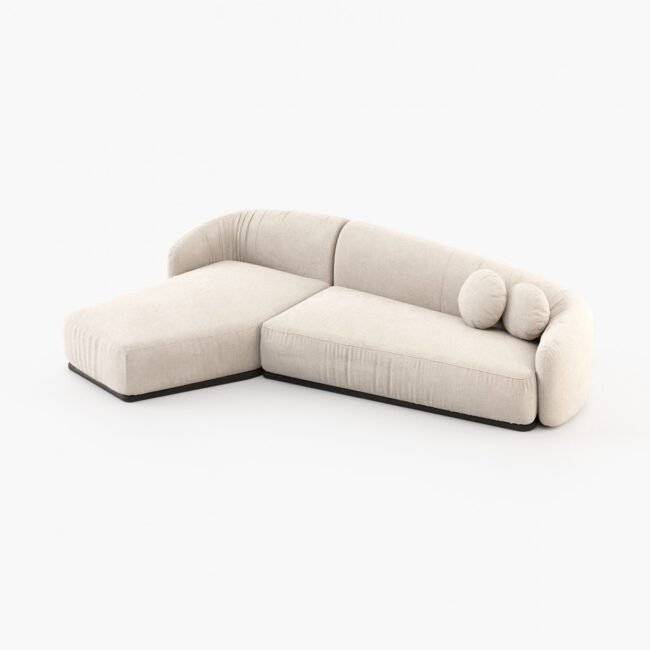
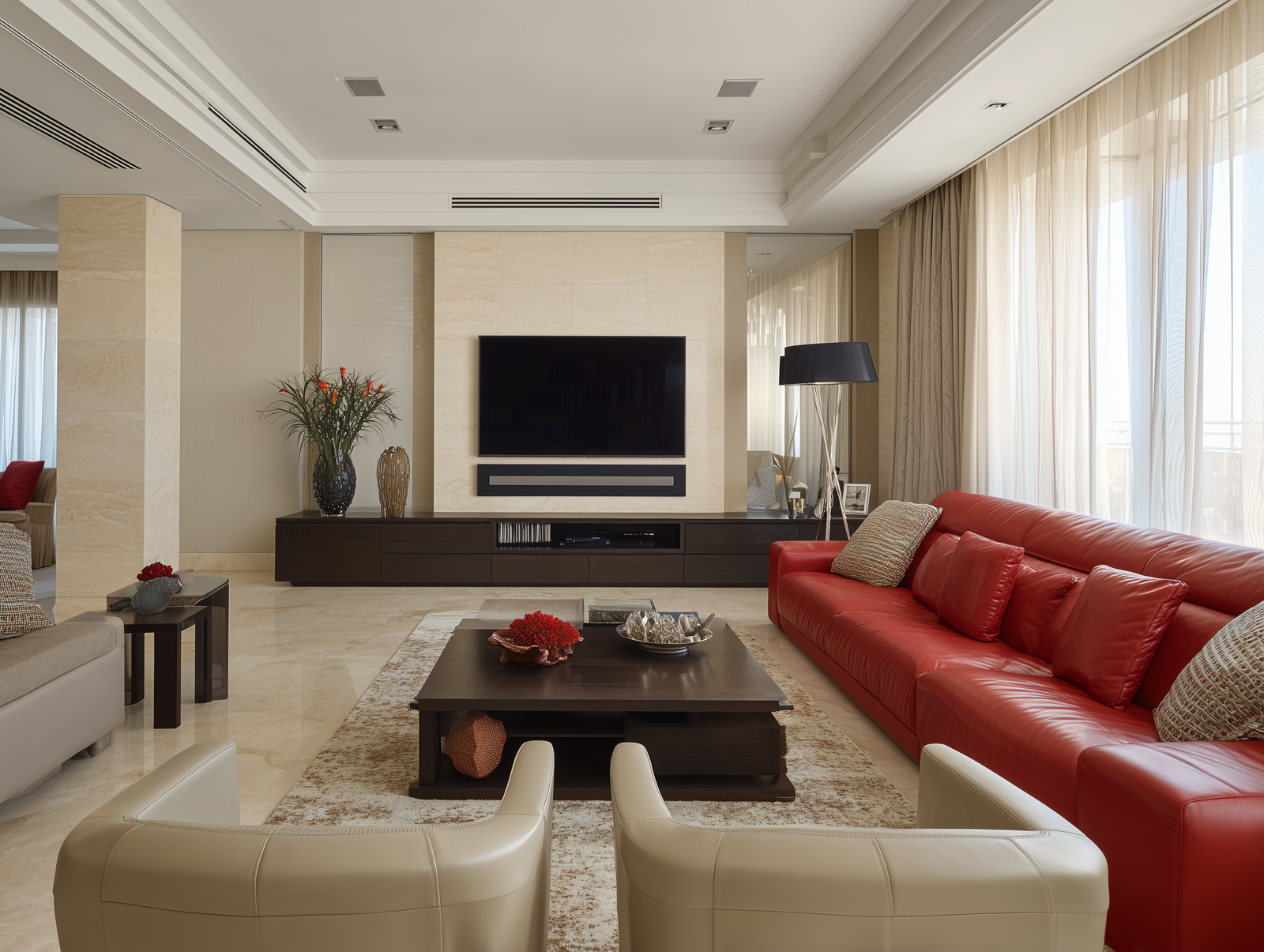
sofa side table beside luxury sofa

Common Sideboard Mistakes to Avoid

The first mistake is choosing a sideboard that is too small. A small cabinet on a large wall can make the entire room feel under-furnished. Sideboards usually look best when they have enough length to hold the wall confidently.

The second mistake is ignoring function. A beautiful sideboard that does not store what you need will quickly become frustrating. Think about the items you want to hide before choosing the internal layout.

The third mistake is over-styling the top. Too many objects can make even an expensive sideboard look cluttered. Keep the surface edited and intentional.

The fourth mistake is hanging artwork too high above the sideboard. Art or mirrors should feel connected to the furniture below, not floating separately on the wall. Leave enough space for styling, but keep the relationship close.

The fifth mistake is matching everything too closely. A sideboard does not need to match the dining table, coffee table, flooring and shelving exactly. In fact, too much matching can make a room feel flat. Mix materials carefully for depth.

The sixth mistake is forgetting lighting. A lamp on a sideboard can completely change the mood of a room. It adds height, warmth and atmosphere, especially in the evening.

The seventh mistake is treating the sideboard as purely decorative. It should look beautiful, but it should also make the room easier to live in. The best interiors combine usefulness with elegance.

Final Thoughts: The Storage Piece That Completes the Room

A sideboard is one of the most useful and quietly powerful pieces you can add to a home. It gives storage, but it also gives structure. It fills a wall, but it also creates a design moment. It hides everyday clutter, but it gives you a surface for lamps, art, flowers and objects that make the room feel personal.

An oak sideboard can bring warmth and timelessness. A walnut sideboard can make a room feel richer and more expensive. A sideboard buffet cabinet can transform a dining room into a more elegant entertaining space. A kitchen sideboard cabinet can add practical storage without making the room feel too fitted. A mid century sideboard can bring vintage character into a modern home.

The best sideboards do not simply sit against a wall. They complete the room.

Choose one with the right scale, material and storage, then style it with restraint. Add height, texture, light and personal objects. Let the piece breathe. Let it support the room without overwhelming it.

A sideboard may be practical, but when chosen well, it becomes much more than storage. It becomes the piece that makes the room feel finished.

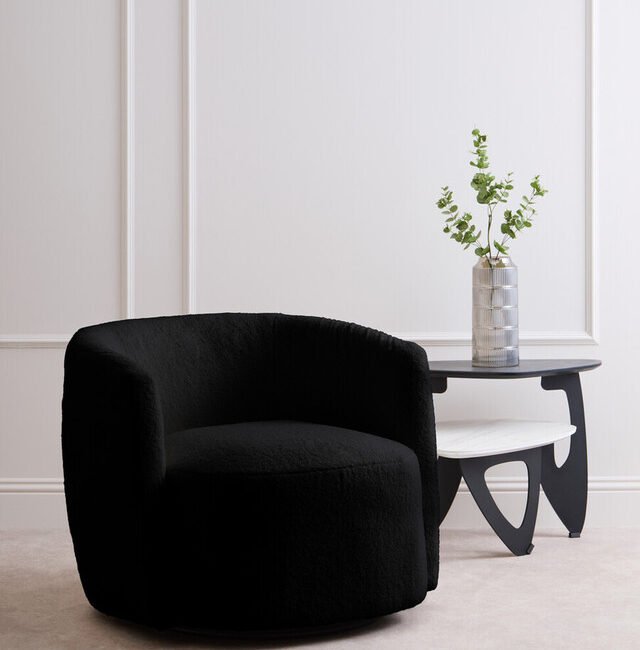
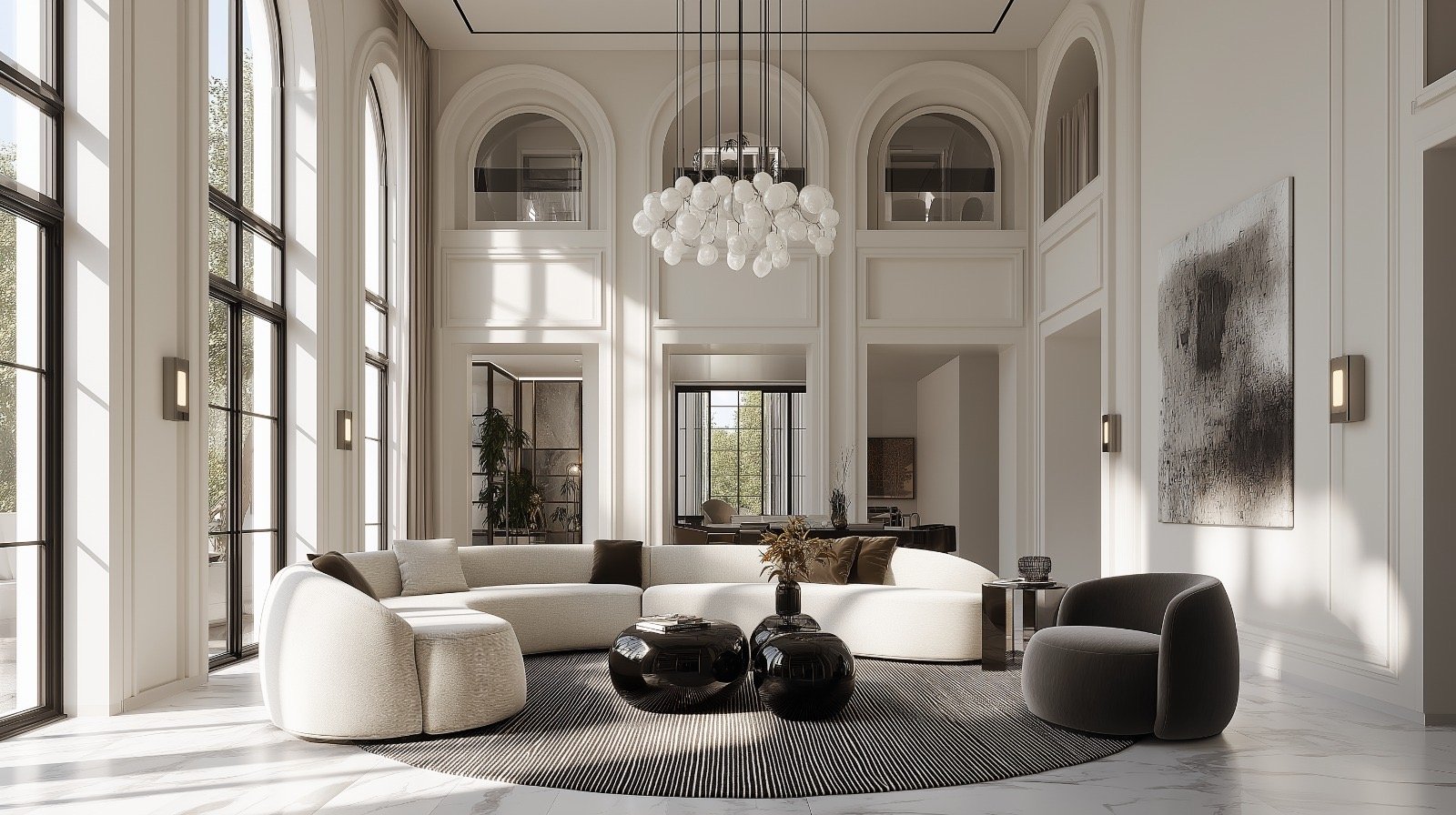
round side table in stylish living room

FAQs About Sideboards

What is a sideboard used for?

A sideboard is used for storage and display. It can hold dinnerware, glassware, books, media equipment, table linens, candles, decorative objects or everyday household items. It also provides a surface for lamps, artwork, mirrors, flowers and styling.

What is the difference between a sideboard and a sideboard buffet cabinet?

A sideboard is a general storage cabinet used in living rooms, dining rooms, hallways and other spaces. A sideboard buffet cabinet usually refers to a sideboard used in a dining room or kitchen area for storing and serving food, drinks, plates and glassware.

Can I use a sideboard in a living room?

Yes, a sideboard works beautifully in a living room. It can provide storage, support a television, anchor artwork or create a styled surface with lamps, books and decorative objects. It is especially useful for filling an empty wall.

Is an oak sideboard a good choice?

An oak sideboard is a very good choice if you want warmth, durability and timeless style. Light oak works well in calm, neutral homes, while darker oak can feel more traditional and grounded.

Is a walnut sideboard better for a luxury interior?

A walnut sideboard is ideal for a luxury interior because it adds depth, warmth and richness. It works especially well with neutral upholstery, brass lighting, marble accents and soft textured rugs.

Are mid century sideboards still in style?

Yes, mid century sideboards remain stylish because they combine clean lines, practical storage and vintage character. They work well in modern, eclectic and classic interiors.
Can I use a sideboard in a kitchen?

Yes, a kitchen sideboard cabinet can provide extra storage for crockery, glassware, pantry items or small appliances. It is especially useful in open-plan kitchens where you want storage that feels more like furniture.
How do you style a sideboard?

Start with an anchor such as artwork, a mirror or lamp. Add objects of different heights, such as books, vases, trays or bowls. Leave some negative space so the sideboard does not look cluttered.
What do you think?
Leave a Reply

Blog

Get fresh home inspiration and helpful tips from our interior designers

top
2
    2
    Your Cart
    Hoppman side table Remove
    Hoppman side table
    Qty: 1
    Price: £3,828
    £3,828
    Mylo Stool Remove
    Mylo Stool
    Qty: 1
    Price: £442
    £442

    Inactive

    Privacy Overview

    This website uses cookies so that we can provide you with the best user experience possible. Cookie information is stored in your browser and performs functions such as recognising you when you return to our website and helping our team to understand which sections of the website you find most interesting and useful.