
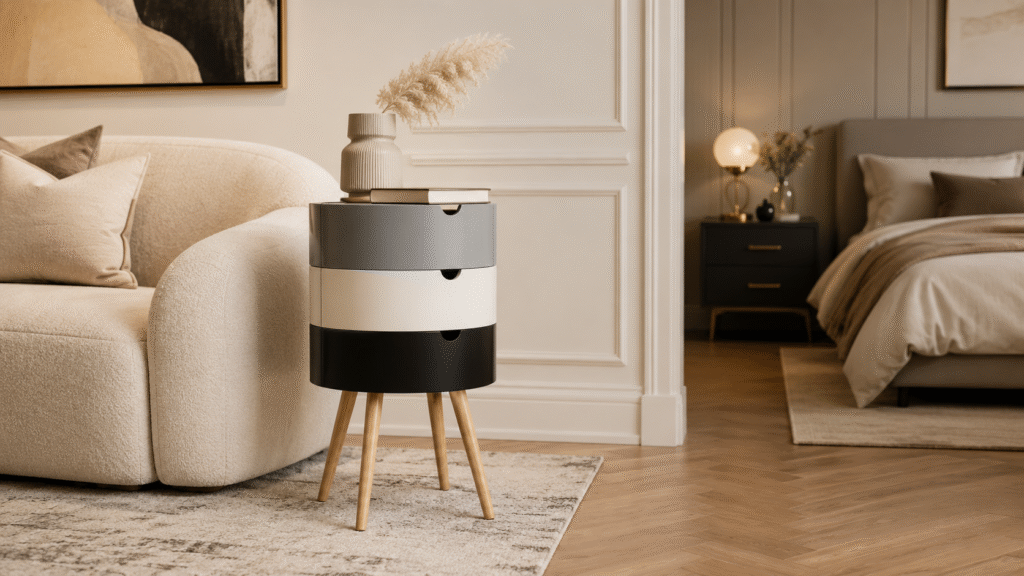
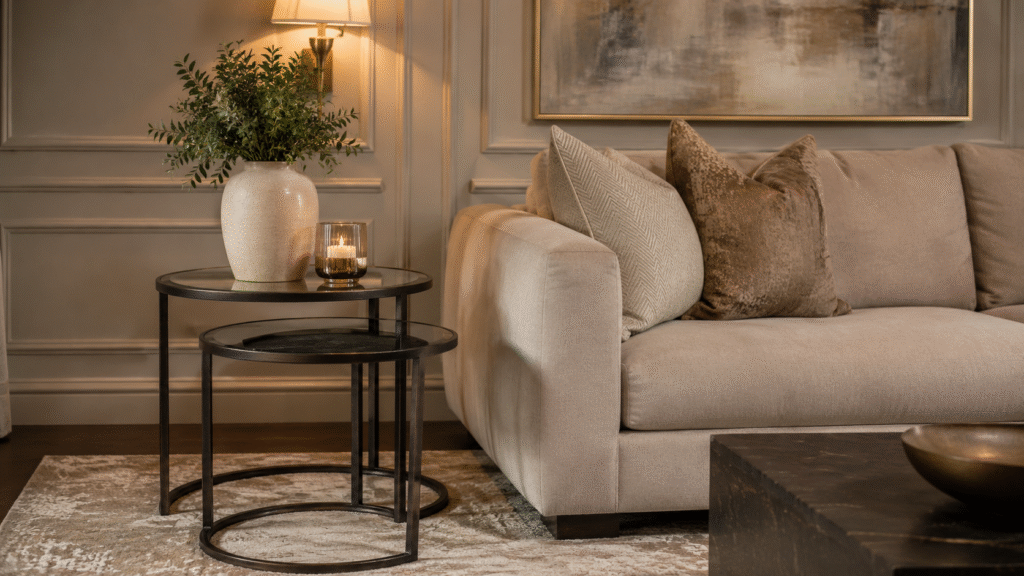
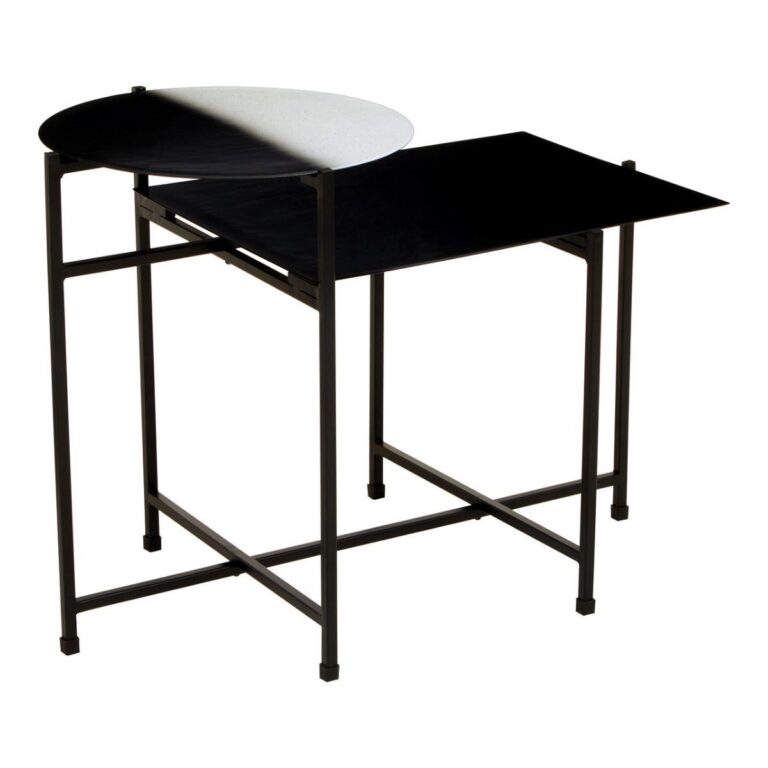


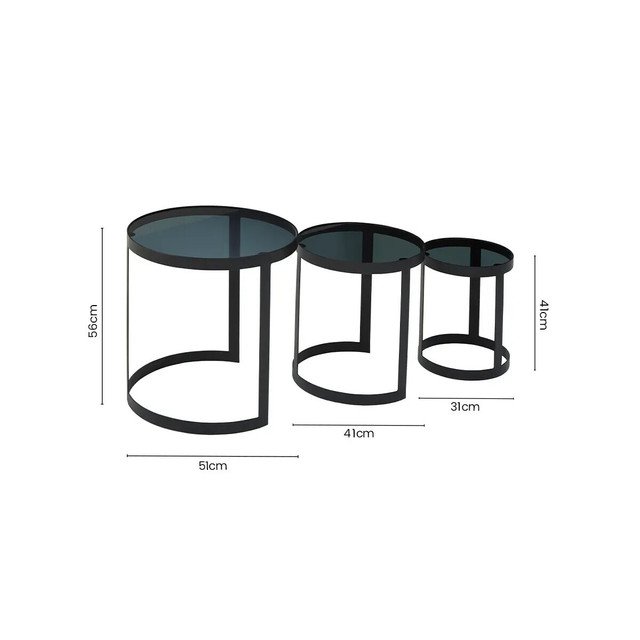
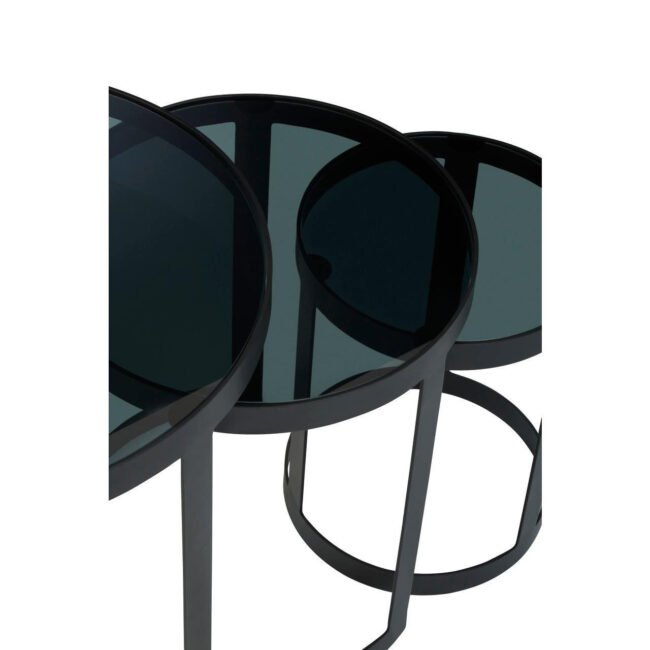
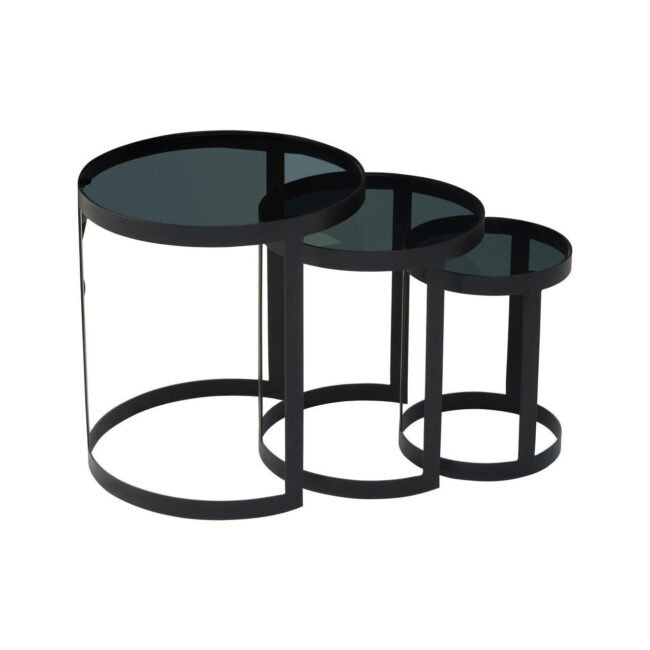
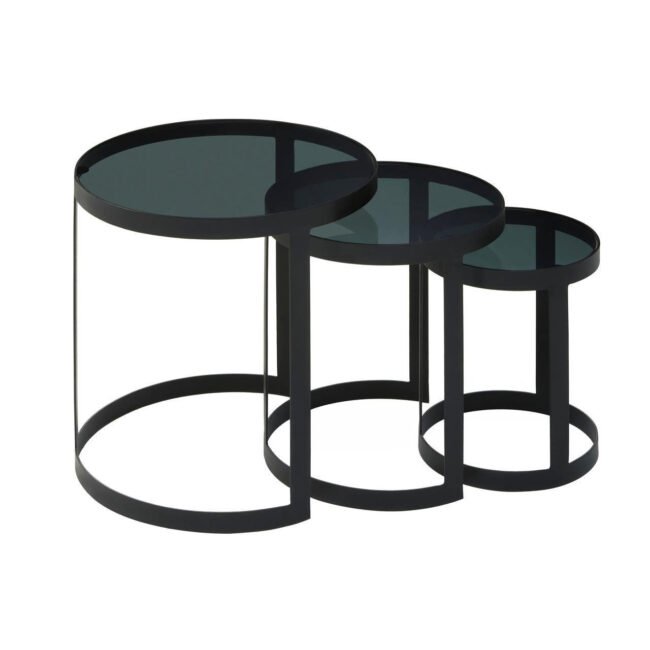
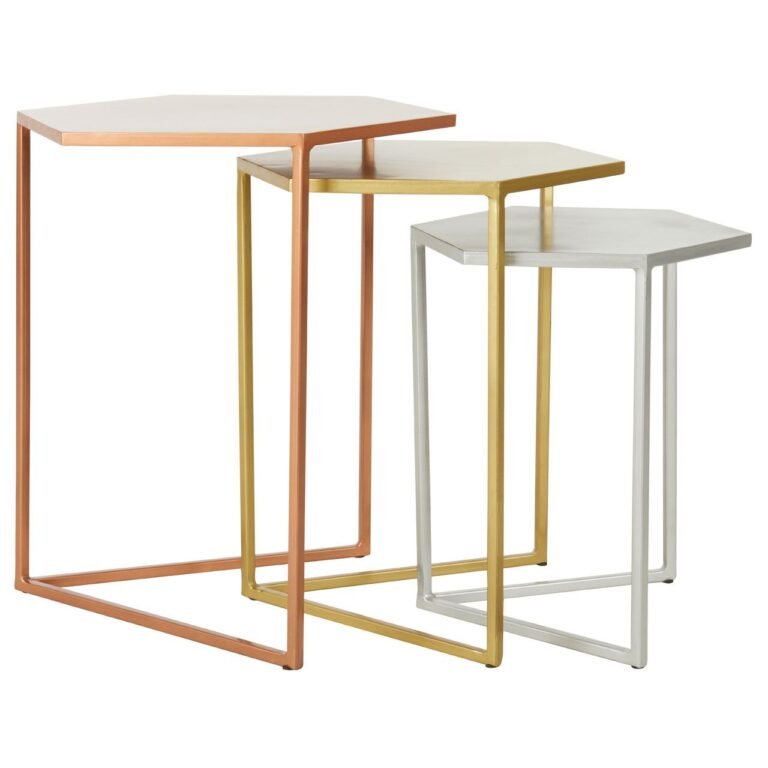






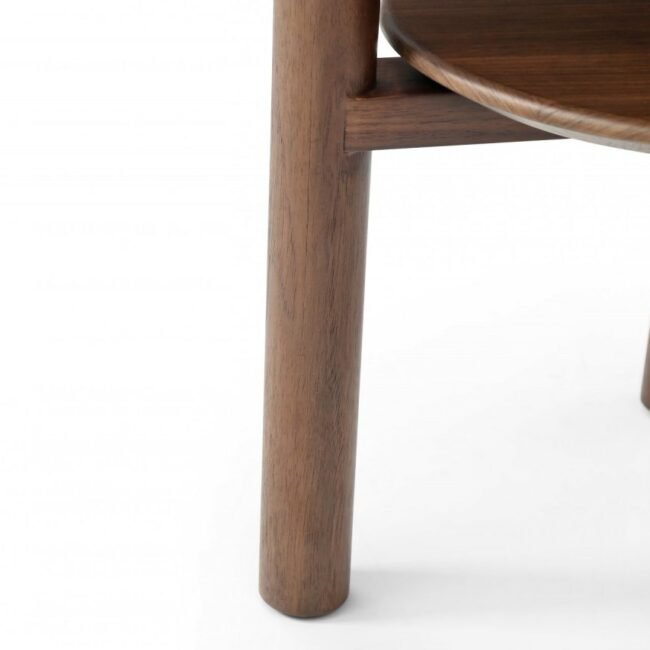
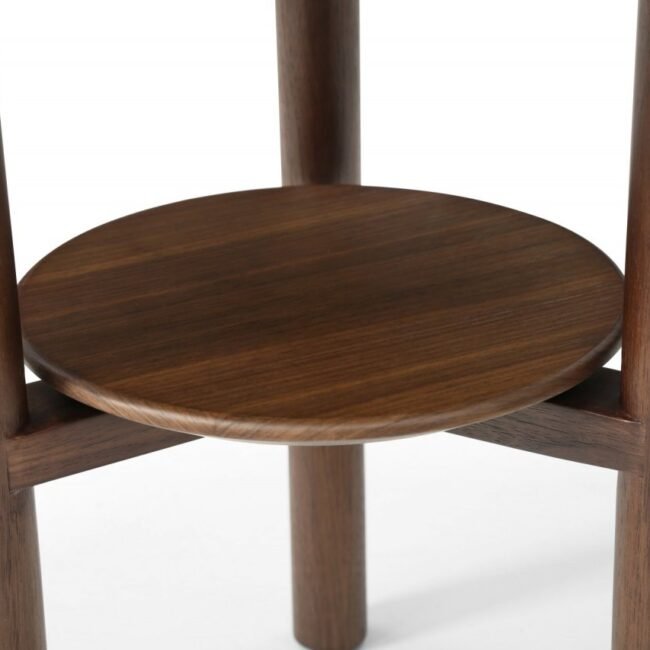
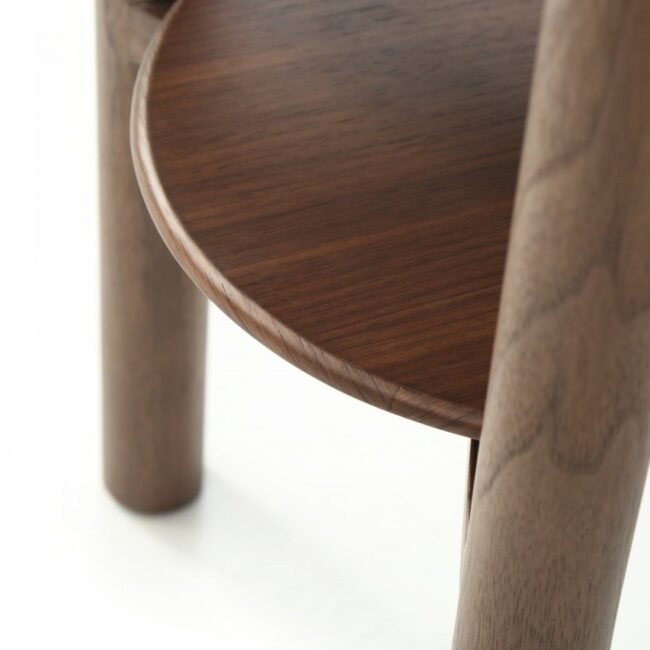

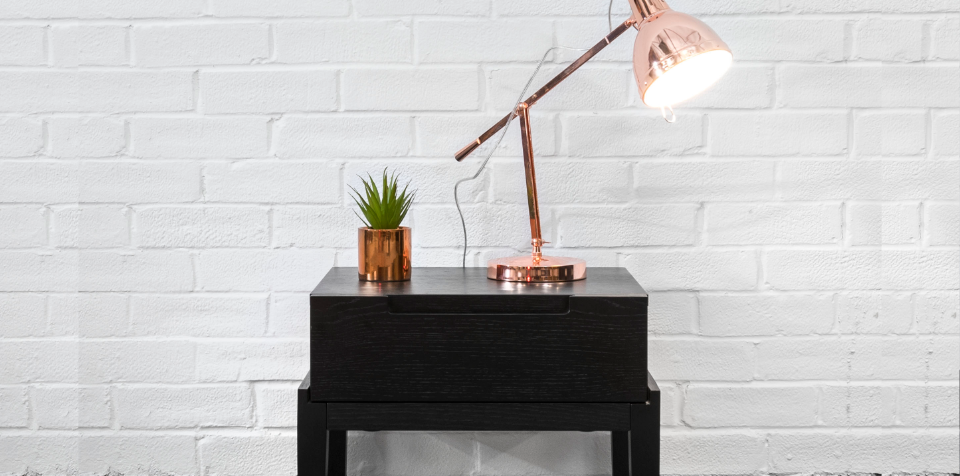







Side table vs Bedside table.
When furnishing a home, it is easy to assume that a side table and a bedside table are the same thing. They are both small tables. They both sit beside larger furniture. They both provide a useful surface for lamps, books, drinks, candles and decorative accessories. However, although they can look similar, they are not always designed for the same purpose.
A side table is usually more flexible. It can be used in a living room, hallway, reading corner, bedroom or open-plan space. It is often chosen for both function and style. A bedside table, on the other hand, is normally designed specifically for the bedroom and is placed beside the bed. It often focuses more on storage, convenience and nighttime essentials.
Understanding the difference between a side table and a bedside table can help you choose the right piece for your home. It can also help you style your living room more intentionally, especially if you want your space to feel polished, elegant and well-designed.
In this guide, we explain the difference between side tables and bedside tables, where each one works best, and how to choose the right option for your living room or bedroom.
1. What Is a Side Table?
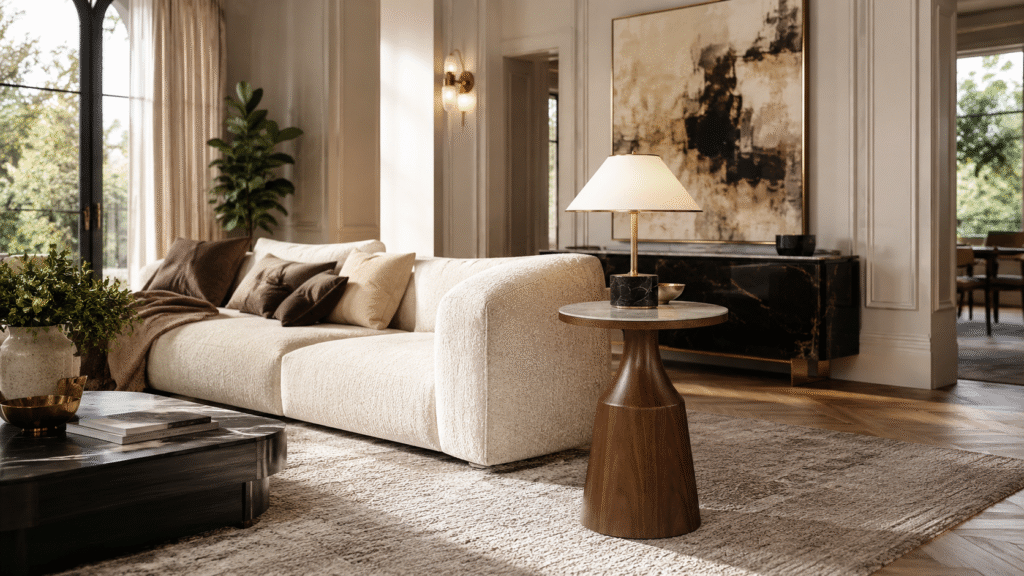
A side table is a small, versatile table usually placed beside a sofa, armchair, accent chair or occasional chair. It is designed to provide a convenient surface while also adding style to the room.
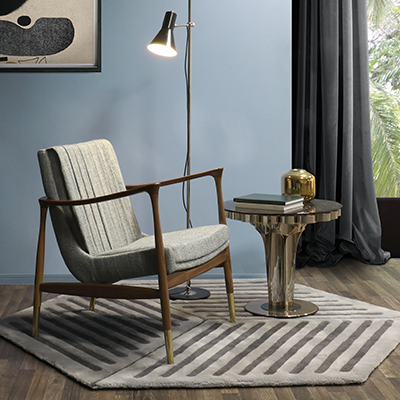
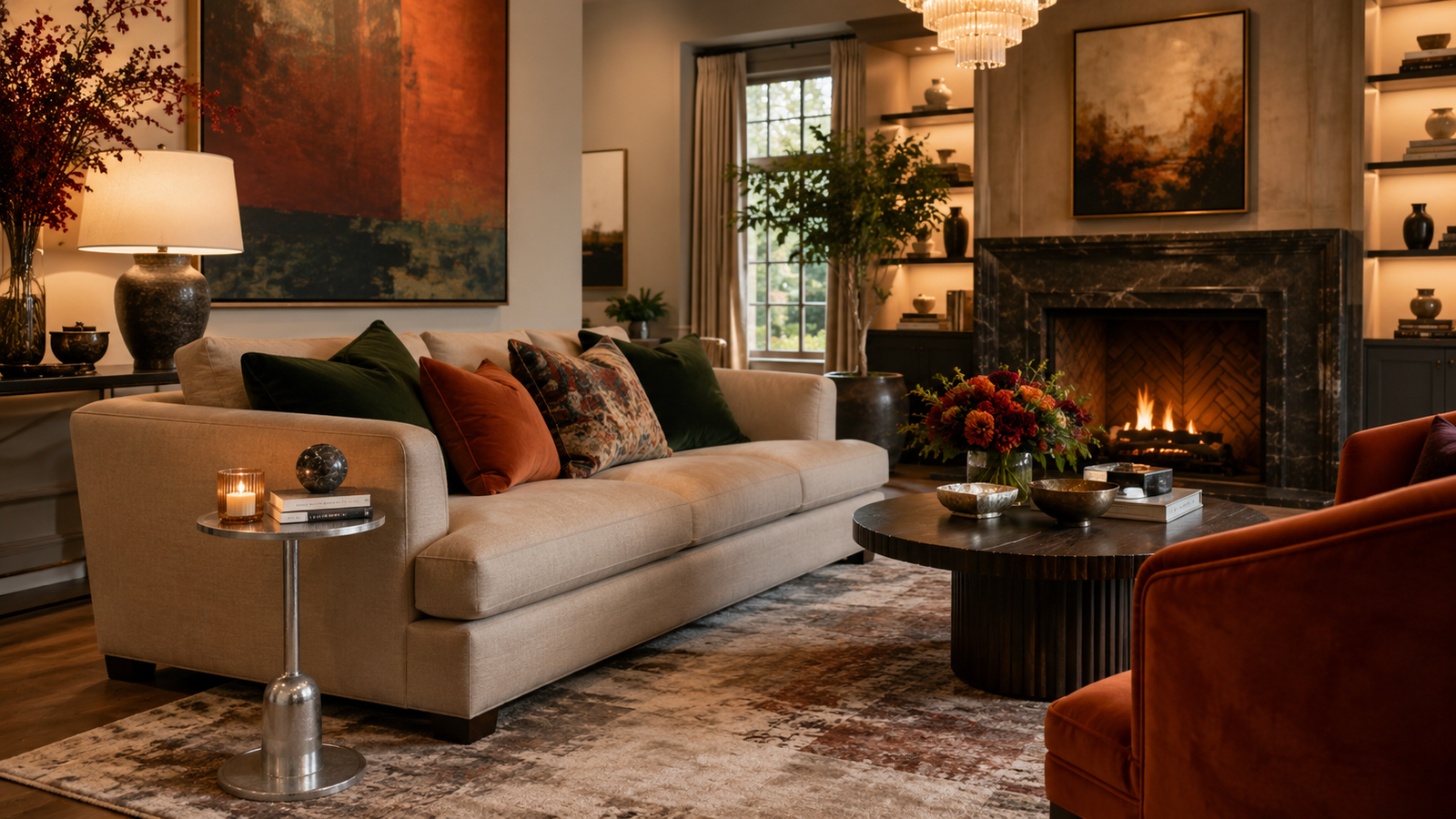
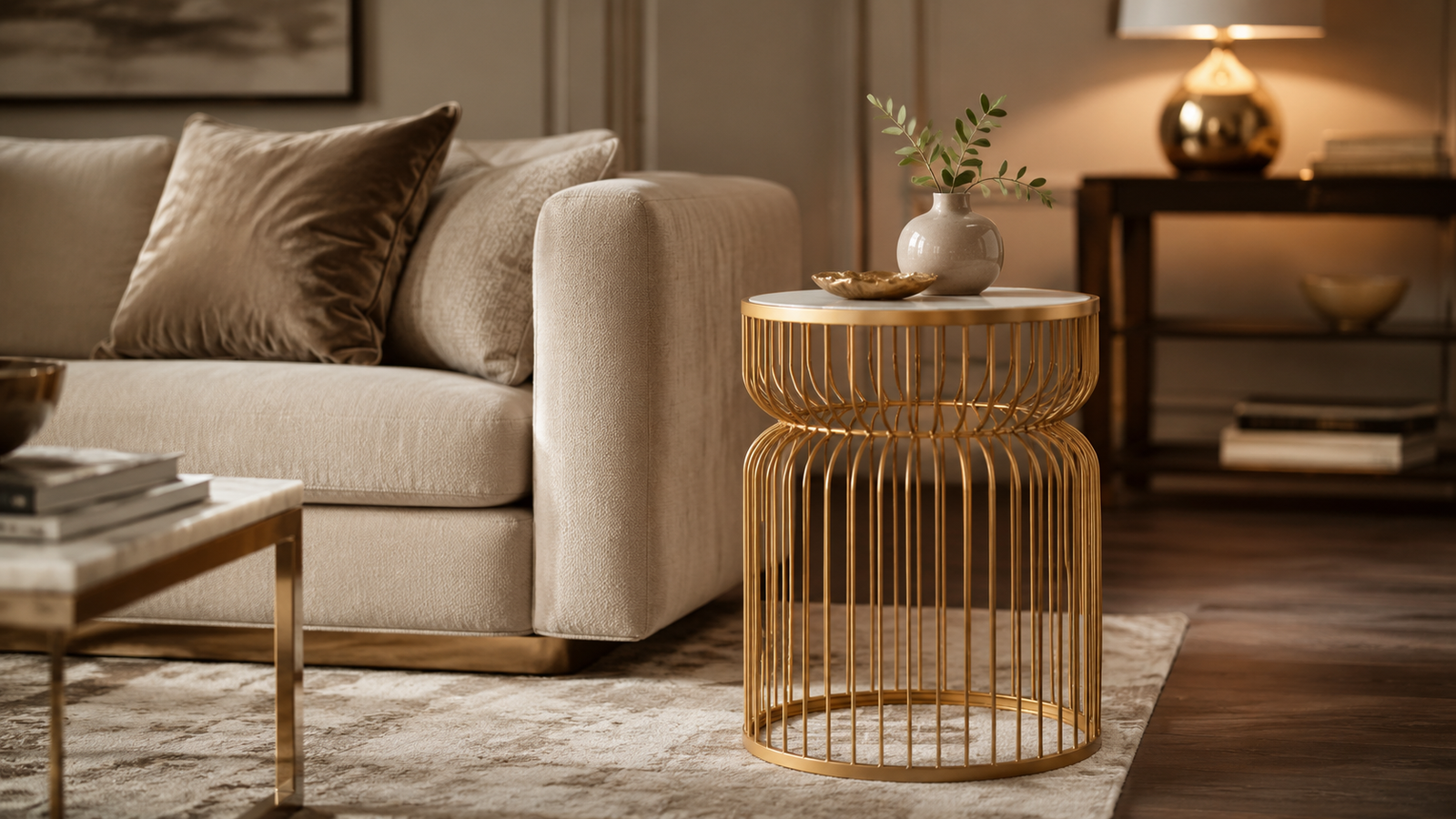
In a living room, a side table can hold a table lamp, a drink, a book, a candle, a vase, a decorative bowl or a small stack of coffee table books. It can also help complete the layout of the space by adding balance beside a sofa or chair.
Unlike a bedside table, a side table is not limited to one room. It can be used in many areas of the home, including:
The living room
A reading corner
A hallway
A bedroom
A conservatory
An open-plan lounge
A dressing area
A home office corner
This flexibility is one of the main reasons side tables are so useful. They can be functional, decorative or both.
Livingetc explains that side table styling works best when it stays simple and intentional, often using a small number of carefully chosen objects that vary in height, colour, texture and shape. This is why side tables are such powerful design pieces. Even though they are small, they can help a room feel more finished.
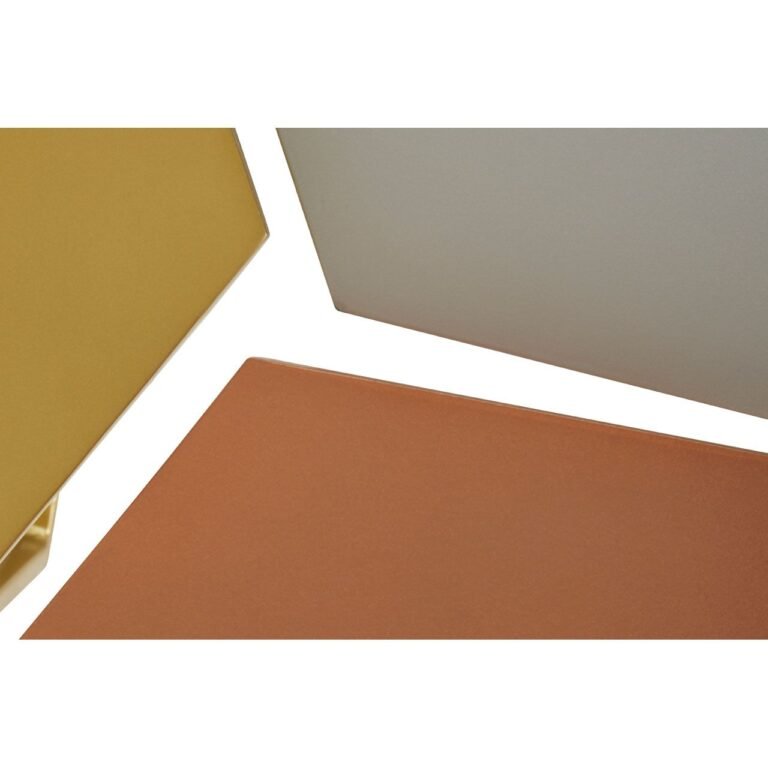
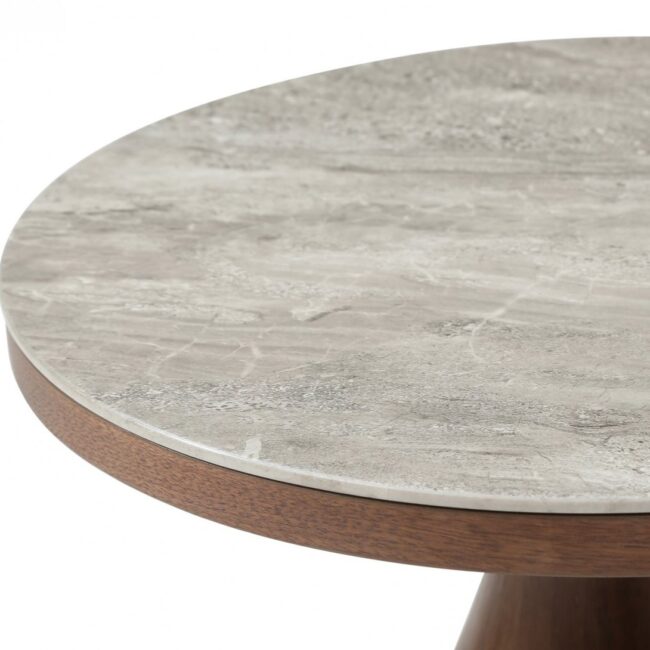
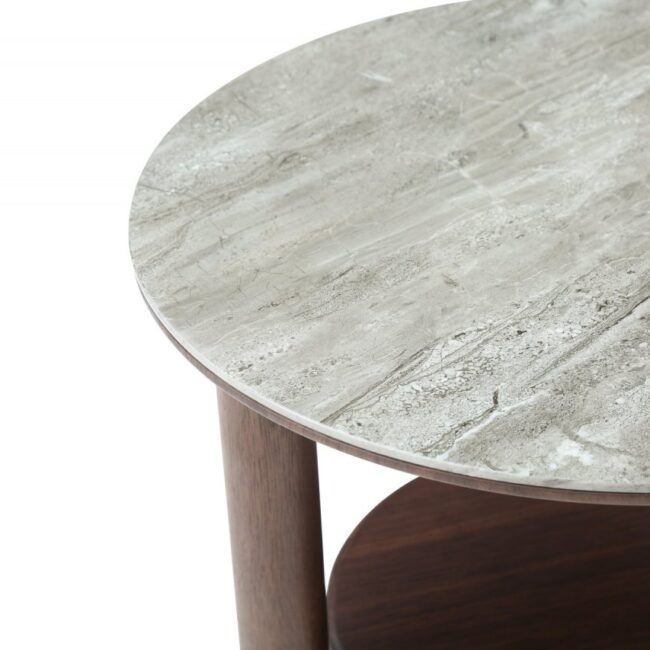
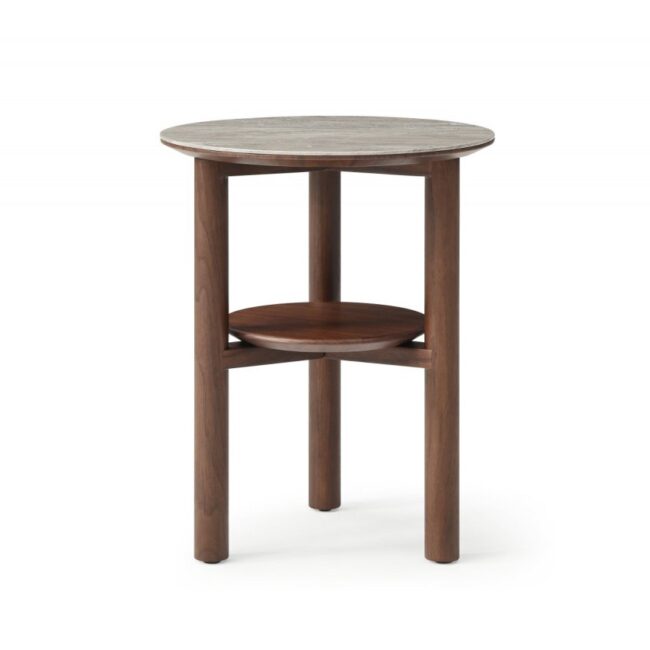
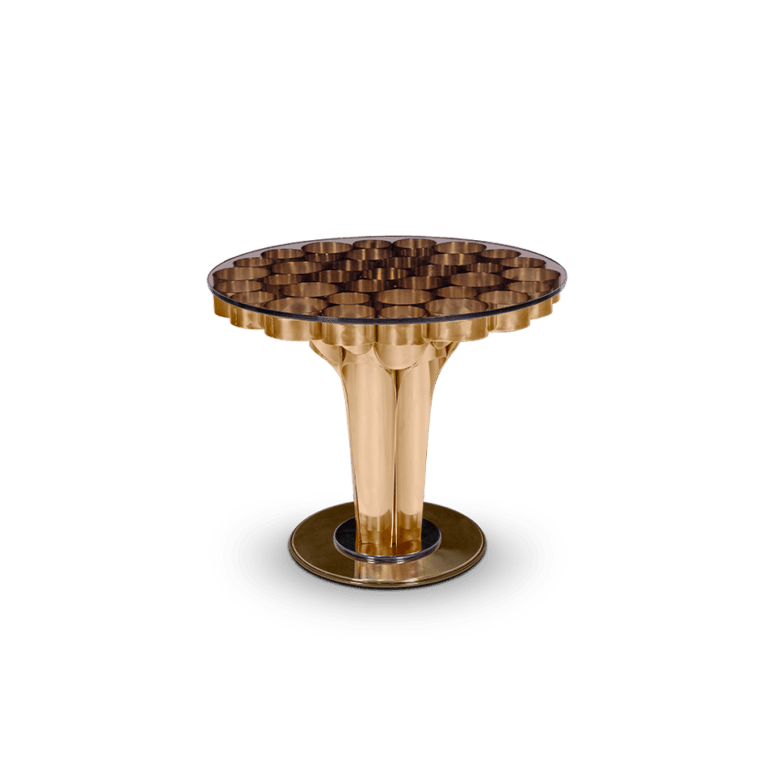
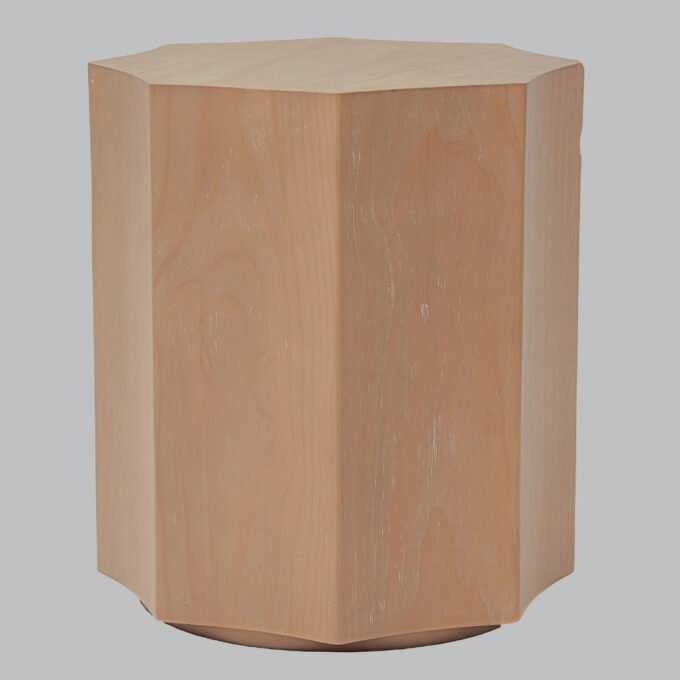
A side table can also introduce a material or finish that elevates the space. For example, a marble side table can add elegance, a gold side table can add warmth, a wooden side table can add natural texture, and a black side table can add contrast.
Browse our side tables for living rooms to find elegant designs for sofas, accent chairs and refined seating areas.
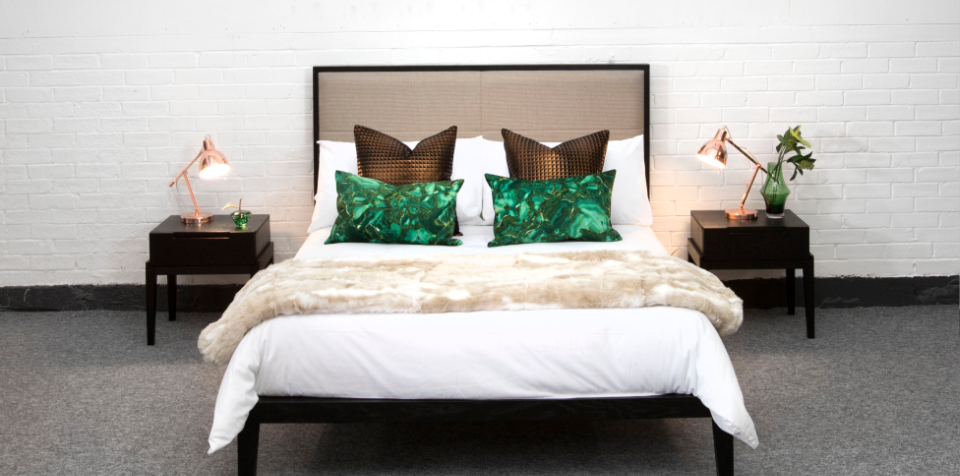
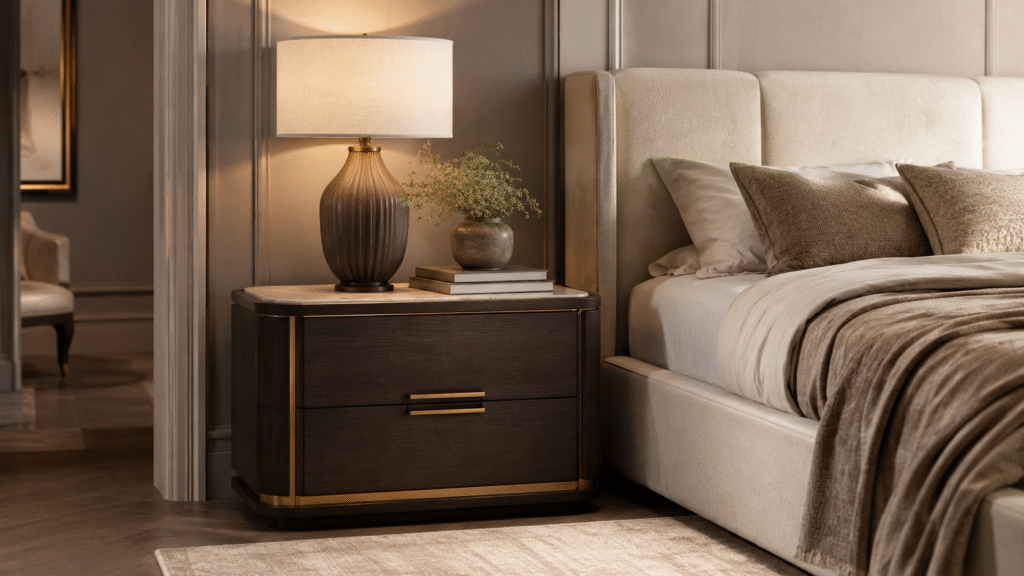
A bedside table is a small table or cabinet placed beside a bed. It is usually designed to hold items you may need before sleeping or when waking up.
A bedside table commonly holds:
A bedside lamp
A book
A glass of water
A phone
A charger
Reading glasses
Medication
Hand cream
A candle
Small personal items
Many bedside tables include drawers, shelves or cabinets because bedroom storage is often important. While a side table can be open, sculptural or decorative, a bedside table often needs to hide everyday items so the bedroom feels calm and tidy.
A bedside table is usually chosen based on the bed height, mattress height, available floor space and storage needs. It should be easy to reach while lying down, and it should feel balanced with the size of the bed.
In simple terms:
A bedside table is primarily for the bedroom.
A side table is more versatile and can be used in several rooms.
Although side tables and bedside tables can look similar, they are not exactly the same. The main difference is in where they are placed, how they are used, and the type of function they are expected to provide.
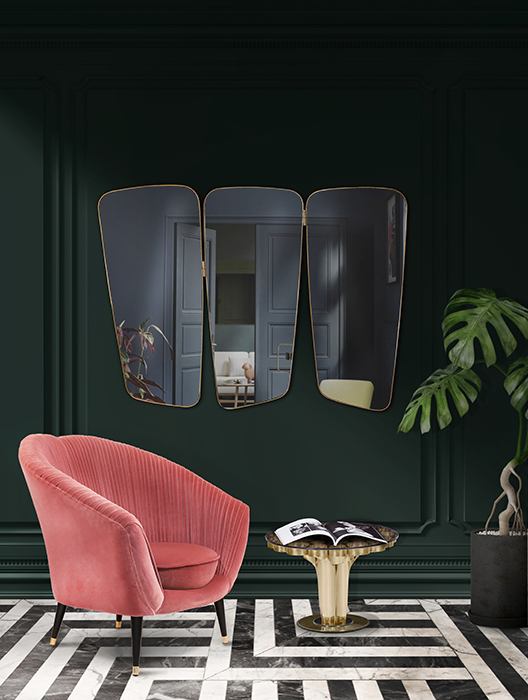
A side table is usually designed for the living room or other social areas of the home. It is commonly placed beside a sofa, accent chair or occasional chair, where it provides a useful surface for everyday items such as a drink, book, table lamp, candle or decorative vase. However, a side table is not just practical. It also plays an important design role by helping the room feel more complete, balanced and carefully styled.
A bedside table, on the other hand, is designed mainly for the bedroom. It sits beside the bed and is usually chosen for convenience during the night or early morning. It may hold a bedside lamp, phone, charger, glass of water, book, reading glasses or personal items. Because of this, bedside tables often include drawers, shelves or cabinet storage to keep essentials hidden and the bedroom looking tidy.
The height of each table is also different. A side table should usually sit close to the height of your sofa or chair arm, so it is easy to reach while seated. A bedside table should be close to the height of your mattress, so you can comfortably reach it while lying in bed. This is why a table that works perfectly beside a sofa may not always be the right height beside a bed.
Another difference is the overall style. Side tables are often more decorative and design-led because they are placed in visible areas of the home, such as living rooms and seating areas. They may feature marble tops, gold frames, sculptural shapes, glass details, wooden finishes or modern metal designs. Bedside tables can also be stylish, but they are often more practical and storage-focused because they are used for personal bedroom essentials.
In simple terms, a side table is usually chosen to elevate and complete a living room, while a bedside table is chosen to support your routine in the bedroom.
That said, the two can sometimes overlap. A beautiful side table can work well as a bedside table, especially in a guest bedroom, small bedroom or boutique hotel-style space where you want a lighter and more decorative look. Equally, a sleek bedside table can sometimes be used in a living room if it has the right shape, height and finish. However, if you are styling a sofa, accent chair or reading corner, a proper side table will usually look more refined and intentional.
For living rooms, choose living room side tables that are designed to sit beautifully beside sofas, accent chairs and occasional seating.
Yes, you can use a side table as a bedside table, but it depends on the design.
A side table can work beautifully beside a bed if it has the right height, enough surface space and a style that suits the bedroom. In fact, using a side table instead of a traditional bedside cabinet can make a bedroom feel more elegant and less predictable.
This works especially well in:
Guest bedrooms
Small bedrooms
Minimalist bedrooms
Boutique hotel-style bedrooms
Luxury bedrooms
Bedrooms with limited space
Bedrooms where storage is not a major issue
For example, a round marble side table can look beautiful beside an upholstered bed. A slim gold side table can add a boutique hotel feel. A wooden side table can create a warm, relaxed bedroom scheme. A black metal side table can add modern contrast.
However, there are a few things to check before using a side table as a bedside table.
The table should sit close to the height of your mattress. If it is too low, it will be awkward to reach. If it is too high, it may overpower the bed.
Make sure the table can hold at least a lamp, phone and glass of water. If you read at night, you may also need space for a book.
Some sculptural side tables are beautiful but may not be suitable for heavy lamps or everyday use. Choose a stable design if it will be used daily.
If you need to hide chargers, books, glasses or personal items, choose a table with a shelf or drawer. If you prefer a minimal look, an open side table may be enough.
The Bonnie homes gives a guide notes that low bedside tables can suit platform beds, low mattresses and minimalist interiors where a lower visual line is part of the design. This is a useful reminder that the “right” table depends on the bed and room style, not just the product name.
If you prefer a lighter and more decorative bedroom look, explore designer side tables that can also work beautifully beside beds and accent chairs.
You can use a bedside table as a side table, but it does not always work visually.
A bedside table may look suitable in a living room if it has a clean, elegant design. For example, a simple wooden bedside table, a rounded storage table or a modern drawer unit could work beside a sofa if the proportions are right.
However, some bedside tables look too bedroom-specific. They may be too boxy, too heavy, too tall, or too focused on storage. In a living room, side tables are often more visible, so they need to contribute to the room’s overall look.
A bedside table may work as a living room side table if:
It is stylish enough to be seen from different angles.
It is the right height for the sofa or chair.
It does not look too much like bedroom furniture.
It matches the living room’s material palette.
It has enough surface space for a lamp or decor.
A bedside table may not work if:
It is too bulky.
It has a very traditional bedroom cabinet shape.
It is too tall or too short for the sofa.
It looks too practical and not decorative enough.
It clashes with the coffee table or media unit.
For a luxury living room, a true side table is often the better choice because it is designed to be part of the seating arrangement. It can add shape, texture, height and decorative interest.
For a living room, a side table is usually the better choice.
This is because living room furniture needs to work as part of a broader design scheme. A side table has to sit beside a sofa or chair, complement the coffee table, support the lighting, and add to the overall look of the room.
A living room side table is ideal for:
Holding a table lamp
Resting drinks
Displaying a vase
Styling candles
Holding books
Creating symmetry beside a sofa
Completing an accent chair corner
Adding luxury materials such as marble, gold or glass
Better Homes & Gardens describes end tables as useful living room pieces that provide access to everyday essentials while also offering a styling opportunity. This is exactly why side tables matter in a living room. They are practical, but they also help the room look designed.
If your living room feels unfinished, a side table may be the missing piece. A sofa without a side table can sometimes look bare, especially if there is empty space at one end. Adding a side table can make the seating area feel more grounded and complete.
For a high-end look, choose a side table that introduces a beautiful material:
Marble for elegance
Gold for warmth
Glass for lightness
Wood for texture
Black metal for contrast
Stone-effect finishes for a sculptural feel
For a bedroom, a bedside table is usually the most practical option, especially if you need storage.
A bedside table is best if you want:
Drawers for personal items
Space for chargers
A surface for a lamp
A place for books
A tidy bedside area
Matching tables on both sides of the bed
A more traditional bedroom layout
However, a side table may be better if you want:
A lighter look
A more decorative feel
A boutique hotel style
A small-space solution
A less bulky alternative to a cabinet
A sculptural or designer piece
For example, in a guest bedroom, you may not need much storage. A slim round side table may be enough for a lamp, a book and a small vase. In a main bedroom, you may prefer a bedside table with drawers to hide everyday items.
The best choice depends on how you use the room. A bedroom that needs storage may benefit from a bedside table. A bedroom that focuses more on style may suit a side table.
If you are choosing a side table for your living room, focus on proportion, material, shape and function.
Your side table should usually sit close to the height of your sofa or chair arm. This makes it comfortable to use and visually balanced.
A large sofa can handle a wider side table. A small accent chair may need something more compact.
Use the table to add texture or contrast. Marble, gold, glass, wood and black metal all create different effects.
Round side tables soften a room. Square tables feel structured. Nesting tables offer flexibility. Sculptural tables create a statement.
Decide whether you need the table for a lamp, drinks, books, styling, storage or all of these.
Your side table should feel connected to the room. It does not need to match everything, but it should relate to the colours, finishes and shapes already in the space.
A side table looks best when it is styled with intention. It should not be overcrowded, but it should not look forgotten either.
A simple styling formula is:
Lamp + book + decorative object
Or:
Vase + candle + tray
Or:
Sculptural object + stacked books + greenery
The Spruce suggests that side tables can be styled with lamps, books, plants and decorative pieces to create a focal point or complete a living room arrangement. This is useful because side tables are often small, but they have a strong visual impact when styled well.
Use a brass lamp, a ceramic vase and a small book stack. This creates a refined luxury look.
Use a candle, a glass vase and a neutral decorative tray. This keeps the styling warm and elegant.
Use a linen lampshade, small plant and textured bowl. This creates a natural, relaxed look.
Use a sculptural lamp, monochrome book and metallic accent. This creates a modern designer feel.
Keep it simple. One lamp or one vase may be enough. Too many accessories can make a small table look cluttered.
The material of your side table should support the mood of your room.
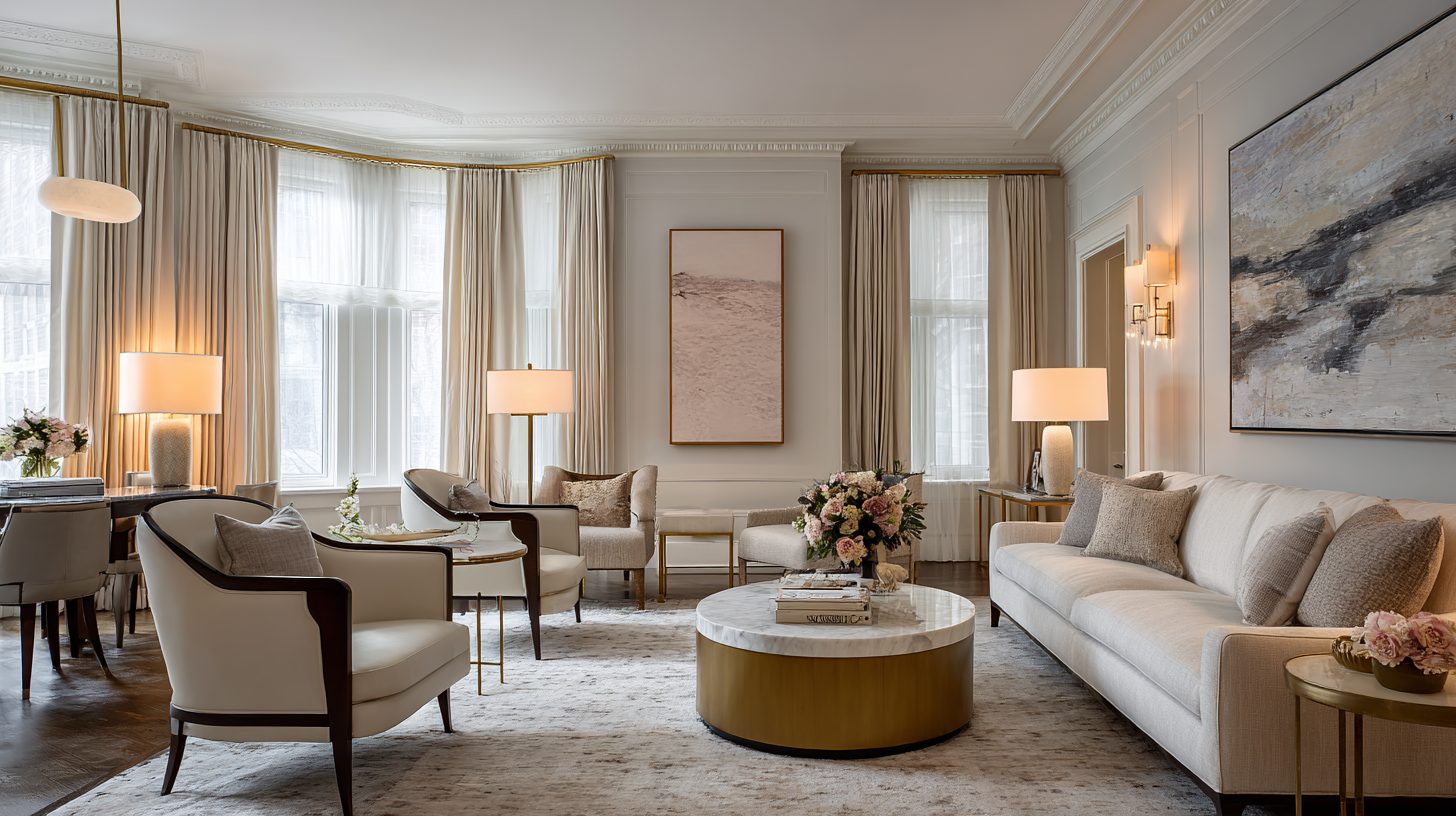
Marble side tables are ideal for luxury interiors. They add elegance, texture and a timeless feel. They work beautifully with cream sofas, velvet cushions, gold lighting and neutral rugs.
Gold side tables add warmth and glamour. They work especially well in contemporary, Art Deco-inspired and boutique hotel-style interiors.
Wooden side tables add natural texture. They suit transitional, Japandi, rustic, classic and organic modern interiors.
Glass side tables are ideal for smaller spaces because they feel visually light. They also work well in modern and glamorous interiors.
Black side tables add contrast and structure. They are perfect for modern interiors where you want a sharp, designer look.
Tables that combine marble and metal, glass and gold, or wood and black metal can feel more layered and expensive. These are especially useful when you want the room to feel designed rather than overly matched.
Choose a side table if:
You are furnishing a living room.
You need a table beside a sofa or chair.
You want a decorative furniture piece.
You want to add marble, gold, glass, wood or metal texture.
You want flexibility to move the table between rooms.
You want a more designer-led look.
Choose a bedside table if:
You are furnishing a bedroom.
You need storage beside the bed.
You want drawers or shelves.
You need space for nighttime essentials.
You want a traditional bedroom setup.
Choose a side table as a bedside table if:
You want a lighter bedroom look.
You do not need much storage.
You want a boutique hotel feel.
You want something more decorative than a standard bedside cabinet.
For most living rooms, the side table is the stronger choice because it is more visually flexible and better suited to sofas, accent chairs and styled seating areas.
Not exactly. A side table is a versatile small table that can be used in living rooms, bedrooms, hallways and reading corners. A bedside table is specifically designed to sit beside a bed.
Yes. A side table can work as a bedside table if it is the right height, stable enough, and has enough surface space for a lamp, phone and other essentials.
Yes, but only if the design suits the living room. Some bedside tables look too bedroom-focused, while others can work well as side tables beside sofas or chairs.
A side table should usually sit close to the height of your sofa or chair arm. This makes it comfortable to use and visually balanced.
A bedside table should usually sit close to the height of your mattress so it is easy to reach while lying in bed.
No. Side tables can be used in bedrooms, hallways, dressing areas, conservatories and reading corners. However, they are especially useful in living rooms because they complete seating areas.
You can style a side table with a lamp, books, candle, vase, tray, plant, decorative bowl or sculpture. Keep the styling simple and intentional.
Not always. Your side table should complement your coffee table, but it does not need to match exactly. Mixing materials can make a room feel more stylish and layered.
Get fresh home inspiration and helpful tips from our interior designers
 Remove
Registered office address: 124 City Road, London, EC1V 2NX.
Registration No.: 11765161
Email address: info@eclectic-niche.com