
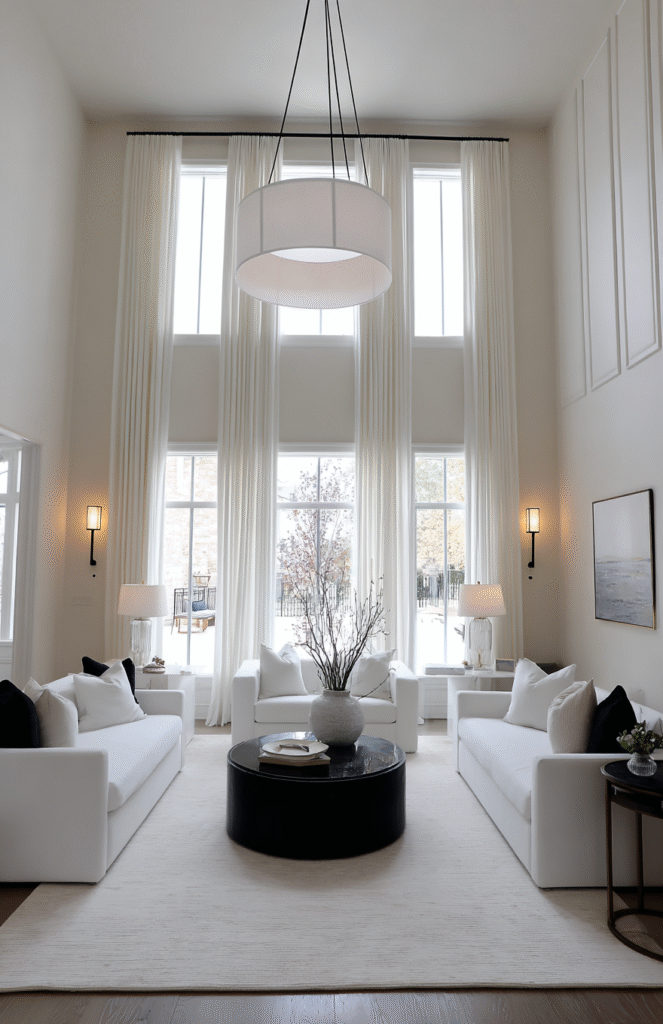
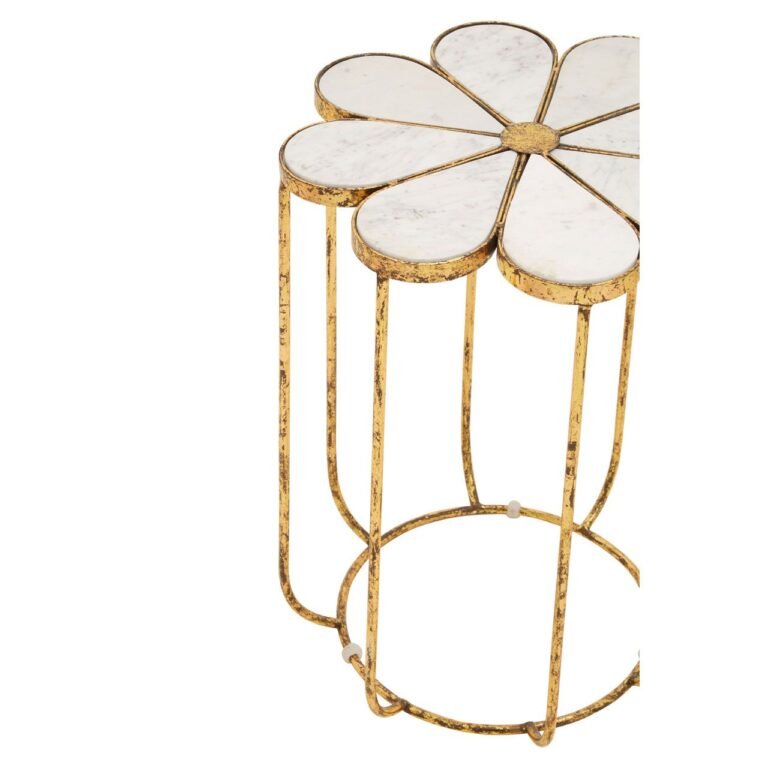
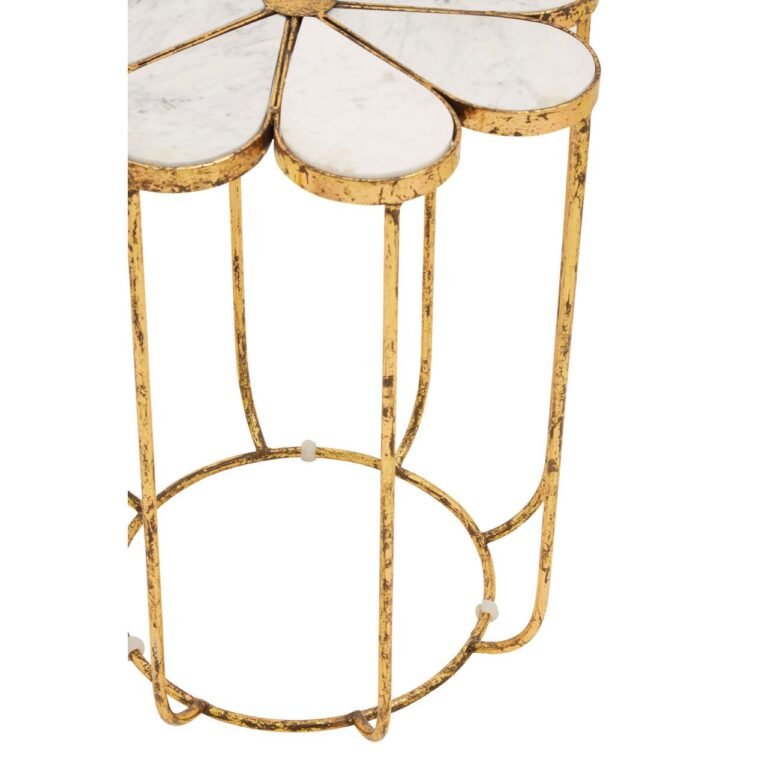
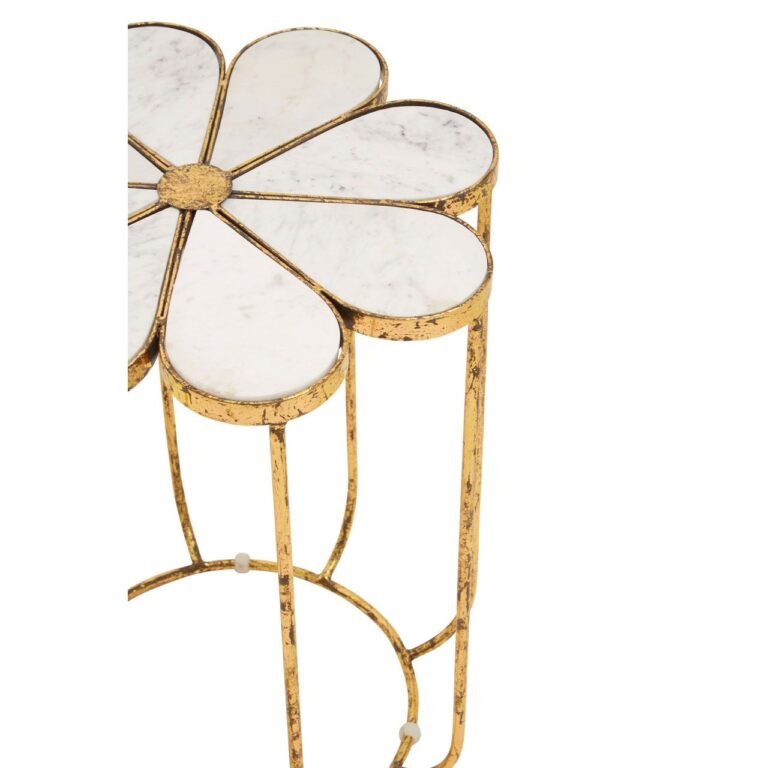
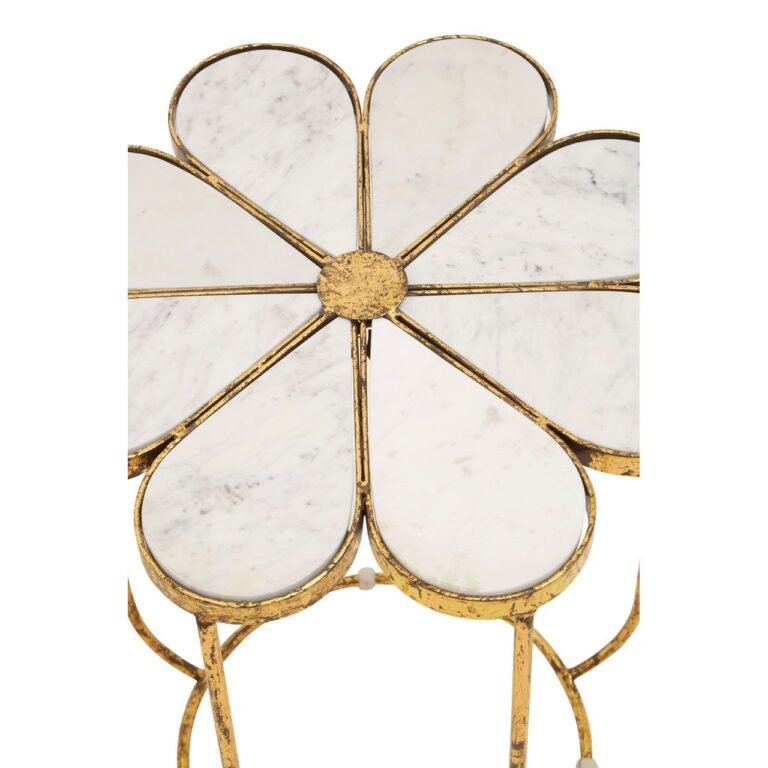
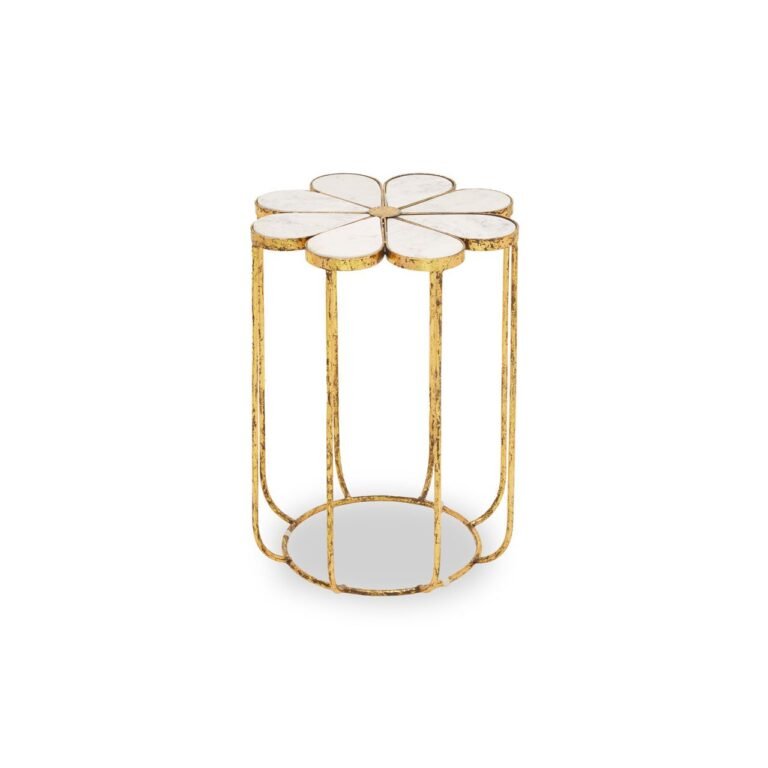


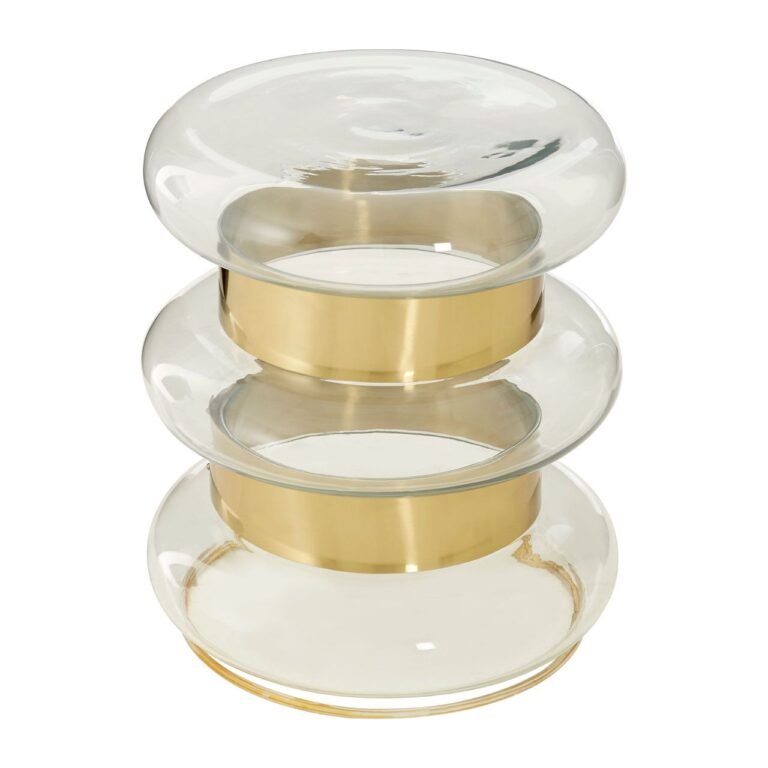
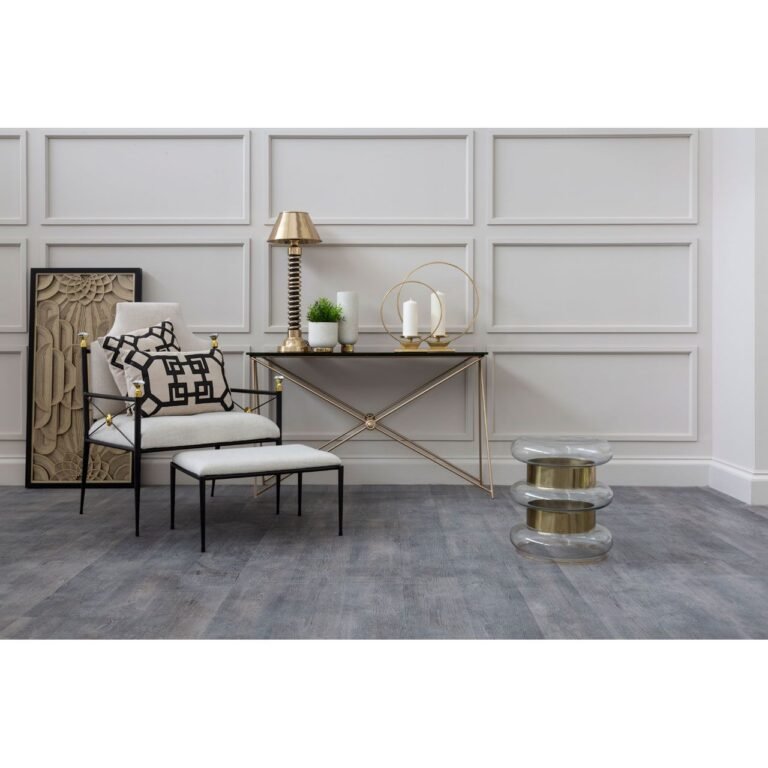
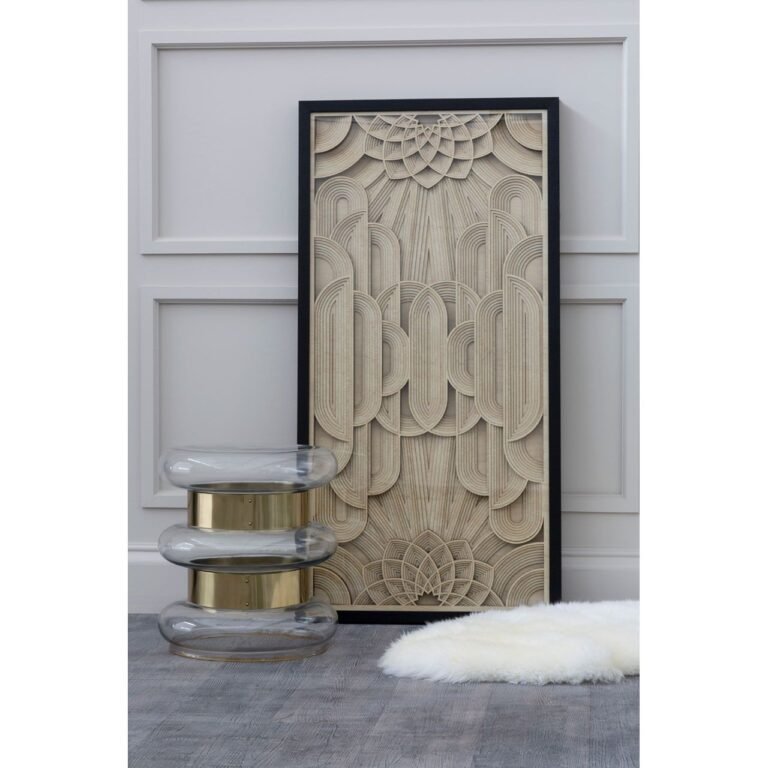
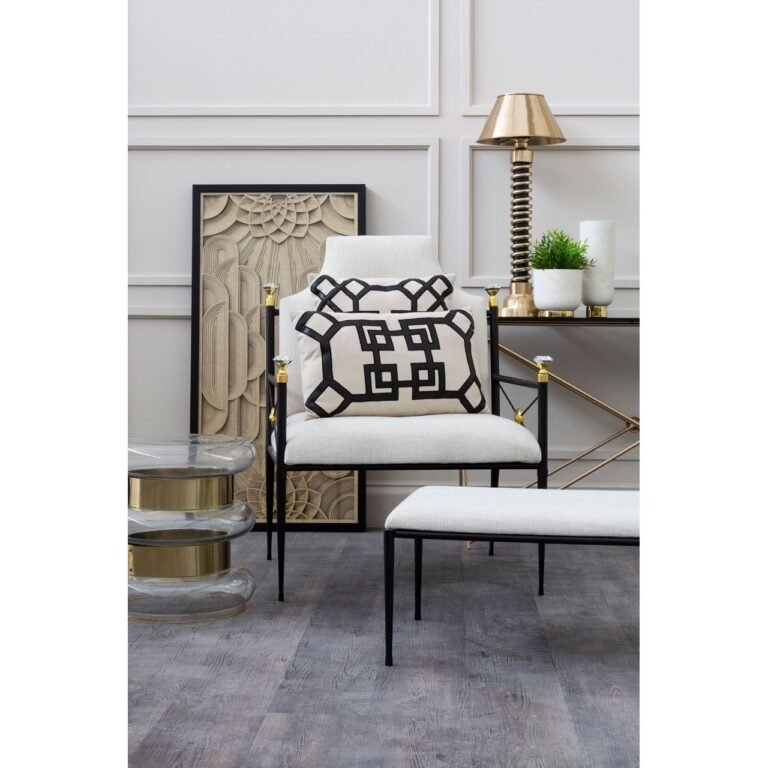
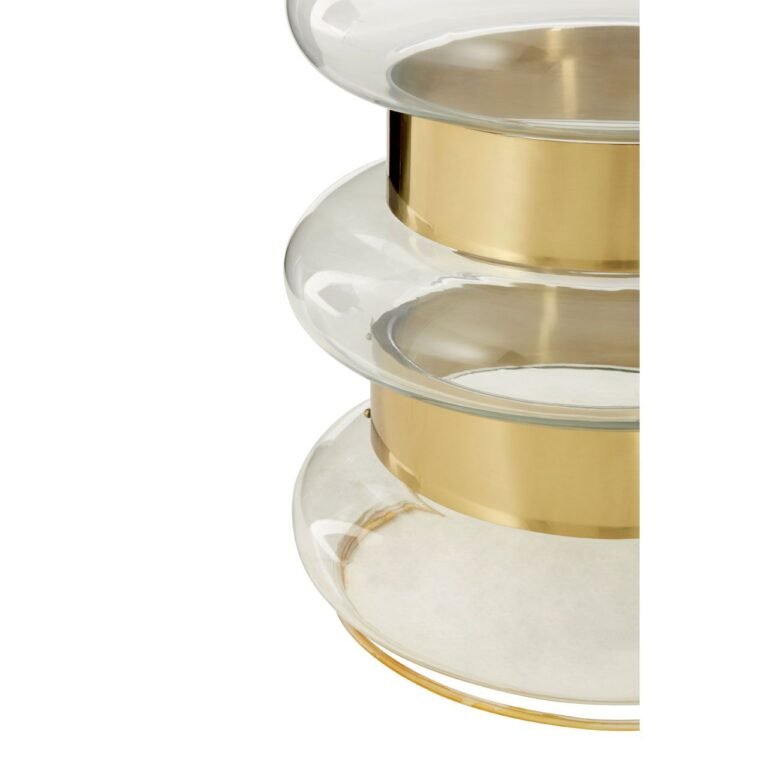
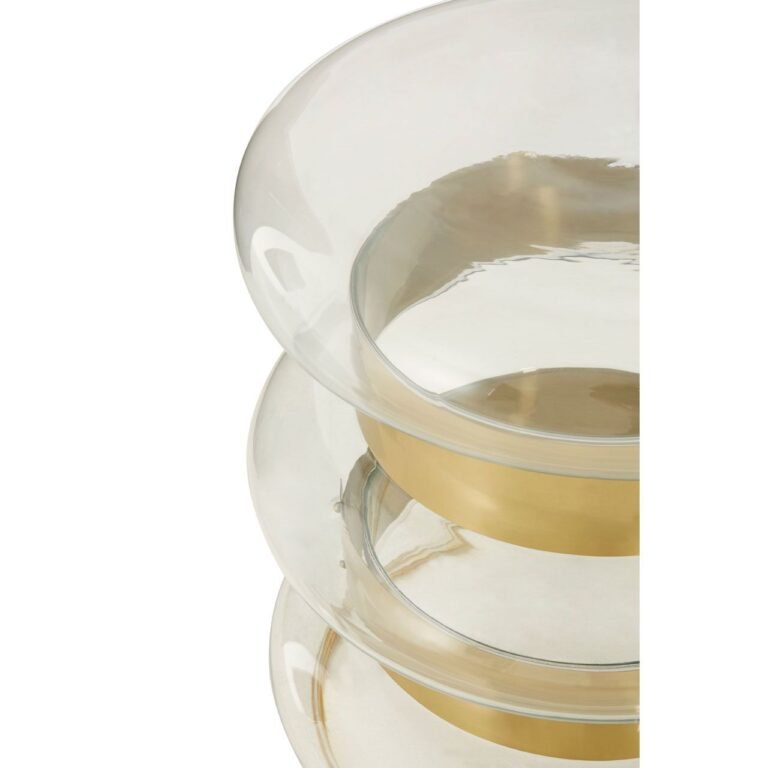
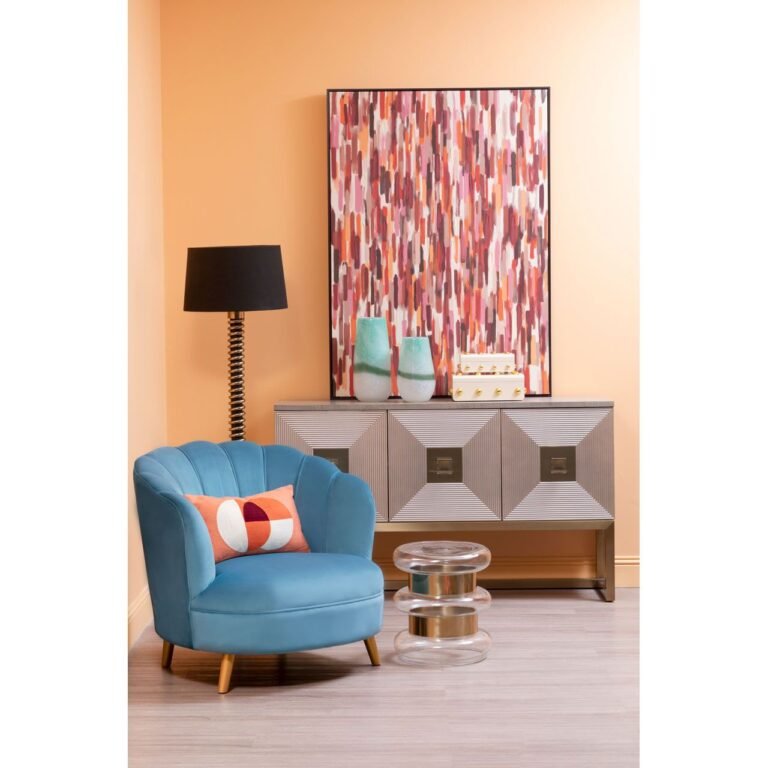
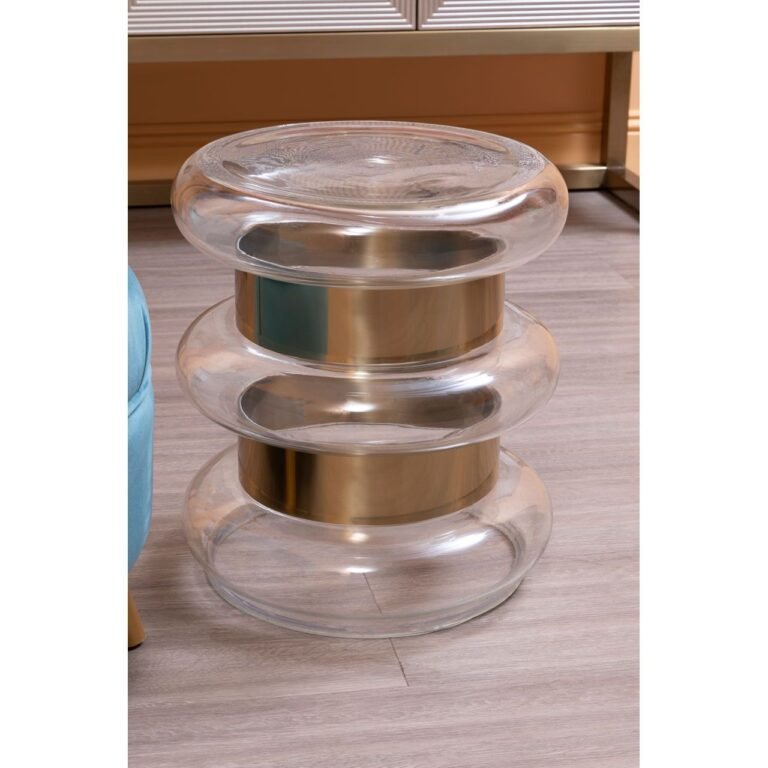
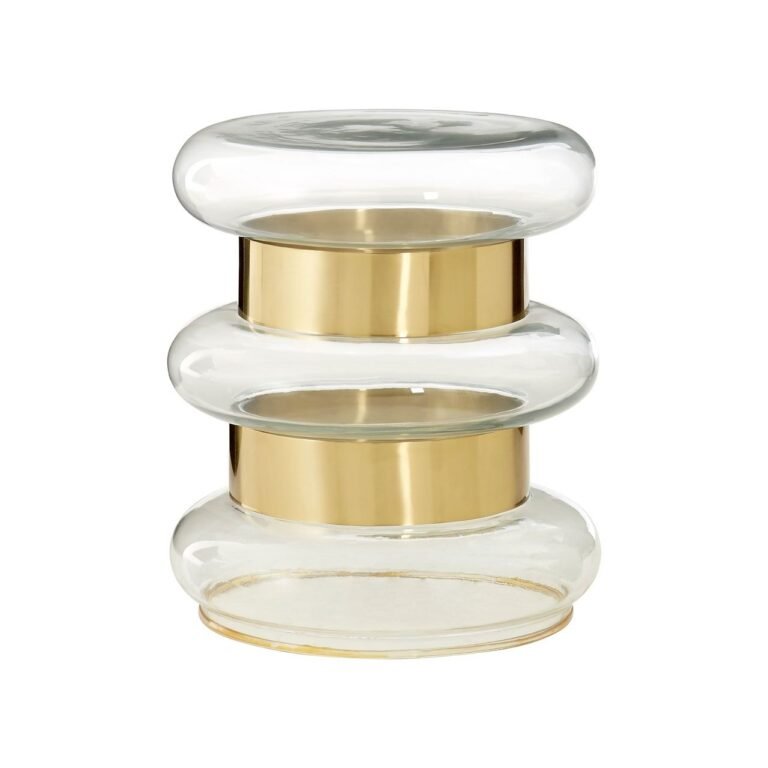
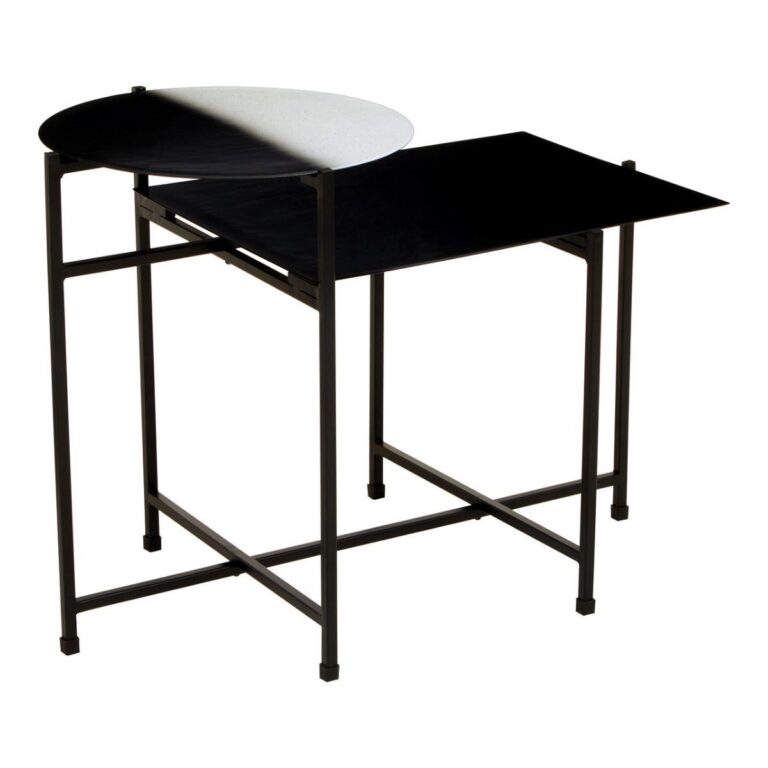


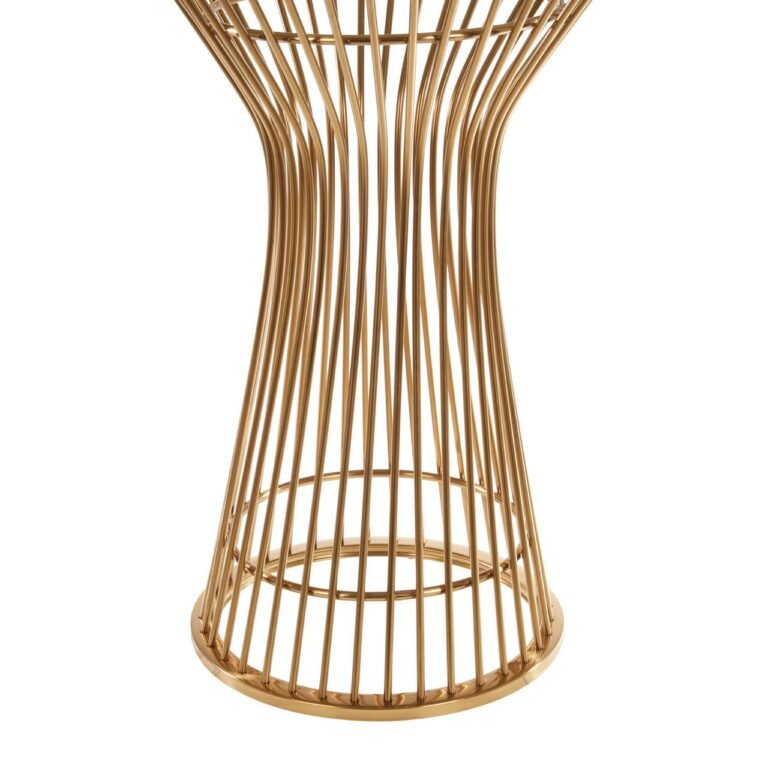
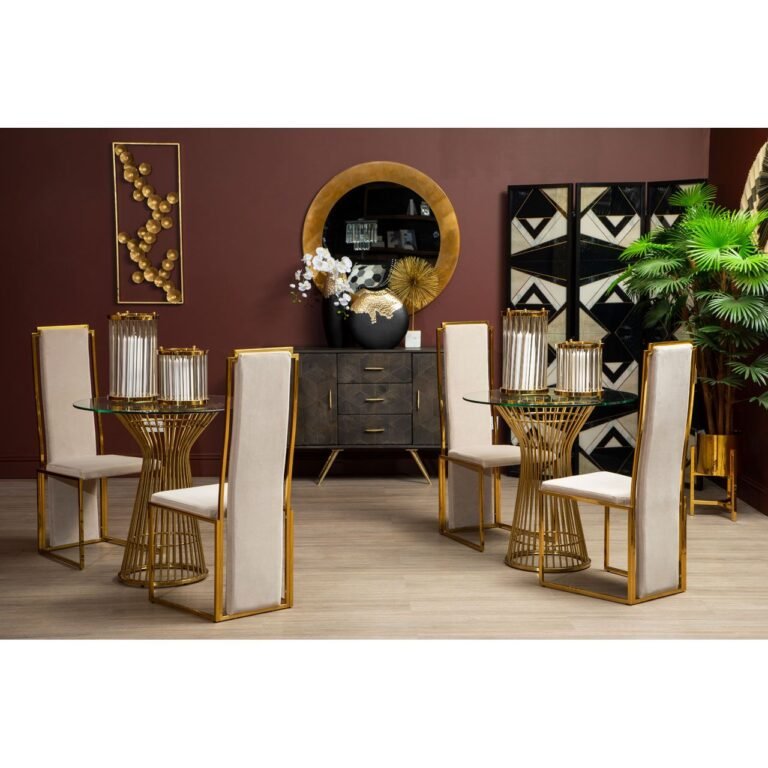
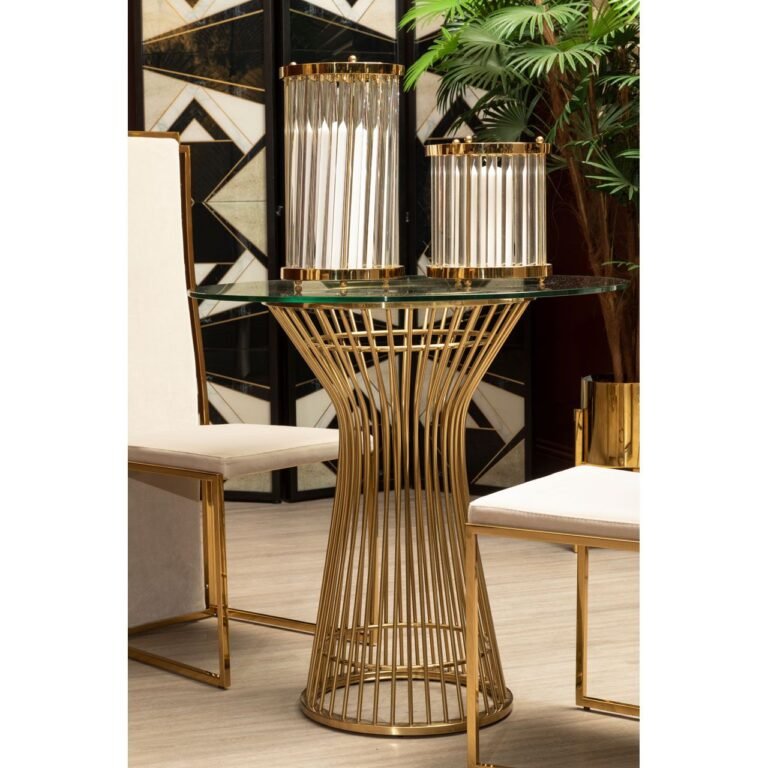
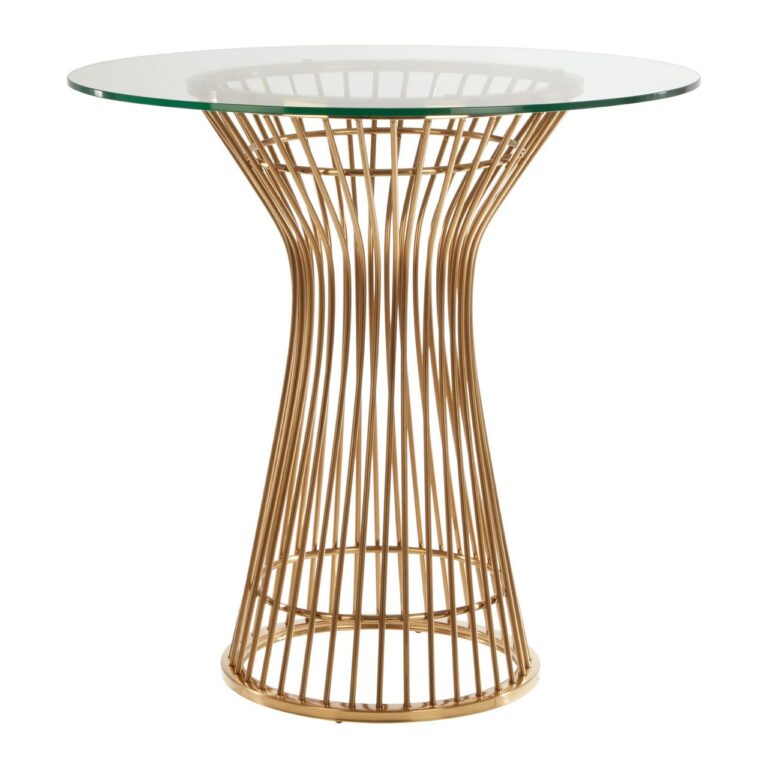


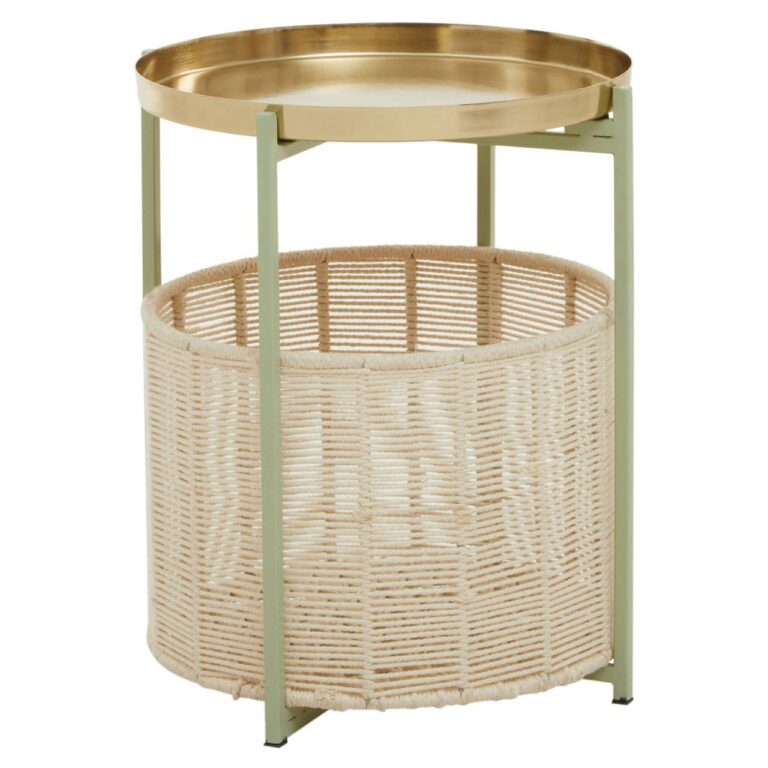

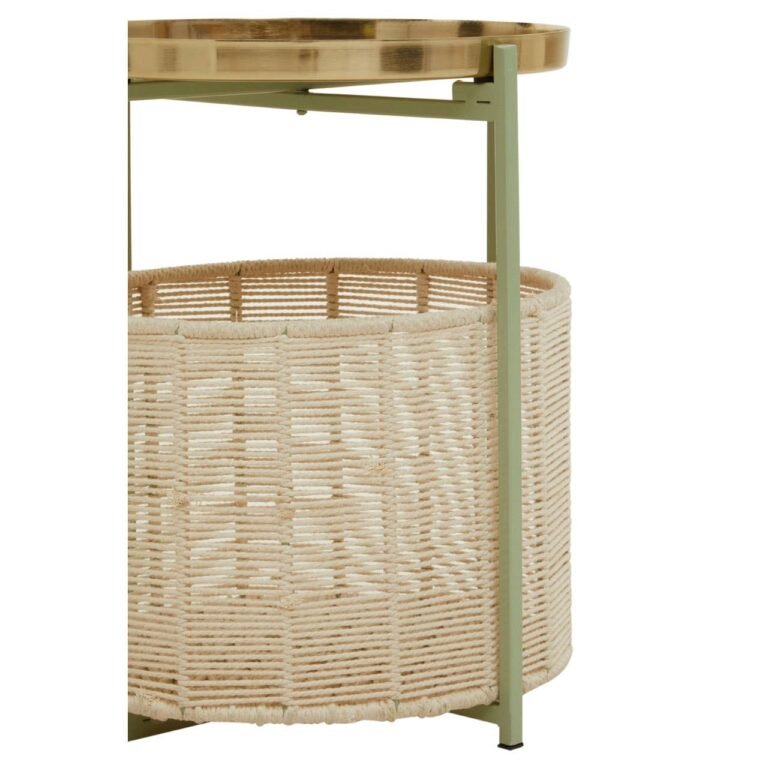
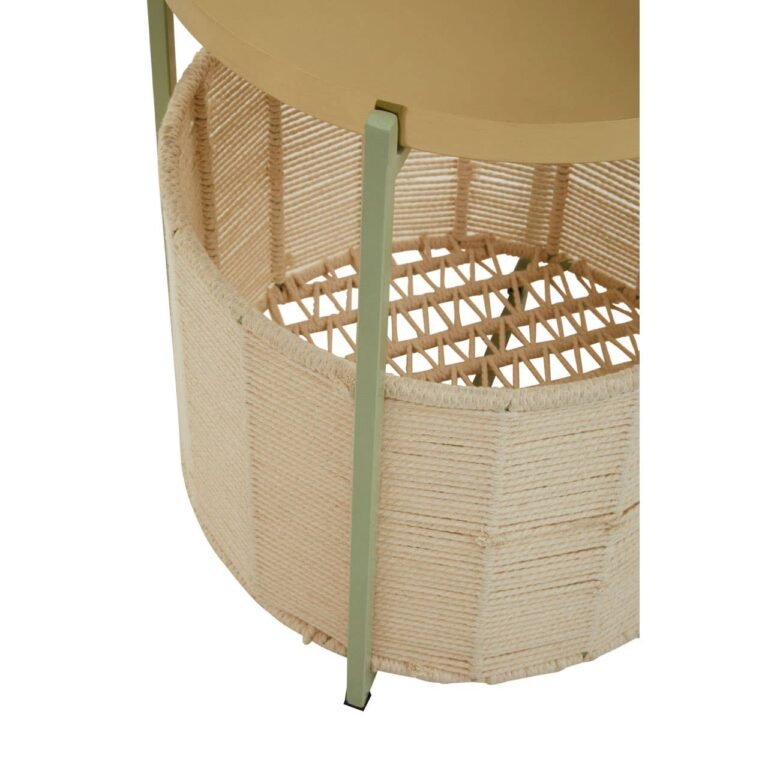


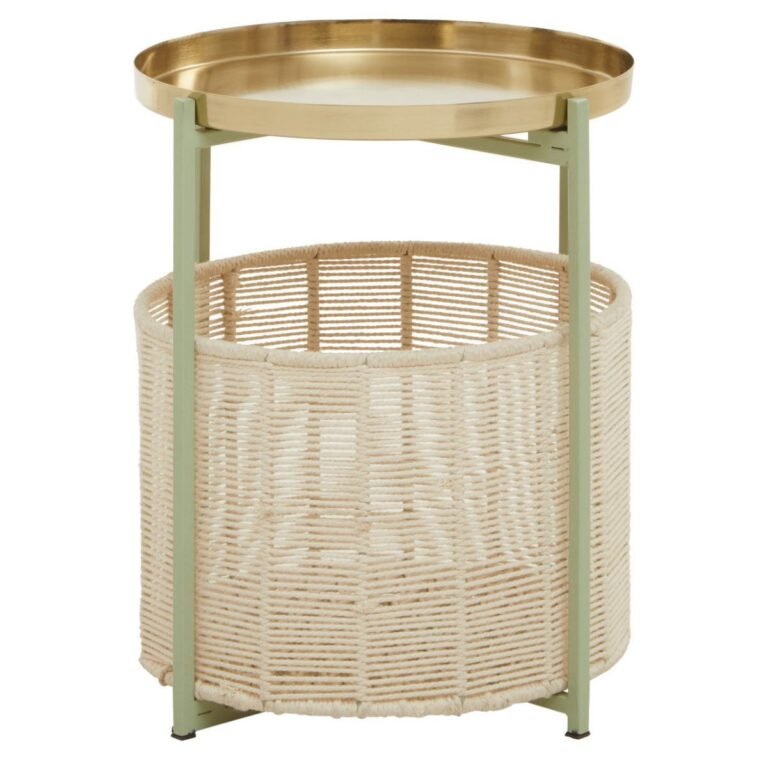
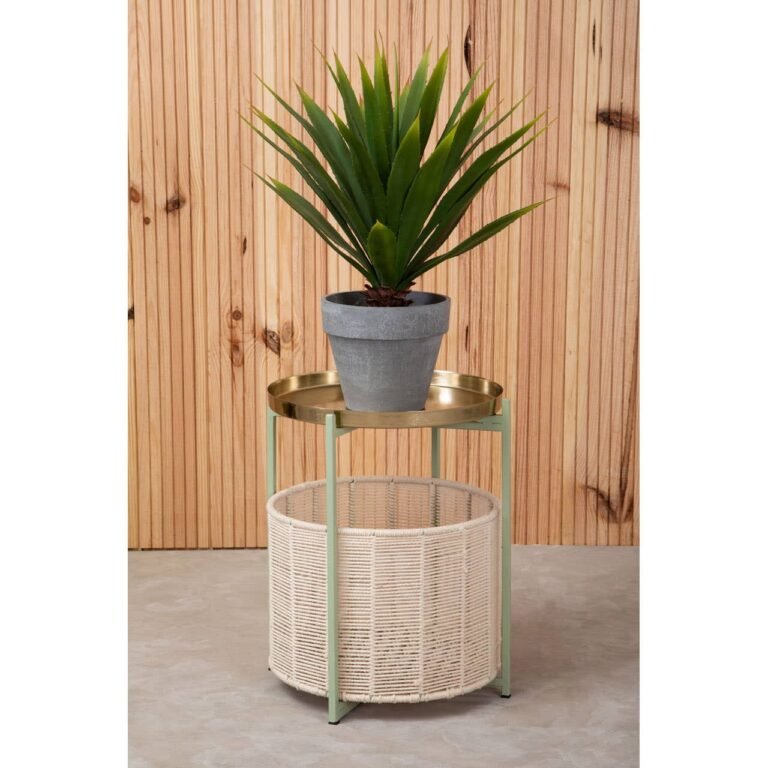
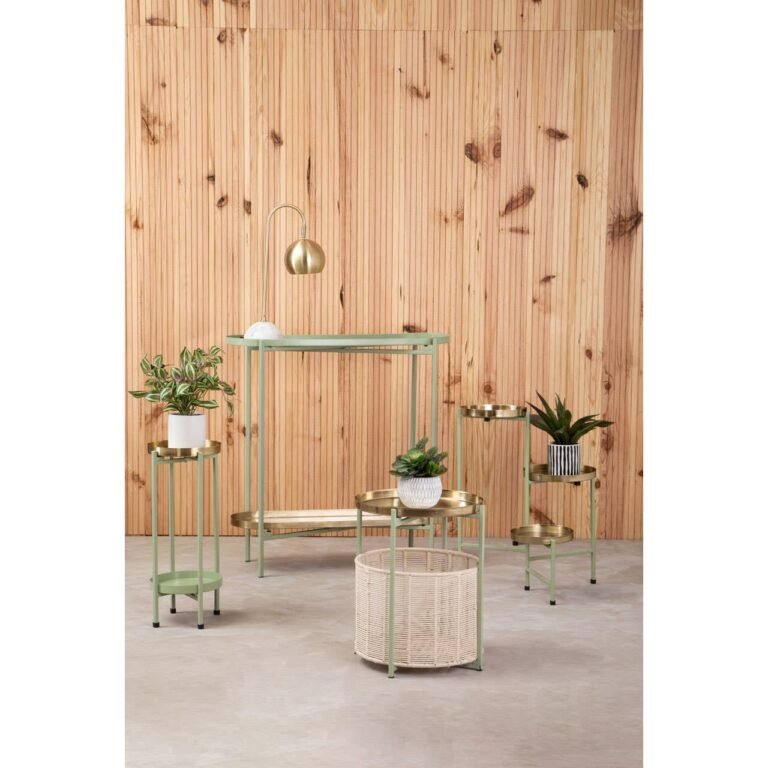
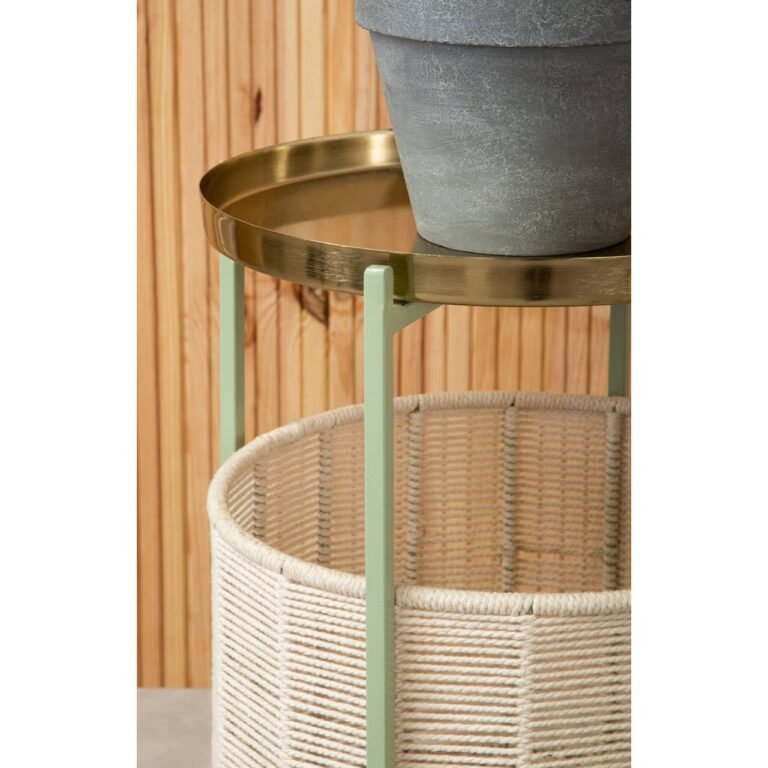
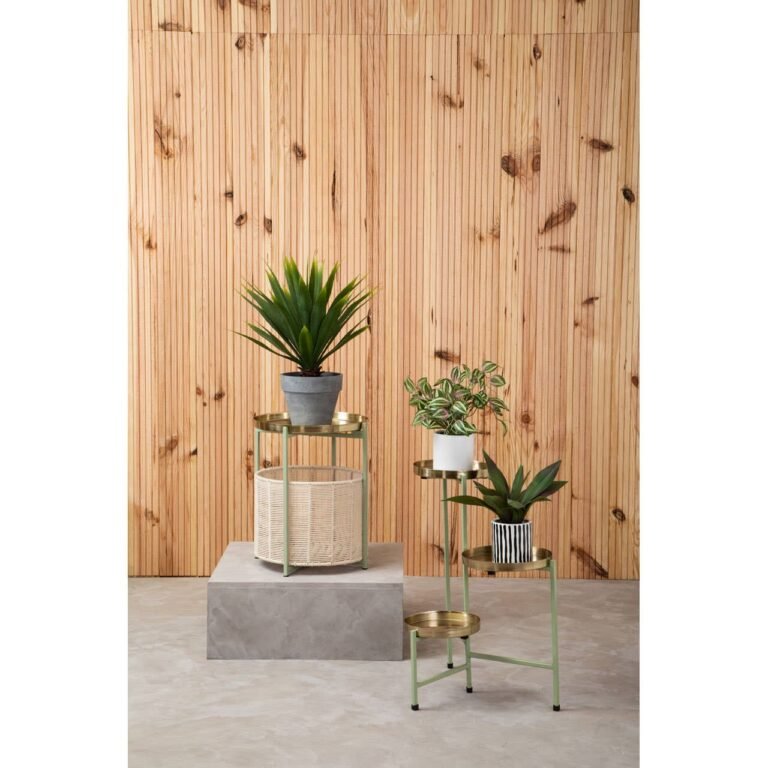
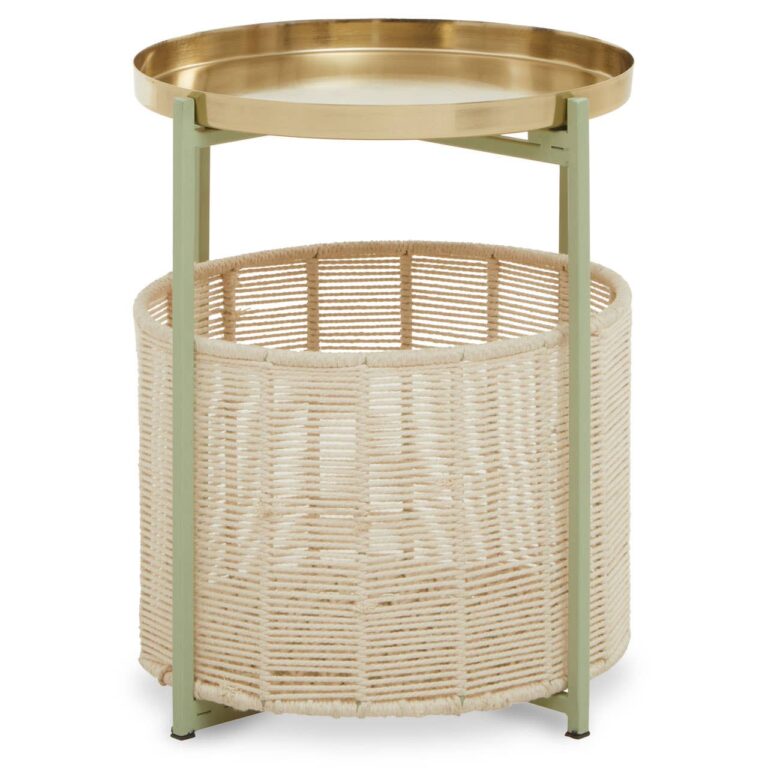
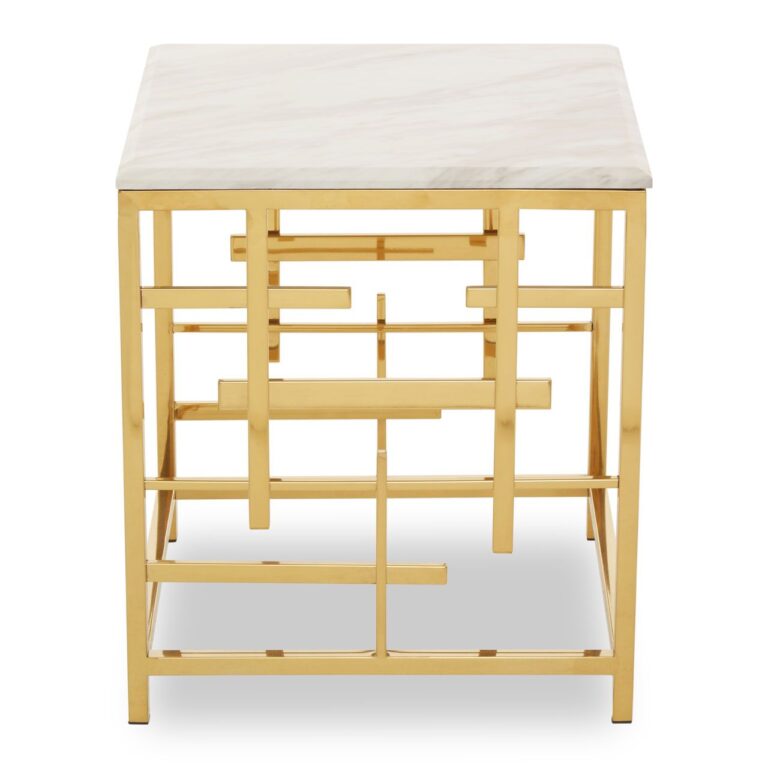
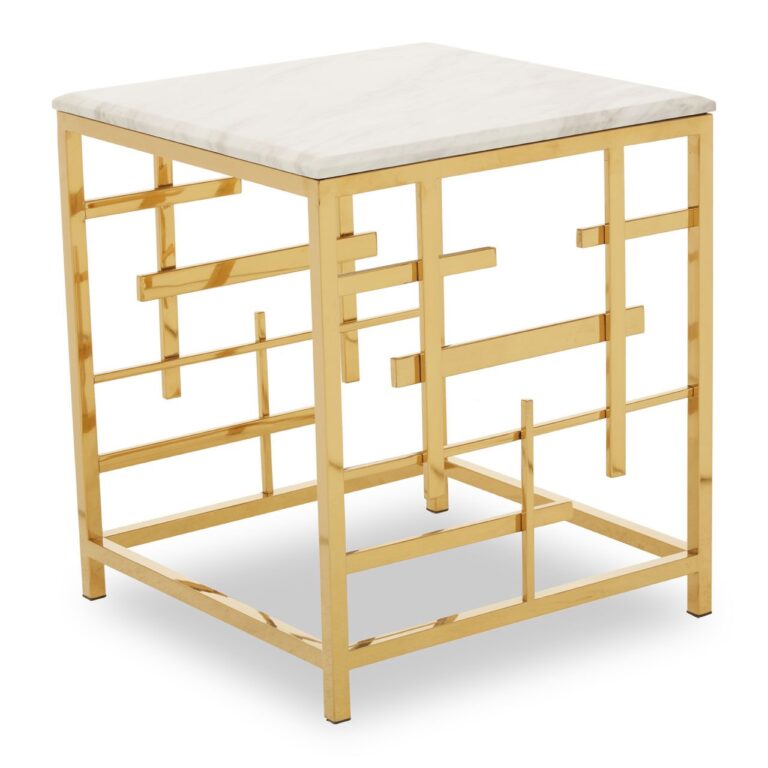
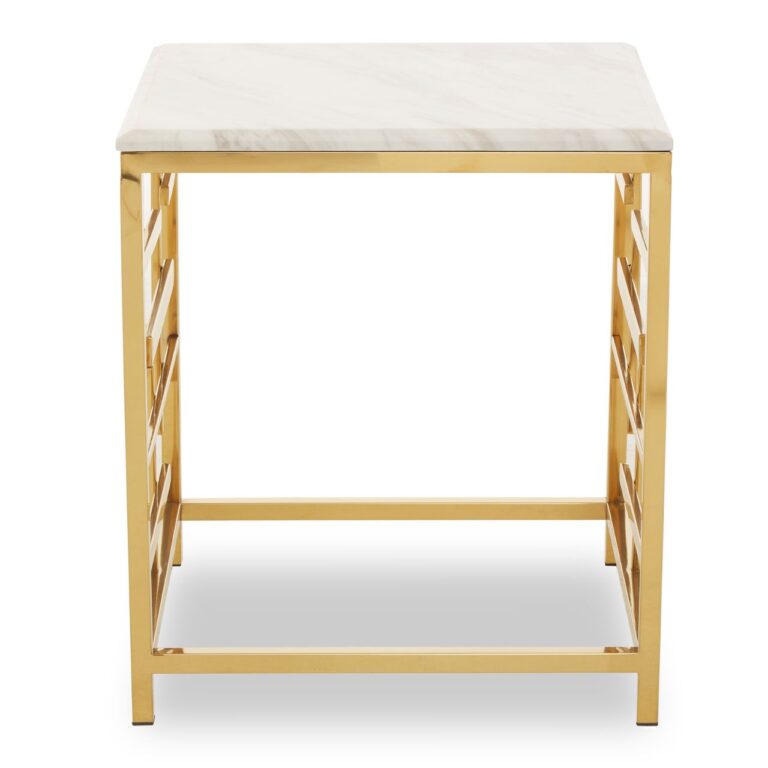
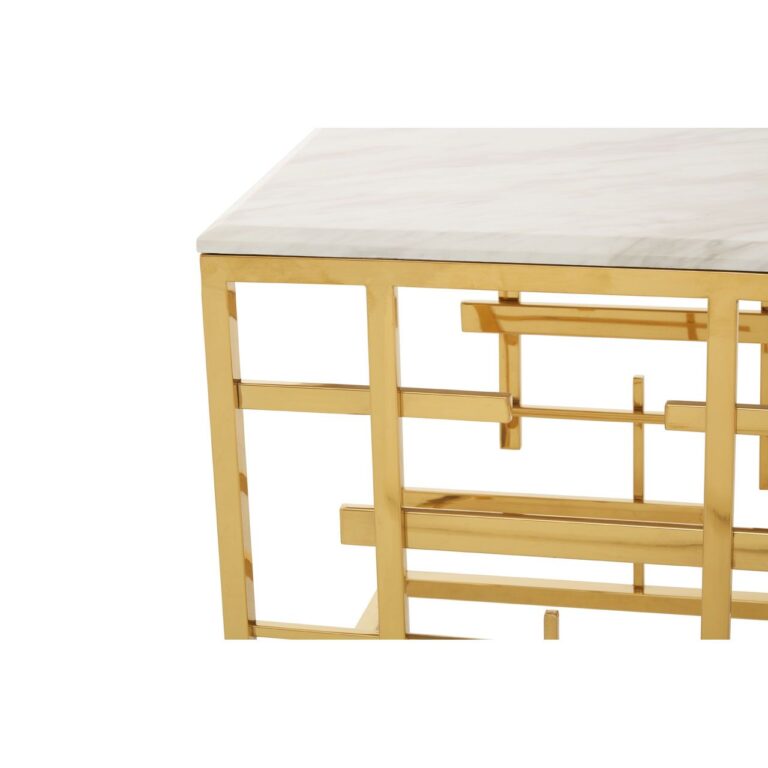
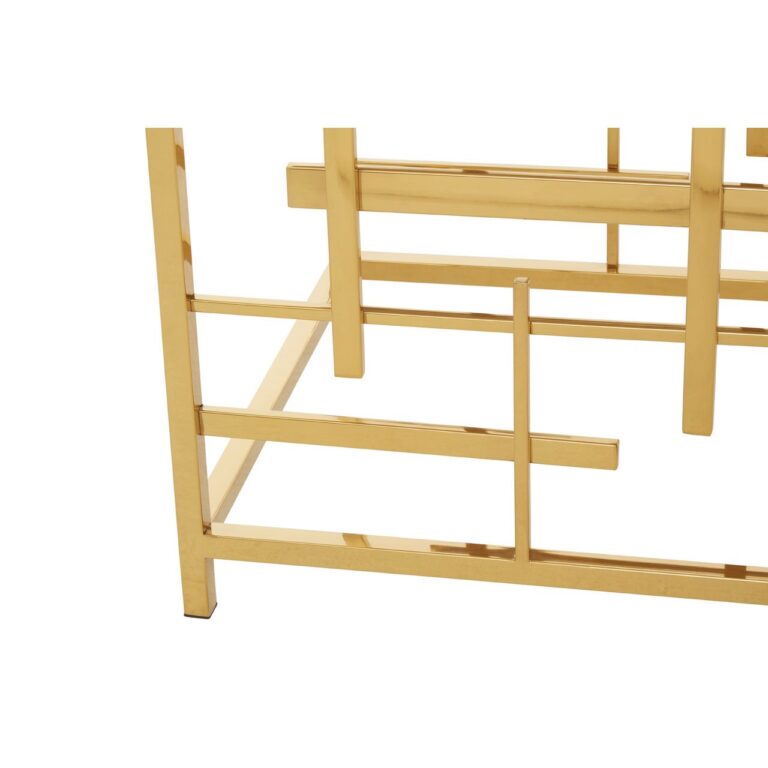
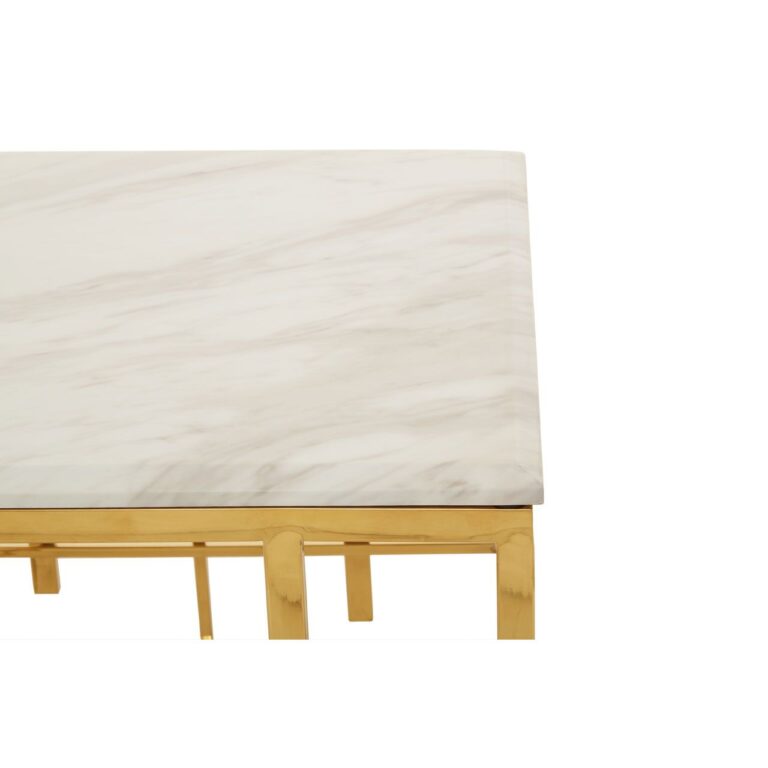


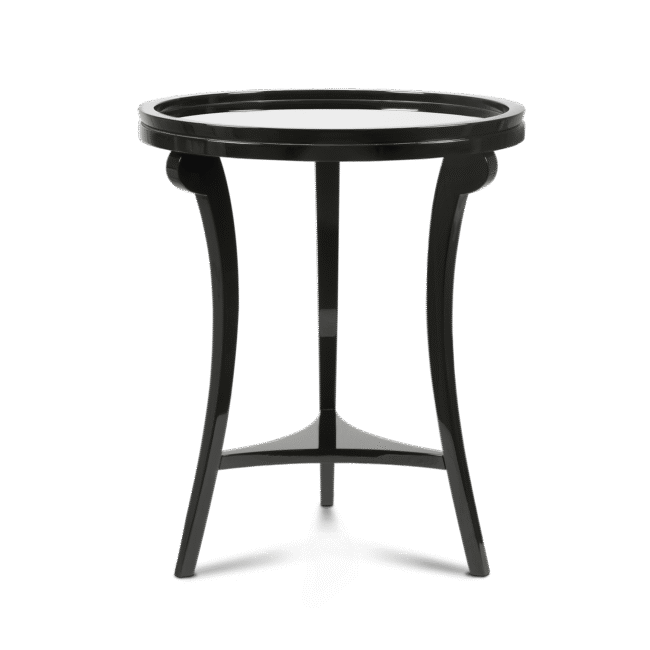
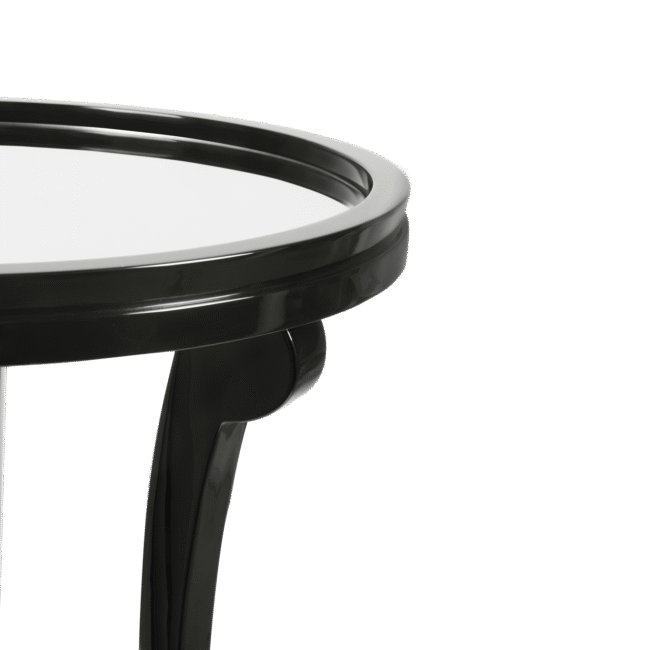
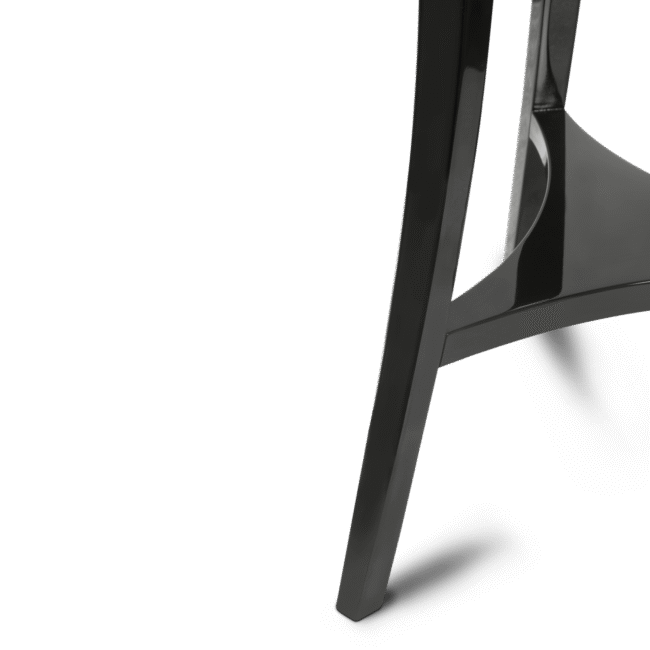
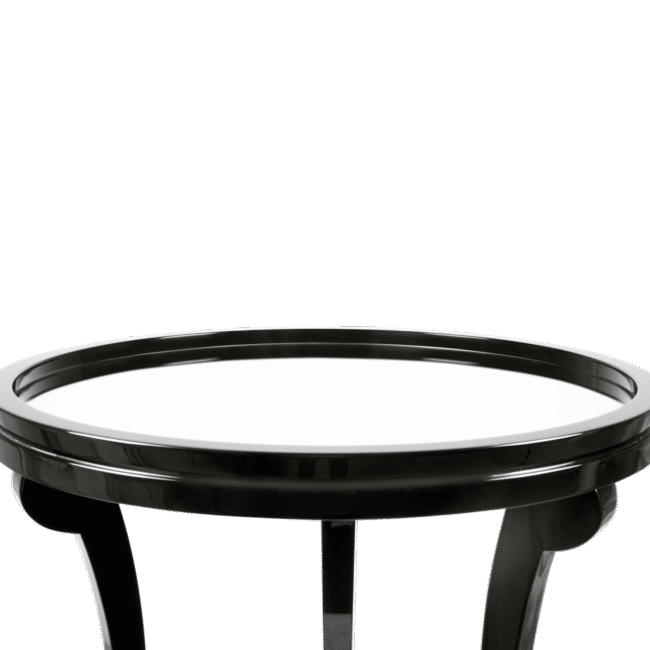
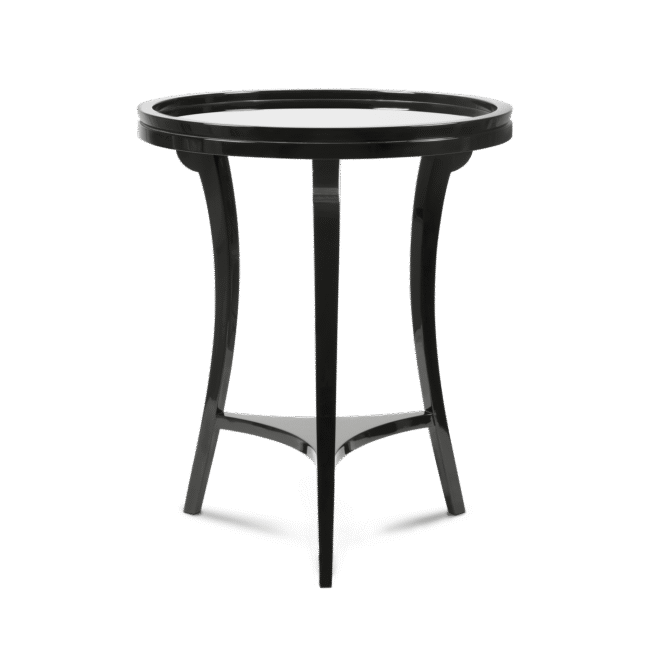
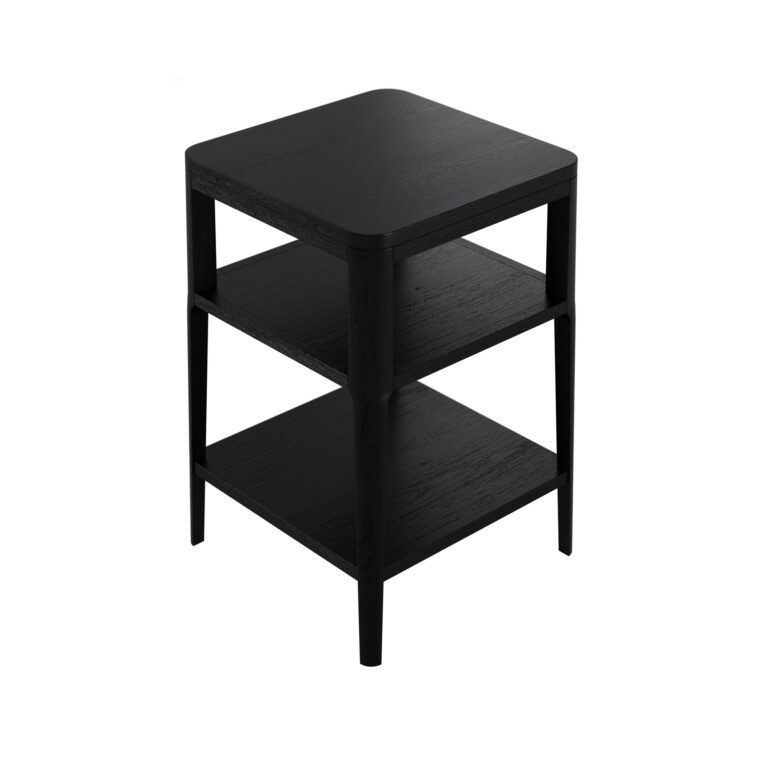

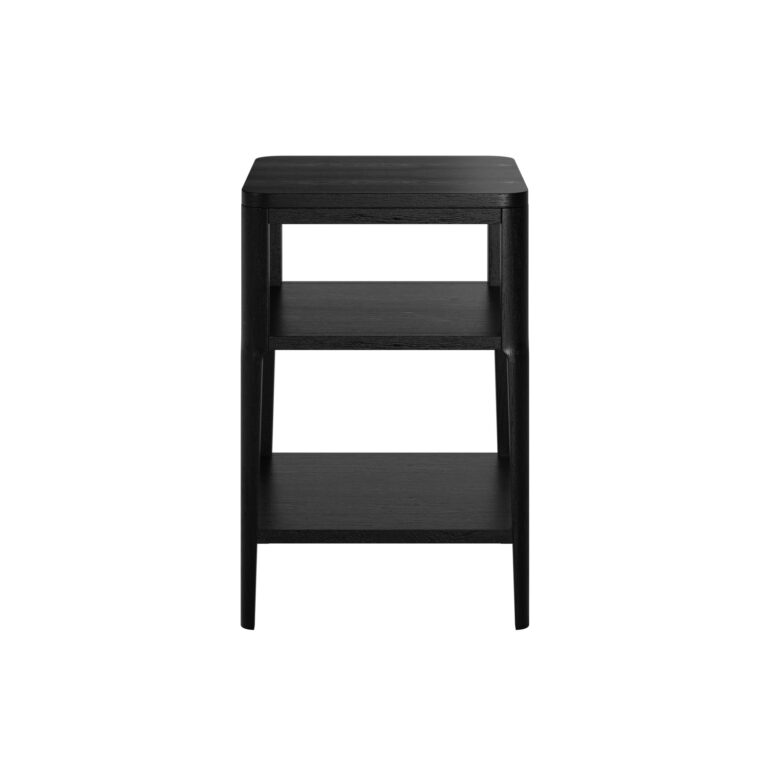

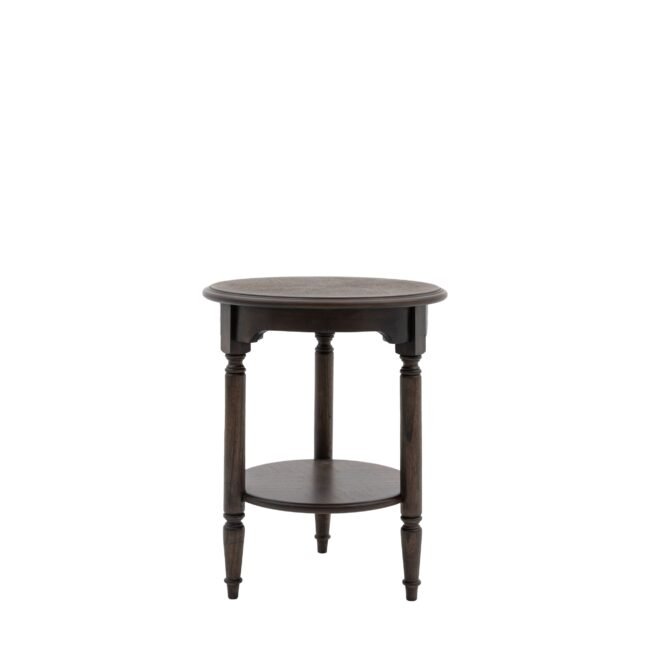
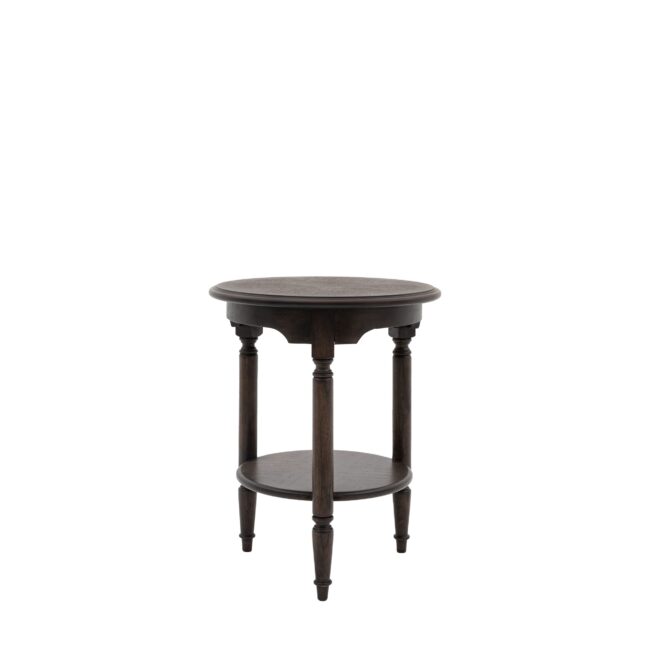
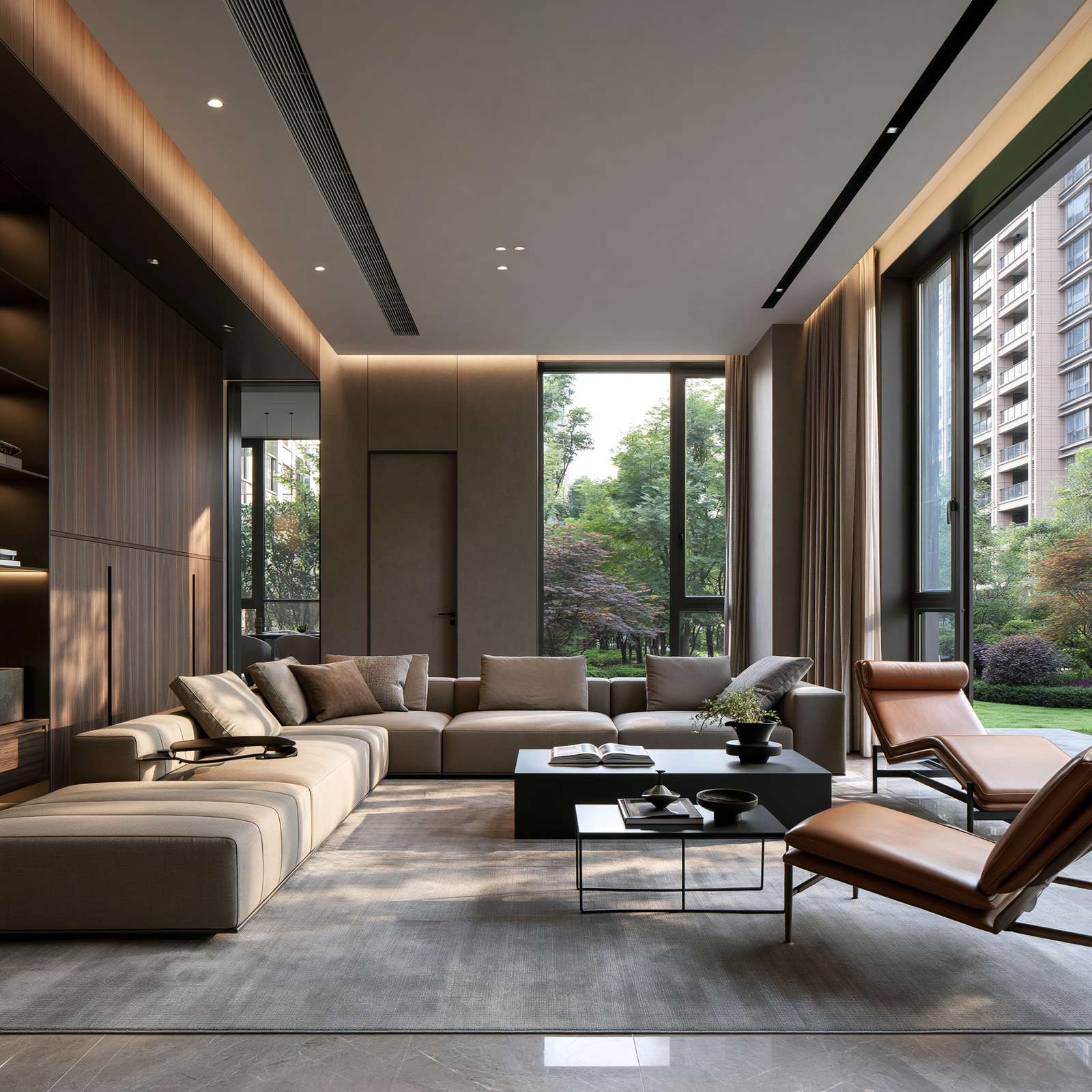

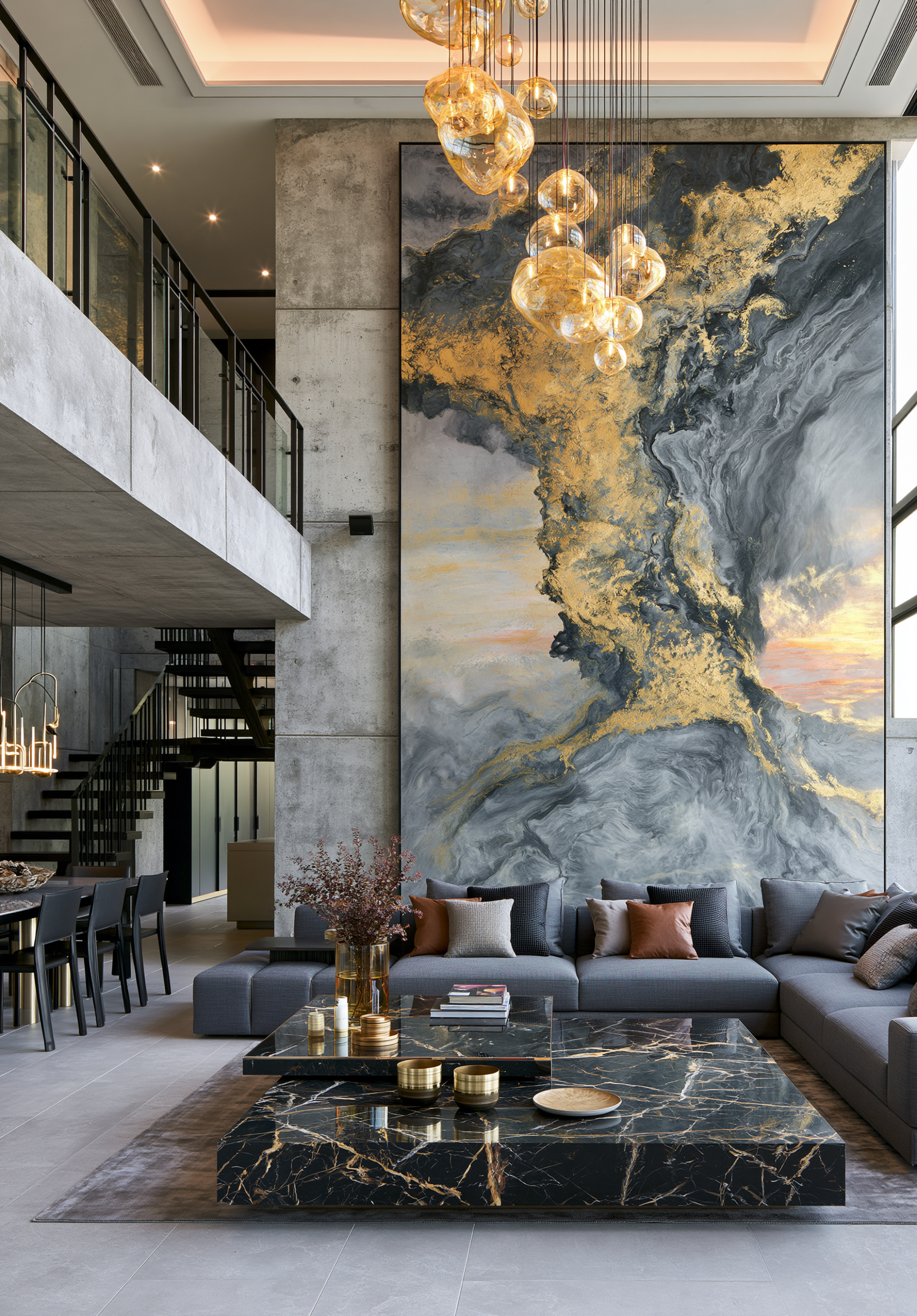
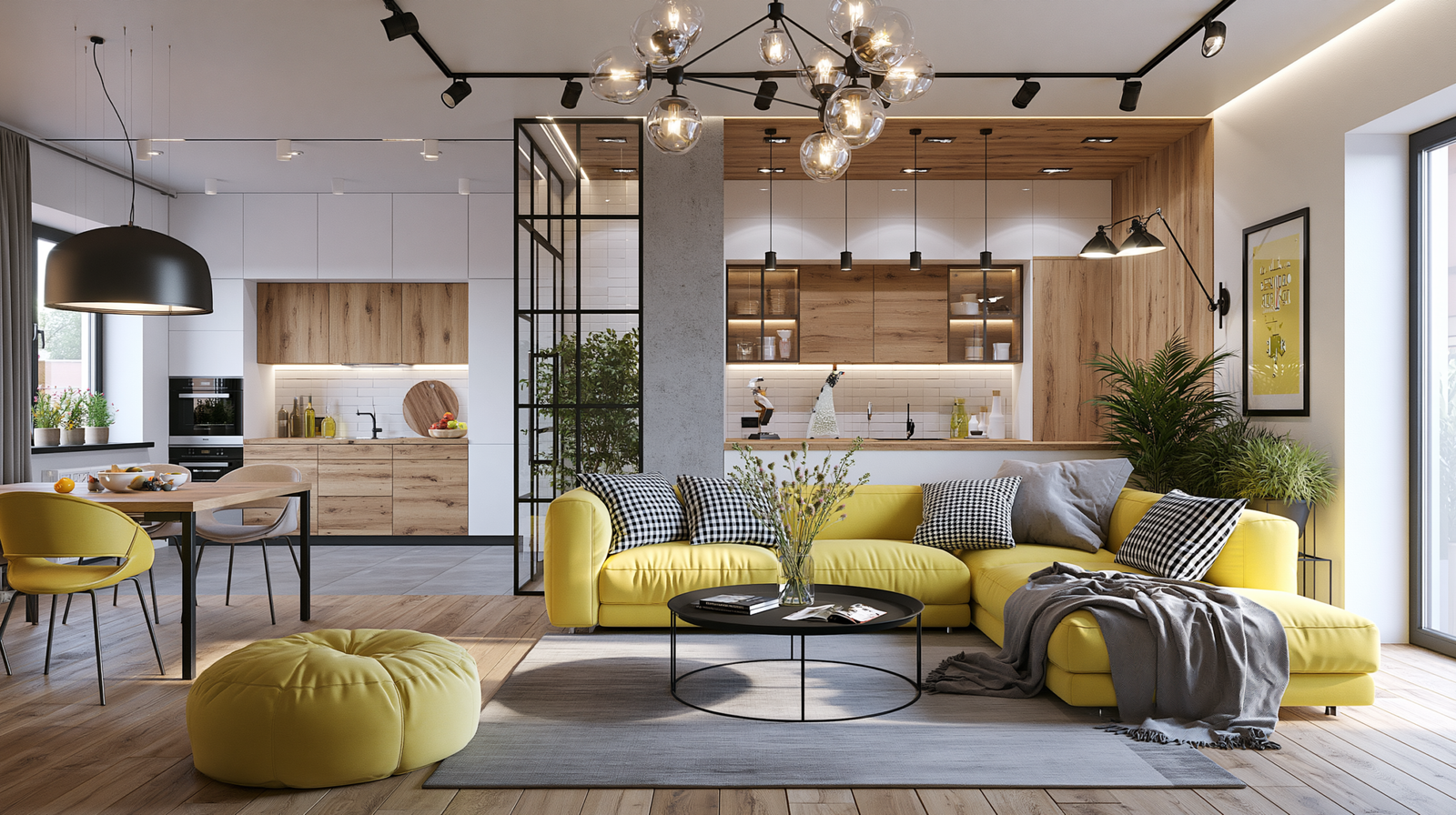
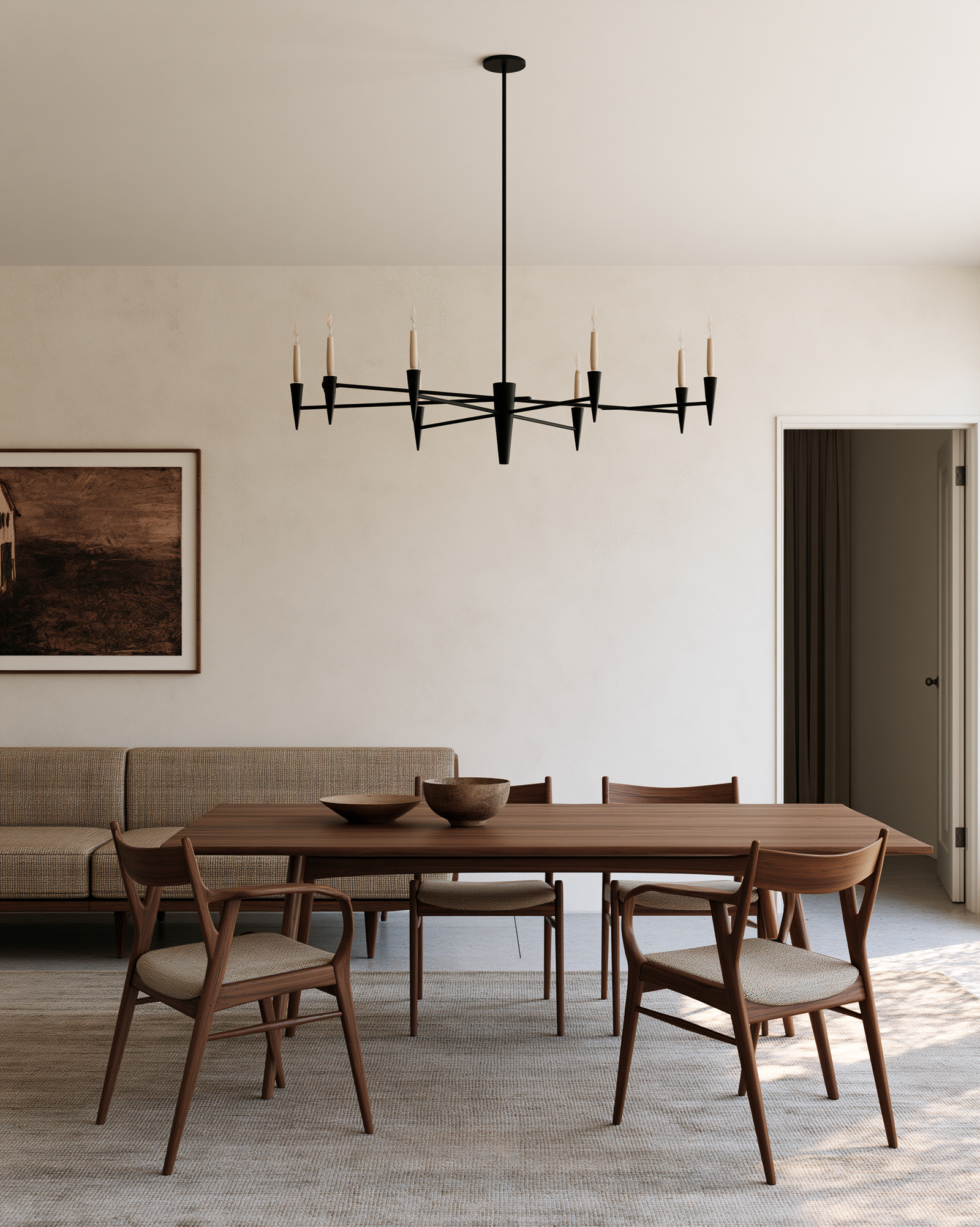
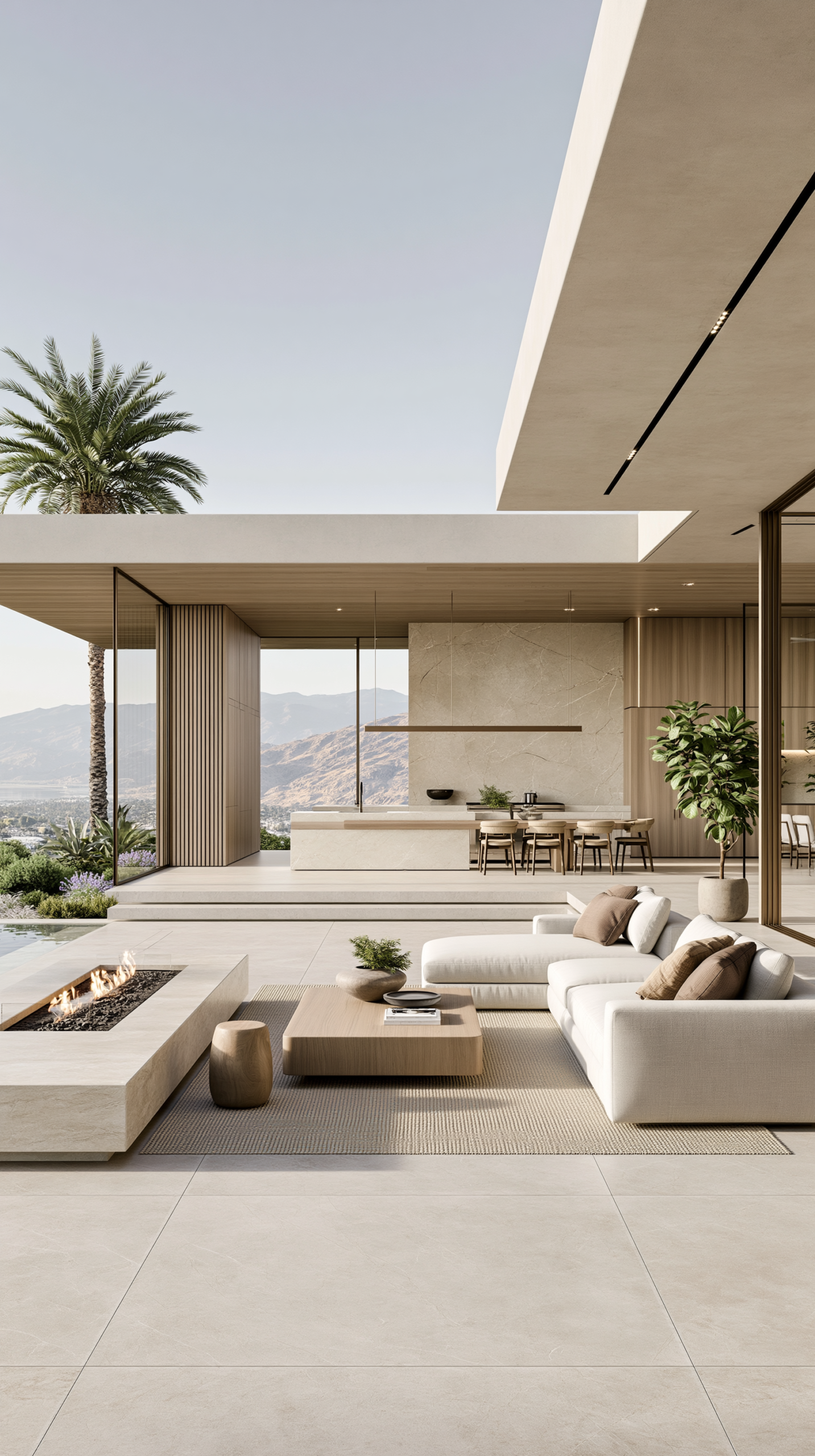
A side table for living room may be one of the smallest pieces of furniture in a living room, but it can have one of the biggest effects on how the space looks, feels and functions. The right side table does more than simply hold a lamp, book or cup of coffee. It completes your seating area, frames your sofa, adds balance beside an accent chair, introduces texture, and gives your room the polished, considered finish often seen in professionally designed interiors.
In many homes, the larger furniture pieces receive the most attention first. People often spend time choosing the sofa, coffee table, rug, curtains and media unit, while the side table becomes an afterthought. However, in a well-designed living room, the side table is not just an accessory. It is a bridge between comfort, function and style.
A beautiful side table can make a plain corner feel intentional. It can make a sofa look more complete. It can create a place for soft lighting, layered styling and everyday convenience. It can also introduce a luxury material such as marble, gold metal, smoked glass, dark wood or travertine without overwhelming the room.
Interior design experts often treat side tables as both practical and decorative pieces. OKA describes the perfect side table as a piece that combines form and function, complementing the rest of the room while remaining practical. Livingetc also notes that side table decor can help finish a living room scheme, particularly when used with lighting and carefully selected accessories.
Whether you are furnishing a new home, refreshing your living room or looking for one final piece to complete your seating area, this guide will help you choose the perfect side table for your space.
Before choosing the colour, shape or material of your side table, start by asking what role it needs to play in your room.
A side table can be practical, decorative or both. In some homes, it is mainly used for everyday convenience. It holds a drink, reading glasses, a remote control, a mobile phone or a book. In other homes, it is primarily decorative, styled with a lamp, vase, candle, sculpture or framed photo. In a luxury interior, it usually does both: it provides function while also elevating the overall design.
A side table can help you:
Create a finished look beside a sofa.
Add balance next to an accent chair.
Provide a practical surface for drinks, books and accessories.
Introduce a luxury material such as marble, brass, glass or wood.
Support a table lamp and improve the room’s lighting.
Fill an empty corner without adding bulky furniture.
Add height, texture and visual interest to the room.
Make the living room feel more layered and complete.
This is why choosing a side table should not be rushed. A poorly chosen side table can look too small, too tall, too plain or out of place. A well-chosen one can make the entire seating area feel more sophisticated.
For example, a marble side table beside a velvet sofa can instantly add elegance. A slim black metal side table beside a cream accent chair can create a modern designer look. A warm wooden side table beside a linen sofa can make the space feel calm, organic and welcoming.
Ideal Home explains that side tables can be valuable in a living room because they provide both function and decorative potential, especially in spaces where practicality matters. This is important because a living room is not just for display. It is often one of the most used rooms in the home.
Explore our collection of luxury side tables designed to bring elegance, practicality and character to your living room.
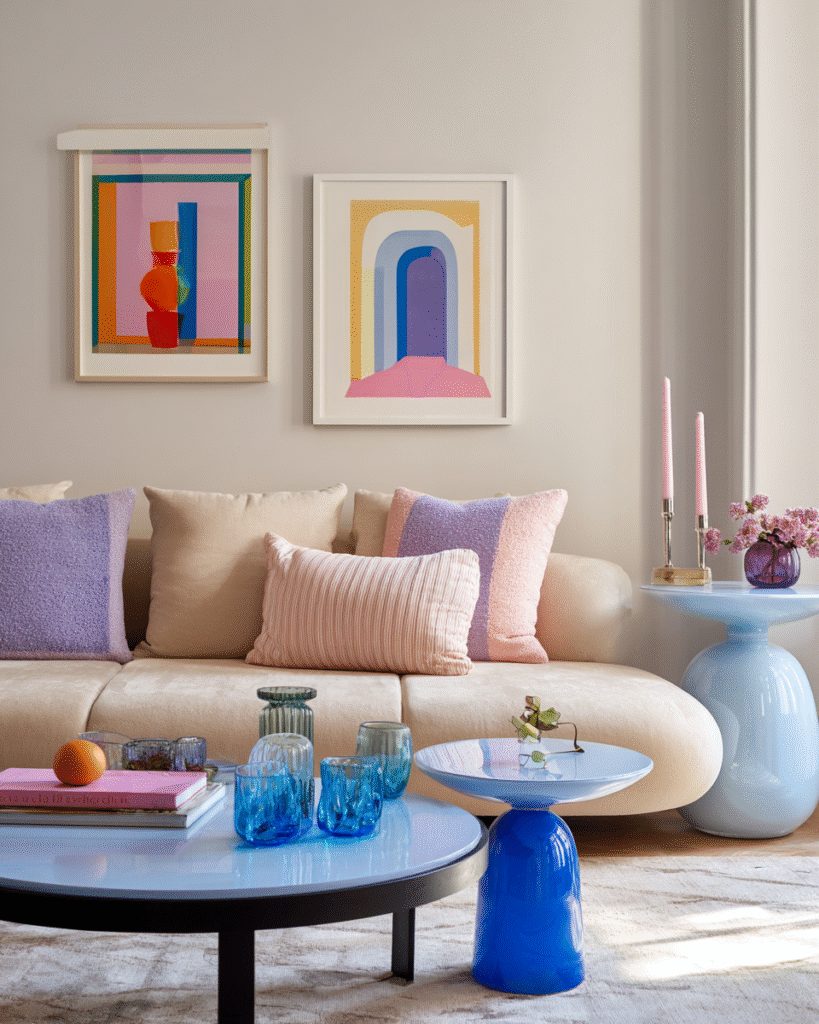
Height is one of the most important things to consider when buying a side table. Even if the design is beautiful, the table may not work if it is too high or too low for the furniture beside it.
As a general rule, your side table should sit close to the height of the sofa or chair arm. It can be slightly lower, but it should not be dramatically taller or much shorter. This makes it easy to reach for a drink, place a book down or switch on a lamp without stretching awkwardly.
A side table that is too high may visually dominate the sofa. It can look bulky and uncomfortable. A side table that is too low may feel disconnected from the seating area and less practical to use.
For a polished look, aim for the side table surface to be roughly level with the arm of the sofa or armchair. This creates a clean visual line and makes the arrangement feel more intentional.
When checking height, consider:
The height of your sofa arm.
The height of your accent chair arm.
Whether you plan to place a lamp on the table.
Whether the table will sit beside a low lounge chair or a higher formal chair.
Whether the table is mainly decorative or used every day.
If your sofa has low arms, choose a lower side table. If your sofa has high arms or a more traditional shape, a taller table may work better. For armless chairs, use the seat height as a guide and choose a table that feels reachable when seated.
OKA’s side table guide notes that size and proportion are key because the way a side table relates to the rest of the furniture affects how it looks in the room. This is especially true in luxury interiors, where proportion is often what separates a room that feels expensive from one that feels unfinished.
After height, the next thing to consider is size. A side table should feel generous enough to be useful, but not so large that it overwhelms the room.
In a large living room, a tiny side table may look lost beside a wide sofa. In a small living room, a heavy or oversized side table may make the space feel cramped. The aim is to choose a table that feels balanced with the furniture around it.
Think about the scale of your room first.
If you have a large sofa, you can usually choose a wider side table with a stronger presence. This could be a marble-topped side table, a square side table, a drum-shaped table or a design with storage.
If you have a compact sofa or accent chair, choose a slimmer side table. A round table, pedestal table, nesting table or small metal table may work better.
If you have a narrow space between the sofa and wall, consider a small round side table or a C-shaped table. These designs offer function without taking up too much floor space.
If you want to use the table for a lamp, make sure the surface is wide and stable enough. A very small table may look attractive, but if it cannot hold a lamp and a drink comfortably, it may not serve your needs.
For small rooms, the best side table is often one that looks visually light. Glass, metal, slim-leg and open-frame designs can make a room feel less crowded. Round tables can also be useful because they are easier to move around and do not have sharp corners.
For larger rooms, you can afford to choose more statement-making pieces. A sculptural marble side table, gold side table or dark wood design can help anchor the seating area.
This is where your blog can naturally support both the main side table collection and future subcategories, such as marble side tables or small side tables.
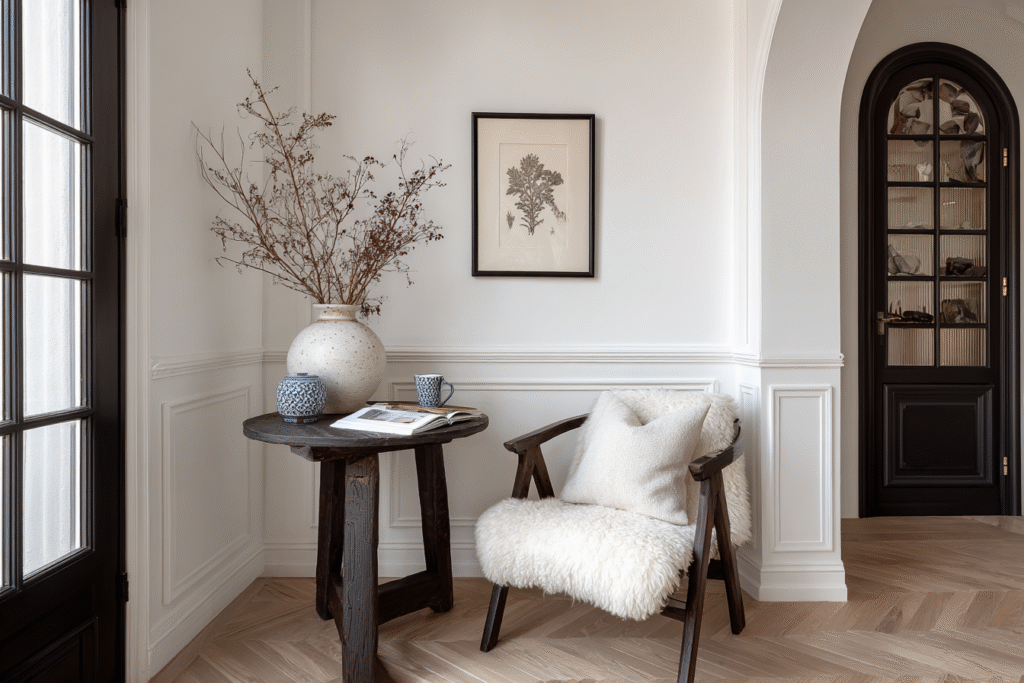
The material of your side table has a major impact on the look and mood of your living room. This is especially important for a luxury furniture website because customers are not only buying a practical surface; they are buying a finish, feeling and lifestyle.
Different materials create different design effects.
Marble side tables feel elegant, refined and timeless. They are especially effective in luxury living rooms because marble naturally adds pattern, texture and sophistication. A white marble table can brighten a room and pair beautifully with cream, beige, taupe, grey, gold or black. A darker marble table can add drama and depth.
Marble works particularly well with:
Velvet sofas.
Boucle accent chairs.
Gold or brass lighting.
Neutral rugs.
Black metal details.
Cream or stone-coloured walls.
Glass accessories.
Marble side tables are ideal for customers who want their living room to feel elevated without adding too many decorative pieces. The material itself becomes part of the styling.
Gold side tables add warmth, glamour and a boutique-hotel feel. They are perfect for interiors that already include brass lighting, gold-framed mirrors, metallic accessories or warm neutral colours.
A gold side table does not need to look overly shiny or flashy. Brushed gold, antique brass and champagne metal finishes can feel soft, elegant and sophisticated. When paired with marble, glass or dark wood, gold can feel luxurious rather than excessive.
Gold side tables work well in:
Glamorous living rooms.
Contemporary luxury interiors.
Art Deco-inspired schemes.
Neutral rooms that need warmth.
Spaces with brass lamps or gold mirrors.
Wooden side tables add warmth and natural texture. They are incredibly versatile and can suit many interior styles, including contemporary, transitional, Japandi, rustic, classic and organic modern interiors.
Light oak feels calm and Scandinavian. Dark wood feels rich and traditional. Black-stained wood feels modern and dramatic. Walnut feels warm and luxurious.
A wooden side table is a good choice if your living room already has wood flooring, wooden shelving, rattan accessories, linen textures or earthy colours.
Glass side tables are useful when you want the room to feel open and airy. They are especially helpful in small spaces because they do not visually block the room. A glass table with a metal frame can feel elegant, modern or glamorous depending on the finish.
Glass works well with:
Small living rooms.
Minimalist interiors.
Modern apartments.
Rooms with statement rugs.
Spaces where you want the furniture to feel lighter.
Metal side tables can feel modern, industrial, sculptural or glamorous depending on the shape and finish. Black metal feels sleek and contemporary. Brass feels warm and luxurious. Chrome feels modern and polished.
Shape is another detail that can completely change how your side table looks in the room. The best shape depends on your sofa, chair, coffee table, rug and available space.
Round side tables are one of the most versatile choices. They soften a room and are especially useful when your furniture has many straight lines. If you have a rectangular sofa, square coffee table, straight media unit or angular rug, a round side table can create balance.
Round side tables are also practical in smaller rooms because they are easier to walk around and have no sharp corners. They work well beside sofas, accent chairs and occasional chairs.
Square side tables feel structured and classic. They work well beside larger sofas or between two chairs. A square table can give a room a more formal, symmetrical appearance.
If you like a neat, balanced look, a square side table may be a good choice.
Rectangular side tables offer more surface space, making them ideal if you want to place a lamp, books, candle, tray and decorative object on the same table. They can work well beside long sofas or in rooms where you have more space.
Nesting side tables are practical because they offer flexibility. You can keep them together as a layered design or separate them when guests visit. They are especially useful in compact homes where extra surface space is needed occasionally.
A sculptural side table is ideal if you want the piece to feel like a design statement. These tables often have unusual bases, curved forms, bold materials or artistic silhouettes. They work especially well in luxury interiors because they add personality and visual interest.
Homes & Gardens explains that end tables can be styled in many different ways depending on the overall style of the room. The same principle applies when choosing shape: the right side table should support the room’s overall mood.
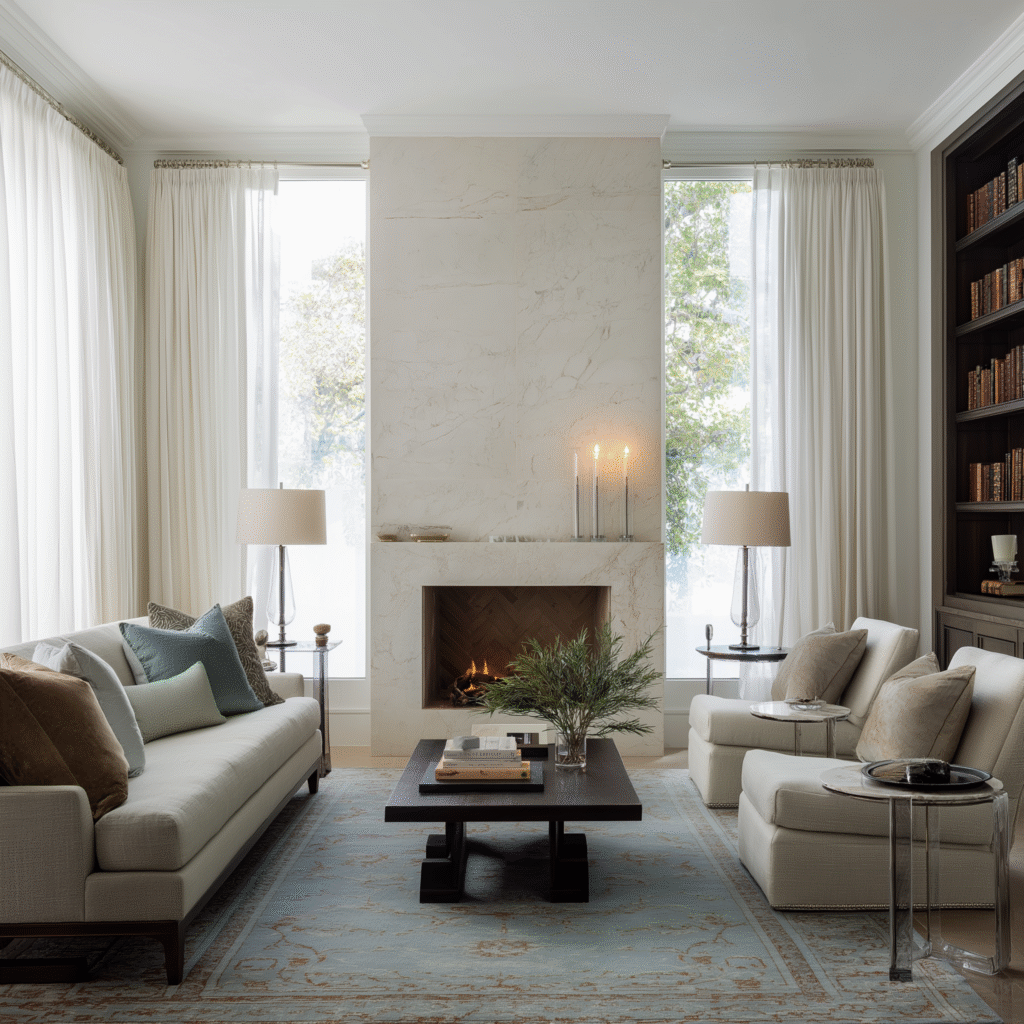
A common mistake is thinking that every furniture piece in a living room must match. In reality, the most beautiful interiors often use contrast. A side table does not need to be the same colour or material as your coffee table, sofa or TV unit. It simply needs to feel connected to the overall scheme.
For example, if your living room is mostly cream and beige, a marble or gold side table can add quiet luxury. If your room has a dark sofa, a pale marble side table can brighten the space. If your room has a lot of soft upholstery, a metal or stone side table can add structure. If your room feels too cold, a wooden side table can add warmth.
The key is to repeat one or two details elsewhere in the room.
A gold side table can connect with gold lighting, mirror frames or cabinet handles.
A marble side table can connect with stone accessories, pale walls or a marble fireplace.
A black side table can connect with black picture frames, lighting or curtain poles.
A wooden side table can connect with flooring, shelving or natural textures.
A glass side table can connect with mirrors, reflective accessories or a light modern scheme.
Livingetc recently discussed how layered material combinations can make a room feel more effortless, highlighting the importance of how materials interact with light, tone and atmosphere. This is exactly why a side table is such a powerful piece. It allows you to introduce a new material without redesigning the whole room.
For a luxury look, avoid choosing everything from the same matching furniture set. A room often looks more expensive when it feels collected rather than overly coordinated.
A marble side table with a velvet sofa.
A brass side table with a cream boucle chair.
A black metal side table with a pale linen sofa.
A wooden side table with a neutral rug and ceramic lamp.
A glass side table with a sculptural gold base.
These combinations create depth and personality.
While style is important, function should not be ignored. A side table should make your living room easier to use.
Ask yourself how you live in the space. Do you need somewhere to place drinks while watching TV? Do you read in the living room? Do you need storage for remotes, chargers or glasses? Do you want a table lamp beside the sofa? Do you entertain guests often?
If the answer is yes, choose a side table with enough surface area or built-in storage.
Some side tables include:
Drawers.
Shelves.
Cabinet compartments.
Open lower tiers.
Nesting sections.
Tray-style tops.
Storage side tables are useful if you want the room to look tidy. A drawer can hide remotes, chargers, notebooks and other small items. A lower shelf can hold books, magazines or decorative baskets. A tray top can help keep accessories grouped together.
However, if your living room already has plenty of storage, you may prefer a more open and decorative side table. A slim pedestal or sculptural table can add beauty without bulk.
For luxury interiors, the best storage side tables are those that hide function behind beautiful design. They should not look overly practical or heavy. Instead, they should combine convenience with elegance.
Lighting is one of the most important parts of interior design, and side tables play a key role in creating layered lighting.
A ceiling light alone can make a living room feel flat or harsh. Table lamps, floor lamps and wall lights create a softer atmosphere. A side table gives you the perfect place to add a lamp beside a sofa or chair.
Livingetc points out that if a side table is against a wall, a wall sconce can free up surface space while still providing useful light. This is a helpful idea for small living rooms where the side table may not have enough room for a lamp.
When using a side table for lighting, consider:
The size of the lamp base.
The height of the lampshade.
The width of the tabletop.
The position of the plug socket.
The balance between the lamp and nearby furniture.
A large lamp on a tiny table can look unstable. A very small lamp on a large table can look underwhelming. The lamp and table should feel balanced together.
For a luxury look, choose a lamp that complements the table’s material. For example:
A marble side table with a brass lamp.
A wooden side table with a linen shade.
A black side table with a sculptural ceramic lamp.
A glass side table with a gold or chrome lamp.
A travertine side table with a warm neutral shade.
Lighting also helps create mood. If your living room feels plain, a side table with a beautiful lamp can instantly make the space feel warmer and more inviting.
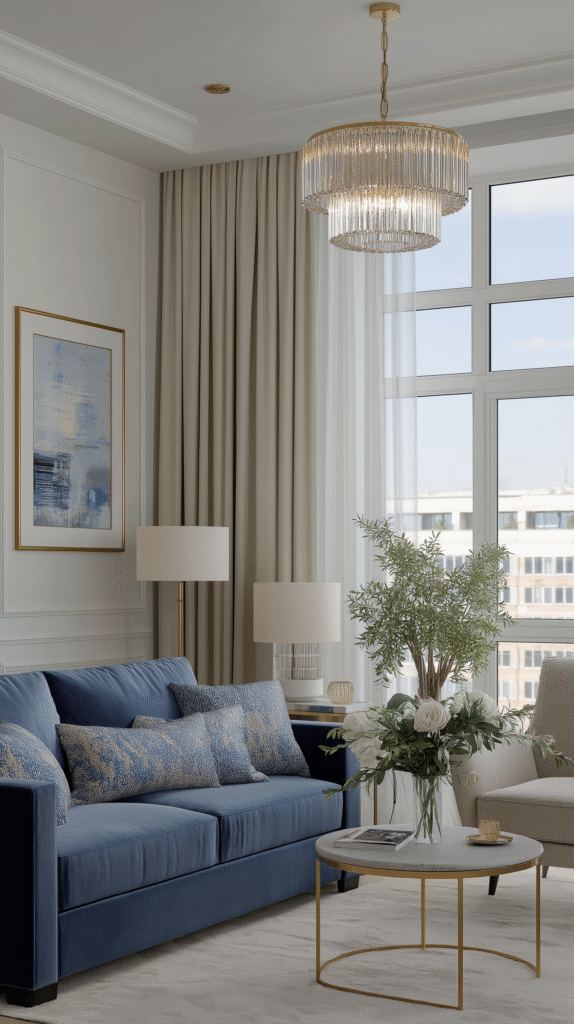
Once you have chosen the right side table, styling is what makes it look complete. The aim is to create a table that feels elegant, useful and uncluttered.
One of the easiest styling formulas is:
Lamp + book + decorative object
Or:
Vase + candle + tray
Or:
Sculptural object + stacked books + small plant
The best side table styling usually includes a mix of heights, textures and shapes. If every item is the same height, the arrangement can look flat. If every item is small, it can look cluttered. If every item is large, the table can feel overcrowded.
Homes & Gardens explains that living room end tables can be styled in many ways depending on the overall look of the room, and that designers use these small areas to uplift a corner of the home.
Here are some simple styling ideas.
Style it with a brass lamp, white ceramic vase and a small coffee table book. This creates a soft luxury look.
Style it with a glass vase, scented candle and neutral book stack. This keeps the look elegant without becoming too shiny.
Style it with a linen-shade lamp, small plant and ceramic bowl. This creates warmth and a relaxed natural feel.
Style it with a sculptural lamp, monochrome book and small metallic object. This creates a modern designer look.
Style it with a tray, slim lamp and delicate floral arrangement. This keeps the look light and refined.
The most important rule is to avoid overcrowding. A side table should not become a dumping ground for receipts, chargers, mugs and random items. If you need it for everyday use, add a tray or decorative box so practical items can be contained.
Real Homes also suggests using trays and height variation when styling small end tables, as this can help the arrangement feel more intentional.
Different interior styles call for different side table choices. You do not need to follow strict rules, but it helps to understand what works naturally with each aesthetic.
For contemporary living rooms, choose clean lines, smooth finishes and simple silhouettes. Marble, glass, black metal and brushed gold all work well.
Best choices:
Round marble side tables.
Glass and metal side tables.
Sculptural pedestal tables.
Slim black side tables.
Transitional interiors mix classic and modern elements. Choose side tables that feel elegant but not overly ornate.
Best choices:
Wood and marble side tables.
Gold-framed side tables.
Classic round tables.
Neutral stone-effect designs.
Modern luxury interiors often use rich materials, strong shapes and polished finishes. A side table can become a statement piece here.
Best choices:
Marble and gold side tables.
Black and brass side tables.
Sculptural stone tables.
High-gloss or metallic finishes.
These interiors are calm, natural and minimal. Choose side tables with warm wood, stone, ceramic or soft neutral finishes.
Best choices:
Wooden side tables.
Travertine-style side tables.
Simple round tables.
Matte ceramic finishes.
Art Deco interiors work beautifully with gold, glass, dark wood, black metal and curved forms.
Best choices:
Gold side tables.
Glass and brass tables.
Black and gold designs.
Geometric shapes.
For small apartments, choose side tables that are practical but visually light.
Best choices:
Nesting tables.
Slim pedestal tables.
Glass side tables.
Small round side tables.
C-shaped sofa tables.
Placement matters just as much as the table itself. A side table should feel naturally connected to the seating area.
The most common place is beside a sofa. This creates a convenient surface for drinks, books and lighting. If you have a large sofa, you may want one side table at each end for balance. If your room is smaller, one side table may be enough.
Another popular placement is beside an accent chair. This creates a reading corner or quiet seating area. Add a lamp, small vase or book to make the space feel intentional.
You can also place a side table:
Between two armchairs.
Beside a chaise lounge.
Next to a window seat.
In an empty living room corner.
Beside a fireplace chair.
Near a media unit as a decorative accent.
If your living room feels unfinished, look for empty spaces beside seating. These are often the perfect places for side tables.
However, avoid placing a side table where it blocks walkways. There should still be enough room to move around the furniture comfortably. In smaller rooms, round or narrow side tables are often safer choices because they take up less visual and physical space.
Choosing a side table may seem simple, but there are a few common mistakes that can make a room feel less polished.
A very small side table can look lost beside a large sofa. It may also be impractical if it cannot hold a lamp, drink or book.
A side table that sits much higher than the sofa arm can look awkward. It may also be uncomfortable to use.
Matching furniture sets can sometimes make a living room feel flat. A more designer look often comes from mixing materials thoughtfully.
A beautiful table is not enough if it does not work for your lifestyle. Think about how you will use it every day.
Too many accessories can make the table look messy. Use a few carefully chosen items instead.
A side table is one of the best places to add a lamp. If your room feels cold or unfinished, lighting may be the missing layer.
A delicate glass table may not be ideal in a busy family room. A heavy dark table may feel too bulky in a small apartment. Choose a material that suits both your style and your lifestyle.
The perfect side table is not just the one that looks good on its own. It is the one that works beautifully with your sofa, chair, rug, lighting and overall interior style.
It should be the right height, the right size and the right material for your space. It should add function without clutter. It should add beauty without overwhelming the room. Most importantly, it should make your living room feel more complete.
A side table can be subtle or statement-making. It can be practical or decorative. It can blend into the room or become a focal point. Whether you choose marble, gold, wood, glass, metal or stone, the right side table will help bring your living room together.
If you are refreshing your living room, do not overlook the smaller pieces. A well-chosen side table can transform an empty corner, elevate a sofa, improve your lighting and create a more polished, luxurious home.
Explore our collection of luxury side tables and discover elegant designs for sofas, accent chairs and refined living rooms.
Get fresh home inspiration and helpful tips from our interior designers
Registered office address: 124 City Road, London, EC1V 2NX.
Registration No.: 11765161
Email address: info@eclectic-niche.com