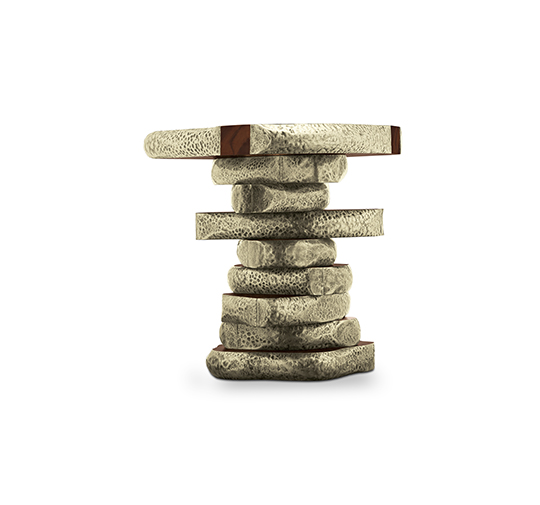
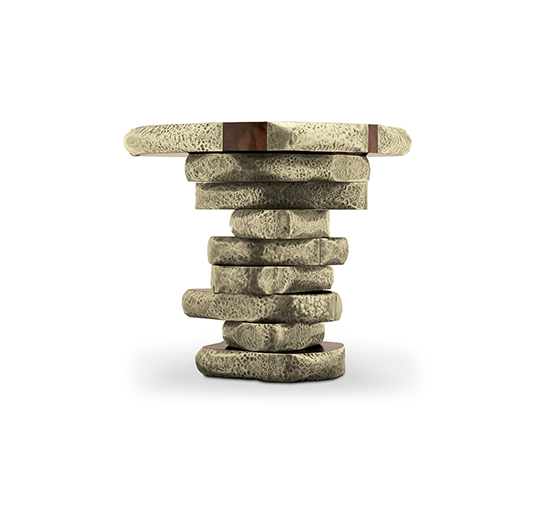
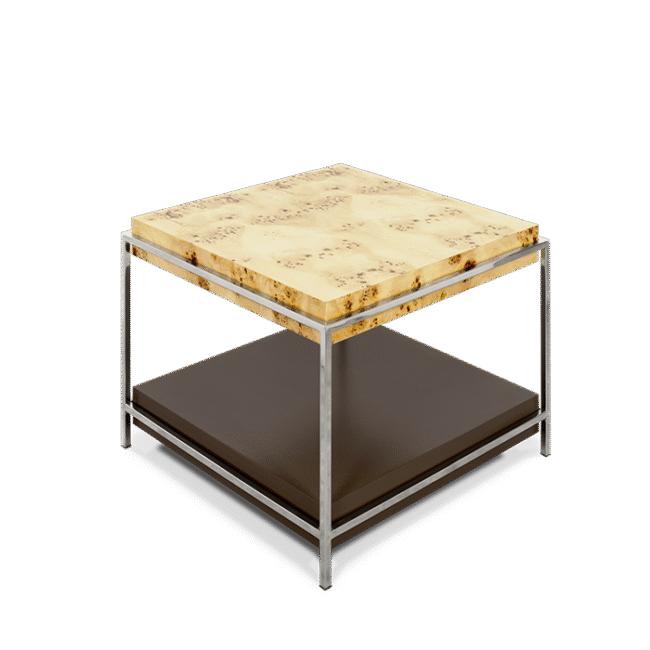
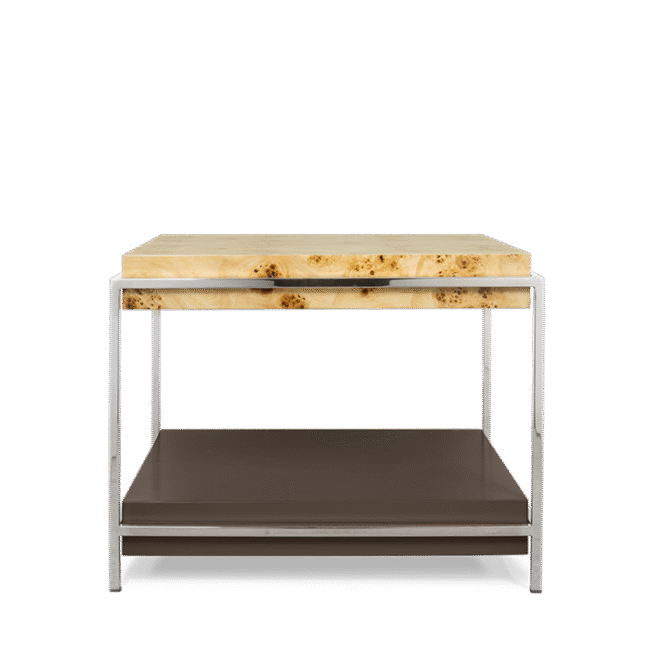
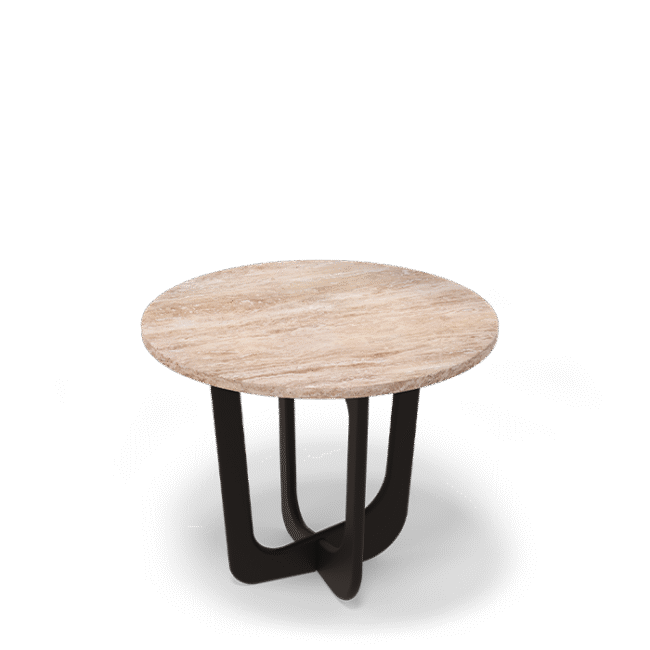
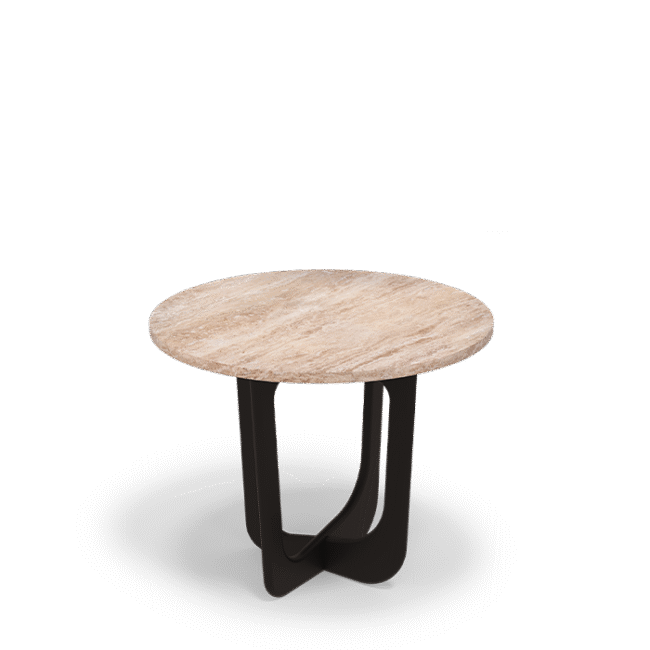
Small side table ideas for stylish living rooms; How to choose the perfect piece

A small side table may be compact, but in a beautifully designed living room, it can completely change the mood of the space. It is the piece that sits quietly beside a sofa, armchair, chaise or reading corner, yet somehow makes the whole room feel more considered, more luxurious and more complete.

The right small side table does more than hold a drink or display a candle. It adds balance, creates rhythm, introduces texture and gives your living room a polished designer finish. Whether your home is modern, classic, minimal, glamorous or cosy, a side table can help bring the whole scheme together without taking up too much floor space.

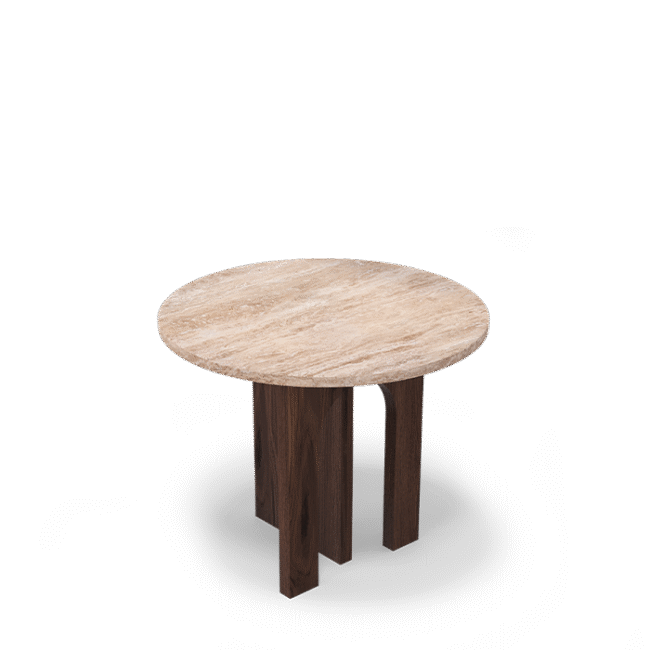
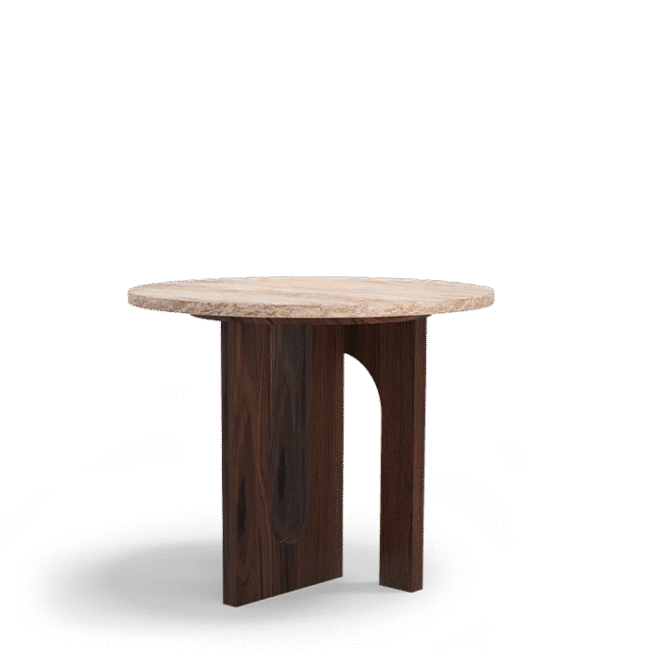
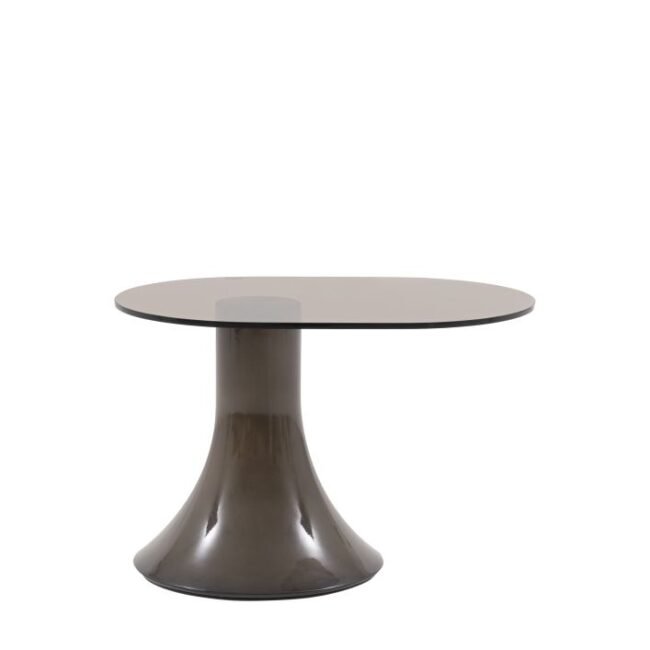
For luxury interiors, small side tables are especially useful because they allow you to add detail without overcrowding the room. A marble side table can introduce elegance. A glass side table can make a compact room feel lighter. A wooden side table can soften the space and add warmth. A sculptural round side table can break up strong lines and make the room feel more relaxed.

In this guide, we will explore the best small side table ideas for stylish living rooms, how to choose the perfect piece, which materials work best, how tall your side table should be and how to style it like an interior designer.

Why Every Living Room Needs the Right Side Table

A living room without a side table can sometimes feel unfinished. You may have the main pieces in place — the sofa, rug, coffee table, lighting and cushions — but without smaller accent furniture, the room can lack depth.

A side table solves this beautifully. It gives the eye somewhere to rest and adds a functional layer to the room. It also makes the space more comfortable for everyday living because you have somewhere to place a drink, book, lamp, vase, remote control or decorative object.

In a luxury living room, the side table is not just practical. It is part of the styling. It can echo the shape of your coffee table, contrast with your sofa fabric, introduce a new material or add a small moment of drama.

For example, a cream boucle sofa beside a marble side table instantly feels elegant and contemporary. A velvet armchair paired with a brass and glass side table feels refined and glamorous. A wooden sofa side table beside a linen sofa creates a more relaxed, organic luxury look.

The key is to see the side table as a design feature, not an afterthought. When chosen well, it helps the living room feel intentional and layered.

How to Choose the Perfect Small Side Table

Choosing the perfect small side table starts with understanding what your living room needs. Before buying one, think about the size of your room, the style of your existing furniture and how you want to use the table.

Think About Function First

Ask yourself what the side table needs to do. Will it sit beside a sofa for drinks and remotes? Will it hold a table lamp? Will it sit between two armchairs? Will it be used mainly as a decorative piece?

If you want to use it every day, choose a table with enough surface space for practical items. If it is mostly decorative, you can choose something more sculptural, slim or statement-led.

For busy family living rooms, a small side table with a durable top is best. Marble, stone-effect, sealed wood, ceramic or metal can work well because they are easier to maintain than very delicate finishes.

Match the Scale of Your Furniture

A small side table should not look too tiny beside a large sofa. Equally, it should not feel bulky in a compact living room. The table should sit comfortably beside the furniture without overwhelming it.

If your sofa has low arms, choose a lower table. If your sofa has tall arms or a high back, choose something with more height or presence. For an armchair, a round side table often works beautifully because it softens the corner and creates a relaxed reading spot.

Choose a Shape That Balances the Room

Shape makes a big difference. A round side table is ideal if your room has lots of straight lines, square furniture or sharp architectural edges. It helps soften the look and makes the room feel more welcoming.

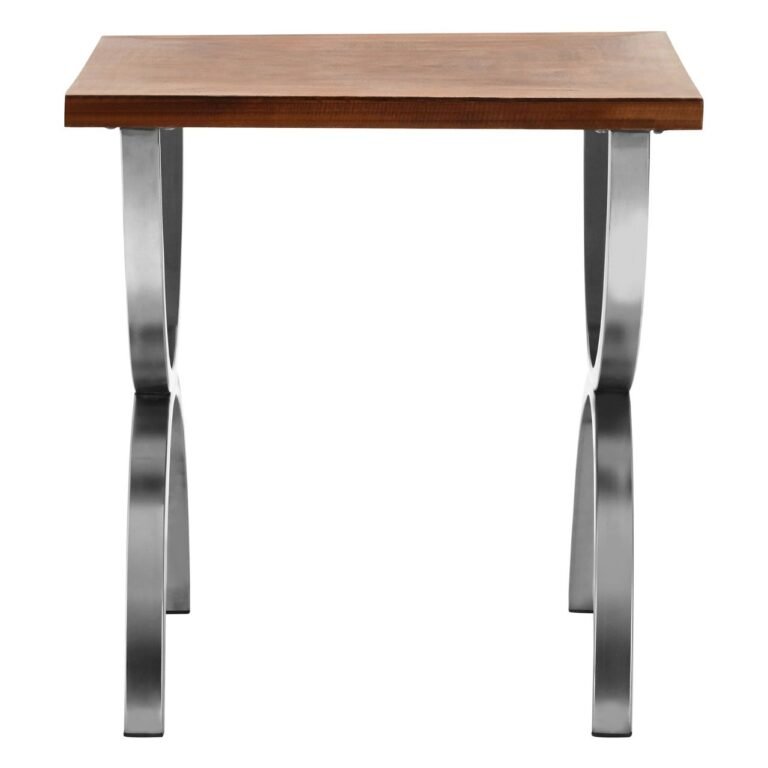
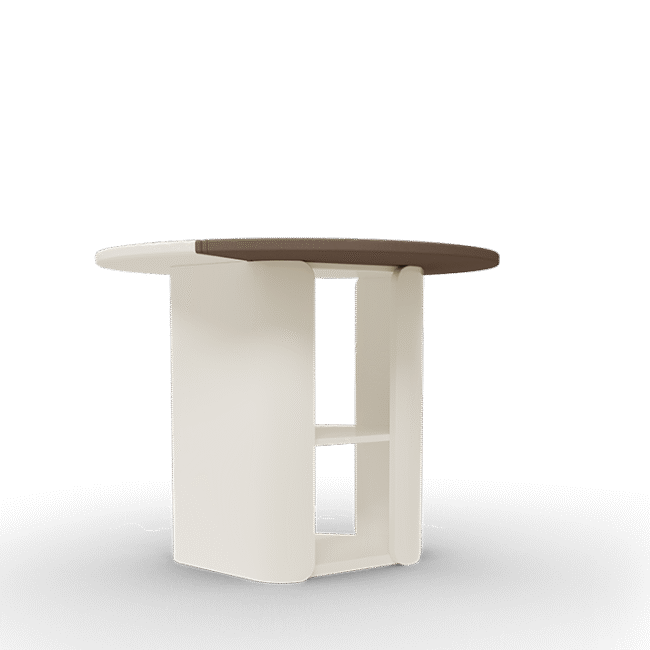
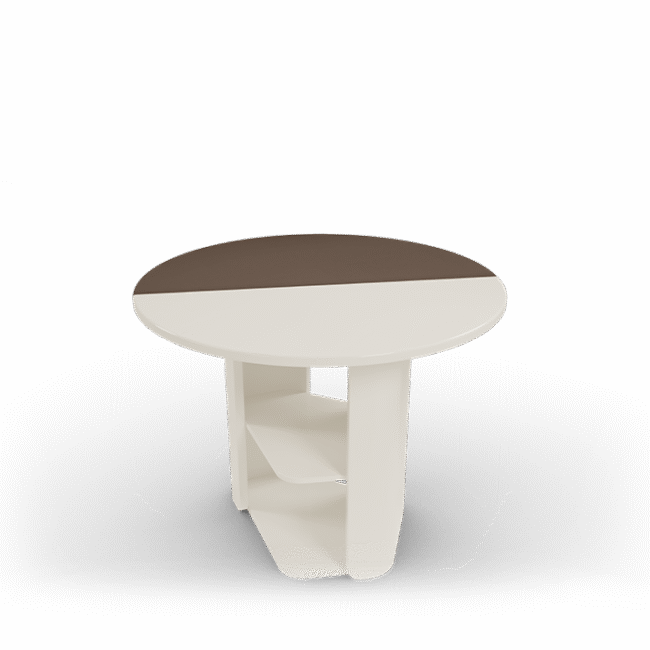
A square side table can look smart and structured, especially in a modern living room. A nesting side table is useful for small spaces because you can pull out the smaller table when needed and tuck it away afterwards. A slim pedestal table is perfect beside an armchair or in a narrow corner.

Use Material to Add Luxury

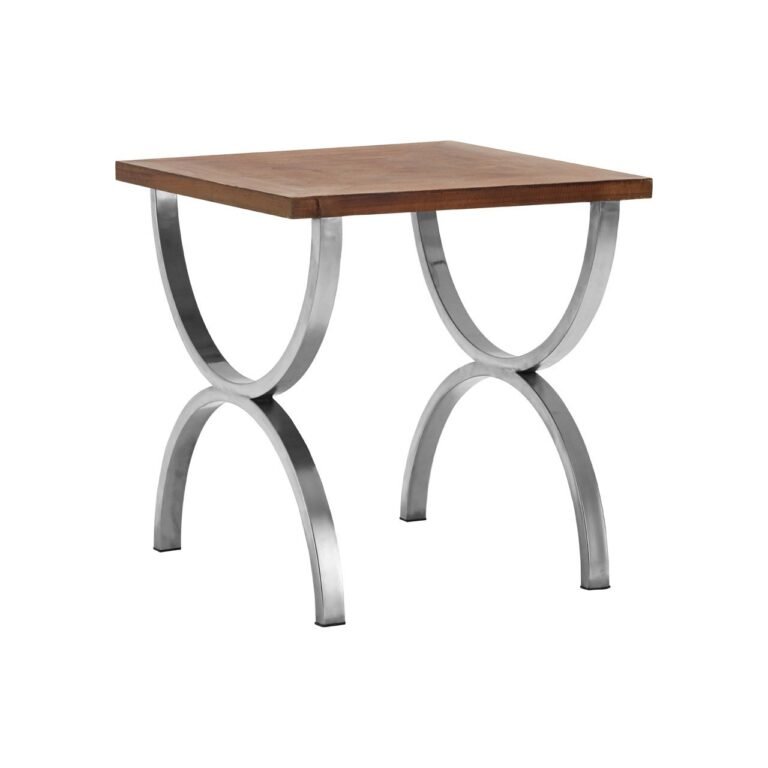
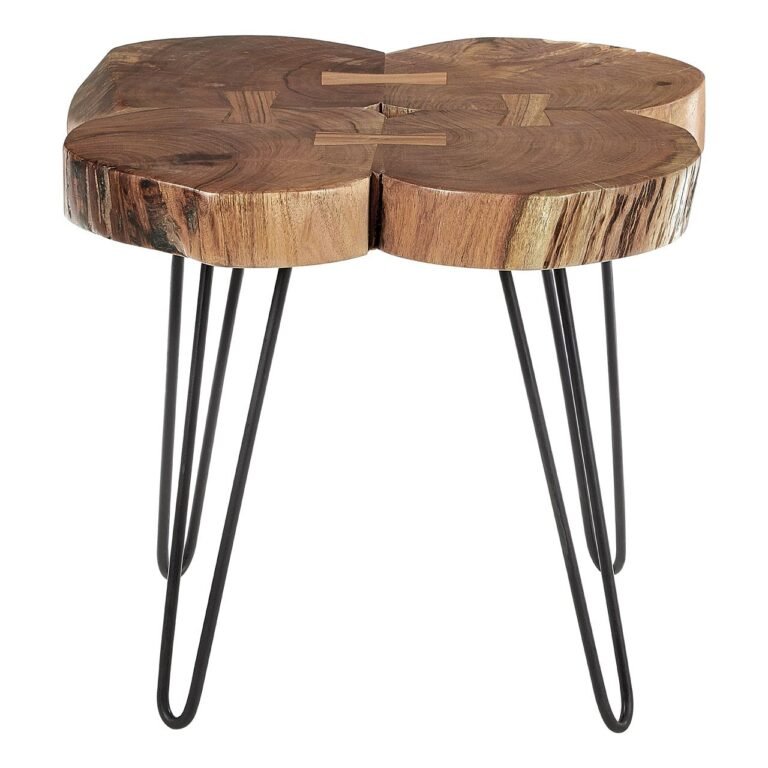
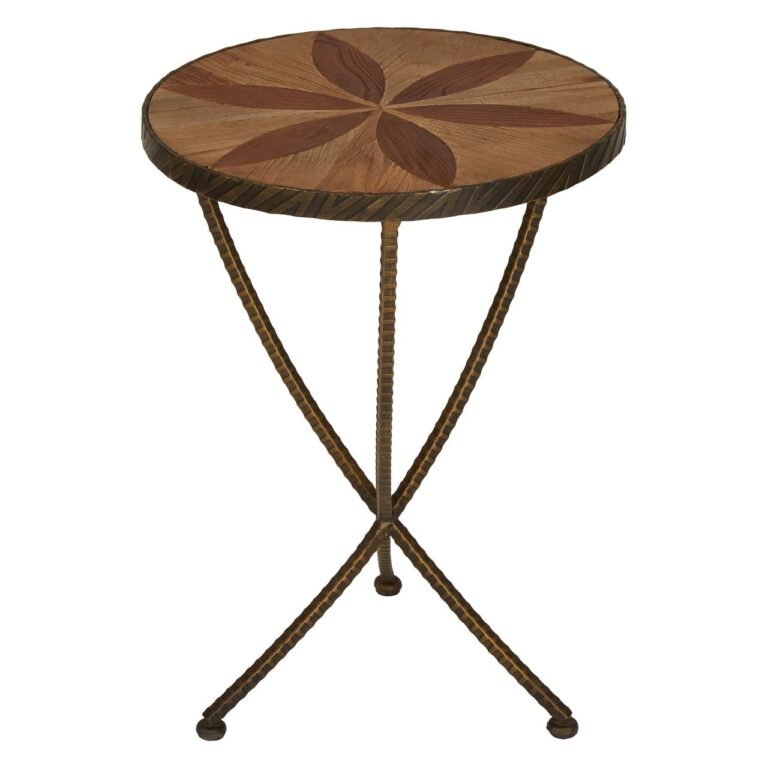
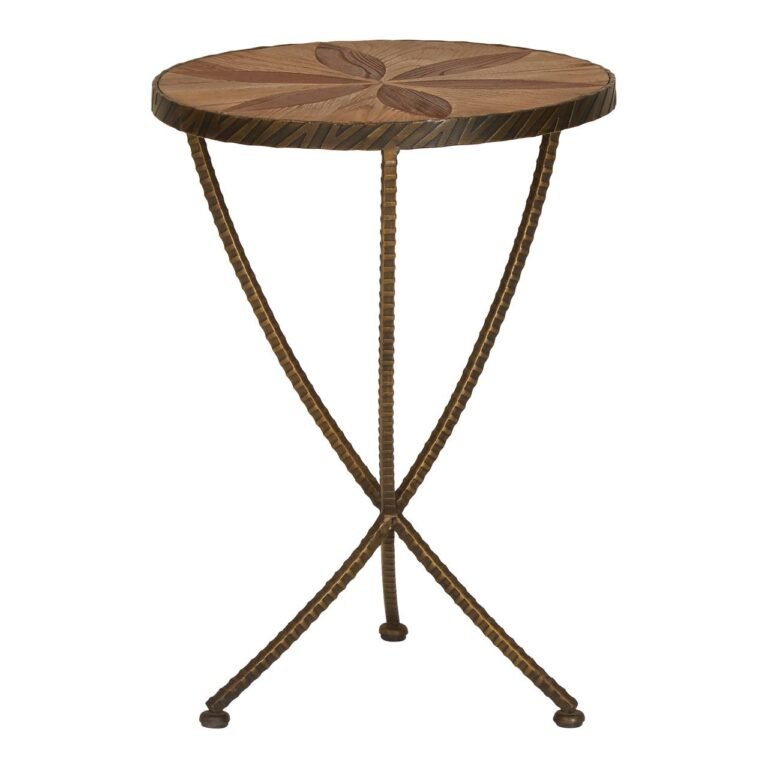
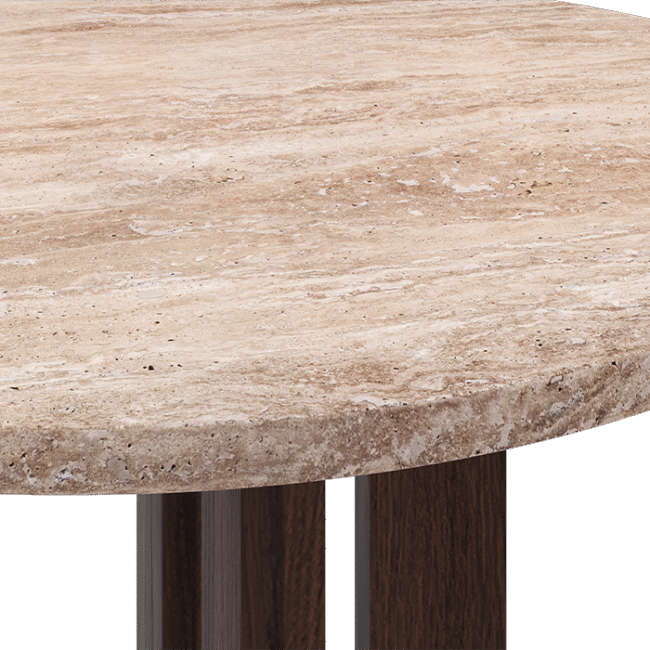
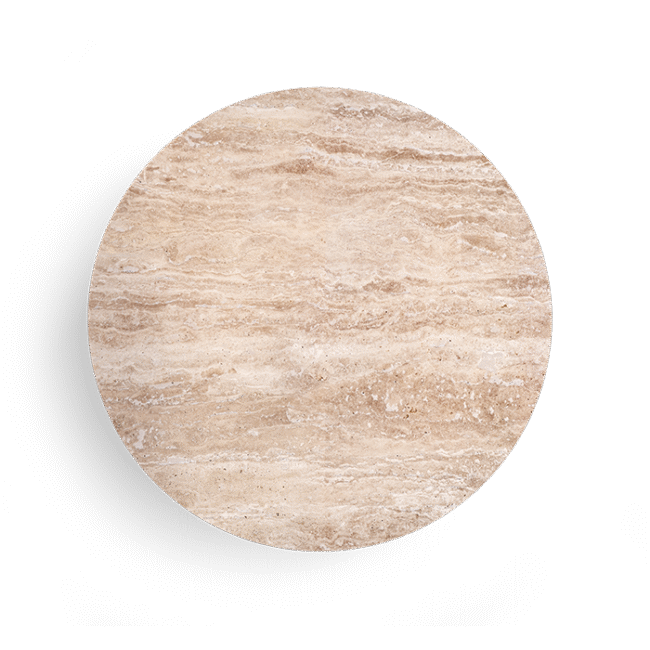
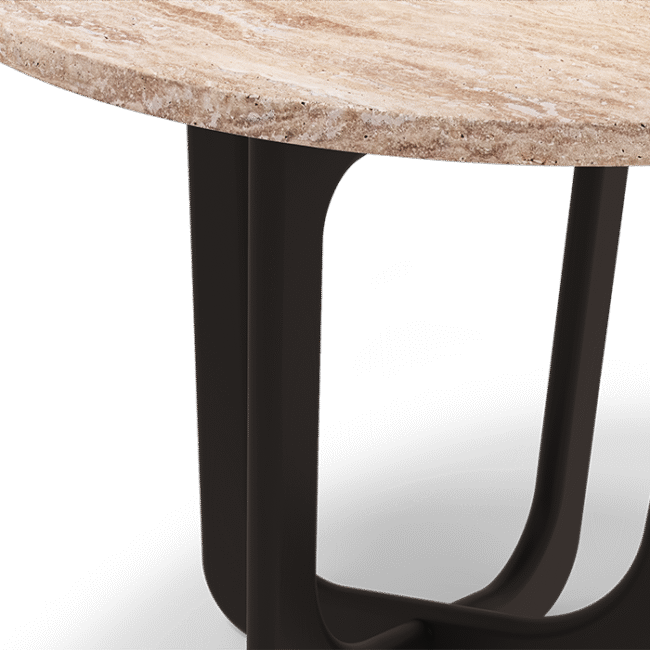
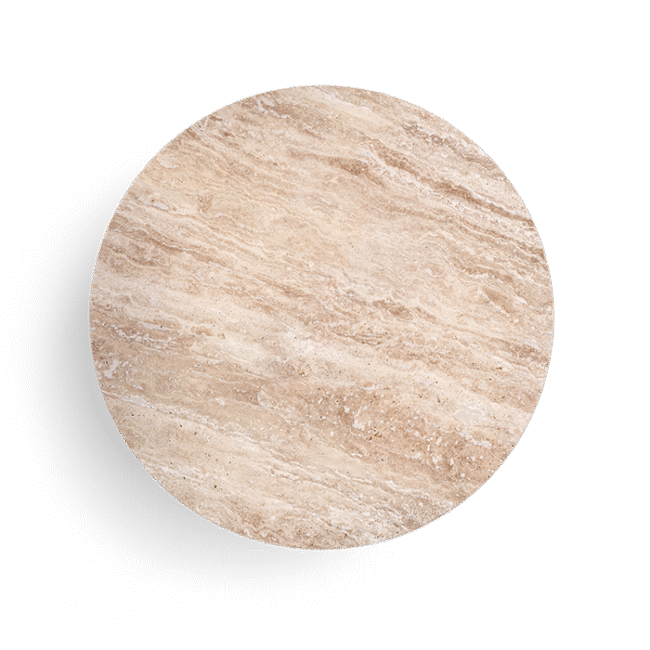
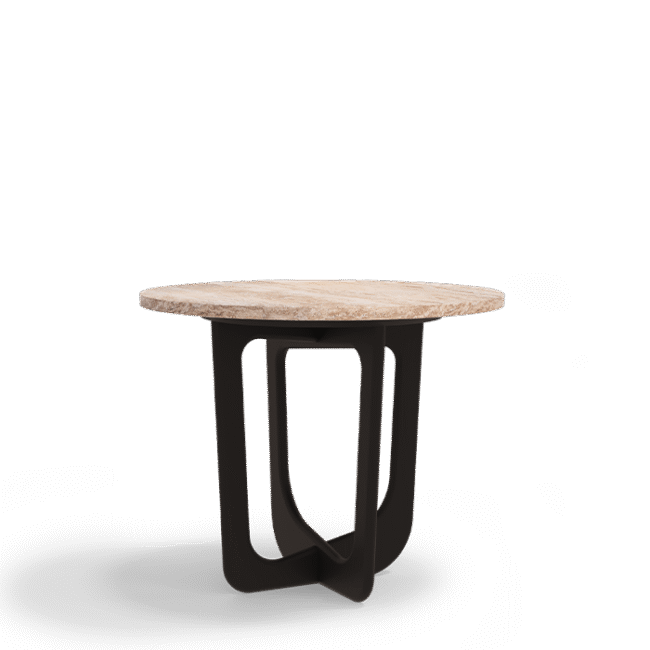
The material of your side table can instantly elevate the room. Marble adds elegance. Glass adds lightness. Wood adds warmth. Metal adds glamour. Travertine, ceramic and stone finishes add a designer feel.

For Eclectic Niche’s luxury interior style, a small side table should feel sophisticated but still usable. It should look beautiful in the room, but it should also serve a purpose.

Best Side Tables for Living Room Corners

Living room corners are often underused. A small side table can turn an empty corner into a beautiful styled feature.

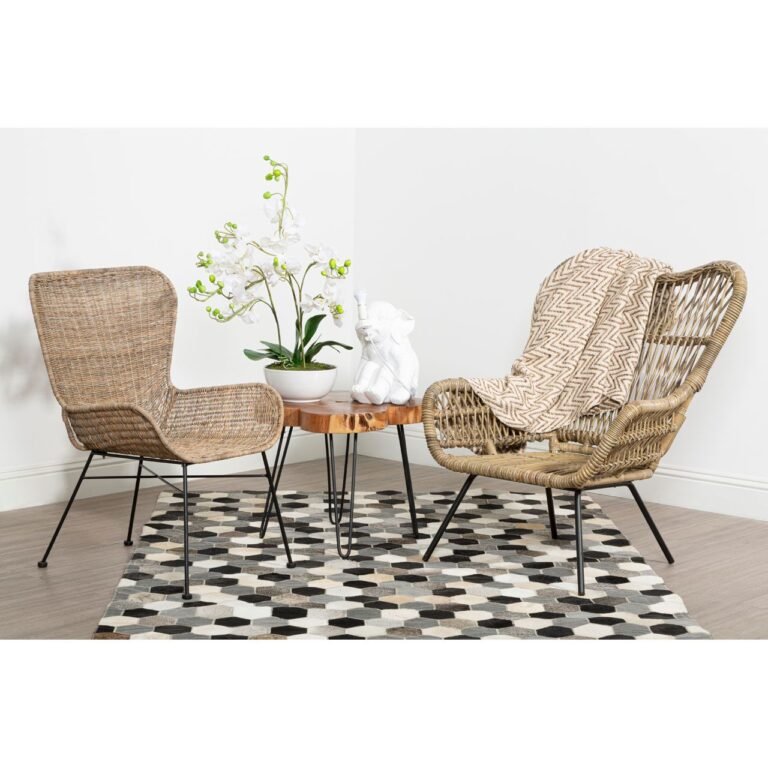
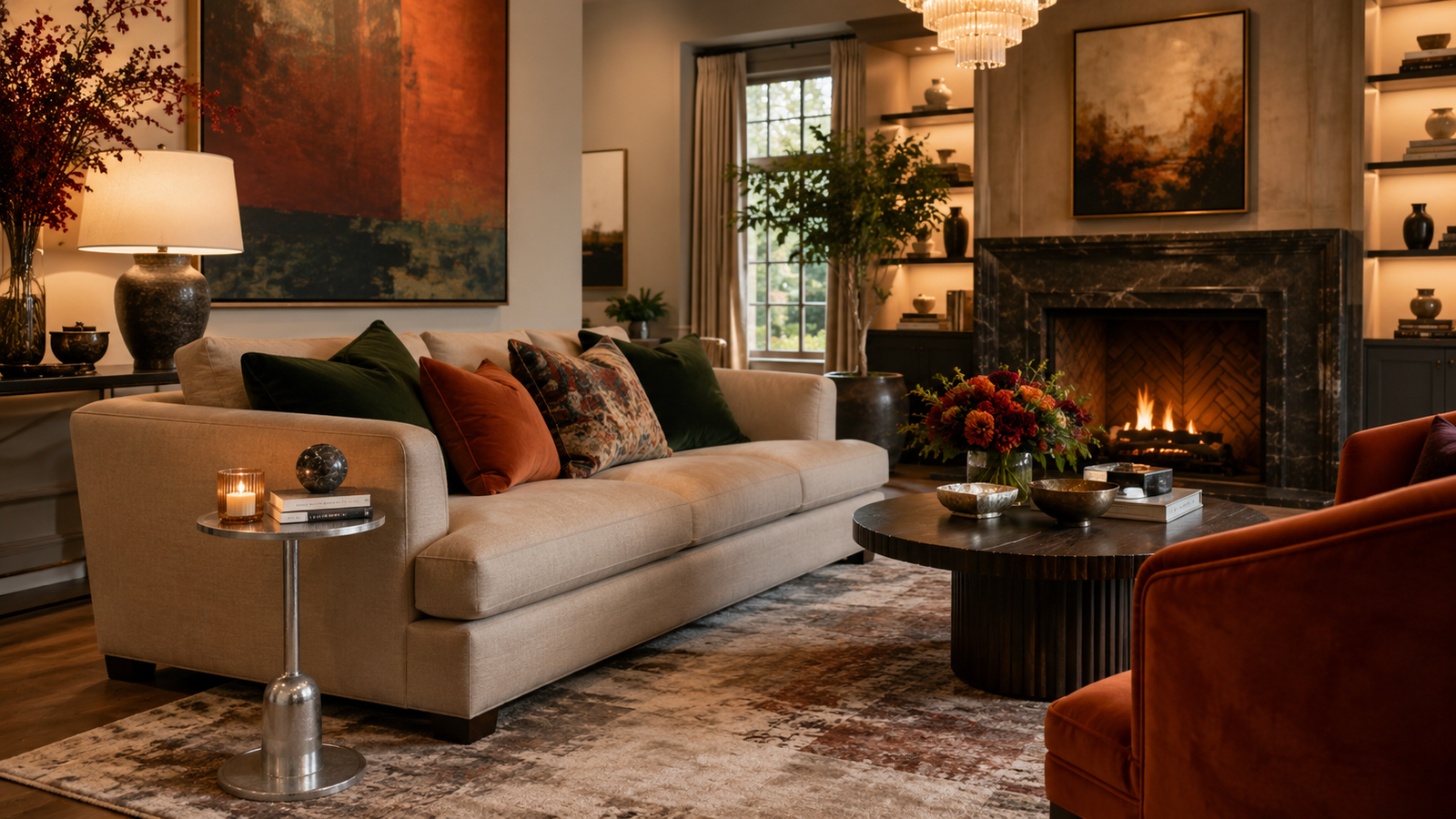
One of the easiest ways to style a corner is to place a side table beside an accent chair. Add a lamp, a small vase and a decorative book, and the space instantly becomes a reading nook. This works especially well in open-plan living rooms where you want to create smaller zones within one larger space.

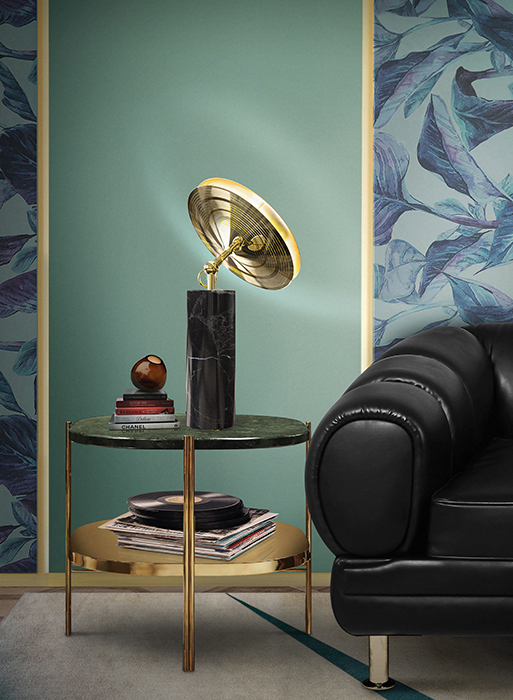
For a luxury corner, choose a table with an interesting material or shape. A marble side table, fluted side table, glass side table or brass-finished table can make the corner feel designed rather than forgotten.

If the corner is very tight, choose a slim round table or a pedestal design. Round shapes are easier to move around and often feel less heavy in small spaces.

For a darker corner, a glass or metallic side table can help bounce light around. For a plain corner, a wood or marble table can add texture and depth. For a vibrant living room, choose a table that complements your colour palette rather than competing with it.

A corner side table is also a good place to introduce height. Add a tall lamp, sculptural vase or plant to draw the eye upward. This makes the room feel more layered and gives the corner a stronger visual purpose.

Marble, Glass or Wood: Which Side Table Material Works Best?

The material you choose will strongly affect the final look of your living room. Each material creates a different mood.

Marble Side Tables

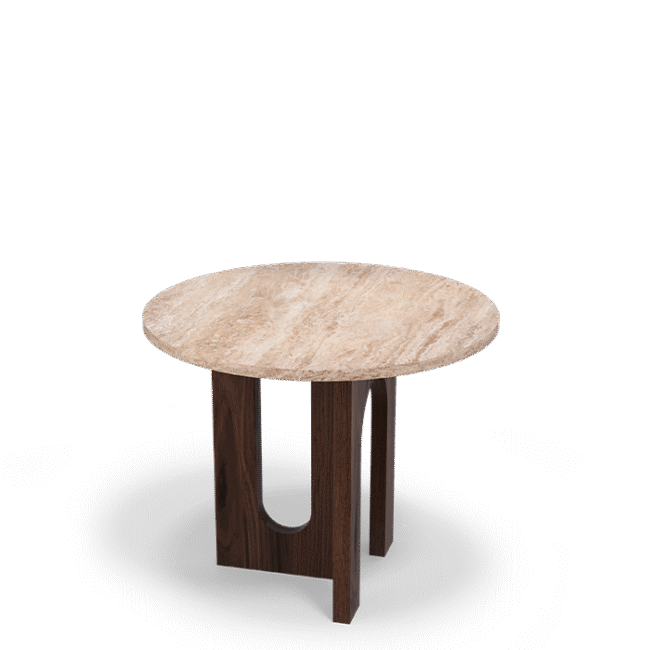
A marble side table is one of the best choices for a luxury living room. Marble has natural movement, pattern and elegance, which makes it feel expensive even when used in a small piece.

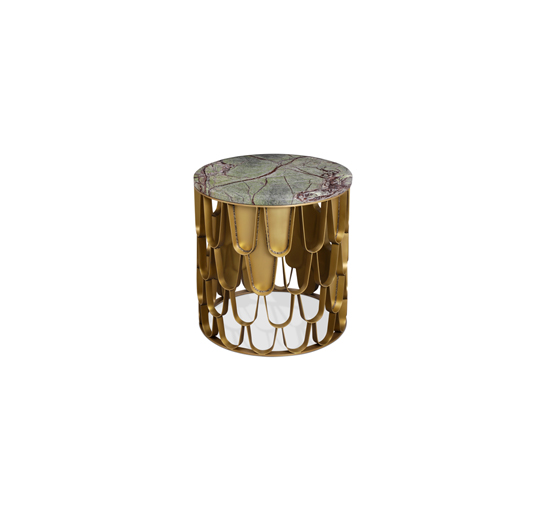
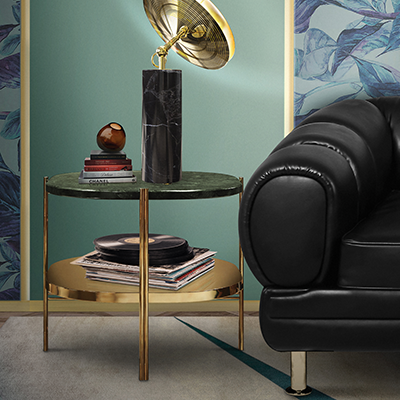
A white marble side table works beautifully in bright, neutral interiors. It pairs well with cream sofas, gold accents, beige rugs and soft lighting. A black marble side table feels more dramatic and works well in moody, modern or masculine interiors. Green marble is ideal if you want a rich, designer-inspired look.

Marble is especially good when you want the side table to feel like a statement piece. Because it has a natural pattern, it adds interest without needing too many accessories.

Glass Side Tables

A glass side table is perfect for small living rooms because it creates the feeling of openness. It does not visually block the room, so the space feels lighter and less crowded.

Glass works well with modern, minimal and contemporary interiors. It is also useful if your room already has heavy furniture, dark colours or strong patterns. Instead of adding more visual weight, a glass side table keeps the room elegant and airy.

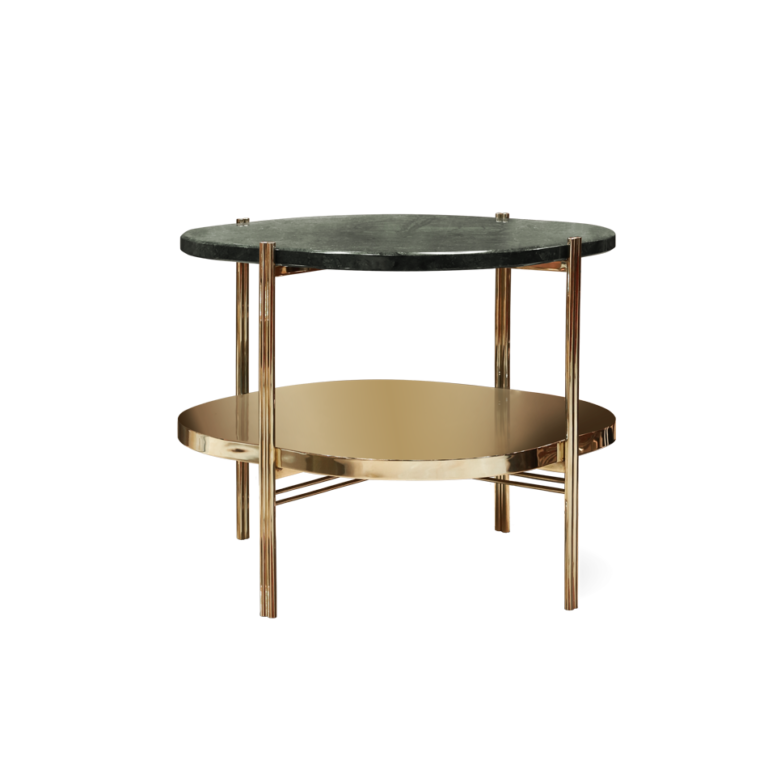
A glass side table with a gold or black metal frame can still feel luxurious without looking bulky.

Wooden Side Tables

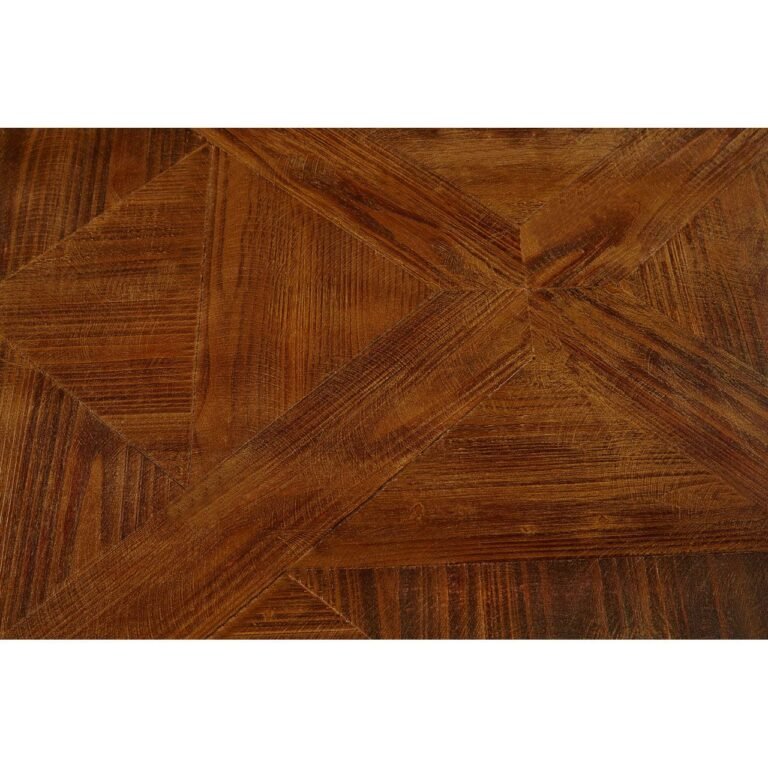
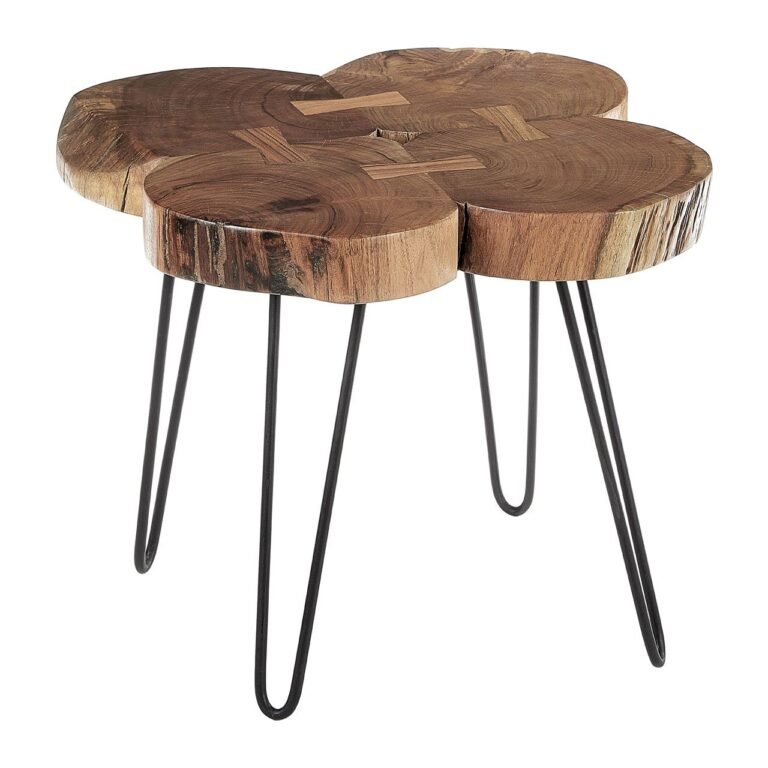
A wooden side table adds warmth, texture and comfort. It is a good choice if your living room feels too cold or too polished. Wood softens marble, metal, glass and leather, making the room feel more inviting.

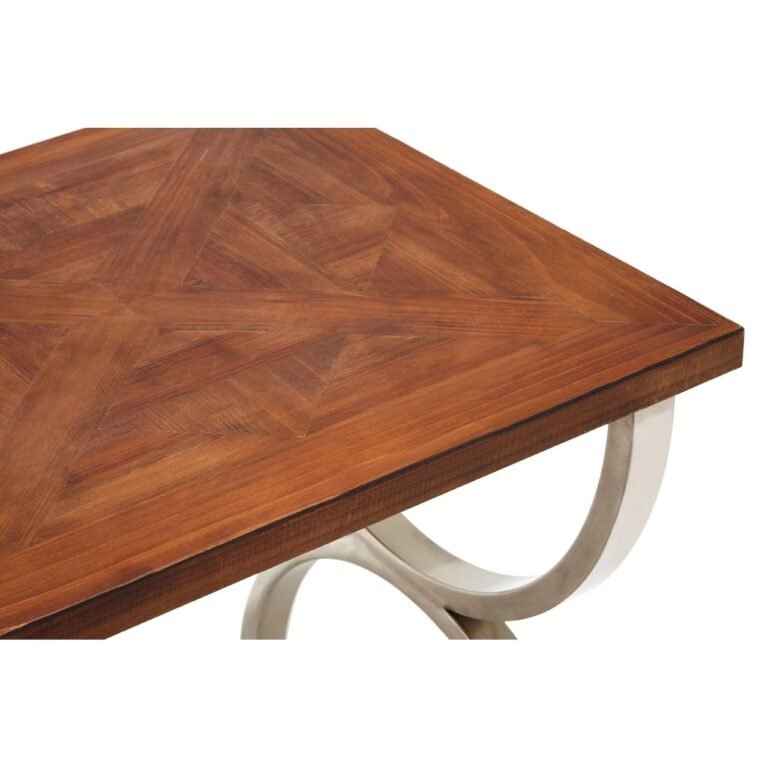
Dark wood creates a rich, classic look. Light wood feels calm and Scandi-inspired. Walnut is especially beautiful in luxury interiors because it has depth and warmth without feeling too traditional.

Wood is also practical and timeless, making it a good choice for everyday living rooms.

Which Material Should You Choose?

Choose marble if you want elegance and impact. Choose glass if you want a light, space-saving look. Choose wood if you want warmth and timeless comfort. For the most luxurious effect, mix materials across the room rather than matching everything exactly.

For example, pair a marble side table with a soft fabric sofa, a wooden media unit and brass lighting. This creates a layered interior that feels curated rather than flat.

How Tall Should a Side Table Be?

A side table should usually sit close to the height of your sofa or armchair arm. This makes it comfortable to use because you can easily reach for a drink, book or lamp switch without stretching.

As a simple rule, your side table should be roughly level with the arm of the sofa, or just slightly lower. If it is much higher, it can feel awkward. If it is much lower, it may look disconnected from the seating.

For a sofa side table, always check the sofa arm height before choosing. For an armchair, make sure the table is easy to reach when seated. For a decorative side table in a corner, height matters less, but it should still feel balanced with the surrounding furniture.

If you want to place a lamp on the table, choose a side table that gives the lamp enough height to cast light comfortably. A very low table with a small lamp may not provide enough useful lighting.

If your living room has different seating heights, nesting tables can be a clever solution because they give you flexibility.

How to Style a Side Table Like an Interior Designer

Styling a side table is about balance. You want it to look beautiful, but not cluttered. The best side table decor feels intentional, elegant and useful.

Start with One Practical Item

Every side table should have a practical purpose. This might be a lamp, coaster, tray, small dish or book. Starting with something useful keeps the styling grounded.

A side table beside a sofa may need space for a drink. A side table beside an armchair may need a reading lamp. A decorative side table may simply hold a vase or sculpture.

Add Height

Height makes the styling more interesting. A lamp, candle holder, tall vase or plant can draw the eye upward and stop the table looking flat.

If your side table is small, choose one taller item rather than several medium-sized pieces.

Use Texture

Luxury interiors often feel beautiful because of texture. A marble side table with a ceramic vase, linen lampshade and hardback book feels layered and refined. A wooden table with a glass candle and fresh flowers feels warm but elegant.

Mixing textures makes a small table look more expensive.

Keep Negative Space

Do not cover the whole surface. Empty space is important. It allows the table to breathe and makes the styling look more intentional.

A common mistake is placing too many small accessories on a side table. Instead, use two or three carefully chosen pieces.

Use the Rule of Three

A simple styling formula is to use three items: one tall, one medium and one low.

For example, you could style your side table with a table lamp, a vase and a decorative book. This creates balance without making the table feel crowded.

Add Something Personal

A luxury home should still feel personal. Add a small framed photo, a favourite book, a meaningful ornament or a beautiful candle that reflects your taste.

The best side table styling does not look copied. It feels curated for the home.

Interior design writer Kristin Hohenadel explains in The Spruce that “decorating a side table can enhance the functionality and appeal of your living room.” This supports the idea that a small side table is not just decorative, but also practical.

Small Side Tables for Compact Living Rooms

Small living rooms need furniture that works hard without overwhelming the space. A small side table is ideal because it adds function without taking up the footprint of a large coffee table or console.

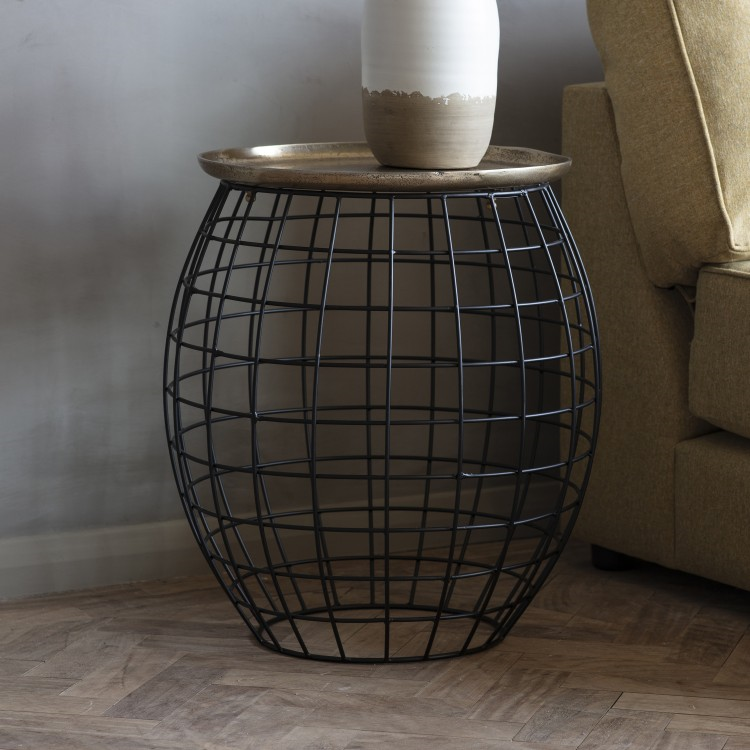
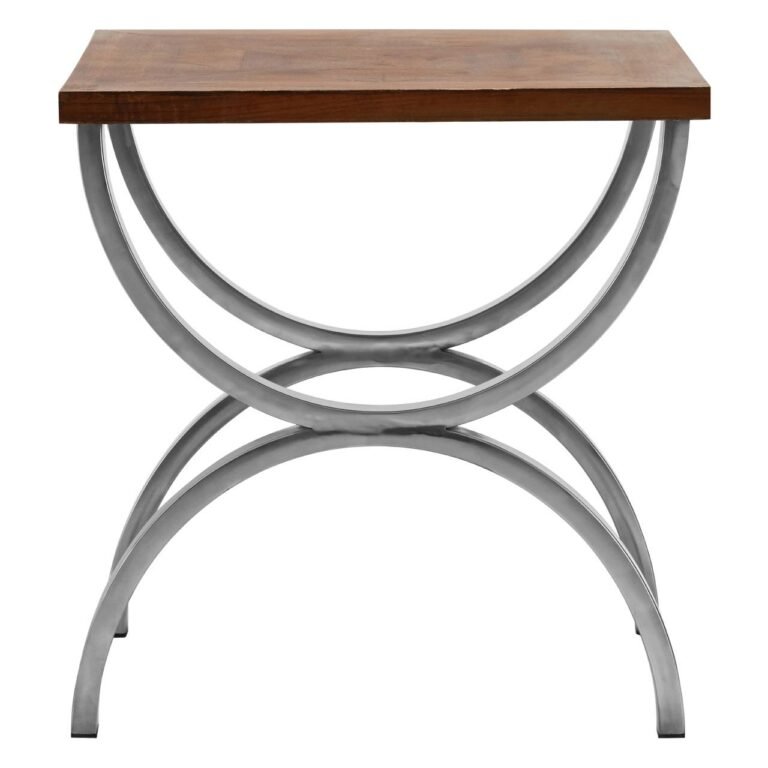
For compact living rooms, choose designs that feel light. Round tables, glass tables, pedestal tables and slim metal frames are especially useful. They provide surface space while keeping the room visually open.

Nesting tables are also excellent for small spaces. They give you extra surface area when guests visit but can be tucked away when not needed.

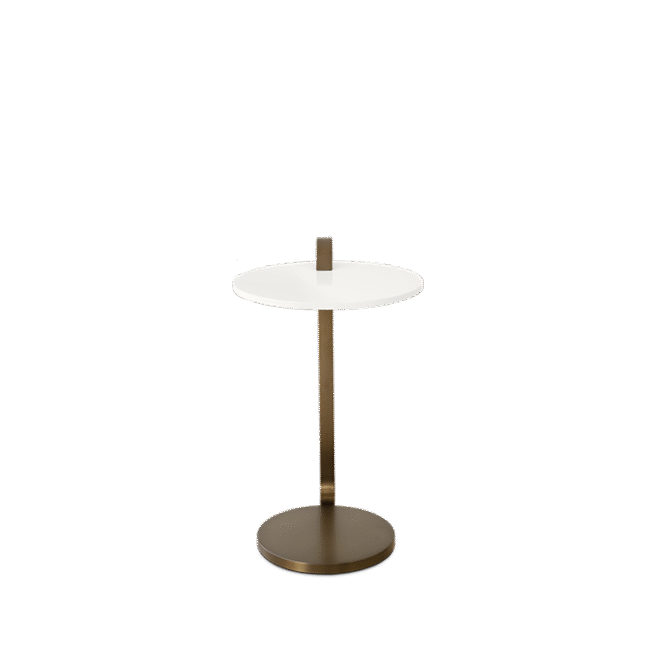
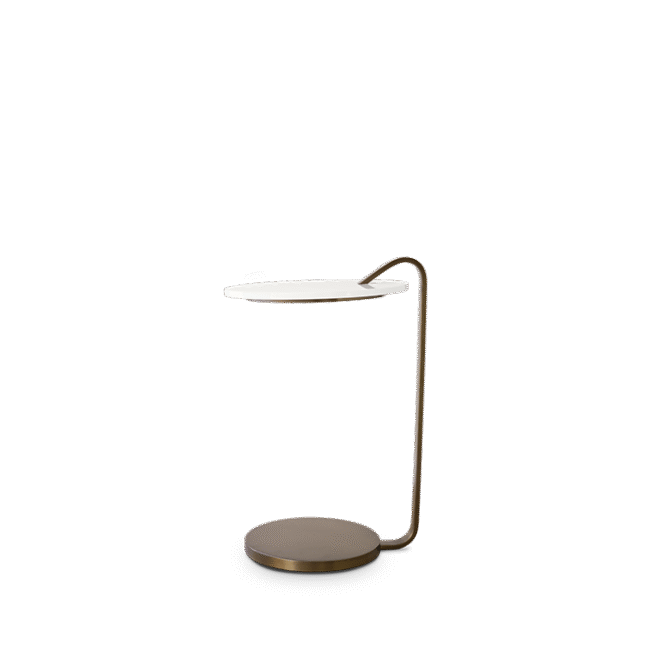
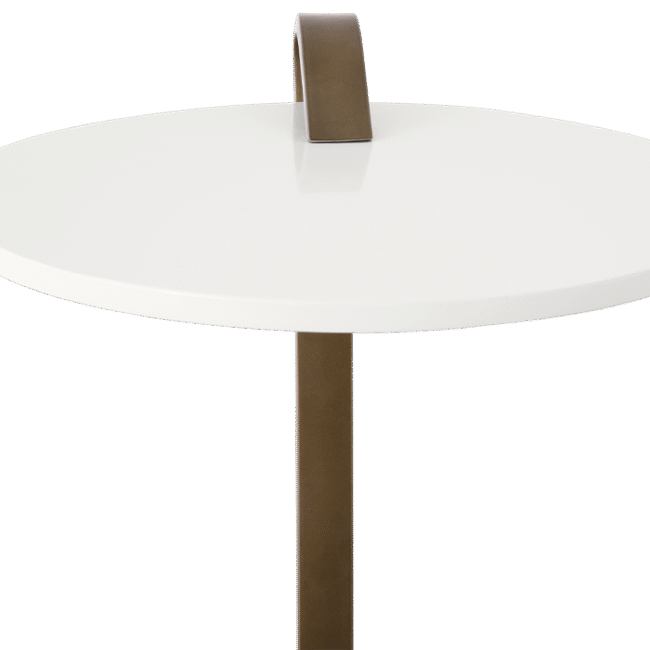
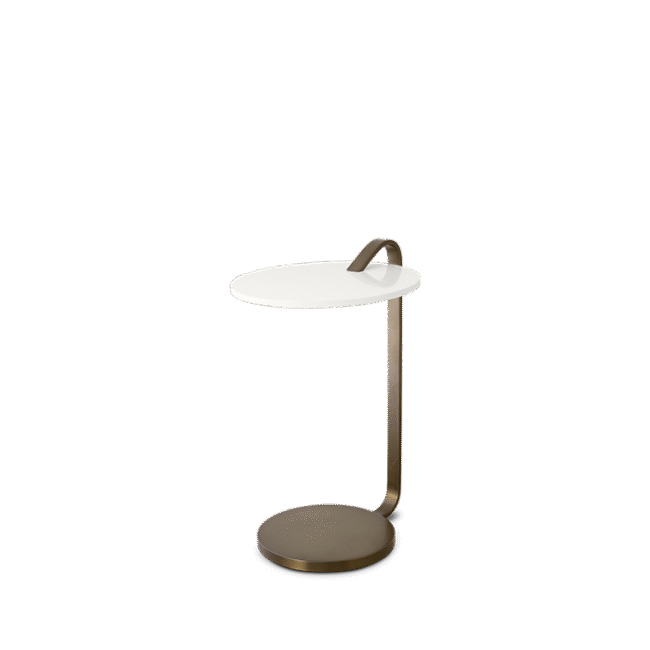
If your living room is very narrow, consider a C-shaped side table that slides beside or slightly under the sofa. This gives you a practical surface without needing much floor space.

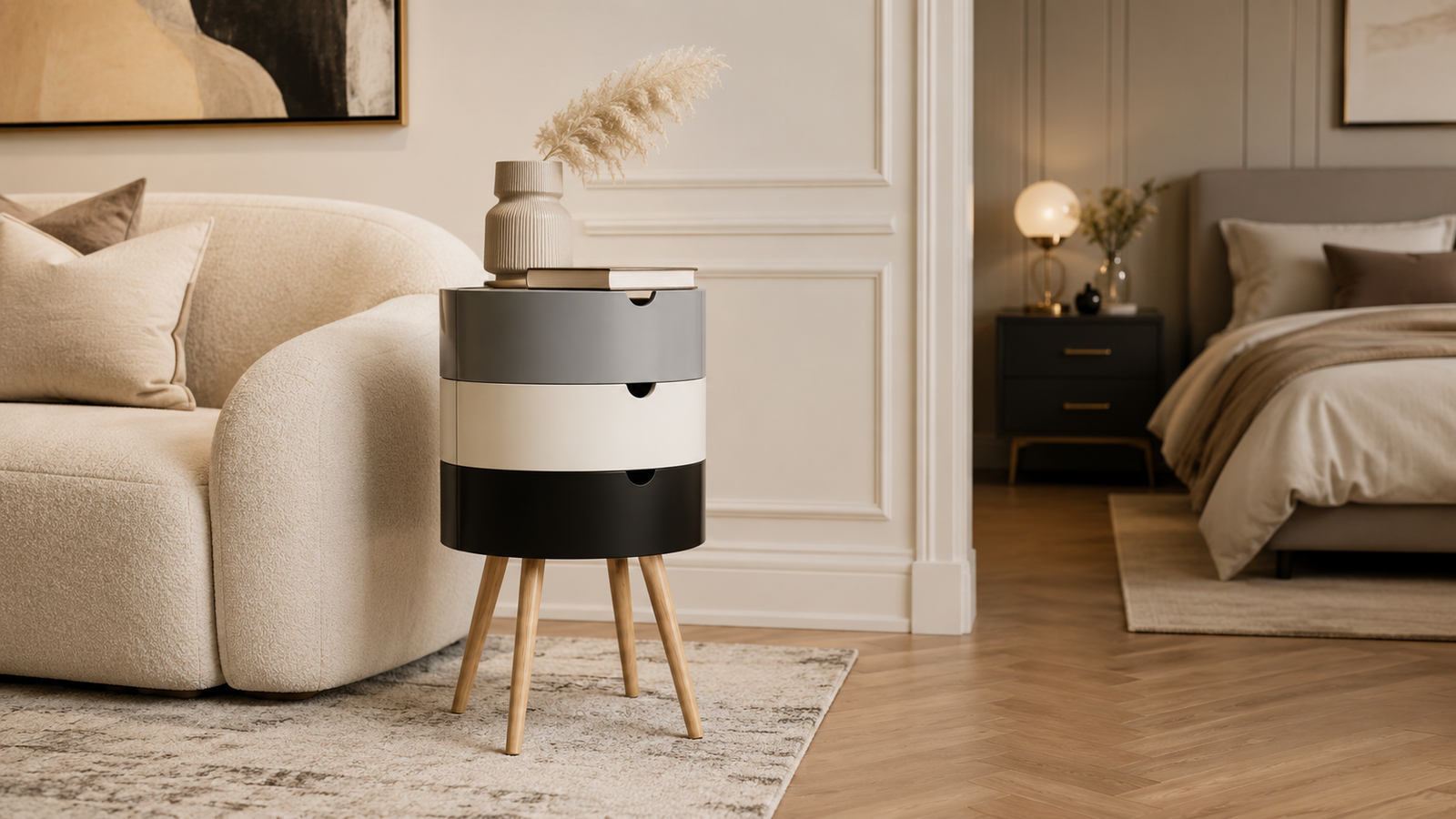
Another good idea is to choose a side table with storage. A small table with a drawer can hide remotes, chargers, matches, coasters and other small items that usually create clutter.

For compact luxury living, the goal is not to fill every corner. The goal is to choose fewer, better pieces that make the room feel stylish and functional.


Side Table for Sofa: How to Get the Look Right

A side table for sofa placement should feel connected to the seating area. It should not look randomly placed. Ideally, it should sit close enough to be used comfortably but with enough space to move around.

If you have a large sofa, you can place a side table at one or both ends. Matching side tables create a formal, symmetrical look. Different side tables create a more relaxed, designer-led look.

For a luxury living room, do not be afraid to mix materials. A cream sofa with a marble side table looks elegant. A dark velvet sofa with a brass side table feels dramatic. A linen sofa with a wooden side table feels calm and timeless.

The sofa side table is also a good place for lighting. A table lamp creates a softer mood in the evening and makes the living room feel warmer than relying only on ceiling lights.

If your sofa is placed away from the wall, make sure the side table looks good from all angles. A sculptural table or round pedestal design works well because it feels finished from every side.


Side Table for Armchair: Creating a Stylish Reading Corner

A side table for an armchair can turn a simple chair into a beautiful reading corner. This is one of the easiest ways to make a living room feel more luxurious and lived-in.

Place a small round side table beside the chair, add a lamp or vase, then finish with a throw and cushion. The table should be close enough to reach easily while seated.

For a classic look, choose a wooden or marble side table. For a contemporary look, choose glass, metal or a sculptural design. For a cosy look, choose warm wood, ceramic or a textured finish.

A reading corner should feel inviting, not overcrowded. Keep the styling simple and leave enough space for a cup of tea, a book or reading glasses.


Living Room Side Table Ideas for a Luxury Home

There are many stylish ways to use small side tables in a luxury living room. The best choice depends on your room size, colour palette and the mood you want to create.

Marble Moment

Use a marble side table beside a neutral sofa to add instant elegance. Style it with a sculptural vase, a candle and a hardback interior design book.

Glass and Gold Glamour

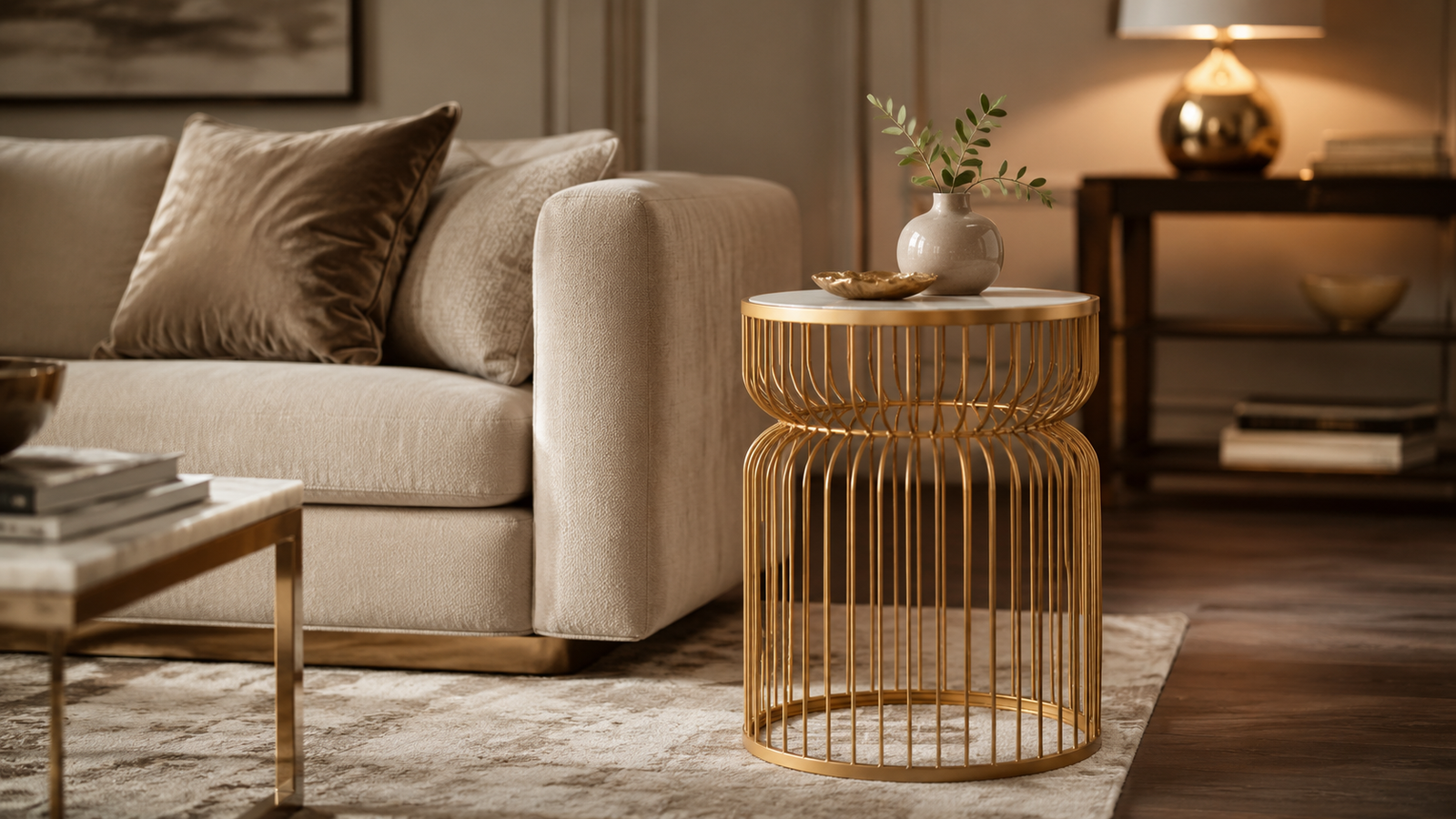
Choose a glass side table with a gold frame for a light but glamorous look. This works beautifully with velvet seating, soft lighting and warm neutral tones.

Dark Wood Sophistication

A walnut or dark wood side table adds richness to the room. Pair it with cream upholstery, bronze lighting and textured cushions.

Round Table Softness

Use a round side table to soften a room with square sofas, rectangular rugs and angular coffee tables. This makes the living room feel more relaxed and balanced.

Nested Practicality

Use nesting side tables in a small living room so you can create more surface space when entertaining.

Statement Sculptural Piece

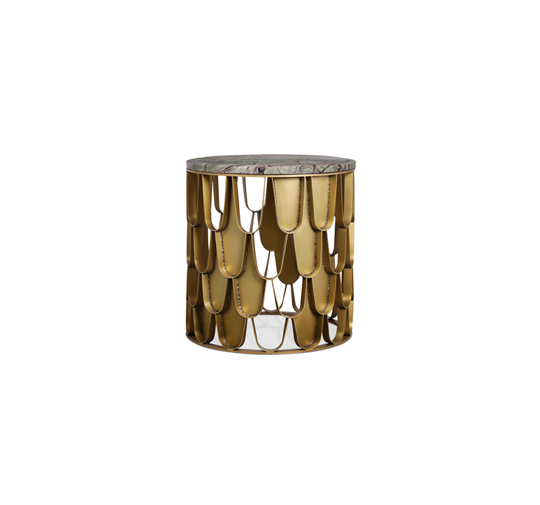
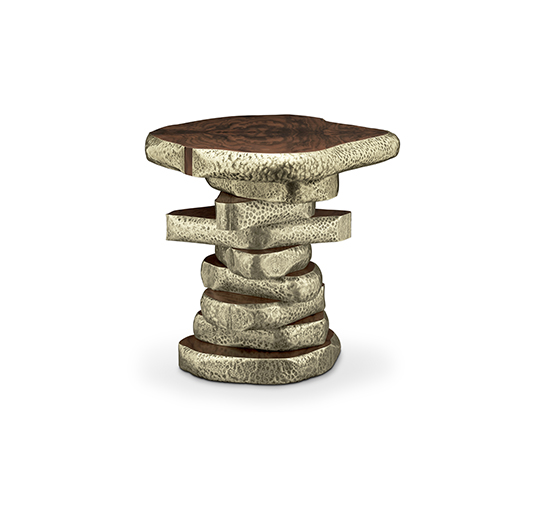
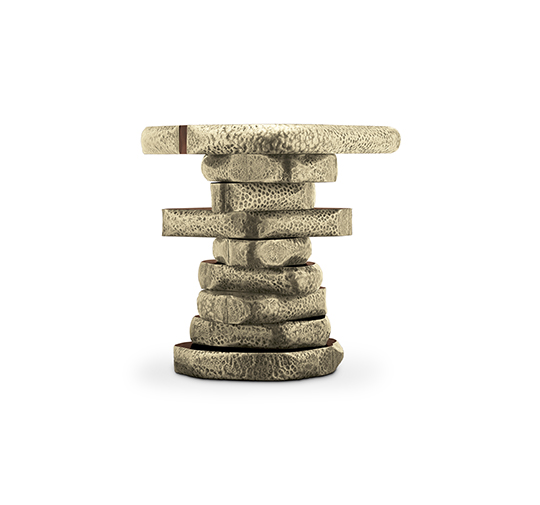
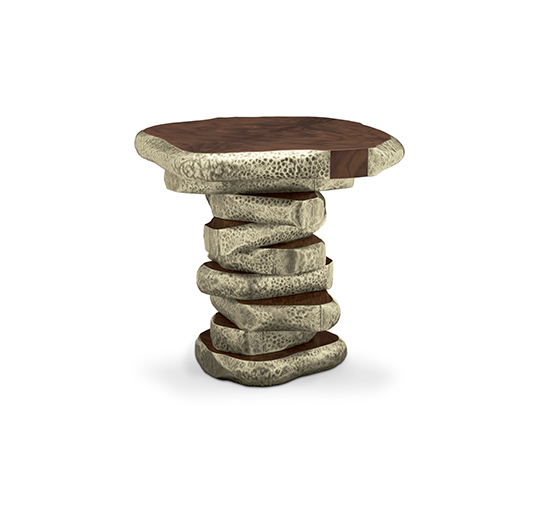
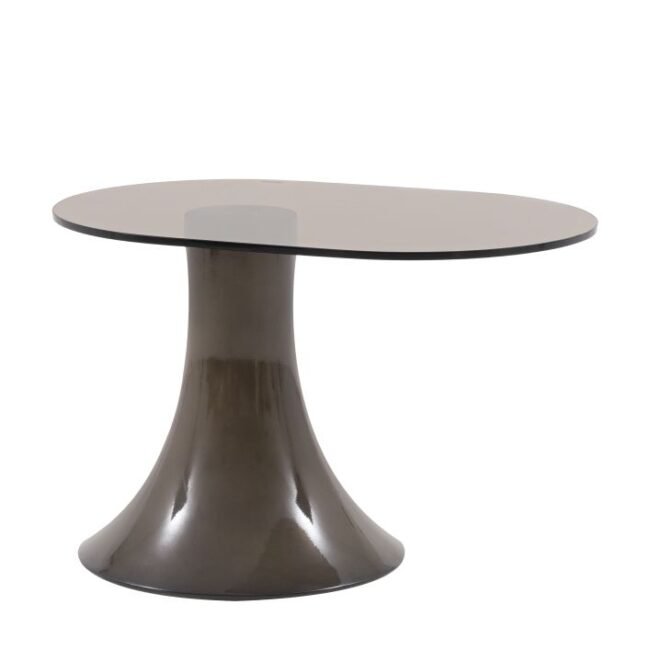
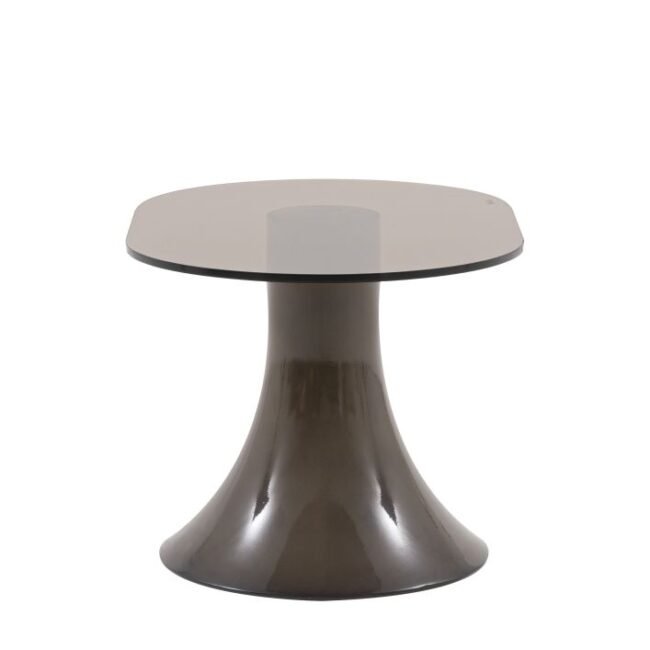
Choose a side table with an unusual base, fluted texture or stone finish to create a designer focal point.

Minimalist Luxury

Use one clean-lined small side table with a beautiful lamp and minimal accessories. This works well in modern homes where simplicity is part of the design.


Common Side Table Mistakes to Avoid

Even a beautiful side table can look wrong if it is badly placed or overstyled.

One common mistake is choosing a table that is too small for the sofa. This can make the room feel unbalanced. Another mistake is choosing a table that is too tall or too low, which makes it awkward to use.

Overstyling is another issue. A side table does not need five candles, three books, flowers, ornaments and a lamp all at once. Too many items can make the room feel cluttered.

It is also important not to match everything too perfectly. A living room where the coffee table, side tables, TV unit and shelving are all the exact same finish can feel flat. Luxury interiors usually look better when materials are layered.

Finally, do not forget practicality. A side table should still leave enough surface space for everyday use.


Shop Stylish Side Tables at Eclectic Niche

The perfect small side table should feel beautiful, practical and in harmony with your living room. It should add elegance without overpowering the space. It should serve a purpose while also contributing to the overall design.

At Eclectic Niche, side tables are more than occasional furniture. They are finishing pieces that help transform a living room from simple to stylish.

Whether you prefer marble side tables, glass side tables, round side tables, wooden side tables or luxury statement pieces, the right design can make your home feel more refined and complete.

Explore stylish side tables at Eclectic Niche and choose a piece that brings balance, function and personality to your living room.

What do you think?
Leave a Reply

Blog

Get fresh home inspiration and helpful tips from our interior designers

top
1
    1
    Your Cart
    Aroma Side Table Remove
    Aroma Side Table
    Qty: 1
    Price: £4,884
    £4,884

    Inactive

    Privacy Overview

    This website uses cookies so that we can provide you with the best user experience possible. Cookie information is stored in your browser and performs functions such as recognising you when you return to our website and helping our team to understand which sections of the website you find most interesting and useful.