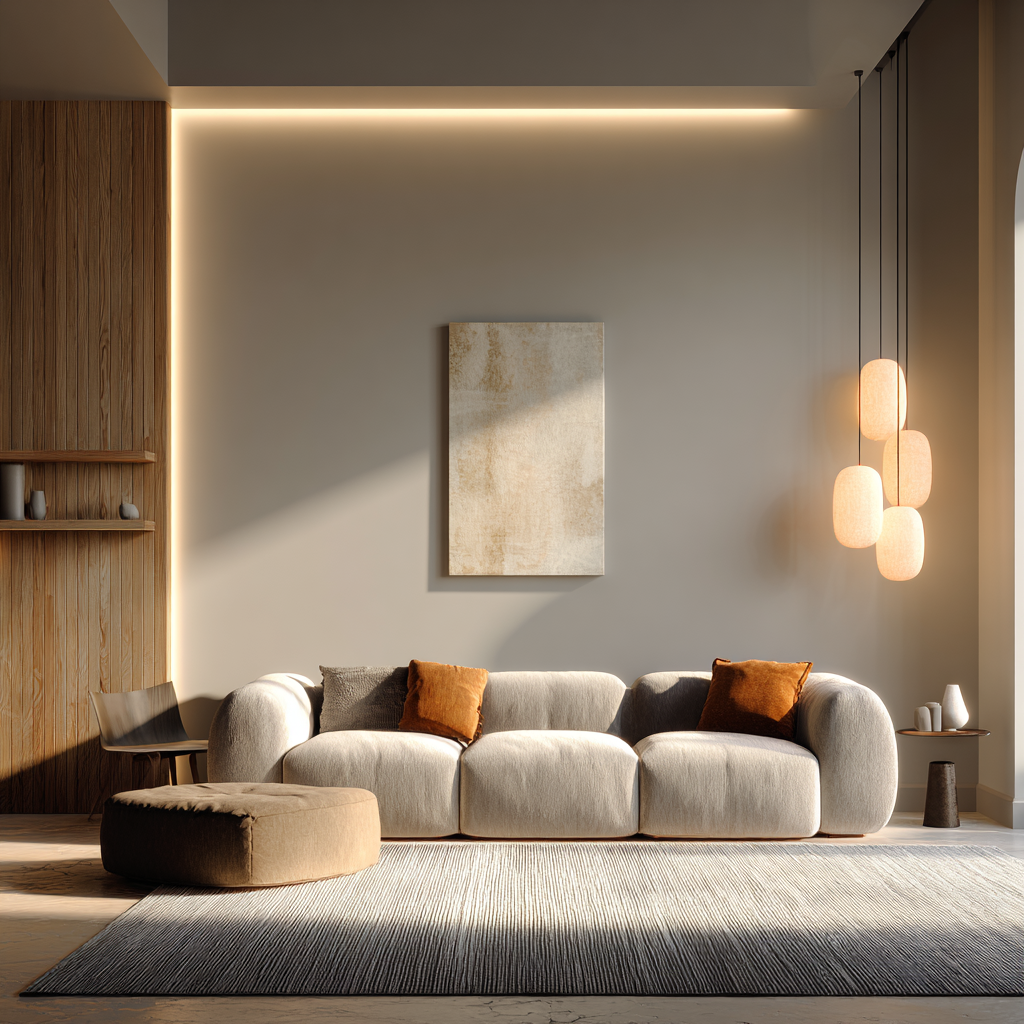
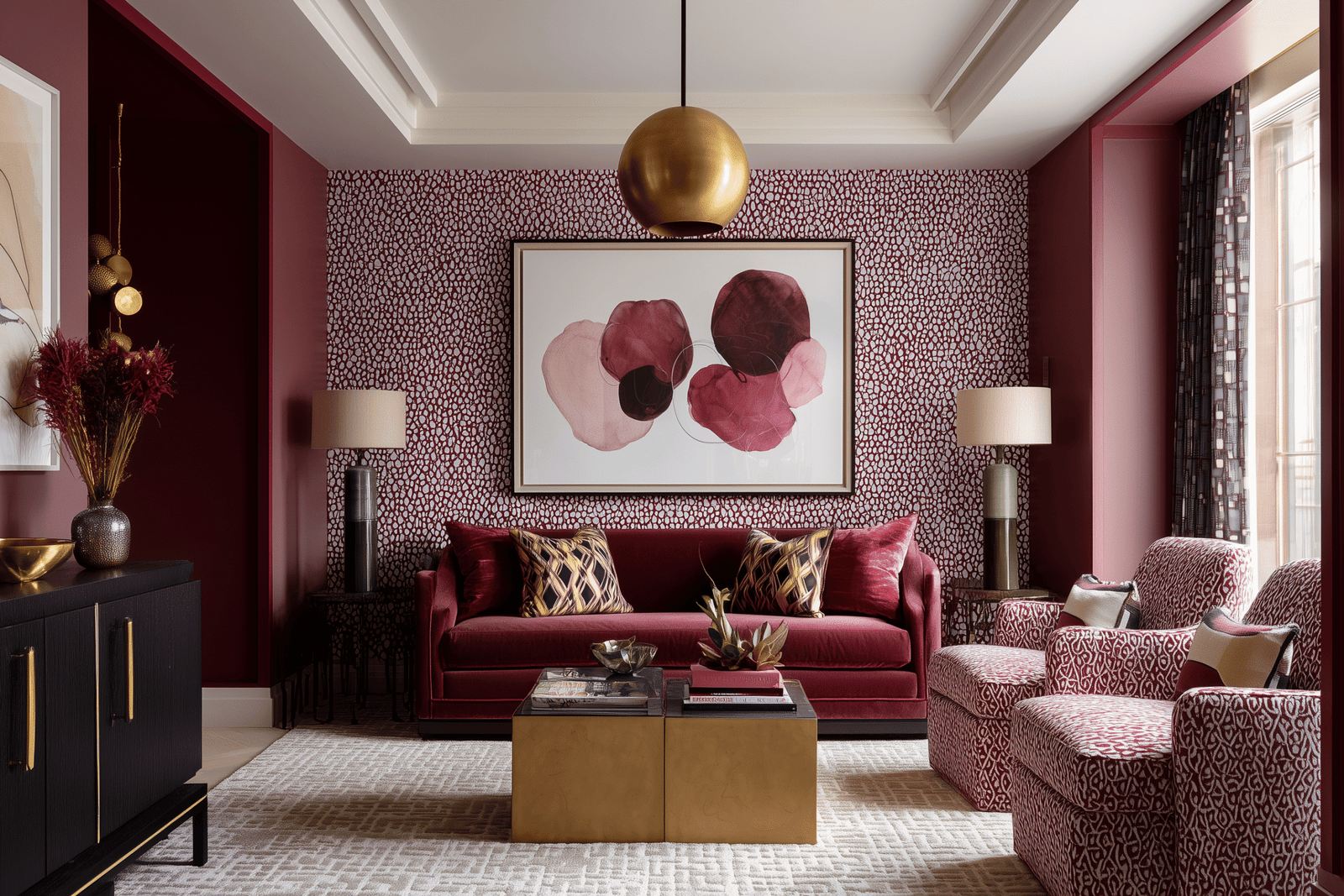
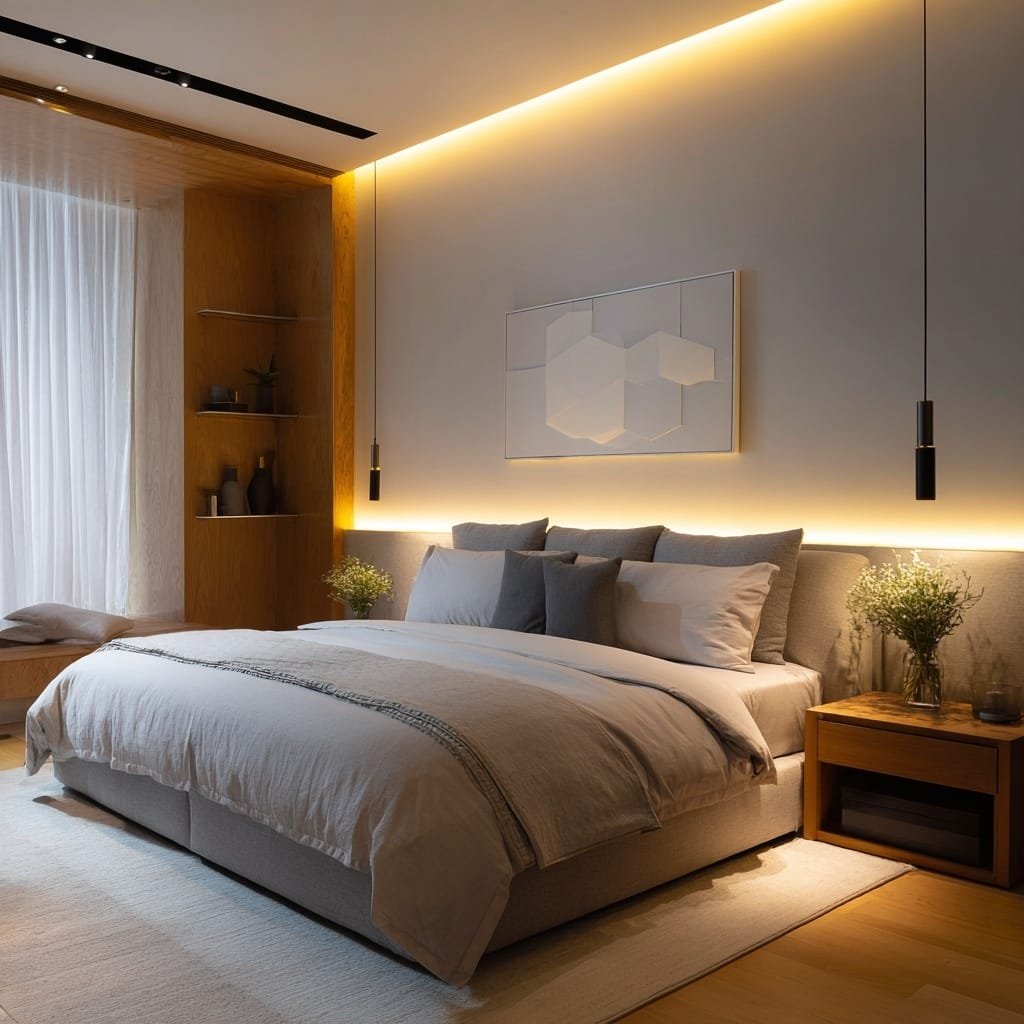
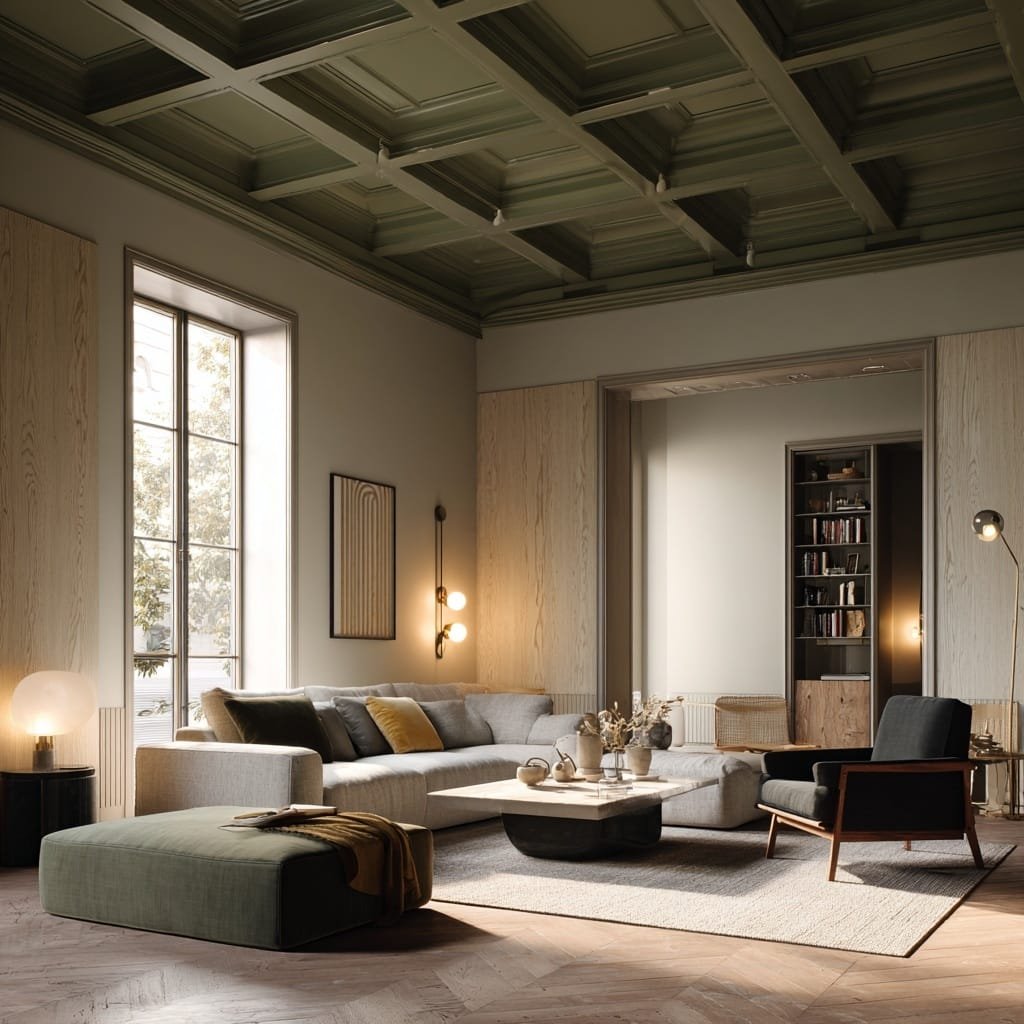
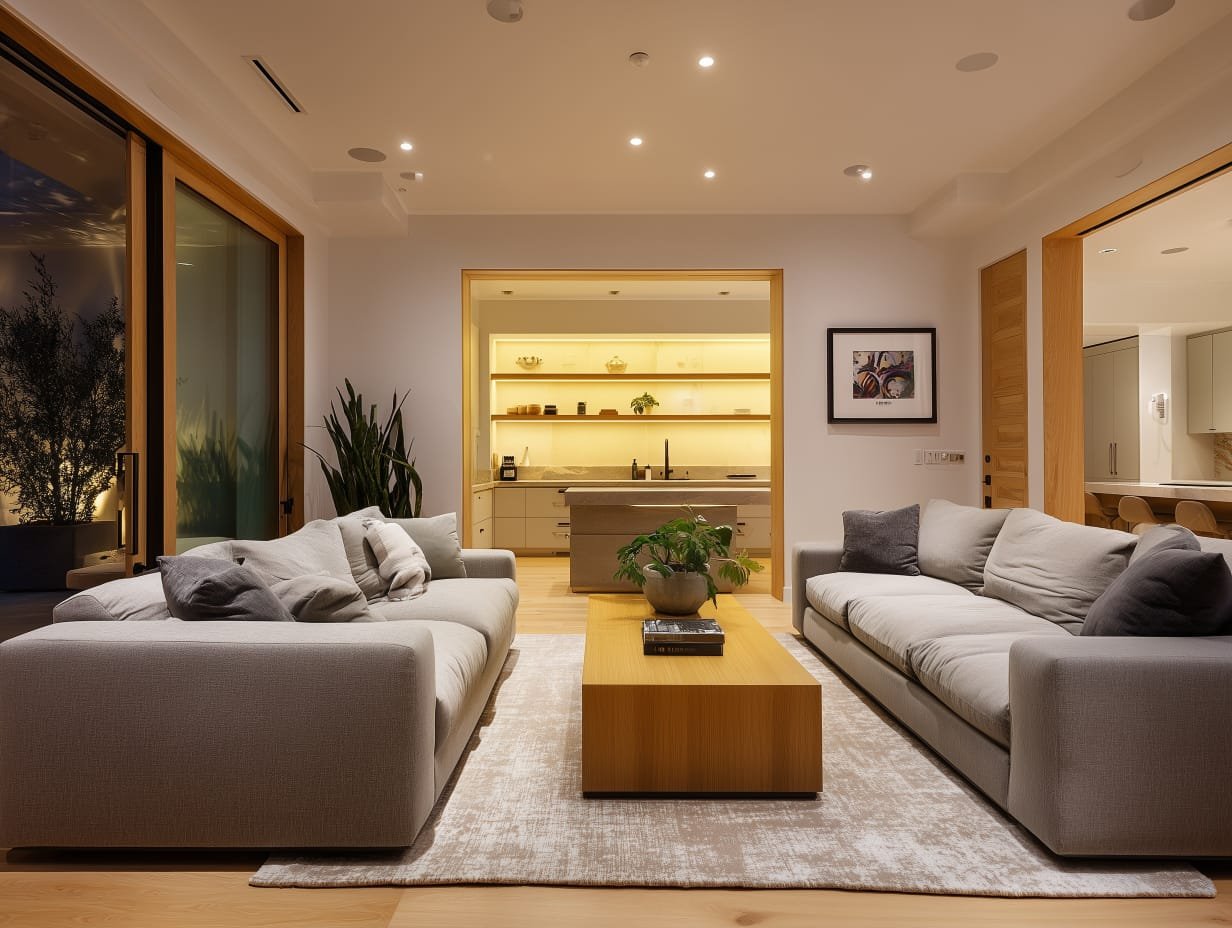
Designing Smart: Space Saving for Urban Living Without Compromising Style

Space saving for urban living

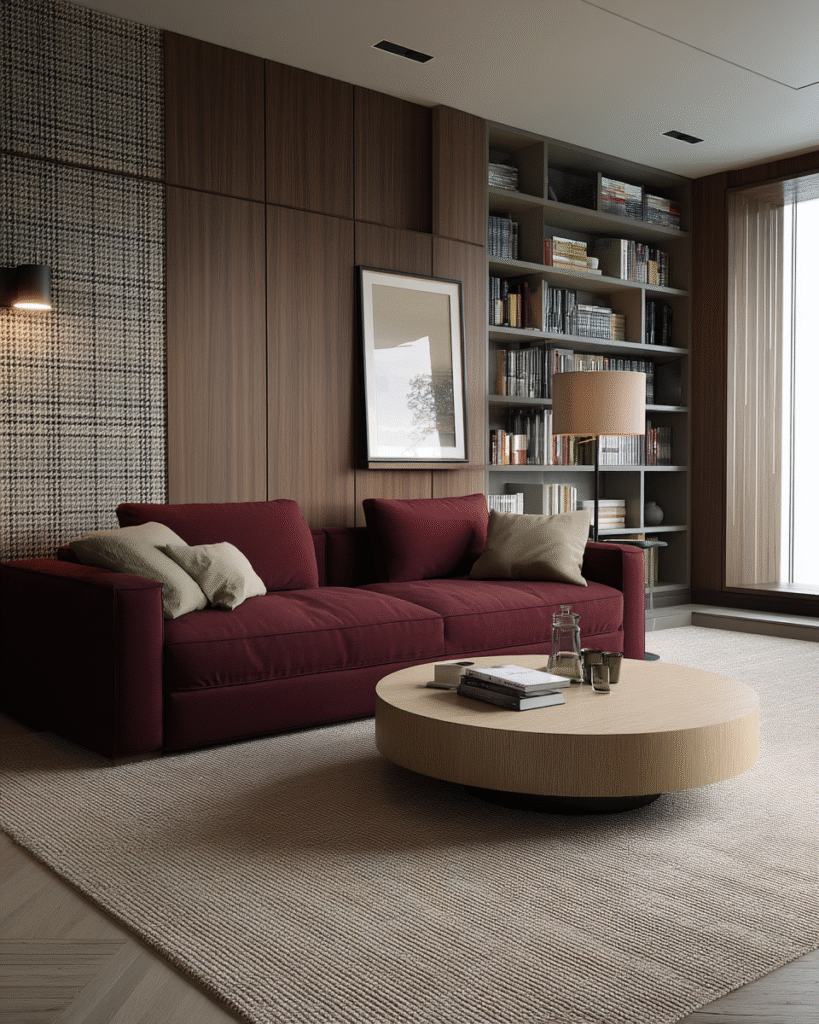
Space saving for urban living is not a choice but a necessity. City homes ask a lot from us. One room may need to be a lounge in the evening, a home office by morning, a dining space at the weekend, and somewhere peaceful enough to relax after a long day. For many people living in apartments, townhouses, maisonettes or compact new-builds, the real challenge is not simply “having less space”. It is learning how to make every corner feel intentional.

The mistake many people make is assuming a small home must look plain, minimal or purely practical. It does not. A compact space can be elegant, layered, warm and full of character. In fact, when designed carefully, a smaller home can feel more curated than a large one, because every piece has to earn its place.

At Eclectic Niche, we believe space saving should never mean stripping away personality. It should mean choosing furniture, lighting and accessories that work harder, sit beautifully, and make the room feel considered rather than crowded.

Whether you live in a studio apartment, a compact city flat, a modern townhouse or a home with awkward corners, this guide will help you design smarter without compromising style.


Why urban homes need a different design approach

Space saving for urban living has changed the way we use our homes. A living room is rarely just a living room anymore. It may also be a workspace, reading corner, exercise zone, entertaining area and occasional guest room. That means furniture has to do more than look beautiful in a photograph. It has to support real life.

Recent interiors coverage continues to focus on small-space living, multifunctional furniture, seamless storage and clever layouts. Homes & Gardens notes that seamless storage and multifunctional furniture remain important small-room trends for 2026, while Livingetc highlights the importance of measuring carefully, floating furniture, and choosing pieces that improve flow in small apartments.

The goal is not to fill every wall or buy the smallest version of everything. The goal is to create balance: enough storage, enough comfort, enough beauty, and enough breathing room.


Start with the lifestyle, not the floor plan

Before buying anything, ask: How does this space need to serve me?

A compact living room for someone who hosts friends every weekend needs a different layout from one used mainly for quiet evenings. A dining area for a family of four needs different furniture from a dining corner used for coffee, laptop work and occasional dinners.

Try writing down the three main jobs of each room. For example:

Living room: relaxing, hosting, hidden storage.
Dining area: everyday meals, laptop work, stylish display.
Bedroom: sleeping, clothing storage, calm atmosphere.

Once you know the jobs, you can choose pieces that support them. This prevents impulse purchases, which are one of the quickest ways to make a small home feel cluttered

Designing Smart: Space Saving for Urban Living Without Compromising Style

Choose furniture with visible legs to create breathing space

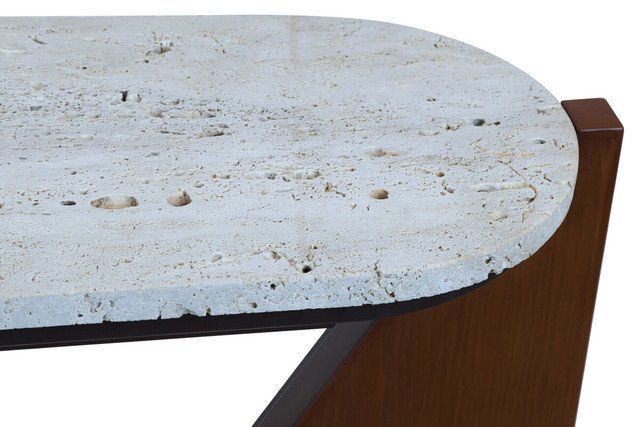
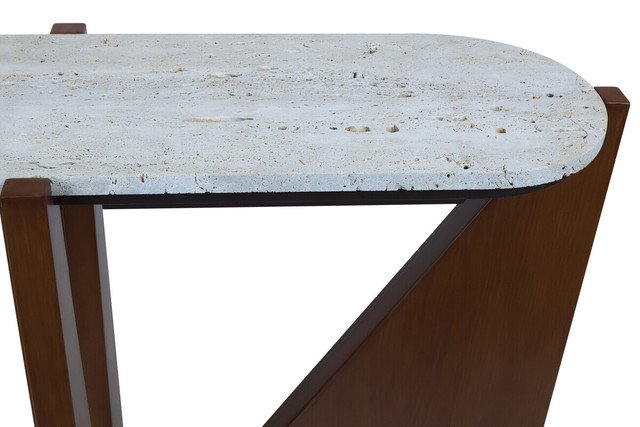
One of the simplest ways to make a room feel bigger is to choose furniture that allows the eye to travel underneath it. Sofas, armchairs, consoles and sideboards with raised legs can create a feeling of lightness because more floor remains visible.

Architectural Digest recently highlighted “leggy” furniture as a useful trick for tight city apartments, explaining that furniture sitting flat on the floor can block the view across a room and interrupt light moving through the space.

This does not mean every item needs slim legs. A room still needs grounding. But if your sofa, media unit, side table and storage are all heavy to the floor, the space may feel visually blocked. Mix one or two grounded pieces with lighter silhouettes to keep the room elegant.

Eclectic Niche styling idea: Pair a raised-leg accent chair with a sculptural side table and a tall floor lamp. It gives you a complete reading corner without making the room feel overloaded.


Invest in pieces that do more than one job

In a small home, the best furniture often has a second purpose. This is where space-saving design becomes stylish rather than purely practical.

Look for:

Storage benches at the end of a bed, in a hallway or under a window.
Sofa beds for homes without a guest room.
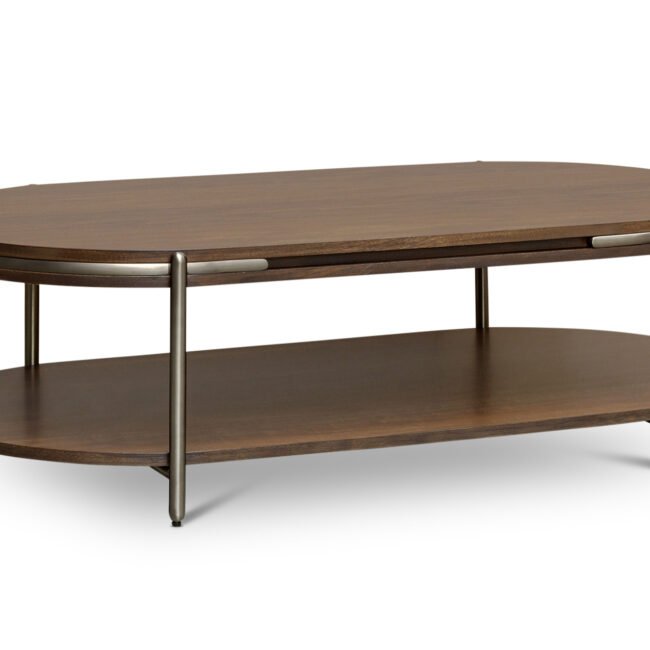
Nesting tables instead of one large coffee table.
Sideboards that work as storage, serving space and display.
Pouffes that act as extra seating, footstools or soft coffee tables.
Room dividers that create zones without permanent building work.
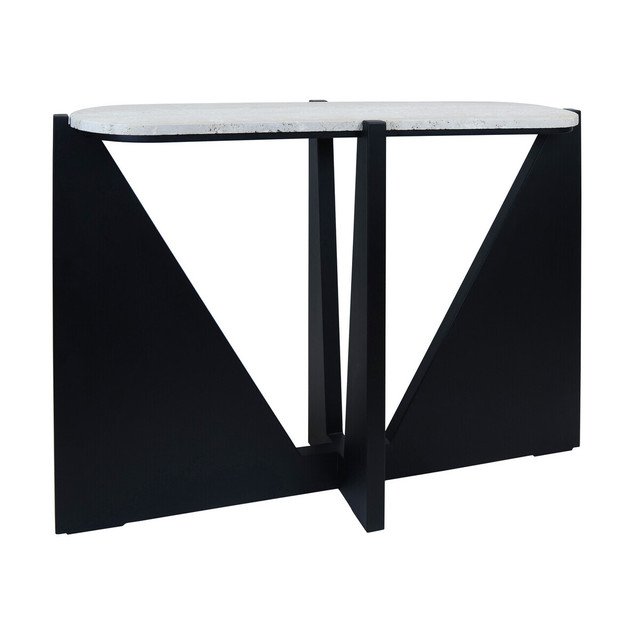
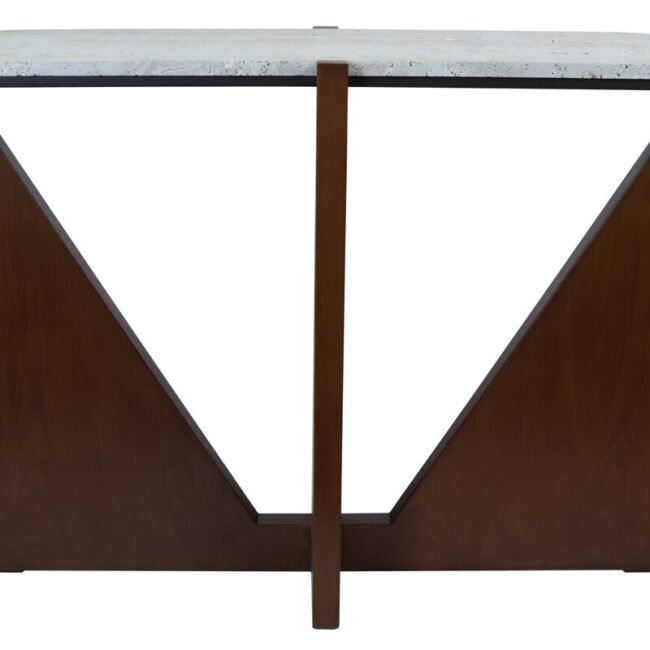
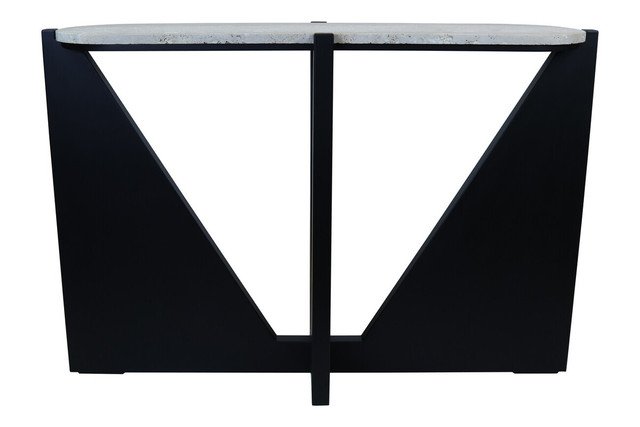
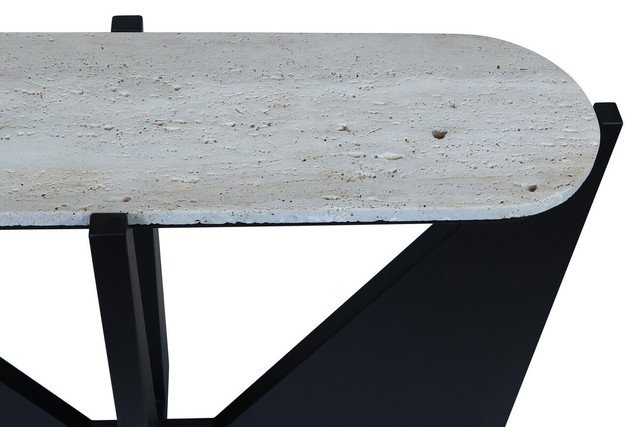
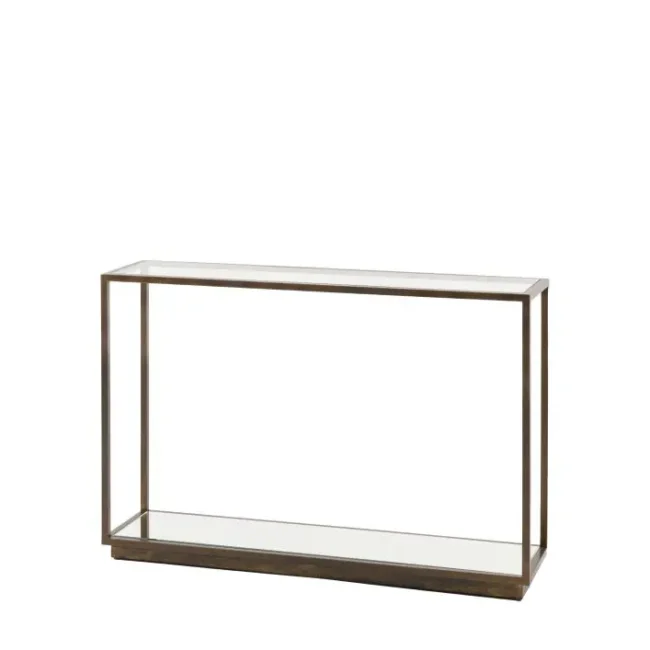
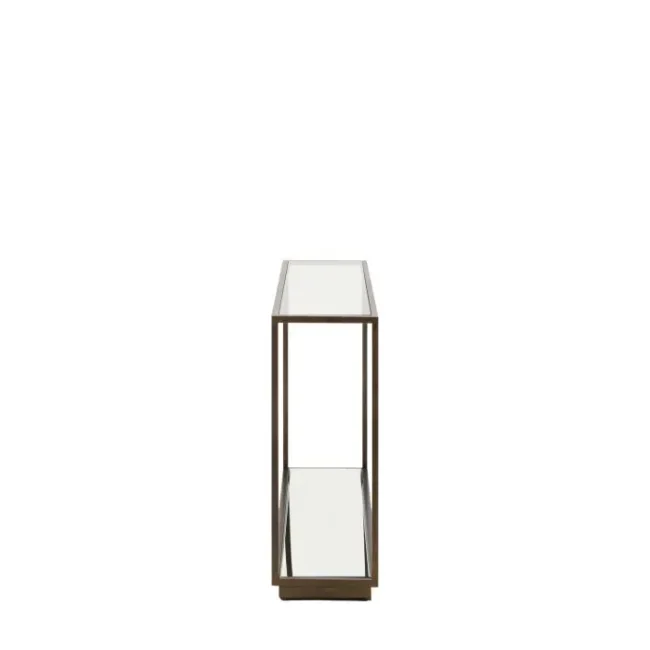
Console tables that add surface space without the depth of a full cabinet.

Eclectic Niche already has strong product categories that fit this topic beautifully, including sofa beds, trunks, cabinets, side tables, coffee tables, pouffes, console tables, room dividers, dining benches, kitchen islands, bar stools, desks and bookcases. Your website also positions the showroom as a place where customers can feel product quality and view fabric samples, which is especially useful for furniture purchases.

The key is not to make every item multifunctional. That can become too clever and gimmicky. Instead, choose two or three hardworking pieces that quietly improve how the room functions.


Use vertical space beautifully

When floor space is limited, walls become valuable. But vertical storage does not have to look like a student flat or a utility room. Done well, it can make a home feel taller, grander and more finished.

Consider tall bookcases, elegant shelving, wall mirrors, vertical artwork, slim display cabinets and floor lamps that draw the eye upward. A tall piece can be far more effective than several low pieces scattered around a room.

The trick is to keep vertical storage curated. Open shelves should include breathing room: a stack of books, a small sculpture, a vase, a framed photograph, a candle, then space. When every inch is filled, the wall starts to feel noisy.

Designer rule: If your shelves are open, mix storage with styling. If you need to hide everyday clutter, choose closed cabinets or baskets.

A recent Livingetc feature on a tiny Barcelona apartment with bold small-space design shows how compact living can still feel expressive and highly personal when furniture, storage and materials are chosen with intention.


Create zones without building walls

Small urban homes often suffer from one large problem: everything happens in one space. This is especially true in open-plan apartments. The solution is not always a wall. Sometimes, it is clever zoning.

You can create zones with:

A rug under the seating area.
A console table behind a sofa.
A room divider.
A pendant light over a dining table.
A bookshelf between work and relaxation areas.
A change in wall colour or artwork.
A dining bench tucked neatly against a wall.

Livingetc’s micro-apartment coverage notes that traditional layouts do not always work in very small homes, and that clever furniture placement can help create separation without making the space feel smaller.

For a stylish home, zoning should feel subtle. You do not want the room to look chopped up. Use repeated colours, finishes or textures so the whole space still feels connected.

For example, if your living area has a black metal floor lamp, repeat black metal in your dining chair legs or mirror frame. If your sofa has a warm neutral fabric, echo that warmth in cushions, a rug or ceramic accessories.


Be careful with oversized furniture — but do not fear statement pieces

There is a myth that small rooms need small furniture. Sometimes they do. But a room filled with tiny pieces can look bitty and unsettled. One generous piece often looks more luxurious than five small ones.

A compact living room may benefit from a well-proportioned corner sofa rather than a two-seater, two chairs and multiple side tables. Livingetc notes that corner sofas can work well in small apartments because they maximise seating and use corners effectively.

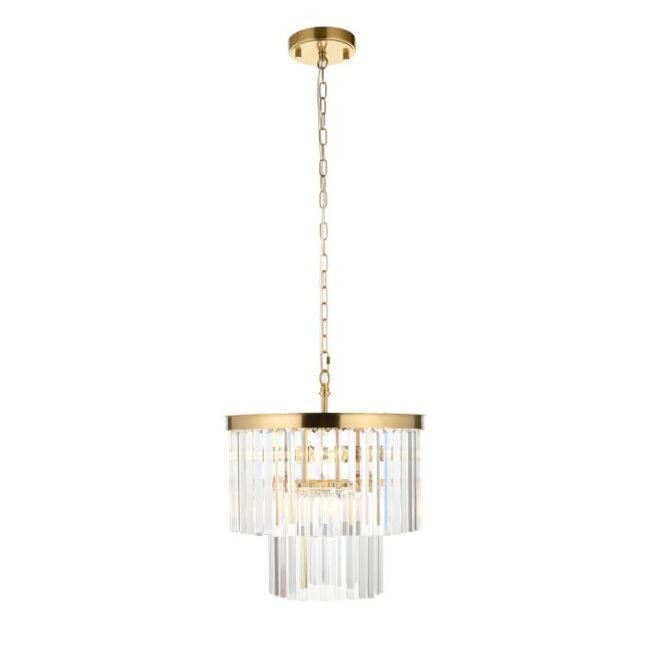
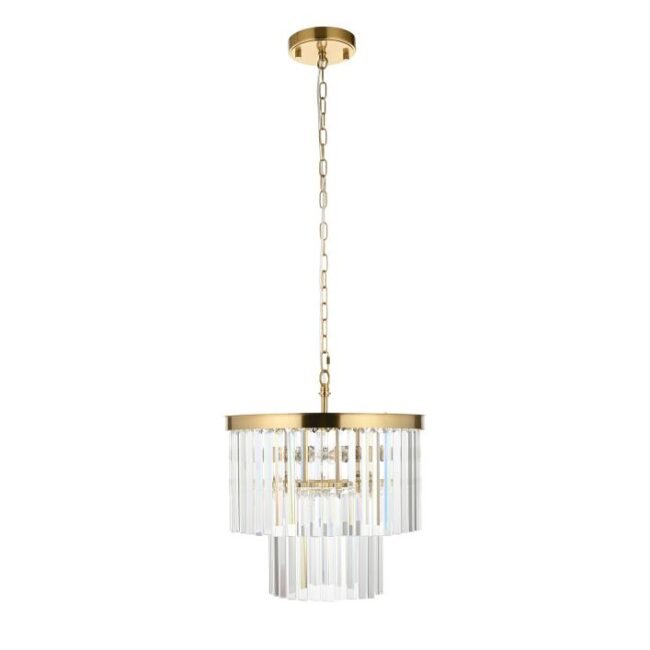
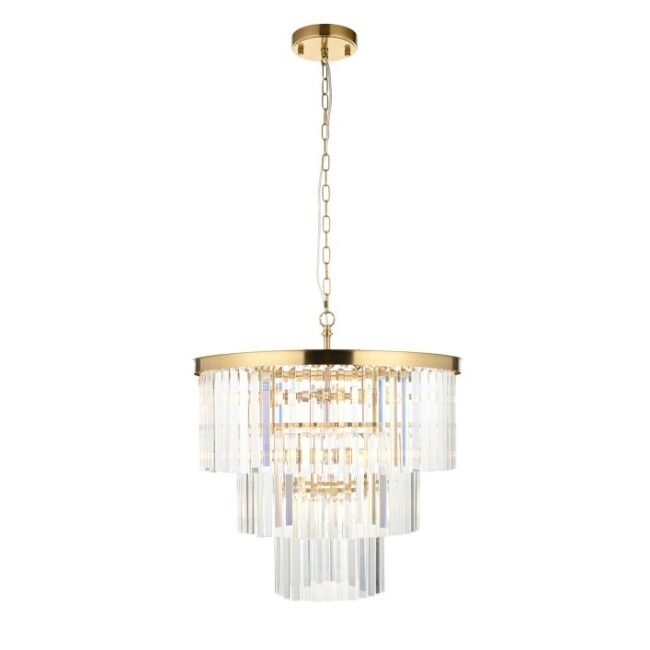
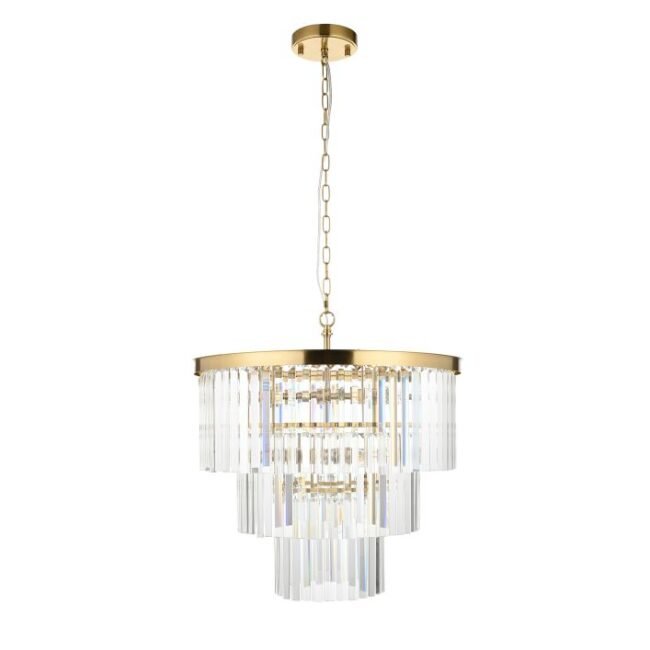
The secret is proportion. A statement piece should anchor the room, not dominate it. If you choose a bold sofa, keep the coffee table lighter. If you choose a sculptural dining table, use slimmer dining chairs. If you choose a dramatic chandelier, allow the surrounding furniture to breathe.

At Eclectic Niche, this is where your brand can stand out. You do not need to tell customers to make their homes plain. You can show them how to make one beautiful item the hero.

my blog post image 3

Use mirrors as design tools, not just decoration

Mirrors are one of the oldest small-space tricks, but they work best when placed with intention.

A mirror opposite or near a window can help bounce natural light. A large wall mirror above a console can make a hallway feel more generous. A round mirror can soften a boxy room. An arch mirror can add height and architectural interest.

Avoid placing mirrors where they reflect clutter, laundry, cables or a blank wall. A mirror doubles whatever it sees, so make sure it reflects something worth repeating: light, artwork, greenery, a beautiful chair, a pendant light or an elegant table setting.


Choose storage that looks like furniture, not storage

The most stylish small homes are not clutter-free because the owners own nothing. They are clutter-free because everything has somewhere to go.

This is where beautiful storage furniture becomes essential. Think sideboards, trunks, cabinets, display units, storage benches, bedside tables and dressers. These pieces allow you to hide the everyday items that can visually shrink a room: chargers, paperwork, toys, throws, shoes, cleaning products, spare candles and all the things that never look good in a basket for long.

A sideboard, for example, can work in almost every room. In the dining area, it stores tableware. In the living room, it hides electronics and documents. In a hallway, it becomes a landing place for keys and post. In a bedroom, it can work as extra folded-clothing storage.

Eclectic Niche product angle: This blog should internally link to sideboards, cabinets, trunks, storage benches and media units. These are high-conversion categories because the reader has a clear problem: “I need my home to look better and store more.”


Make your dining area flexible

Many urban homes do not have a separate dining room. That does not mean you have to eat at the sofa forever.

A compact dining area can be created with the right table shape and seating choice. Round dining tables work well where movement is tight because there are no sharp corners. Oval dining tables offer a softer look while still giving generous surface space. Dining benches can tuck under a table and often seat more people than individual chairs.

For very small apartments, consider a bar table, kitchen island or counter stools. This can create a casual dining zone without taking over the room.

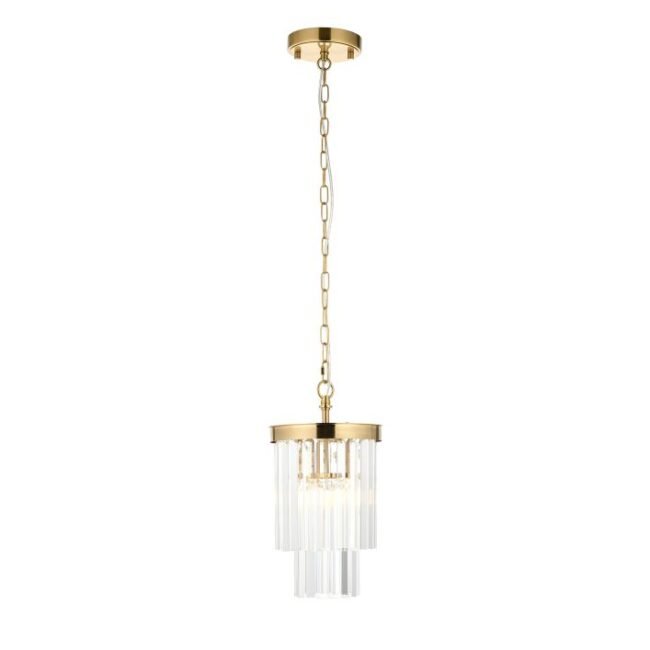
The dining area is also a strong opportunity for style. A beautiful pendant light, textured dining chairs, a vase, or a sculptural bowl can make a compact table feel intentional rather than squeezed in.


Keep the colour palette calm, but not boring

Light colours can make a room feel brighter, but that does not mean everything must be white. In fact, all-white small rooms can sometimes feel flat or unfinished.

A more luxurious approach is to build a palette with soft neutrals, warm woods, gentle metallics, muted greens, soft taupes, stone shades, warm greys, ivory, chocolate, olive, rust or deep blue. Then add contrast through texture.

For example:

Bouclé chair with a dark wood side table.
Cream sofa with a black metal floor lamp.
Olive cushions with a warm neutral rug.
Glass coffee table with a sculptural ceramic vase.
Velvet dining chairs with a simple round table.

Livingetc’s feature on making a small apartment feel luxe highlights the value of calm backdrops, colour and texture in elevating smaller homes.

The aim is not to remove personality. It is to make the room feel collected rather than chaotic.


Lighting can make or break a small room

A small room with one ceiling light often feels harsh and flat. A layered lighting plan makes it feel softer, bigger and more expensive.

Use three types of lighting:

Ambient lighting for general brightness.
Task lighting for reading, working or dining.
Accent lighting to highlight artwork, shelves or corners.

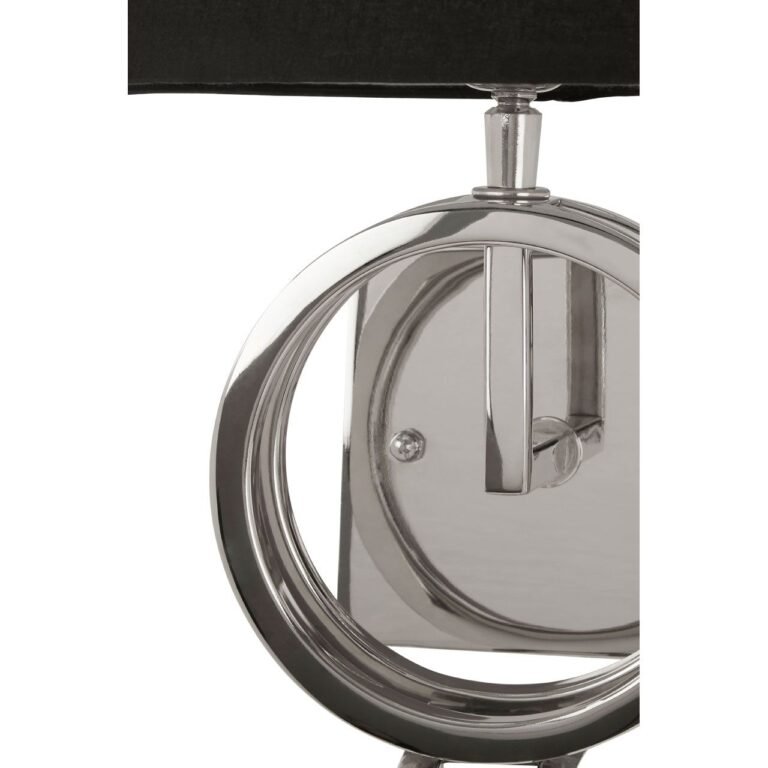
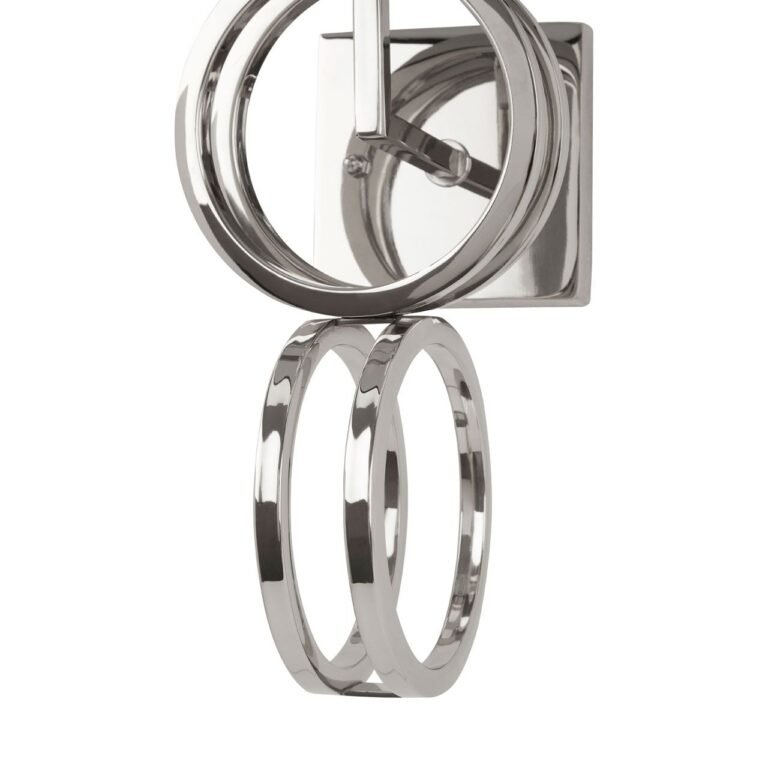
A floor lamp can brighten a dark corner without taking up much space. A table lamp can make a console or sideboard feel styled. Wall lamps free up surface space beside a bed or sofa. Pendant lighting can define a dining zone in an open-plan room.

Lighting also helps with mood. In the evening, switching off the main ceiling light and using lamps instantly makes a small room feel calmer and more intimate.


Do not ignore the hallway

In urban homes, hallways are often narrow and neglected. But they are also the first impression. A slim console table, mirror, wall hooks, runner rug or narrow storage bench can turn a forgotten hallway into a designed moment.

The hallway should not become a dumping ground. Choose pieces with shallow depth. Add closed storage if shoes, bags or post tend to gather there. A mirror will help bounce light, while a lamp or wall light can make the entrance feel warm.

For Eclectic Niche, hallway content is a smart sales opportunity because it can link to console tables, mirrors, benches, wall art and decorative accessories.


Use rugs to make spaces feel finished

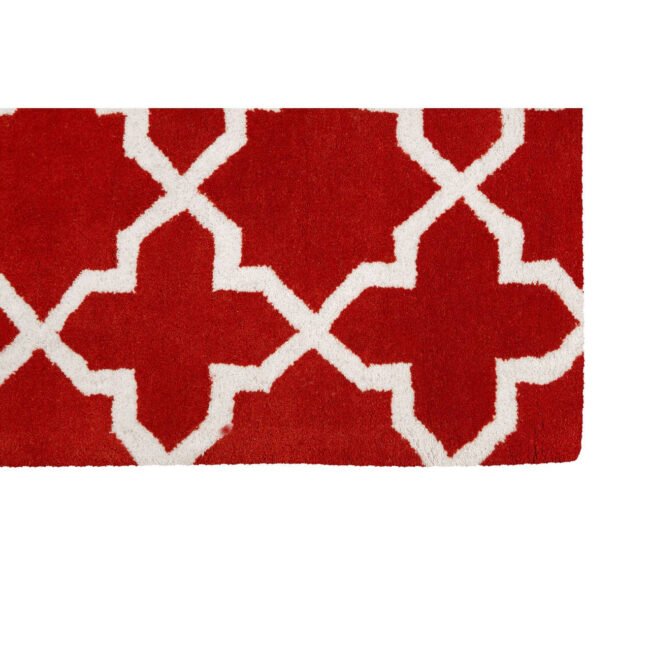
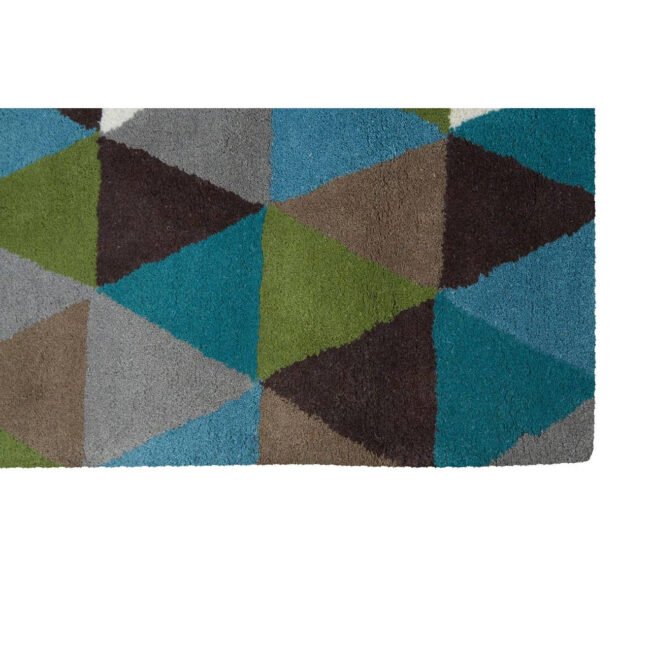
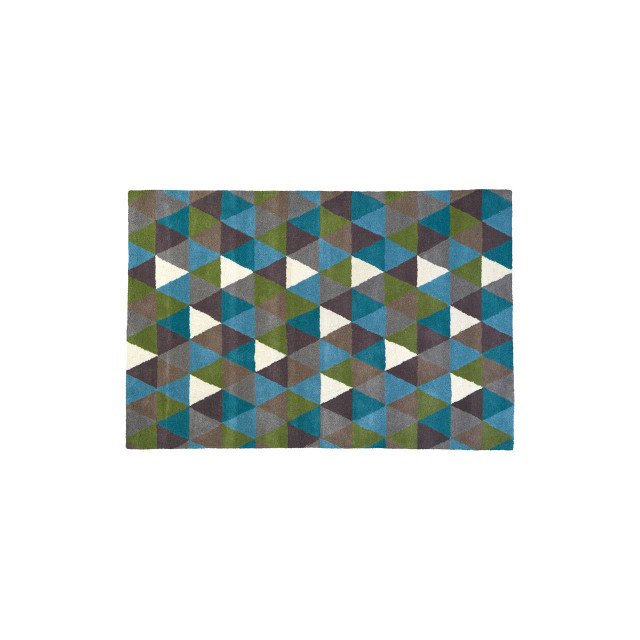
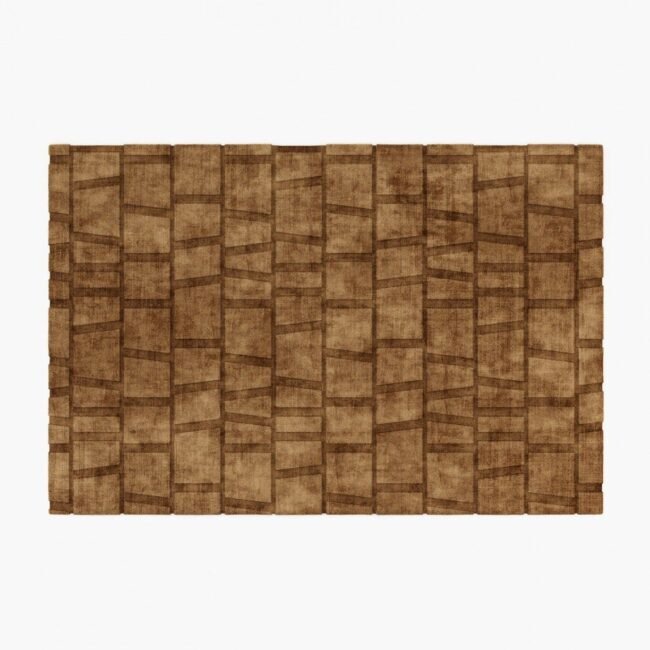
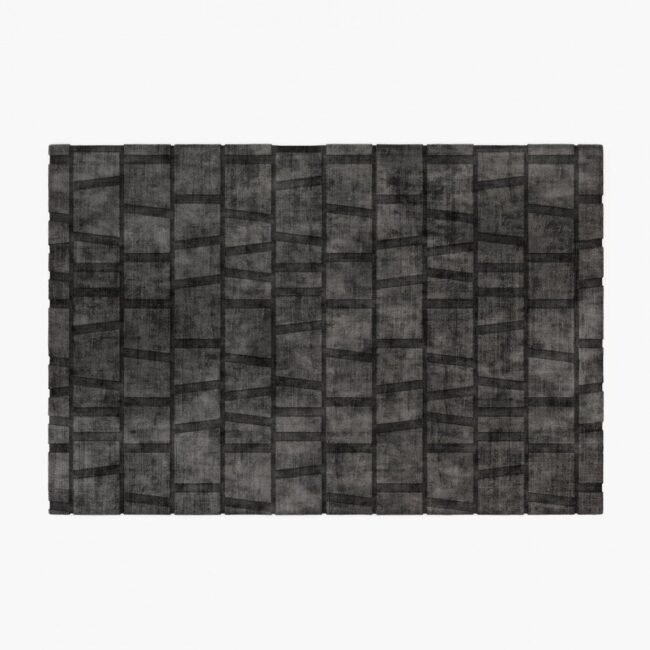
A rug can make a compact space feel larger when it is the right size. The common mistake is choosing a rug that is too small. A tiny rug floating in the middle of a living room can make the whole area feel disconnected.

Ideally, at least the front legs of the sofa and chairs should sit on the rug. This visually holds the seating area together. In an open-plan apartment, a rug can also separate the living zone from the dining or work zone without adding physical barriers.

Choose texture carefully. A thick rug can add comfort, but in a very small dining area it may be harder to move chairs. A flatter weave often works better under tables, while softer textures work well in living rooms and bedrooms.


Edit before you buy

This may sound simple, but it is one of the most powerful design steps. Before buying new furniture, remove what is not working.

Ask:

Do I use this?
Does it fit the room properly?
Does it match the style I want now?
Is it solving a problem or creating one?
Would I buy it again today?

Small spaces are unforgiving. A chair that is slightly too large, a coffee table that blocks movement, or a cabinet that does not store enough can affect the entire room.

Once you remove what is not serving the space, you can buy with clarity.

The smart small-space shopping checklist

Before buying furniture for a compact urban home, check:

Measure the room properly. Include doorways, radiators, sockets, windows and walking space.
Check the product depth. Depth often matters more than width in small rooms.
Think about movement. Can people walk around the furniture comfortably?
Prioritise storage. Does the piece help hide clutter?
Choose quality over quantity. Fewer, better pieces usually look more expensive.
Repeat materials. Use similar woods, metals or tones to create flow.
Add personality with accessories. Cushions, vases, art and lighting are easier to change than large furniture.
Leave empty space. Every surface does not need filling.


Room-by-room ideas for urban living

Small living room

Choose a sofa with clean lines, raised legs or a compact corner shape. Add a side table instead of two bulky lamp tables. Use a coffee table with storage or nesting tables that can move around. Add a media unit with closed storage so cables and accessories stay hidden.

Best Eclectic Niche links: sofas, sofa beds, armchairs, accent chairs, coffee tables, side tables, media units, pouffes, rugs and floor lamps.

Small bedroom

Use bedside tables with drawers, a storage bench at the end of the bed, and mirrors to increase light. Keep the colour palette calm and use texture to make the room feel luxurious. If wardrobe space is limited, a chest of drawers or tallboy can help without overwhelming the room.

Compact dining space

Try a round or oval table for better flow. Use dining benches where chairs would feel too busy. Add a pendant light to create a proper dining moment, even if the table sits in a corner of the living room.

Home office corner

Choose a desk that suits the scale of the room. A beautiful desk and chair can sit in a bedroom or living room without making the space feel like an office. Use a bookcase or cabinet nearby to hide paperwork at the end of the day.

Hallway

Use a slim console, mirror and basket or closed storage. Keep it elegant but practical. A hallway should feel like the beginning of the home, not an afterthought.

As seen in Never Too Small’s feature on Greek small homes under 60sqm, compact interiors can feel open and characterful when designers use built-in furniture, clever zoning, reflective materials and flexible layouts.

How to make a small home feel luxurious

Luxury in a small home is not about size. It is about intention.

A compact home feels luxurious when the furniture fits properly, the lighting is layered, the materials feel good, and the styling looks edited. It is the difference between “I bought small furniture because I had no choice” and “I chose pieces that make this space work beautifully.”

Use fewer statement pieces. Choose richer textures. Hide clutter. Add lighting at different heights. Mix practical storage with sculptural accessories. Let one or two items become conversation pieces.

That is where eclectic style works so well. Eclectic interiors allow you to mix eras, textures, colours and materials, but the secret is control. The room should feel collected, not random.

Country Life has recently described a revival of eclecticism, with designers blending classic and modern influences, craft, colour, art and furniture from different periods. That is very aligned with Eclectic Niche’s brand personality: expressive, curated and design-led.


Final thoughts: small space does not mean small style

A beautiful urban home is not created by having endless square footage. It is created by making smart decisions.

Choose furniture that earns its place. Use storage that looks elegant. Let light move through the room. Add mirrors with purpose. Create zones without closing the space in. Choose pieces that feel personal, not generic.

Most importantly, do not design your home around what it lacks. Design it around how you want to live.

At Eclectic Niche, we curate furniture, lighting and interior pieces for homes that want character, comfort and style. Whether you are furnishing a compact apartment, redesigning a city living room, or looking for one standout piece to transform your space, the right choices can make your home feel both smarter and more beautiful.

Explore our curated furniture, lighting and home accessories — and design a home that works beautifully, no matter its size.

What do you think?
Leave a Reply

Blog

Get fresh home inspiration and helpful tips from our interior designers

top
1
    1
    Your Cart
    Modella Silver And Black Wall Art Remove
    Modella Silver And Black Wall Art
    Qty: 1
    Price: £378
    £378

    Inactive

    Privacy Overview

    This website uses cookies so that we can provide you with the best user experience possible. Cookie information is stored in your browser and performs functions such as recognising you when you return to our website and helping our team to understand which sections of the website you find most interesting and useful.