The 6th Wall: Why Painting Your Floors is the Cheapest 2026 Room Upgrade

The 6th Wall

There are four walls in every room. Then there’s the ceiling—the often-forgotten fifth wall. And beneath all of it, criminally overlooked and chronically underutilized, lies the 6th wall: your floor.

While homeowners agonize over accent wall colors, invest in gallery-worthy art, and debate whether brass or matte black hardware will elevate their kitchen, the single largest uninterrupted surface in most rooms—the floor—remains an afterthought. A neutral backdrop. A thing to be tolerated, covered with rugs, or ignored entirely until it becomes so damaged that replacement feels inevitable.

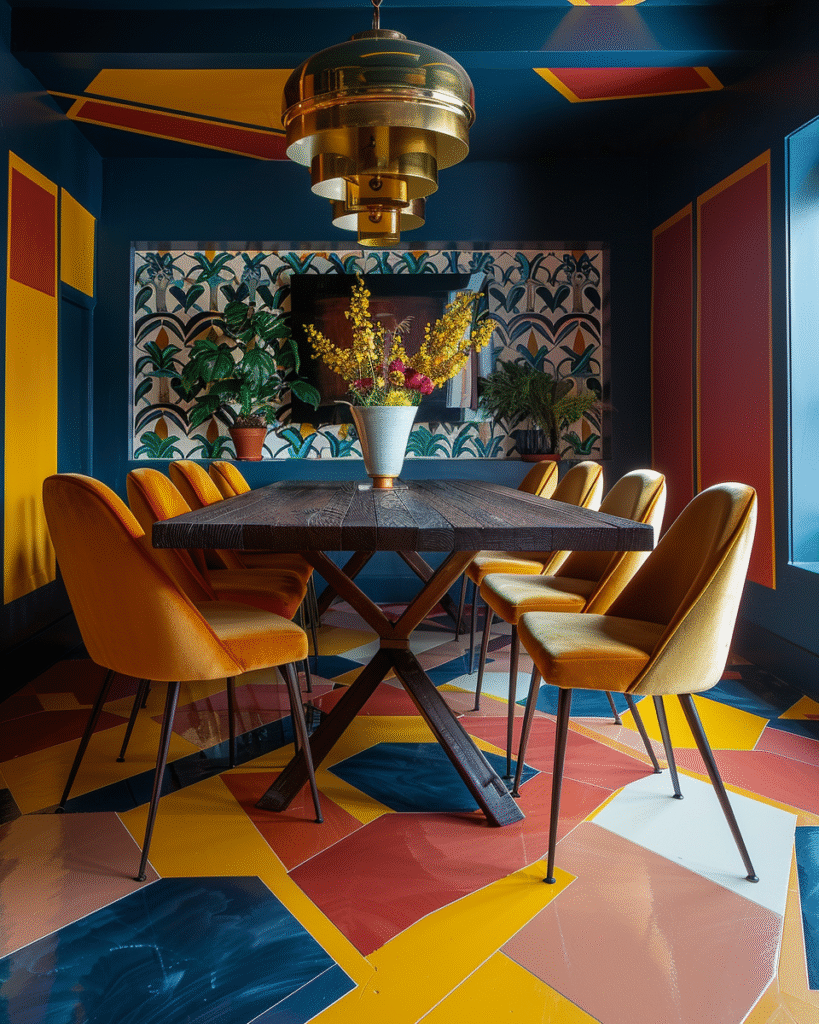
But here’s the truth that’s quietly revolutionizing budget-conscious interiors in 2026: the 6th wall is the most affordable, highest-impact design surface you’re not using. And painted floors—bold, intentional, dramatically transformative painted floors—are emerging as the smartest investment for anyone who wants their space to feel genuinely elevated without gutting a room or buying new furniture.

This isn’t about slapping down a coat of porch paint and hoping for the best. Treating your floor as the 6th wall is a conceptual shift—a recognition that the surface beneath your feet holds the same creative potential as any vertical wall, with the added advantage of being cheaper to transform, faster to complete, and capable of redefining an entire room’s character in a single weekend.

From Scandinavian farmhouses with centuries-old traditions of painted floorboards to the TikTok design renaissance that’s made DIY confidence cool again, the 6th wall is having its moment. And if you’re tired of rooms that feel almost right but never quite click, this is where you start.

The 6th Wall: Why Painting Your Floors is the Cheapest 2026 Room Upgrade

The phrase “the 6th wall” isn’t just clever copywriting. It’s a fundamental reframing of how we approach interior design—a challenge to the assumption that floors exist solely to be walked on, not looked at.

In traditional design thinking, walls receive color, pattern, texture, and attention. Floors receive… flooring. Hardwood if you’re lucky. Builder-grade laminate if you’re not. Tile that seemed fine in 2008 but now broadcasts “dated rental” the moment anyone walks through the door. The floor is treated as infrastructure, not design.

The 6th wall philosophy flips this entirely. It asks: what if the floor isn’t a neutral foundation but an active participant in your room’s visual story? What if that expanse of worn oak or ugly vinyl isn’t a limitation but an opportunity—a blank canvas roughly 150 square feet in size, just waiting for transformation?

This matters now because design culture has shifted dramatically. The sterile, all-white minimalism of the 2010s has given way to personality-driven interiors where maximalism, color confidence, and DIY ingenuity are celebrated. European design traditions—particularly Scandinavian and French country aesthetics where painted floors are historic norm, not trendy exception—have flooded Instagram and Pinterest, normalizing the idea that floors can and should be beautiful.

Simultaneously, housing affordability has made renovation budgets shrink while aesthetic expectations remain sky-high. Homeowners and renters alike are seeking high-impact, low-cost upgrades that deliver editorial-worthy results without structural changes. Enter the 6th wall: the surface that can be prepped, painted, sealed, and transformed for a few hundred dollars and minimal technical skill.

What makes the 6th wall different from simply cleaning floors or adding rugs? Intention. A rug decorates a floor. Painting transforms it. A rug can be moved, replaced, or ignored. The 6th wall—when executed well—becomes architectural. It anchors furniture, defines mood, establishes visual rhythm, and creates the subconscious feeling that a room was designed, not assembled.

The 6th Wall: Why Painting Your Floors is the Cheapest 2026 Room Upgrade

There’s a reason most people instinctively resist painting floors: we’re conditioned to believe that ground surfaces should recede, not demand attention. Dark hardwood disappears. Neutral carpet blends. The floor, we’ve been taught, should know its place.

But color underfoot operates on different psychological principles than color on walls—and understanding this is key to leveraging the 6th wall effectively.

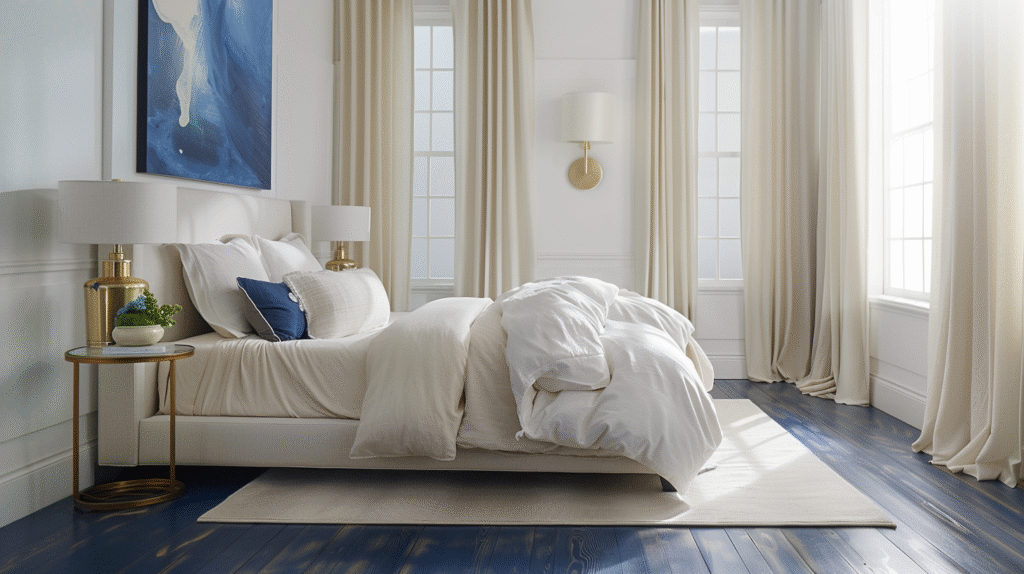
Painted floors ground a room in ways vertical surfaces cannot. When you paint walls, color surrounds you. When you paint the 6th wall, color supports you—literally and emotionally. A deep forest green floor doesn’t overwhelm the way forest green walls might; instead, it creates a sense of rootedness, of being held by the space. Navy blue underfoot feels sophisticated and anchoring without the cave-like intensity of navy walls.

This is why the 6th wall is particularly powerful for renters or anyone living with white walls they can’t change. While four blank white walls can feel sterile and cold, those same walls paired with a richly painted floor suddenly read as intentional minimalism. The floor becomes the design statement. The walls become breathing room.

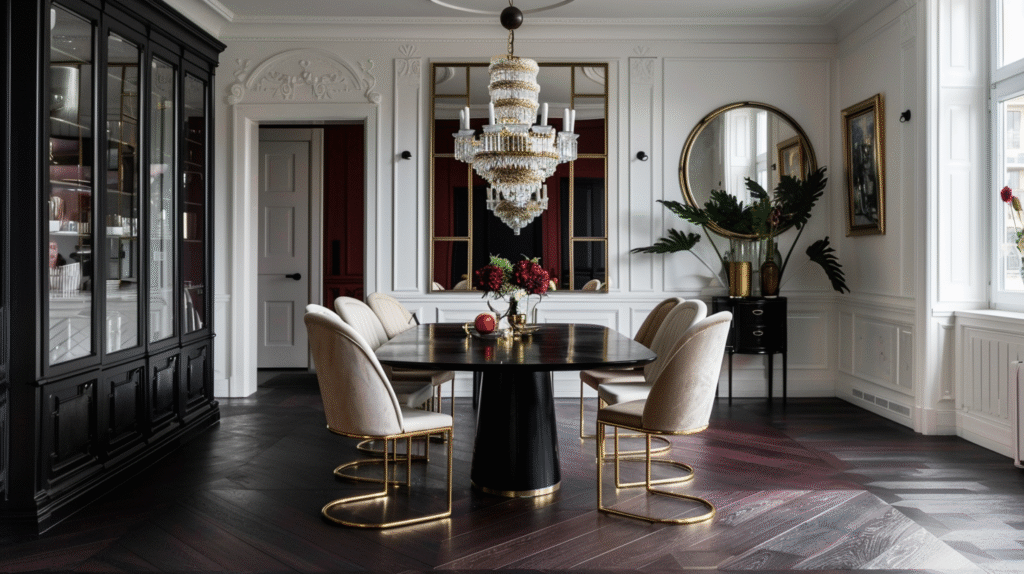
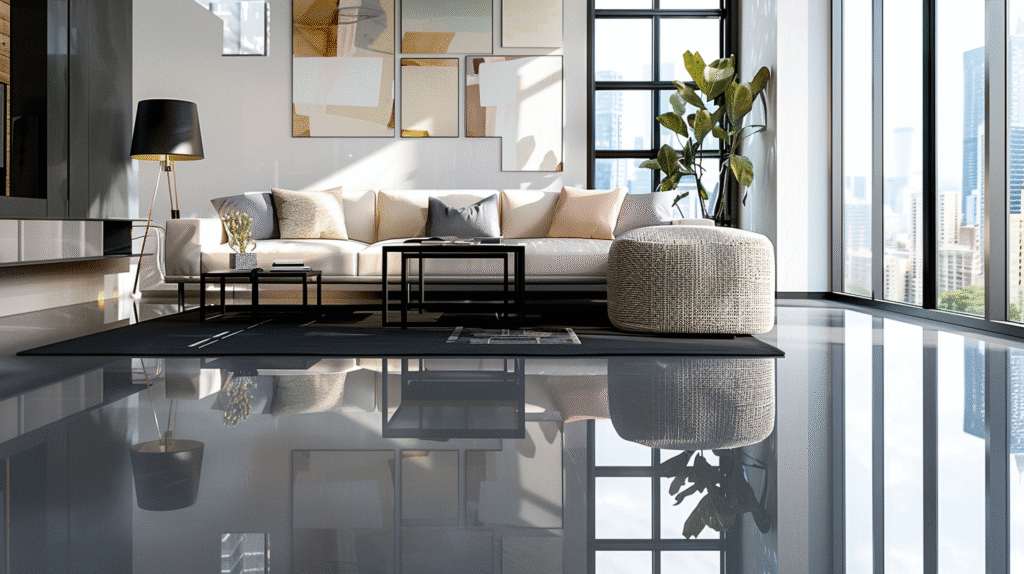
Color underfoot also manipulates spatial perception in unexpected ways. Conventional wisdom suggests that light floors make rooms feel larger. This is sometimes true—but it’s also simplistic. A pale gray 6th wall can make a small room feel airy and expansive, yes. But a high-gloss black floor can create the illusion of infinite depth, making the same room feel dramatically larger through reflection rather than brightness.

Similarly, painting the 6th wall in a color darker than your walls creates visual weight that makes ceilings appear higher—the eye reads the contrast and perceives more vertical space. Conversely, painting your floor the same color as your walls (a tonal wash approach) dissolves boundaries and makes rooms feel cohesive and enveloping, like stepping inside a jewel box.

Mood shifts happen faster with the 6th wall than almost any other design intervention. A room with a cheerful butter-yellow floor will always feel sunnier than the same room with yellow throw pillows. A space with a charcoal-painted 6th wall immediately gains gravitas and sophistication that no amount of dark furniture could achieve alone. You’re not decorating mood—you’re building it into the architecture.

The 6th Wall: Why Painting Your Floors is the Cheapest 2026 Room Upgrade

If you’re imagining a single roller, a single color, and a single afternoon, you’re thinking too small. The 6th wall offers as much creative range as any other surface in your home—from subtle tonal washes to bold graphic patterns that become the room’s defining feature.

The Tonal Wash: Subtle Sophistication

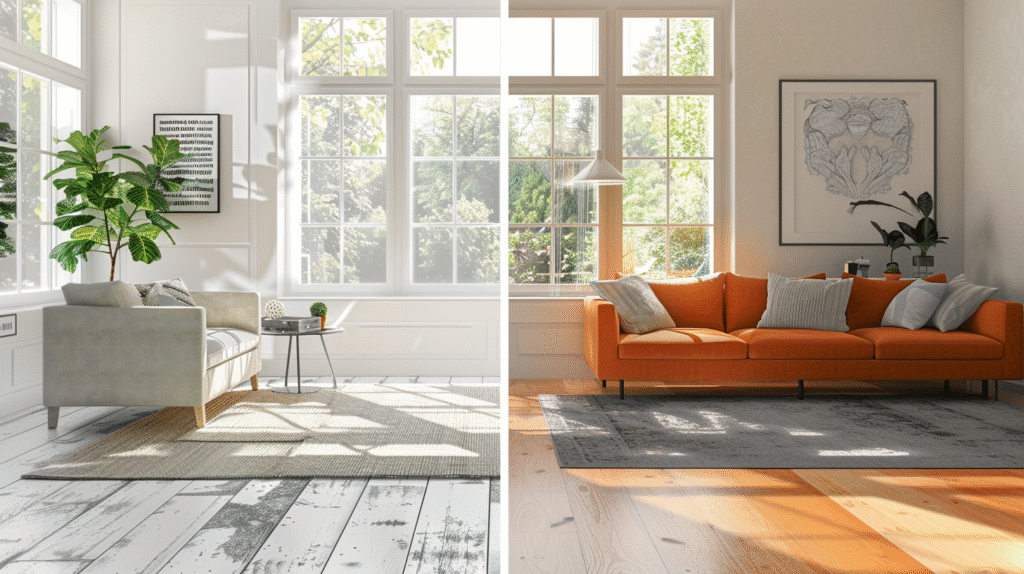
This is the 6th wall at its most understated. Choose a paint color just a few shades darker or lighter than your existing floor tone—warm gray over light oak, soft taupe over builder-grade pine, creamy white over pale maple. Thin the paint slightly (consult product instructions), apply in long, even strokes following the wood grain, and allow some of the original floor texture to show through.

The result? Floors that look naturally weathered, deliberately aged, and quietly expensive. This technique works beautifully in Scandinavian-inspired interiors, coastal spaces, or anywhere you want the 6th wall to add depth without drama.

The Checkerboard: Timeless Graphic Impact

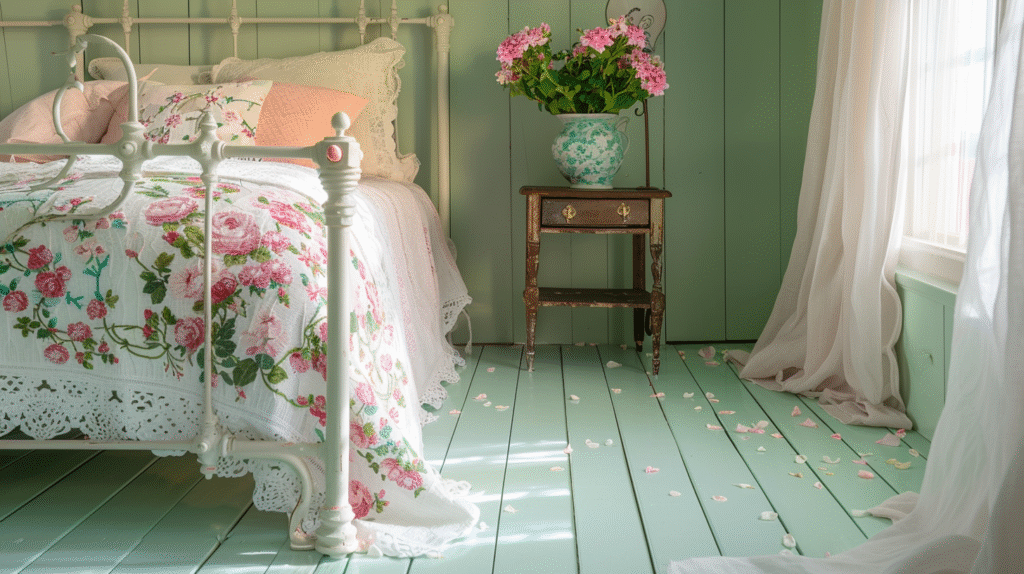
Perhaps the most iconic painted floor pattern, checkerboard instantly signals design confidence. The classic approach uses black and white in equal-sized squares (12×12 inches or 18×18 inches depending on room scale), but contemporary interpretations explore sage green and cream, terracotta and white, charcoal and pale gray.

Key to success: Precise measuring, quality painter’s tape, and patience. Each color requires multiple coats for opacity, and rushing leads to bleeding and regret. But when executed well, a checkerboard 6th wall transforms even the most basic room into something editorial-worthy.

Stenciled Borders and Faux Runners

For those who love pattern but fear commitment, painted borders and faux runners offer the best of both worlds. Use stencils (widely available from craft stores or online) to create decorative borders around the room’s perimeter—Moroccan tiles, Greek key patterns, delicate florals. Or paint a “runner” down the center of a hallway or bedroom using contrasting colors and geometric designs.

These techniques allow the 6th wall to feel layered and considered without overwhelming the space, and they’re particularly effective in rentals where you might want visual interest that stops short of painting the entire floor.

High-Gloss vs. Matte: The Finish Matters

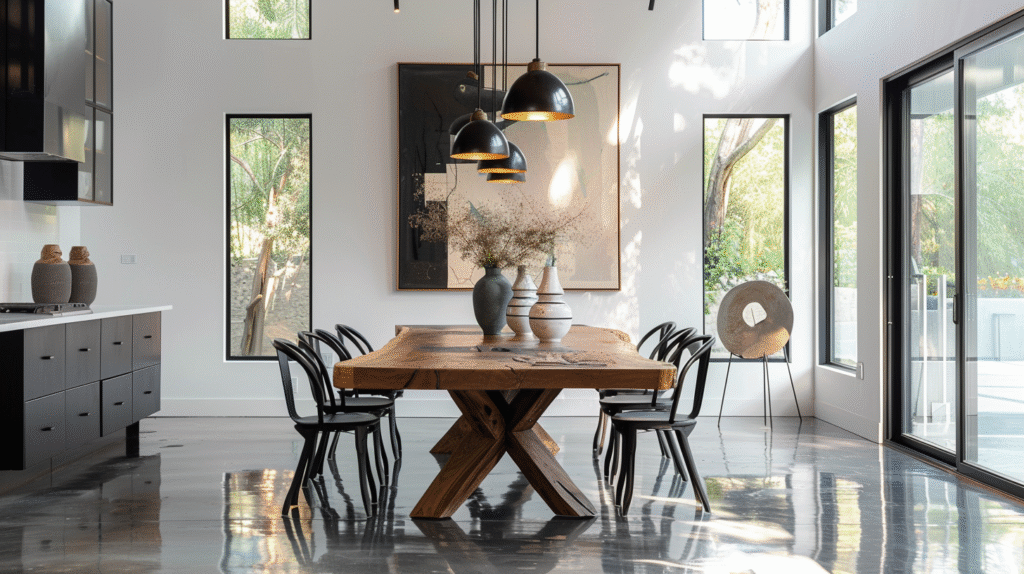
High-gloss finishes on the 6th wall create reflection, depth, and drama. They make colors appear more saturated and rooms feel more formal. Glossy black floors read as luxurious and modern. Glossy white floors evoke Parisian apartments and sculptural minimalism. The downside? Every scuff, dust particle, and imperfection shows.

Matte finishes offer softness, warmth, and forgiveness. Matte painted floors feel casual, lived-in, and tactile. They’re ideal for high-traffic areas, homes with pets or children, or anyone who wants the 6th wall to feel approachable rather than precious.

Satin finishes split the difference—subtle sheen without mirror-like reflection. For most DIYers tackling the 6th wall for the first time, satin is the safest, most versatile choice.

The Ombré Floor: Gradient Magic

Adventurous? Paint the 6th wall in a color gradient—deep navy fading to soft sky blue, rich plum transitioning to pale lavender. This technique requires blending wet paint and works best in smaller spaces (bathrooms, walk-in closets, reading nooks) where the gradient can be appreciated without interruption.

The effect is showstopping, unexpected, and deeply personal—the 6th wall as art installation.

The 6th Wall: Why Painting Your Floors is the Cheapest 2026 Room Upgrade

In eclectic interior design, art and décor aren’t afterthoughts—they’re integral to the room’s narrative and often provide the conceptual glue that makes diverse furniture elements cohere.

Art as the Great Unifier

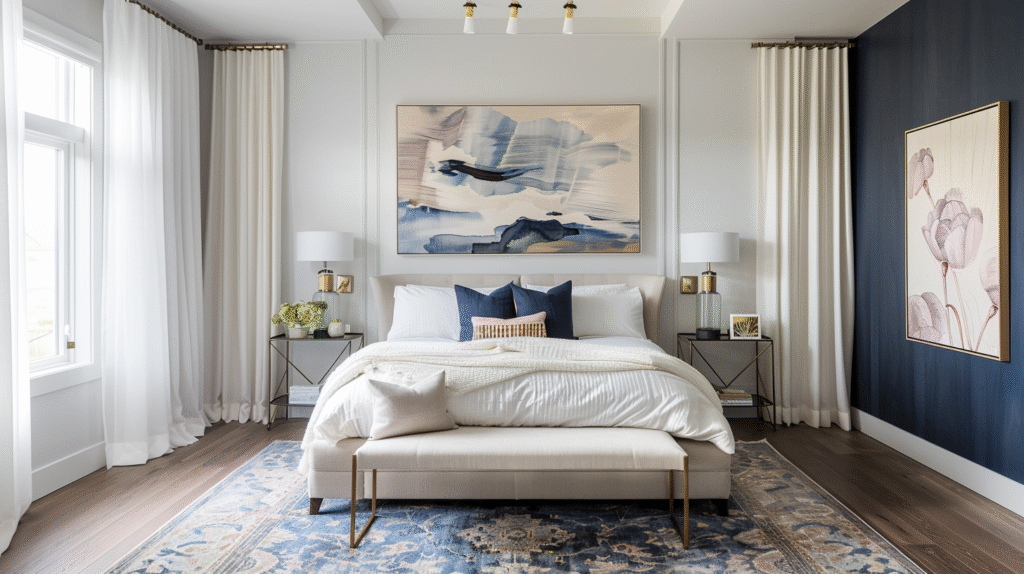
Here’s a powerful strategy: let your art collection dictate your color palette and aesthetic direction. When you pull colors from a beloved painting into your upholstery, pillows, and accessories, everything immediately relates. The art gives you permission to be bold because you can always point to it as your color inspiration.

This works especially well in eclectic spaces because art is already a medium of diverse expression. Your gallery wall might include contemporary photography, vintage botanical prints, abstract expressionist paintings, and folk art—different styles and eras united by the gallery wall format and perhaps by complementary framing or matting choices.

The Gallery Wall as Eclectic Showcase

Gallery walls are natural homes for eclecticism. They allow you to display:

  • Different artistic media (paintings, photographs, prints, textile art)
  • Various frame styles (though usually unified in finish—all brass, all black, all natural wood)
  • Multiple eras and influences
  • Personal photographs alongside fine art
  • Three-dimensional objects on ledges or integrated into the arrangement

The key to successful eclectic gallery walls: maintain consistent spacing between pieces and ensure the overall shape of the arrangement feels intentional, whether that’s a structured grid or an organic salon-style hang.

Sculptural Objects and Collectibles

Eclectic interior design celebrates objects with stories. This is where your travel finds, inherited pieces, flea market treasures, and artist discoveries shine. But curation remains essential—too many small objects create visual clutter.

Apply the “edit by half” rule: gather everything you want to display, then remove half. What remains will have more impact because each piece has breathing room and can be truly seen.

Group objects in odd numbers (three or five items together read better than two or four). Vary heights within groupings. And ensure objects relate to each other through color, material, theme, or aesthetic—the same anchoring principles that guide your larger furniture choices.

Mirrors as Both Art and Amplifiers

Mirrors in eclectic spaces do double duty: they’re decorative objects in their own right (especially vintage mirrors with ornate frames or interesting shapes) and they amplify the room by reflecting light and other elements. A statement mirror can be the focal point of an entire wall, or multiple smaller mirrors can create a collected, gallery-wall effect.

A painted floor doesn’t exist in isolation. The 6th wall must relate harmoniously (or intentionally clash) with your room’s four vertical walls and ceiling. Understanding these relationships is what separates an amateur paint job from a professionally designed space.

Contrast Strategies: The 6th Wall as Anchor

If your walls are light and neutral, the 6th wall can introduce bold, saturated color without overwhelming. Think crisp white walls paired with a deep emerald floor, or soft greige walls grounded by a charcoal 6th wall. The floor absorbs visual weight, making the walls feel airier and more deliberate.

This approach works particularly well in rooms with abundant natural light, where the painted 6th wall won’t darken the space but will add richness and dimension.

Tonal Harmony: Monochromatic Magic

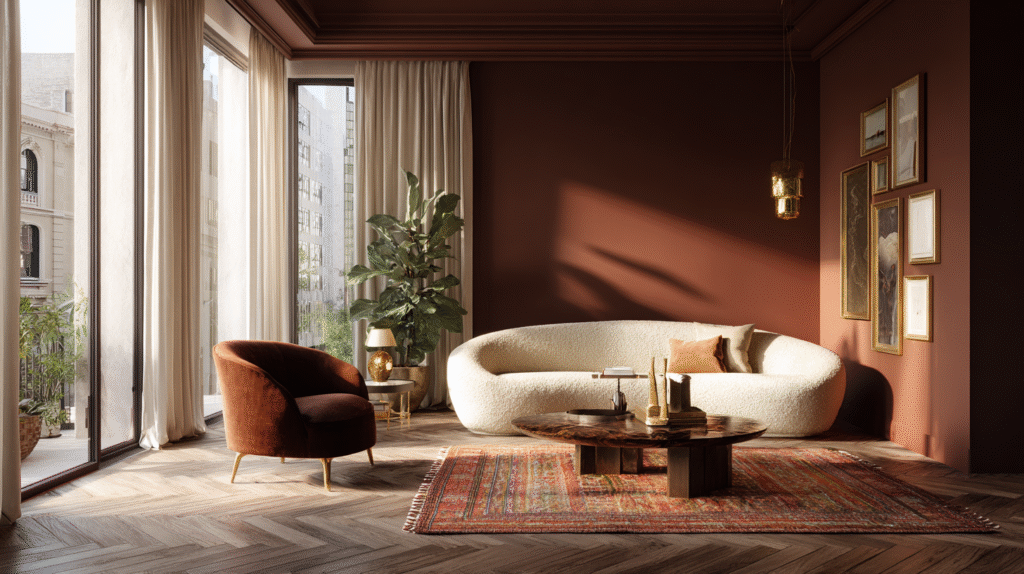
Painting the 6th wall in the same color family as your walls creates enveloping, cocoon-like interiors. Pale blue walls with a slightly deeper blue floor. Warm terracotta walls with a burnt sienna 6th wall. The effect is immersive and sophisticated—the room feels like a unified environment rather than a collection of surfaces.

Pro tip: Vary the finish. Matte walls with a satin 6th wall, or flat walls with a semi-gloss floor. This prevents the space from feeling flat or one-dimensional.

The Accent Floor: Reversing Conventional Wisdom

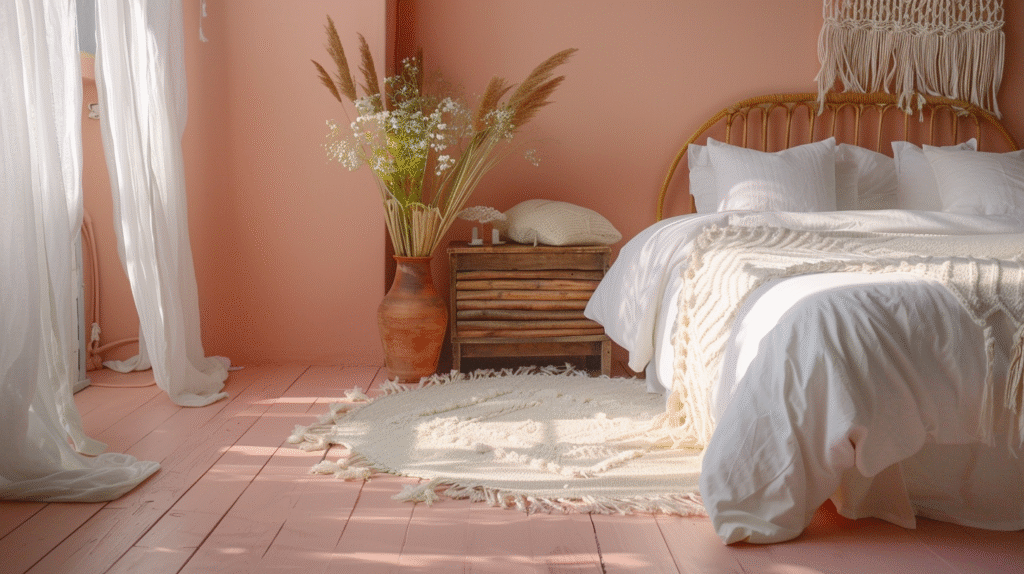
Accent walls are everywhere. Accent floors—using the 6th wall as the room’s single bold statement while keeping walls and ceiling neutral—are still delightfully rare. A sunny yellow floor in an otherwise all-white bathroom. A dusty rose 6th wall in a minimalist bedroom. A glossy black floor in a gallery-white living room.

This reversal feels unexpected and confident. It signals that you understand design rules well enough to break them.

Ceiling Coordination: The Forgotten Detail

If you’re feeling truly ambitious, consider how the 6th wall relates to the ceiling (the 5th wall). Matching your floor and ceiling paint creates dramatic symmetry—imagine a room with both surfaces painted navy, sandwiching white walls. Or go opposite: white floor, black ceiling, gray walls. These combinations feel editorial, intentional, and architecturally bold.

The 6th Wall: Why Painting Your Floors is the Cheapest 2026 Room Upgrade

5. Material Matters: What Floors Work Best for the 6th Wall Transformation

Not all floors are created equal when it comes to paint. Understanding your substrate—what you’re actually painting on—determines both the process and the results.

Wood Floors: The Ideal Canvas

Solid hardwood, engineered wood, and plywood subfloors are the 6th wall’s best friends. Wood accepts paint beautifully, requires minimal prep beyond cleaning and light sanding, and can be refinished later if you change your mind.

Prep requirements: Sweep and vacuum thoroughly. Sand lightly with 120-grit sandpaper to create tooth (surface roughness that helps paint adhere). Wipe with a tack cloth. Prime with a quality floor primer designed for wood. Paint. Seal with polyurethane (water-based for faster dry time and less yellowing, oil-based for maximum durability).

Cost estimate: For a 150-square-foot room, expect to spend $100-$200 on primer, paint, and sealant. Add another $50 for brushes, rollers, sandpaper, and supplies.

Concrete: Industrial Chic

Concrete floors—common in basements, lofts, and modern construction—are surprisingly excellent candidates for the 6th wall treatment. Concrete accepts paint well and offers a smooth, durable surface once sealed.

Prep requirements: Clean with a concrete degreaser. Fill cracks with concrete filler. Etch the surface with muriatic acid (or use a concrete etcher product) to improve adhesion. Prime with concrete-specific primer. Paint with floor-rated paint (regular wall paint won’t withstand traffic). Seal with concrete sealer.

Aesthetic bonus: Concrete’s smooth finish makes high-gloss 6th wall treatments particularly stunning.

Vinyl and Linoleum: Proceed with Caution

Yes, you can paint vinyl and linoleum floors, but success depends heavily on surface condition and product choice. Smooth, clean, well-adhered vinyl can be painted using specialty bonding primers and floor paint. Textured, embossed, or damaged vinyl is risky—paint may peel or crack.

Best approach: Thoroughly degrease, sand lightly to scuff the surface, prime with a bonding primer (XIM or similar), paint, and seal with multiple coats of polyurethane. Expect the 6th wall to show wear faster on vinyl than on wood or concrete.

Tile: The Wildcard

Ceramic and porcelain tile can be painted, but it’s the most labor-intensive and least durable option. Use tile-specific bonding primer, epoxy-based floor paint, and multiple sealing coats. The 6th wall on tile works best in low-traffic areas (bathrooms, laundry rooms) where you’re desperate to cover ugly patterns and willing to accept that the paint may eventually need touch-ups.

What About Carpet?

You can’t paint carpet. If you’re working with wall-to-wall carpeting, the 6th wall approach means either removing the carpet to expose the subfloor beneath (plywood, concrete) or accepting that this isn’t the right technique for your space. Area rugs, no matter how beautiful, aren’t the 6th wall—they’re decoration on top of it.

The 6th Wall: Why Painting Your Floors is the Cheapest 2026 Room Upgrade

Let’s address the elephant in the room: why does painting the 6th wall deliver such disproportionate visual impact relative to cost?

It’s about surface area and novelty. The floor represents roughly 30-40% of a room’s visible surface area—far more than a single accent wall. When you transform something that large, the entire space feels different. And because painted floors remain relatively uncommon (despite their growing popularity), they read as intentional, design-forward, and considered in ways that painted walls no longer do.

Compare costs:

  • Replacing damaged hardwood: $8-$15 per square foot installed ($1,200-$2,250 for a 150-square-foot room)
  • New tile installation: $10-$20 per square foot installed ($1,500-$3,000 for the same room)
  • High-quality area rug: $500-$2,000+ depending on size and material
  • Painting the 6th wall: $150-$300 DIY for the same room

The math is absurd. For the cost of a decent area rug, you can transform your entire floor into a custom design statement that feels architecturally integrated rather than decoratively applied.

But what about resale value? This is the question that stops many homeowners from embracing the 6th wall. The honest answer: painted floors are polarizing. Some buyers will love the character and uniqueness. Others will see it as a project to undo. If you’re planning to sell within a year, stick with neutral choices (soft grays, warm whites, light taupes). If you’re living in your space for the foreseeable future, paint the 6th wall exactly how you want it—your daily joy matters more than a hypothetical future buyer’s preferences.

For renters: Painted floors occupy a gray area. Some landlords explicitly prohibit paint. Others don’t care as long as you’re improving (not damaging) the property. If you have an understanding landlord and a floor that’s already damaged or ugly, proposing to paint the 6th wall—at your expense, in a neutral color—might actually increase the rental’s appeal. Always get written permission. And if you’re truly uncertain, consider painted plywood “tiles” or panels that can be laid over existing floors and removed when you move—the 6th wall as temporary installation.
The 6th Wall: Why Painting Your Floors is the Cheapest 2026 Room Upgrade

7. Common Mistakes (And How to Avoid Them)

The 6th wall is forgiving—but not foolproof. Here are the pitfalls that separate successful floor transformations from expensive regrets.

Skipping Surface Prep

This is where most DIY painted floors fail. If you don’t clean, sand, and prime properly, paint won’t adhere. It’ll peel, chip, and look terrible within weeks. Solution: Budget time for prep. Cleaning and sanding aren’t glamorous, but they’re non-negotiable.

Using the Wrong Paint

Wall paint is not floor paint. Wall paint isn’t designed to withstand foot traffic, furniture weight, or abrasion. Solution: Use porch and floor paint (specifically formulated for durability), or use wall paint followed by multiple coats of polyurethane sealer. Never skip the sealant.

Ignoring Undertones

Your floor has undertones—warm (yellow, orange, red) or cool (blue, gray, green)—that will interact with whatever color you paint. A cool gray paint on a warm oak floor may look muddy or greenish. A warm white on cool-toned concrete might appear dingy. Solution: Test paint samples on your actual floor. Live with them for a few days in different lighting conditions before committing.

Choosing Colors That Shrink the Room

Dark floors can make small rooms feel cramped if not balanced with light walls and ample natural light. Conversely, stark white floors in a room with white walls and minimal furniture can feel clinical and cold. Solution: Consider the room holistically. The 6th wall should balance, not dominate or disappear.

Inadequate Sealing

Paint alone won’t survive traffic. Sealant is what makes the 6th wall durable. Solution: Apply at least three coats of polyurethane (water-based or oil-based depending on your durability needs and tolerance for yellowing). Allow proper dry time between coats. Don’t rush this step.

Painting High-Traffic Areas First

Your first painted floor should not be your home’s main hallway or kitchen. Solution: Start with a low-stakes space—a guest bedroom, bathroom, closet, or home office. Learn the process, make mistakes where they don’t matter, then tackle higher-visibility rooms with confidence.

Ignoring Furniture Placement

Heavy furniture can damage freshly painted and sealed floors if moved too soon. Solution: Wait at least a week (preferably two) after final sealer coat before returning furniture. Use felt pads under all furniture legs. Lift, don’t drag.

The 6th Wall: Why Painting Your Floors is the Cheapest 2026 Room Upgrade

The 6th Wall for Problem Floors: When Painting Is the Solution, Not a Compromise

Here’s where the 6th wall becomes genuinely life-changing: when you’re stuck with floors so damaged, dated, or ugly that you’ve considered living with them forever because replacement feels financially impossible.

Scenario 1: Water-Damaged Hardwood

Those dark stains from an old leak? The warped boards near the bathroom? Paint covers them. A dark charcoal or navy 6th wall makes water damage disappear, turning liability into character.

Scenario 2: Mismatched Floor Patches

Replaced a few boards after a plumbing repair and now you have obvious color mismatches? The 6th wall unifies everything under a single intentional color.

Scenario 3: Builder-Grade Laminate

That honey-oak laminate screaming “1990s rental”? Paint it. Properly prepped and sealed laminate accepts paint well enough to last years, especially in bedrooms and living rooms with moderate traffic.

Scenario 4: Ugly Tile Patterns

Pastel pink bathroom tile. Harvest gold kitchen floors. Aggressively dated patterns you hate but can’t afford to replace. The 6th wall is your escape hatch.

Scenario 5: Plywood Subfloors

Removed carpet and found plywood underneath? Don’t mourn the lack of “real” flooring—celebrate. Plywood is smooth, stable, and paint-ready. Add a geometric pattern or bold color and suddenly your “temporary” subfloor is a design feature.

In each case, painting the 6th wall isn’t settling for second-best. It’s recognizing that transformation matters more than material. A beautifully painted floor—even over damaged wood or cheap laminate—will look and feel better than expensive flooring that’s poorly maintained or stylistically wrong for the space.

The 6th Wall: Why Painting Your Floors is the Cheapest 2026 Room Upgrade

Living with the 6th Wall: Maintenance, Longevity, and Knowing When to Repaint

Painted floors aren’t set-it-and-forget-it, but they’re far less demanding than you might fear.

Daily maintenance: Sweep or vacuum regularly. Wipe spills immediately. Use doormats to minimize dirt and grit (the real enemy of any floor finish).

Monthly maintenance: Damp mop with a pH-neutral cleaner. Avoid harsh chemicals that can dull or damage sealant.

Annual maintenance: Inspect for wear, especially in high-traffic paths. If sealant is wearing thin (you’ll see dull patches or slight paint scuffing), apply a fresh coat of polyurethane. This takes a few hours and extends the 6th wall’s life significantly.

Longevity expectations: With proper prep, quality paint, and adequate sealing, a painted floor can last 5-7 years in moderate-traffic rooms, 3-5 years in high-traffic areas. Stairs, entryways, and kitchens wear faster. Bedrooms and home offices can go a decade.

When to repaint: When the 6th wall no longer sparks joy. When your aesthetic evolves. When you’re ready for a new color story. Unlike replacing hardwood or tile, repainting is cheap and fast—a weekend project, not a month-long renovation.
Can you refinish painted floors? If you’ve painted over solid hardwood, yes. Sand down to raw wood and refinish traditionally. If you’ve painted over engineered wood, plywood, concrete, or vinyl, probably not—but you can always repaint with a new color.

The 6th Wall: Why Painting Your Floors is the Cheapest 2026 Room Upgrade

Conclusion: The 6th Wall as Creative Liberation

There are moments in design when a single shift in perspective changes everything. Realizing that gallery walls don’t need matching frames. Understanding that maximalism isn’t clutter, it’s curation. Discovering that the floor beneath your feet isn’t a limitation—it’s a 150-square-foot invitation to transform your space on your terms, your budget, and your timeline.
The 6th wall is where design becomes accessible. It’s where renters gain agency. Where homeowners with ugly floors find hope. Where anyone tired of rooms that feel almost-right-but-not-quite discovers the missing piece.

It’s the recognition that the most overlooked surface in your home might also be the most powerful. That a single weekend and a few hundred dollars can deliver the kind of dramatic transformation that usually requires contractors, permits, and five-figure budgets.

The 6th wall is permission. Permission to be bold when convention demands neutrality. Permission to experiment when design culture sometimes feels rigid and rule-bound. Permission to treat your home as a living canvas where floors aren’t just walked on—they’re designed, celebrated, and admired.

So look down. Really look. At the scratched oak, the ugly laminate, the boring concrete, the dated tile. That’s not a problem. That’s potential. That’s the 6th wall—waiting for you to see it not as a surface to tolerate, but as the cheapest, fastest, most impactful room upgrade you’ll make in 2026.
The other five walls have had their moment. It’s time the floor had its turn.
What do you think?
Leave a Reply

Blog

Get fresh home inspiration and helpful tips from our interior designers

top
2
    2
    Your Cart
    Airo Table Lamp Remove
    Airo Table Lamp
    Qty: 1
    Price: £194
    £194
    Eston Rectangular Grey Dining Set Remove
    Eston Rectangular Grey Dining Set
    Qty: 1
    Price: £1,198
    £1,198

    Inactive

    Privacy Overview

    This website uses cookies so that we can provide you with the best user experience possible. Cookie information is stored in your browser and performs functions such as recognising you when you return to our website and helping our team to understand which sections of the website you find most interesting and useful.