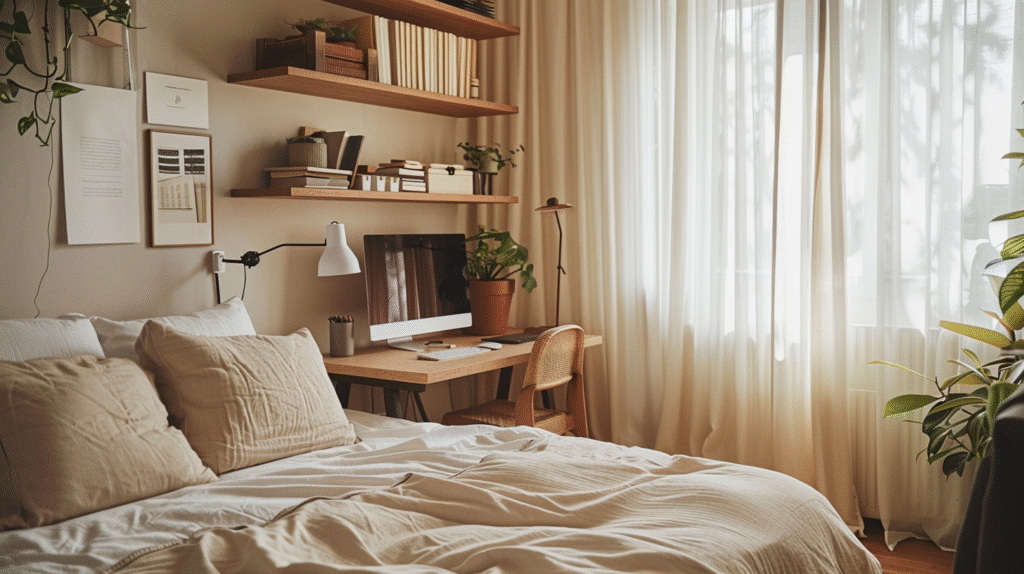
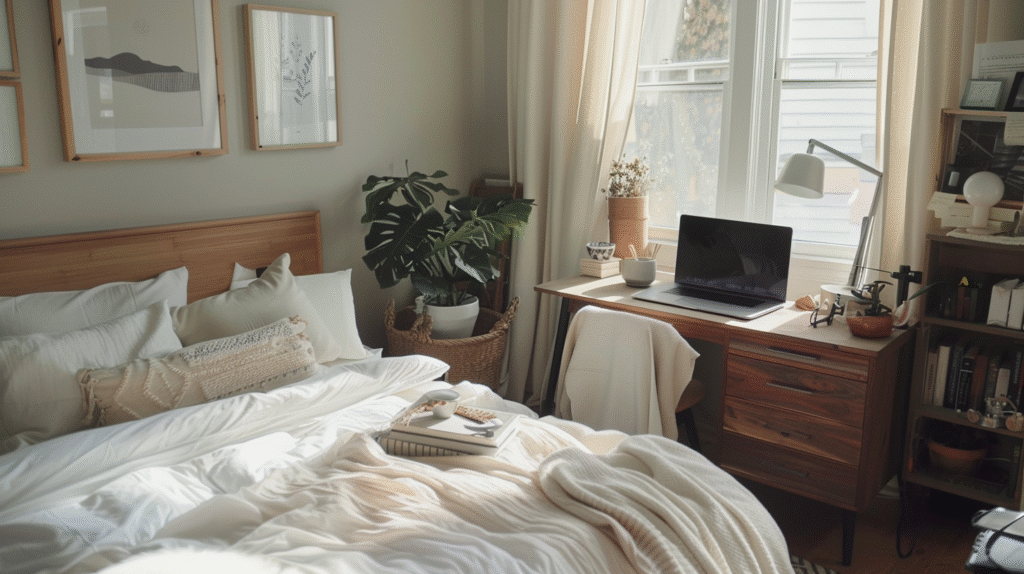
The Invisible Home Office: How to Integrate a Workspace Into Your Bedroom Without Compromising Serenity

Invisible Home Office

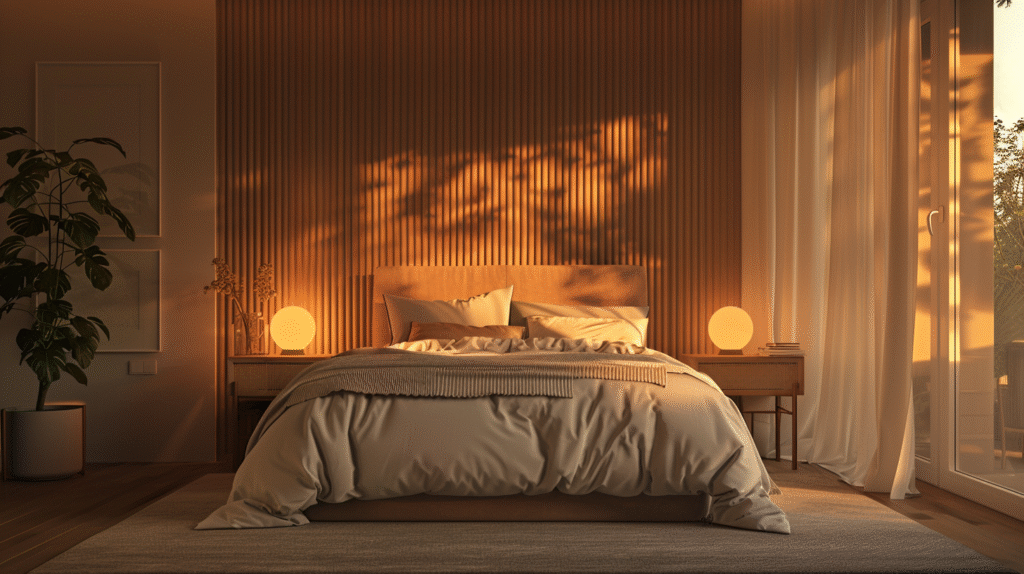
The bedroom has always been considered sacred ground—a refuge from the demands of the outside world, a sanctuary where we shed the day’s armor and surrender to rest. Yet for millions of remote workers, hybrid professionals, students, and urban apartment dwellers, this sanctuary has been quietly invaded by the very thing it was meant to exclude: work.

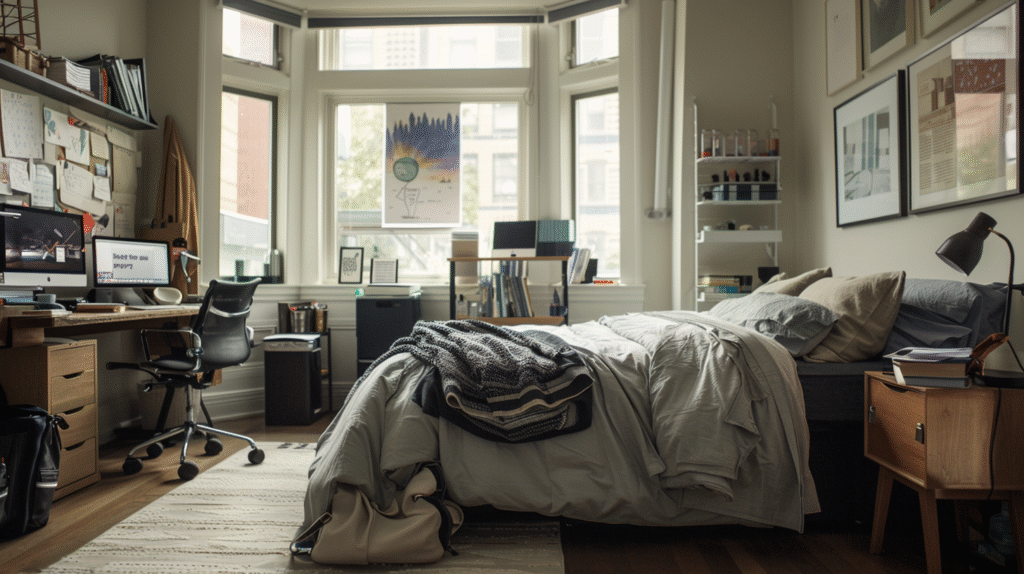
The pandemic accelerated a shift that was already underway, transforming bedrooms into makeshift offices out of necessity. What began as a temporary solution has, for many, become permanent. The challenge now isn’t simply whether to work from your bedroom—it’s how to do so without destroying the psychological boundary that makes sleep possible, without turning your most intimate space into a constant reminder of unfinished tasks and mounting deadlines.

This is where the concept of the invisible home office becomes not just aesthetically appealing, but psychologically essential. An invisible home office isn’t about literal invisibility—it’s about creating a workspace that can be seamlessly concealed, visually neutralized, or psychologically compartmentalized when work hours end. It’s about designing with intentional ephemerality, ensuring that your bedroom can still perform its primary function: facilitating genuine rest and mental restoration.

The stakes are higher than many realize. Sleep researchers have long warned about the dangers of associating your bedroom with work-related stress. When your laptop occupies the same visual field as your pillow, your brain struggles to transition between productivity mode and rest mode. The result is often a chronic low-level anxiety that permeates both work and sleep, leaving you neither fully productive nor properly rested.

But here’s the truth that interior designers and spatial psychologists understand: with thoughtful planning, it is possible to maintain a workspace in your bedroom without compromising its serenity. The key lies in embracing design strategies that honor the dual nature of the space while preserving clear psychological boundaries. In this guide, we’ll explore the principles and specific solutions that make the invisible home office not just feasible, but transformative—with an emphasis on elegance, spatial psychology, and solutions that won’t damage your walls or require permanent modifications

Bedroom-Office Spaces

Before diving into design solutions, we must first understand why sharing a bedroom with a workspace feels so psychologically fraught. The discomfort isn’t just aesthetic—it’s neurological.

Our brains rely heavily on environmental cues to regulate states of consciousness and readiness. The bedroom, ideally, becomes associated exclusively with sleep and intimacy. This association is powerful and protective. When we enter our bedroom, our nervous system begins preparing for rest, triggering the release of melatonin and shifting our brainwave patterns toward sleep.

Introduce a desk piled with work documents, a glowing monitor, or visual reminders of professional obligations, and this automatic transition becomes disrupted. Your brain receives conflicting signals: “Am I here to work or to rest?” The resulting cognitive dissonance manifests as difficulty falling asleep, reduced sleep quality, heightened nighttime anxiety, and a pervasive feeling of never being fully “off.”

This is precisely why the invisible home office concept matters so profoundly. By creating systems that allow work to disappear—visually and psychologically—we restore the bedroom’s ability to function as a true sanctuary.

The Visual Permanence Problem

One of the most insidious challenges of bedroom workspaces is what spatial psychologists call “visual permanence”—when work-related objects occupy your sight line constantly, even during non-working hours. Studies on environmental psychology have shown that visual clutter and work-related objects in sleep spaces correlate with increased cortisol levels, reduced sleep efficiency, and higher reported stress.

An invisible home office solves this problem through strategic concealment, creating systems where work materials can be completely hidden when not in use. This isn’t about denial—it’s about respecting the brain’s need for environmental consistency in spaces designated for rest.

Invisible Home Office

Creating a successful invisible home office requires adherence to four foundational principles that ensure both functionality and serenity.

Pillar One: Reversibility

Everything you introduce into your bedroom workspace should be temporary and reversible. This principle is both practical (especially for renters) and psychological. Reversible solutions include furniture that can be moved without tools, damage-free adhesive products, temporary room dividers, wireless technology, and modular storage systems.

The psychological benefit of reversibility cannot be overstated. Knowing that your bedroom workspace isn’t permanent helps maintain the mental distinction between temporary work arrangement and permanent bedroom identity.

Pillar Two: Concealment

True concealment goes beyond “tidying up.” It means creating systems where work materials can be completely hidden from view during non-working hours. This might involve furniture with built-in storage, decorative screens that double as workspace dividers, or convertible pieces that transform entirely.

The key is ensuring concealment becomes effortless. If hiding your workspace requires ten minutes of reorganization, you’re unlikely to do it consistently. The best concealment systems work in seconds.

Pillar Three: Psychological Zoning

Even when physical concealment isn’t possible, psychological zoning can create powerful mental boundaries. This involves using visual cues, lighting changes, and spatial arrangements to signal to your brain when a space is being used for work versus rest.

Techniques include distinct lighting schemes for work versus evening, area rugs that define separate zones, directional furniture placement, and color psychology—using cooler, focused colors for work zones and warmer, softer tones for sleep zones.

Pillar Four: Aesthetic Continuity

Perhaps the most overlooked principle of the invisible home office is aesthetic continuity—ensuring that workspace elements don’t visually clash with your bedroom’s overall design language. When your office area looks like an afterthought or feels stylistically discordant, it becomes a constant source of visual stress.

Choose office furniture that matches existing bedroom furniture, select technology in colors that blend with your palette, use similar materials and textures throughout, and prioritize beautiful organizational solutions over purely functional but ugly options

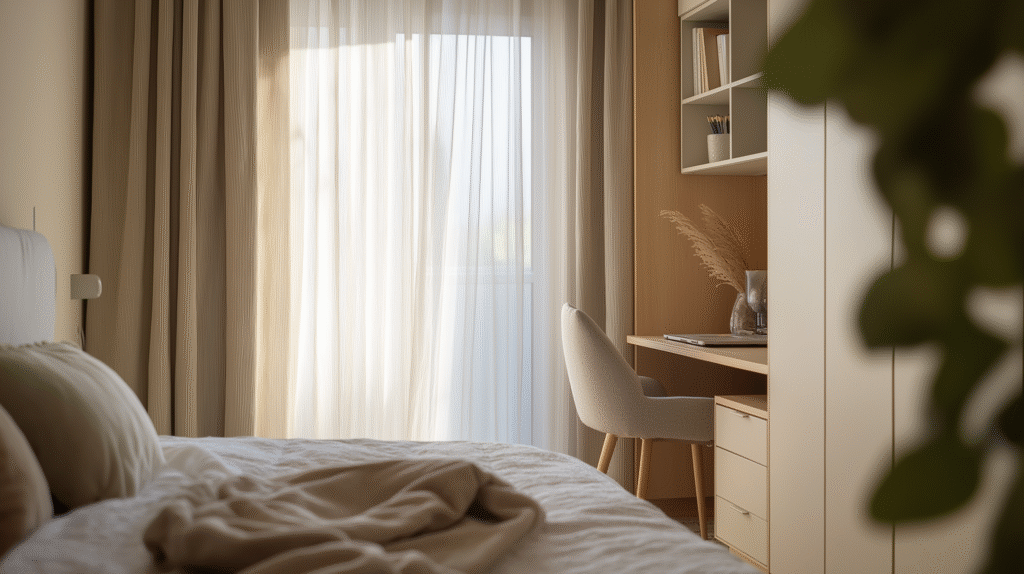
The Invisible Home Office: How to Integrate a Workspace Into Your Bedroom Without Compromising Serenity

In smaller bedrooms where physical separation is impossible, spatial zoning becomes your most powerful tool for creating an invisible home office that respects psychological boundaries.

The Strategic Use of Area Rugs

One of the simplest yet most effective zoning tools is the strategic placement of area rugs. A rug creates an implied boundary, signaling that the space within its borders serves a different function. Place a small, distinct rug beneath your desk and chair—something that complements your bedroom’s aesthetic but differs slightly in texture or pattern from any rug near your bed.

The psychology is subtle but powerful: crossing onto a different surface creates a micro-ritual that signals a shift in mental state.

Furniture as Implied Dividers

Tall furniture pieces can create surprisingly effective visual barriers without requiring installation. A tall bookshelf positioned perpendicular to the wall, a substantial dresser, a folding screen, or even a tall plant arrangement can function as a space divider that obscures your workspace from view when you’re in bed.

The beauty of furniture-based zoning is its complete reversibility.

Vertical Delineation with Curtains

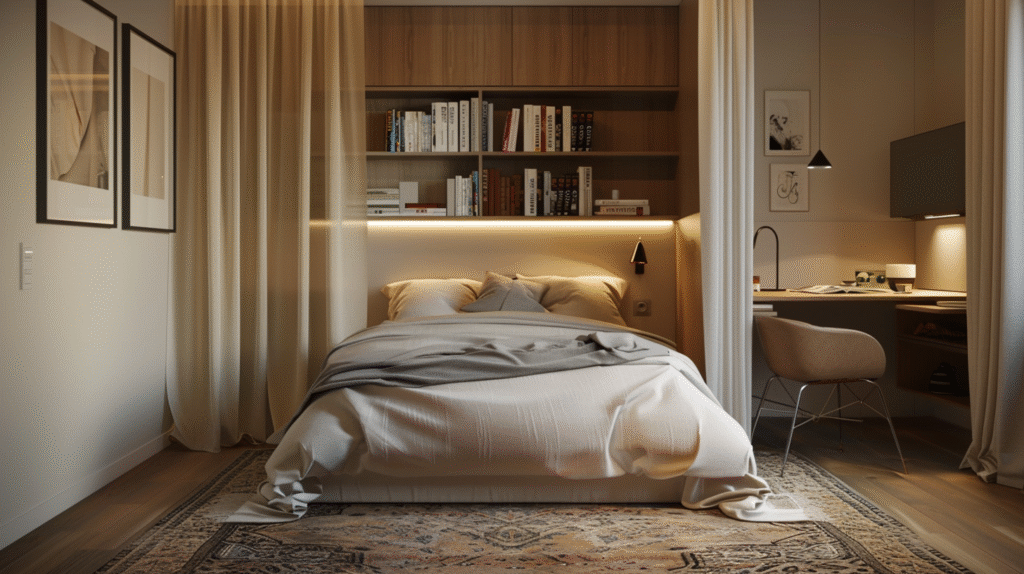
Curtain room dividers offer remarkable flexibility for creating an invisible home office within a bedroom. Using a ceiling-mounted curtain track or tension rod system (both completely damage-free options), you can install lightweight curtain panels that can be drawn to completely hide your workspace or pulled back to open up the room.

The psychological impact of being able to physically draw a curtain between your work area and sleep area cannot be overstated. It creates a decisive visual break that signals the end of the workday in a way that simply “logging off” never can.

Color and Light as Invisible Boundaries

Perhaps the most subtle form of spatial zoning involves the strategic use of color and lighting. Painting an accent wall behind your workspace in a slightly different shade—or using removable wallpaper for renters—can create visual distinction without erecting physical barriers.

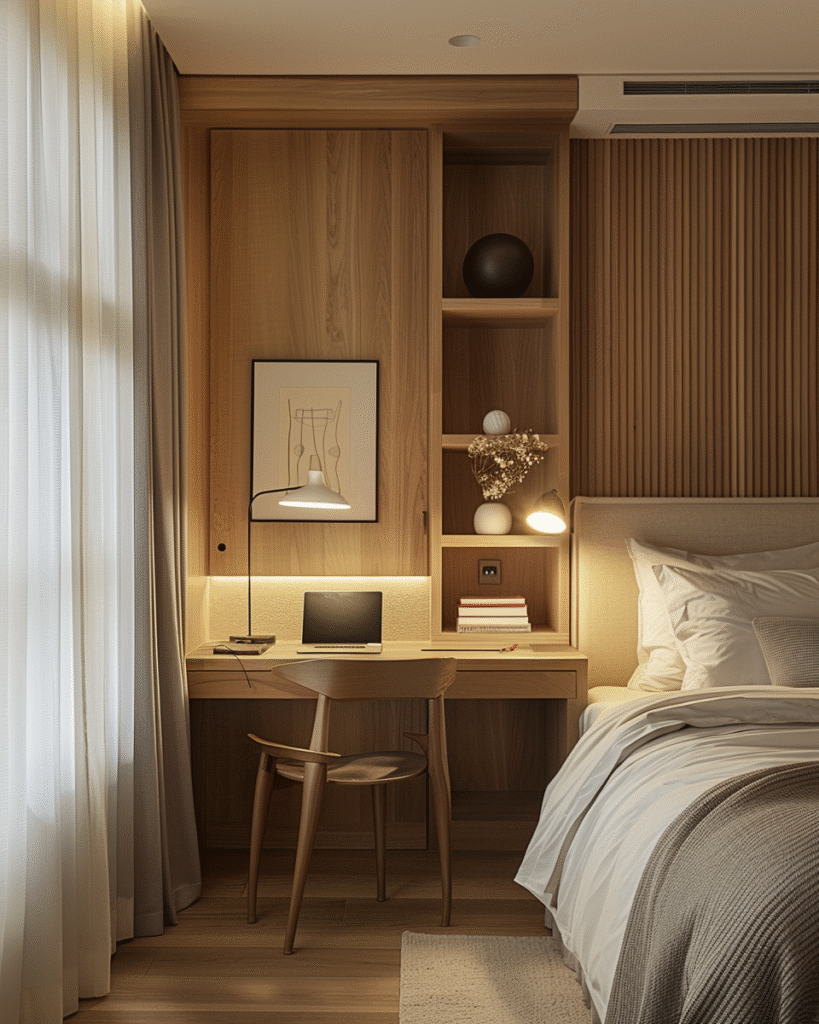
Your workspace should have dedicated task lighting that’s distinctly different from your bedroom’s ambient lighting. During work hours, your desk lamp provides focused, cooler-toned light conducive to productivity. In the evening, this light is turned off completely, and only your bedroom’s warmer, softer lighting remains.

Boundaries Without Walls

4. Convertible Furniture: The Foundation of Invisible Design

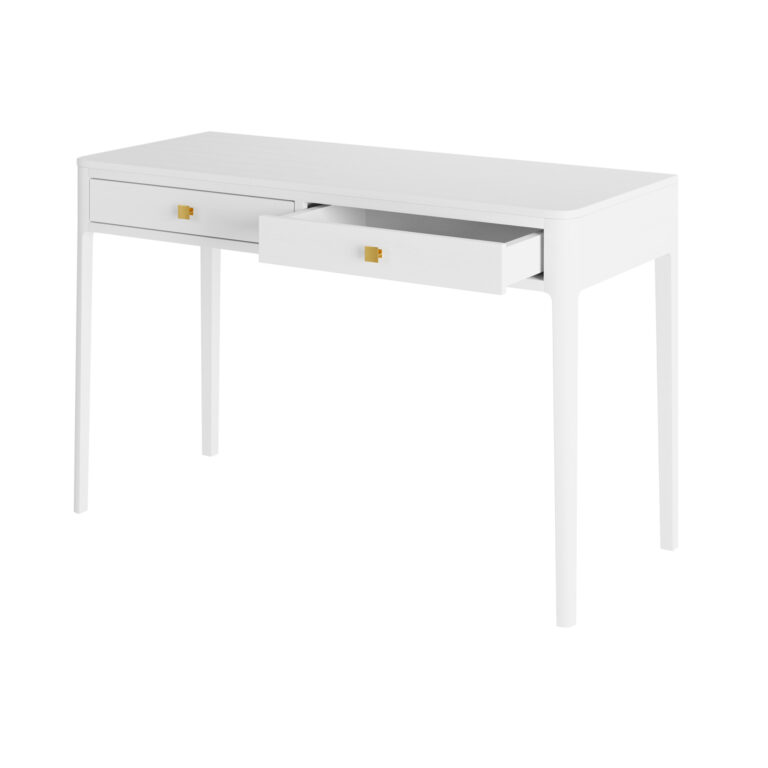
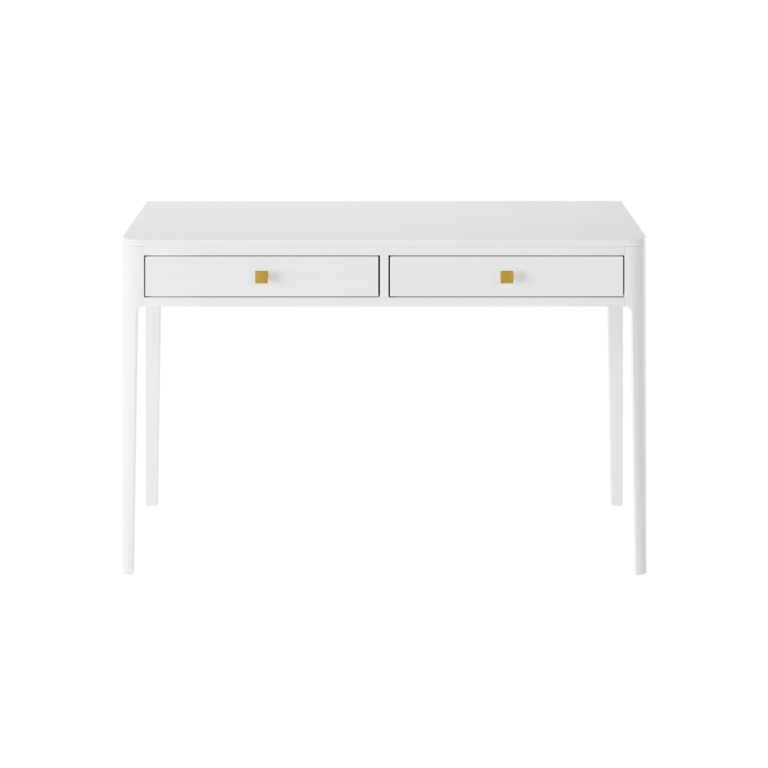
The cornerstone of any effective invisible home office is furniture that transforms, conceals, or serves multiple purposes. These pieces allow your bedroom to genuinely function as two different spaces at different times of day.

Murphy Desks and Wall-Mounted Fold-Down Surfaces

Murphy desks fold completely flat against the wall when not in use, creating an almost undetectable profile. Modern versions are remarkably elegant, with designs that resemble decorative wall panels or even artwork when folded up. These desks typically include built-in storage for office supplies, meaning your workspace and its associated materials can disappear simultaneously.

Installation usually requires some wall mounting, but most systems use standard picture-hanging hardware. For renters concerned about damage, some Murphy desk systems are freestanding, leaning against the wall rather than mounting to it.

Secretary Desks and Cabinet Desks

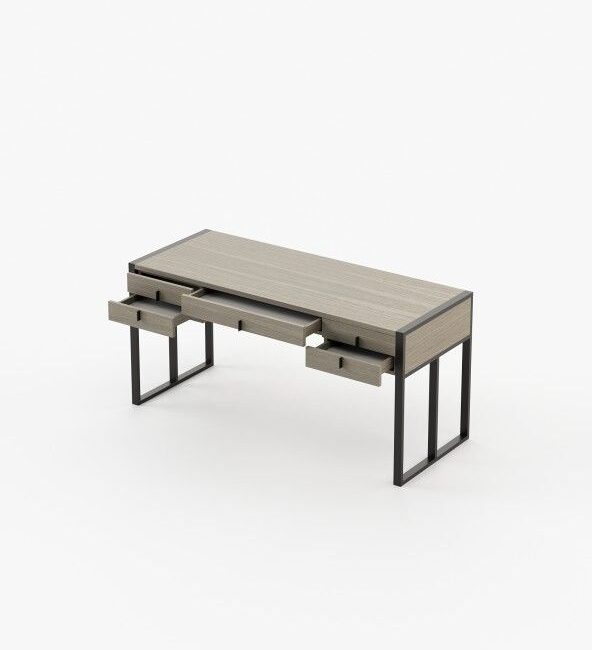
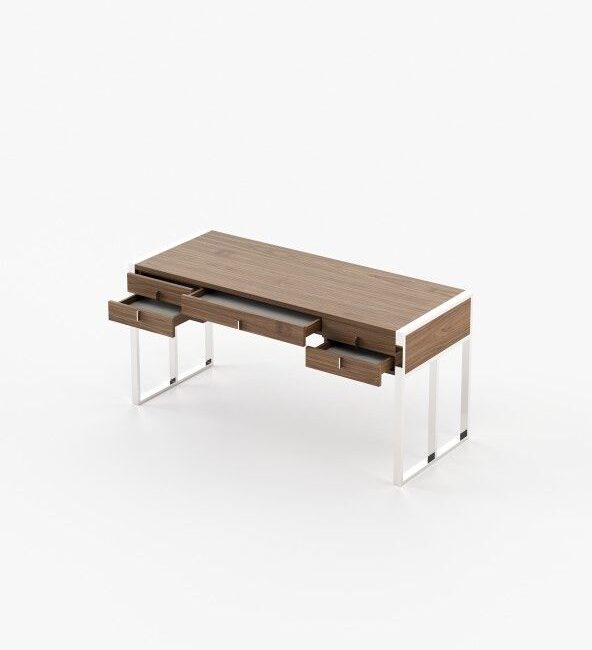
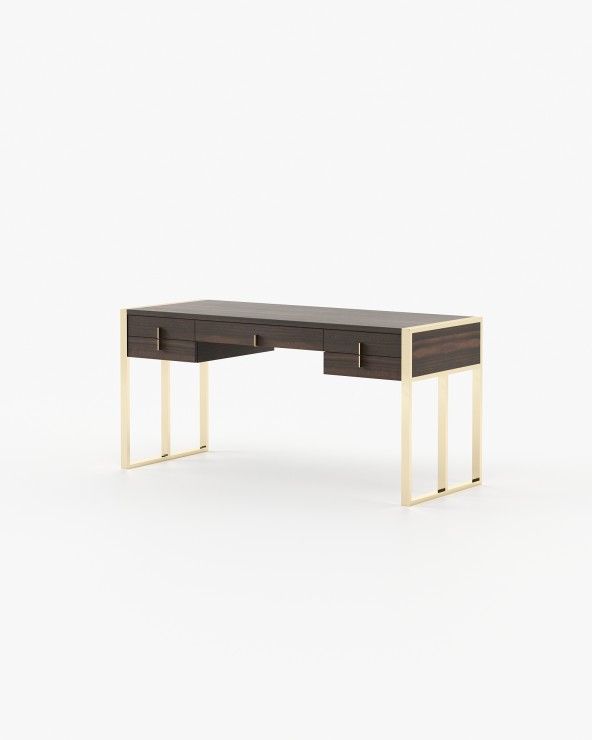
Secretary desks and cabinet desks are furniture pieces designed to completely enclose a workspace. When closed, they look like attractive cabinets or armoires. When opened, they reveal a functional desk surface and organizational compartments.

The advantage is that secretary desks are completely freestanding and require zero installation. Choose one in a finish and style that complements your existing furniture, and it becomes a beautiful storage piece that happens to contain a secret workspace.

Floating Desks and Corner Solutions

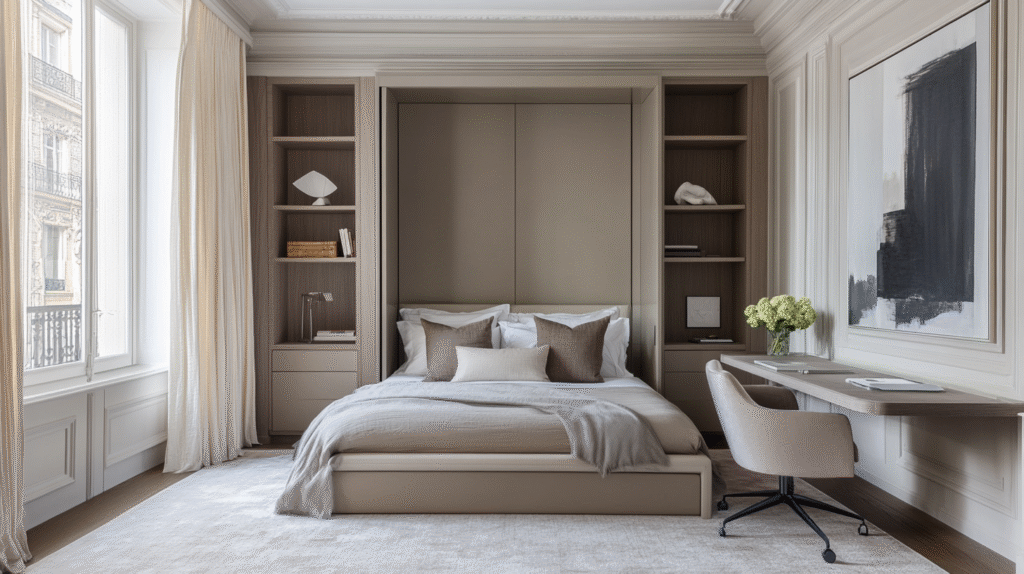
For those willing to install simple wall-mounted brackets, floating desks offer an elegant solution that maximizes floor space. A floating desk consists of a single surface mounted to the wall with no visible legs or supports beneath it, creating a clean, minimal aesthetic.

When paired with a wall-mounted folding chair or lightweight stool that can be stored elsewhere, a floating desk creates an invisible home office that virtually disappears when not in use.

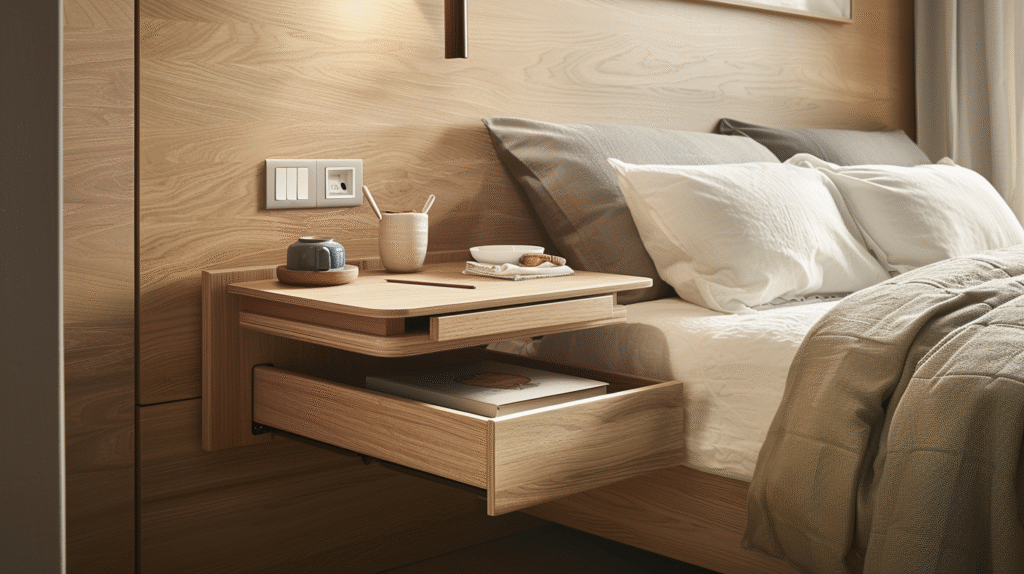
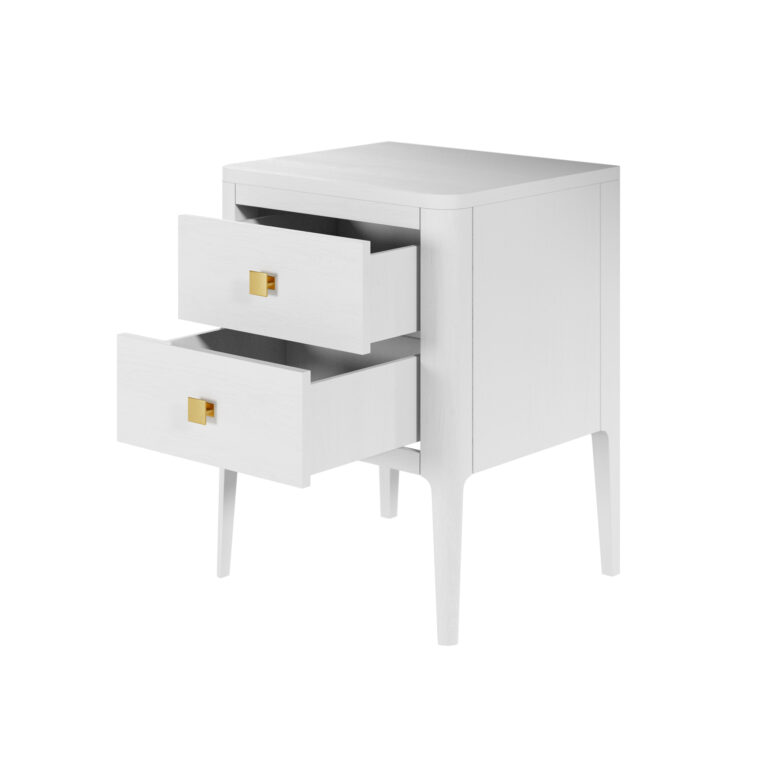
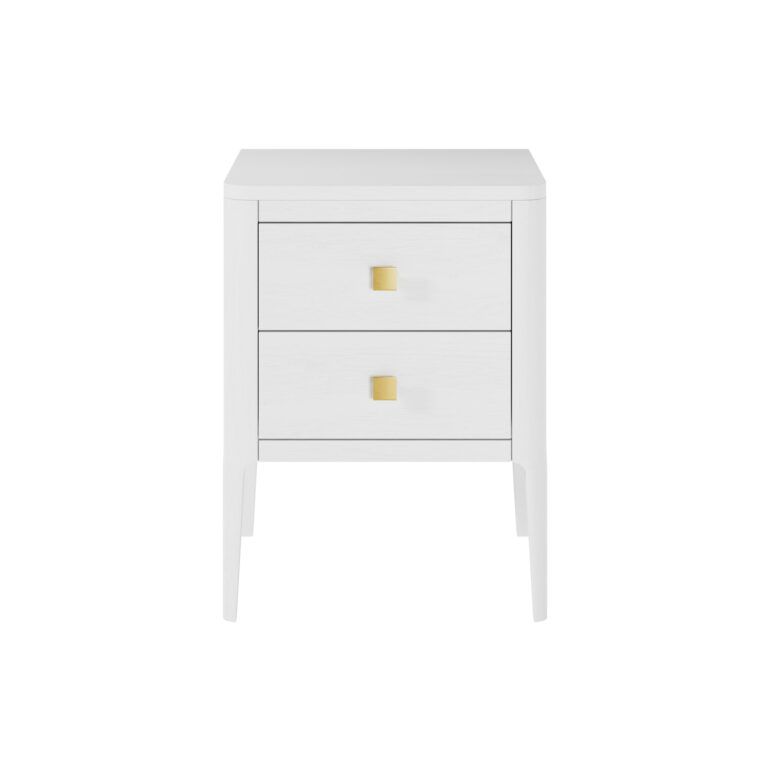
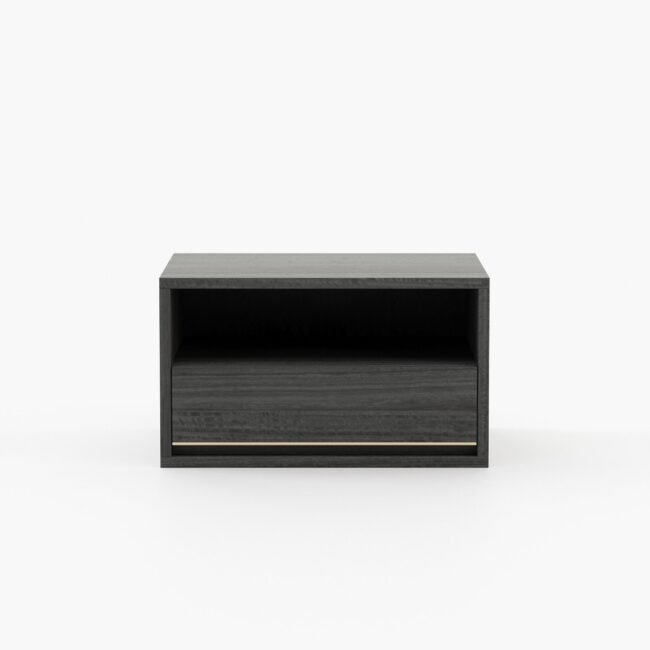
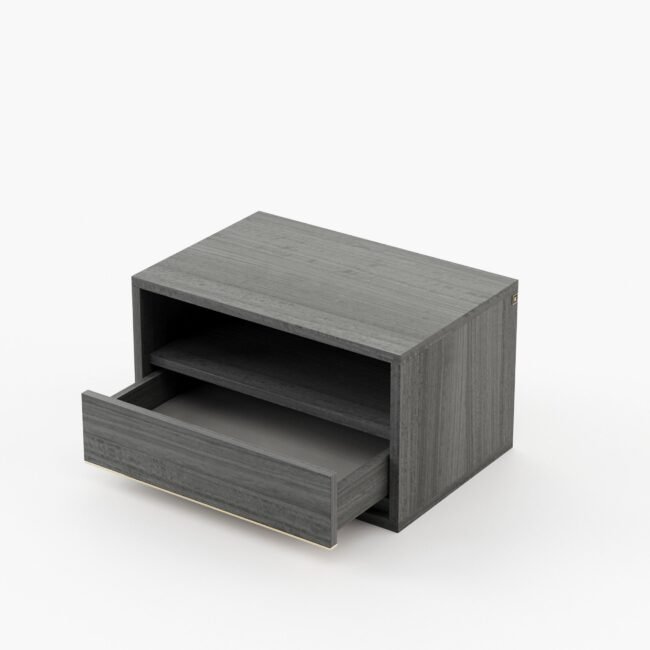
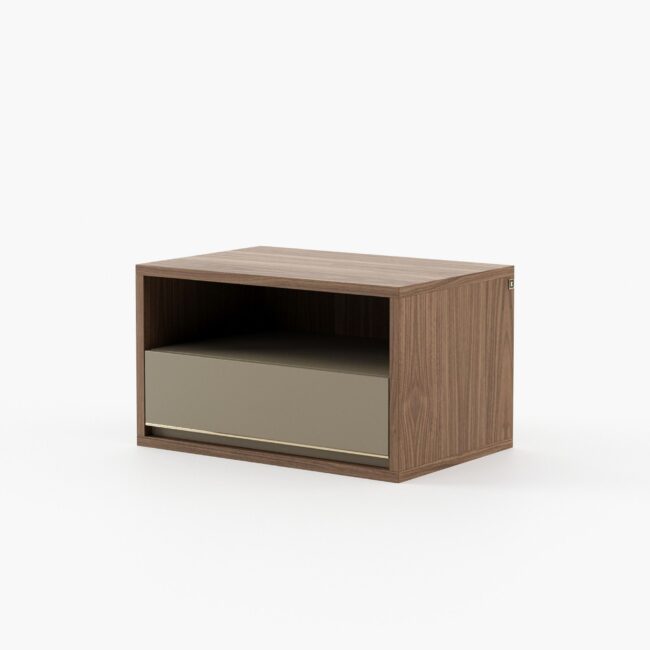
Convertible Nightstands

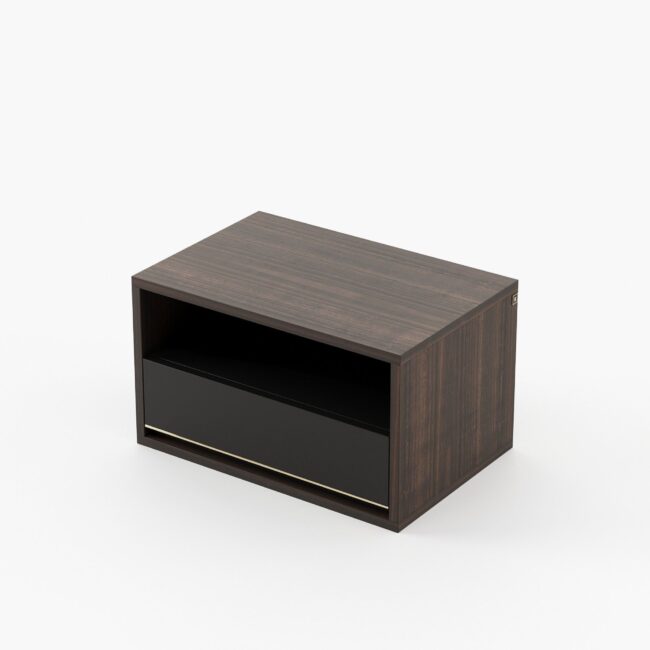
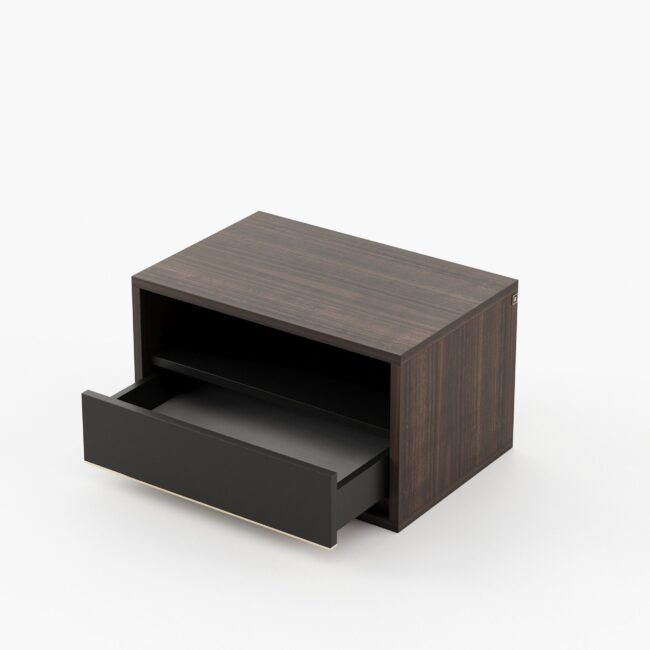
For truly minimal spaces, consider nightstands with extendable surfaces that can serve as tiny workspaces. Look for nightstands with pull-out trays, lift-top surfaces, or swivel mechanisms that temporarily increase the work surface.

This solution works particularly well for those who only need occasional, short-duration workspace in their bedroom.

The Invisible Home Office: How to Integrate a Workspace Into Your Bedroom Without Compromising Serenity

An invisible home office succeeds or fails based largely on storage. Work materials have a tendency to accumulate and create visual chaos. Intelligent storage solutions keep everything accessible during work hours while completely concealed during rest time.

Closed Storage Over Open Shelving

When it comes to bedroom offices, closed storage almost always wins over open shelving. Open shelves inevitably become displays of work materials—all visual reminders of professional obligations.

Opt for cabinets with doors, storage boxes with lids, drawer units rather than open cubby systems, baskets and bins that hide contents from view, and furniture with built-in concealed storage.

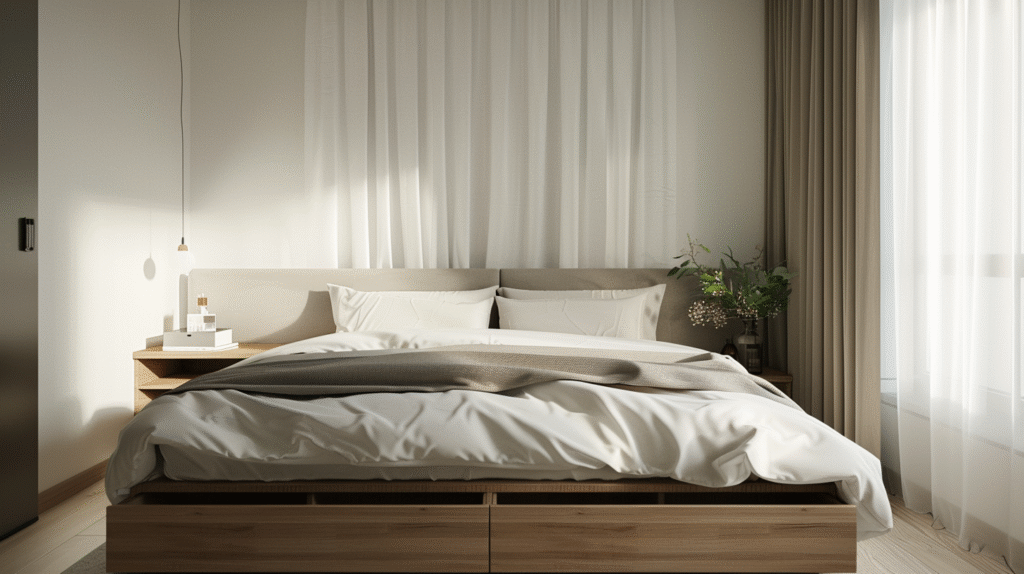
Under-Bed Storage

Maximize often-wasted space beneath your bed by using it for office supply storage. Low-profile rolling containers or vacuum-sealed bags can hold substantial amounts of work materials completely out of sight. This strategy is particularly effective for seasonal or archival work materials that you need to keep but don’t access daily.

Ottomans and Storage Benches

Storage ottomans and benches serve triple duty: seating for your workspace, stylish bedroom furniture, and concealed storage for office supplies. Position a storage ottoman at the foot of your bed or beneath your desk, and you’ve created a beautiful furniture piece that secretly houses your entire office supply collection.

Cable Management and Tech Concealment

Perhaps nothing destroys bedroom serenity faster than tangled cables and visible technology. An invisible home office requires ruthless cable management.

Strategies include cable sleeves that bundle multiple cords, cable clips that route wires along furniture edges, wireless technology wherever possible, cable boxes that hide power strips, and furniture with built-in cable management features.

The Invisible Home Office: How to Integrate a Workspace Into Your Bedroom Without Compromising Serenity

Lighting is perhaps the most powerful tool for creating psychological boundaries in an invisible home office, yet it’s often overlooked in bedroom workspace design.

Layered Lighting for Different Modes

Successful bedroom offices employ layered lighting with distinct purposes:

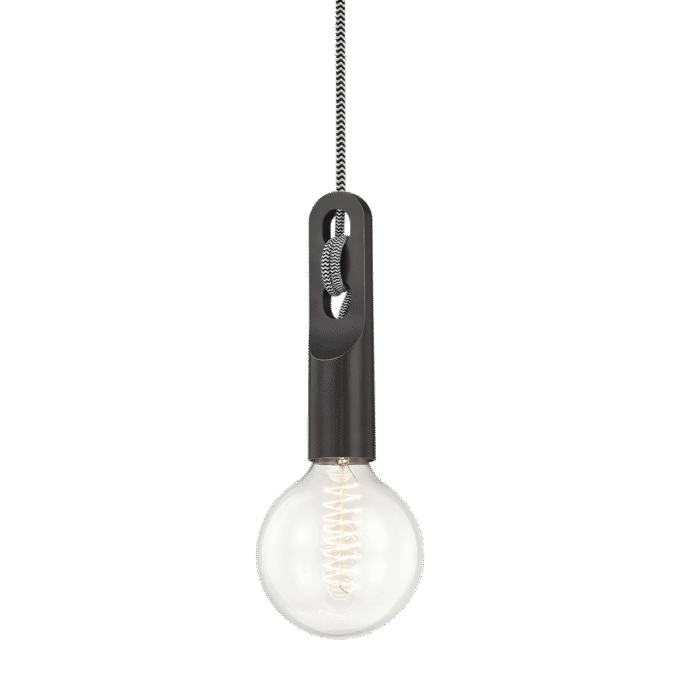
Task lighting for work: Bright, focused, cooler-toned light positioned directly over your workspace—a desk lamp, wall-mounted articulated light, or pendant fixture.

Ambient lighting for rest: Softer, warmer-toned overhead or wall lighting that creates a gentle, relaxing glow throughout the bedroom.

Accent lighting for transition: Dimmable lamps or LED strips that can be adjusted to create a transitional mood between work and rest modes.

The key is ensuring these lighting layers can be controlled independently.

Circadian-Friendly Lighting Choices

Respect your body’s natural circadian rhythms by choosing light bulbs with appropriate color temperatures. For workspace lighting, opt for “daylight” bulbs (5000K-6500K) that promote alertness and focus. For bedroom ambient lighting, choose “soft white” or “warm white” bulbs (2700K-3000K) that signal it’s time to wind down.

Strategic Placement and Directionality

Position your task lighting so it illuminates your work surface without spilling into other areas of the bedroom. Directional lighting helps maintain psychological zones by keeping work light contained to the work area.

Similarly, ensure your ambient bedroom lighting doesn’t illuminate your workspace. When work is done, you want that area to recede into shadow.

The Invisible Home Office: How to Integrate a Workspace Into Your Bedroom Without Compromising Serenity

7. The Art of Daily Transformation Rituals

An invisible home office only works if you actually make it disappear at the end of each workday. This requires establishing simple, sustainable rituals that signal the transition from work mode to rest mode.

The Five-Minute Shutdown Ritual

Create a consistent end-of-day ritual that takes no more than five minutes:

  1. Close all applications and shut down your computer completely
  2. Clear your desk surface—every paper, pen, and notebook goes into designated storage
  3. Conceal your technology—laptop into a drawer or cabinet, peripherals stored away
  4. Transform your furniture if using convertible pieces—fold up the Murphy desk, close the secretary desk
  5. Adjust lighting—turn off task lighting, switch to ambient bedroom lighting

The key is consistency. Performed daily, these actions become automatic, taking minimal mental effort while powerfully signaling to your brain that work time has ended.
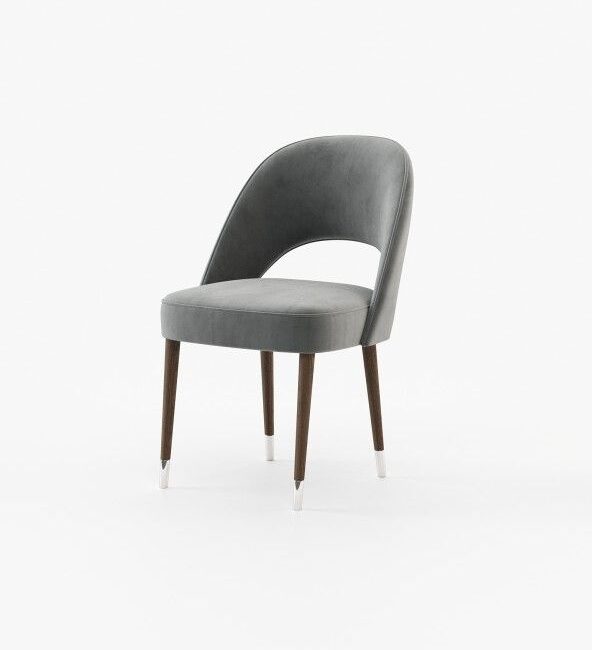
Physical Transition Markers

Consider incorporating a physical object or action that marks the transition:

  • Drawing a curtain across your workspace
  • Placing a decorative object on your closed desk
  • Changing into different clothing
  • Lighting a candle or diffusing a specific scent associated with evening relaxation

These rituals leverage the brain’s associative learning, creating powerful cues that help you mentally shift gears.

Even with good intentions, certain missteps can sabotage your invisible home office and compromise your bedroom’s restorative function.

Mistake One: Positioning the Desk in the Bed’s Sight Line

Perhaps the most common error is placing your desk directly in view of your bed. This creates a constant visual reminder of work, making it difficult to mentally disengage. Your line of sight from the bed should encounter calming objects—art, windows, soft furnishings—not your workspace.

Mistake Two: Inadequate Storage Leading to Visible Clutter

Insufficient storage inevitably leads to work materials accumulating on visible surfaces. Invest in adequate closed storage from the beginning, even if it means temporarily spending less on other elements.

Mistake Three: Neglecting Acoustic Considerations
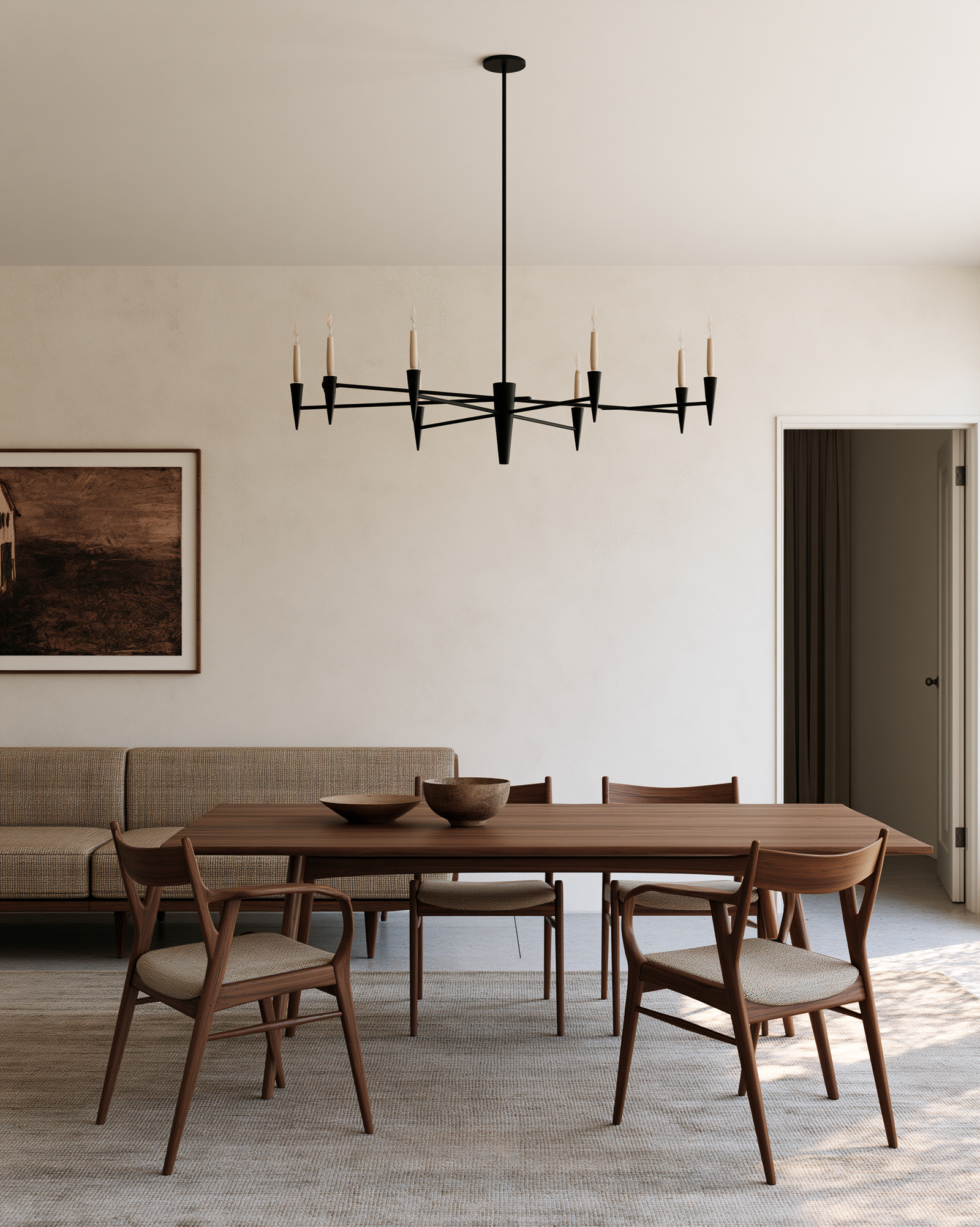
Sound carries between functional zones even when visual separation exists. If you take work calls from your bedroom, minimize acoustic issues with headphones for calls, sound-absorbing textiles (rugs, curtains), designated quiet hours, and moving to common areas for collaborative work when feasible.

Mistake Four: Inconsistent Boundary Enforcement

Perhaps the most insidious mistake is inconsistently enforcing your workspace boundaries. If you sometimes work from bed, sometimes leave your laptop out overnight, and sometimes skip your shutdown ritual, you undermine the psychological boundaries you’re trying to establish.

The Invisible Home Office: How to Integrate a Workspace Into Your Bedroom Without Compromising Serenity

For renters navigating the invisible home office challenge, the requirement for damage-free solutions is non-negotiable. Fortunately, modern products offer impressive functionality without permanent modifications.

Command Strips and Adhesive Mounting Systems

Modern adhesive mounting technology can now support substantial weight when properly applied and can be removed cleanly without damaging paint or leaving residue. These systems work for lightweight shelving, wall-mounted organizers, cable management clips, picture ledges, and small accent lighting.

Tension Rod and Pressure-Mount Systems

Tension rods—poles that secure using pressure rather than hardware—offer remarkable versatility:

  • Floor-to-ceiling tension poles can support shelving units without wall mounting
  • Curtain tension rods create room dividers without drilling
  • Pressure-mount closet systems add storage without installation

These systems leave absolutely no damage when removed.

Freestanding Furniture Solutions
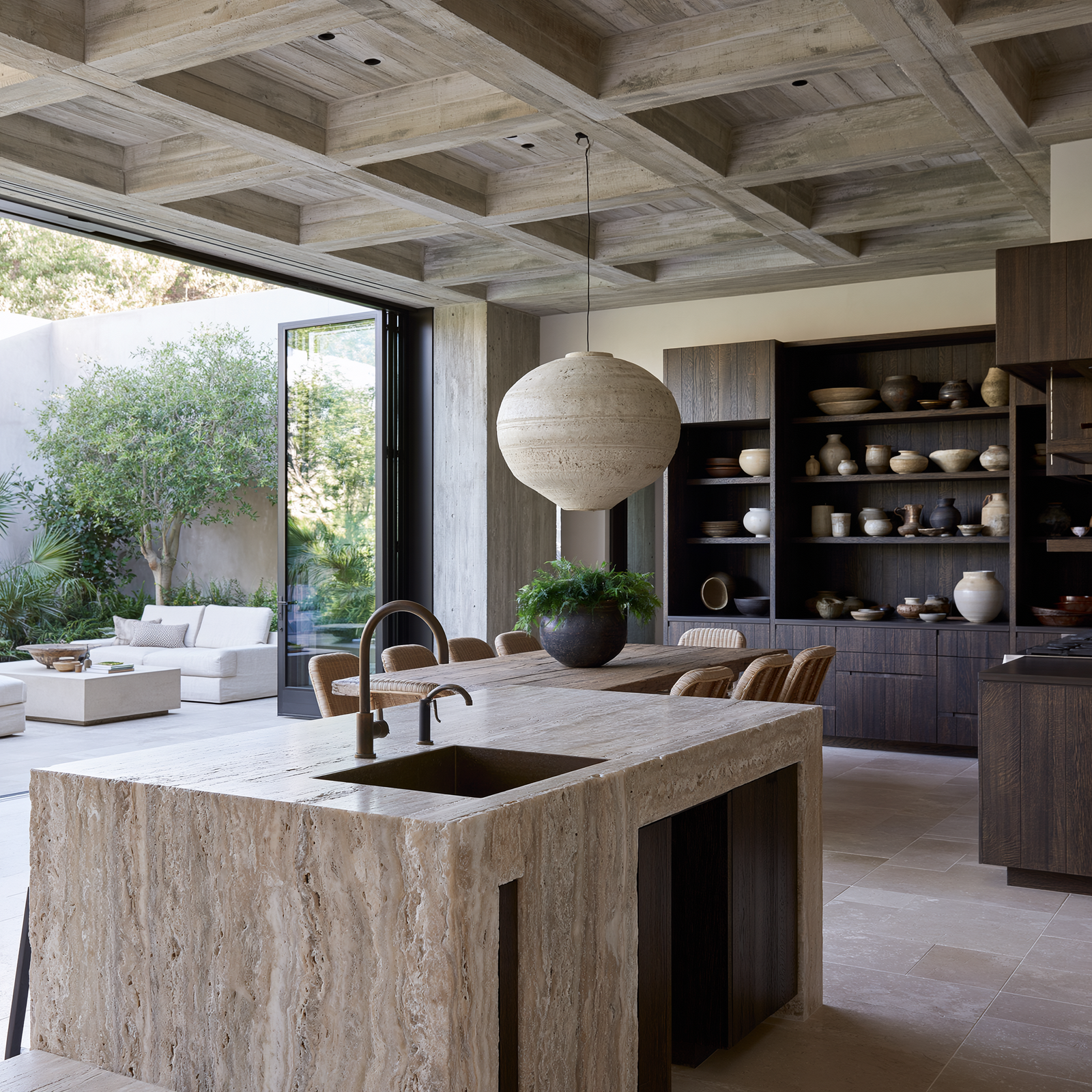
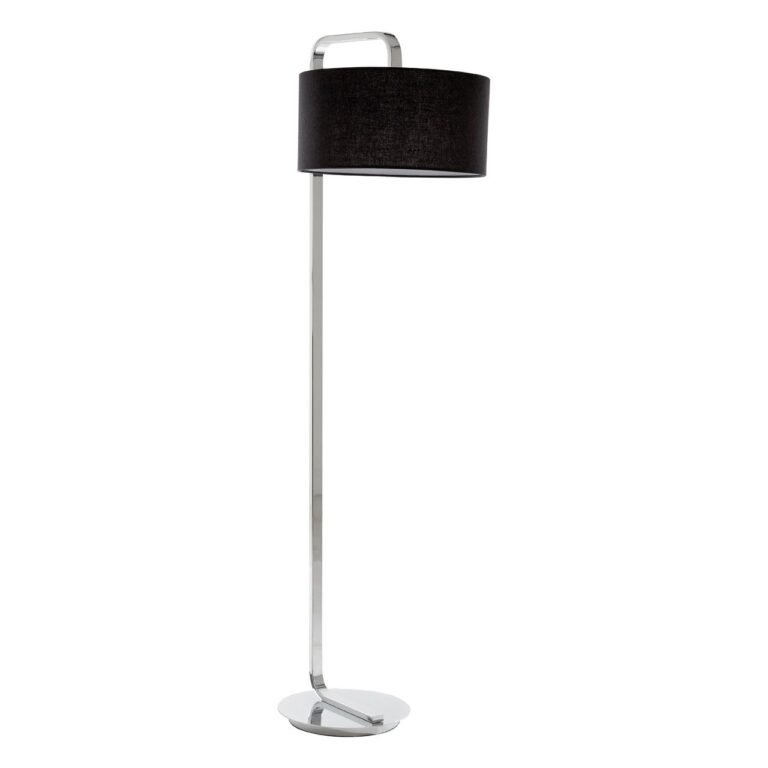
Prioritize furniture that leans, hangs, or stands independently rather than requiring wall mounting: leaning desks that rest against walls, freestanding room dividers, floor lamps rather than wall-mounted lighting, and rolling storage carts.

Removable Wallpaper

To create visual distinction for your workspace without painting, consider peel-and-stick removable wallpaper or large wall decals. These can define your work zone and create an accent wall effect without any permanent change to the room

The Invisible Home Office: How to Integrate a Workspace Into Your Bedroom Without Compromising Serenity

Creating an effective invisible home office doesn’t require luxury budgets. With creativity and strategic prioritization, you can achieve beautiful, functional results on almost any budget.

Where to Invest and Where to Save

Invest in:

  • One excellent convertible or multi-functional desk piece (this is your foundation)
  • Proper task lighting that supports productivity
  • Adequate closed storage solutions
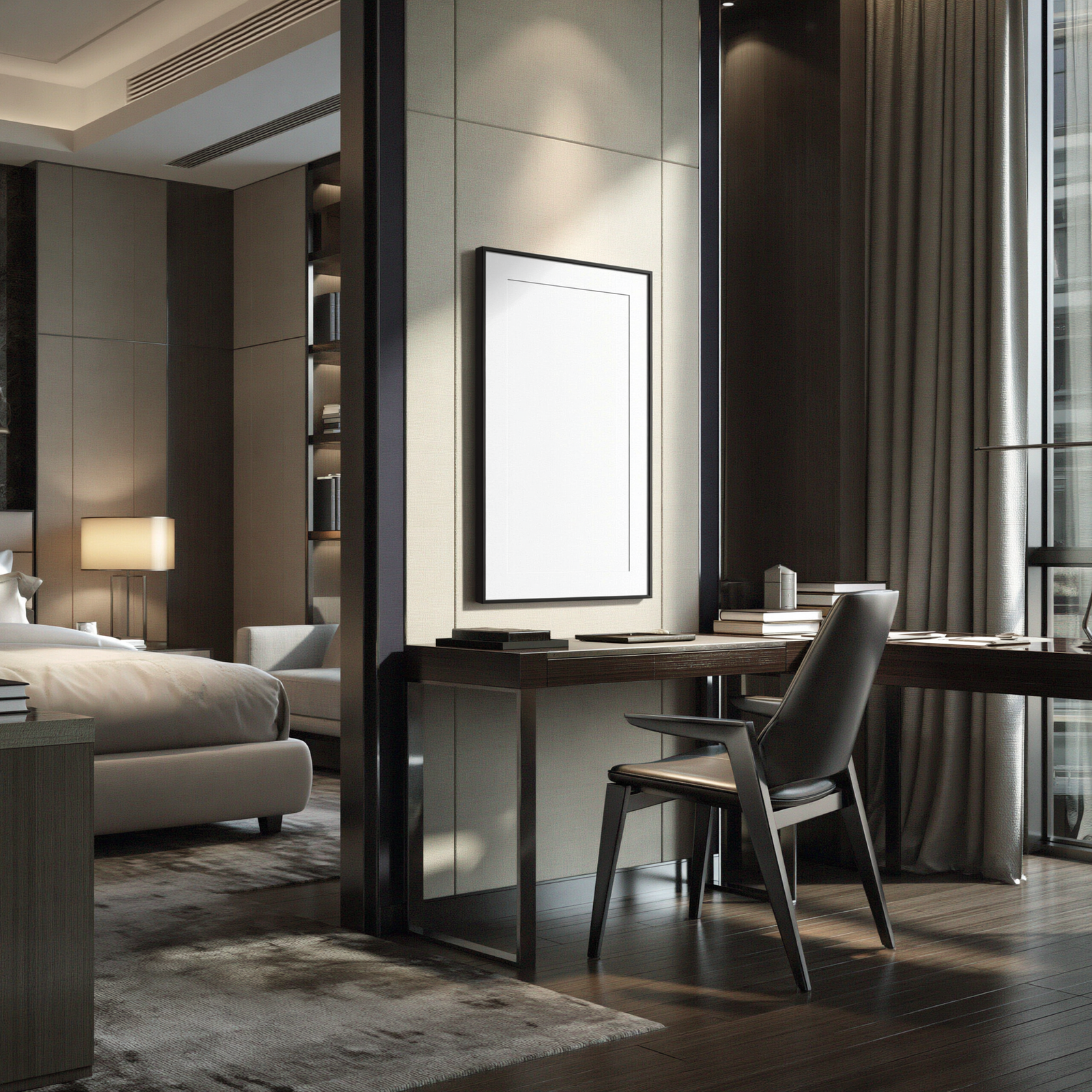
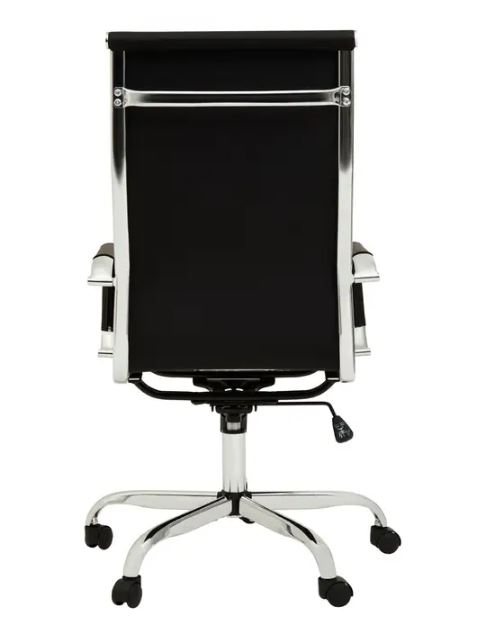
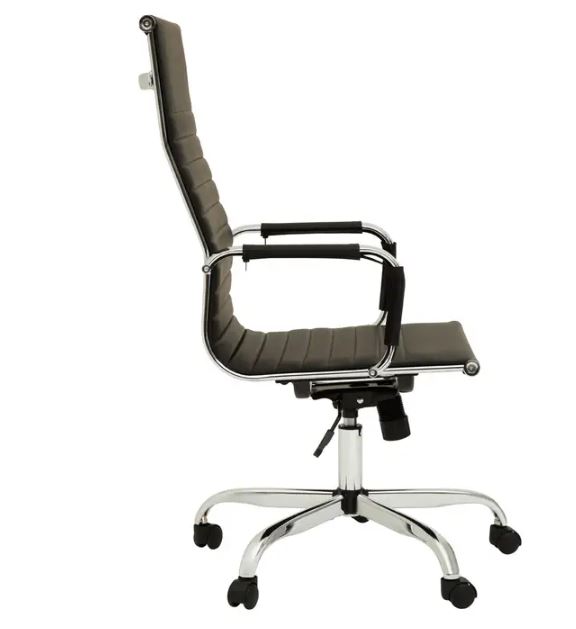
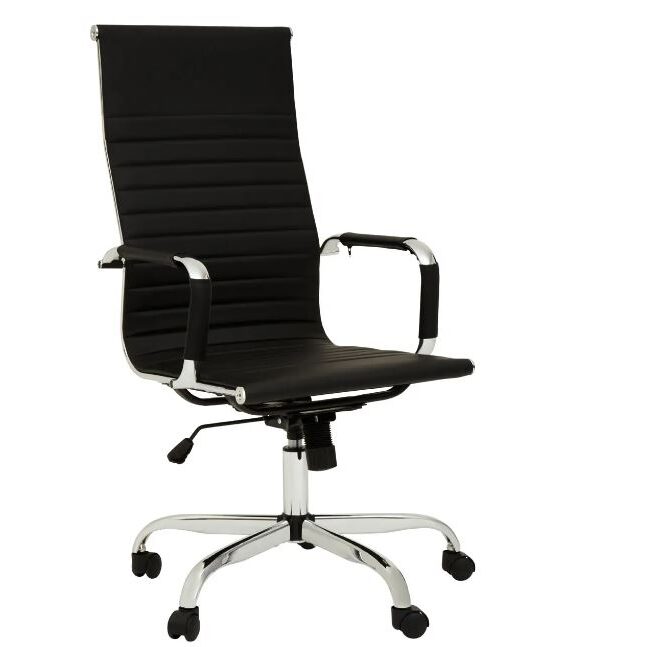
  • A quality desk chair (even if stored elsewhere when not in use)

Save on:

  • Decorative elements (thrift stores offer excellent options)
  • Organizational accessories (repurpose attractive containers you already own)
  • Curtains and fabric dividers
  • Some technology (do you really need that extra monitor?)

DIY Solutions That Look Professional

With basic skills and minimal tools, you can create remarkably effective solutions:

DIY fold-down desk: A sturdy board mounted with piano hinges and a folding support bracket creates a functional Murphy-style desk for under $50.

Fabric room divider: Tension rods and flat sheets or inexpensive fabric create privacy screens with no sewing required.

Custom storage boxes: Cover cardboard boxes with fabric or decorative paper to create coordinated closed storage that matches your bedroom aesthetic.

Shopping Second-Hand

Thrift stores, estate sales, and online marketplaces often offer superior furniture at fraction-of-retail prices: solid wood secretary desks, vintage storage pieces, quality desk chairs, decorative screens, and unique storage solutions. With minor refinishing, these pieces often surpass new budget furniture in both quality and character

The Invisible Home Office: How to Integrate a Workspace Into Your Bedroom Without Compromising Serenity

The invisible home office represents more than an interior design trend—it’s a necessary adaptation to the realities of modern work life, executed with respect for human psychological needs. As remote and hybrid work arrangements become permanent features of professional life for millions, the question is no longer whether we can work from our bedrooms, but how we can do so while preserving the sacred function of these spaces.

The strategies outlined here—from convertible furniture to psychological zoning, from strategic lighting to daily transformation rituals—collectively create a system where productivity and rest can genuinely coexist. The key insight is that this coexistence doesn’t happen through compromise, but through intentional design that honors both functions fully.

Your bedroom can remain a sanctuary. Your workspace can be fully functional. These goals are not mutually exclusive when approached with intelligence and creativity through the principle of the invisible home office: work should be present when needed and completely absent when it’s not.

This requires discipline—maintaining shutdown rituals, enforcing boundaries, resisting the temptation to expand your workspace beyond its designated zone. It requires investment of thought, planning, and ongoing attention. And it requires a fundamental mindset shift: viewing your bedroom workspace not as a permanent transformation of the room’s identity, but as a flexible, temporary overlay that can be summoned when needed and dissolved when it’s not.

The invisible home office is ultimately an act of self-care disguised as interior design. It’s an acknowledgment that your bedroom serves a vital function that must be protected, even as it temporarily accommodates other needs. It’s a refusal to allow work to completely colonize your most intimate space.

For the remote worker in a studio apartment, the student without dedicated study space, the professional navigating hybrid work from a small home—the invisible home office offers a path forward. With the strategies explored in this guide, you can create a space that works productively during the day and supports sound sleep at night, in the same room, without sacrificing either.

Your bedroom is still your sanctuary. You’ve simply learned how to invite work in as a temporary guest, one who knows when to leave.

The Invisible Home Office: How to Integrate a Workspace Into Your Bedroom Without Compromising Serenity
What do you think?
Leave a Reply

Blog

Get fresh home inspiration and helpful tips from our interior designers

top
7
    7
    Your Cart
    Arent Black High Back Home Office Chair Remove
    £185
    Bowie Agata Grey / Gold Bookends Remove
    £78
    Rotina Small Diamond Cut Candle Holder Remove
    £76
    Ohom Hippo Bookends Remove
    Ohom Hippo Bookends
    Qty: 2
    Price: £72
    £144
    Rotina Large Diamond Cut Candle Holder Remove
    £120
    Hadley Black Rattan Candle Holder Remove
    £96
    Alaric Table Lamp Remove
    Alaric Table Lamp
    Qty: 1
    Price: £616
    £616

    Inactive

    Privacy Overview

    This website uses cookies so that we can provide you with the best user experience possible. Cookie information is stored in your browser and performs functions such as recognising you when you return to our website and helping our team to understand which sections of the website you find most interesting and useful.