Why Natural Elements Interior Design are Taking Over Modern Homes

Natural Elements Interior Design

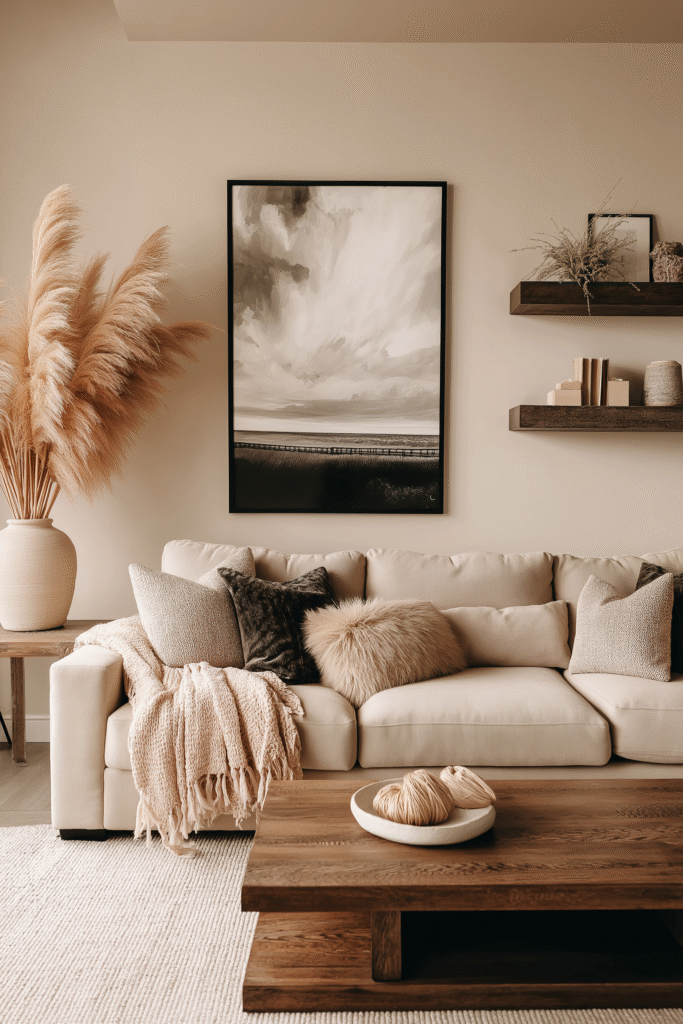
Step into the homes that everyone seems to be talking about—the ones flooding design feeds, the spaces that feel less like showrooms and more like sanctuaries—and you’ll notice a pattern that has nothing to do with trending paint colors or viral furniture drops. The cool, hard-edged minimalism that dominated the 2010s is softening. The synthetic finishes and perfectly lacquered surfaces are giving way to something warmer, more textured, more alive. Natural elements interior design isn’t just having a moment; it’s rewriting the rules of how we want to live.

This movement toward organic materiality reflects something deeper than aesthetic preference. After years of screen-saturated living, sterile rental apartments, and increasingly synthetic everyday environments, we’re collectively craving spaces that feel real. We want to touch wood grain that tells a story. We want stone that carries the weight of geological time. We want textiles that breathe, plants that purify, ceramics shaped by human hands. Natural elements interior design has emerged as the antidote to our digital exhaustion—a design philosophy that answers our fundamental human need for sensory grounding, psychological calm, and authentic connection to the physical world.

But here’s what makes this trend different from every farmhouse-chic or botanical-maximalism phase that came before: the best natural elements interior design today is sophisticated, intentional, and deeply modern. It’s not about recreating a cabin in the woods or filling every surface with potted succulents. It’s about understanding how organic materials create emotional architecture—how the right natural elements can transform a space from something you look at into something you feel.

What Natural Elements Interior Design Actually Means (And What It Doesn't)

Let’s clear the air: natural elements interior design is not synonymous with rustic. It’s not about exposed brick accent walls paired with Edison bulbs (though we’ve all been there). It’s not faux fiddle-leaf figs clustered in corners or motivational prints about “bringing the outdoors in.” True natural elements interior design is far more nuanced—and far more powerful.

At its core, this approach is about intentionally integrating organic materials, textures, and forms into contemporary spaces in ways that honor both their inherent beauty and their psychological impact. It’s the deliberate choice of a travertine coffee table over a glass one. The decision to layer linen curtains instead of synthetic blackout blinds. The commitment to living greenery that requires care rather than plastic alternatives that require dusting.

Natural elements interior design recognizes that certain materials carry evolutionary significance for humans. We respond to wood because we evolved among trees. We find stone grounding because it represents permanence and shelter. We relax around plants because they signal the presence of oxygen, water, and safety. These aren’t aesthetic preferences—they’re hardwired responses that smart design can leverage to create spaces that feel subconsciously right.

What this movement is not is greenwashing disguised as design. A canvas print of a forest isn’t a natural element. Laminate flooring that mimics wood grain isn’t bringing nature inside. Artificial plants might fill space, but they don’t purify air, change with seasons, or create the living relationship that makes natural elements interior design so psychologically powerful. Authenticity is the non-negotiable foundation here.

The difference between surface-level botanical decor and genuine natural elements interior design comes down to materiality and intention. Are you choosing materials for their inherent properties—their texture, their aging process, their sensory qualities—or are you simply pursuing a “natural” aesthetic? One creates spaces that become more beautiful with time. The other just looks like a theme.

Why Natural Elements Interior Design are Taking Over Modern Homes

The Biophilic Revolution: Why Natural Elements Are Dominating Modern Interiors

Understanding why natural elements interior design has become the defining movement of contemporary home design requires looking at several converging cultural forces. This isn’t a trend that arrived overnight—it’s the culmination of how we’ve fundamentally reassessed our relationship with our living spaces.

The Pandemic Paradigm Shift

When the world moved indoors in 2020, our homes stopped being just places we slept and started being our entire universe. Office, gym, restaurant, school, sanctuary—all compressed into the same four walls. That shift forced a reckoning with our domestic environments that continues to reshape design priorities. Suddenly, the sterile minimalism that looked great in a showroom felt cold when you were spending 23 hours a day staring at it. Natural elements interior design offered something those hard-edged spaces couldn’t: warmth, variability, life.

The homes that sustained us through lockdowns weren’t the ones with the most impressive furniture or the trendiest color palettes. They were the ones with plants that marked the passage of time, wooden surfaces that felt warm under our hands, windows that framed changing light throughout the day. We learned, viscerally, that we need our environments to feel alive—and that realization isn’t going away just because we can leave our homes again.

Wellness Culture Meets Interior Design

The wellness movement has been building for years, but its intersection with interior design has reached critical mass. We’ve accepted that what we eat, how we move, and how we manage stress all impact our health. Natural elements interior design is the logical extension of that awareness into our physical environments. Biophilic design—the practice of connecting building occupants more closely to nature—has moved from architectural theory into mainstream consciousness.

Research consistently shows that exposure to natural elements reduces cortisol levels, improves cognitive function, and accelerates healing. Hospital patients recover faster in rooms with views of trees. Office workers in spaces with plants report higher job satisfaction and productivity. These aren’t placebo effects—they’re measurable physiological responses to our evolutionary heritage. Natural elements interior design leverages this research to create homes that actively support mental and physical wellbeing rather than merely serving as attractive backdrops to our lives.

Why Natural Elements Interior Design are Taking Over Modern Homes

Climate consciousness has fundamentally changed how we think about consumption, and that includes what we bring into our homes. Natural elements interior design aligns perfectly with growing awareness of environmental impact because organic materials generally have lower carbon footprints than their synthetic alternatives. A solid wood table can last generations and biodegrade at end of life. A particleboard equivalent might last five years before ending up in a landfill where it will off-gas formaldehyde for decades.

But the sustainability angle of natural elements interior design goes deeper than just material choice. It’s about creating spaces designed to age beautifully rather than be replaced. The patina that develops on natural materials—the silvering of teak, the weathering of stone, the softening of linen—is celebrated rather than fought. This philosophy stands in stark opposition to the fast-furniture culture that treats homes as disposable stage sets to be updated with every trend cycle.


The Material Palette: Understanding Natural Elements That Transform Spaces

The power of natural elements interior design lies in understanding not just what materials to use, but how they interact, when they make sense, and what psychological and practical functions they serve. Let’s break down the key material categories that define this approach.

Wood: The Foundation of Natural Warmth

Wood is arguably the most versatile natural element in interior design, but not all wood applications are created equal. The key is understanding the spectrum from raw to refined and knowing when each expression serves your space.

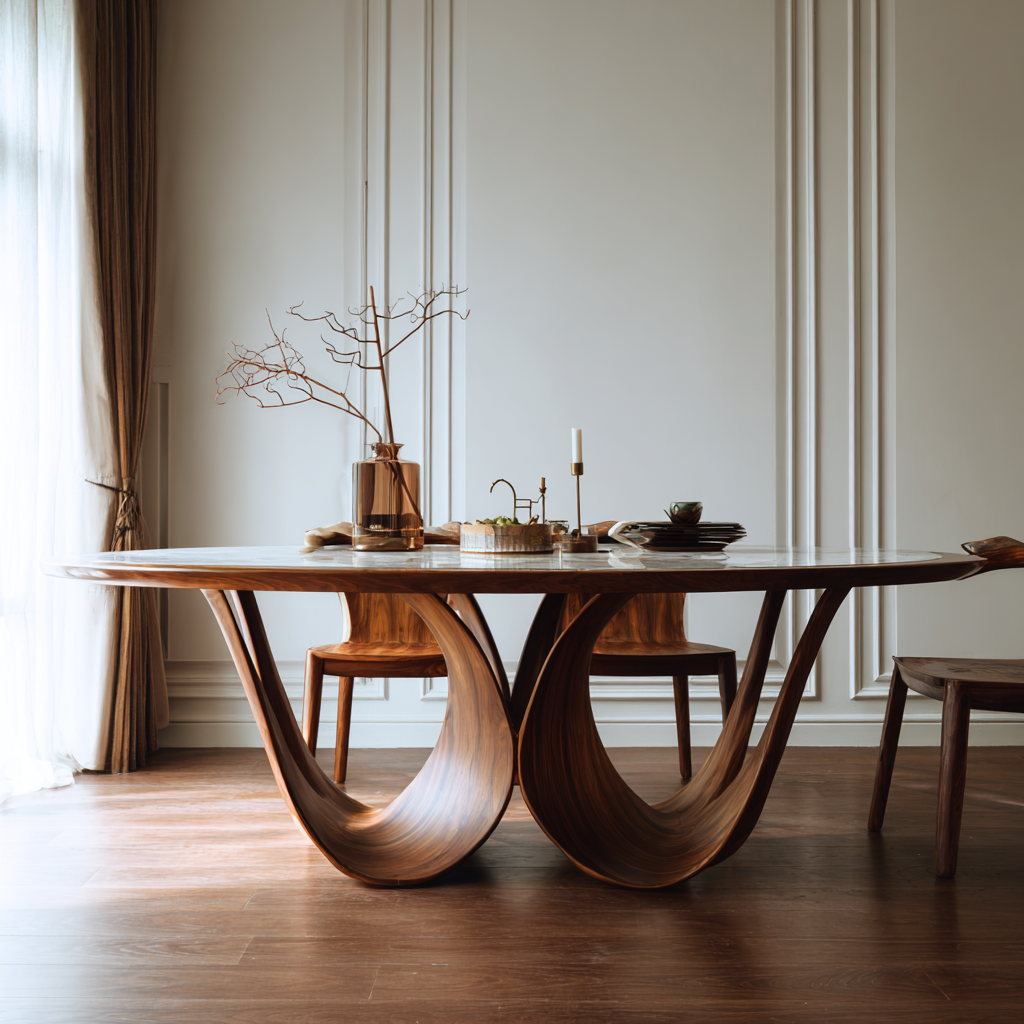
Raw and reclaimed wood brings immediate character and history. A live-edge dining table becomes a sculptural centerpiece that anchors a room. Reclaimed barn wood shelving tells stories through nail holes and weathering. But here’s the critical nuance: these high-impact pieces work best as singular focal points in otherwise edited spaces. Too much raw wood creates the “cabin effect”—that overwhelming rustic quality that fights against modern sensibilities rather than complementing them.

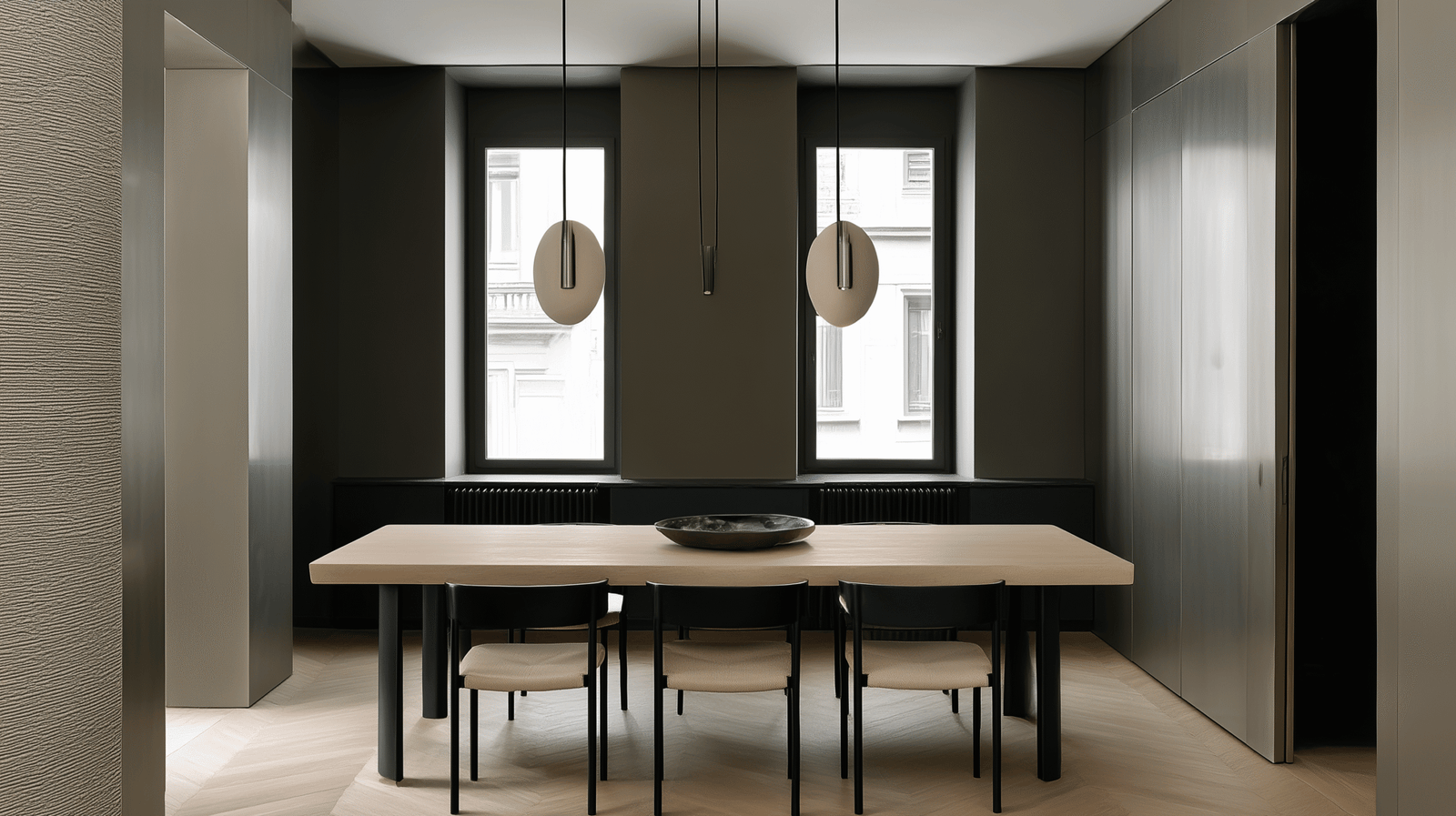
Bleached and light woods offer natural warmth without visual weight. White oak flooring, pale ash cabinetry, or blonde wood furniture creates the grounding presence of wood while maintaining the airiness modern spaces often require. This is where natural elements interior design becomes particularly sophisticated—using materiality to achieve what paint and textiles alone cannot.

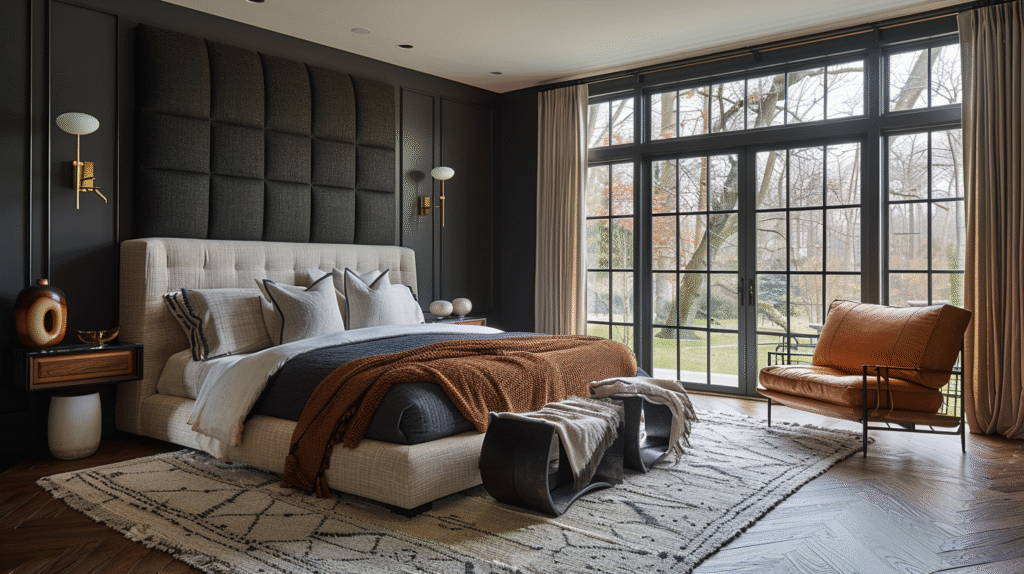
Charred and dark woods (like shou sugi ban-treated cedar or ebonized oak) prove that natural elements interior design isn’t synonymous with light and bright. These dramatic applications bring depth and contrast while maintaining organic authenticity. A charred wood accent wall behind a bed creates grounding drama without the harshness of paint.

The rule of thumb: vary your wood tones intentionally. Matching every wood element creates monotony rather than cohesion. Mix warm and cool undertones, smooth and textured finishes, structural and decorative applications.

Why Natural Elements Interior Design are Taking Over Modern Homes

Stone brings geological time into domestic spaces. The materials that took millions of years to form carry a weight—both literal and metaphorical—that grounds a room in ways few other elements can match.

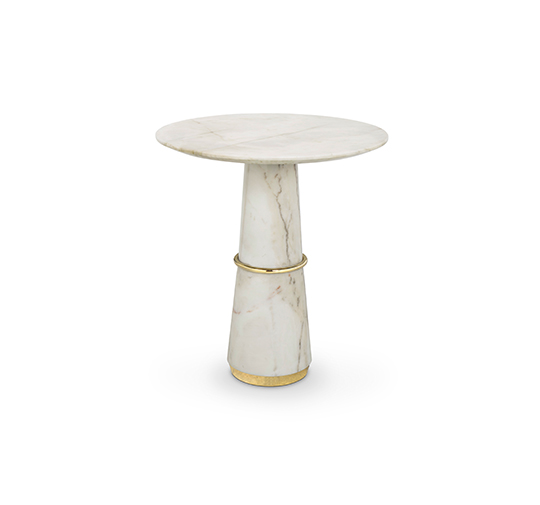
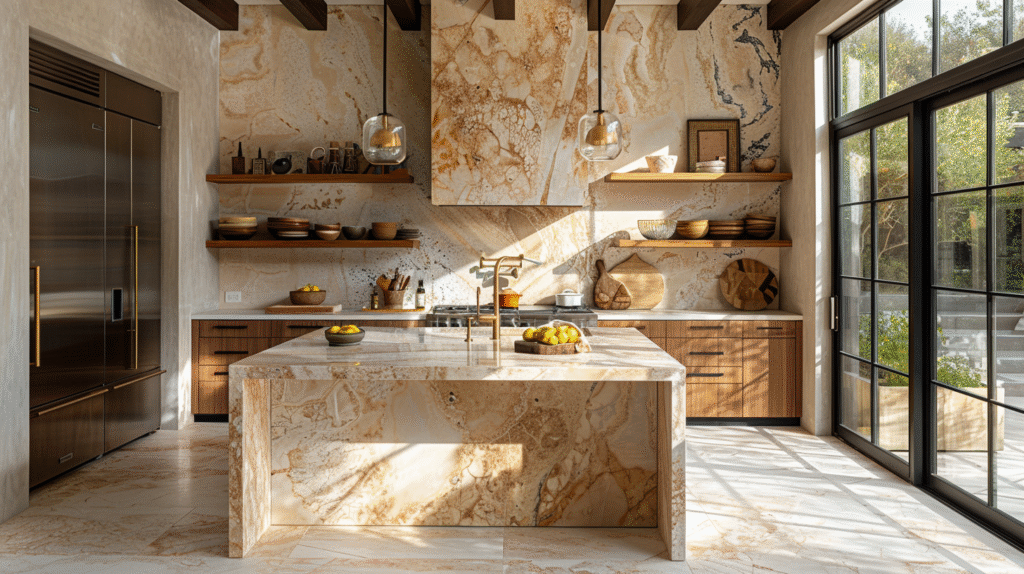
Marble sits at the refined end of the spectrum. White Carrara in a bathroom brings luxury and light. Darker marbles like Nero Marquina or Green Guatemala create moody sophistication. But marble’s beauty is in its imperfection—the veining that makes each slab unique, the way it etches and patinas with use. Natural elements interior design embraces these “flaws” as evidence of authenticity.

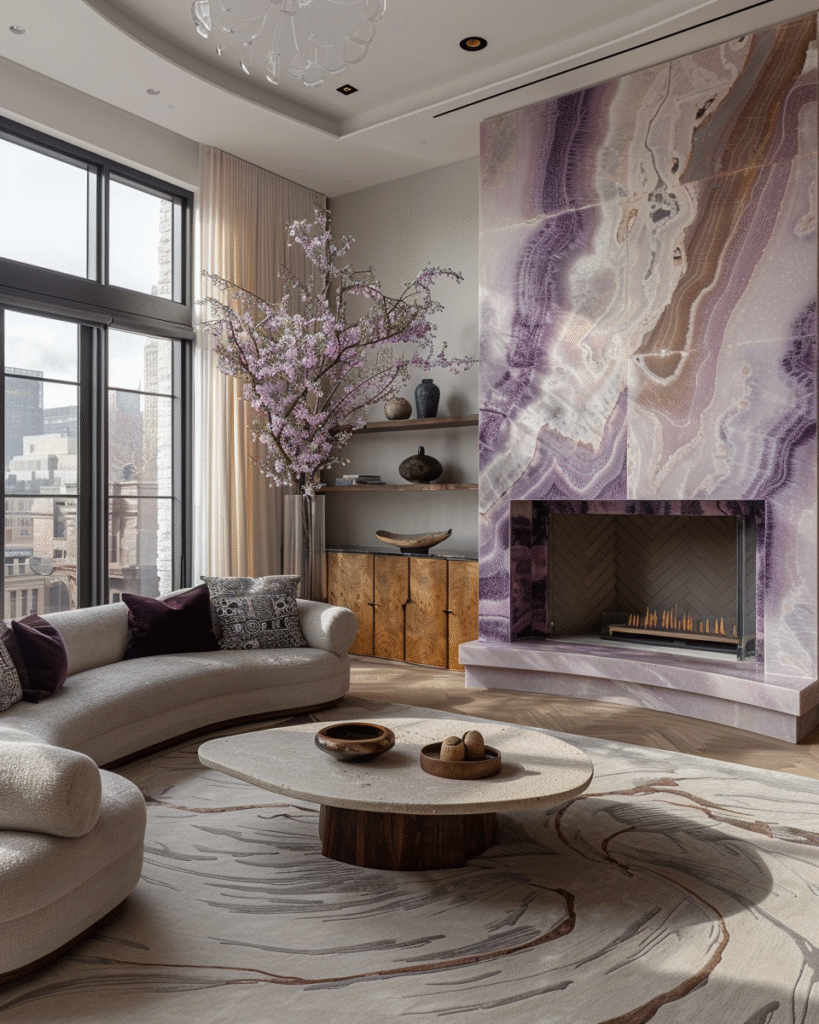
Travertine and limestone offer the presence of stone with more textural interest than polished marble. A travertine coffee table or limestone fireplace surround brings warmth and visual weight without feeling too precious. These materials also age particularly beautifully, developing character as they live with you.

Slate and concrete represent the raw end of stone’s spectrum. A concrete console table or slate tile bathroom floor brings industrial edge without abandoning organic materiality. This is where natural elements interior design proves it can be edgy, modern, even minimalist—while remaining fundamentally connected to earth and authenticity.

If stone and wood provide structure, natural textiles provide soul. This is where natural elements interior design becomes genuinely livable—where theory meets the daily human experience of comfort and warmth.

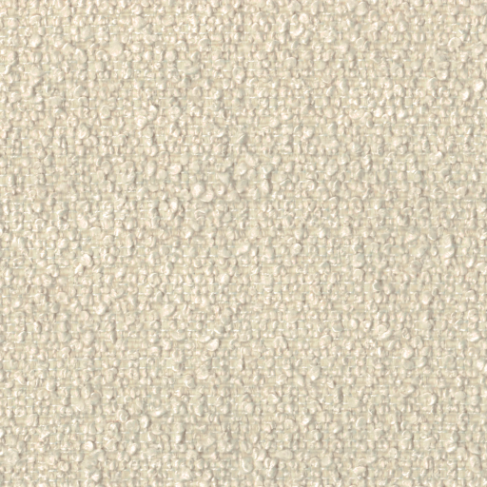
Linen is the workhorse of natural textiles. Linen curtains filter light beautifully while maintaining privacy. Linen bedding regulates temperature and improves with washing. Linen upholstery looks intentionally relaxed rather than sloppy. The slight wrinkle inherent to linen is a feature, not a bug—it’s visual evidence that this is a material designed to be lived with, not merely displayed.

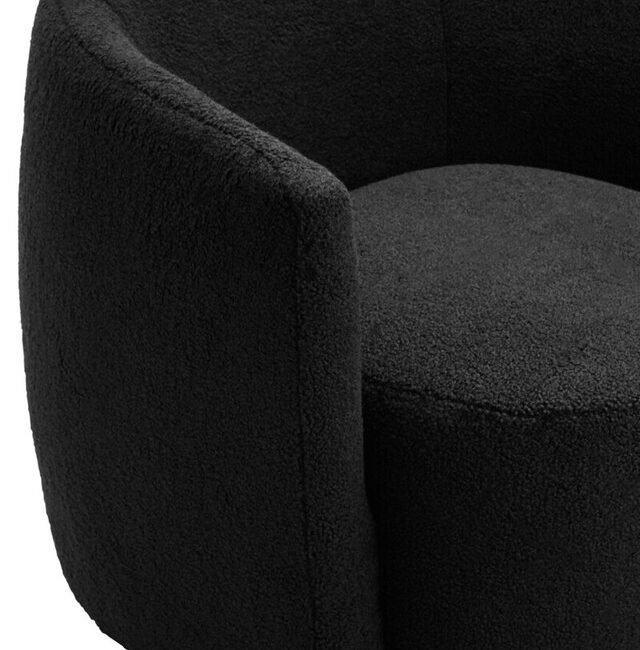
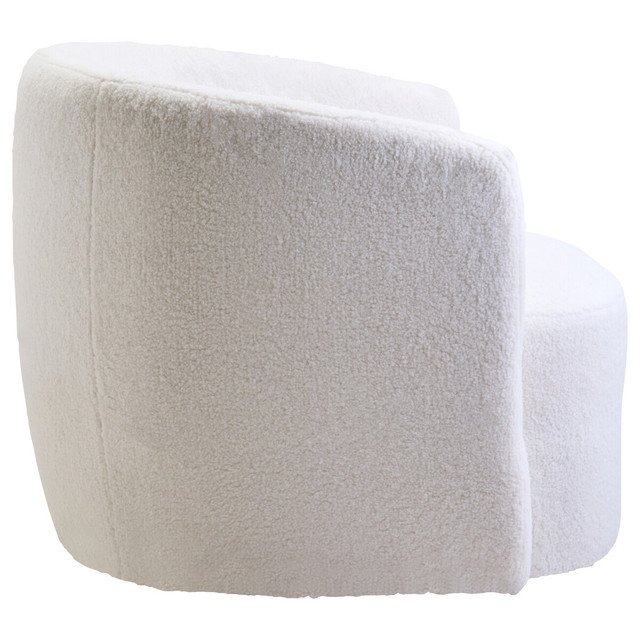
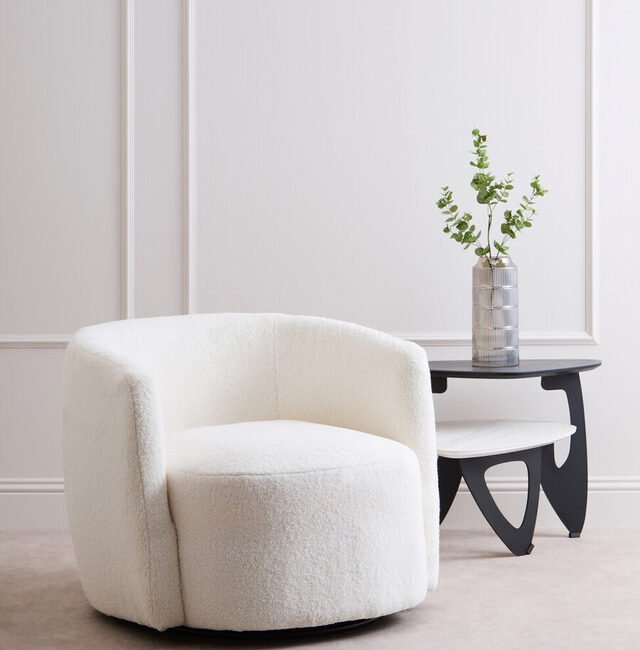
Wool brings warmth and texture in ways synthetic alternatives can’t replicate. A chunky wool throw, a Berber-style wool rug, or wool-upholstered seating creates tactile richness and acoustic softening. Wool also has natural flame-retardant and moisture-wicking properties, making it both beautiful and functional.

Cotton, jute, sisal, and silk round out the textile palette, each bringing specific qualities. Cotton for breathable everyday comfort. Jute and sisal for durable, textural rugs that ground a space. Silk for subtle luxury in curtains or cushions. The key in natural elements interior design is layering these textiles to create depth—a jute rug layered under a smaller wool rug, linen curtains backed by cotton blackout panels, a sofa dressed in linen with wool and silk cushions.

Clay and Ceramics: The Human Touch

Handmade ceramics bring something to natural elements interior design that no other material can: the visible evidence of human creation. A thrown vessel, a hand-built planter, artisan tiles—these pieces carry the marks of their makers in ways that connect us to craft traditions spanning millennia.

Terracotta is experiencing a major renaissance in natural elements interior design, and for good reason. Terracotta pots age beautifully, developing mineral deposits and patina. Terracotta tiles bring warmth and earthiness to floors and walls. The warm, burnt-orange tones of terracotta add color to natural palettes without feeling jarring or artificial.

Artisan ceramics whether rustic stoneware or refined porcelain—become sculptural elements when thoughtfully displayed. A collection of handmade vessels on open shelving isn’t clutter; it’s curated personality. The slight irregularities in handmade pieces are what make them valuable in natural elements interior design—they’re evidence of authenticity in an increasingly automated world.

Why Natural Elements Interior Design are Taking Over Modern Homes

Implementing Natural Elements Without Creating Visual Chaos

Understanding materials is one thing. Knowing how to compose them into coherent, calming spaces is another entirely. This is where natural elements interior design becomes a practice requiring restraint, editing, and genuine design thinking.

The Art of Texture Layering

The secret to successful natural elements interior design is understanding that variety creates interest, but too much variety creates chaos. You want contrast—smooth marble against rough linen, polished wood against matte stone—but within a limited material palette.

Think of it as a tonal approach to texture. If your primary materials are light wood, cream linen, and ivory stone, you can layer in textural variety through weave (chunky knit wool, tight-woven jute, loose-woven curtains) and finish (matte ceramic, semi-gloss wood, honed stone) without creating visual competition. The colors remain harmonious while the textures create depth.

This is also where the 60-30-10 rule adapts beautifully to natural elements interior design. Sixty percent of your materials should be your neutral base (think light wood floors, linen upholstery, painted walls). Thirty percent should be your supporting natural materials (jute rug, ceramic accessories, wooden furniture). Ten percent should be your accent naturals (a dramatic stone coffee table, a single live-edge shelf, statement plants).

Why Natural Elements Interior Design are Taking Over Modern Homes

Balancing Natural Elements with Modern Design

One of the biggest challenges in natural elements interior design is avoiding the rustic trap. You want organic warmth, not mountain lodge. You want contemporary sophistication that happens to be rooted in natural materials, not themed décor.

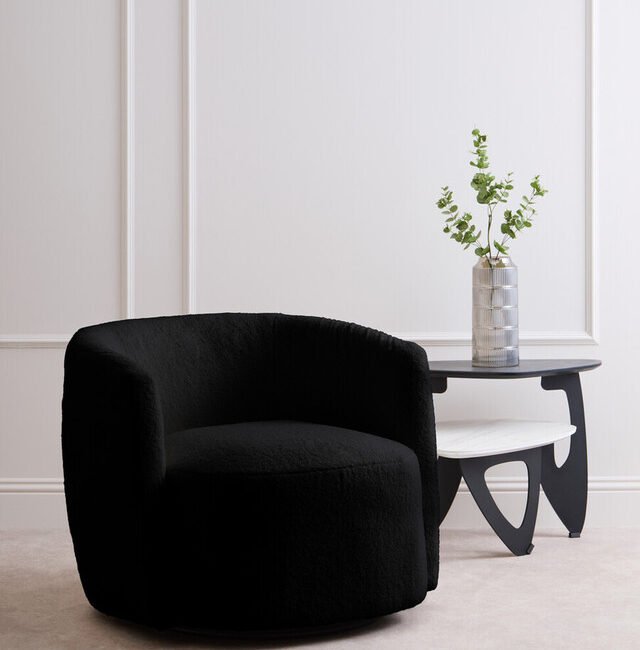
The solution lies in juxtaposition and restraint. A rough-hewn wood coffee table works in a modern space when it’s surrounded by clean-lined furniture and edited styling. A stone accent wall feels contemporary when the rest of the room maintains minimalist discipline. Natural elements interior design at its best uses organic materials to add soul to modern spaces, not to fight against modern sensibilities.

Pay attention to proportion and scale. A massive live-edge dining table can anchor an otherwise minimal dining room because its statement quality gives it purpose. But fill that same room with rustic wood chairs, reclaimed wood shelving, and barn-door hardware, and you’ve crossed into theme territory. Let your natural elements breathe. Give them space to make their impact without competing for attention.

Color Palettes That Support Natural Materials

Natural elements interior design doesn’t require earth tones, but it does require colors that let materials shine rather than compete. The most successful palettes use neutrals as the foundation—whites, creams, greys, taupes—then layer in color through the natural materials themselves.

The warm honey of oak. The cool grey of limestone. The deep chocolate of walnut. The rust of terracotta. The sage of living plants. These material-derived colors create organic harmony because they’re all pulled from the same natural world. They don’t need to be “coordinated” in the traditional sense—they coordinate inherently through their shared origin.

When you do add painted color in natural elements interior design, consider earth-derived pigments and mineral tones. Warm ochres, clay reds, stone greys, plant greens. These colors feel like natural extensions of your material palette rather than artificial additions to it.

Practical Implementation: Making Natural Elements Work in Real Homes

Theory is compelling, but practical application is where natural elements interior design either succeeds or becomes just another expensive mistake. Let’s get specific about how to actually implement this approach in ways that work for real budgets, real rental restrictions, and real daily life.

High-Impact, Budget-Conscious Natural Additions

You don’t need to gut your home or spend thousands to meaningfully incorporate natural elements interior design principles. Strategic, high-impact additions can transform a space while respecting financial constraints.

Start with textiles. A jute or sisal rug immediately grounds a room and costs a fraction of what you’d spend on wool or silk. Linen curtains from affordable sources like IKEA or H&M Home provide the drape and texture of natural fabric without requiring a major investment. Swap synthetic throw pillows for cotton or linen versions. These changes are entirely reversible, making them perfect for renters.

Add plants strategically. You don’t need a jungle—you need a few well-placed, appropriately-sized plants that you can actually keep alive. A large fiddle-leaf fig or monstera in a corner makes more impact than a dozen sad succulents on a windowsill. Invest in good planters (terracotta or ceramic rather than plastic), and commit to learning proper care for the specific plants you choose.

Introduce wood through furniture and accessories. A solid wood cutting board displayed on the counter. A wooden tray for corralling bathroom products. A simple wooden stool that functions as both seating and side table. These pieces don’t require major investment but shift the material balance of a room toward natural elements interior design principles.

Hunt for secondhand wood pieces. Estate sales, thrift stores, and online marketplaces are gold mines for solid wood furniture that just needs cleaning or light refinishing. A vintage wood dresser has more character and better bones than most new particleboard equivalents—and often costs less.

Midimalism

Different spaces have different requirements, and natural elements interior design adapts accordingly. Here’s how to think about organic materials in specific rooms.

Living Rooms

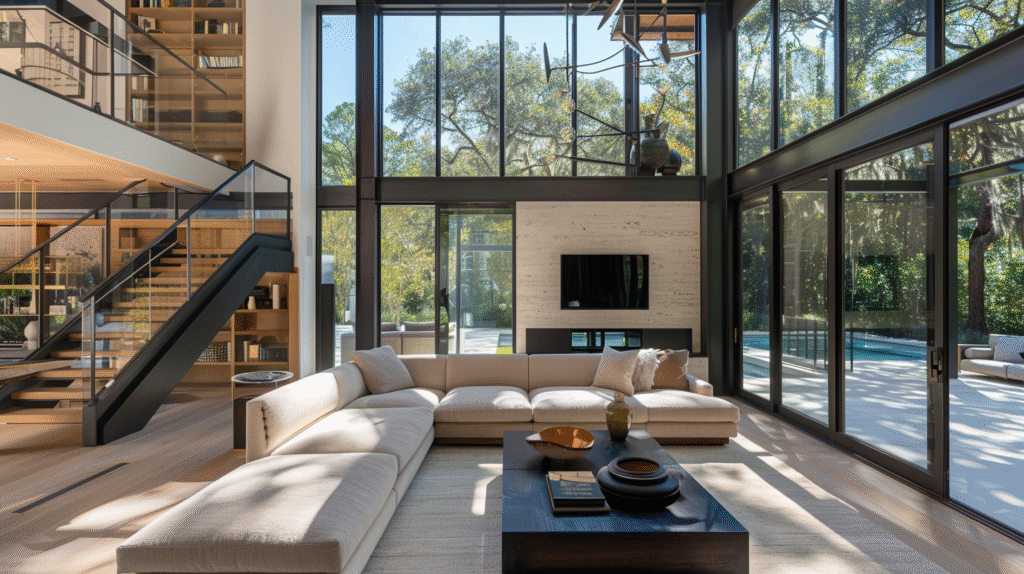
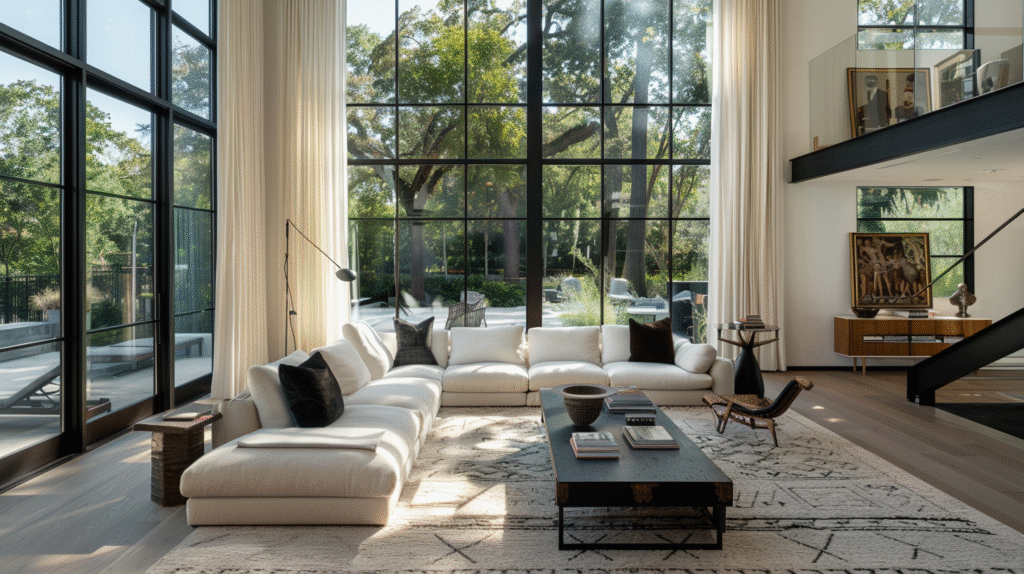
Living rooms are where natural elements interior design can make its most dramatic statement because these are typically the largest, most public spaces in a home.

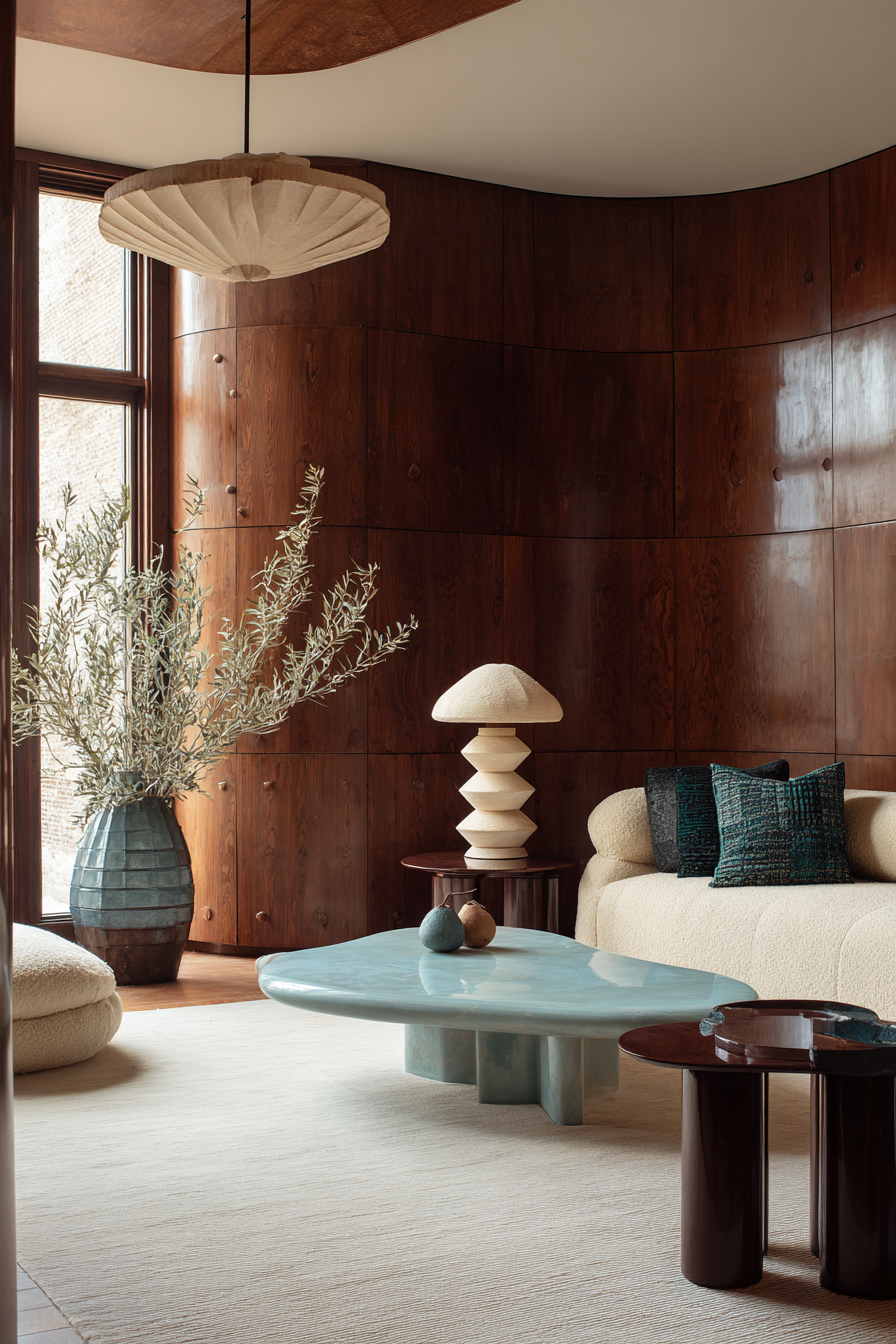
Anchor with a significant natural element. A wooden coffee table, a stone fireplace surround, or a large jute rug establishes the material vocabulary for the entire room. From there, layer in supporting natural elements through furniture, textiles, and accessories.

Use plants architecturally. A large floor plant in a corner or beside a sofa provides vertical interest and living presence. Think of plants as furniture pieces that happen to be alive.

Layer textiles generously. Linen curtains, wool throws, cotton cushions—living rooms can handle rich textile layering that creates warmth and comfort.

Bedrooms

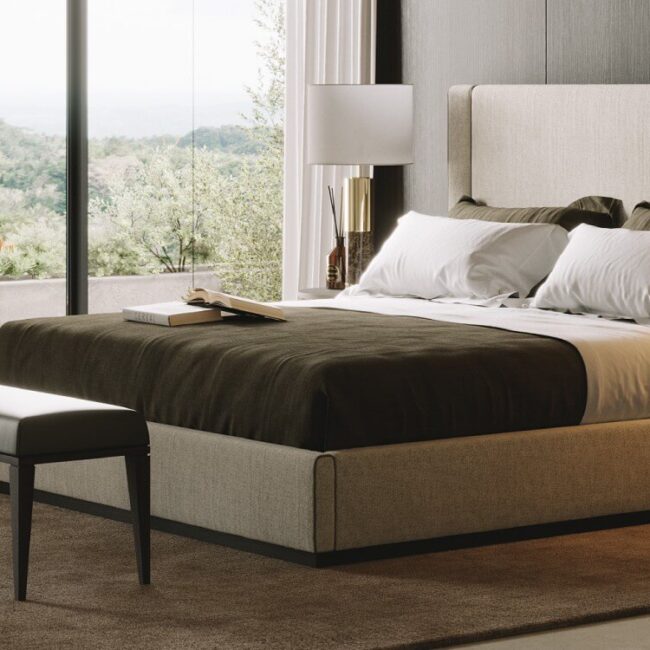
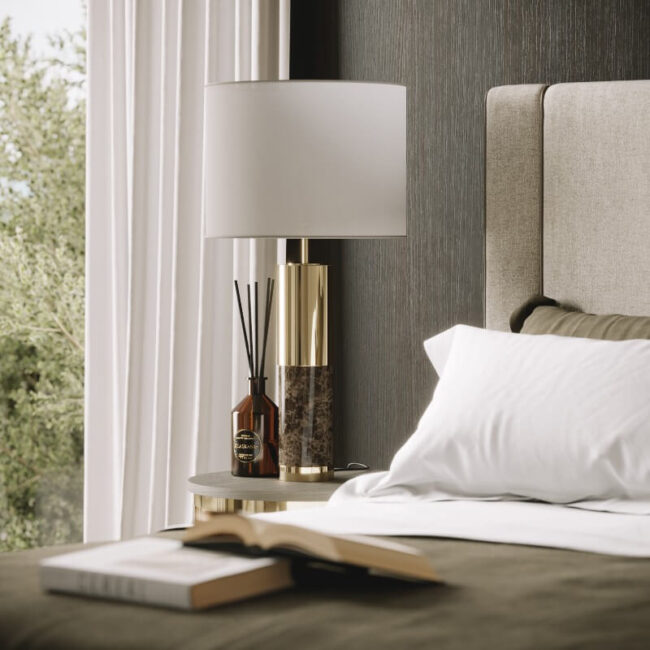
Bedrooms are where the sensory aspects of natural elements interior design become most important. These are intimate spaces where tactility and comfort are paramount.

Invest in natural bedding. Linen or cotton sheets, a wool blanket, a cotton duvet—these are things you touch every single day. The quality and material matters enormously to sleep quality and comfort.

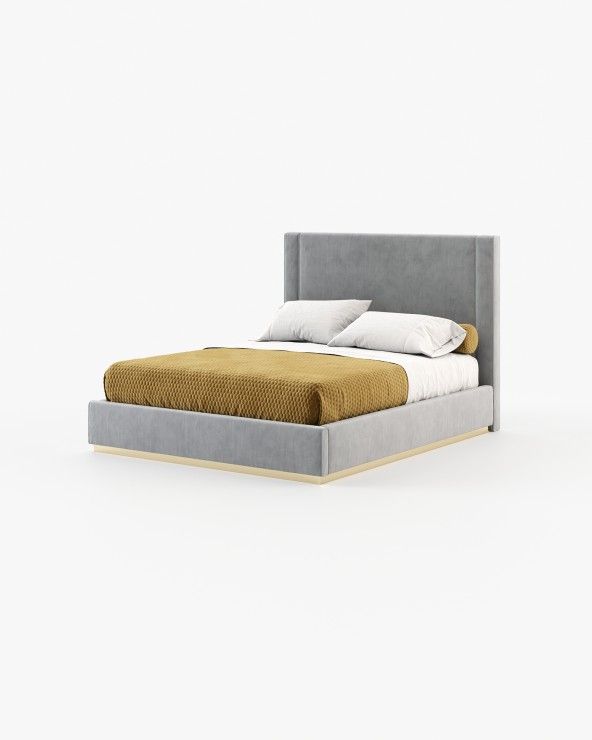
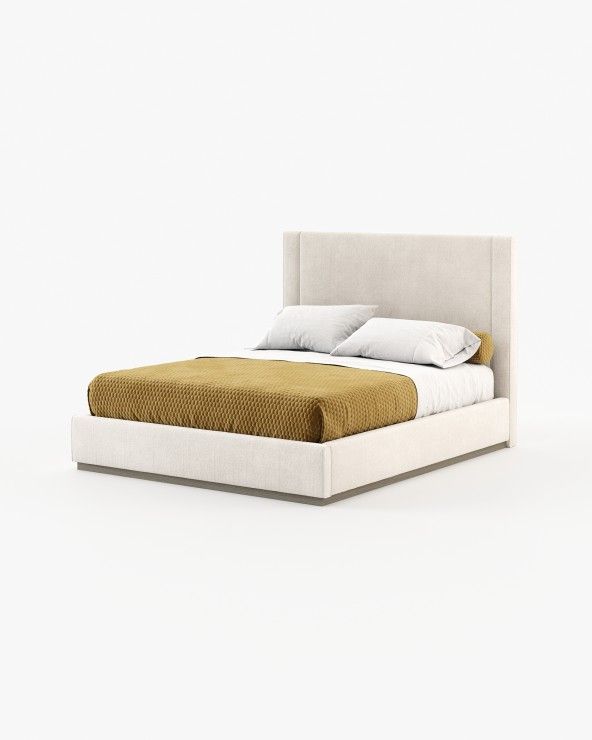
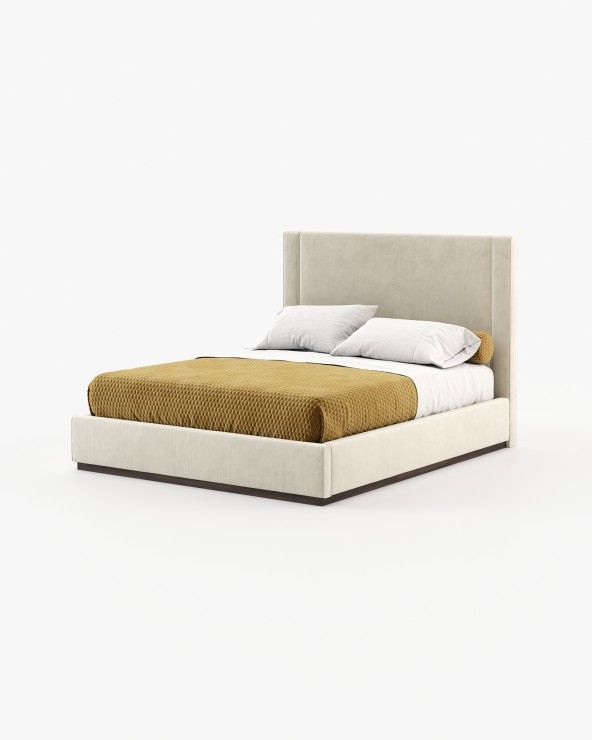
Consider a wooden headboard or bed frame. Even if the rest of the room is minimal, a beautiful wooden bed establishes material warmth.

Soften with textiles. Bedrooms can skew more heavily toward soft naturals—linen curtains, wool rugs, cotton upholstery—than harder materials.

Kitchens

Kitchens require natural elements that can withstand heat, moisture, and heavy use. Natural elements interior design in kitchens is about durability as much as beauty.

Stone countertops (if you’re in a position to choose) bring both beauty and function. Marble, granite, soapstone, or concrete each have different properties, but all age beautifully and perform well.

Wooden cutting boards, utensils, and serving pieces introduce natural warmth without requiring major investment or renovation.

Open shelving with ceramic dishware creates both storage and display for handmade pieces.

Bathrooms

Bathrooms might seem like challenging spaces for natural elements interior design given moisture concerns, but they’re actually ideal candidates for certain organic materials.

Stone or ceramic tile handles bathroom moisture beautifully while bringing natural materiality.

Wooden bath mats or stools (made from teak or other water-resistant woods) add warmth without compromising function.

Plants that thrive in humidity—ferns, pothos, peace lilies—turn bathrooms into spa-like sanctuaries.

Natural fiber towels and bathmats elevate the daily ritual of bathing.

Home Offices

With so many of us working from home, the office has become a space where natural elements interior design can significantly impact daily wellbeing and productivity.

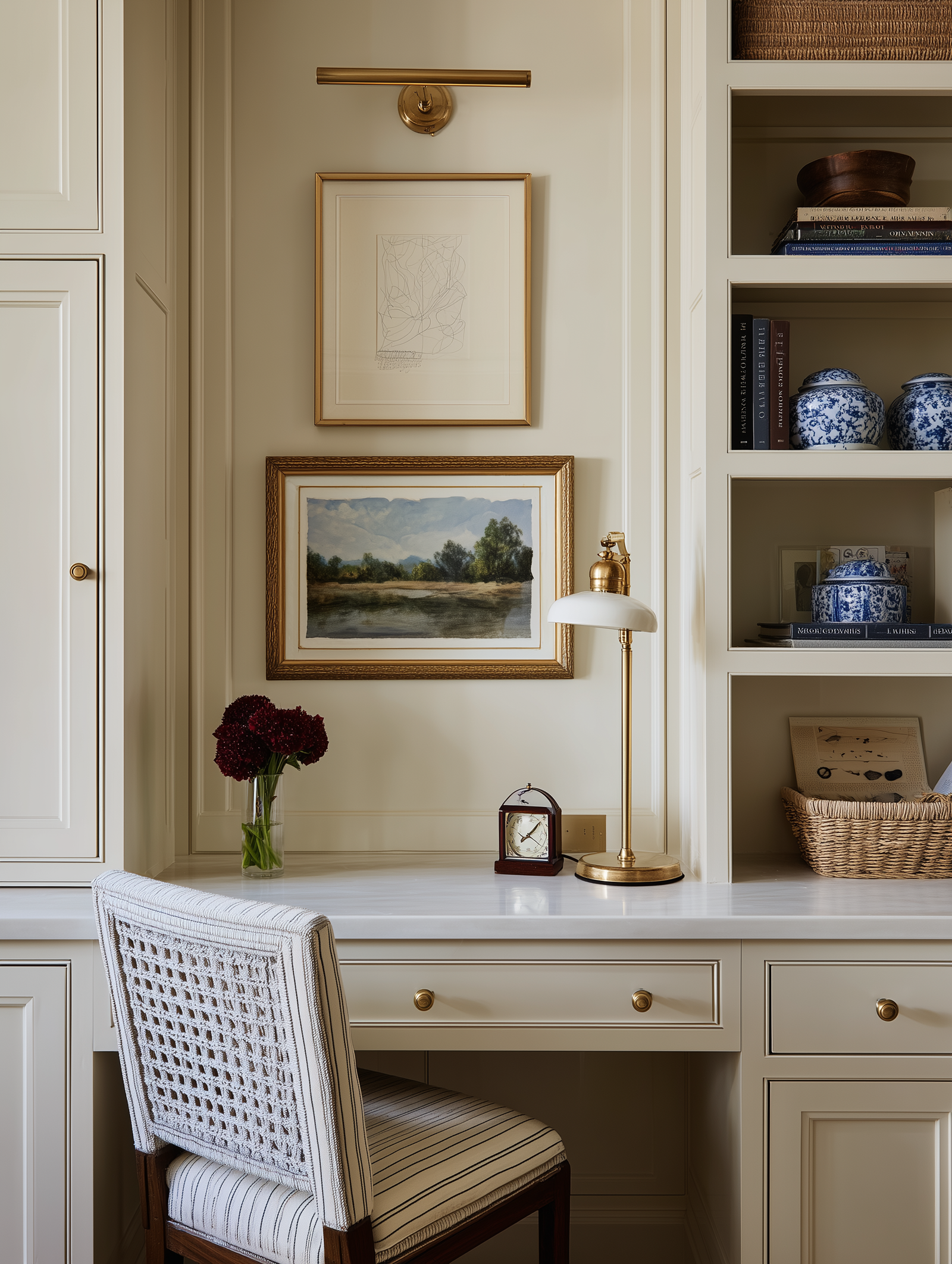
A solid wood desk creates a grounding workspace that feels substantial and permanent.

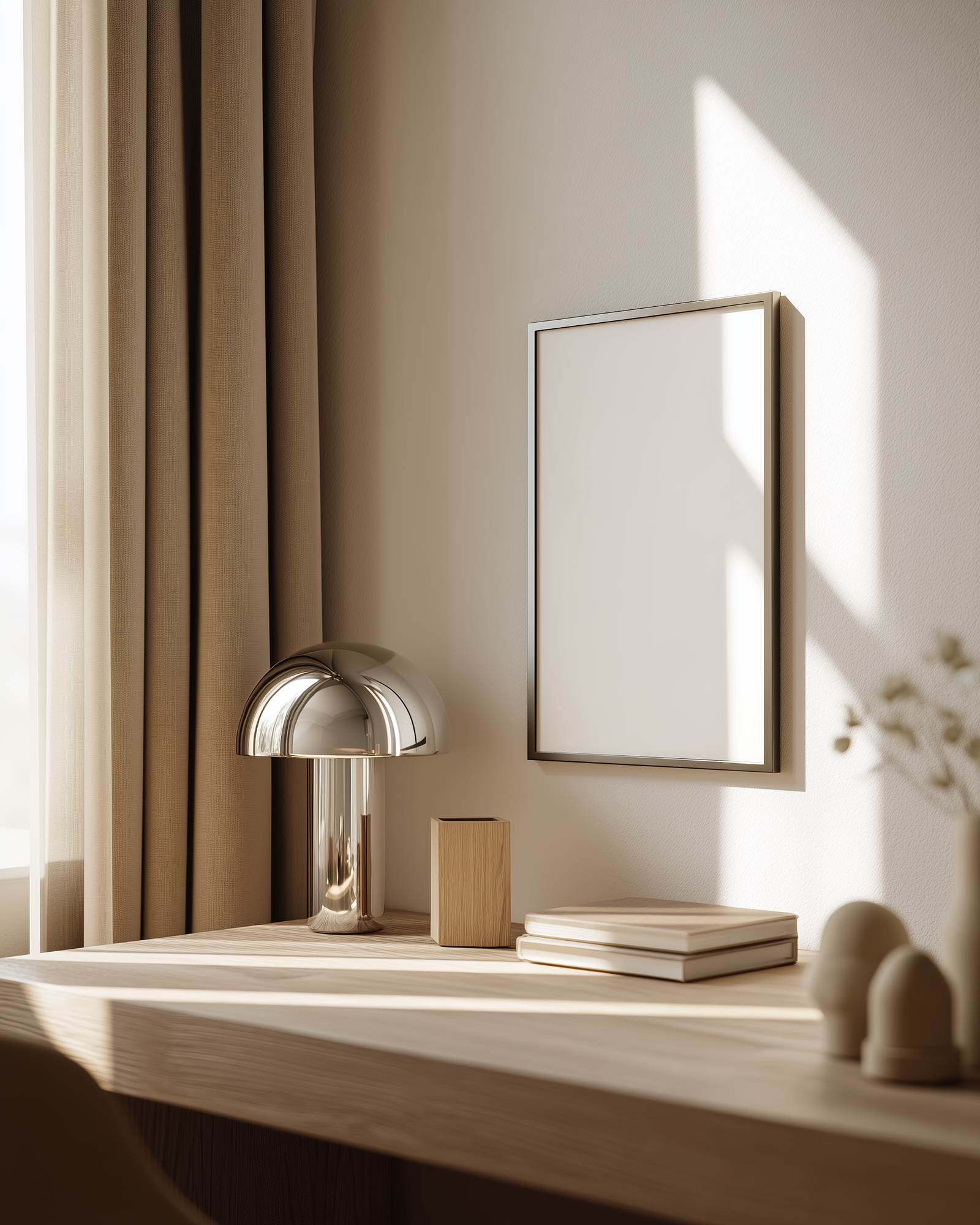
Natural fiber desk accessories—wooden organizers, ceramic pen holders, linen pinboards—keep the material palette organic even in a tech-heavy space.

Plants proven to improve air quality and focus—snake plants, spider plants, pothos—provide living presence during long work hours.

Why Natural Elements Interior Design are Taking Over Modern Homes

As we look forward, natural elements interior design seems poised not to fade as a trend but to mature as a fundamental approach to creating healthy, sustainable, psychologically supportive homes.

The increasing availability of sustainable materials, growing awareness of biophilic design research, and cultural shift toward mindful consumption all support the continued growth of this movement. We’re moving away from homes as curated stage sets toward homes as living systems designed to support human flourishing.
Technology will likely integrate with natural elements interior design in interesting ways—think smart planters that monitor and water themselves, or augmented reality apps that show how natural light will interact with stone surfaces throughout the day. But the core principle remains: our homes should connect us to the natural world, not abstract us further from it.

The most exciting development might be the democratization of natural elements interior design. As more affordable sources for natural materials emerge, and as the conversation around sustainability makes secondhand and reclaimed materials more culturally valued, this approach becomes accessible to more people regardless of budget.

Natural Elements as Emotional Architecture

At its best, natural elements interior design is about creating homes that feel like they’re with you rather than around you. Spaces that age alongside you, that bear witness to your life, that provide genuine comfort and psychological support rather than just looking good in photos.

The takeover of natural elements in modern homes isn’t a trend that will pass when the next aesthetic cycle begins. It’s a fundamental realignment of our priorities—away from perfect, unchanging showrooms and toward lived-in, authentic spaces that honor both human needs and environmental responsibility.

Natural elements interior design recognizes that the materials we live with shape how we feel, how we think, and how we connect to the world beyond our walls. That warm wood table isn’t just furniture—it’s a daily reminder of forests and growth and time. That linen curtain isn’t just window covering—it’s a connection to textile traditions spanning millennia. Those living plants aren’t just decor—they’re your daily collaborators in creating breathable, beautiful air.

In an increasingly synthetic, digital, fast-paced world, natural elements interior design offers something radical: slowness, authenticity, and genuine connection. It’s materiality as meaning-making. It’s texture as grounding. It’s the recognition that our homes should be more than beautiful backdrops—they should be living ecosystems designed to support the full, complex reality of human life.

The question isn’t whether natural elements will continue dominating modern homes. The question is: how will you bring that grounding, healing, authentic materiality into yours?

What do you think?
Leave a Reply

Blog

Get fresh home inspiration and helpful tips from our interior designers

top
4
    4
    Your Cart
    Strelitzia DOOR PULL Remove
    Strelitzia DOOR PULL
    Qty: 1
    Price: £1,150
    £1,150
    Sonoran DOOR PULL Remove
    Sonoran DOOR PULL
    Qty: 1
    Price: £2,600
    £2,600
    Joey Armchair Remove
    Joey Armchair
    Qty: 1
    Price: Original price was: £570.Current price is: £536.
    £536
    Alaric Chair Remove
    Alaric Chair
    Qty: 1
    Price: £2,038
    £2,038

    Inactive

    Privacy Overview

    This website uses cookies so that we can provide you with the best user experience possible. Cookie information is stored in your browser and performs functions such as recognising you when you return to our website and helping our team to understand which sections of the website you find most interesting and useful.