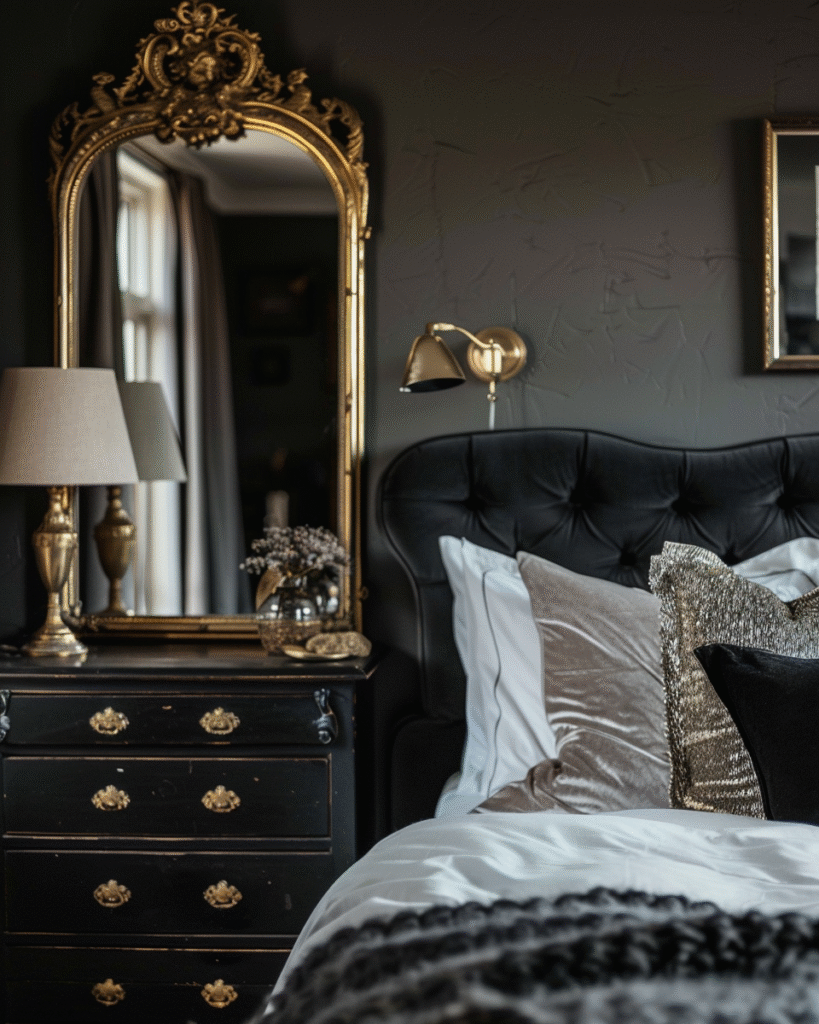
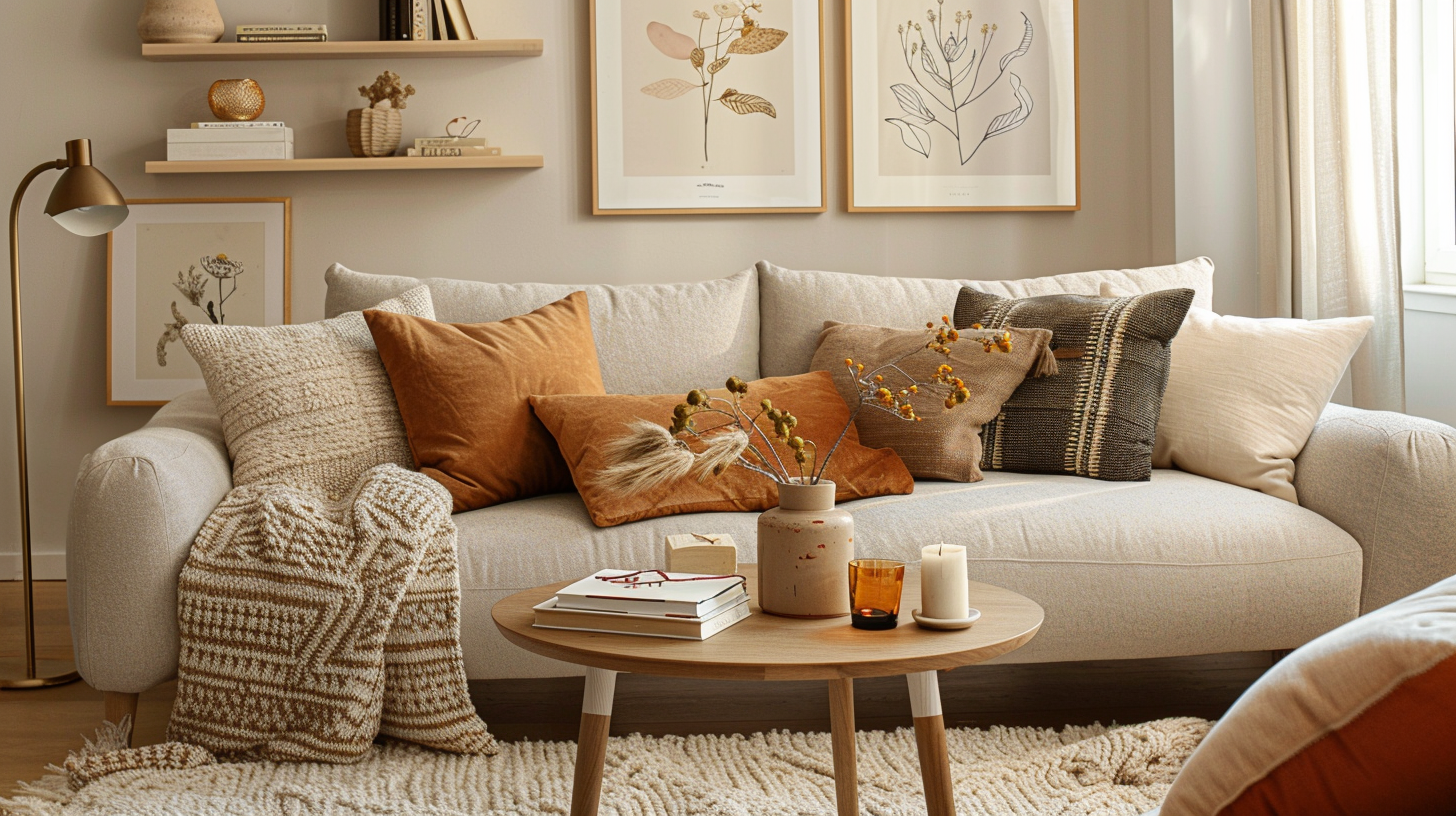
There is a moment — you’ve probably experienced it — when you walk into a room and something stops you. Not the furniture. Not the paint colour. Not even the art. It’s the mirror. Specifically, it’s a gold baroque mirror, hung with intention on a wall that knew, long before the room was finished, that this was always where it belonged.
That moment of arrested attention is not accidental. It’s the result of centuries of design intelligence distilled into a single object: a gilded frame, a reflective surface, and a presence so commanding it restructures the energy of every room it enters. The gold baroque mirror has outlasted chintz, outlasted shag carpet, outlasted the tyranny of the Scandi-minimalist everything-must-be-beige era. It did not survive by accident. It survived because it works — deeply, powerfully, and with a visual authority that no other single décor piece can match.
This isn’t a piece about nostalgia. It isn’t a love letter to excess. It’s a design argument: that the gold baroque mirror is not “a lot” — it is exactly enough. That it belongs in modern homes as confidently as it belonged in the grand salons of seventeenth-century Europe. That it is, in fact, one of the highest-impact, longest-lasting investments a homeowner or designer can make.
Whether you’re redesigning a living room from scratch, hunting for the one piece that makes a hallway feel like a destination, or simply trying to understand why your beautifully furnished bedroom still feels like something is missing — the answer, more often than not, is a gold baroque mirror.
By the end of this article, you will know exactly why. And you’ll know exactly what to do about it.
The baroque era — spanning roughly 1600 to 1750 — was not a subtle period. It was the age of theatrical drama in architecture, in painting, in music, in everything. The Baroque style emerged partly as a response to the restraint of the Renaissance, and partly as the Catholic Church’s weapon of wonder: if you want people to feel the presence of the divine, you make them feel small, awestruck, undone by beauty.
Mirrors entered this story not merely as functional objects but as symbols of wealth and power. In seventeenth-century Europe, mirror glass was extraordinarily difficult and expensive to produce. Venetian glassmakers on the island of Murano held a monopoly on the craft for decades, and their mirrors were so coveted that France eventually poached their artisans — at considerable diplomatic risk — to establish its own mirror-making industry. The Hall of Mirrors at Versailles, completed in 1684, was not decoration. It was a statement of dominance.
The frames that surrounded these mirrors were equally intentional. Gilded wood, carved with scrolling acanthus leaves, cherubs, floral swags, and dramatic arching crests — these were not embellishments. They were the grammar of power. A gold baroque mirror on a wall announced that the person who hung it understood beauty, commanded resources, and refused to be ordinary.
Why This History Matters for Your Home Today
Here’s the thing about genuinely good design: it doesn’t date. It deepens. The visual language of the baroque mirror — symmetry, warmth, grandeur, the interplay of light on gilded surfaces — speaks to something fundamental in how humans experience beauty. We are wired to respond to it.
When a gold baroque mirror hangs in a contemporary home, it doesn’t clash with modern sensibilities. It anchors them. It gives the room a history it might not actually have, a weight and permanence that new builds and rental flats desperately crave. That’s not fakery. That’s design intelligence.
Interior designers have known this for decades. The baroque mirror’s presence in the world’s most aspirational hotel lobbies, luxury apartments, and designer showrooms is not coincidental. It is curated, deliberate, and perpetually effective.
Not all baroque mirrors are created equal. The word “baroque” is now used so liberally in product listings that it has started to lose meaning. A chunky gold frame does not a baroque mirror make. So how do you tell the difference between a genuine luxury piece and a cheap imitation that will embarrass your living room for years?
Frame Construction: The Foundation of Quality
A luxury baroque wall mirror begins with its frame. Traditionally, baroque mirror frames were carved from solid wood — a labour-intensive process that produced frames of extraordinary depth, dimensionality, and detail. The carving was done by hand, with craftsmen spending weeks on a single piece, rendering each acanthus curl and ribbon flourish with the precision of a sculptor.
Today’s best ornate gold mirrors maintain this heritage either through hand-carved wood frames or through high-quality resin casting that faithfully reproduces the depth and detail of original carved work. What to look for: crisp definition in the carved motifs, significant visual depth (flat baroque is a contradiction in terms), and a frame that reads as a work of art in its own right, even before you hang it.
What to avoid: mirrors where the “baroque” detailing is printed or applied as a flat surface treatment, frames that are lightweight and hollow-sounding, and any piece where the ornamental elements look repeated in a way that reveals the limits of mass production.
The Gold Finish: Why It Matters More Than You Think
Gold is not gold is not gold. This is one of the most important things to understand before purchasing a luxury mirrors UK piece that you intend to anchor a room with for the next decade.
Genuine antique-style gold finishes are built in layers. A quality ornate gold mirror will typically feature a gesso base coat applied to the frame, followed by a bole (a clay-based adhesive layer), and then gold leaf or a sophisticated metallic paint finish that mimics the warmth, depth, and slight irregularity of genuine gilding. The result is a finish that catches light differently depending on where you stand, that has warmth without garishness, and that communicates quality at a glance.
Contrast this with chrome-effect gold or thin metallic spray finishes, which look flat, cool-toned, and aggressively new — the opposite of the patina and authority you want.
The Reflective Surface: Quality Glass vs. Basic Mirror
A final quality marker: the glass itself. Premium baroque mirrors use high-clarity float glass that delivers a crisp, true reflection without distortion. Some antique-finish pieces intentionally introduce slight variation in the glass to evoke aged mercury-glass mirrors — a detail that, when done well, adds tremendous character. When done poorly, it just looks like a defect.
The gold baroque mirror is not a one-room proposition. Its versatility is, in fact, one of the more underappreciated things about it. That said, placement matters enormously — not every baroque mirror belongs in every room, and the right placement elevates both the mirror and the space in ways that feel inevitable in retrospect.
Living Rooms: The Classic Choice Done Right
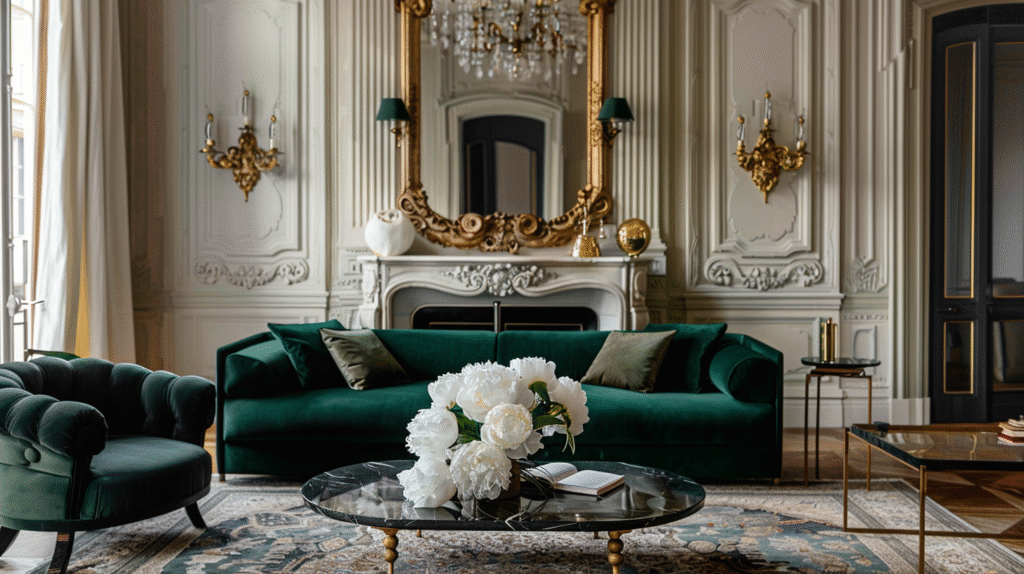
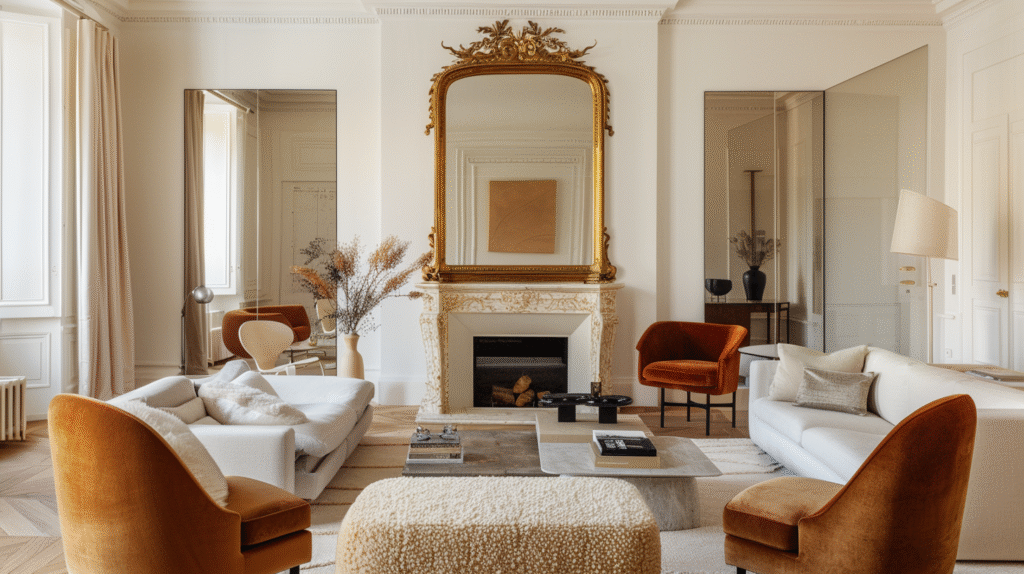
The living room is where most people first envision a large baroque wall mirror, and for good reason. A grand gilt frame above a fireplace surround is one of the most enduringly powerful interior compositions in existence. The fireplace creates a natural focal axis; the mirror amplifies it, doubles the candlelight or fire glow, and gives the eye a destination from every angle in the room.
Perfect for: Luxury living rooms with high ceilings, rooms with a marble or stone fireplace surround, and any living space that wants a single centrepiece that eliminates the need for further wall art.
Pairs beautifully with: Velvet sofas in deep jewel tones, lacquered console tables, wall sconces flanking the mirror at eye level, and a single sculptural vase or arrangement of fresh florals at the base.
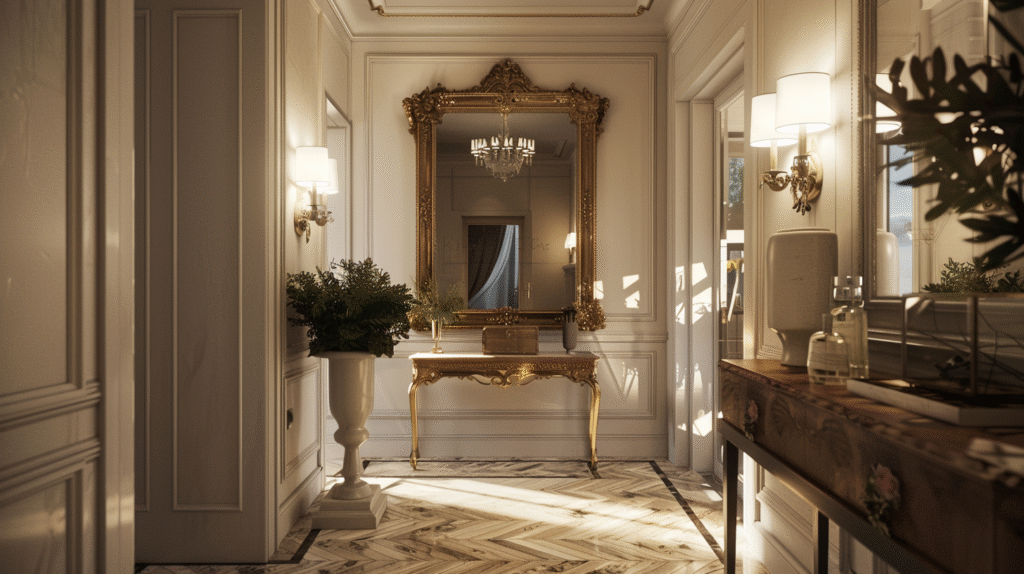
Grand Hallways and Entryways: First Impressions Handled
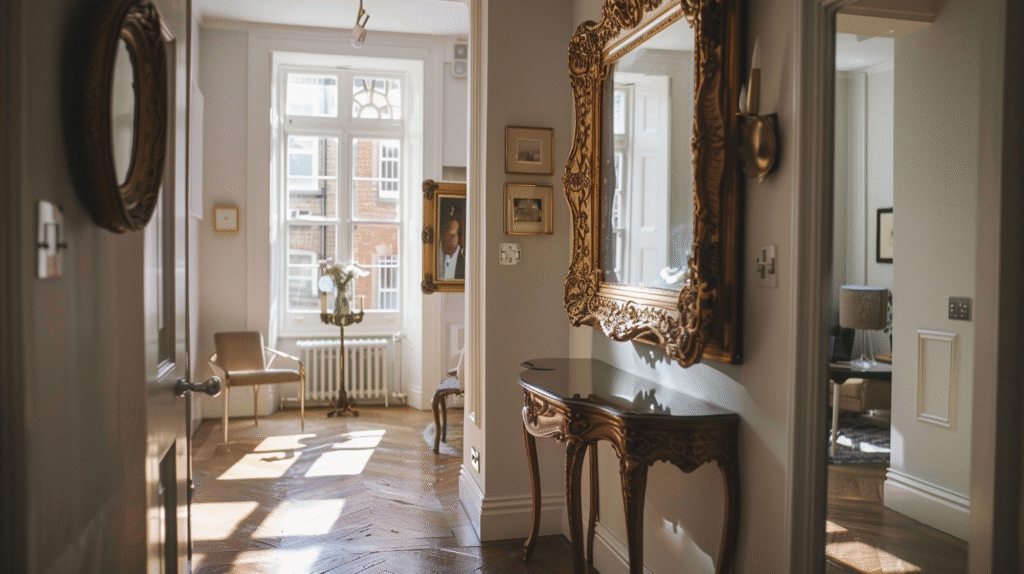
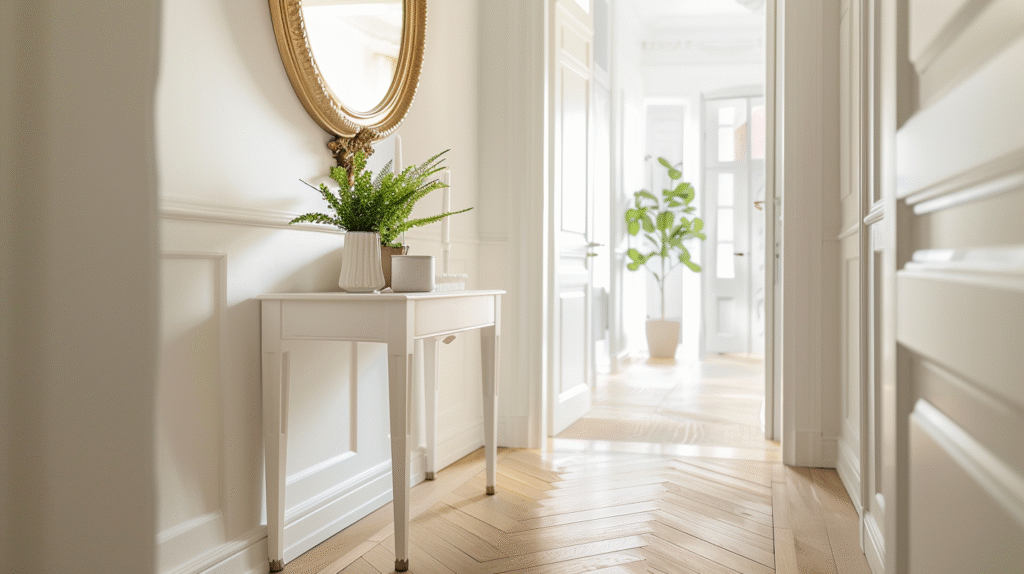
If you want a visitor to understand immediately what kind of home they’ve walked into, hang a gold baroque mirror in the entrance hall. Nothing else — not a gallery wall, not a statement light, not even a piece of original art — announces luxury arrival quite so efficiently.
The hallway baroque mirror also serves a supremely practical function: it bounces natural light deep into spaces that are often starved of it, and it makes narrow corridors feel significantly wider and taller.
Perfect for: Georgian and Victorian hallways, modern apartments with entrance corridors, and any entryway that currently feels transitory rather than welcoming.
Pairs beautifully with: A dark lacquered console table, fresh white flowers, dark hardwood or stone floors, and a dramatic pendant light or lantern overhead.
Hotel-Style Master Bedrooms
There is a reason every high-end hotel room features a statement mirror as part of its design brief. A gilded frame mirror in a master bedroom — particularly positioned above a low dresser or leaned against a wall behind a bed — introduces the precise quality of glamour that transforms a room from functional to extraordinary.
The bedroom baroque mirror also works as a dressing mirror when scaled and positioned correctly, giving the room a sense of ritual, of getting dressed as an act worthy of ceremony.
Perfect for: Master bedrooms seeking a focal point that isn’t the television, rooms with dark, moody wall colours, and hotel-inspired interiors.
Pairs beautifully with: Silk cushions, aged brass bedside lamps, dark hardwood furniture, and a tonal colour palette anchored by warm ivory or deep charcoal.
Dining Rooms
A dining room with a gold baroque mirror on its main wall is a dining room that understands that dinner should feel like an event. The mirror doubles candlelight and the glow of a chandelier, makes the table look twice as populated and twice as festive, and creates the kind of reflective, atmospheric quality that turns a meal into a memory.
Perfect for: Dining rooms with a dramatic wall opposite the main seating, rooms with a chandelier or statement light, and maximalist and eclectic interiors.
This is where most people hesitate. They love the gold baroque mirror — they’ve been looking at images of it for months on saved Pinterest boards — but they’re worried it will feel wrong against their clean white walls, or clash with their mid-century furniture, or simply be too much.
The hesitation is understandable. The resolution is simple: context is everything, and contrast is a feature, not a bug.
The Contrast Principle
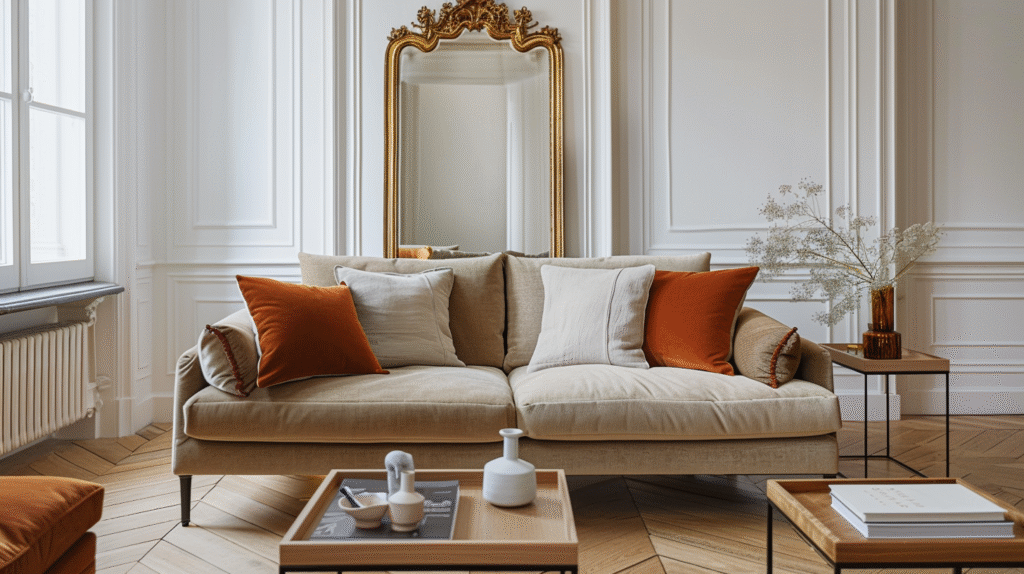
The gold baroque mirror works most powerfully in modern interiors precisely because it provides contrast. A sleek, pared-back room with clean-lined furniture and matte wall finishes becomes vastly more interesting when a large ornate gold baroque mirror introduces drama, texture, and warmth. The minimalism makes the mirror more striking; the mirror makes the minimalism feel intentional rather than sterile.
This is not a new idea. Interior designers have been deliberately pairing antique and contemporary pieces for decades, understanding that tension between old and new creates dynamism. The gold baroque mirror is the single easiest way to introduce that tension.
Colour Palette Considerations
The warm, honeyed tones of a quality gold baroque mirror are naturally at home with a specific group of wall colours.
They work extraordinarily well with deep, saturated tones — inky navy, forest green, dramatic charcoal, and oxblood red. These dark backgrounds make the gilding glow and give the mirror the theatrical quality it was designed to project.
They work beautifully with warm neutrals — warm ivory, soft stone, aged white, and camel — which allow the frame’s warmth to read as luxurious rather than garish.
They work more carefully, but still effectively, with cool, pale tones — pale grey, cool white, pale blue — where the warmth of the gold frame provides the room’s primary tonal interest.
What Doesn’t Work
Avoid hanging a gold baroque mirror on a wall already busy with other gold accents or heavily patterned wallpaper that competes rather than complements. The mirror wants space to breathe and a background that lets it be the statement. Give it that, and it will reward you indefinitely.
Scale is the variable most commonly miscalculated when buying a statement wall mirror. The impulse, understandably, is to hedge — to buy something slightly smaller than feels right, just in case it’s too much. This is almost always the wrong decision.
The Rule of Two-Thirds
A widely used and consistently reliable rule: the mirror should occupy roughly two-thirds of the wall width it hangs on, or two-thirds of the furniture piece it hangs above. This creates visual balance without timidity. A mirror that’s too small for its wall doesn’t read as restrained — it reads as lost.
Ceiling Height Matters
In rooms with high ceilings (2.7 metres and above), scale up confidently. A large baroque wall mirror — think 120cm tall or more — will feel proportionate and magnificent. In rooms with standard 2.4-metre ceilings, consider a slightly wider, less tall format to avoid the mirror dominating vertically.
The Floor Lean Option
One of the most effective ways to introduce a very large gold baroque mirror without drilling into walls — particularly useful for renters — is the floor lean. A substantial mirror leaned against a wall in a bedroom, living room, or hallway has a slightly more relaxed, editorial quality that works beautifully in modern interiors. It also allows you to move it, reposition it, and take it with you when you leave.
Gold Baroque Mirrors and Light: The Reflective Magic No Other Décor Piece Delivers
There is a functional genius to the gold baroque mirror that gets lost in conversations about style and history. A mirror is, at its core, a light manipulation device. And a gold baroque mirror does this job better than anything else in the decorator’s toolkit.
Natural Light Amplification
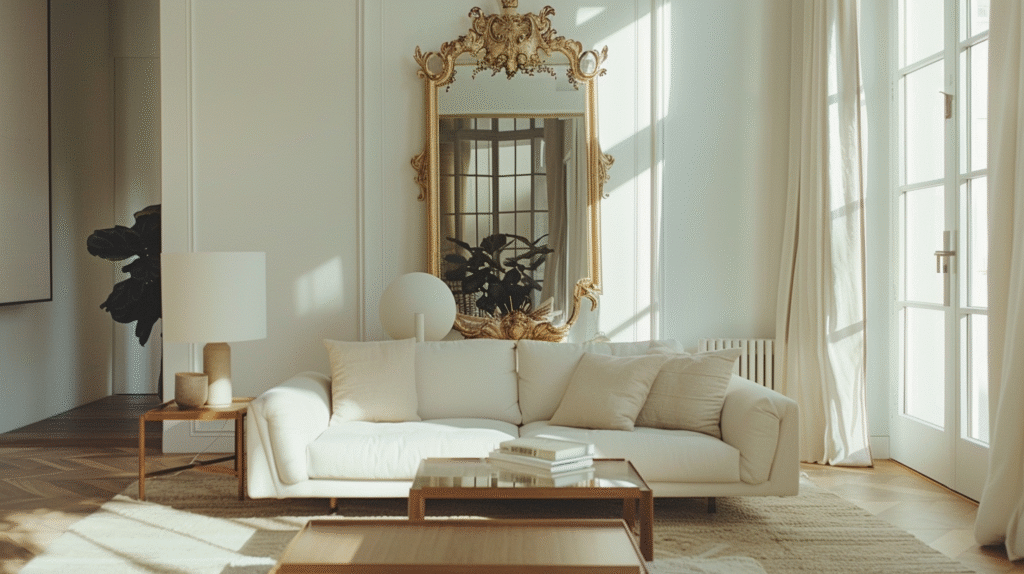
Position a baroque mirror on a wall adjacent to a window — never directly opposite, which can create glare — and watch what happens to a room’s natural light. The mirror captures and redistributes it, bouncing brightness into corners that no window can reach, making the whole room feel larger, lighter, and more alive. In north-facing rooms starved of direct sunlight, this effect is transformative.
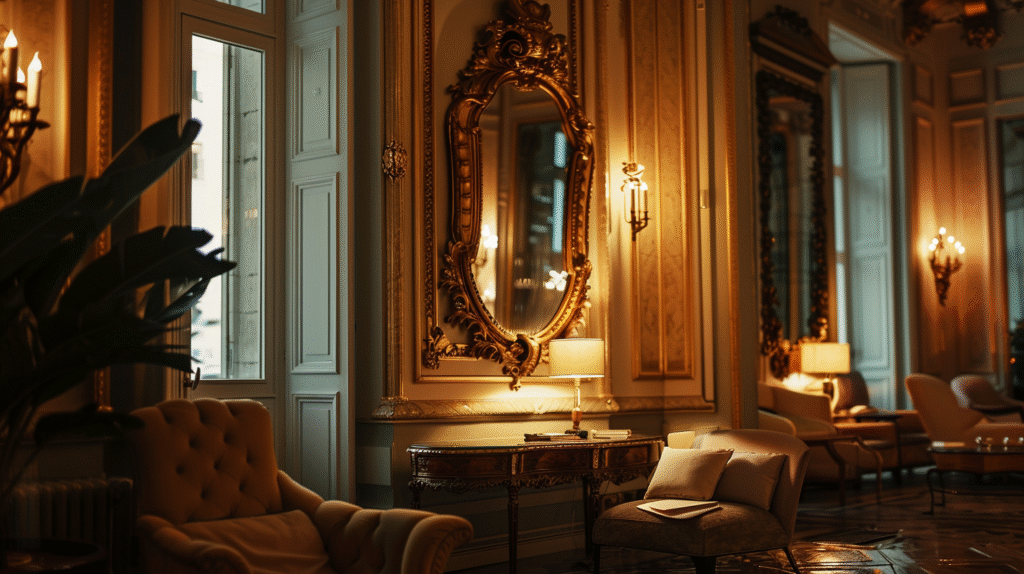
Evening and Candlelight
This is where the gold baroque mirror earns its most profound magic. In the evening, lit by candles, wall sconces, or a crystal chandelier, the gilded frame doesn’t merely reflect light — it fractures and multiplies it. The subtle irregularities in a quality gold finish create dozens of micro-surfaces that catch light at different angles, creating a warmth and movement that no electric light source can replicate on its own.
This is not hyperbole. It is simply what gilded surfaces do. And it is why, for five centuries, the gold baroque mirror has been the first choice of every designer who has understood how rooms are experienced after dark.
Spatial Illusion
Mirrors create perceived space. A gold baroque mirror on a short wall of a narrow hallway or compact bedroom makes that space feel deeper, wider, and more generous than its actual dimensions suggest. It’s one of the only decorating tools that literally changes the perceived geometry of a room — and the baroque mirror does it with considerably more drama and personality than a plain rectangular glass panel.
-

Artificer Coffee Table
£710 Add to cart -

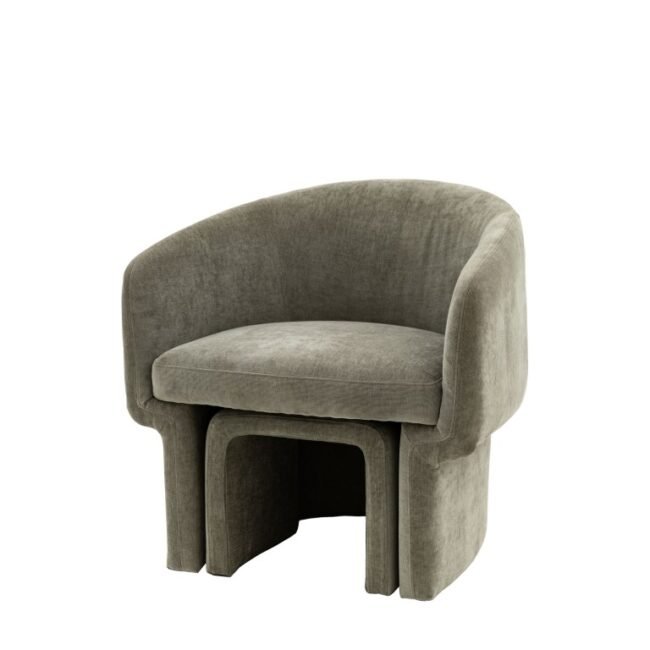
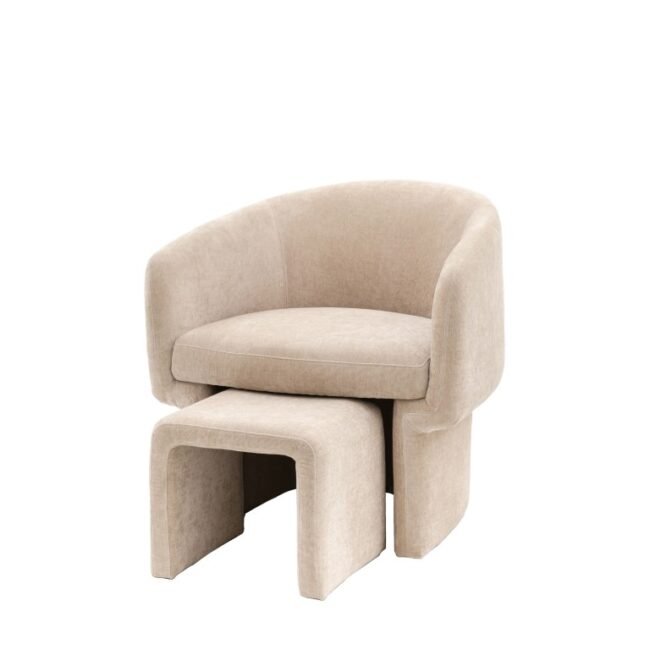
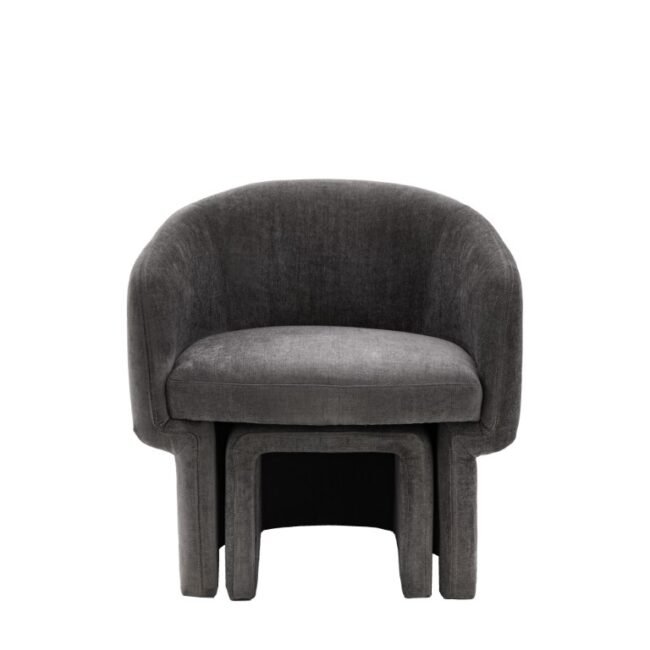
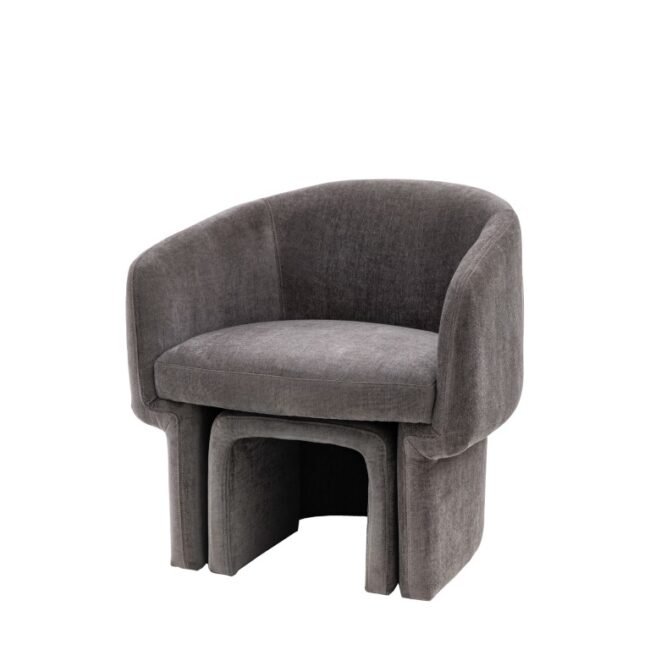
Asoko Armchair
£710 Select options This product has multiple variants. The options may be chosen on the product page -

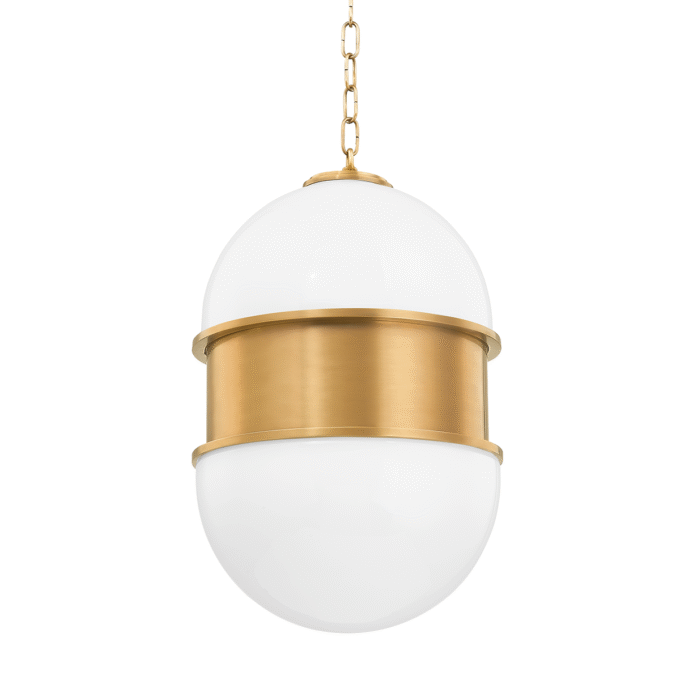
Broomley Pendant Large
£2,264 Add to cart
Common Mistakes to Avoid When Buying a Gold Baroque Mirror
Knowledge of what not to do is often as valuable as knowing what to do. Here are the most common errors people make when purchasing and styling a gold baroque mirror.
Buying Too Small
As already noted: bigger is almost always better when it comes to statement mirrors. If you’re genuinely uncertain between two sizes, choose the larger. You will not regret it. You will regret the smaller one within six months.
Hanging Too High
The centre of a hanging mirror should typically sit at eye level — approximately 145–155cm from the floor to the mirror’s centre point. Mirrors hung too high lose their ability to interact with the viewer and with the room’s furniture; they float uselessly near the ceiling, disconnected from everything below them.
Choosing the Wrong Room
The gold baroque mirror is a dramatic piece. It needs a room that can receive drama. Hanging one in a room already fighting with competing patterns, too many competing metallic tones, or décor that actively resists the baroque’s warmth and grandeur is setting the mirror up to fail. Clear the stage before the performance.
Underestimating Frame Weight
A quality large baroque wall mirror — particularly those with solid wood or substantial resin frames — can be considerably heavier than a standard mirror. Always use appropriate wall fixings and a stud finder. For very large pieces, professional hanging is a worthwhile investment.
Prioritising Price Over Craftsmanship
The budget end of the baroque mirror market is not always a safe place to economise. The difference between an investment-grade ornate gold mirror and a budget imitation is visible from across the room. If cost is a genuine constraint, buy a smaller quality piece rather than a large poor-quality one. The craftsmanship will always read.
Gold Baroque Mirror FAQ
What is a gold baroque mirror?
A gold baroque mirror is a decorative wall mirror characterised by an ornately carved or cast frame finished in gold leaf, gold paint, or gilded metallic finishes, drawing on the design vocabulary of the European Baroque period (c.1600–1750). The frames typically feature scrollwork, acanthus leaves, floral motifs, ribbon details, and dramatic arched or crested tops. The gold baroque mirror is widely regarded as one of the most enduringly powerful statement pieces in luxury interior design.
How do you hang a large gold baroque mirror safely?
Large baroque mirrors should always be hung using appropriate wall fixings rated to exceed the mirror’s weight. Locate wall studs using a stud finder and fix into them where possible; if fixing into plasterboard without studs, use specialist cavity wall anchors rated for the weight. For mirrors exceeding 15kg, two fixing points are essential, and professional installation is strongly recommended. Always check the manufacturer’s recommended hanging instructions before proceeding.
Can a gold baroque mirror work in a modern or minimalist interior?
Absolutely — and often more powerfully than in a traditionally styled interior. The contrast between a baroque mirror’s ornate, gilded drama and a clean-lined, contemporary interior creates exactly the kind of design tension that makes rooms feel curated rather than catalogued. The key is restraint elsewhere: let the mirror be the room’s statement piece, and keep surrounding elements relatively simple.
What’s the difference between a baroque mirror and a rococo mirror?
Both styles emerged from the same European decorative tradition, but they are distinct. Baroque design (c.1600–1750) is characterised by grand, symmetrical forms, bold architectural elements, and a sense of controlled drama. Rococo (c.1720–1780) is lighter, more asymmetric, more playful — with C-scroll curves, delicate pastel tones, and a preference for whimsy over gravitas. A baroque mirror tends to have more authority and visual weight; a rococo mirror tends towards elegance and femininity. Both are beautiful; which you choose depends on the mood you want to set.
Are gold baroque mirrors suitable for small rooms?
Counterintuitively, yes — when chosen in the right scale. A large gold baroque mirror in a small room can make it feel significantly bigger through light reflection and spatial illusion. The key is ensuring the room’s other furniture doesn’t compete for dominance, and that the mirror is positioned to maximise its light-amplifying effect. In a small bedroom or compact hallway, a well-chosen baroque mirror can be genuinely transformative.
The Investment Case: Why Now Is Always the Right Time to Buy
There is a question people rarely articulate but frequently feel when contemplating a major décor purchase: will this still feel right in ten years?
For the gold baroque mirror, the honest answer is yes — and probably in twenty, and in forty.
The baroque mirror has been present in the world’s most admired interiors for over three centuries. It has not been made obsolete by modernism, by minimalism, by maximalism, by biophilic design, by Japandi, or by any of the other movements that have swept through interiors culture during that time. It has absorbed them, complemented them, and occasionally shown them up.
Part of this is the mirror’s neutrality of purpose. It doesn’t advocate for a particular style the way a Chesterfield sofa does, or a Philippe Starck Ghost Chair. It simply reflects. And in that reflection, it takes on the personality of whatever surrounds it — while simultaneously lending that surrounding its own history, warmth, and grandeur.
The practical investment case is equally strong. A quality antique-style gold mirror or investment-grade artisan piece appreciates in perceived value as it ages, taking on patina and character that a new piece cannot fake. Even entry-level baroque mirrors, bought carefully, tend to hold their appeal and their market value in a way that more trend-specific décor decisions do not.
This is not a piece you will tire of, quietly relegate to a guest bedroom, and eventually donate to a charity shop. This is a piece that will anchor your home’s visual identity for the entirety of your time in it — and possibly beyond.
The Feeling, Finally, of a Room That Knows What It Is
Design, at its best, is not about objects. It’s about experience. About the way a room makes you feel when you enter it: understood, elevated, at home in the deepest sense.
The gold baroque mirror contributes to that feeling in a way that is difficult to overstate and impossible to replicate with anything else. It gives a room permanence, warmth, history, and drama. It makes the furniture around it look more considered, the colour on the walls look more intentional, and the light — at every hour of the day and night — more beautiful.
Walking into a room anchored by a gold baroque mirror is an entirely different experience from walking into one without it. The room with the mirror feels finished. Decided. Confident about what it is. That confidence is contagious.
The gold baroque mirror is not a trend. It is not excess. It is not nostalgia for a world you weren’t part of. It is a design decision that signals taste, permanence, and the particular kind of courage it takes to commit fully to beauty.
Your home has probably been waiting for one longer than you realise.
Explore our curated collection of gold baroque mirrors, ornate wall mirrors, and luxury decorative accessories at Eclectic Niche to begin your statement wall transformation.