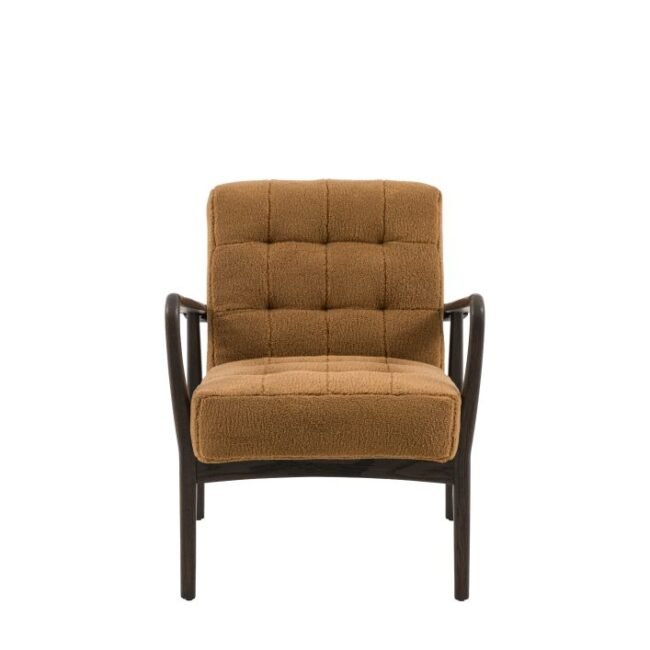
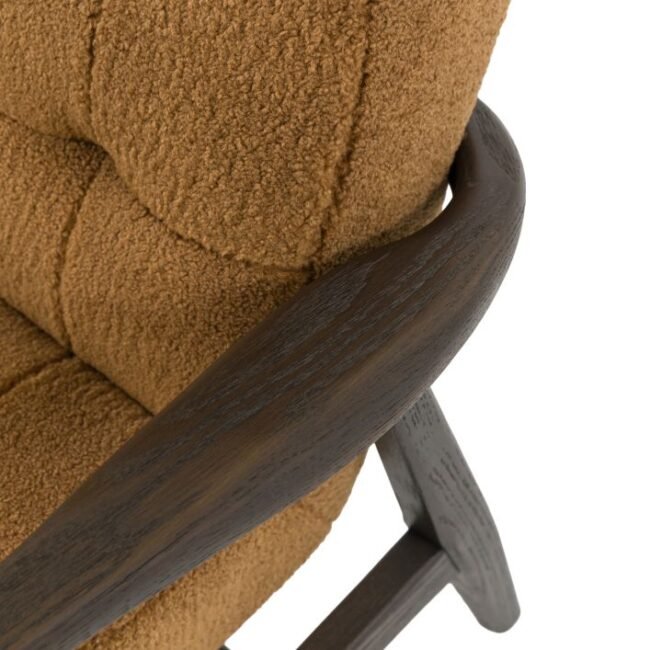
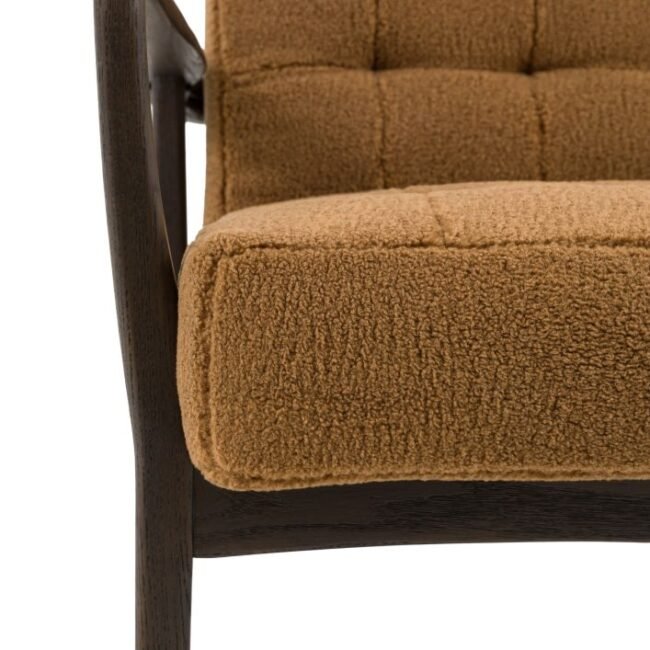
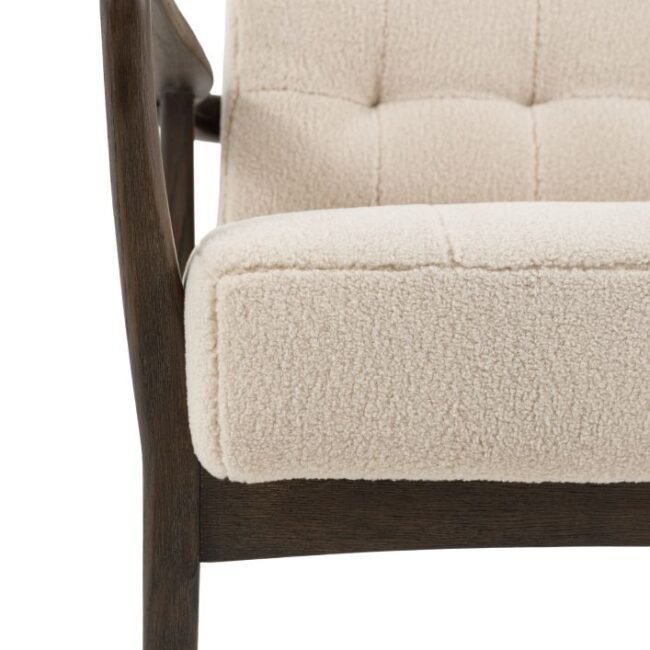
Grandmillennial Style Interior Design: The Modern Twist on Tradition

Grandmillennial Style Interior Design

Why Grandmillennial Style Is the Perfect Blend of Nostalgia and Modern Living

Interior design is always evolving, but sometimes the most exciting trends come from looking back. That’s exactly the case with Grandmillennial style interior design—a movement that combines the warmth of tradition with the freshness of modern living. Often dubbed “granny chic,” this style isn’t about replicating your grandmother’s sitting room, but rather reimagining it for today’s homes with bold choices, playful contrasts, and a strong sense of personality.

Where minimalism has dominated the design world with clean lines and neutral palettes, Grandmillennial interiors lean into comfort, charm, and heritage. It’s the joy of mixing an antique chest with contemporary artwork, or pairing floral wallpaper with sleek lighting. At its heart, it’s about creating spaces that feel soulful, layered, and personal—homes that tell a story.

The popularity of this style also ties closely to sustainability. Many homeowners are choosing to refresh and reuse antiques rather than buying brand new. This approach reduces waste, adds depth to a room, and creates a sense of individuality that mass-produced pieces can’t replicate. In other words, Grandmillennial style is not only beautiful but also meaningful.

In this blog, we’ll explore the many layers of this growing trend and show you how to make it your own. Here’s what we’ll cover:

  • Why Grandmillennial Style Interior Design Resonates Today
    The cultural and emotional reasons behind its popularity, from nostalgia to sustainability.

  • How to Bring Grandmillennial Style Into Your Home
    Practical, creative strategies for mixing patterns, heirloom furniture, textiles, and accessories in ways that feel timeless, personal, and livable.
  • The Key Elements of Grandmillennial Décor
    The signature building blocks—heritage furniture, cozy textiles, curated accessories, and layered lighting—that bring this aesthetic to life.
  • The Role of Color and Pattern in Grandmillennial Spaces
    How florals, damask, chinoiserie, pastels, and jewel tones combine to create spaces that are visually rich yet cohesive.
  • Blending Vintage and Modern Pieces Seamlessly
    Techniques for striking harmony between antique treasures and sleek contemporary designs without overwhelming your interiors.
  • The Role of Color in Grandmillennial Style
    An exploration of how both soft pastels and bold jewel tones anchor this style, bringing nostalgia and freshness in equal measure.
  • Why This Style Is Here to Stay
    Insights into why grandmillennial style is far more than a fleeting trend, and how its adaptability ensures its timeless appeal across generations.

By the end, you’ll see that grandmillennial style is more than just design—it’s a way of living. It’s about curating a home that feels familiar yet fresh, elegant yet approachable—a place that honors tradition while embracing modern life with confidence.

Why Grandmillennial Style Interior Design Resonates Today

Blending Vintage

The rise of Grandmillennial style interior design is more than a passing fascination—it reflects a deep cultural desire for spaces that feel warm, personal, and timeless. At its core, this design movement captures something people are longing for: a home that isn’t just stylish but meaningful. It speaks to the nostalgia of tradition while embracing the freshness of modern life, creating a blend that feels both familiar and new.

After years of minimalism dominating design trends, many homeowners grew weary of the starkness and perfection it required. Minimalist interiors, while beautiful, often felt more like galleries than homes—spaces where personality was stripped away in favor of empty walls and muted palettes. Grandmillennial style interior design emerged as a counterpoint to that. It celebrates life’s imperfections, layering pattern, texture, and heritage into spaces that invite comfort instead of restraint. A floral wallpaper, a vintage sideboard, or a ruffled lampshade suddenly became not just acceptable, but desirable.

This resonance also ties closely to the way people value history and sustainability today. With growing awareness around overconsumption and waste, homeowners are increasingly seeking out pieces that last. Grandmillennial interiors thrive on this approach, pulling from antiques, heirlooms, and secondhand treasures that bring character into a room. Instead of purchasing flat-pack furniture destined for landfills, this style encourages breathing new life into old pieces. The result is a home filled with story and substance—furniture and décor that carry both memory and meaning.

Beyond sustainability, there’s an emotional element to the trend. For many, Grandmillennial style interior design evokes a sense of nostalgia. The patterned drapes, needlepoint pillows, or polished wood tables echo the comfort of visiting a grandmother’s home, but they’re not replicated exactly as they once were. They’re reimagined—paired with modern artwork, sleek sofas, or bold lighting fixtures that bring them into the present. This fusion allows people to honor tradition without being trapped by it.

The style also resonates across generations, which is rare in design movements. Younger homeowners enjoy the chance to reinterpret classic elements with playful creativity, while older generations see their cherished traditions reappreciated instead of discarded. It becomes a design language that connects rather than divides, bridging different eras under one aesthetic.

In essence, the popularity of Grandmillennial style interior design is rooted in the human need for authenticity and connection. It’s not about perfection or following rigid rules—it’s about curating a space that feels personal, layered, and true to the people who live there. That emotional grounding is what makes this style resonate so strongly today.

How to Bring Grandmillennial Style Into Your Home

Adopting Grandmillennial style interior design in your home doesn’t mean recreating your grandmother’s living room exactly as it was. Instead, it’s about striking a balance between traditional elements and modern updates that reflect your personality. This design approach thrives on intentional layering—mixing heirloom pieces, cozy fabrics, and timeless prints with sleek accents and fresh details that prevent the look from feeling dated. With the right strategy, you can create a space that feels both nostalgic and relevant.

Grandmillennial Style Into Your Home

The first step is to embrace pattern and print. Unlike minimalist interiors that lean heavily on plain walls and solids, Grandmillennial spaces celebrate visual richness. Floral wallpapers, toile curtains, and chinoiserie-inspired fabrics are all hallmarks of the look. These classic motifs immediately anchor the room in tradition. To keep them from overwhelming the space, pair them with contemporary elements like clean-lined furniture or bold modern art. The contrast creates a dynamic push and pull that defines the style.

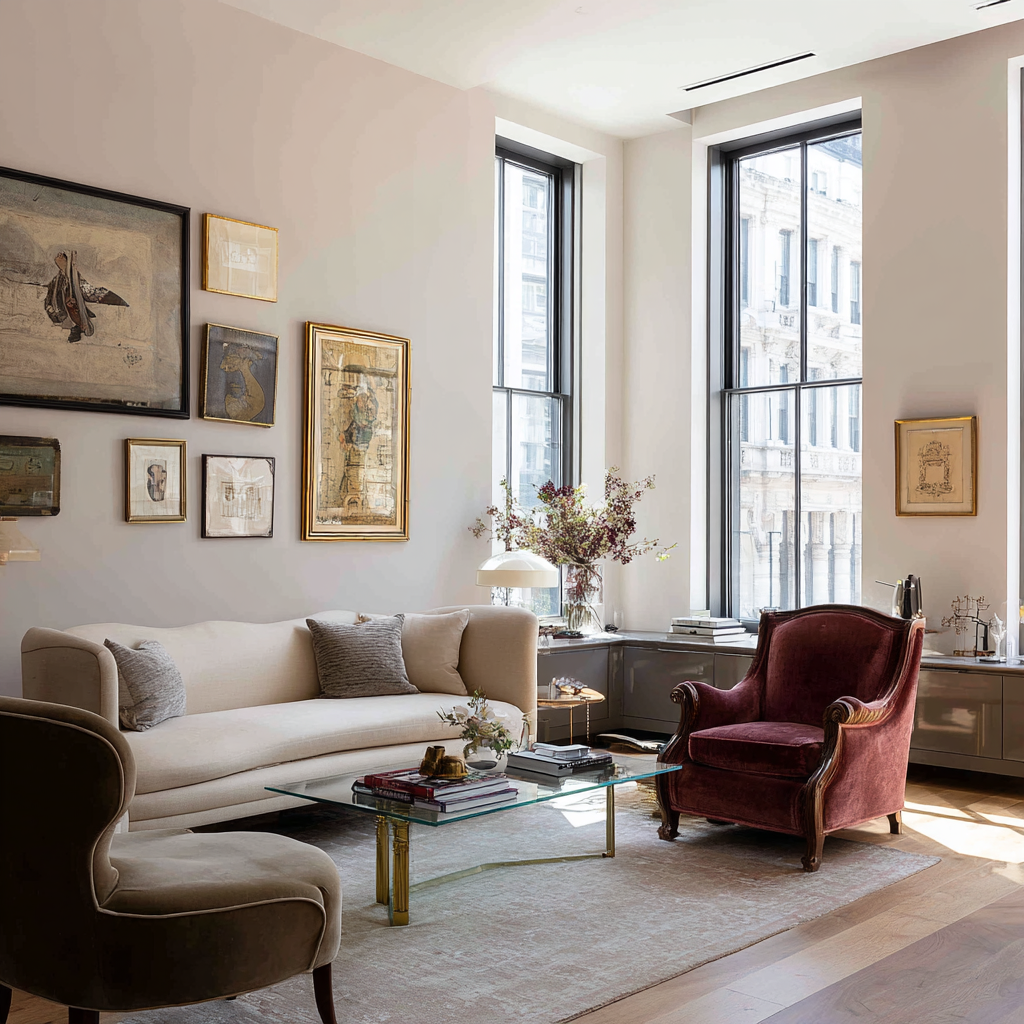
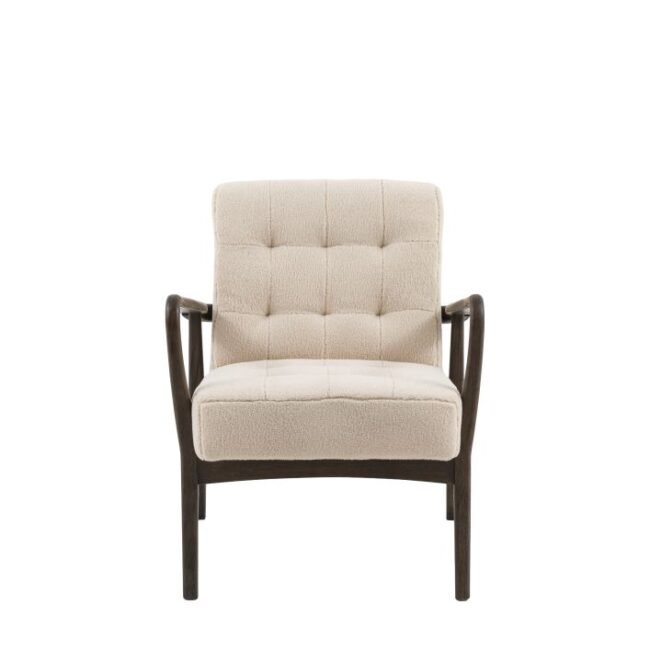
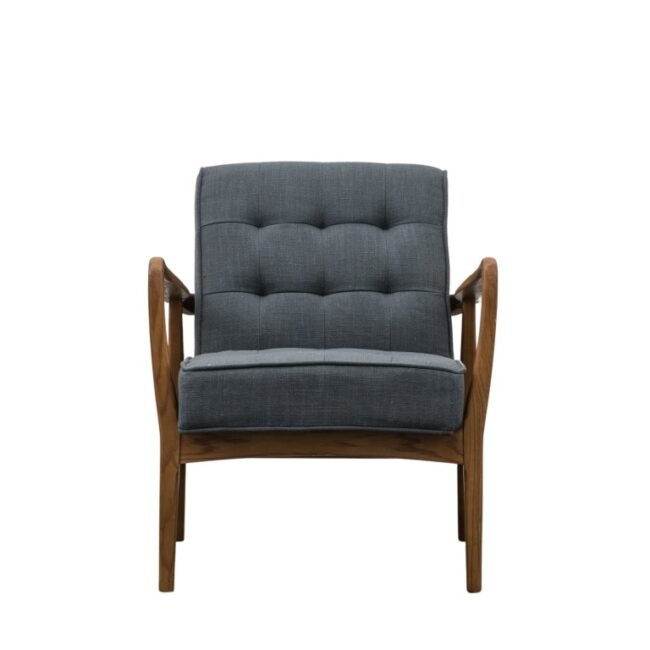
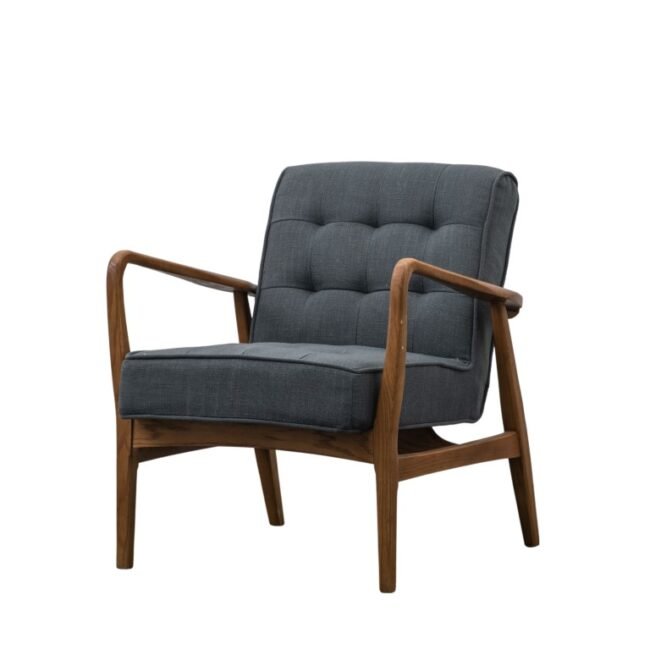
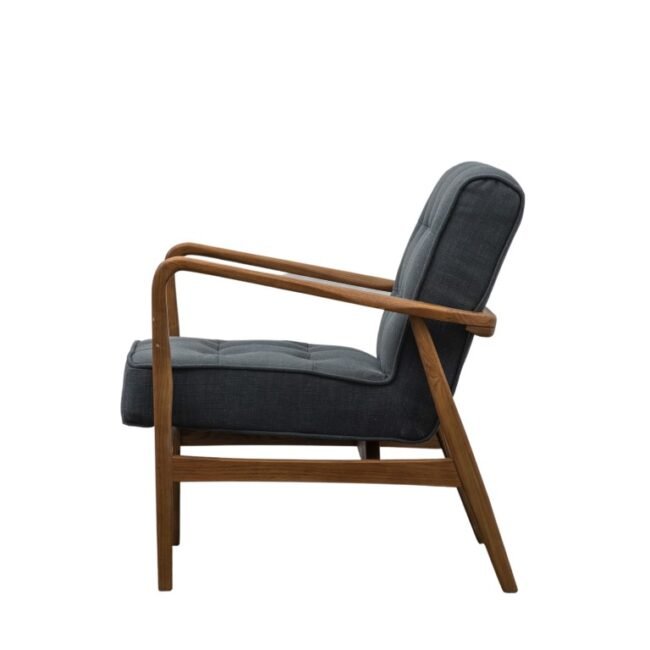
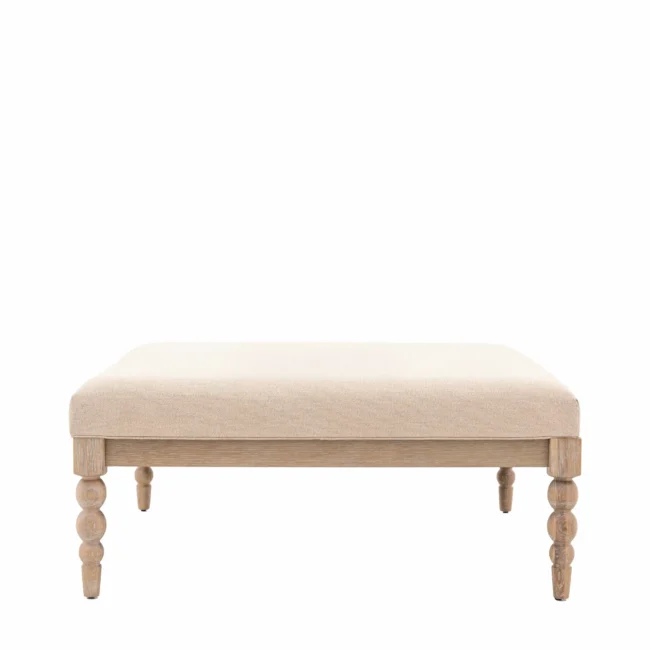
Furniture plays an equally important role. Instead of rushing to buy new, consider integrating antiques or vintage finds. A clawfoot coffee table, a polished wood armoire, or a tufted velvet chair can all add depth and history to your home. These pieces don’t need to match perfectly—in fact, their individuality is what makes the room feel collected rather than staged. For balance, introduce a few modern staples, such as a streamlined sofa or minimalist shelving, to prevent the room from tipping too far into nostalgia.

Textiles are another area where this style shines. Needlepoint pillows, embroidered linens, and fringed lampshades bring texture and charm, softening harder edges and giving a sense of intimacy. Layering these with contemporary materials—such as glass, metal, or acrylic—adds a modern counterpoint. The result is a space that feels curated and multidimensional.

Color choice is also key to achieving this aesthetic. Soft pastels evoke a light, airy sensibility, while jewel tones create depth and drama. Many homeowners combine the two, using pastels on walls or larger furniture pieces and jewel tones in accents like drapery or decorative objects. This mix allows the traditional motifs to feel lively and modern rather than heavy or old-fashioned.

Finally, make your space personal. The essence of Grandmillennial style interior design lies in storytelling. Display heirlooms, art collections, or even quirky objects that reflect your history and interests. The joy of this style is that it resists homogeneity—it thrives on individuality. A gallery wall that pairs family portraits with bold contemporary prints or a dining room that mixes inherited china with modern glassware perfectly embodies the Grandmillennial ethos.

In short, bringing this style into your home is less about rigid rules and more about thoughtful layering. By mixing traditional patterns, vintage pieces, cozy textiles, and modern accents, you create a home that is stylish yet soulful. With Grandmillennial style interior design, your space becomes more than just a place to live—it becomes a reflection of your history, personality, and vision.

Why This Style Is Here to Stay

Design trends often come and go with dizzying speed—what feels fresh today can look dated tomorrow. Yet, some styles strike a deeper chord, embedding themselves into how people want to live. Grandmillennial style interior design is one of those movements. While some critics initially labeled it as a quirky fad or dismissed it as “granny chic,” it has proven to be far more enduring. Its staying power lies in the way it balances timeless traditions with modern sensibilities, creating spaces that feel both rooted and flexible.

Grandmillennial Style Interior Design: The Modern Twist on Tradition

One reason this style will endure is its timeless foundation. The elements it draws from—antique furniture, floral prints, heirloom textiles, and rich color palettes—have stood the test of centuries. They are not bound to one decade or fleeting design craze. Instead, they evolve gracefully. When paired with modern details like clean-lined sofas, bold artwork, or contemporary lighting, these traditional elements gain a renewed relevance. That flexibility ensures the style never feels stagnant.

Another factor is its emotional resonance. Unlike purely aesthetic-driven movements, Grandmillennial style interior design taps into a desire for comfort, nostalgia, and storytelling. Homes aren’t just showcases; they’re sanctuaries. This style acknowledges that by embracing the imperfect beauty of life—layered rooms, mismatched yet meaningful objects, and spaces that feel lived in. That sense of authenticity is unlikely to lose appeal, especially in an era where people crave deeper connections in every aspect of life.

The style’s sustainable nature also secures its longevity. In a world increasingly focused on conscious consumption, the appeal of repurposing, inheriting, or restoring vintage pieces is only growing stronger. Unlike trends that encourage fast buying and quick replacement, Grandmillennial interiors prioritize quality over quantity. A well-crafted antique dresser or hand-embroidered pillow can last generations, carrying stories forward. This approach aligns perfectly with the growing movement toward eco-friendly, long-term design choices.

Furthermore, Grandmillennial style interior design is incredibly adaptable. It isn’t confined to one type of home. Whether it’s a city apartment, a suburban house, or a countryside cottage, the principles can be tailored to fit. A small studio can lean lightly into the style with a floral armchair and vintage lamp, while a grand home might embrace wallpapered rooms, traditional dining sets, and layered fabrics. The adaptability makes it accessible across demographics and lifestyles, ensuring broad appeal.

Finally, the style’s cross-generational connection gives it unique endurance. Millennials are championing the look by modernizing their grandparents’ traditions, while older generations see their cherished styles honored rather than discarded. This bridging of generations keeps the style alive, refreshed, and constantly reinterpreted.

In the end, what makes Grandmillennial style interior design here to stay is that it isn’t about chasing novelty—it’s about curating meaning. It celebrates heritage, individuality, and comfort while welcoming modernity. That balance of old and new creates not just a look, but a philosophy of living. And philosophies, unlike fads, have lasting power.

The Role of Color in Grandmillennial Style

Color is one of the most powerful tools in design, and nowhere is this more evident than in Grandmillennial style interior design. Unlike minimalism, which relies on whites, neutrals, and muted tones to create serenity, Grandmillennial spaces lean into a richer, more expressive palette. The colors chosen here are not only decorative—they set the mood, create contrast, and tie together the balance between tradition and modernity.

The Role of Color

At the heart of this style lies a love for pastel tones. Soft blush pinks, powdery blues, sage greens, and buttery yellows instantly evoke a sense of charm and nostalgia. These shades recall the warmth of vintage interiors, but when paired with modern finishes—like brass fixtures, clean-lined sofas, or contemporary art—they take on a fresh, updated energy. A pale blue wallpaper, for instance, can feel entirely different when styled with a bold, abstract painting above a minimalist console.

On the opposite end of the spectrum, jewel tones bring drama and depth to Grandmillennial interiors. Rich emerald greens, deep sapphire blues, and velvety plums are often used in accent chairs, drapery, or cabinetry. These bolder hues add sophistication and prevent the style from veering into overly sweet or kitschy territory. When jewel tones are layered against lighter pastels, they create contrast that feels both playful and refined—a hallmark of the Grandmillennial look.

What sets this style apart is how color is layered and combined. Instead of a single, uniform palette, rooms often showcase a thoughtful mix. A pastel base on walls might be accented by jewel-toned upholstery, patterned drapery, and warm wood tones. The result is a dynamic space that feels lived-in, with every color playing a role in telling the story.

Patterns also become part of the color story. Floral chintz, toile prints, or embroidered textiles often introduce multiple shades into a room. Rather than shying away from complexity, Grandmillennial interiors embrace it, using pattern as a vehicle for rich color palettes. This approach celebrates vibrancy in a way that feels curated rather than chaotic.

Another key to this style’s color philosophy is its warmth. Even when cooler shades are used, they are often balanced with warm undertones or textures that make a space feel inviting. A sage-green velvet sofa paired with brass lighting and cream walls feels welcoming, not stark. The intentional blending of warm and cool tones ensures that rooms feel balanced and comfortable.

Finally, color in Grandmillennial style interior design is about personal expression. Homeowners are encouraged to choose palettes that resonate with their own history and taste. A lavender throw pillow might remind someone of their grandmother’s parlor, while a bold teal dining room could feel like a daring yet elegant update. This freedom allows color to be both nostalgic and deeply personal, ensuring no two homes look alike.

Ultimately, color is what breathes life into this style. By combining pastels with jewel tones, mixing patterns, and balancing warmth with contrast, Grandmillennial interiors achieve a layered, soulful vibrancy that makes them stand out. It’s proof that in design, color isn’t just an accent—it’s the heartbeat of a home.

The Key Elements of Grandmillennial Décor

Grandmillennial style interior design is defined by a thoughtful balance of traditional charm and modern simplicity. To capture the essence of this style, you need to understand the core elements that make it stand out. Each component, from furniture to accessories, works together to create a space that feels nostalgic yet relevant. Below are the key features that bring the grandmillennial aesthetic to life.

The Key Elements

1. Traditional Patterns with a Twist
Florals, toile, and chinoiserie are the lifeblood of this style. These time-honored motifs bring a sense of history into the room, but the modern interpretation comes from how they’re used. Instead of covering an entire space in heavy wallpaper, you might choose one accent wall with a bold floral print, then offset it with crisp white or neutral paint. Upholstery in chintz or damask can also be paired with streamlined, modern furniture to avoid the look of an overstuffed parlor.

2. Heritage Furniture
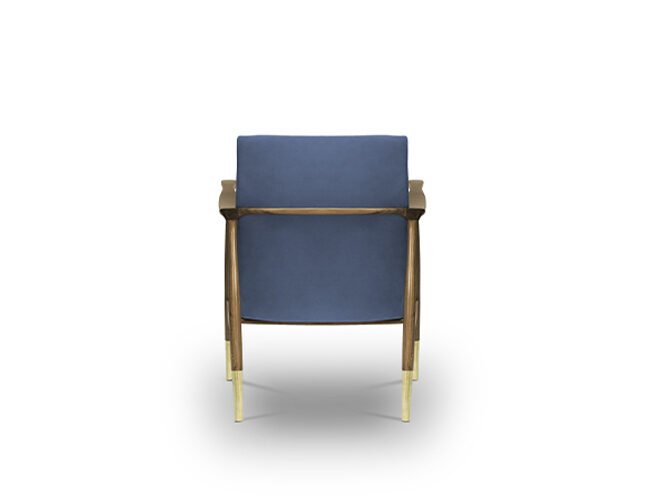
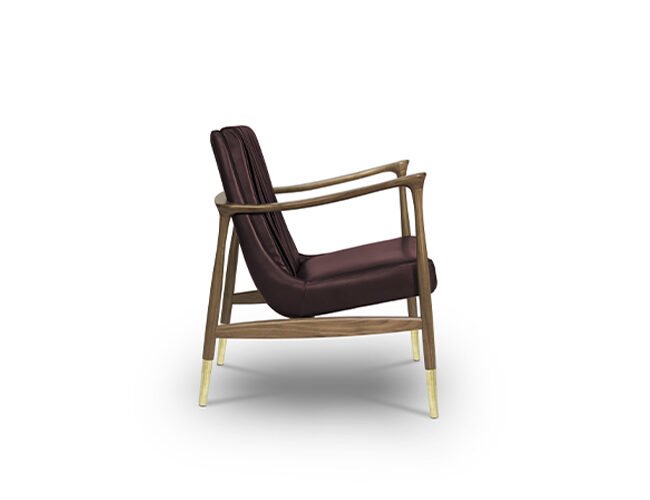
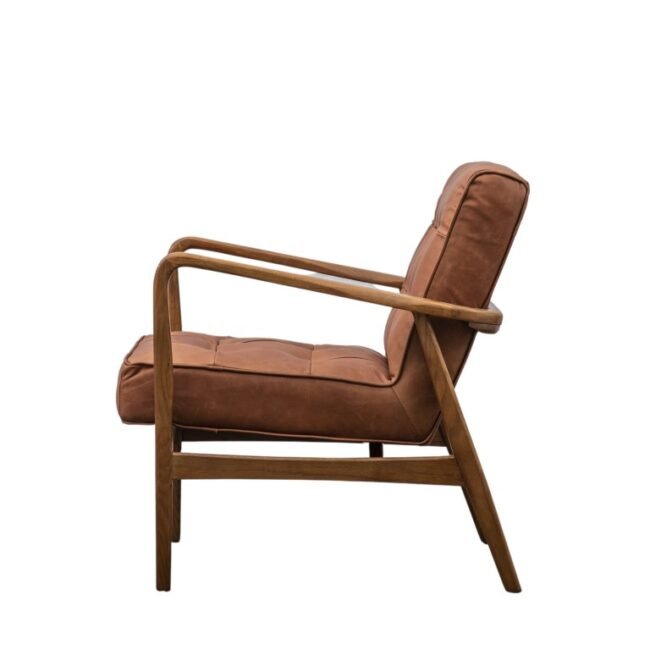
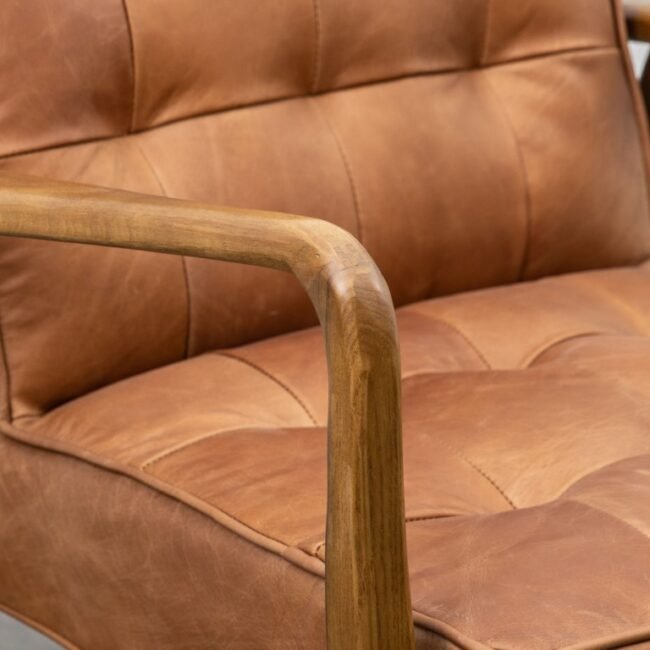
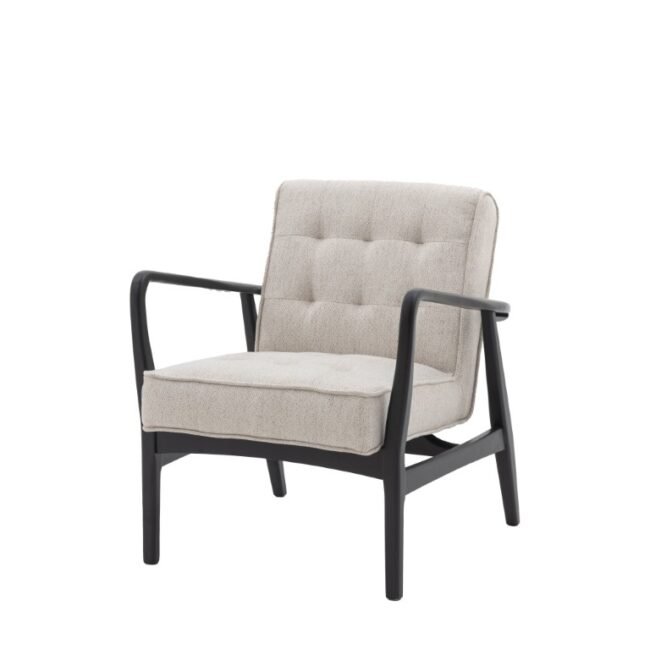
Furniture is where the “grand” in grandmillennial style interior design really shines. Pieces like Queen Anne chairs, mahogany side tables, or tufted sofas evoke the charm of the past. Yet the trick is not to overwhelm your room with too many traditional pieces. Instead, use them sparingly as statement items. A vintage armchair reupholstered in a fresh fabric or a classic sideboard paired with a sleek mirror instantly merges eras.

3. Cozy, Layered Textiles
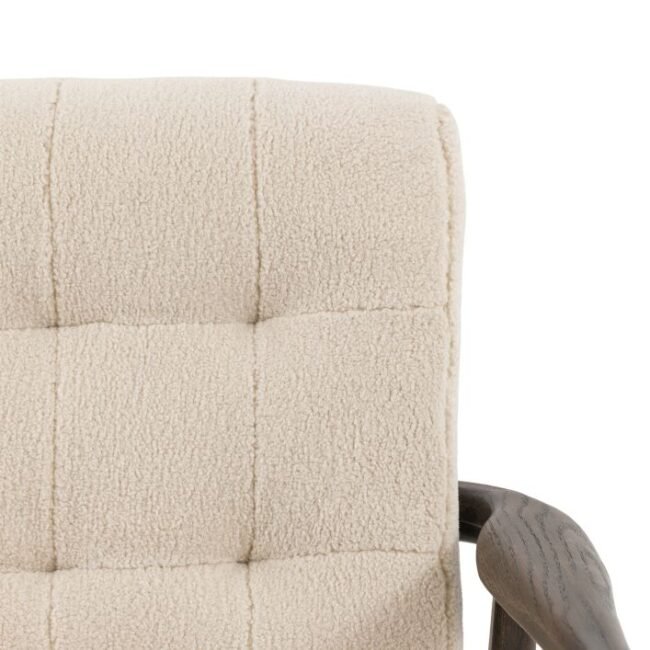
Comfort is central to this aesthetic. Think pleated lampshades, embroidered pillows, lace curtains, and fringed throws. Layering these textiles creates depth, texture, and an inviting atmosphere. At the same time, integrating solid-colored contemporary fabrics keeps the design grounded, ensuring the space doesn’t feel overly ornate.

4. Collectible Accessories
Accessories define the personality of a grandmillennial space. Porcelain vases, brass candlesticks, and needlepoint artwork introduce character and tradition. The key is curation—rather than cluttering surfaces with dozens of trinkets, select a few standout pieces and display them thoughtfully. Pairing a delicate antique vase with bold contemporary art above it creates a striking juxtaposition that embodies the style.

5. A Balanced Color Palette
While soft pastels and warm neutrals often serve as the base, grandmillennial spaces thrive when accented with deeper hues like navy, emerald, or burgundy. These bold tones add depth and prevent the room from tipping into overly sweet or old-fashioned territory. When combined with classic patterns, the result is a space that feels dynamic and timeless.

6. Layered Lighting
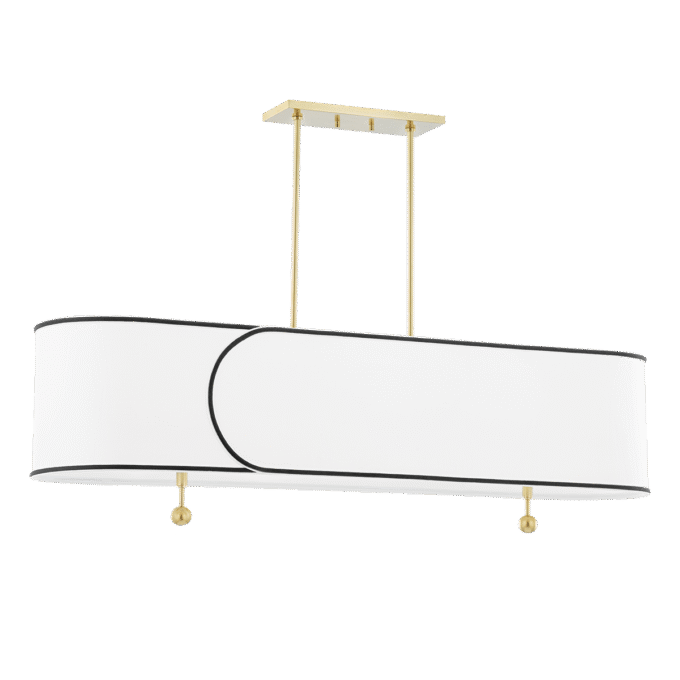
The right lighting transforms the mood of a room. Crystal chandeliers, pleated lampshades, or brass sconces provide old-world glamour, while modern recessed lighting or sleek floor lamps add functionality. Mixing these elements creates warmth and highlights both the ornate and streamlined aspects of the design.

At its heart, grandmillennial style is about harmony between heritage and modern living. By blending traditional patterns, antique-inspired furniture, and meaningful accessories with a fresh, contemporary approach, you create a home that tells a story—rooted in the past but designed for the present.

The Role of Color and Pattern in Grandmillennial Spaces

One of the most defining aspects of grandmillennial style interior design is its fearless use of color and pattern. While minimalism has dominated interior trends for much of the past decade, the grandmillennial movement swings the pendulum back toward richness, vibrancy, and personal expression. This isn’t about splashing colors randomly or layering patterns without thought; instead, it’s about crafting a visual symphony where tradition and modernity coexist beautifully.

The Role of Color and Pattern

Color as the Foundation
Color sets the mood in any space, and within this style, it often reflects a sense of nostalgia. Soft pastels like blush pink, powder blue, and sage green are frequently used, drawing inspiration from vintage wallpapers and heirloom textiles. These hues bring a gentle, comforting feel to a room and create the perfect backdrop for more detailed design elements.

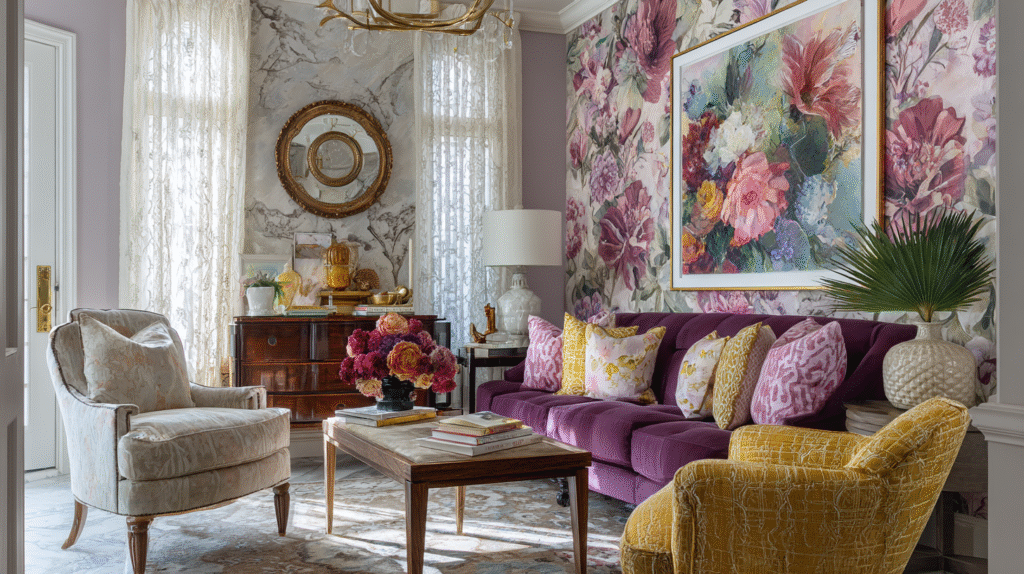
But modern interpretations push the palette further. Deep jewel tones—such as emerald green, sapphire blue, or ruby red—are incorporated to anchor spaces and give them contemporary gravitas. For example, a navy velvet sofa against pale floral wallpaper can instantly shift a room from “grandmother’s parlor” to a chic, magazine-worthy living space.

Patterns that Tell a Story
Patterns are where grandmillennial style interior design truly sings. Florals, damask, toile, and chinoiserie bring history and narrative into a room. Instead of using them wall-to-wall, today’s designers often select a feature wall, upholstery, or drapery to showcase these motifs in a modern way.

Pairing patterns thoughtfully is crucial. A floral wallpaper might be matched with striped cushions or a geometric rug to create balance. This interplay ensures the space feels layered rather than chaotic. The goal is not uniformity but harmony—an aesthetic where different eras and influences converse effortlessly.

Mixing Old and New
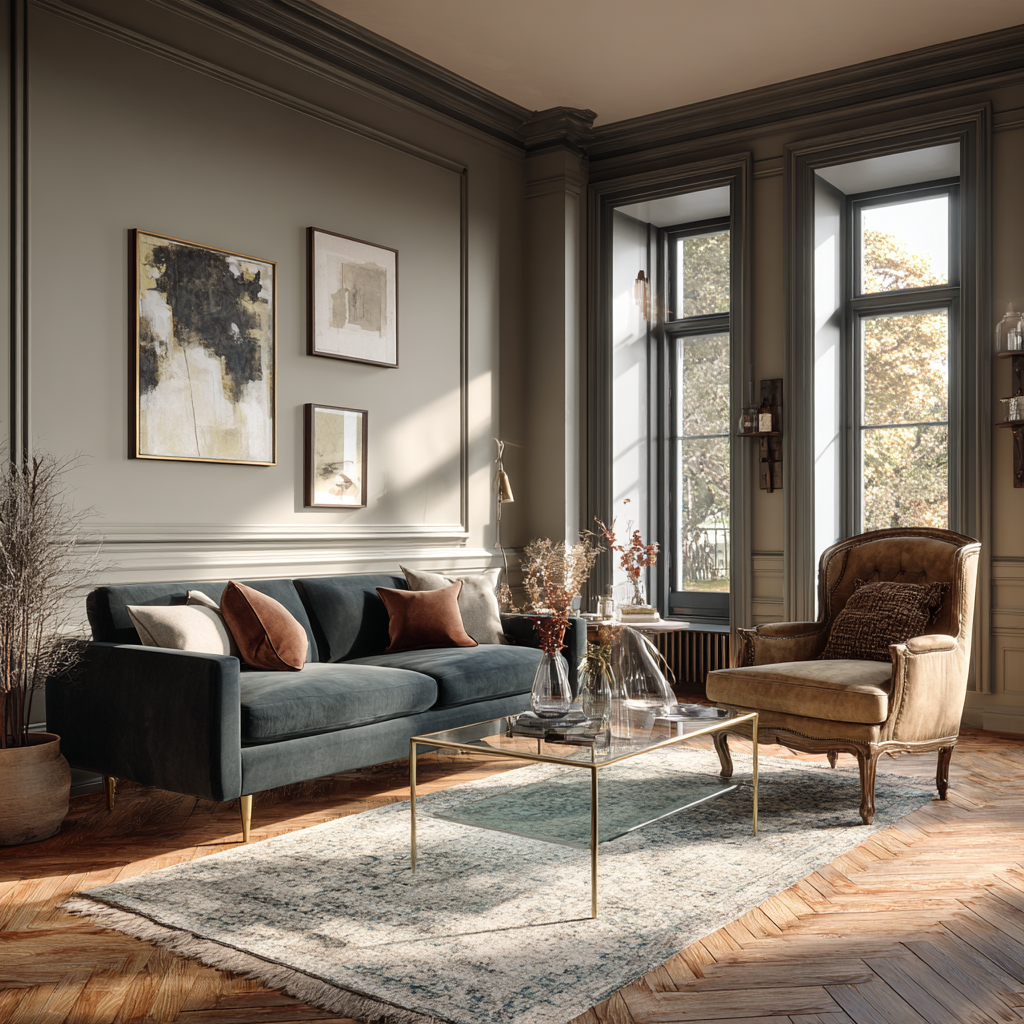
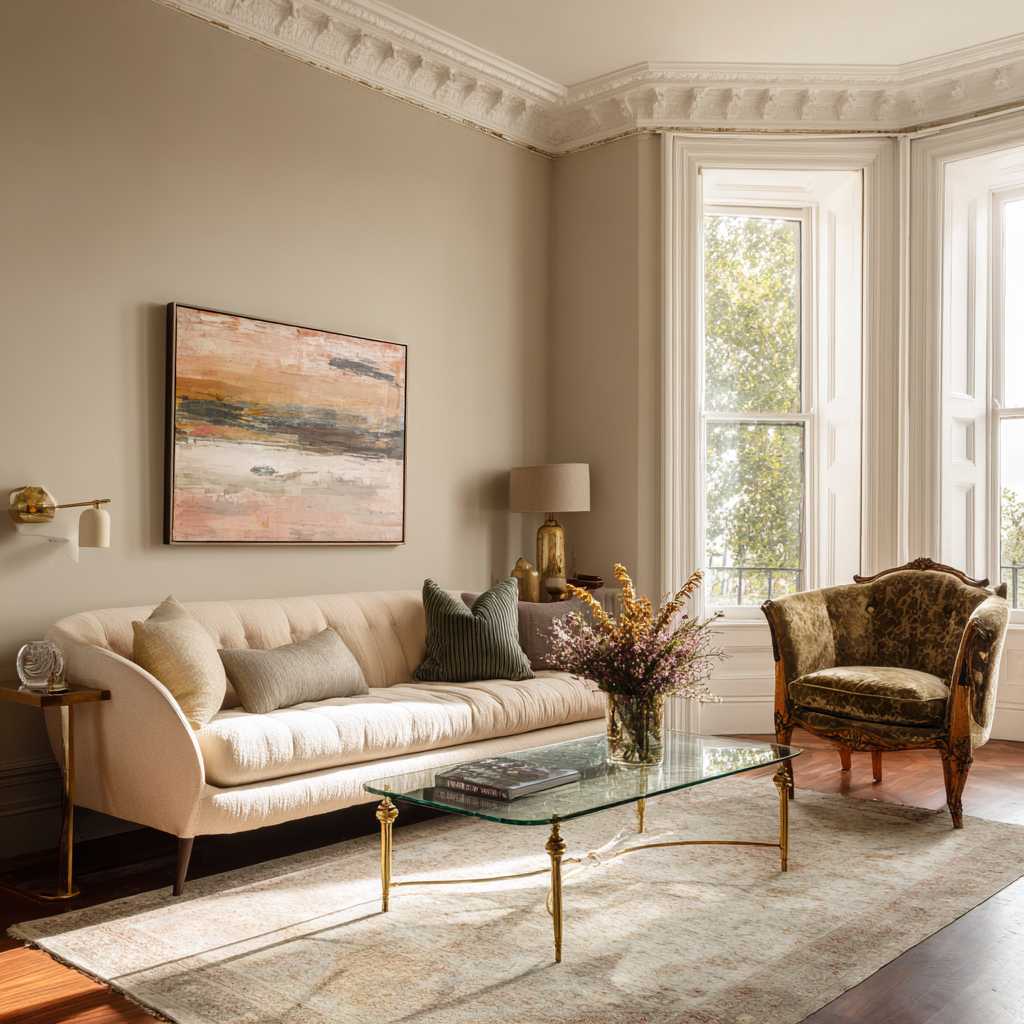
The magic of grandmillennial color and pattern lies in contrast. A traditional rose-patterned rug can be paired with a sleek, contemporary glass coffee table. Similarly, a bold chinoiserie wallpaper might be softened by neutral-colored modern furniture. This tension between ornate detail and clean lines is what gives the style its distinctly modern edge.

Textiles as the Bridge
Upholstery, cushions, and curtains are often where patterns shine most vividly. Embroidered pillows, fringed drapes, or patterned slipcovers bring a tactile quality that enlivens a space. When layered thoughtfully—say, pairing a floral cushion with a plaid throw—the result is a room that feels collected and deeply personal.

Balance Through Neutrals
With so many colors and patterns in play, grounding elements are essential. White, beige, or soft gray walls can balance busy textiles, while natural woods and woven textures introduce calm. This ensures the space doesn’t tip into visual overload but instead feels warm, layered, and cohesive.

At its heart, the use of color and pattern in grandmillennial spaces is about celebration rather than restraint. By blending pastels and jewel tones, heritage patterns and modern geometrics, you create interiors that are visually rich and emotionally resonant. It’s this bold embrace of tradition—tempered with a modern eye—that makes the style so enduring and beloved.

Blending Vintage and Modern Pieces Seamlessly

At the heart of grandmillennial style interior design is the ability to combine elements from the past with those of the present in a way that feels natural, stylish, and inviting. The success of this design language depends on achieving a delicate balance: too much vintage, and the room risks looking like a time capsule; too much modern, and the charm of tradition disappears. When blended with intention, however, vintage and modern pieces can harmonize to create spaces that are both timeless and relevant.

Blending Vintage

Start with a Statement Vintage Piece
Every room needs an anchor, and in grandmillennial style, this often comes from a standout vintage item. It could be a mahogany dresser, a tufted armchair, or a carved coffee table. Once you’ve selected that piece, layer in more contemporary elements around it to give it breathing room. For example, a classic Queen Anne chair reupholstered in a bold, modern fabric instantly feels refreshed and at home in a modern setting.

Pair Old with New Thoughtfully
The magic of this style lies in juxtaposition. Think of a traditional crystal chandelier hanging over a sleek marble dining table, or a gilded vintage mirror leaning above a minimalist console. These pairings create a visual dialogue that highlights the beauty of both items. The contrast prevents a space from feeling one-dimensional and ensures that traditional pieces don’t feel dated.

Modernize Through Scale and Proportion
Sometimes vintage furniture can feel bulky or ornate. To balance this, introduce modern pieces with cleaner silhouettes or lighter finishes. For instance, pair a heavy antique sideboard with slender metal-legged chairs, or offset a floral vintage rug with a streamlined sectional sofa. Playing with proportion creates contrast without overwhelming the eye.

Layer Accessories with Intention
Accessories are the glue that binds vintage and modern together. A set of porcelain vases on a sleek glass shelf or a needlepoint cushion resting on a contemporary armchair bridges the two worlds. The goal is cohesion, not clutter—curate pieces that echo the overall color scheme or pattern story of the room.

Play with Textures
Mixing materials is another way to bring balance. Pairing the warmth of aged wood with the shine of brass or the sleekness of glass creates tactile interest. A velvet vintage chair beside a steel-framed modern lamp shows how textures can bring harmony between different design eras.

Keep It Personal
The most successful grandmillennial spaces don’t feel staged; they feel lived in. Incorporate family heirlooms, flea-market treasures, and meaningful keepsakes alongside modern design staples. These layers of history and personal touch make the space authentic, rather than just a curated mix of styles.

Blending vintage and modern pieces seamlessly is about curating contrast while maintaining flow. When done with intention, the old and the new don’t compete—they complement one another, telling a story of heritage and modern life coexisting beautifully. This balance is the true essence of grandmillennial style interior design.

The Lasting Charm of Grandmillennial Style

Grandmillennial style interior design proves that tradition doesn’t have to be outdated—it can be reimagined and celebrated in ways that feel fresh, personal, and deeply relevant today. By merging the comfort of heirloom patterns, cozy textiles, and vintage treasures with the clarity of modern simplicity, this style has carved a place in contemporary interiors that is both elegant and inviting.

At its core, grandmillennial style is about balance. It rejects the extremes of stark minimalism and heavy traditionalism, offering instead a design language that feels layered but not cluttered, nostalgic yet forward-thinking. Through thoughtful use of color and pattern, blending of old and new furniture, and the addition of meaningful accessories, a home can become more than just a backdrop—it becomes a story of heritage and individuality.

What makes this style especially powerful is its emotional resonance. Younger generations are embracing it not only for its aesthetics but also for its connection to memory and craft. In a fast-paced, digital world, there’s comfort in floral wallpapers, embroidered pillows, and vintage finds—yet when paired with modern design, they feel undeniably current.

And perhaps that’s why this style is here to stay. Its adaptability means no two grandmillennial homes look the same; each reflects the personality and history of the people who live there. Whether you’re layering bold chinoiserie prints with sleek sofas, or refreshing an heirloom chair with vibrant new fabric, you’re creating a space that honors the past while living fully in the present.

Grandmillennial style interior design isn’t just a trend—it’s a celebration of timeless beauty, reinterpreted for today’s world. And in that balance lies its enduring charm.

What do you think?
Leave a Reply

Blog

Get fresh home inspiration and helpful tips from our interior designers

top
3
    3
    Your Cart
    Artificer Coffee Table Remove
    Artificer Coffee Table
    Qty: 1
    Price: £710
    £710
    Denton Wall Sconce Remove
    Denton Wall Sconce
    Qty: 1
    Price: £474
    £474
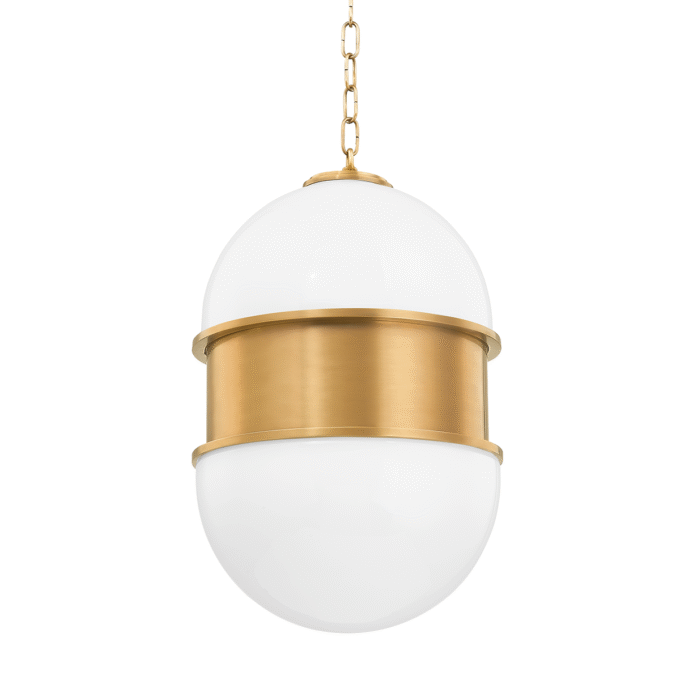
    Broomley Pendant Large Remove
    Broomley Pendant Large
    Qty: 1
    Price: £2,264
    £2,264

    Inactive

    Privacy Overview

    This website uses cookies so that we can provide you with the best user experience possible. Cookie information is stored in your browser and performs functions such as recognising you when you return to our website and helping our team to understand which sections of the website you find most interesting and useful.