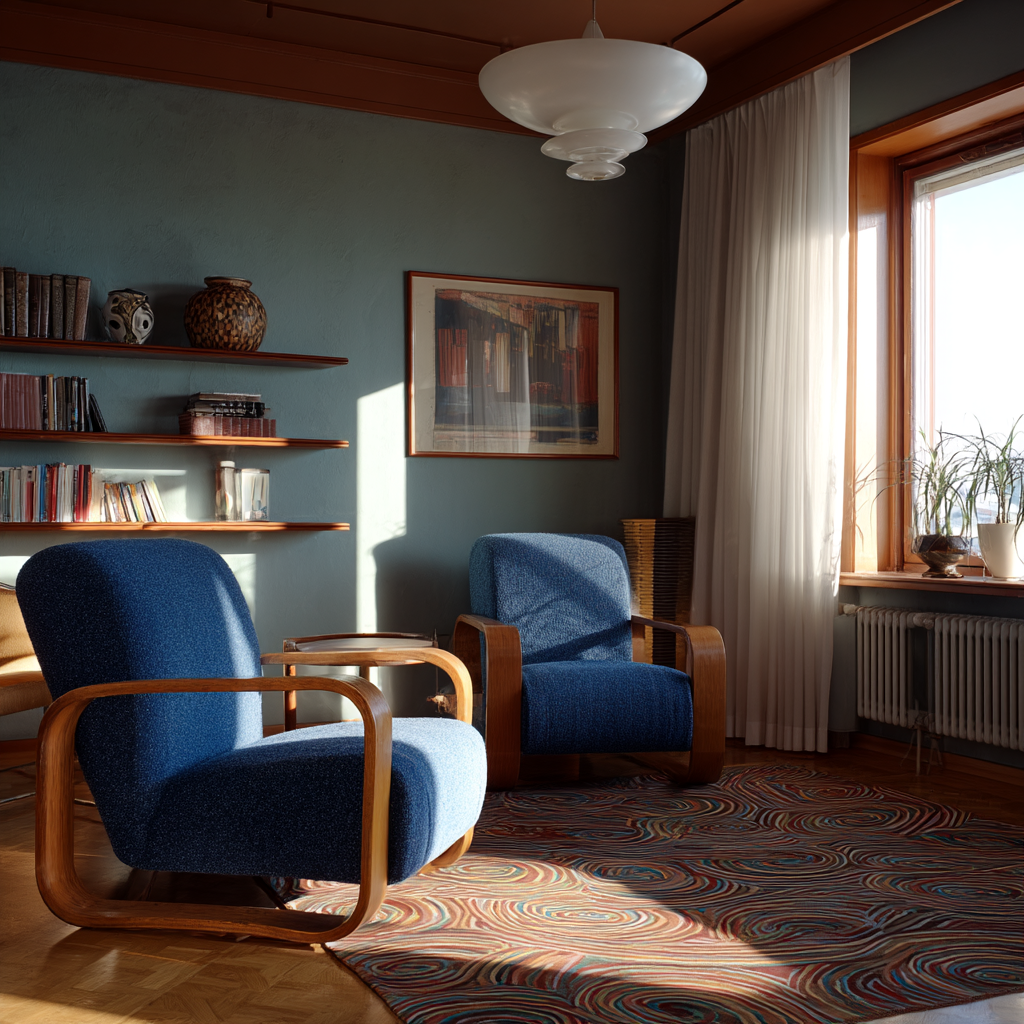
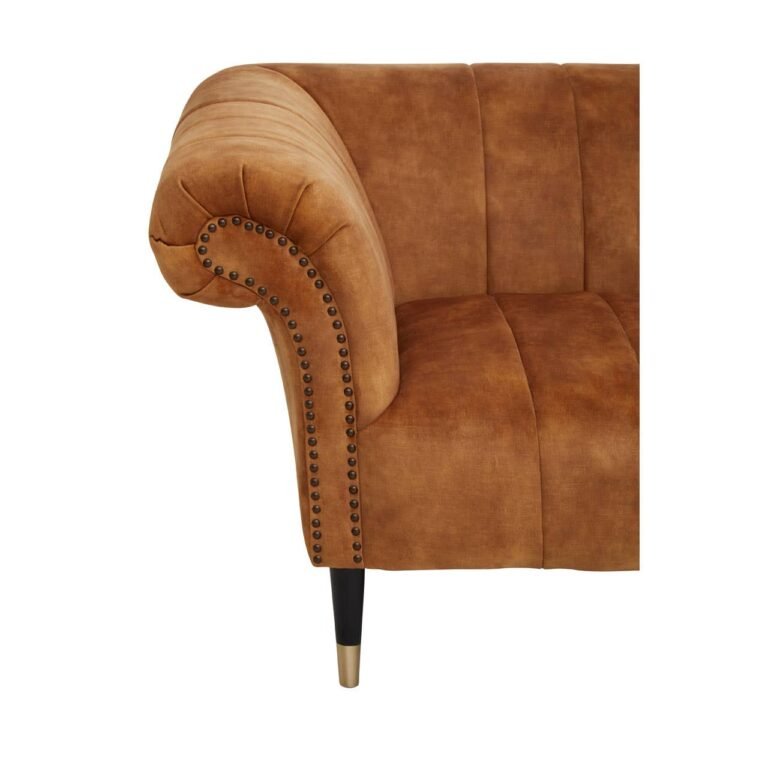
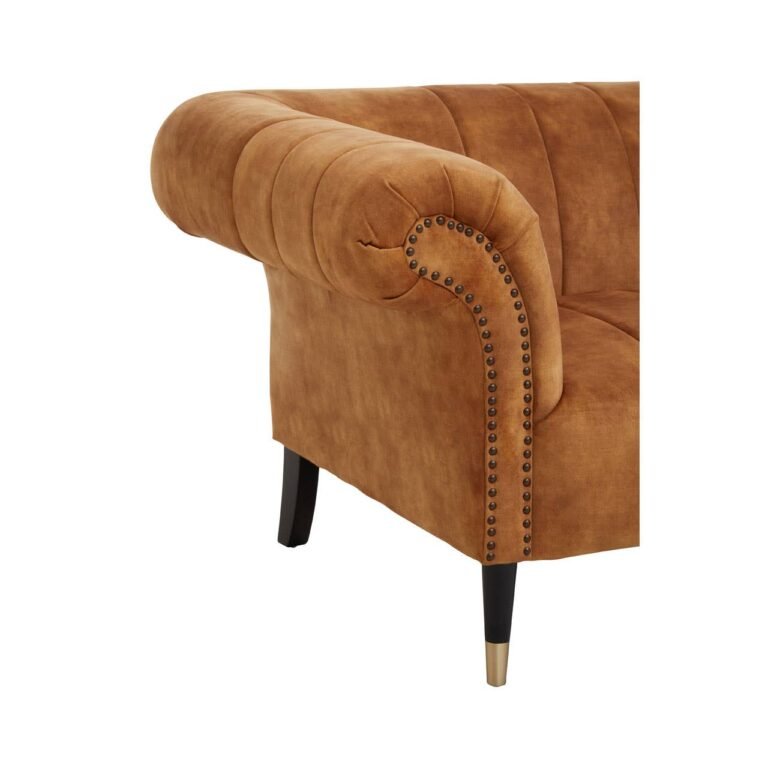
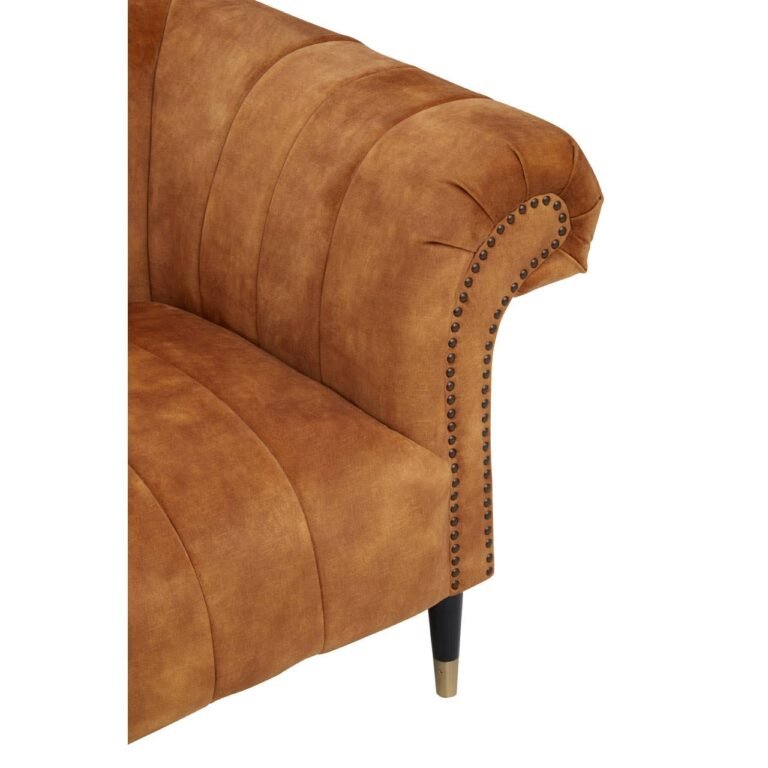
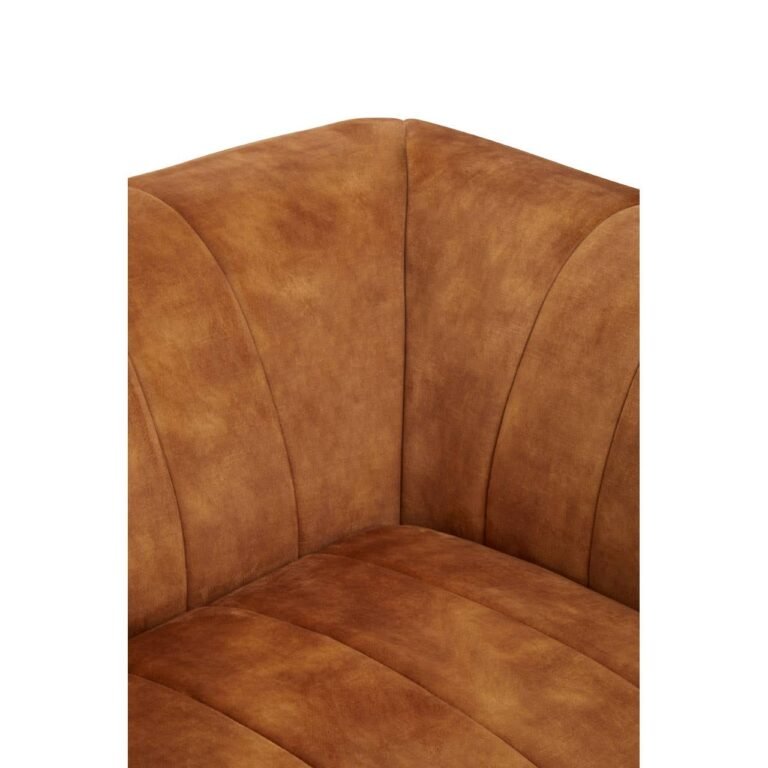
Vintage Modern Interiors — Balancing Character with Contemporary Comfort
Blending old and new is not just a fleeting trend—it’s a design philosophy that has become timeless. The art of styling vintage style interiors lies in merging the soul and craftsmanship of the past with the sleek functionality of the present. When done right, the result is a home that feels layered, intentional, and full of character.
In today’s fast-paced world of mass-produced furniture, the value of integrating heirlooms, antique finds, or retro silhouettes cannot be overstated. Vintage elements not only bring history into the home but also create warmth and individuality. Yet, pairing them exclusively with other old pieces can sometimes feel heavy or dated. This is where modern design principles come in—clean lines, minimal layouts, and contemporary finishes offer balance.
This blog explores why vintage belongs in modern homes, the key principles behind successful blending, styling tips for different rooms, and why this look is here to stay. By the end, you’ll discover how to make your home feel both soulful and contemporary without sacrificing either.
In today’s design world, homes thrive on a mix of eras and influences. The rise of Vintage Style Interiors shows that the past and present can coexist beautifully. Here’s what this blog will cover:
Why Vintage Belongs in Modern Homes – exploring the timeless character, craftsmanship, and emotional value vintage brings.
Key Principles for Blending Old and New – a roadmap for achieving harmony and balance when combining eras.
Styling Ideas That Work – practical tips like layering textures, playing with contrasts, and introducing statement pieces.
The Art of Balance – how to avoid overcrowding and let both vintage and modern pieces shine.
Curating Accessories with Character – using heirlooms, thrift finds, and one-of-a-kind accents to add depth and individuality.
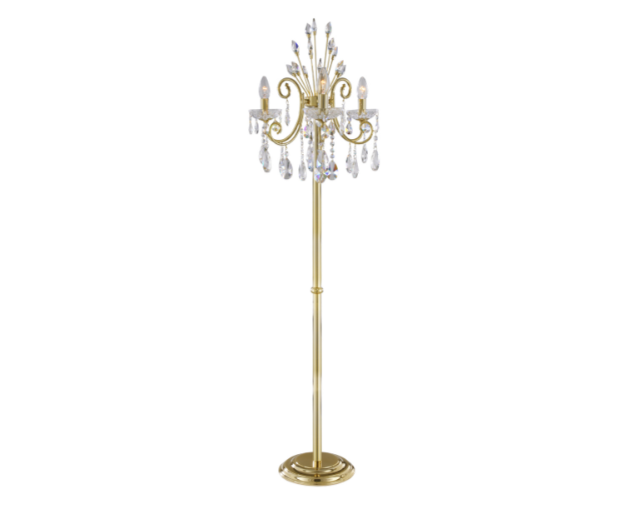
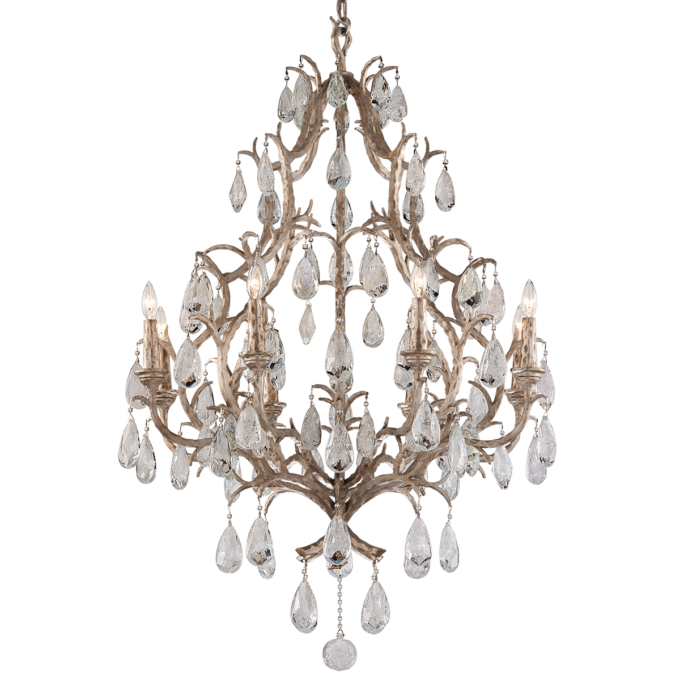
Lighting the Past into the Present – how chandeliers, pendants, and retro fixtures can highlight vintage charm in modern rooms.
Bringing the Past Gracefully into the Present – concluding with why Vintage Style Interiors remain timeless, personal, and soulful.
This guide will help you discover how to style a home that feels current yet rooted in history—elegant, livable, and uniquely your own.
Why Vintage Belongs in Modern Homes

Modern homes are often defined by clean lines, minimalist layouts, and functional finishes. They prioritize efficiency, open space, and a sense of calm. Yet, as sleek and polished as these spaces may be, they can sometimes lack warmth, personality, and depth. That’s where vintage comes in. Integrating older pieces into contemporary environments is not just about mixing aesthetics—it’s about creating homes that feel alive, layered, and meaningful.
At its core, vintage design brings storytelling into the home. Every antique sideboard, heirloom mirror, or mid-century armchair carries history. These pieces have lived through decades, absorbing the character of the people and places they’ve touched. When placed in a modern environment, they offer contrast—breaking the uniformity of clean, new finishes with the marks of time. Instead of a house that feels brand-new but impersonal, you create a home that feels curated and full of stories.
Another reason vintage belongs in modern homes is craftsmanship. Many older pieces were made during a time when furniture was built to last—crafted by hand, often from solid wood or durable metals. Compare this with much of today’s mass production, where speed and affordability often outweigh quality. Introducing vintage accents into modern spaces means weaving in enduring craftsmanship that not only adds beauty but also longevity. A well-kept antique dining table or vintage dresser can last generations, becoming both a functional item and a legacy piece.
Sustainability is another compelling reason to embrace vintage. Repurposing furniture or decor from another era reduces waste and reliance on fast furniture production, which is notorious for its environmental impact. By blending vintage with modern, homeowners contribute to a more eco-conscious lifestyle, where reuse and reinvention become part of the design process. A reclaimed wooden coffee table, for example, not only carries charm but also prevents the need for another newly manufactured item.
Beyond sustainability and craftsmanship, vintage offers the gift of individuality. In a world where countless homes are styled with the same trending pieces from big-box retailers, vintage finds ensure uniqueness. No two vintage chairs, rugs, or lamps are exactly alike, and their imperfections often become their most endearing qualities. Pairing them with streamlined, contemporary pieces means that your home can stand out while still feeling current and functional.
Perhaps the most powerful reason vintage belongs in modern homes is emotional connection. These are not just objects; they are memory holders. A vintage mirror from your grandmother’s home, a retro armchair discovered at a flea market, or a classic rug passed down through family adds layers of sentiment to spaces otherwise dominated by trend-driven design. They give rooms a soul, grounding modern efficiency with nostalgic familiarity.
Ultimately, Vintage Style Interiors thrive because they offer balance. Modern design provides clarity, functionality, and simplicity, while vintage adds warmth, texture, and heritage. Together, they create a conversation between past and present—a reminder that great design is not just about what’s new but about weaving together what endures.
Key Principles for Blending Old and New

Designing a home that feels both timeless and contemporary requires intention. Mixing vintage with modern isn’t about scattering antiques across a room or filling it with only new furniture. It’s about balance, harmony, and creating a dialogue between the two. When you follow a thoughtful approach, the combination doesn’t look chaotic—it looks curated. Here are the guiding principles to master the look.
1. Anchor with Modern Foundations
Think of your modern pieces as the canvas. Clean-lined architecture, neutral color palettes, and uncluttered layouts set the stage. This backdrop allows vintage accents to stand out without overwhelming the room. For example, a minimalist white wall can showcase a dramatic gilt mirror, or a streamlined sofa can make a patterned vintage rug pop. When the base is modern, vintage becomes the highlight.
2. Choose Hero Pieces, Not Clutter
Resist the temptation to fill a space with too many vintage items. Instead, focus on curating “hero” pieces that become focal points. This could be a carved wooden dining table, a retro chandelier, or an antique sideboard. Let these items act as anchors around which your modern design can flow. By spotlighting a few treasures rather than crowding the room, each piece gains more importance and impact.
3. Embrace Contrast for Depth
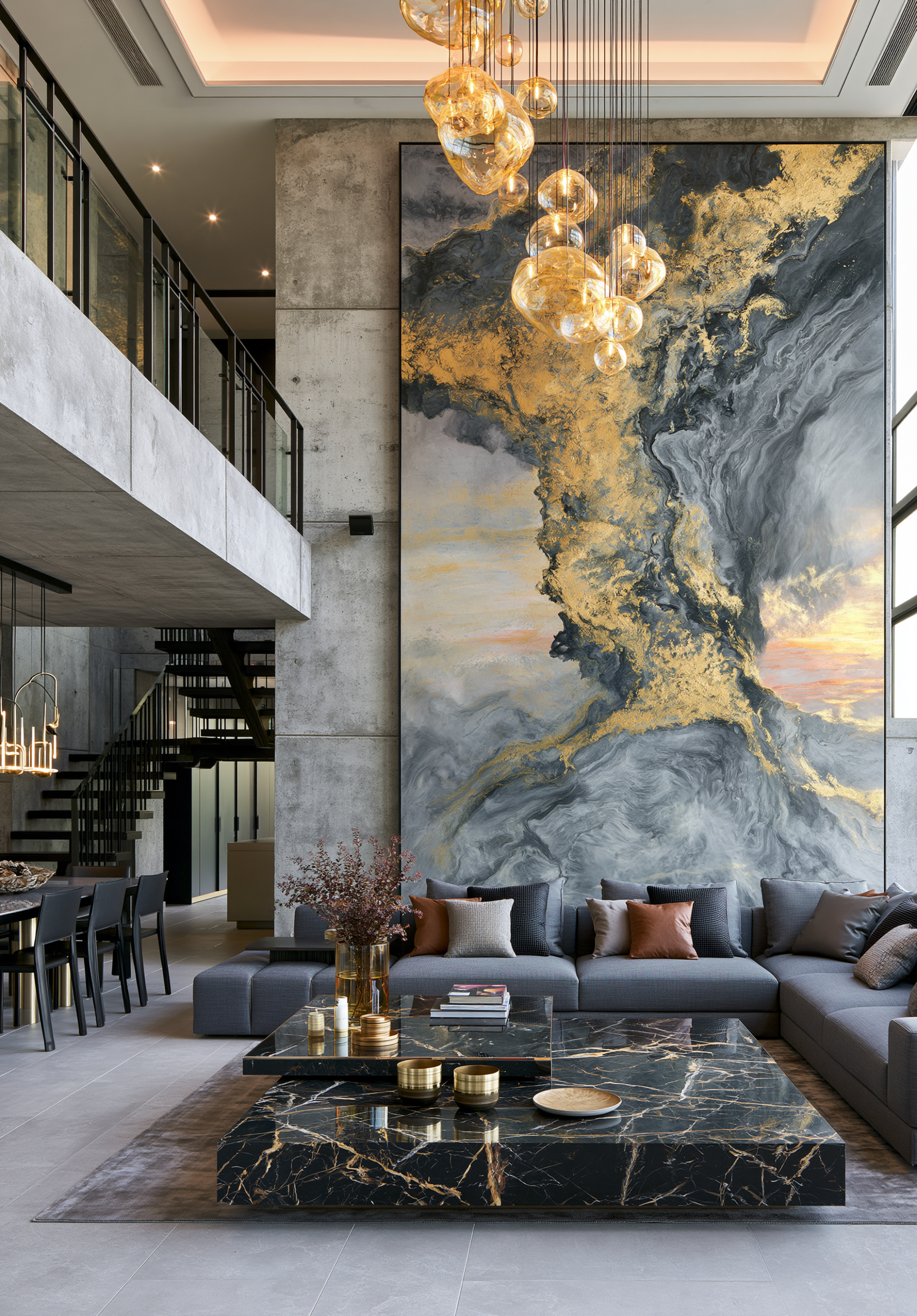
The beauty of mixing eras lies in contrast. Pair polished marble with weathered wood, or set a sleek steel lamp beside a vintage leather chair. The juxtaposition of textures and finishes creates visual tension that feels dynamic and sophisticated. Think of it like music—high notes and low notes together create a richer song. In design, glossy surfaces feel sharper when offset by rustic ones, and ornate details appear more striking when placed against simplicity.
4. Respect Scale and Proportion
Balance is key when layering different styles. Oversized antique furniture can easily dominate smaller modern spaces, while delicate vintage objects may get lost in expansive, open-plan layouts. Always evaluate the scale of a piece relative to its surroundings. A large mid-century credenza can work beautifully in a loft but would overwhelm a small apartment. On the other hand, a slim Art Deco side table might be just the right accent in a compact living room.
5. Mix Materials and Textures with Care
One of the most rewarding aspects of combining eras is the richness of texture. Vintage wood, aged metals, distressed leathers, and embroidered fabrics can soften the edges of modern glass, concrete, and steel. However, the mix must feel intentional. Too many textures competing in one space can create visual noise. The trick is layering a variety without losing cohesion—like placing a velvet vintage armchair beside a modern linen sofa, grounded by a neutral rug.
6. Let the Design Evolve
The most successful spaces don’t look as though they were designed in a single day. They evolve over time, layered with finds, heirlooms, and thoughtful additions. Designing with patience gives your home authenticity and soul. When old and new meet gradually, the mix feels organic rather than forced.
Ultimately, the goal of Vintage Style Interiors is not to make one era dominate the other. It’s to let both coexist in harmony, creating spaces that feel rich in history yet rooted in the present.
The Role of Color in Minimalist Furniture

When people think of minimalist furniture, they often imagine stark white spaces and clean lines. While this isn’t entirely wrong, it’s only part of the story. Color plays an essential role in how minimalist interiors feel and function. The right hues can make a space feel larger, calmer, and more intentional—while the wrong ones can clutter the visual experience, even if the room itself is nearly empty. In minimalist furniture design, color isn’t just about decoration; it’s about balance, atmosphere, and emotional impact.
One of the key principles in minimalist furniture design is restraint. Designers typically gravitate toward neutral palettes—shades of white, beige, gray, and black—because they provide a clean backdrop that allows form and function to shine. For example, a simple oak dining table in a pale wood tone looks effortless and timeless when paired with soft gray dining chairs. This neutral approach ensures that the focus remains on how the furniture serves the space rather than on loud, distracting shades.
That said, neutral does not mean boring. Subtle differences in tone can dramatically alter the perception of a space. A warm beige sofa creates an inviting, cozy feel, while a cooler gray version of the same sofa introduces sophistication and calmness. Even small changes in undertone—like choosing a creamy off-white over a crisp white—can determine whether a minimalist room feels harsh or harmonious. In this sense, color becomes a quiet but powerful tool for shaping mood.
Beyond neutrals, minimalist furniture often incorporates natural wood tones to add depth and character. Light woods such as ash and birch keep interiors airy and bright, while darker woods like walnut or teak bring a sense of grounding and richness. These natural hues not only soften the starkness of a white or gray scheme but also remind us of minimalism’s close ties to nature and authenticity.
Strategic use of accent colors can also have a transformative effect in minimalist interiors. While the overall palette should remain restrained, introducing a pop of muted blue, sage green, or terracotta can create a focal point without overwhelming the eye. A single armchair in a soft pastel or an accent table in muted clay can shift the entire mood of a room. The key is moderation—using color as punctuation rather than prose.
Lighting, too, affects how we perceive color in minimalist furniture. Natural daylight enhances soft hues and emphasizes material textures, while artificial lighting can either warm or cool the space depending on the bulb’s tone. Designers often recommend layering warm and cool light sources so that neutral-colored furniture adapts gracefully to different times of day.
Ultimately, the role of color in minimalist furniture is to enhance clarity, not complexity. It’s about stripping away excess and letting a few carefully chosen shades define the personality of a room. By balancing neutrals, natural tones, and subtle accents, minimalist design proves that color doesn’t need to shout to make an impact—it only needs to be intentional.
Sustainability and Minimalism — A Natural Pairing

Minimalism and sustainability share the same heartbeat: intentionality. At their core, both movements ask us to consider what truly matters, to pare down the excess, and to choose quality over quantity. When applied to furniture and interior design, the synergy between these two ideas becomes not just practical, but also deeply meaningful. A minimalist space is never about filling rooms with objects for the sake of decoration; it’s about curating pieces that serve a purpose, last for years, and support both our lifestyle and the planet.
Minimalist interiors naturally encourage sustainable habits. By embracing the “less is more” philosophy, homeowners reduce the need for mass-produced, short-lived furniture that contributes to waste and environmental strain. Instead of filling a room with ten items, minimalism often asks for three—carefully chosen, functional, and beautiful. This reduction in consumption directly aligns with sustainable living, which promotes mindful purchasing and resource conservation.
Material choice also plays a crucial role. Many minimalist furniture designs highlight natural, durable materials such as solid wood, bamboo, stone, or recycled metals. These not only embody timeless beauty but also minimize reliance on plastics and synthetic finishes that harm the environment. For instance, a simple dining table crafted from reclaimed wood tells a story of renewal while ensuring longevity. The natural imperfections in the wood add warmth and authenticity to the minimalist aesthetic, proving that eco-consciousness and style can coexist effortlessly.
Durability is another link between sustainability and minimalism. Fast furniture trends may offer quick appeal, but they rarely last more than a few years. In contrast, a well-crafted minimalist sofa, designed with clean lines and neutral tones, transcends trends and can remain relevant for decades. This commitment to longevity reduces waste and encourages investment in fewer, higher-quality pieces—an inherently sustainable approach.
Minimalism also helps reduce energy and resource consumption within a home. By decluttering and creating open, functional layouts, spaces often require less lighting and fewer resources to maintain. A minimalist bedroom, for example, with natural light, a simple wooden bed frame, and breathable linen textiles, not only feels serene but also reduces reliance on synthetic materials and excessive décor. It’s a small-scale reflection of sustainable living: creating comfort without unnecessary excess.
Additionally, the minimalist mindset complements circular design principles. Rather than discarding older furniture, minimalists are often inclined to repurpose, upcycle, or integrate vintage finds into modern spaces. This practice aligns with sustainability by extending the lifecycle of furniture and reducing the demand for constant new production. A vintage armchair reupholstered in natural linen becomes both a statement piece and a sustainable choice.
Ultimately, sustainability and minimalism converge in their shared goal of intentional living. They teach us to value experiences over possessions, to choose thoughtfully, and to prioritize longevity over instant gratification. A minimalist home that is also sustainable doesn’t just look beautiful—it feels purposeful. It reflects a lifestyle that respects both personal well-being and the planet, proving that design choices can indeed shape a better future.
Minimalist Furniture in Different Spaces

One of the most compelling aspects of minimalist furniture is its adaptability. While the principles of simplicity, functionality, and elegance remain consistent, the way minimalist furniture comes to life varies across different rooms in the home. From living rooms to bedrooms, dining areas to small studios, each space presents unique challenges and opportunities. Minimalism thrives in these environments by offering purposeful solutions that prioritize both beauty and practicality.
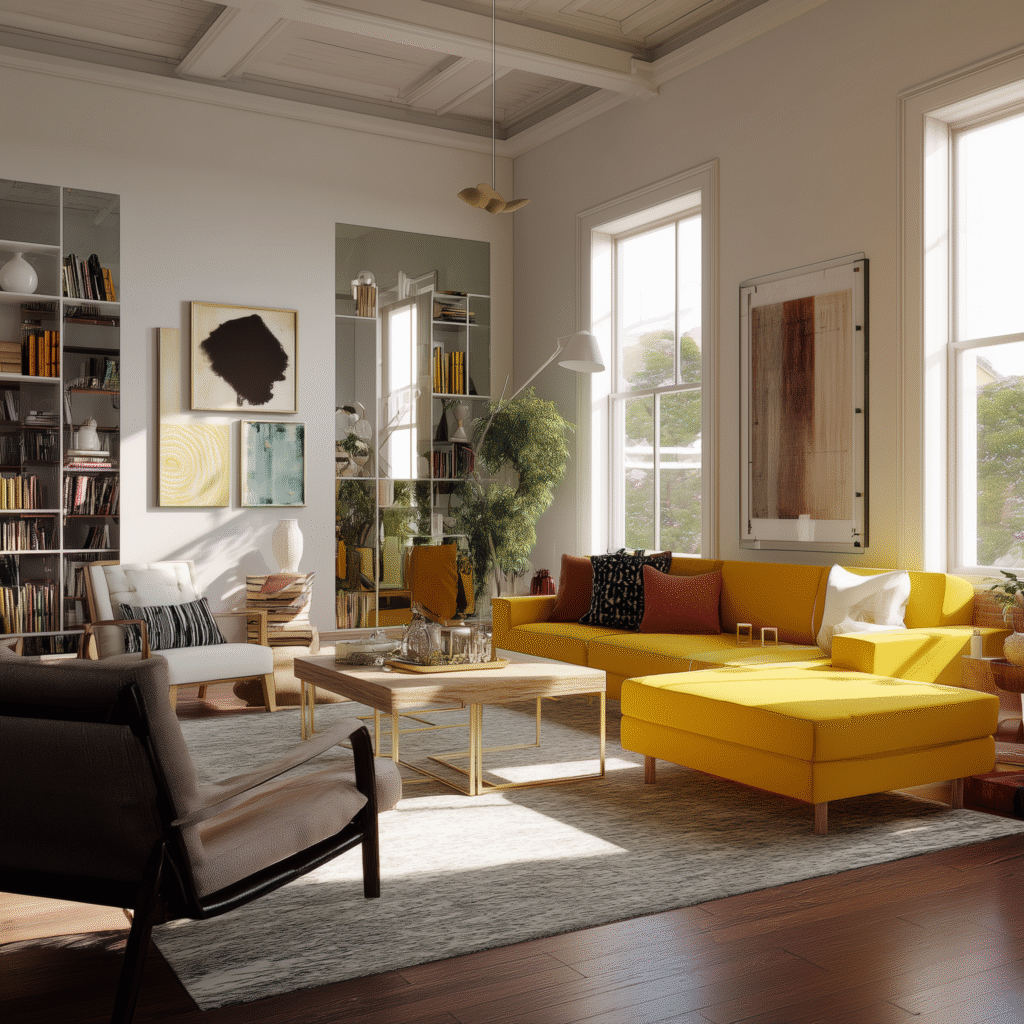
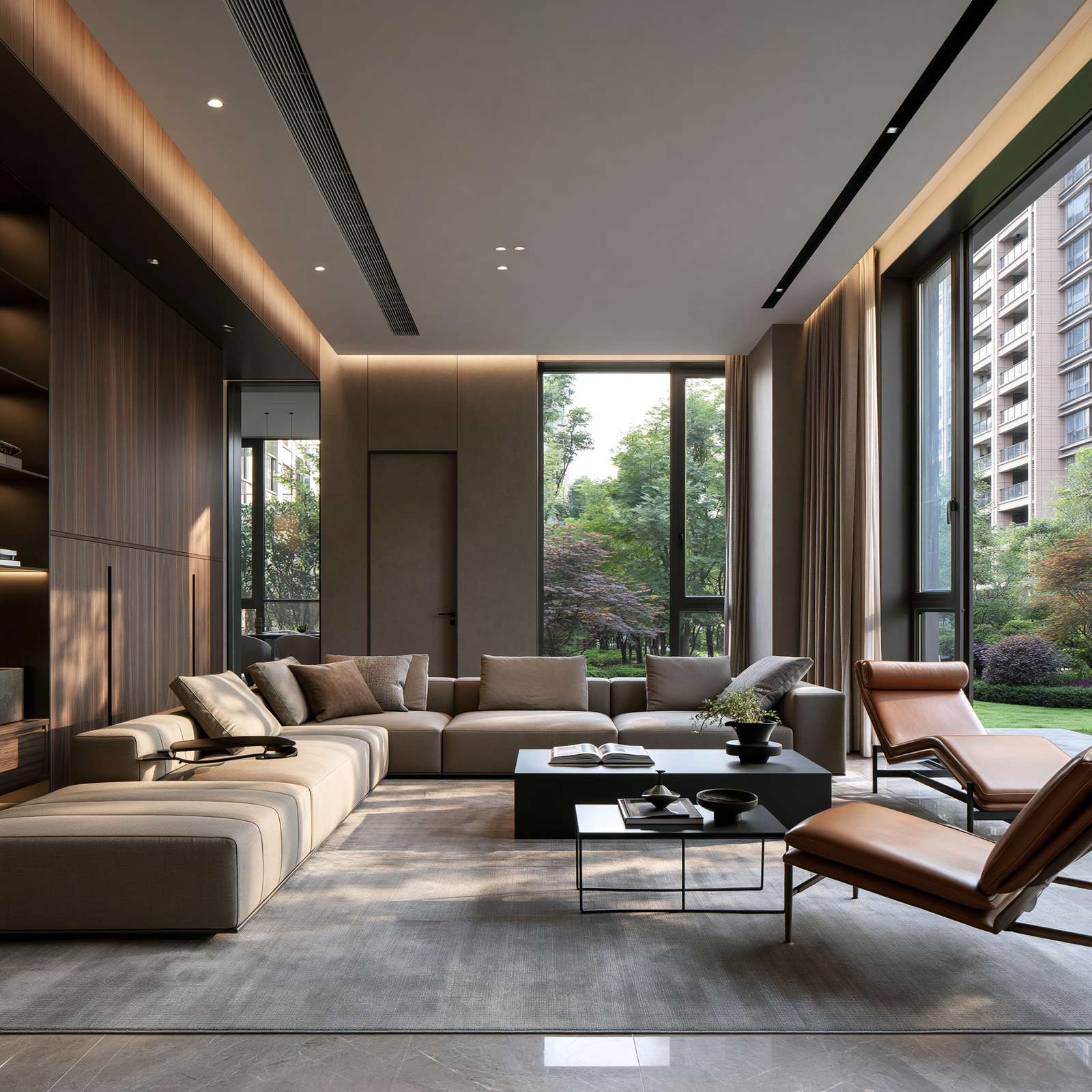
The living room often serves as the centerpiece of a home, a place where functionality meets comfort. In a minimalist living room, furniture choices should be pared down to essentials: a streamlined sofa, a simple coffee table, and perhaps a single accent chair. These pieces often feature neutral tones and clean lines, creating an atmosphere of calm and openness. Storage is often concealed—think sleek media consoles or built-in shelving—keeping the space clutter-free while still practical. A minimalist living room emphasizes quality over quantity, ensuring that every item earns its place.
Minimalism is particularly powerful in the bedroom, where calm and rest are paramount. Here, a minimalist bed frame in wood or metal serves as the anchor. Nightstands are pared down, often featuring simple silhouettes with hidden storage to reduce visual noise. Soft textiles in muted colors—linen, cotton, or wool—enhance comfort without overwhelming the eye. In this space, the mantra “less is more” is evident in the restraint shown with décor. Rather than filling the walls with art or cluttering surfaces with accessories, a single, thoughtfully chosen piece can bring serenity and cohesion.
The dining room provides an opportunity to highlight minimalism’s balance of elegance and function. A minimalist dining table, often rectangular or round, becomes the star, supported by slim, comfortable chairs. Natural materials such as oak, walnut, or stone elevate the table into a timeless centerpiece. Décor is minimal, with a single vase or pendant light often providing enough character. The goal is to create a dining area that feels inviting yet uncluttered, where food and conversation take center stage rather than decorative excess.
Minimalist furniture shines in compact spaces where functionality must be maximized. Multifunctional pieces—sofas that convert into beds, nesting tables, or modular shelving systems—allow residents to adapt their spaces to different needs without overloading them with items. In small apartments, minimalism doesn’t just create visual space; it also fosters a sense of calm, preventing the environment from feeling cramped. Smart storage solutions such as built-in wardrobes, foldable desks, and wall-mounted units allow for efficiency without sacrificing style.
With the rise of remote work, the minimalist home office has become a necessity. A simple desk paired with an ergonomic chair forms the foundation. Clutter is avoided by incorporating concealed storage, while accessories are kept to a minimum—perhaps a task lamp and one or two personal items. The clean, distraction-free environment supports productivity while reflecting the minimalist ethos of intentional living.
Across all these spaces, minimalist furniture adapts seamlessly while preserving its core identity: simplicity, durability, and function. Whether it’s calming a bedroom, opening up a studio apartment, or elevating a dining room, minimalist furniture proves that restraint leads to richness.
Styling Ideas That Work
Blending eras in interior design is both an art and a balancing act. The beauty of Vintage Style Interiors lies in their timeless character—pieces with history, patina, and craftsmanship that bring soul into a modern space. But to make them work seamlessly, you need styling ideas that celebrate contrasts rather than create clashes. The following strategies highlight how to curate a home where vintage charm and contemporary design live in harmony.

1. Layer with Textures and Materials
One of the most effective styling techniques for Vintage Style Interiors is layering textures. Combine sleek marble countertops with a rustic farmhouse table, or set a velvet mid-century armchair beside a glass coffee table. These textural juxtapositions instantly elevate a room, creating depth and intrigue while avoiding a one-note aesthetic.
2. Play with Contrast in Scale and Shape
Pairing bold, modern furniture with delicate vintage finds creates an unexpected balance. For example, a streamlined sectional sofa can serve as a neutral backdrop for an ornate antique mirror. By mixing large, minimalist pieces with smaller, detailed vintage accents, you prevent the space from feeling too heavy or too sparse. This dynamic use of contrast is what gives Vintage Style Interiors their sense of personality.
3. Use Color to Unite the Look
Color can act as the bridge between old and new. Choose a modern, muted base palette—such as whites, creams, or soft grays—and layer in vintage accents in complementary tones. An antique rug with deep reds or blues, when paired with contemporary neutral furniture, can tie the room together beautifully. This helps ensure that your Vintage Style Interiors feel cohesive rather than chaotic.
4. Incorporate Statement Pieces Thoughtfully
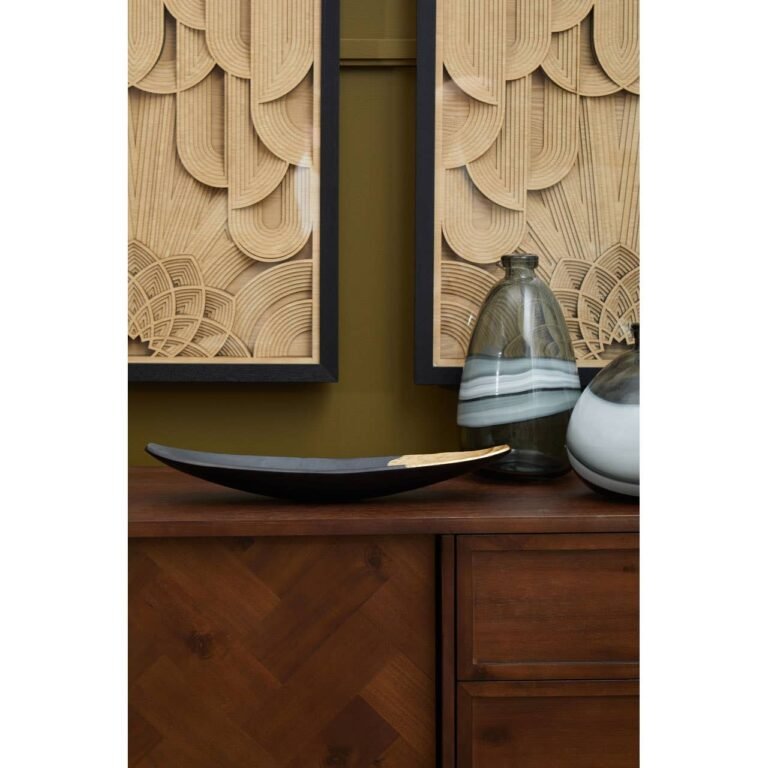
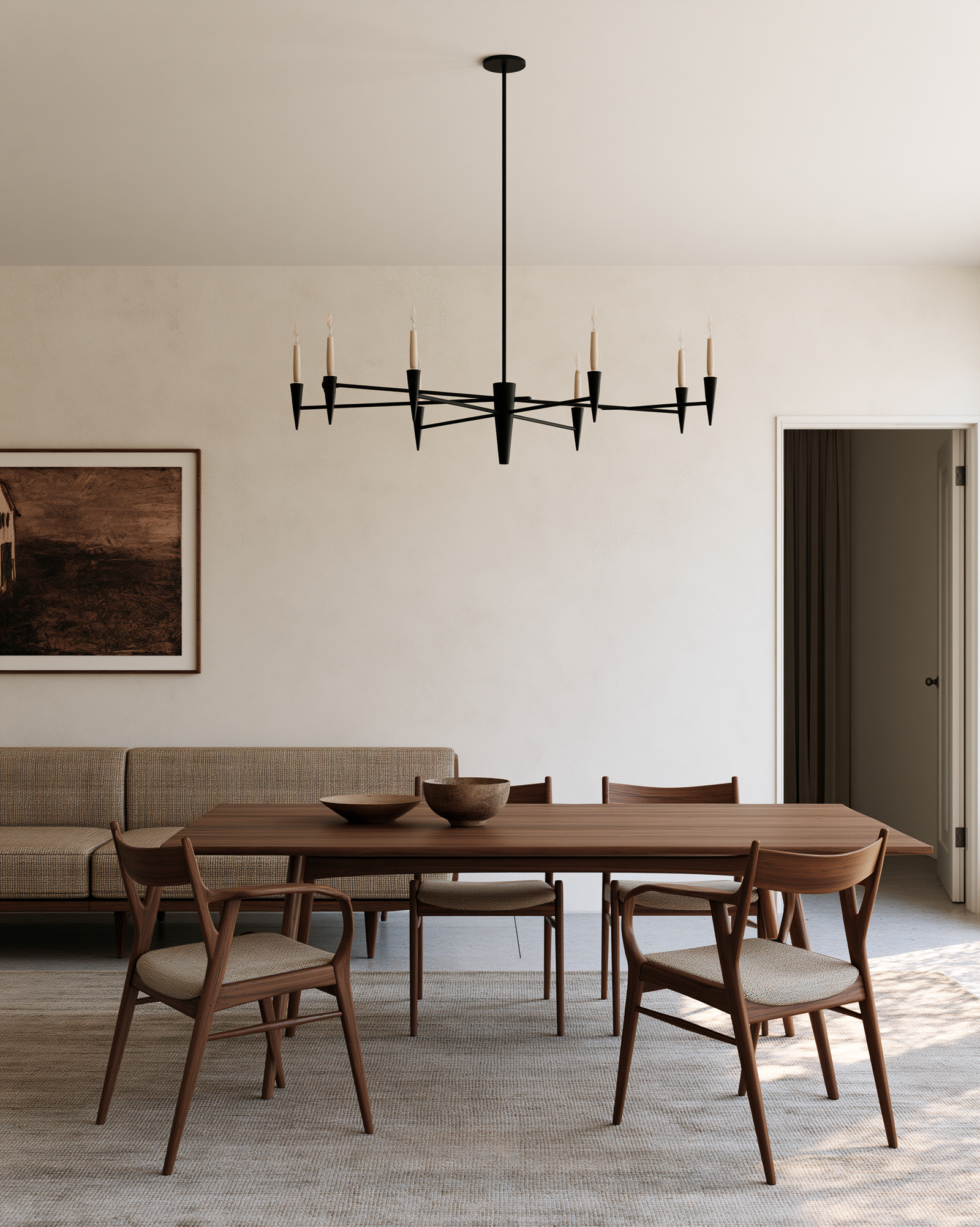
Every room benefits from a statement piece, but in this case, balance is key. A vintage chandelier in a minimalist dining room, or a modern sculpture placed on a vintage console, creates a striking dialogue between eras. Statement pieces give your home a focal point while reinforcing the story that Vintage Style Interiors are meant to tell: that history and modernity can coexist elegantly.
5. Blend Functionality with Aesthetic Appeal
The most successful designs are not just visually appealing but also functional. Incorporate vintage furniture that has practical use in today’s lifestyle—like an antique chest as storage or a vintage bar cart reimagined as a coffee station. This way, your Vintage Style Interiors feel both stylish and livable.
6. Mix, Don’t Match
Resist the temptation to create a showroom look where everything feels overly coordinated. The charm of vintage is in its imperfections and individuality. Pair a modern art piece with a distressed wooden frame, or a sleek dining table with mismatched vintage chairs. This curated approach ensures your interiors reflect a collected, personal aesthetic rather than a staged one.
Styling is about storytelling. By thoughtfully layering textures, balancing contrasts, and choosing statement pieces wisely, you can create a home that feels current yet rooted in timeless elegance. With Vintage Style Interiors, you’re not just decorating—you’re weaving together history, artistry, and modern living into a cohesive design narrative.
The Art of Balance: Avoiding Overcrowding in Vintage Style Interiors
The magic of Vintage Style Interiors lies in their ability to tell stories—each piece carrying its own history, charm, and sense of craftsmanship. But there’s a fine line between creating a warm, layered home and overwhelming a space with too many vintage elements. When overdone, the aesthetic can quickly shift from chic to chaotic, leaving your rooms feeling more like antique shops than curated living environments. The key is balance: knowing how to integrate the old with the new in ways that highlight the best of both worlds.

1. Embrace Negative Space
Negative space is as important as the pieces you place in your home. Empty walls, clean surfaces, and open floor areas allow vintage items to breathe and be appreciated. In Vintage Style Interiors, this principle ensures that your favorite finds—a gilded mirror, a weathered chest, or a statement chandelier—stand out rather than blend into visual clutter. Think of negative space as the silence between musical notes; without it, the melody loses its rhythm.
2. Create Hierarchies of Focus
When styling a room, decide which piece will be the star and allow everything else to play a supporting role. For example, if your focal point is an antique armoire, keep the surrounding furniture sleek and understated. Conversely, if your room’s anchor is a modern sectional, let a cluster of vintage accessories—such as brass candlesticks or a Persian rug—act as accents. This hierarchy keeps Vintage Style Interiors from feeling overcrowded while giving each element a clear purpose.
3. Limit Repetition, Celebrate Variety
Repeating too many vintage items of the same type can weigh down a room. For instance, a collection of ten antique chairs around a table might feel dated, but mixing four vintage chairs with two modern ones can look fresh and intentional. The beauty of Vintage Style Interiors is in the blend, not in a uniform style. Celebrate variety by mixing eras, materials, and finishes to create harmony without monotony.
4. Edit with Intention
Curating your vintage pieces should feel like editing a wardrobe: keep what truly resonates with you and let go of what doesn’t. A carefully chosen piece has far more impact than an overstuffed room. When integrating vintage items into modern homes, ask yourself whether each piece contributes to the story you’re trying to tell. With this intentional approach, your Vintage Style Interiors will feel layered but never overwhelming.
5. Balance Visual Weight
Even if you love vintage, clustering too many heavy pieces together—like dark wood cabinets or ornate tables—can make a room feel dense. Balance these with light, airy modern elements such as glass, slim metal frames, or minimalist shelving. This visual equilibrium is what ensures Vintage Style Interiors maintain a sense of openness and sophistication.
In the end, styling with restraint is what allows both old and new to coexist beautifully. By embracing negative space, setting focal points, and editing with intention, you’ll avoid overcrowding and create interiors that feel timeless, elegant, and livable. The art of balance ensures that Vintage Style Interiors remain inspiring sanctuaries rather than overwhelming showcases.
-
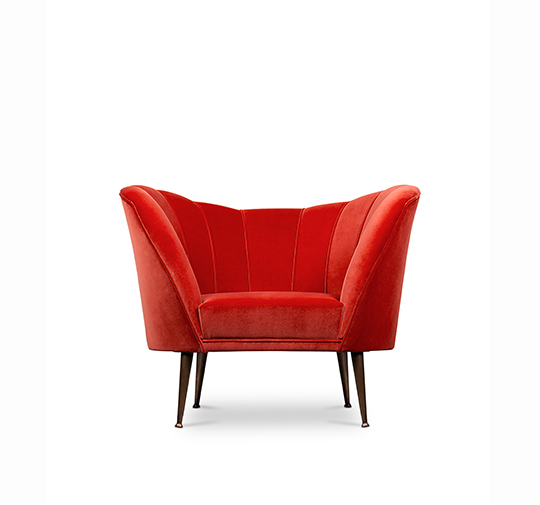
ANDES ARMCHAIR
£4,106 – £5,831Price range: £4,106 through £5,831 Select options This product has multiple variants. The options may be chosen on the product page -
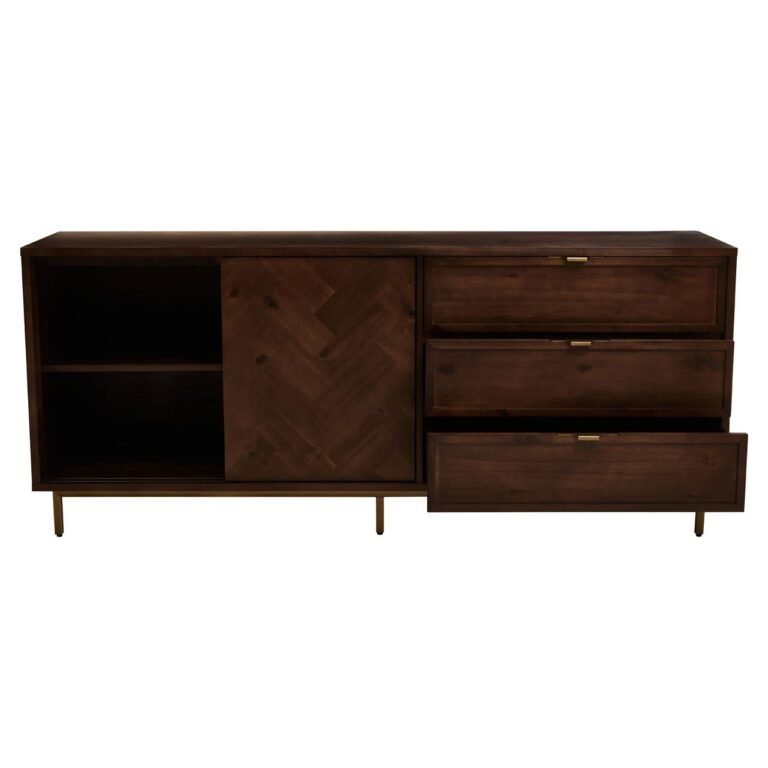
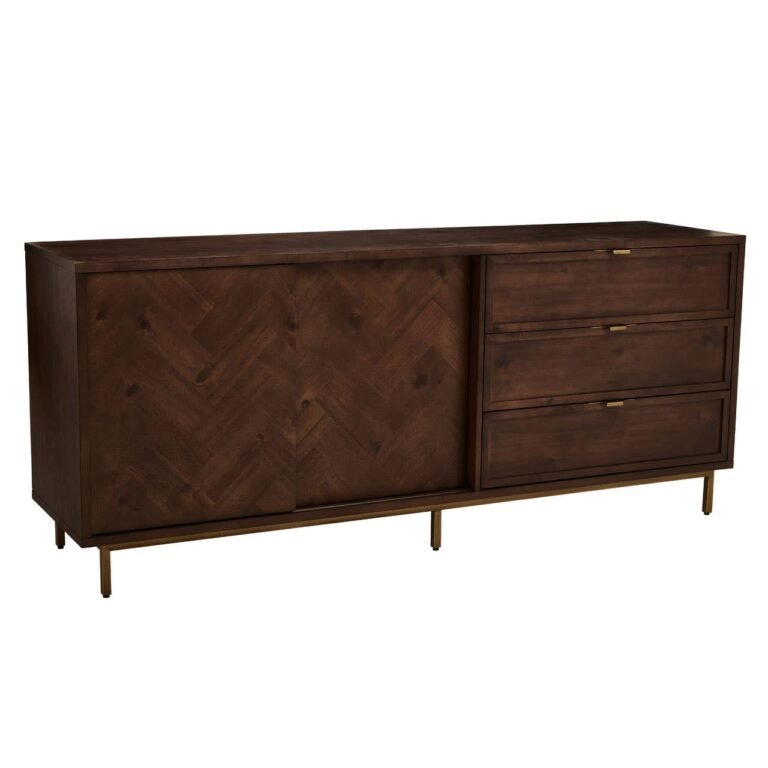
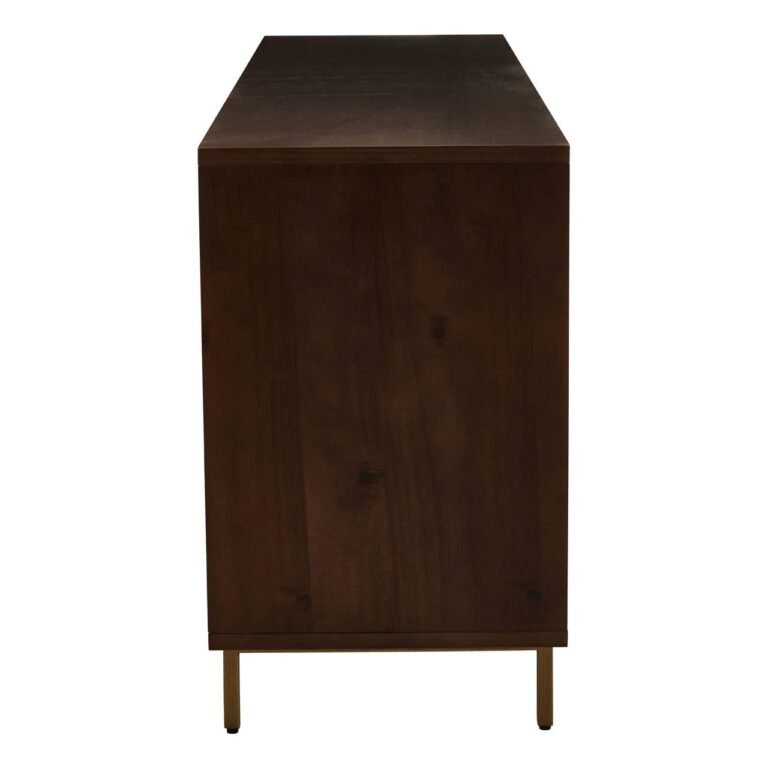
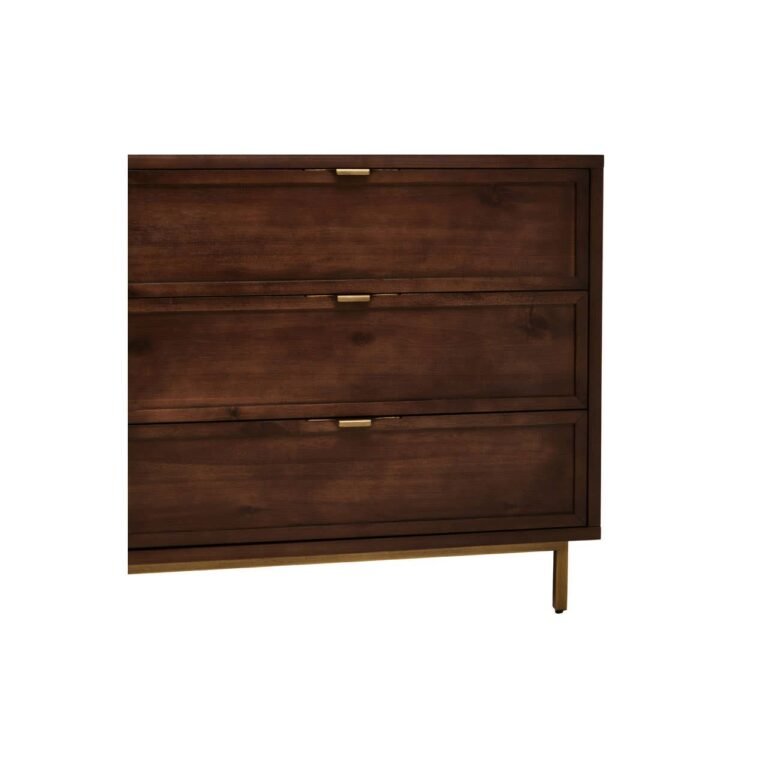
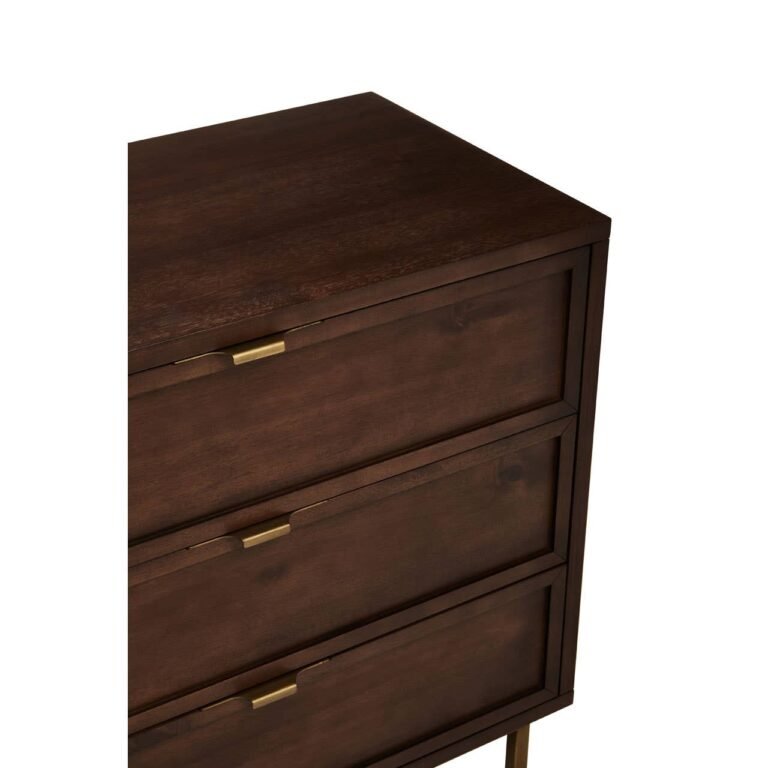
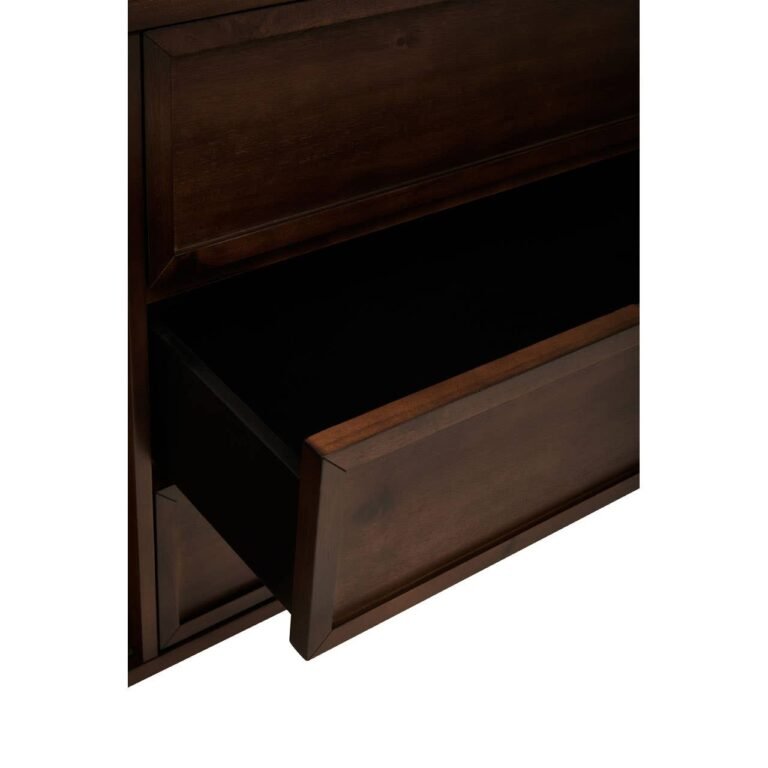
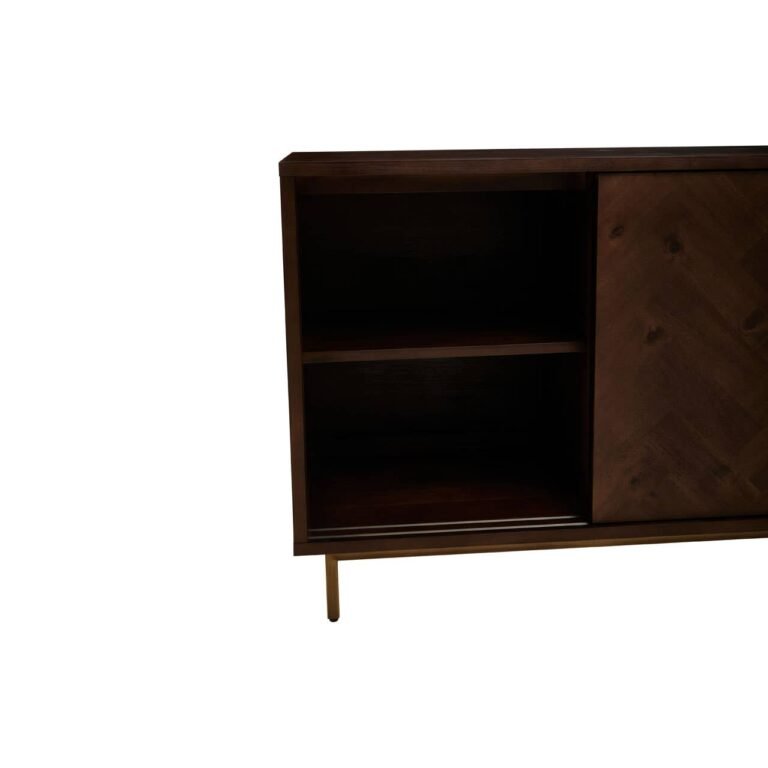
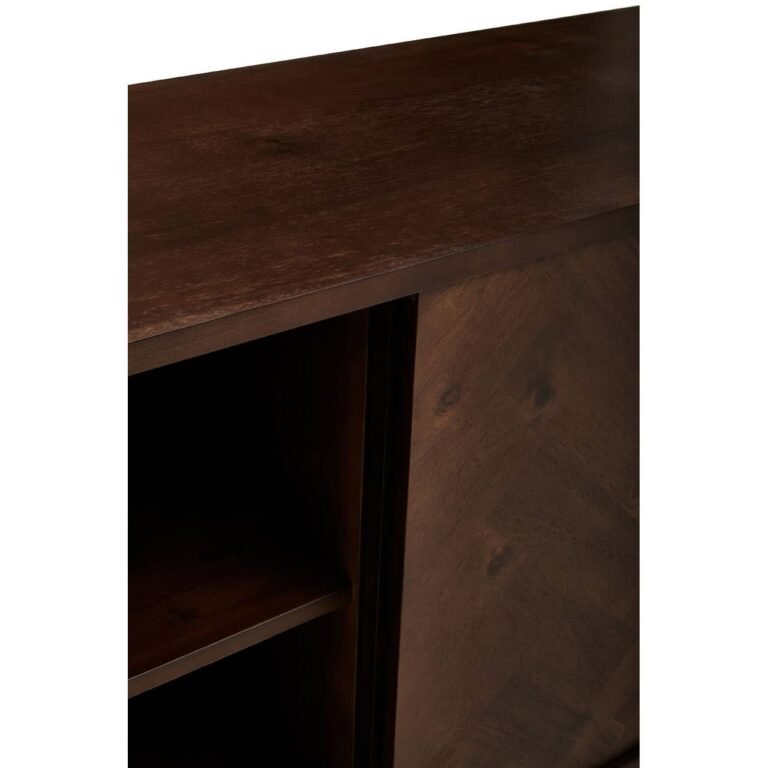
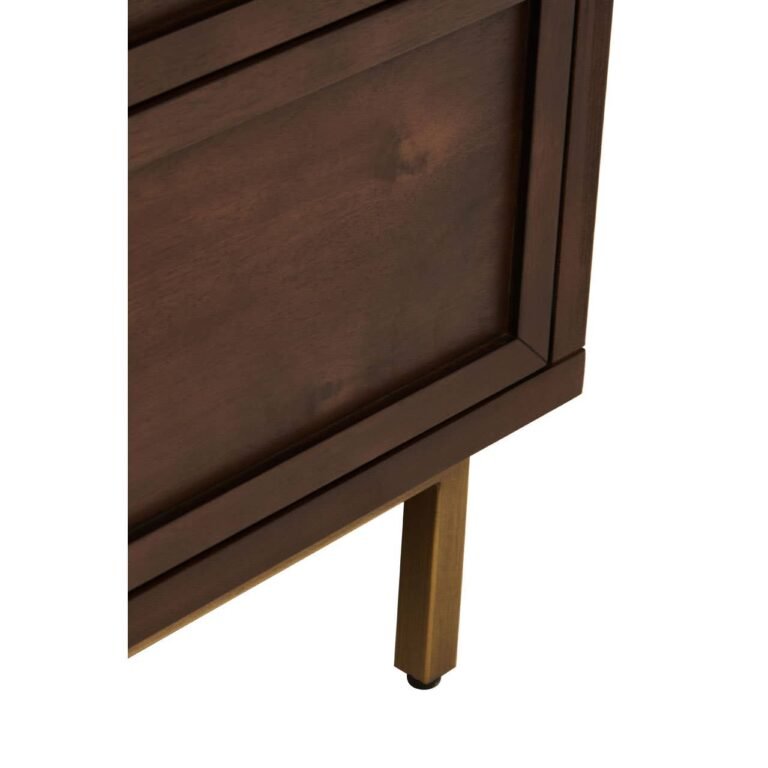
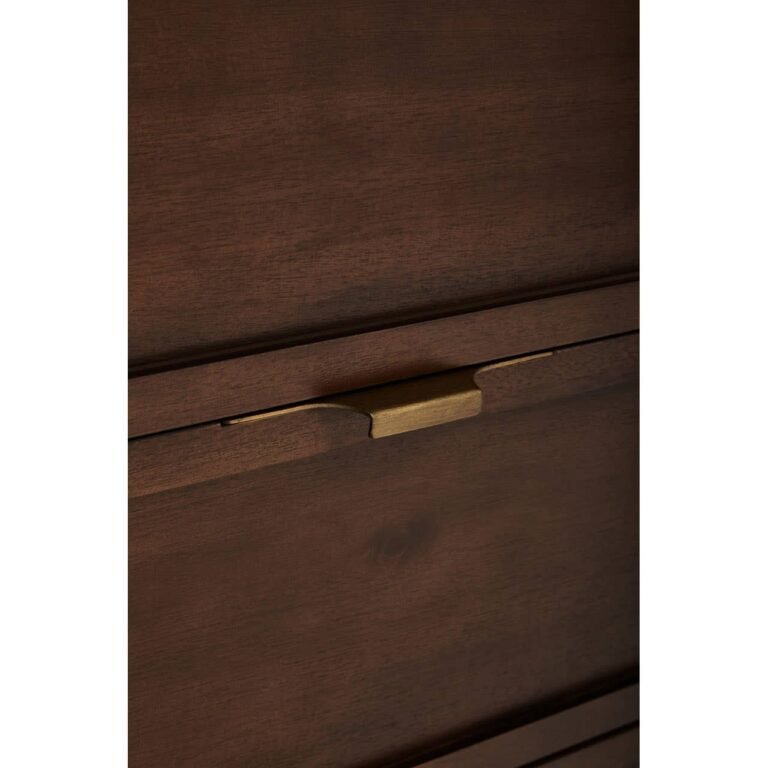
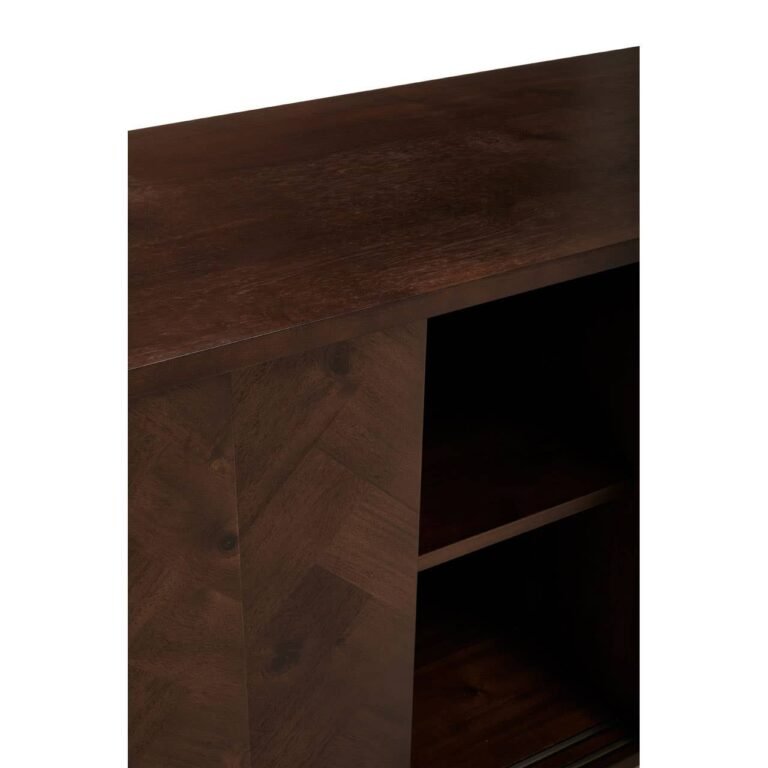
Andrille Sideboard
£1,954 Add to cart -
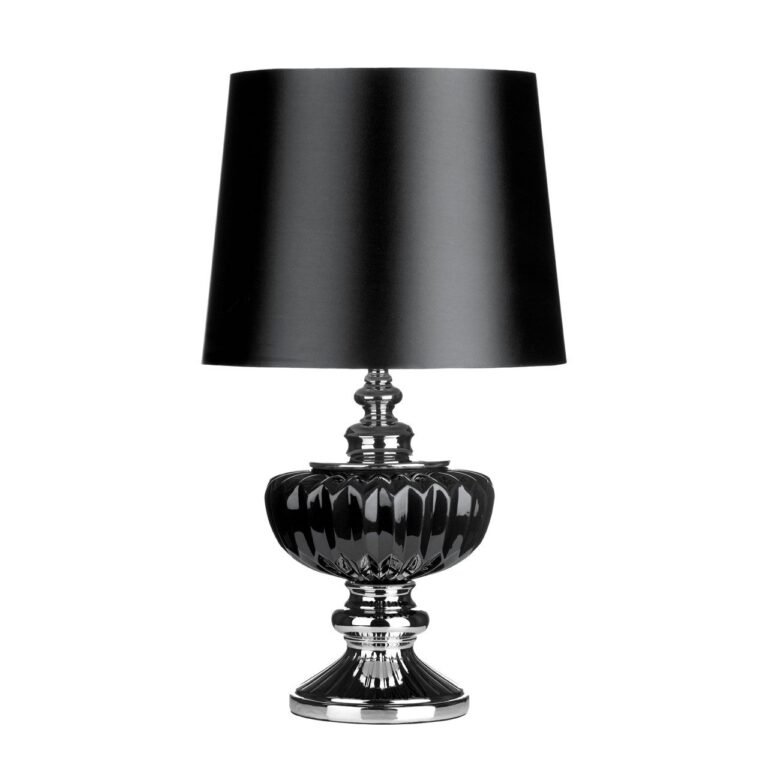
Bramwell Table Lamp
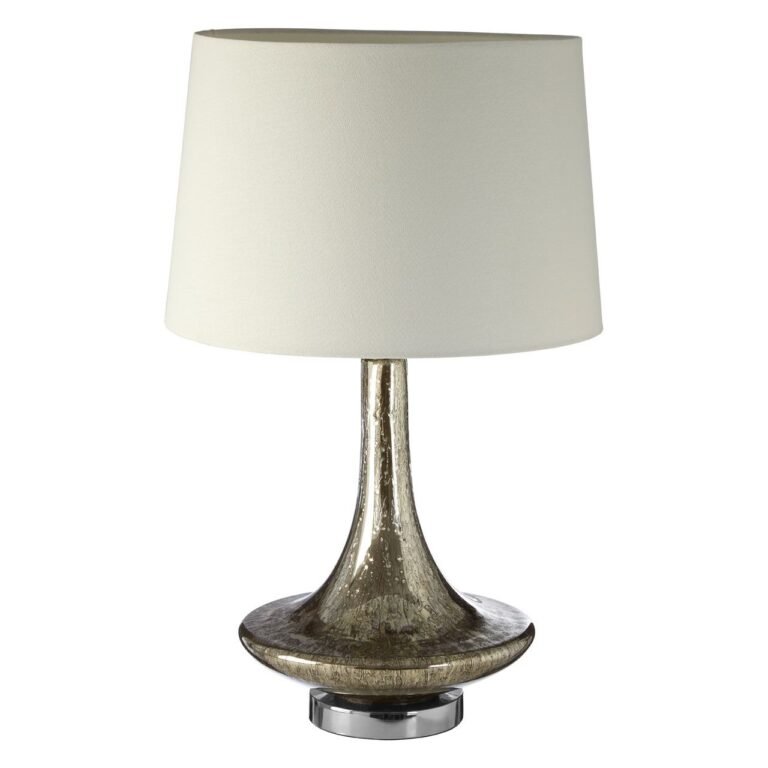
£152 Add to cart
Bringing the Past Gracefully into the Present
Blending old and new in design is more than just a stylistic choice—it’s a philosophy that honors history while embracing the present. In a world where trends evolve rapidly, Vintage Style Interiors offer a timeless way to root your home in meaning, craftsmanship, and individuality. They allow us to carry forward the artistry of the past while layering it seamlessly with the clean lines and conveniences of modern life. The result is a home that feels deeply personal, elegant, and lived-in.
Throughout this guide, we’ve explored why vintage belongs in today’s homes, uncovered key principles for blending eras, and shared styling ideas that bring balance and beauty. We’ve looked at the importance of editing with intention, the role of accessories, and the transformative power of lighting. What emerges is a design approach that’s not about rigid rules but about storytelling—where every piece, whether old or new, contributes to a larger narrative.
The strength of Vintage Style Interiors lies in their ability to create harmony out of contrasts. A weathered oak dining table beside a sleek acrylic chair, a delicate crystal chandelier illuminating a minimalist space, or a modern sofa softened by a vintage Persian rug—these juxtapositions breathe life into a home. They invite conversation, evoke memory, and remind us that beauty often emerges at the intersection of eras.