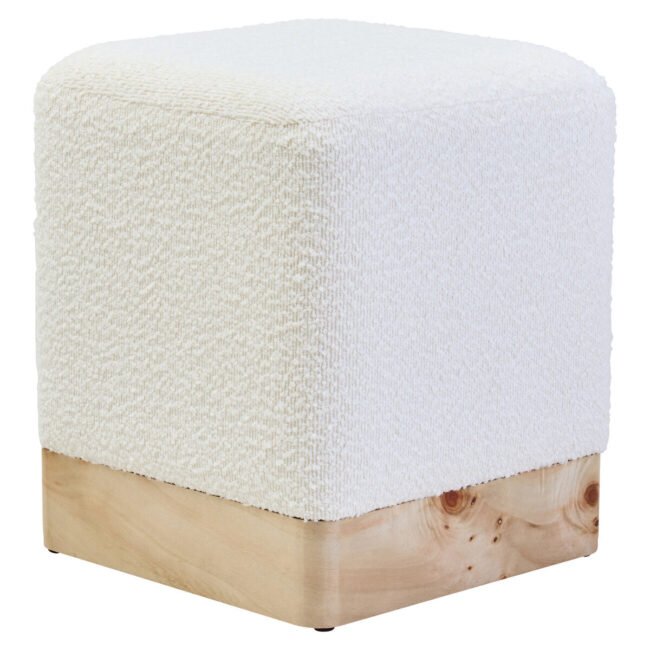
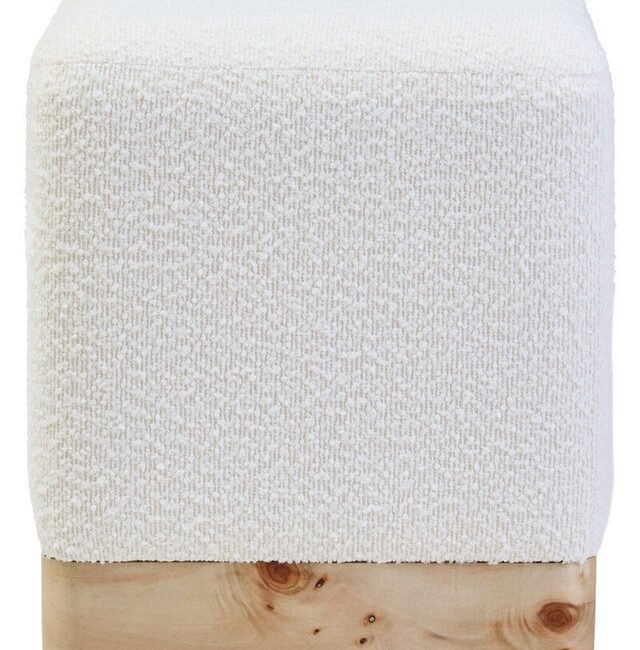
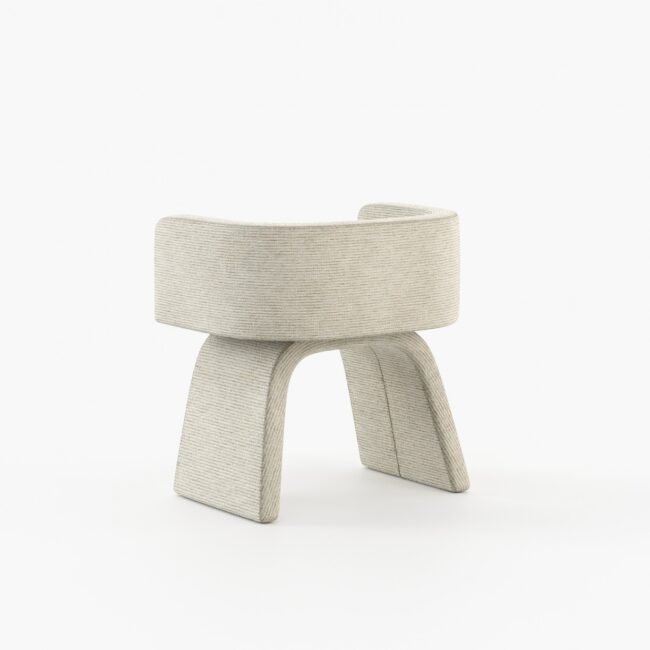
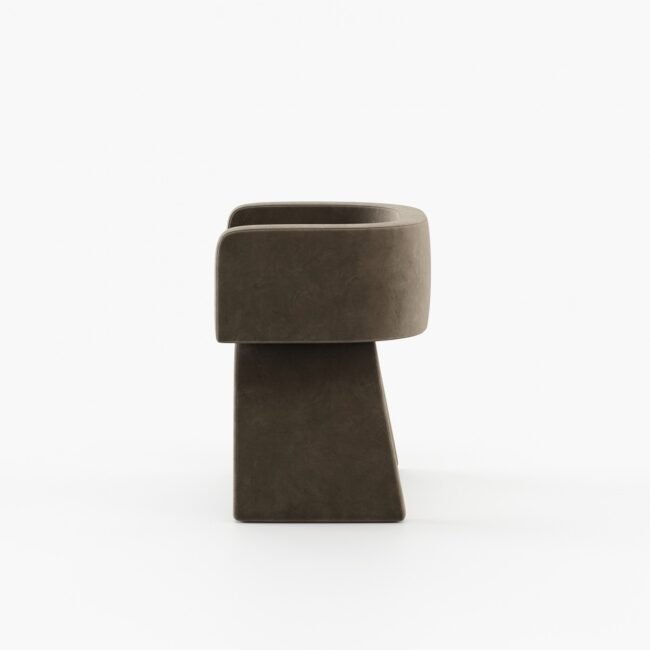
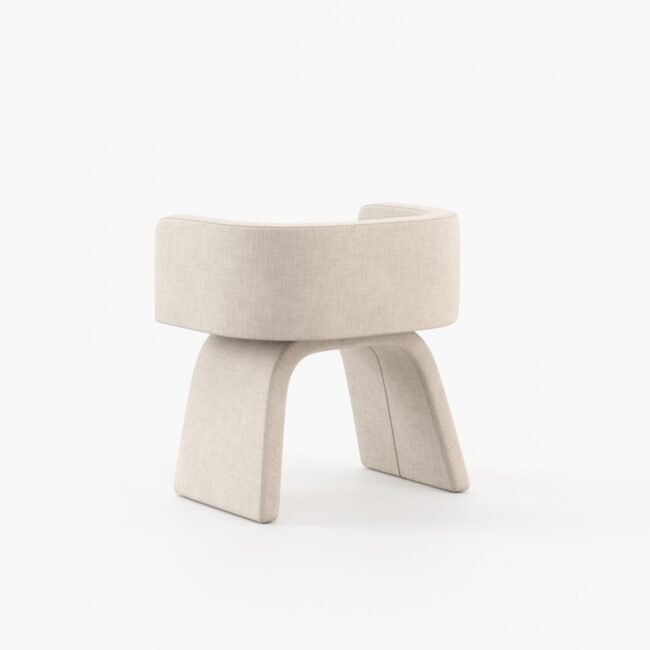
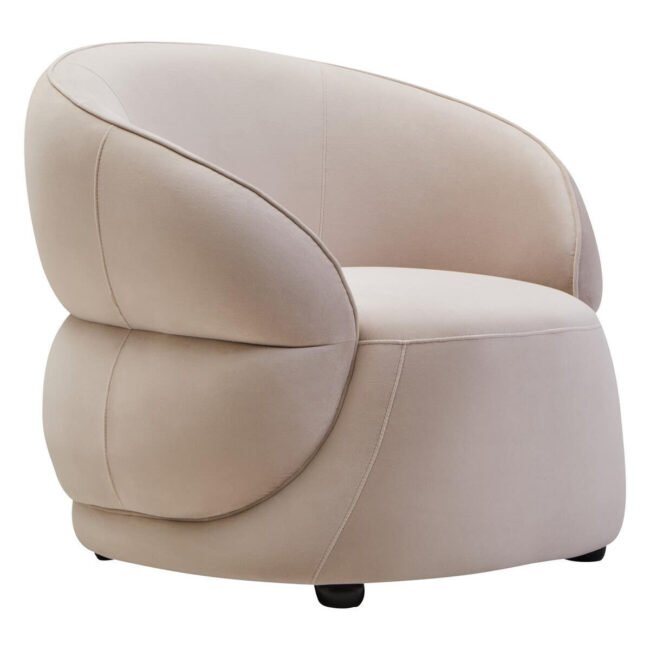
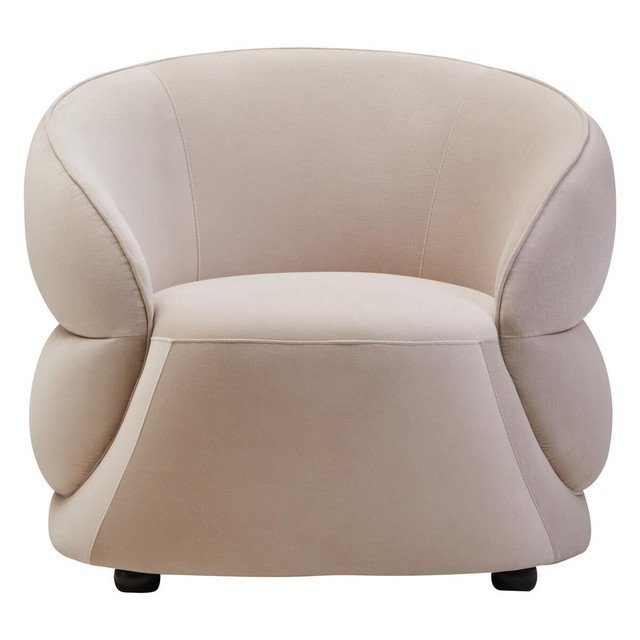
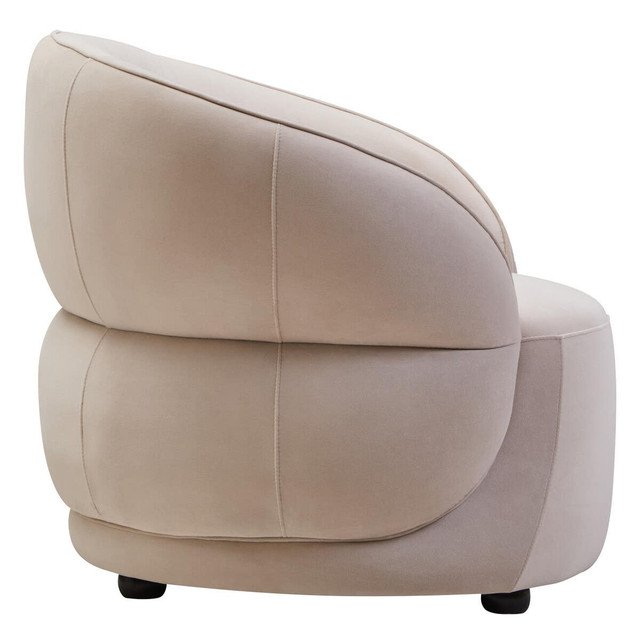
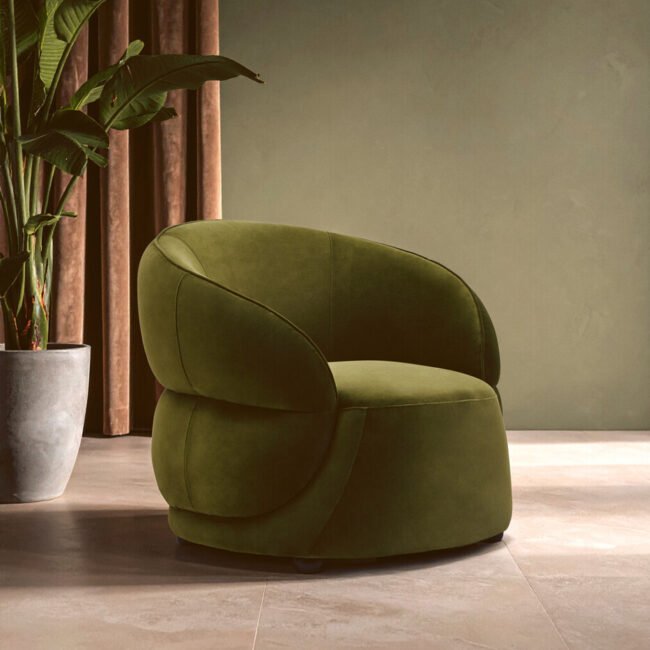
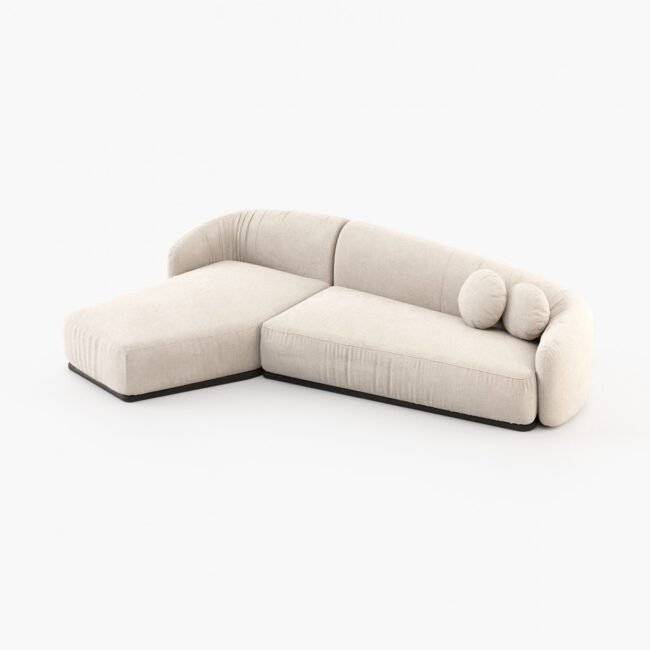
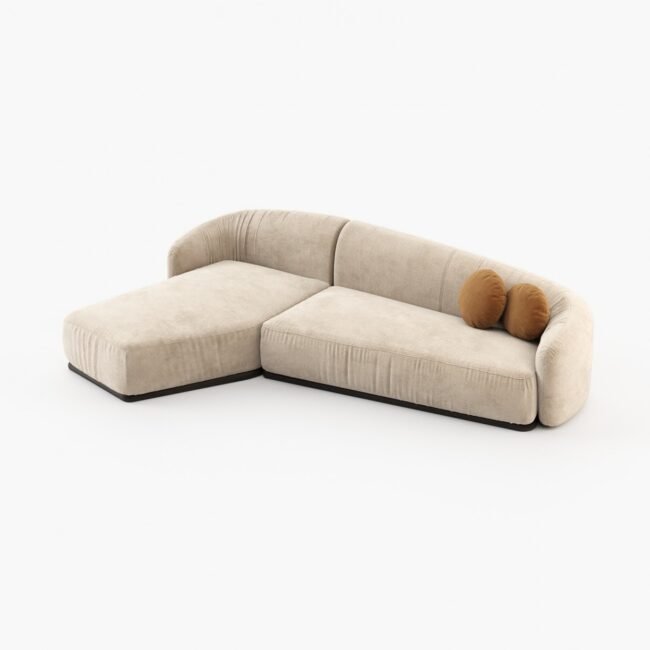
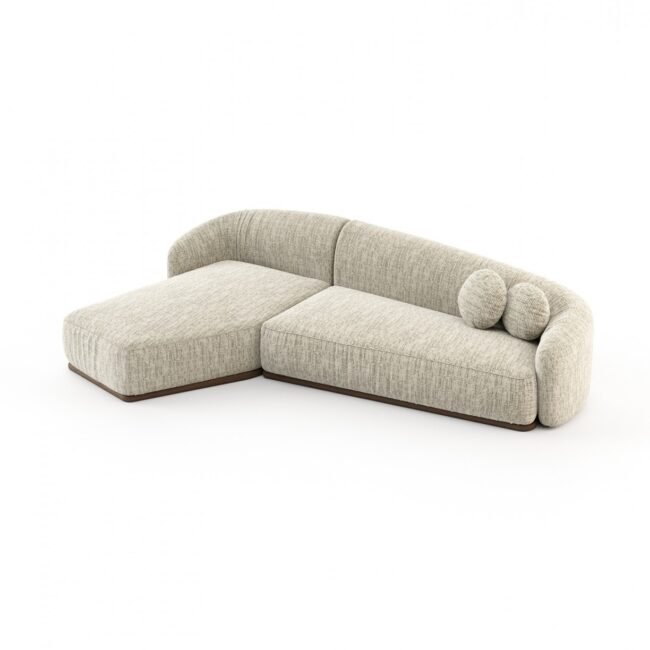
Side Table Ideas Designers Always Get Right: Bedside, Marble, Round and Sofa Side Tables for a Finished Home

Natural Elements Interior Design

A side table may be small, but in a well-designed room, it is never insignificant. It is the quiet piece beside the sofa that holds a lamp, a book, a candle or a glass of water. It is the bedside table that makes a bedroom feel calm and complete. It is the marble side table that brings polish to a neutral corner, the round side table that softens a room full of straight lines, and the small side table that proves even compact spaces deserve thoughtful design.

Side tables are often treated as afterthoughts, bought quickly when a room feels like it needs “something” beside the sofa or bed. But designers know better. A good side table is not just a surface. It is a bridge between beauty and function. It helps a room work better, but it also helps it look more finished.

The right side table gives balance to a sofa, height to a lamp, rhythm to a seating arrangement and personality to an empty corner. It can make a living room feel layered, a bedroom feel more luxurious and a hallway feel less forgotten. In many homes, the side table is one of the easiest ways to add texture, shape, material and quiet elegance without redesigning the entire room.

Whether you are choosing bedside tables for a bedroom, a sofa side table for the living room, a marble side table for a luxury accent, a round side table for softness or a small side table for a compact space, the goal is the same: to choose a piece that feels useful, beautiful and intentional.


Table of Contents

  1. Why Side Tables Make a Room Feel Finished
  2. How to Choose the Right Side Table for Your Space
  3. Bedside Table Ideas for a Calm and Elegant Bedroom
  4. Marble Side Table Ideas for a Luxury Interior
  5. Round Side Table Ideas for Softness and Balance
  6. Sofa Side Table Ideas for a More Comfortable Living Room
  7. Small Side Table Ideas for Compact Spaces
  8. Best Side Table Styles for Different Interior Looks
  9. How to Pair Side Tables with Sofas, Beds and Armchairs
  10. What to Look for Before Buying a Side Table
  11. How to Style a Side Table Like a Designer
  12. Common Side Table Mistakes to Avoid
  13. Final Thoughts: The Small Piece That Completes the Room
  14. FAQs About Side Tables


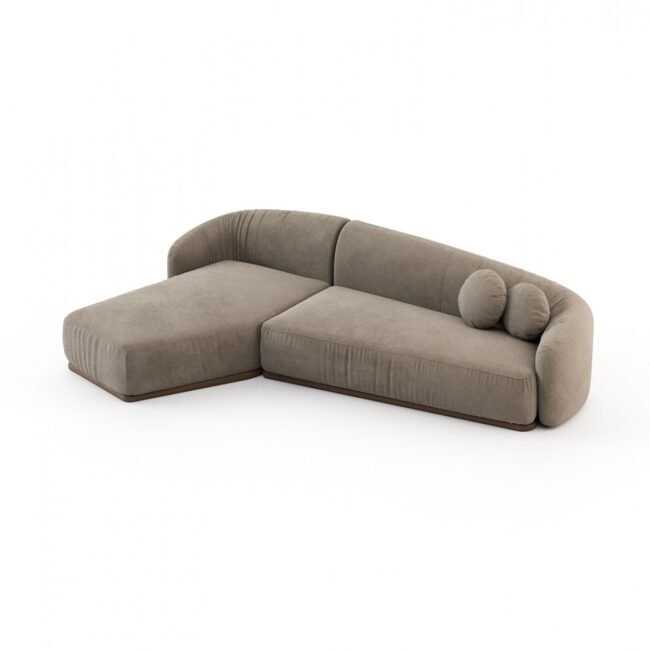
side table ideas for a luxury living room

Why Side Tables Make a Room Feel Finished

A finished room rarely depends on one big statement. It is usually the smaller decisions that make the space feel considered: the lamp placed at the right height, the side table beside the sofa, the book on the bedside table, the vase that catches light near a window, the tray that turns everyday objects into a styled moment.

That is the power of a side table. It may not dominate the room, but it completes the room’s rhythm.

In a living room, side tables create comfort. They give people somewhere to place a drink, rest a book, hold a remote control or set down a phone. Without them, even a beautiful sofa can feel slightly unsupported. The seating may look good, but the room does not feel easy to live in.

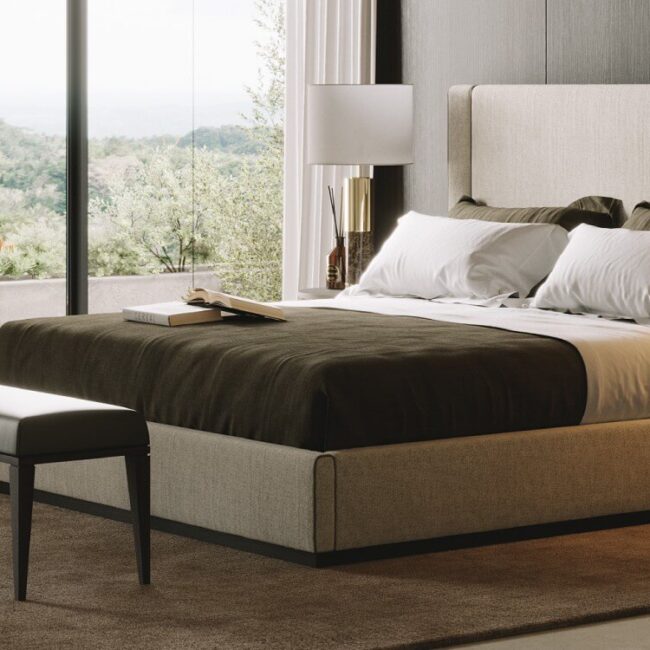
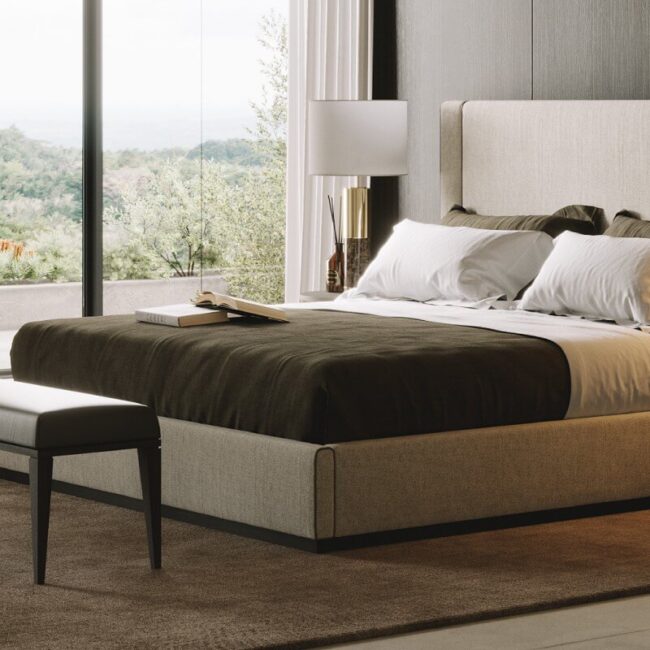
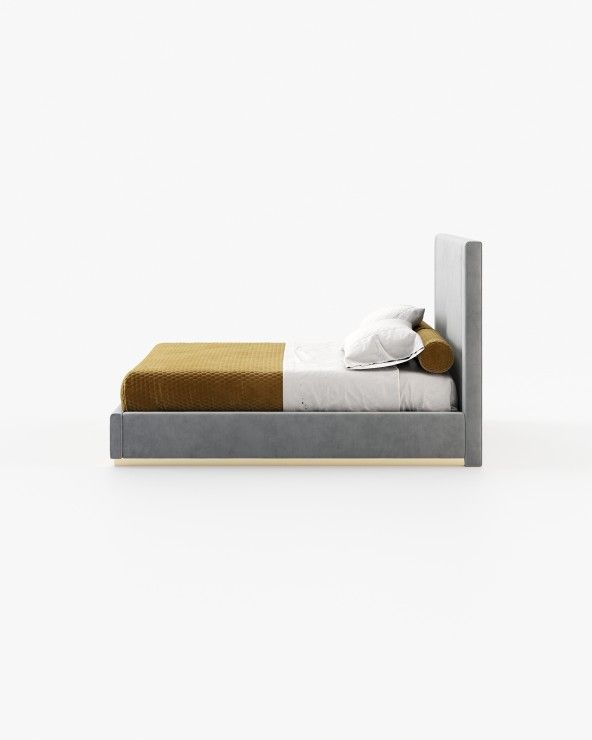
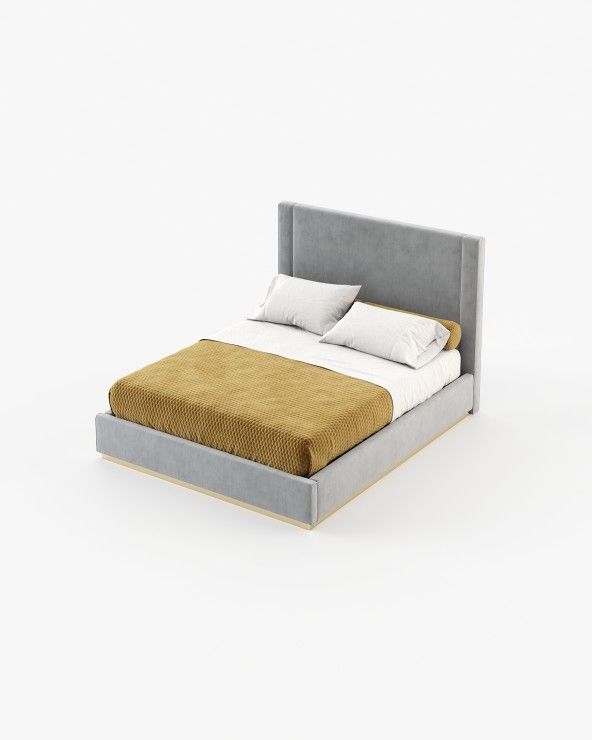
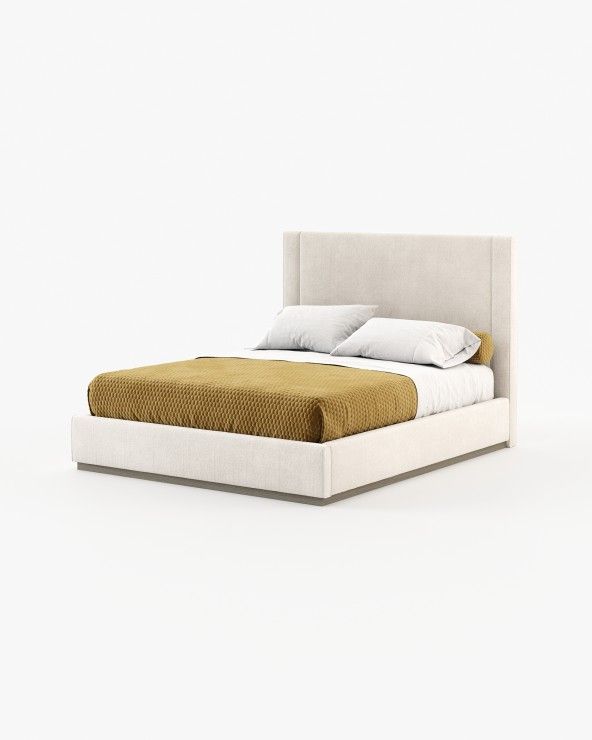
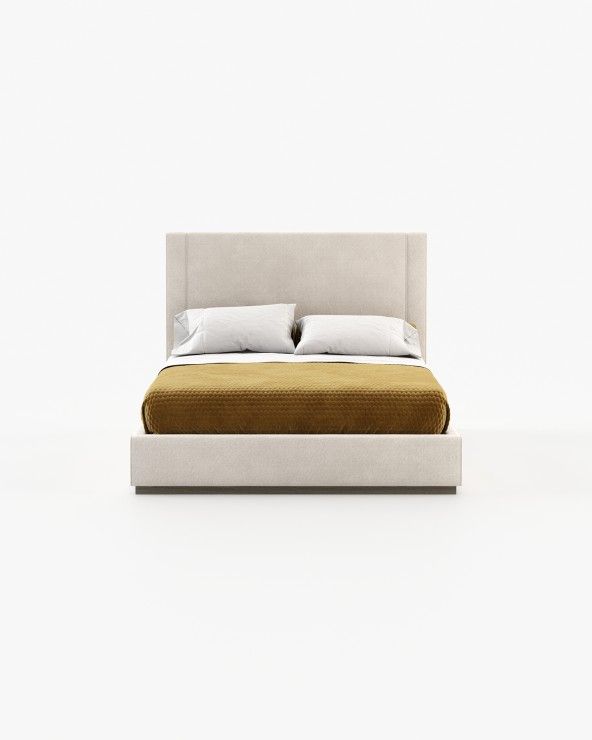
In a bedroom, bedside tables do something similar. They frame the bed, support the lighting and bring order to the space. A bed without bedside tables can look unfinished, especially in a more elegant or luxury bedroom scheme. Even a small bedside table can make the bed feel anchored and the room feel intentional.

Interior design is not just about how a room looks in a photograph. It is about how the space supports daily life. In her Homes & Gardens guidance on designing for real life without sacrificing beauty, designer Ashley Montgomery speaks about creating interiors that are both functional and beautiful. That idea applies perfectly to side tables. They are practical pieces, but when chosen well, they also add atmosphere, material and style.

A side table can introduce marble, wood, glass, metal, rattan, ceramic or stone into a room without overwhelming it. It can echo the shape of a coffee table, contrast with the lines of a sofa or add a sculptural detail beside an armchair. This is why designers rarely ignore them. They understand that a room feels finished when the useful pieces are also beautiful.


How to Choose the Right Side Table for Your Space

The best way to choose a side table is to start with the room’s purpose. Where will the table sit? What does it need to hold? Is it mainly decorative, or will it be used every day? Does the room need warmth, shine, contrast, storage, softness or height?

A side table beside a sofa has different demands from a bedside table. A sofa side table often needs to hold a lamp, a drink, a book or a decorative object. It should sit comfortably within reach of the seat. A bedside table, on the other hand, may need space for a lamp, phone, water, books, skincare or hidden storage. A small side table in a hallway or reading corner may only need to hold a vase or a beautiful bowl.

Height is one of the most important details. A side table beside a sofa should usually sit close to the height of the sofa arm, or slightly lower. If it is too low, it becomes awkward to use. If it is too high, it can look clumsy beside the seating. A bedside table should usually relate to the height of the mattress. It does not need to be exact, but it should feel comfortable when you reach for a lamp or a glass of water.

Scale matters too. A tiny table beside a large sofa can look lost. A bulky table beside a slim bed can feel heavy. The table should suit the furniture around it, not compete with it.

Then think about shape. A round side table softens a room and works beautifully beside curved sofas, armchairs or beds with upholstered headboards. A square or rectangular side table feels more structured and often works well beside clean-lined furniture. A nesting side table can be useful where flexibility matters. A pedestal table can feel sculptural and elegant in a small corner.

Material is where the personality comes in. A marble side table feels polished and luxurious. A wood side table adds warmth. A glass side table feels light and airy. A metal side table can be glamorous, industrial or contemporary depending on the finish. A mirrored side table reflects light and can make a room feel more decorative.

The best side tables are not just fillers. They should feel like part of the design story.

Side Table Ideas Designers Always Get Right: Bedside, Marble, Round and Sofa Side Tables for a Finished Home

Bedside Table Ideas for a Calm and Elegant Bedroom

A bedside table is one of the most personal pieces in the home. It sits beside you at the beginning and end of each day. It holds the objects you reach for in the quietest hours: a book, a lamp, a glass of water, a notebook, a candle, a watch, a pair of glasses.

Because of that, bedside tables need to be both beautiful and practical. A bedroom may look elegant, but if the bedside table is too small, too cluttered or too far from the mattress, the space will not feel comfortable.

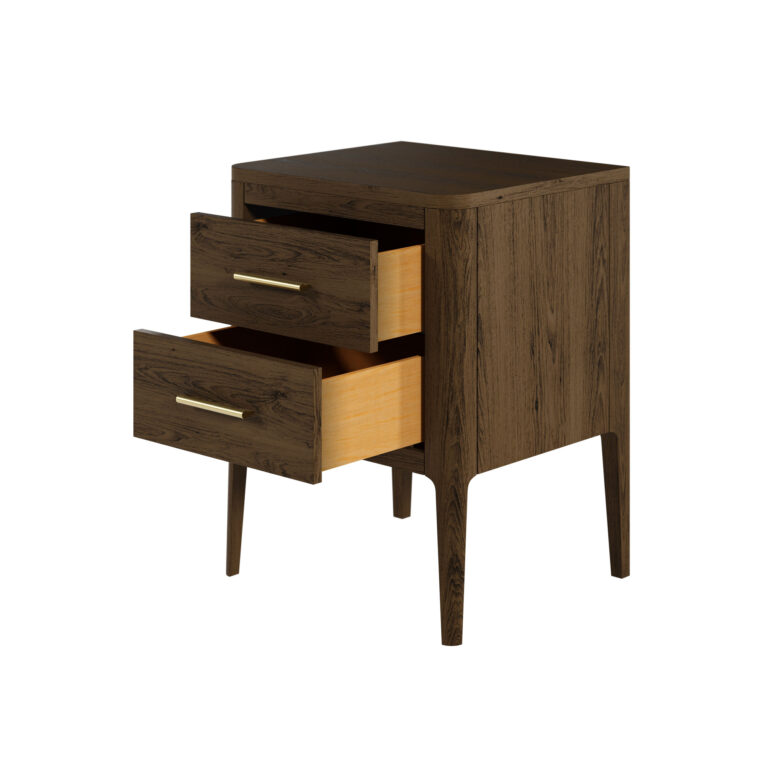
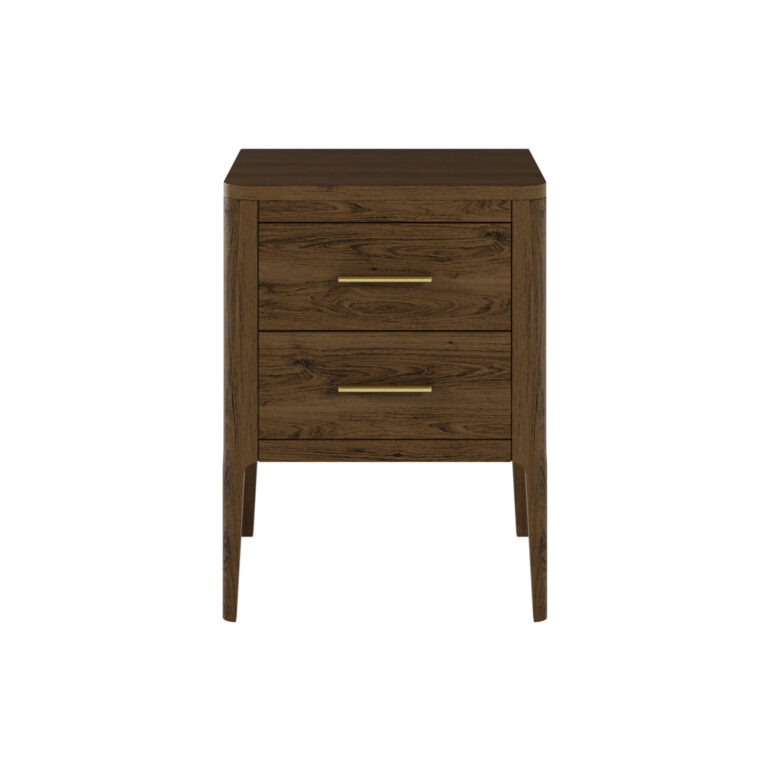
The first decision is whether you need storage. If you prefer a calm, hotel-like bedroom, choose bedside tables with drawers or closed storage. This allows you to hide chargers, tissues, books, creams and everyday items that can make the room feel messy. If you are more minimal and only keep a few things beside the bed, an open bedside table or small side table may work beautifully.

The second decision is scale. In a large bedroom with a generous bed, choose bedside tables with enough width and presence. Very small bedside tables can make a king-size bed look unbalanced. In a compact bedroom, slim bedside tables, floating designs or small side tables can give you function without crowding the room.

Architectural Digest’s guide to what you need on your bedside table highlights the importance of personal touches, lighting and useful objects. This is exactly where a bedside table becomes more than storage. It becomes a small expression of how you live.

For a luxury bedroom, consider matching bedside tables if you want symmetry and calm. Matching tables on either side of the bed can make the room feel ordered and elegant. For a more collected look, you can use different bedside tables, but keep one detail consistent, such as height, material, colour or shape.

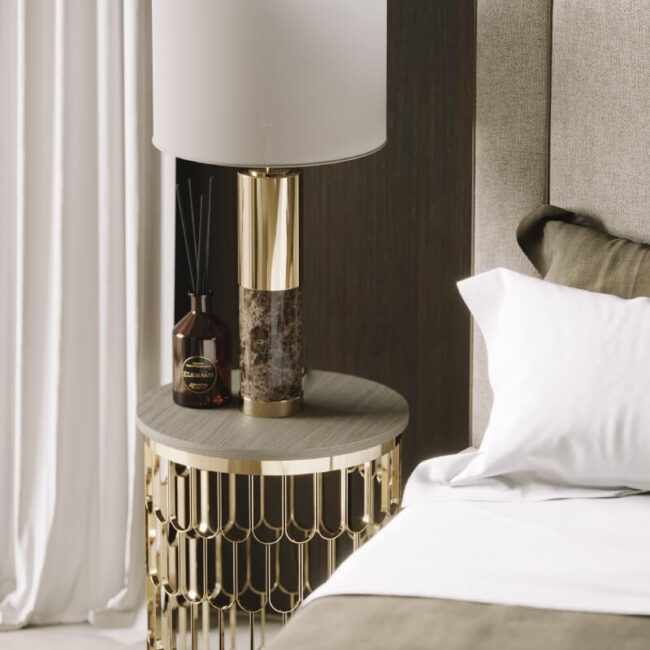
A marble bedside table feels polished and refined. A wooden bedside table brings warmth. A mirrored bedside table adds glamour. A small round side table can soften a bedroom with strong lines. The key is to make the bedside table feel like part of the bedroom, not an emergency surface added at the end.


Marble Side Table Ideas for a Luxury Interior

A marble side table is one of the easiest ways to make a room feel more expensive. Marble brings natural pattern, coolness, weight and quiet drama. Even in a simple room, a marble side table can add a sense of permanence and luxury.

The beauty of marble is that no two pieces are exactly the same. The veining gives movement, and the surface catches light in a way that feels refined. This makes marble especially useful in rooms that are mainly neutral, because it adds interest without needing bright colour.

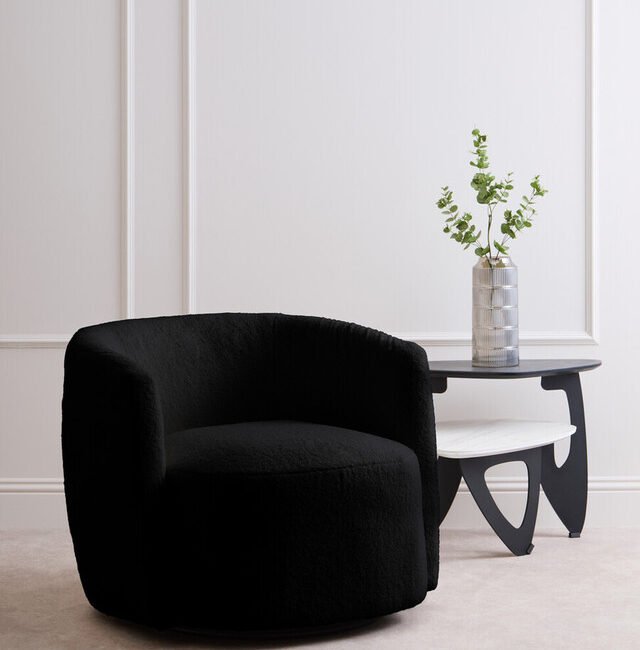
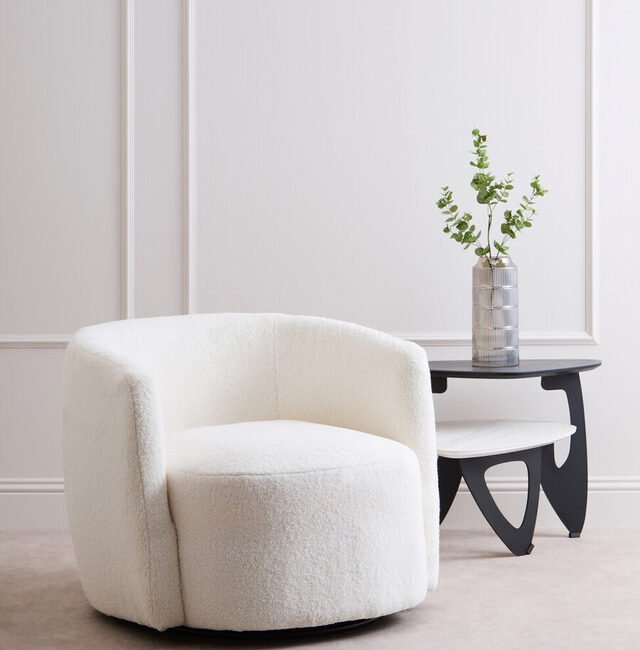
A marble side table works beautifully beside a sofa, next to an accent chair, in a bedroom, in a hallway or even beside a freestanding bath if the space allows. In a living room, it can sit beside a velvet sofa, a boucle armchair or a linen-covered seat and instantly make the room feel more layered.

The most important thing is balance. Marble can feel cold if everything around it is also hard and polished. To soften it, pair it with warm materials: wood, brass, textured upholstery, wool rugs, linen curtains or soft lighting. A marble side table with a brass base, for example, feels warmer and more decorative than marble and chrome. A black marble side table can look dramatic beside cream upholstery. A white marble side table can brighten a darker corner.

A marble side table also works well when you want the room to feel edited rather than crowded. Because the material already has visual interest, you do not need to over-style it. A lamp, a small stack of books and a ceramic bowl may be enough. Let the stone speak.

For a more contemporary interior, choose a marble side table with a sculptural shape, such as a cylinder, pedestal or rounded form. For a classic room, a marble top with a metal or carved wooden base can feel timeless. For a glamorous room, consider marble with gold, bronze or antique brass accents.

The secret is to use marble as a punctuation mark. It should add polish, not make the room feel heavy.

Round Side Table Ideas for Softness and Balance

A round side table is one of the most useful shapes in interior design because it softens the room. Many spaces are naturally full of straight lines: sofas, beds, rugs, windows, doors, wardrobes, fireplaces, shelving and artwork. A round table introduces a curve, and that curve can make the whole space feel more relaxed.

In a living room, a round side table works beautifully beside an armchair or at the end of a sofa. It feels easy to move around, especially in smaller rooms or narrow spaces where sharp corners may feel awkward. It is also ideal for creating a more conversational seating area because the shape feels less formal.

In a bedroom, a round bedside table can soften the structure of a rectangular bed and square headboard. It works particularly well in rooms with upholstered furniture, curved mirrors, arched details or soft neutral palettes.

A round side table can also be a good choice when you want a more sculptural look. Pedestal tables, drum tables and rounded marble tables can all act almost like decorative objects. They do not just provide a surface; they add shape.

Livingetc’s article on side table decor ideas from interior designers is a useful reminder that even a small table can become a styled moment when it has the right objects, heights and proportions. A round side table is especially good for this because it naturally encourages a softer arrangement.

When styling a round side table, avoid overcrowding the surface. Because the top is usually smaller than a square or rectangular table, every object needs to earn its place. A lamp and a book may be enough. Or a vase, candle and small tray. Odd numbers often feel natural, but the most important thing is variation in height and texture.

A round side table is also perfect for contrast. Place one beside a boxy sofa, a straight-lined armchair or a rectangular bed, and the whole arrangement immediately feels softer.

Sofa Side Table Ideas for a More Comfortable Living Room

A sofa side table is not just decorative. It changes how comfortable the living room feels.

Think about a beautiful sofa with no table beside it. There is nowhere to place a drink, nowhere for a lamp, nowhere to set down a book or phone. The sofa may look elegant, but it does not feel fully usable. A side table solves that problem while also completing the composition.

The best sofa side table should sit close enough to be useful. It should not be so far from the sofa that someone has to lean awkwardly to use it. It should also relate to the height of the sofa arm. If the table is far too low, it becomes impractical. If it is too high, it can look visually heavy.
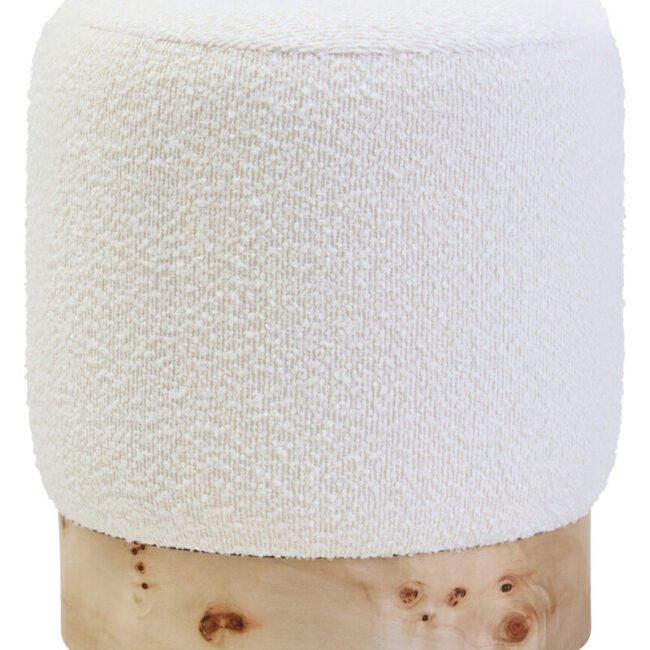
For a formal living room, choose a pair of side tables on either side of the sofa. This creates symmetry and gives the room a polished, balanced feel. For a relaxed or eclectic living room, one statement side table may be enough, especially if there is a floor lamp, accent chair or console table elsewhere in the room.

A sofa side table is also a strong opportunity to introduce a new material. If your coffee table is wood, try a marble or metal side table. If your coffee table is marble, try a warmer wood or upholstered piece nearby. If your room has lots of solid furniture, a glass side table can make the arrangement feel lighter.
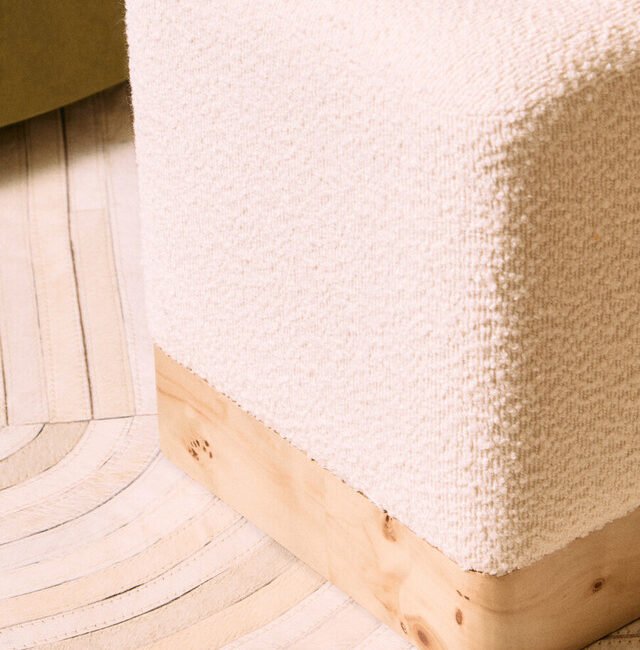
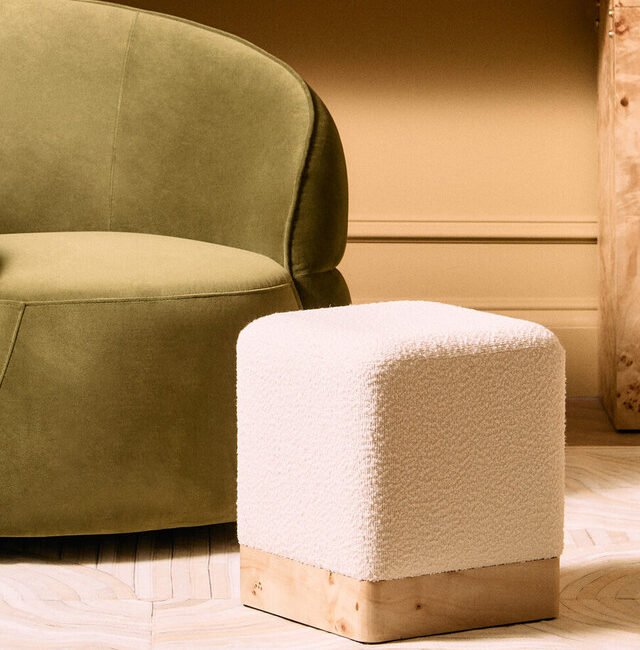
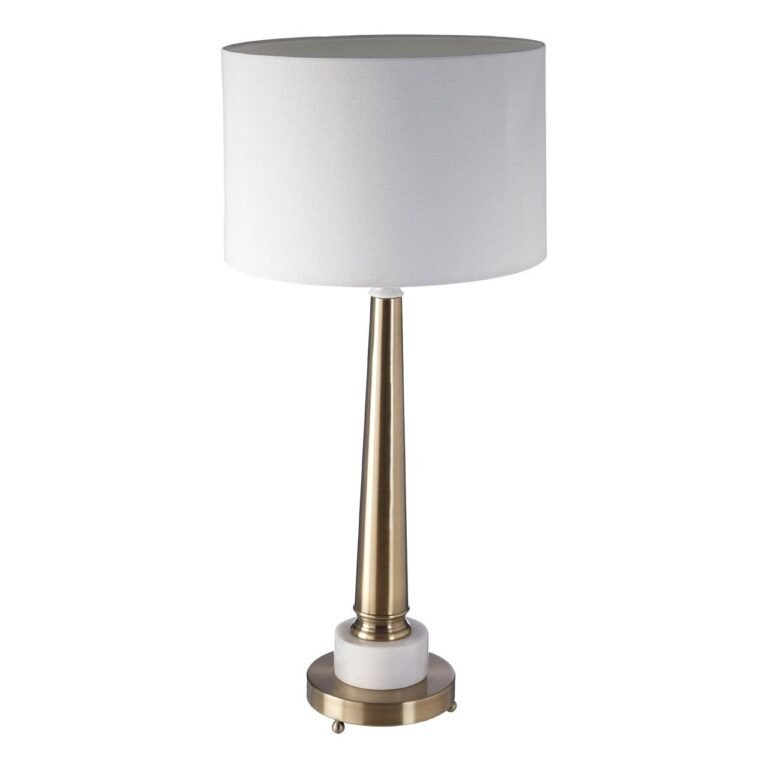
For a luxury look, use side tables to support layered lighting. A table lamp beside a sofa adds warmth, height and intimacy. It makes the living room feel softer in the evening and prevents the space from relying only on overhead lighting.
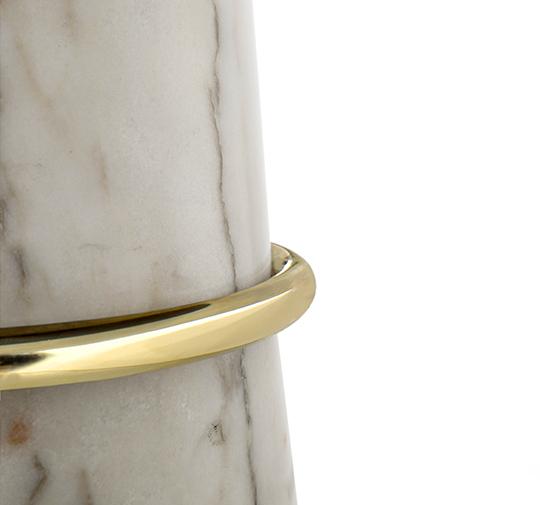
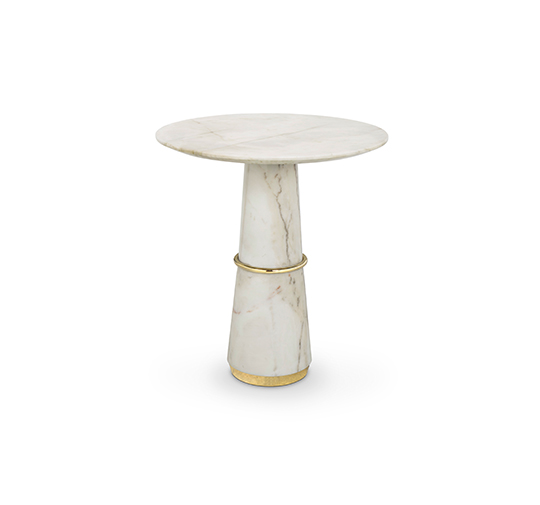
A sofa side table should make the room easier to live in and more beautiful to look at. That is why designers treat it as part of the seating

Small Side Table Ideas for Compact Spaces

A small side table can be one of the most valuable pieces in a compact home. It gives you function without taking up too much floor space, and it can make even a small corner feel intentional.

In a small living room, a slim side table beside the sofa can replace a bulkier end table. A round pedestal table can provide a useful surface without sharp corners. A nesting table can be pulled out when needed and tucked away when not in use. A small marble side table can add luxury without overwhelming the room.

In a small bedroom, a compact bedside table can make the bed feel finished without crowding the space. If floor space is very limited, consider a narrow table, a wall-mounted shelf or a small round side table that gives enough surface for a lamp and a book.

The secret with small side tables is to choose pieces with character. A small table should not look apologetic. It should feel deliberate. Look for interesting materials, a strong shape or a beautiful finish. A small table in marble, fluted wood, brass, glass or ceramic can feel like a design detail rather than a compromise.

Scale is important. If the room is small but the furniture is large, a side table that is too tiny may look weak. Choose something compact but not flimsy. It should still have enough presence to belong.

Livingetc’s recent advice on sizing up key pieces to avoid cheapening a scheme is useful here. Even in small spaces, proportion matters. A small side table should be appropriately scaled, not simply the smallest option available.

In compact rooms, every piece needs to work harder. A small side table can hold a lamp, create a focal point, add texture and make the room feel more complete. That is a lot of design power for one small piece.

Best Side Table Styles for Different Interior Looks

Choosing a side table becomes easier when you connect it to the style of room you want to create.

For a modern luxury living room, look for side tables with clean lines, marble tops, sculptural bases, dark wood, smoked glass or warm metal. These pieces work beautifully beside neutral sofas, boucle armchairs, oversized rugs and statement lighting.

For a classic bedroom, bedside tables with drawers, carved details, antique brass handles or rich wood finishes can create a timeless look. Symmetry works well here. A pair of matching bedside tables with lamps can make the room feel calm and elegant.

For a soft contemporary space, choose round side tables, pale wood, fluted details, stone tops or opal glass accents. These styles feel warm, gentle and current without becoming too trend-led.

For a glamorous interior, choose marble, mirror, polished metal, black lacquer or gold accents. A marble side table beside a velvet sofa or a mirrored bedside table beside an upholstered bed can add instant polish.

For a minimalist room, choose a simple side table with beautiful proportions. The fewer objects you have, the more important each piece becomes. A plain table can still feel luxurious if the material and shape are right.

For an eclectic room, side tables are a chance to be expressive. Mix materials, shapes and eras. A vintage wooden table can sit beside a modern sofa. A marble side table can contrast with a patterned rug. A small ceramic table can add colour and charm to an otherwise neutral corner.

The aim is not to follow one rule. The aim is to choose a table that helps the room feel complete.

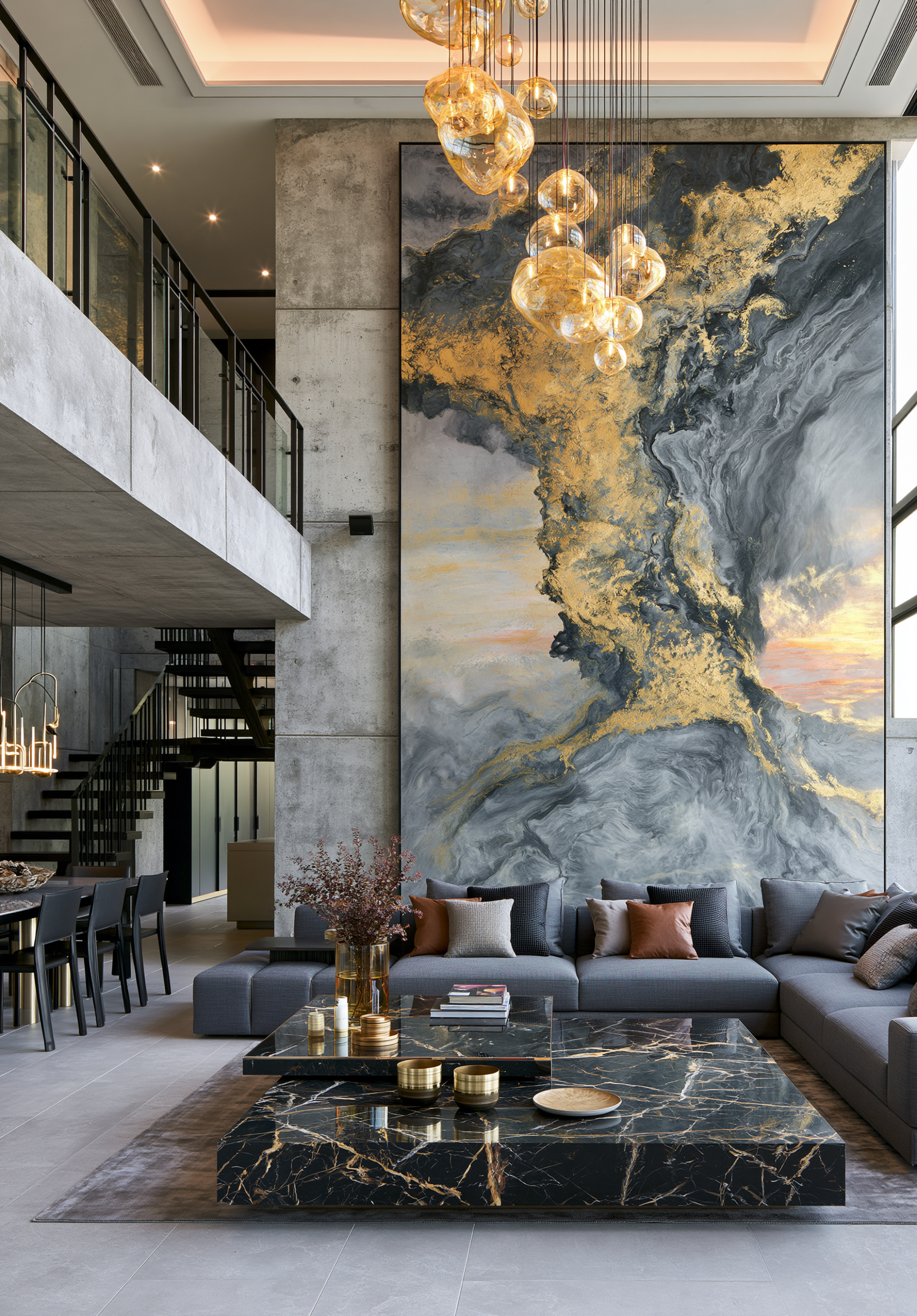
Marble Side Table in a Luxury Interior

How to Pair Side Tables with Sofas, Beds and Armchairs

A side table should feel connected to the furniture beside it. This does not mean everything must match. In fact, a perfectly matched room can sometimes feel flat. The goal is relationship, not repetition.

Beside a sofa, the side table should relate to the sofa’s size and shape. A large sofa can usually carry a more substantial side table. A slim sofa may look better with a lighter design. If the sofa has rounded arms, a round side table can feel harmonious. If the sofa is clean-lined and angular, a square, rectangular or sculptural table can provide balance.

Beside a bed, the bedside table should relate to the mattress height and headboard width. A tall headboard can carry larger bedside tables. A low bed may need lower, softer pieces. If you use two bedside tables, they do not have to be identical, but they should feel balanced.

Beside an armchair, a small side table can create a reading corner. Add a lamp, a book and perhaps a small vase, and an unused corner suddenly feels inviting. This is one of the simplest ways to make a room feel more intentional.

Material pairing matters too. If your sofa is soft and textured, a marble or metal side table can add contrast. If your bed is upholstered, a wooden bedside table can bring warmth. If your furniture is dark, a glass or lighter stone side table can lift the scheme.

A good side table should look like it belongs, but it should also bring something new.


What to Look for Before Buying a Side Table

Before buying a side table, check five things: height, width, function, material and placement.

First, check the height. For a sofa side table, aim for a height close to the sofa arm. For a bedside table, choose a height that works with your mattress. A table that looks beautiful but is awkward to reach will quickly become frustrating.

Second, check the width. Do you need space for a lamp? A book? A tray? A vase? A narrow table may look elegant, but it still needs to support the way you live.

Third, decide whether you need storage. Bedside tables often benefit from drawers because bedrooms easily collect clutter. Living room side tables may not need storage if they are mainly used for lamps and styling. In compact homes, however, a side table with a shelf or drawer can be very useful.

Fourth, think about the material. Marble feels luxurious. Wood feels warm. Glass feels light. Metal adds shine. Rattan or cane feels relaxed. Mirrored finishes feel glamorous. The material should suit both the room and your lifestyle.

Fifth, consider placement. A side table in a walkway needs rounded edges or a slimmer profile. A table beside a reading chair needs enough surface for a lamp and book. A table beside a bed needs to be practical in the dark. A decorative side table in a corner can be more sculptural because it does not need to work as hard.

A side table should not only look good in a product image. It should make your room easier, more comfortable and more beautiful to use.

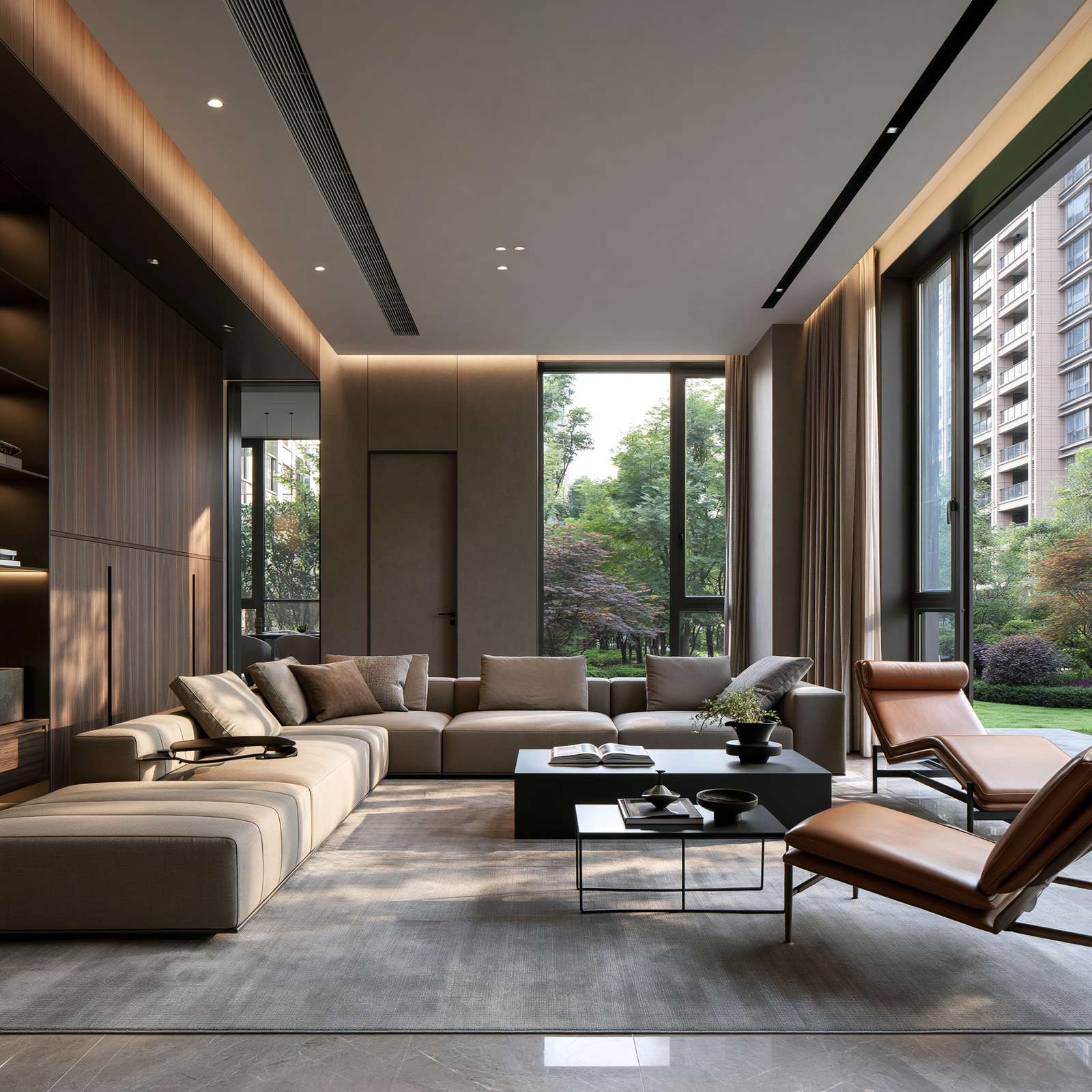
sofa side table beside luxury sofa

How to Style a Side Table Like a Designer

Styling a side table is about restraint. Because the surface is small, too many objects can quickly make it look cluttered. The best side table styling feels edited, personal and useful.

Start with height. A lamp, vase or tall sculptural object gives the table presence. Then add something lower, such as a book, tray, candle or decorative bowl. This creates variation and stops the arrangement from looking flat.

Next, add texture. A marble side table might need something soft, such as a fabric lampshade or a small floral arrangement. A wooden side table might look beautiful with glass, ceramic or metal. A glass side table may need a book or tray to ground the objects visually.

Architectural Digest’s feature on ways to style a nightstand shows how a small bedside surface can still feel layered and personal. The same principle applies to living room side tables: choose objects that are useful, beautiful or meaningful.

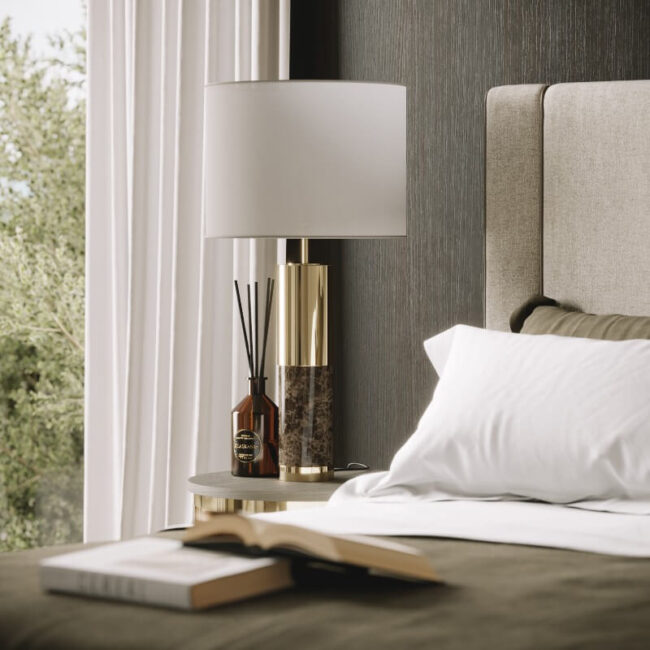
For a bedside table, keep the styling calm. A lamp, a book, a small dish and perhaps a flower is often enough. If you use skincare, chargers or other practical items, keep them hidden in a drawer or gathered neatly on a tray.

For a sofa side table, a lamp is often the strongest starting point. Add a small stack of books, a candle or a decorative bowl. If the table is very small, choose one beautiful object rather than several.

For a marble side table, do less. Marble already has movement and pattern, so the styling should not compete. For a round side table, use objects of different heights and avoid pushing everything to the edge. For a small side table, keep the surface mostly clear so it remains useful.

A designer-looking side table is not about filling every inch. It is about knowing when to stop.


Common Side Table Mistakes to Avoid

The first mistake is choosing a table that is too small for the furniture beside it. A tiny side table next to a large sofa can make the whole arrangement feel unbalanced. Small can be beautiful, but it still needs the right scale.

The second mistake is ignoring height. A side table that is too low or too high may look awkward and feel uncomfortable to use. Always compare it with the sofa arm, mattress or chair beside it.

The third mistake is buying only for looks. A side table needs to support real life. If you need storage, choose storage. If you need space for a lamp, make sure the surface is wide enough. If you have children or pets, consider stability and sharp corners.

The fourth mistake is over-styling. A side table is not a display cabinet. Too many objects can make it look messy and reduce its usefulness. Keep the styling edited.

The fifth mistake is matching everything too closely. Matching furniture can be elegant, especially in a bedroom, but too much matching can make a room feel flat. Mix materials or shapes to create more depth.

The sixth mistake is forgetting lighting. A side table is one of the best places to add a lamp. Without table lamps, a living room or bedroom can feel too dependent on ceiling lighting.

The seventh mistake is choosing trend over longevity. A side table can be playful, but it should still feel like something you will enjoy for years. Beautiful materials and good proportions usually last longer than very specific trends.

round side table in stylish living room

Final Thoughts: The Small Piece That Completes the Room

A side table may be one of the smaller pieces in a home, but it has a powerful effect on how a room looks and feels. It brings function closer. It supports lighting. It introduces material. It balances furniture. It creates a place for the small rituals of everyday life.

A bedside table can make a bedroom feel calm and complete. A marble side table can bring luxury and polish. A round side table can soften a room full of straight lines. A sofa side table can make a living room more comfortable and inviting. A small side table can turn an unused corner into a thoughtful design moment.

The best side tables do not simply fill space. They finish it.

Choose the right one, and the room will feel more layered, more useful and more intentional. It may be a small piece, but when it is chosen well, it quietly changes everything.

FAQs About Side Tables

What is the difference between a side table and a bedside table?

A side table is a small table used beside a sofa, chair, bed or in an empty corner. A bedside table is a type of side table specifically used beside a bed. Bedside tables often include drawers or shelves for bedroom storage, while living room side tables may be more decorative.

What height should a side table be next to a sofa?

A side table should usually sit close to the height of the sofa arm, or slightly lower. This makes it easy to reach for a drink, book or lamp. If the table is much lower or much higher, it can feel awkward to use and look out of proportion.

Are marble side tables practical?

Yes, marble side tables can be practical, but they need care. Marble is naturally beautiful and durable, but it can stain or mark if spills are left untreated. Use coasters, wipe spills quickly and avoid harsh cleaning products. A marble side table is ideal when you want a luxurious accent piece.

Can I use a side table as a bedside table?

Yes, a side table can be used as a bedside table, especially in smaller bedrooms or more relaxed interiors. Just make sure it is the right height for your mattress and has enough surface space for the items you use at night.

Are round side tables better for small rooms?

Round side tables can work very well in small rooms because they have no sharp corners and are easier to move around visually and physically. They also soften compact spaces and can make a room feel less crowded.

Should bedside tables match?

Bedside tables can match if you want a calm, symmetrical look. They do not have to match if you prefer a more collected interior. If you choose different bedside tables, keep the height, colour, material or shape connected so the room still feels balanced.

What do you think?
Leave a Reply

Blog

Get fresh home inspiration and helpful tips from our interior designers

top
0
    0
    Your Cart
    Your cart is emptyReturn to Shop

    Inactive

    Privacy Overview

    This website uses cookies so that we can provide you with the best user experience possible. Cookie information is stored in your browser and performs functions such as recognising you when you return to our website and helping our team to understand which sections of the website you find most interesting and useful.