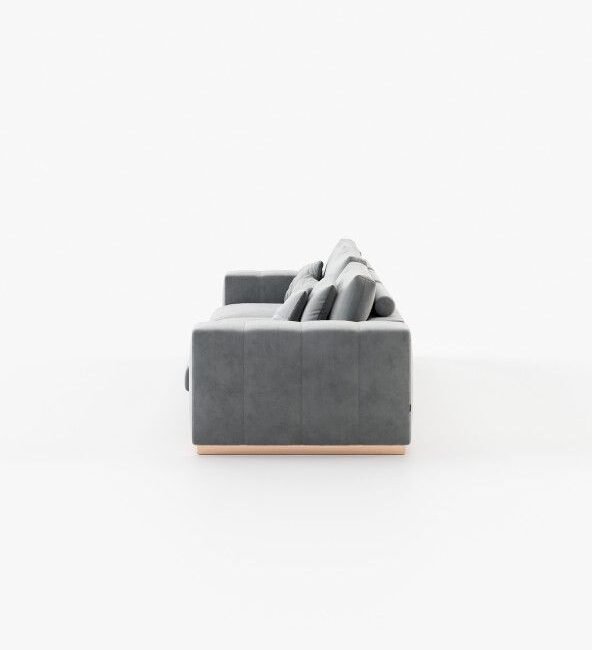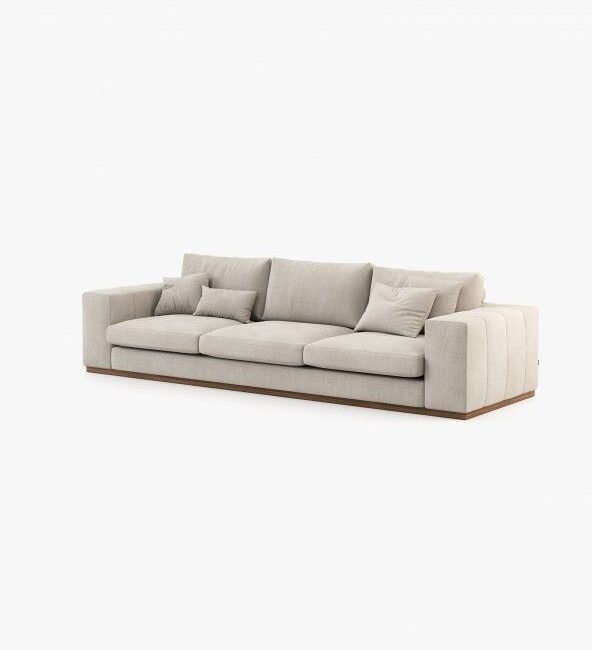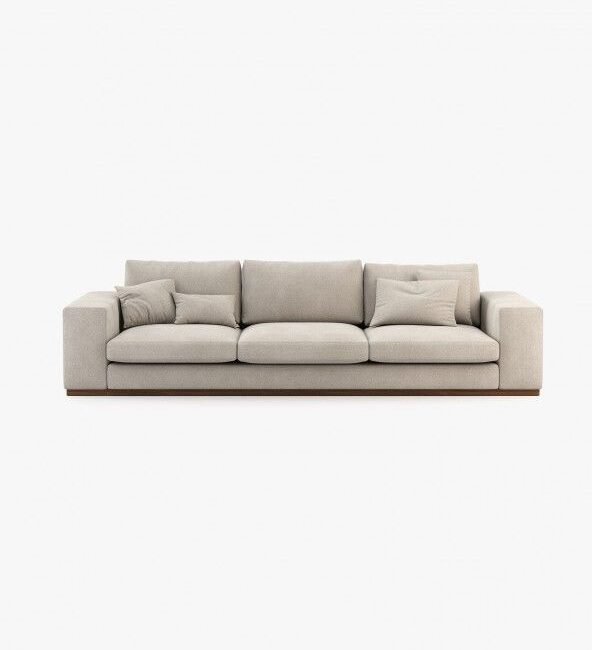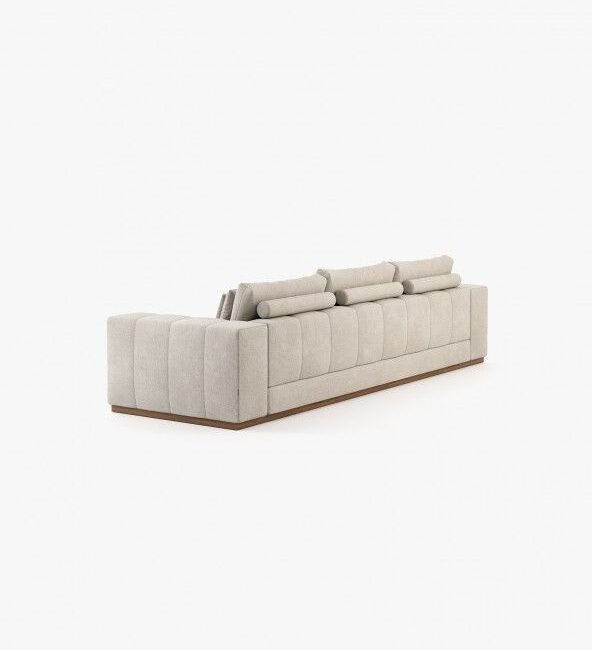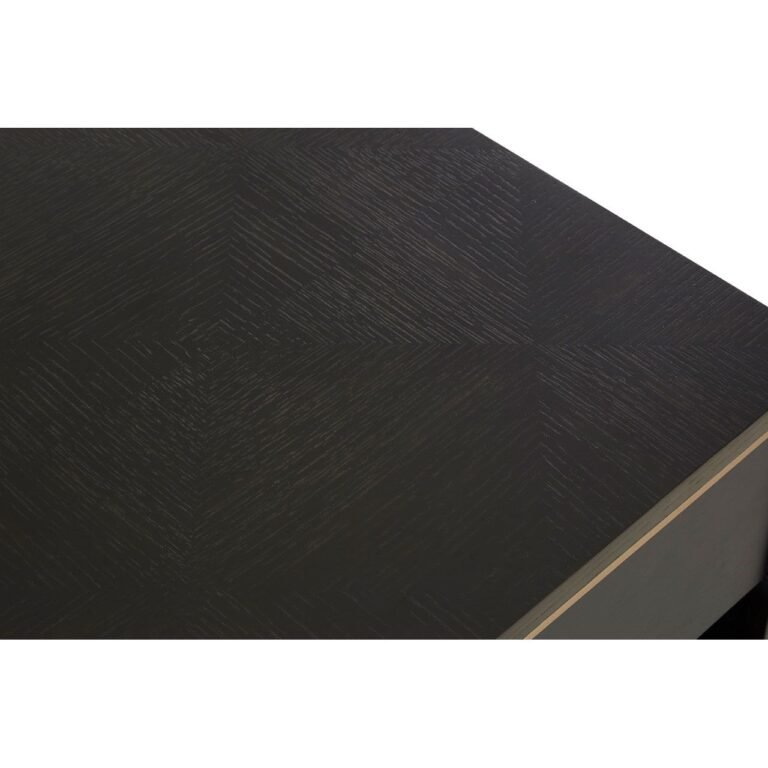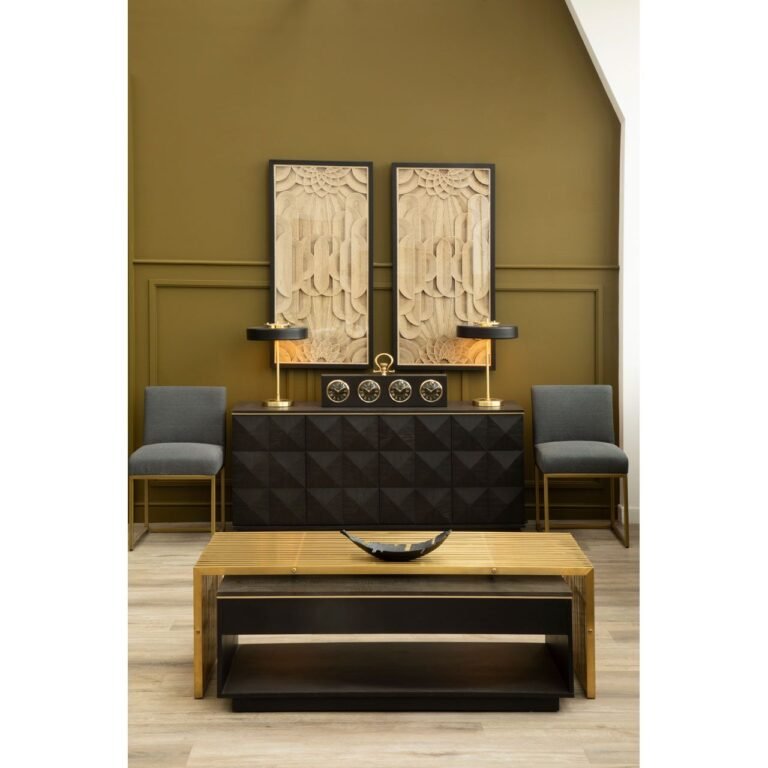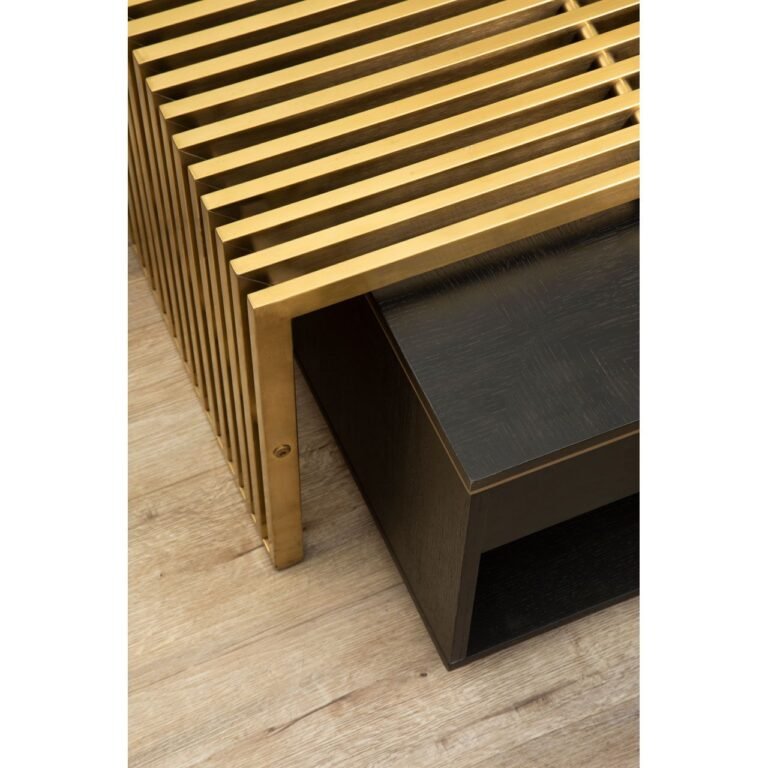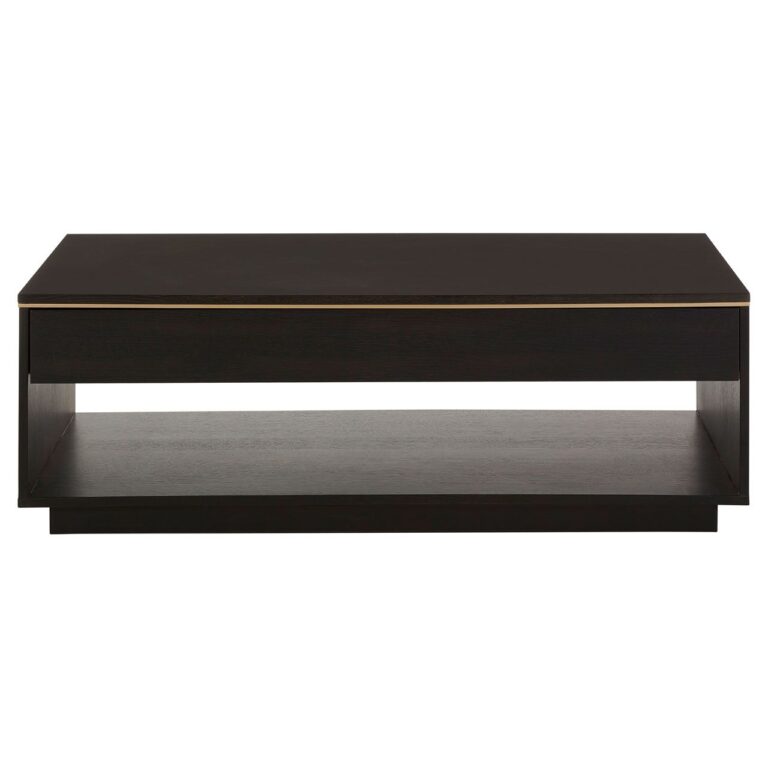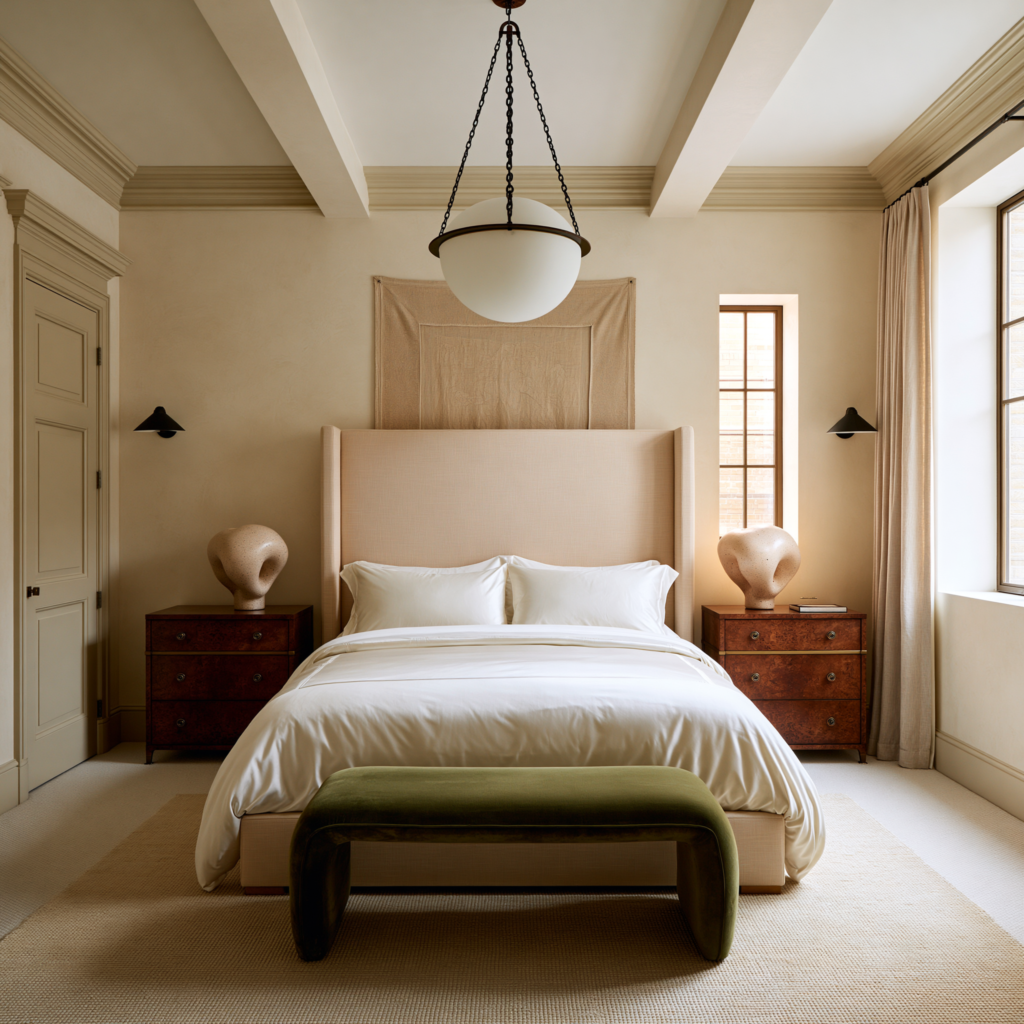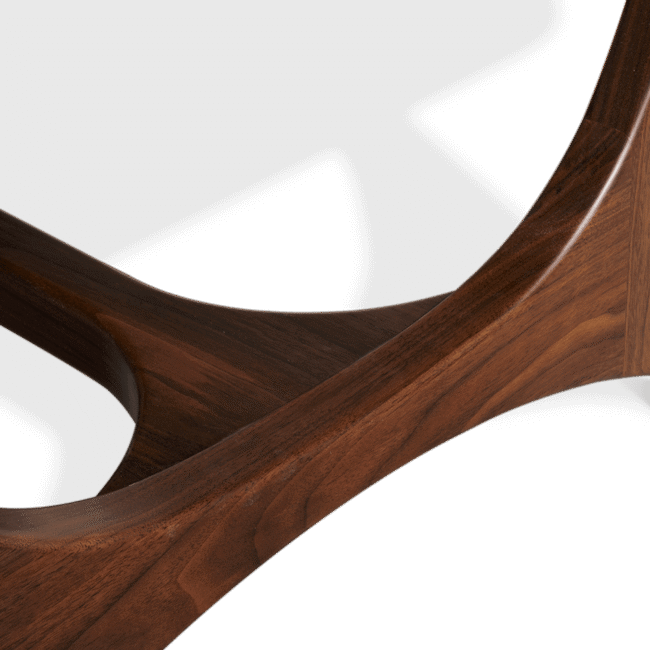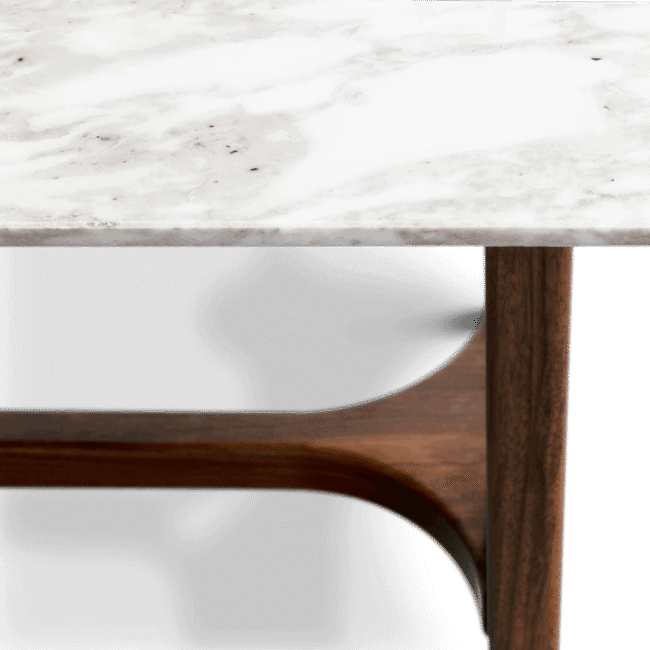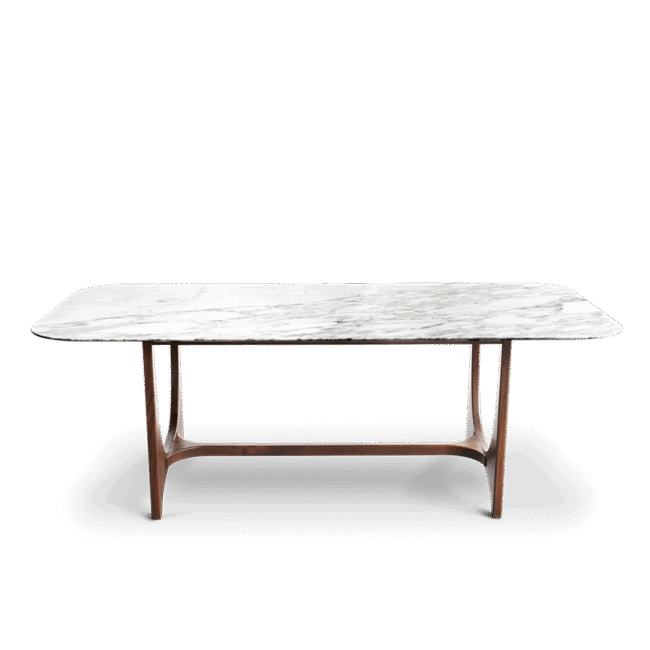
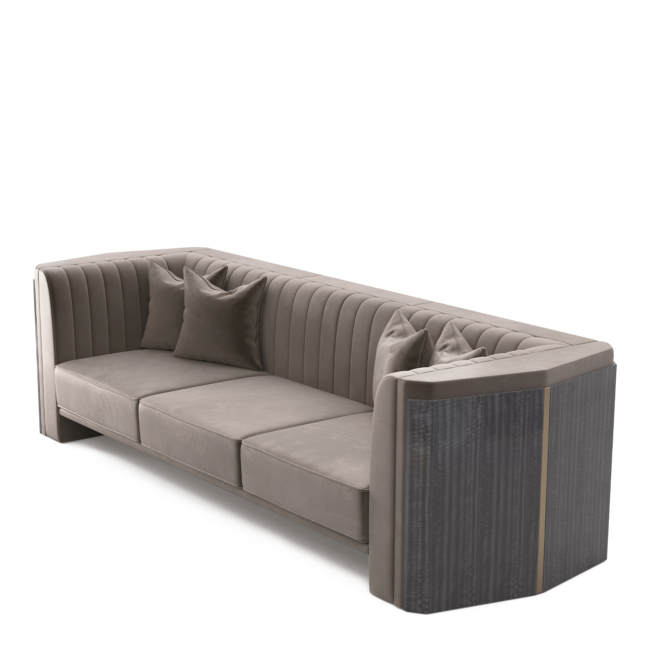
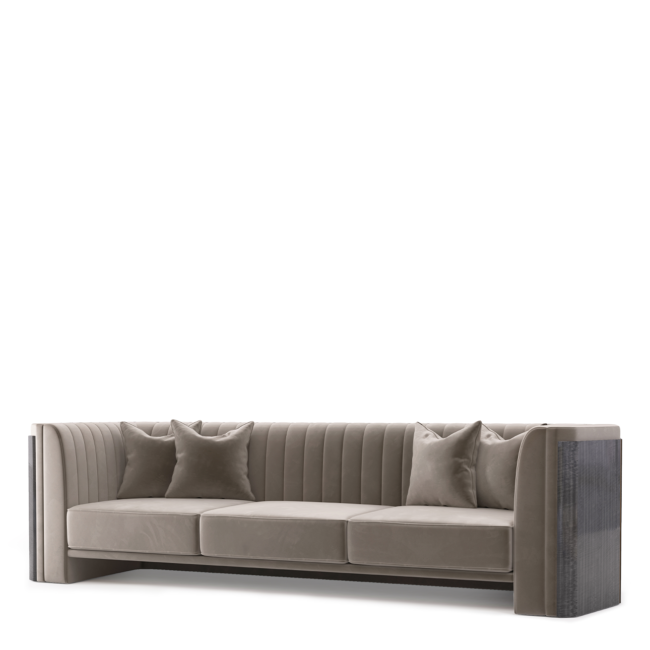
Furniture as art:- How one sculptural piece can transform an entire room

Sculptural furniture

Some rooms are beautifully furnished yet surprisingly easy to forget.

The colours coordinate, the sofa fits comfortably and every practical requirement has been considered. Still, the interior lacks the one element that makes the eye pause.

Often, what is missing is not another accessory or a more elaborate colour scheme. It is a piece with presence.

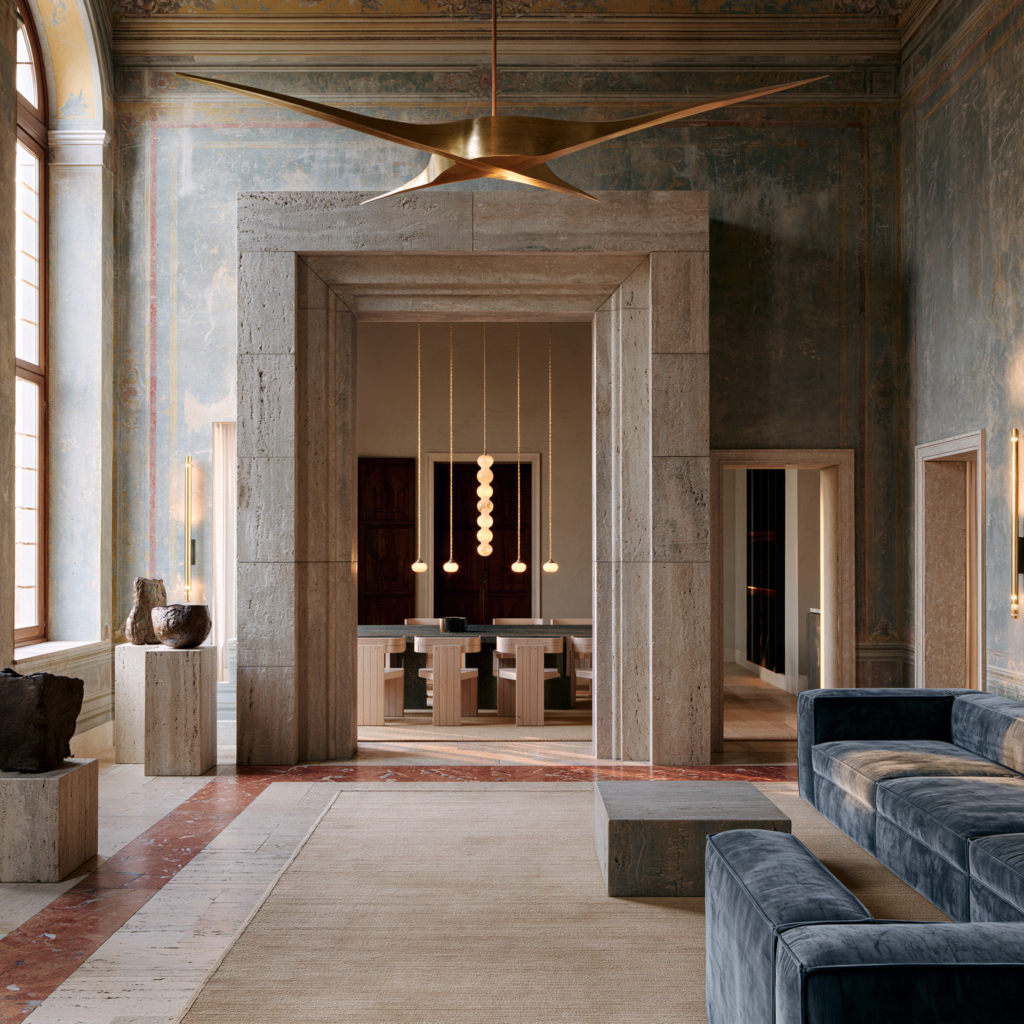
A sculptural chair, an organically shaped table or an unusually formed cabinet can transform how an entire room is experienced. It gives the eye somewhere to settle, interrupts predictable lines and creates a point of view that conventional furniture may not provide.

This is the appeal of sculptural furniture: it performs a practical role while carrying the visual impact of art.

A chair can become a three-dimensional composition. A console may appear carved from a single block of stone, while a coffee table with an exaggerated base can anchor a living room as decisively as a large painting. These pieces are not simply placed within an interior; they actively shape it.

The relationship between furniture and art is not a new idea. The Victoria and Albert Museum’s history of the Aesthetic Movement shows how 19th-century designers elevated furniture through refined form and artistic references. In the 20th century, artist Scott Burton deliberately created functional sculptures that operated simultaneously as seating and art, examples of which now sit within MoMA’s collection.

What feels particularly relevant now is the renewed desire for homes that appear individual rather than formulaic. At Milan Design Week 2026, furniture frequently moved beyond quiet functionality towards expressive silhouettes, tactile materials and pieces with the presence of gallery objects. Wallpaper highlighted sculptural tables among the major directions emerging from the event, while Architectural Digest identified craftsmanship, material experimentation and softer sculptural forms across the exhibitions.

Yet using furniture as art does not require turning a home into a gallery or filling it with impractical objects.

One thoughtfully selected piece can be enough.

The secret lies in choosing the right form, giving it sufficient space and allowing the rest of the room to support rather than compete with it.

Table of Contents

  1. What is sculptural furniture?
  2. Why one statement piece can transform a room
  3. Why sculptural furniture feels relevant now
  4. Begin with the room, not the trend
  5. Choose the right type of sculptural furniture
  6. Consider scale and proportion
  7. Use negative space as part of the design
  8. Let material create the artistic impact
  9. Sculptural seating as a focal point
  10. The transformative power of a statement table
  11. When storage furniture becomes architecture
  12. Sculptural lighting as functional art
  13. Using sculptural furniture in a dining room
  14. Can sculptural furniture work in a small room?
  15. How to style the rest of the room
  16. How furniture and wall art should coexist
  17. How to choose a piece that will endure
  18. Common styling mistakes to avoid
  19. Frequently asked questions
sculptural furniture 2

What Is Sculptural Furniture?

Sculptural furniture is designed to be useful while possessing the visual qualities of a three-dimensional artwork.

It may be defined by:

  • An exaggerated or unexpected silhouette
  • Strong curves or geometric forms
  • An unusual balance of solid and empty space
  • A dramatic base or structural element
  • Expressive craftsmanship
  • Natural material variation
  • An asymmetrical shape
  • A bold relationship between material and form
  • A design that looks distinctive from several viewpoints

A sculptural object does not necessarily have to be colourful or ornate.

A simple stone table supported by one monolithic base may feel more artistic than an elaborately decorated cabinet. A chair formed from one continuous curve can create impact through restraint, while a sharply angular console may resemble a piece of contemporary architecture.

This distinction matters because sculptural design is not the same as decoration.

Decoration is applied to an object. Sculptural character often comes from the object’s essential shape.

A fluted pattern, metallic detail or carved surface may contribute to its appeal, but the piece should remain visually compelling even when viewed as a silhouette.

The Salone del Mobile’s official review of its 2026 edition noted that furniture shapes were asserting greater presence without relying on excessive ornamentation. Calibrated details and deviations from expected forms gave pieces their identity.

This makes sculptural furniture particularly suited to contemporary interiors. It can introduce personality without requiring the room to become busy.

Why One Statement Piece Can Transform a Room

The eye naturally searches for hierarchy.

When every piece in a room has a similar size, colour and degree of visual importance, the interior may appear balanced but flat. There is no clear beginning to the visual story.

A sculptural piece changes that.

It can:

  • Establish the room’s focal point
  • Introduce contrast
  • Create movement
  • Break up straight architectural lines
  • Give a neutral room personality
  • Connect furniture with artwork
  • Make a simple scheme feel intentional
  • Influence the placement of surrounding furniture
  • Create a memorable first impression

Consider a living room containing a neutral sofa, restrained rug and plain cabinetry. Adding more neutral accessories may improve the styling, but it is unlikely to alter the fundamental character of the space.

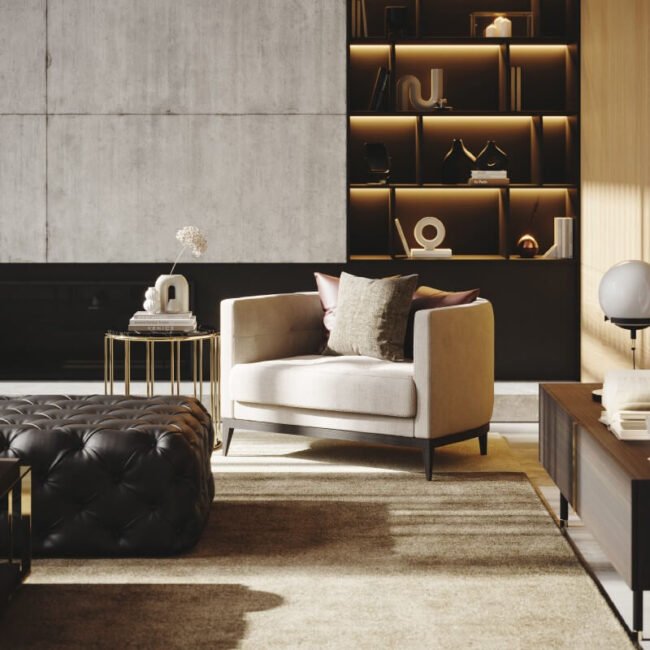
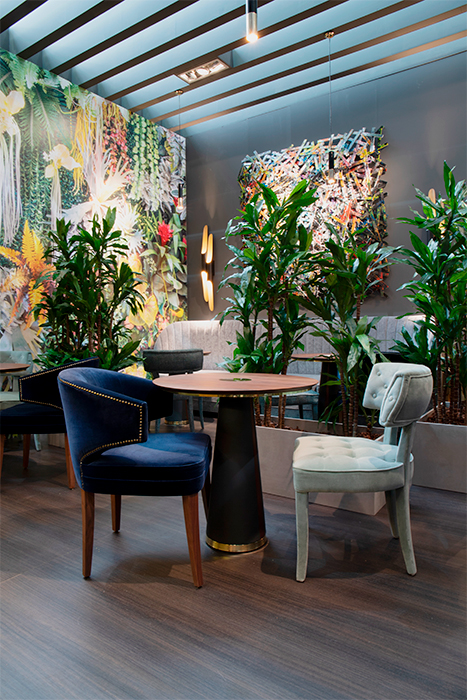
Introduce one expressive statement armchair, however, and the room acquires a new centre of gravity. Its curve may soften the architecture, its upholstery can introduce colour and its position may create a more conversational layout.

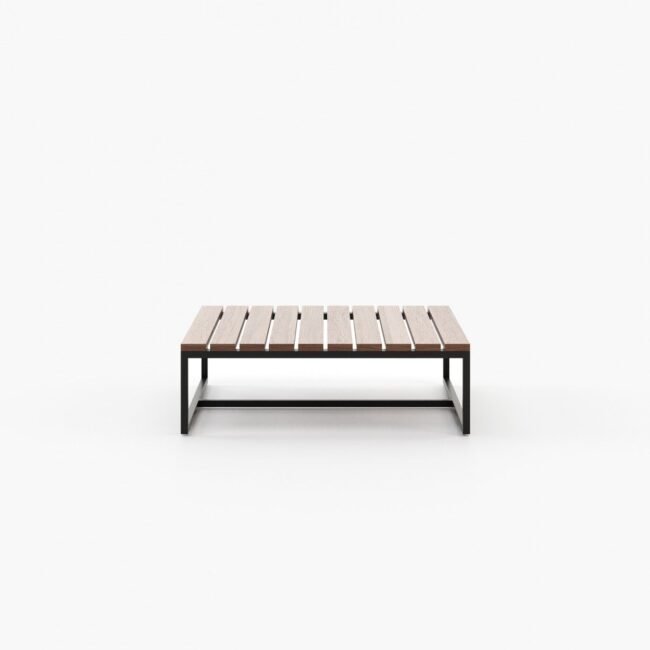
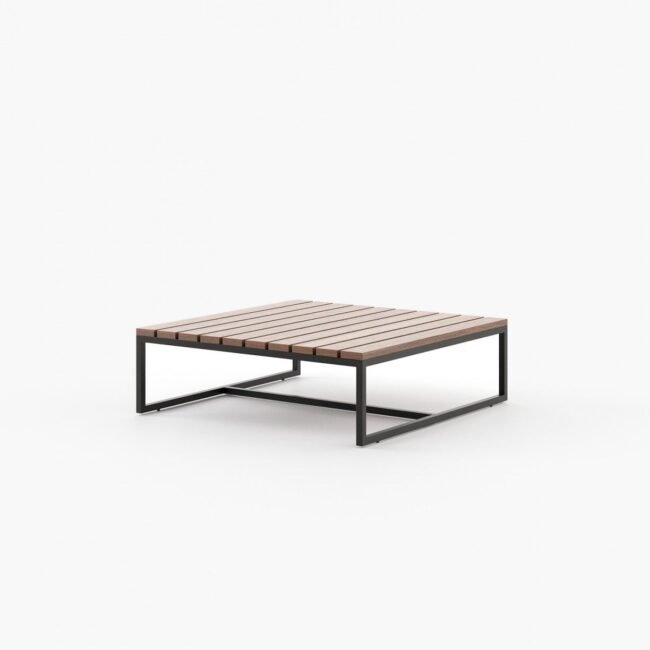
Similarly, a sculptural coffee table can transform an ordinary seating arrangement. Because it occupies the centre of the room, its form influences how every surrounding piece is perceived.

A statement piece does not simply add another layer.

It changes the relationship between the layers already present.

Why Sculptural Furniture Feels Relevant Now

For several years, interiors were dominated by restrained shapes, pale colours and furniture chosen to disappear quietly into a wider neutral scheme.

That approach created calm rooms, but it also produced a degree of visual similarity.

Current furniture design is moving towards stronger individuality. Homes & Gardens’ 2026 furniture forecast identifies sculptural curves, rich materials and statement pieces as part of a wider preference for rooms that feel layered and personal rather than overly coordinated.

At the same time, collectible design has become more visible. Furniture is increasingly presented not only according to its practical value but also through the ideas, craftsmanship and cultural references behind it. Milan Design Week 2026 expanded this relationship between interiors, artistic expression and collectible objects through installations and pieces that blurred familiar categories.

This does not mean that every homeowner needs limited-edition gallery furniture.

It does suggest that people are becoming more interested in pieces with a clear identity.

A home filled entirely with anonymous furniture may be functional, but it rarely communicates much about its inhabitants. One expressive table, chair or cabinet can make the interior feel chosen rather than simply completed.

Begin With the Room, Not the Trend

The most effective sculptural furniture responds to the space around it.

Before choosing a statement piece, consider what the room lacks.

Does it feel too linear? Too pale? Too coordinated? Is there an empty corner without purpose? Does the room need a stronger focal point, or does it already contain several competing elements?

A room dominated by straight lines may benefit from curves. A soft, rounded interior may need one angular piece to add definition. A neutral room can support furniture in a deeper colour, while a highly patterned scheme may need a statement created through shape rather than another decorative surface.

Ask:

  • Where does the eye currently settle?
  • Which part of the room feels unresolved?
  • Does the architecture need softness or structure?
  • Is the room lacking colour, texture or form?
  • Will the new piece be viewed from one direction or several?
  • What practical role must it perform?

This prevents the purchase from becoming an isolated trend decision.

The goal is not to add sculptural furniture simply because it is fashionable. It is to identify a design that solves both a visual and functional need.

Choose the Right Type of Sculptural Furniture

Almost any furniture category can become an artistic focal point, but some pieces naturally carry more visual influence than others.

Chairs and armchairs

A chair is one of the easiest ways to introduce sculptural form.

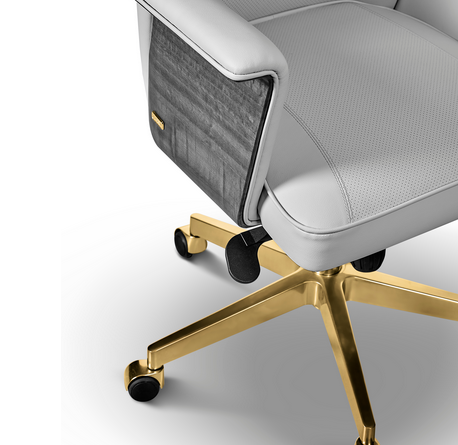
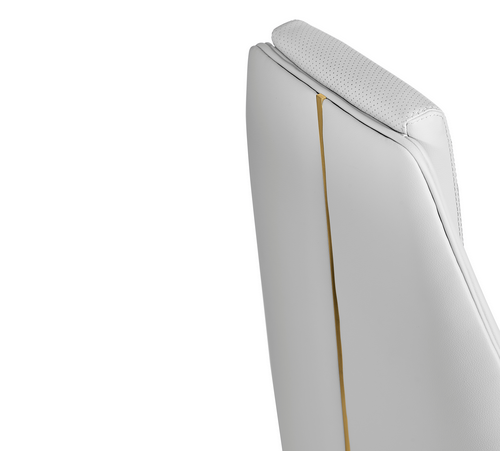
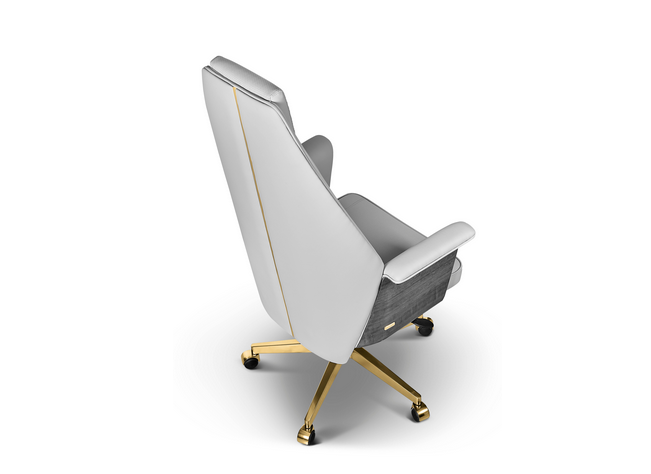
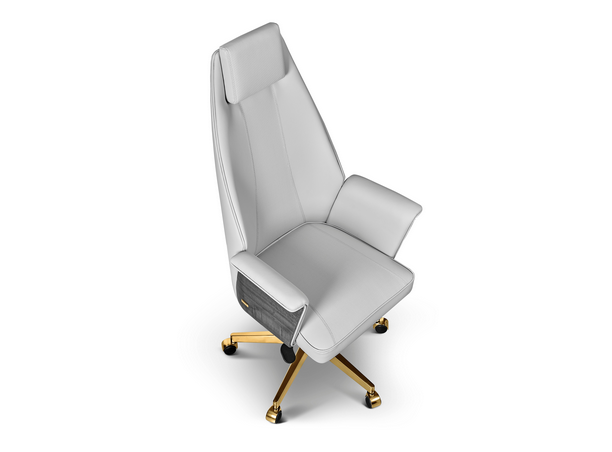
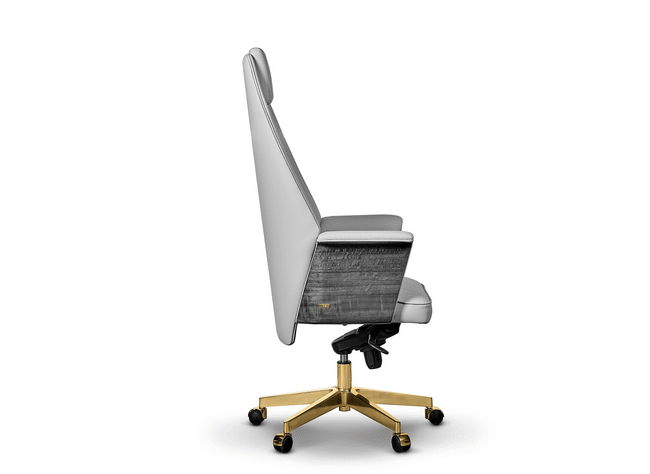
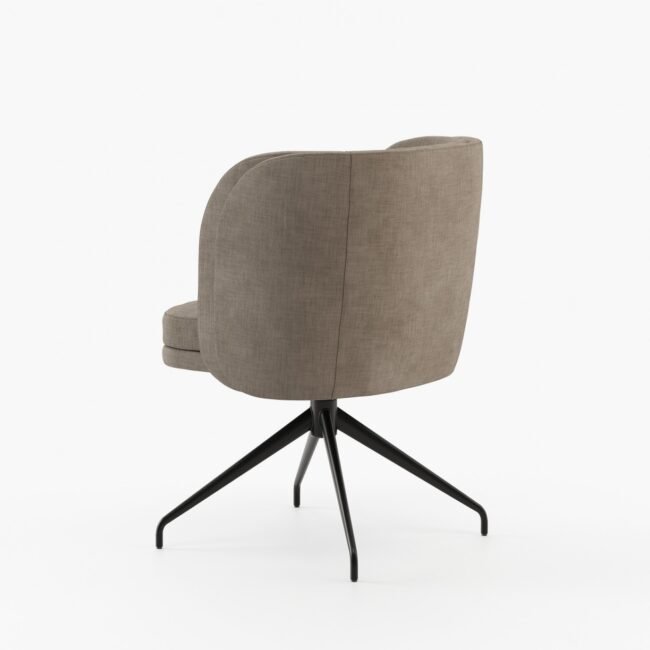
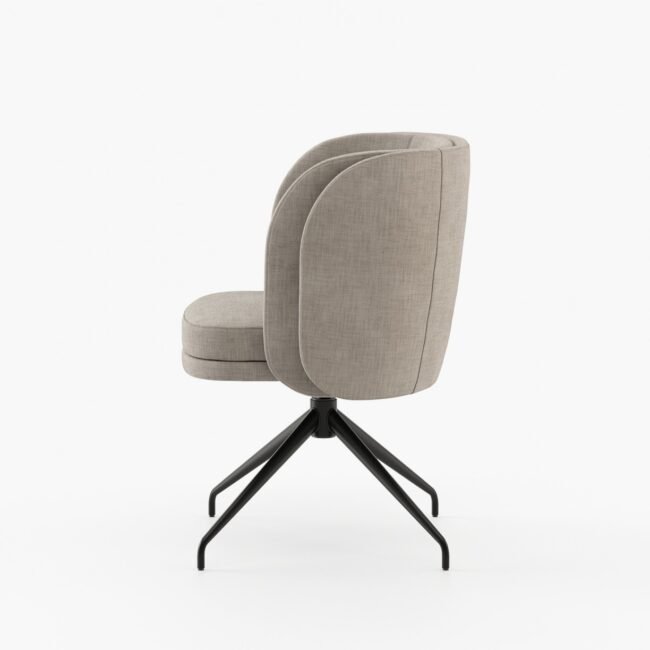
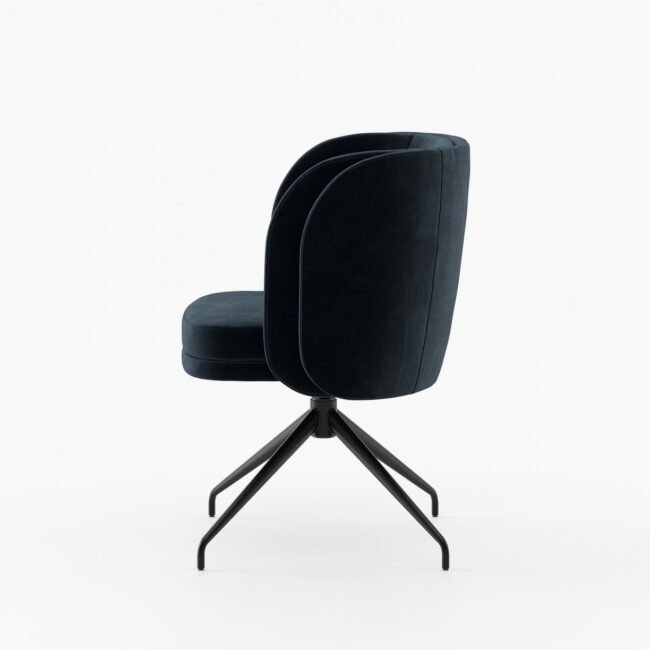
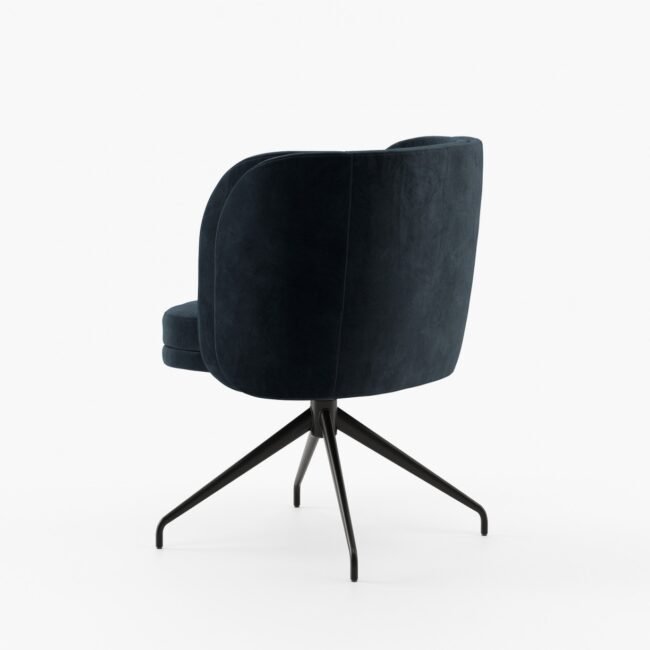
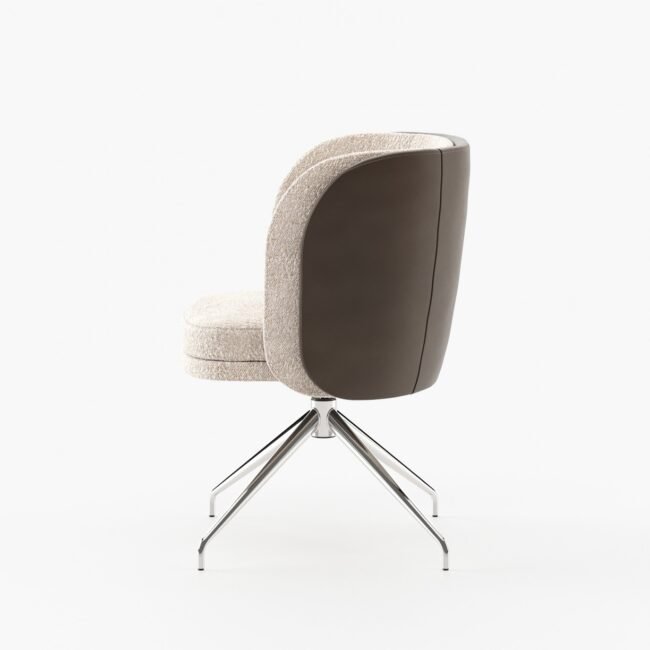
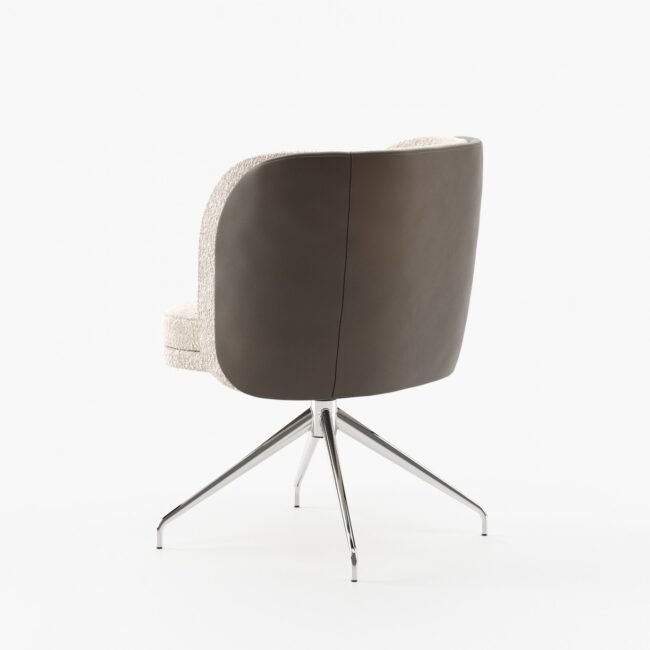
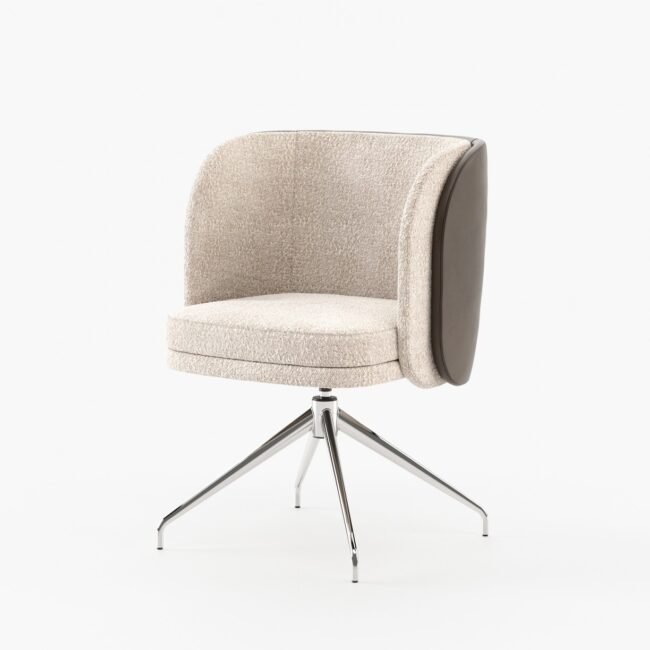
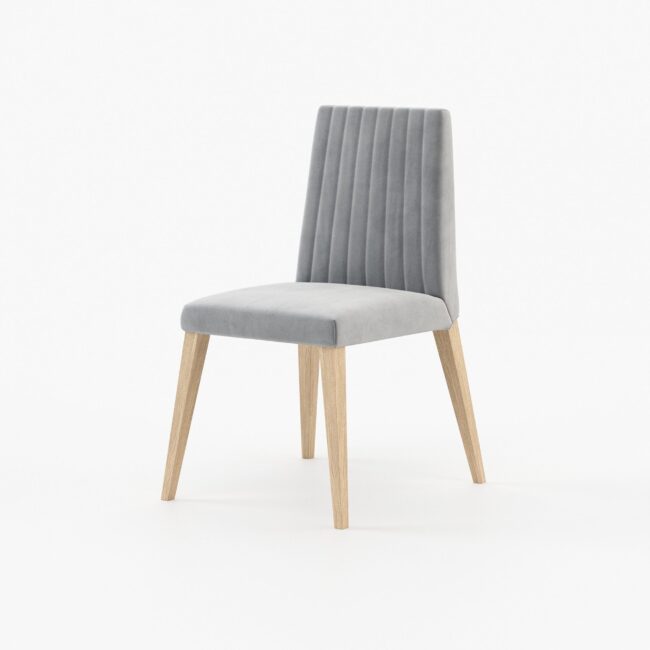
It occupies less space than a sofa and can therefore be more experimental in shape, colour and upholstery. Curved backs, exaggerated arms, unusual bases and architectural timber frames can all create impact.

Coffee tables

Because the coffee table sits at the centre of a seating arrangement, a strong design can immediately redefine the room.

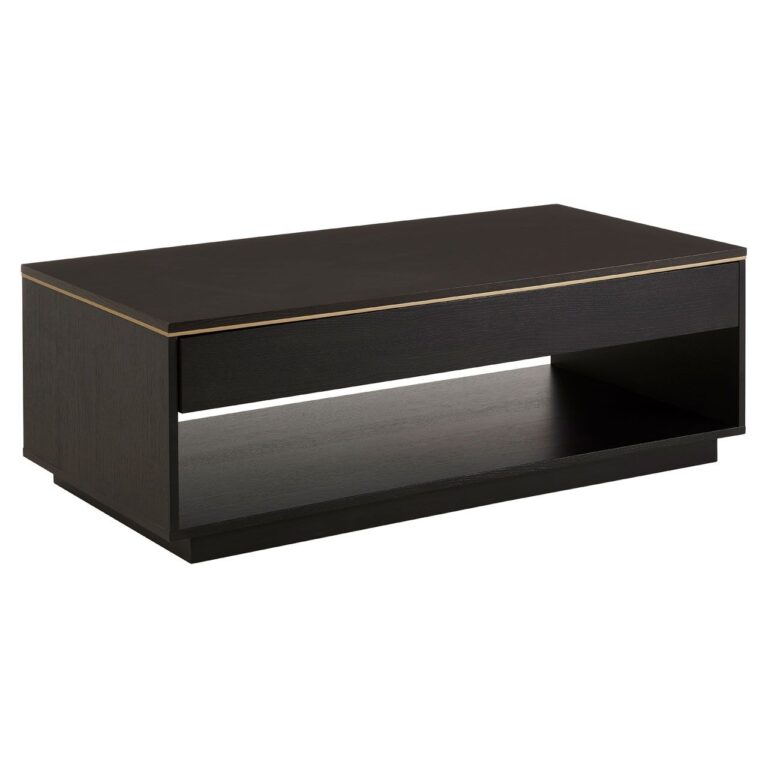
Look for monolithic bases, irregular tops, natural stone, organic outlines or contrasting materials.

Sideboards and cabinets

Larger storage furniture offers enough surface area for carved, fluted, inlaid or textural treatments.

A sculptural cabinet can transform an empty wall while also providing practical storage.

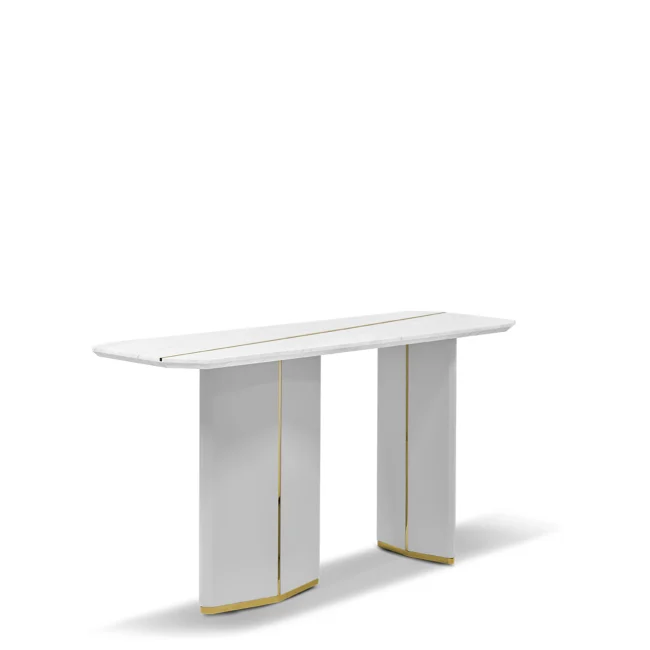
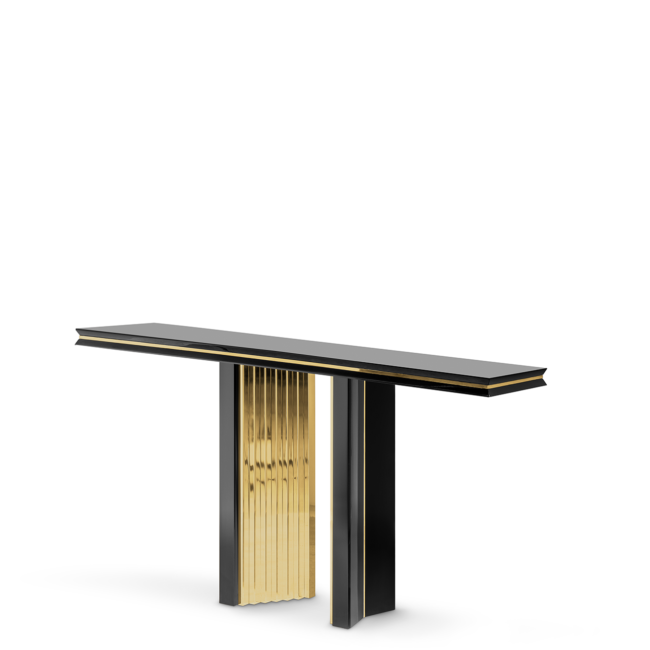
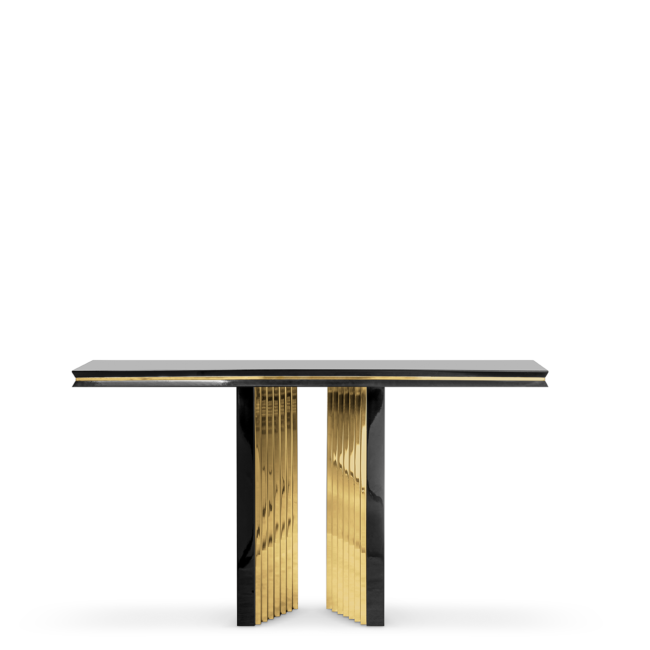
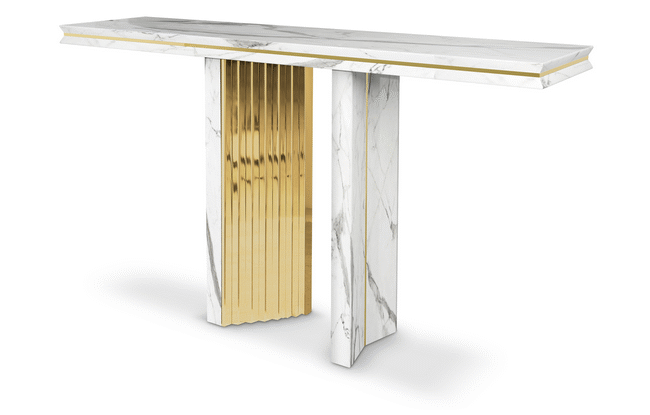
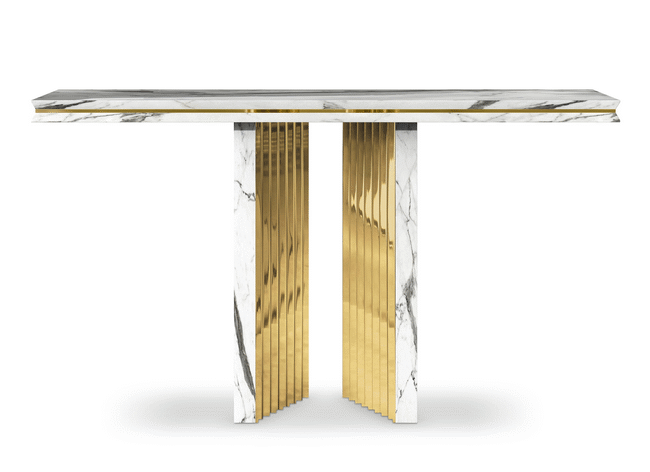
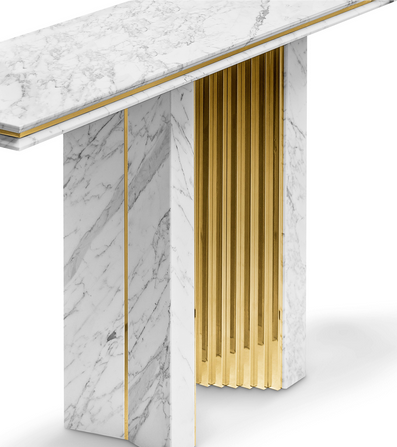
Console tables

A console can become a strong focal point in an entrance, hallway or living room without occupying significant floor space.

Its base is often more visible than that of larger furniture, making it an ideal category for expressive design.

Dining tables

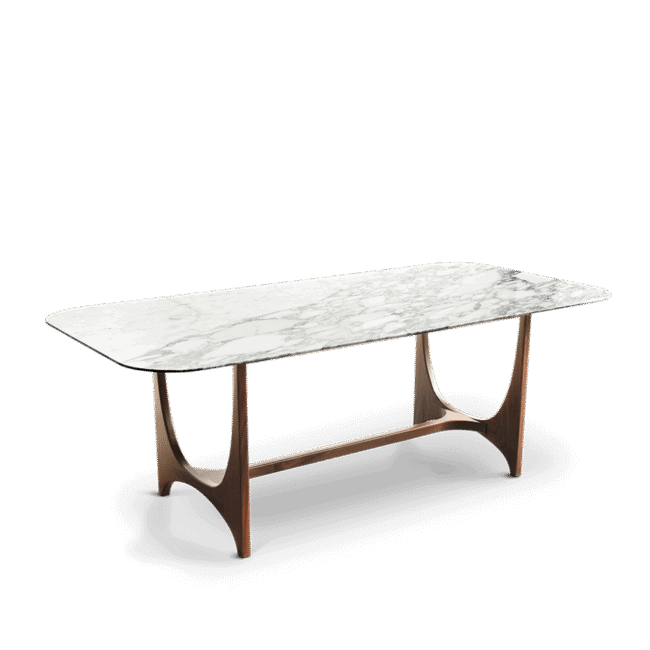
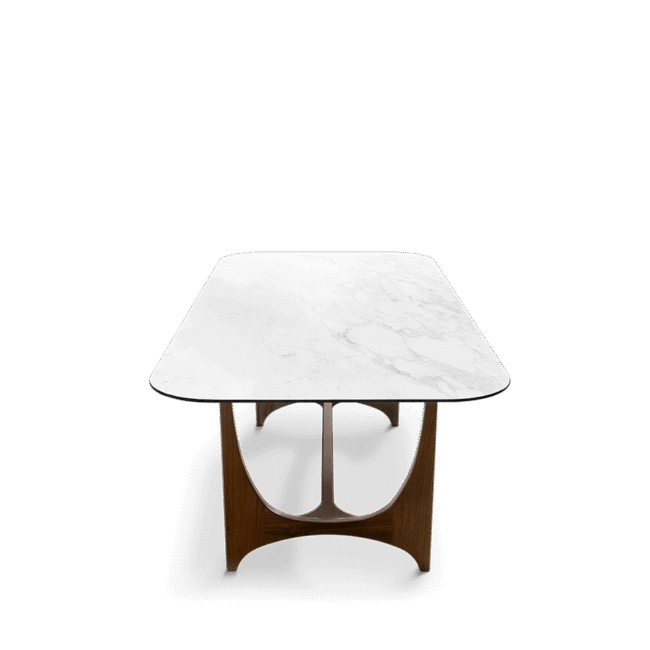
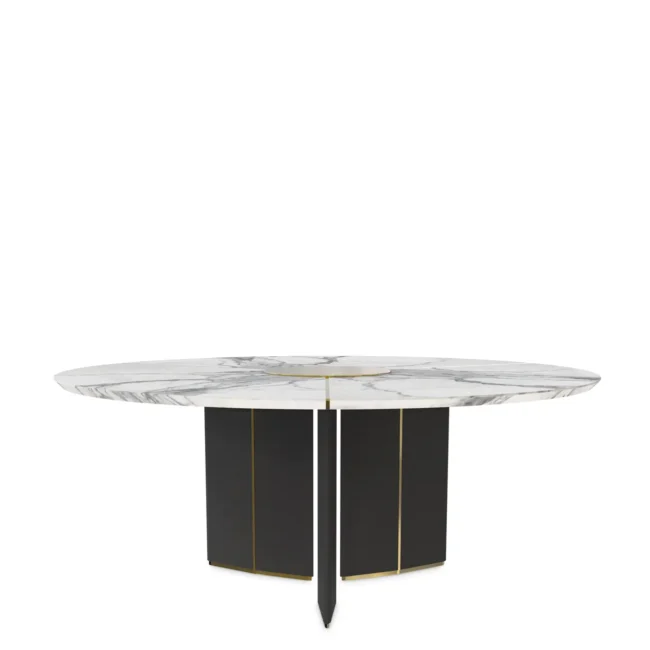
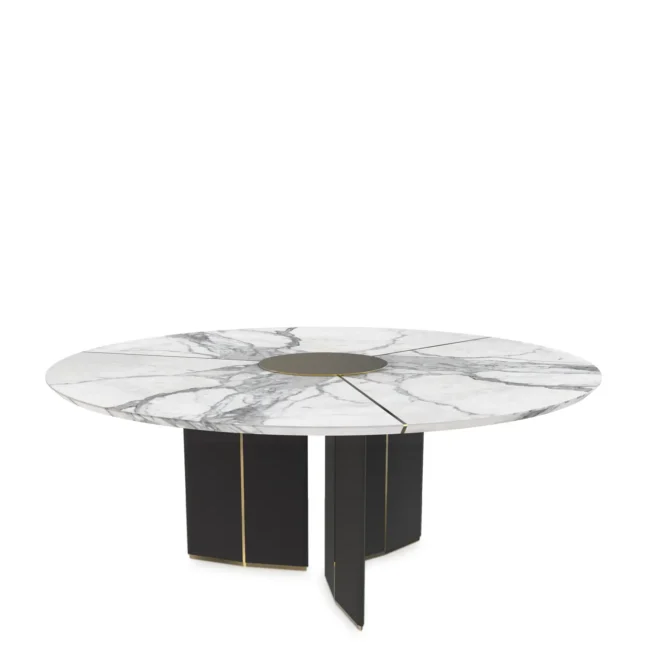
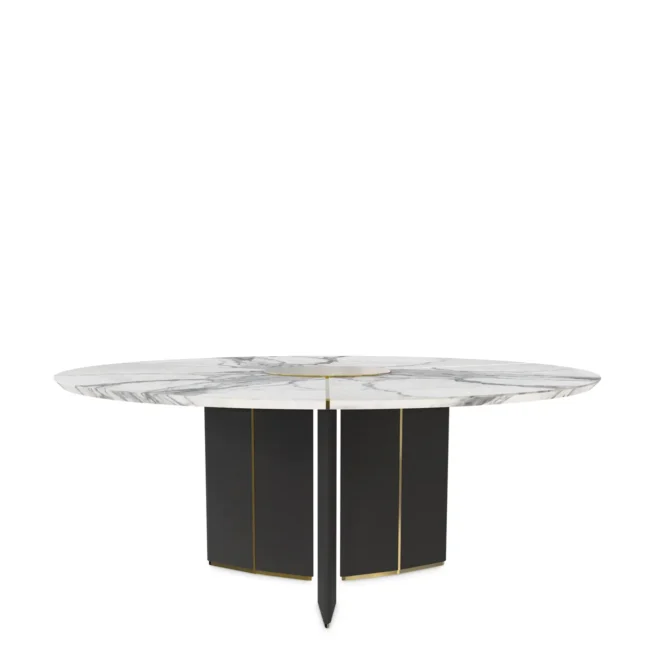
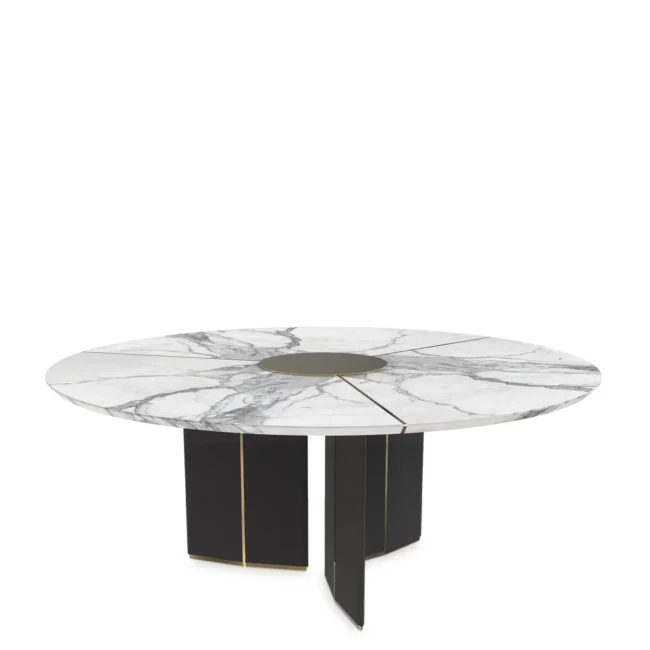
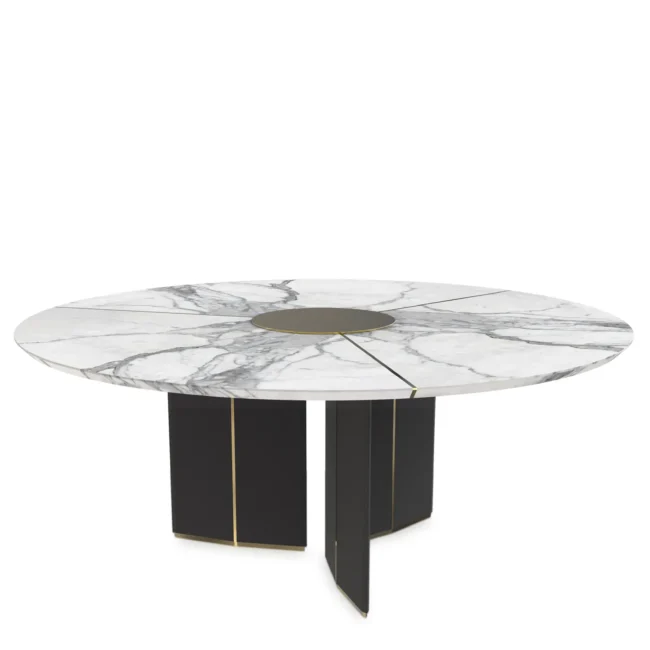
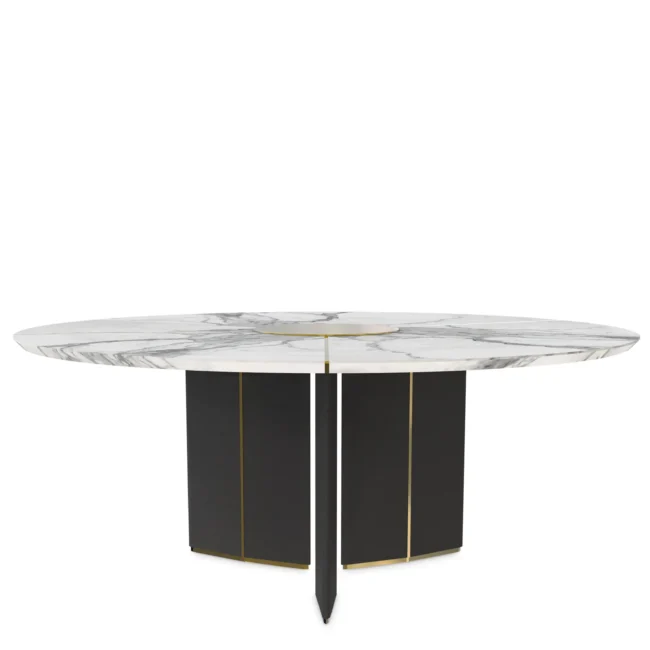
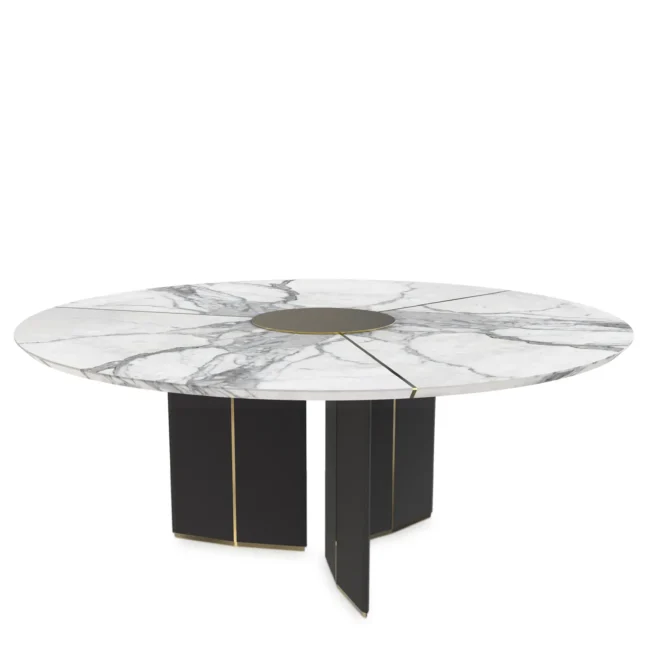
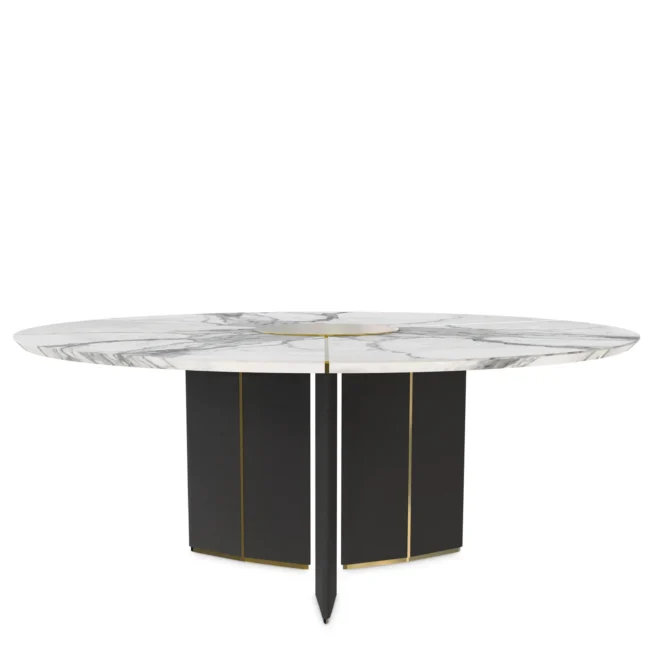
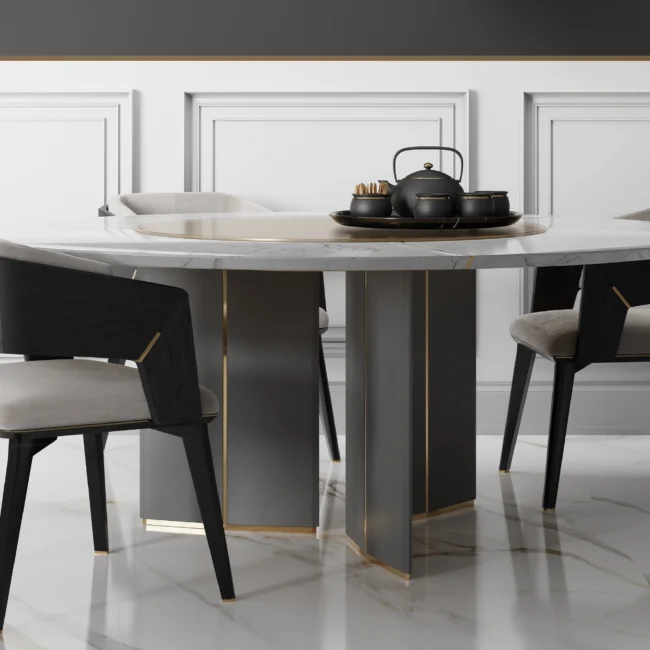
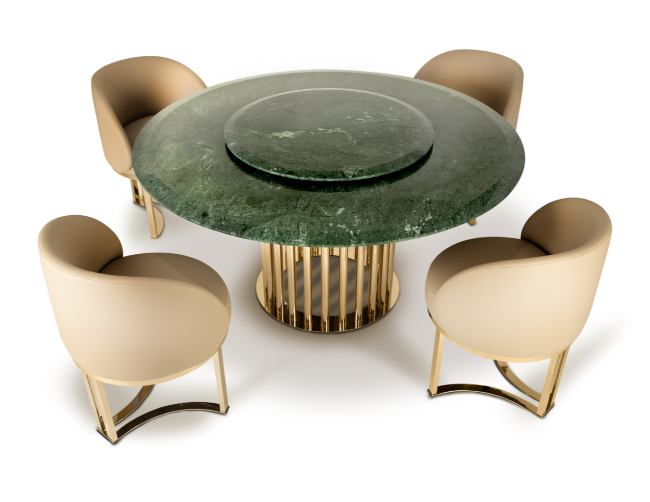
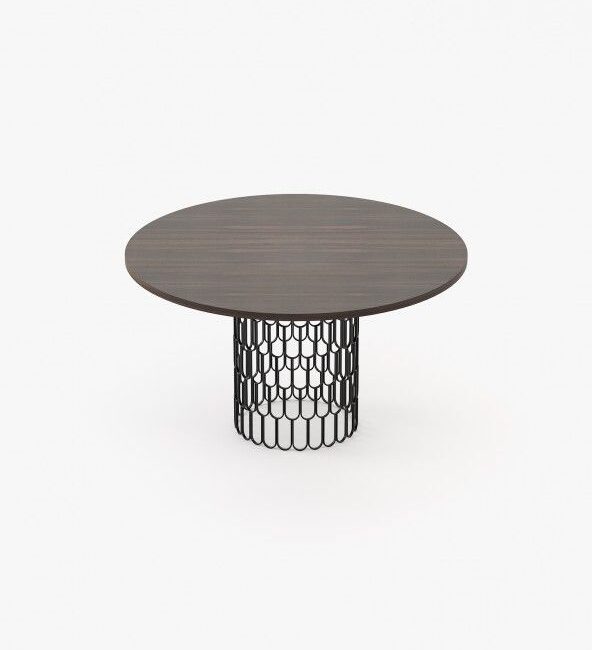
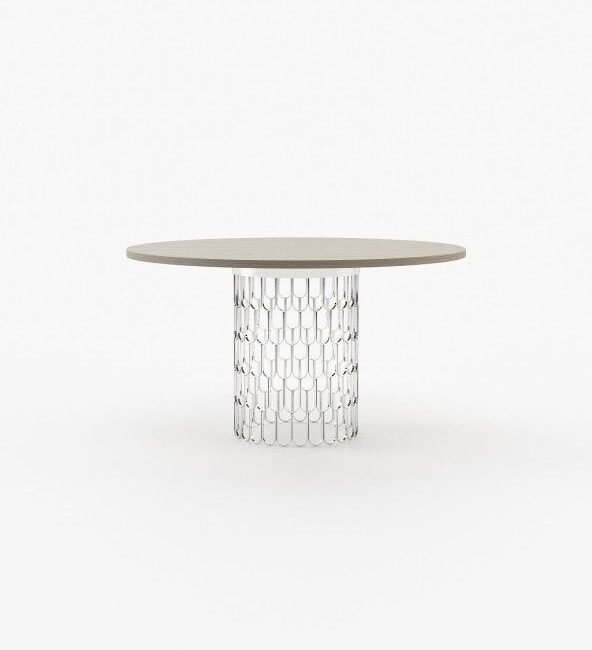
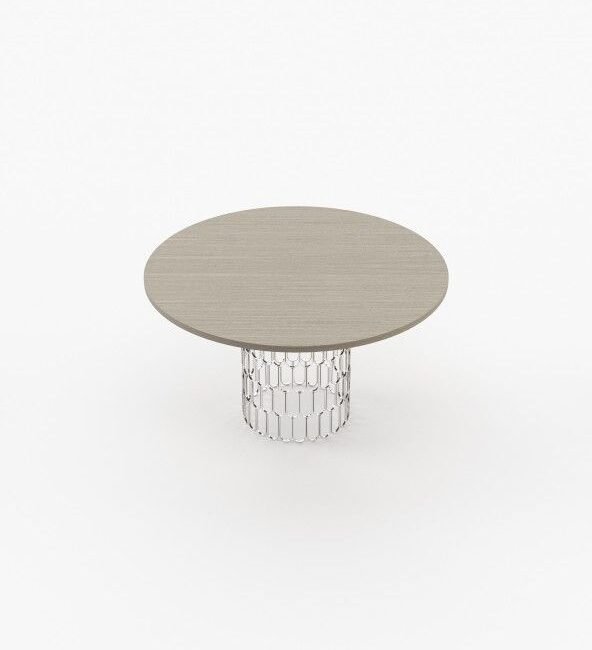
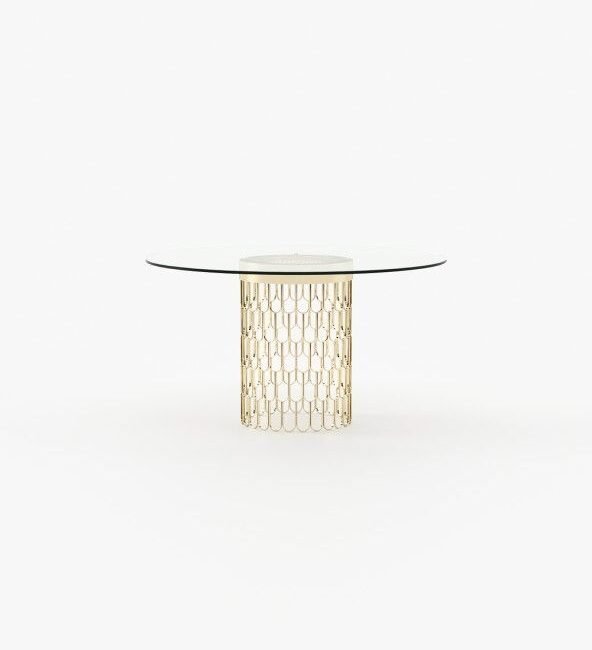
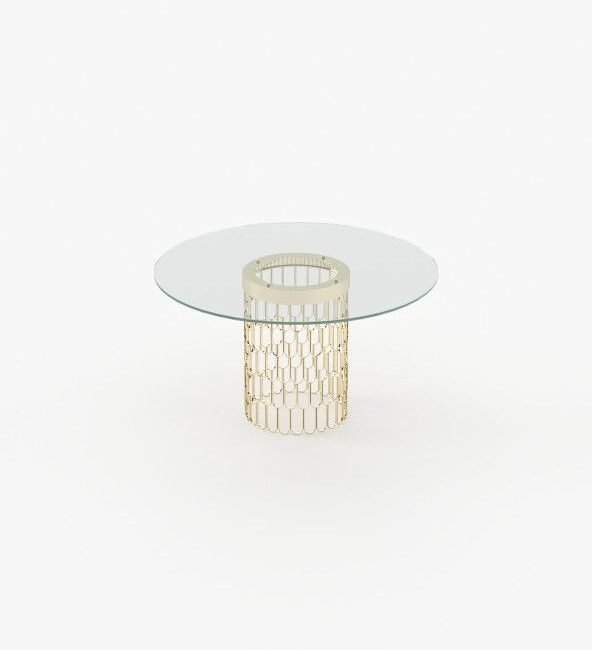
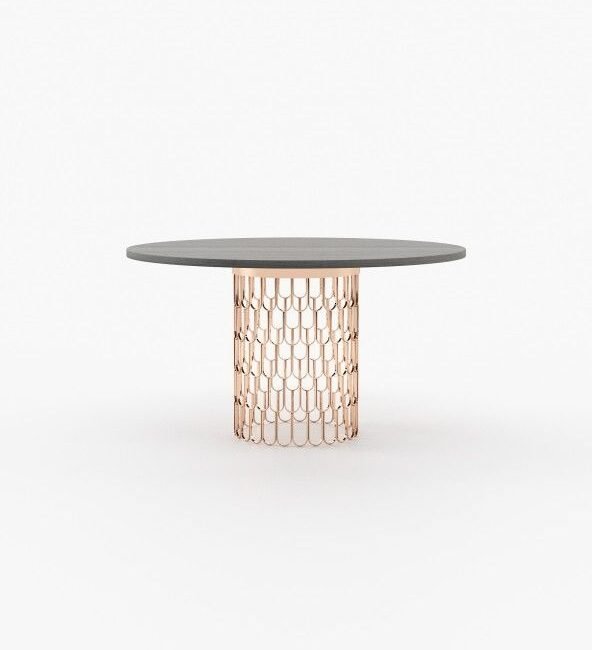
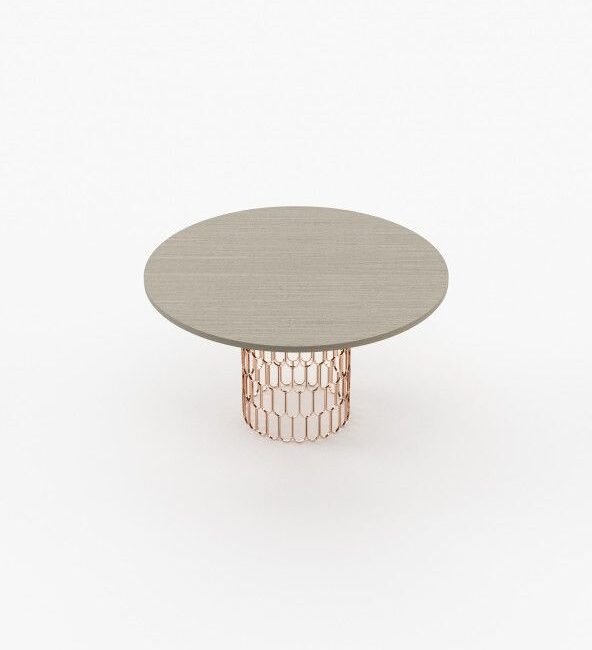
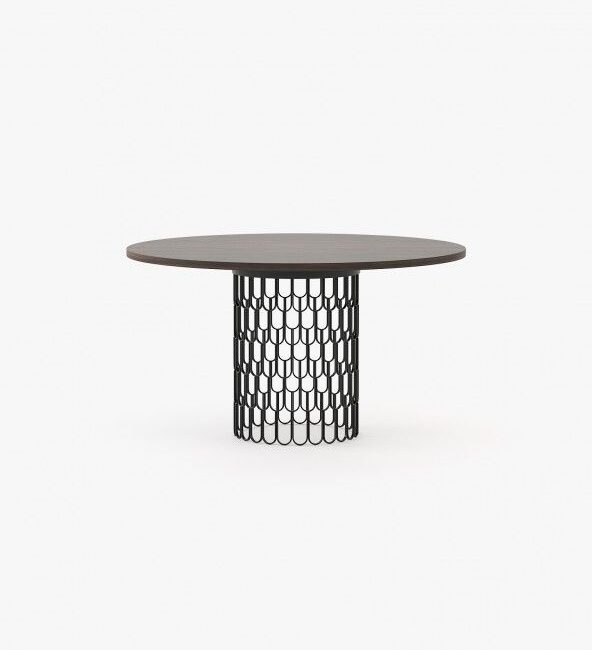
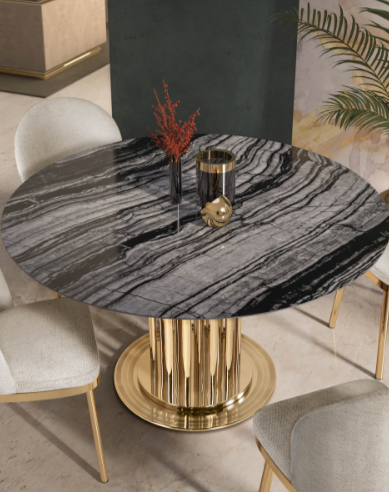
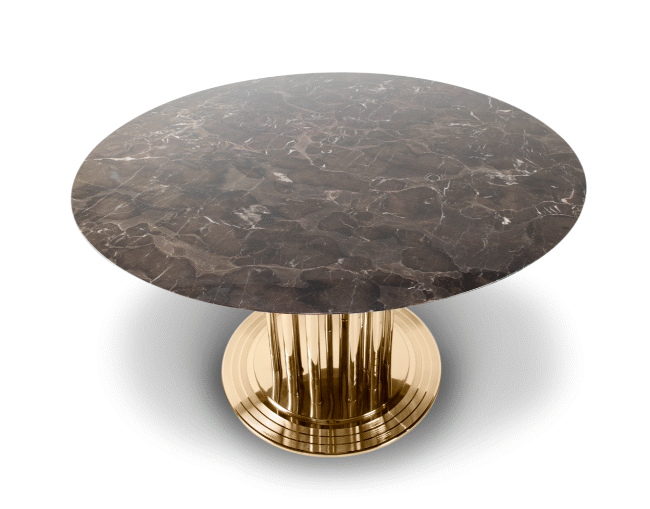
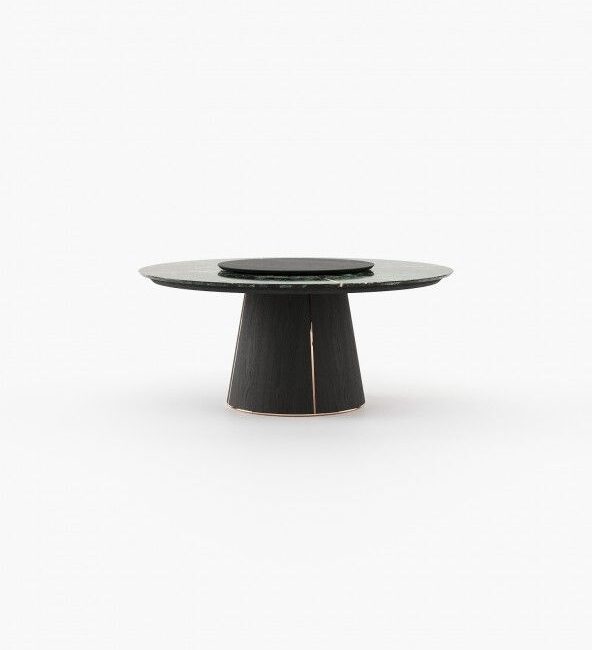
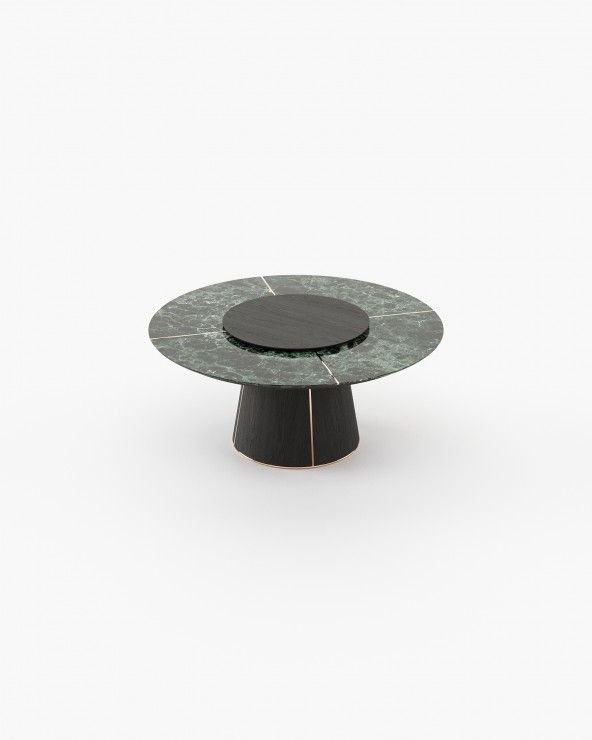
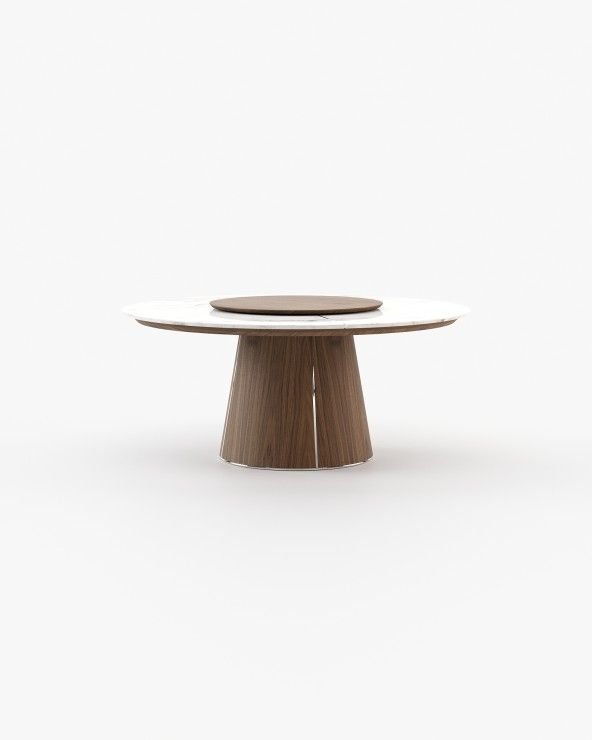
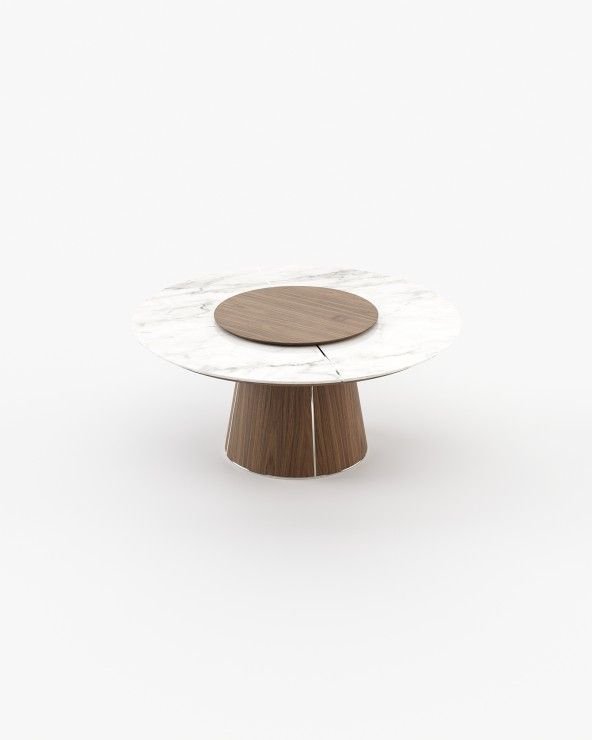
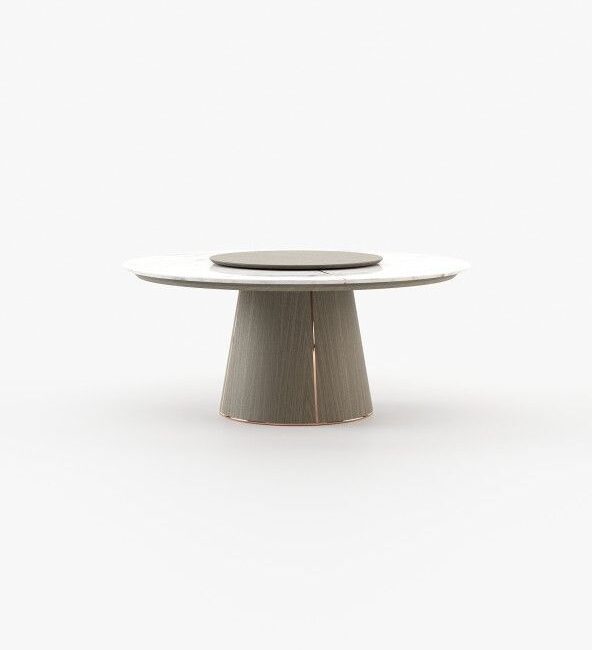
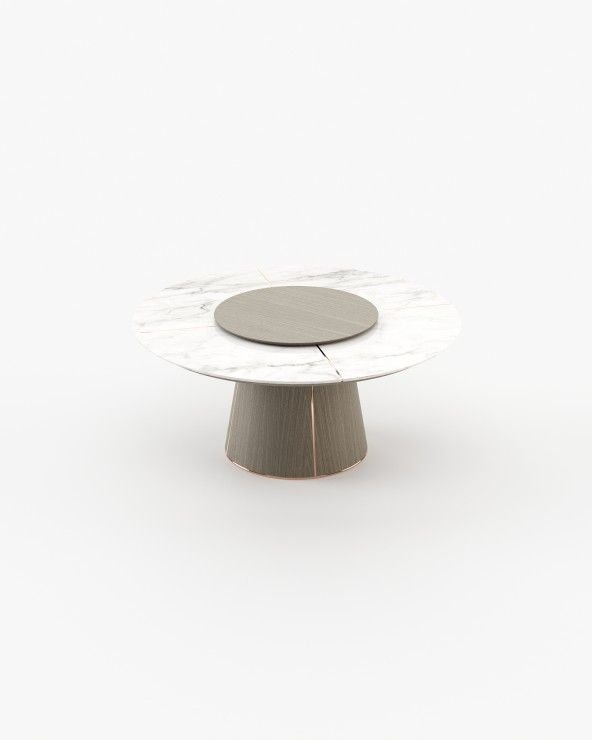
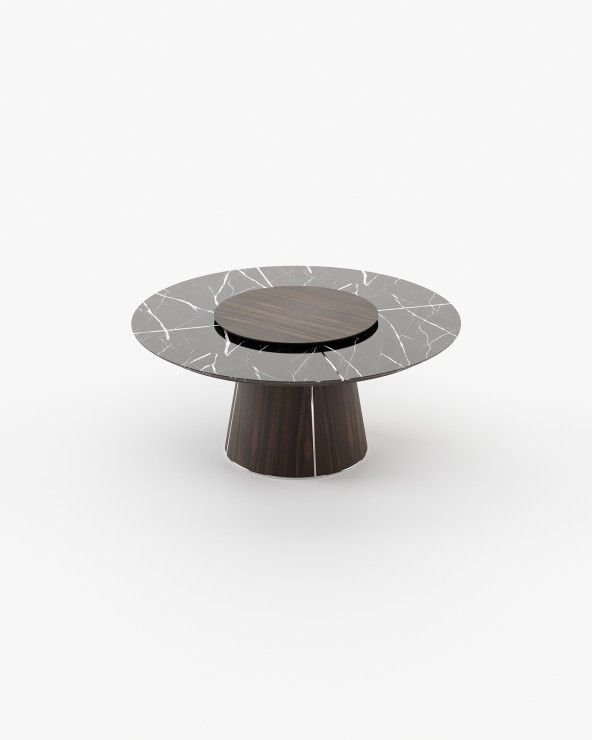
A dramatic dining table can shape the entire room. Pedestal bases, carved timber, stone slabs and unusual geometric supports can turn the table into an architectural centrepiece.

Lighting

Although lighting is not always categorised as furniture, sculptural chandeliers, floor lamps and table lamps can have an equally transformative effect.

Choose the category according to where the room needs the greatest intervention.

Consider Scale and Proportion

Statement furniture needs presence, but presence does not always mean enormous size.

The piece must be proportionate to the room and to the furniture around it.

A sculptural chair that is too small may look like an accessory rather than a focal point. An oversized table can dominate circulation and make the surrounding seating appear insignificant.

Before purchasing, compare:

  • Overall height and width
  • Seat or tabletop height
  • Visual weight
  • Base dimensions
  • Clearance around the piece
  • Relationship to nearby furniture
  • The height of surrounding architecture
  • The distance from which it will be viewed

A substantial chair may work beside a large sofa when its back and arms provide enough presence. A delicate chair with an unusual form might need more empty space around it to remain visible.

When choosing sculptural coffee tables, compare the table with the full length of the sofa and the dimensions of the rug. The design should feel central rather than lost, but it must still allow comfortable movement around the seating.

Use masking tape to mark the piece’s footprint on the floor. This reveals whether its scale works before it enters the room.

Use Negative Space as Part of the Design

Sculptural furniture needs room to be seen.

One of the most common mistakes is placing a distinctive piece within an already crowded arrangement. Its shape becomes obscured by accessories, plants or neighbouring furniture, and much of its impact is lost.

Negative space is not empty space without purpose.

It acts like the margin around an image, allowing the form to become clear.

Give the piece:

  • Space from nearby walls where possible
  • A clear outline
  • An uncluttered surface
  • Room to be viewed from more than one angle
  • A simple background
  • Controlled rather than excessive accessories

A sculptural console table may need only one lamp or object on its surface. A distinctive chair can be positioned beside a restrained side table rather than surrounded by numerous smaller pieces.

Architectural Digest’s guide to styling rooms with statement pieces similarly recommends allowing a bold silhouette, colour or material to provide the starting point for the wider room rather than competing with several equally forceful elements.

Restraint is often what makes a statement look luxurious.

sculptural furniture 3

Let Material Create the Artistic Impact

Sculptural furniture is not defined by form alone.

Material can make even a relatively simple silhouette feel extraordinary.

Stone

Stone creates permanence and visual weight.

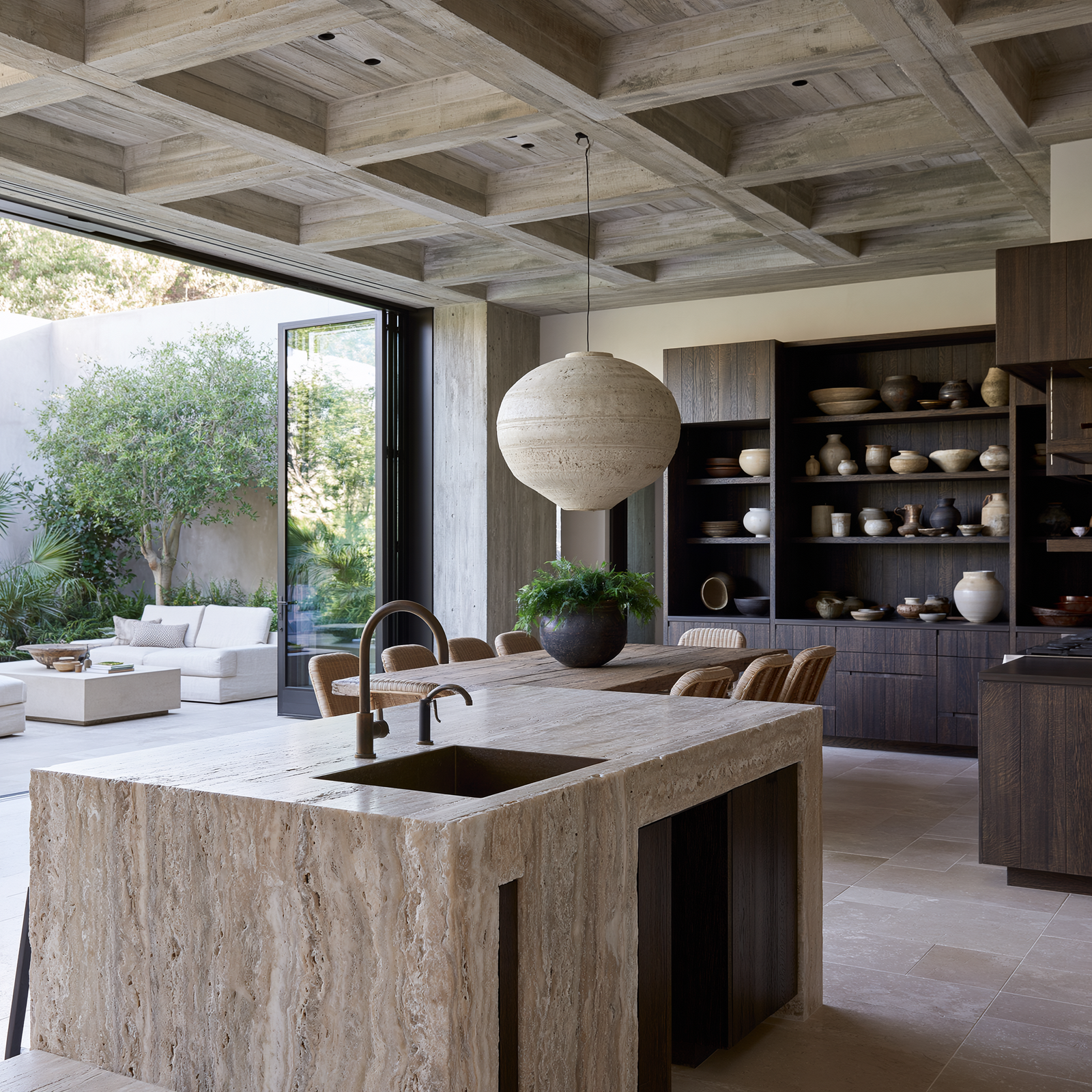
Travertine, marble, onyx and limestone carry natural variations that make every surface distinctive. A table with an understated shape may still feel artistic because of dramatic veining or tonal movement.

Timber

Wood can be carved, curved, fluted or left deliberately substantial.

Visible grain brings warmth to monolithic forms, while dark timber can make a simple silhouette feel more architectural.

Metal

Polished, brushed, hammered or patinated metal introduces reflection and precision.

Metal is particularly effective for creating slender sculptural bases or contrasting with soft upholstery.

Glass

Glass can create the illusion of weightlessness.

Smoked, coloured, cast or textured glass adds artistic character while allowing light to travel through the furniture.

Upholstery

A chair or sofa can gain sculptural presence through tightly tailored fabric, gathered folds or an exaggerated padded form.

Material experimentation and tactile craftsmanship were prominent across Milan Design Week 2026, where weaving became structural, stone appeared in expressive textures and glass was used to explore light and imperfection.

Choose a material that adds something missing from the room. A timber-heavy space may benefit from glass or metal, while a room of hard architectural surfaces might need an upholstered sculptural form.

Sculptural Seating as a Focal Point

Seating is where function and artistic expression must work most closely together.

A chair can be beautiful, but it must still support the body. A sofa may possess an extraordinary silhouette, yet it should remain comfortable enough for the room’s intended use.

Sculptural seating commonly includes:

  • Wraparound backs
  • Exaggerated arms
  • Curved or asymmetrical seats
  • Strong timber frames
  • Low monolithic forms
  • Unusual leg structures
  • Continuous flowing silhouettes
  • Contrasting upholstery panels

A statement chair is particularly effective because it can be used as a concentrated moment of colour or shape.

In a neutral living room, consider a curved chair in burgundy, olive or textured cream. In a colourful scheme, choose a quieter fabric and allow the structure to provide the artistic effect.

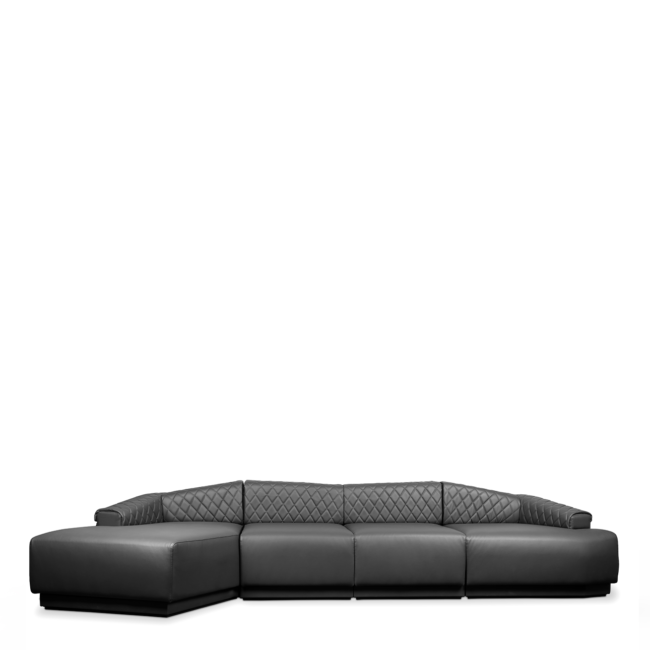
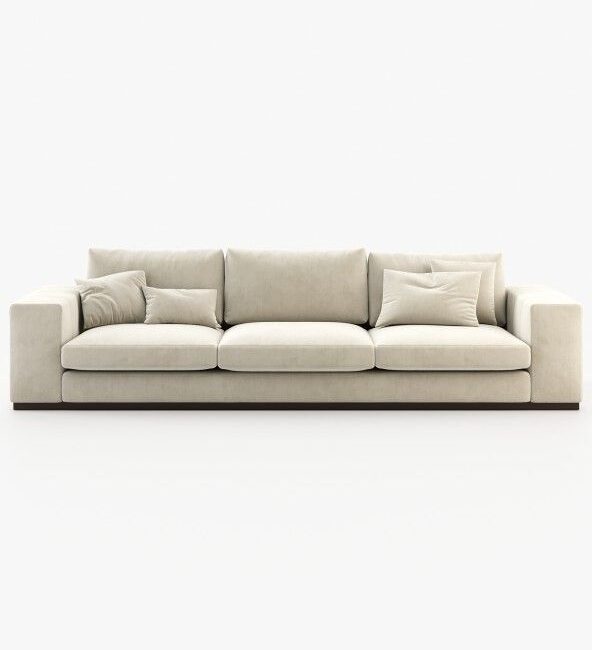
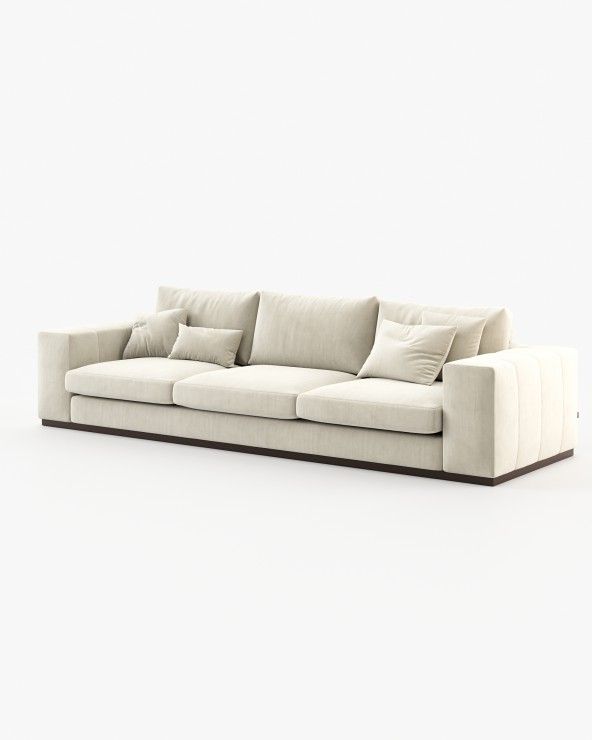
A sculptural sofa has greater influence. Its form may determine the room’s circulation and the position of every other item. Curved designs can create a conversation area, while modular pieces may divide an open-plan room without a wall.

Architectural Digest’s exploration of sculptural seating demonstrates how abstract forms and modular arrangements can challenge the conventional shape and function of a sofa.

When selecting seating, sit in it wherever possible. Artistic impact should not come at the cost of usefulness.

The Transformative Power of a Statement Table

Tables are often the most effective way to introduce furniture as art because their structure remains visible.

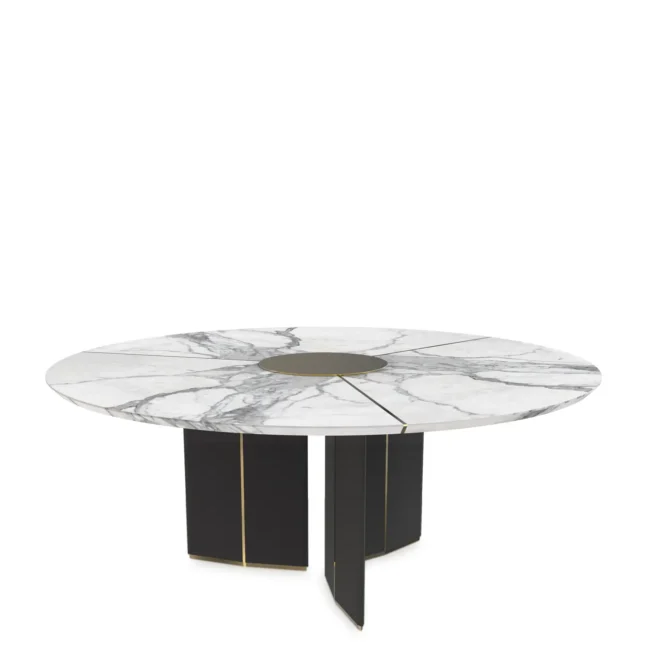
A coffee table or dining table can be appreciated from above and from the side, allowing the relationship between its top and base to become a key part of the design.

Look for:

  • Pedestal bases
  • Interlocking geometric supports
  • Organic stone forms
  • Carved timber
  • Asymmetrical legs
  • Contrasting tops and bases
  • Layered or stacked construction
  • Irregular edges
  • Highly expressive natural materials

A sculptural coffee table can anchor a living room without introducing excessive height. It is particularly useful where the existing sofa and chairs are simple.

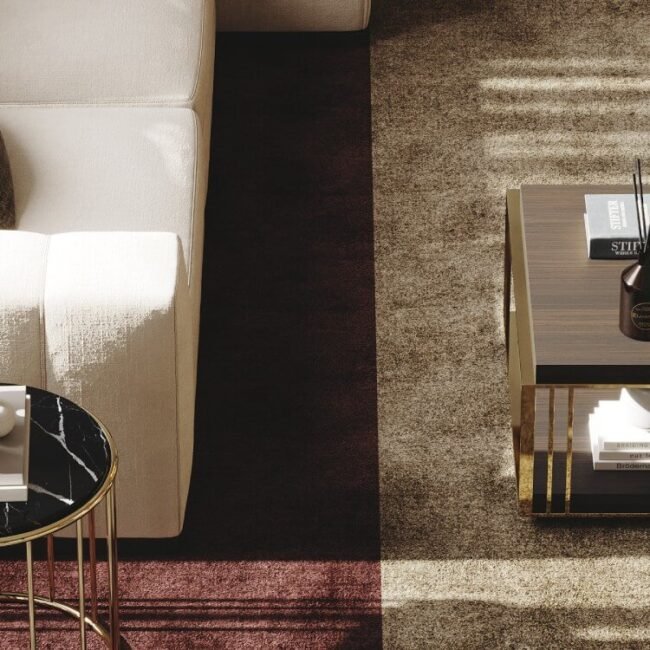
Avoid covering a statement table with too many accessories. A small stack of books, one vessel or a restrained tray may be sufficient.

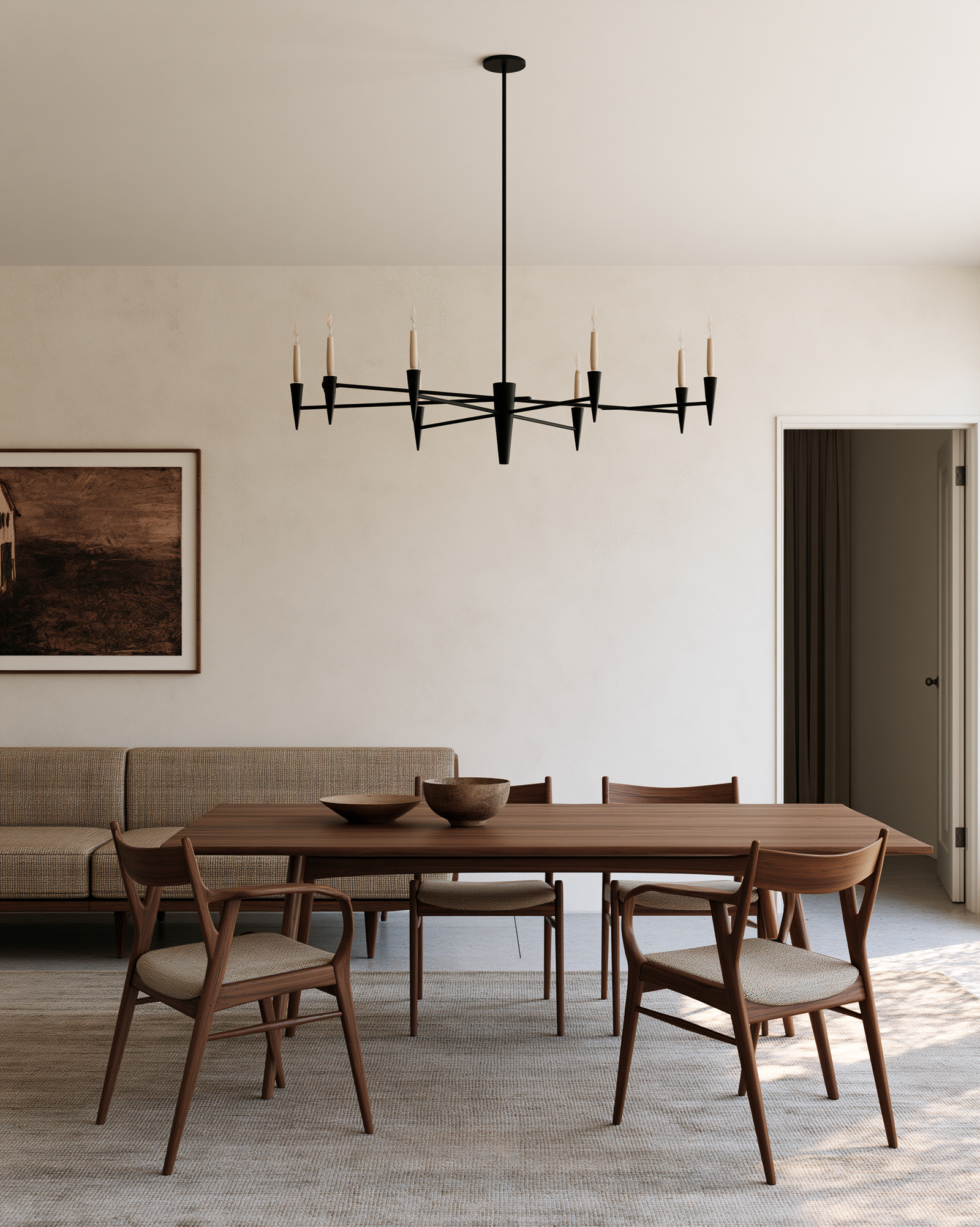
A sculptural dining table has even greater architectural impact. Its base should remain visible, so pair it with chairs that do not obscure its most important details.

If the table is visually complex, choose simpler seating. If the table’s strength lies mainly in its material, the chairs can carry slightly more decorative character.

Sculptural furniture 4

When Storage Furniture Becomes Architecture

Sideboards, cabinets and consoles occupy the space between furniture and architecture.

Their scale allows them to influence an entire wall, while their practical function makes them easier to justify than purely decorative objects.

A sculptural sideboard might feature:

  • Deep fluting
  • Carved doors
  • An irregular outline
  • A stone or metal façade
  • Oversized handles
  • Contrasting volumes
  • A floating structure
  • A monolithic base
  • Hand-applied surface texture

Treat the piece as the principal element of the wall.

Do not automatically place a large artwork, mirror, lamp and numerous objects above it. Consider whether the furniture already provides enough visual interest.

In some rooms, a single sculptural vessel and a discreet lamp will be sufficient. In others, leaving the top almost empty allows the craftsmanship to remain the focus.

A designer console table can perform a similar role in a hallway. Because entrances often contain fewer furnishings, one expressive console can establish the character of the home immediately.

Sculptural Lighting as Functional Art

Lighting can transform a room even when the other furniture remains restrained.

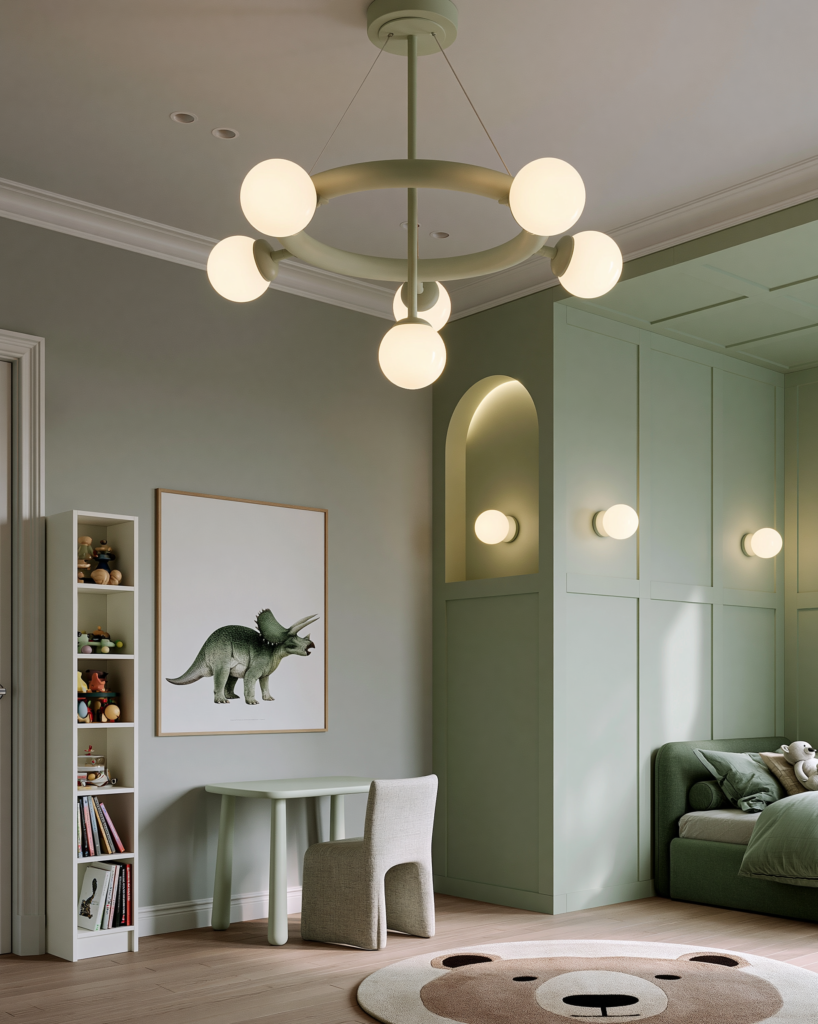
A sculptural chandelier occupies unused vertical space, while a floor lamp can introduce height and movement. Table lamps provide smaller artistic moments that are easier to incorporate into existing rooms.

Consider:

  • Branching chandeliers
  • Oversized pendants
  • Organic glass forms
  • Curved metal floor lamps
  • Ceramic lamp bases
  • Clustered light installations
  • Architectural wall lights
  • Illuminated sculptural objects

The fitting should still distribute appropriate light.

A dramatic pendant that casts insufficient illumination may require support from wall lights, lamps or recessed fixtures. Similarly, a sculptural floor lamp should be positioned where its light is useful, not merely where its silhouette looks attractive.

Use statement lighting to emphasise furniture, create contrast or draw attention to architectural height.

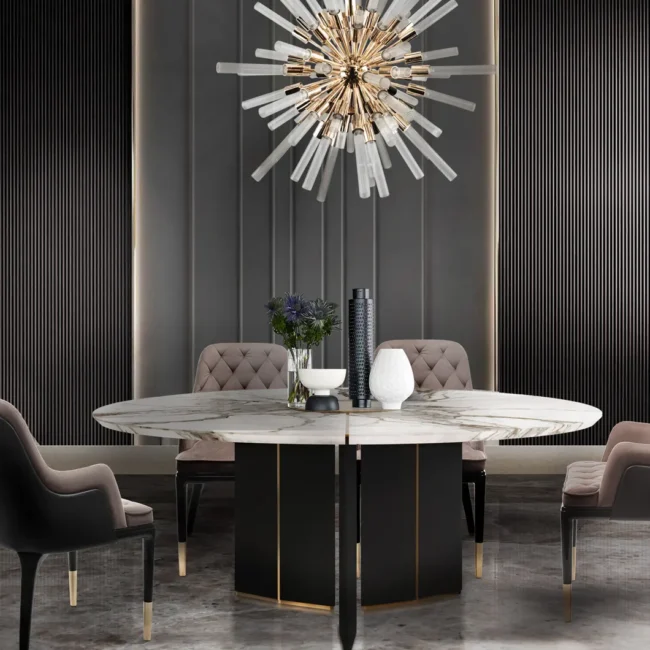
In a dining room, the light can relate to the table’s shape. A circular fitting may echo a round table, while a linear pendant can emphasise the length of a rectangular design.

Using Sculptural Furniture in a Dining Room

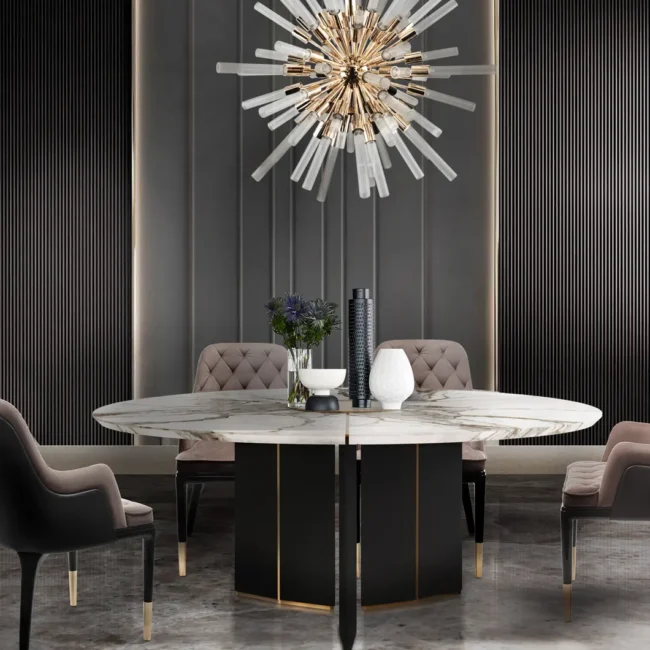
Dining rooms naturally centre on one large piece of furniture, making them ideal for a sculptural statement.

Begin with either the table or the chairs.

If the dining table is highly expressive, allow it to lead. Pair a complex stone or carved base with relatively simple dining chairs in a complementary material.

If the table is understated, introduce sculptural chairs with curved backs, strong frames or richly textured upholstery.

The sideboard and lighting should support the principal feature rather than compete with it.

For example:

  • Sculptural table, simple chairs, restrained sideboard
  • Simple table, expressive chairs, architectural pendant
  • Minimal furniture, one statement sideboard
  • Round table, linear cabinet and organic chandelier

Maintain practical spacing. A statement table still requires enough clearance for chairs to move comfortably and for people to circulate.

The room should feel artistic without becoming theatrical or inconvenient.

Can Sculptural Furniture Work in a Small Room?

A small room can benefit enormously from one distinctive piece.

The common instinct is to use only visually quiet furniture in compact spaces. However, this can make the room feel cautious and under-designed.

One sculptural object can give the space identity.

The key is editing everything around it.

In a small room:

  • Choose one principal statement
  • Keep pathways clear
  • Avoid several bulky pieces
  • Use open or raised bases where possible
  • Allow the piece to perform more than one function
  • Control the colour palette
  • Use mirrors and layered lighting
  • Avoid excessive small accessories

A compact but expressive side table may be more effective than a large coffee table. A sculptural chair can transform an empty corner, while a narrow console may turn a plain hallway into a memorable entrance.

Scale remains important. The piece should feel confident, not obstructive.

A small room does not need small ideas.

How to Style the Rest of the Room

Once the sculptural piece has been selected, the rest of the room should be edited around it.

This does not mean every other item must be plain. It means establishing a visual hierarchy.

Repeat one detail

Echo the furniture’s colour, curve or material in one or two smaller elements.

A curved chair might relate to an oval mirror. A stone table could connect with a lamp base or decorative object.

Vary the visual weight

Balance a heavy monolithic piece with lighter-legged furniture, glass or open space.

Control the palette

A bold shape often needs fewer colours. A restrained silhouette in an expressive colour may work within a broader palette.

Keep accessories selective

Do not cover the piece or surround it with numerous decorative objects.

Consider the background

A sculptural object becomes clearer against a wall with sufficient tonal contrast.

Use lighting deliberately

Direct soft light towards carved, textured or reflective surfaces to reveal their depth.

The room should feel designed around the statement, not dominated by it.

How Furniture and Wall Art Should Coexist

Furniture as art does not eliminate the need for paintings, photography or sculpture.

It changes how those elements should be arranged.

When both the furniture and artwork are highly expressive, they need either a clear relationship or sufficient separation.

Consider:

  • Scale
  • Colour
  • Visual density
  • Framing
  • Negative space
  • Height
  • Whether both elements are trying to become the focal point

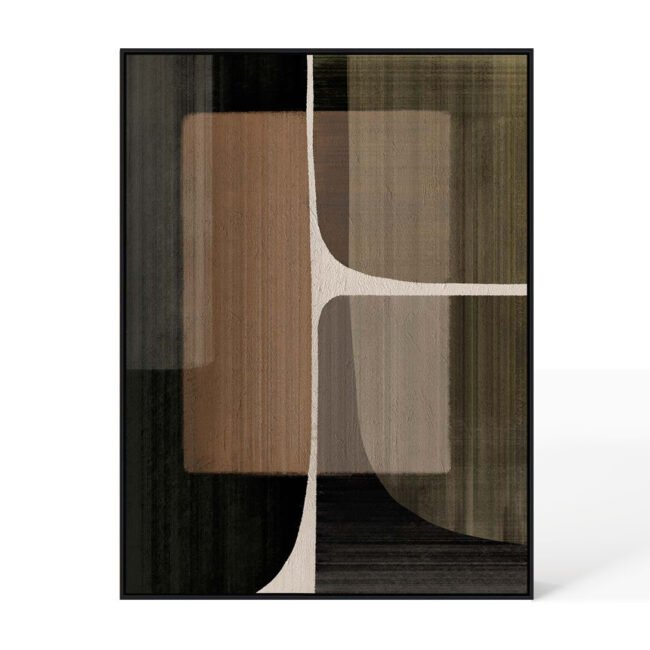
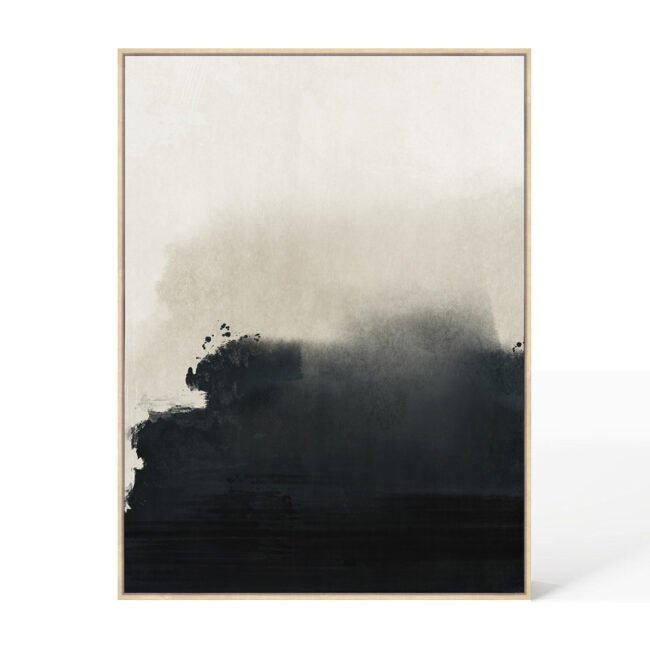
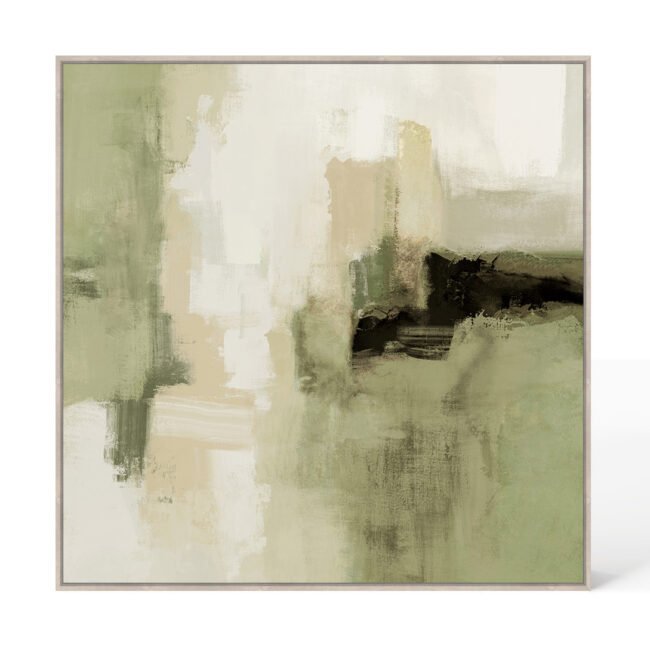
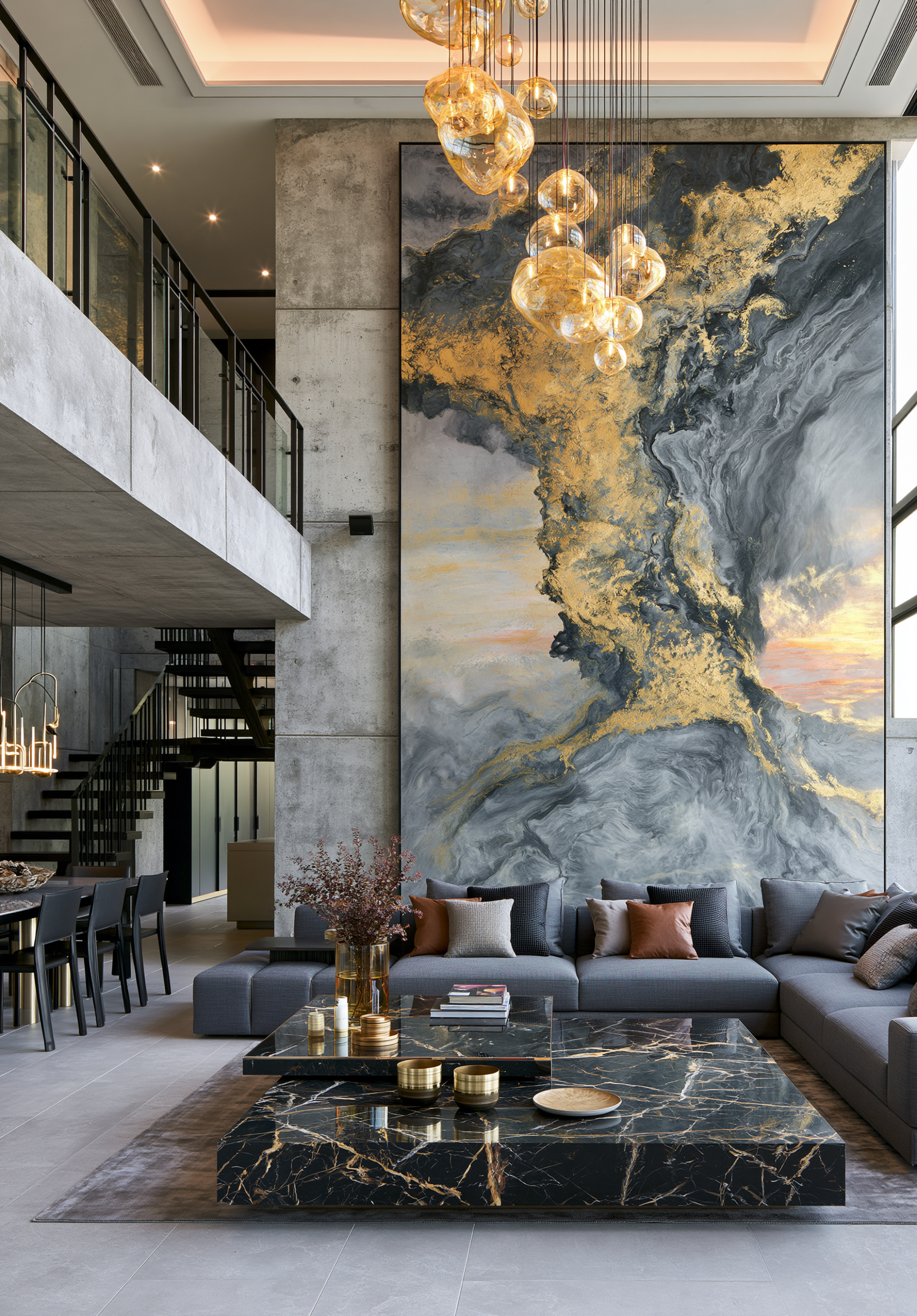
A highly detailed cabinet may look best beneath restrained abstract artwork. A simple sideboard can support a more dramatic painting.

Avoid matching the artwork too precisely to the furniture. Exact colour coordination can make the arrangement feel staged. Instead, look for a shared undertone, mood or formal relationship.

A curved chair might sit beneath angular artwork, creating contrast. Alternatively, organic art can echo an irregular stone table and make the room feel more fluid.

The relationship should appear thoughtful but not literal.

How to Choose a Piece That Will Endure

A sculptural piece should remain valuable after the initial excitement has passed.

Before investing, consider whether the furniture offers more than novelty.

Look for:

  • A clear and coherent form
  • Quality materials
  • Strong construction
  • Comfortable or practical use
  • Craftsmanship that rewards closer inspection
  • Proportions that suit the room
  • A finish that can age well
  • A design that works from several viewpoints
  • A genuine emotional response

Avoid choosing a piece purely because it looks unusual.

Originality without function may become frustrating, while extreme forms can be difficult to integrate when the room changes.

The strongest luxury furniture combines visual distinction with usefulness. It can move between rooms, work with several colour palettes and continue to feel relevant as surrounding styles evolve.

A sculptural table may later serve in a different living room. An armchair can move from a lounge to a bedroom or study, while a console may function as a dressing table or compact desk.

Versatility helps artistic furniture become a lasting part of the home rather than a temporary statement.

Common Styling Mistakes to Avoid

Introducing too many statement pieces

When every object competes for attention, the room loses hierarchy.

Choose one principal hero and allow secondary pieces to remain quieter.

Ignoring function

A chair should still be comfortable. A table must remain usable, and storage furniture should open easily.

Choosing the wrong scale

A piece that is too small may lose impact. One that is too large can disrupt circulation and overwhelm the architecture.

Crowding the furniture

Sculptural form needs negative space. Avoid placing too many accessories or plants around it.

Over-styling the surface

A distinctive table or cabinet may not require an elaborate arrangement of objects.

Matching everything to the statement

Repeating its exact colour and shape throughout the room can weaken rather than strengthen its effect.

Following novelty rather than quality

An unusual silhouette is not automatically good design. Consider construction, material and longevity.

Forgetting the viewing angle

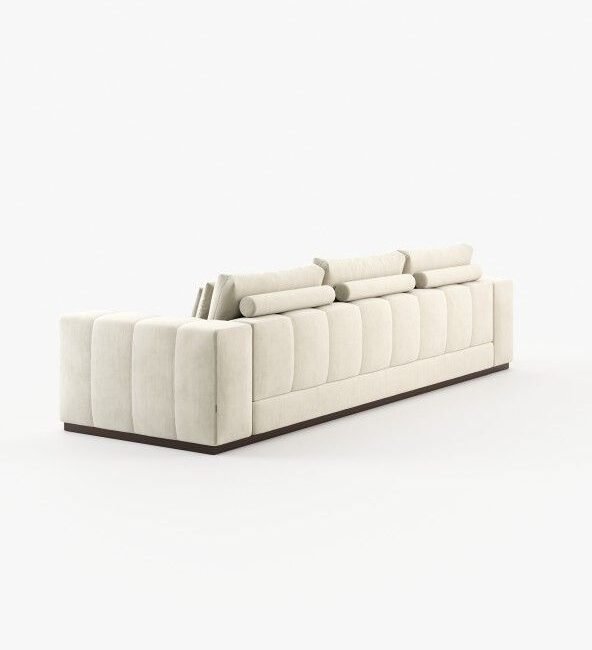
A piece positioned in an open-plan room may be visible from all sides. Ensure the back and base are as thoughtfully designed as the front.

Using unsuitable lighting

Texture, carving and form can disappear in a poorly lit corner. Use directional or layered light to reveal the piece properly.

Sculptural piece 5

One Piece, an Entirely New Room

A room does not always require a complete redesign.

Sometimes, it needs one object capable of changing the conversation.

A sculptural chair can make a quiet corner feel intentional. A monolithic coffee table may anchor an arrangement that previously felt disconnected, while an expressive sideboard can give an empty wall the presence of architecture.

The power of furniture as art lies in this ability to combine usefulness with emotion.

It asks more of a piece than simple function, but it does not abandon function altogether. The chair remains a place to sit. The table continues to support daily life, and the cabinet still provides storage. What changes is the way these objects contribute to the atmosphere of the home.

Choose a piece that responds to the room rather than simply following a trend. Consider proportion, material and how it will be viewed. Give it room to breathe and allow the surrounding furniture to support its character.

The result should not feel like a gallery display.

It should feel like a home with a strong point of view.

Explore distinctive sculptural furniture, including expressive armchairs, artistic coffee tables, architectural sideboards, statement console tables, elegant dining tables and sculptural lighting designed to transform everyday interiors.

Frequently Asked Questions

What is sculptural furniture?

Sculptural furniture combines practical function with the visual qualities of art. It is often characterised by an expressive silhouette, unusual construction, artistic craftsmanship or distinctive use of material.

Is sculptural furniture a trend?

Sculptural furniture is particularly prominent in current design, with curves, expressive tables, material experimentation and artistic statement pieces appearing across major 2026 furniture exhibitions and trend forecasts. However, the relationship between furniture and art has a much longer history.

How many statement furniture pieces should a room have?

One principal statement piece is often sufficient. A larger room may support several distinctive objects, but one should remain the clear focal point while the others play supporting roles.

What is the easiest sculptural furniture to introduce?

An accent chair, side table, coffee table or table lamp is usually easier to introduce than a large sofa or dining table. These smaller items create impact without requiring the entire room to be redesigned.

Can sculptural furniture be comfortable?

Yes. Well-designed sculptural furniture balances visual character with function. Seating should still offer appropriate support, while tables and cabinets must remain practical and stable.

How do you style a sculptural chair?

Give it sufficient space, place it beside a restrained side table or lamp and avoid surrounding it with too many accessories. Repeat one of its colours or materials elsewhere in the room to create cohesion.

Does sculptural furniture work in traditional interiors?

Yes. A contemporary sculptural piece can provide contrast within a traditional room. Connect it to the existing scheme through colour, material or proportion rather than trying to match the period exactly.

Can sculptural furniture work in a small space?

Yes. One appropriately scaled statement piece can make a small room feel more intentional. Keep the surrounding arrangement simple and preserve clear circulation.

Is sculptural furniture worth investing in?

It can be, provided the piece is functional, well constructed and made from durable materials. Choose a design that suits your personal taste rather than one selected solely for novelty.

What do you think?
Leave a Reply

Blog

Get fresh home inspiration and helpful tips from our interior designers

top
0
    0
    Your Cart
    Your cart is emptyReturn to Shop

    Inactive

    Privacy Overview

    This website uses cookies so that we can provide you with the best user experience possible. Cookie information is stored in your browser and performs functions such as recognising you when you return to our website and helping our team to understand which sections of the website you find most interesting and useful.