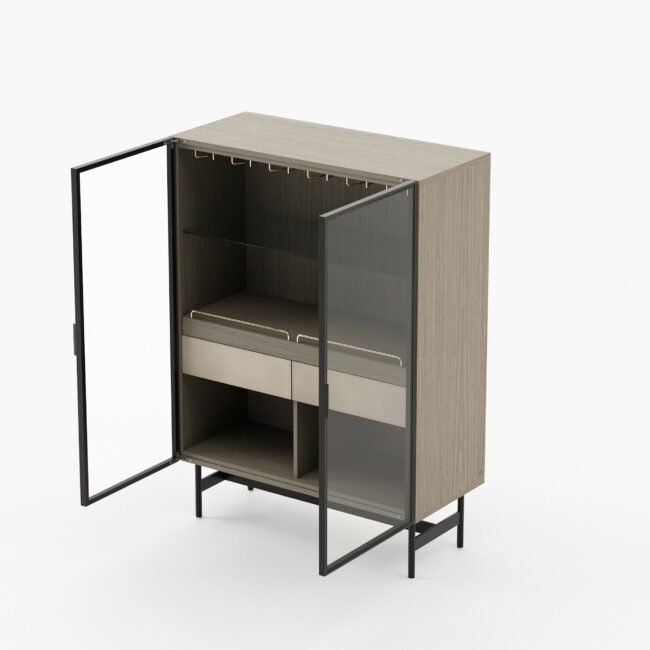
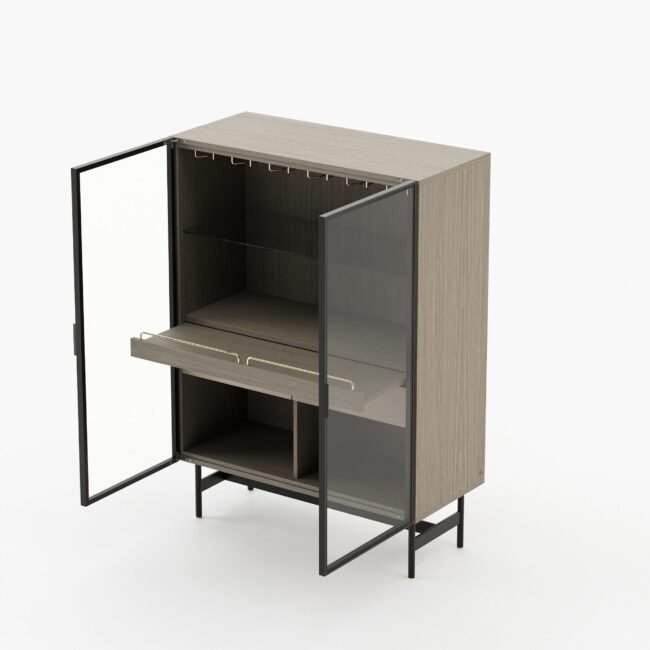
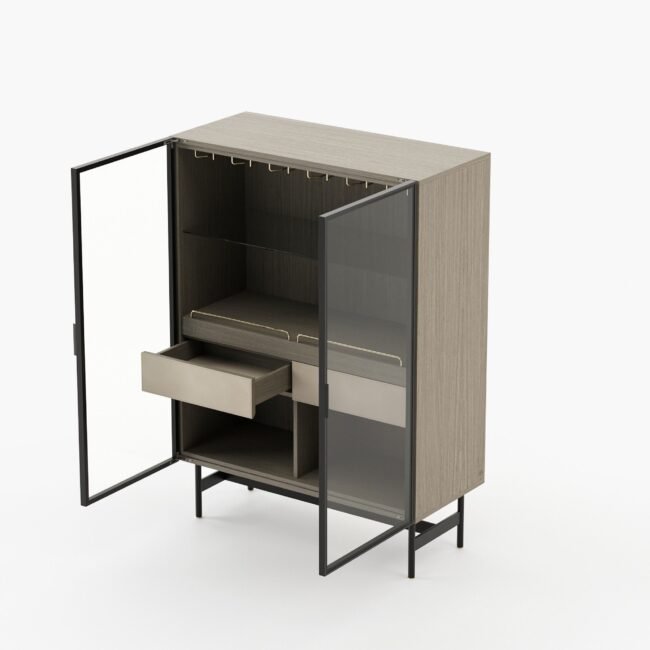
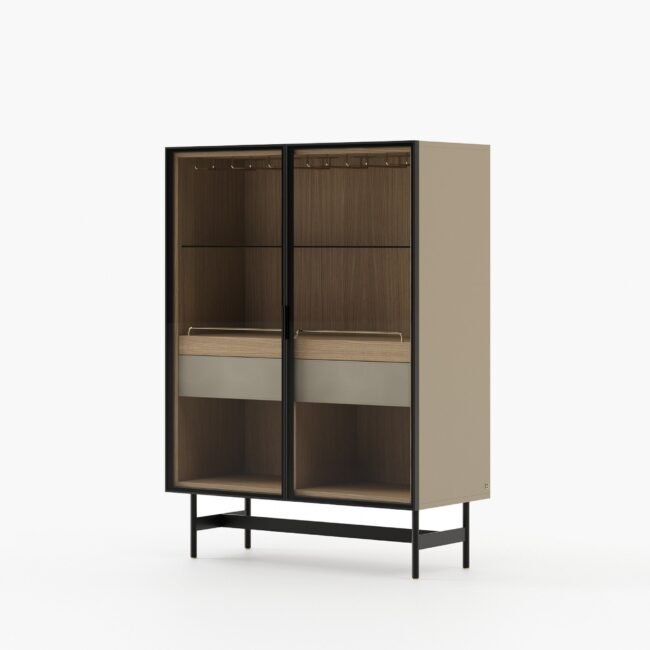
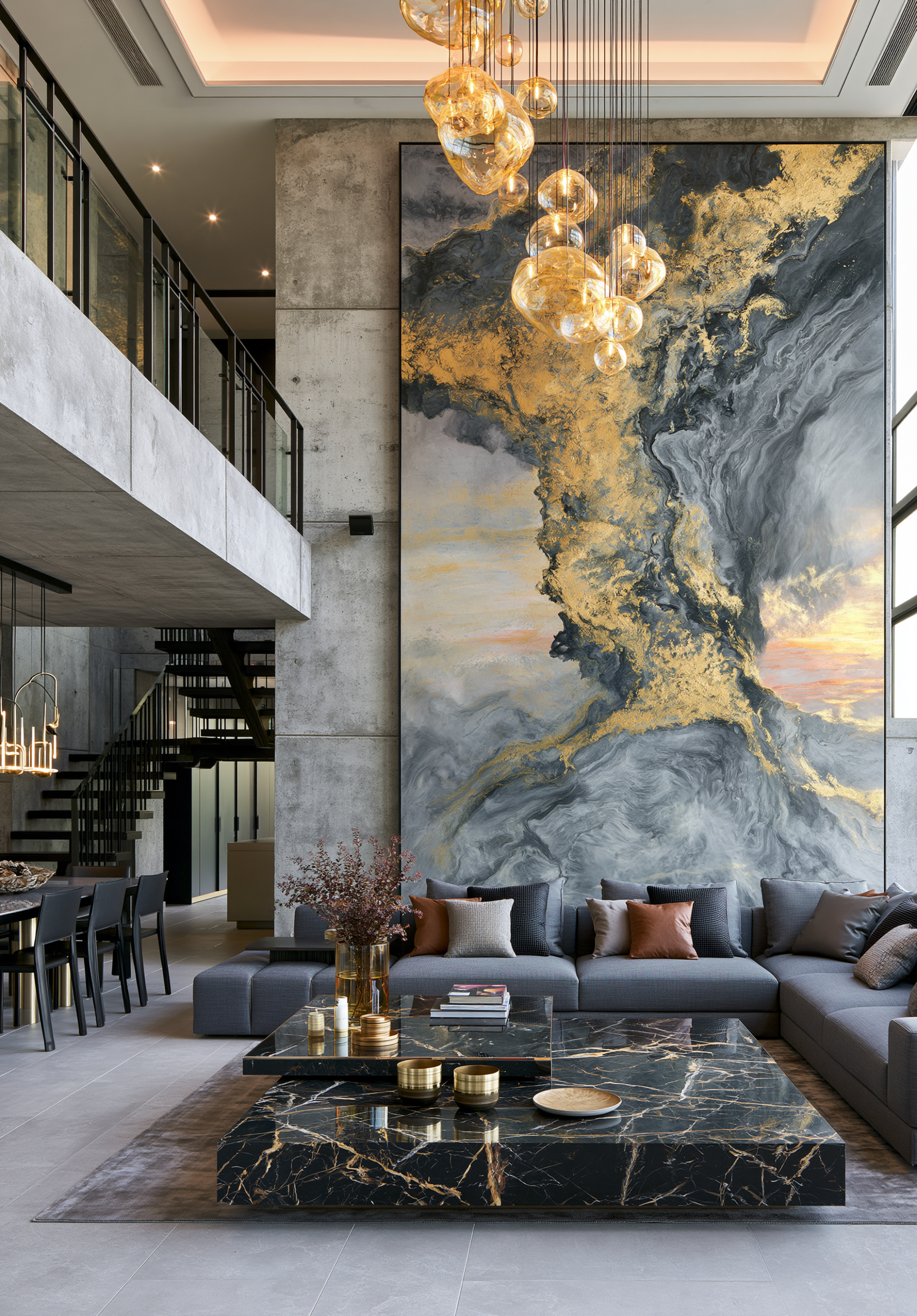
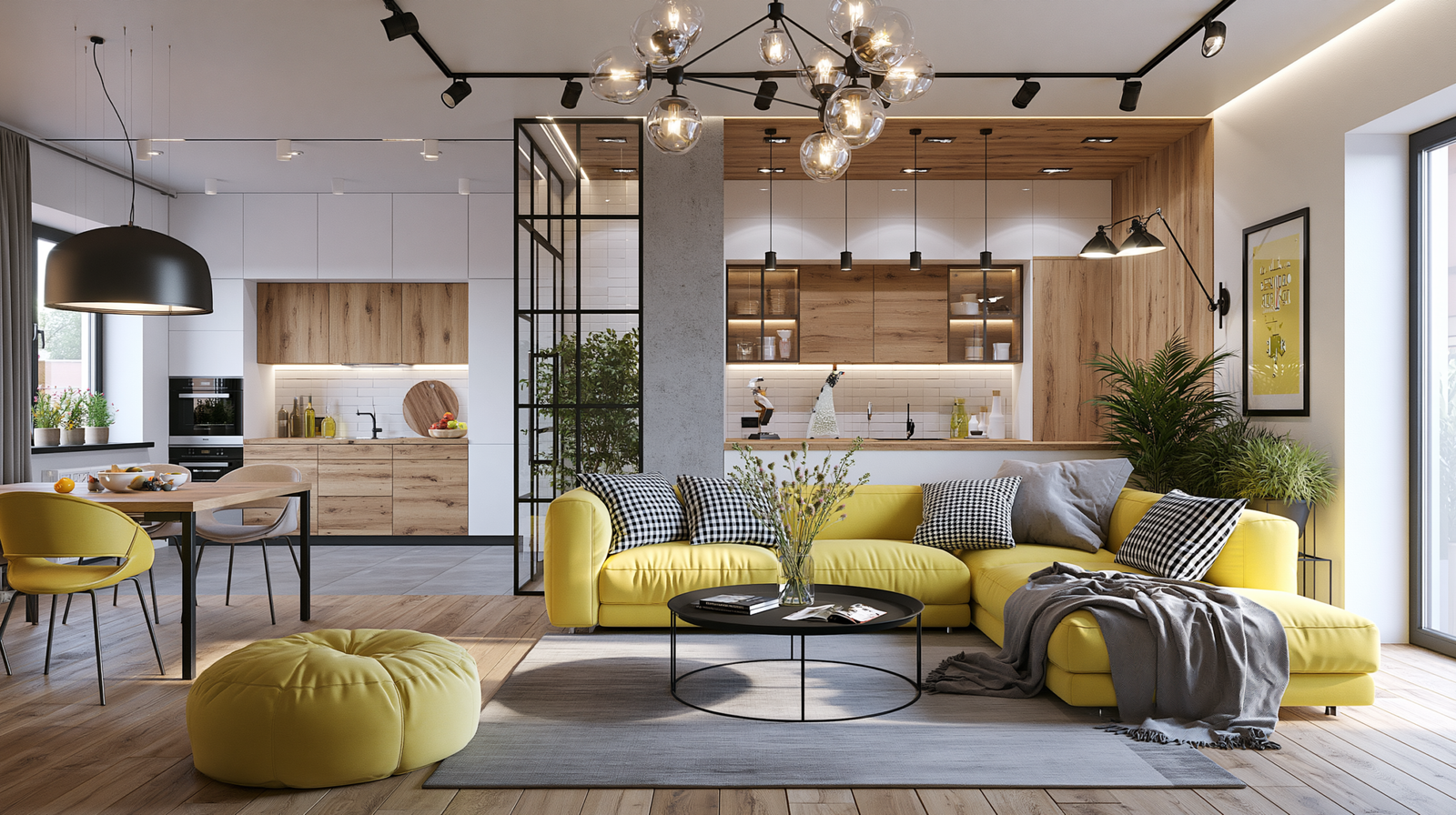
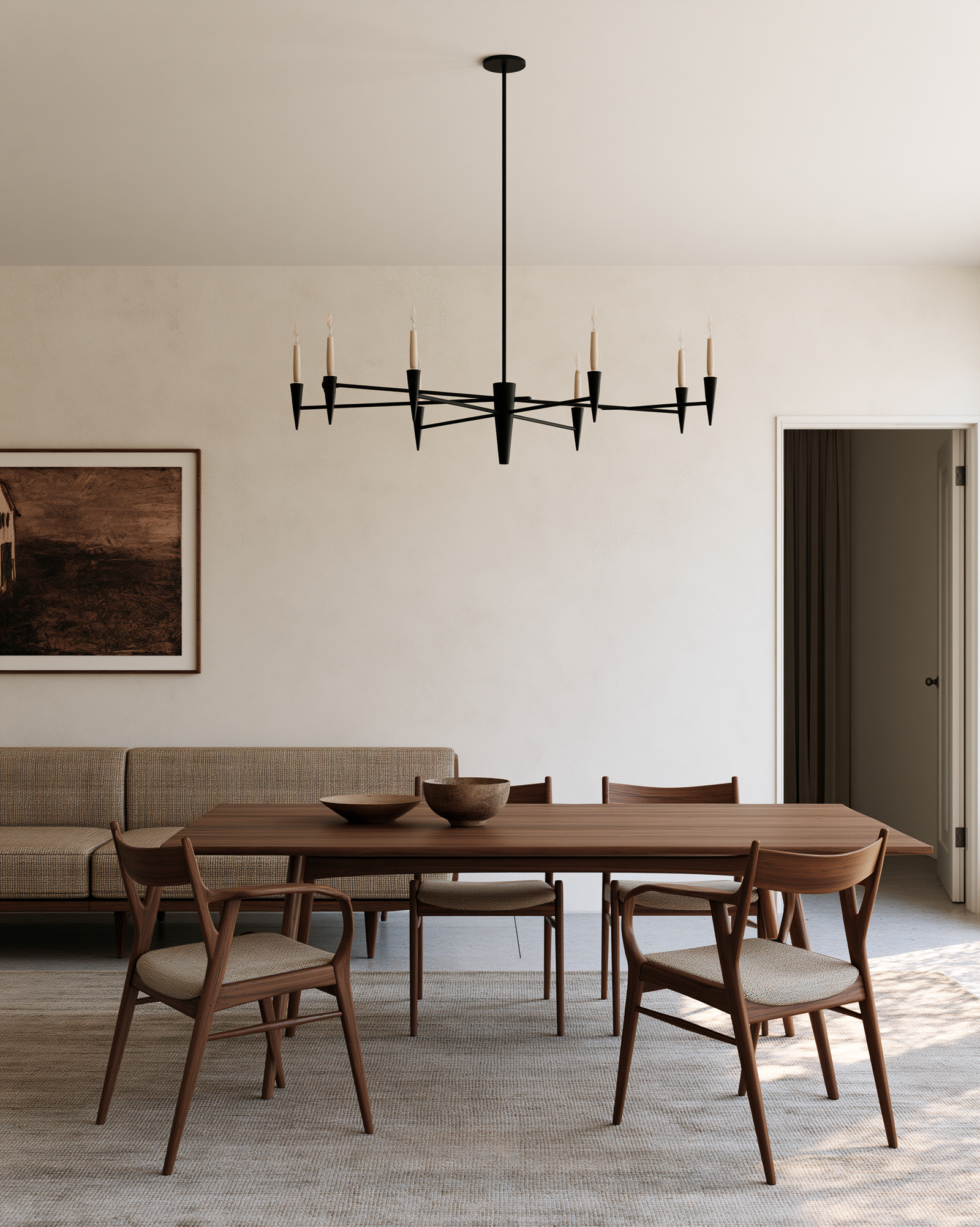
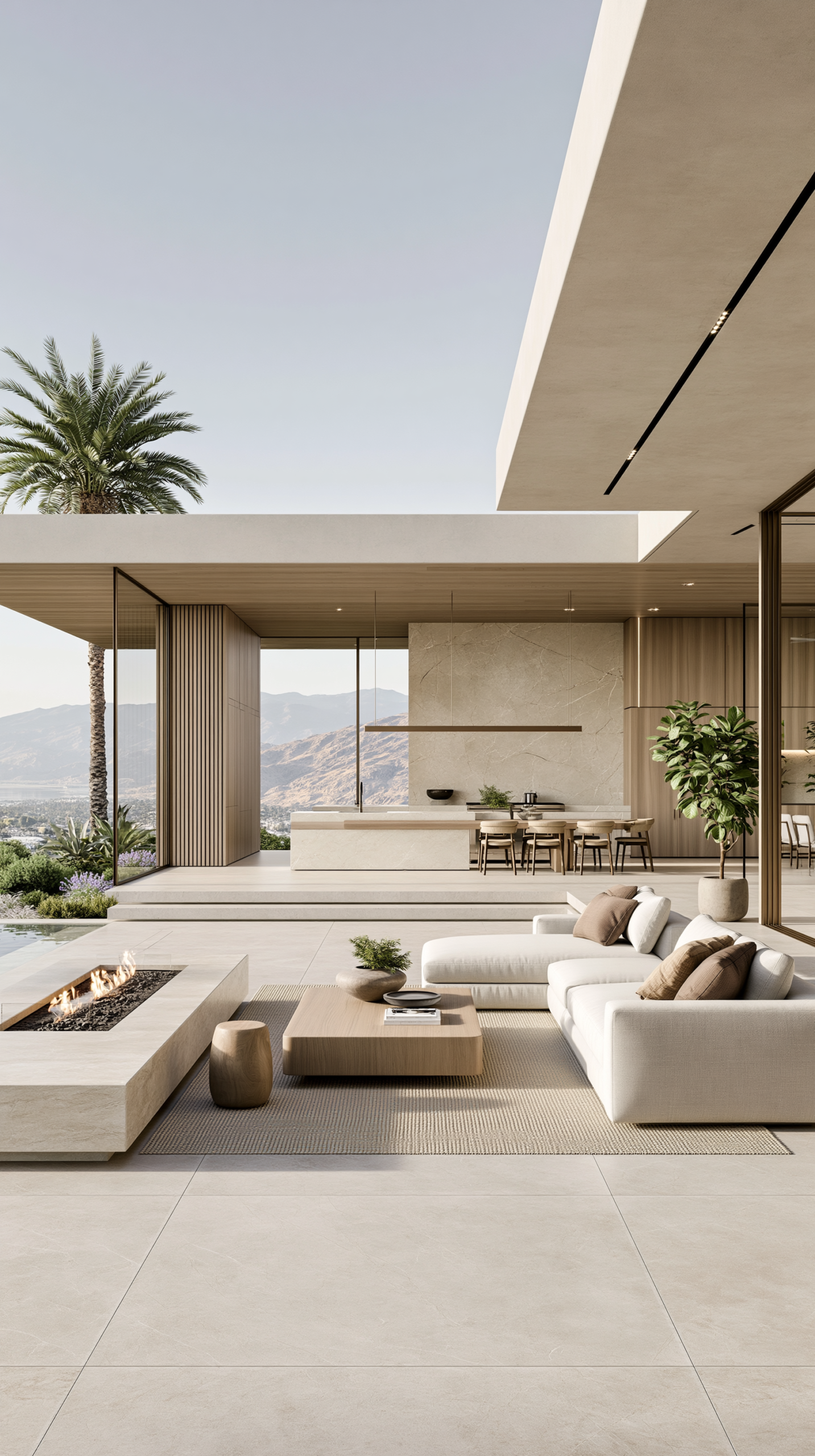
Neuroaesthetics in Interior Design: How Your Home Affects Your Brain

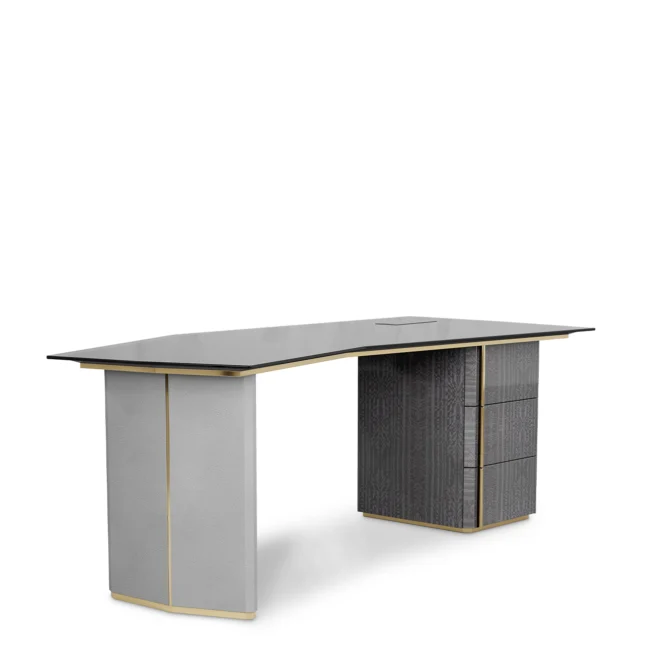
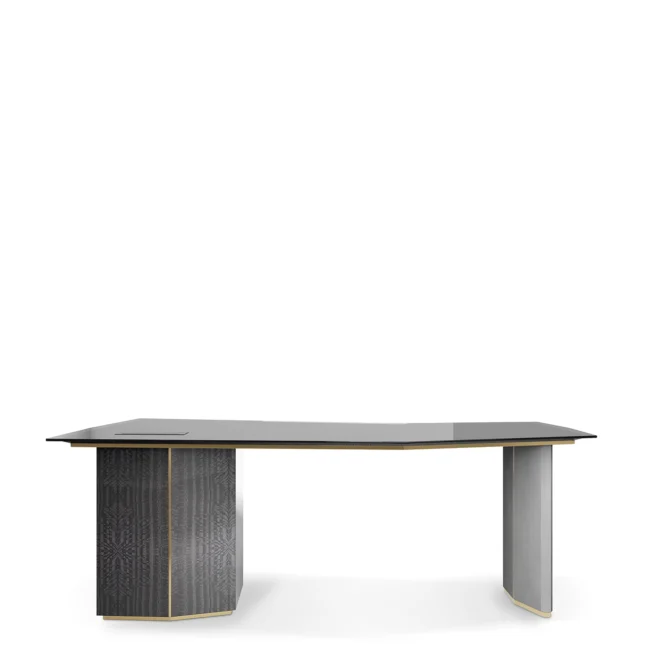
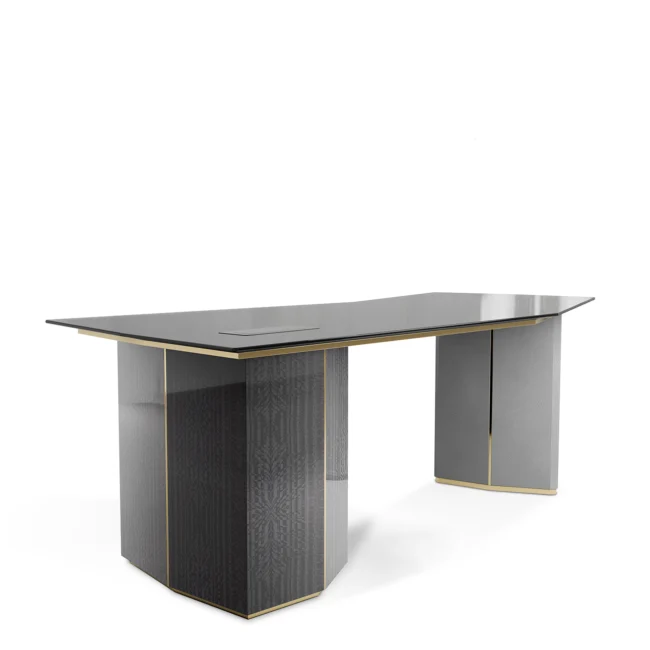
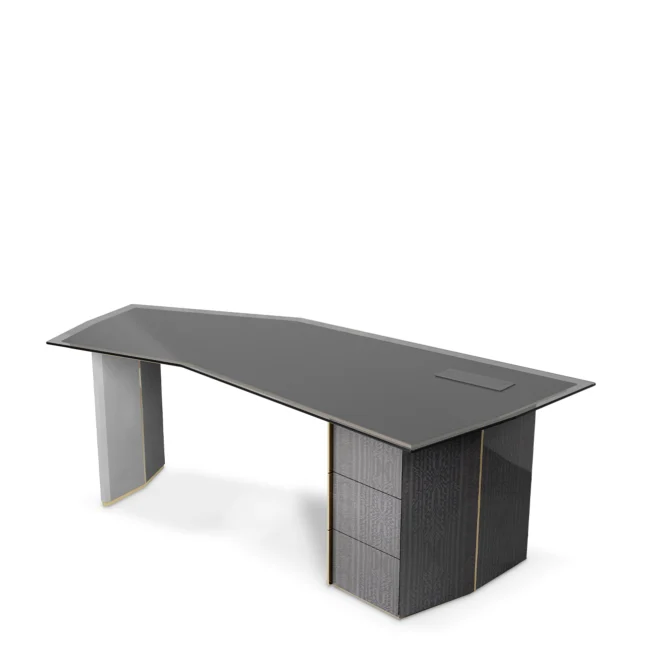
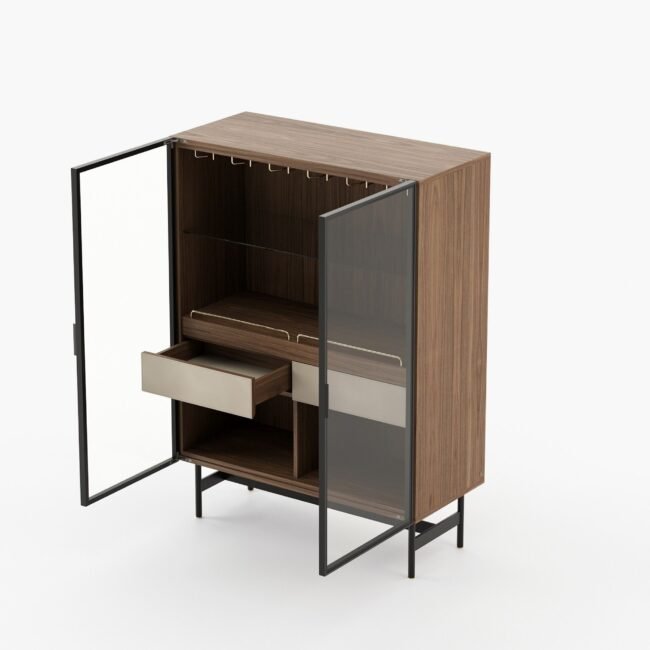
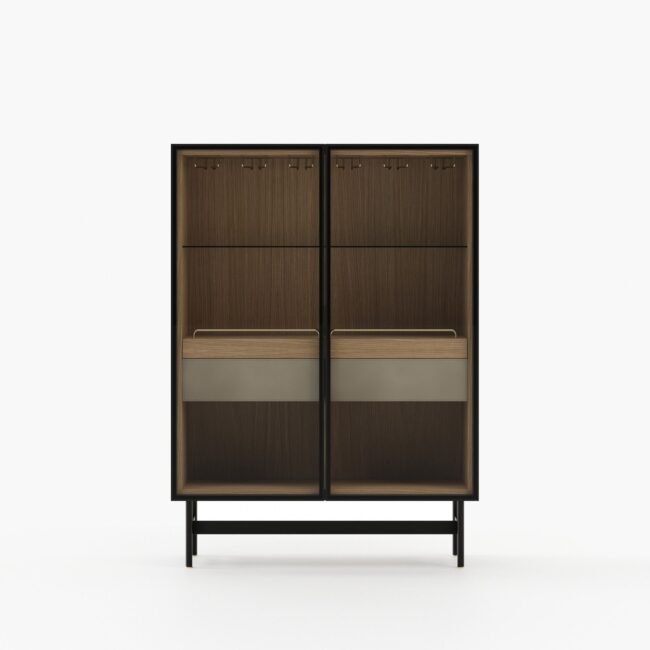
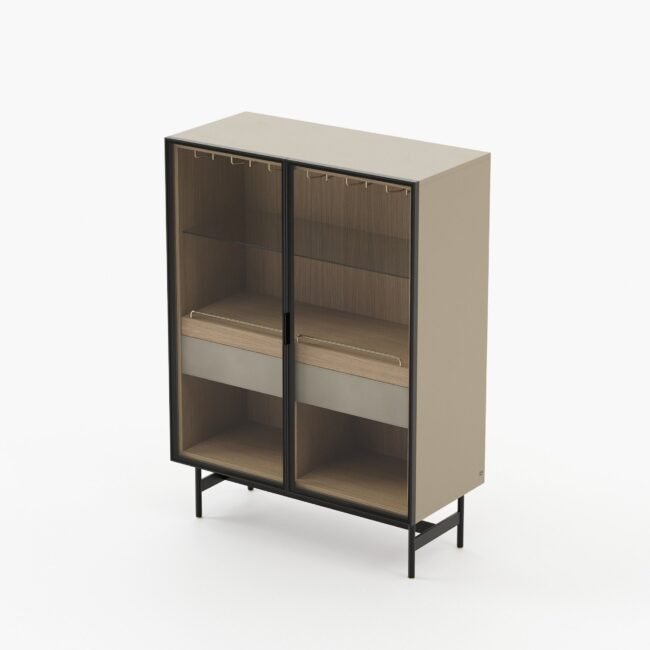
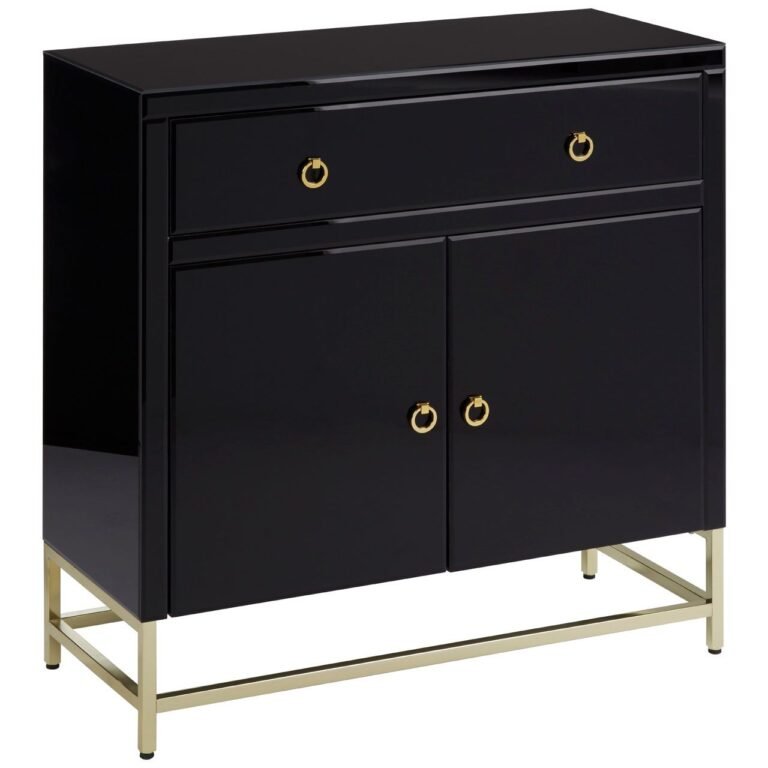
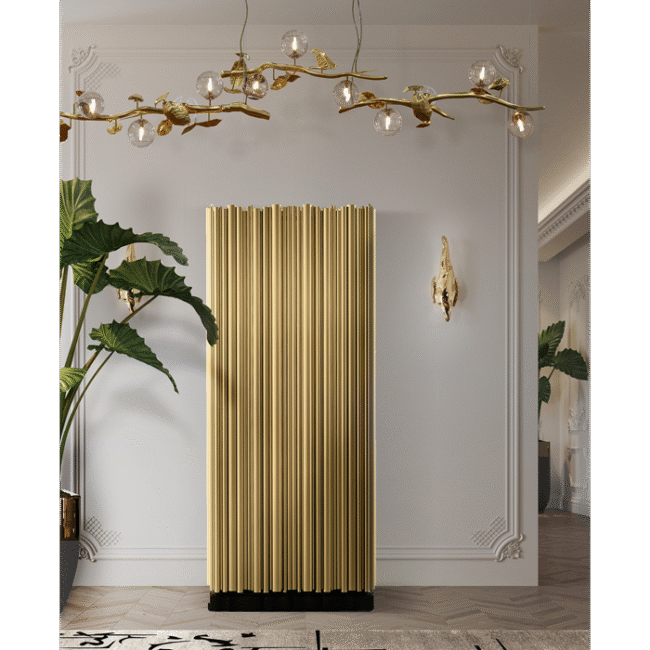
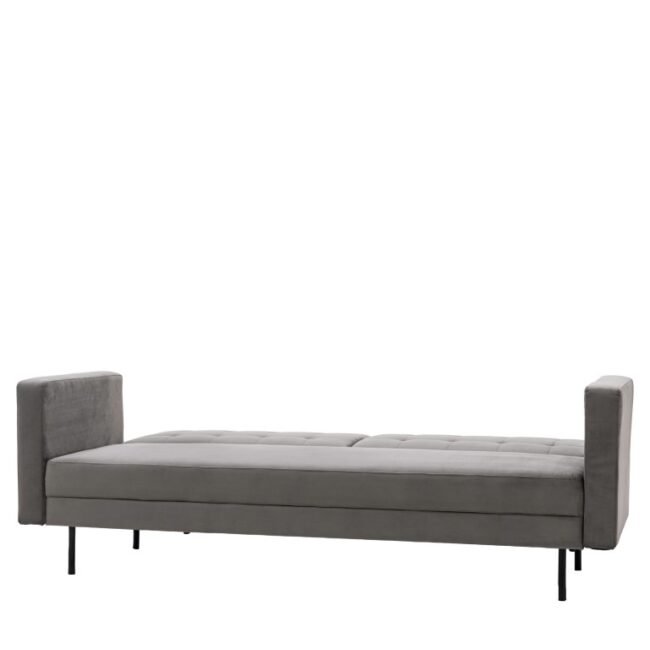
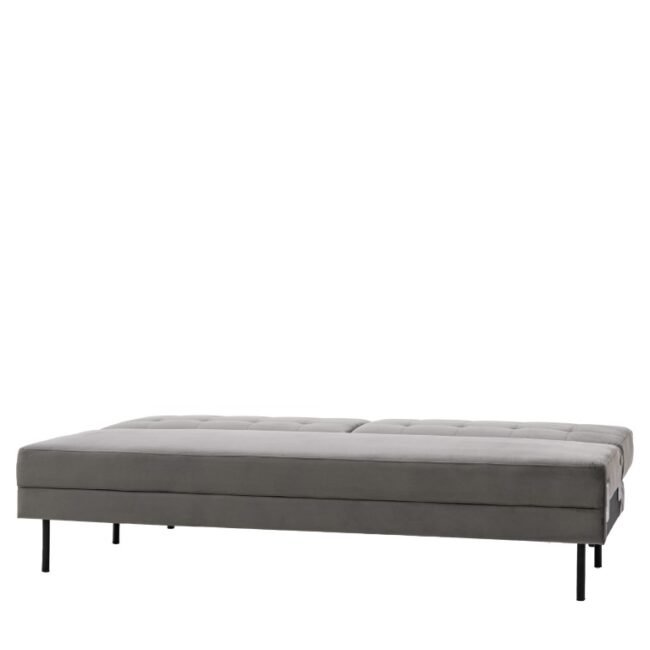
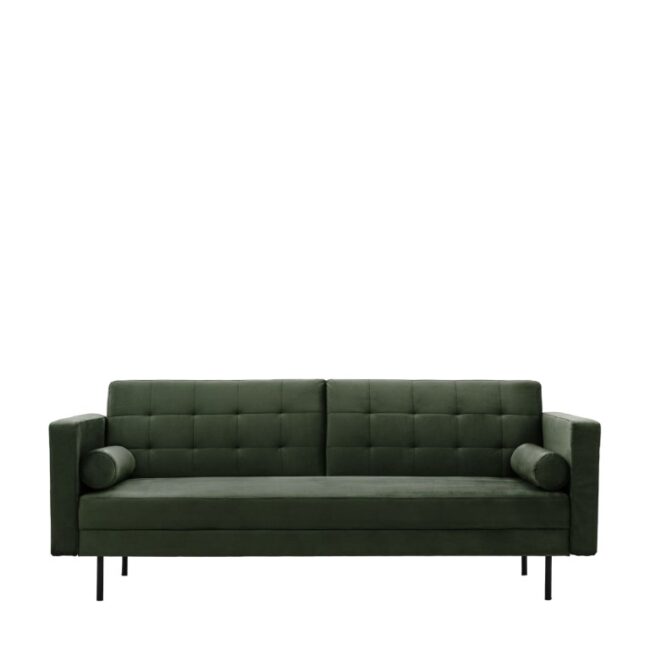
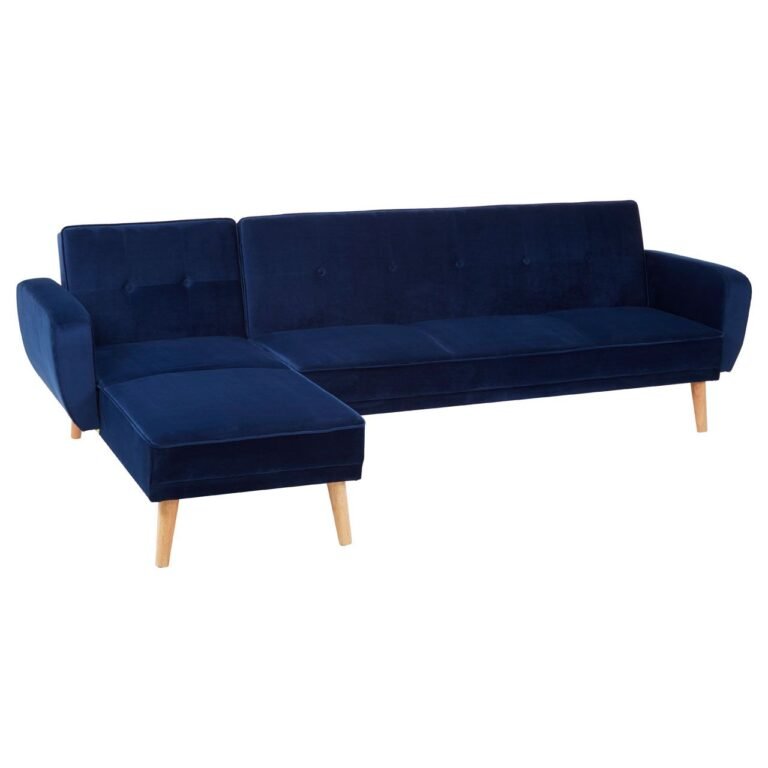
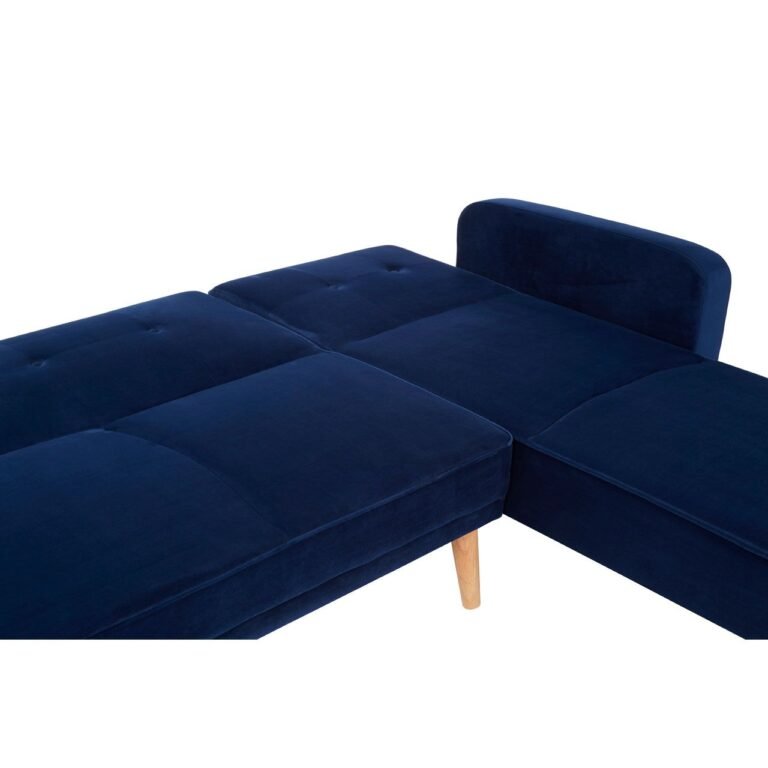
Sculptural furniture

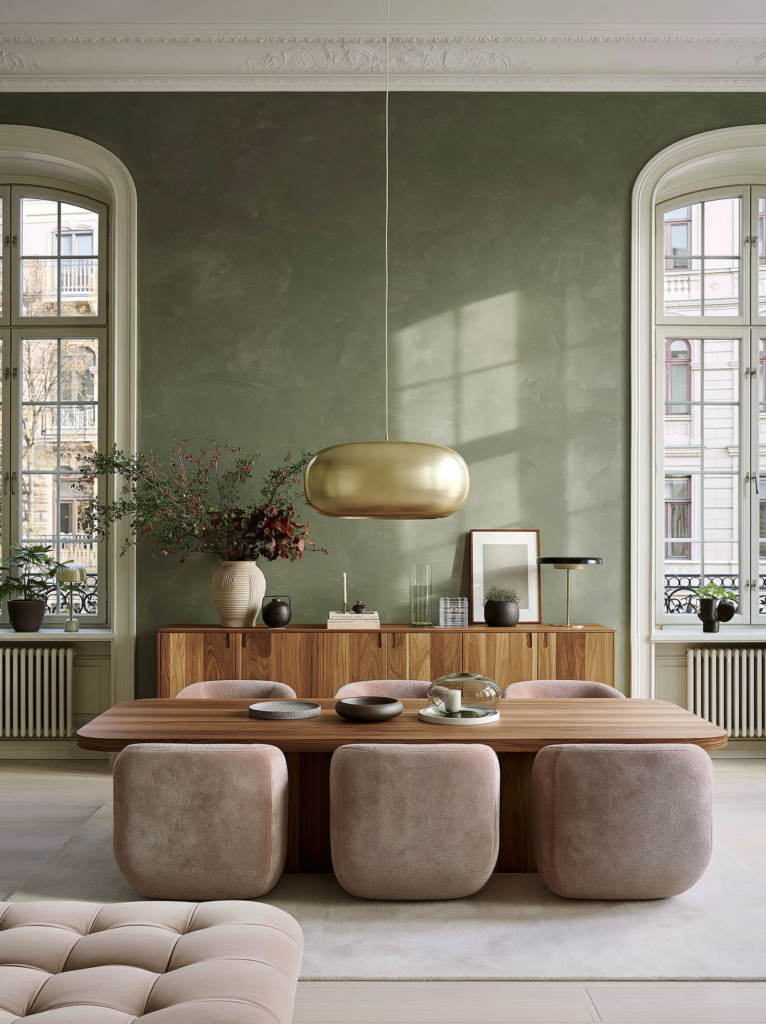
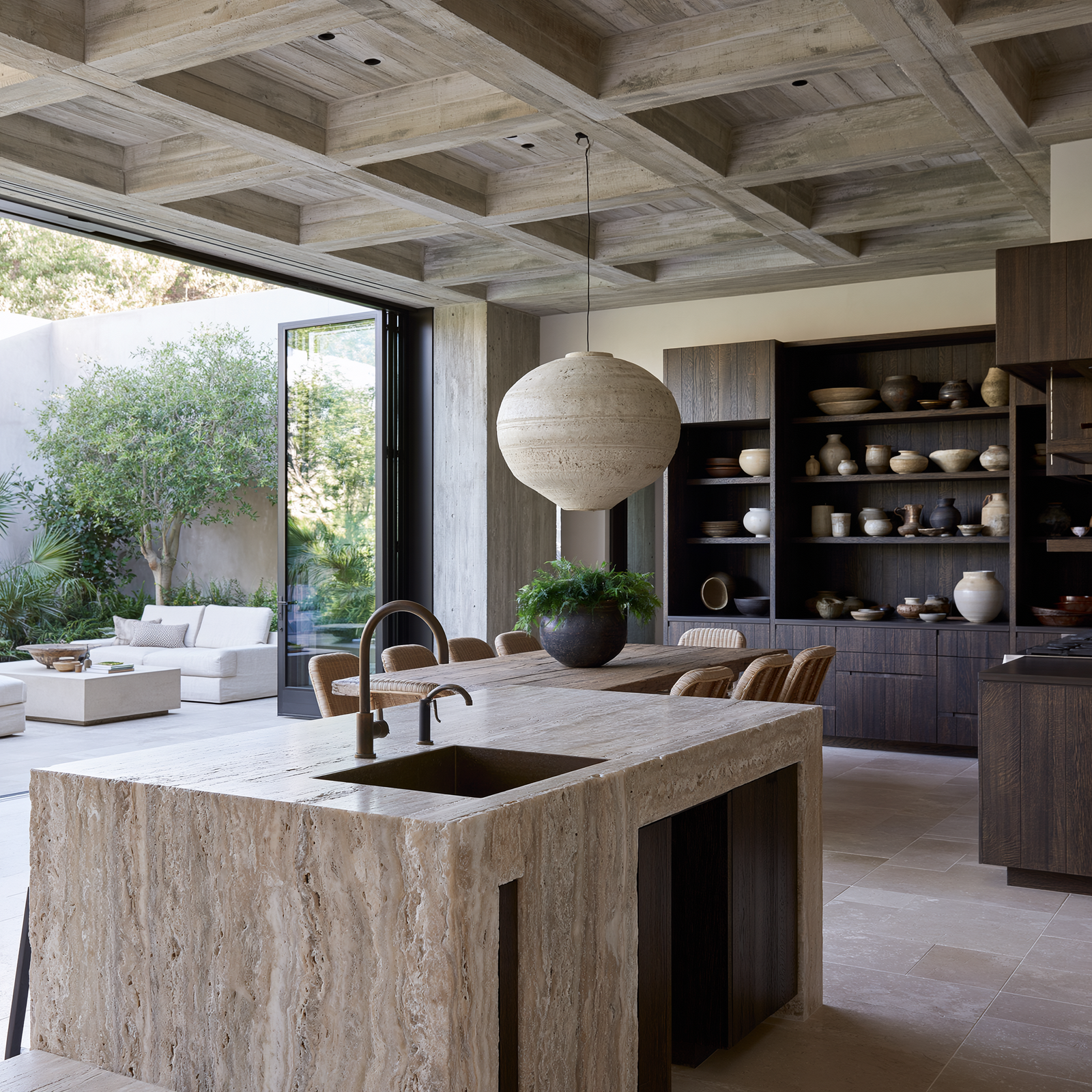
There are rooms that seem to lower your shoulders the moment you enter them. Nothing announces itself as therapeutic. There may be a chair angled towards a window, a pool of light across warm timber, enough order for the eye to settle and enough irregularity to keep the space alive. You simply feel more present.

Other rooms produce the opposite response. They may be fashionable, expensive and perfectly photographed, yet somehow tiring to inhabit. The lighting is relentless. Every surface competes. Circulation feels awkward. There is nowhere comfortable to sit without facing a doorway, a screen or a field of visual noise.

The difference is not always a matter of taste. Long before you consciously decide whether a room is beautiful, your sensory systems are processing its brightness, contrast, proportions, boundaries, sounds, textures and possibilities for movement. Your brain is building a rapid interpretation: Is this space coherent? Is it interesting? Can I understand it? Can I relax here? Does it feel like mine?

This is the territory of neuroaesthetics in interior design—an emerging conversation between neuroscience, psychology, architecture and design. It asks not merely what looks good, but how environments are perceived, valued, remembered and felt.

The subject has attracted its share of extravagant claims. No sofa shape can “hack” the brain, no colour guarantees calm, and no scientifically perfect living room exists. What the research can offer is more useful: a way to understand why light, nature, visual order, curvature, scale, sound and personal meaning can influence our experience of home—and why the same interior may soothe one person while overwhelming another.

Table of content

  • What neuroaesthetics in interior design really means
  • The aesthetic triad: how the brain experiences a room
  • Why visual order can feel restful
  • The difference between richness and visual overload
  • Why curves and contours change the emotional tone
  • Nature, biophilia and attention restoration
  • How light affects alertness, mood and sleep
  • What colour psychology can—and cannot—tell us
  • Texture, materiality and the multisensory home
  • How sound changes the experience of space
  • Scale, ceiling height and the feeling of openness
  • Why personal meaning matters to the brain
  • Applying neuroaesthetics room by room
  • A practical neuroaesthetic home audit
  • Where the science is still uncertain
  • Frequently asked questions
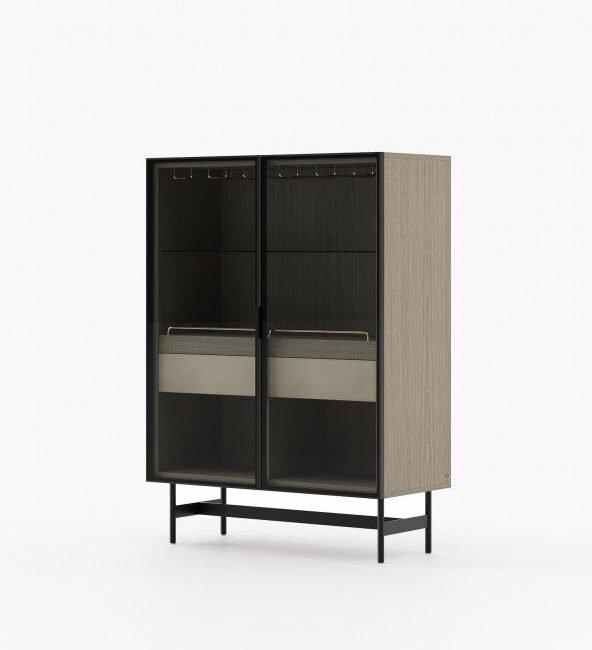
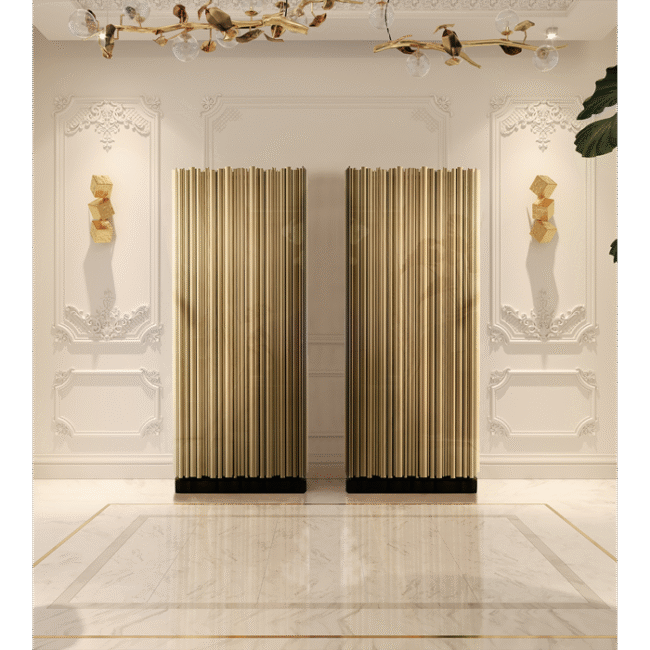
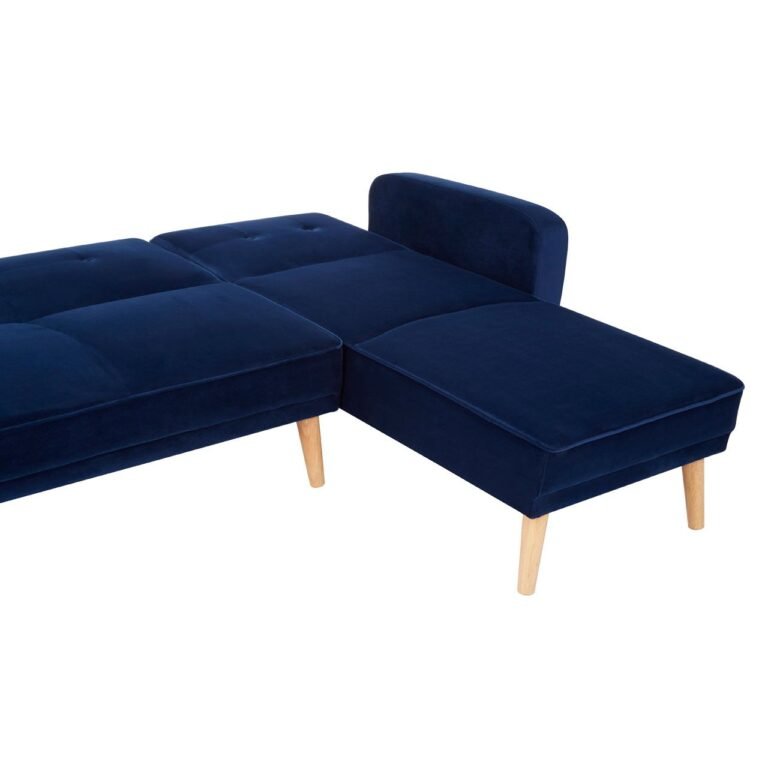
sculptural furniture 2

What Neuroaesthetics in Interior Design Really Means

Neuroaesthetics studies the biological and psychological processes involved in aesthetic experience. The field began largely with questions about art and beauty: what happens when we look at a painting, hear music or encounter a form that moves us? Its scope has since expanded towards everyday objects, landscapes and architecture.

When applied to interiors, neuroaesthetics considers how the brain and body respond to spatial qualities such as contour, enclosure, symmetry, complexity, light and material. The closely related term neuroarchitecture tends to focus more broadly on how built environments influence perception, cognition, emotion and behaviour.

A major review of the neuroaesthetics of architectural spaces describes this as a developing research programme rather than a finished design manual. Another peer-reviewed review of cognitive-emotional architectural research highlights both the field’s potential and its methodological limits.

That distinction matters. Neuroscience can reveal patterns in how groups respond to controlled images or simulated spaces. It cannot tell you that every person will prefer the same home, or that a single decorative intervention will create a predictable emotional result.

Your response to an interior is shaped by several layers at once:

  • Immediate sensory information: colour, contrast, line, texture and sound
  • Spatial understanding: where you can move, sit, look and retreat
  • Emotional valuation: attraction, comfort, interest, unease or boredom
  • Memory and association: what the room reminds you of
  • Culture and learning: what particular materials or styles mean to you
  • Present state: whether you are tired, alert, anxious, sociable or trying to concentrate

Good design has always worked with these variables intuitively. Neuroaesthetics gives us a more precise vocabulary for discussing them.

The Aesthetic Triad: How the Brain Experiences a Room

One influential model in neuroaesthetics is the aesthetic triad, associated with neuroscientists Anjan Chatterjee and Oshin Vartanian. It proposes that aesthetic experience emerges through interaction between three broad systems: sensory-motor processing, emotion and valuation, and knowledge and meaning.

The three interacting systems through which we experience and interpret an interior.
Part of the Aesthetic Experience What It Involves How It Appears in an Interior
Sensory-motor Seeing, hearing, touching and anticipating movement Colour, line, light, texture, scale, circulation and furniture shape
Emotion-valuation Attraction, aversion, reward, comfort and interest Whether a room feels welcoming, unsettling, restful, exciting or dull
Knowledge-meaning Memory, culture, identity, expertise and personal association Heirlooms, art, familiar materials, collected objects and design references

The aesthetic triad explains why an interior is experienced through more than its appearance. Sensory information, emotional responses and personal meaning continually interact.

This explains why beauty cannot be reduced to geometry. Two people may receive similar sensory information from a room yet value it differently because the room activates different memories or cultural meanings.

A spare white interior may represent clarity to one person and impersonality to another. A dark timber cabinet might evoke heritage, craftsmanship and permanence—or remind someone of an oppressive childhood home. The brain does not separate what a room looks like from what that appearance means.

It also explains why the seven elements of interior design work as a system. Space, line, form, light, colour, texture and pattern are not independent decorative choices. Together, they shape what the senses receive, how easily the room can be understood and what emotional meaning it acquires.

Why Visual Order Can Feel Restful


The brain continuously organises sensory information. It groups similar things, distinguishes figure from background and looks for edges, continuity and hierarchy. A room with a clear structure is usually easier to read than one in which every object claims equal importance.

Visual order does not require minimalism. It can come from repetition, alignment, tonal relationships, a clear focal point or an intelligible furniture arrangement. A maximalist room can feel coherent when its complexity is organised; a minimalist room can feel agitating when its proportions, lighting or circulation are unresolved.

Symmetry is one of the fastest ways to make a composition legible. Matching lamps on a console, a pair of chairs facing a fireplace or artwork centred over a sideboard creates an obvious visual relationship. The eye expends less effort establishing how the elements belong together.

But perfect symmetry can become static. Once the structure is understood, a small disruption—a sculptural lamp, an off-centre object or a variation in height—adds novelty without destroying coherence. Our editorial on the quiet power of symmetry and when to disrupt it explores precisely this balance.

From a neuroaesthetic perspective, the most satisfying rooms often offer both fluency and discovery. Fluency allows the scene to be processed without excessive effort. Discovery provides enough variation to reward continued looking.

Try applying that balance through:

  • A dominant visual axis with one controlled interruption
  • Repeated colours across different materials
  • Groups of objects rather than evenly distributed accessories
  • One primary focal point and quieter supporting areas
  • Clear circulation routes around furniture
  • Consistent spacing with occasional variation

The purpose is not to make the room predictable. It is to give complexity a comprehensible structure.

The Difference Between Richness and Visual Overload

An engaging room needs information. Texture, books, pattern, art and objects give the eye reasons to explore. Yet when every surface is equally active, attention has nowhere to rest.

This is often described as cognitive load. The phrase is sometimes applied too casually to interiors, but the underlying idea is useful: attention is limited, and competing stimuli make selection more demanding. A room filled with unresolved visual signals can be tiring, especially for someone who is already stressed, fatigued or sensitive to sensory input.

Research on home clutter should be interpreted carefully. In one frequently cited study of home descriptions, mood and cortisol, women who described their homes in more stressful or unfinished terms showed different daily mood and cortisol patterns. The study was small and correlational; it did not prove that visible possessions directly cause stress. What it suggests is that the experienced meaning of disorder matters.

Clutter is therefore not the same as abundance. A library wall filled with loved books may feel restorative because it is ordered and meaningful. A bare kitchen counter may still feel stressful if the storage behind it is unworkable and every daily task creates friction.

The better question is not, “How much do I own?” but:

  • Can I understand the visual hierarchy?
  • Can I complete ordinary tasks without moving five other things?
  • Are frequently used objects easy to find?
  • Does the room contain areas of visual quiet?
  • Are the displayed objects meaningful or simply unedited?

This is where mixing and matching furniture with a coherent visual language becomes important. Collected design works when differences are connected through scale, tone, material or form. Without those relationships, variety reads as randomness.

Equally, narrative maximalism can be psychologically rich rather than overwhelming when objects carry personal stories and are composed with rhythm. The mind is not necessarily calmed by emptiness; it is often calmed by intelligibility.

Why Curves and Contours Change the Emotional Tone

Curved furniture has become a major design language, but its appeal is not purely trend-based. Research has repeatedly investigated whether people respond differently to curvilinear and rectilinear forms.

In a widely cited fMRI study on contour and architectural judgement, participants were more likely to judge curvilinear interiors as beautiful than rectilinear ones. Curved spaces were also associated with activity in a region involved in emotional evaluation.

Importantly, the curvature did not make participants more likely to choose to enter the rooms. Beauty and approach behaviour were not identical.

Later research has also shown that expertise and context can modify the preference. The responsible conclusion is not “curves are always better.” It is that contour can influence emotional evaluation, and that softened forms often change a room’s perceived character.

In practical terms, curves can:

  • Interrupt rigid architectural grids
  • Suggest continuous movement
  • Soften the perceived mass of large furniture
  • Create more sociable seating arrangements
  • Reduce the number of visually sharp transitions
  • Direct attention towards a focal object

One curved piece is often more effective than an entire room of rounded forms. A generous armchair, oval dining table or arched mirror can provide contrast against straight walls and cabinetry.

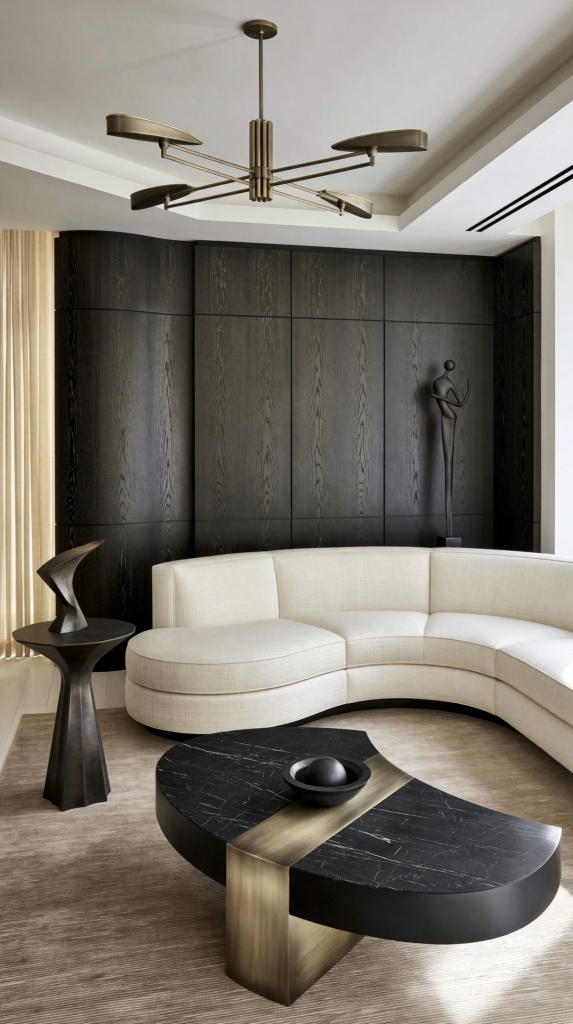
This is part of the power of using sculptural furniture as functional art. An expressive silhouette does more than occupy space; it creates a perceptual event. The eye pauses, traces the contour and remembers the room.

Yet angular furniture is not neurologically “bad”. Strong geometry can communicate stability, precision and energy. The richer design question is how much softness or tension the room needs.

Nature, Biophilia and Attention Restoration

Of all the ideas associated with wellbeing design, the value of nature has one of the broadest research bases. A large review of nature exposure and health found evidence of associations with outcomes including cognitive function, mental health and physiological measures, while also noting variations in study quality and method.

The classic reference is Roger Ulrich’s 1984 study of postoperative window views. Records from matched hospital patients suggested that those whose windows faced trees had somewhat better recovery-related outcomes than those facing a brick wall. It was an influential but small, context-specific study—not proof that placing a plant beside the sofa will transform health.

What the wider evidence supports is more nuanced: access to natural scenes, daylight and some forms of indoor nature may contribute to restoration and stress reduction for many people.

The brain may respond to nature through several overlapping pathways:

  • Gentle visual fascination that holds attention without demanding it
  • Repeated but non-identical patterns
  • Greater sensory variation than a sealed artificial environment
  • Associations with refuge, resources and open landscape
  • Opportunities to look into the distance and relax near-focus
  • Personal memories of gardens, travel or outdoor life

Bringing nature indoors does not require turning the home into a greenhouse. Consider:

  • Preserving the view from a favourite chair
  • Using curtains that filter rather than eliminate daylight
  • Repeating botanical or landscape colours without literal motifs
  • Choosing timber, stone, wool, linen and other tactile materials
  • Displaying branches or seasonal foliage
  • Using art that suggests horizon, depth or landscape

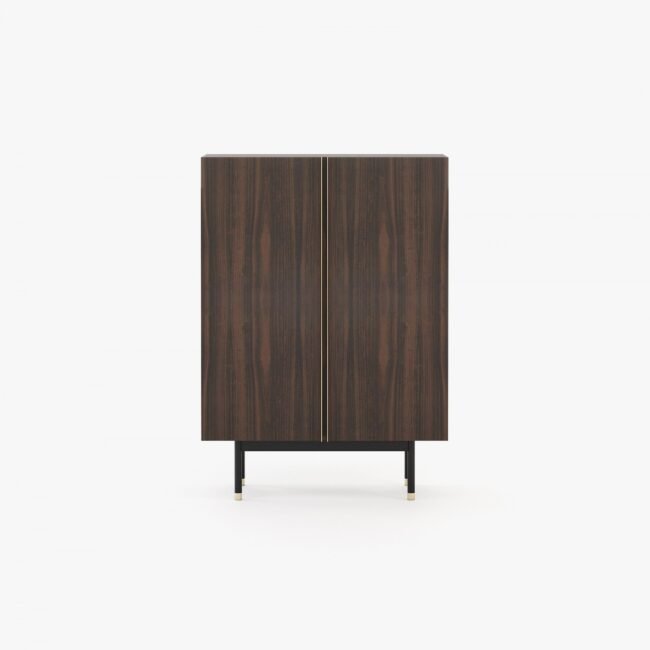
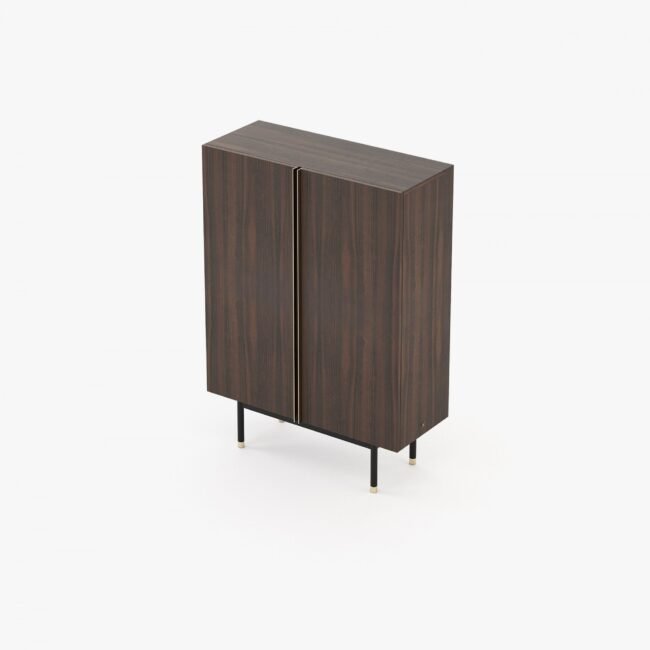
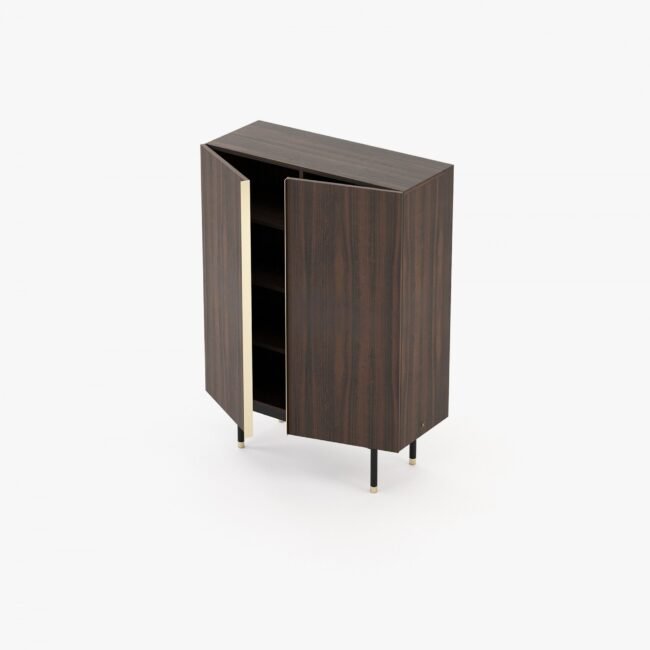
Natural material must still be composed thoughtfully. A room covered indiscriminately in wood can feel heavy; a single beautifully figured cabinet may provide a stronger connection. Our guide to styling dark wood furniture in a modern interior shows how natural grain can be balanced with lighter surfaces and negative space.

How Light Affects Alertness, Mood and Sleep

Light is not merely visual decoration. It helps the body interpret time.

Specialised retinal cells contribute to the regulation of circadian rhythms, influencing patterns of alertness and sleep. A scientific review of the effects of light on circadian rhythms, sleep and mood describes why the intensity, timing, duration and spectrum of light all matter.

The useful domestic principle is simple even if the biology is complex: seek stronger natural light during the day and reduce unnecessary brightness as bedtime approaches.

That does not mean every room needs cold blue-white bulbs in the morning or automated “human-centric” technology. It means the lighting plan should acknowledge that a home performs different neurological roles across twenty-four hours.

During the day:

  • Open blinds where privacy allows
  • Position work areas near useful daylight without excessive glare
  • Allow brighter ambient light in kitchens and home offices
  • Give the eye access to exterior views

During the evening:

  • Lower overall brightness
  • Favour warm, localised pools of light
  • Reduce glare and exposed bulbs
  • Avoid lighting every surface with the same intensity
  • Keep bedrooms capable of genuine darkness

Layering is important because it returns control to the occupant. A bright ceiling light may be useful for cleaning, but unnecessarily stimulating during conversation or before sleep. Table lamps can create lower, warmer pools of light that support a transition from activity towards rest.

Light also changes colour perception, material depth and spatial hierarchy. For a detailed explanation of that interaction, read why paint colours look different at home.

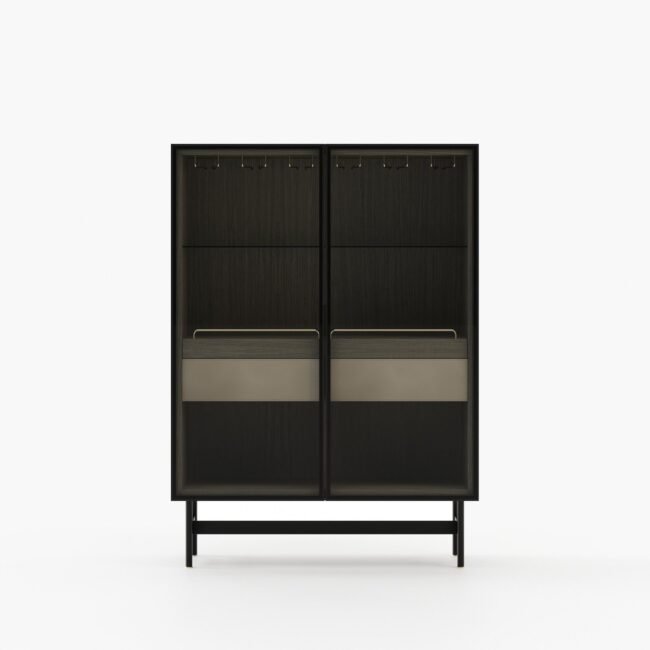
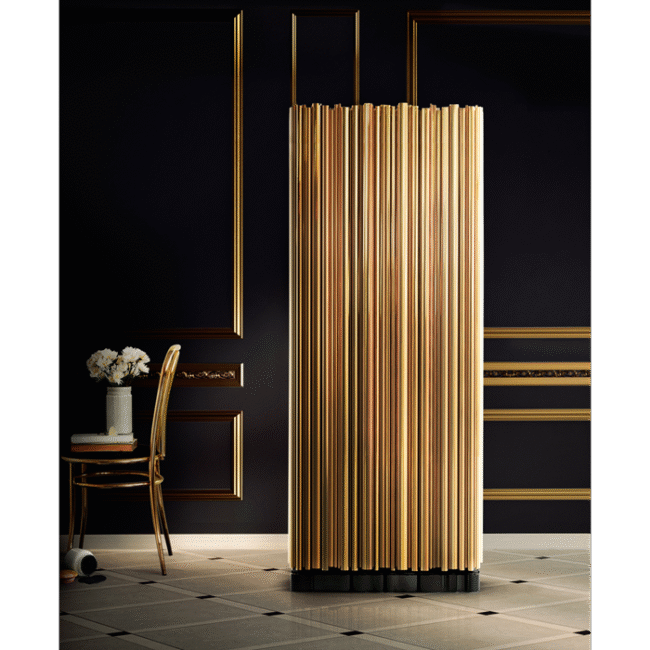
sculptural furniture 3

What Colour Psychology Can—and Cannot—Tell Us

Colour is one of the most abused subjects in popular design psychology. Articles frequently claim that blue calms, yellow energises and red stimulates as though these were universal switches.

The actual evidence is more contextual. A major review of colour and psychological functioning concluded that colour can affect emotion, cognition and behaviour, while emphasising context, learning and methodological limitations. More recent cross-cultural work has also found both common patterns and meaningful differences in colour-emotion associations.

Colour response depends on more than hue. It is shaped by:

  • Saturation: vivid cobalt and muted blue-grey are not psychologically equivalent
  • Lightness: pale green behaves differently from near-black forest green
  • Area: a cushion and four painted walls create different exposure
  • Material: blue velvet, gloss lacquer and matt plaster reflect light differently
  • Context: colour beside timber is perceived differently beside chrome
  • Culture and memory: colours carry learned meanings
  • Lighting: daylight and warm LEDs can transform the same pigment

Instead of selecting colour from a generic emotional chart, begin with the activity and atmosphere of the room. A study might tolerate more clarity and contrast than a bedroom. A dining room can support richer colour because it is used socially and often in lower evening light.

Then test the palette in context. Ask whether the room needs greater warmth, definition, softness or depth. Colour works through relationships, not isolated labels.

Texture, Materiality and the Multisensory Home

Interiors are often designed for photographs, but homes are experienced through bodies. We touch a chair arm, hear a drawer close, feel a rug underfoot and notice whether a surface is cold, yielding, rough or smooth.

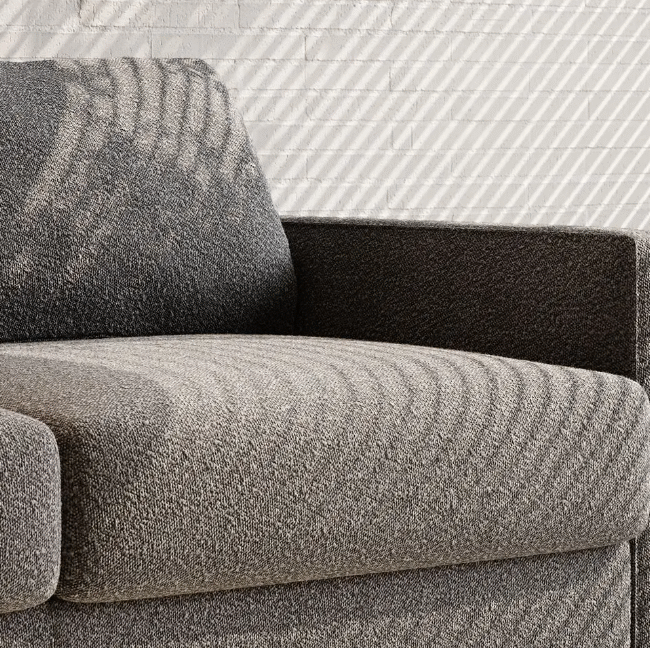
Texture creates information at several distances. From across the room, bouclé may appear softly mottled; nearby, its loops become distinct; in contact, the material produces a tactile response. Timber offers grain, temperature and evidence of growth. Stone communicates weight and permanence. Polished metal catches movement in reflected light.

This multisensory richness can make a neutral interior engaging without relying on high colour contrast. It can also create a sense of material authenticity—the perception that a thing looks and feels consistent with what it is.

Useful contrast might include:

  • Smooth stone against open-grained timber
  • Soft upholstery beside a crisp metal frame
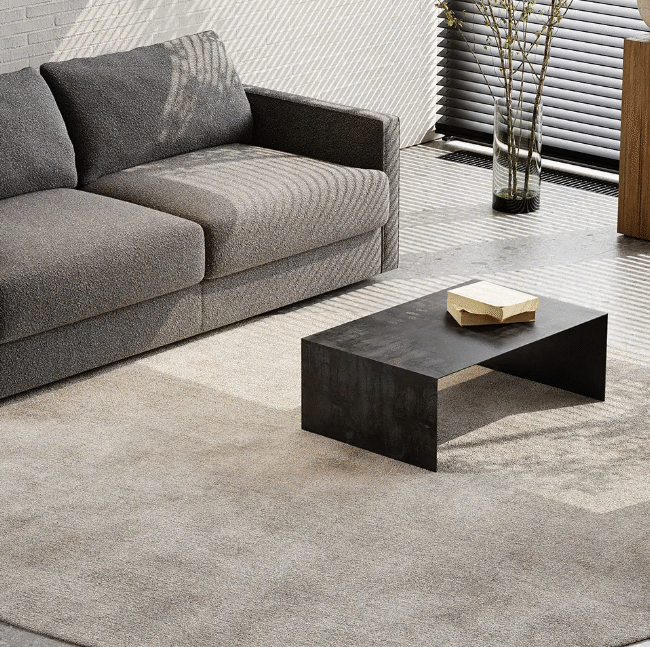
  • A deep-pile rug beneath a low polished table
  • Matt walls behind reflective glass or brass
  • Rounded fabric forms against linear architecture

The aim is not maximum texture. As with visual complexity, the brain benefits from hierarchy. Let one or two materials dominate and use others as accents. When every surface has an emphatic texture, the room loses its quieter register.

How Sound Changes the Experience of Space

Neuroaesthetics is often discussed as if homes were silent images. They are not. The nervous system continues to monitor sound even when attention is elsewhere.

Noise can interfere with concentration, communication and sleep. The World Health Organization’s guidance on environmental noise notes associations with sleep disturbance, poorer performance and other health effects, and recommends very low background-noise levels for good sleep.

Domestic acoustics are influenced by both external noise and the room itself. Large hard surfaces reflect sound. An almost empty room with stone flooring, glass and bare walls may produce reverberation that makes conversation tiring. Soft and irregular surfaces absorb or scatter some sound.

Interior-design responses include:

  • Full-length curtains where exterior noise and echo are concerns
  • Upholstered seating rather than only hard furniture
  • Bookcases or textured wall elements on reflective planes
  • Door seals and considered bedroom layouts
  • Zoning noisy equipment away from work and rest areas
  • A substantial rug to soften both the visual and acoustic field

A rug is not a replacement for professional acoustic treatment, and soft furnishings cannot solve severe traffic or structural noise. They can, however, change reverberation and make an ordinary living space feel less harsh.

Silence is not always the ideal. Predictable, low-level background sound may feel comfortable, while intermittent or uncontrollable noise is more distracting. Control is part of the experience: the ability to close a door, move to a quieter seat or choose when music plays can be as important as the absolute sound level.

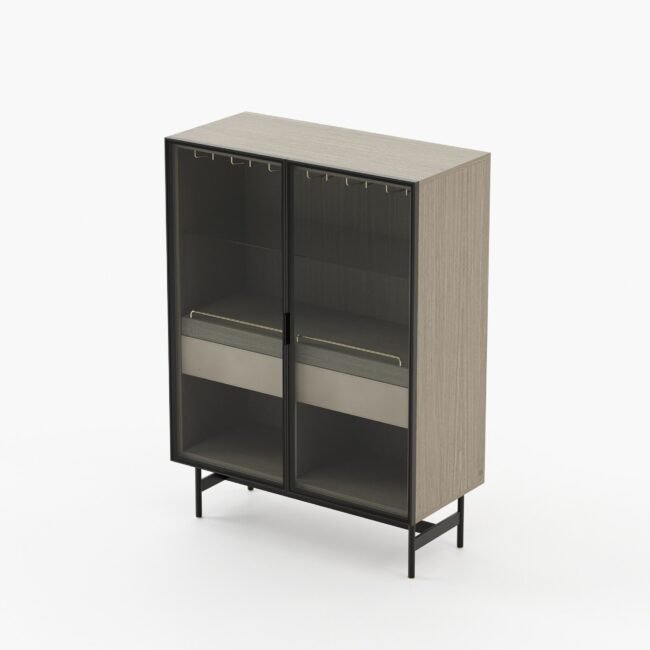
Sculptural furniture 4

Scale, Ceiling Height and the Feeling of Openness

Rooms are understood through the relationship between the body and surrounding boundaries. Ceiling height, width, sightlines, door positions and furniture scale influence whether a space feels expansive, intimate or constricted.

Research on the so-called cathedral effect suggests that ceiling height can prime different styles of thought. In three experiments, higher ceilings were associated with more relational processing and lower ceilings with more item-specific processing. Architectural neuroimaging studies have also reported that high and visually open spaces were more often judged beautiful than low or enclosed examples.

These findings should not be turned into a simplistic rule that high ceilings make people creative and low ceilings make them focused. Real rooms contain many interacting variables, and a low-ceilinged library may feel wonderfully protective rather than oppressive.

What designers can control is perceived enclosure:

  • Keep important sightlines open
  • Avoid placing tall, visually heavy furniture in every corner
  • Use vertical lighting or curtains to emphasise height
  • Choose furniture scaled to the room rather than undersized pieces scattered around it
  • Create a sheltered seat within an otherwise open plan
  • Preserve some visible floor and wall area around focal pieces

This produces a useful tension between outlook and refuge. Many people enjoy being able to survey a room while feeling supported behind or beside them. An armchair positioned with its back protected and a view towards the window or doorway may feel better than the same chair floating with movement on every side.

Furniture arrangement is therefore not just compositional. It shapes social distance, orientation, movement and perceived control. Our living-room interior design ideas offer practical ways to connect these considerations with proportion and focal points.

Why Personal Meaning Matters to the Brain

The most important neuroaesthetic principle may be the least measurable: a home should contain evidence of the person who lives there.

In the aesthetic triad, knowledge and meaning are not optional extras added after perception. They are part of the experience itself. Familiarity, memory and identity influence what feels beautiful.

A mixed-method study on home personalisation and psychological wellbeing found a relationship between residents’ involvement in transforming their homes, residential satisfaction and broader life satisfaction.

As with other environmental research, this does not mean decoration alone creates wellbeing. It suggests that agency and identification with place matter.

Meaning may come from:

  • An inherited chair that links generations
  • Art bought during travel
  • Books that reveal enduring interests
  • A dining table marked by use
  • Objects made by friends or family
  • A material associated with a particular landscape
  • Furniture chosen slowly rather than all at once

This is why a showroom-perfect room can feel emotionally thin. Its visual systems may be balanced, but its semantic system has little to interpret.

Personalisation does not require filling every shelf. One object with strong meaning can carry more emotional weight than twenty generic accessories. The goal is to make identity legible without sacrificing function.


Applying Neuroaesthetics Room by Room

Neuroaesthetic design begins with the role each room must play. The same level of stimulation is not appropriate everywhere.


The entrance: reduce uncertainty

An entrance should make the next action obvious. Provide a clear route, somewhere for keys and bags, and lighting that reveals faces and thresholds without glare. One focal object can establish identity immediately, but circulation should remain uncomplicated.


The living room: support attention and connection

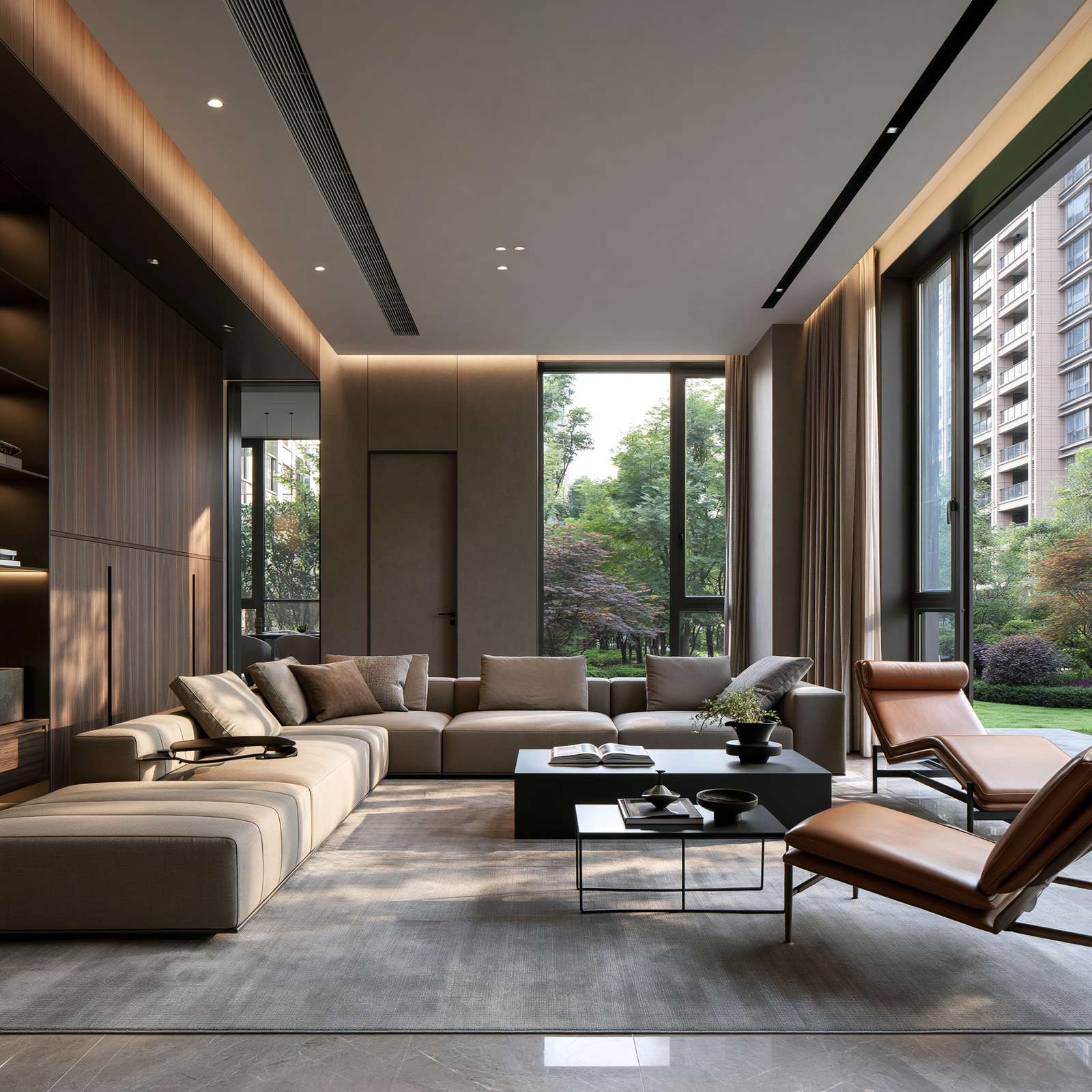
Arrange seating so conversation does not require shouting or awkward neck angles. Create a visible focal point without forcing every chair to face a television. Combine a broad view with at least one more sheltered seat.

Use a stable anchor—often a rug, sofa or fireplace—then add controlled variation in shape and height. Armchairs and accent chairs are useful because they can adjust the emotional geometry of a group without replacing the entire suite.


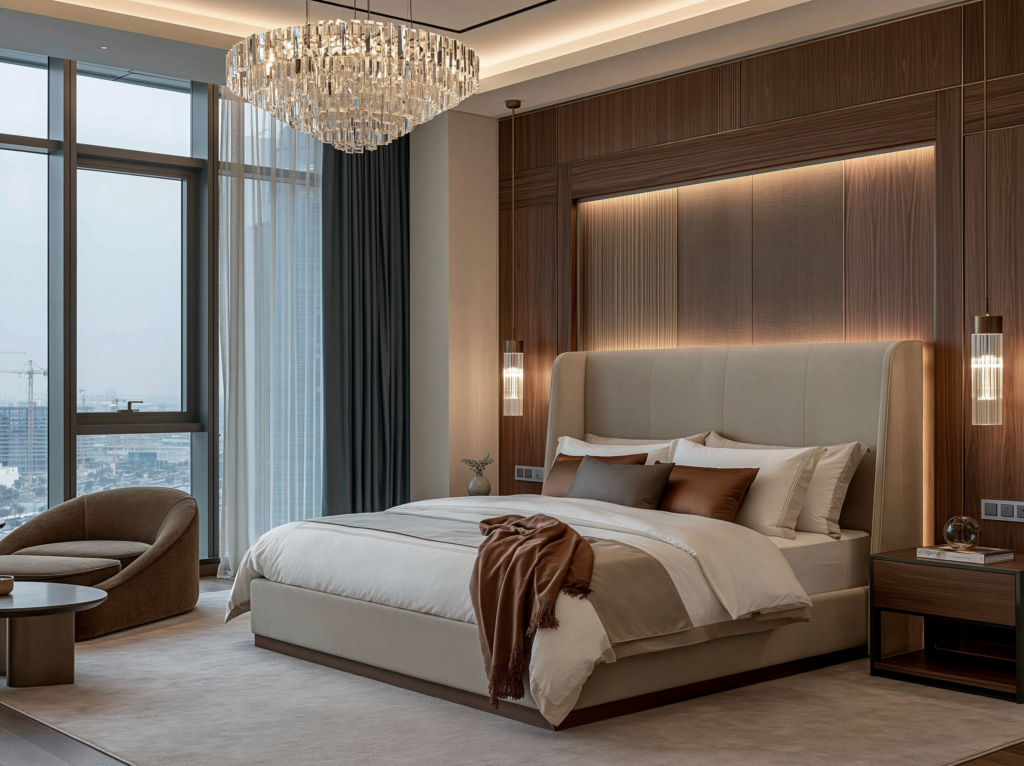
The bedroom: lower stimulation and strengthen darkness

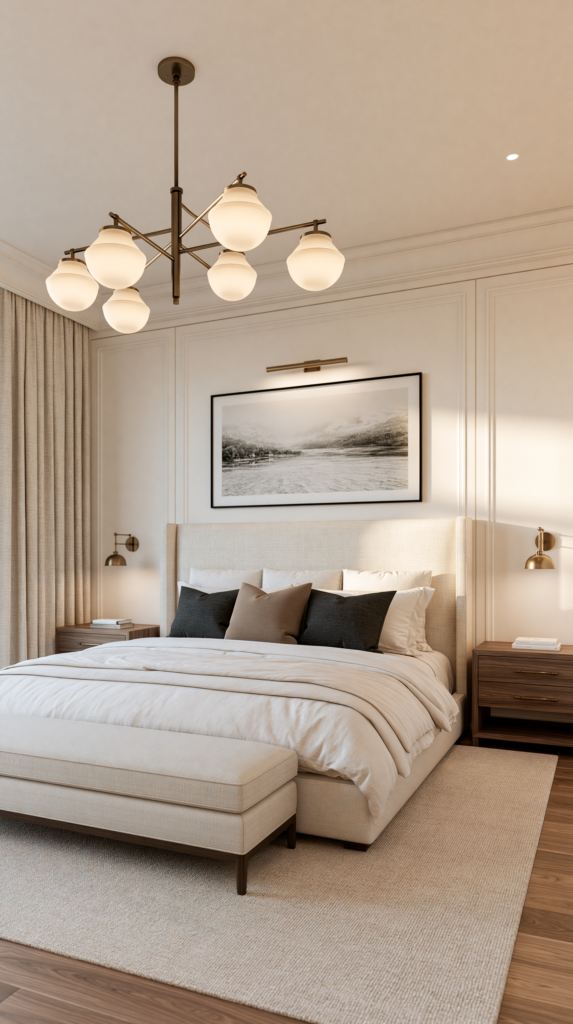
The bedroom should make fewer demands. Reduce visible work cues, uncontrolled indicator lights and sharp glare. Use accessible bedside storage so the room can return to order easily.

Layer curtains if exterior light interferes with sleep, and choose warm, dimmable local lighting for the final hour of the day.

Personal objects still matter, but the field around the bed benefits from calm hierarchy rather than equal visual intensity.


The home office: make focus visible

Position the desk to benefit from daylight without screen glare. Keep the active work zone coherent and move unrelated storage out of the immediate visual field. A distant view gives the eyes a change of focal depth.

The background can include art or shelves, but it should not compete continuously with the task. If creative work requires samples, books or materials, organise them into clear zones rather than forcing false emptiness.


The dining room: create ritual and social focus

A dining table naturally establishes a centre. Reinforce it with lighting that pools over the table rather than flattening the entire room. Curved or oval tables can soften circulation and give each person a less rigid relationship to the group.

Allow the room to feel distinct after dark. Richer colour, lower light and tactile materials can signal that the mode has changed from work to gathering.

A Practical Neuroaesthetic Home Audit

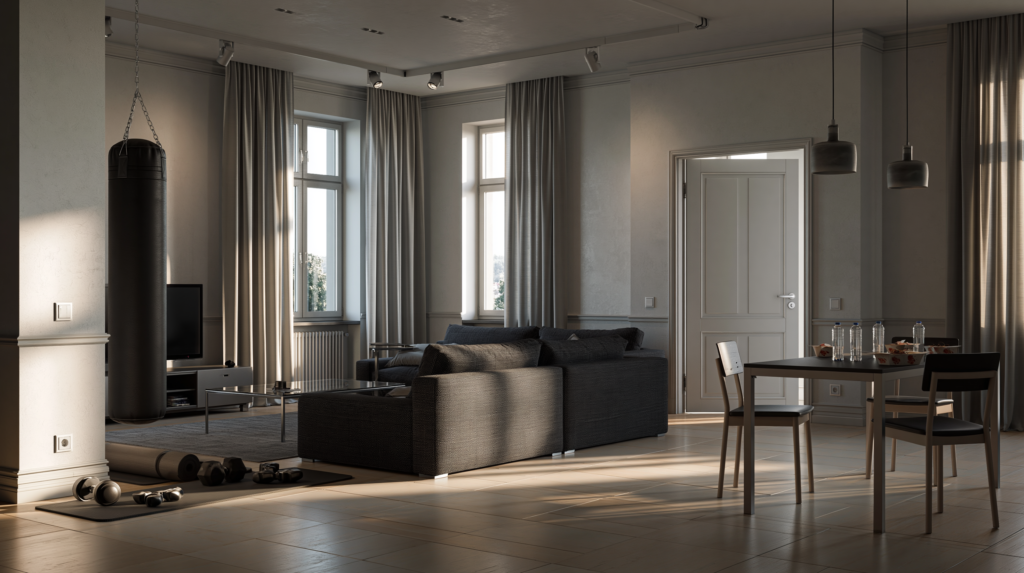
Walk through your home slowly at the time each room is most often used. Do not begin by asking whether it is stylish. Ask what your attention and body are doing.

A practical neuroaesthetic audit for evaluating how each room looks, feels and functions.
Design Signal Question to Ask Possible Adjustment
Visual hierarchy Does my eye know where to rest? Strengthen one focal point and quieten competing surfaces
Complexity Is the room interesting or simply busy? Group objects, repeat materials and create negative space
Movement Can I cross the room without hesitation? Clarify circulation and remove furniture from natural paths
Light Does the lighting match the time and activity? Increase daylight use; add dimmable, localised evening light
Nature Can I see or sense natural material and pattern? Protect a view or introduce timber, stone, foliage or landscape art
Sound Does the room echo or carry intrusive noise? Add textiles, improve seals or move the activity to a quieter zone
Refuge Is there a seat that feels supported and settled? Place seating against a wall, console or substantial backdrop
Meaning Could this room belong to anyone? Display fewer but more personally significant objects
Control Can I change light, privacy and stimulation easily? Add layered controls, curtains, screens or alternative seating

Walk through each room at the time it is normally used. Begin with bodily comfort and functional friction before considering additional decoration.

Then make changes in this order:

  1. Remove functional friction.
  2. Correct uncomfortable lighting and glare.
  3. Clarify movement and furniture relationships.
  4. Reduce unresolved visual competition.
  5. Add comfort through texture, sound control and refuge.
  6. Introduce personal meaning.
  7. Only then add further decoration.

This sequence matters. A beautiful object cannot compensate for a chair that blocks the doorway, a bedroom that will not become dark or a living room in which nobody can converse comfortably.

Where the Science Is Still Uncertain

Neuroaesthetics in interior design is promising partly because it makes familiar design intuitions testable. It is also vulnerable to oversimplification.

Many architectural neuroscience studies use photographs, computer renderings or virtual reality rather than prolonged occupation of real homes. Sample sizes may be small. A brain response measured during a brief laboratory task does not automatically predict long-term wellbeing.

Other limitations include:

  • Individual difference: age, personality, sensory sensitivity and neurodivergence can change response.
  • Cultural context: symmetry, colour, material and privacy carry different meanings across cultures.
  • Adaptation: a striking feature may become ordinary after repeated exposure.
  • Task dependence: the best environment for concentration may not be the best one for social connection.
  • Control: people often tolerate stronger stimulation when they can modify it.
  • Correlation: an attractive home may accompany wellbeing without being its sole cause.

Interior design should therefore support health and comfort without pretending to diagnose or treat medical conditions. A person with persistent sleep, anxiety, sensory or mental-health concerns may need professional care beyond environmental changes.

The value of neuroaesthetics is not that it replaces taste. It expands taste into a richer question: how does this space organise attention, invite movement, regulate stimulation and carry meaning for the person who lives here?

Final Thoughts: A Beautiful Home Is an Experienced Home

The brain does not encounter an interior as a still image. It experiences a sequence: approach, threshold, orientation, movement, touch, sound, use and memory.

A successful room gives the senses enough structure to feel intelligible, enough richness to remain interesting and enough personal meaning to become emotionally specific. It works with daylight rather than treating light as an afterthought. It offers both outlook and shelter. It allows attention to focus, wander and recover.

None of this requires a clinical-looking home or a prescribed aesthetic. Neuroaesthetic design can be minimal, maximal, classical, postmodern or eclectic. The style is less important than the quality of the relationship between room and occupant.

Your home affects your brain not because it contains a secret combination of colours or curves, but because it is the environment through which thousands of ordinary actions pass. It frames how you wake, work, gather, retreat and remember.

The most intelligent interior is therefore not the one that follows every theory. It is the one that notices you back.

Frequently Asked Questions

What is neuroaesthetics in interior design?

Neuroaesthetics in interior design examines how sensory qualities and spatial arrangements influence aesthetic experience, attention, emotion and behaviour. It draws from neuroscience, psychology, architecture and design, but it is still a developing research field rather than a fixed rulebook.


What is the difference between neuroaesthetics and neuroarchitecture?

Neuroaesthetics focuses particularly on aesthetic perception and valuation—how form, colour, meaning and emotion contribute to experience. Neuroarchitecture addresses the broader relationship between the brain, behaviour and built environments. In practice, the two fields overlap substantially.


Can interior design improve mental health?

Interior design can support comfort, sleep, concentration, social interaction and a sense of control. It should not be presented as a treatment for mental-health conditions. Environmental improvements may form one helpful part of a wider wellbeing strategy.


What colours are best for the brain?

There is no universally best colour. Response depends on saturation, lightness, lighting, material, culture, memory and the activity taking place. Choose colour in relation to the room and test it under real lighting rather than relying on a generic colour-psychology chart.


Is minimalism always better for reducing stress?

No. Visual order and functional ease may reduce demands on attention, but emptiness is not automatically restorative. Meaningful objects, books, pattern and art can support identity and pleasure when they are organised coherently.


Does the brain prefer curved furniture?

Some studies have found that participants are more likely to judge curved interiors as beautiful than rectilinear ones. The effect is not universal, and curvature has not consistently changed whether people choose to enter a space. Context and personal preference still matter.


How does natural light affect the brain?

Light provides important time-of-day information to the circadian system. Useful daylight exposure during the day and lower, warmer light in the evening can help a home align more closely with natural patterns of alertness and rest.


Where should I begin with neuroaesthetic design?

Begin with function and control. Improve circulation, remove glare, make evening light adjustable, reduce unresolved visual competition and create at least one comfortable place of refuge. Add meaningful objects and decorative complexity only after the room works easily.

Sculptural piece 5
What do you think?
Leave a Reply

Blog

Get fresh home inspiration and helpful tips from our interior designers

top
0
    0
    Your Cart
    Your cart is emptyReturn to Shop

    Inactive

    Privacy Overview

    This website uses cookies so that we can provide you with the best user experience possible. Cookie information is stored in your browser and performs functions such as recognising you when you return to our website and helping our team to understand which sections of the website you find most interesting and useful.