Chandelier for Living Room Ideas: Modern, Glass and Small Chandeliers That Make Your Home Look Expensive

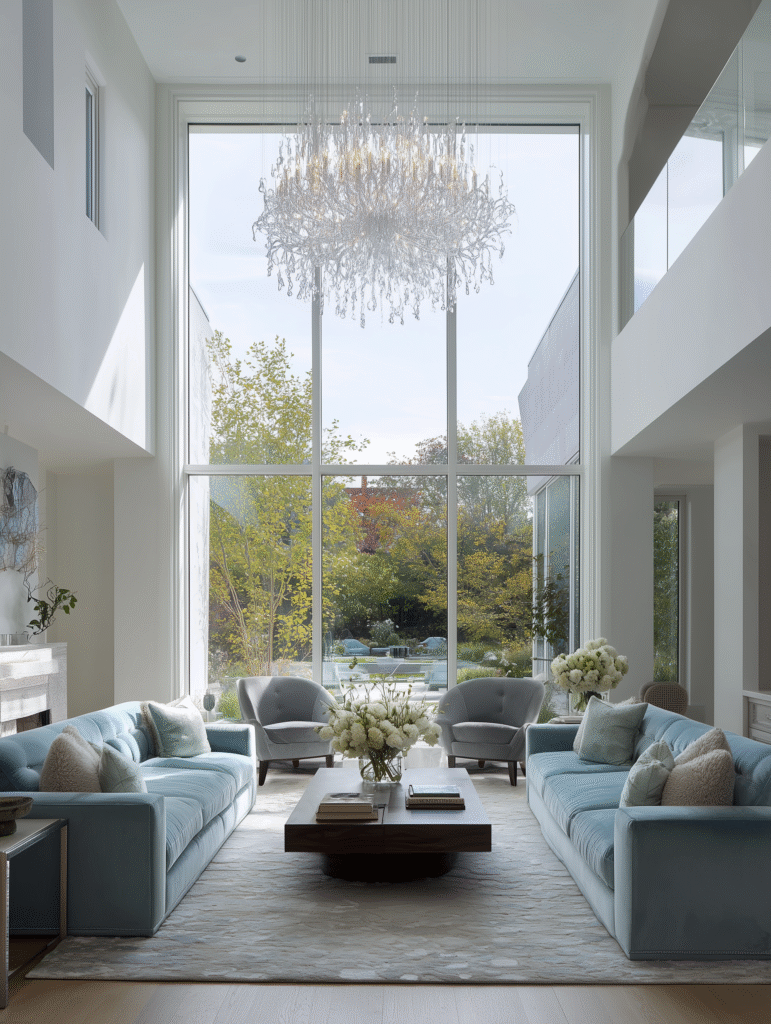
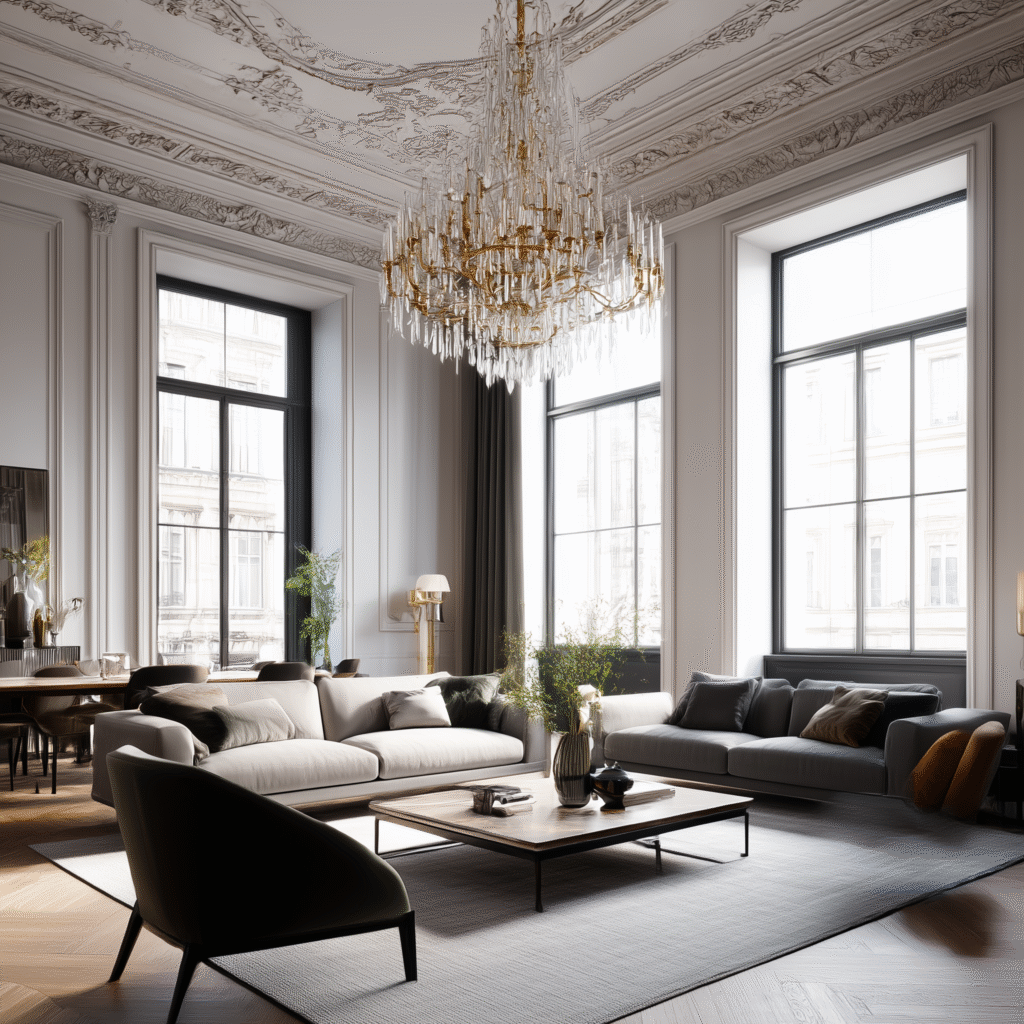
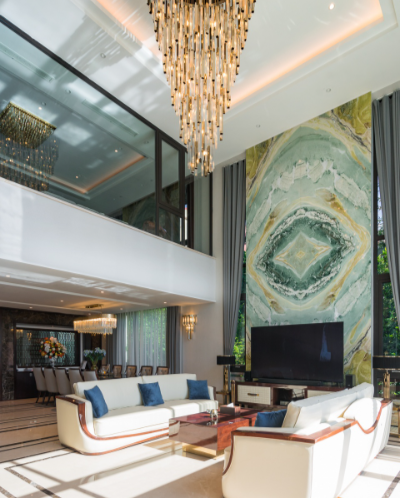
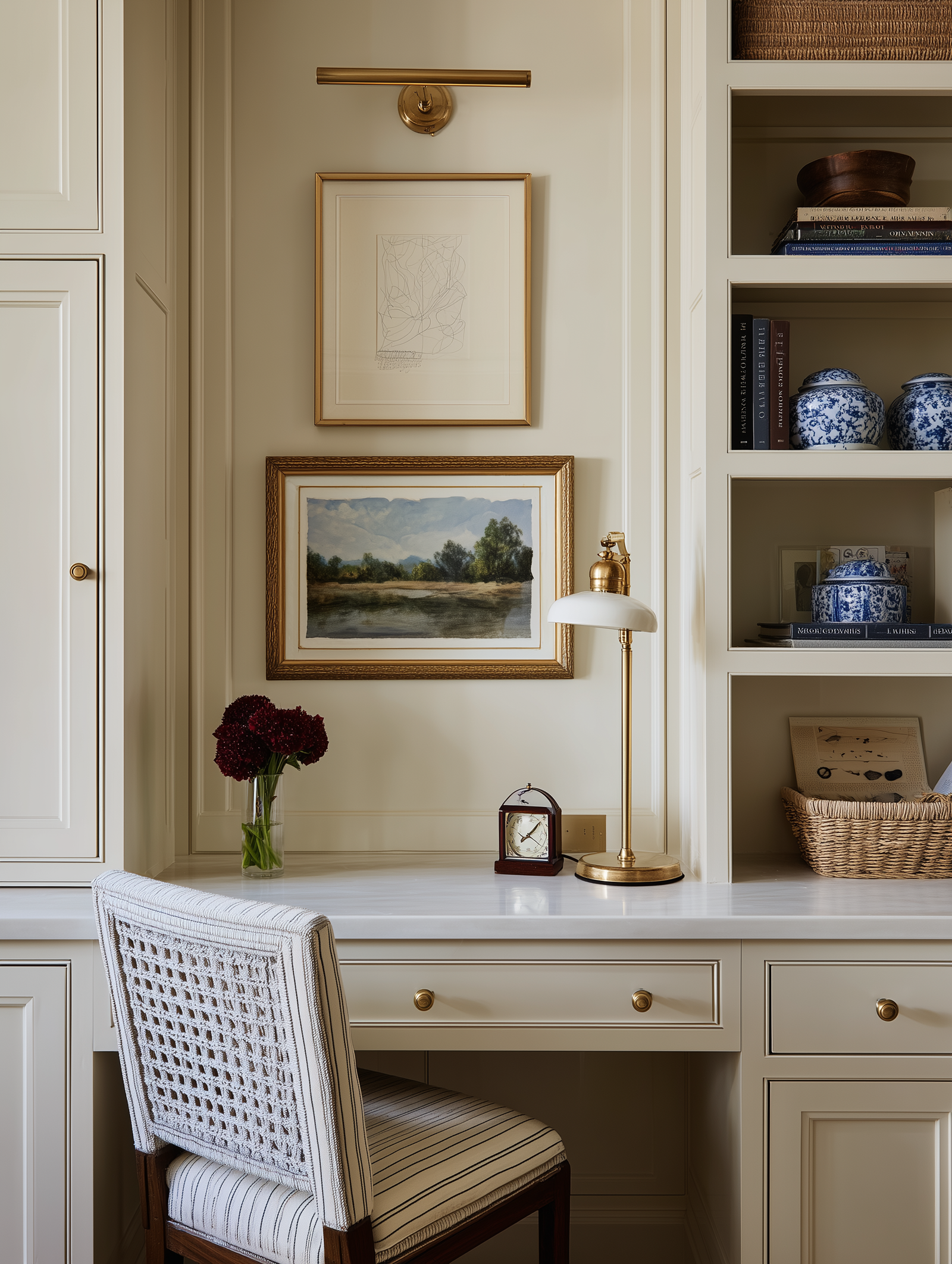
chandelier for living room in luxury interior

Some pieces simply light a room. Others change the way the room feels. A chandelier for living room spaces belongs firmly in the second category. It is not just an overhead fitting, a decorative extra or something reserved for grand houses with sweeping staircases. It is the moment your eye travels upward. It is the detail that gives the ceiling purpose. It is the finishing touch that can make a living room feel considered, elegant and complete.

A sofa may anchor the room. A rug may define the seating area. A coffee table may bring everything together. But a chandelier creates atmosphere. It decides whether the room feels calm and refined, bold and dramatic, warm and intimate, or polished and luxurious.

That is why choosing the right chandelier matters. The perfect piece can elevate a plain room, soften a modern interior, add glamour to a new-build home and give a compact space the kind of character that feels intentional rather than crowded.

Whether you are drawn to a modern chandelier, a glass chandelier or a small chandelier for a more compact living room, the aim is not simply to choose something beautiful. The aim is to choose a light that belongs to the room, flatters the furniture beneath it and makes the whole space feel more expensive.

Table of Contents

  1. Why a Chandelier Changes the Look of a Living Room
  2. How to Choose the Right Chandelier for Living Room Spaces
  3. Modern Chandelier Ideas for a Stylish Living Room
  4. Glass Chandelier Ideas for Soft Luxury and Light
  5. Small Chandelier Ideas for Compact Living Rooms
  6. Best Chandelier Styles for Different Living Room Looks
  7. What Size Chandelier Works Best in a Living Room?
  8. Where Should a Living Room Chandelier Be Placed?
  9. How to Pair Your Chandelier with Living Room Furniture
  10. What to Look for Before Buying a Living Room Chandelier
  11. How to Make a Chandelier Look Expensive
  12. Common Chandelier Mistakes to Avoid
  13. Final Thoughts: Choosing a Chandelier That Completes the Room
  14. FAQs About Living Room Chandeliers
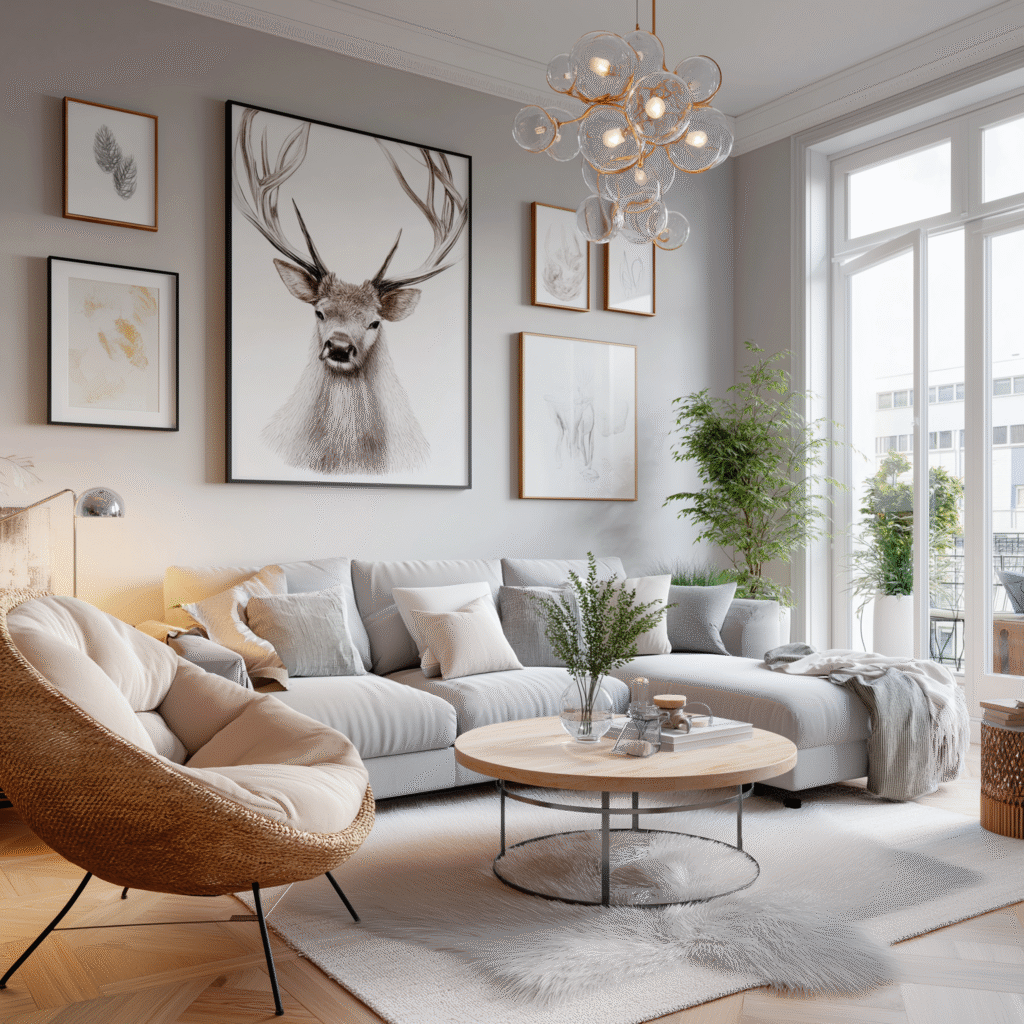
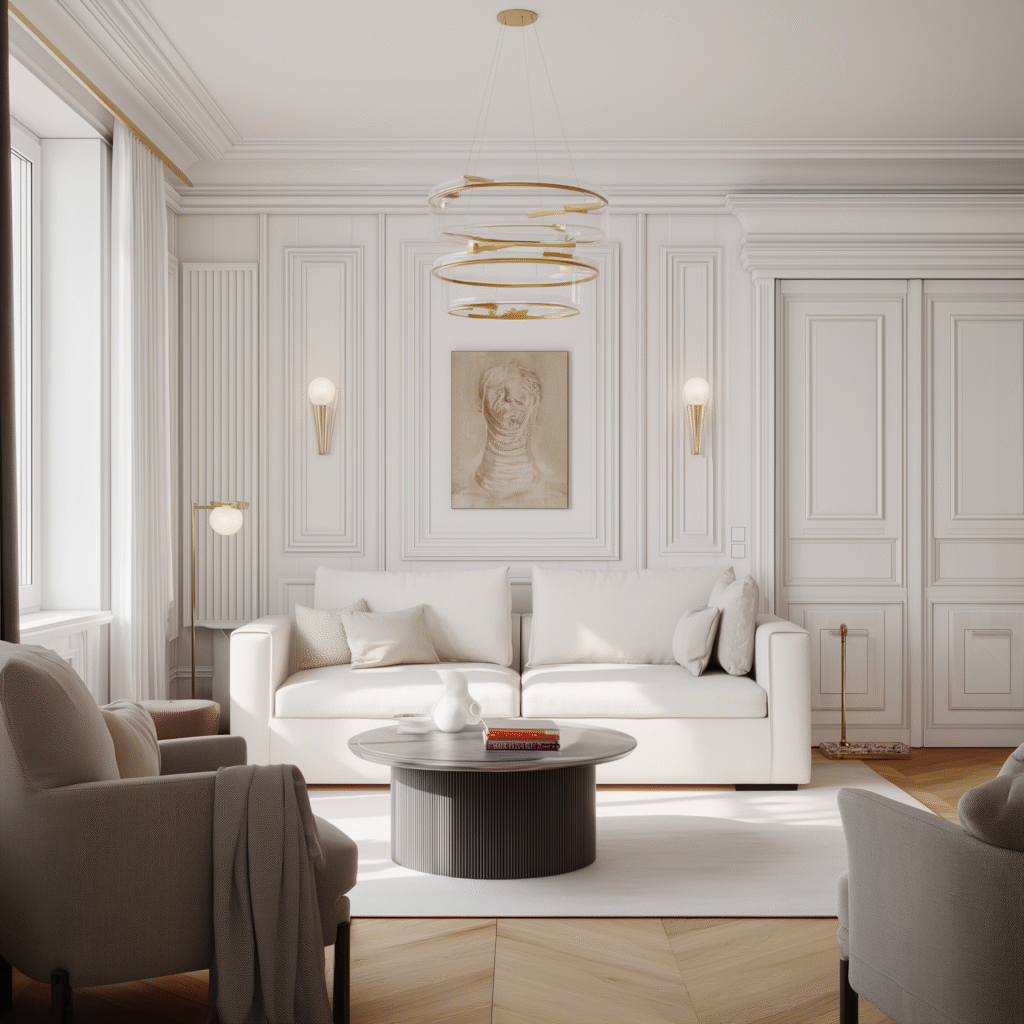
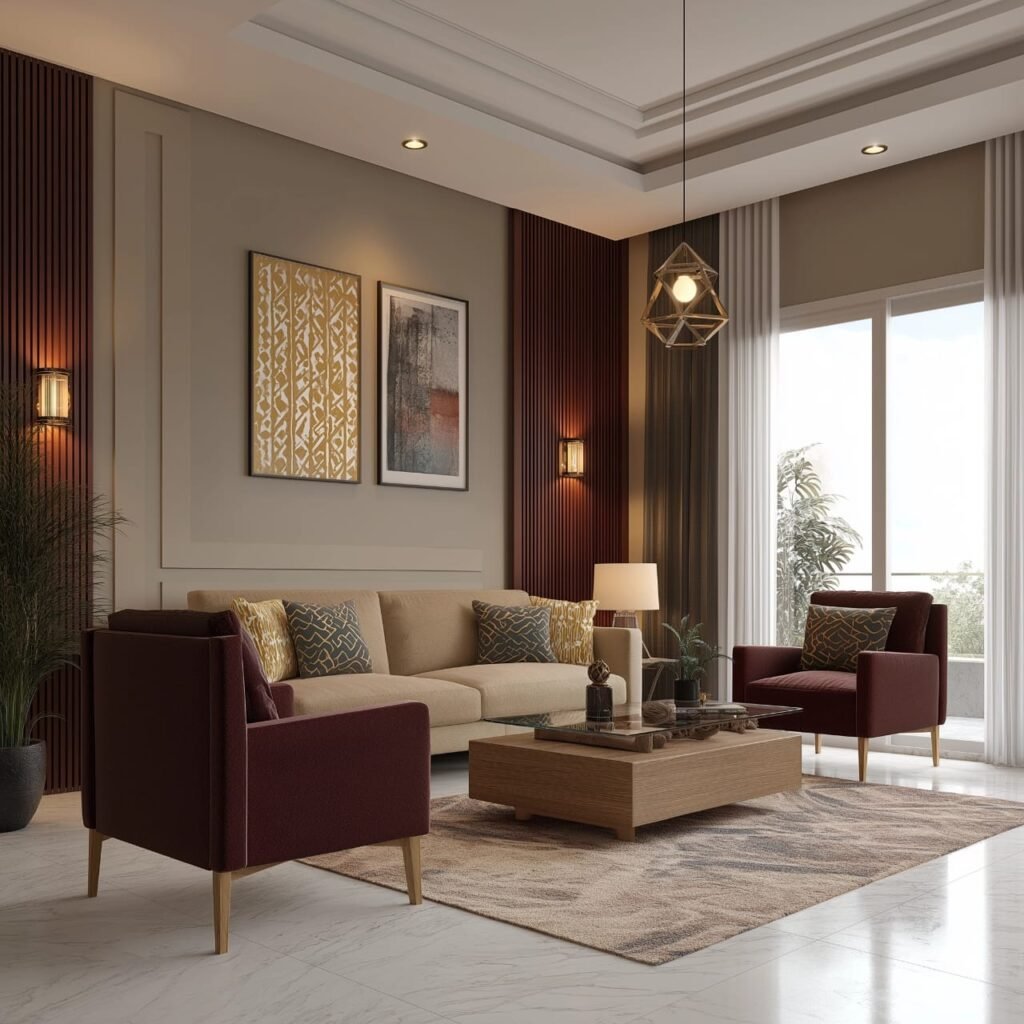
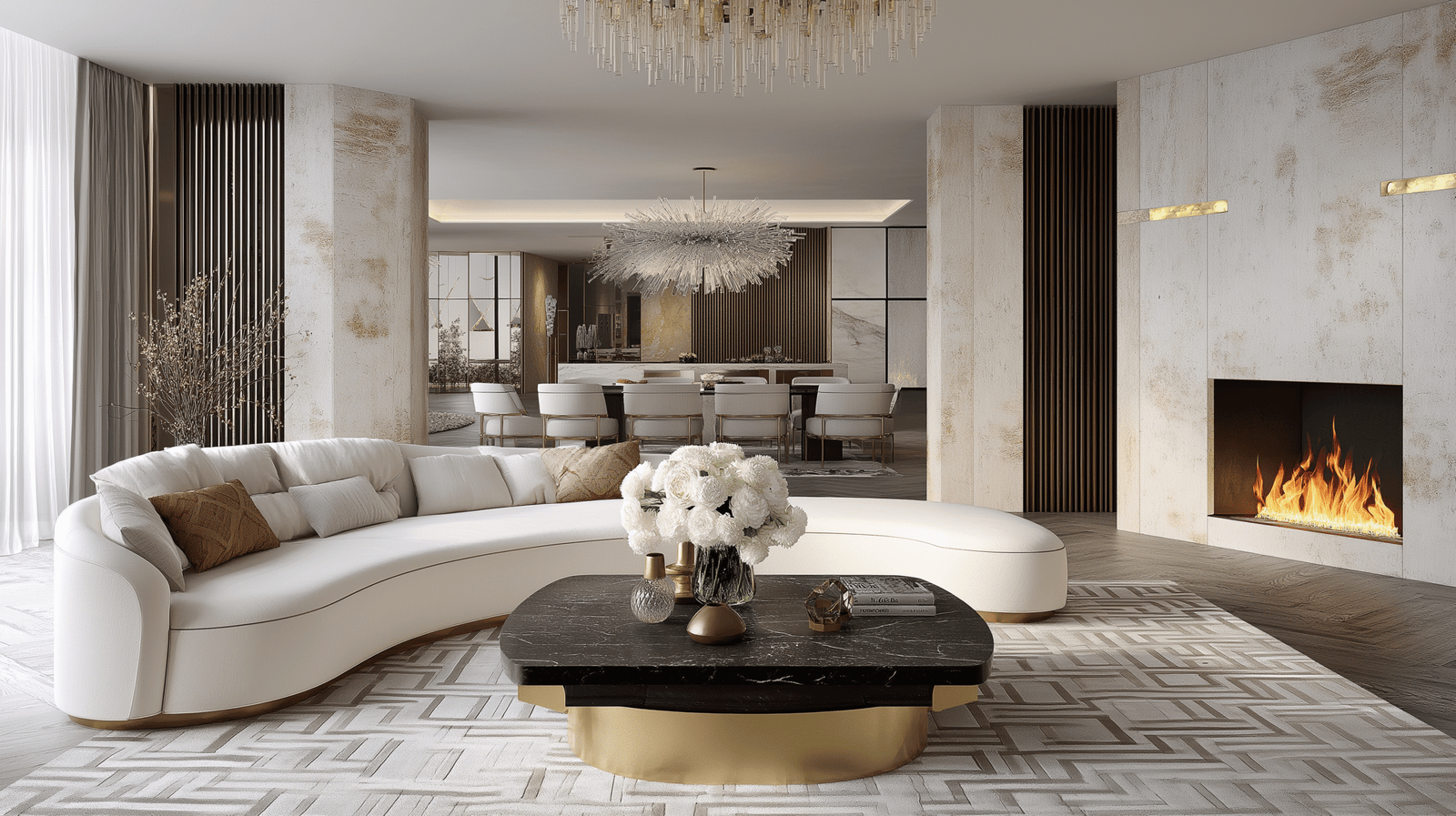
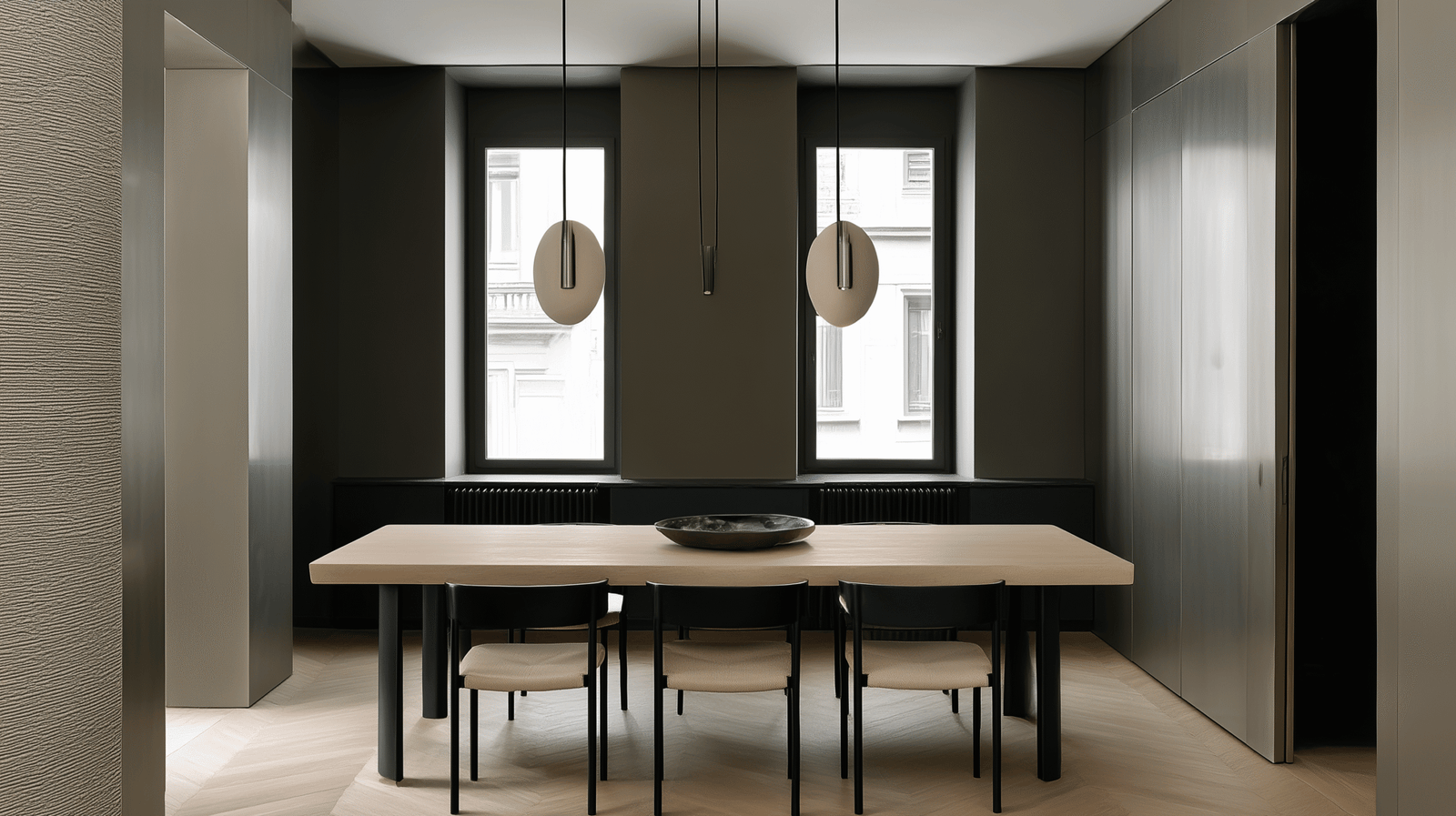
modern chandelier in stylish living room

Why a Chandelier Changes the Look of a Living Room

A living room is often the emotional centre of the home. It is where guests are welcomed, where family gathers, where slow evenings unfold and where the personality of the house is most visible. Because of that, lighting needs to do more than brighten the room. It needs to shape the mood.

A chandelier does this beautifully because it adds a focal point above eye level. Most living room design naturally happens across the middle of the room: the sofa, armchairs, side tables, fireplace, shelving, artwork and coffee table. Without something above, the space can sometimes feel unfinished, especially in rooms with plain ceilings or very simple architecture.

A chandelier gives the room a vertical layer. It draws the eye upward, adds height and makes the ceiling feel like part of the design rather than empty space. This is especially useful in modern homes, new-build properties and apartments where the room may not have original cornicing, ceiling roses, wall panelling or a statement fireplace.

In an editorial interior, the chandelier is rarely chosen at random. It is part of the composition. The shape, finish, scale and glow all contribute to how the room feels. A warm brass chandelier can make a neutral room feel richer. A glass chandelier can reflect light and soften a darker space. A sculptural modern chandelier can add structure to a relaxed living room. A small chandelier can bring charm and polish to a compact room without overwhelming it.

Interior designers often talk about lighting as one of the most important layers in a room. Nate Berkus has advised that every space needs three to five light sources, which is a useful reminder that a chandelier should not carry the entire room alone. It should work alongside table lamps, wall lights, floor lamps and natural daylight.

The chandelier is the crown, not the whole kingdom.

How to Choose the Right Chandelier for Living Room Spaces

The best way to choose a chandelier is to begin with the room, not the light.

Before buying anything, look carefully at your living room. Is it formal or relaxed? Modern or traditional? Bright or moody? Large and open-plan, or small and intimate? Does the room already have a strong focal point, or does it need one?

A chandelier should answer the room’s needs.

If your living room already has bold artwork, patterned wallpaper, dramatic furniture or strong architectural details, a quieter chandelier may work best. Something elegant, sculptural and refined will add polish without creating visual noise. If the room feels plain, simple or unfinished, a more expressive chandelier can become the detail that gives it personality.

The best chandelier for living room spaces should also connect with the materials already in the room. If you have warm woods, cream upholstery and bronze accents, a brass or antique gold chandelier can feel natural. If the space is sleek and contemporary, a black, chrome or sculptural modern chandelier may suit it better. If the room needs lightness, a glass chandelier can add reflection without heaviness.

The finish matters because lighting is never isolated. A chandelier sits above the furniture, but visually it speaks to everything below it: the legs of the coffee table, the frame of the mirror, the handles on the cabinet, the tone of the curtain pole, the warmth of the flooring and even the artwork on the walls.

This is where many people go wrong. They choose a chandelier they like in isolation, without asking whether it belongs to the room.

The most successful interiors look layered, not matched. Your chandelier does not need to be identical to every other finish in the room, but it should feel related. A brass chandelier can work beautifully with black furniture if there are other warm accents to balance it. A glass chandelier can sit comfortably in both classic and modern spaces. A small chandelier can look expensive when the proportion is right and the finish is thoughtful.

Think of your chandelier as jewellery. It does not need to be the loudest piece in the room, but it should make the whole outfit feel complete.

Modern Chandelier Ideas for a Stylish Living Room

A modern chandelier is one of the easiest ways to make a living room feel stylish without making it feel overly formal. It gives you the drama of a traditional chandelier, but with cleaner lines, fresher materials and a more contemporary silhouette.

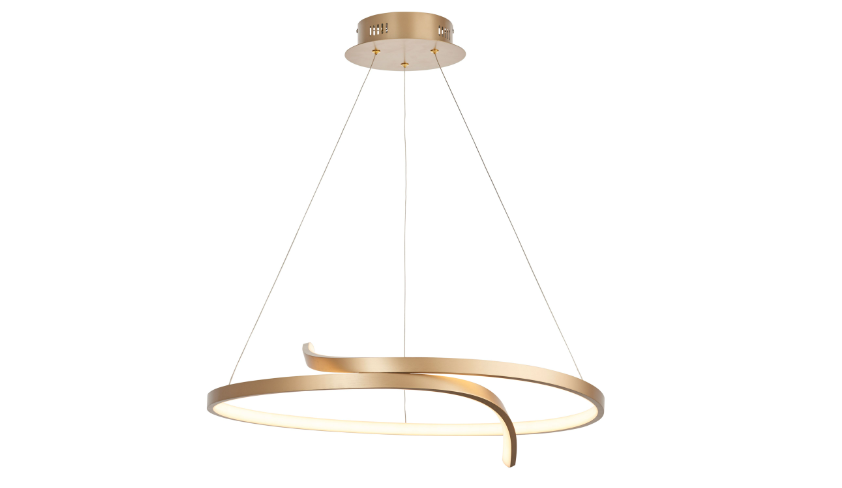
Modern chandeliers often focus on shape rather than ornament. Instead of heavy crystal drops and elaborate arms, you may see slim metal branches, sculptural rings, globe shades, linear frames, smoked glass, opal glass, alabaster discs or asymmetric forms. The result feels elegant but not old-fashioned.

This is why a modern chandelier works so well in today’s living rooms. Many homes now combine comfort with design: soft sofas, textured rugs, marble tables, warm neutrals, boucle, velvet, wood and statement accessories. A modern chandelier can sit above these pieces without making the room feel too traditional.

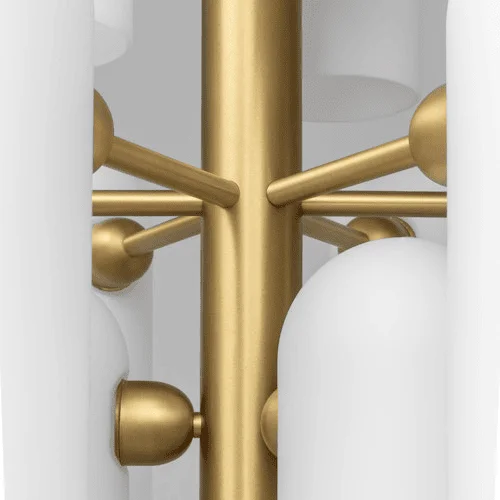
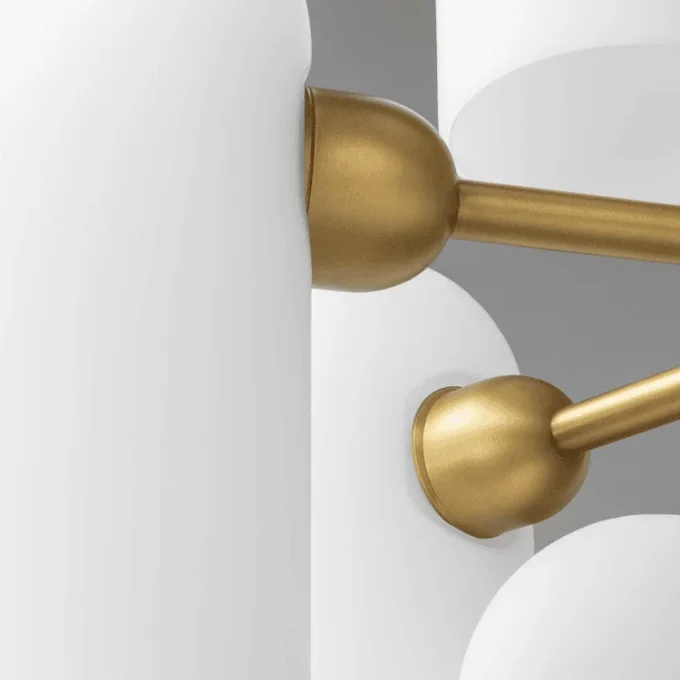
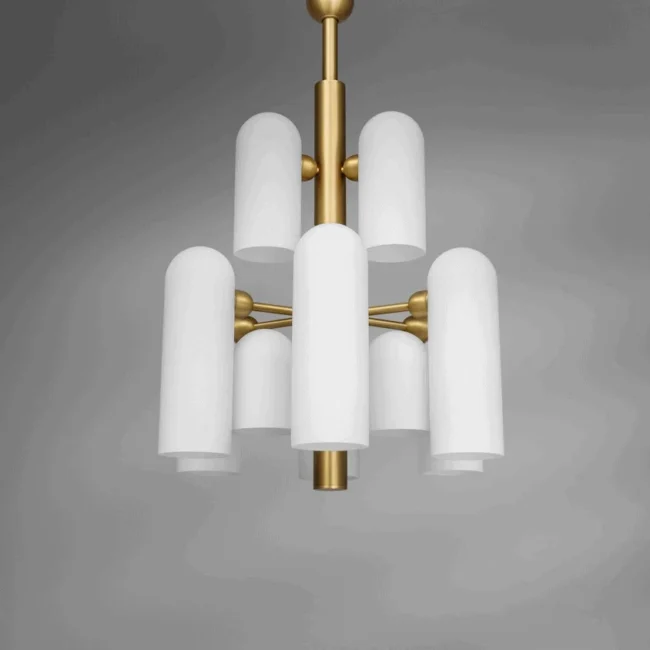
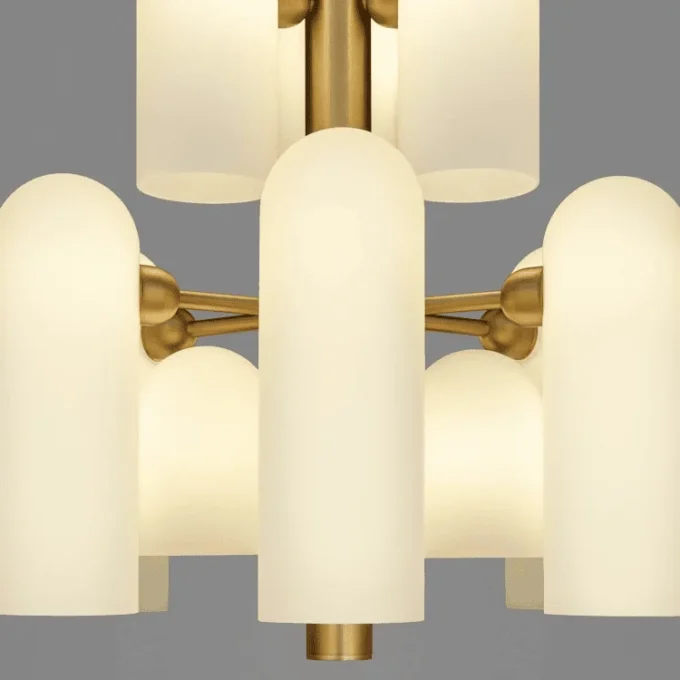
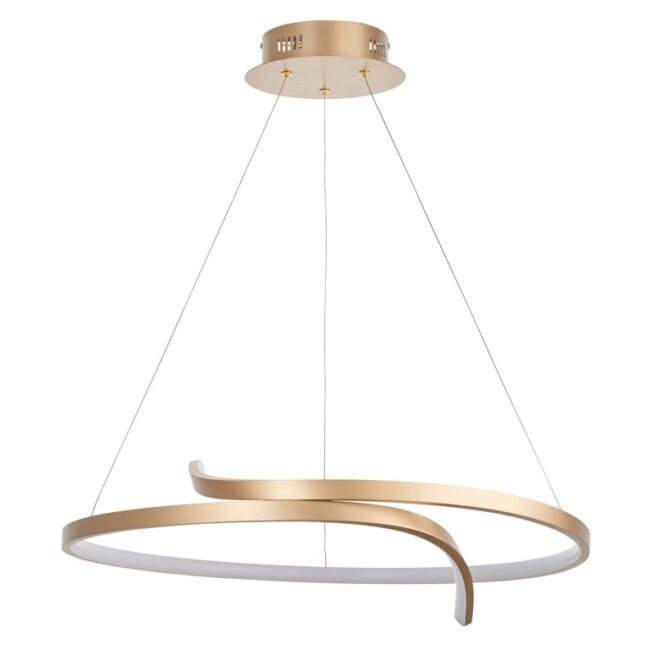
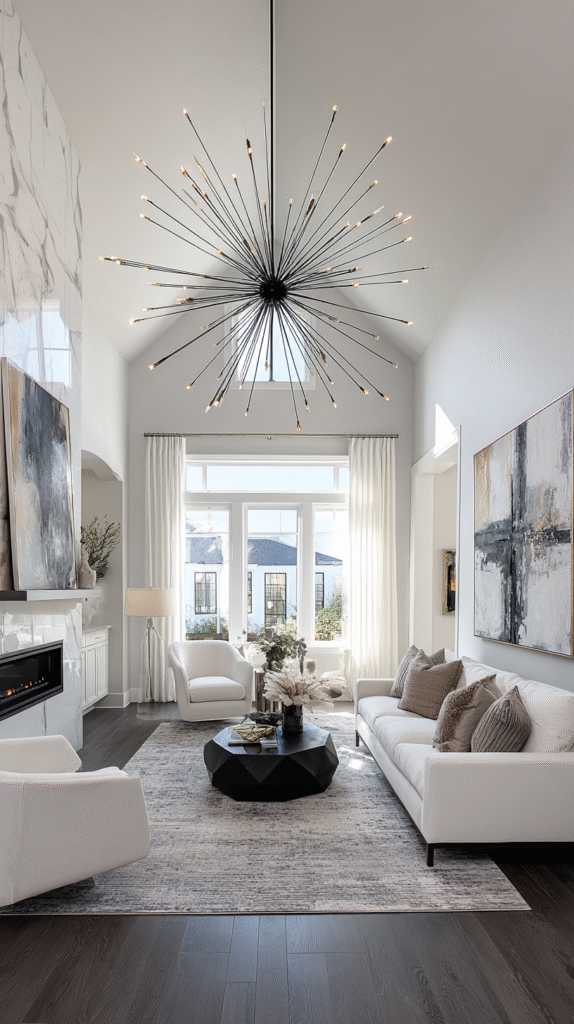
For a calm and expensive-looking living room, choose a modern chandelier with soft curves, warm metal and diffused bulbs. Globe chandeliers are particularly useful because they feel contemporary but not harsh. A brass and opal glass chandelier, for example, can bring warmth and softness into a neutral room.

For a more dramatic space, look at black metal, smoked glass or sculptural linear designs. These work especially well in rooms with strong contrast, dark furniture, marble surfaces or bold artwork. A black modern chandelier can create a beautiful graphic line across the ceiling, especially when repeated elsewhere in the room through mirror frames, table legs or door hardware.

A modern chandelier is also a clever choice for open-plan living. In a kitchen-living-dining space, lighting can help define zones. Pendant lights may sit above the kitchen island, while a chandelier anchors the living area. This makes the seating zone feel intentional, even without walls dividing the space.

The key is to avoid choosing something too cold. Some modern chandeliers can feel clinical if the materials are too shiny, the bulbs too bright or the shape too severe. To keep the room inviting, balance modern lighting with soft textures: linen curtains, velvet cushions, a generous rug, warm wood, ceramic accessories or upholstered furniture.

A modern chandelier should make the room feel elevated, not empty.

Glass Chandelier Ideas for Soft Luxury and Light

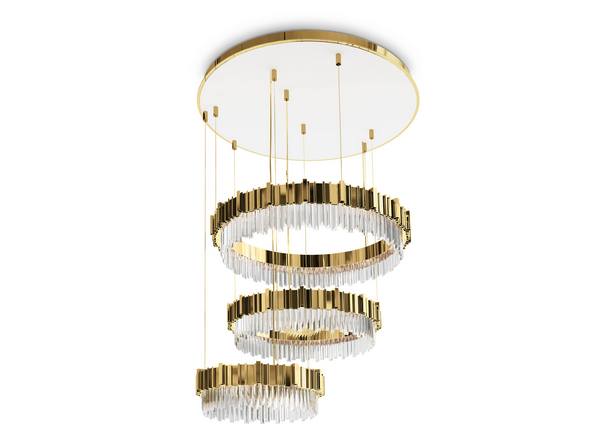
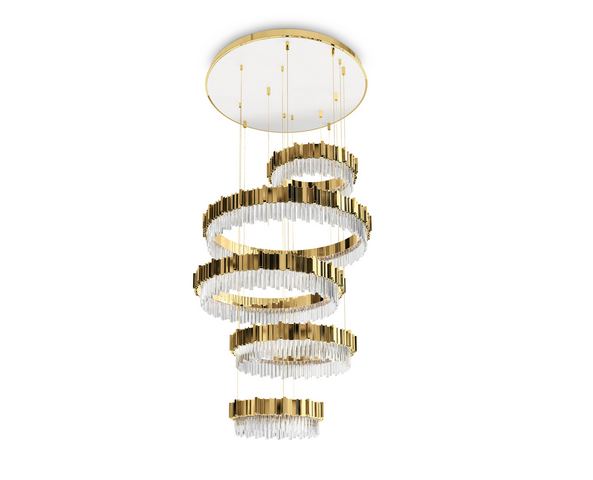
A glass chandelier is one of the most versatile choices for a living room because glass can be classic, modern, glamorous or understated depending on the design. It has presence, but it does not always have visual heaviness. That makes it especially useful in rooms where you want elegance without making the ceiling feel crowded.

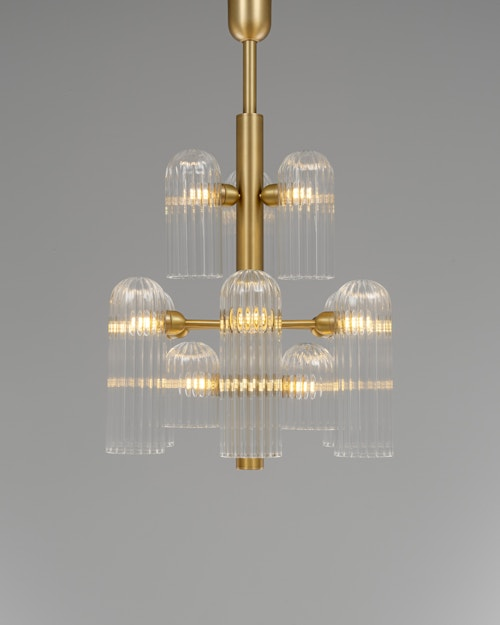
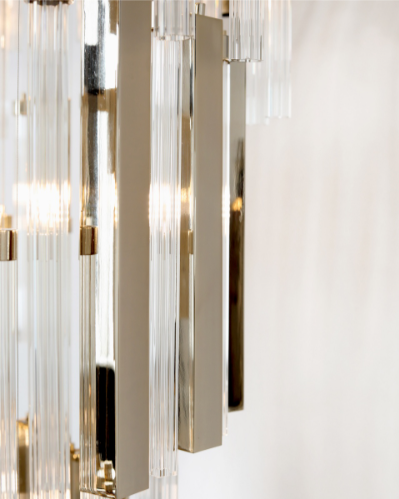
Clear glass feels bright and timeless. Smoked glass feels moodier and more contemporary. Frosted or opal glass gives a softer glow. Ribbed or fluted glass adds texture and an Art Deco influence. Amber glass brings warmth. Crystal glass adds sparkle and formality.

A glass chandelier is particularly effective in a living room because it interacts beautifully with light throughout the day. In natural daylight, it can catch small reflections and create a sense of movement. In the evening, it can soften the room and make the space feel more intimate.

This is why glass chandeliers are so useful for luxury interiors. They add glamour, but they can do it quietly. A good glass chandelier does not need to shout. It can simply glow.

For a classic living room, a crystal or clear glass chandelier can bring elegance, especially when paired with traditional furniture, a fireplace, wall mouldings or a neutral colour palette. Architectural Digest’s feature on decorating with crystal chandeliers shows how these pieces can work across different interior styles, from grand and traditional to more unexpected settings.

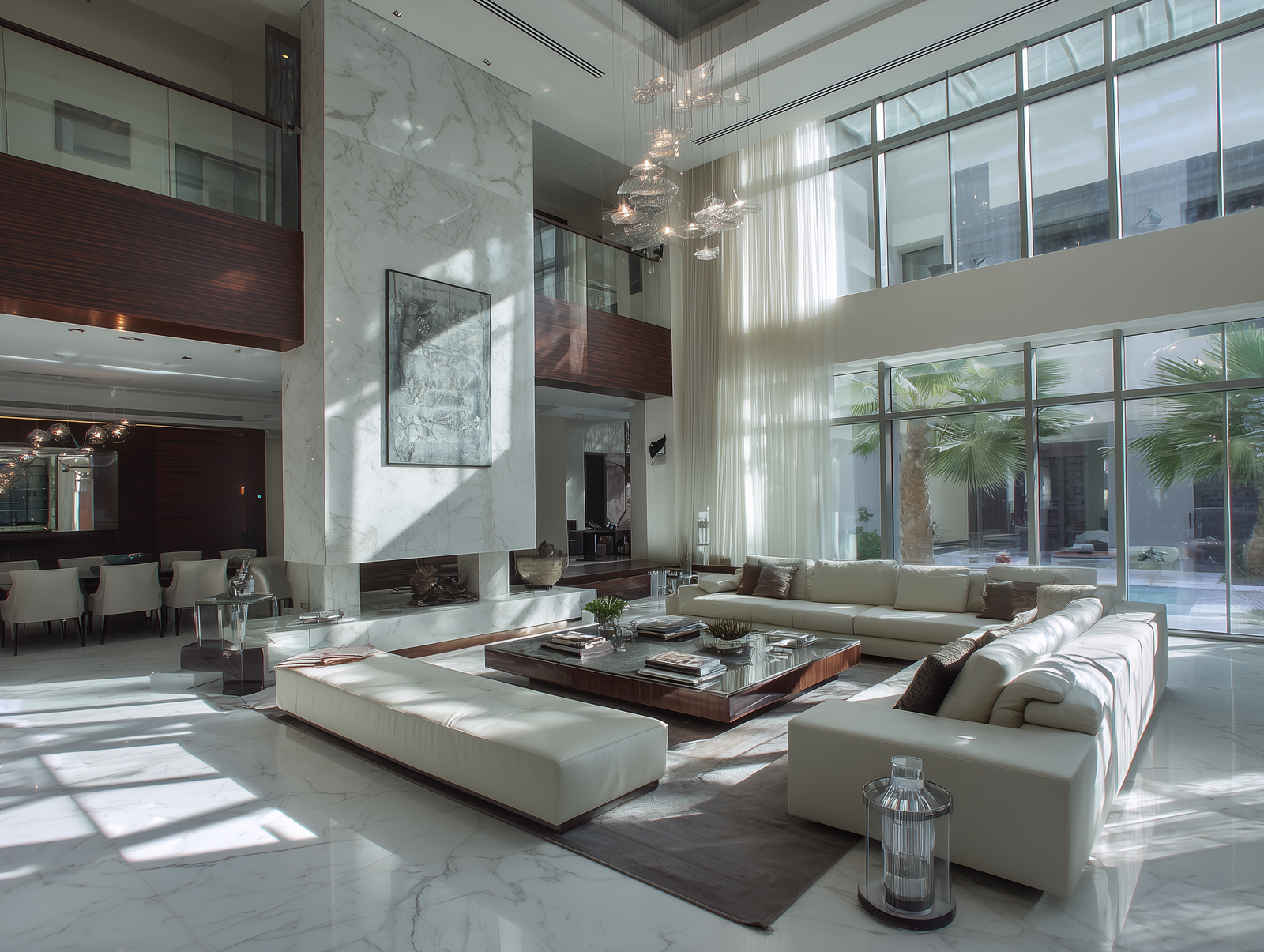
For a modern living room, consider a glass chandelier with globe shades, smoked glass or a clean brass frame. This gives you the reflective quality of glass without making the space feel too formal. If your room has a lot of straight lines, a chandelier with round glass globes can soften the architecture. If your furniture is already very curved, a linear glass chandelier can add balance.

A glass chandelier can also help smaller rooms feel lighter. Because you can often see through the glass, the fixture does not visually block the room in the same way as a heavy opaque shade might. This makes it a strong choice for apartments, compact sitting rooms or spaces with lower ceilings.

To make a glass chandelier look more expensive, pay attention to the bulbs. Harsh, cool bulbs can ruin the effect. Warm white bulbs create a softer, more flattering glow. If possible, use a dimmer so the chandelier can shift from practical daytime brightness to low evening atmosphere.

Glass is at its best when it feels luminous, not glaring.

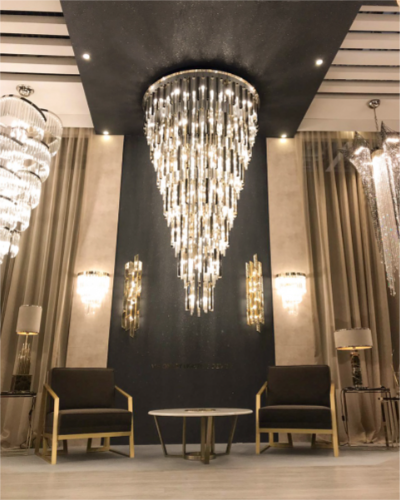
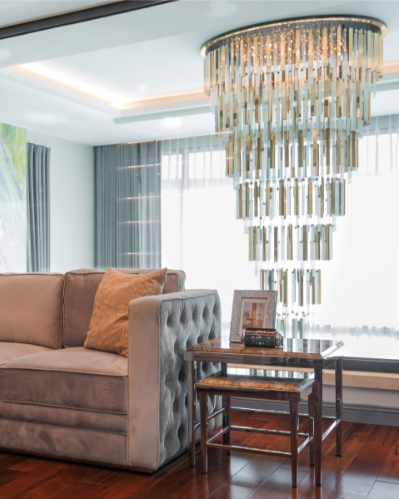
glass chandelier for living room with soft lighting

Small Chandelier Ideas for Compact Living Rooms

A small chandelier can be one of the most elegant choices for a compact living room. Many people assume that chandeliers only belong in large homes with high ceilings, but that is not true. The right small chandelier can make a modest room feel more designed, more polished and more special.

In many UK homes, living rooms are not enormous. Terraced houses, cottages, flats and new-build apartments often have standard ceiling heights and compact layouts. In these spaces, the goal is not to force in a grand chandelier. The goal is to choose a piece that brings charm without overpowering the room.

A small chandelier works best when the details are strong. Look for beautiful materials rather than excessive size. A petite glass chandelier, a compact brass frame, a small opal globe chandelier or a semi-flush crystal design can all look luxurious when the proportion is right.

The mistake is choosing something small and plain. A small chandelier should still have character. It needs enough shape, texture or finish to feel intentional. Otherwise, it can look like a basic ceiling light rather than a design feature.

For a compact living room, consider a semi-flush chandelier if the ceiling is low. This gives you the decorative effect without a long drop. A small glass chandelier can work well because it adds elegance while keeping the room visually light. A modern small chandelier with globe shades can feel fresh and stylish, especially in a neutral or contemporary space.

Small chandeliers are also beautiful in cosy living rooms where the design style leans traditional, vintage or old-money. A petite crystal chandelier above a velvet sofa, antique mirror, patterned rug and warm table lamps can create a room that feels collected and atmospheric.

The secret is to layer the lighting. A small chandelier should not be expected to light the whole living room on its own. Pair it with lamps, wall lights or picture lights to create depth. This is how designers make smaller rooms feel expensive: not by making everything large, but by making every layer feel considered.

A compact room can still have a sense of occasion. A small chandelier gives it that.

Best Chandelier Styles for Different Living Room Looks

A chandelier becomes easier to choose when you connect it to the style of living room you want to create. Rather than asking, “Which chandelier is the most beautiful?”, ask, “Which chandelier supports the mood of this room?”

For a modern luxury living room, look for a modern chandelier with clean lines, sculptural arms, warm brass, opal glass or smoked glass. These styles work beautifully with neutral sofas, marble coffee tables, textured rugs and soft metallic accents. The effect is polished but not stiff.

For a classic living room, a glass chandelier or crystal-inspired chandelier can bring timeless glamour. Choose clear glass for brightness, fluted glass for texture or crystal details for a more formal look. This works particularly well with traditional fireplaces, wall mouldings, antique mirrors and elegant upholstery.

For a soft contemporary living room, choose a chandelier with rounded shapes and diffused light. Globe chandeliers, frosted glass chandeliers and alabaster-style designs can create a calm, warm and expensive-looking atmosphere. This style suits cream, taupe, beige, warm grey and other neutral palettes.

For a dramatic living room, consider black metal, smoked glass, bronze or an oversized sculptural chandelier. These pieces work best when there is contrast elsewhere in the room, such as dark wood, black-framed mirrors, moody artwork or rich fabrics.

For a compact living room, choose a small chandelier, semi-flush chandelier or compact glass chandelier. The aim is to create a focal point without making the ceiling feel heavy. A smaller room can still feel luxurious if the chandelier has beautiful materials and the lighting is layered properly.

For an eclectic living room, you can be braver. A statement chandelier can bring together different pieces: a vintage rug, a modern sofa, a marble table, patterned cushions and collected artwork. The secret is to repeat at least one detail from the chandelier elsewhere in the room, such as brass, black, glass or a curved shape.

Choosing by style helps you avoid the common mistake of buying a chandelier that looks lovely online but feels disconnected at home.

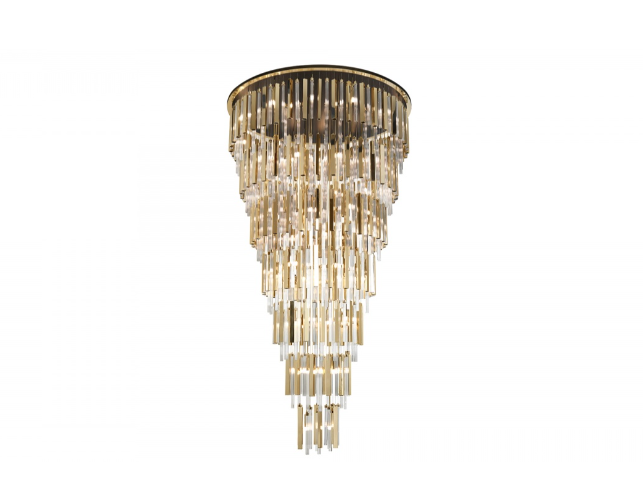
small chandelier in compact living room

What Size Chandelier Works Best in a Living Room?

Size is one of the most important decisions when choosing a chandelier for living room spaces. Even a beautiful chandelier can look wrong if the scale is off.

A common starting point is to add the length and width of the room in feet, then use the total as the approximate chandelier diameter in inches. Kelly Wearstler explains this rule of thumb in her guide to choosing the right chandelier size. For example, if your living room is 14 feet by 16 feet, the total is 30, which suggests a chandelier around 30 inches wide.

This is not a strict rule, but it is a useful guide. It helps you avoid choosing a chandelier that is too timid for the room.

In a living room, the chandelier should feel generous enough to hold the space. If it is too small, it can look like an afterthought. If it is too large, it can dominate the room and make the ceiling feel heavy.

The size also depends on where the chandelier will sit. If it is centred over the entire room, it may need to be larger. If it is placed above a seating area or coffee table, it should relate to that furniture arrangement. In an open-plan room, the chandelier may need enough presence to define the living zone without competing with dining pendants or kitchen lighting.

Ceiling height matters as much as width. A tall room can carry a chandelier with a longer drop or multiple tiers. A standard-height room usually needs a more compact profile. A low ceiling may need a semi-flush design.

Think about visual weight too. A 30-inch glass chandelier may feel lighter than a 30-inch black metal chandelier because glass allows the eye to move through it. A slim modern chandelier may feel less heavy than a traditional crystal piece of the same size. This is why measurements are only part of the decision. The shape and material matter just as much.

When in doubt, slightly larger often looks more luxurious than slightly too small, provided the ceiling height and room layout can carry it.

Where Should a Living Room Chandelier Be Placed?

The placement of a living room chandelier should relate to how the room is actually used. Many people assume the chandelier must sit in the exact centre of the ceiling, but that is not always the best choice.

In a formal square living room, centring the chandelier in the room can work beautifully. But in many modern homes, furniture is arranged around a seating area rather than around the exact centre of the room. In that case, the chandelier often looks better when it is centred above the coffee table or the main seating arrangement.

This creates a stronger connection between the light and the furniture below it. The chandelier becomes part of the living area rather than floating randomly overhead.

In an open-plan space, placement is even more important. The chandelier can help define the living room zone, especially if the kitchen and dining areas have their own lighting. A chandelier above the seating area gives the eye a clear destination and makes the room feel more structured.

Height is another key consideration. Unlike a dining room chandelier, which hangs above a table, a living room chandelier often needs to allow people to walk underneath it. That means it should be high enough not to interrupt movement or sightlines.

If the chandelier hangs above a coffee table and people will not walk directly beneath it, you may be able to bring it slightly lower for a more intimate look. If it sits in an open walkway, it needs more clearance. In rooms with low ceilings, a semi-flush chandelier or flush-mounted decorative light may be the better option.

Placement should feel natural. A chandelier should not make the room awkward to use. It should make the room feel balanced, elegant and easy to live in.

Chandelier for Living Room Ideas: Modern, Glass and Small Chandeliers That Make Your Home Look Expensive

How to Pair Your Chandelier with Living Room Furniture

A chandelier looks most expensive when it feels connected to the furniture beneath it. This does not mean everything must match. In fact, overly matched rooms can feel flat. The goal is to create a relationship between the chandelier and the rest of the space.

If your chandelier has a brass finish, repeat that warmth subtly through the room. This could be through the frame of a coffee table, the legs of a side table, a mirror edge, a picture frame or decorative accessories. The repetition does not need to be obvious. It simply helps the chandelier feel intentional.

If you choose a glass chandelier, balance it with materials that catch or soften light. Marble, polished metal, mirror, lacquer, velvet and silk-effect fabrics can all work beautifully. A glass chandelier above a marble coffee table, for example, creates a refined and luminous look without feeling too heavy.

If your chandelier is black or dark bronze, repeat that depth elsewhere in the room. A black-framed mirror, dark side table, charcoal cushion or piece of artwork can help the chandelier feel grounded. Without that repetition, a dark chandelier can sometimes feel too dominant.

The shape of the chandelier should also speak to the furniture. A round chandelier works well above a curved sofa, circular coffee table or rounded armchairs. A linear chandelier can balance a long sofa or rectangular coffee table. A sculptural chandelier can add movement to a room with simple furniture.

For a soft luxury look, pair a modern chandelier with a textured sofa, a generous rug, elegant side tables and layered cushions. For a more dramatic living room, combine a smoked glass chandelier with darker woods, black accents and statement artwork. For a classic space, a glass chandelier can sit beautifully above traditional seating, carved furniture, an antique-style mirror and warm table lamps.

This is where a chandelier becomes more than lighting. It becomes part of the whole room scheme.

What to Look for Before Buying a Living Room Chandelier

Before buying a chandelier for your living room, check five things: size, ceiling height, bulb type, finish and installation requirements. A chandelier may look perfect in a product photo, but it still needs to work in your actual room.

First, check the diameter. Use your room measurements as a guide, then consider whether the chandelier will sit in the centre of the room or above the seating area. A chandelier that looks generous in a showroom may look much smaller once it is installed in a larger living room.

Second, check the drop. This is especially important in UK homes where ceiling heights can vary. A long chandelier may look beautiful, but if people need to walk underneath it, it may not be practical. For lower ceilings, a small chandelier or semi-flush chandelier may be a better option.

Third, check the bulbs. Are they dimmable? Are they easy to replace? Do they create warm light or harsh light? In a living room, the glow matters as much as the design.

Fourth, check the finish. A luxury chandelier should work with your existing furniture and accessories. Brass, bronze, black, chrome, glass and crystal all create very different moods. Think about what already exists in the room and what you want to repeat.

Fifth, check the installation details. Larger chandeliers and glass chandeliers may be heavier than they look. Make sure the ceiling can support the fitting and always use a qualified electrician for installation.

A chandelier should not only look beautiful. It should feel practical, proportionate and easy to live with.

Chandelier for Living Room Ideas: Modern, Glass and Small Chandeliers That Make Your Home Look Expensive

How to Make a Chandelier Look Expensive

A chandelier does not need to be enormous to look expensive. In fact, some of the most elegant chandeliers are quiet, restrained and beautifully proportioned. What makes a chandelier look expensive is not just size. It is material, finish, placement and the way it works with the rest of the room.

Start with the finish. Warm brass, antique bronze, polished nickel, alabaster, glass and crystal tend to look more elevated than cheap chrome or overly shiny gold. This does not mean every chandelier has to be traditional. A modern chandelier can look extremely luxurious when the finish is soft, the shape is sculptural and the bulbs are well concealed or diffused.

Next, consider the quality of light. An expensive-looking chandelier should never feel harsh. Warm white bulbs are usually more flattering in a living room than cool white bulbs. A dimmer is one of the simplest upgrades you can make because it allows the chandelier to create different moods throughout the day.

Then think about what sits beneath it. A chandelier looks more intentional when it relates to the furniture below. A beautiful chandelier above a bare or poorly arranged living room can feel disconnected. But when it sits above a well-proportioned coffee table, a generous rug and balanced seating, it becomes part of the whole design.

Layering also matters. A chandelier looks more luxurious when it is not the only light source. Add table lamps on side tables, a floor lamp near an armchair, picture lights above artwork or wall lights beside a fireplace. This layered approach gives the room depth and prevents the ceiling light from feeling too bright or lonely.

Finally, avoid making the whole room look too trend-led. House Beautiful’s designer-led feature on outdated home trends designers dislike is a useful reminder that interiors often feel more timeless when they are layered, personal and not overly committed to one passing look.

An expensive-looking chandelier is not just about the light itself. It is about restraint, proportion and atmosphere.

Common Chandelier Mistakes to Avoid

The first mistake is choosing a chandelier that is too small. This is incredibly common. A small, under-scaled chandelier can make even a beautifully furnished living room feel unfinished. If the room is generous, the chandelier needs enough presence to hold its own.

The second mistake is ignoring ceiling height. A long chandelier in a low-ceilinged room can feel uncomfortable and impractical. A compact chandelier, semi-flush fitting or smaller glass chandelier may be a better choice.

The third mistake is choosing a style that does not suit the room. A very ornate crystal chandelier may look stunning in one home and completely wrong in another. A stark modern chandelier may look elegant in a contemporary space but too cold in a cosy traditional room. The chandelier should support the room’s identity, not fight against it.

The fourth mistake is using bulbs that are too cool or too bright. Lighting affects how every colour and texture in the room appears. Cool bulbs can make cream walls look grey, brass look harsh and upholstery look flat. Warm, dimmable lighting is usually much more flattering.

The fifth mistake is relying only on the chandelier. A single overhead light can make a room feel flat, even if the fixture itself is beautiful. Lamps and wall lights are essential for creating atmosphere.

The sixth mistake is forgetting about the furniture below. A chandelier needs something to relate to. It should feel connected to the coffee table, rug, seating area or architectural focal point.

The seventh mistake is choosing trend over timelessness. A chandelier should be stylish, but it should also have enough staying power to live with you for years. This is especially important if you are investing in a luxury chandelier. Look for beautiful materials, balanced proportions and a shape that feels personal rather than purely fashionable.

Final Thoughts: Choosing a Chandelier That Completes the Room

The right chandelier can transform a living room because it does more than provide light. It creates a feeling. It makes the ceiling part of the design, brings warmth into the room and adds the final layer that makes a space feel complete.

A modern chandelier can bring sculptural elegance to a contemporary home. A glass chandelier can add softness, reflection and quiet glamour. A small chandelier can make a compact living room feel charming, polished and intentional. Each one has a different personality, but the goal is the same: to make the room feel more beautiful, more atmospheric and more considered.

The best chandelier for living room spaces is not always the largest or the most expensive. It is the one that understands the room. It suits the scale, flatters the furniture, works with the architecture and creates the right mood when the evening light begins to soften.

A chandelier is often described as the jewellery of a room, and for good reason. It may not be the biggest piece, but it can be the detail that changes everything.
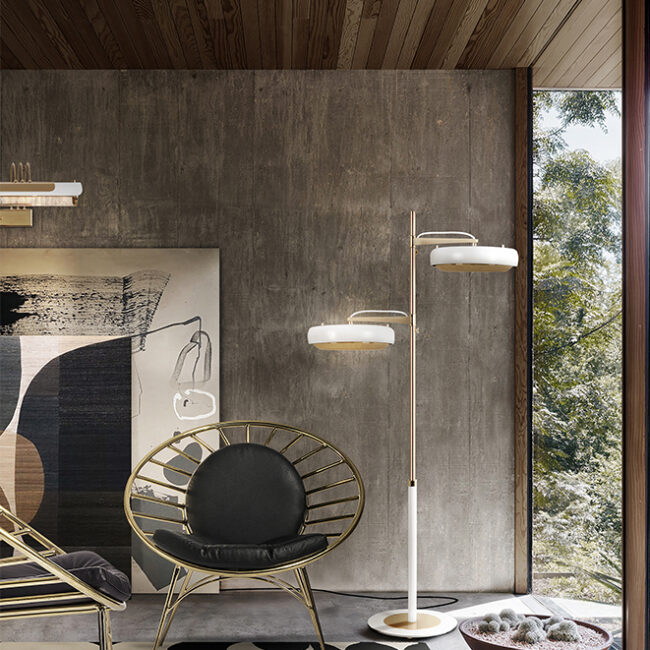
Choose it well, and your living room will not simply be lit. It will glow.


FAQs About Living Room Chandeliers

What size chandelier is best for a living room?

A useful starting point is to add the length and width of your room in feet, then use that number in inches as a rough chandelier diameter. For example, a 12 by 16 foot living room suggests a chandelier around 28 inches wide. You should also consider ceiling height, furniture layout and the visual weight of the chandelier.

Can you put a chandelier in a small living room?

Yes, a small chandelier can look beautiful in a compact living room. The key is proportion. Choose a design with elegant materials, such as glass, brass or opal shades, and avoid anything with too long a drop if the ceiling is low. A semi-flush chandelier can be a good option.

Are glass chandeliers still in style?

Yes, glass chandeliers remain stylish because they are versatile and timeless. Clear glass feels classic, smoked glass feels modern, opal glass feels soft and contemporary, and crystal glass adds glamour. The most current glass chandeliers tend to have cleaner shapes and softer finishes.

What is the best modern chandelier for a living room?

The best modern chandelier depends on your room style. For a calm luxury look, choose brass with opal glass or soft globe shades. For a dramatic modern room, consider black metal, smoked glass or a sculptural linear chandelier. For open-plan living, a modern chandelier can help define the seating area.

Should a living room chandelier be centred?

Not always. In some rooms, centring the chandelier in the room works well. In others, it is better to centre it over the main seating area or coffee table. The chandelier should relate to how the room is used, not just the mathematical centre of the ceiling.
How do you make a chandelier look more expensive?

Choose warm bulbs, use a dimmer, select quality-looking materials and make sure the scale is right. A chandelier also looks more expensive when it is layered with other lighting, such as table lamps, wall lights and floor lamps. The whole room should feel balanced, not dependent on one overhead light.
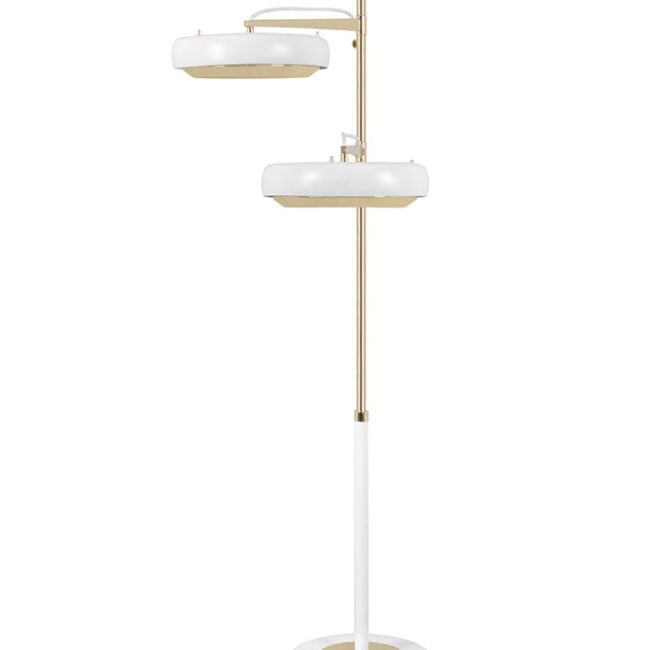
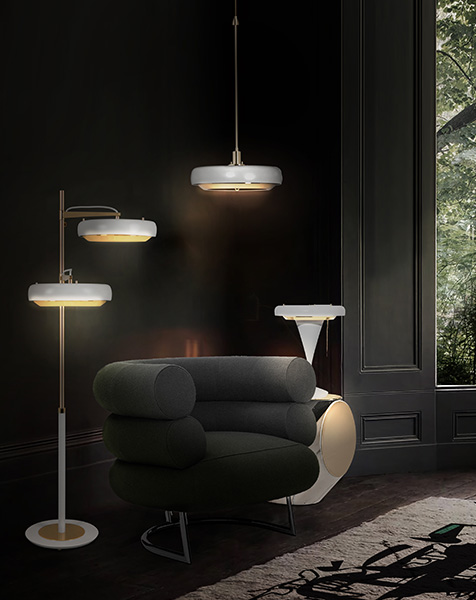
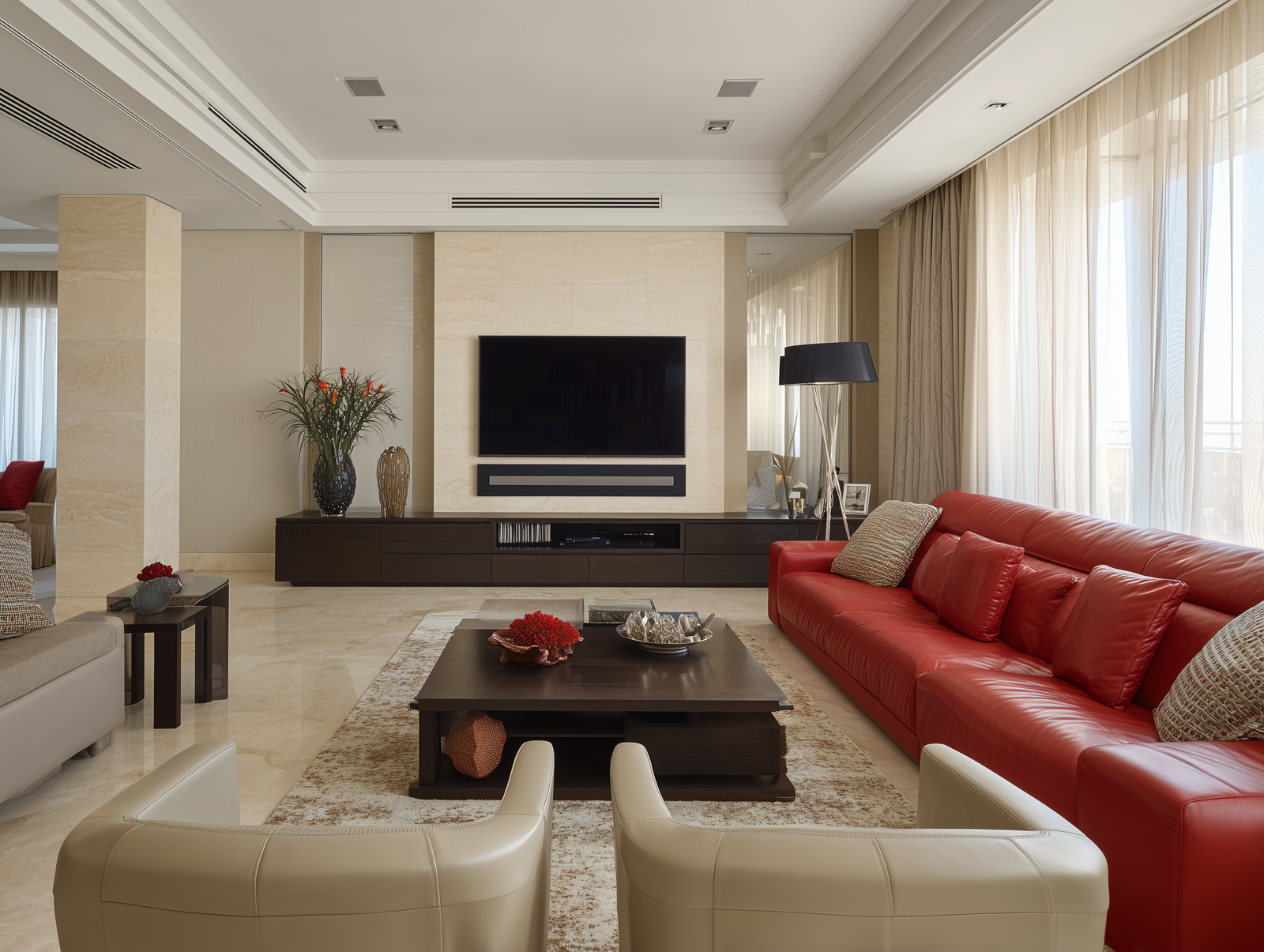
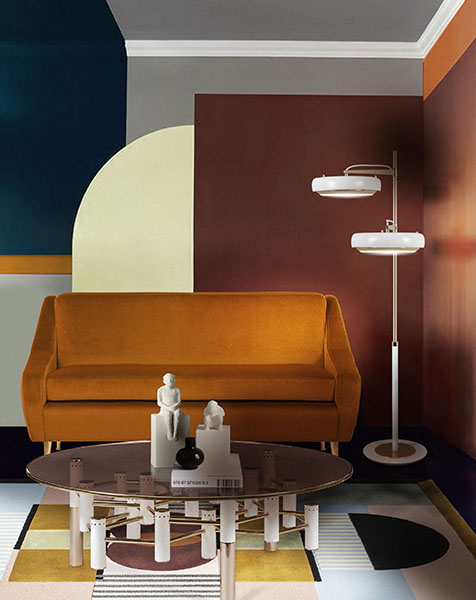
chandelier paired with luxury living room furniture
What do you think?
Leave a Reply

Blog

Get fresh home inspiration and helpful tips from our interior designers

top
1
    1
    Your Cart
    CARTER FLOOR Remove
    CARTER FLOOR
    Qty: 1
    Price: £3,613
    £3,613

    Inactive

    Privacy Overview

    This website uses cookies so that we can provide you with the best user experience possible. Cookie information is stored in your browser and performs functions such as recognising you when you return to our website and helping our team to understand which sections of the website you find most interesting and useful.