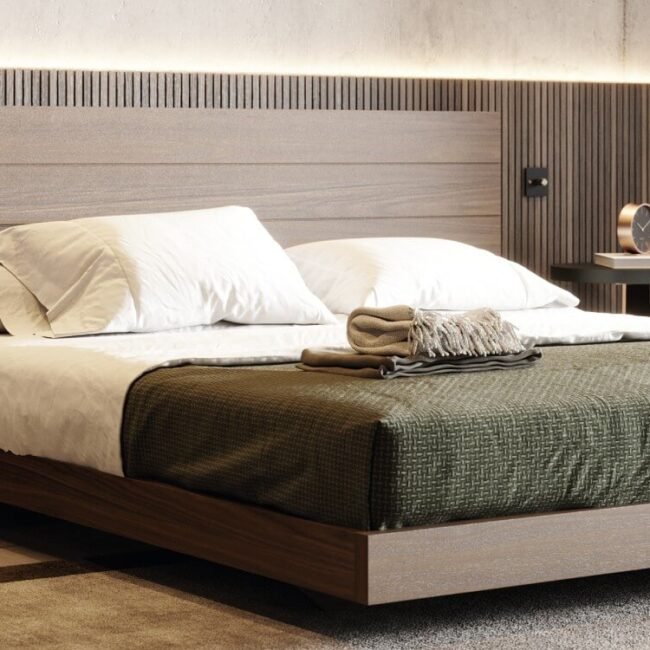
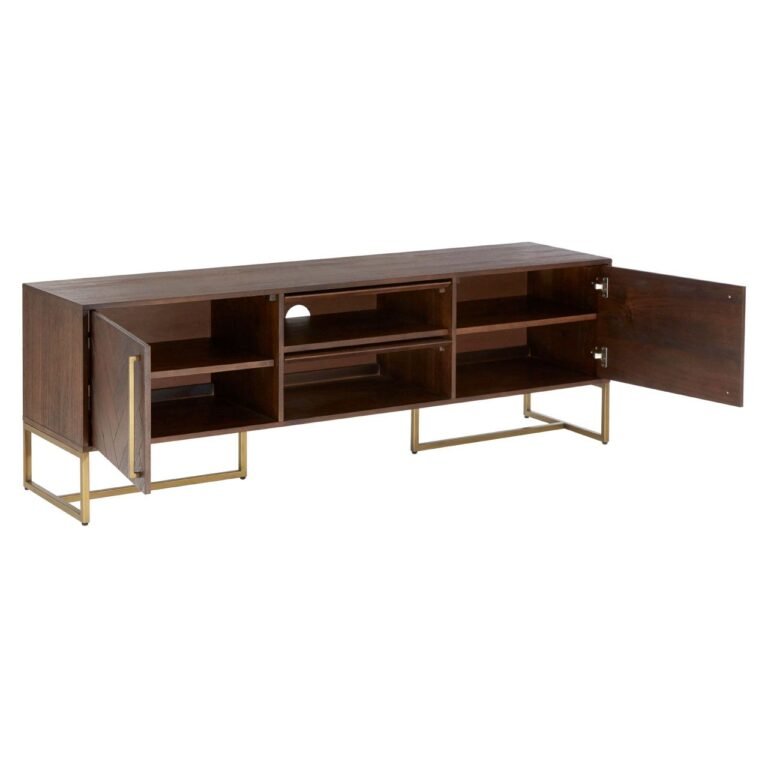
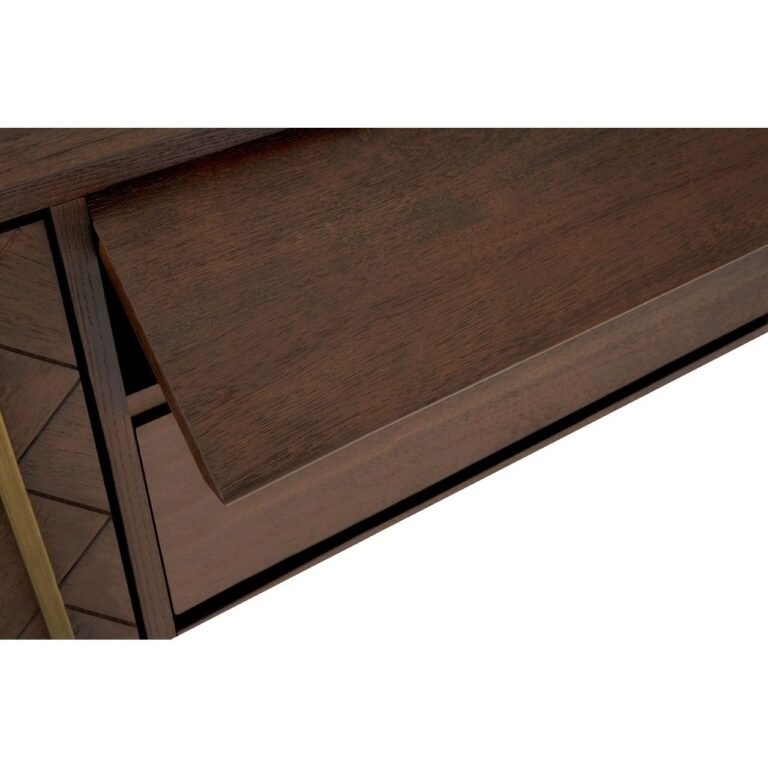
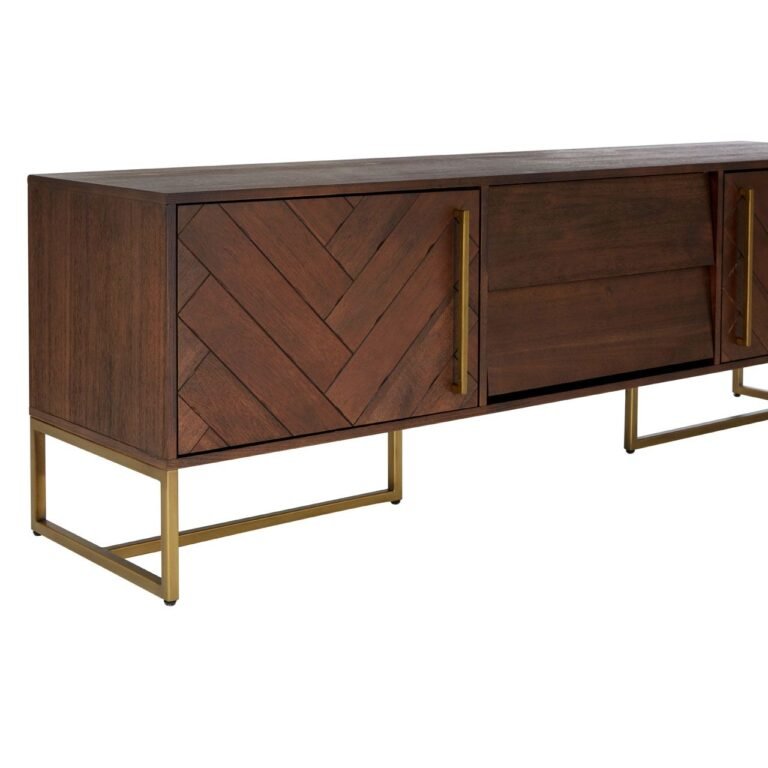
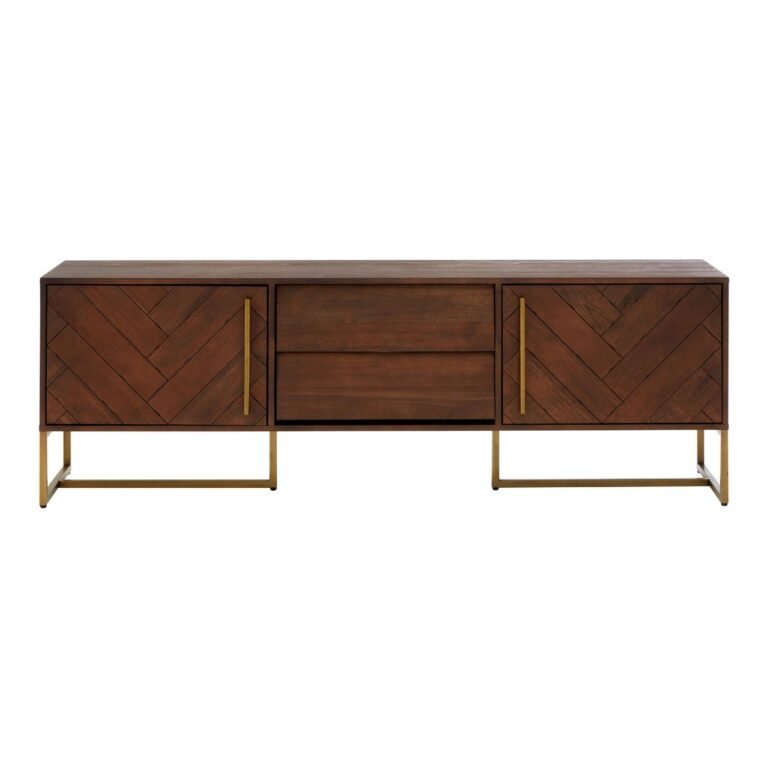
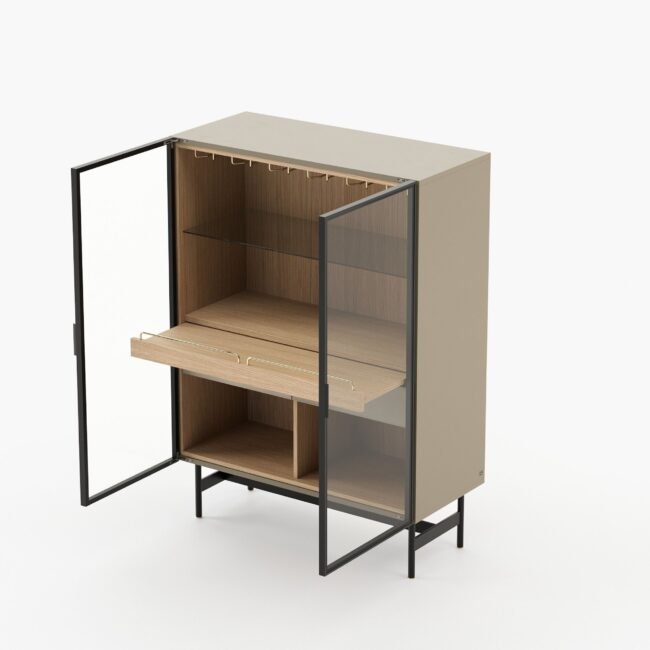
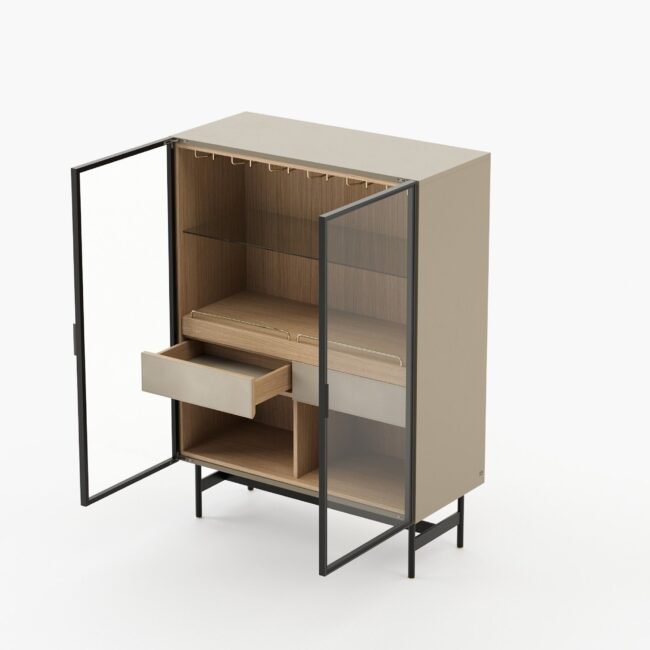
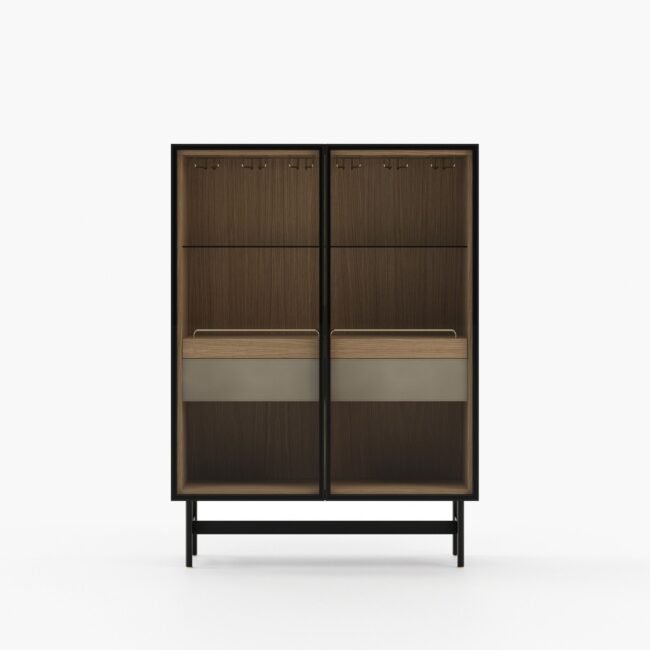
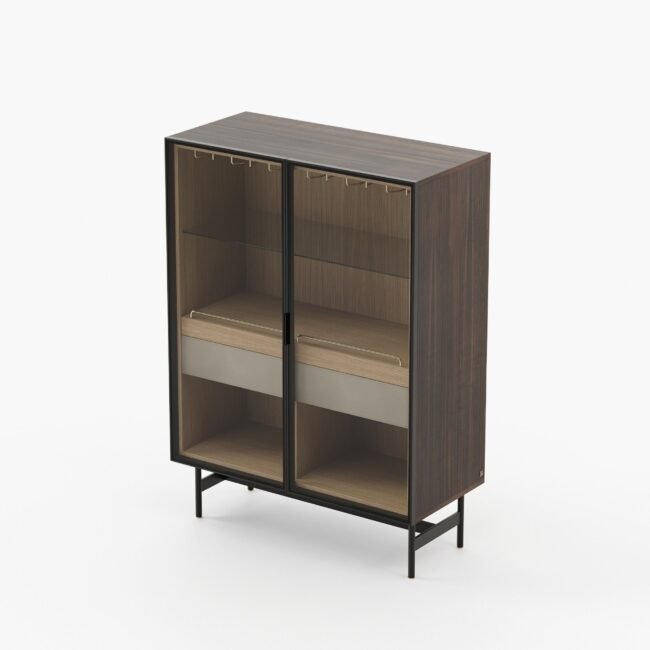
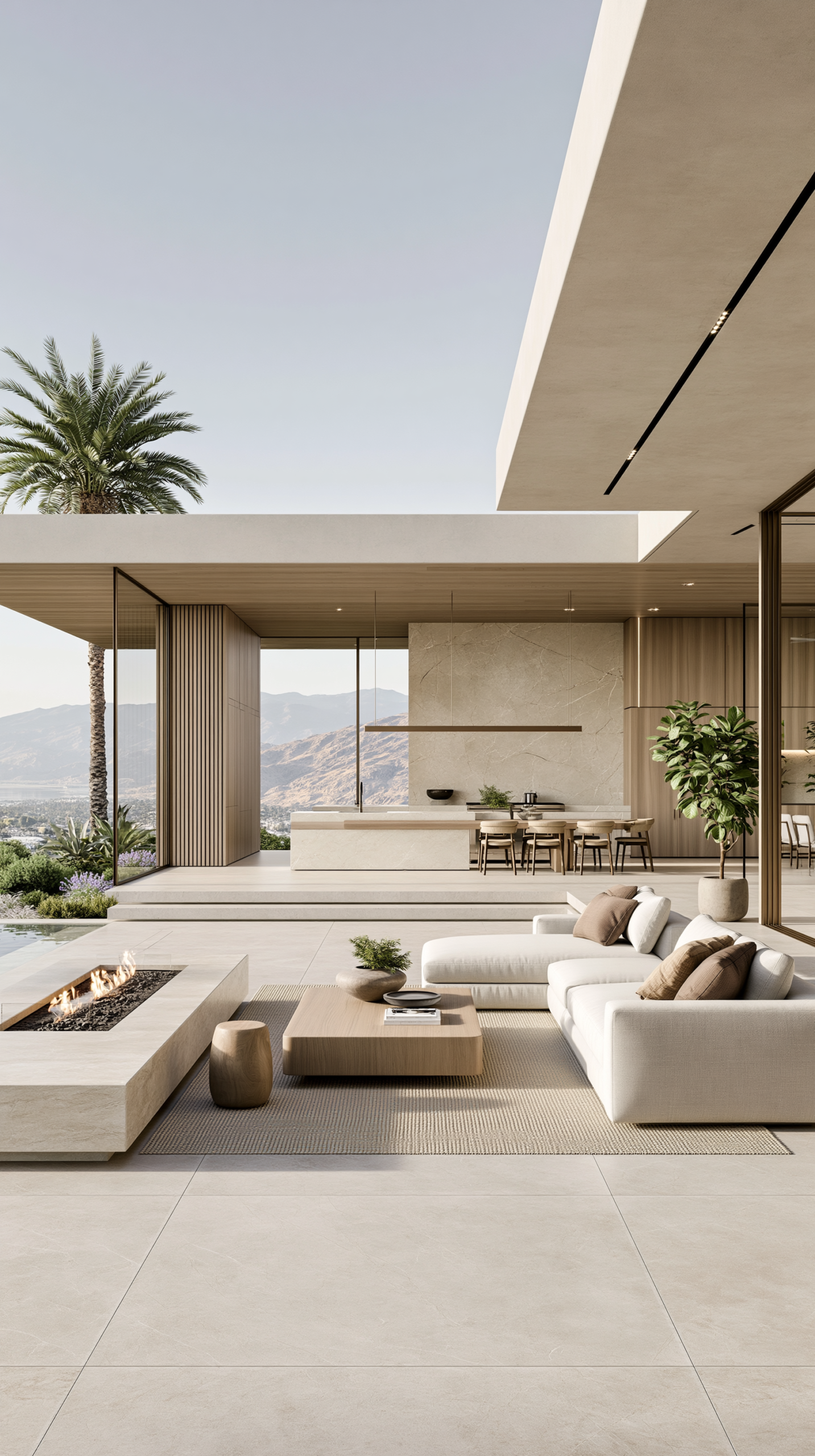
For years, pale oak was treated as the safest route to a modern interior. It appeared on floors, kitchen cabinetry, dining tables and sideboards, usually surrounded by white walls and a quietly neutral palette.
Now, the mood is changing.
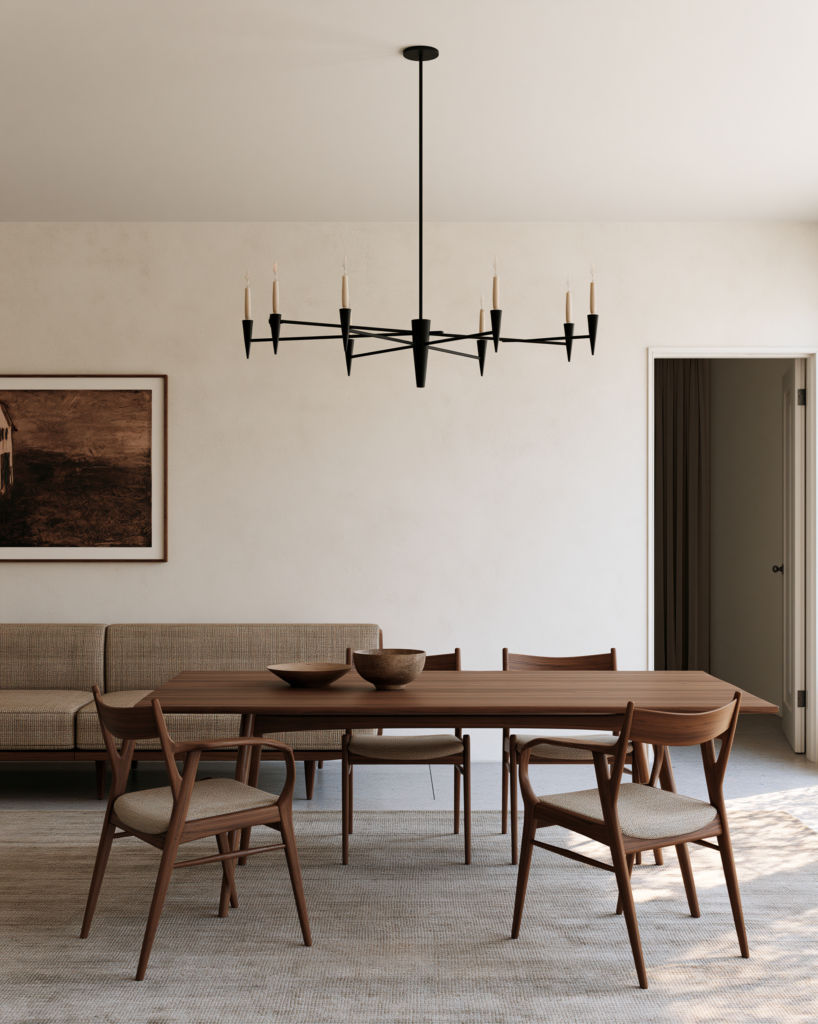
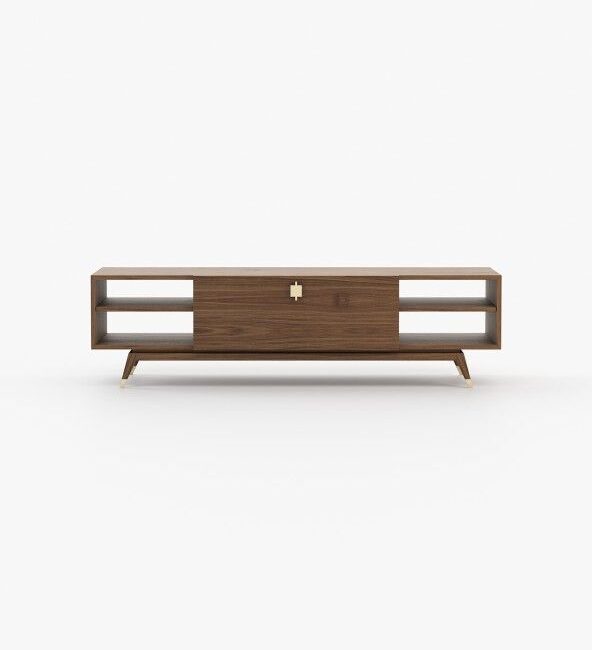
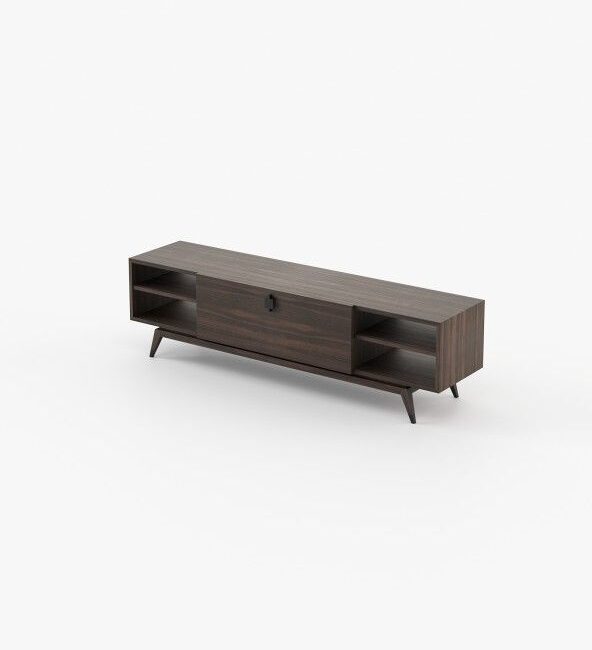
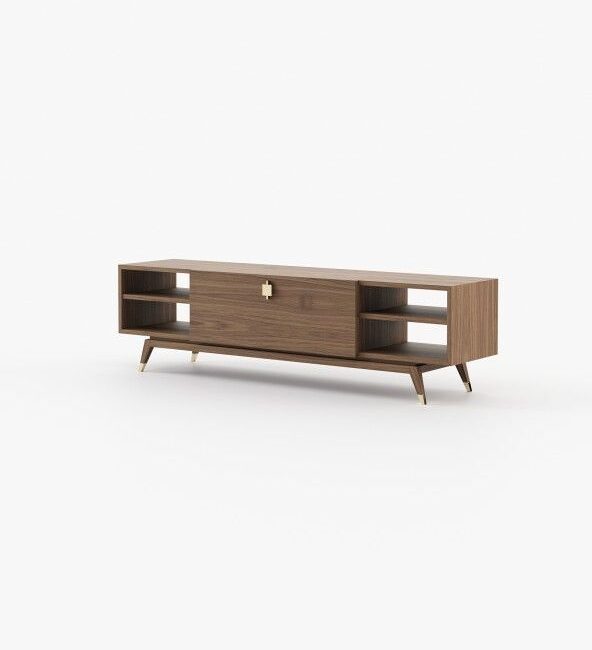
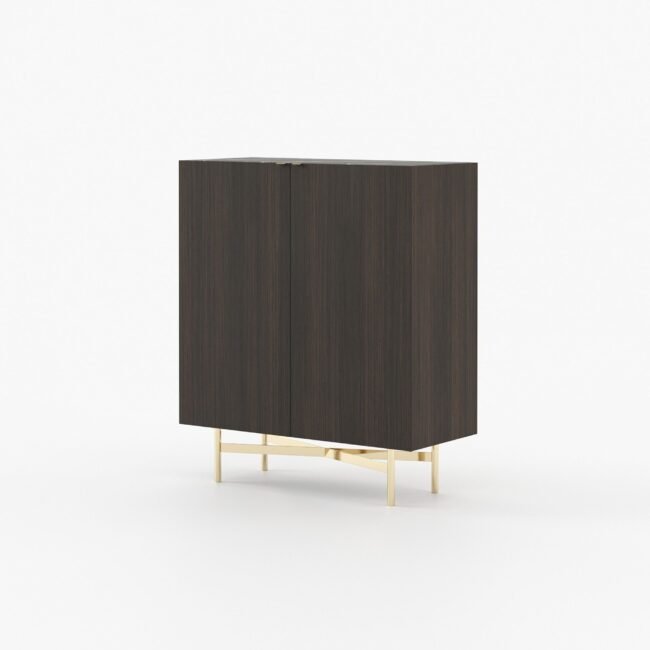
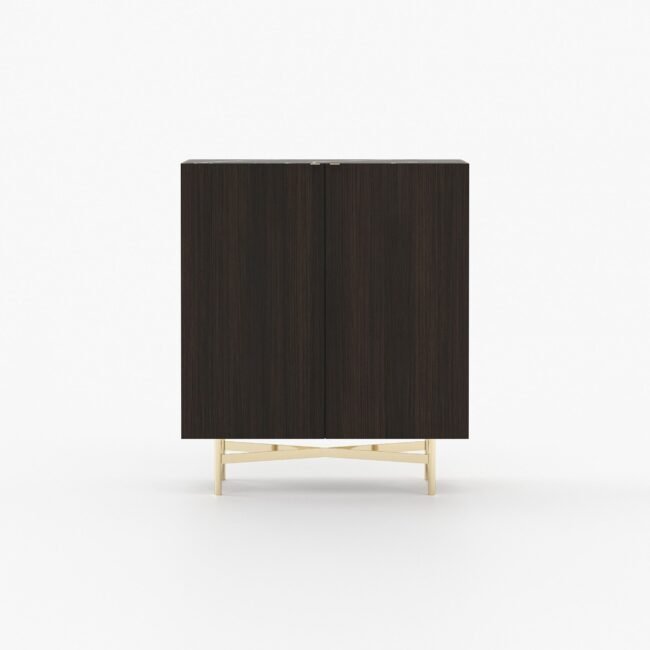
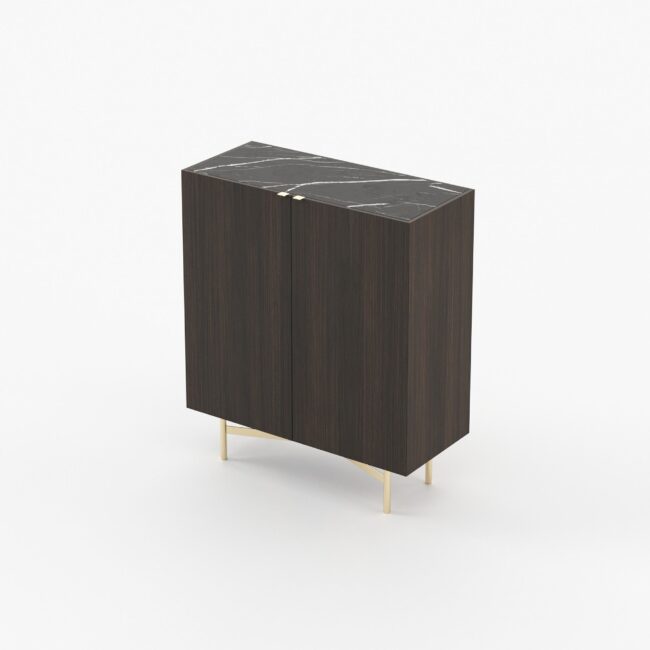
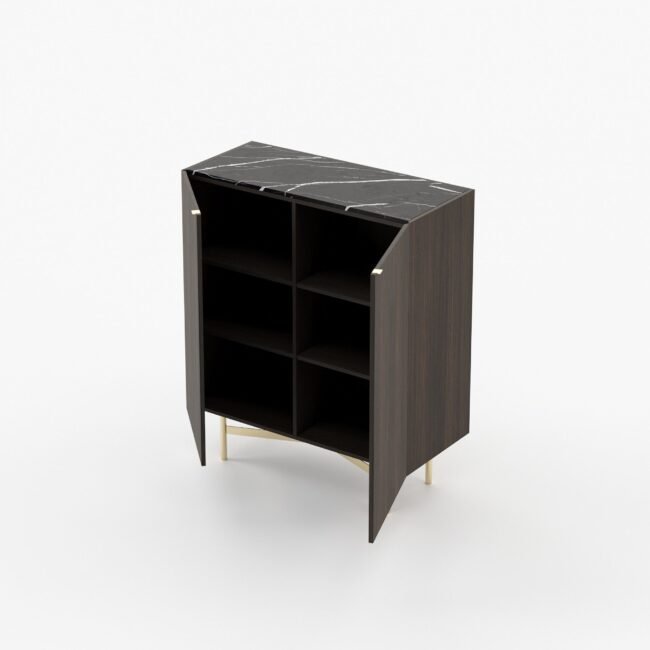
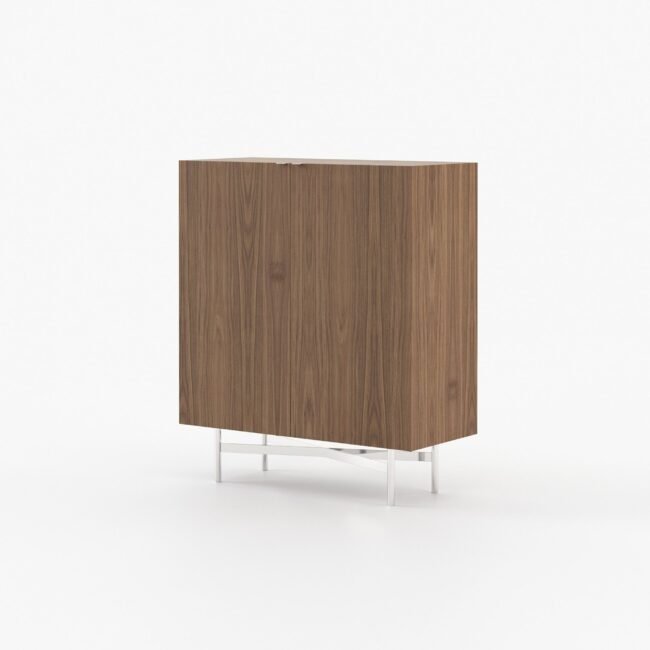
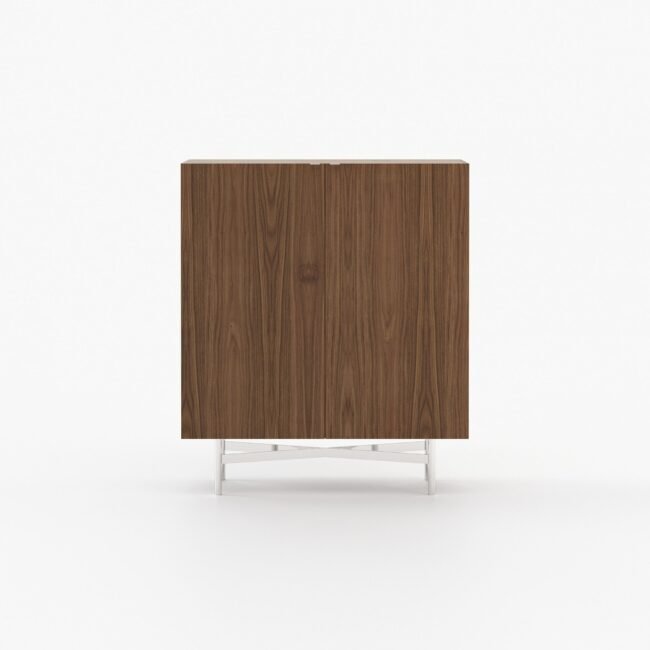
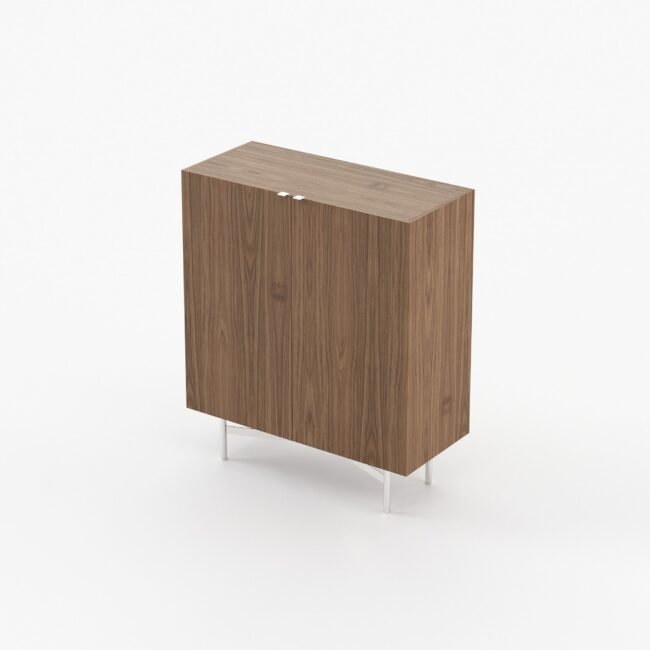
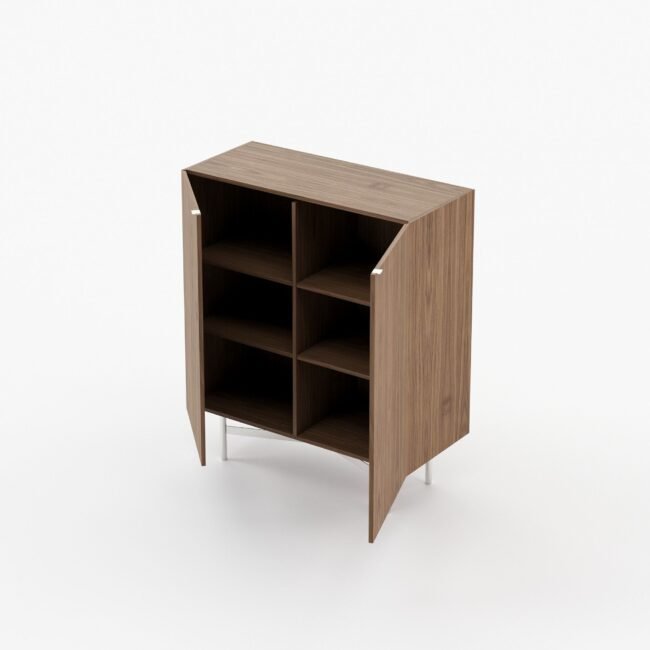
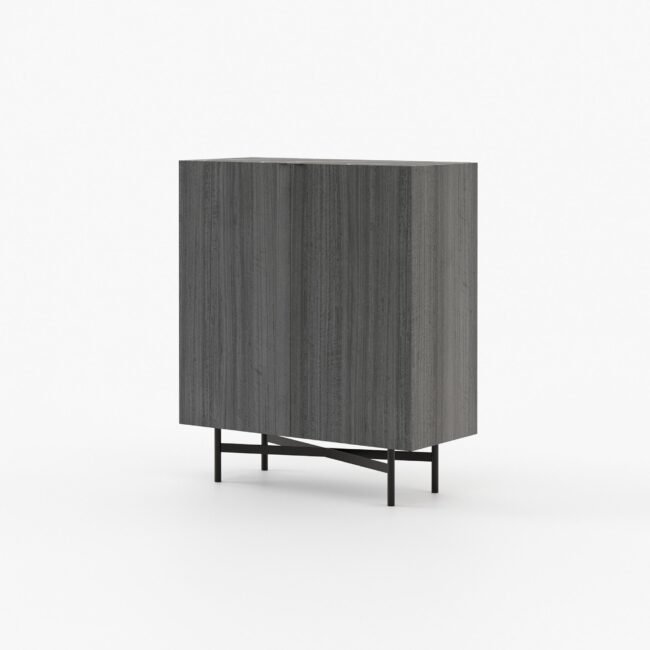
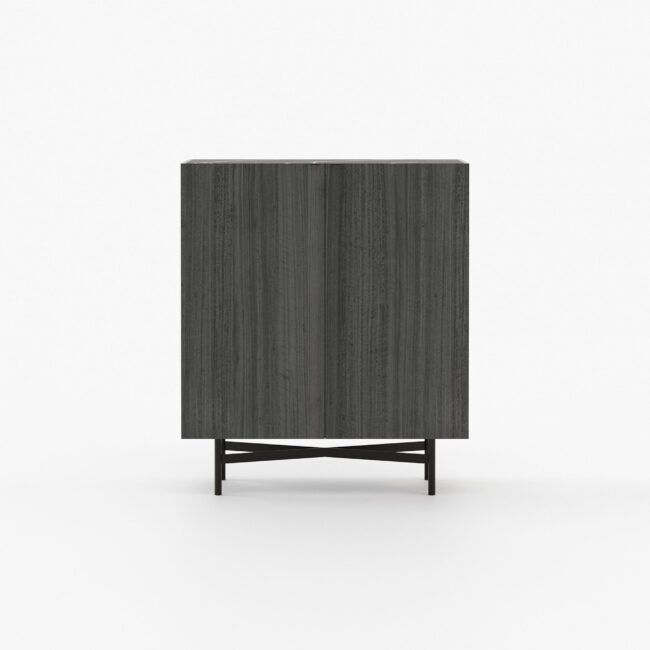
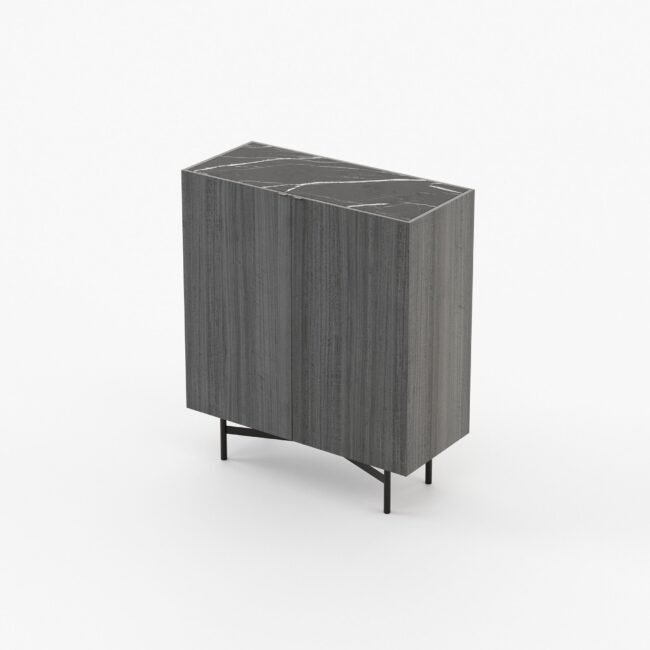
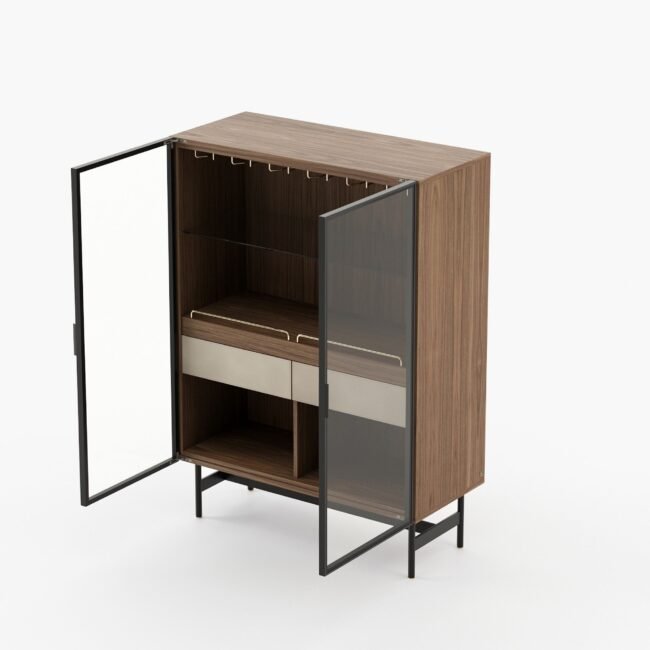
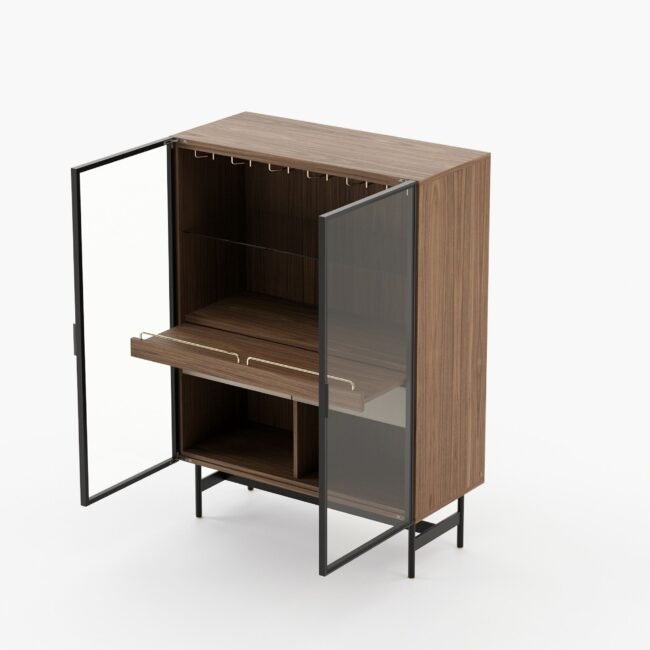
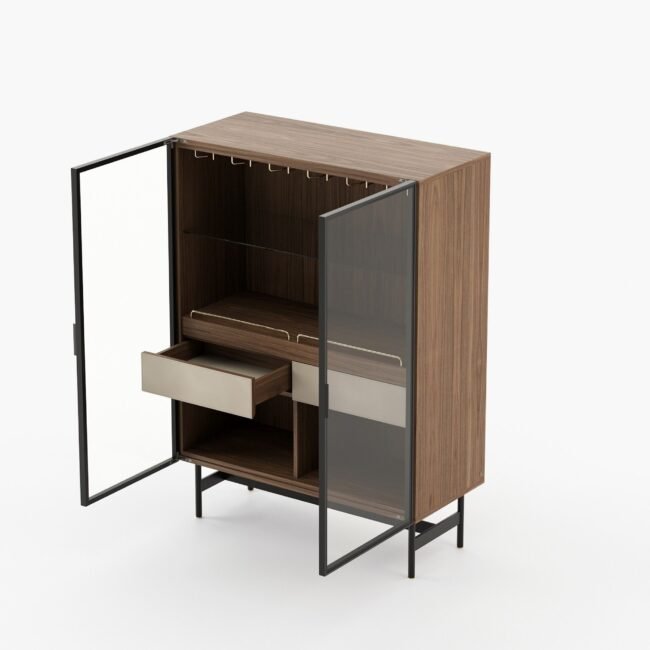
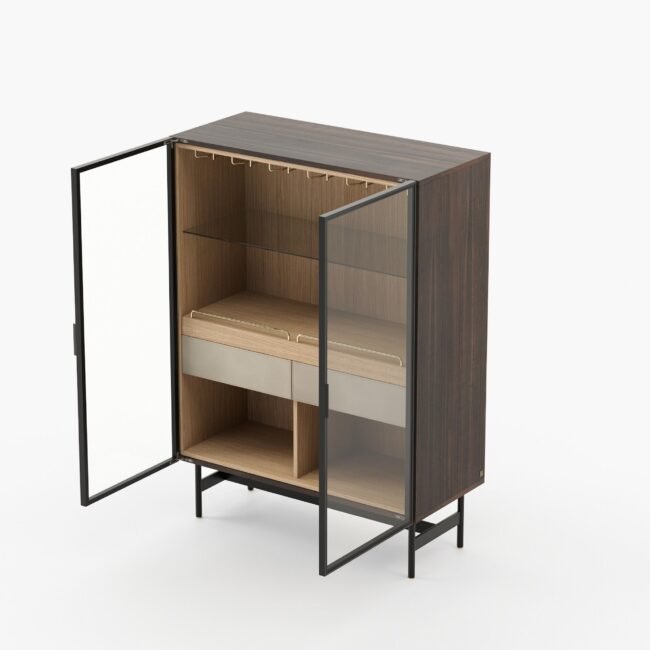
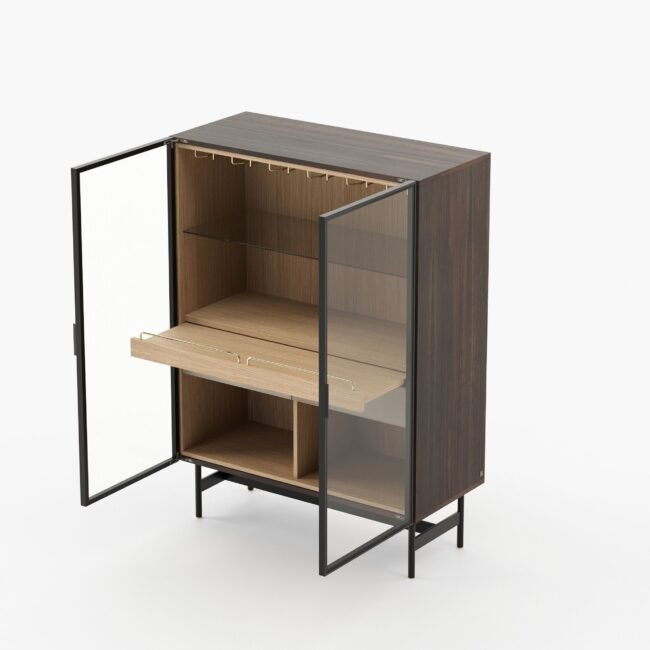
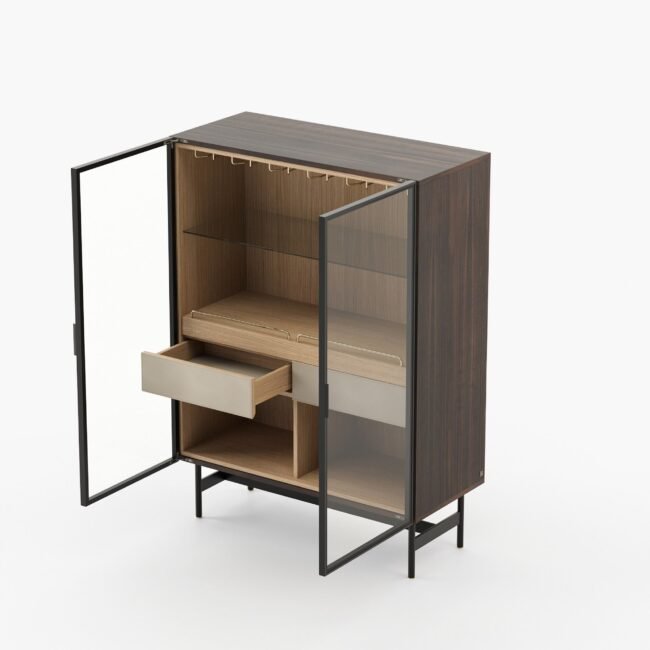
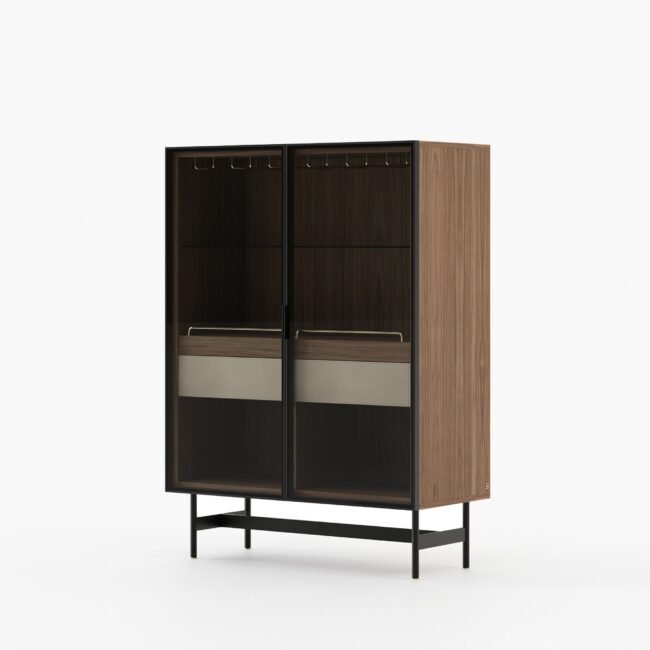
Walnut, mahogany, cherry, smoked oak and richly stained timber are returning to contemporary homes. Their deeper colours bring warmth, visual weight and a sense of permanence that lighter woods do not always provide. A dark timber table can anchor a pale dining room. A polished walnut cabinet can transform an empty wall, while a mahogany-inspired console may introduce character into an otherwise minimal hallway.
Yet dark wood still carries a difficult reputation.
For some, it recalls oversized furniture suites, formal dining rooms and heavy interiors in which every wooden surface shared the same reddish-brown finish. The concern is understandable: used without contrast, brown furniture can make a room feel darker, more traditional and less visually spacious.
But dark wood itself is rarely the problem. The way it is styled determines whether it appears dated or desirable.
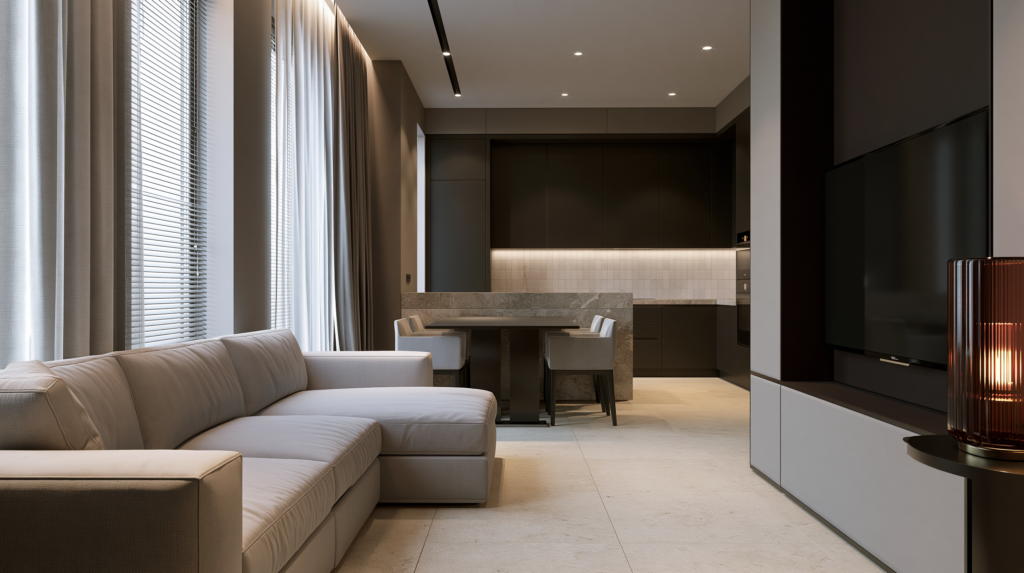
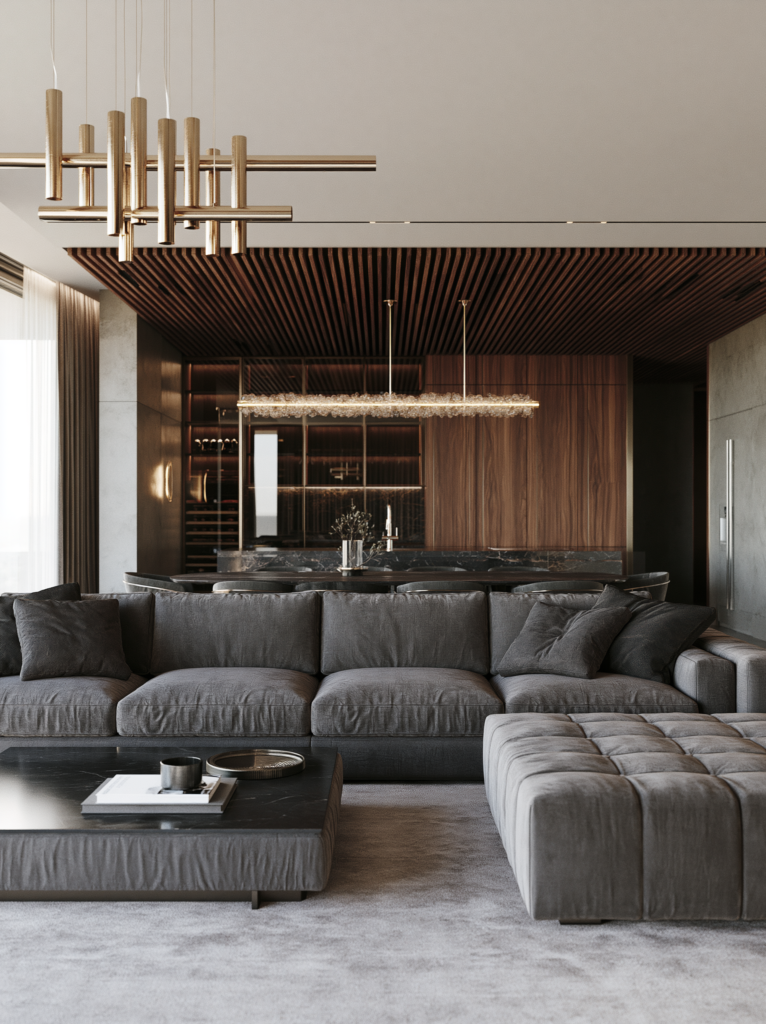
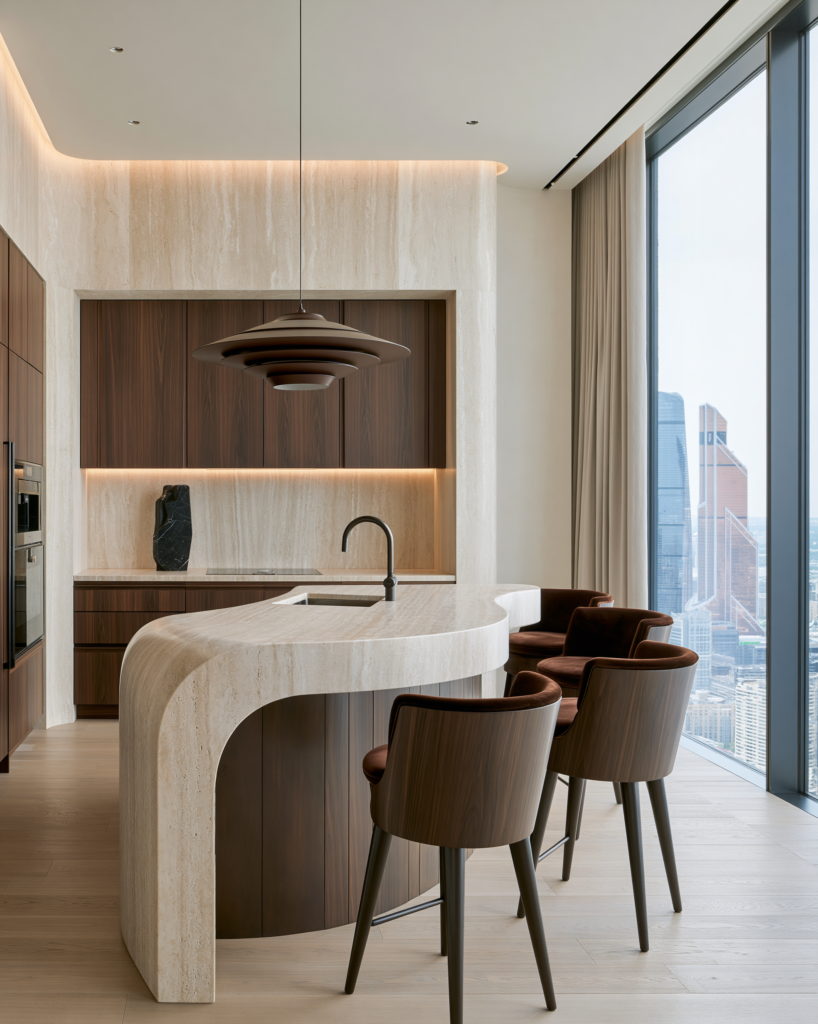
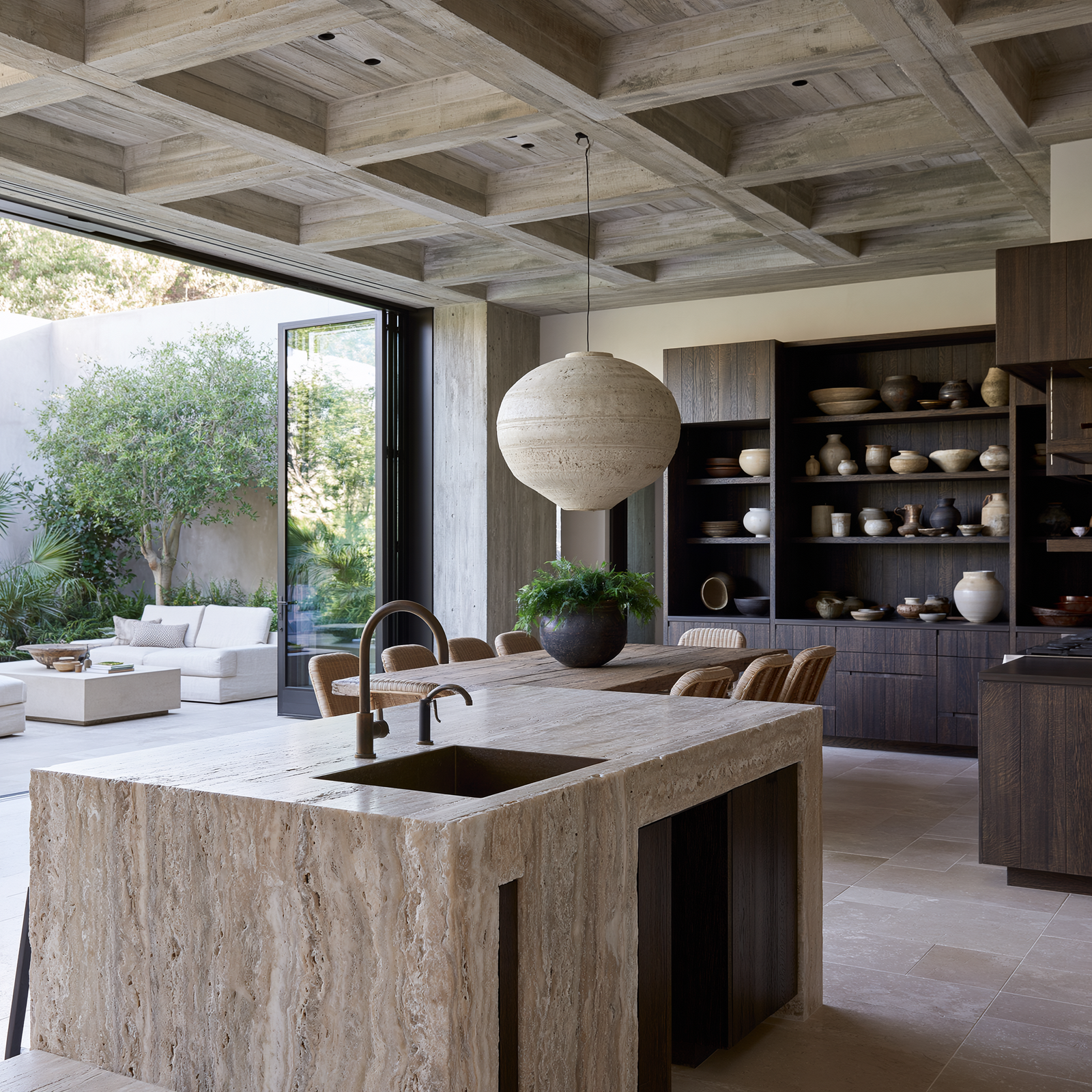
The new dark wood interior is not built around matching sets. Instead, rich timber is paired with soft upholstery, warm stone, expressive colour and contemporary lighting. Older furniture sits beside cleaner silhouettes, while polished surfaces are balanced by linen, wool and textured plaster.
This renewed interest forms part of a wider shift towards interiors that feel warmer, more personal and lived in. Vogue’s 2026 interior design forecast highlights rich, aged woods and time-worn materials, while Homes & Gardens’ furniture trends for 2026 identifies walnut and mahogany as part of the move away from pale, showroom-like interiors.
The dark wood revival is not a return to the rooms of the past. It is an opportunity to rediscover the warmth and craftsmanship of brown furniture—and style it with an entirely modern point of view.
Table of Contents
- Why dark wood furniture is returning
- Why brown furniture sometimes looks dated
- Choose the right dark wood tone
- The best colours to pair with dark wood
- Create contrast with lighter elements
- How to mix dark and light wood furniture
- Layer dark wood with stone, metal and fabric
- How to style dark wood in a living room
- How to style dark wood in a dining room
- How to use dark wood in a bedroom
- Can dark wood work in a small room?
- How to modernise inherited brown furniture
- Lighting a room with dark wood furniture
- Dark wood styling mistakes to avoid
- How to invest in dark wood furniture
- Frequently asked questions
-

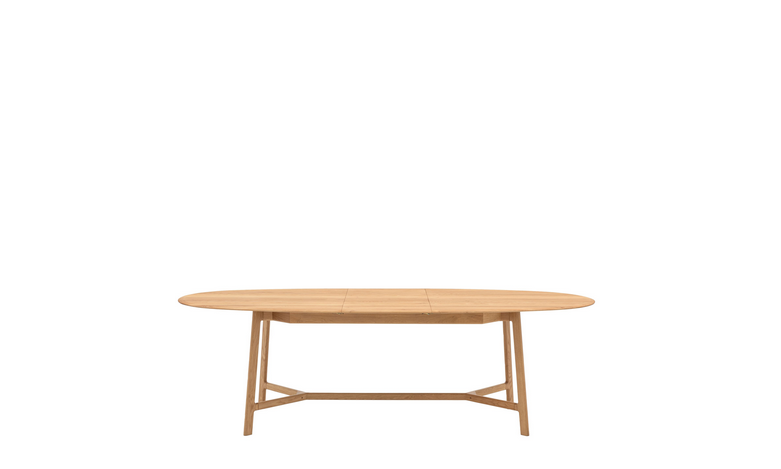
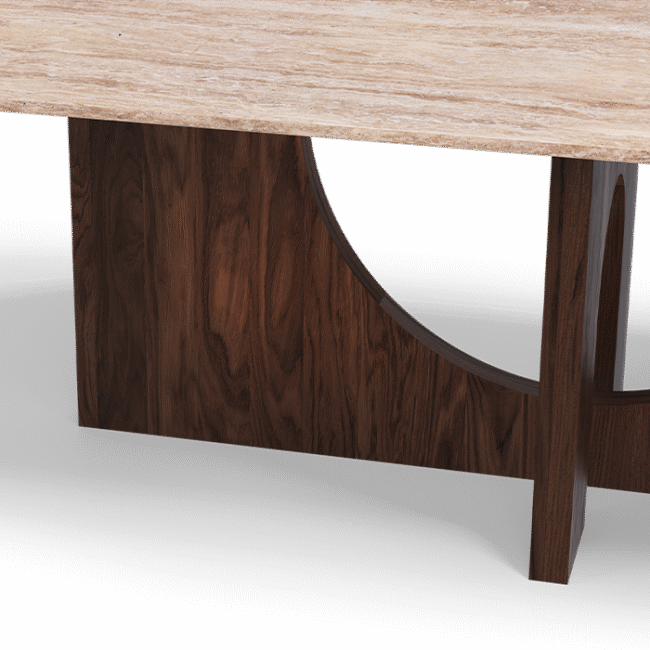
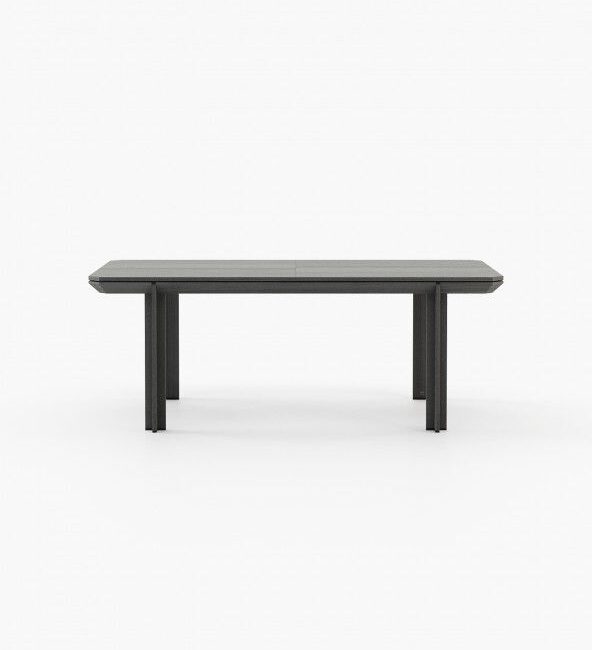
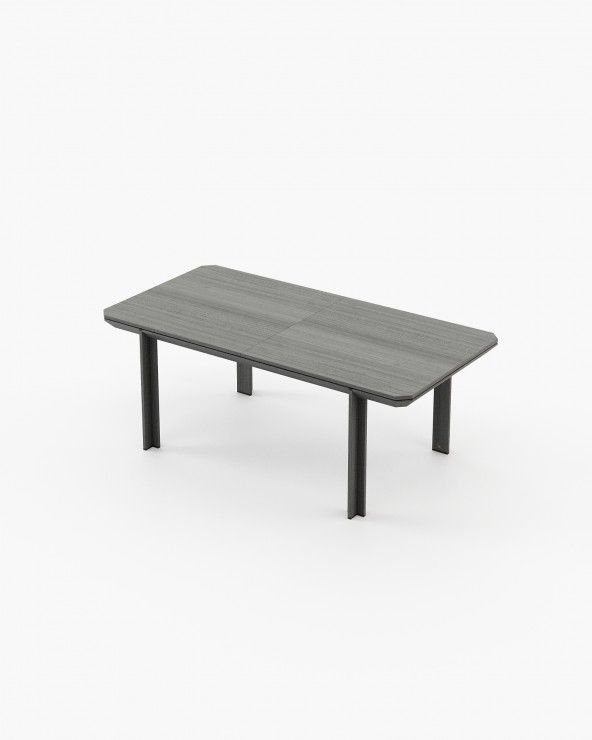
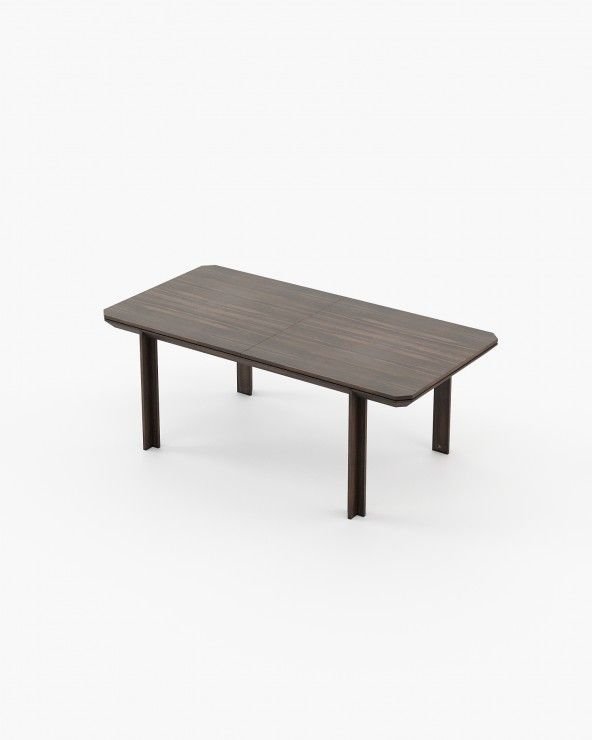
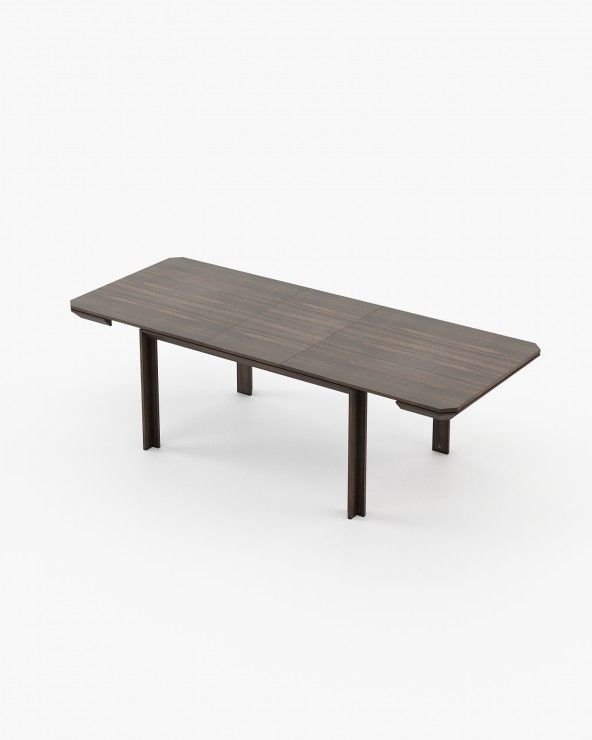
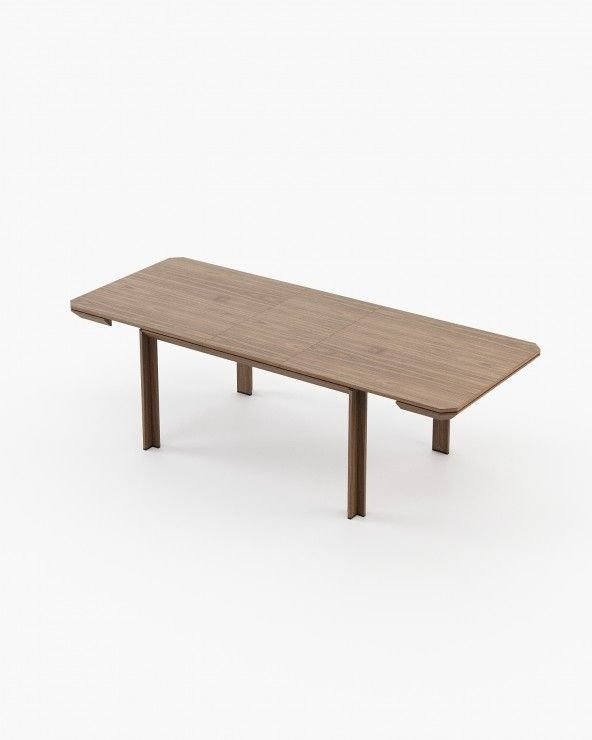
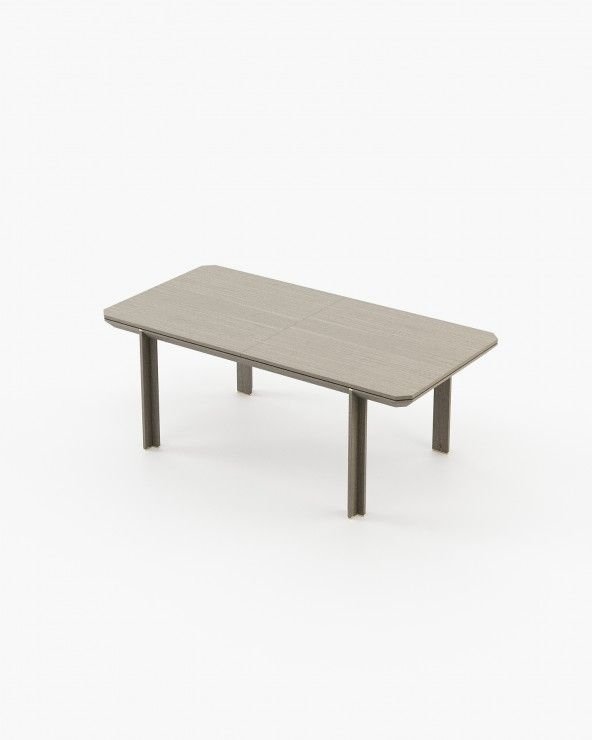
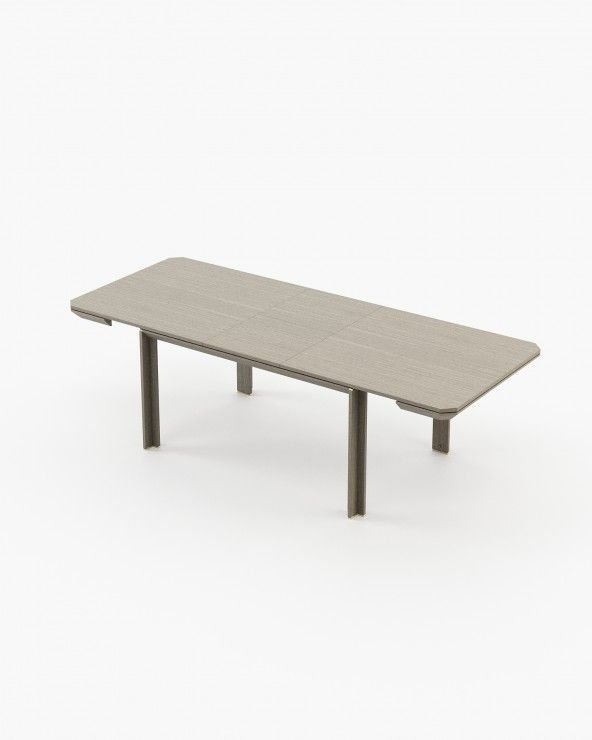
Adri Extending Dining Table
£1,200 – £1,500Price range: £1,200 through £1,500 Select options This product has multiple variants. The options may be chosen on the product page -

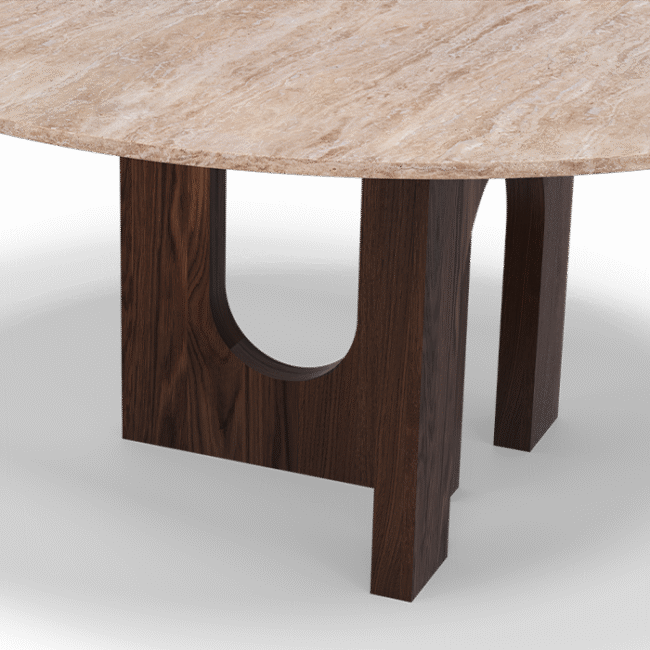
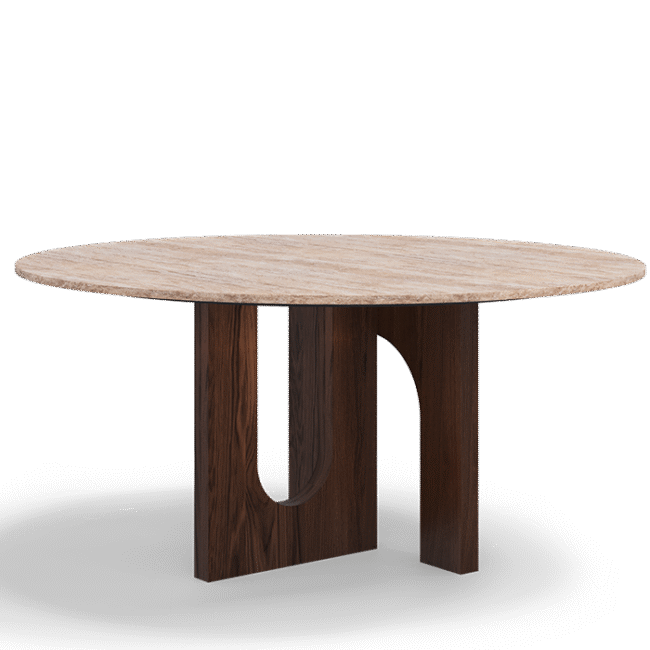
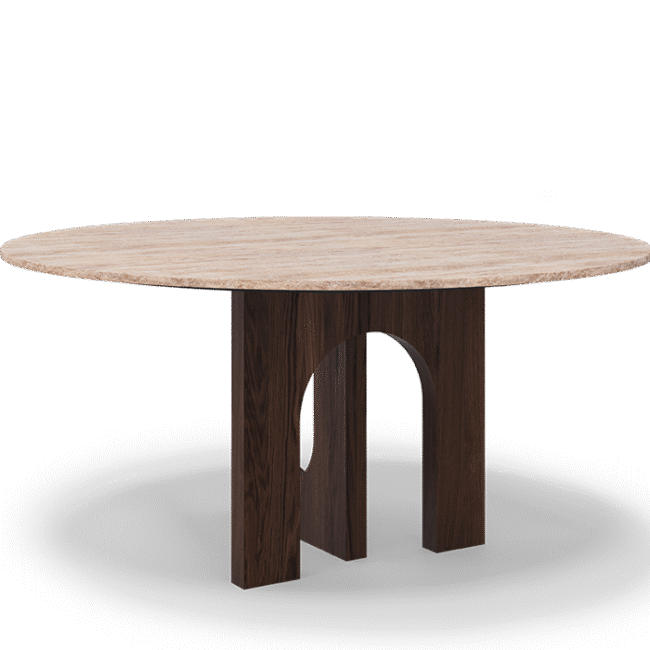
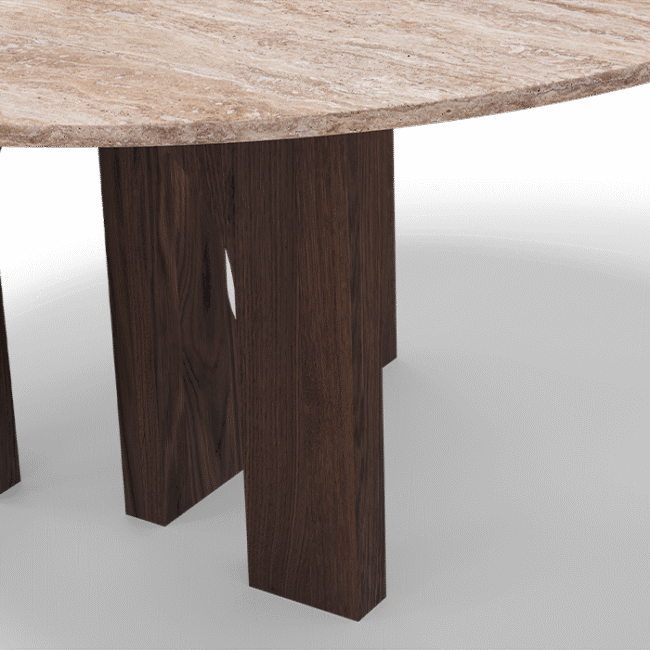
Affogato Dining Table
£9,408 – £12,492Price range: £9,408 through £12,492 Select options This product has multiple variants. The options may be chosen on the product page -

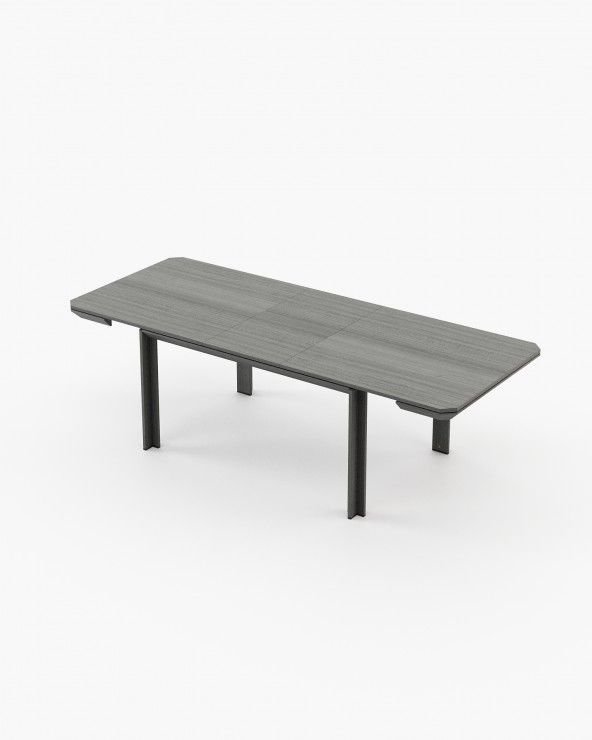
Cres Extendable Dining Table
£5,074 – £6,579Price range: £5,074 through £6,579 Select options This product has multiple variants. The options may be chosen on the product page
Why Dark Wood Furniture Is Returning
Design rarely moves in a straight line. After one aesthetic has dominated for several years, its opposite often begins to feel more interesting.
The long popularity of bleached timber, pale flooring and all-white rooms created interiors that felt clean and light. However, it also led to a degree of visual sameness. As homeowners began looking for rooms with more character, darker woods offered warmth, variation and a stronger connection to traditional craftsmanship.
In its examination of the return of dark wood, Architectural Digest reports a shift away from pale white oak towards richer stains and species such as walnut, cherry and mahogany. Designers associate these finishes with warmth, architectural depth and interiors that feel more comforting.
The revival also reflects a growing appreciation for furniture that can age gracefully.
Dark timber often becomes more beautiful over time. Small marks, changes in tone and the gradual development of patina can add to its character rather than diminish it. This is particularly appealing in an era when homes are moving away from flawless, highly staged interiors.
The strongest dark wood pieces have a presence that lighter furniture may lack. A substantial wooden dining table gives a room a clear centre. A beautifully grained wooden sideboard can provide visual architecture, while a smaller walnut table introduces richness without overwhelming the space.
Dark wood also works across numerous interior styles. It can feel restrained in a warm minimalist home, glamorous in a Neo Deco scheme, relaxed within an organic contemporary interior or richly traditional when surrounded by pattern and antiques.
Its return is less about following one trend than rediscovering a material with extraordinary versatility.
Why Brown Furniture Sometimes Looks Dated
Dark wood furniture is often described as old-fashioned, but age is not what makes a piece look dated.
The difficulty usually comes from repetition.
A room containing a matching brown dining table, chairs, cabinet and sideboard can feel heavy because every piece has the same visual weight. If this is combined with beige walls, brown curtains and limited lighting, the furniture can merge into one dense block of colour.
Other factors that can make brown furniture feel dated include:
- Too many matching pieces
- Highly polished reddish finishes used throughout the room
- Heavy curtains and dark flooring
- Small accessories clustered across every surface
- Traditional furniture paired only with traditional decoration
- Insufficient contrast
- Weak or overly yellow lighting
The solution is not necessarily to remove the furniture. It is to change the context around it.
House & Garden’s guide to decorating with brown antique furniture argues that so-called brown furniture has been unfairly dismissed, noting that many older pieces offer excellent construction and timeless forms. Their character becomes more visible when they are placed within fresh, contrasting interiors rather than complete period schemes.
A traditional table can feel modern when surrounded by sculptural seating. An inherited cabinet may look striking beneath contemporary artwork. A dark console can become lighter in appearance when paired with a large decorative mirror and minimal accessories.
Brown furniture does not need to be disguised. It simply needs enough contrast to be appreciated.
-

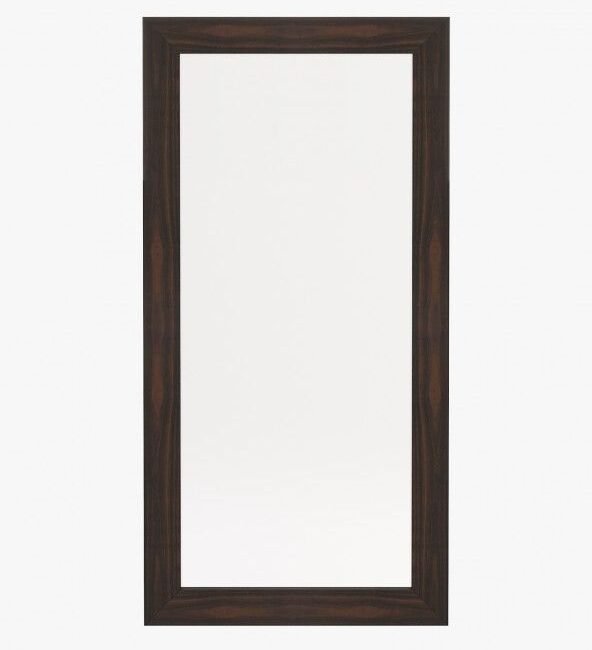
Rod mirror
£1,608 Select options This product has multiple variants. The options may be chosen on the product page -

Talat Standing Mirror With Bevelled Edge
£284 Add to cart -

Texas mirror
£1,872 – £2,139Price range: £1,872 through £2,139 Select options This product has multiple variants. The options may be chosen on the product page
Choose the Right Dark Wood Tone
Not all dark woods create the same effect.
Some have warm red undertones, while others appear chocolate brown, nearly black or softly greyed. Understanding these differences will help you select furniture that suits your existing palette.
Walnut
Walnut is rich without usually appearing overly red. Its colour can range from medium brown to deep chocolate, often with expressive grain.
It works particularly well in contemporary interiors because it offers warmth while retaining a clean, sophisticated appearance. Walnut coffee tables, dining tables and cabinets pair beautifully with cream upholstery, travertine, brass and muted green.
Mahogany
Mahogany tends to have warmer red or reddish-brown undertones. It can feel highly traditional when used across an entire furniture set, but individual mahogany pieces can bring exceptional depth to modern rooms.
Pair mahogany with cooler or quieter colours such as smoky blue, sage, stone, ivory or dusty rose to balance its warmth.
Smoked oak
Smoked oak has a more muted, architectural quality. It may appear charcoal-brown, greyed or almost black, making it well suited to minimal and contemporary interiors.
It combines naturally with pale stone, brushed metal and soft neutral fabrics.
Cherry
Cherry wood often develops a warmer, richer colour with age. Its red undertones can be striking, but the surrounding palette must be considered carefully.
Avoid pairing cherry with too many orange or yellow elements. Cream, blue, muted green and deeper burgundy can create a more refined relationship.
Dark-stained timber
Dark stains can create the look of walnut or smoked wood at a more accessible price. Examine the finish carefully, particularly online. A natural-looking grain will generally feel more sophisticated than a flat, opaque brown coating.
When choosing luxury furniture, look beyond the label “dark wood” and examine the undertone, grain, sheen and relationship to the room’s other materials.
The Best Colours to Pair With Dark Wood
The right colour can make dark wood feel richer and more contemporary. The wrong one may exaggerate its heaviness or red undertones.
Rather than treating brown as a fixed colour, consider whether the wood is warm, cool, reddish or neutral.
Warm whites and creams
Cream, ivory, oatmeal and soft white provide a clean contrast without appearing harsh.
These colours allow the furniture grain to stand out and reflect light around the room. They are particularly effective behind dark sideboards, cabinets and headboards.
Avoid extremely blue-white paint beside warm mahogany or cherry. The contrast can feel abrupt. A white with a subtle warm or neutral undertone will create a softer transition.
Green
Green and wood form a natural relationship because both colours are associated with the outdoors.
Sage and olive create a quiet, organic look, while forest green or emerald can make polished walnut appear richer and more dramatic. Recent interiors have also combined brown rooms with jewel tones to create depth and a more luxurious atmosphere.
A pair of olive accent chairs can soften a walnut cabinet, while a moss-green rug may connect several timber tones across the room.
Blue
Muted blue provides a cooler contrast to warm wood.
Dusty blue, slate, navy and desaturated sky tones can prevent reddish timber from feeling overly traditional. Deep blue walls can also create an enveloping dining room when paired with polished mahogany or cherry furniture.
Burgundy, aubergine and plum
These colours sit close to brown in depth but add greater richness.
They work best when balanced by pale upholstery or walls. A burgundy chair beside a walnut table can feel sophisticated; an entire dark room using brown, burgundy and plum may require excellent lighting to avoid becoming too dense.
Pink and soft terracotta
Dusty rose, plaster pink and muted terracotta can bring warmth and softness to dark furniture.
The key is to choose subdued, complex tones rather than highly saturated orange. These shades work especially well with walnut and darker oak.
Earthy neutrals
Taupe, clay, mushroom and warm greige create a tonal scheme that feels calm rather than stark.
Where the wood is polished or highly decorative, richer colours may sometimes be more flattering than very pale neutrals. Designer guidance gathered by Homes & Gardens notes that walnut and other polished woods can hold their own against deeper, more saturated shades.
Create Contrast With Lighter Elements
Dark furniture needs visual breathing room.
This does not mean the entire room must be white. It means creating enough contrast for the shape and grain of each piece to remain visible.
Consider balancing dark wood with:
- Pale or mid-tone walls
- Cream upholstery
- Light rugs
- Sheer or softly coloured curtains
- Pale stone surfaces
- Glass or reflective accessories
- Open-legged furniture
- Generous negative space
A dark console table placed against a warm plaster wall may appear sculptural rather than heavy. A walnut sideboard on a pale rug will feel lighter than the same piece positioned on dark brown flooring.
Upholstery is particularly useful for softening timber.
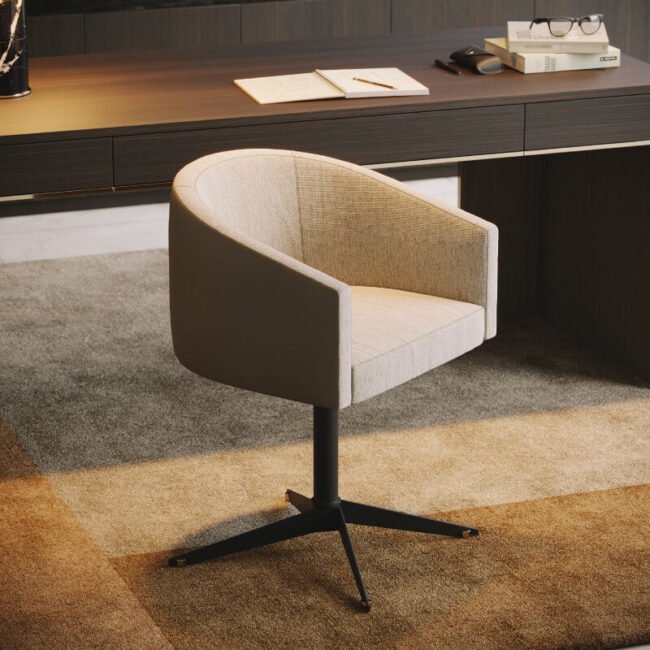
Pair a dark dining table with cream or oatmeal dining chairs. Place an ivory sofa opposite a walnut cabinet, or combine a mahogany bed with layered white and natural linen bedding.
Contrast should not be so extreme that the dark furniture appears isolated. Repeat its tone in one or two smaller details—a lamp base, picture frame or chair leg—to establish continuity.
How to Mix Dark and Light Wood Furniture
A modern room does not need one wood finish throughout.
In fact, using only one timber can make an interior feel more coordinated and less natural. Mixing dark and light woods creates depth, particularly when the pieces have been collected over time.
The most important considerations are undertone, repetition and placement.
Choose a dominant wood
Allow one tone to lead the room.
If you have pale oak flooring, it may become the dominant wood, with a walnut table and darker accessories used as contrasts. In another room, a dark dining table might lead, supported by lighter chair frames or cabinetry.
Look for compatible undertones
Warm woods generally work well together, even when their depth differs. Walnut and warm oak, for example, can coexist comfortably.
A very grey, cool wood may feel disconnected from a highly reddish mahogany unless another element helps bridge the difference.
Use clear contrast
Two woods that are almost the same but not quite can appear accidental.
A deliberate contrast—such as pale oak beside dark walnut—often looks more successful than two similar brown finishes competing beside each other.
Repeat each finish
Do not introduce one isolated dark wood piece and leave it unrelated to everything else.
Repeat the colour through a mirror frame, table leg, lamp or decorative object. The repetition can be subtle.
Separate woods with other materials
A rug, upholstered chair, stone surface or metal base can prevent different timber tones from touching directly.
Architectural Digest’s guide to mixing wood furniture tones recommends combining contrasting woods and introducing materials such as stone, metal and glass to stop a room from feeling visually monotonous.
A pale sofa, dark side table and medium-tone floor can therefore work together more naturally than three nearly identical wooden finishes.
Layer Dark Wood With Stone, Metal and Fabric
The new dark wood interior is rarely made entirely from timber.
Combining materials keeps the room visually balanced and allows the wood grain to remain distinctive.
Stone
Travertine, limestone and cream marble bring lightness to dark wood. Richly veined stone can create a more dramatic, luxurious effect.
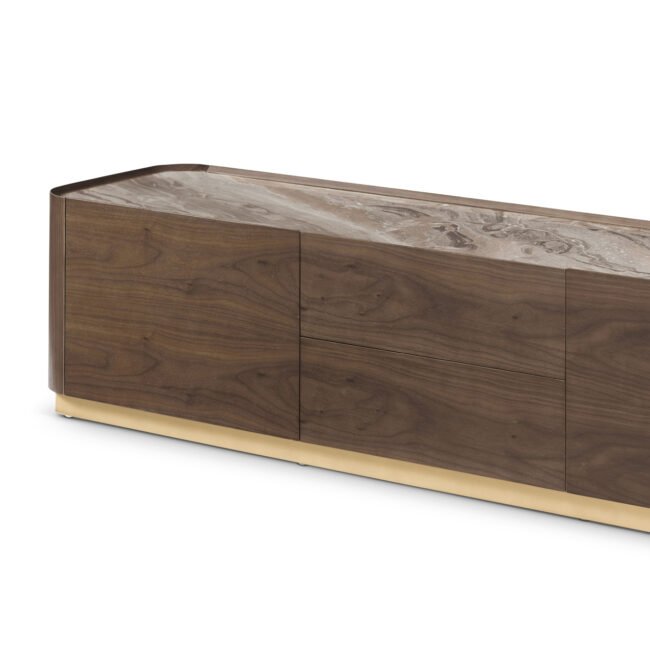
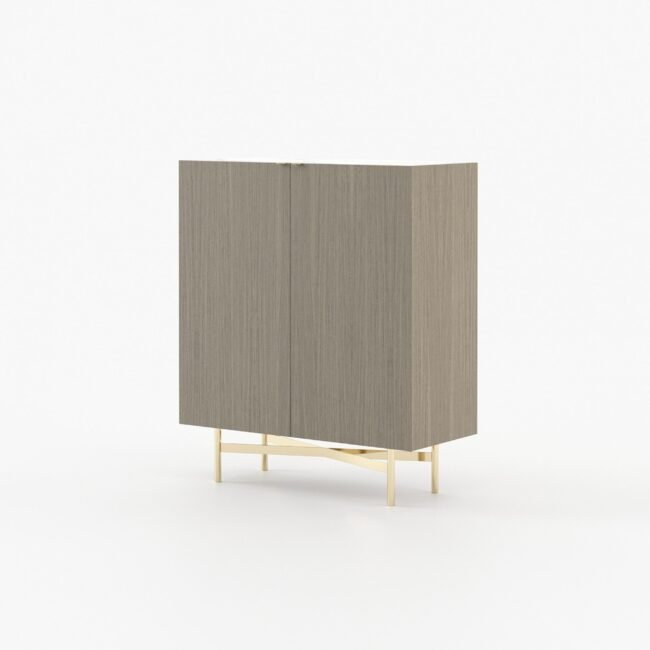
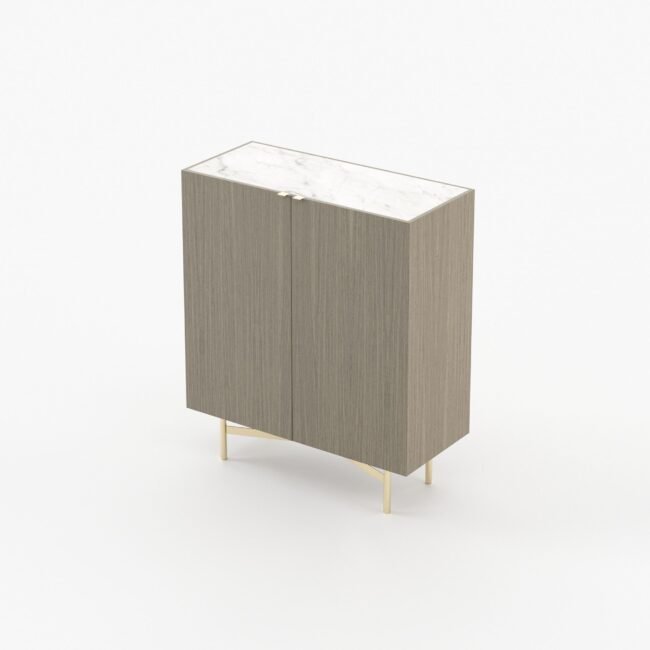
A walnut cabinet topped with pale stone feels architectural, while a dark sofa table can sit comfortably beside a warm marble coffee table.
Metal
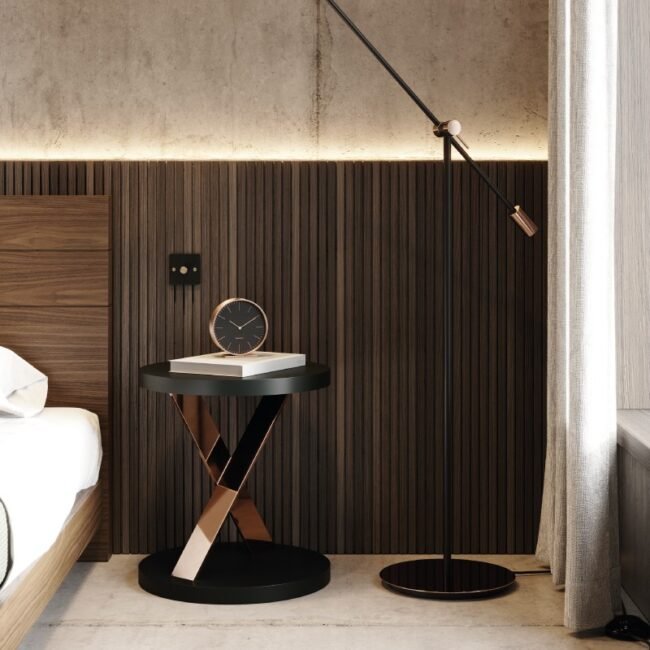
Aged brass and bronze enhance the warmth of mahogany and walnut. Blackened metal creates a cleaner, more contemporary contrast, while nickel can cool a strongly reddish timber.
Use metal selectively through table bases, lighting and furniture hardware.
Upholstery
Linen, velvet, wool and textured woven fabrics soften the hardness of timber.
Cream boucle may create a contemporary contrast, while velvet in olive, burgundy or blue can make dark wood feel richer and more atmospheric.
Glass
Glass helps reduce visual weight.
A glass table or cabinet door can make a timber-heavy room feel more open. It is especially useful in smaller interiors or where several large wooden pieces are already present.
Natural fibres
Wool rugs, jute, cane and woven textures complement the organic quality of wood without creating another heavy surface.
The most successful schemes contrast smooth with textured, hard with soft and polished with natural.
How to Style Dark Wood in a Living Room
The living room offers many opportunities to introduce dark wood without allowing it to dominate.
Begin with one substantial piece. This might be a sideboard, coffee table, cabinet or pair of occasional tables.
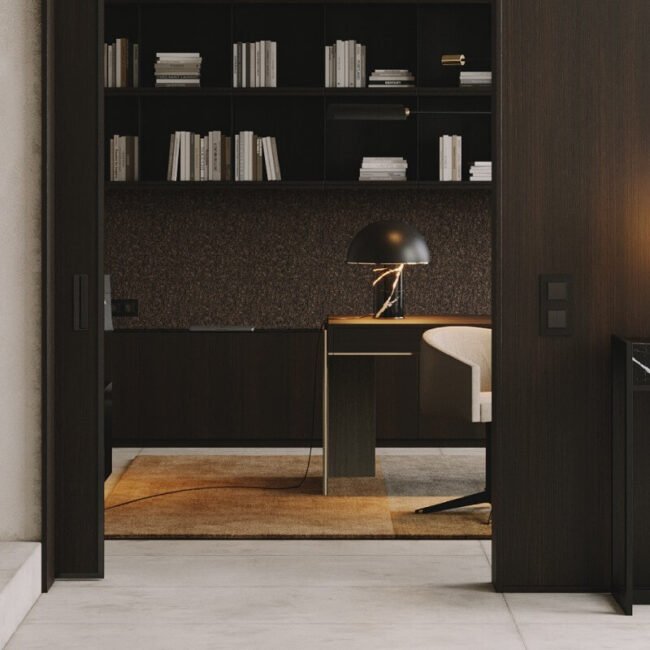
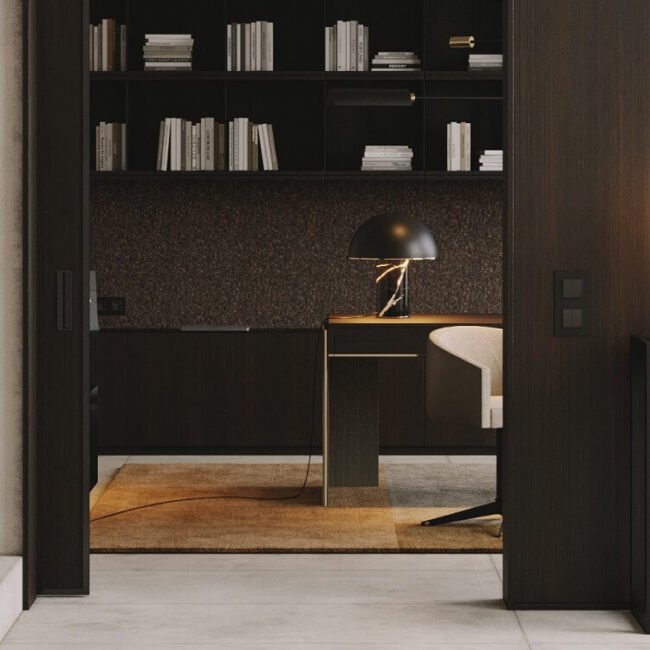
A dark wooden sideboard works especially well against a pale or coloured wall. Rather than filling its entire surface, style it with a few objects of different heights: a table lamp, one sculptural vessel and a small stack of books. Hang artwork or a mirror above it, leaving sufficient space around the composition.
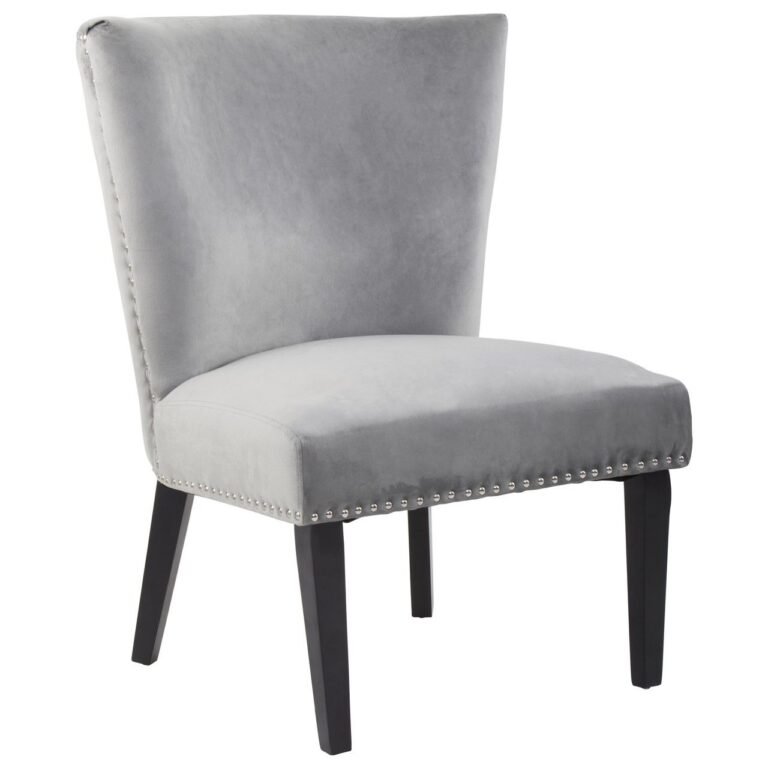
If the coffee table is dark, balance it with a light rug and softly coloured upholstery. Avoid surrounding it with several equally heavy tables. Introduce a glass, brass or stone side table to vary the materials.
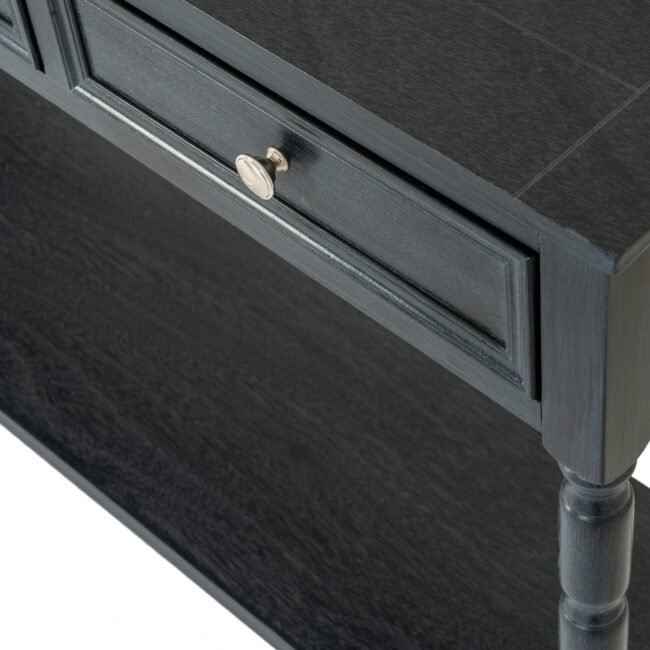
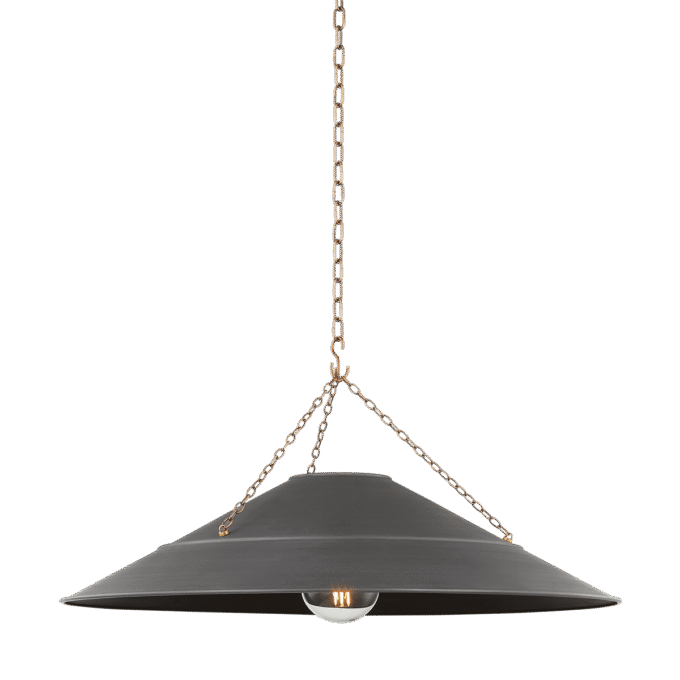
Dark wood can also provide structure within a room of curved furniture. A linear cabinet or angular table adds definition beside rounded sofas and soft upholstery.
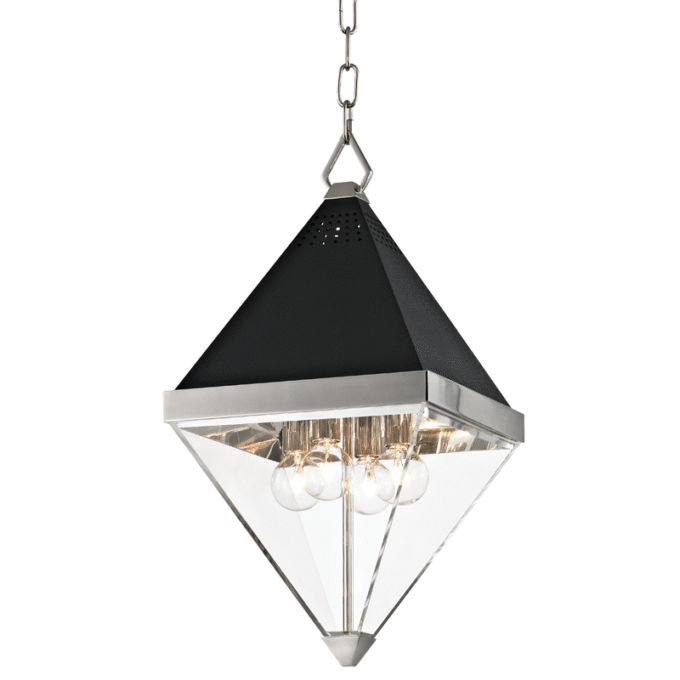
For a more layered look, combine a walnut table with contemporary sofas, expressive armchairs and warm living-room lighting. The room should contain a mixture of visual weights rather than several large, solid pieces at the same level.
How to Style Dark Wood in a Dining Room
Dark wood has a natural authority in dining spaces.
A rich timber table gives the room a focal point and creates a warm atmosphere for evening entertaining. It can feel traditional, contemporary or sculptural depending on its shape and the chairs placed around it.
To modernise a dark dining table, avoid automatically choosing matching wooden chairs.
Instead, consider:
- Cream upholstered chairs
- Sculptural chairs in a lighter wood
- Coloured velvet chairs
- Cane-backed seating
- Contemporary chairs with slim metal details
- Different end chairs at the head and foot
A polished table can be grounded by a generously sized rug, provided the fabric is durable enough for dining use.
The sideboard does not need to match the table. A pale stone, lacquered or textured cabinet may create a more collected appearance. Alternatively, choose another dark wood but vary the silhouette and finish.
Lighting is crucial. A generous pendant light or chandelier should illuminate the tabletop and reflect subtly against the grain. Warm dimmable light will make polished timber appear deeper and more inviting in the evening.
Dark dining rooms can also support stronger wall colours. Deep blue, olive, aubergine or warm plaster tones can create an atmospheric backdrop, especially when balanced by pale curtains, upholstery or artwork.
How to Use Dark Wood in a Bedroom
Dark wood can make a bedroom feel grounded, calm and luxurious.
The key is to balance it with softness.
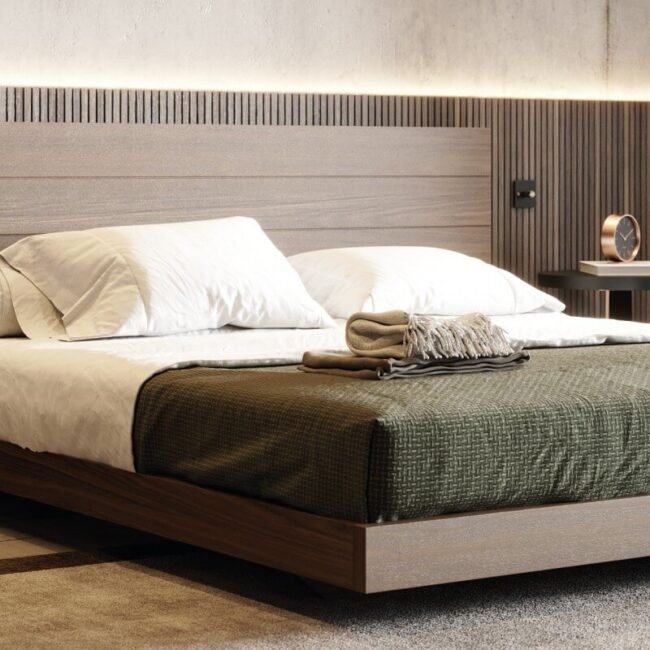
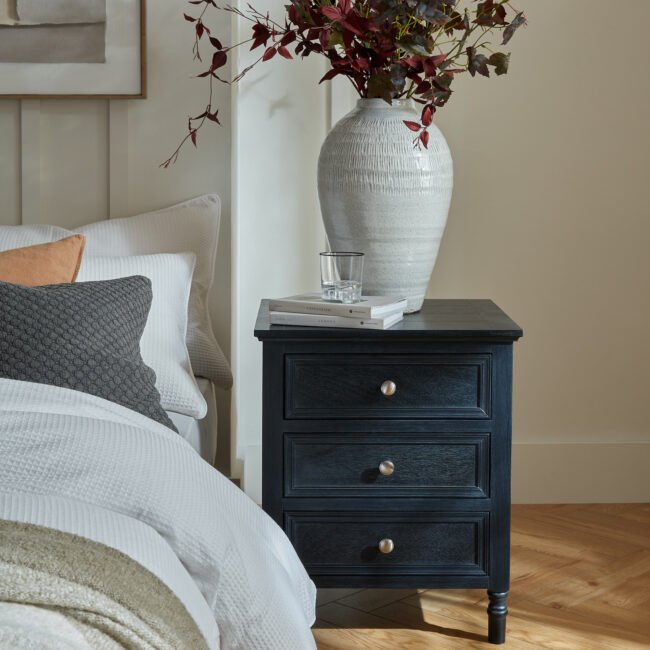
A dark timber bed frame or headboard can become the room’s anchor. Surround it with pale bedding, layered throws and upholstered elements rather than adding matching wooden furniture on every side.
If you already have a dark bed, consider bedside tables in a different material or lighter finish. Stone, painted timber or fabric-covered tables will reduce the sense of a complete furniture suite.
A walnut chest or cabinet can work beautifully against a muted wall colour. Keep the styling restrained: one lamp, a framed object and perhaps a small ceramic piece are usually enough.
Use full-length curtains, soft rugs and warm bedside lighting to balance the harder surfaces. In bedrooms where natural light is limited, choose a mid-tone rather than nearly black wood, or restrict the deepest finish to one focal piece.
Can Dark Wood Work in a Small Room?
Dark wood can work successfully in a small interior. The room does not need to be filled with pale furniture simply because its dimensions are limited.
The more important questions are scale, quantity and light.
One beautifully proportioned dark cabinet may give a compact room greater character than several small, pale pieces. The problem begins when too many solid items occupy every wall and floor area.
For a small room:
- Choose one principal dark wood piece
- Look for furniture with legs or an open base
- Keep pathways clear
- Use a large mirror to reflect light
- Introduce pale or reflective materials
- Avoid matching dark furniture on every wall
- Use layered rather than harsh overhead lighting
- Leave some surfaces uncluttered
It is also unnecessary to avoid deeper wall colours automatically. Contemporary designer advice increasingly encourages embracing small, darker rooms with confident colour rather than trying to make every compact space resemble a bright white box.
A small study with dark timber, warm lighting and deep green walls may feel more intentional and luxurious than the same room filled with undersized white furniture.
How to Modernise Inherited Brown Furniture
Inherited furniture often presents an emotional and aesthetic challenge.
The piece may be beautifully made and personally meaningful, yet difficult to place within a contemporary interior. Before painting, replacing or heavily altering it, consider whether a change of surroundings might be sufficient.
Move it into an unexpected room
A traditional dining cabinet might work as storage in a bedroom. A small writing desk could become a dressing table, while a chest of drawers may function as a hallway console.
Change the hardware
Replacing overly ornate or damaged handles can subtly update a cabinet. Keep the new hardware proportionate to the furniture and retain the originals where the piece may have antique value.
Simplify the styling
Remove crowded collections and allow the furniture’s form to become visible.
Place one modern lamp, a contemporary artwork or a simple sculptural vessel on top.
Introduce contemporary pieces nearby
An antique table surrounded by clean-lined chairs feels more current than the same table with a complete matching set.
Reupholster seating
A traditionally framed chair can be transformed with a plain linen, textural neutral or carefully chosen contemporary pattern.
Restore rather than disguise
If the wood grain is beautiful, professional cleaning and restoration may be more appropriate than paint. Painting valuable or finely crafted furniture can remove much of what makes the piece distinctive.
A modern room often benefits from one older item. It introduces history, contrast and the sense that the interior has developed over time.
-

Andrille Media Unit
£1,796 Add to cart -

Antoine TV cabinet
£3,790 – £4,488Price range: £3,790 through £4,488 Select options This product has multiple variants. The options may be chosen on the product page -

Brooklyn Media Unit
£1,111 Add to cart
Lighting a Room With Dark Wood Furniture
Lighting determines whether dark wood appears rich or gloomy.
A single central ceiling light will rarely be enough, particularly in rooms containing several deep-toned surfaces.
Use a layered scheme combining:
- Ceiling lighting
- Floor lamps
- Table lamps
- Wall lights
- Directed accent lighting
- Candlelight for dining spaces
Place table lamps on or near dark cabinets to illuminate the grain and create softer pools of light. A wall light above a console can make the furniture feel integrated with the architecture, while a floor lamp beside a dark chair separates its silhouette from the wall behind it.
Warm light generally flatters brown timber, but excessively yellow bulbs can exaggerate orange and red undertones. A warm-white temperature that still renders colour accurately is usually more sophisticated.
Mirrors, glass and metallic details can help distribute light, but they should support the room rather than become purely functional additions.
Dark Wood Styling Mistakes to Avoid
Buying a complete matching suite
A matching table, chairs, cabinet and sideboard can make the room feel fixed in one period.
Choose complementary pieces and vary the material, finish or silhouette.
Using dark wood on every surface
Dark flooring, furniture, panelling and cabinetry can become overwhelming without sufficient contrast.
Select where the depth will have the greatest effect.
Ignoring undertones
A red mahogany table may clash with grey-washed flooring or highly orange accessories.
Assess warm and cool undertones before committing to the palette.
Choosing furniture that is too large
A dark piece has more visual weight than a pale one of the same dimensions.
Measure carefully and allow space around it.
Styling every surface heavily
Dark wood already has presence. It rarely needs a large collection of accessories.
Using weak lighting
Shadowy corners can make substantial furniture feel heavier.
Use several light sources at different heights.
Assuming dark wood requires traditional styling
Contemporary art, sculptural lighting, modern seating and warm stone can completely transform how brown furniture is perceived.
Painting a quality piece too quickly
First consider restoration, different hardware, new surroundings or more contemporary styling. Once painted, the original finish may be difficult to recover.
How to Invest in Dark Wood Furniture
A strong piece of dark wood furniture should outlast a passing trend.
Before purchasing, consider the quality of the construction, the beauty of the grain and whether the proportions suit both your current home and possible future rooms.
Look for:
- Solid or high-quality veneered construction
- Stable joints
- Functional drawers and doors
- A finish that reveals rather than obscures the grain
- Timeless proportions
- Practical storage
- A scale suited to the room
- Materials that can be maintained or restored
A substantial table or cabinet is usually a better investment than several smaller trend-led pieces.
Think about versatility. A console might later serve as a dressing table. A sideboard can move between a dining room, living room and hallway, while a compact chest may provide storage in several areas of the home.
The most enduring dark wood furniture feels distinctive but not dependent on one decorative scheme. It should work with light walls today, deeper colour tomorrow and different upholstery as your home evolves.
-

Lewis Bar Cabinet
£4,823 – £5,884Price range: £4,823 through £5,884 Select options This product has multiple variants. The options may be chosen on the product page -

Morrison Bar Cabinet
£7,104 – £7,300Price range: £7,104 through £7,300 Select options This product has multiple variants. The options may be chosen on the product page -

Railver Cabinet
£2,580 Add to cart
The New Dark Wood Interior
The return of brown furniture is not a call to recreate the formal, matching interiors of another era.
It is an invitation to use timber with greater confidence.
Dark wood can bring warmth to minimal architecture, structure to soft contemporary rooms and history to newly decorated spaces. It can make pale stone feel warmer, bold colour feel richer and modern furniture appear more grounded.
The key is contrast.
Pair dark timber with lighter upholstery, expressive colour and materials that reflect or soften the light. Mix eras rather than buying a complete suite. Allow the grain to remain visible, give important pieces space and use lighting to reveal their depth.
A walnut table does not have to make a room feel dark. A mahogany cabinet does not automatically belong in a traditional interior, and inherited brown furniture does not need to be painted before it can feel relevant again.
Styled thoughtfully, dark wood feels enduring rather than dated.
Explore distinctive luxury furniture, including elegant wooden sideboards, sculptural coffee tables, refined dining tables, versatile console tables and carefully selected lighting designed to bring depth and character into the modern home.
Frequently Asked Questions
Is dark wood furniture coming back?
Yes. Walnut, mahogany, cherry, smoked oak and other deeper finishes are becoming increasingly prominent as interiors move towards warmer, more characterful materials.
How do you make dark wood furniture look modern?
Combine it with contemporary lighting, pale or richly coloured walls, soft upholstery and contrasting materials such as stone, glass or metal. Avoid complete matching sets and keep surface styling restrained.
What colours go well with dark wood furniture?
Warm white, cream, olive, sage, navy, dusty blue, burgundy, aubergine, plaster pink and earthy neutrals can all complement dark timber. The best choice depends on whether the wood has warm, cool or reddish undertones.
Can you mix dark and light wood furniture?
Yes. Choose a dominant wood, consider the undertones and repeat each secondary finish elsewhere in the room. Strong, deliberate contrast usually works better than finishes that nearly match.
Does dark wood furniture make a room look smaller?
Not automatically. Too many large, solid pieces may make a room feel crowded, but one appropriately scaled dark wood item can create depth and a clear focal point.
What flooring works with dark wood furniture?
Pale or medium-toned timber, stone and neutral rugs can all balance dark furniture. Dark flooring can also work, but the room will need contrasting walls, textiles and lighting.
Should you paint old brown furniture?
Not always. Quality timber may be better restored, restyled or reupholstered. Painting can be suitable for less valuable furniture, but consider the craftsmanship and potential value before altering the original finish.
What metal finishes work with dark wood?
Aged brass and bronze enhance the warmth of walnut and mahogany. Black metal creates a more contemporary contrast, while nickel can balance highly reddish wood tones.