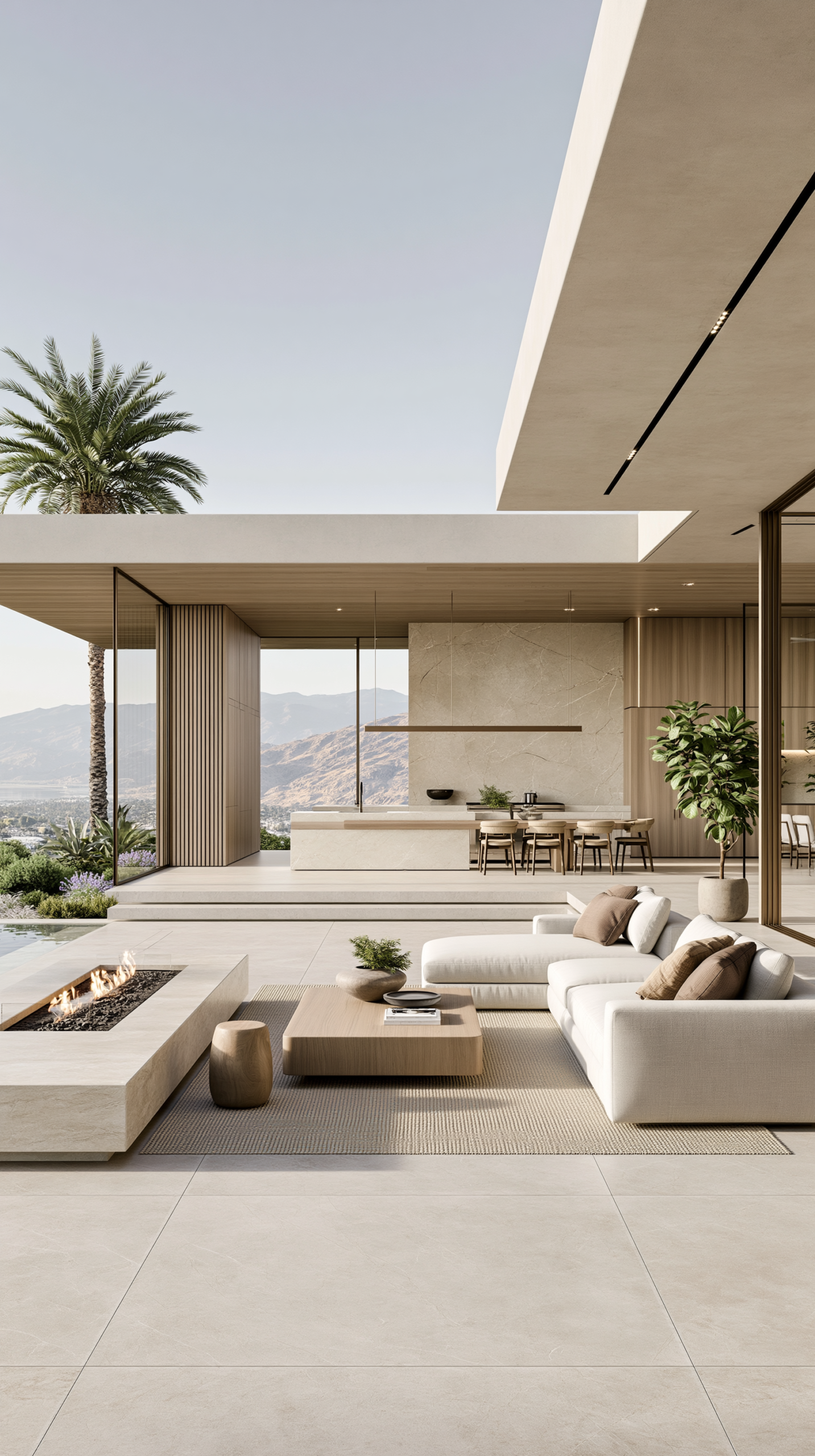
Interior Design Mistakes That Make a Home Look Unfinished

interior design mistakes that make a home look unfinished

Some homes are beautiful because of what they contain. Others are beautiful because of what has been edited out. That is the quiet truth behind many interior design mistakes: a room does not usually look unfinished because it lacks more things. It looks unfinished because the things inside it are not working together.

A sofa can be expensive and still look wrong. A rug can be beautiful and still be too small. A living room can be full of furniture and still feel bare. A wall can be painted perfectly and still feel empty. The difference between a house that looks decorated and a home that looks finished is not always budget. More often, it is scale, lighting, proportion, texture, layout and restraint.

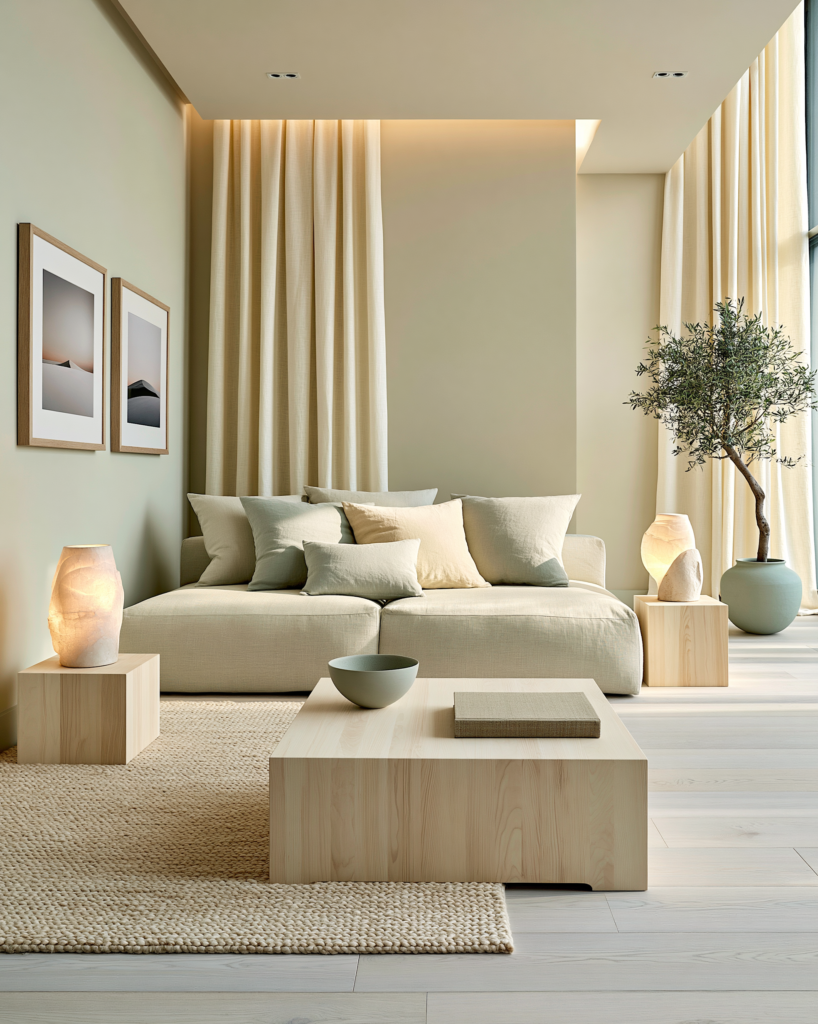
Interior designers understand that a finished home is not about filling every corner. It is about creating rhythm. The eye needs somewhere to land, somewhere to rest and somewhere to travel next. A finished room has layers: furniture, lighting, textiles, artwork, storage, personality and negative space. When one of those layers is missing, the room may feel flat, cold or unresolved.

Kelly Wearstler’s design philosophy is often described through storytelling, materiality and bold choices. In Forbes, her approach is summed up by the phrase “love color, take risks, stay curious”. That is a useful way to think about interiors that feel finished. They are not built from safe, random choices. They are layered with curiosity, intention and a point of view.

Below are the interior design mistakes that most often make a home look unfinished — and how to correct them with the kind of quiet confidence designers use.

Table of Contents

  1. Mistake 1: Choosing Furniture Without a Proper Layout
  2. Mistake 2: Pushing Every Piece of Furniture Against the Wall
  3. Mistake 3: Using a Rug That Is Too Small
  4. Mistake 4: Relying Only on Ceiling Lighting
  5. Mistake 5: Leaving Walls Bare or Under-Styled
  6. Mistake 6: Ignoring Scale and Proportion
  7. Mistake 7: Buying Everything from One Matching Set
  8. Mistake 8: Forgetting Texture
  9. Mistake 9: Choosing Curtains That Are Too Short or Too Narrow
  10. Mistake 10: Over-Styling Surfaces
  11. Mistake 11: Forgetting Storage
  12. Mistake 12: Leaving the Home Without Personality
  13. What to Fix First If Your Home Looks Unfinished
  14. Final Thoughts: A Finished Home Is About Layers
  15. FAQs About Interior Design Mistakes
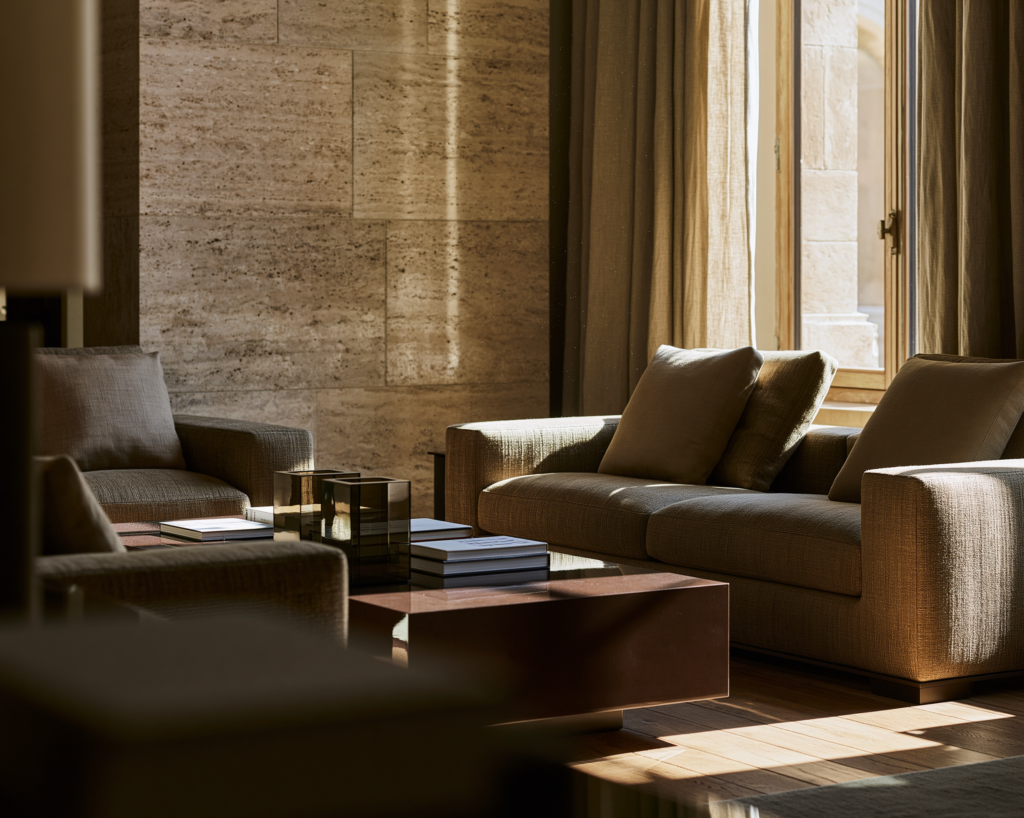
Well layered walls for home interiors

Mistake 1: Choosing Furniture Without a Proper Layout

One of the biggest interior design mistakes is buying furniture before understanding the room. It is easy to fall in love with a sofa, dining table, sideboard or coffee table online, only to discover later that it does not work with the actual proportions of the space.

A home looks unfinished when furniture feels as if it has simply been placed into a room rather than arranged for the way the room is lived in. The sofa may be too large for the wall. The coffee table may sit too far away from the seating. The side table may not be reachable. The dining chairs may block circulation. The room may have furniture, but no flow.

A designer starts differently. Before buying, they consider the purpose of the room. Is it for conversation, television, reading, entertaining, family life or a mixture of all these things? Where does natural light come from? What is the focal point? Where do people walk? What needs to be stored?

These questions matter because layout is the skeleton of interior design. If the layout is wrong, decoration can only do so much.

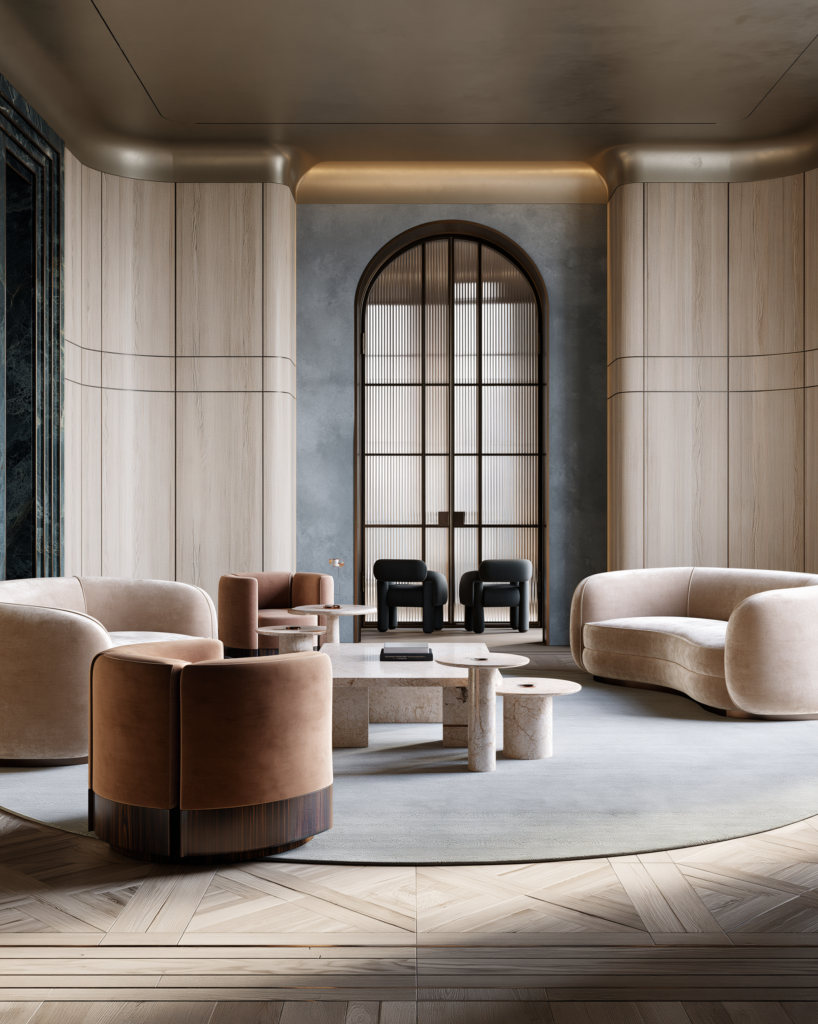
A living room, for example, should usually have a clear seating zone. The sofa, armchairs, coffee table and rug should feel connected. A dining room should allow enough room for chairs to pull out comfortably. A hallway should not be narrowed by furniture that is too deep. A bedroom should have bedside tables that are easy to reach and lighting that works for real life.

Before buying new furniture, measure the room and mark out the major pieces. Use masking tape on the floor if needed. This simple step can prevent costly mistakes and helps you see whether the room will feel elegant, crowded or empty.

A finished home begins with placement, not accessories.


Mistake 2: Pushing Every Piece of Furniture Against the Wall

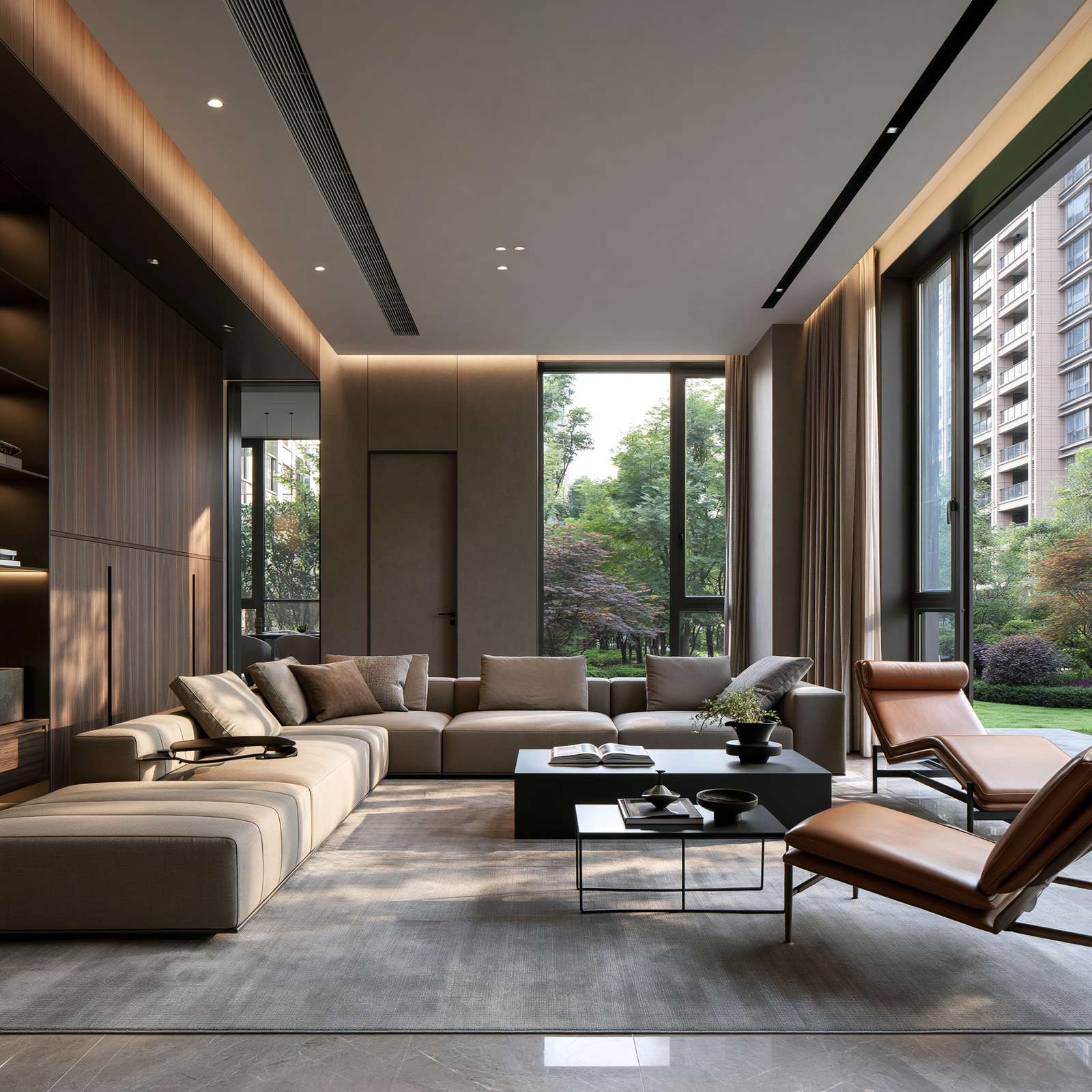
Many people push furniture against the walls because they think it will make the room feel bigger. Sometimes it does the opposite. The centre of the room becomes empty, the seating feels disconnected and conversation becomes awkward.

In a House Beautiful article, designer Louis Lin warns that pushing all the furniture to the perimeter can create an undefined centre and reduce intimacy; his advice on floating furniture away from the walls is especially useful for living rooms that feel cold or unfinished.

This does not mean every sofa must sit in the middle of the room. Small rooms and narrow rooms sometimes need furniture against the wall. But even then, the arrangement should feel intentional. A sofa can sit against a wall while the coffee table, rug, side chairs and lamps still create a proper seating area.

Floating furniture works particularly well in larger living rooms, open-plan spaces and rooms where you want to create zones. A sofa can divide a living area from a dining area. A pair of chairs can create a reading corner. A console behind a sofa can make the back of the room feel styled rather than empty.

The aim is not to maximise empty floor space. The aim is to create a room that supports the way people gather, talk and move.

A room looks finished when the furniture relates to itself, not just to the walls.

“It is a good idea to coordinate the colour with the accent colour in the room to emphasise and add interest..”

Sophie Patherson

Sophie Patherson
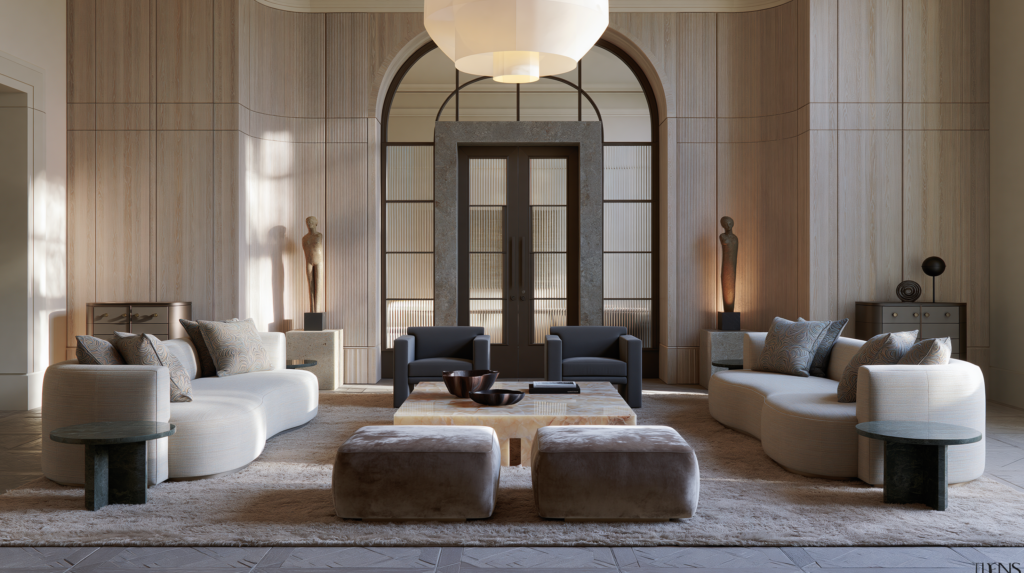
Living room setup styling

Mistake 3: Using a Rug That Is Too Small

A rug that is too small is one of the fastest ways to make a home look unfinished. It may seem like a small detail, but scale changes everything. A tiny rug floating under a coffee table can make the sofa look disconnected, the room look cheaper and the entire seating area feel unresolved.

A properly sized rug anchors the room. It connects the sofa, chairs and coffee table so the space feels like one composed area. Southern Living recently gathered designer advice on styling tips that make a home feel finished, and choosing the right rug size is one of the details highlighted because it helps define a room and make furniture feel grounded.

In a living room, the front legs of the sofa and chairs should usually sit on the rug, or the rug should be large enough to hold the full seating arrangement. In a dining room, the rug should extend beyond the table so chairs remain on the rug when pulled out. In a bedroom, the rug should be large enough to extend beyond the bed and create softness underfoot.

The mistake is choosing a rug based only on price or pattern, rather than proportion. A beautiful rug that is too small will never look luxurious. In many cases, a simple larger rug will look more expensive than a highly decorative small one.

Rugs also add texture, warmth and sound softness. A room without a rug can feel echoey or visually hard, especially if there are stone, tile or wooden floors. A good rug does not just decorate the room. It settles it.

A finished room needs grounding. The right rug gives it that.


Mistake 4: Relying Only on Ceiling Lighting

Overhead lighting has its place, but relying on it alone is one of the most common home decor mistakes. A single ceiling light can make a room feel flat, harsh and cold. It creates shadows in the wrong places and often removes the atmosphere that makes a home feel welcoming.

Interior designers almost always layer lighting. They use ceiling lights, table lamps, floor lamps, wall lights, picture lights and candles to create different moods at different heights. Architectural Digest’s designer-led feature on living room mistakes and how to fix them highlights the problem of relying only on ceiling lights and recommends a mix of lamps, sconces and picture lights to create warmth and depth.

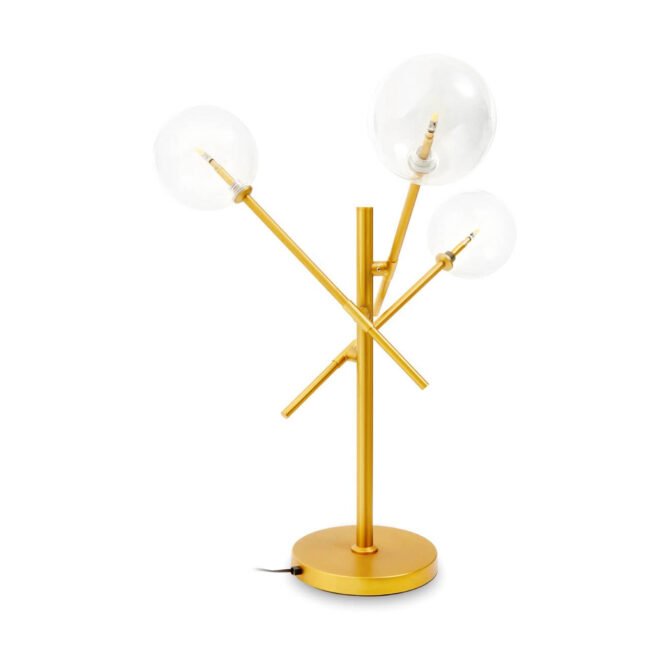
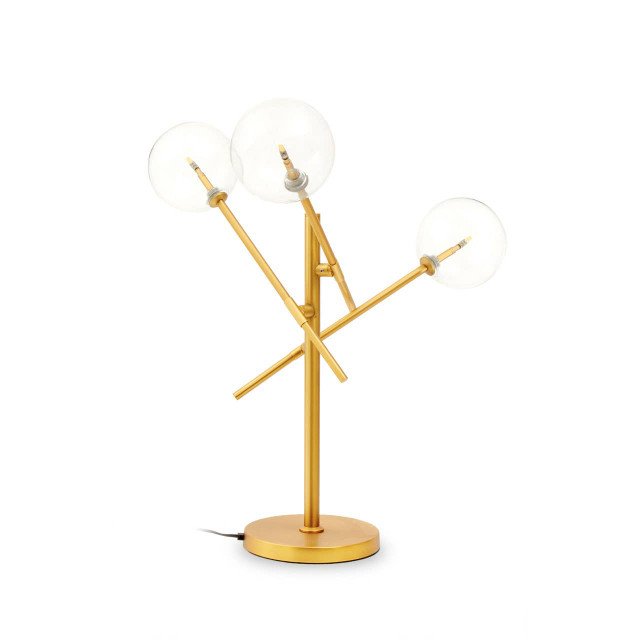
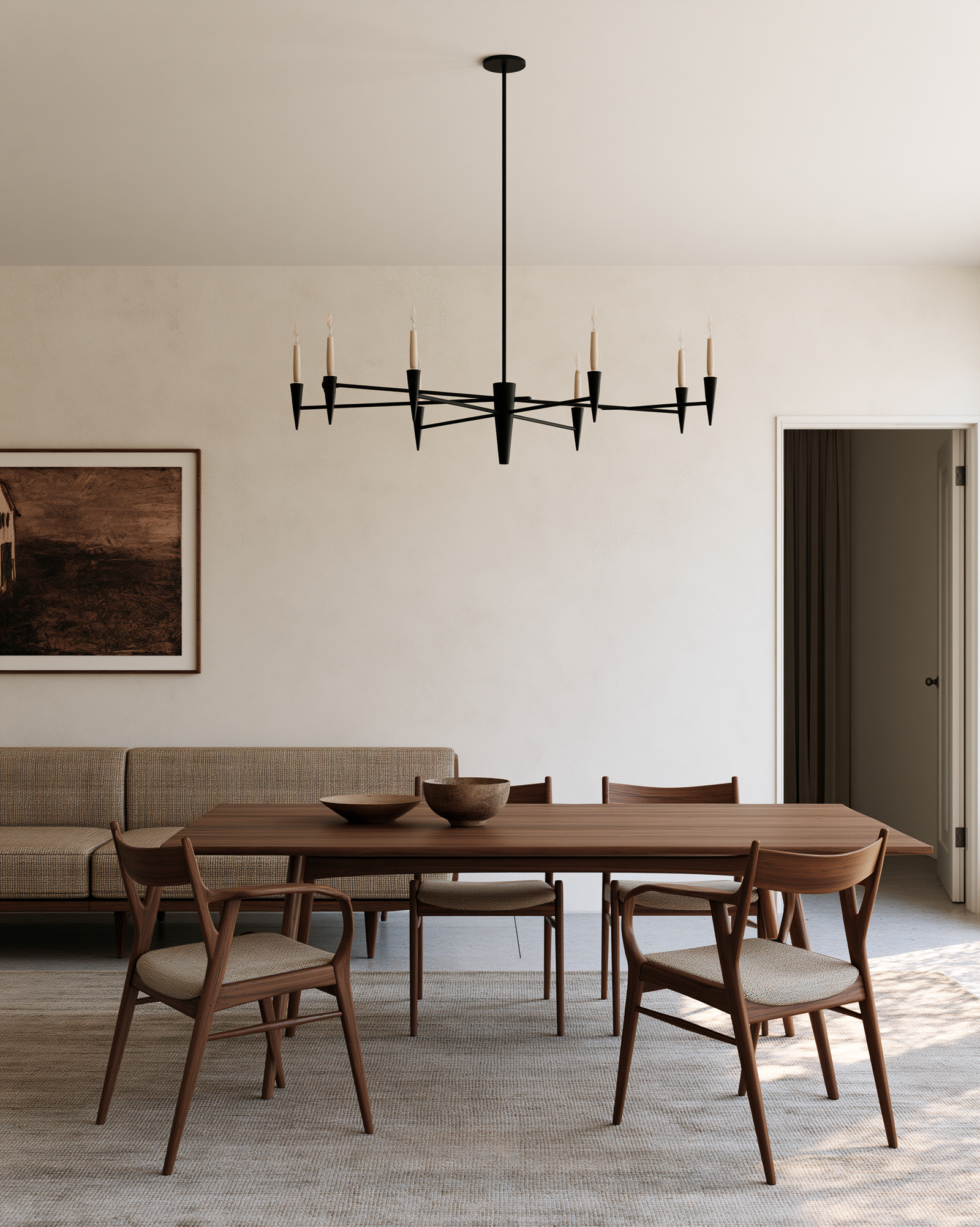
Lighting is one of the clearest differences between a room that looks furnished and a room that looks finished. A table lamp on a sideboard can make a blank wall feel alive. A floor lamp beside an armchair can create a reading corner. Wall lights can frame a fireplace or hallway. A picture light can turn artwork into a focal point.

The temperature of the bulb matters too. Cool white light can make a home feel clinical. Warm white light is usually more flattering for living rooms, bedrooms and dining rooms. Dimmers are also helpful because they allow a room to shift from practical daytime brightness to soft evening atmosphere.

Think of lighting as jewellery for the room, but also as mood. If the room does not feel good at night, the design is not finished.

Living room with table lamps, floor lamp and wall lights

Mistake 5: Leaving Walls Bare or Under-Styled

Bare walls can make a home feel temporary. Even when the furniture is beautiful, empty walls often leave a room looking incomplete. Artwork, mirrors, shelves and wall lights add the vertical layer that turns a furnished space into a finished one.

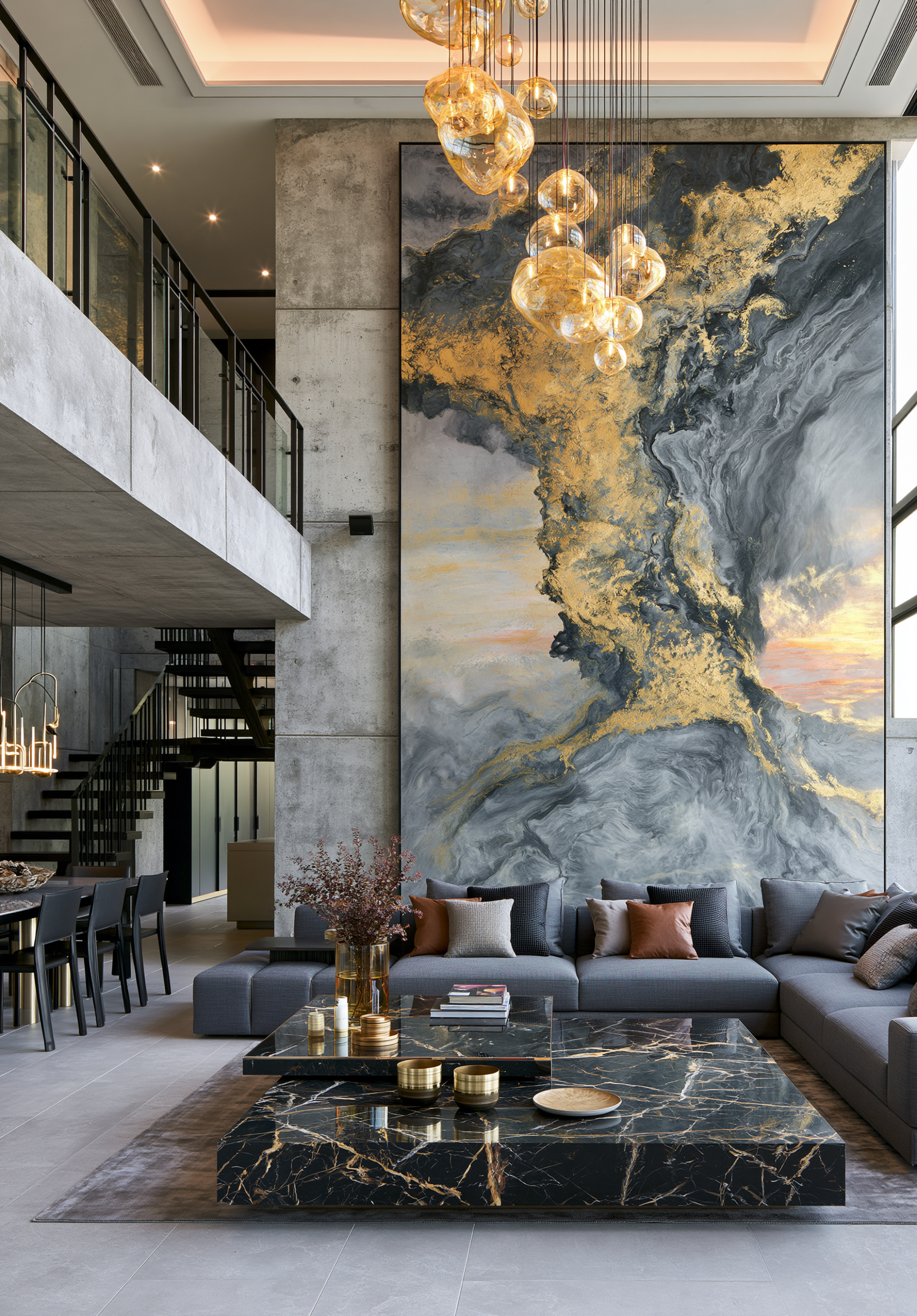
This does not mean every wall needs to be filled. Negative space can be elegant. But a room needs at least a few intentional focal points. A large piece of artwork above a sofa, a mirror above a sideboard, framed prints in a hallway or wall lights beside a fireplace can completely change the way a room feels.

The mistake is choosing wall decor that is too small. A tiny picture above a large sofa will look lost. A narrow mirror above a wide sideboard can feel disconnected. The scale of the wall decor should relate to the furniture beneath it.

Artwork also brings personality. It tells the room’s story. Without it, a home can feel like a catalogue. Even a simple abstract print, vintage painting, family photograph or sculptural wall piece can add emotion and depth.

Mirrors are especially useful in darker rooms, narrow hallways and compact spaces. They reflect light, add shape and create the illusion of depth. A statement mirror above a console or sideboard can make an entrance feel more elegant almost instantly.

A finished home does not ignore the walls. It uses them.


Mistake 6: Ignoring Scale and Proportion

Scale is one of the things people notice even when they do not know why. A room can feel wrong simply because the pieces are not in proportion.

A small lamp beside a large sofa. A narrow coffee table in front of a generous sectional. Tiny cushions on a deep armchair. A delicate side table beside a heavy bed. A large dining table in a narrow room. These mistakes make a home feel unfinished because the eye cannot settle.

Homes & Gardens’ designer-led guide to using scale in interior design explains how elements such as room-anchoring rugs, substantial furniture, statement lighting, artwork and tall curtains help rooms feel more balanced. Scale is not only about size. It is about visual weight.

A slim black metal side table may take up little space but still have strong presence. A glass coffee table may be large but visually light. A velvet sofa may feel heavier than a linen one. A dark sideboard may feel more substantial than a pale oak one of the same size.

Designers think about these relationships constantly. If one piece is large, another piece may need visual strength to balance it. If a room has high ceilings, it needs height from curtains, lighting, artwork or tall furniture. If a room is small, it still needs pieces with enough presence to avoid looking flimsy.

A finished room is not made from pieces that are all the same size. It is made from pieces that understand each other.


Full-length curtains hung high and wide

Mistake 7: Buying Everything from One Matching Set

Matching furniture sets can feel safe, but too much matching can make a home look flat. A room where the coffee table, side table, TV unit, dining table and sideboard all come from the same range may look coordinated, but it can also lack depth and personality.

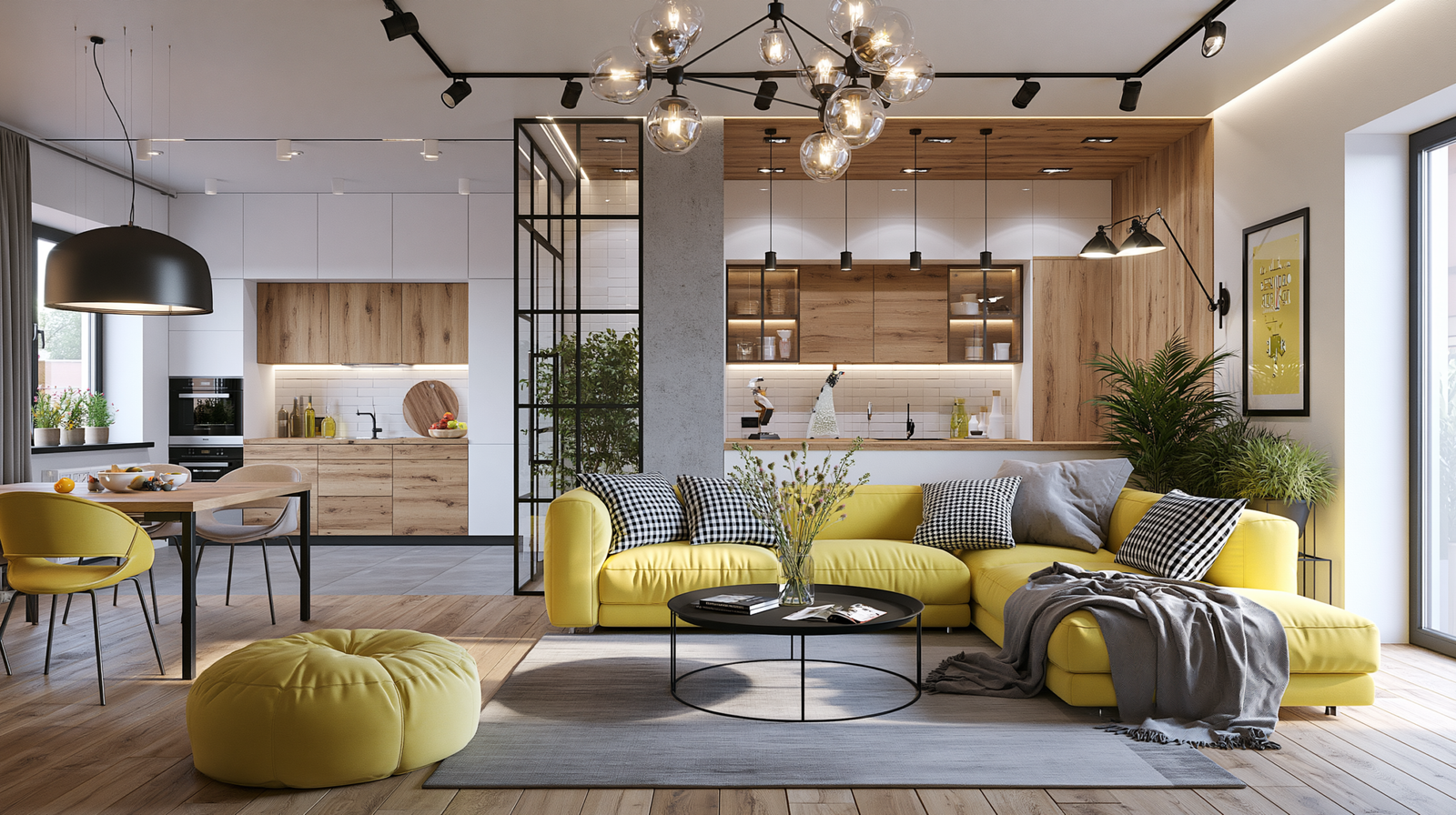
Interior designers usually create more interesting rooms by mixing materials, finishes, eras and shapes. A walnut sideboard with a marble coffee table. A modern sofa with antique-style artwork. A brass lamp on an oak console. A boucle chair beside a black metal side table. These combinations create layers.

Kelly Wearstler’s work is often associated with mixing eras, materials and influences, and Forbes describes her as a designer whose storytelling approach brings together materiality and the unexpected. Her belief in design as storytelling through materials and influences is a useful reminder that rooms should feel collected, not simply purchased in one transaction.

This does not mean nothing should coordinate. A room still needs connection. Repeat tones, materials or shapes subtly. If you use brass in a lamp, repeat it in a mirror frame or cabinet handle. If you have oak furniture, echo warmth through a tray, picture frame or woven texture. If the room has black accents, repeat them in small doses.

A home looks finished when it feels layered over time. Matching sets often remove that sense of story.


Mistake 8: Forgetting Texture

A room can have a good layout, beautiful colours and expensive furniture, but still feel unfinished if the textures are flat. Texture is what gives a room depth. It is the difference between a space that looks cold and one that feels inviting.

Think of a neutral living room. If every surface is smooth — painted walls, flat upholstery, glass table, shiny metal, plain cushions — the room may feel sterile. Add a wool rug, linen curtains, velvet cushion, ceramic lamp, wooden sideboard, marble table and woven basket, and the same colour palette suddenly feels rich.

Texture does not have to mean clutter. It means variation. Soft against hard. Matte against reflective. Smooth against rough. Natural against polished.

Southern Living’s designer-led advice on finished homes also highlights thoughtful textiles and greenery as ways to add life and warmth, alongside window treatments, art and layered lighting. Their feature on styling details designers use to finish a home reinforces the idea that a finished room is built from layers, not just furniture.

Texture is especially important in modern interior design because modern spaces can easily become too clean. A minimalist room still needs warmth. A luxury interior still needs softness. A neutral home still needs contrast.

A room without texture may look tidy, but it rarely feels complete.

living room furniture layout mistakes

Mistake 9: Choosing Curtains That Are Too Short or Too Narrow

Curtains are often treated as a practical afterthought, but they can transform a room. Poorly hung curtains can make windows look smaller, ceilings look lower and the whole room feel less finished.

The most common mistakes are curtains that stop awkwardly above the floor, rods that are mounted too close to the window frame, and panels that are too narrow to look full. Good curtains should feel generous. They should frame the window, soften the architecture and add height to the room.

Real Simple recently gathered designer advice on outdated window treatment mistakes, including the problem of treatments that are too short or too narrow. Designers often recommend hanging curtains higher and wider than the window frame so the room feels taller and more elegant.

Full-length curtains can make a living room, bedroom or dining room feel instantly more expensive. Linen, velvet, cotton, wool blends and textured fabrics all create different moods. Even simple curtains can elevate a space if the scale is right.

Curtains also help with acoustics. A room with bare windows, hard floors and little fabric can feel echoey. Soft window treatments absorb sound and make the space feel warmer.

A finished room rarely has naked windows unless the architecture or view is strong enough to carry it.


Mistake 10: Over-Styling Surfaces

A home can look unfinished because it has too little, but it can also look unfinished because it has too much. Over-styled surfaces are one of the quickest ways to make a room feel cluttered rather than luxurious.

Coffee tables, sideboards, console tables, shelves and bedside tables need editing. Every surface does not need a candle, vase, stack of books, tray, bowl, sculpture and plant. Too many objects can make the eye tired.

The best styling usually has variation in height, texture and purpose. A lamp, a book and a ceramic bowl. A vase, tray and candle. Artwork, branches and a small stack of books. The objects should feel connected, not random.

Interior stylist Emma Thomas advises creating interiors that feel “effortless, as well as elevated” in her Homes & Gardens feature on styling a welcoming home. That phrase is useful because good styling should not look as though it is trying too hard.

Luxury often comes from restraint. Negative space is part of the design. Leaving part of a sideboard empty can make the objects you do display feel more important. A coffee table with three considered pieces can look more expensive than one covered in accessories.

A finished home is edited, not crowded.

Mistake 11: Forgetting Storage

A room cannot look finished if everyday clutter has nowhere to go. Storage is not glamorous, but it is one of the foundations of good home interior design.

If toys, remotes, letters, shoes, cables, books, blankets and miscellaneous objects are always visible, the room will struggle to feel calm. The solution is not to live without these things. The solution is to give them a proper place.

Sideboards, console tables with drawers, storage coffee tables, baskets, cabinets, ottomans and bedside tables all help a home stay beautiful in real life. The best storage pieces look like part of the design rather than purely practical furniture.

A living room may need a sideboard for games, media equipment and books. A hallway may need a console with a drawer and a basket for shoes. A bedroom may need bedside tables with storage. A dining room may need a sideboard buffet cabinet for tableware and linens.

Ashley Montgomery’s perspective on designing for real life is relevant again here. Her article on beauty and functionality in lived-in homes reinforces the idea that a home should support daily life rather than ignore it.

A finished home is not one where nothing practical exists. It is one where practical things have been beautifully considered.

Mistake 12: Leaving the Home Without Personality

The final mistake is perhaps the most important. A home can be perfectly styled and still feel unfinished if it has no personality.

Personality comes from the objects that mean something: art, books, inherited pieces, travel finds, family photographs, handmade ceramics, vintage furniture, favourite colours, unusual lamps, collected objects and signs of life. These are the details that stop a home feeling like a showroom.

Design should not erase the person who lives there. It should reveal them.

This does not mean cluttering every shelf with sentimental items. It means choosing personal pieces carefully and giving them space. A framed photograph on a sideboard. A stack of books on a coffee table. A ceramic bowl from a trip. A piece of art that speaks to you. A vintage mirror in a modern hallway.

A home looks unfinished when it has only trend-led pieces and no emotional layer. The most beautiful interiors often combine new and old, polished and imperfect, practical and personal.

A finished home should not look as though it could belong to anyone. It should feel unmistakably connected to the person who lives there.

That is the layer no catalogue can provide.

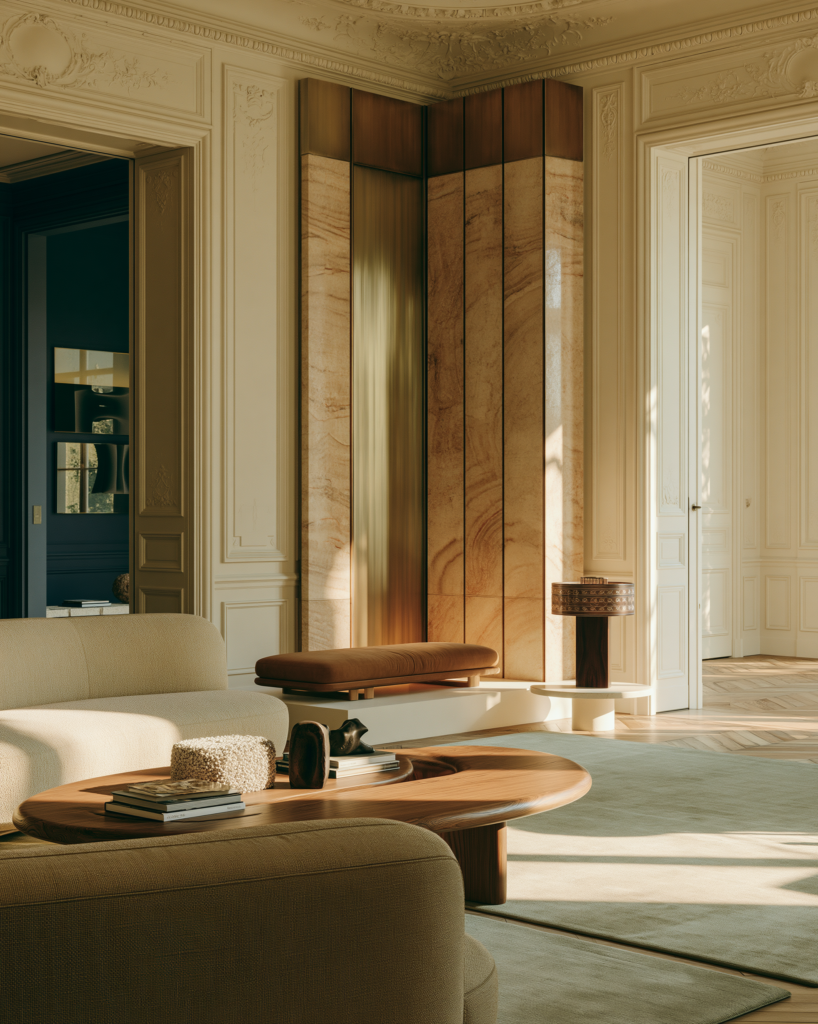
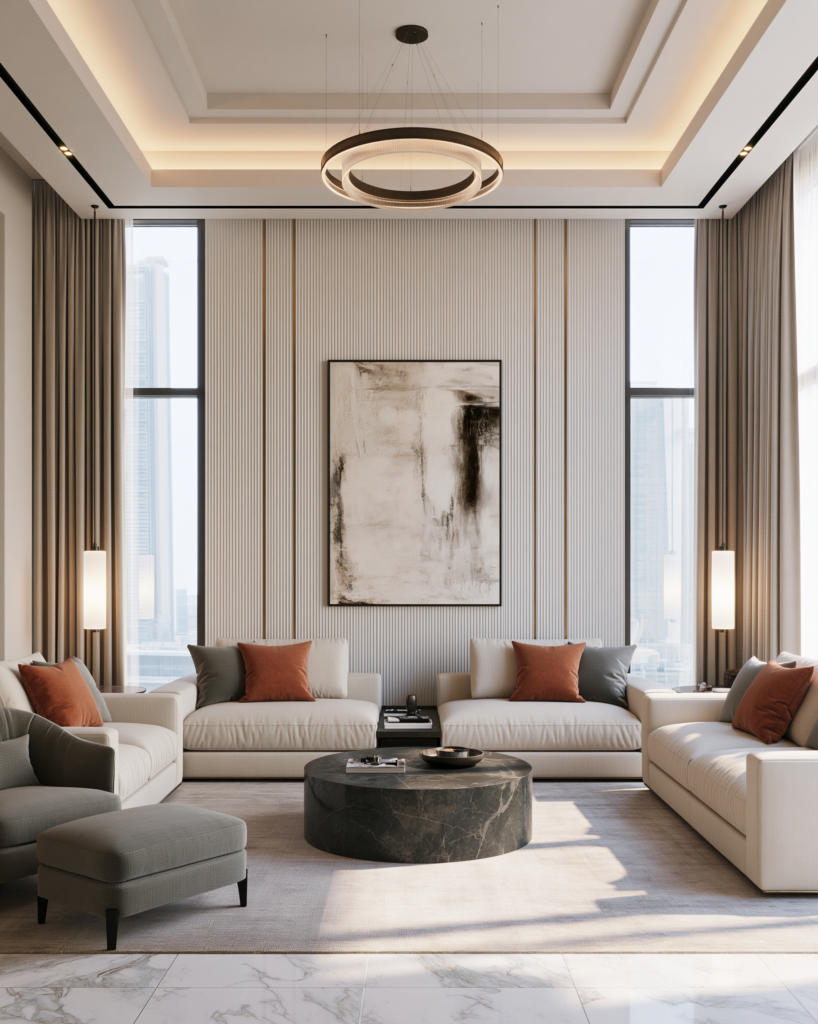
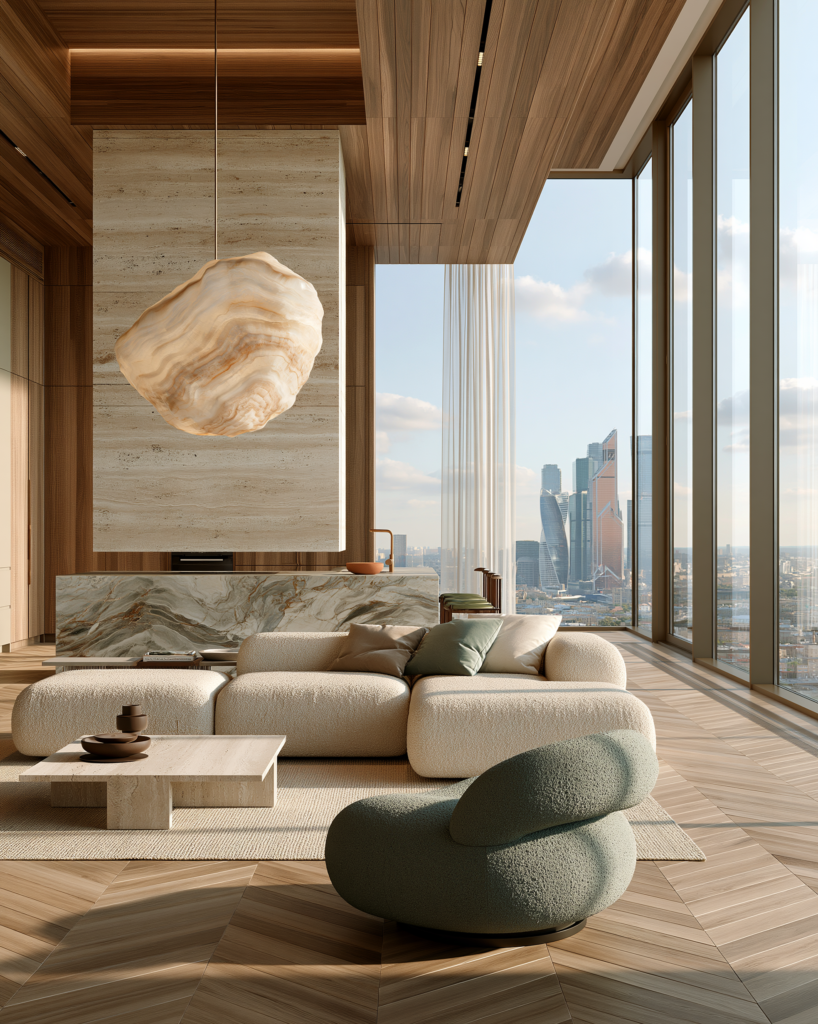
Elegant finished living room with layered lighting, rug and artwork

What to Fix First If Your Home Looks Unfinished

If your home feels unfinished, do not rush to buy more accessories. Start with the foundation.

First, look at layout. Are the furniture pieces arranged in a way that supports conversation, movement and comfort?

Second, check rug size. Is the rug anchoring the furniture, or floating in the room?

Third, look at lighting. Do you have lamps and softer light sources, or only overhead lighting?

Fourth, assess the walls. Do you need artwork, a mirror or a stronger focal point?

Fifth, consider storage. Is clutter visible because there is nowhere for it to go?

Sixth, review texture. Does the room include a mix of fabrics, wood, stone, glass, metal or ceramic?

Seventh, edit. Remove what feels random. Keep what adds beauty, function or meaning.

These fixes are powerful because they address the structure of the room, not just the decoration. A finished home is built in layers, and the lower layers matter most.


Final Thoughts: A Finished Home Is About Layers

The most common interior design mistakes are not about bad taste. They are about missing layers. A room may have furniture but no lighting. Colour but no texture. Accessories but no scale. Storage but no styling. Beauty but no function. Trends but no personality.
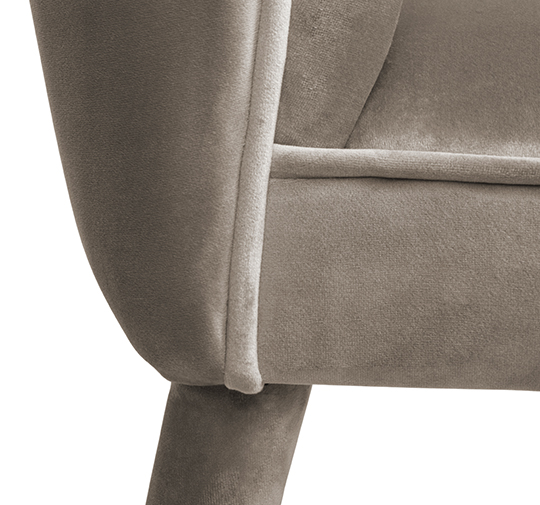
A finished home brings these layers together. It has a layout that works, rugs that anchor, lighting that glows, curtains that soften, walls that speak, storage that hides the mess and personal details that give the room soul.

It does not need to be perfect. In fact, the best homes rarely are. They feel collected, lived in and intentional.

That is the real secret of good interior design. It is not about making a home look expensive for its own sake. It is about making it feel resolved. Every room should have something practical, something beautiful, something personal and something unexpected.

When those layers are present, the home stops feeling unfinished. It begins to feel complete.

What do you think?
Leave a Reply

Blog

Get fresh home inspiration and helpful tips from our interior designers

top
3
    3
    Your Cart
    Algerone Console Table Remove
    Algerone Console Table
    Qty: 1
    Price: £8,604
    £8,604
    Brightwood Chenille Straw Chair Remove
    Brightwood Chenille Straw Chair
    Qty: 1
    Price: £2,827
    £2,827
    Argen Park Grey Cotton And Linen Dining Chair Remove

    Inactive

    Privacy Overview

    This website uses cookies so that we can provide you with the best user experience possible. Cookie information is stored in your browser and performs functions such as recognising you when you return to our website and helping our team to understand which sections of the website you find most interesting and useful.