Lighting and Furniture: The Perfect Pair for Stylish and Functional Living

Lighting and furniture

Walk into any beautifully designed home and you’ll quickly notice something interesting. It’s rarely just the furniture that makes the space feel complete, and it’s not only the lighting either. The magic usually happens when both elements work together naturally.

A well-designed sofa placed under harsh white lighting can suddenly look cold and uncomfortable. On the other hand, even a simple wooden chair can feel luxurious when paired with soft warm lighting that highlights its texture and shape.

That’s why understanding the relationship between lighting and furniture is one of the most important parts of modern interior design.

Many people spend weeks choosing furniture pieces for their homes but treat lighting like an afterthought. They buy beautiful dining tables, elegant accent chairs, or stylish shelves, then rely on a single overhead bulb to carry the entire room. The result is often disappointing, even when the furniture itself is expensive.

The truth is, lighting and furniture should always work together. One supports the other.

Interior designer Kelly Wearstler once said:

“Lighting is the jewelry of the home.”

And honestly, that comparison makes perfect sense. Just like jewelry completes an outfit, lighting completes furniture and transforms the mood of a space.

In modern homes, especially smaller apartments and multifunctional living spaces, the connection between lighting and furniture has become even more important. People want homes that feel:

  • stylish
  • comfortable
  • functional
  • warm
  • visually balanced

The good news is that creating that balance doesn’t always require a massive budget or a complete renovation. Sometimes, a few thoughtful adjustments completely change how a room feels.

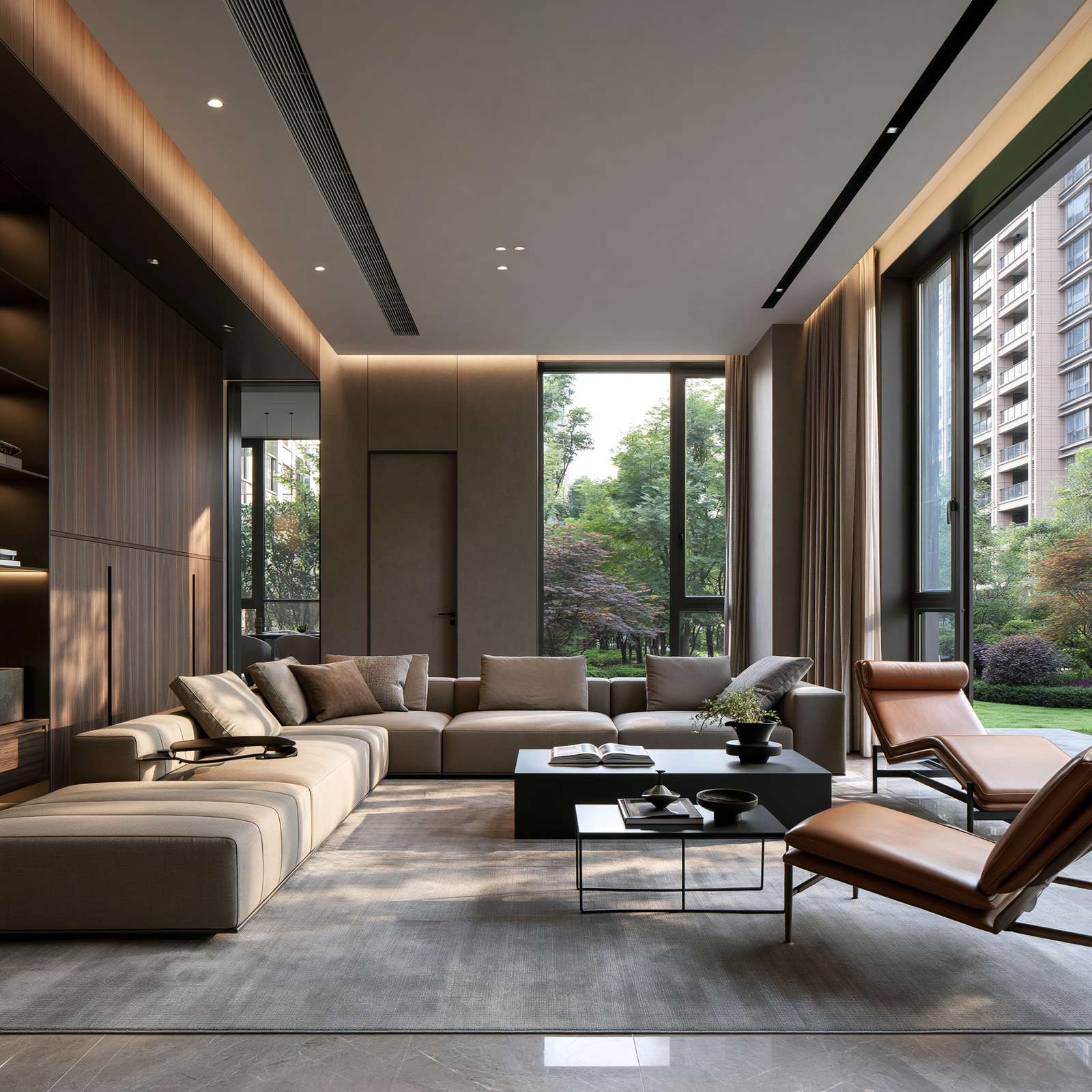
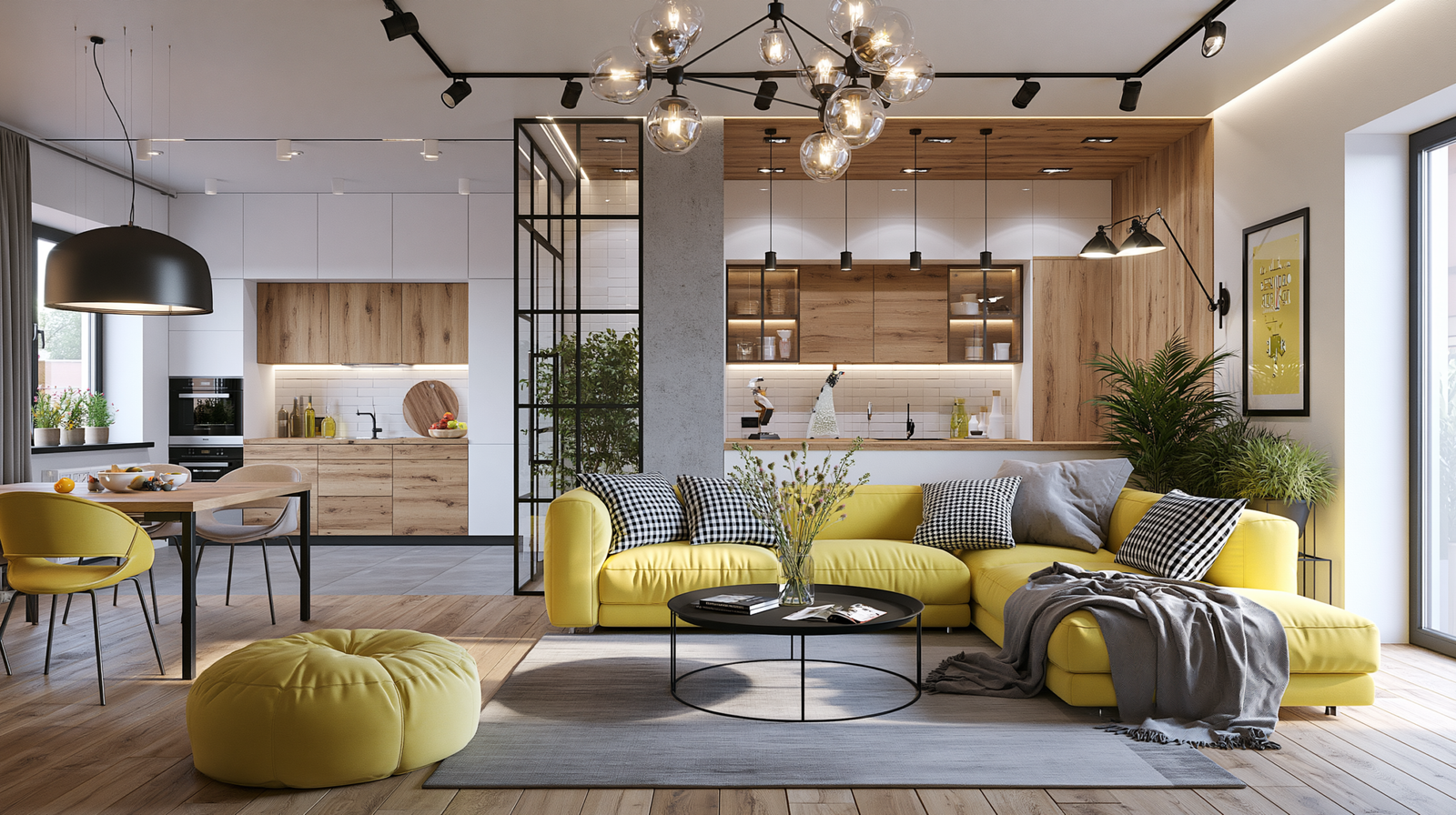
Ideal Home recommends using multiple sources of light in a small living room rather than relying on one overhead fitting. This works well in compact urban homes because layered lighting creates softness, flexibility and a more finished interior.

lighting and furniture

Why Lighting and Furniture Should Never Be Treated Separately

One of the biggest interior design mistakes people make is viewing furniture and lighting as two unrelated decisions.

In reality, furniture creates structure while lighting creates atmosphere.

Without proper lighting:

  • textures disappear
  • colors look dull
  • rooms feel flat
  • furniture loses character

Good lighting allows furniture to stand out properly.

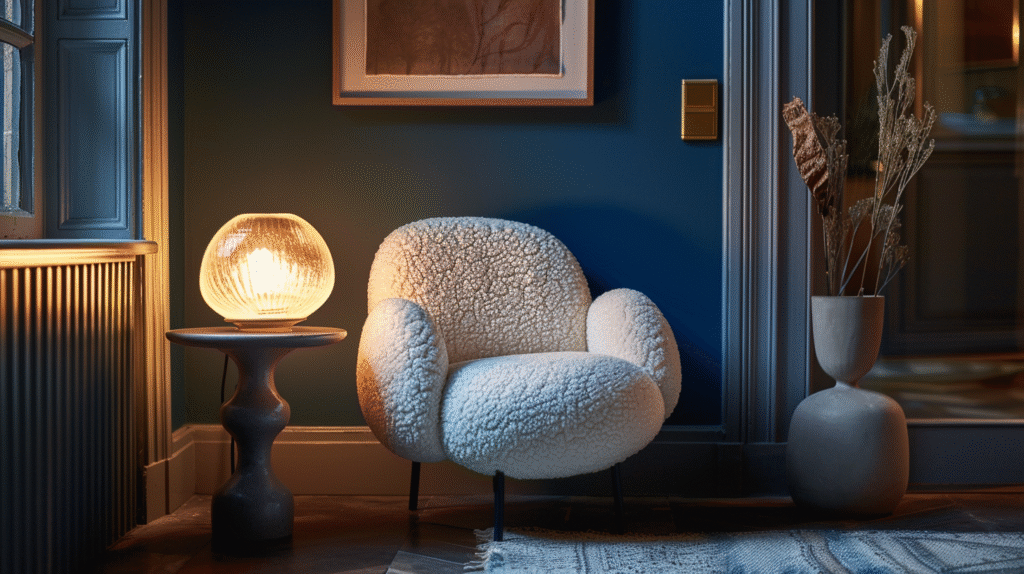
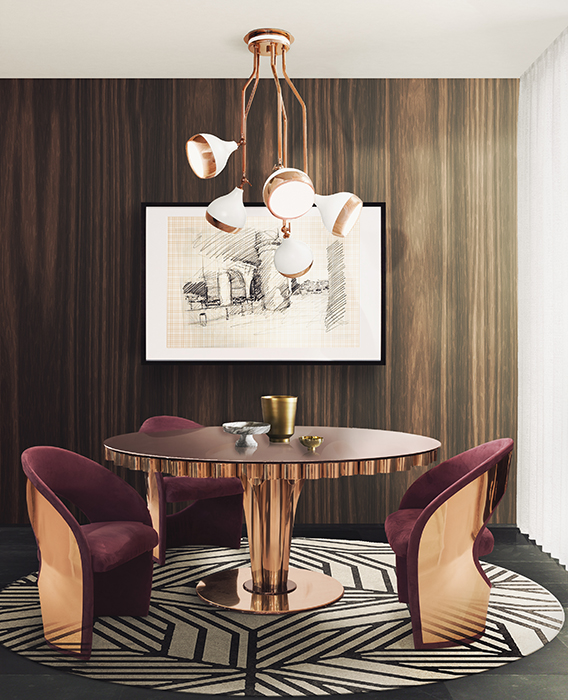
A velvet chair looks richer under warm layered lighting. Wooden furniture appears warmer when natural lighting is emphasized. Metallic accents become softer and more elegant when indirect lighting is used.

Lighting affects how we emotionally experience furniture.

That’s something many homeowners don’t realize until they change a light fixture and suddenly the entire room feels different.

Lighting plays a huge role in creating that feeling.

The Difference Between Functional Lighting and Mood Lighting

When discussing lighting and furniture, it’s important to understand that not all lighting serves the same purpose.

Some lighting is practical.

Other lighting is emotional.

The best interiors usually combine both.

Functional Lighting

Functional lighting helps people perform everyday activities comfortably.

Examples include:

  • reading lamps
  • kitchen pendant lights
  • desk lighting
  • bathroom vanity lights

This type of lighting improves visibility and usability.

For example, a beautifully designed reading chair becomes far more useful when paired with a floor lamp positioned correctly beside it.

Without the right lighting, even the most stylish furniture can become inconvenient to use.

Mood Lighting

Mood lighting creates atmosphere.

This includes:

  • warm table lamps
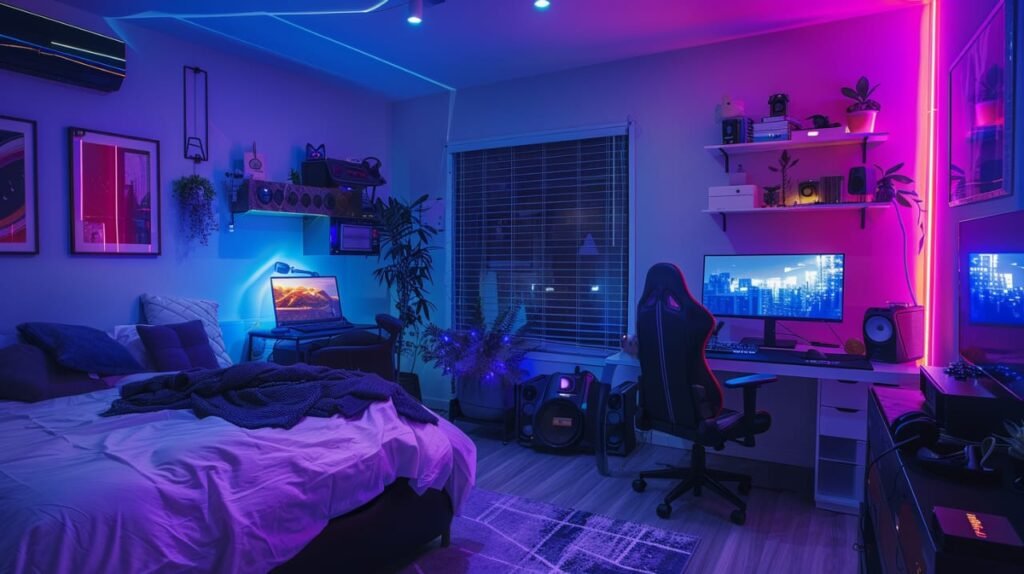
  • hidden LED lighting
  • wall sconces
  • soft ambient lighting

Mood lighting helps furniture feel inviting instead of purely decorative.

Think about restaurants or luxury hotels. The furniture is important, but the lighting is often what makes the space memorable.

Soft warm lighting naturally makes rooms feel:

  • calmer
  • cozier
  • more intimate
  • more luxurious

That emotional connection matters in home design.

lighting and furniture

How Lighting Changes the Appearance of Furniture

This is one of the most overlooked parts of interior design.

Lighting dramatically affects:

  • color perception
  • texture visibility
  • furniture shape
  • room depth

A beige sofa under cool white lighting may suddenly look grey. Dark wood furniture under poor lighting can appear almost black and lose its richness.

Meanwhile, layered warm lighting brings out details people normally wouldn’t notice.

Interior stylist Emily Henderson often emphasizes that lighting determines how materials and finishes are experienced inside a room.

That’s especially true for:

  • marble surfaces
  • velvet textures
  • natural wood
  • woven furniture
  • metallic accents

Good lighting allows these materials to feel alive.


Why Layered Lighting Works Best in Modern Homes

One ceiling light is rarely enough for a modern living space.

Layered lighting creates depth and flexibility.

This means combining:

  • overhead lighting
  • floor lamps
  • table lamps
  • wall lighting
  • accent lighting

Each layer serves a different purpose.

For example:

  • overhead lighting provides visibility
  • table lamps add warmth
  • accent lighting highlights furniture or decor
  • floor lamps create balance in empty corners

This combination prevents rooms from feeling flat or overly harsh.

Layered lighting also allows homeowners to adjust the mood throughout the day.

Morning lighting needs are different from evening relaxation.

That flexibility makes a home feel more lived-in and comfortable.


The Best Lighting Choices for Different Furniture Styles

Not every furniture style works with the same type of lighting.

This is where many interiors lose visual harmony.

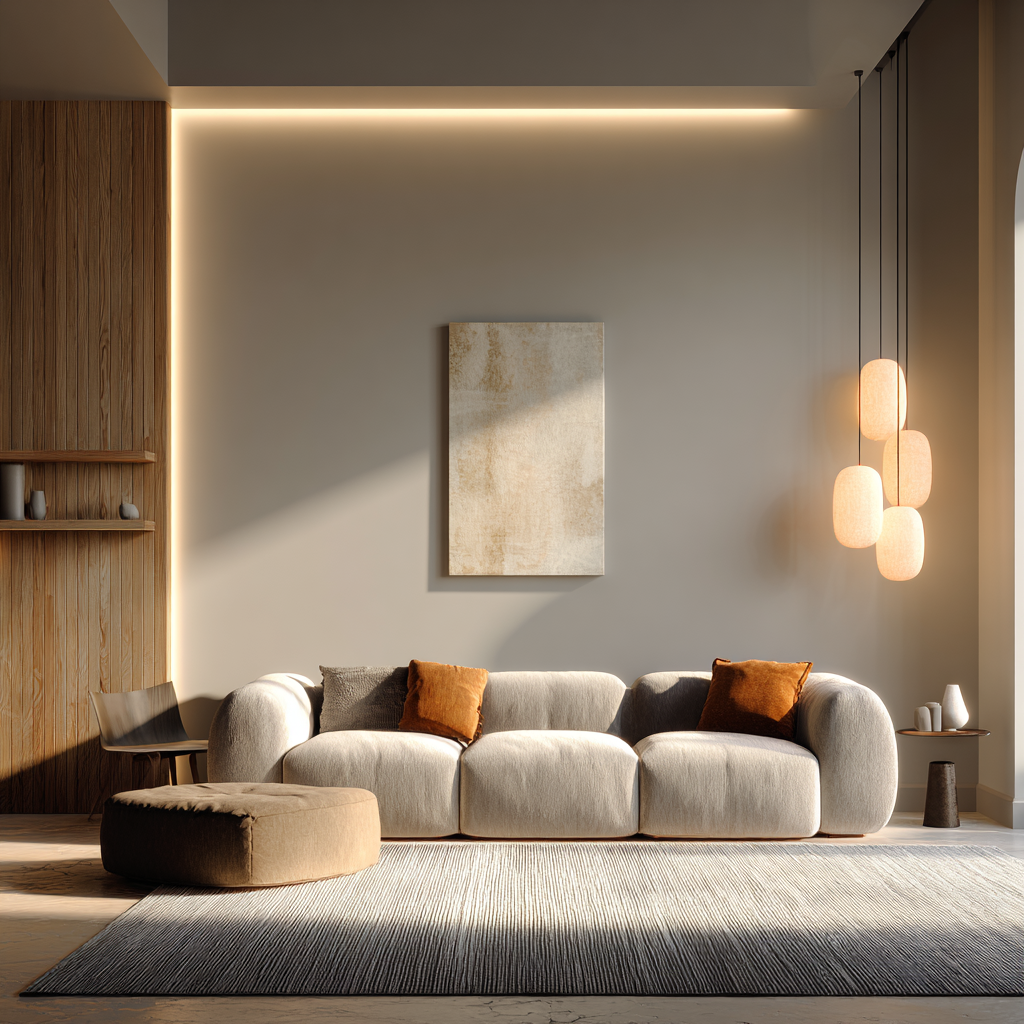
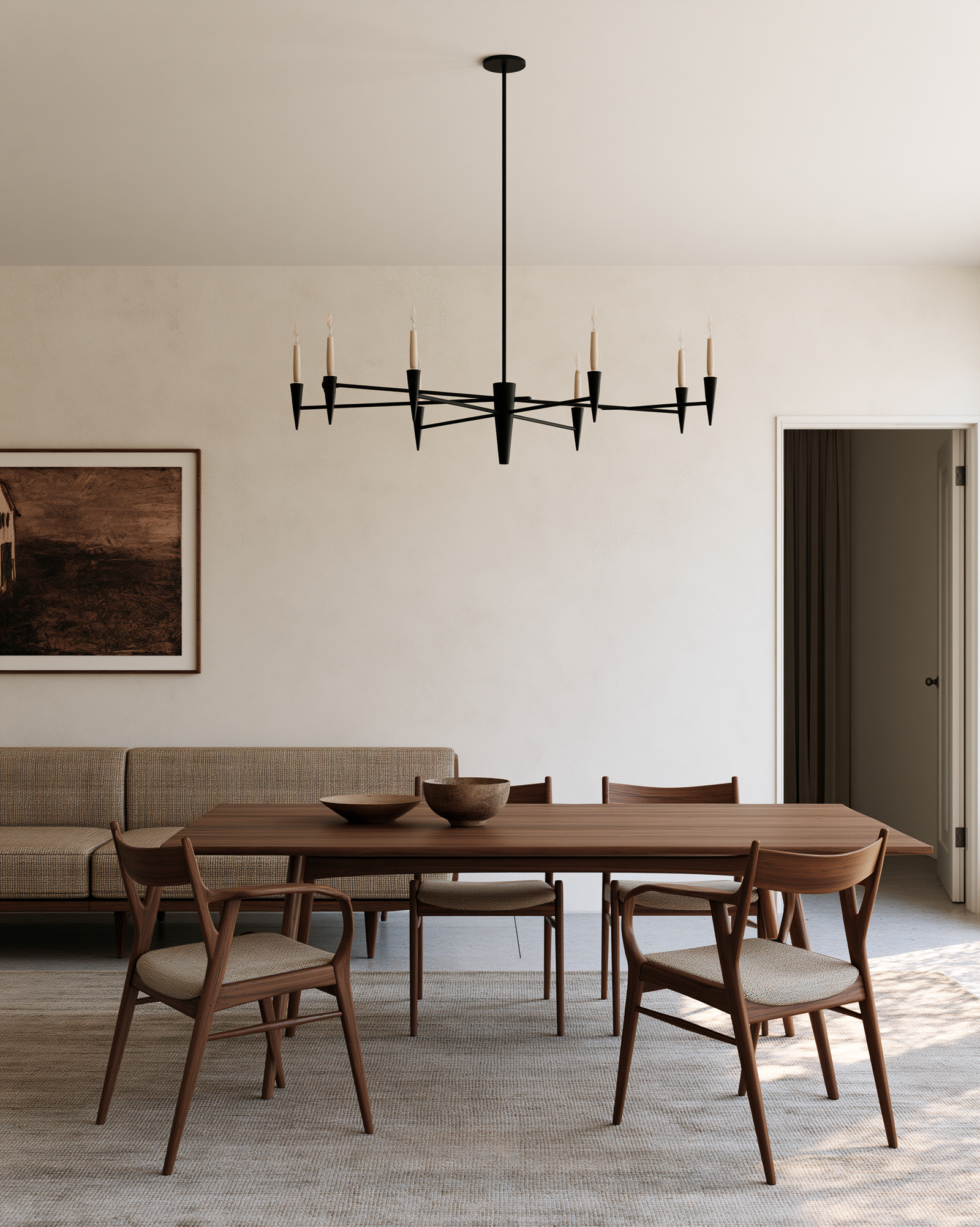
Modern Minimalist Furniture

Minimalist furniture often looks best with:

  • warm LED lighting
  • clean pendant lights
  • recessed lighting
  • subtle floor lamps

Too much dramatic lighting can overpower minimalist interiors.

The goal is softness and simplicity.

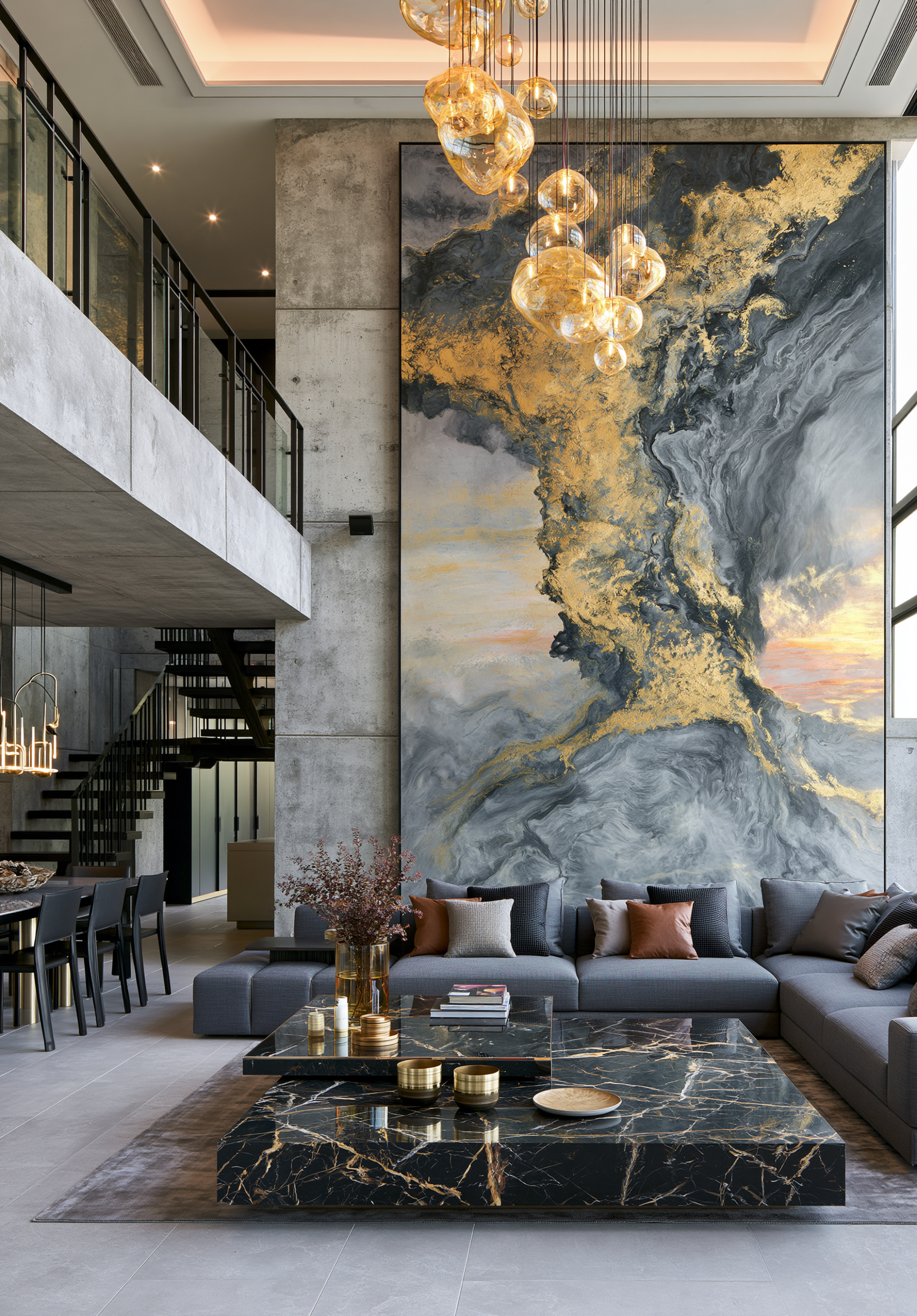
Luxury Furniture

Luxury furniture benefits from:

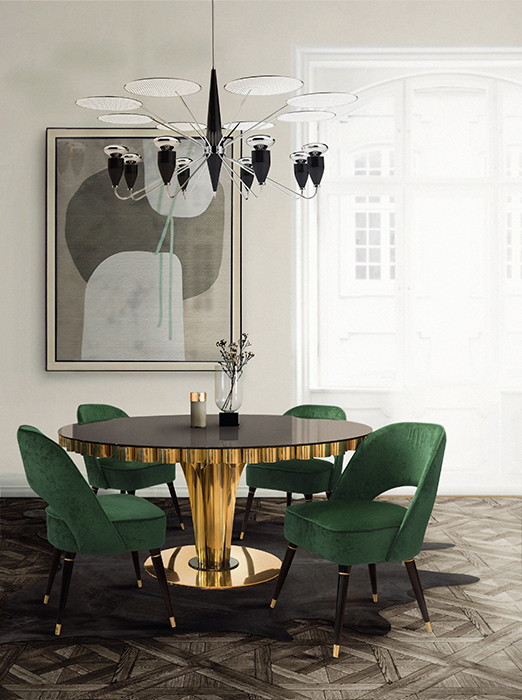
  • statement chandeliers
  • warm ambient lighting
  • layered accent lighting

Lighting helps emphasize premium materials like:

  • velvet
  • leather
  • marble
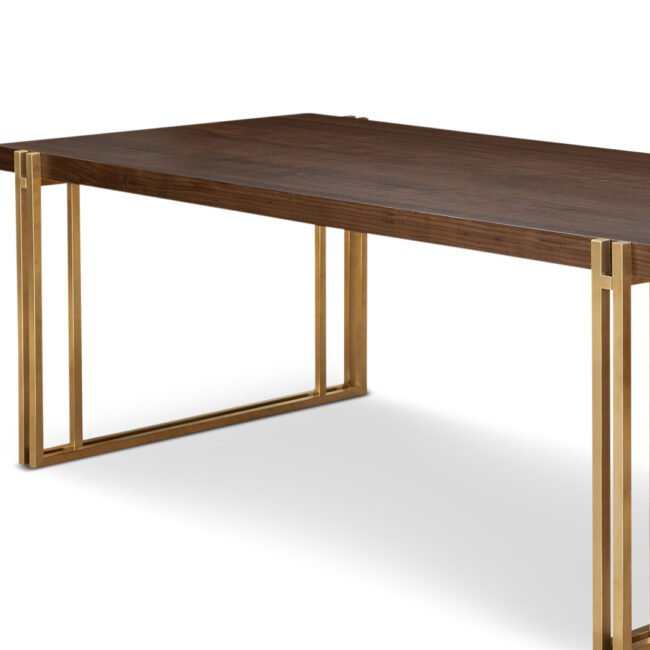
  • brass

Without proper lighting, luxury furniture can lose much of its visual impact.

Rustic or Natural Furniture

Wooden and earthy furniture styles pair beautifully with:

  • warm yellow-toned lighting
  • woven pendant lamps
  • soft wall sconces

Natural textures feel warmer under softer light temperatures.

This creates a relaxed and welcoming atmosphere.

Small Spaces Need Smarter Lighting and Furniture Pairing


Homebuilding & Renovating notes that clever lighting placement can help define different areas in a small living room without relying on walls or bulky furniture. For urban homes, this is a simple way to create a reading corner, dining zone or relaxed seating area while keeping the layout open.


In compact homes, lighting becomes even more important.

Poor lighting can instantly make a small room feel tighter.

That’s why many modern apartments now combine:

  • multifunctional furniture
  • strategic lighting
  • vertical storage
  • reflective surfaces

For example:

  • wall-mounted lights save table space
  • mirrors reflect light and expand rooms visually
  • storage furniture reduces clutter
  • floor lamps define corners without adding heaviness

When lighting and furniture work together properly, even small apartments can feel open and breathable.

This is one reason “small-space living” content performs so well online. People are constantly searching for realistic ways to make compact homes feel more comfortable.


Warm Lighting vs Cool Lighting in Interior Design

The temperature of lighting changes how furniture feels emotionally.

Warm Lighting

Warm lighting usually creates:

  • comfort
  • relaxation
  • coziness
  • intimacy

This works especially well in:

  • bedrooms
  • living rooms
  • lounges
  • dining spaces

Warm lighting complements:

  • wood furniture
  • earthy tones
  • neutral interiors
  • soft fabrics

Cool Lighting

Cool lighting feels:

  • brighter
  • sharper
  • cleaner

This is often used in:

  • kitchens
  • offices
  • bathrooms

However, using cool lighting throughout an entire home can sometimes make furniture feel less inviting.

Most modern interiors now prefer softer warm tones because they create a more welcoming atmosphere.

Statement Lighting Is Becoming Part of Furniture Design

One major trend in modern interior design is the rise of statement lighting.

Light fixtures are no longer treated as background accessories.

They are now focal points.

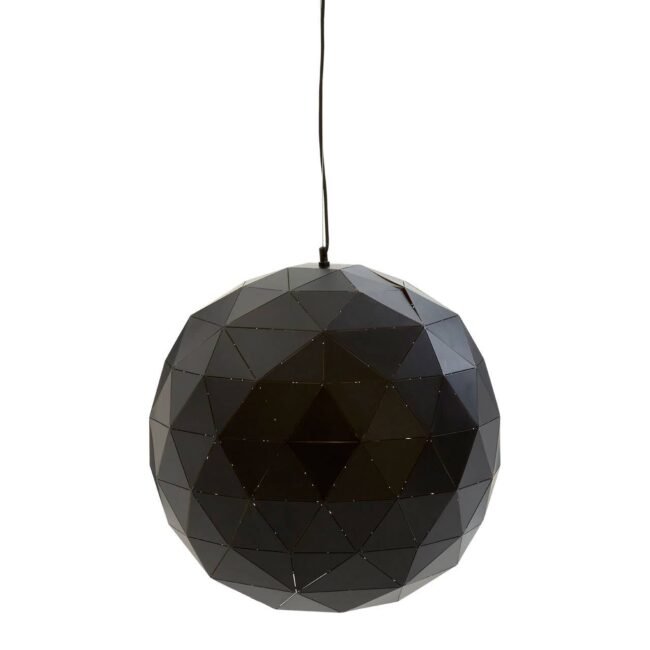
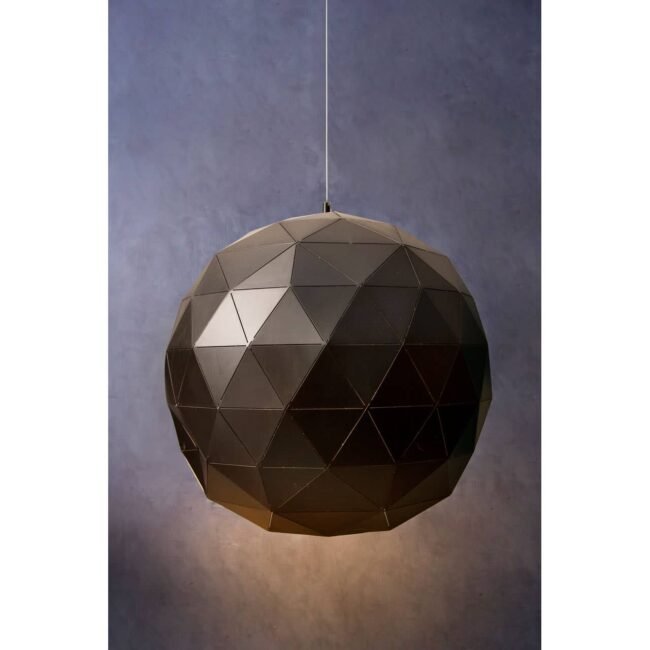
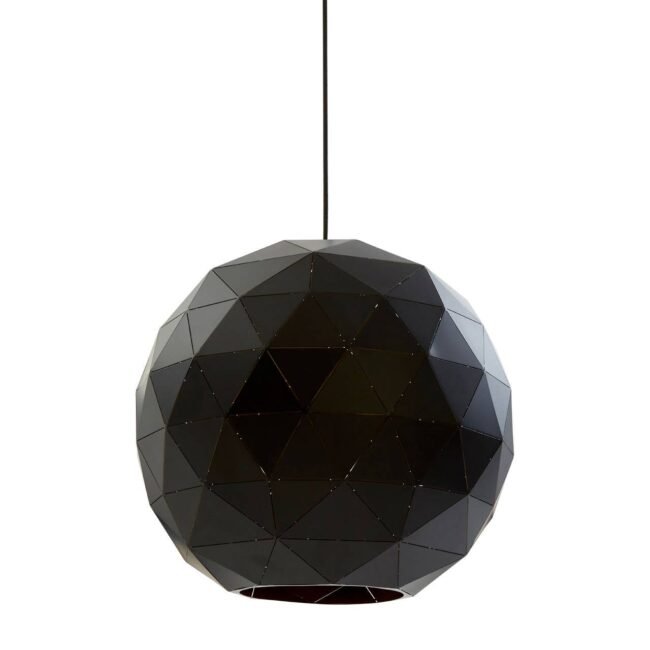
Pendant lights, sculptural lamps, oversized floor lamps, and artistic chandeliers are increasingly becoming design features on their own.

This shift changes how furniture layouts are planned.

For example:

  • a dining table may be centered around a dramatic pendant light
  • a lounge chair might be styled beneath an oversized arc lamp
  • floating shelves may include integrated LED lighting

Furniture and lighting are becoming more connected than ever before.

For trend inspiration, Dezeen regularly features modern interiors that blend furniture and architectural lighting beautifully.

Common Mistakes People Make With Lighting and Furniture

Even beautifully furnished homes can feel incomplete when lighting is handled poorly.

Some common mistakes include:

Using Only One Light Source

This creates harsh shadows and flat interiors.

Ignoring Scale

Tiny lamps beside oversized furniture often look visually awkward.

Choosing Style Over Function

Some lights look beautiful but provide poor illumination.

Balance matters.

Using Extremely Cool White Bulbs Everywhere

This often makes homes feel cold and less inviting.

Blocking natural light

Natural lighting should always be maximized when possible.

How to Make Your Home Feel More Expensive Without Overspending

One of the most interesting things about lighting and furniture is that they can completely change perceived luxury.

A modest room with:

  • good lighting
  • balanced furniture placement
  • warm tones
  • layered textures

can feel far more premium than an expensive room designed poorly.

Simple upgrades like:

  • replacing harsh bulbs
  • adding floor lamps
  • styling side tables
  • using warm ambient lighting

often create dramatic improvements.

This is why interior designers focus heavily on atmosphere instead of only expensive products.

Choosing Furniture With Lighting in Mind

When shopping for furniture, people usually think about:

  • size
  • color
  • price
  • material

But lighting should also influence those decisions.

For example:

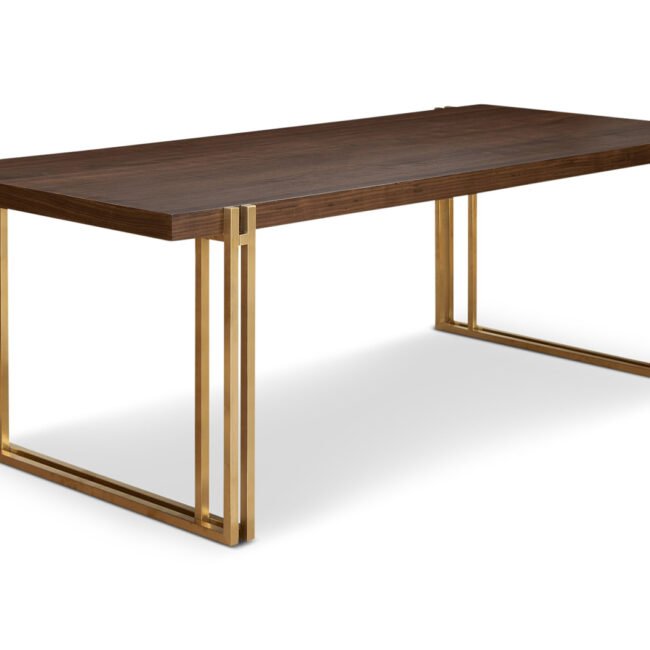
  • glossy furniture reflects light differently than matte finishes
  • darker furniture absorbs more light
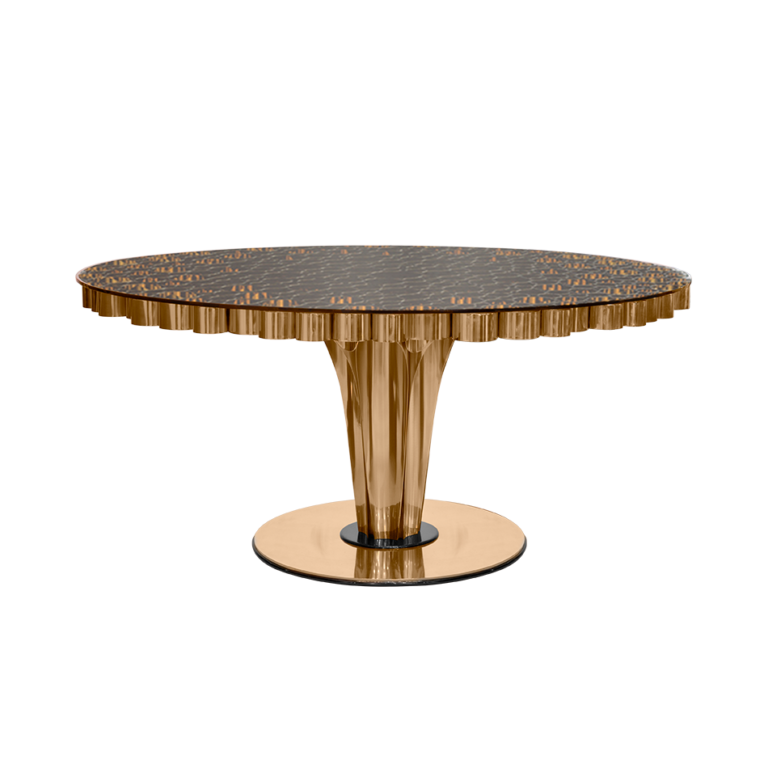
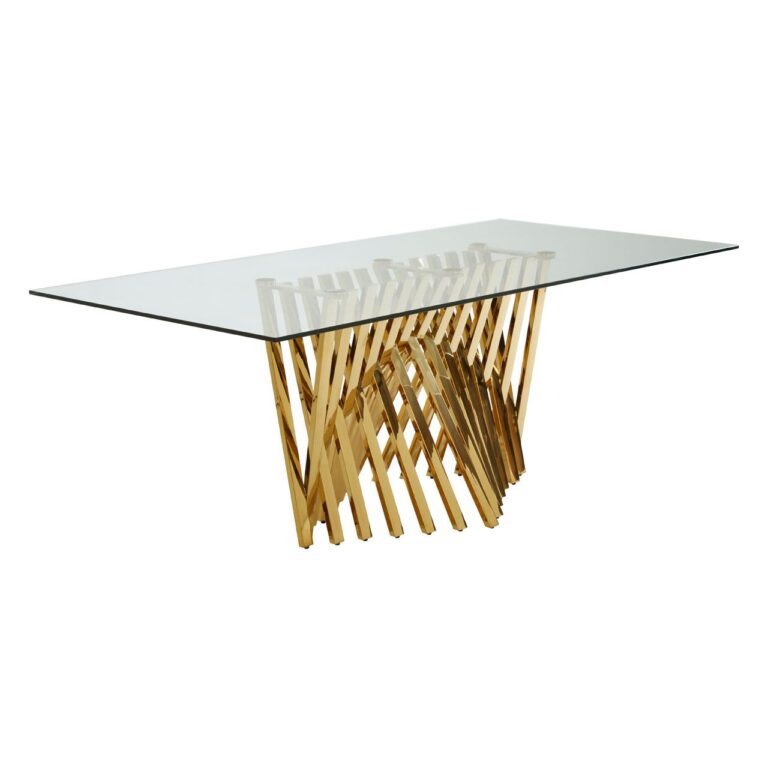
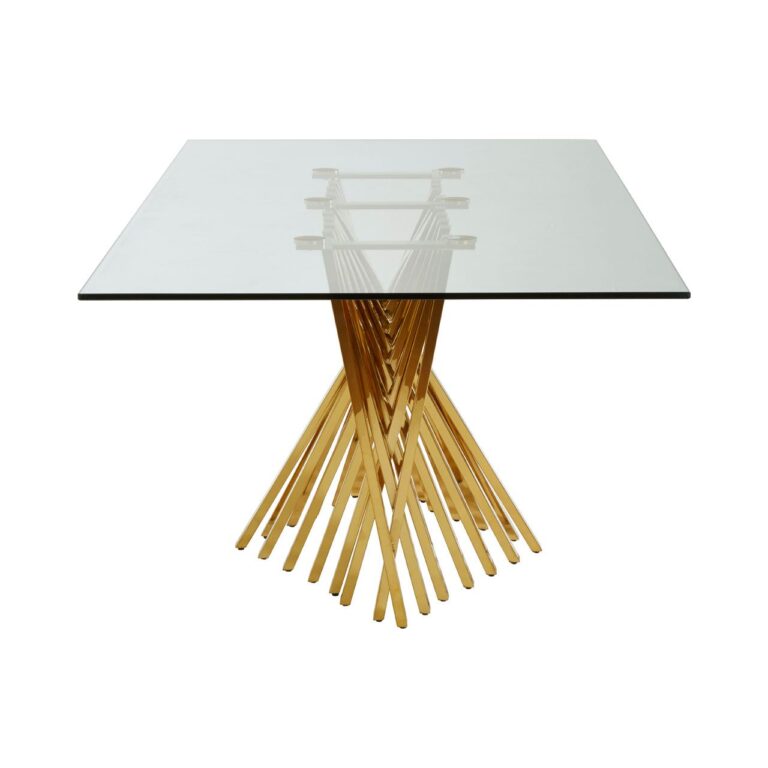
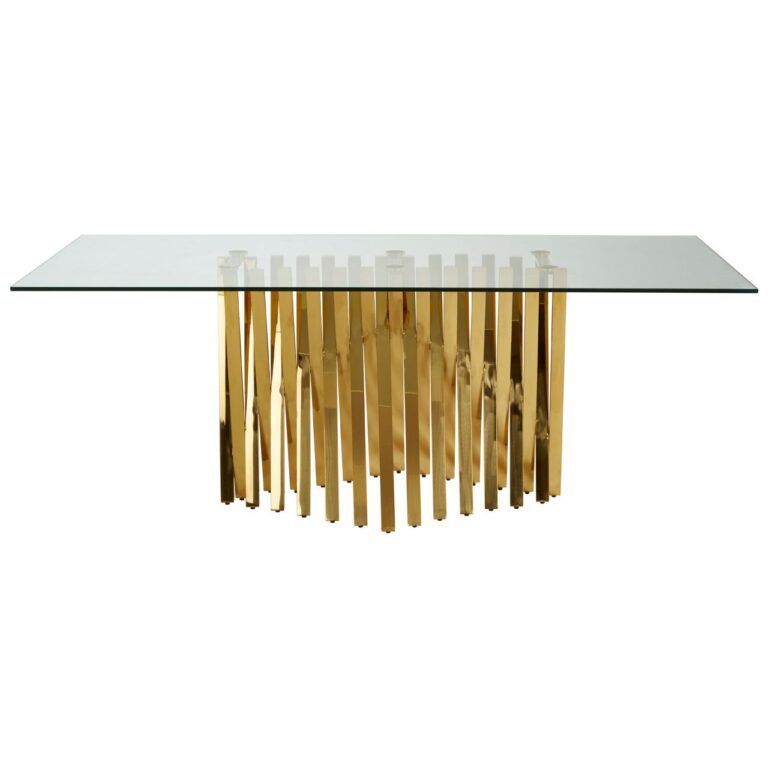
  • glass furniture helps smaller rooms feel brighter
  • open-leg furniture allows light to travel more freely

These details affect the overall mood of a room more than many people realize.

If you plan to feature products within your blog or store, this is a perfect opportunity to naturally recommend:

  • warm-toned floor lamps
  • multifunctional side tables
  • minimalist shelving
  • statement pendant lights
  • compact lighting-friendly furniture

This creates a smoother transition between educational content and product recommendations.

What do you think?
Leave a Reply

Blog

Get fresh home inspiration and helpful tips from our interior designers

top
1
    1
    Your Cart
    Stanton White Wash 5Pc Dining Set Remove
    Stanton White Wash 5Pc Dining Set
    Qty: 1
    Price: £1,088
    £1,088

    Inactive

    Privacy Overview

    This website uses cookies so that we can provide you with the best user experience possible. Cookie information is stored in your browser and performs functions such as recognising you when you return to our website and helping our team to understand which sections of the website you find most interesting and useful.