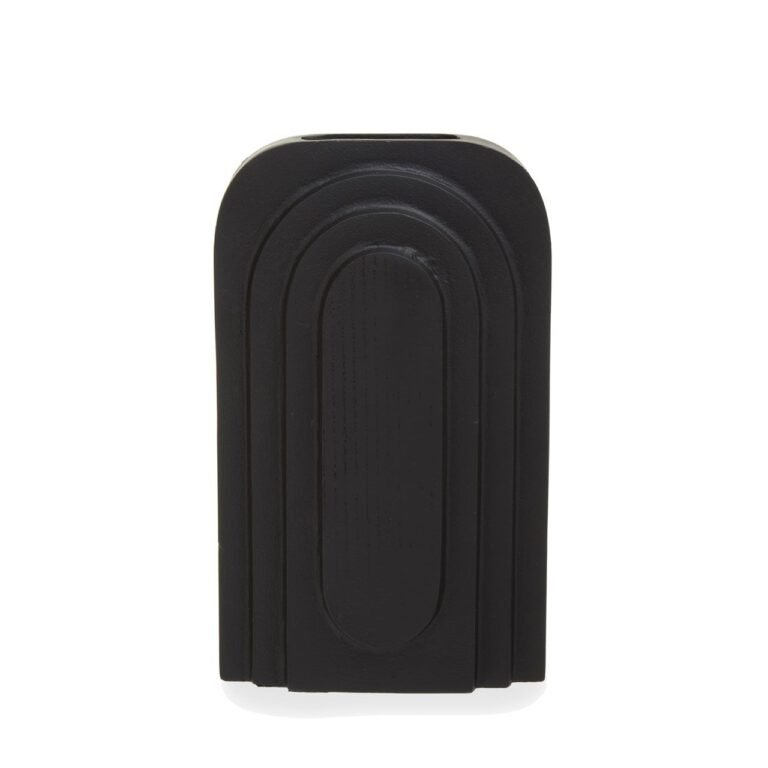
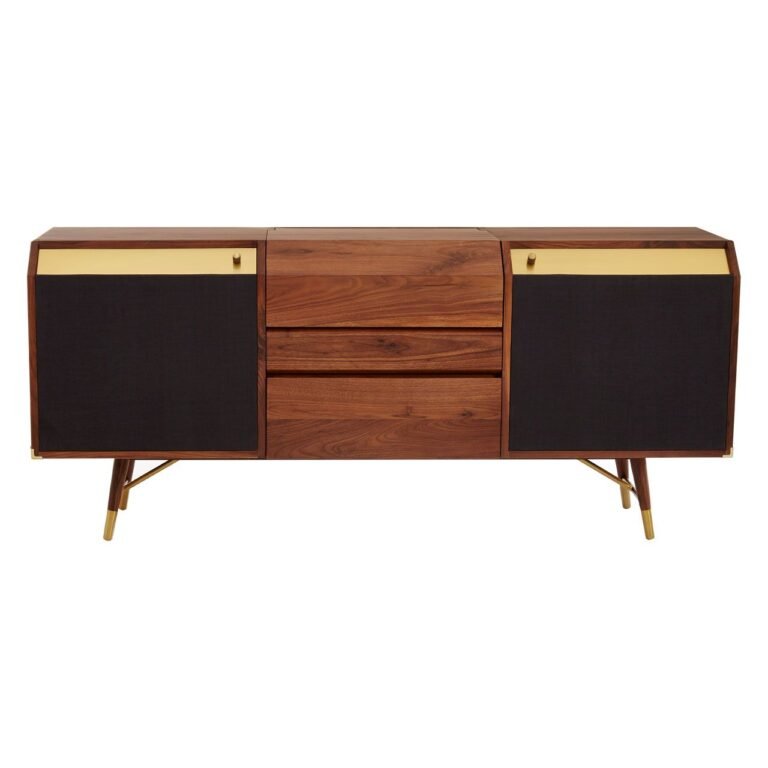
Material Drenching: Elevate Your Interiors by Cladding in One Material

Material Drenching

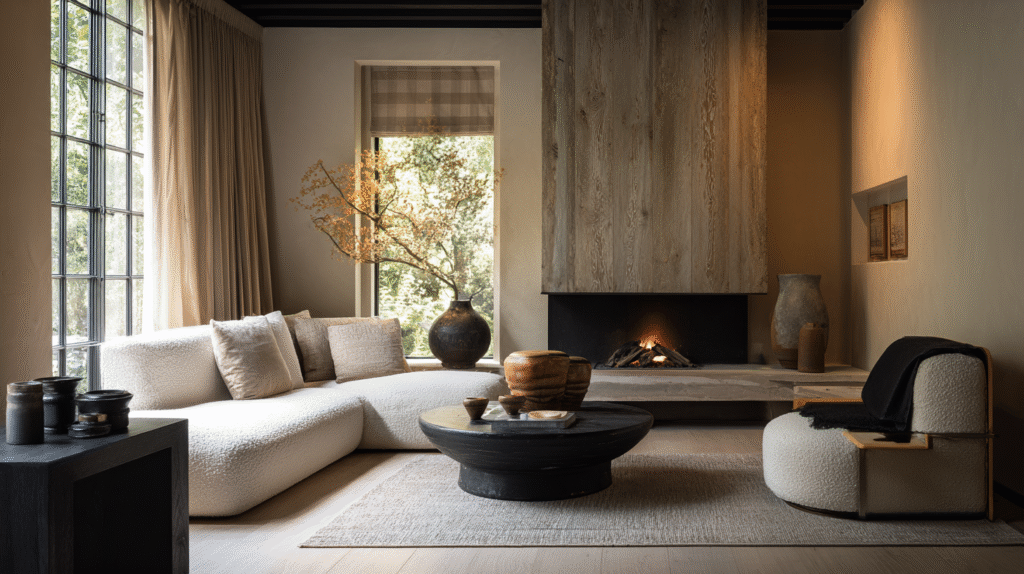
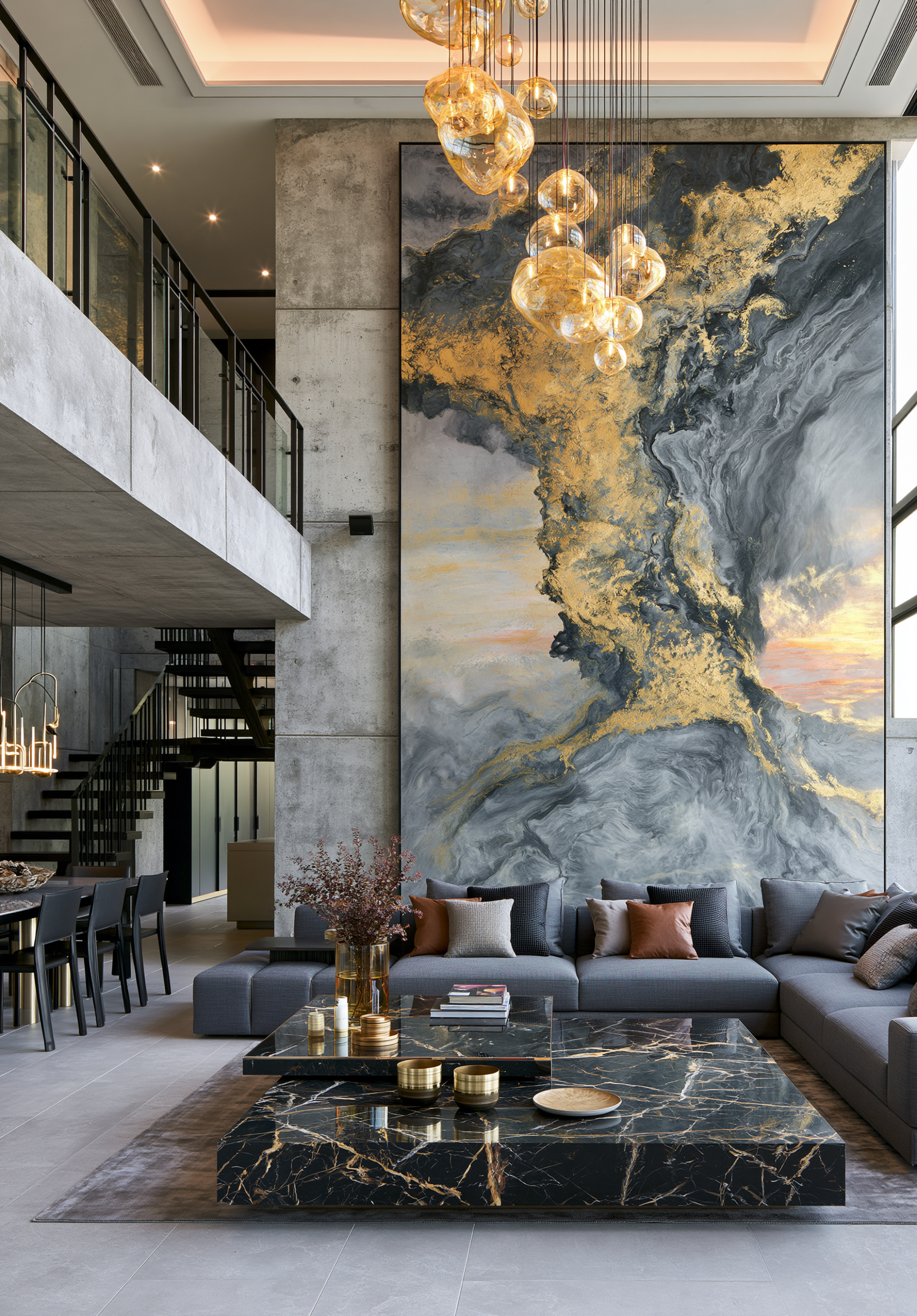
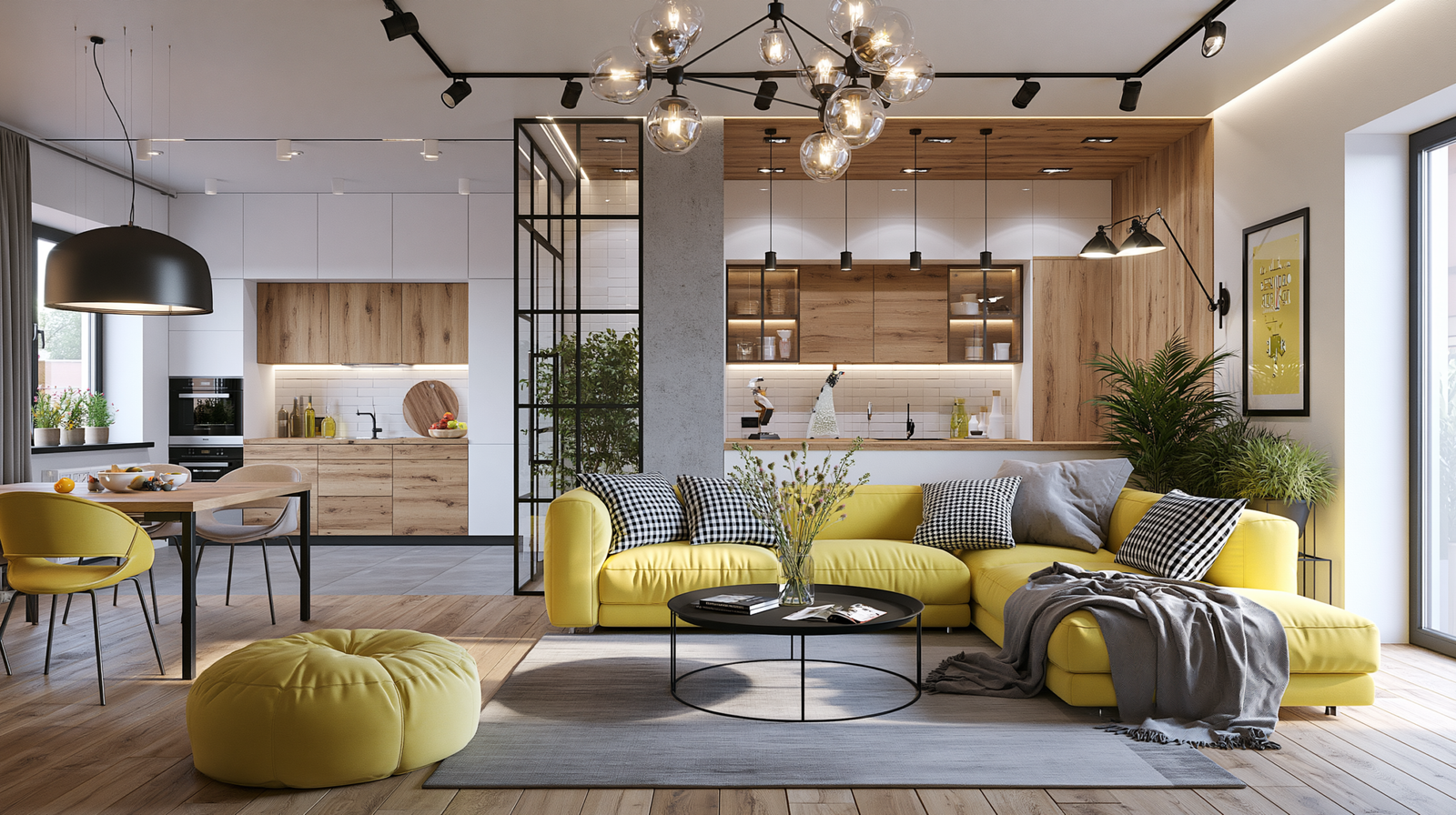
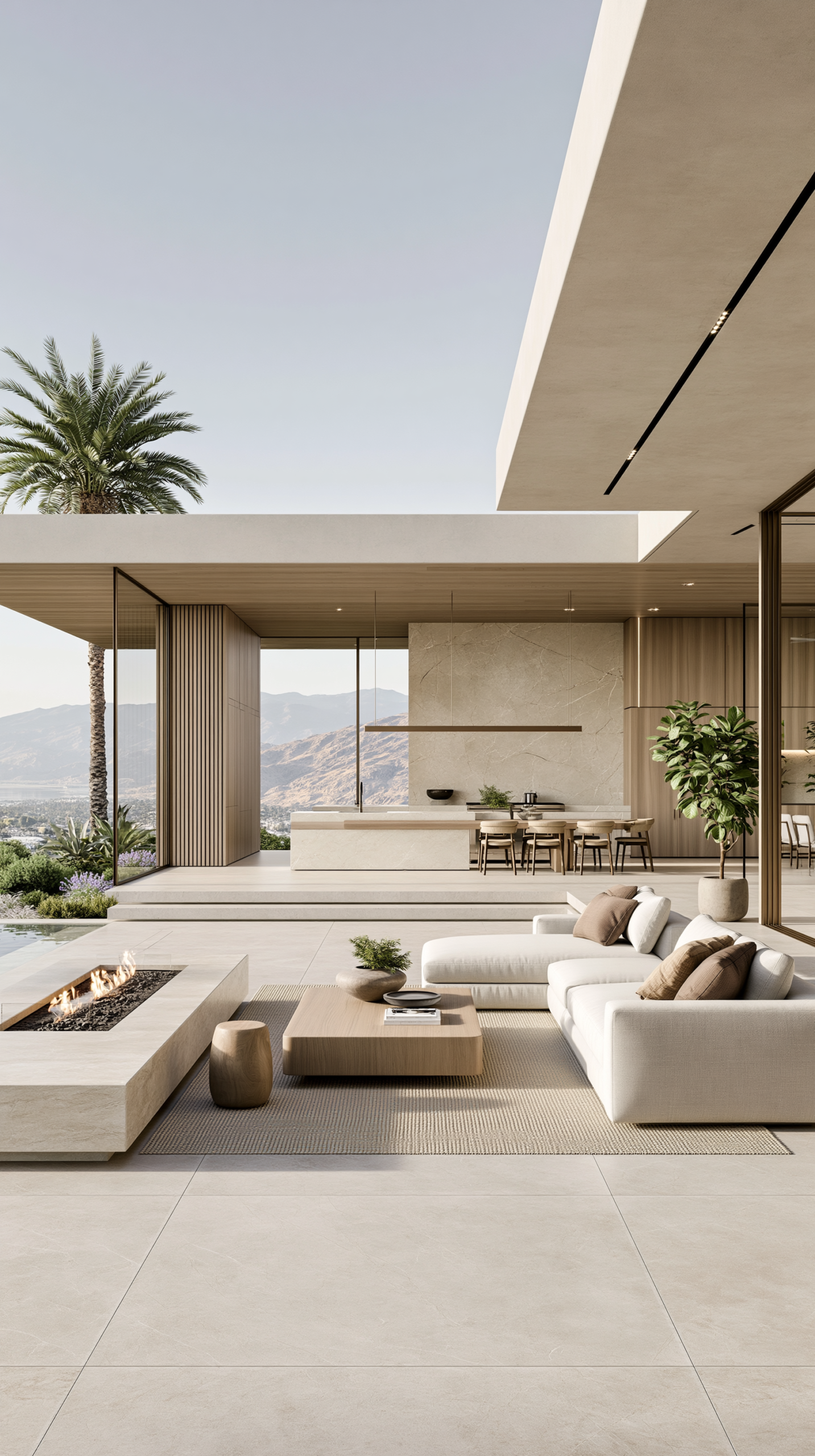
Material drenching is having a major moment in interior design. But this isn’t about matchy-matchy rooms or safe, monochromatic palettes. It’s a full-bodied, unapologetic design move: selecting one material and using it across walls, ceilings, floors, furniture—and sometimes even lighting fixtures. The result is immersive, powerful, and deeply expressive. Designers are no longer just decorating with materials; they’re composing environments where the material itself is the main character. From velvet-wrapped dens to microcement bathrooms and walnut-paneled studies, material drenching is redefining what bold interior design looks like.

The reason for its rise is multifaceted. First, there’s the visual impact. A fully drenched space can feel like a scene from a cinematic universe, cohesive and transporting. It grabs attention without screaming for it. Then there’s the sensory appeal. Walking into a room where the material surrounds you—same grain of wood underfoot and overhead, or soft limewash that curves up the wall and over the ceiling—creates a cocooning effect. It’s intimate and immersive, a far cry from the piecemeal approach of mixing unrelated surfaces and finishes.

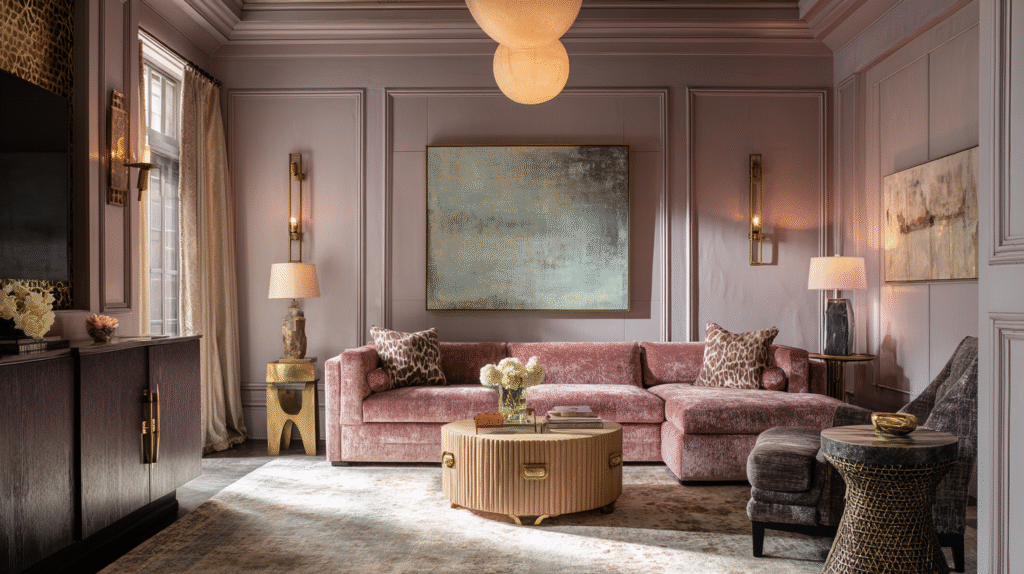
Material drenching also supports both minimalist and maximalist philosophies. For minimalists, it provides a way to simplify the visual palette while maintaining interest through texture and nuance. For maximalists, it becomes a canvas—one bold move that gives permission for others. When every surface is velvet, suddenly a fringe ottoman, gilded lamp, or leopard pillow doesn’t feel excessive—it feels curated.

As the design world shifts away from overdecorated rooms toward more thoughtful storytelling through materials, material drenching emerges as a strategy that’s both modern and timeless. It communicates intent. It says, “This wasn’t an accident—this was a decision.”

In 2025, material drenching is being embraced across interiors of all scales, from cozy powder rooms to expansive open-plan lofts. Instagram and Pinterest are full of these cocoon-like spaces where surface uniformity speaks volumes. And with more materials being developed in flexible formats—like waterproof velvets, peel-and-stick stone veneers, and bendable microcement—this technique is no longer limited to high-end custom builds.

In short, material drenching is bold, beautiful, and surprisingly versatile. Whether you’re renovating a bathroom or designing a living room from scratch, this technique could be the statement your space needs. What matters most isn’t the material itself—it’s your willingness to commit to it. Because in material drenching, confidence is everything.

Before taking material drenching from an initial concept to an entire room, assemble physical samples of every proposed finish. View them beside the existing floor, furniture and architectural details during the morning, afternoon and evening. Artificial lighting can make the same material appear warmer, cooler, flatter or more reflective, so test it beneath both wall lamps and table lamps where possible. A nearby rug can also reveal whether the dominant material needs more softness or contrast. For a fuller explanation of these visual changes, see Why Paint Colours Look Different at Home.

The Psychology of Saturation: Why Material Drenching Feels So Luxe

Material drenching

There’s a powerful emotional response tied to material drenching. When a single material envelops a space, it eliminates visual noise and amplifies mood. Psychologically, this technique taps into our need for cohesion, comfort, and sensory clarity. Entering a marble-drenched bathroom or a velvet-wrapped lounge doesn’t just look luxurious—it feels luxurious. That’s the secret: the body recognizes the repetition, and the brain reads it as calm, composed, and deeply intentional.

The appeal is rooted in sensory immersion. Material drenching transforms a space from functional to atmospheric. The warmth of walnut, the cool sheen of zellige tiles, or the velvety softness of textile-covered walls—these aren’t just aesthetic choices. They’re tactile experiences. And when repeated across an entire room, they create a kind of design hypnosis, where the environment becomes greater than the sum of its parts.

This approach can be particularly effective in small or transitional spaces. Powder rooms, nooks, and hallways are perfect for material drenching because they benefit from exaggerated character. A fully tiled hallway in rich terracotta zellige or a microcement-coated stairwell instantly feels curated, even theatrical. In contrast, traditional design often treats these spaces as afterthoughts. Material drenching makes them memorable.

On a deeper level, material drenching addresses a growing desire for stillness in our overstimulated lives. Open-concept homes filled with clashing materials, screens, and open shelving can quickly become overwhelming. But a room in one material? It centers you. It creates visual silence. That’s why wellness retreats and boutique hotels often use this technique—they’re building sanctuaries.

And here’s the real luxury: restraint. It’s easy to throw every texture and tone into a room and hope it works. But curating one material—just one—and using it confidently? That takes discipline. That’s where the sophistication lies. It says, “I don’t need more. I just need the right thing.”

In terms of investment, material drenching doesn’t have to be expensive. Laminate can mimic wood, and limewash paint is more accessible than ever. Even renters can experiment with removable wallpaper, matching curtains, and fabric wall panels. The goal isn’t cost—it’s cohesion.

A practical way to achieve that cohesion is to repeat the material at three levels: the architectural envelope, the principal furniture and the smaller tactile details. A velvet scheme, for example, might begin with curtains or wall panels, continue through a carefully selected sofa or accent chair, and conclude with restrained cushions and throws. The surfaces need not be identical; controlled variations in weave, pile and sheen prevent the room from feeling manufactured. Our guide to neuroaesthetics in interior design explains more about how visual order, texture and sensory cues can influence the experience of a room.

So whether you’re leaning into plaster, velvet, terrazzo, or travertine, know this: material drenching delivers far more than a visual punch. It offers an emotional one. It’s interior design with depth, intention, and undeniable style.

Rules of the Drench: When and Where to Go All In

Rules of the Drench

To master material drenching, designers must understand when, where, and how to implement it for maximum impact. While the technique is visually striking, it’s the strategic application that turns it from a gimmick into a hallmark of high-end interiors. The golden rule? Be bold, but not blind. Every choice should be driven by material behavior, room function, and spatial harmony.

Start with spaces that can benefit from intensity. Material drenching thrives in small rooms—powder rooms, vestibules, reading nooks—where visual drama feels cozy rather than overwhelming. In these areas, drenching can transform the ordinary into the unforgettable. A terracotta zellige-clad powder room or a monochrome velvet reading alcove immediately conveys luxury, confidence, and high design.

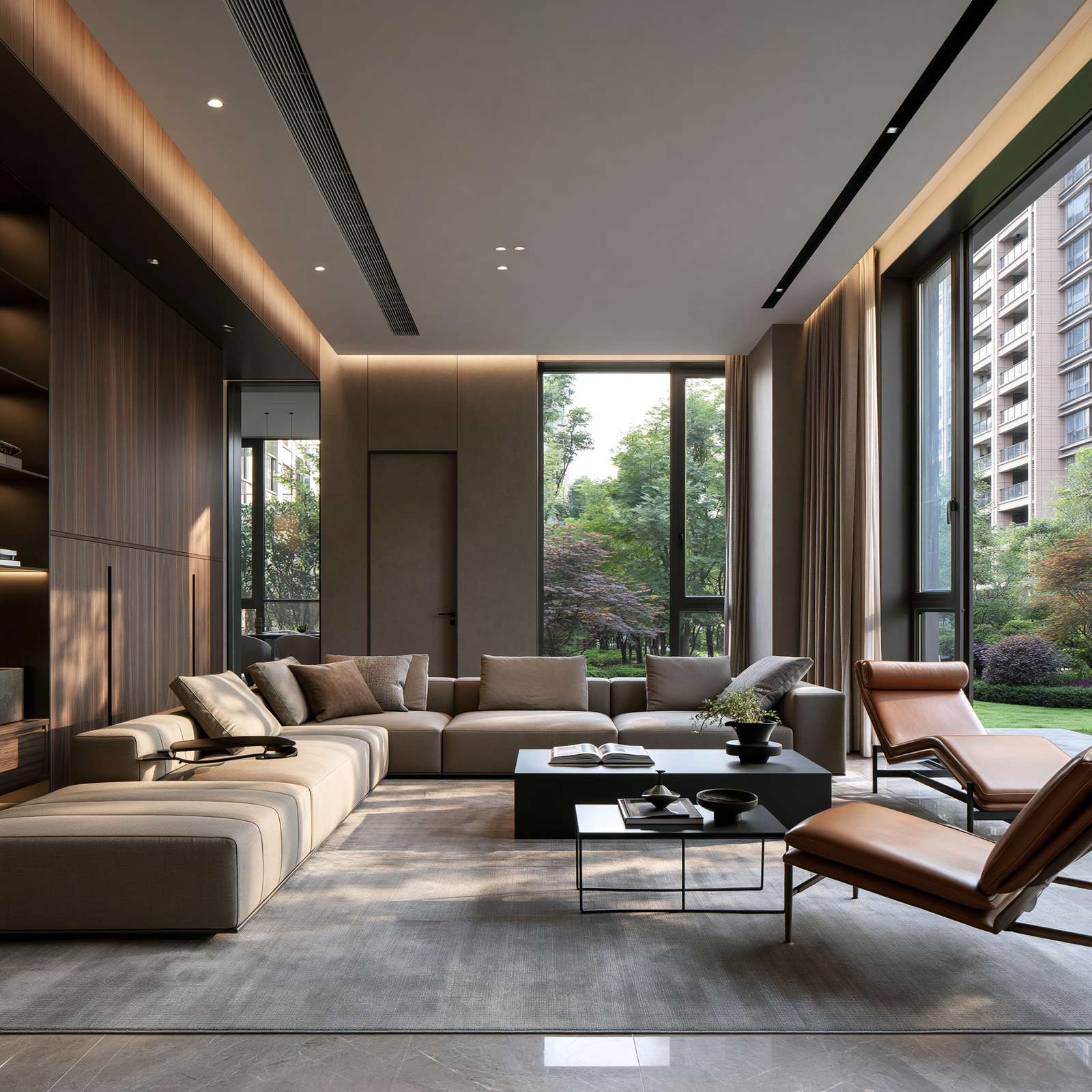
But larger spaces can also handle material drenching, provided it’s done with control. Consider a living room wrapped in walnut paneling, including built-ins and ceiling treatments, with matching hardwood floors. Or a modern kitchen where walls, island, cabinetry, and even the vent hood are clad in the same stone. The key is to allow the natural variation of the material—grain, texture, or sheen—to do the visual work. Avoid additional contrast; instead, play with tonal shifts and subtle patterning.

Material drenching works best when the chosen surface offers depth and movement. That’s why natural materials like wood, stone, and plaster are favorites—they contain inherent imperfections and tonal variations that prevent the space from feeling flat. Engineered materials can be used too, but they need to be strategically layered (e.g., pairing matte and glossy finishes) to simulate that same organic complexity.

Lighting is another critical element. It reveals the richness of the material and creates necessary highlights and shadows. Wall washing, cove lighting, or up-lighting are effective techniques in drenched spaces. Without proper lighting, even the most luxurious material can fall flat.

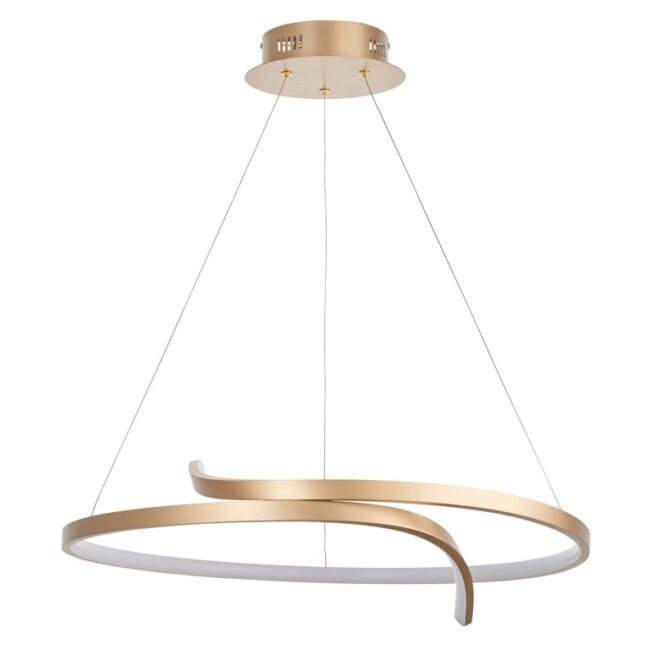
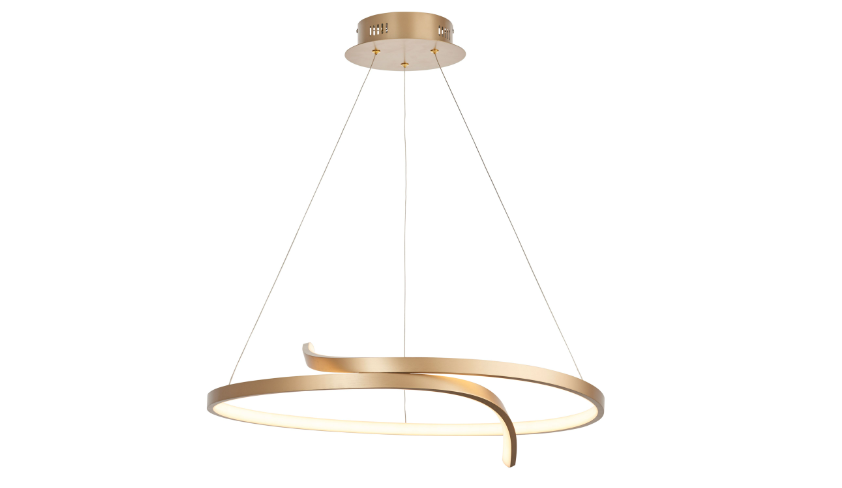
In a material-drenched room, lighting should reveal the surface rather than merely brighten it. Directional wall lamps can skim across limewash, timber or textured plaster, while diffused pendant lighting can soften glare from polished stone, glazed tiles and lacquered finishes. Add table lamps at a lower level to prevent the room from relying on one flat overhead source. Lighting must also remain safe and properly maintained: Electrical Safety First’s living-room guidance recommends checking cables, plugs and fittings for damage and treating persistent flickering as a possible electrical problem rather than a purely decorative issue.

To avoid monotony, introduce texture within the material family. A velvet room, for example, might include quilted panels, pleated curtains, and a crushed velvet sofa. A concrete-drenched space can benefit from hand-troweled walls, smooth terrazzo flooring, and brushed hardware—all within the same tonal family. The goal is unity with depth, not repetition with boredom.

Ultimately, the success of material drenching comes down to intention. It’s about going all-in—not halfway. Drenching one wall doesn’t count. It needs to feel immersive and total, even if it’s done subtly. A room that’s completely clad in one material tells a story of commitment and sophistication. In 2025, that’s not just a trend—it’s a design philosophy.

Trending Materials for 2025: What Designers Are Drenching In

Trending Materials

As material drenching gains traction in interior design circles, some materials are emerging as clear favorites for 2025. These surfaces strike the perfect balance between drama and subtlety, texture and tone, heritage and trend. Designers are leaning into materials that evoke strong emotional responses and elevate both residential and commercial spaces when used across every plane.

1. Zellige Tile: These handcrafted Moroccan tiles are having a huge moment. Their irregular texture and organic glaze make them ideal for full-wall or full-room applications. Designers are now using zellige not just as backsplashes, but for entire bathroom walls, wet rooms, kitchen islands, and even fireplace surrounds. The glossiness catches the light beautifully and provides visual depth that prevents sameness. Earthy tones like olive, rust, and seafoam green are especially popular.

2. Limewash Plaster: This matte, chalky finish continues its reign as a top wall treatment. It’s highly breathable, naturally pigmented, and lends a softness that feels both old-world and contemporary. When used throughout a space, it creates a gentle visual diffusion that’s particularly soothing. Perfect for bedrooms, meditation rooms, and transitional spaces, limewash is being layered in tonal gradients to mimic the patina of time.

Lime-based finishes should be selected according to the wall construction rather than appearance alone, particularly in an older property. The substrate’s condition, previous coatings and moisture behaviour can all affect compatibility and performance. Historic England’s guidance on mortars, renders and plasters covers the assessment and treatment of traditional lime-based materials and provides a useful starting point before extensive work begins. Once the finish has been professionally specified, use wall art sparingly so that the tonal movement remains visible. The guidance in Why Paint Colours Look Different at Home can also help when comparing limewash samples under changing light.

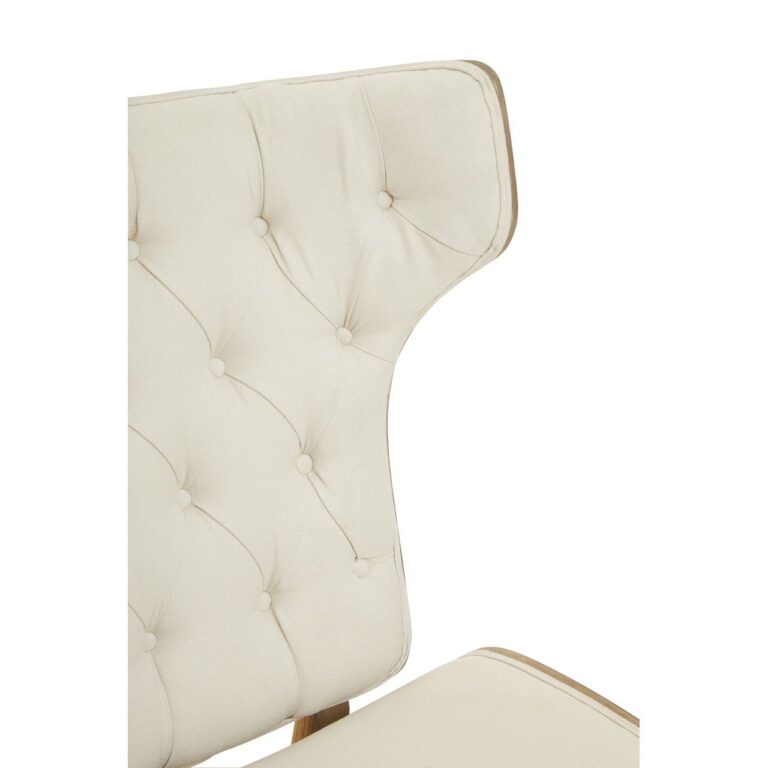
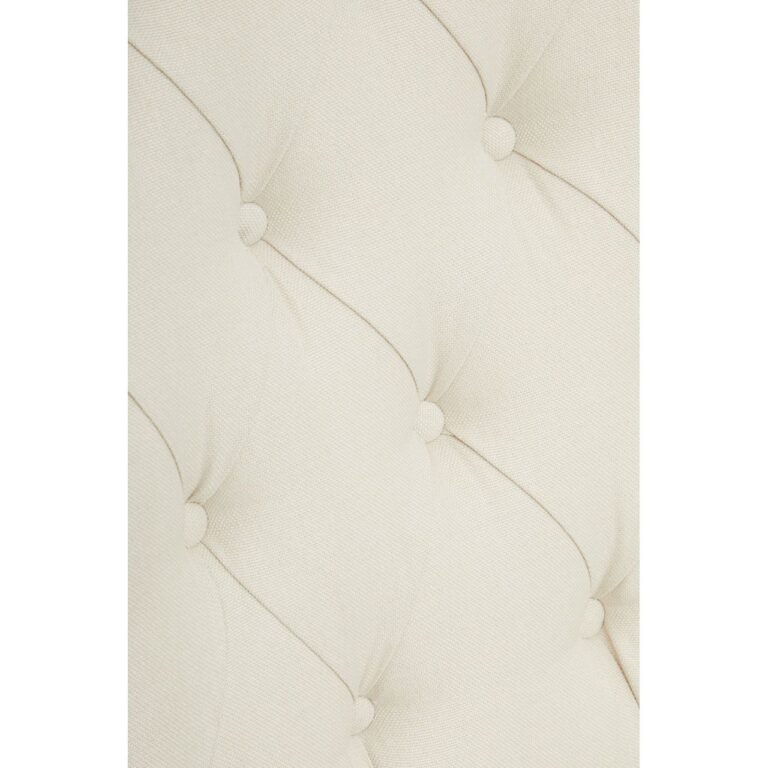
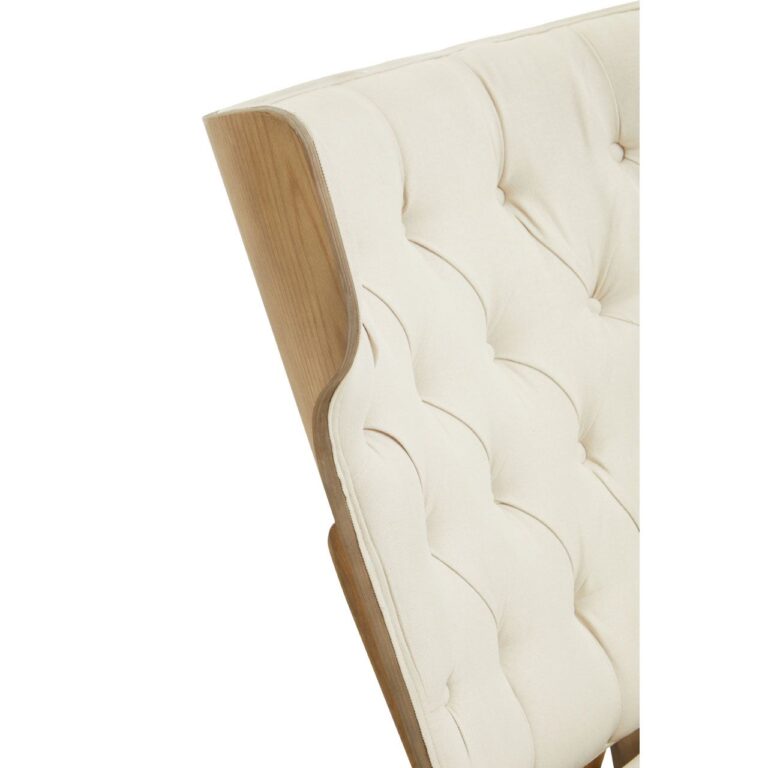
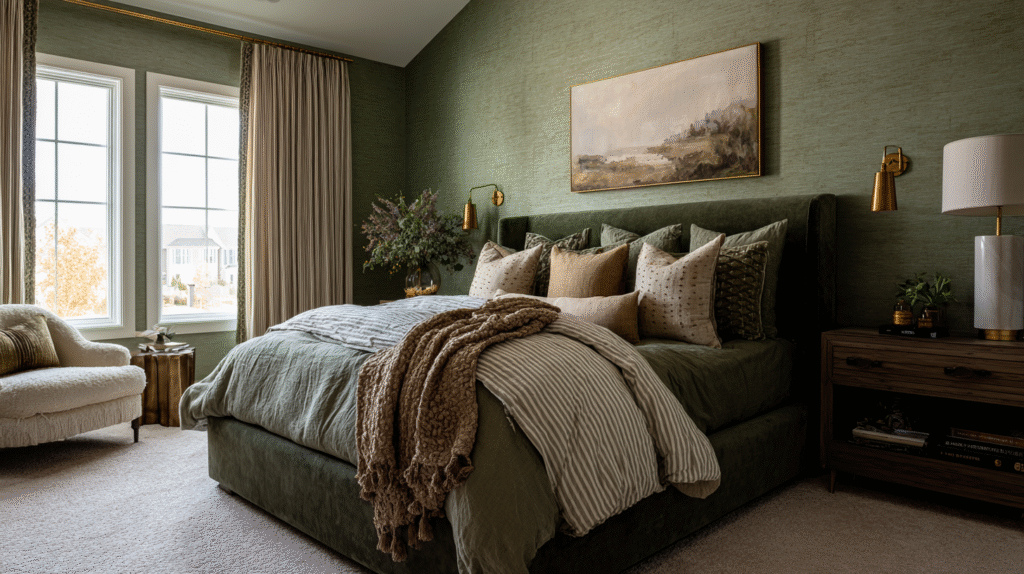
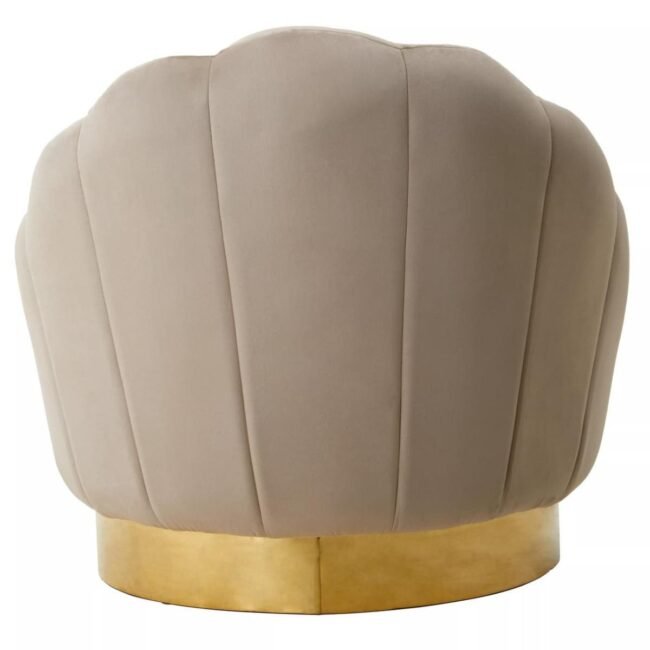
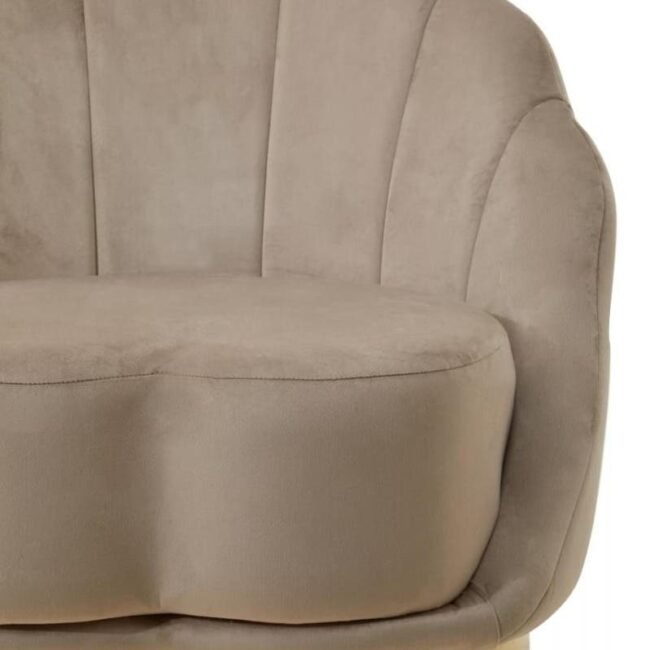
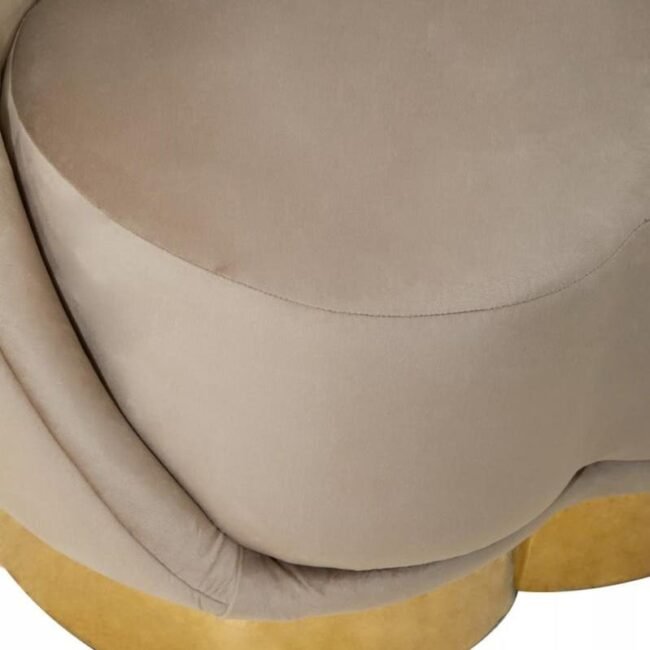
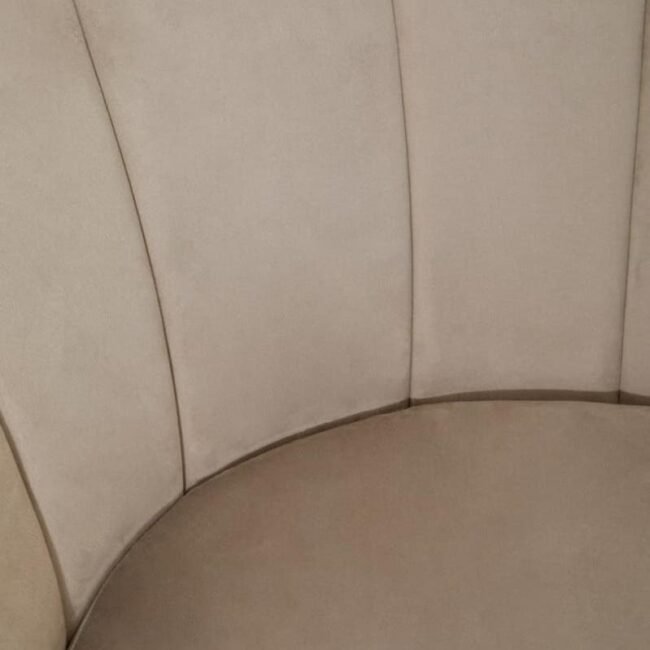
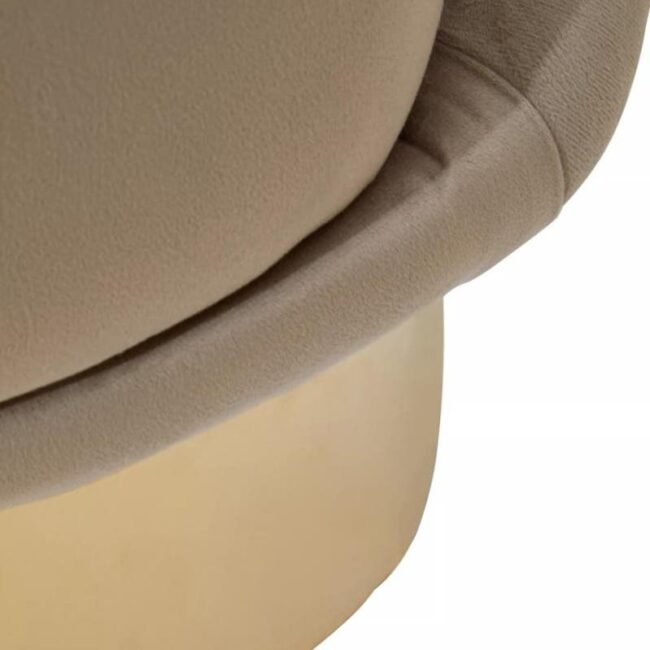
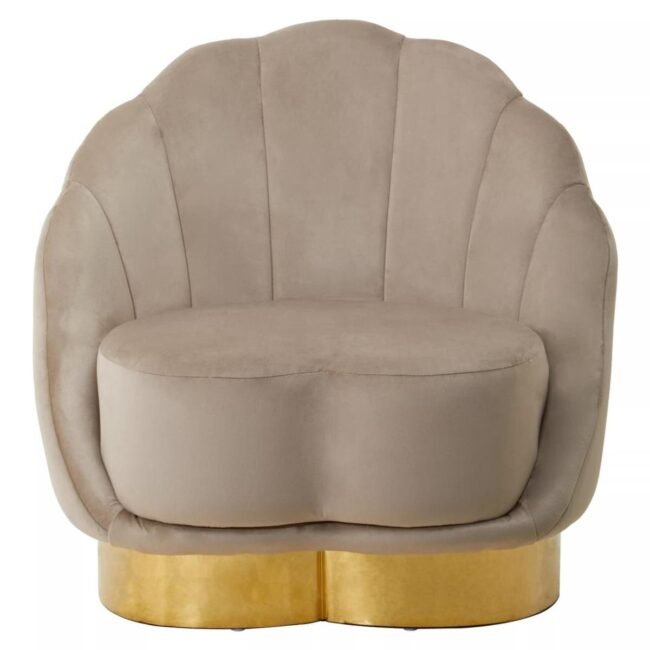
3. Velvet: Velvet is back, but this time with architectural intent. It’s no longer limited to sofas and throw pillows—designers are drenching entire rooms in velvet. From pleated drapes to tufted walls and even velvet-covered doors, the effect is lush and moody. Deep jewel tones like sapphire, emerald, and plum dominate, creating sensorial spaces ideal for lounges and dining rooms. Performance velvet is especially key for its durability.

4. Microcement: Once a niche industrial material, microcement has gone mainstream. With a seamless, troweled appearance and warm concrete aesthetic, it’s now used to wrap bathrooms, kitchens, and even furniture like countertops and built-ins. Designers love it for its ability to unify surfaces without grout lines. New hues like greige, charcoal, and clay brown are making it more versatile for residential use.

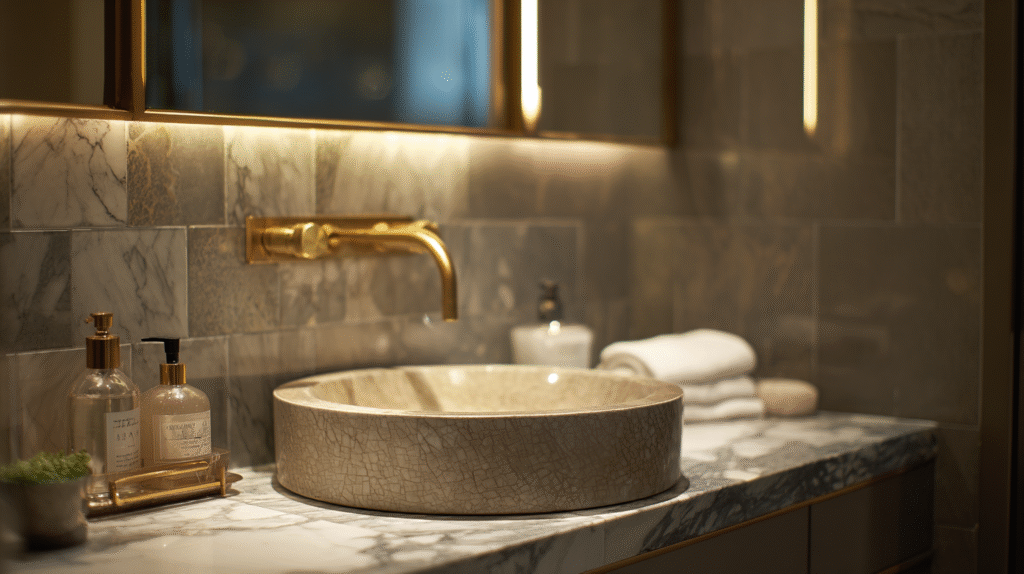
Bathrooms and wet rooms require a technical specification as well as a cohesive palette. Before extending tiles or microcement across several surfaces, confirm the suitability of the substrate, waterproofing system, movement joints, drainage and slip resistance. The Tile Association’s wet-room guidance explains that wet areas require an appropriately water-resistant background and that absorbent substrates must be protected with a suitable waterproofing or tanking system. Employ a competent installer rather than relying on the visible finish alone. Once the technical envelope is resolved, a carefully positioned wall mirror can reflect the repeated material and increase the sense of depth without introducing another competing surface.

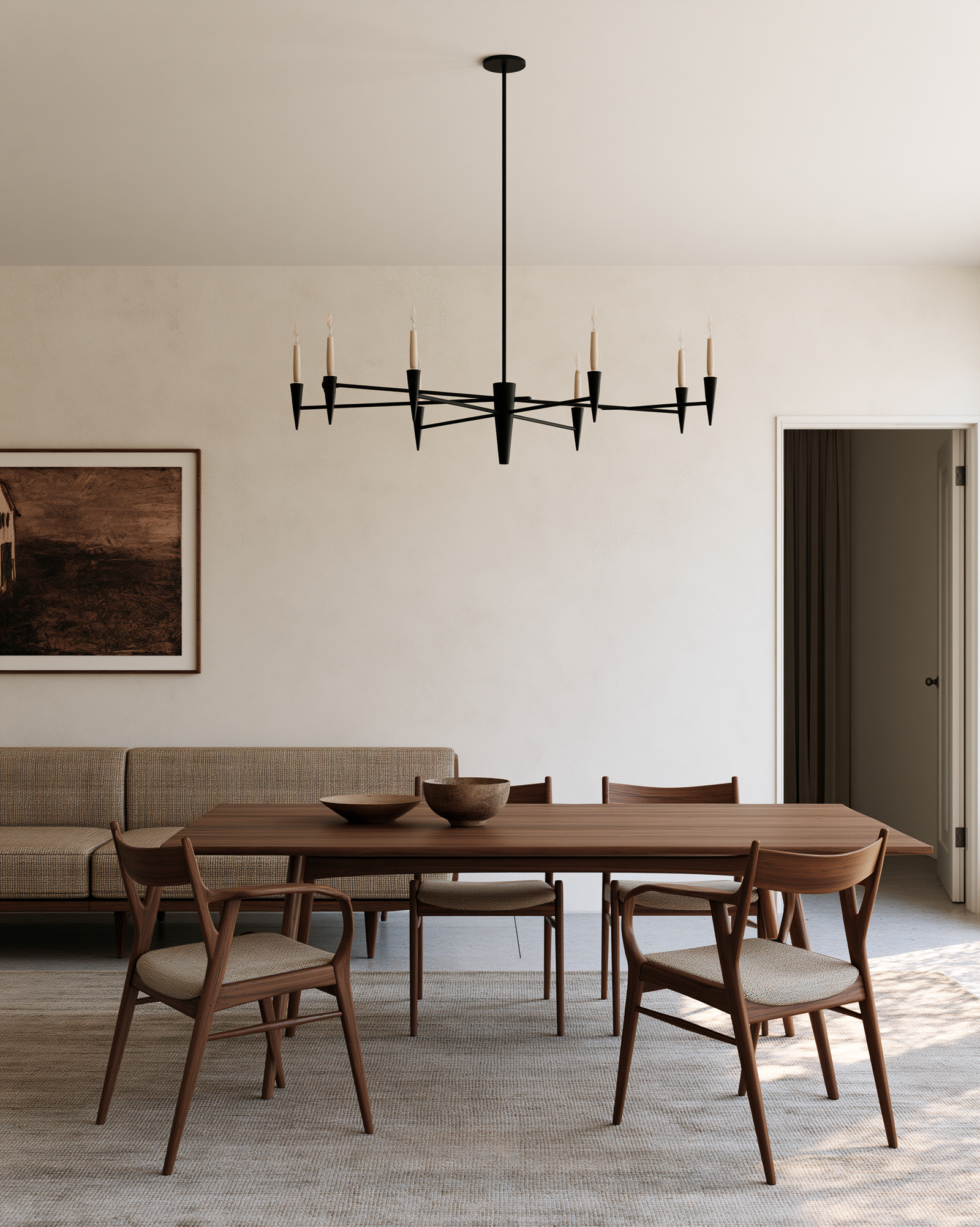
5. Walnut Wood: Rich, warm, and a little retro, walnut is a favorite for material drenching in libraries, dens, and offices. Its chocolate undertones and complex grain add richness without overwhelming. Designers often pair flat-paneled walnut walls with matching floors and custom cabinetry. With the return of warm-toned woods, walnut has emerged as the wood of choice for luxe, masculine, and heritage-inspired interiors.

These trending materials reflect a larger movement toward mood-driven design—where the material not only looks good but evokes a specific feeling. Whether it’s the enveloping warmth of wood or the cool tranquility of microcement, these surfaces bring atmosphere through repetition. And they’re no longer being confined to feature walls. They are the space.

In short, if you’re ready to experiment with material drenching, 2025 offers a palette that is both grounded and expressive. Choose your hero material wisely, and let it speak across every surface. Done right, it will define the room—and the experience.

The Future of Drenching: Where the Trend Is Headed

Future of Drenching

Material drenching has firmly taken hold in contemporary interiors, but like all design strategies, it continues to evolve. As we look toward the future, this technique is becoming less about monochrome minimalism and more about tactile, atmospheric immersion.

One emerging direction is sustainable drenching—where reclaimed wood, recycled tiles, and low-VOC paints take center stage. Designers are prioritizing health-conscious materials that don’t sacrifice drama or style. Expect to see cork-clad reading nooks, hempcrete lounges, and entire rooms finished in upcycled denim or woven palm fibers.

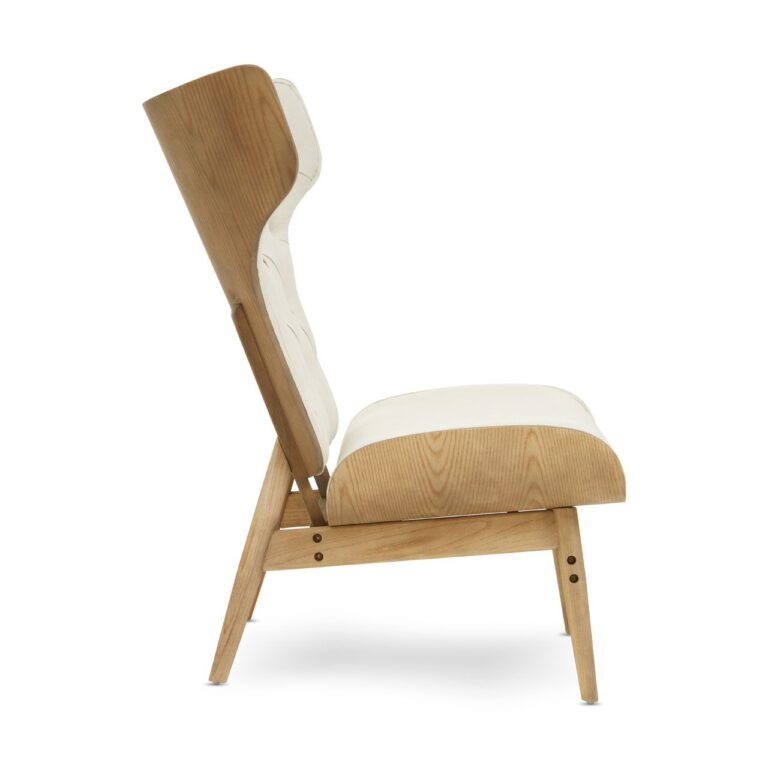
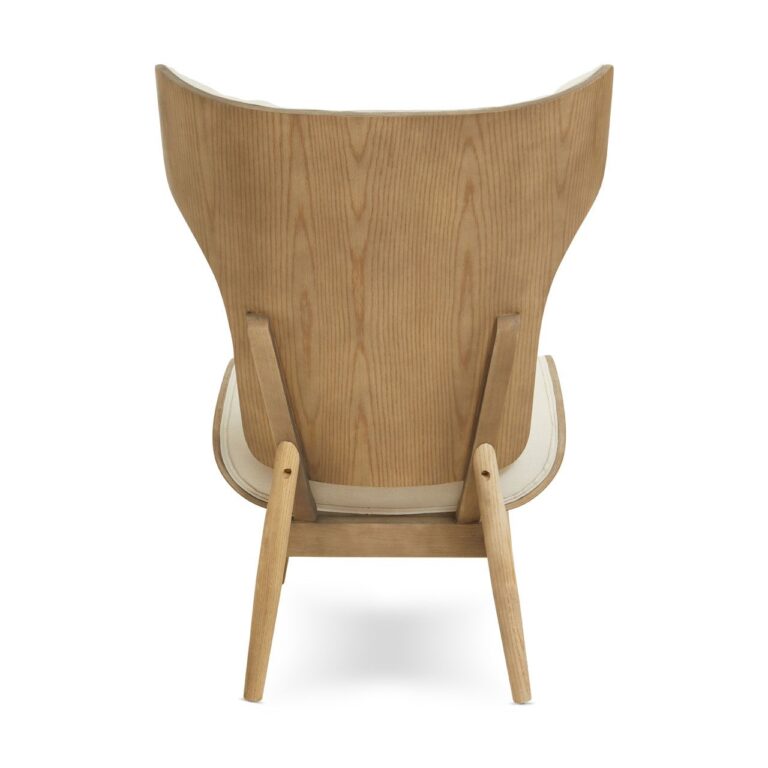
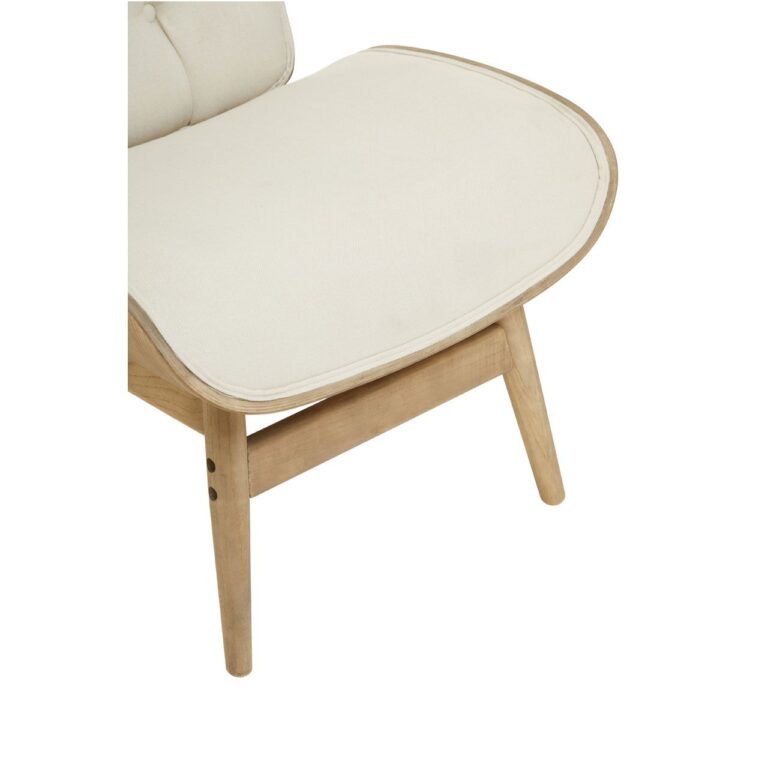
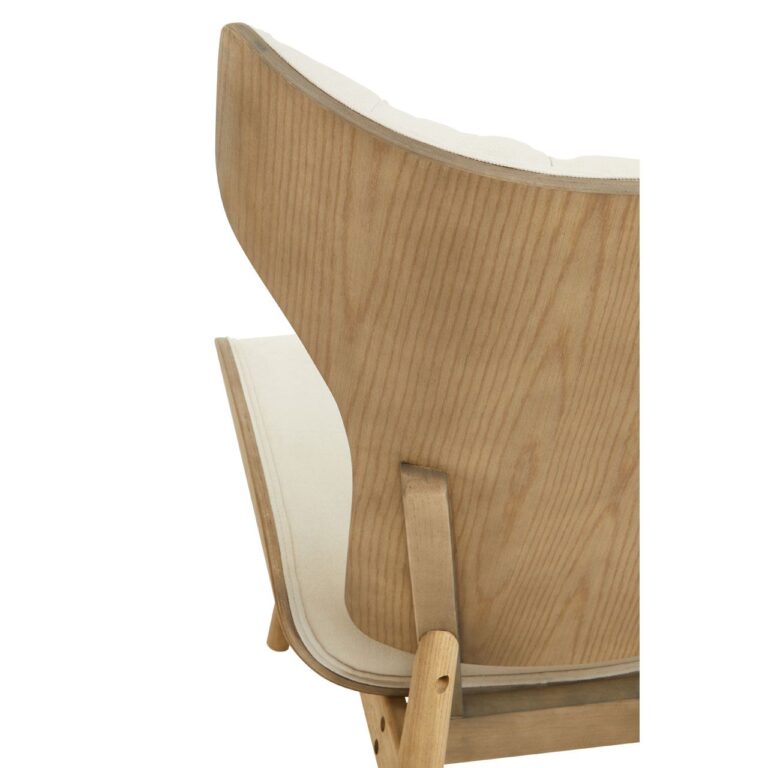
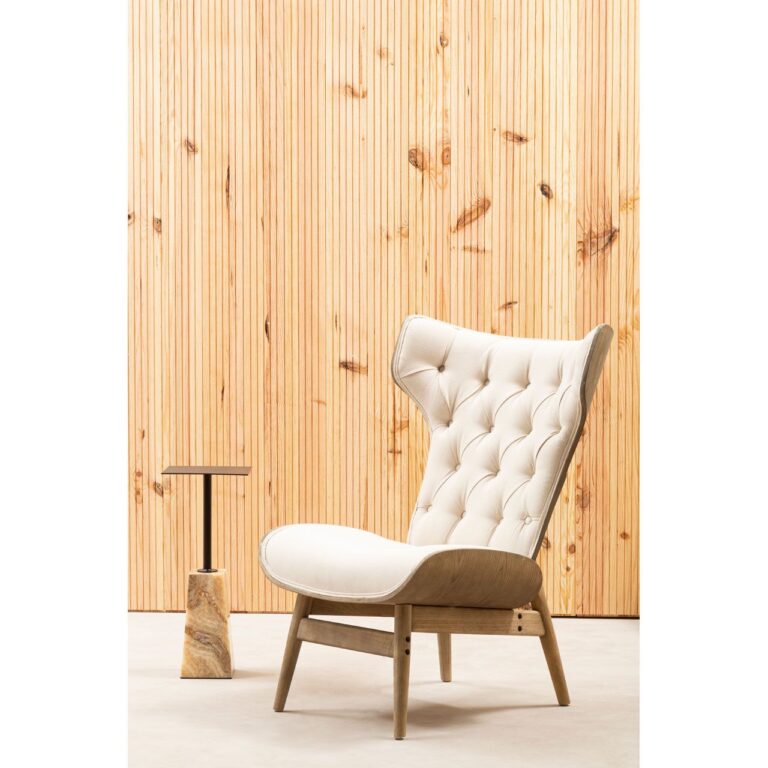
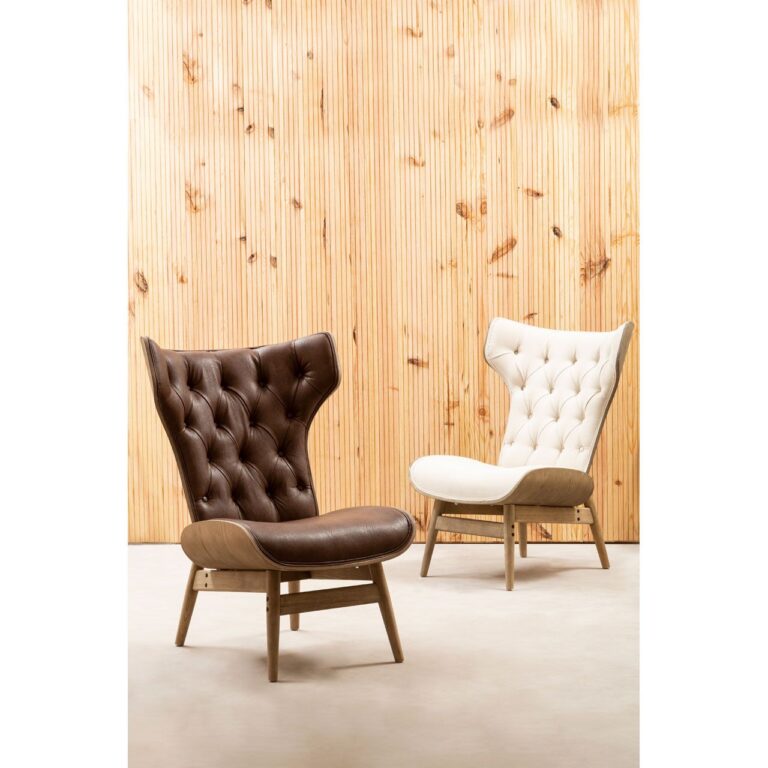
Treat environmental claims with the same care as colour, texture and durability. The Competition and Markets Authority’s Green Claims Code explains that environmental claims should be truthful, clear, substantiated and considered across the product’s full life cycle. For timber furniture, FSC UK’s furniture guidance explains how certification supports more responsible sourcing and traceability. Check the available product information when selecting wooden sideboards, coffee tables and accent chairs. Our guide to styling dark wood furniture provides further ideas for using timber without making the room feel dated.

Another innovation lies in hyper-customization. With advances in digital fabrication, clients can now commission bespoke wall panels, etched stone, or printed ceramics that follow a uniform material story. The effect is one-of-a-kind, yet tied together through repetition and narrative.

Hybrid drenching is also gaining traction—where two materials are used, but in a way that still reads as cohesive. For example, a room might pair velvet upholstery with lacquered walls in the same color family, giving the illusion of singularity with depth. Or linen drapes may seamlessly meet limewashed plaster, all in earthy ochres.

Color-wise, the palette is expanding. While soft neutrals and moody charcoals remain favorites, 2025 will see bold ochres, pomegranate reds, and stormy teals dominate drenched spaces. These tones enhance the sculptural quality of the cladding, transforming rooms into theatrical yet liveable environments.

In essence, the future of material drenching lies in its ability to tell deeper stories—of sustainability, craftsmanship, and atmosphere. As this trend matures, it is less about the shock of uniformity and more about the sensual richness it can bring to a space.

Designing with Intention and Immersion

Material drenching is more than a fleeting interior design trend — it’s a mindset shift. By committing fully to a single material, designers unlock a level of intentionality that results in deeply immersive and harmonious interiors. When used thoughtfully, material drenching doesn’t overpower — it envelops, it soothes, and it elevates. It’s an artful rebellion against overstimulation, offering spaces that are both striking and serene.

Whether you’re working with stone, plaster, wood, or velvet, the key lies in balance. Allow the material to breathe, to interact with light, and to shape the emotional rhythm of a room. Accents should punctuate, not compete. And as with any strong design statement, restraint amplifies power.

Treat environmental claims with the same care as colour, texture and durability. The Competition and Markets Authority’s Green Claims Code explains that environmental claims should be truthful, clear, substantiated and considered across the product’s full life cycle. For timber furniture, FSC UK’s furniture guidance explains how certification supports more responsible sourcing and traceability. Check the available product information when selecting wooden sideboards, coffee tables and accent chairs. Our guide to styling dark wood furniture provides further ideas for using timber without making the room feel dated.
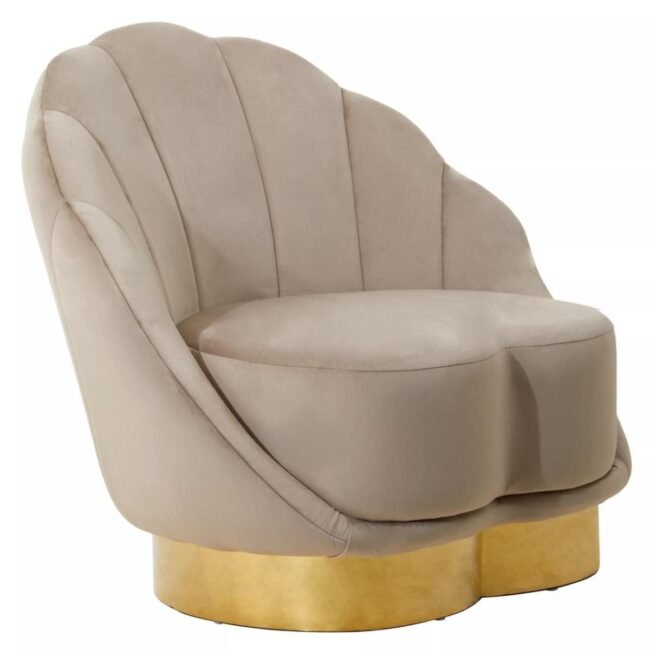
Designers who master this approach don’t just follow trends — they create moments. And those moments, when grounded in the tactile and visual harmony of one well-chosen material, are what give interiors their enduring soul.

Let your material speak — and let your space listen.

What do you think?
Leave a Reply

Blog

Get fresh home inspiration and helpful tips from our interior designers

top
4
    4
    Your Cart
    Apax Tall Vase Remove
    Apax Tall Vase
    Qty: 1
    Price: £62
    £62
    Abstract Design 36 (BDGA36) Artwork Remove
    £352
    Ascot Sideboard Remove
    Ascot Sideboard
    Qty: 1
    Price: £2,188
    £2,188
    Columns Center Table Remove
    Columns Center Table
    Qty: 1
    Price: £2,304
    £2,304

    Inactive

    Privacy Overview

    This website uses cookies so that we can provide you with the best user experience possible. Cookie information is stored in your browser and performs functions such as recognising you when you return to our website and helping our team to understand which sections of the website you find most interesting and useful.